Historic images of world-famous holiday destinations
Holidays from the past
London, England, UK, 1910
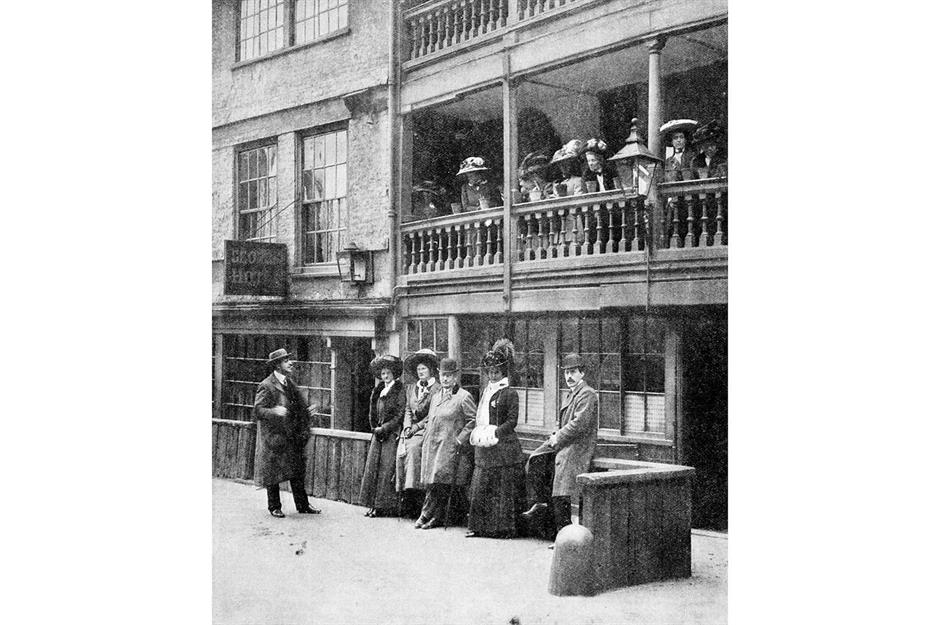
The Industrial Revolution ushered in a lot of changes in various aspects of life, one being the rise of travel for pleasure. Thanks to the introduction of steam trains, ocean liners and steamboats, the world was first opened up to the wealthy. London became a popular European destination for Americans, who could now make the journey from New York in just nine days and combine it with trips to other countries like France and Italy. Pictured here in 1910 is an American travelling party who stayed at the George Hotel in Southwark – a popular bolthole for visiting Americans.
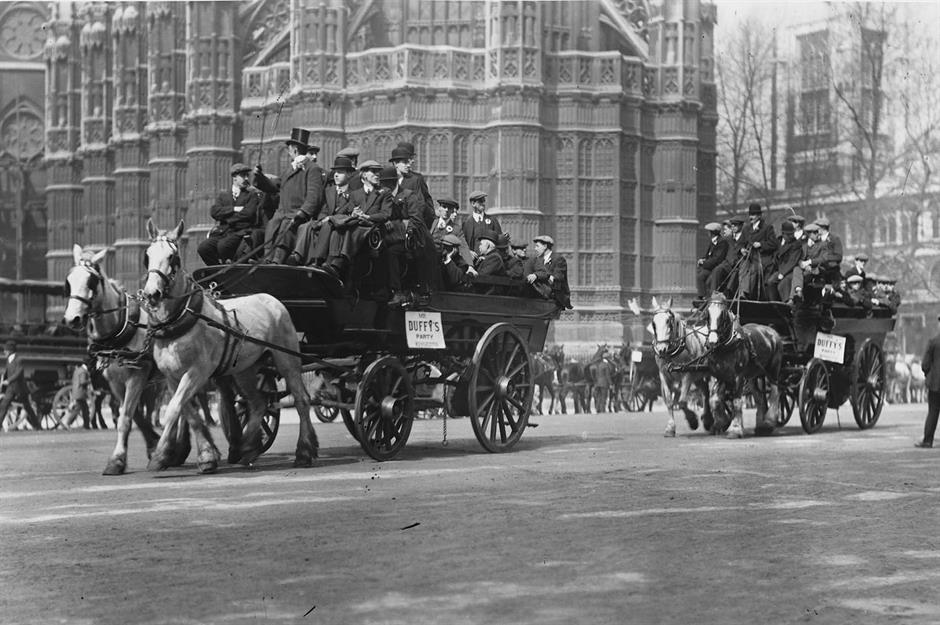
London, England, UK, 1912
Sponsored Content
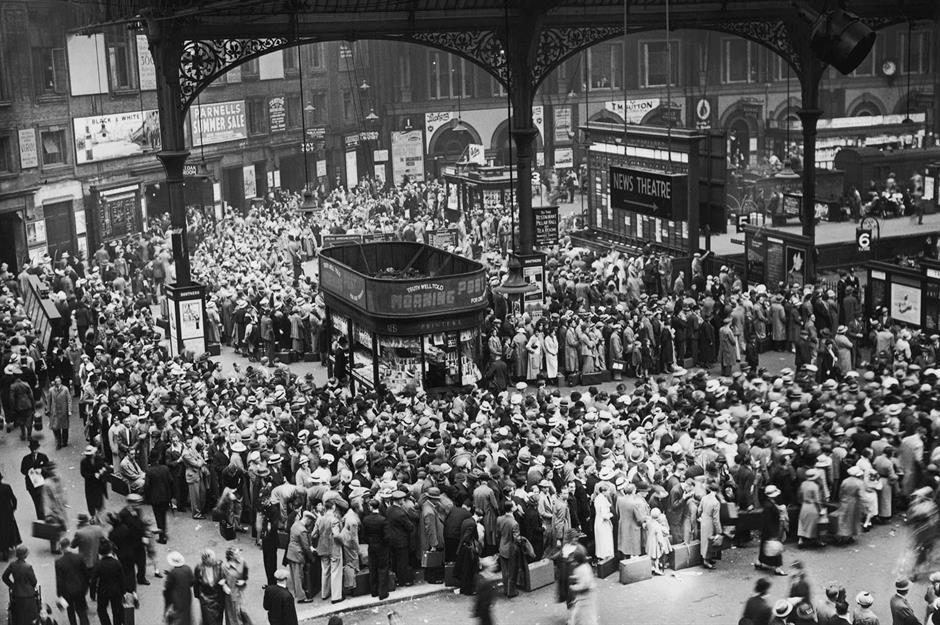
London, England, UK, 1936
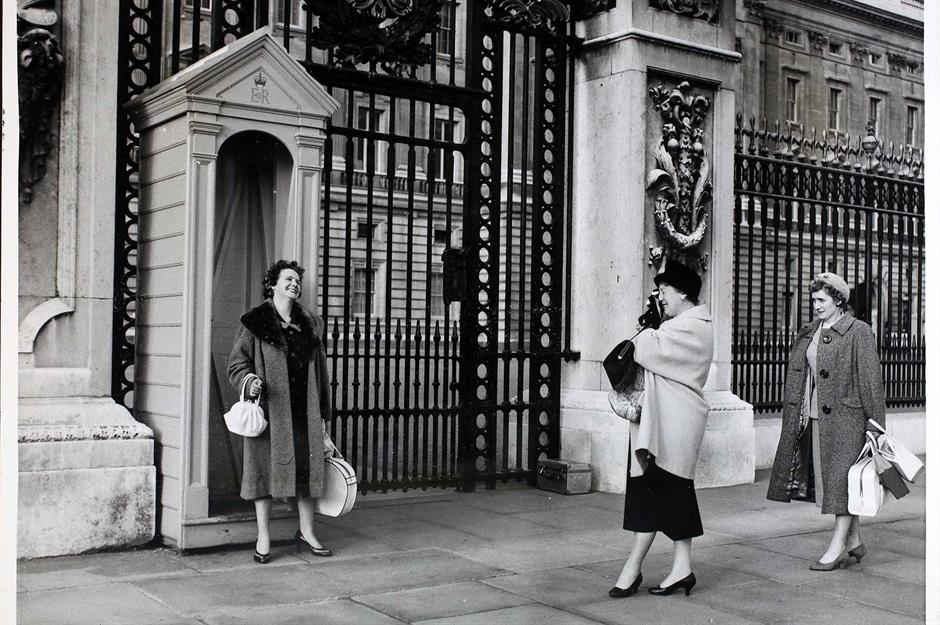
London, England, UK, 1959
London, England, UK, 1978
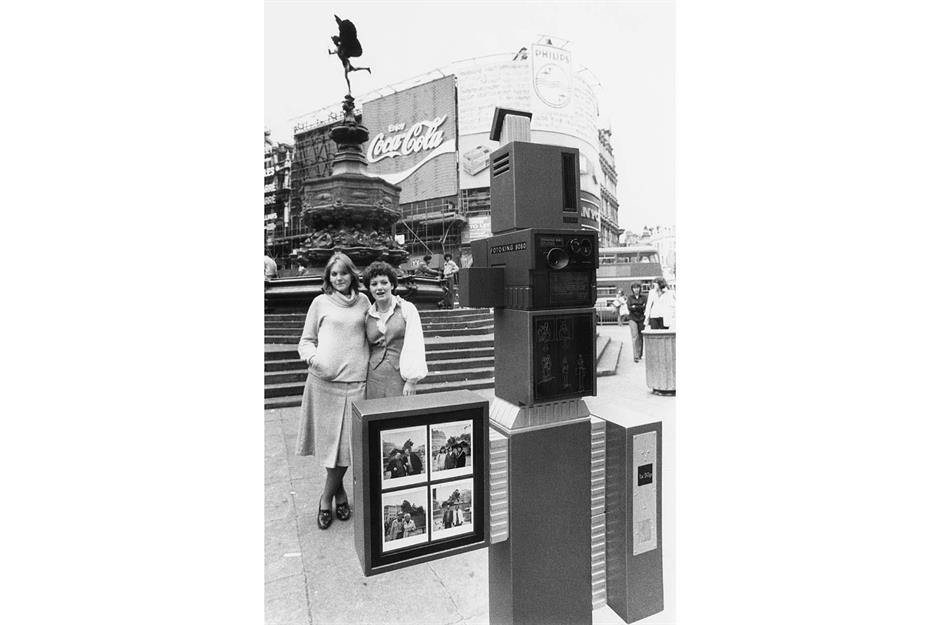
By the 1970s, London was buzzing with tourists as around eight million international visitors crowded into the capital every year. Many were keen to capture their visit to the city, just like these two women using a coin-operated tourist camera, the Fotoking 8080, to photograph themselves in front of the statue of Eros in Piccadilly Circus in 1978.
Sponsored Content
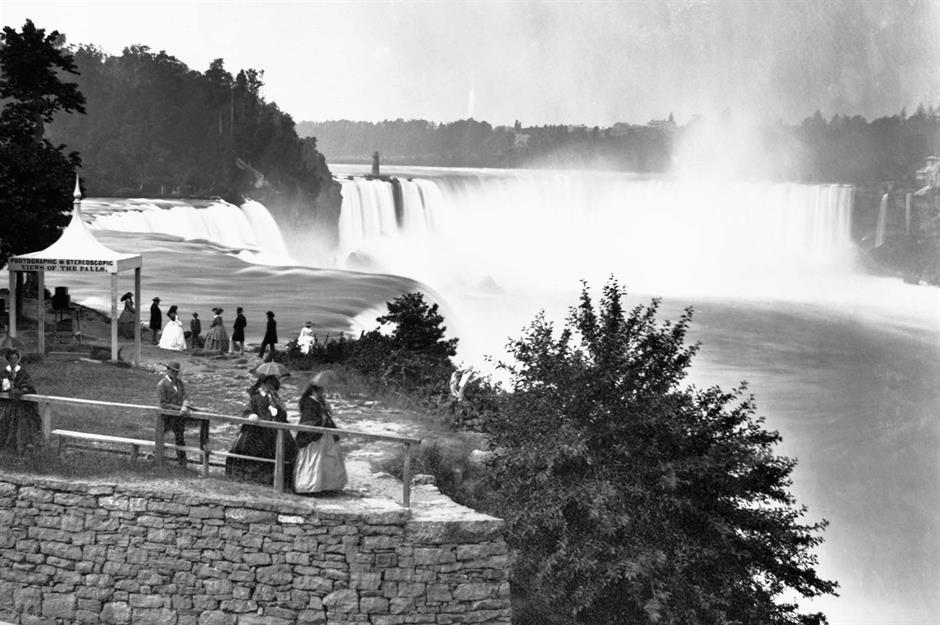
Niagara Falls, New York, USA, 1859
Manhattan, New York, USA, 1910
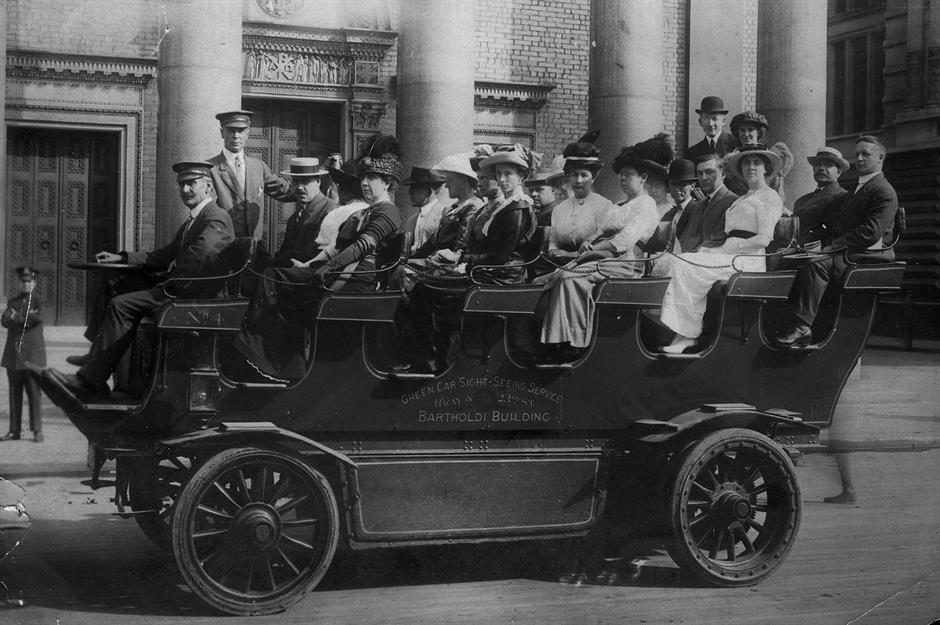
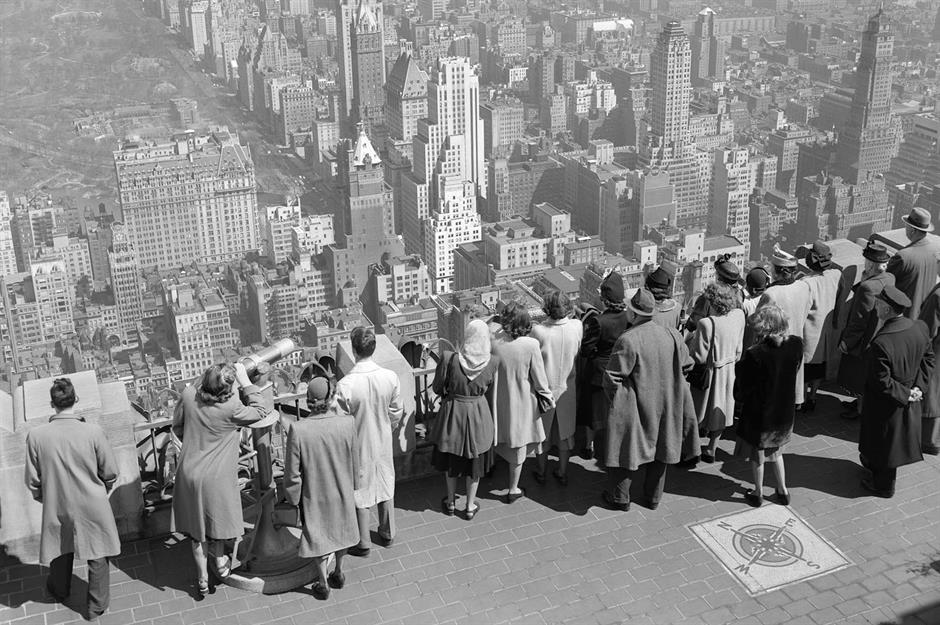
Similarly to London, New York City grew considerably in a short amount of time and getting around Manhattan's attractions, from the marvels of Chinatown to the menagerie in Central Park, was difficult. Various city tours came into operation as early as the start of the 20th century and this incredible image captures a group of tourists sat in an open-top tour car, operated by Green Car Sight-Seeing Service in 1910. The tour departed from the Bartholdi Building, which was a hotel at the time and travelled 13 miles (21km) uptown or downtown for two hours.
Manhattan, New York, USA, 1940s
Sponsored Content
Coney Island, New York, USA, 1940s
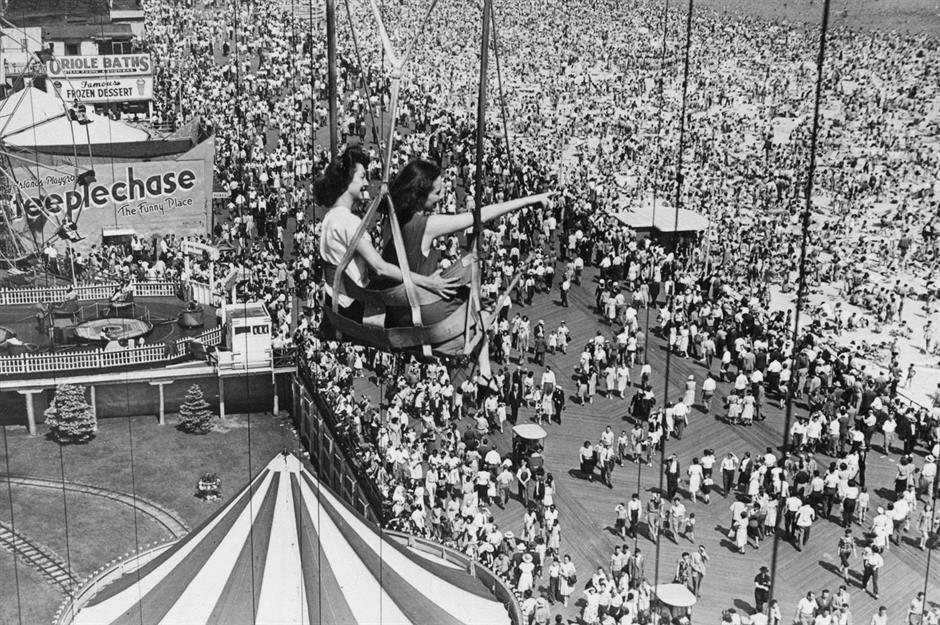
The pleasure playground that is Coney Island attracted vacationers from Europe and across the US. Its development dates back to the 1840s and in the early 1900s it was the country's largest amusement park. This 1940s shot shows vacationers on Coney Island’s now defunct parachute ride, as well as hordes of tourists on the sandy beach. A series of fires throughout this decade would put Coney Island’s future at risk, though the seaside resort remains beloved today.
Luxor, Egypt, 1870
Giza, Egypt, c.1899
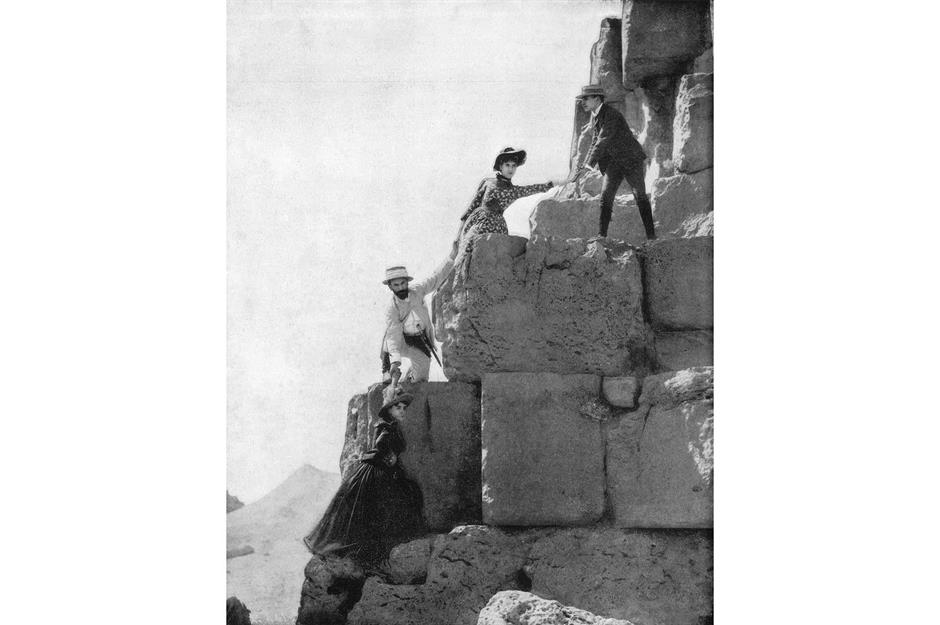
At the time there were no rules protecting the ancient monuments so it wasn't unusual to see street vendors selling off mummies and various trinkets from the tombs. Sometimes visitors would even climb the pyramids, bringing a picnic with them and spending hours sunbathing or taking tea. Here a group of Victorian vacationers (circa 1899) are making their way up the Great Pyramid in Giza.
Love this? Follow our Facebook page for more travel inspiration
Sponsored Content
Tossa de Mar, Costa Brava, Spain, 1965
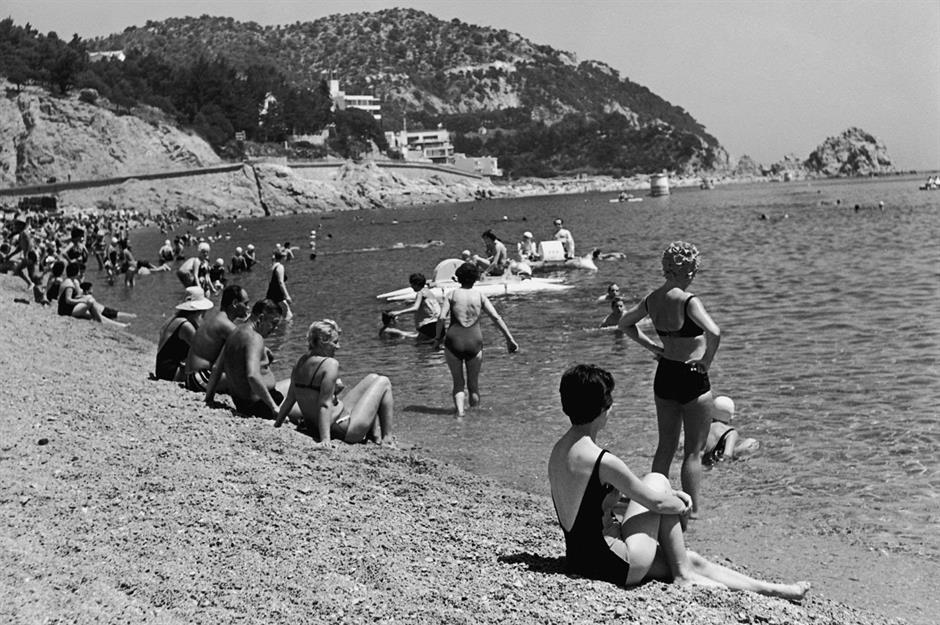
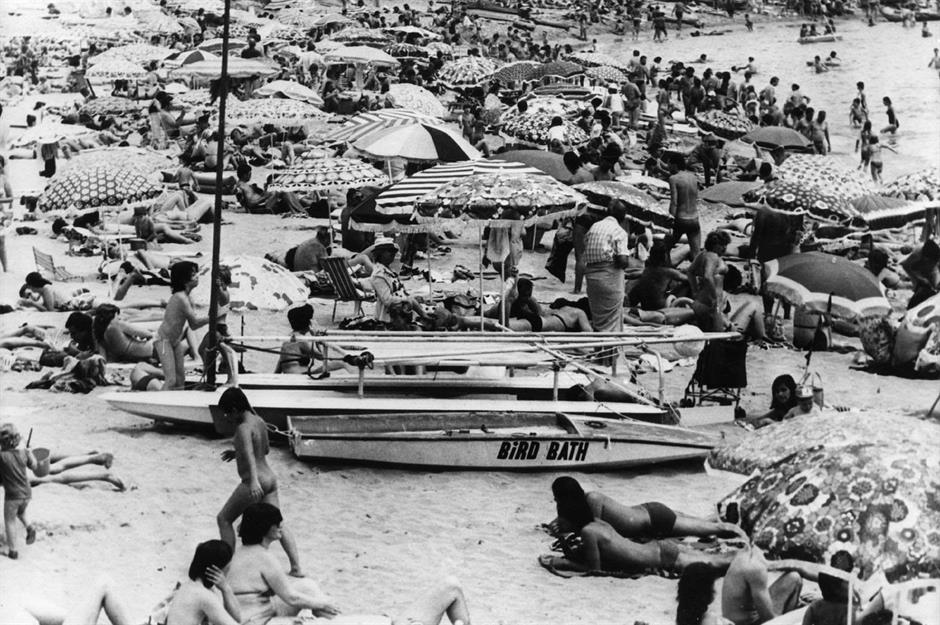
Palamós, Costa Brava, Spain, 1981
Palma de Mallorca, Mallorca, Spain, 1959
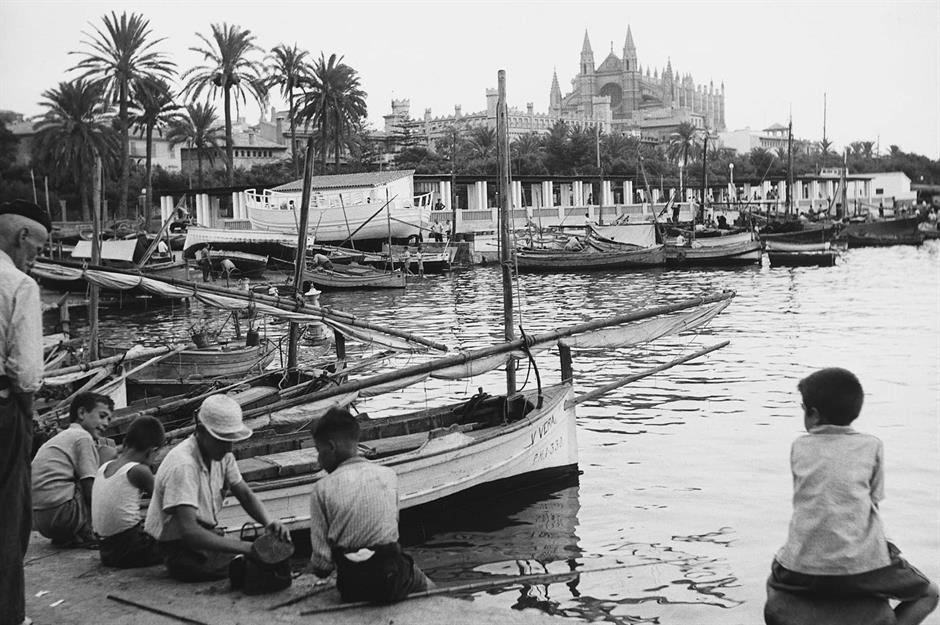
Another popular Spanish destination, the Balearic island of Mallorca, saw the potential of travel early on and in 1959 the Spanish government simplified the entry requirements to encourage visitors. Traditionally, the island's main industry had always been fishing, but the advent of mass tourism brought new opportunities. In the following decades, tourism boomed and the city grew quite significantly, changing its traditions and even having an effect on its language. Here, fishermen and kids are pictured at the harbour of Palma with the cathedral in the distance and no cruise ships in sight.
Sponsored Content
Barcelona, Spain, 1954
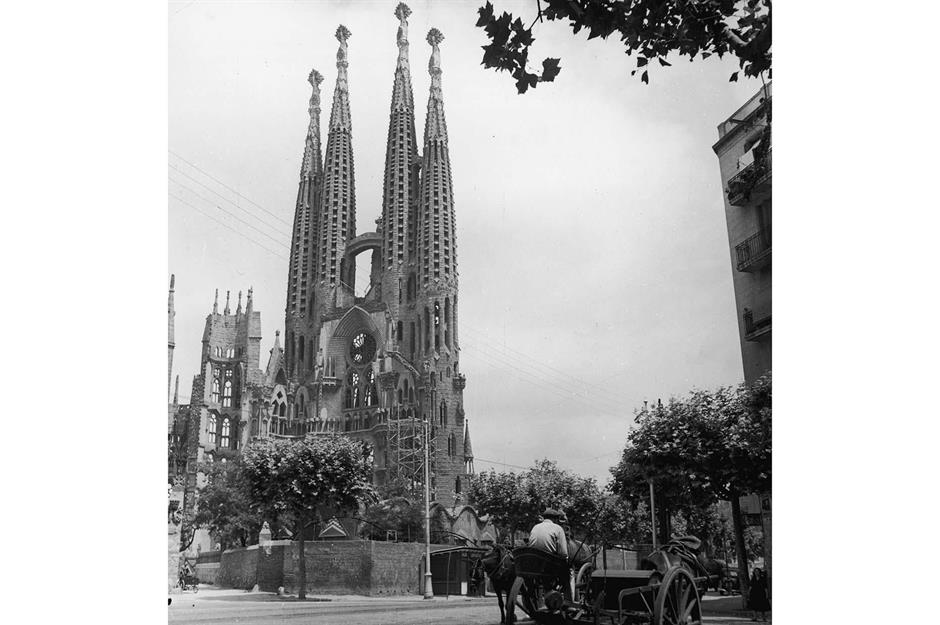
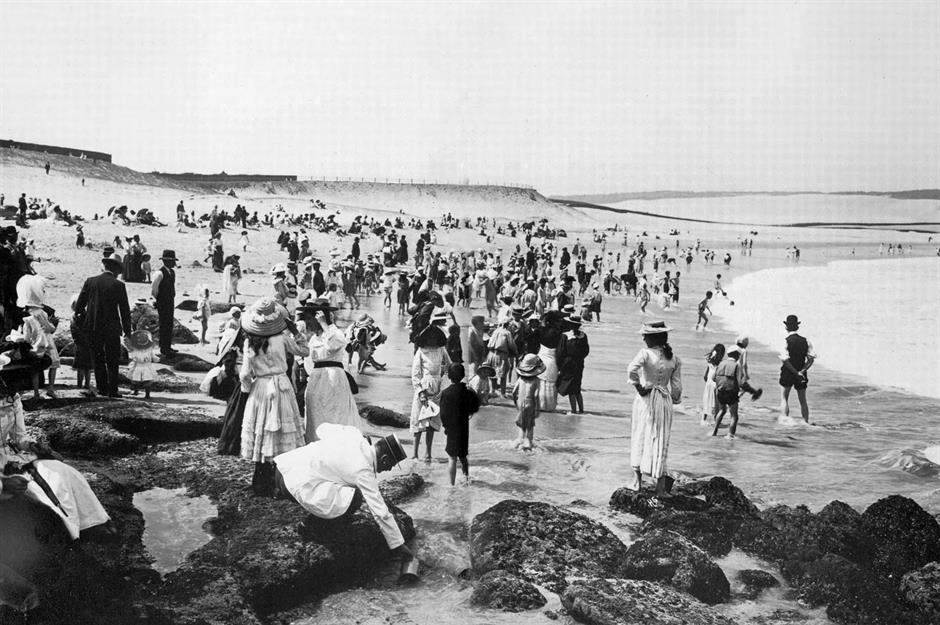
Bondi Beach, Sydney, Australia, c.1900
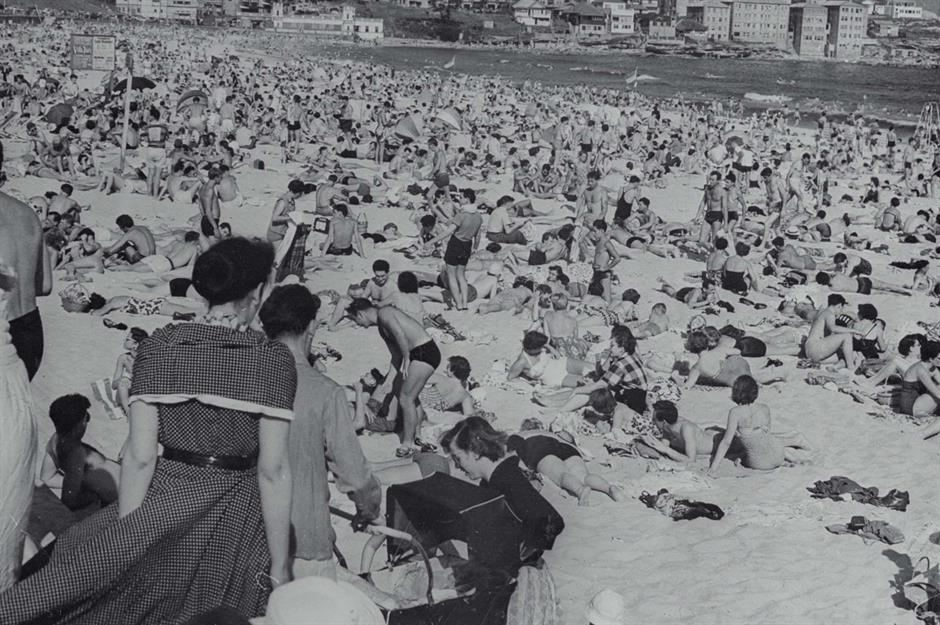
Bondi Beach, Sydney, Australia, 1950s
Sponsored Content
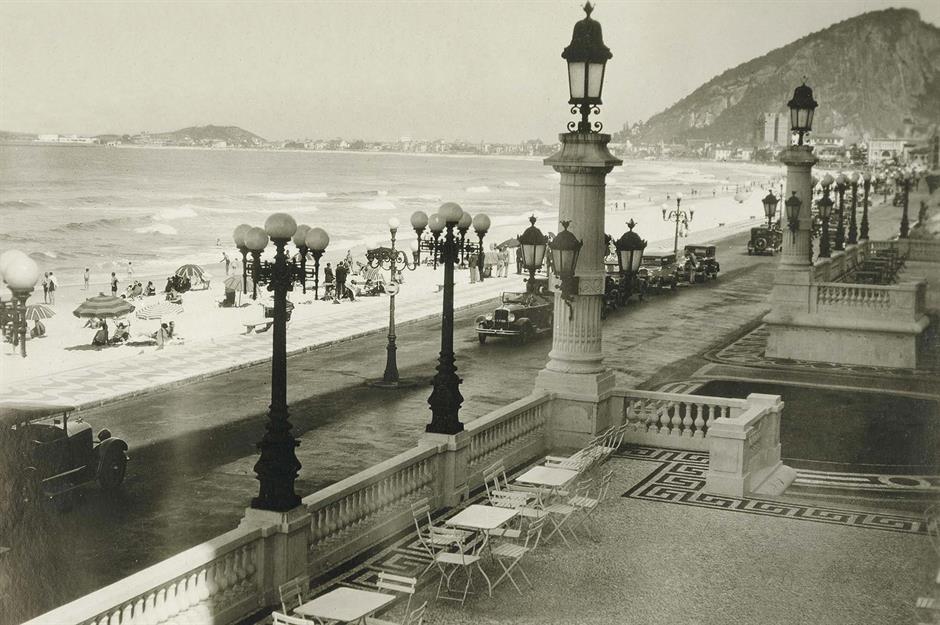
Copacabana, Rio de Janeiro, Brazil, c.1930
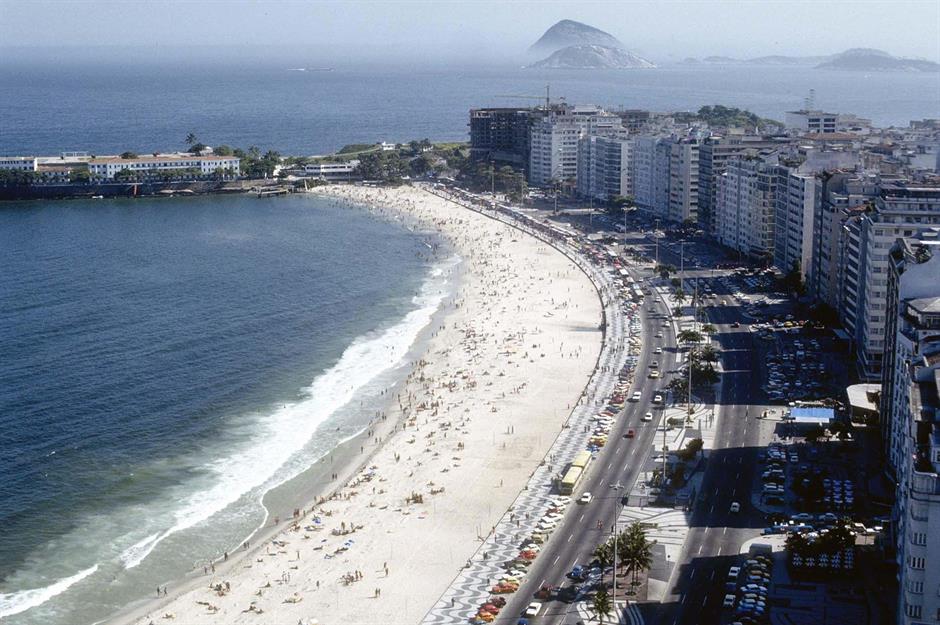
Copacabana, Rio de Janeiro, Brazil, 1970s
Las Vegas, Nevada, USA, 1949
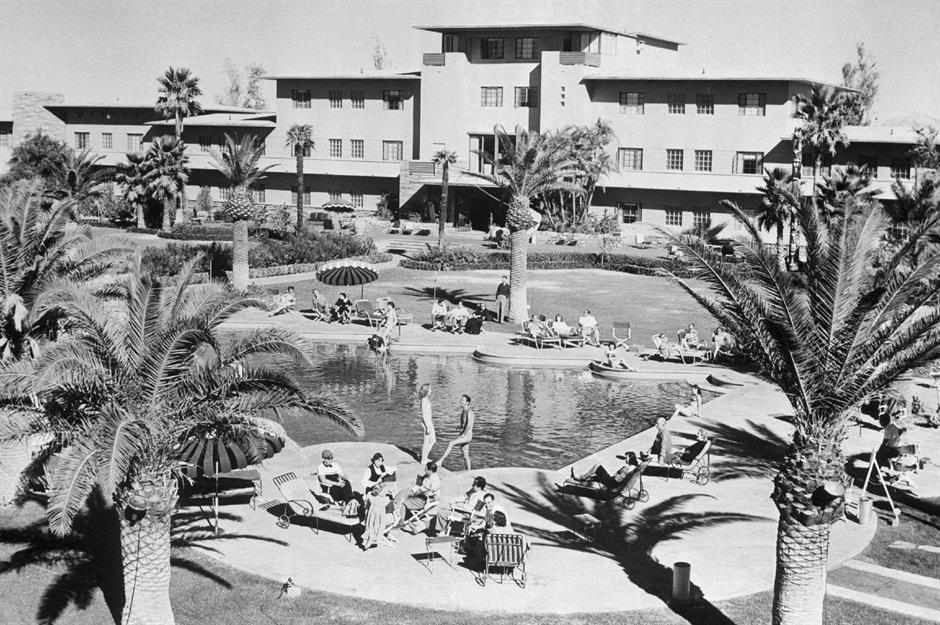
A city that grew out of the desert thanks to the Union Pacific Railroad Project and gambling, Las Vegas started attracting holidaymakers as early as the 1930s, when the first gambling licence was issued. A hotel boom followed during the 1940s – the legendary Flamingo Las Vegas (still in operation) was one of the ritzy hotels to open during this period. Then tipped as a "playground of the elite", the hotel boasted a palm-dotted patio, a vast pool and plush accommodations. This aerial shot was taken in 1949 and sees glamorous vacationers sun themselves beside the water.
Sponsored Content
Las Vegas, Nevada, USA, 1950s
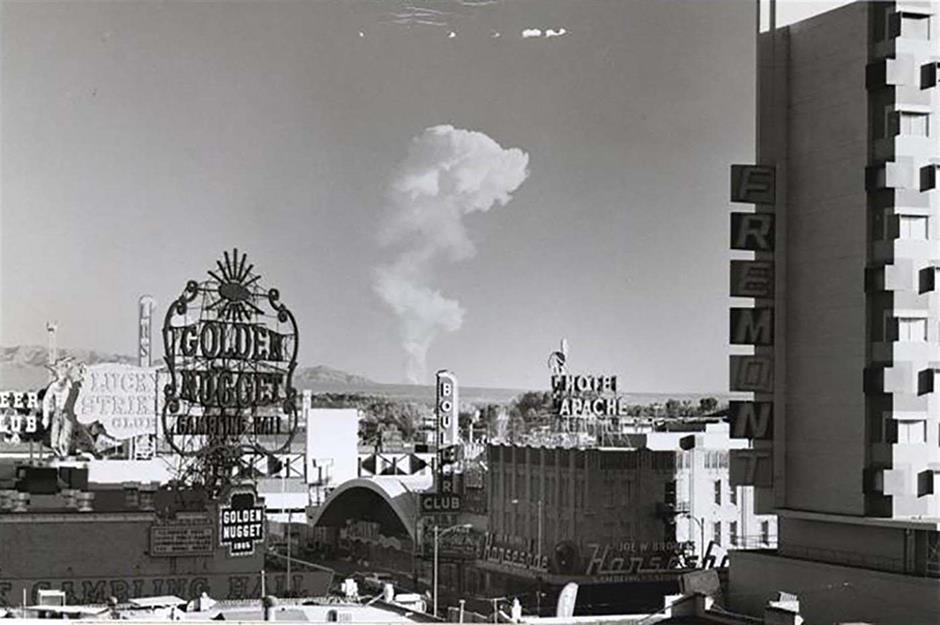
The 1950s solidified Las Vegas' position as the gambling and entertainment capital of the US. The city also attracted more visitors thanks to the so-called atomic tourism. Established in 1950 within the limits of Nellis Air Force Base, the Nevada Test Site earned Las Vegas the nickname Atomic City. The primary testing location for nuclear devices between 1951 and 1992, a total of 928 tests were carried out here. During the 1950s, the test mushroom clouds, which could be seen from Downtown hotels (pictured), became a tourist attraction in itself.
Las Vegas, Nevada, USA, 1965
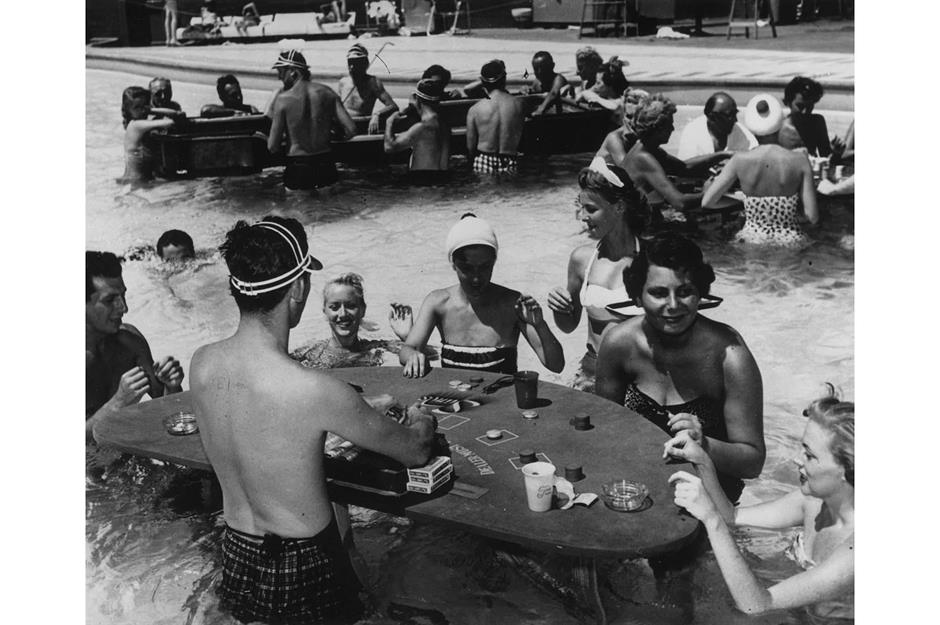
During the following decades, Las Vegas truly enjoyed its golden era. From legendary performers taking to stage every night to new hotels that gave the city its modern face, this was the place to let loose and enjoy life. Pictured is a croupier dealing a hand in a blackjack game at the famous swimming pool casino at the Sands Hotel in 1965.
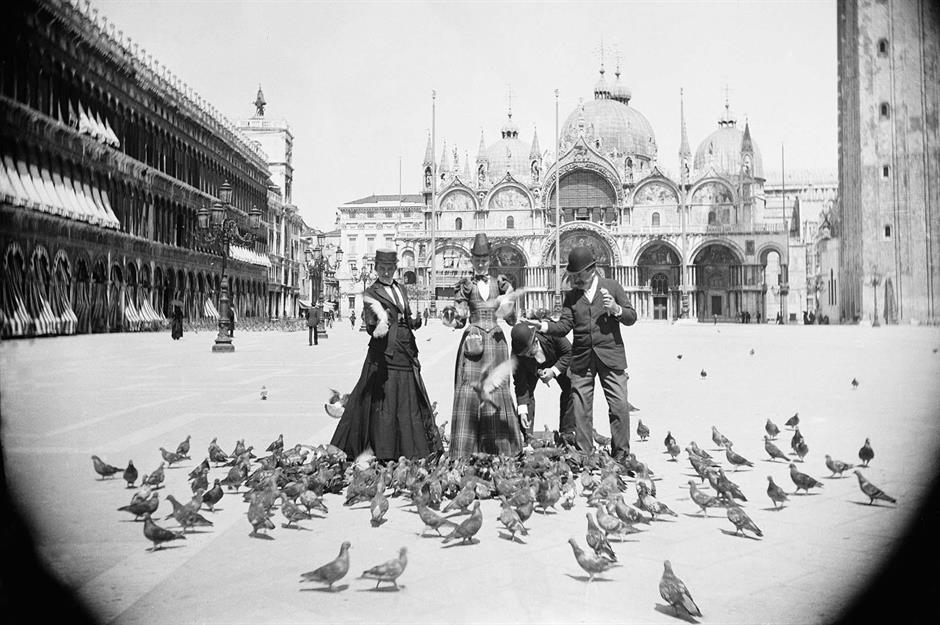
Venice, Italy, 1894
Sponsored Content
Amalfi Coast, Italy, 1955
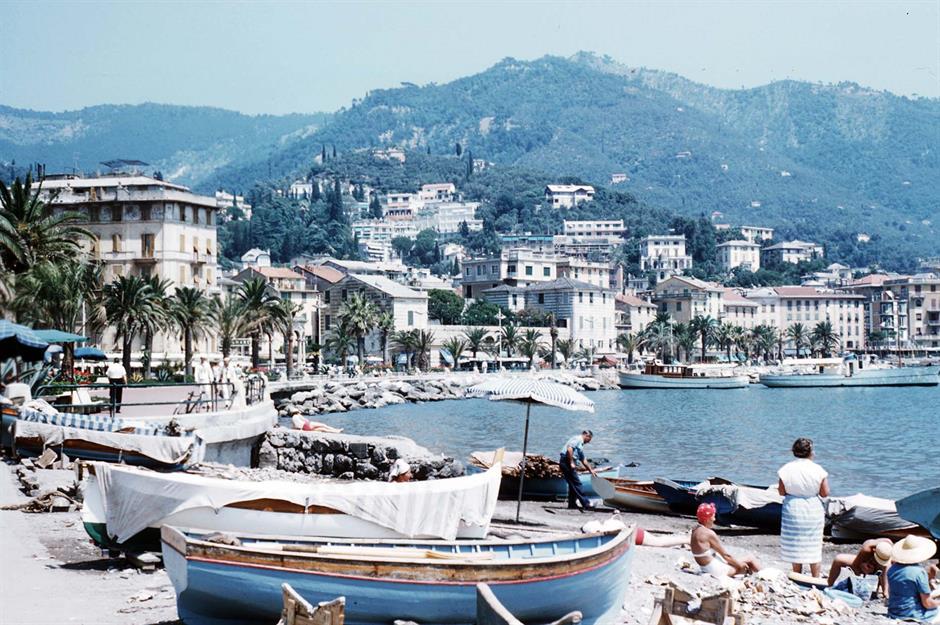
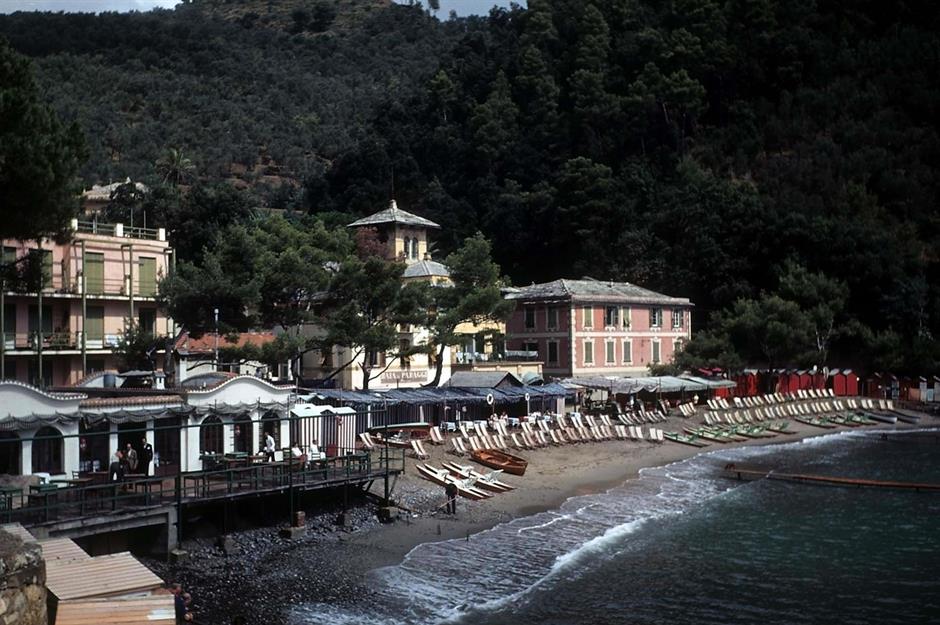
Paraggi Beach, Italian Riviera, Italy, 1948
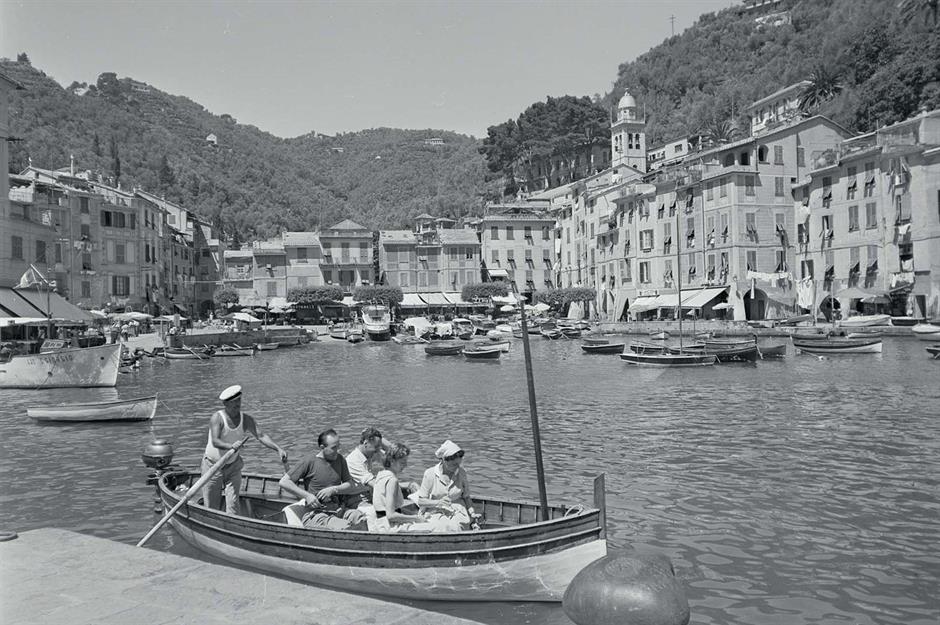
Portofino, Italian Riviera, Italy, 1950s
Sponsored Content
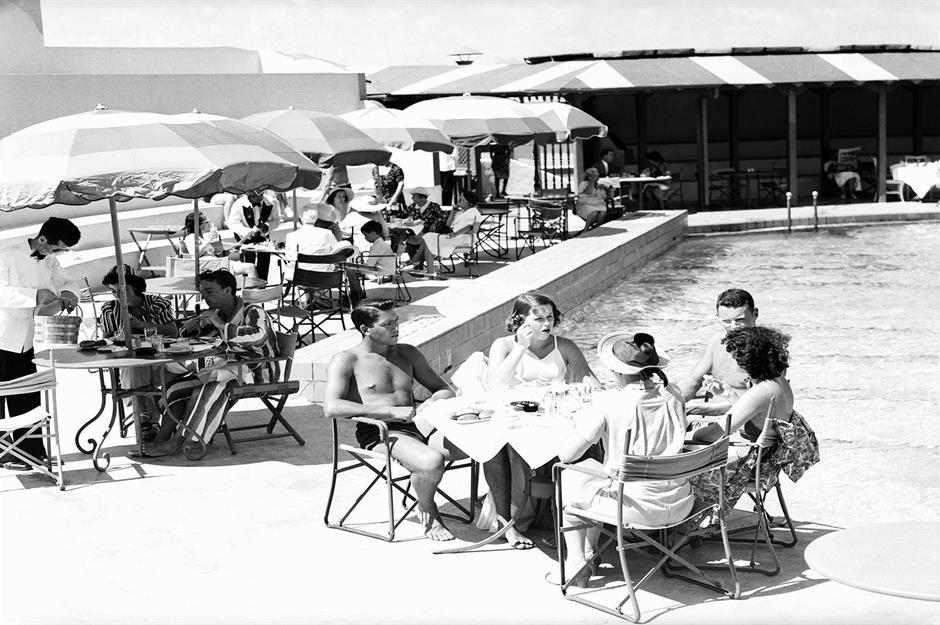
Miami, Florida, USA, 1930s
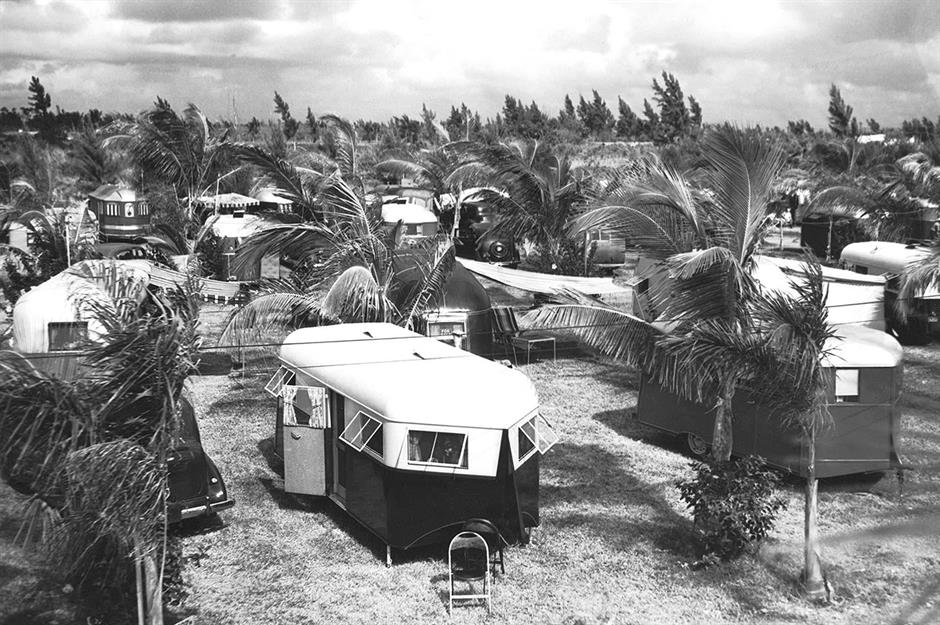
At the start of the 20th century, vacations in Florida grew in popularity as wealthy holidaymakers journeyed there in search of sun, sea and sand. Many luxurious tourist resorts and hotels popped up in Florida in the early 1900s, but the less affluent also found a way to holiday here. Trailers, which were lighter and more affordable than RVs at the time, gained popularity and in 1919 the Tin Can Tourists Club, an auto-camping club, was established. The club remained popular throughout the following decades.
Miami, Florida, USA, 1930s
Cypress Gardens, Florida, USA, 1959
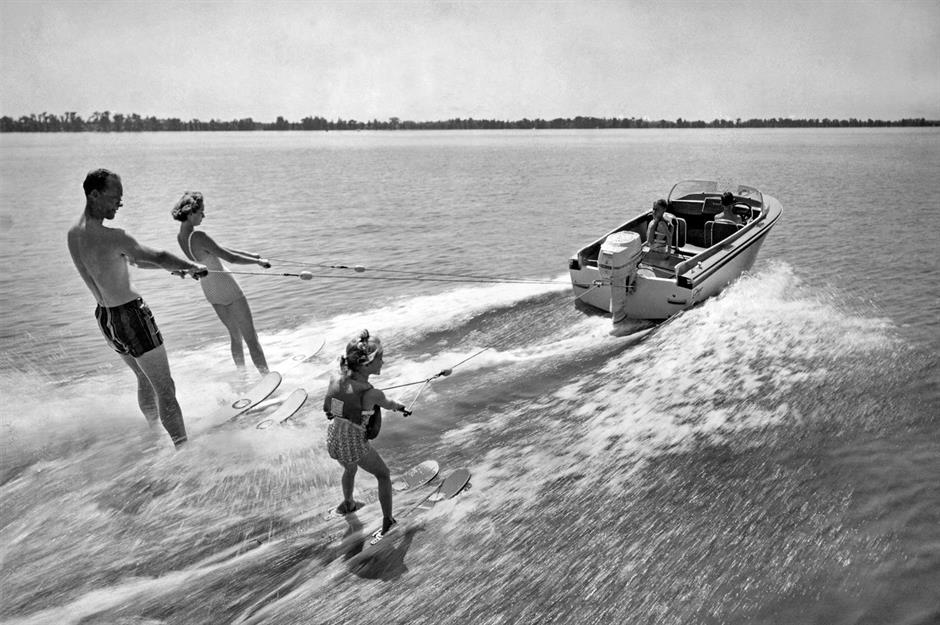
Another draw for tourists to the Sunshine State was Winter Haven's Cypress Gardens. Often tipped as Florida's first major tourist attraction, the site was a theme park and botanical garden that opened in 1936. Cypress Gardens was famed for its water-ski shows, first introduced to entertain visiting Second World War soldiers. The show saw the skiers perform elaborate routines and eventually tourists would come to enjoy the sport for themselves. This water-skiing clan was snapped trying their hand at the sport in 1959.
Sponsored Content
Gulf Coast, Florida, USA, 1950
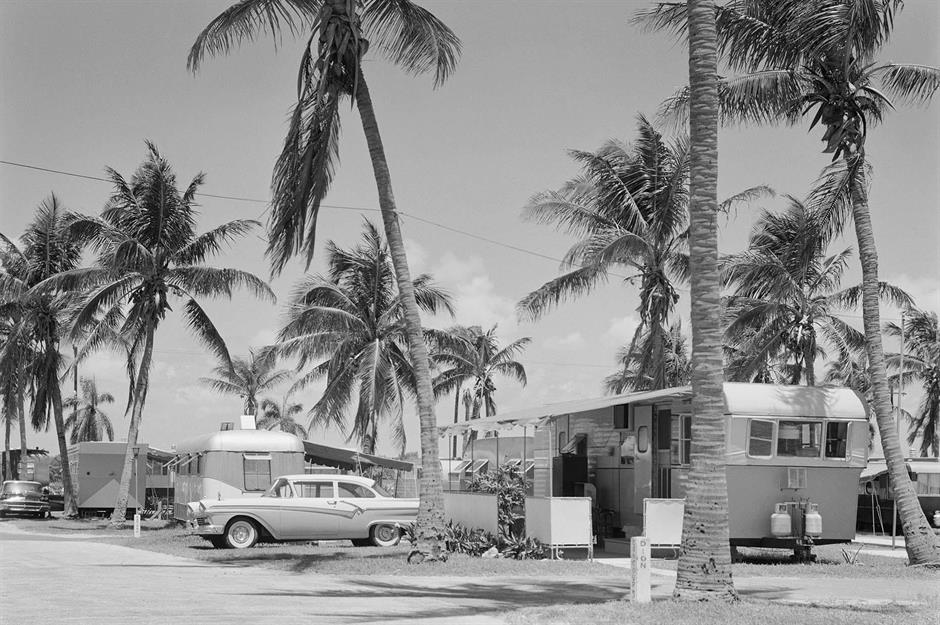
Miami, Florida, USA, 1965
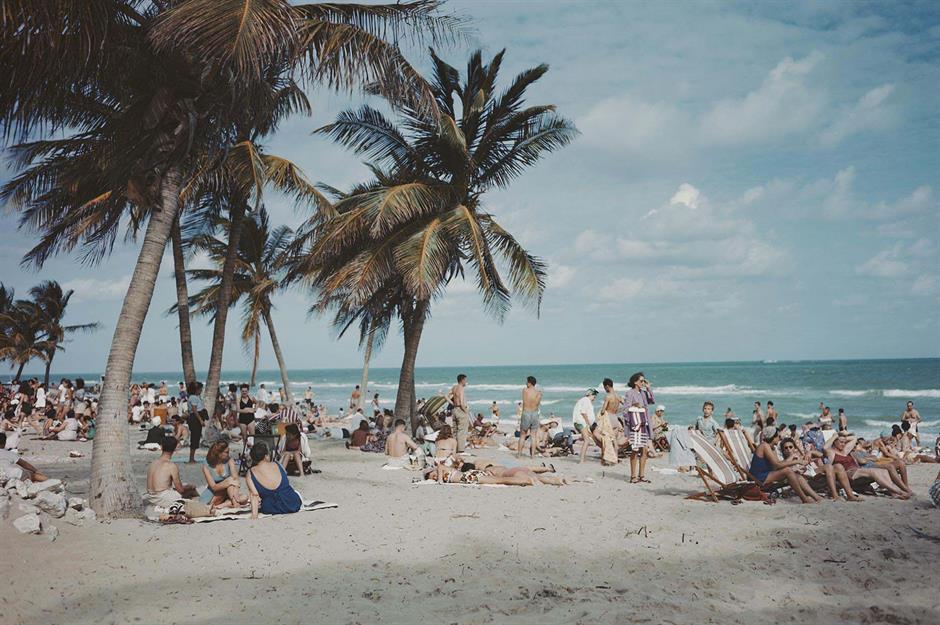
Florida remained the destination of choice through the 1960s. As new hotels, resorts and amusements continued to spring up near the coast, the Sunshine State was flooded with people each summer and continues to be a popular holiday destination today. Here, sun-worshippers relax beneath the palms on Miami Beach in southern Florida circa 1965.
Take a look at more historic images of the world's famous seaside resorts
American Beach, Florida, USA, 1958
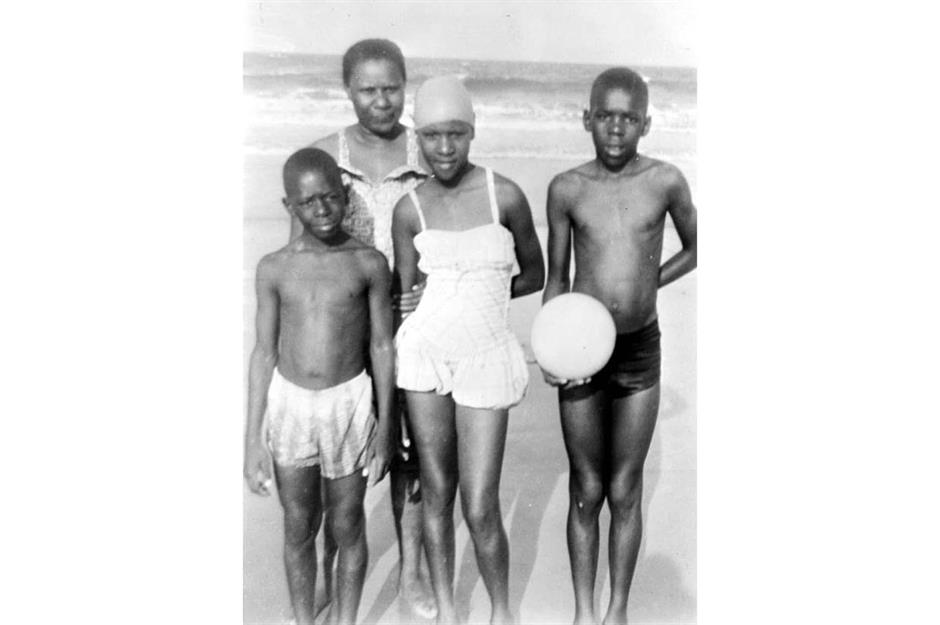
Up until the mid-1960s, racial segregation affected most parts of life – even a simple family activity like going to the beach. As most areas in and around Jacksonville didn't welcome Black holidaymakers, several beaches for minorities popped up, most notably, American Beach on Amelia Island. The largest and most popular beach community among African Americans, American Beach Historic District is now listed on the National Register of Historic Places. Here, a family is photographed on American Beach in 1958.
Sponsored Content
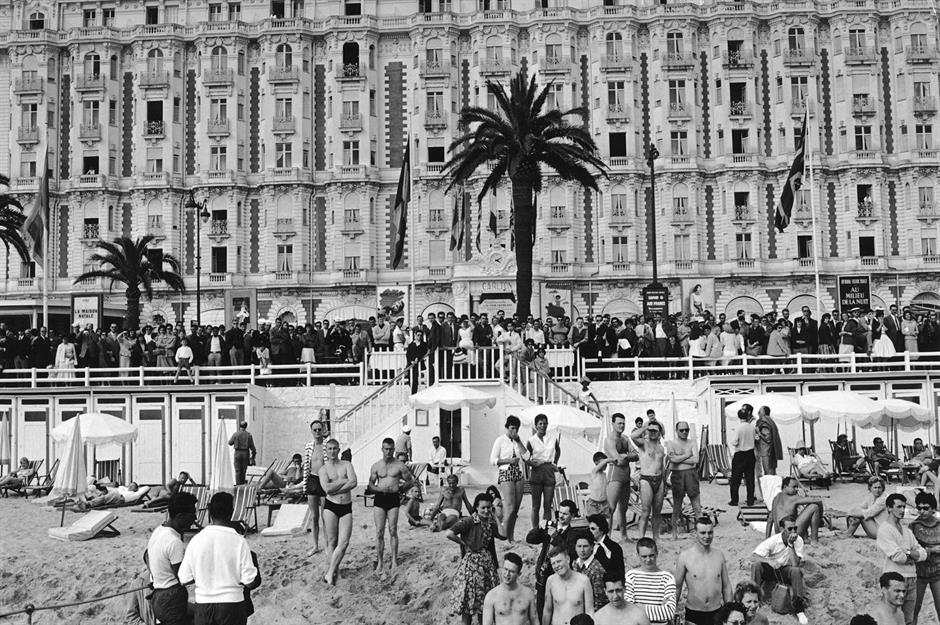
Cannes, Côte d'Azur, France, 1900s
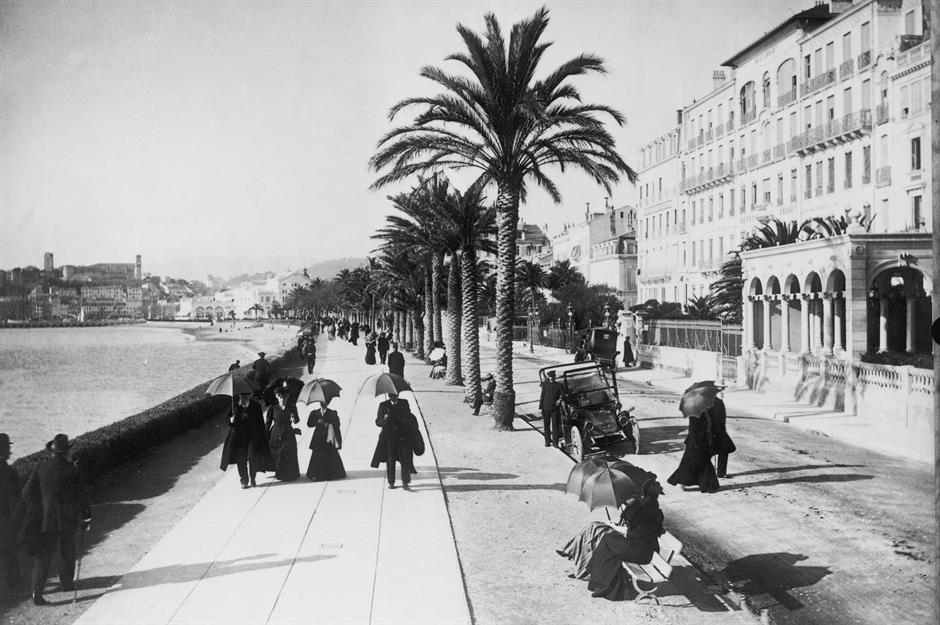
Côte d'Azur, or the French Riviera, covers most of the French Mediterranean coastline and the end of the 18th century saw the region develop into a fashionable health resort and holiday destination for the British upper classes. Many notable Brits were among regular visitors, including Queen Victoria and Edward VII (then Prince of Wales). By the turn of the 20th century, a summer escape to Côte d'Azur was a must among the wealthy. Here, people are seen wandering beneath the palm trees of Boulevard de la Croisette in Cannes in the early 1900s.
Cannes, Côte d'Azur, France, 1925
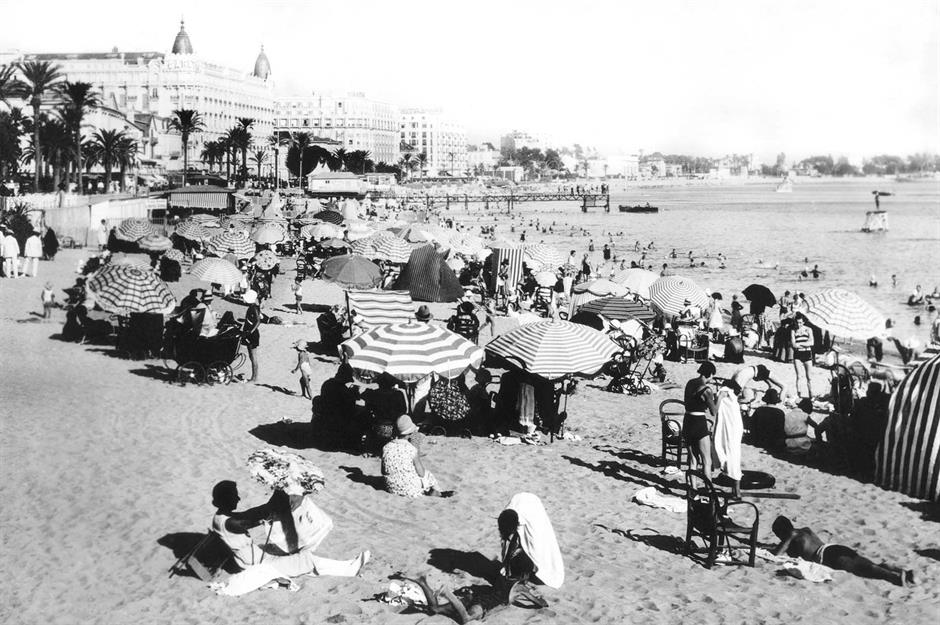
While much of Europe was still recovering from the First World War, the strength of the US dollar meant Americans became staple visitors to the French Riviera – everyone from businessmen and artists to movie stars and politicians came here to mingle. This influx of Americans is largely responsible for the birth of the summer high season in Côte d'Azur, but it was Coco Chanel who made sunbathing fashionable among the upper classes of Paris and beyond: she was snapped sporting a striking tan in the summer of 1923, as she hopped off a yacht in Cannes. In this image from 1925 beachgoers are captured enjoying the sun at Plage Les Baigneurs, also in Cannes.
Nice, Côte d'Azur, France, 1931
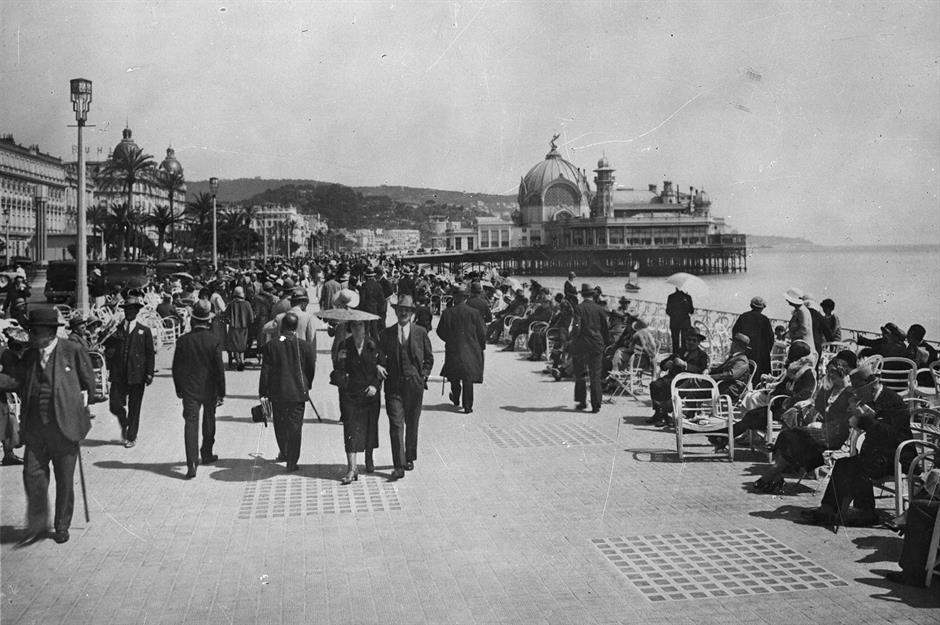
Another French Riviera city, Nice, was equally en vogue, especially for aristocrats who preferred to escape the gloomy British winter and settle here until spring. Nice's popularity boomed even more following the refurbishment of the city's main seaside promenade, the Promenade des Anglais, in 1931. In this image, captured shortly after its opening, people are seen enjoying a casual stroll, with the stunning Casino de la Jetée in the background. Sadly, the casino was stripped of all its metals for the German war effort during the Second World War and destroyed.
Sponsored Content
Cannes, Côte d'Azur, France, 1959
Saint-Tropez, Côte d'Azur, France, 1960s
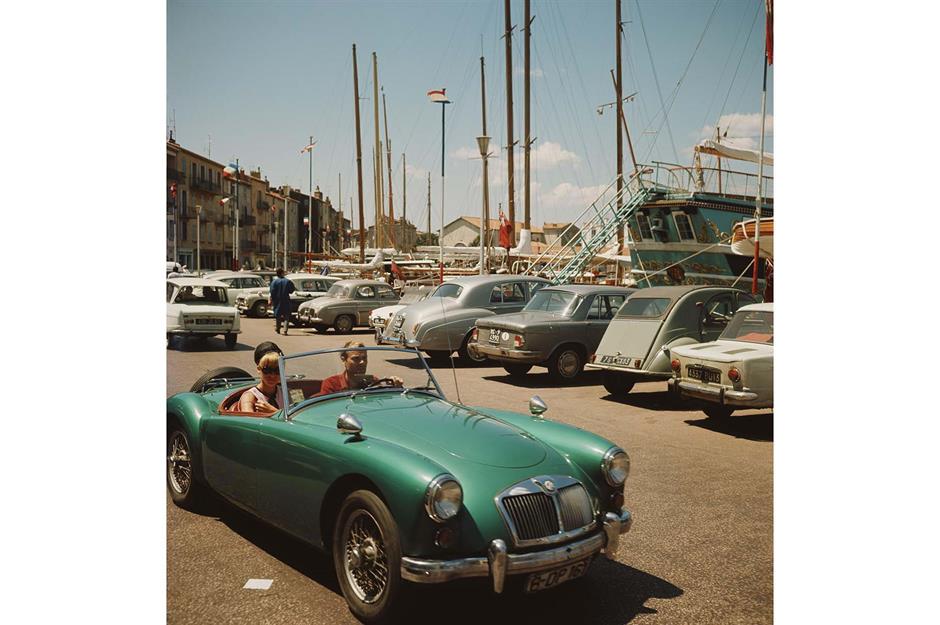
Saint-Tropez had been particularly badly damaged in the war, but it too got a new lease of life. Featured in the 1956 flick And God Created Woman, starring Brigitte Bardot, Saint-Tropez became an international tourist destination, particularly for the "jet set" (a term used to describe society figures travelling around the world on jet planes). Here, a wealthy couple arrives at the harbour of Saint-Tropez in their MG sports car in the mid-1960s.
Paris, France, 1889
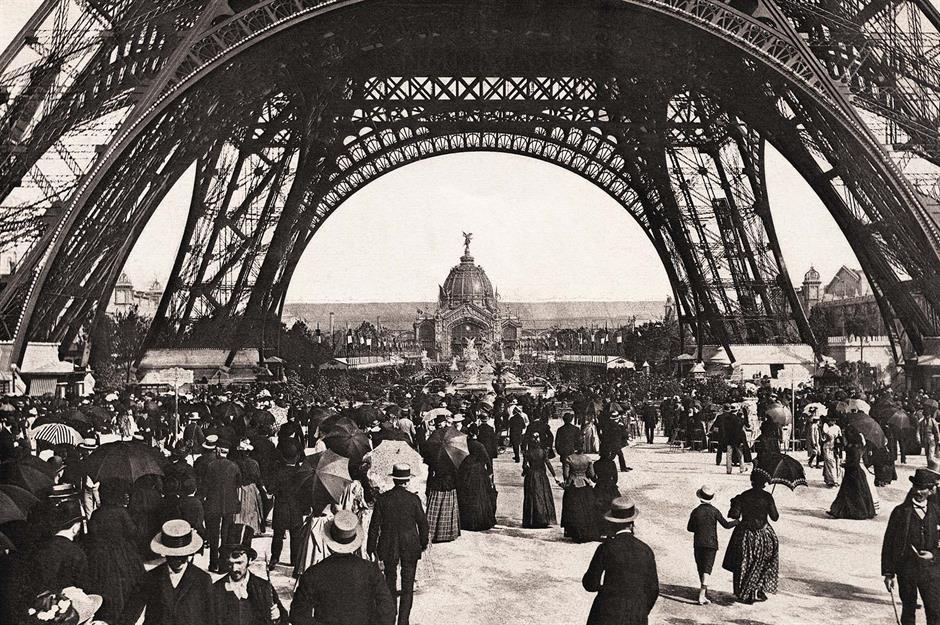
Arguably the most famous destination in France, Paris has attracted large numbers of visitors for over a century. During the second half of the 1800s, the city was mostly visited by the upper-classes for business or new fashions, but the tourism industry in Paris started to grow following the World's Fair in 1889. Here, the visiting crowds have gathered under the Eiffel Tower, which served as the entrance to the fair.
Sponsored Content
Paris, France, 1972
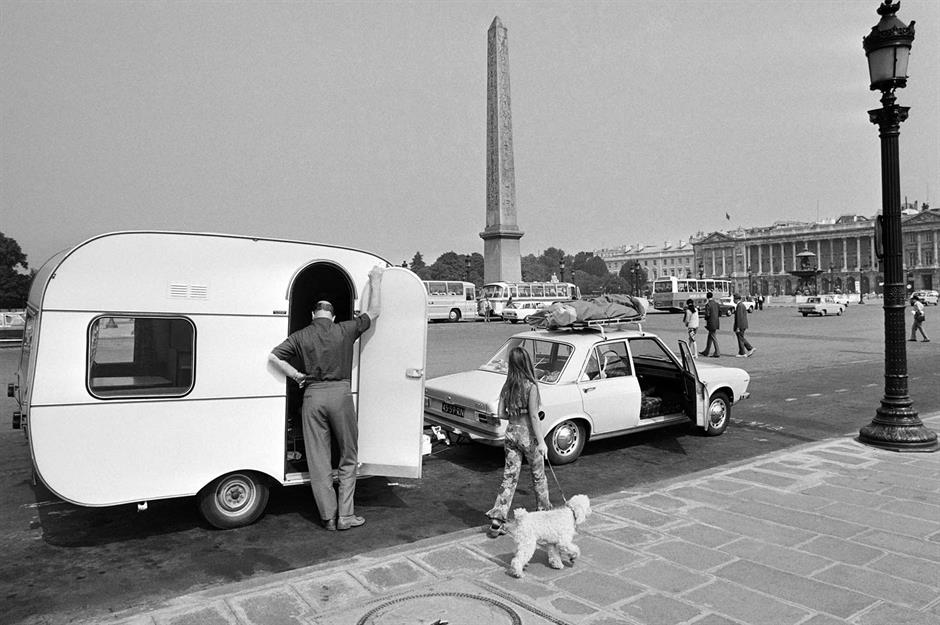
In the post-war era, tourism to the French capital continued to increase. At the same time, road trips across Europe surged in popularity, with many embarking on longer trips during the summer holidays. Here, a Dutch tourist has parked his car and trailer in the heart of the Place de la Concorde in 1972.
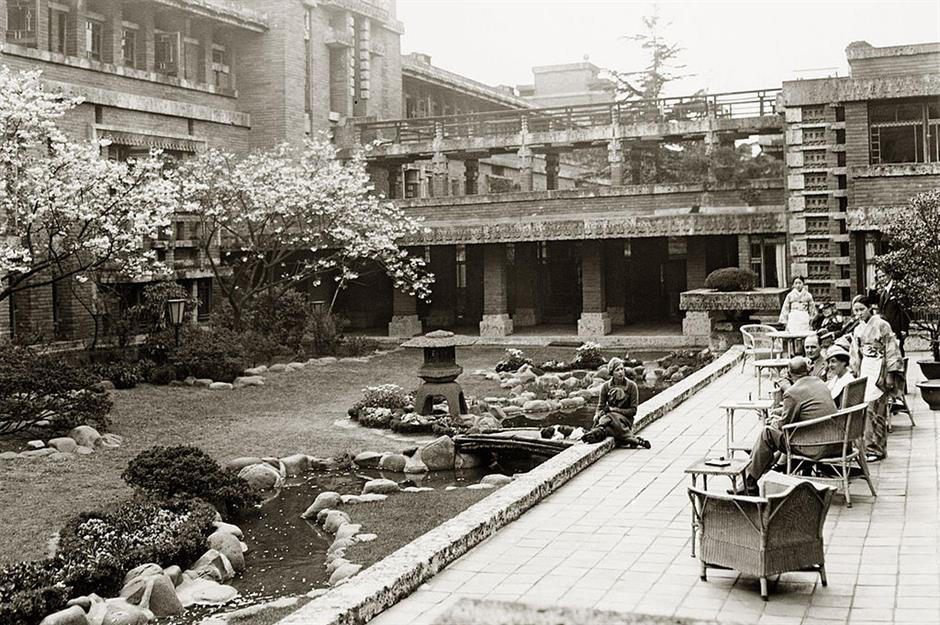
Tokyo, Japan, 1923
Nikko National Park, Japan, 1974
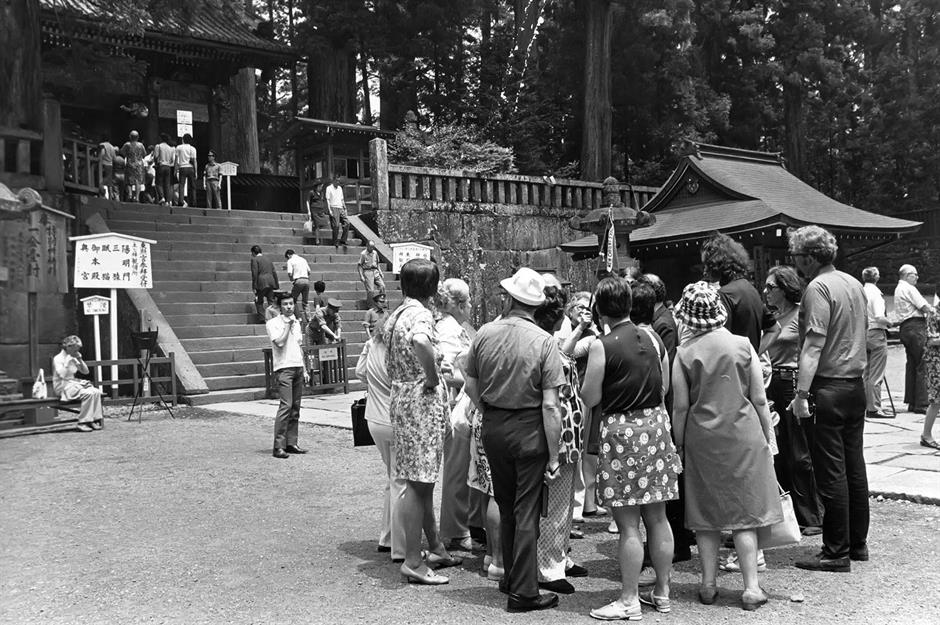
In the decades following the Second World War, Western interest in Japan only increased and by the 1970s the memories of the conflict had faded. Tour groups and individual travellers from European countries and the US travelled to Japan in large numbers, keen to see this fascinating country and learn about its history. In this captivating shot from 1974, that could easily be mistaken for a tour group today with the guide's flag raised in the air, American tourists have gathered to tour Nikko National Park.
Sponsored Content
Machu Picchu, Peru, 1980s
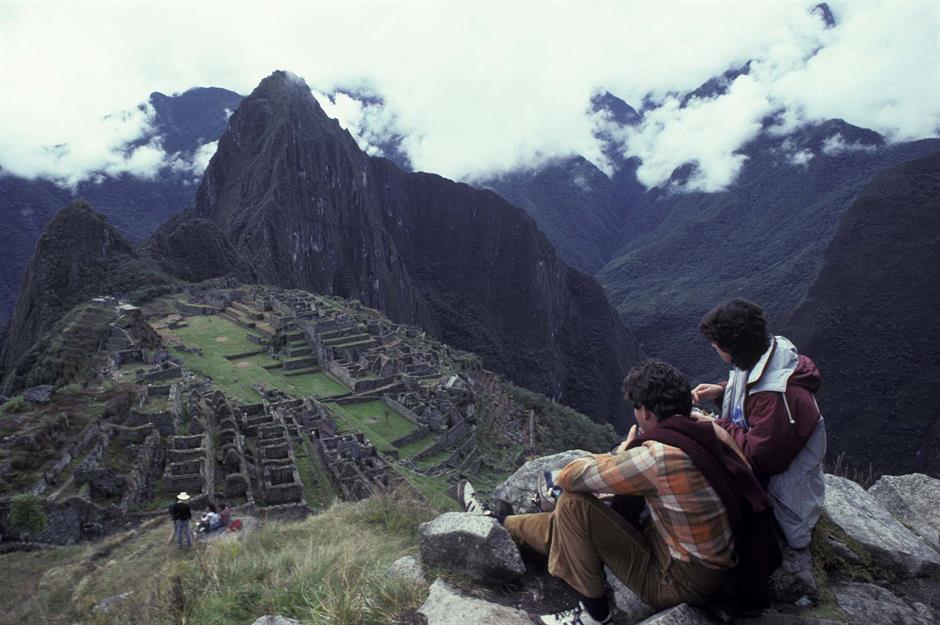
As air travel became even more streamlined and widely accessible during the 1960s and 1970s, long-haul travel really kicked off, with backpacking becoming increasingly popular. Backpackers often chose far-flung destinations in Asia or South America for their sometimes months-long adventures. One of the most sought-after destinations at the time was Machu Picchu in Peru. This snap captures a couple of hikers looking over the ancient citadel and the mountains in the 1980s.
Now discover what your favourite destinations looked like before tourism