Jaw-dropping active volcanoes around the world
Incredible volcanoes around the world
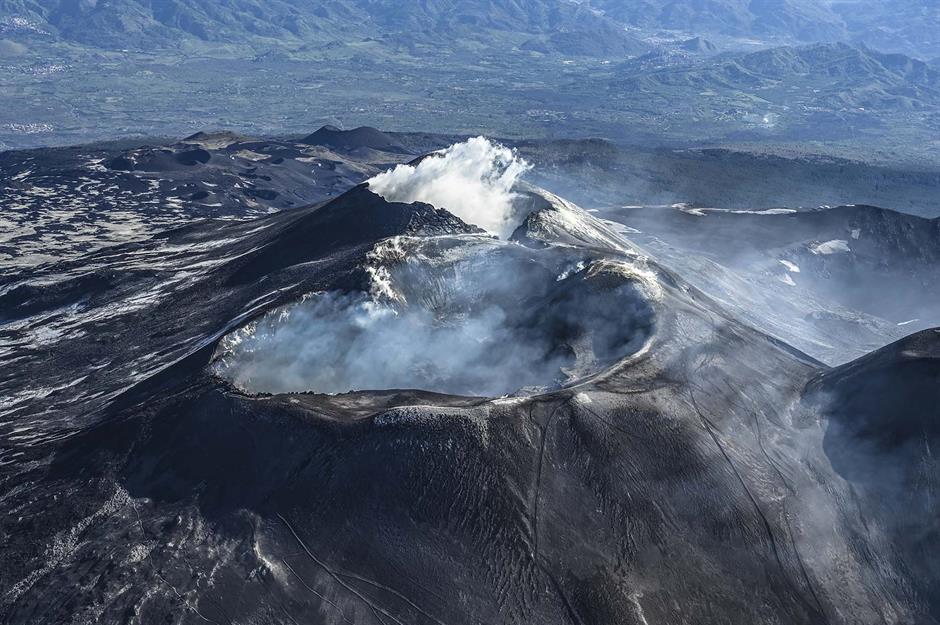
Did you know there are 1,500 active volcanoes around the world? Records show that about 500 of these have erupted during human history, with roughly 20 active on any given day. Click or scroll through to see images of the most recent eruptions, from Iceland to Indonesia, find out why some volcanoes like Mount Etna have grown taller and discover how to visit some of these rumbling wonders when COVID-19 and Mother Nature allow.
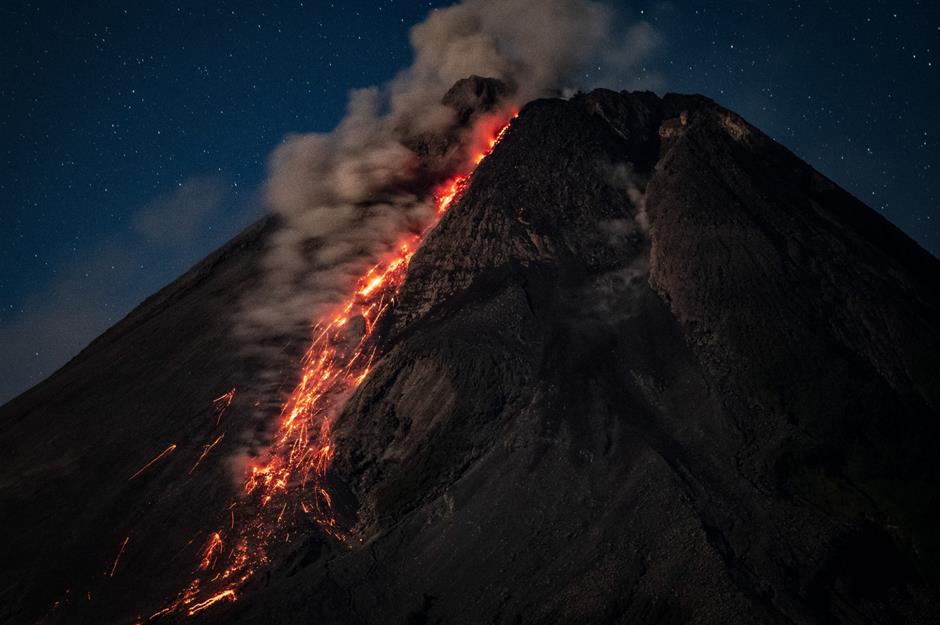
Mount Merapi, Indonesia

Mount Merapi, Indonesia
Sponsored Content
Mount Sinabung, Indonesia
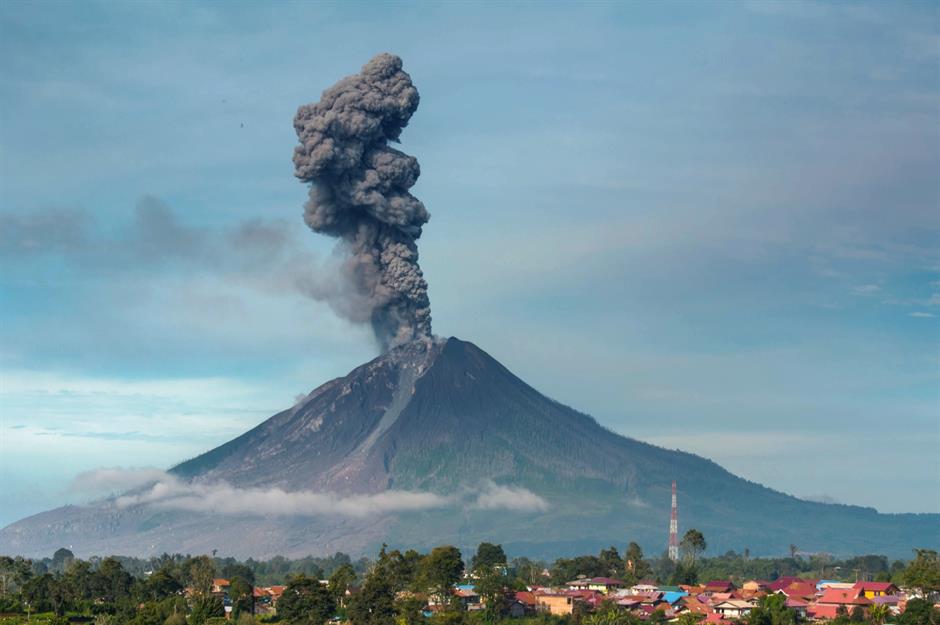
Mount Sinabung, Indonesia
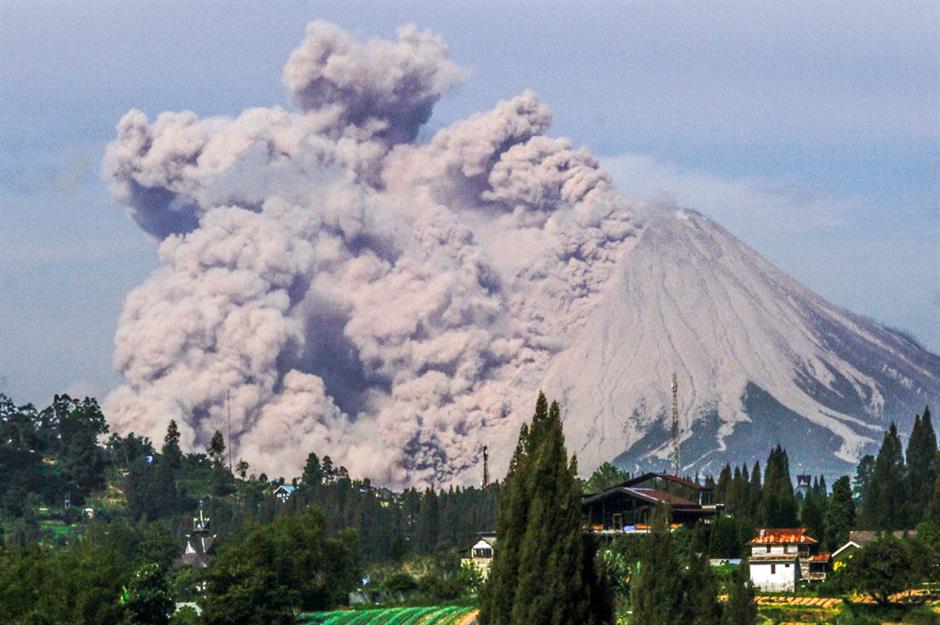
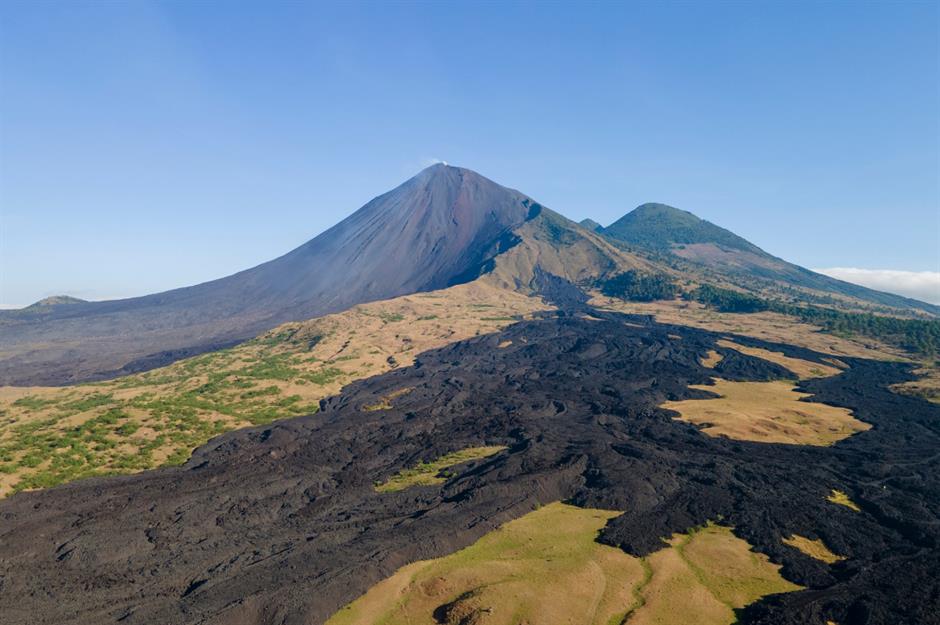
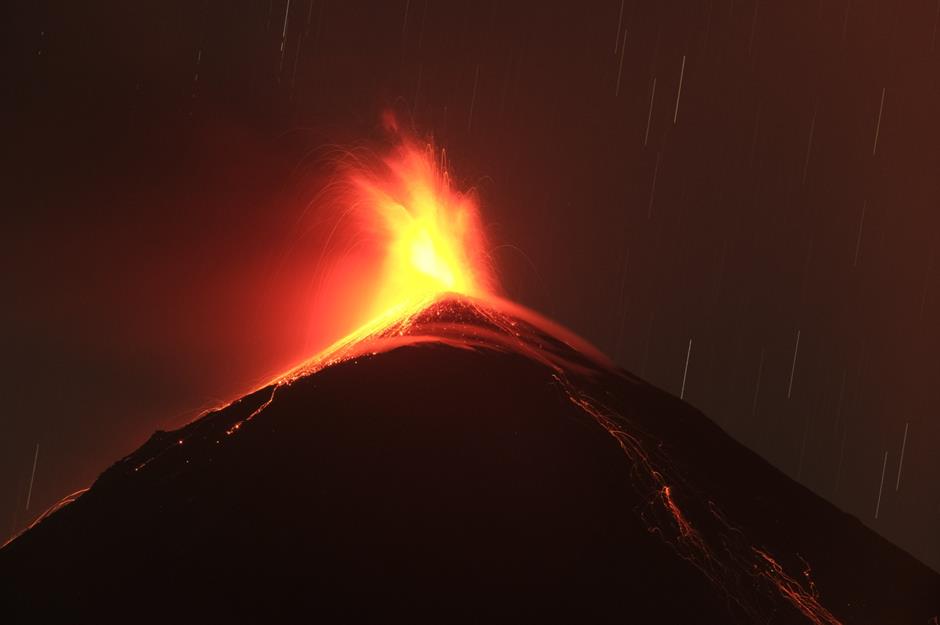
Pacaya Volcano, Guatemala
Sponsored Content
Pacaya Volcano, Guatemala
Eyjafjallajökull, Iceland
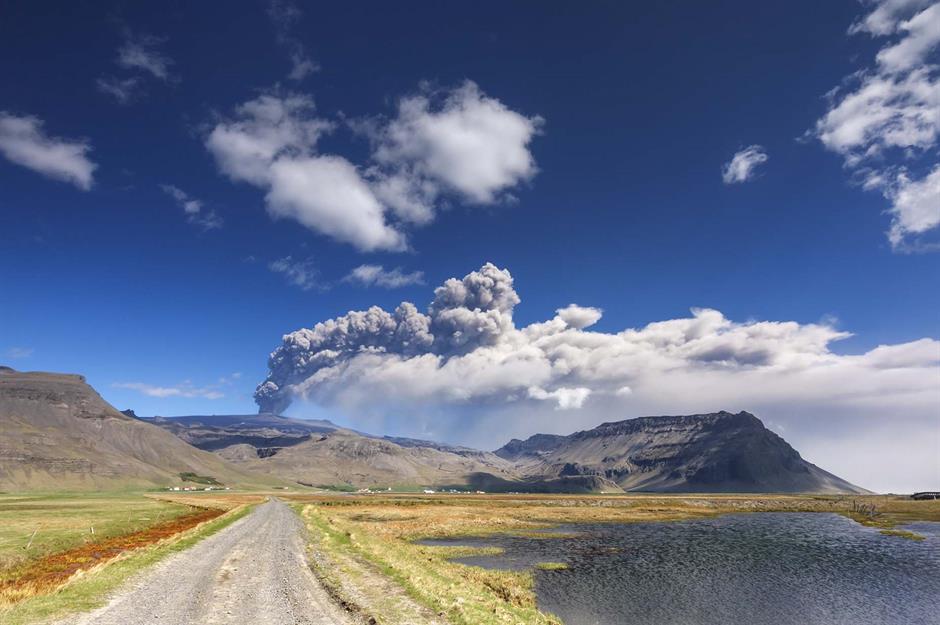
In 2010, newsreaders around the world struggled to pronounce the name of the Icelandic glacier volcano that brought air traffic in Europe to a standstill. Eyjafjallajökull belched out huge ash clouds that hung in the air for more than six days.
Eyjafjallajökull, Iceland
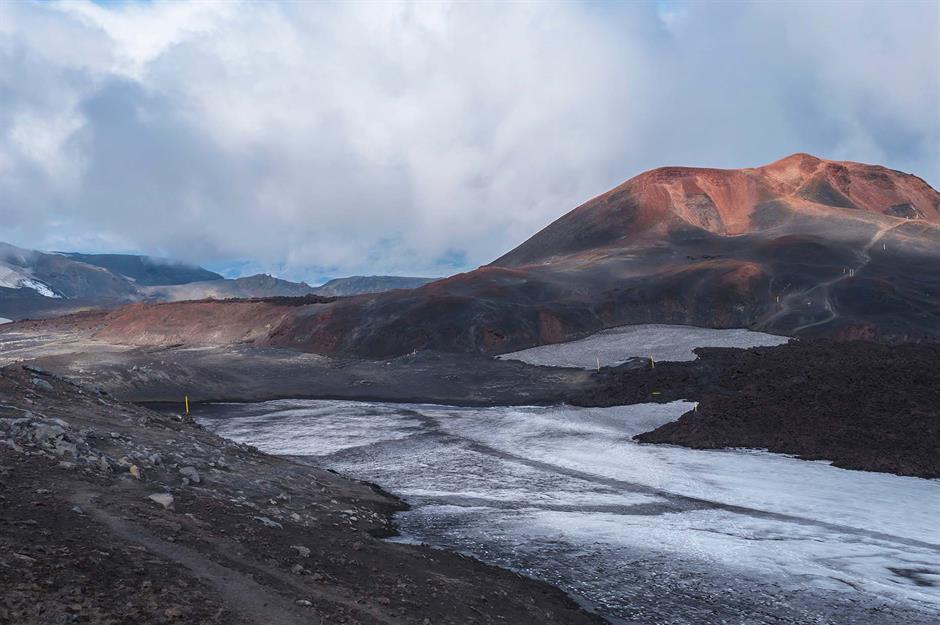
Although it’s too dangerous to walk on the ice cap that covers the caldera of the volcano, hikers can explore the rocky terrain on the 15-mile (25km) Fimmvörðuháls ridge hike – snaking between the Eyjafjallajökull and Mýrdalsjökull glaciers, craters and lava flow formed by the 2010 eruption, it's equally intimidating and gorgeous.
Follow our Facebook page for more travel news and inspiration
Sponsored Content
Mount Vesuvius, Italy
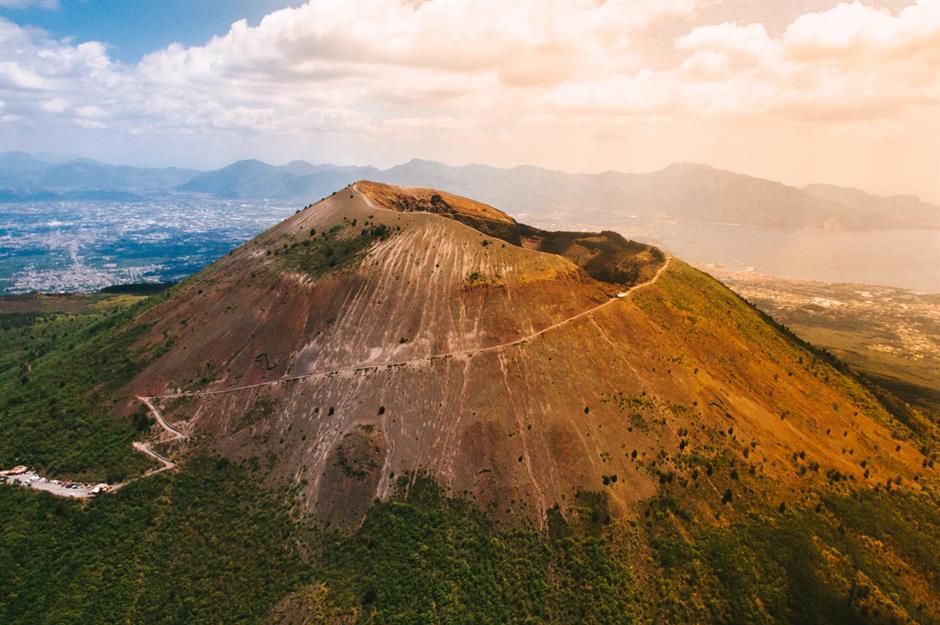
Mount Vesuvius, Italy
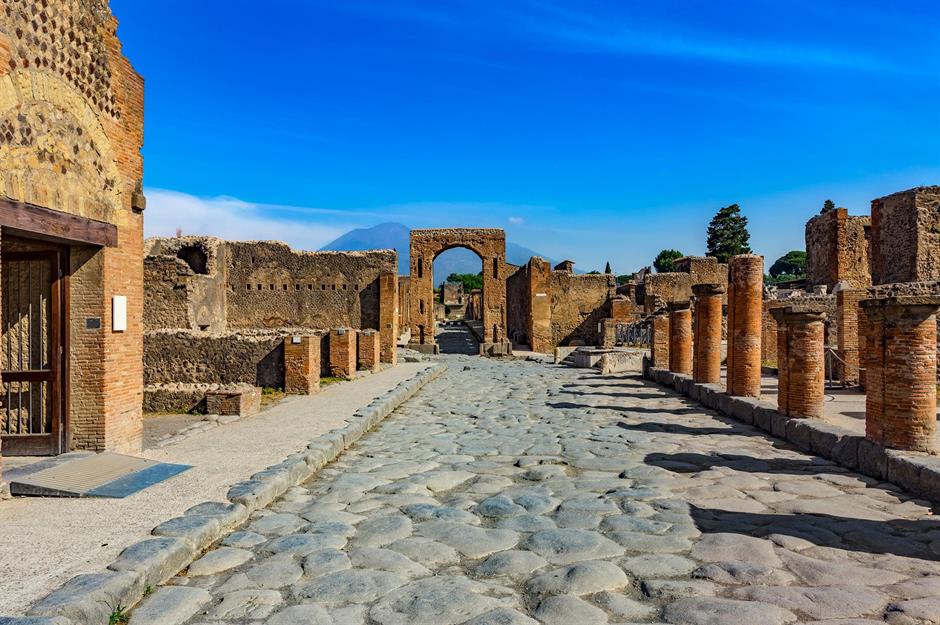
The once prosperous Roman city of Pompeii at the southeastern base of Mount Vesuvius was devastated by an eruption in AD 79 that rained down ash and volcanic rock. When the city was rediscovered nearly 2,000 years later, everything, from buildings and even food and jewelry, had been perfectly preserved. Check out Pompeii's secrets that are only just being uncovered.
Mount Fuji, Japan
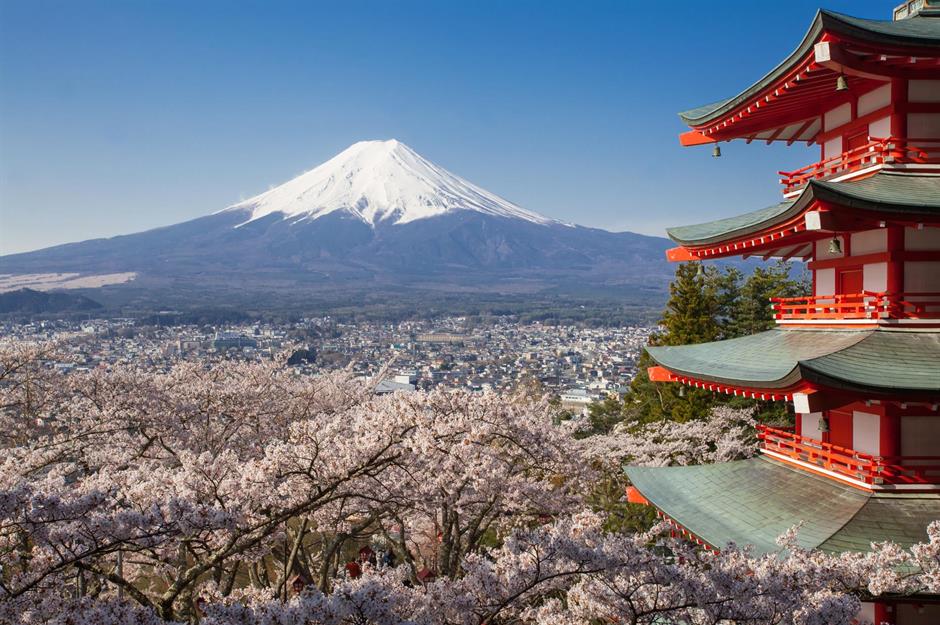
Around 60 miles (100km) from Tokyo, Mount Fuji is Japan’s most iconic peak and some would say that the snow-capped view is best appreciated from afar. Fuji-san, as it’s known locally, is long overdue an eruption as the last time it happened was 1707.
Sponsored Content
Mount Fuji, Japan
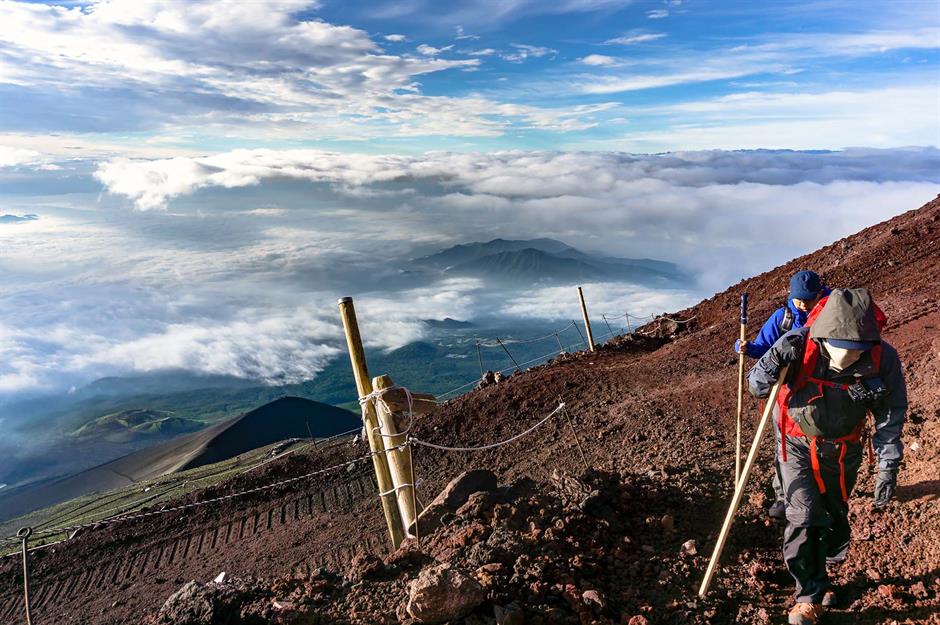
The official climbing season is July to mid-September when the weather is relatively mild. Normally, there are dozens of mountain huts on various trails offering bed and breakfast to overnight visitors who then tackle the summit in the early morning before it’s shrouded in cloud. However, the 2020 season was canceled due to coronavirus so do check for updates.
White Island (Whakaari), New Zealand
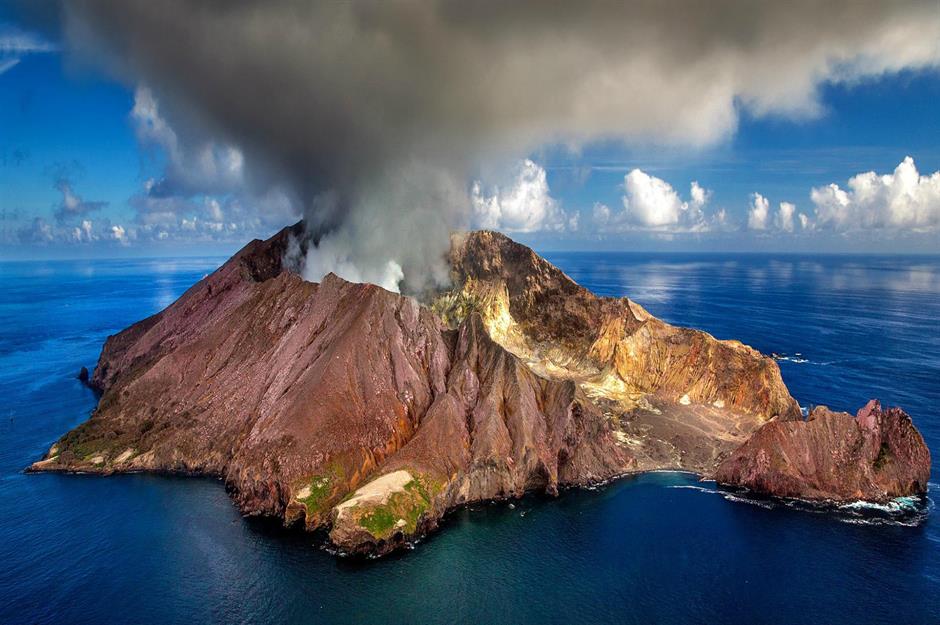
White Island (Whakaari), New Zealand
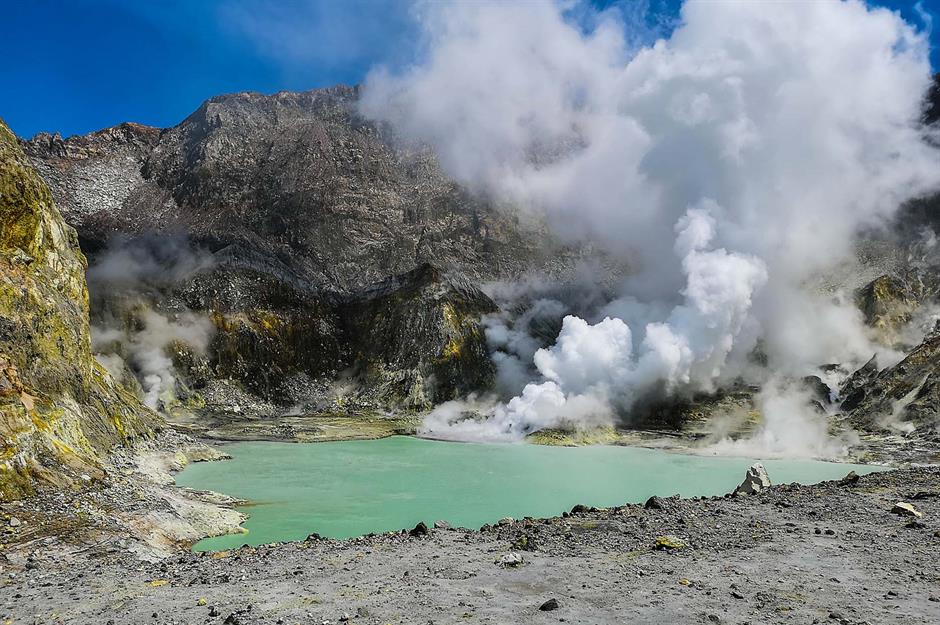
The otherworldly landscape is tinged yellow from the sulfur – the smell can be overwhelming and all visitors to White Island are issued with a gas mask and a hard hat. It last erupted in 2019 with tourists out on the crater and in boats in the water nearby. Sadly, 20 people perished in the eruption and tours have been suspended ever since.
Sponsored Content
Mount Nyiragongo, Democratic Republic of the Congo
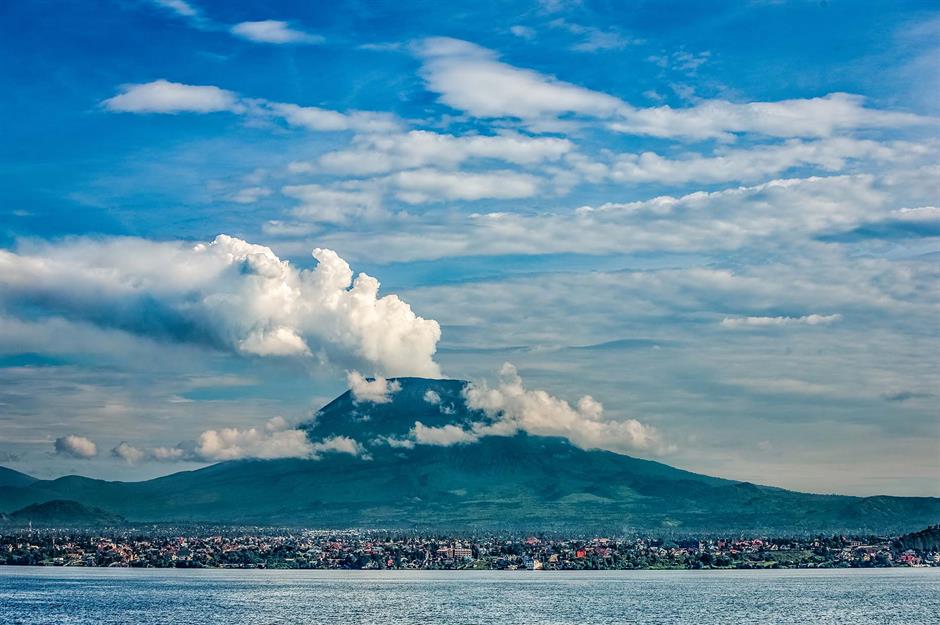
The 3,000-square-mile Virunga National Park in the Democratic Republic of the Congo is home to a quarter of the world’s critically endangered mountain gorillas. The park, Africa’s oldest, is usually one of the top places to see rare wildlife and also trek to the summit of Mount Nyiragongo on a guided hike.
Mount Nyiragongo, Democratic Republic of the Congo
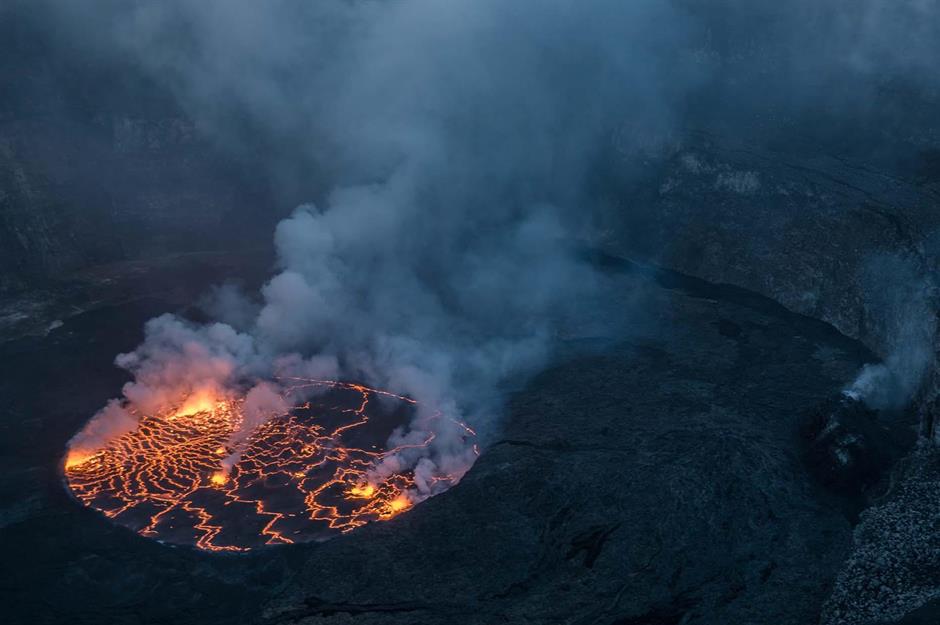
Mount Nyiragongo, Democratic Republic of the Congo
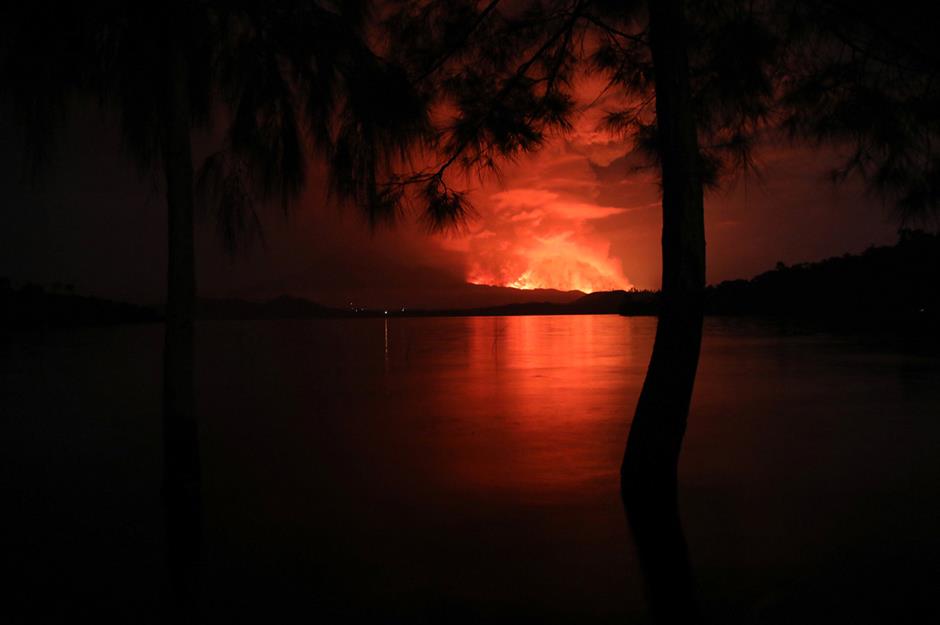
On 22 May 2021 Nyiragongo abruptly erupted again, this time taking the lives of 32 people, many dying in traffic accidents during the eruption itself. Thousands were evacuated and remain unable to return to their homes. Nyiragongo has caused an ongoing humanitarian crisis with Médecins Sans Frontières (MSF) reporting that around 500,000 people are left without clean drinking water, partly as a result of damage to pipes and water reserves during the eruption.
Sponsored Content
Taal Volcano, the Philippines
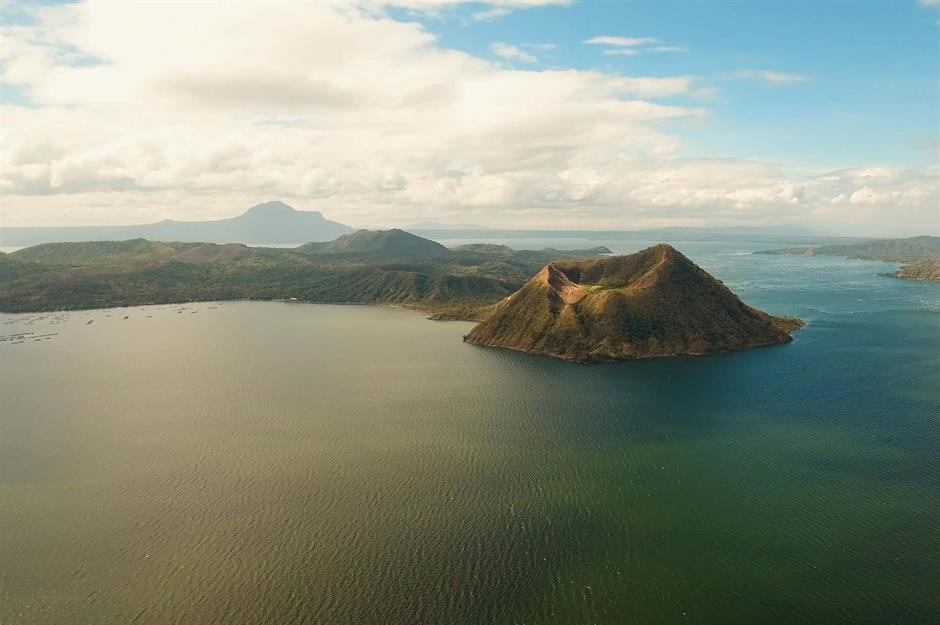
Taal Volcano, the Philippines
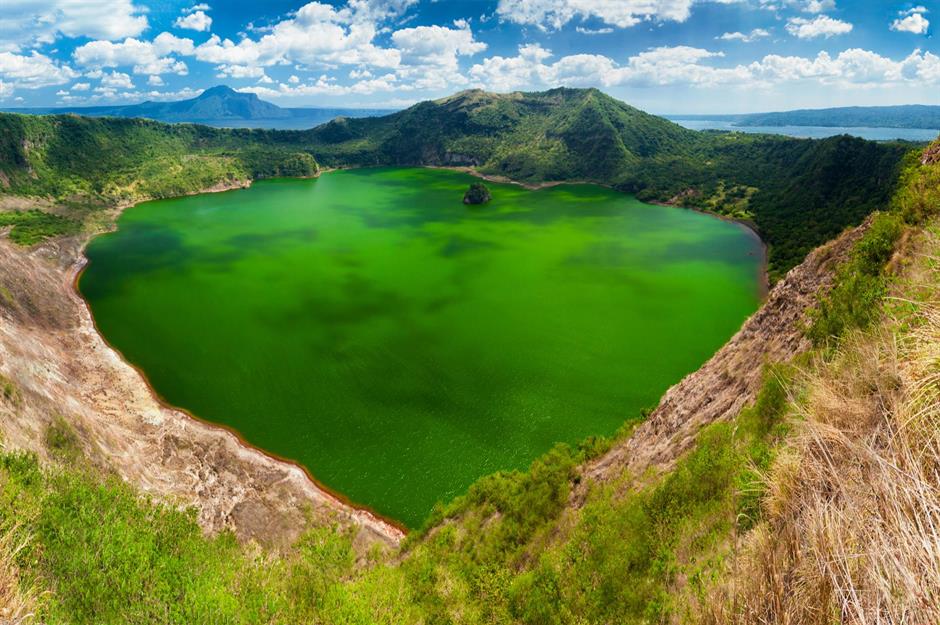
Outrigger canoes ferry passengers from Talisay to Volcano Island in around 30 minutes and from the dock, a well-worn dusty trail leads to the crater lake and its pretty views. However, since the latest eruption, visiting the volcano is strictly prohibited.
Cotopaxi, Ecuador
Sponsored Content
Cotopaxi, Ecuador
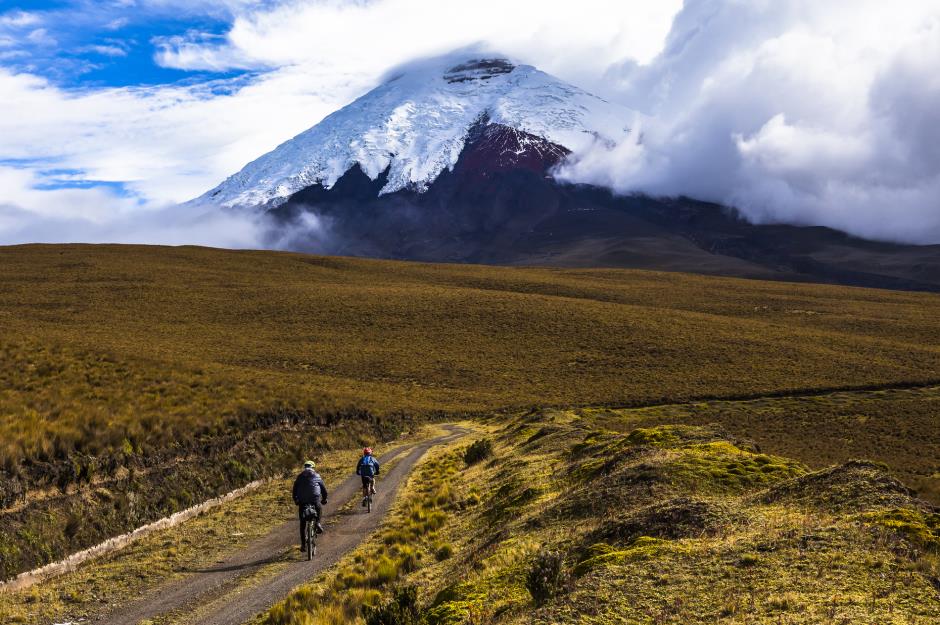
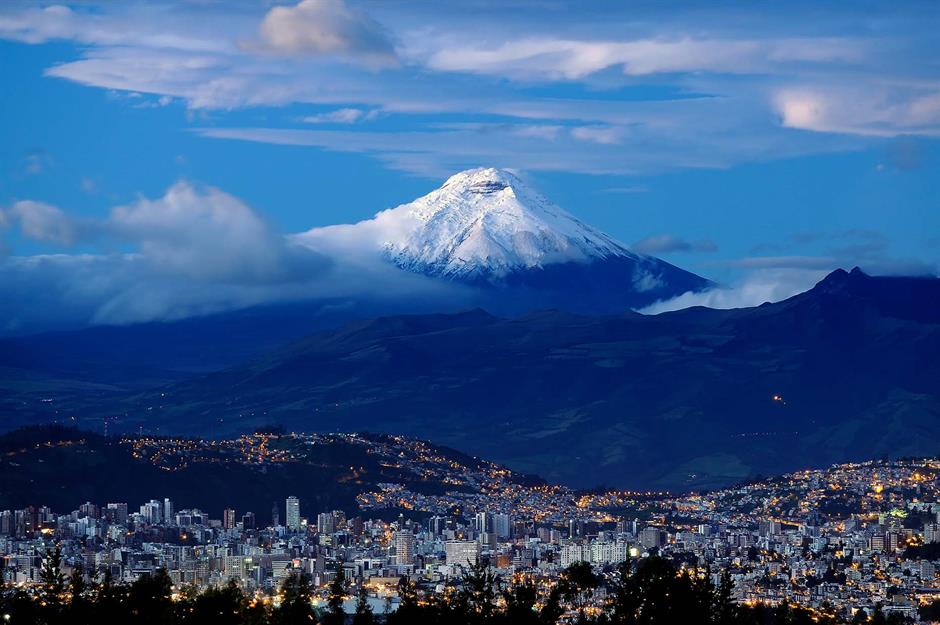
The near-perfect snow cone of Cotopaxi can be seen from as far as Ecuador’s capital city, Quito, about 35 miles (56km) away. Mountain bikers can take the steep downhill from the base just below glacier level or bike the trails in Cotopaxi National Park with the volcano as a scenic backdrop.
Kīlauea, Hawaii, USA
Kīlauea, Hawaii, USA
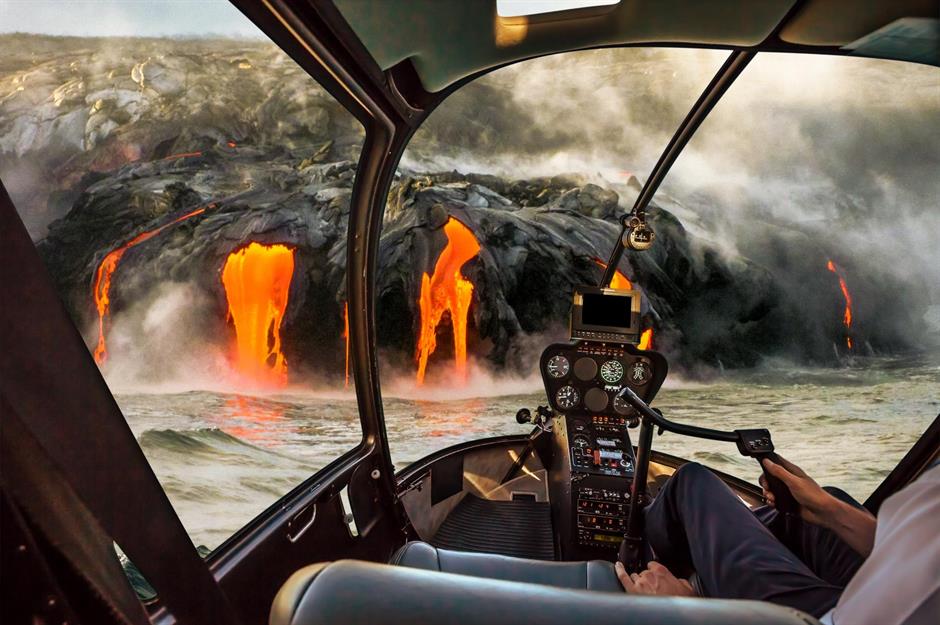
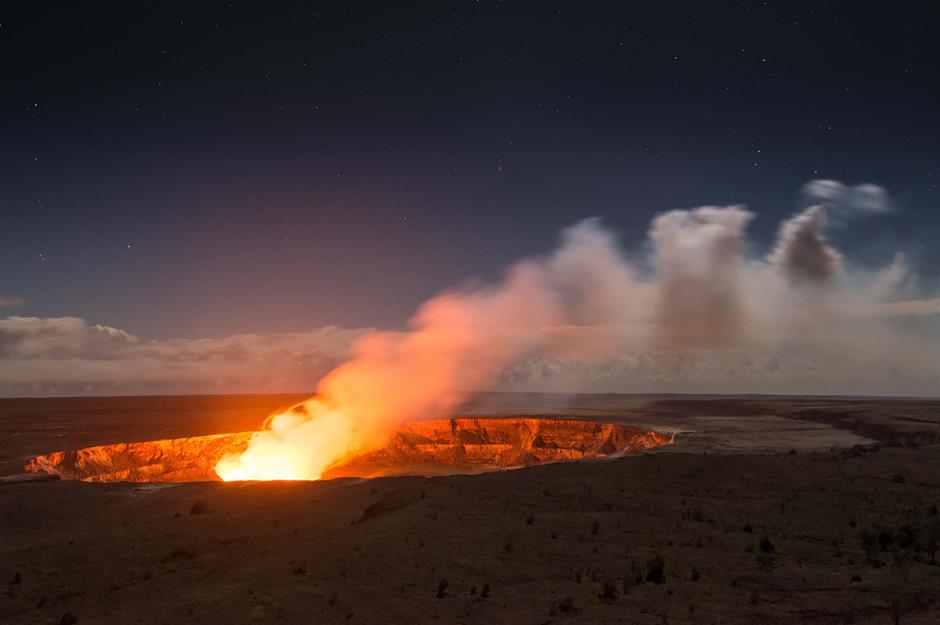
Typically, visitors can take a helicopter tour to view the caldera from above and get up close to the bubbling lava fields. The volcano can also be explored independently by looping around the Crater Rim Drive and stopping at a number of signposted trails to viewpoints. Located within the Hawai'i Volcanoes National Park, the volcano is currently open to visitors.
Sponsored Content
Telica Volcano, Nicaragua
Telica Volcano, Nicaragua
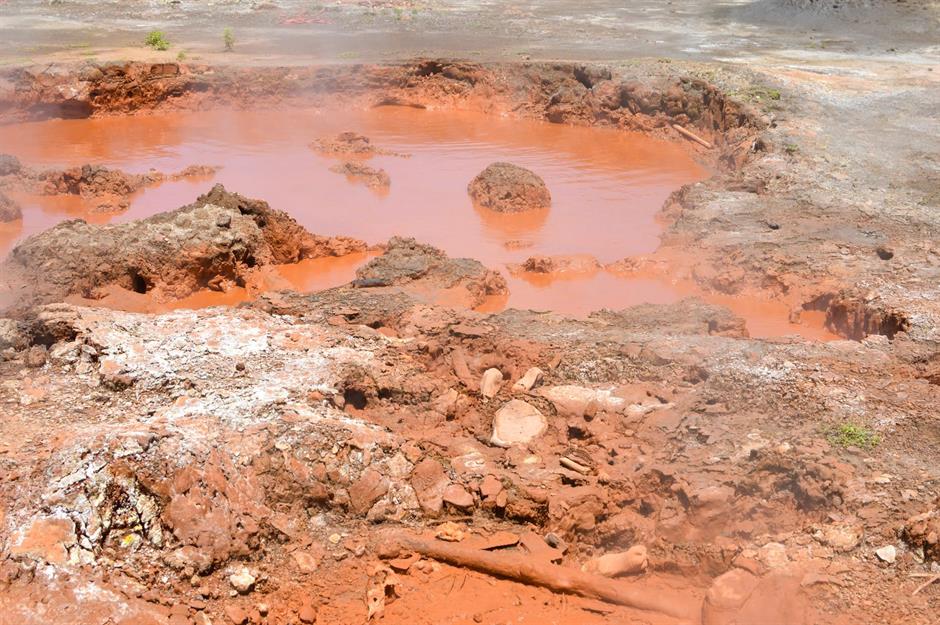
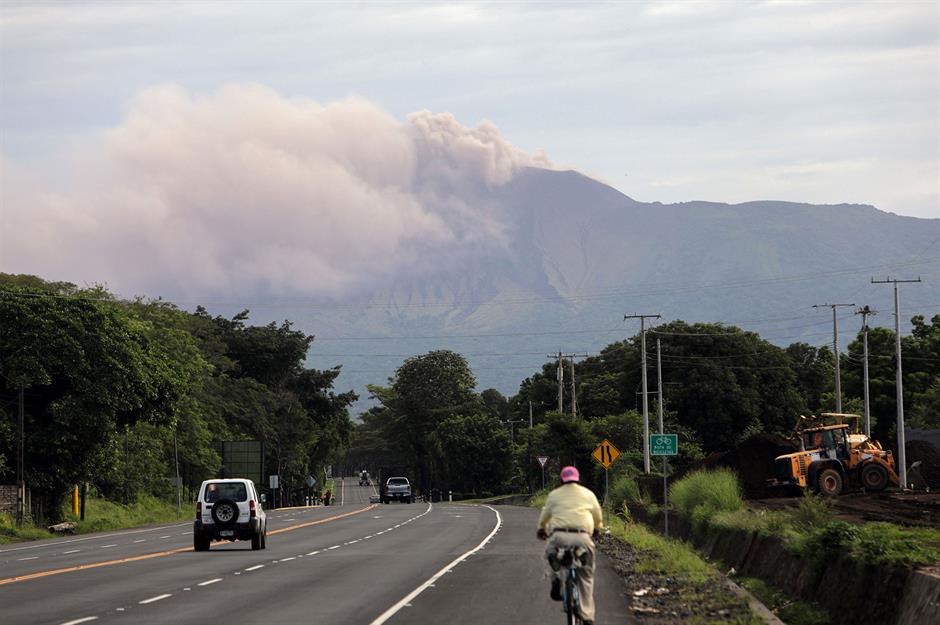
For an easier journey up the volcano, it's possible to hire a Jeep to give travelers a lift to a trailhead that's just 45 minutes from the peak. However, the bubbling mud pools, hard rock and steep incline make it a bumpy (and not very pleasant) journey.
Villarrica volcano, Chile

Sponsored Content
Villarrica volcano, Chile
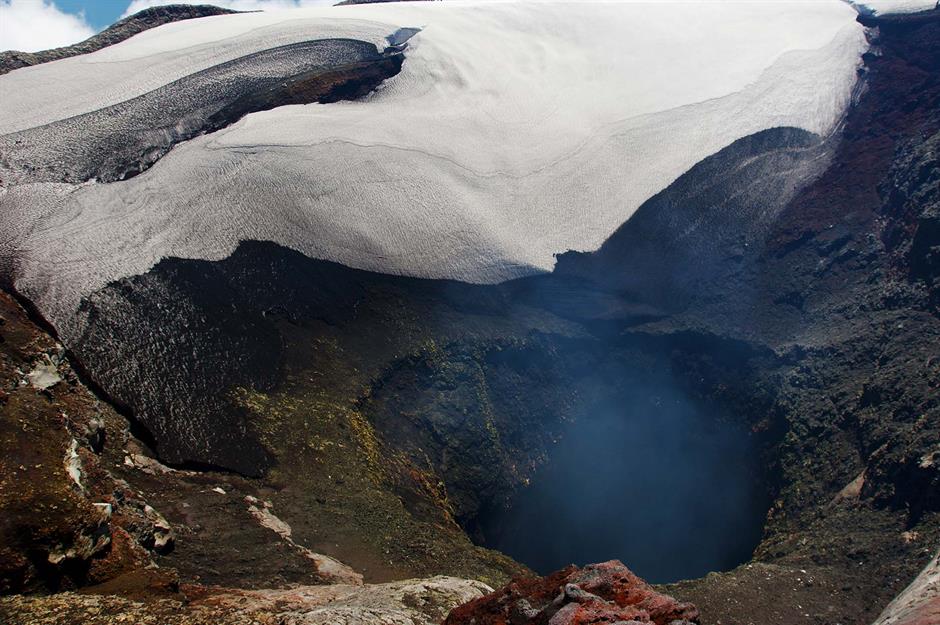
Villarrica was closed for expeditions in 2015 when an eruption blasted out ash and lava and caused more than 3,000 people to be evacuated from nearby homes. In 2019 before the coronavirus pandemic it reopened and offered travelers an option to use a ski lift part way up and then tackle the snow and ice to reach the summit at 9,380 feet (2,860m).
Yellowstone Caldera, Wyoming, USA

Yellowstone Caldera, Wyoming, USA
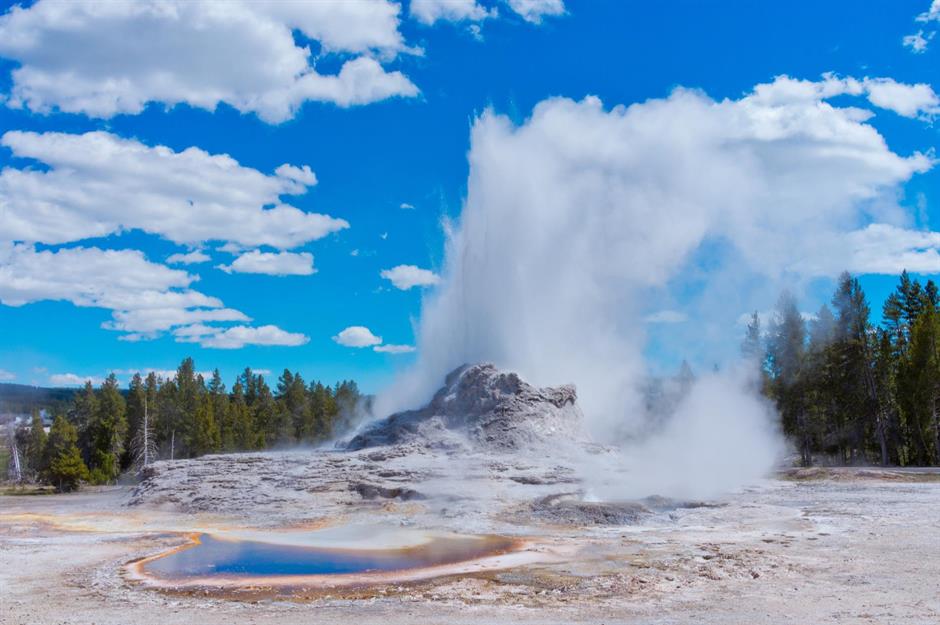
Seismic activity at Yellowstone is closely monitored and there are between 1,000 and 3,000 earthquakes below ground each year. In fact, in April 2019, a series of tremors prompted some scientists to believe these could be a sign it's about to blow... Read more about Yellowstone in our guide to Northern Wyoming.
Sponsored Content
Mount Teide, Tenerife
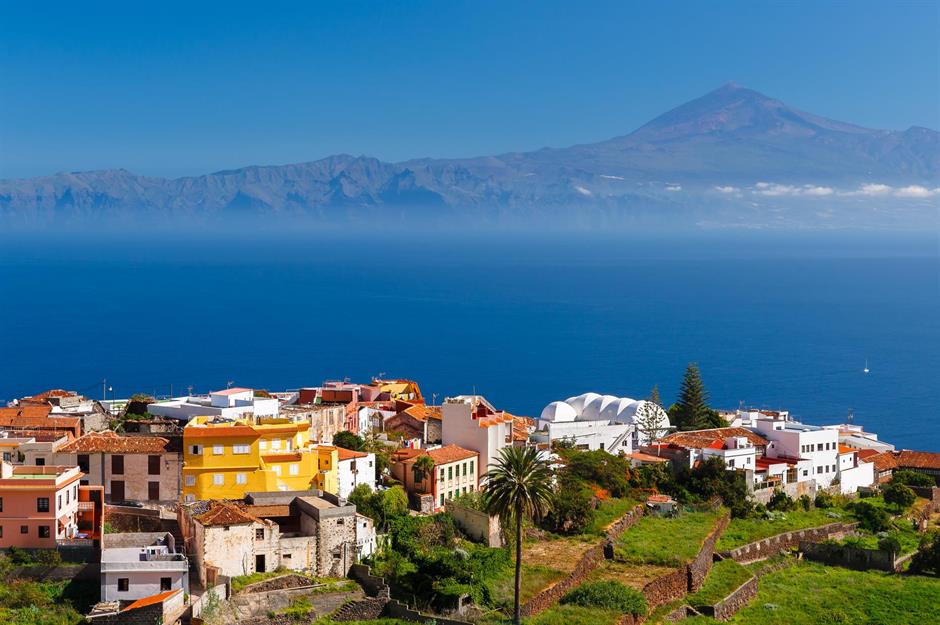
Mount Teide is one of Europe's most easily accessible volcanoes as it's located on the volcanic island of Tenerife, one of Spain’s Canary Islands. Despite a seismic swarm (a series of mini earthquakes) in 2016 and 2017, scientists say they aren’t concerned about an imminent eruption (low-level seismic activity is very normal).
Mount Teide, Tenerife
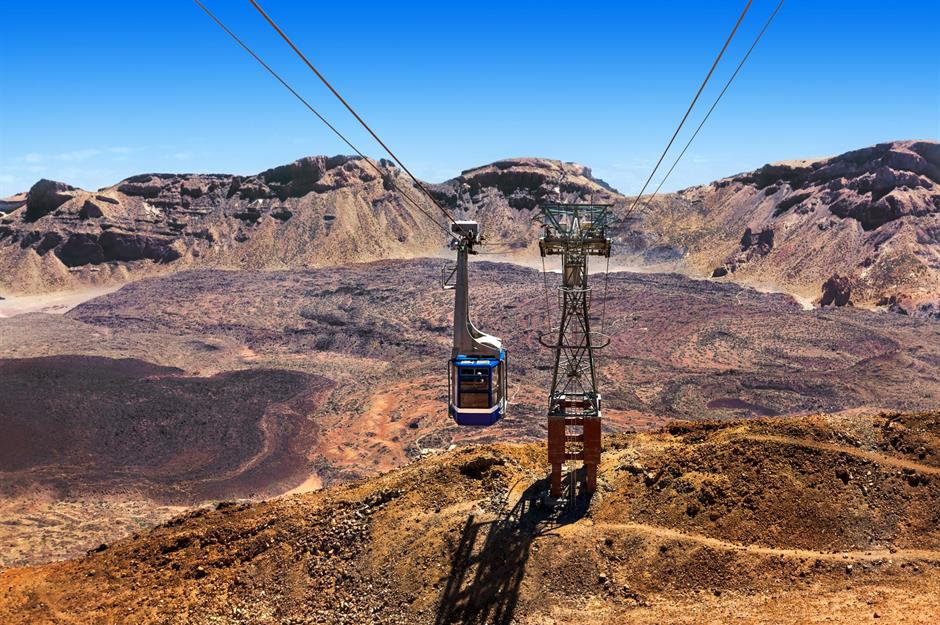
At 12,198 feet (3,718m), El Pico del Teide is the highest point in Spain. Part of the Teide National Park, visiting the volcano is usually very simple. First, visitors have to obtain a free permit for entry, then most drive to the base station where a cable car zips to the upper station. Here, several trails lead to the peak.
Arenal Volcano, Costa Rica
Sponsored Content
Arenal Volcano, Costa Rica
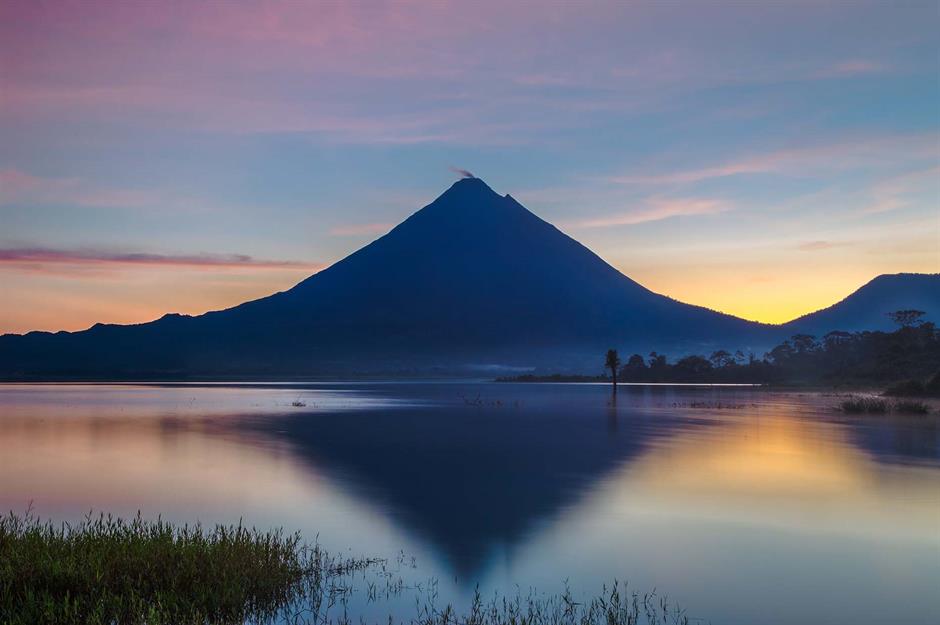
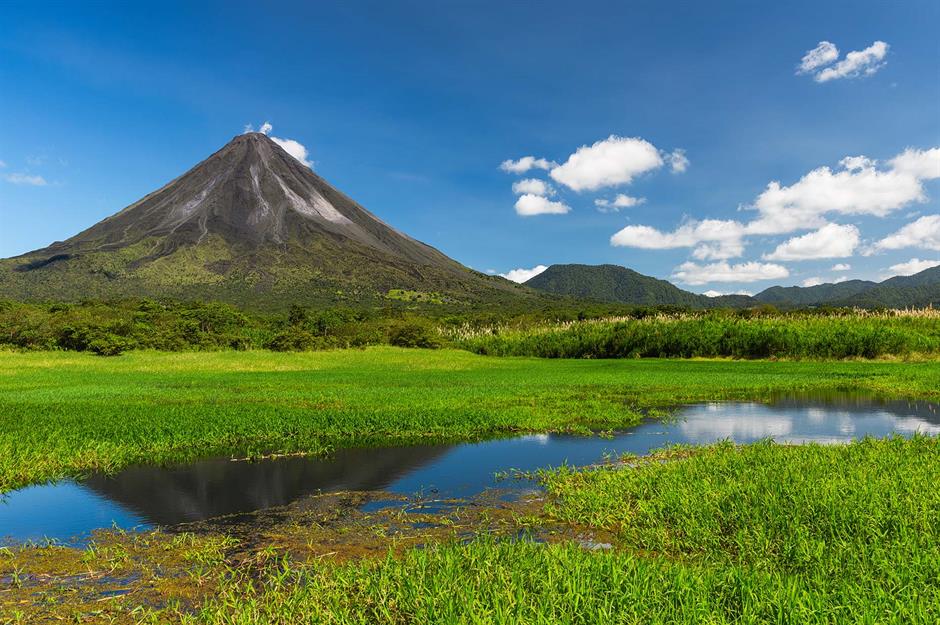
Arenal National Park is a lush green paradise with trails to explore the forest and old lava flows. The peak is still part of a 2.5-mile (4km) exclusion zone, but various routes take in gorgeous viewpoints – all best viewed at sunrise.
These are the most dangerous beaches in the world
Volcán de Colima, Mexico

Mexico has more than 3,000 volcanoes but only 14 of these are considered active. The Volcán de Colima (also known as the Volcán de Fuego) is one of the most volatile and explosive eruptions in January 2017 triggered mass evacuations.
Volcán de Colima, Mexico

Sponsored Content
Mount Pelée, Martinique
Mount Pelée, Martinique
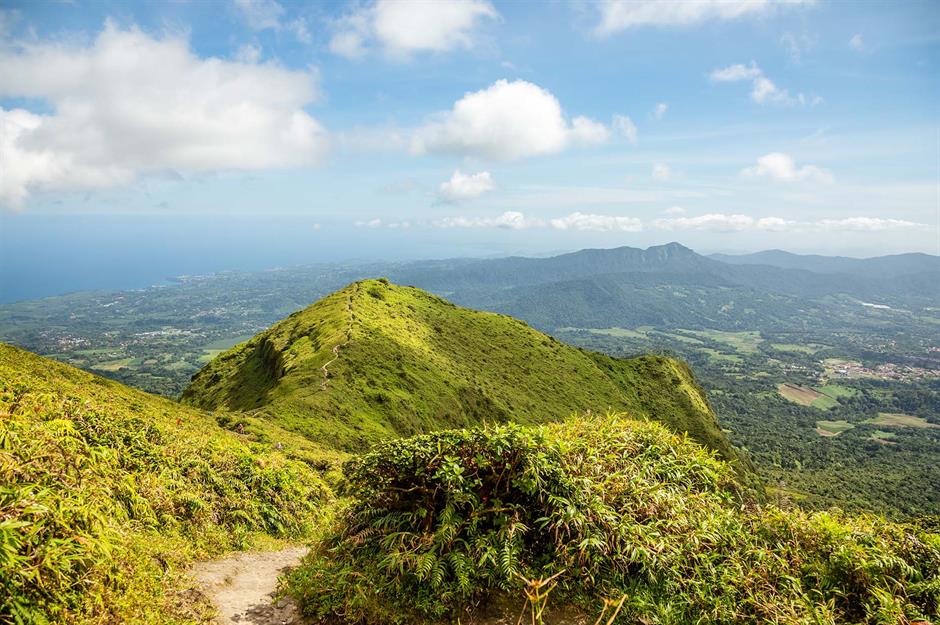
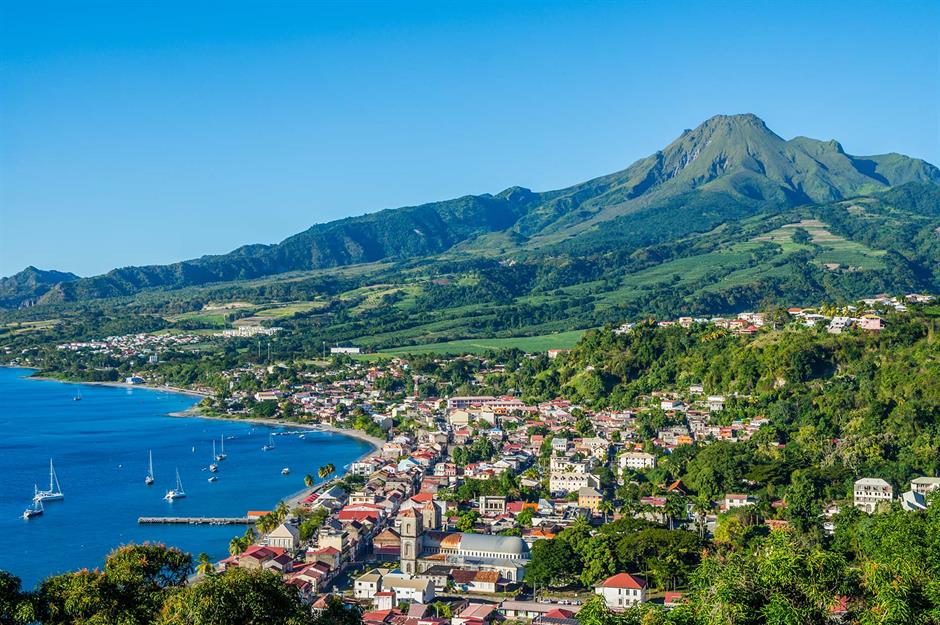
Also the highest peak in Martinique at 4,583 feet (1,397m), Pelée has several trails to explore the slopes and peak. The views of the bay and its black volcanic sands, when it’s not too foggy, are phenomenal. Discover secrets of the world's most beautiful mountains.
Mount Yasur, Vanuatu
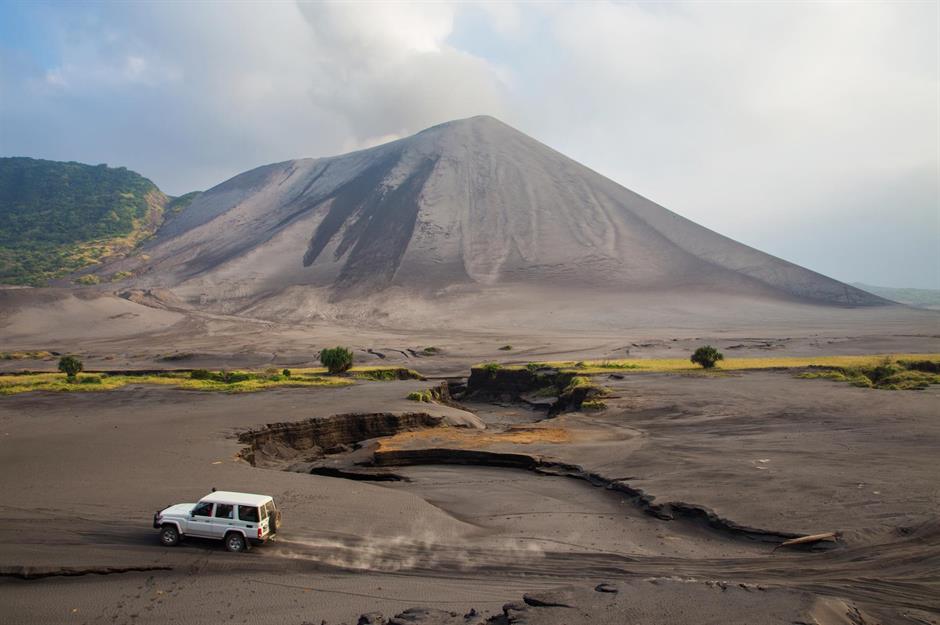
Gorgeous Tanna Island in the South Pacific Ocean is home to Mount Yasur, the best-known of Vanuatu's volcanoes. The trail from the car park to the awe-inspiring crater rim only takes about 10 minutes to walk – possibly the easiest volcano climb in the world. However, to preserve the nature surrounding the volcano, travellers can only enter via a visitor center for a pick-up truck ride up a bumpy trail through the jungle to just below the crater.
Sponsored Content
Mount Yasur, Vanuatu
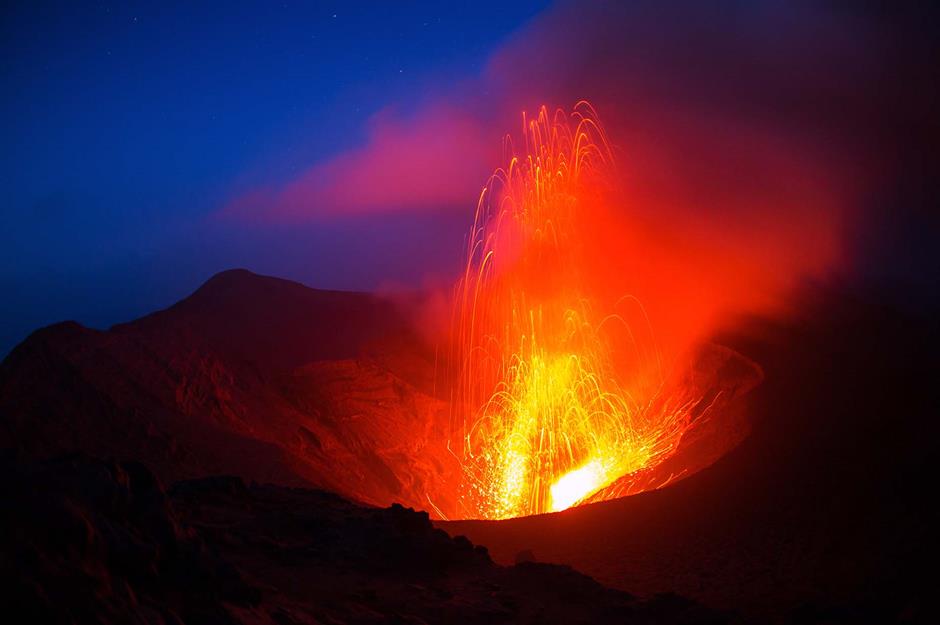
Said to have been constantly bubbling and smoking for more than 800 years, even attracting Captain James Cook with its glow, the summit can still be a dangerous place as the volcano is known for shooting out burning debris high into the air. When the volcanic activity picks up, the crater might be off-limits or closed completely.
Mount St Helens, Washington, USA
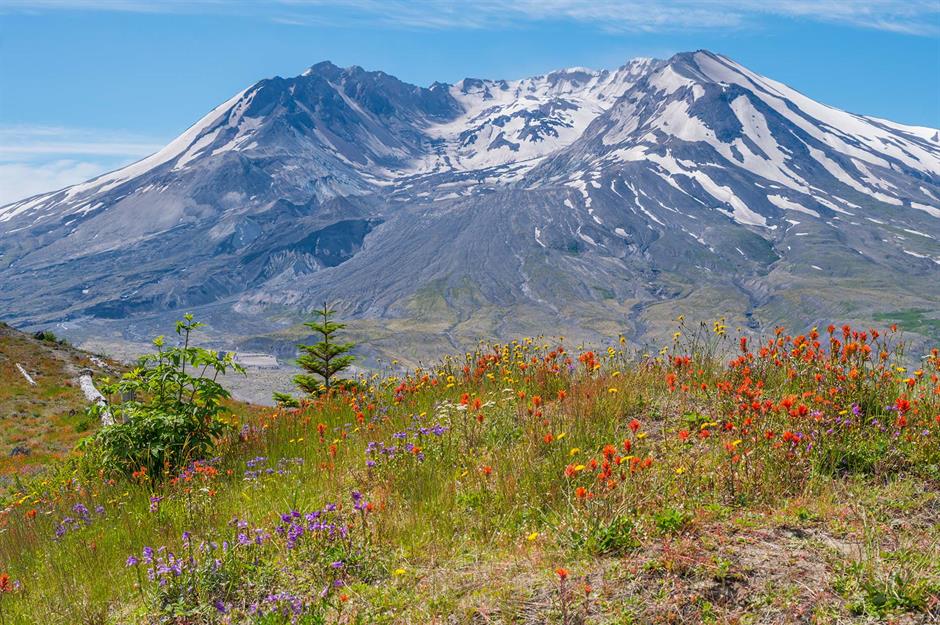
In the Cascade Range in Washington State, Mount St Helens is infamous for its 1980 eruption in which 57 people lost their lives. The Mount St Helens National Volcanic Monument was created to preserve the volcano and constantly monitor it for unusual seismic activity.
Mount St Helens, Washington, USA
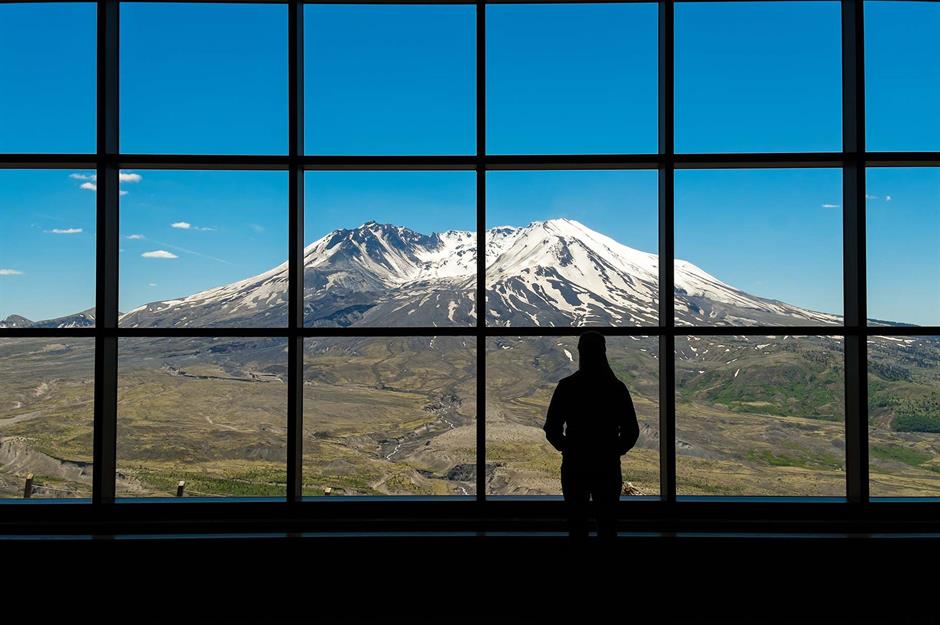
The viewing deck at Johnston Ridge Observatory is the best place for a magnificent view of the crater of Mount St Helens as well as the lava dome and the blast zone. The short eruption trail from here has information and eye-witness accounts from the fateful eruption on 18 May 1980. Now take a look at jaw-dropping places you can only see in photos.
Sponsored Content
Mount Bromo, Indonesia
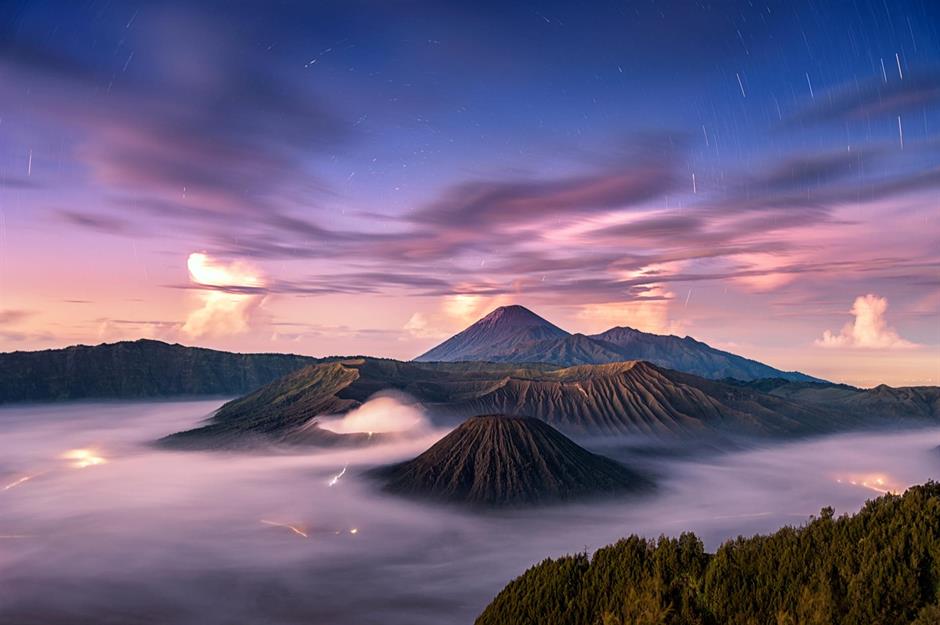
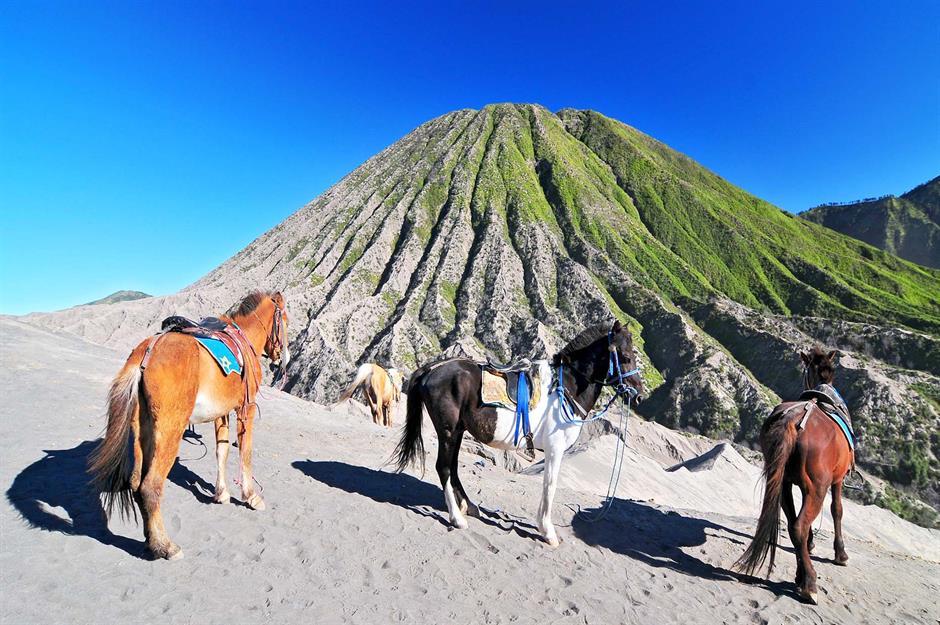
Sitting on the Ring of Fire at the edge of the Pacific Ocean, East Java is home to the Bromo Tengger Semeru National Park. This vast sandy caldera boasts the famous smoking Mount Bromo that towers an impressive 7,641 feet (2,329m).
Mount Bromo, Indonesia
Volcán de Fuego, Guatemala
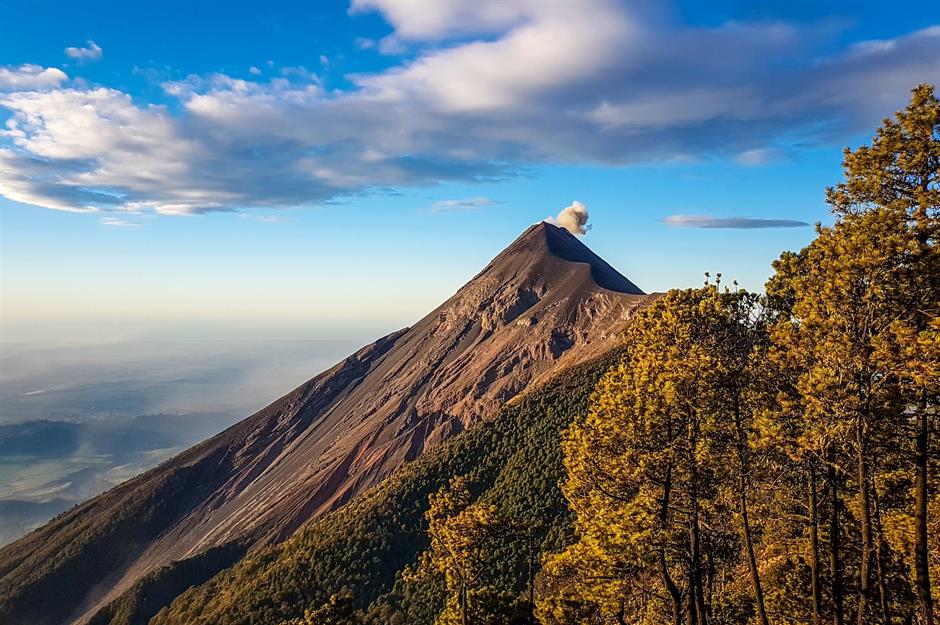
The small city of Antigua in Guatemala has a knot of volcanoes to the southwest – Agua, Acatenango and Fuego. Fuego is the most active, erupting as recently as June 2018, when mudflow from the eruptions, ash and fast-moving currents of hot gas blanketed nearby villages killing more than 190 people. Nearly 4,000 people had to be evacuated again in November 2018, when the volcano began violently erupting again.
Sponsored Content
Volcán de Fuego, Guatemala

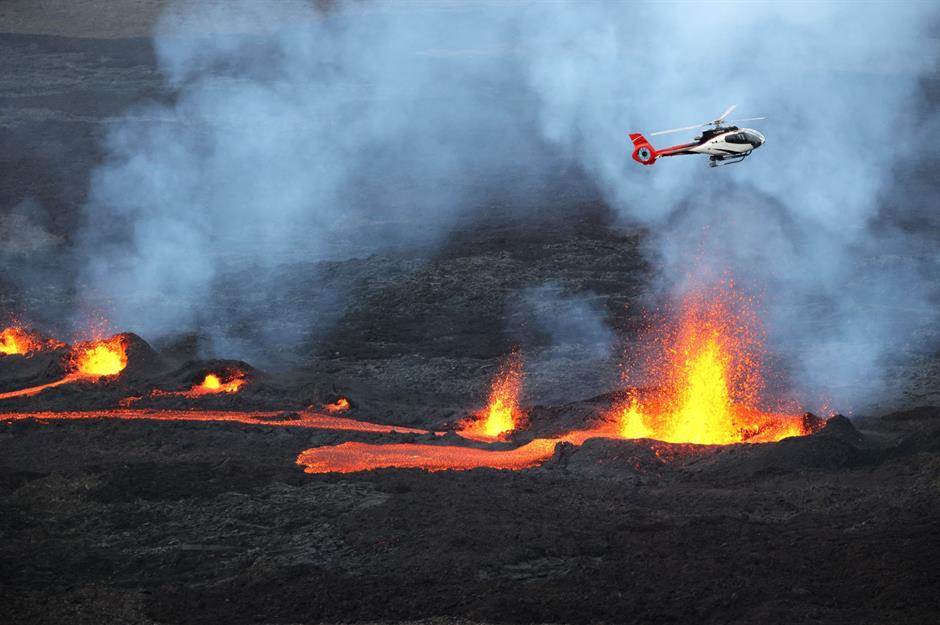
Piton de la Fournaise, Reunion, France
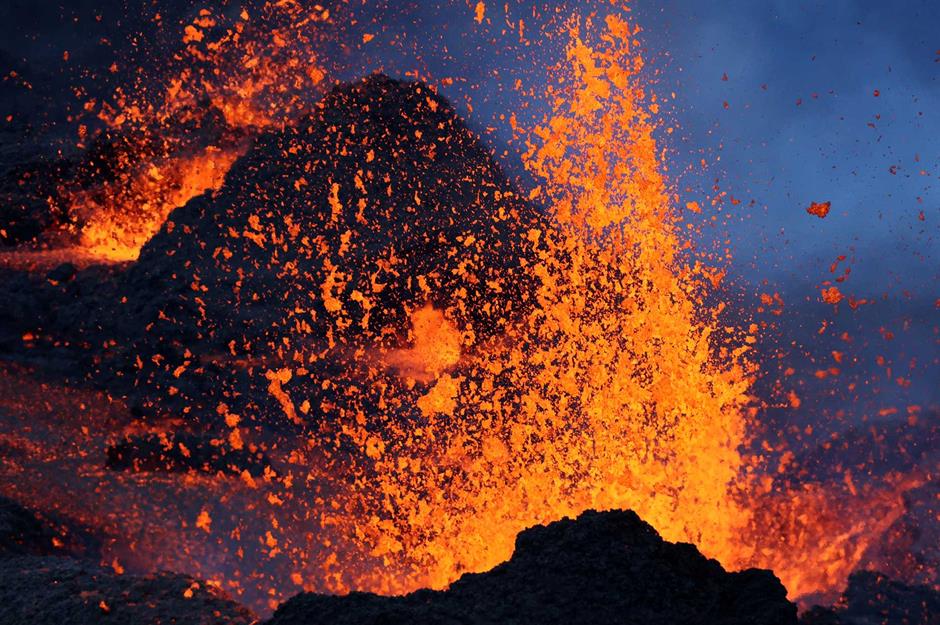
Piton de la Fournaise, Reunion, France
Sponsored Content
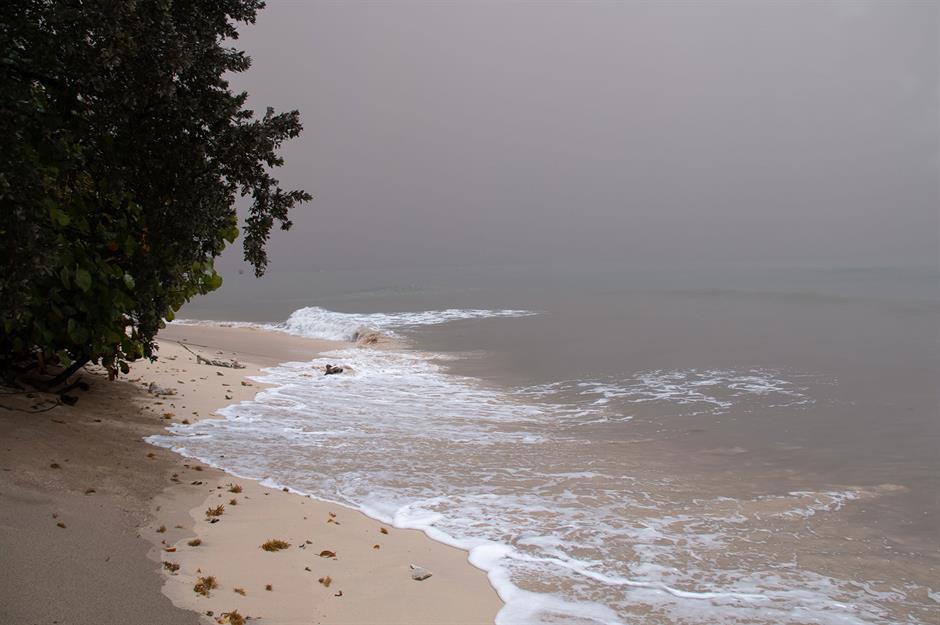
La Soufrière, Saint Vincent
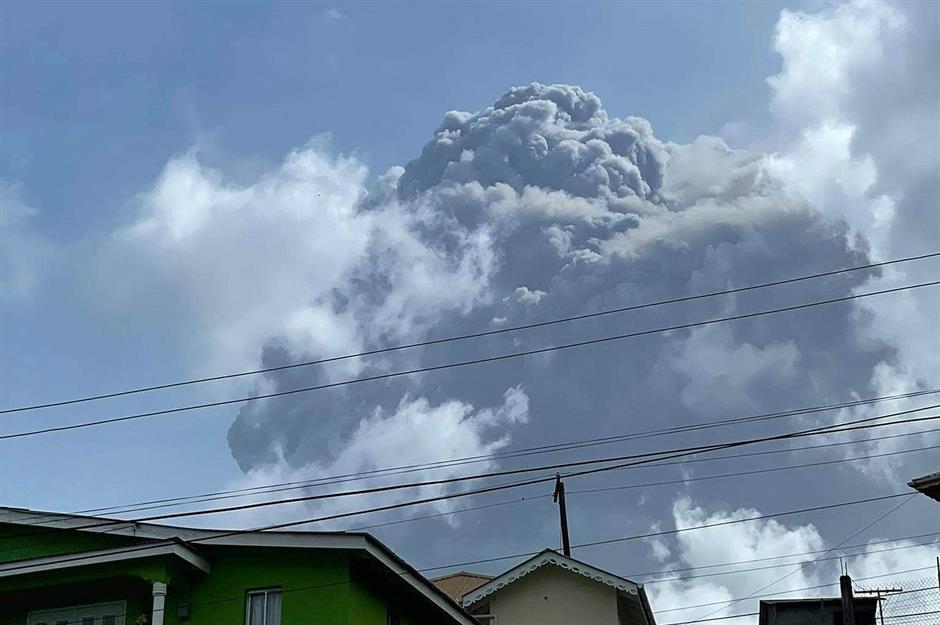
La Soufrière, Saint Vincent
Fagradalsfjall, Iceland
Sponsored Content
Fagradalsfjall, Iceland
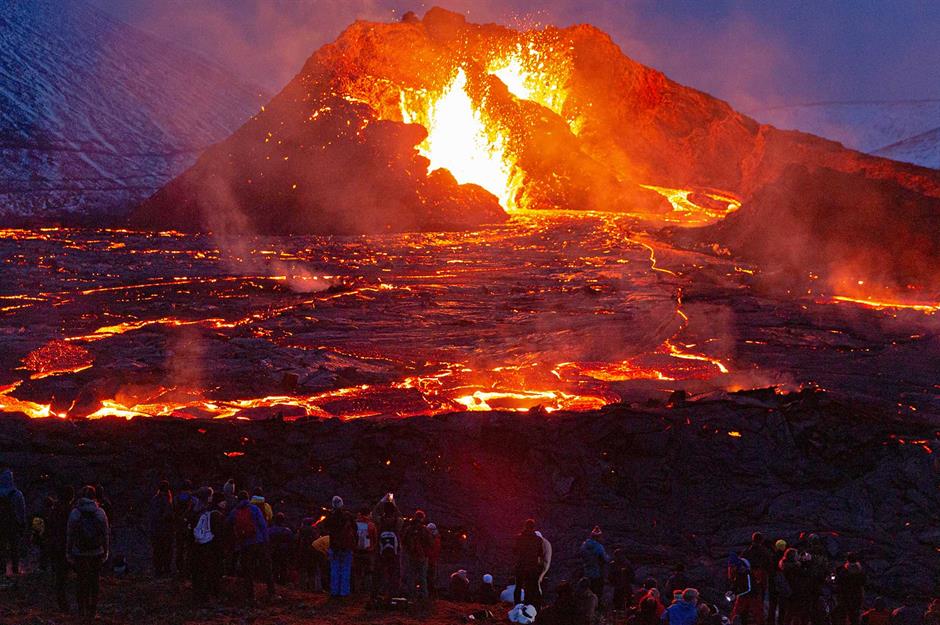
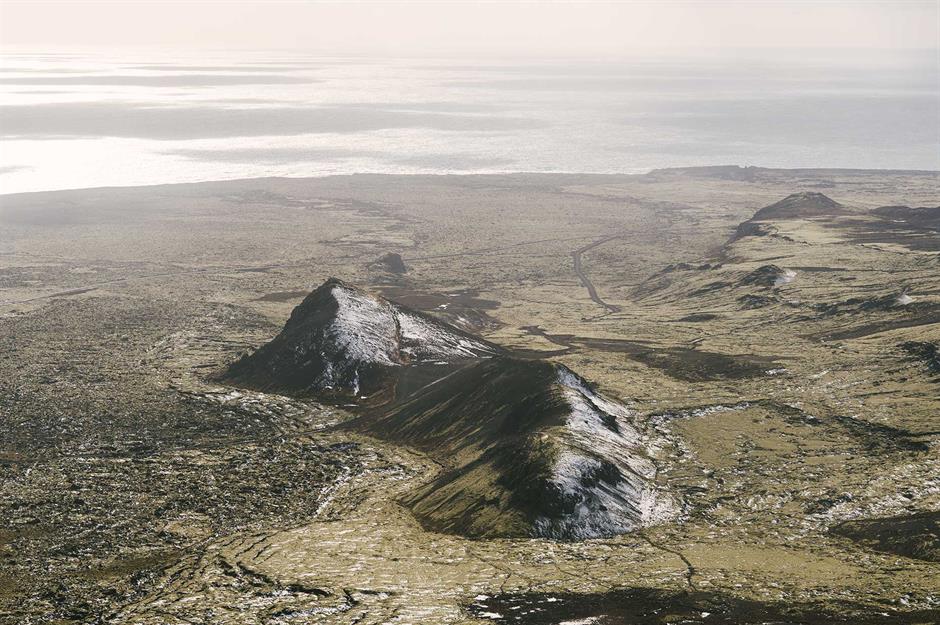
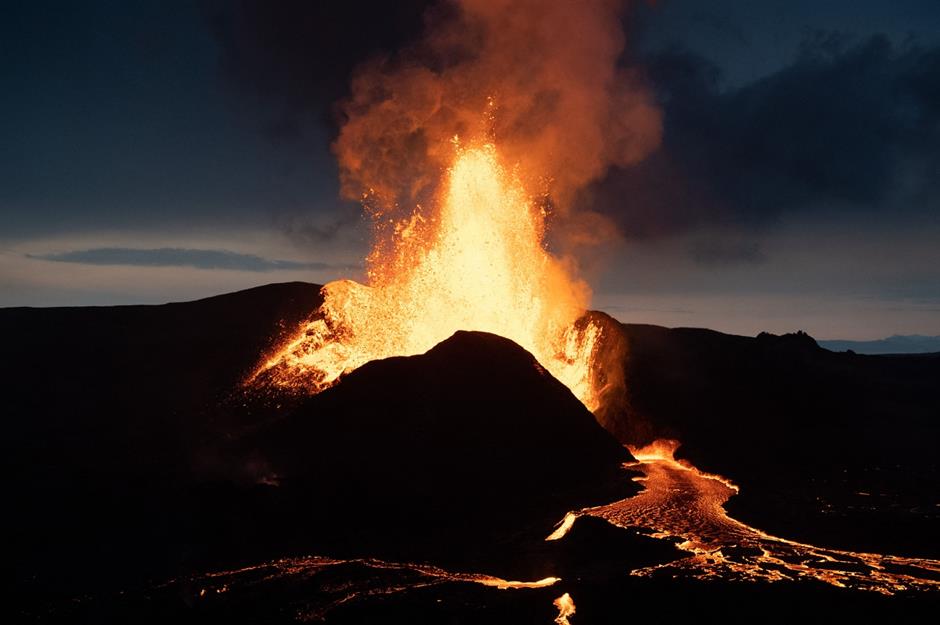
Located in the south, about an hour’s drive from Reykjavík, the spectacle drew hikers from miles around, keen to watch the lava flowing from the mountain’s two craters. As the lava was runny, its steady flow showed no signs of being explosive or posing any threat. Some enterprising (and presumably hungry) scientists were even spotted cooking sausages on the mountain. The only danger was due to gases which, in some weather conditions, can build-up to life-threatening levels. The viewing area was temporarily closed as a precaution on 22 March.
Fagradalsfjall, Iceland
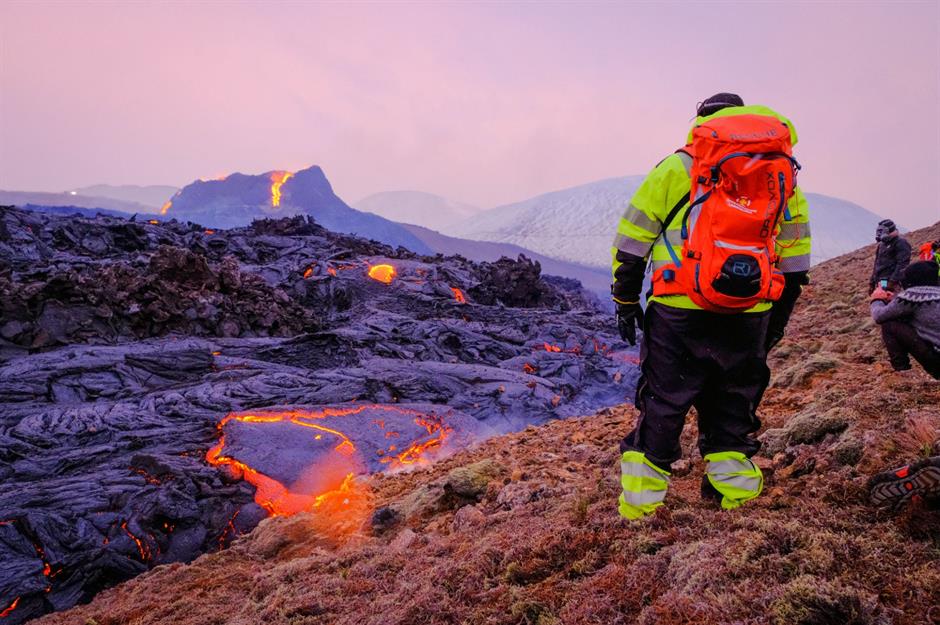
However, spectators were evacuated again when a helicopter spotted a third fissure forming a whole new lava field on 6 April 2021. Luckily for disappointed volcano fans – and indeed anyone unable to get to Iceland right now – this live video stream available on YouTube captured the mesmerizing action.
Fagradalsfjall, Iceland
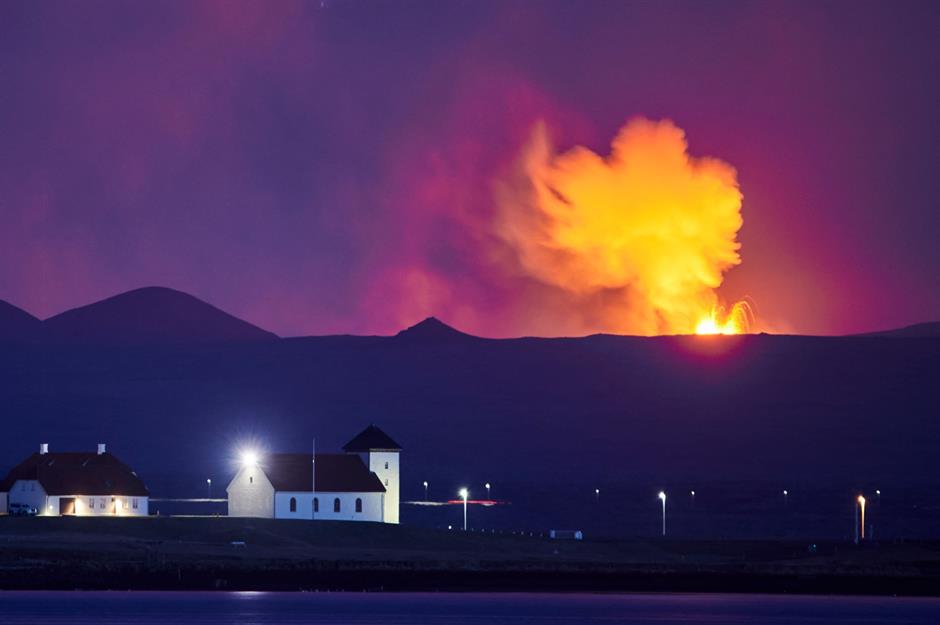
The eruption has now been ongoing for more than two months and a number of unusual activities have taken place near the active volcano, including the filming of a music video, and even a wedding! Pictured here is Bessastadir, the Icelandic president's official residence, with the erupting volcano behind it.
Sponsored Content
Fagradalsfjall, Iceland
Mount Etna, Sicily
Mount Etna, Sicily
Sponsored Content
Mount Etna, Sicily
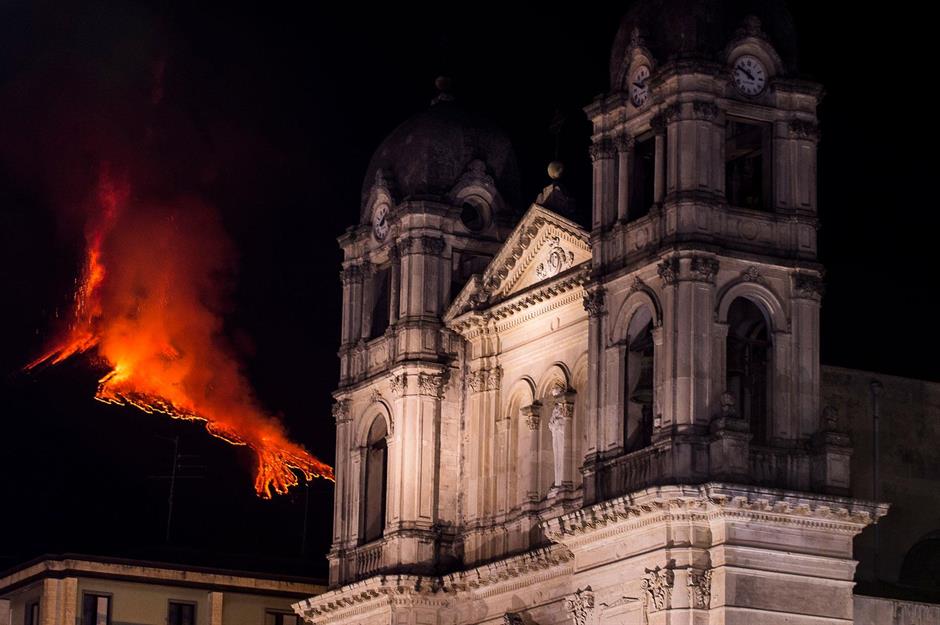
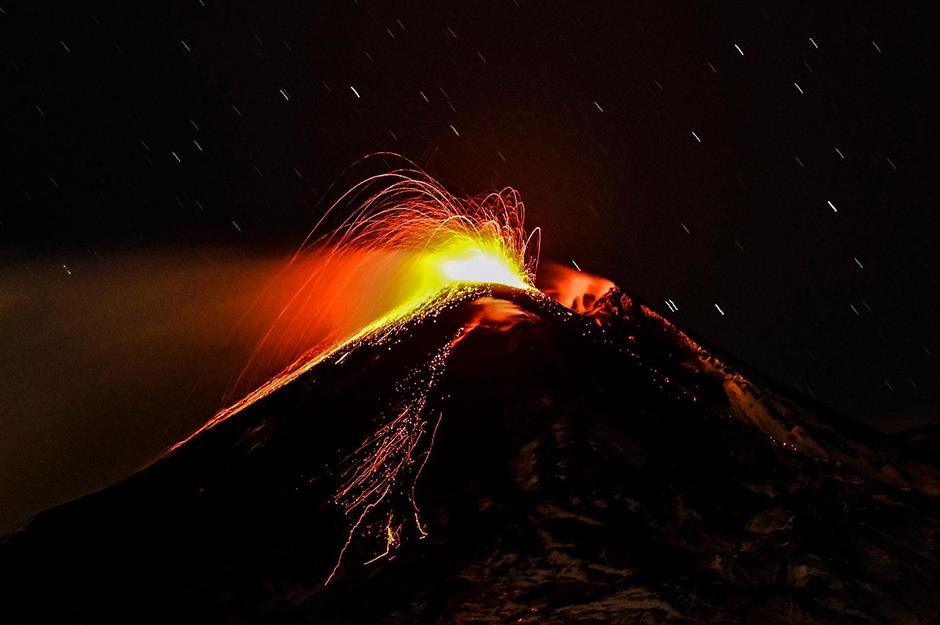
During this latest period of activity, Etna has been putting on a fireworks display that experts say is normal for the volcano. While the dust from the spectacle might be disruptive, it offered the opportunity for some jaw-dropping photography, such as this shot of a Baroque church in the village of Zafferana Etnea.
Mount Etna, Sicily, Italy
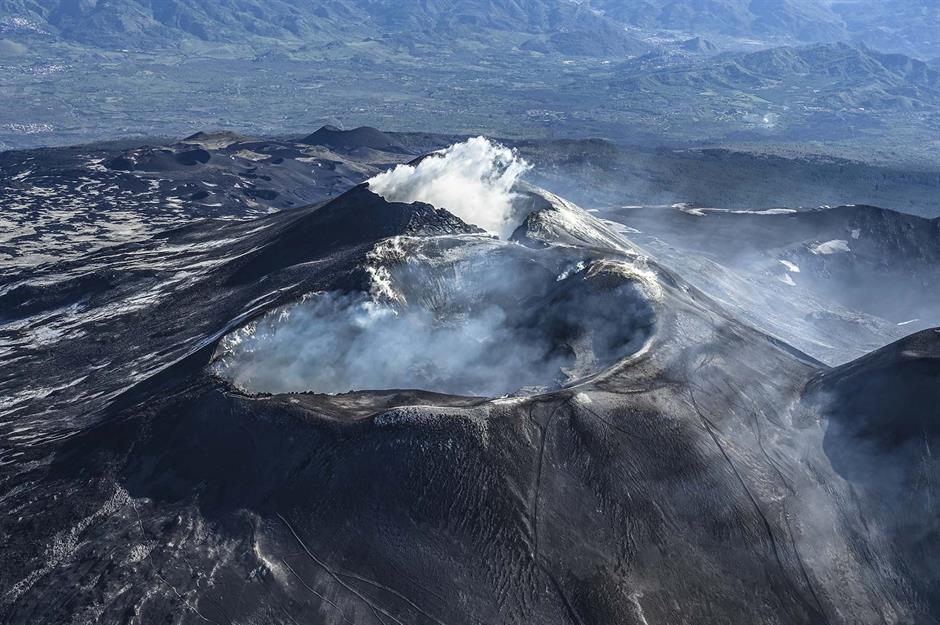
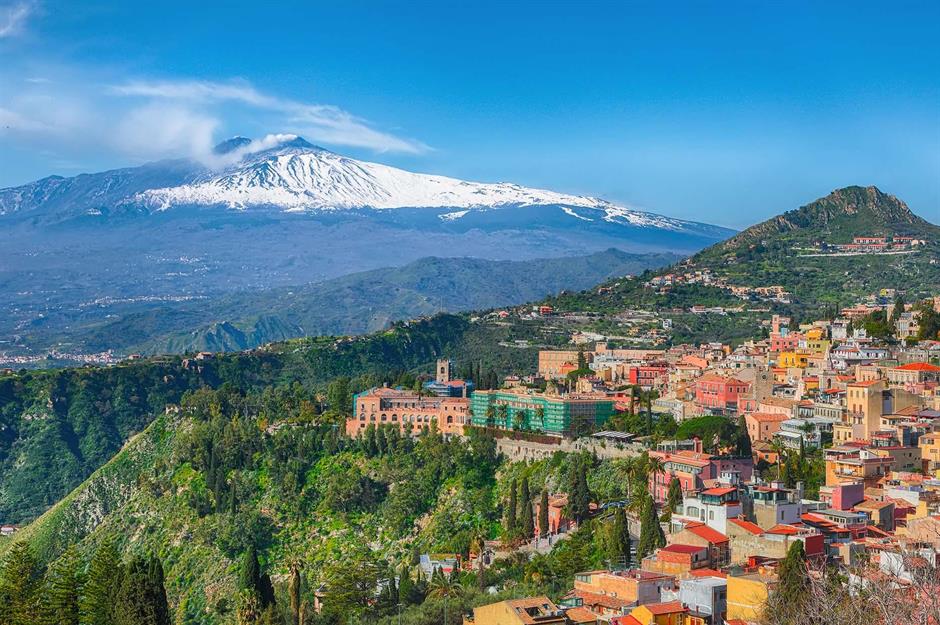
The latest data gathered by Italy's National Institute for Geophysics and Volcanology shows that as of August 2021, Europe's tallest volcano is now taller than ever. Analysis of satellite images revealed that Mount Etna's southeast crater has grown to a record 11,000 feet (3,357m) above sea level due to this recent bout of activity. Around 50 episodes of activity have been recorded this year and the Sicilian government estimates that around 300,000 tons of ash have had to be cleaned up so far.
These are history's most deadly and destructive forest fires