21 places rumoured to be hiding buried treasure
X marks the spot
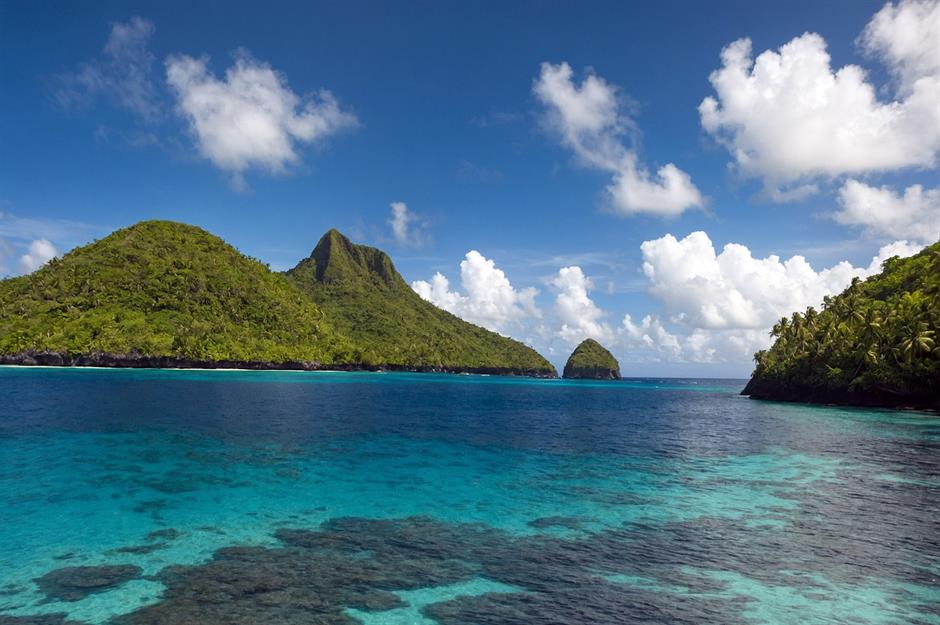
From sunken galleons to desert hoards, tales of buried treasure have captivated adventurers for centuries – and some legends refuse to die. Around the world, rumours of hidden riches range from remote islands and mountain caves to city centres and forgotten ruins. Whether rooted in pirate lore or wartime disaster, these mysterious locations continue to lure hopeful hunters and curious travellers alike.
Click or scroll on – and grab your map – to explore the world’s most intriguing places rumoured to conceal untold fortunes...
Busento River, Calabria, Italy
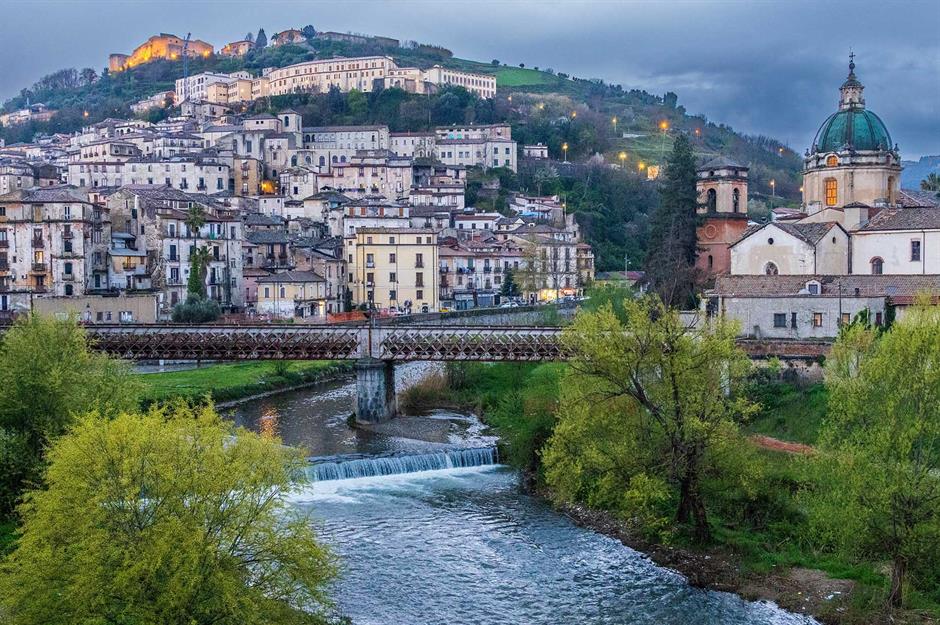
In AD 410, the Visigothic king Alaric died near the Busento River after sacking Rome. Legend holds that his soldiers diverted the river, buried him with fabulous treasures in the dry riverbed, then restored the water's flow and killed the workers to protect the location.
Despite centuries of speculation and searches near the Calabrian town of Cosenza, Alaric’s tomb and its treasure have yet to be found, making it one of Europe’s most enduring mysteries.
Mosfellsbær, Iceland
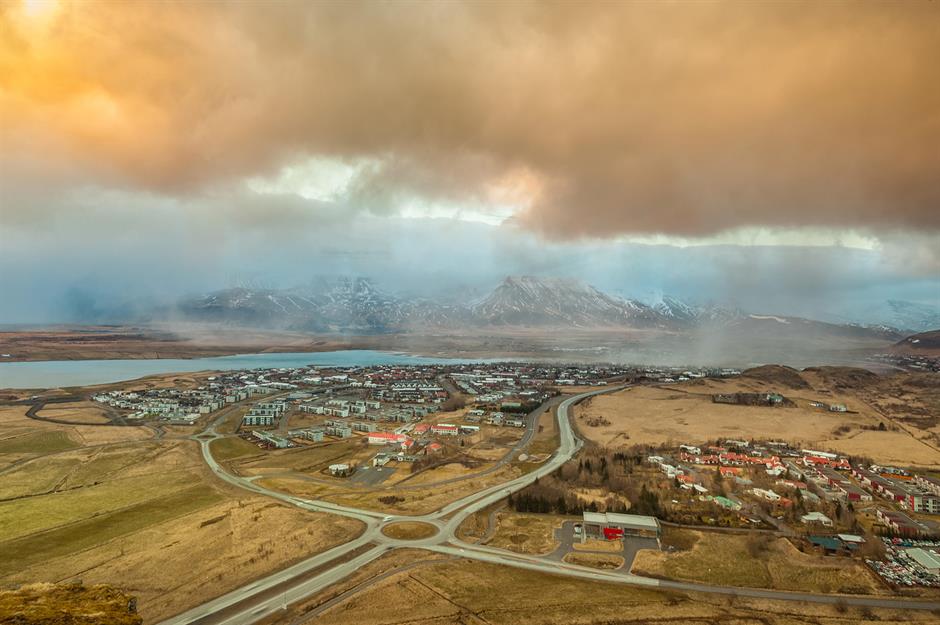
Viking warrior-poet Egill Skallagrímsson is said to have buried a hoard of silver near Mosfellsbær, Iceland, possibly in a secret cairn or hillside. According to saga lore, he hid the treasure shortly before his death to keep it from hostile family members.
Archaeologists have explored the region – including Egill’s supposed homestead at Borg in western Iceland – but no silver has been found. The story is preserved in Egil's saga, one of Iceland’s most important medieval texts, which blends historical detail with legend.
Sponsored Content
Tenochtitlan, Mexico City, Mexico
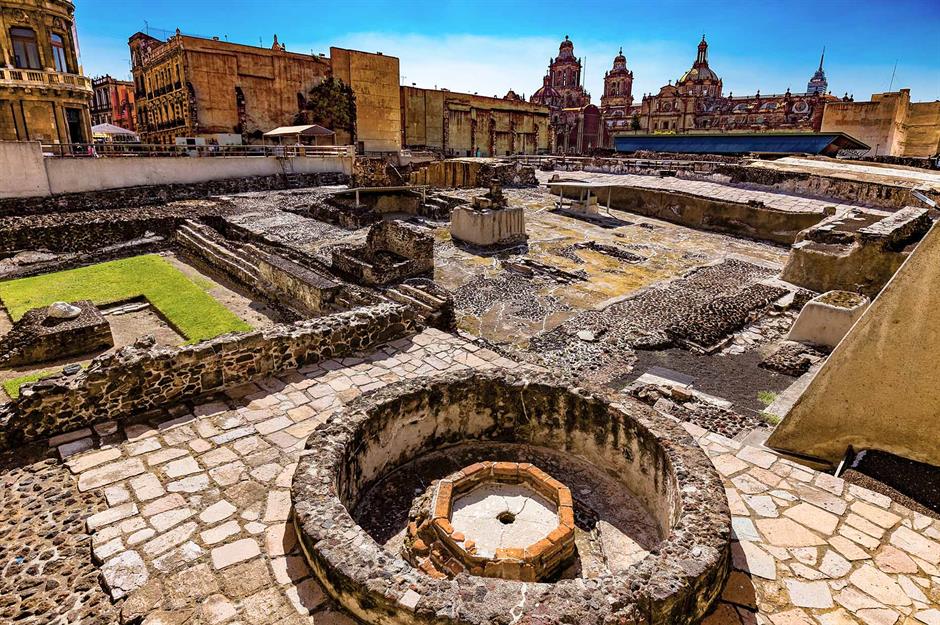
During the 1520 Spanish conquest of the Aztec capital Tenochtitlan, conquistador Hernán Cortés and his forces fled the city during La Noche Triste (or 'The Night of Sorrows'), losing much of the Aztec gold they had seized. As they crossed canals and causeways under constant attack, much of the treasure they were carrying was dropped or abandoned.
Much of the loot remains missing, although some artefacts have been recovered in Mexico City, including a massive gold bar found by a construction worker in 1981.
Dan-no-ura, Shimonoseki Strait, Japan
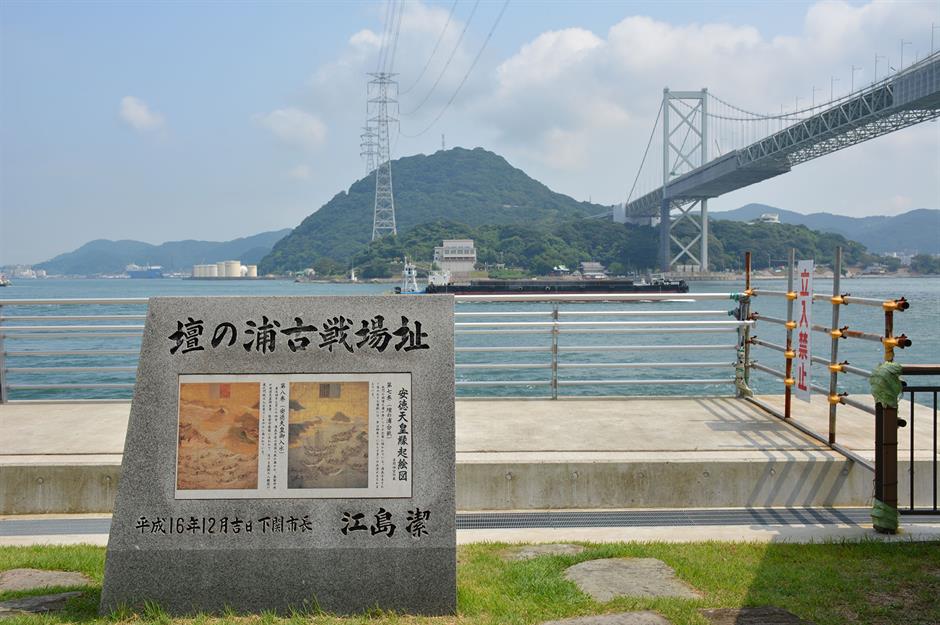
In 1185, Japan’s ruling Taira clan was defeated by the samurai-led Minamoto clan in the Dan-no-ura naval battle. According to a 14th-century epic, as defeat loomed, the Taira threw imperial regalia and treasure into the sea to prevent it falling into enemy hands. The lost regalia supposedly included a sacred mirror, a great jewel and the legendary Kusanagi-no-Tsurugi sword. The young Emperor Antoku drowned with his family.
Divers and historians have searched the Shimonoseki Strait for centuries, but the treasure, including the original sword, remains lost.
The Wash, Lincolnshire, England, UK
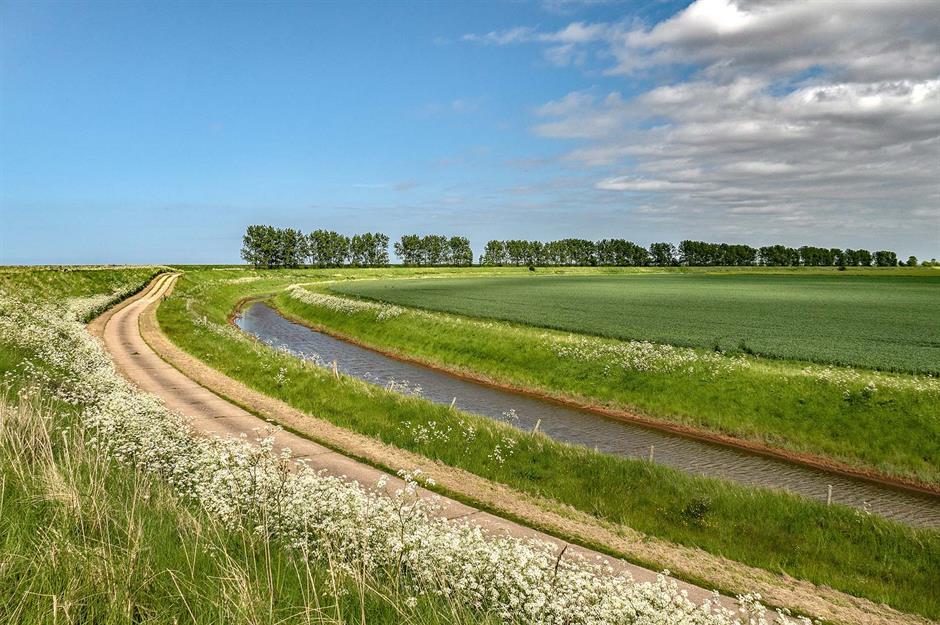
In 1216, the notorious King John lost a baggage train of wagons while crossing the Wash, a marshy estuary in southeast England. Historical accounts widely report that the incoming tide engulfed his attendants and carts, which were rumoured to be carrying crown jewels, gold coins and silverware that vanished into the marshes.
Recent digs linked to a solar farm development have renewed interest in the hunt, with archaeologists hoping to uncover clues to one of England’s most enduring stories of lost royal treasure.
Sponsored Content
Cocos Island, Costa Rica
In 1820, Spanish officials entrusted British privateer Captain William Thompson with transporting treasure from Lima, Peru to Mexico. Thompson and his crew stole the hoard of gold, jewels and sacred relics, fleeing to Cocos Island, Costa Rica, where they allegedly buried it. Though Thompson was later captured, the treasure was never recovered.
Over 500 expeditions, including by gangster Bugsy Siegel and explorer Frank Worsley, have searched in vain for the estimated $1 billion (£750m) trove. Today, the island is a UNESCO World Heritage Site where treasure hunting is illegal.
Oak Island, Nova Scotia, Canada
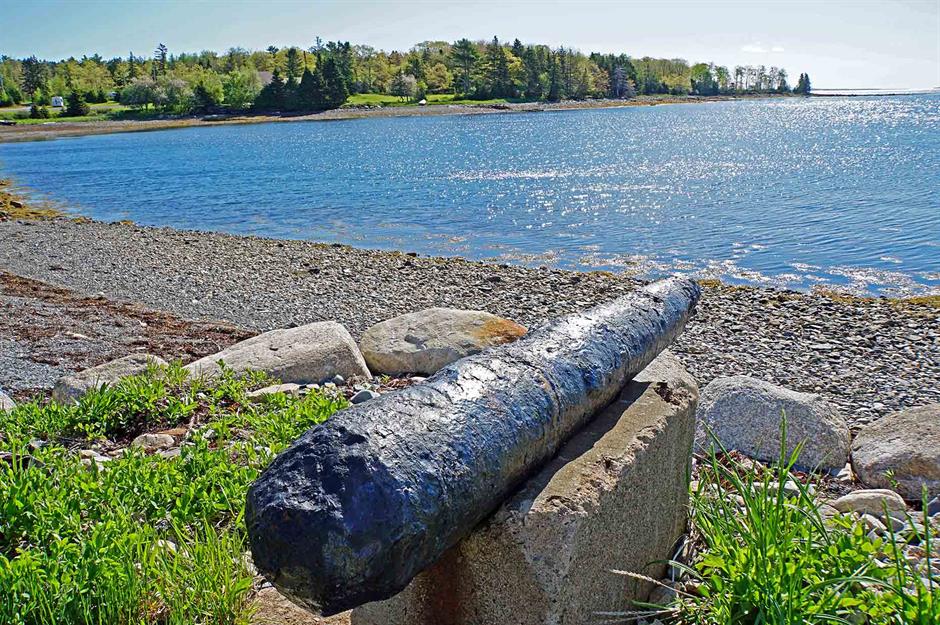
The 140-acre Oak Island, Nova Scotia, is rumoured to hide lost treasure, largely thanks to mysterious wooden platforms and booby-trapped shafts discovered in 1795 in what has become known as 'the Money Pit'. Theories link the site to Captain Kidd, Spanish gold and even the Knights Templar.
US President Franklin D Roosevelt joined an expedition there in 1909 and remained fascinated by the mystery throughout his life. Today, Oak Island is privately owned but offers limited guided tours to visitors, which must be booked in advance.
Gobi Desert, Mongolia
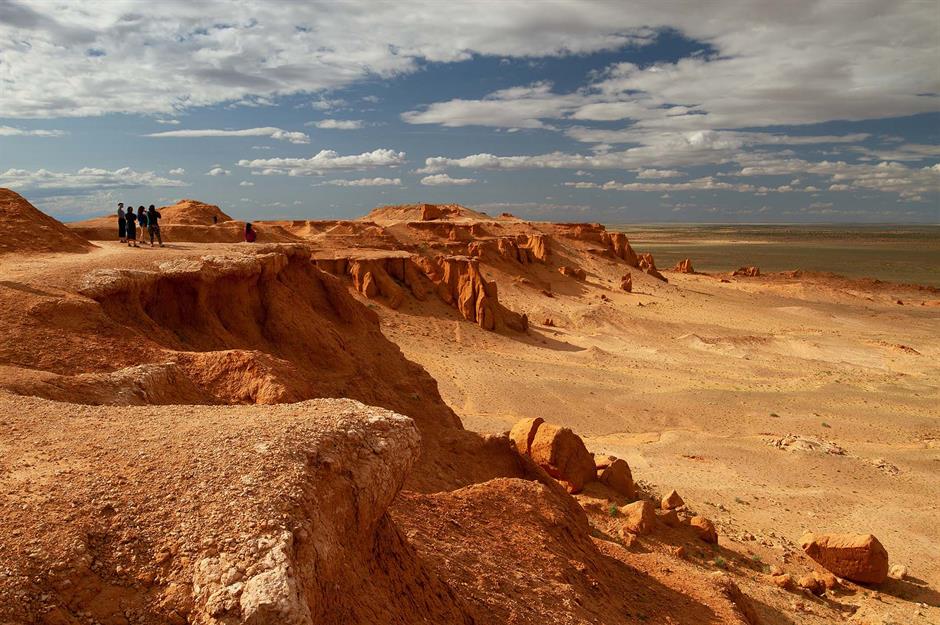
The Gobi Desert is home to legends of ancient Mongol hoards and Silk Road riches lost in sandstorms. However, the most notable tale involves hidden crates of Buddhist relics that were linked to the 19th-century master Danzan Ravjaa. During Mongolia’s Communist purge in the 1930s, a monk named Tudev buried 64 crates of Ravjaa’s statues, manuscripts and sacred items in the desert to protect them.
Tudev's grandson recovered some of the crates in the 1990s, with two more found in 2009, but around 20 remain missing.
Sponsored Content
Lake Guatavita, Colombia
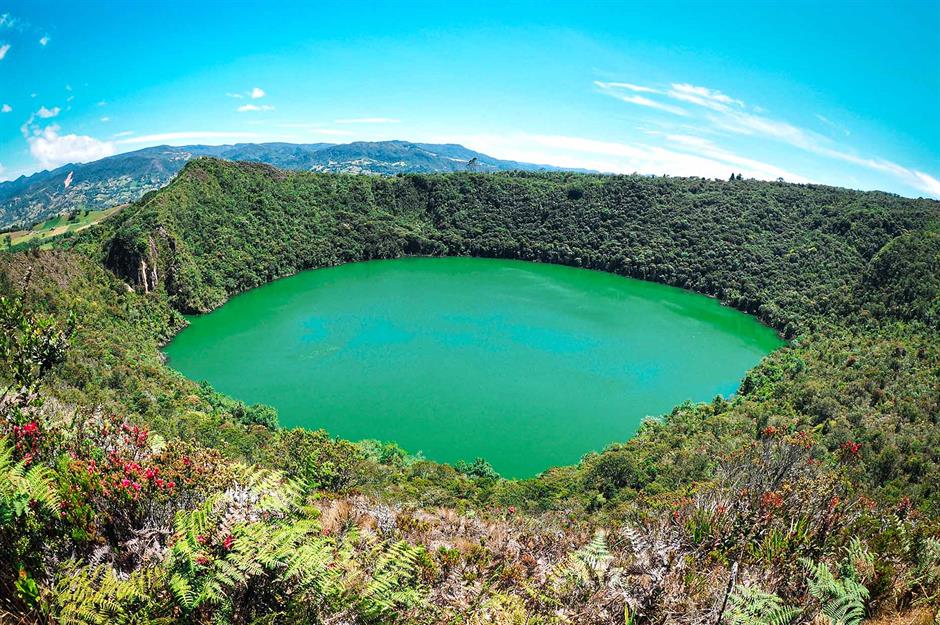
Lake Guatavita is famed as the origin of the El Dorado legend. The Muisca people performed gold-offering rituals here, with their chief – covered in gold dust – diving into the lake while attendants threw treasures into the water.
Spanish conquistadors attempted to drain the lake in the 16th century but found little. In 1898, a British company discovered a few gold ornaments, but their efforts were hampered by thick mud. Today, the lake is a protected site where treasure hunting is banned, although the myth of El Dorado endures.
Le Grau-du-Roi, France
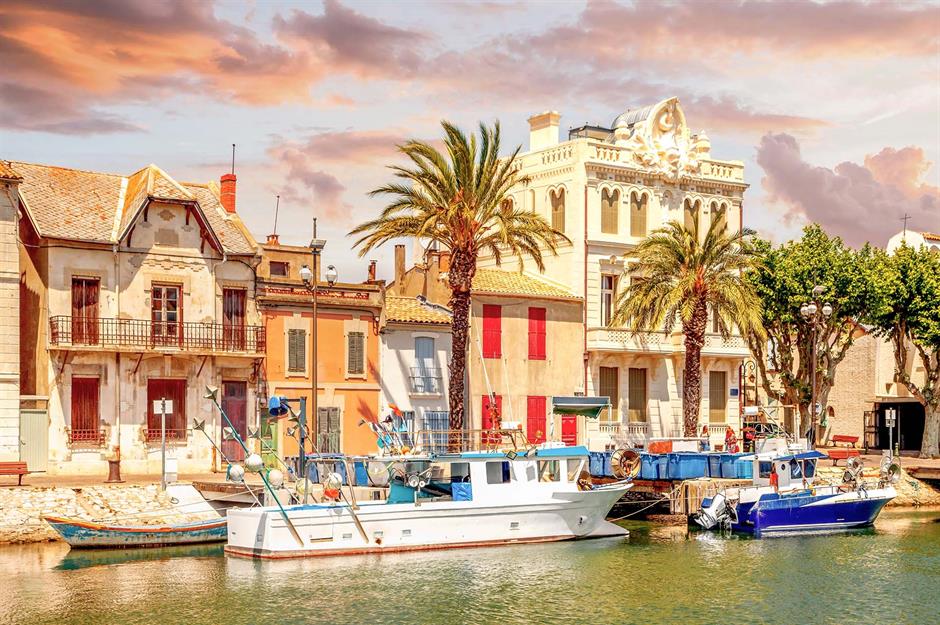
In 1357, pirates stole treasure belonging to Bishop Thibaud de Castillon, who had died the year before in Lisbon, Portugal. His gold, jewels and tapestries were being shipped aboard the São Vicente to Avignon, France when it ran aground near the fortified port of Aigues-Mortes and the modern-day resort of Le Grau-du-Roi.
Though never recovered, some believe the treasure was hidden in caves or buried in the surrounding salt marshes. Its fate remains one of medieval Europe’s most tantalising maritime mysteries.
Northern coast of Sumatra, Indonesia
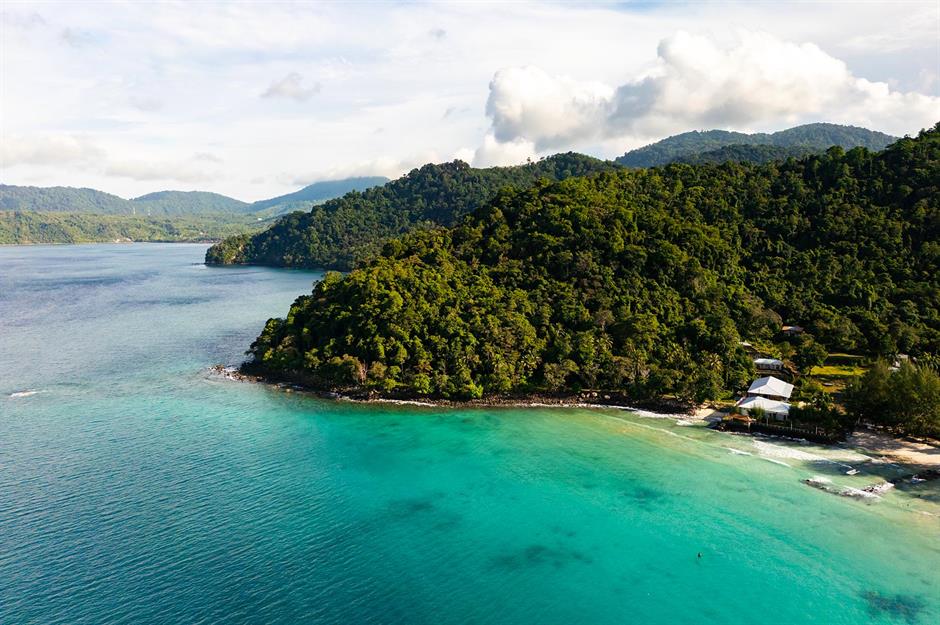
The Flor de la Mar, a 16th-century Portuguese carrack, sank off Sumatra in 1511 with treasure worth an estimated $2.6 billion (£1.9bn).
Commanded by Afonso de Albuquerque, it carried gold, gems and artefacts looted from the Sultan of Malacca – intended as a gift for the Portuguese king Manuel I.
Despite its grandeur, the ship was structurally flawed and broke apart in a storm. Albuquerque survived; the treasure did not. The wreck remains undiscovered, sparking centuries of international disputes and treasure-hunting expeditions.
Sponsored Content
Kashubia region, Poland
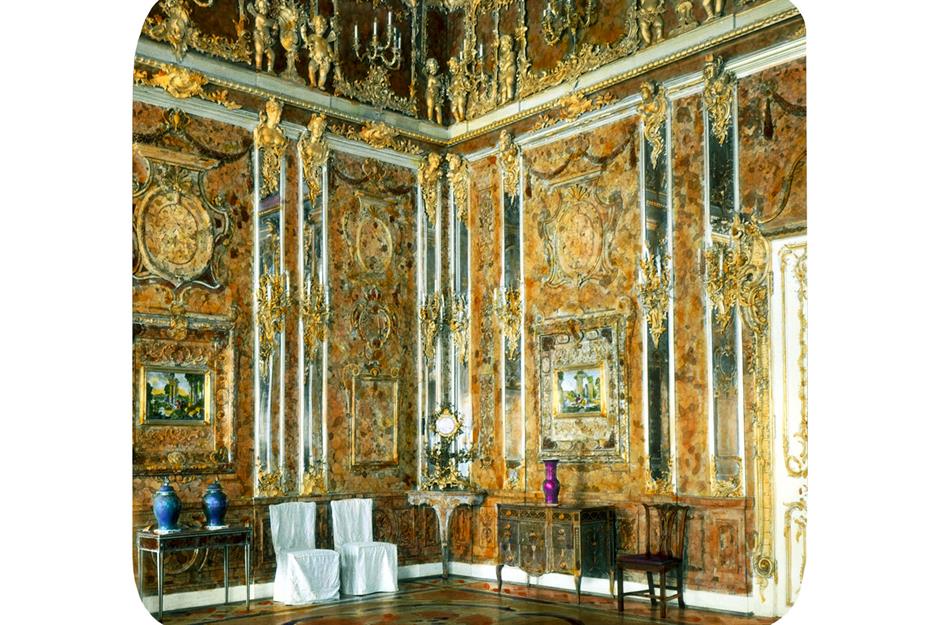
The Amber Room, looted by Nazis from Russia’s Catherine Palace in 1941, remains one of history’s greatest lost treasures. After its panels and mirrors were stolen, they were displayed in Königsberg (now Kaliningrad) before being moved west, and new theories suggest they may lie buried in Kashubia, Poland.
Treasure hunter Jan Delingowski, inspired by a former inmate’s account of war criminal Erich Koch, suspects a camouflaged SS bunker near Brusy hides the treasure. Ground-penetrating radar has revealed anomalies, prompting official excavations of the former Nazi training zone.
Monkey Point, Yangon, Myanmar
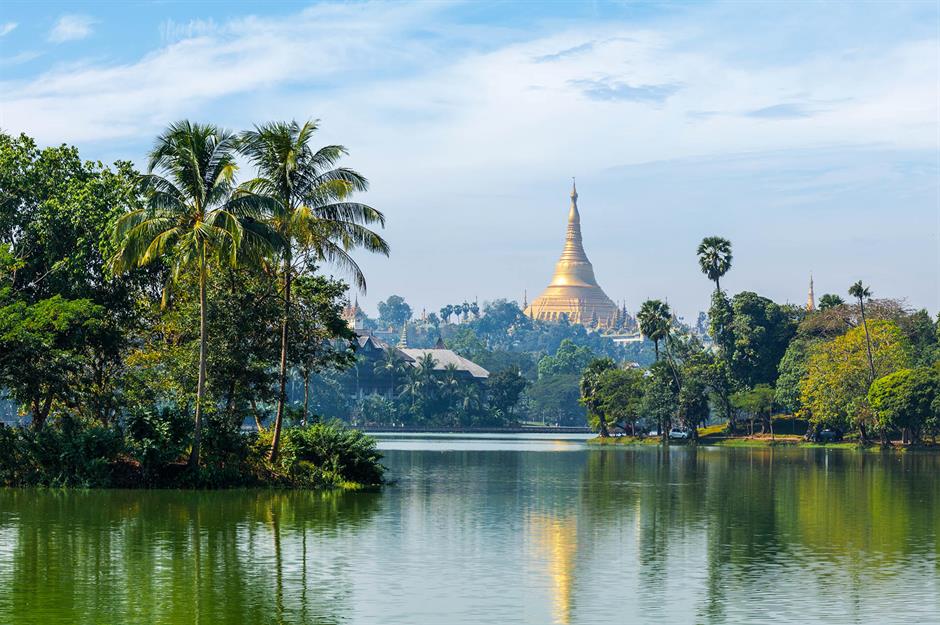
The Great Bell of Dhammazedi, lost in 1608, is believed to be the largest bell ever cast, weighing almost 300 tonnes. Commissioned by King Dhammazedi in 1484 for the Shwedagon Pagoda, it was made from copper, gold, silver and tin. Portuguese warlord Filipe de Brito attempted to steal it to melt it into cannons, but the bell sank into the Yangon River at Monkey Point.
Despite sonar surveys and international interest, it remains buried in mud.
Gedi Ruins, Kenya
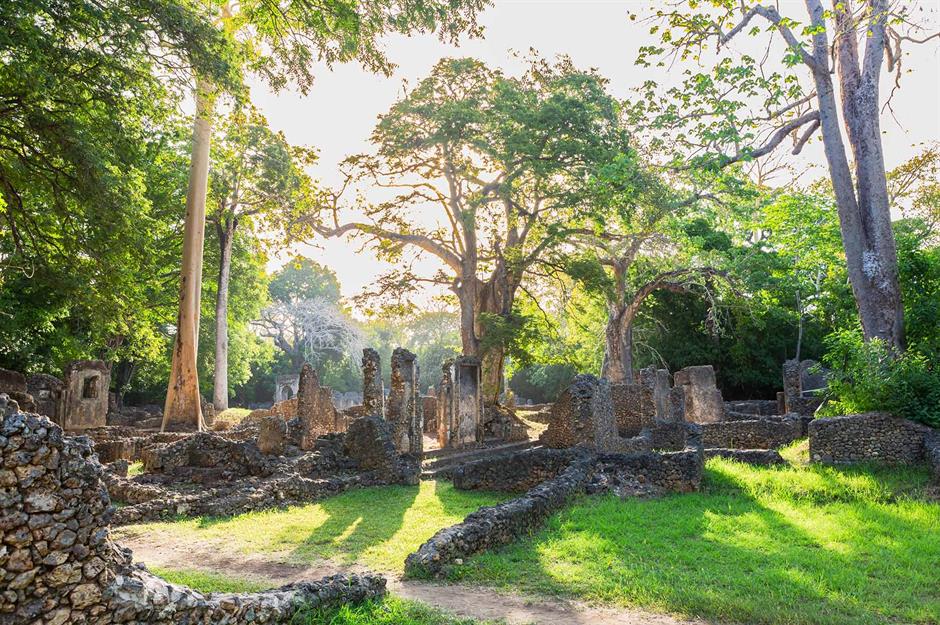
Flourishing between the 12th and 16th centuries, the once thriving city of Gedi was mysteriously abandoned, and its wells are said to have turned salty overnight.
Since the town’s sudden desertion, archaeologists have found Ming Dynasty ceramics, Spanish tools and Venetian beads, leading some to speculate that more valuable objects could have been left behind in the exodus. However, protected by ancestral spirits known as the Old Ones, the ruins are considered cursed to those who disturb them.
Sponsored Content
San Francisco Financial District, California, USA
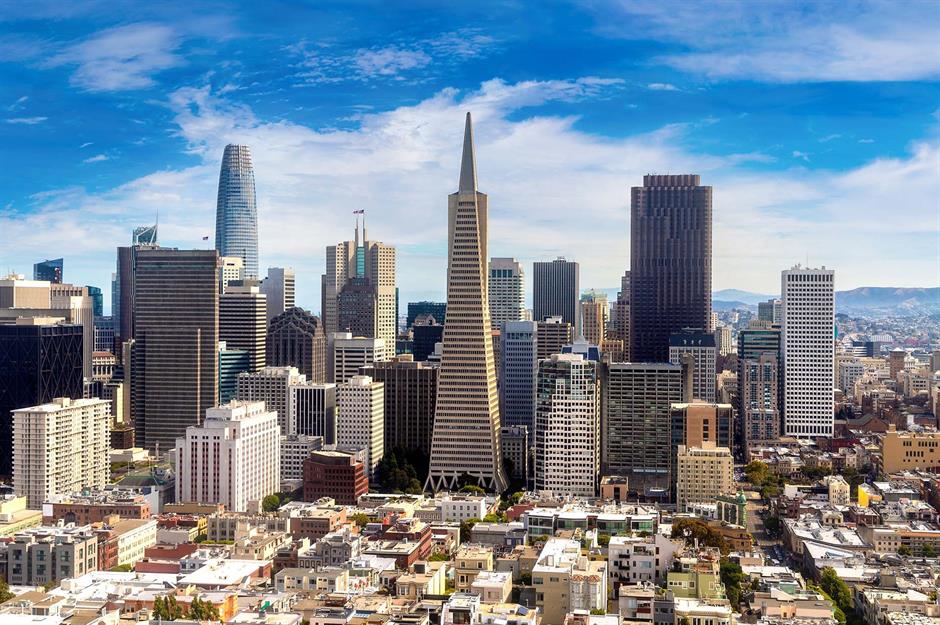
San Francisco’s Financial District is rumoured to conceal buried treasure linked to 19th-century shipwrecks and the Gold Rush. During the boom, many ships were abandoned and repurposed as foundations for buildings, while some sank into the mud of the bay. Some believe gold coins, cargo and personal fortunes remain hidden in the wrecks that lie beneath the modern streets.
Around 70 ships have been mapped beneath the city and, in recent years, construction crews have uncovered entire hulls and artefacts including coins, tools, ceramics and ship timbers.
Moyenne Island, Seychelles
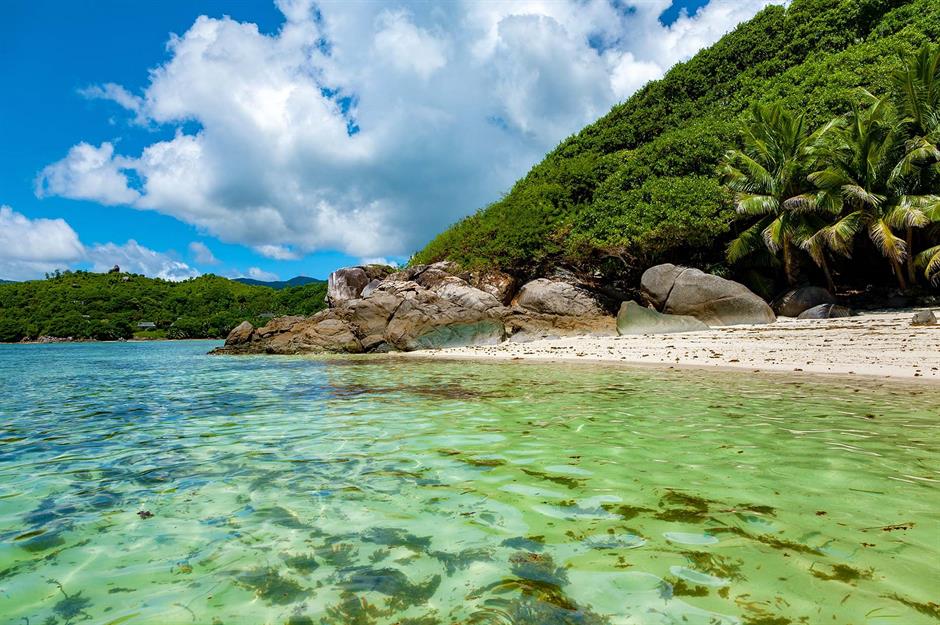
Moyenne Island in the Seychelles is fabled to hide pirate treasure, possibly linked to the infamous 18th-century pirate Olivier Levasseur, known as La Buse ('The Buzzard'). Legend says he left behind a cryptogram revealing the treasure’s location before his execution.
British newspaperman Brendon Grimshaw, who bought and lived on the island from 1962 until his death in 2012, searched for the treasure for decades. Though no gold was found, mysterious rock carvings and two pirate graves continue to fuel belief that there's booty yet to be uncovered. Today, Moyenne is the world's smallest national park.
Irish Canyon, Colorado, USA
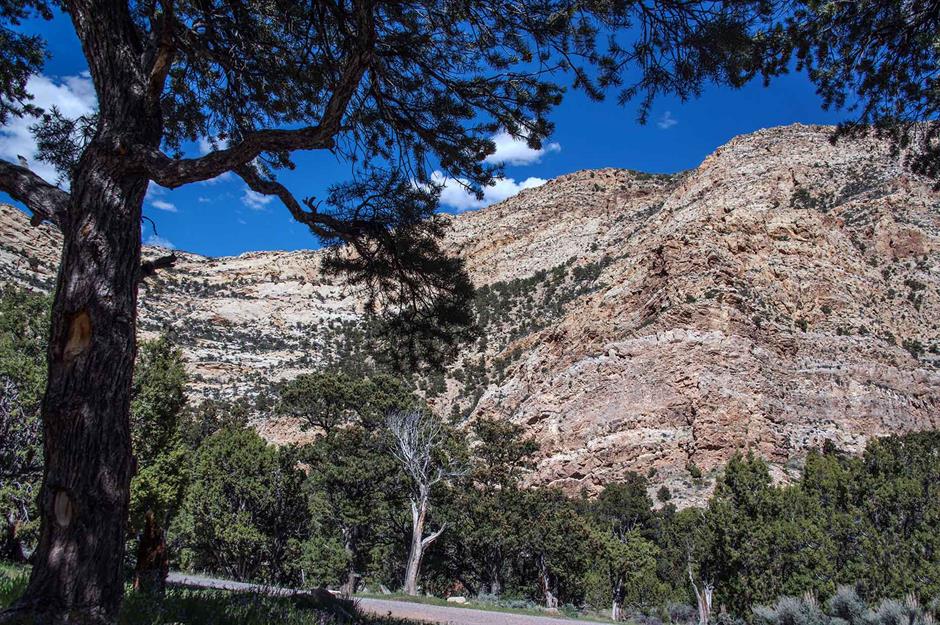
Irish Canyon in northwest Colorado is said to conceal silver coins buried by famed outlaws Butch Cassidy and the Wild Bunch in the late 1800s. The rugged canyon was a hideout for bandits, making it a prime location for stashing loot.
Despite decades of speculation, no confirmed cache has ever been found. There is treasure to be discovered along these remote trails, however – the region is peppered with carvings and paintings made by the prehistoric Fremont people, who lived in the American Southwest roughly between AD 200 and 1300.
Sponsored Content
Padmanabhaswamy Temple, Thiruvananthapuram, India
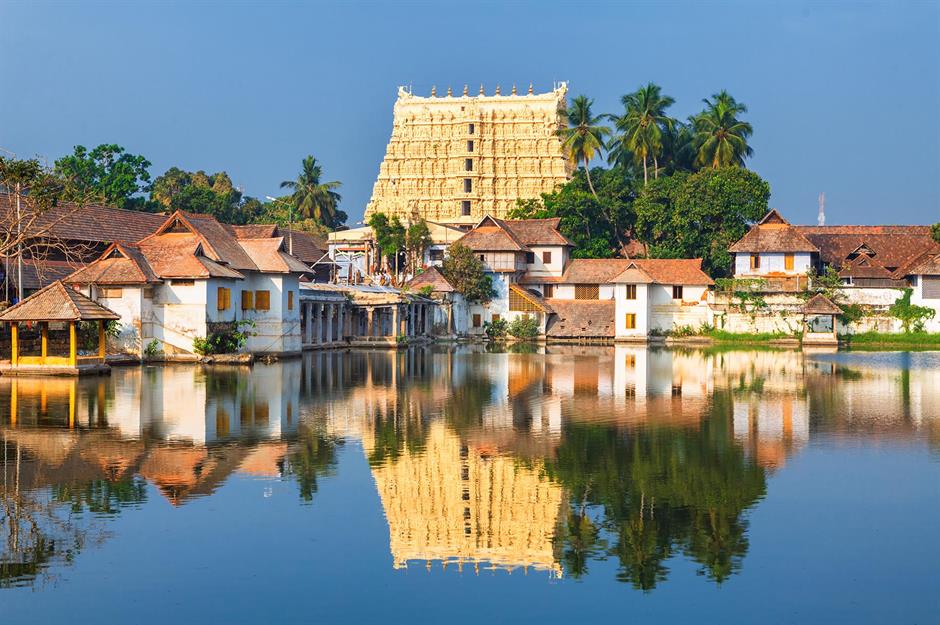
Padmanabhaswamy Temple holds one of the world’s largest treasure hoards, uncovered in 2011 during a court-ordered inventory of its sealed underground vaults. The riches included gold coins, jewel-encrusted crowns, ceremonial attire, golden idols and sacks of diamonds – estimated to be worth over $12 billion (£9bn).
Of the temple's eight known vaults, A to F were opened, but vault B remains sealed due to religious and legal concerns – as do vaults G and H, which were discovered in 2014. The unopened chambers continue to fuel theories of even greater riches yet to be discovered.
Lake Toplitz, Austria
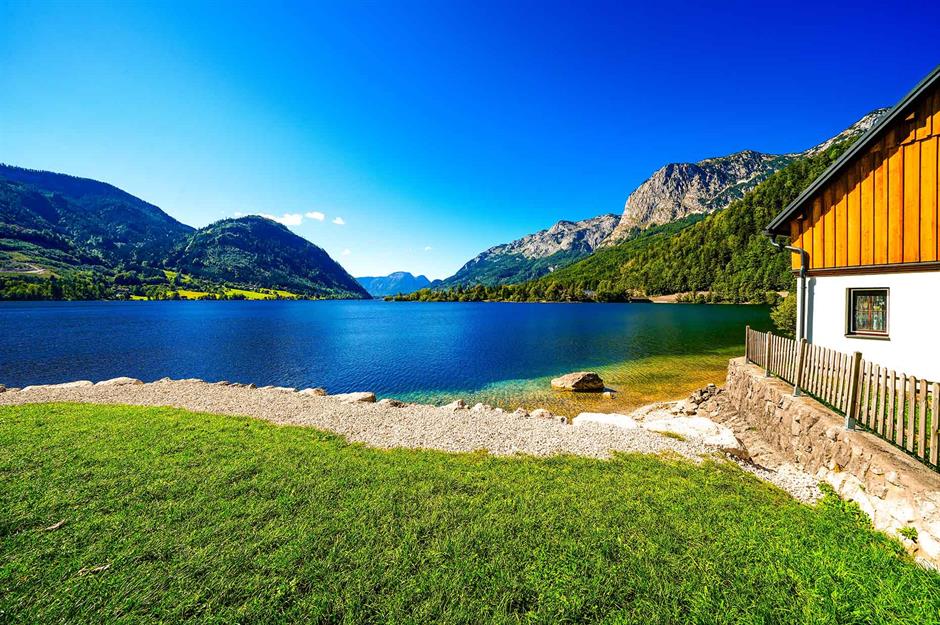
Lake Toplitz in Austria is rumoured to conceal Nazi treasure dumped during World War II. Legends claim that gold and platinum were sunk to prevent Allied recovery, along with forged British banknotes from Operation Bernhard – a scheme to destabilise the British economy through mass counterfeiting.
The lake’s lower depths are oxygen-starved and layered with sunken logs, making exploration dangerous. In the 1950s and 1960s, divers recovered boxes of counterfeit currency, but no gold. The Austrian government has since restricted diving, preserving the lake’s mystery.
East or northeast South Africa
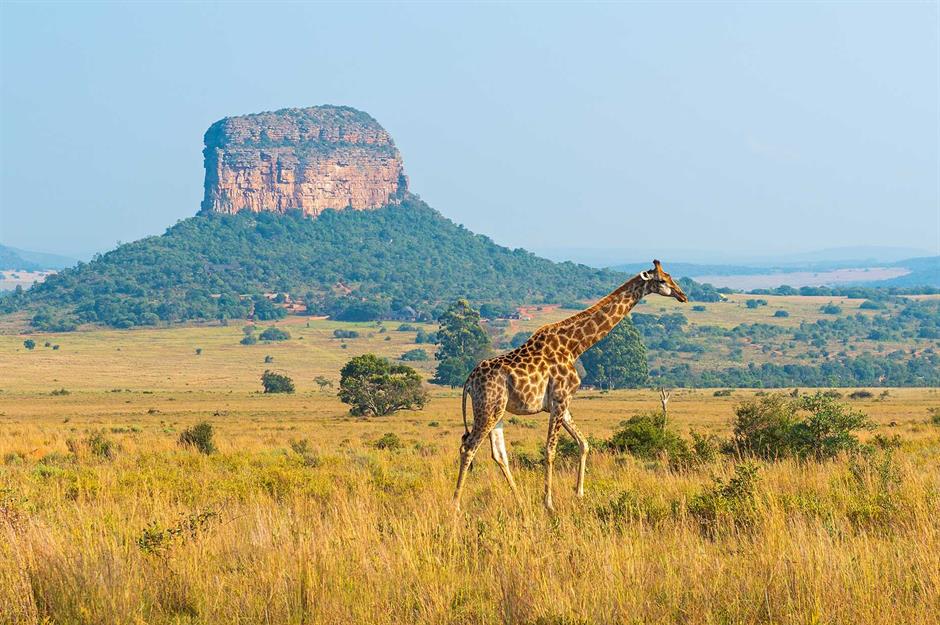
The Kruger Millions is a legendary cache of gold allegedly hidden by South African president Paul Kruger during the Second Boer War, between 1899 and 1902. As British forces advanced, it's believed that Kruger ordered the concealment of government gold reserves – possibly worth millions – somewhere between Pretoria and Mozambique. Theories range from buried chests in the bushveld to secret train shipments.
Despite extensive searches, no official treasure has been found, although there have been numerous unsubstantiated claims.
Sponsored Content
Ilhabela, São Paulo, Brazil
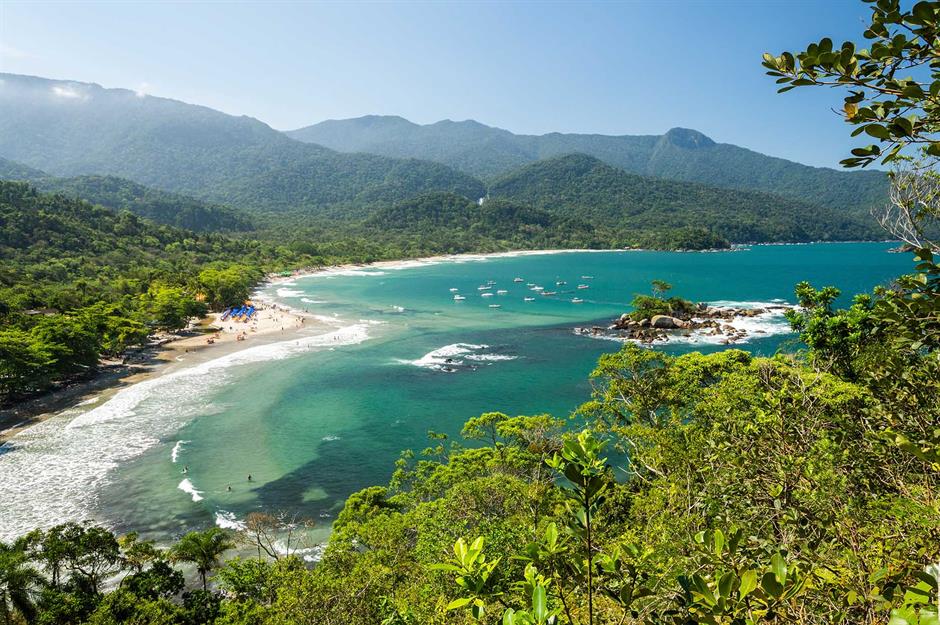
The Príncipe de Asturias, a Spanish ocean liner dubbed 'the Spanish Titanic', sank off Ilhabela, Brazil in 1916 with hundreds of lives lost. It carried vast quantities of gold, paid by the British government to Argentina for wartime food supplies. Rumours persist that several tonnes of undeclared gold may also have been stashed in the hold, according to Spanish newspaper El País.
Some speculate that the ship was deliberately sunk for insurance fraud, adding intrigue to one of South America’s most tragic maritime disasters. Though divers have explored the wreck, no confirmed treasure has ever been recovered.