Revealed: The world's safest and most dangerous countries
Safety rated
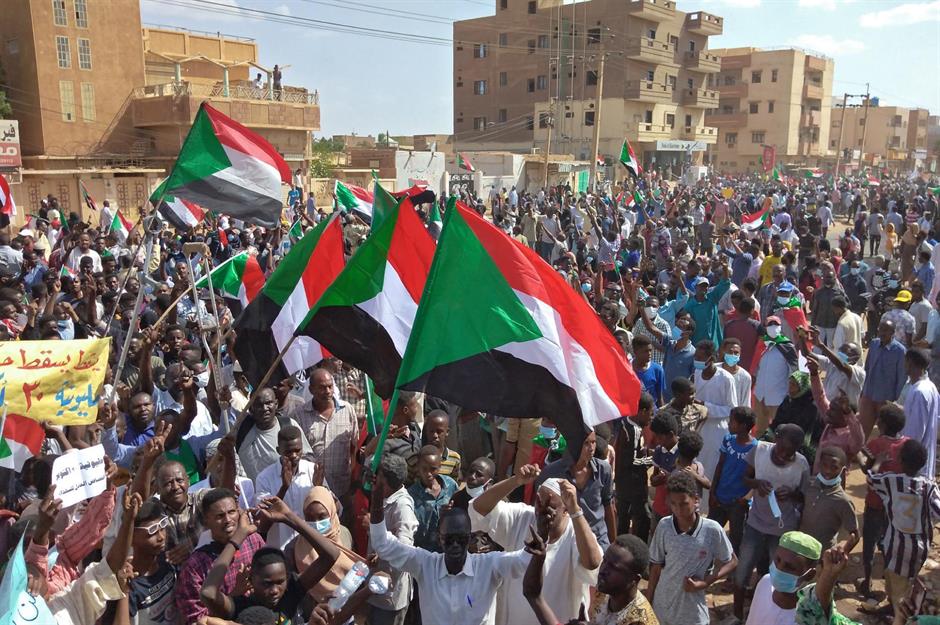
Which parts of the world are the safest, and which are the most dangerous? Each year, the Institute for Economics and Peace (IEP) publishes its Global Peace Index (GPI), which ranks 163 independent states and territories in order of peacefulness, assessing 23 peace indicators including deaths from conflict, geopolitical tensions and breakdowns in social cohesion. Overall, the 2025 report suggests that the 18-year trend of increasing global instability has continued.
Click through this gallery to discover this year’s most and least peaceful countries…
10th safest: Finland
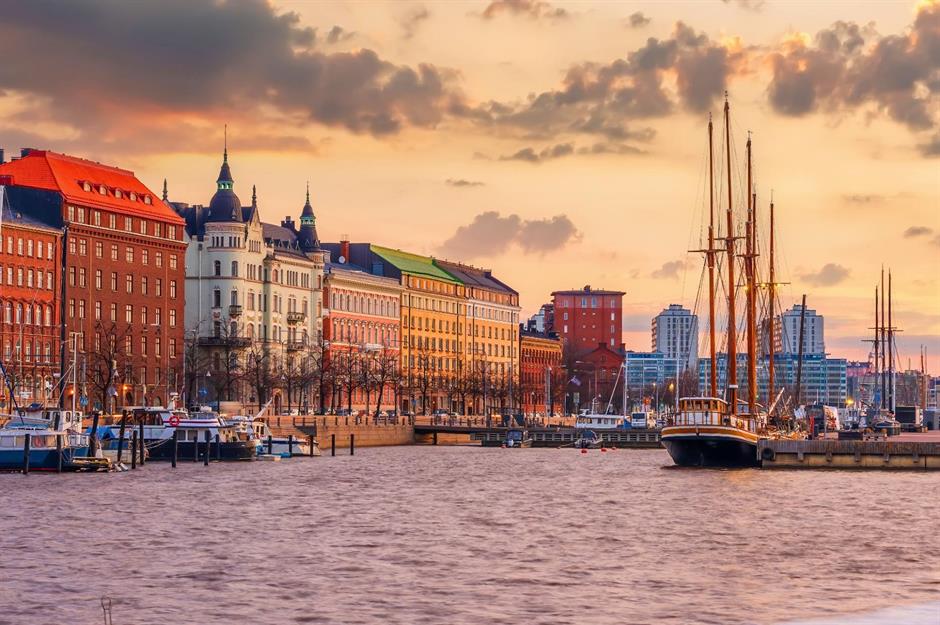
Up one place from 2024 is Finland, a Nordic country located in a part of the world that's generally stable and peaceful. Finland is the eighth safest out of 33 Western and Central European countries.
The Western and Central European region is the most peaceful in the world in the 2025 GPI, but the Russia-Ukraine conflict has had a widespread impact. It's led to an overall drop in peacefulness in this region of 0.57% over the past year.
9th safest: Slovenia
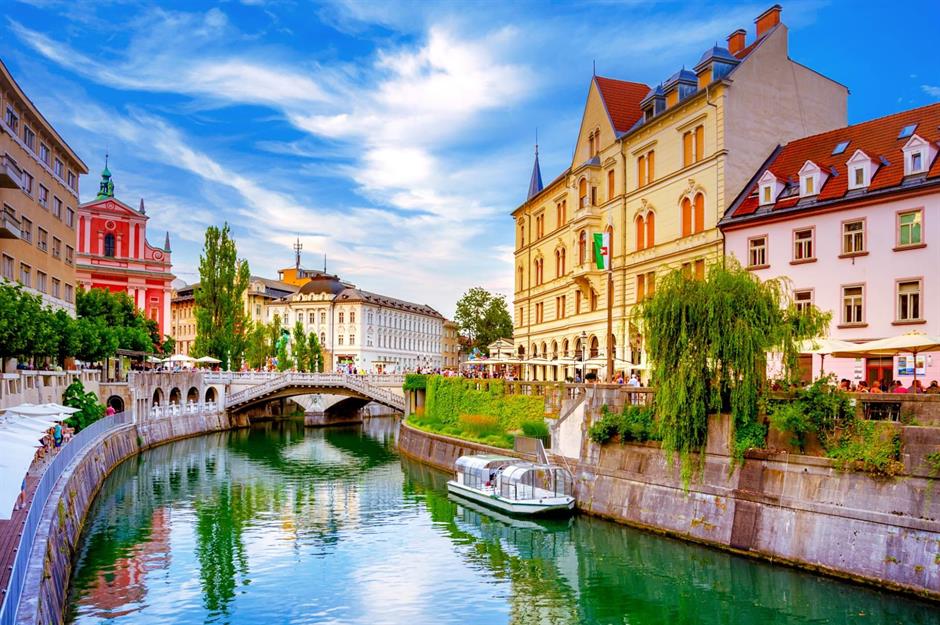
Retaining its place at number nine in the index is Slovenia. Bordering Hungary, Italy, Austria and Croatia, this Central European country is known for its mountains, ski resorts and stunning scenery, including the effortlessly photogenic Lake Bled.
Since declaring its independence from Yugoslavia in 1991, Slovenia has grown to become a popular tourist destination, with a stable democracy and economy and a high standard of living. Slovenia is the seventh most peaceful Western and Central European country included in the index.
Sponsored Content
8th safest: Denmark
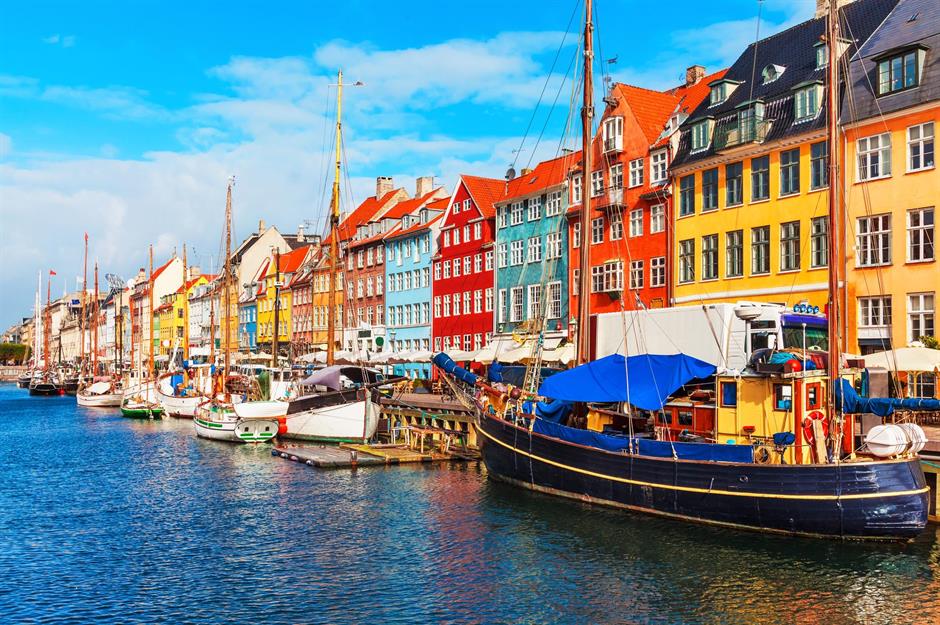
Also keeping its place from last year’s index is Denmark. Bordering Germany to the south and linked by bridge to Sweden, the Scandinavian country is home to clean, open spaces and a culturally rich capital city, Copenhagen.
Denmark enjoys a stable democracy and strong social cohesion. However, while it’s geographically separated from Russia, it’s still impacted by increased military focus across the region. Another issue for Denmark is possible instability related to its autonomous territory, Greenland.
7th safest: Portugal
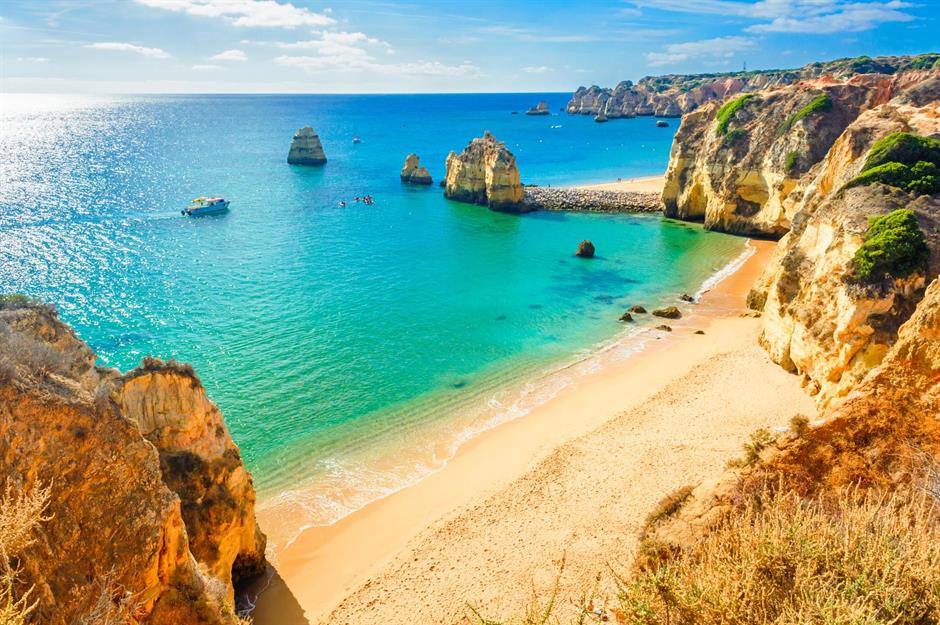
Another nation to keep its place from last year is Portugal. From the beaches of the Algarve to the cities of Lisbon and Porto, the country is a magnet for tourists and those seeking a comfortable retirement in a warm climate.
Portugal enjoys generally low crime rates and a strong economy. However, it's also experienced political instability in recent times, with three elections in as many years. Despite this, it ranks as the fifth most peaceful country in Western and Central Europe.
6th safest: Singapore
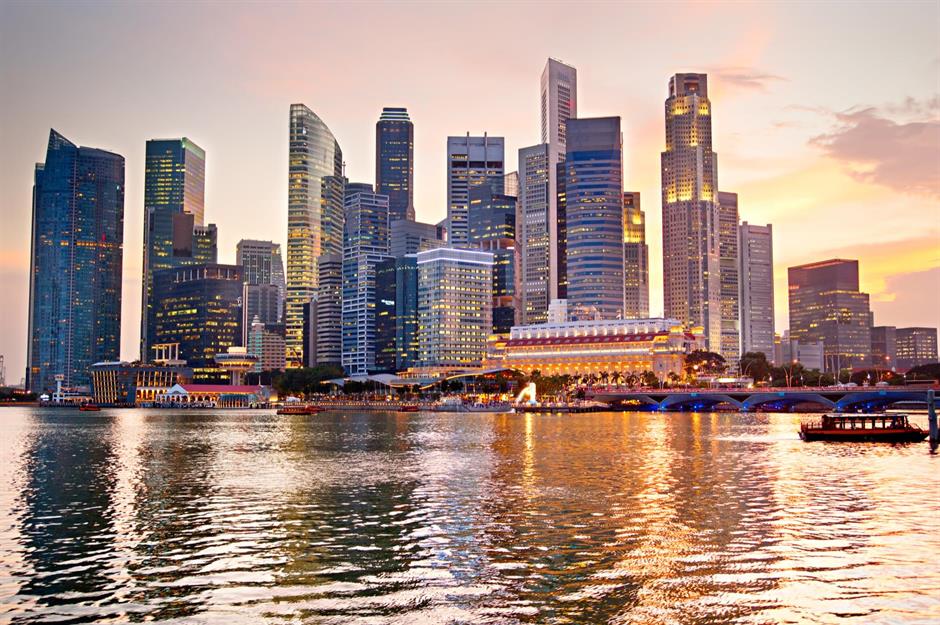
Dropping one place since last year is Singapore. The island city-state has a dense population of around six million and serves as a global financial hub. It’s a popular destination for travellers visiting Asia or stopping off on the way to Australia and New Zealand.
Strict laws mean Singapore has a low crime rate, while its stability is partly due to the fact that it’s been ruled by the People's Action Party since 1959. Singapore is ranked the second-safest nation among the 19 countries of the Asia-Pacific region.
Sponsored Content
5th safest: Switzerland
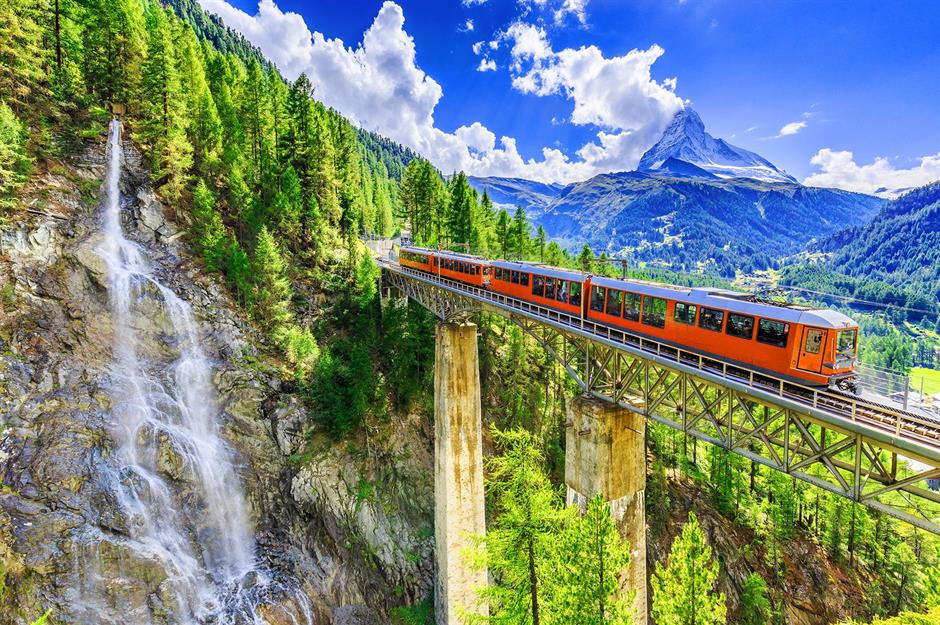
Moving up from sixth place in the 2024 index, Switzerland has officially become one of the top five most peaceful countries in the world. Safe, clean and efficient, the Central European country is known for its pretty lakes, charming villages and Alpine peaks.
The country enjoys a strong economy and a stable democracy, with low crime rates and a longstanding tradition of military neutrality. It also focuses heavily on social integration and cohesion – one of the factors that the index takes into account.
4th safest: Austria
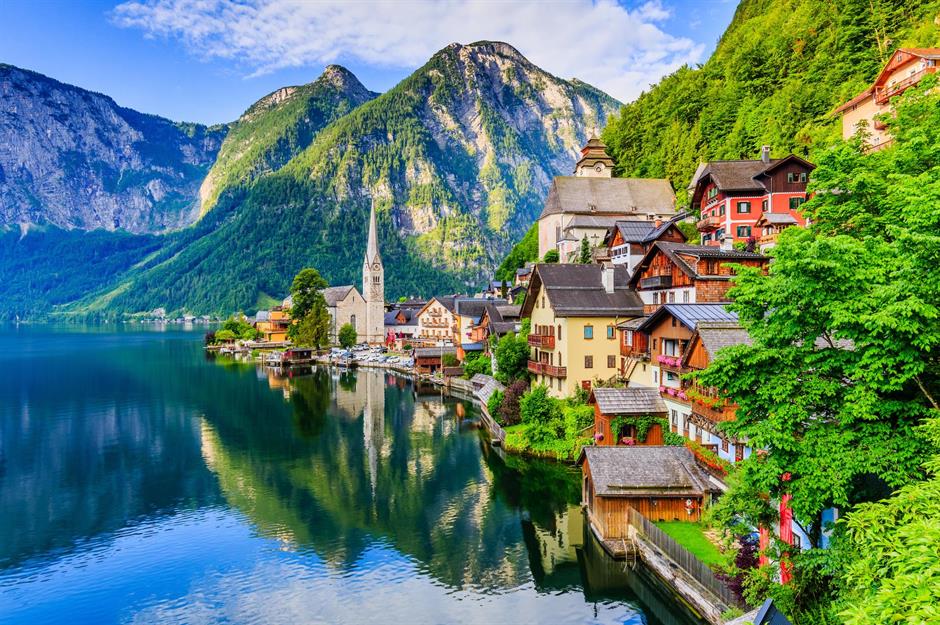
Across the Swiss border, Austria has been rated fourth safest country in this year's index – a fall from number three last year. Another country known for its mountainous backdrop and great skiing, Austria is also home to the attractive and historic cities of Vienna and Salzburg.
The country is generally considered stable, including in its political institutions and transfers of power. It has recently emerged from a recession, partly attributed to a downturn in Germany, its neighbour, which it has close ties with.
3rd safest: New Zealand
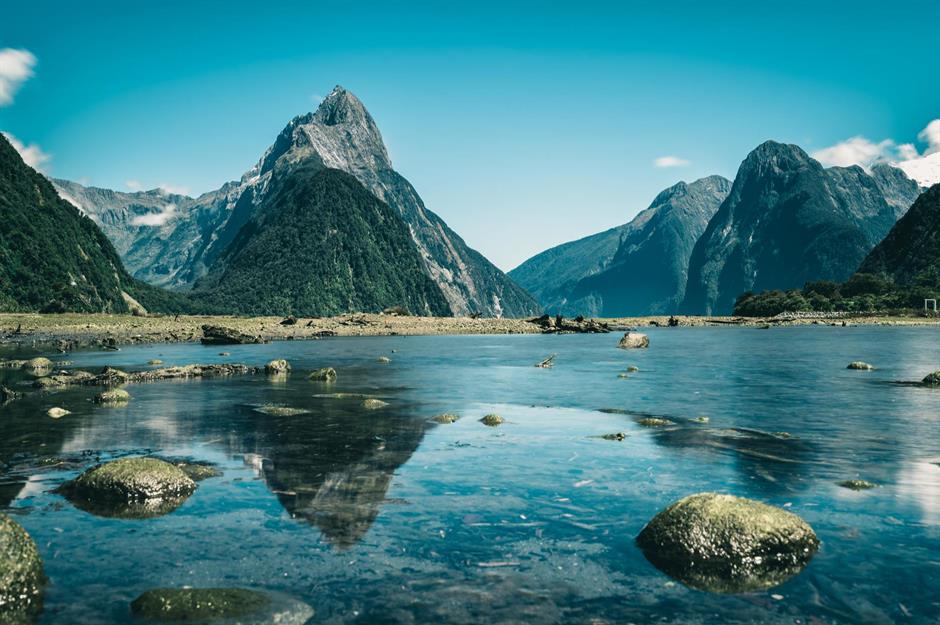
Up one place and into the top three is New Zealand. The country attracts visitors to its South Island and North Island – the latter home to its capital city, Wellington. People come to explore its natural beauty and enjoy an outdoorsy lifestyle.
New Zealand has again scored well for domestic and international peace, enjoying a high degree of political, economic and social stability. This all means that it’s rated the most peaceful country in the Asia-Pacific region – the second safest region in the world.
Sponsored Content
2nd safest: Ireland

Keeping its place at number two is Ireland. Away from its vibrant capital of Dublin, the country boasts charming villages, rolling countryside and a lovely stretch of Atlantic coastline. The Emerald Isle has little domestic or international conflict and a strong tourism sector.
Overall, Ireland enjoys a politically stable democracy and a generally high standard of living. It has a relatively small military but a long history of providing peacekeeping forces for United Nations’ (UN) operations. It's also the second safest Western and Central European nation.
1st safest: Iceland
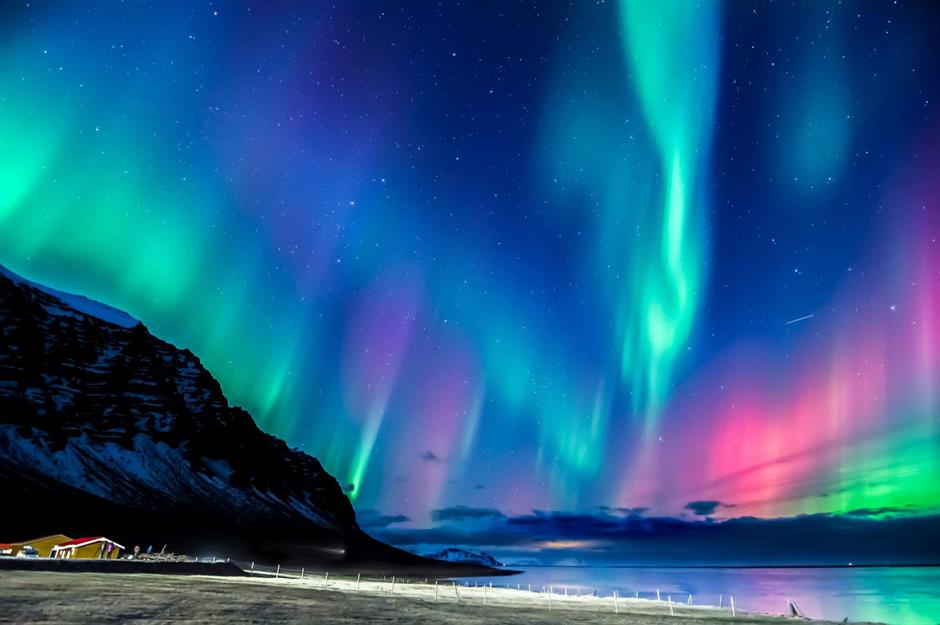
Topping the index for another year is Iceland. In fact, the Nordic island country has held the number one position since the index began in 2008. It features a landscape dominated by volcanoes, geothermal lagoons and glaciers – with 80% of its landmass uninhabited.
Iceland enjoys political and institutional stability, as well as a strong economy. On the downside, it’s subject to regional and global pressures, including trade uncertainty and the impact of climate change. It remains the most peaceful country in the region and the world.
10th most dangerous: Mali
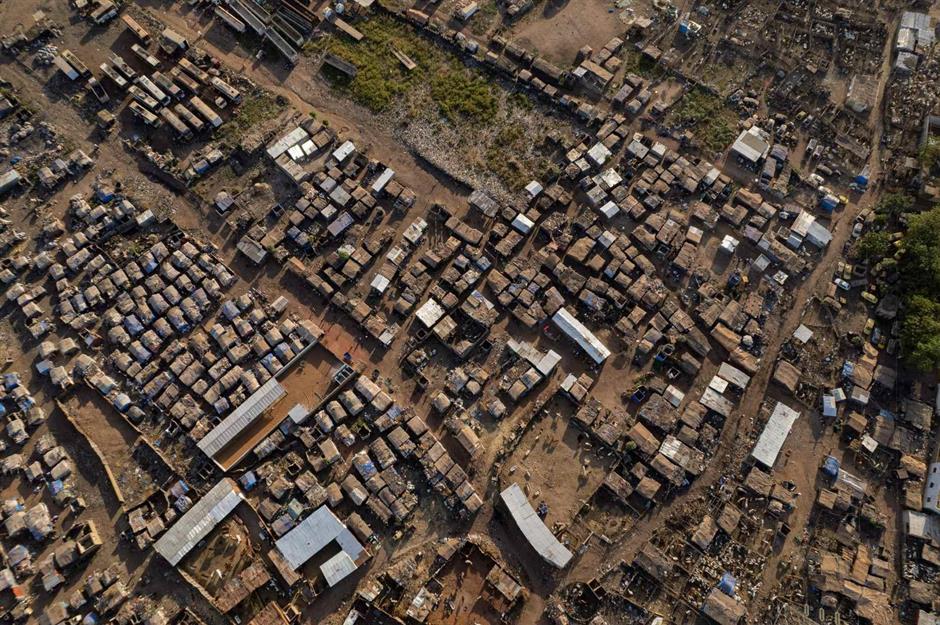
Moving on to the world’s 10 most dangerous countries, and Mali, which keeps its place from last year. The landlocked country in West Africa continues to experience jihadist insurgencies and widespread insecurity, exacerbated by the removal of UN peacekeepers.
It also suffered coups in 2020 and 2021, and the population faces high levels of insecurity and instability, alongside a lack of basic government services. Mali ranks as the third least peaceful nation in Sub-Saharan Africa.
Sponsored Content
9th most dangerous: Israel
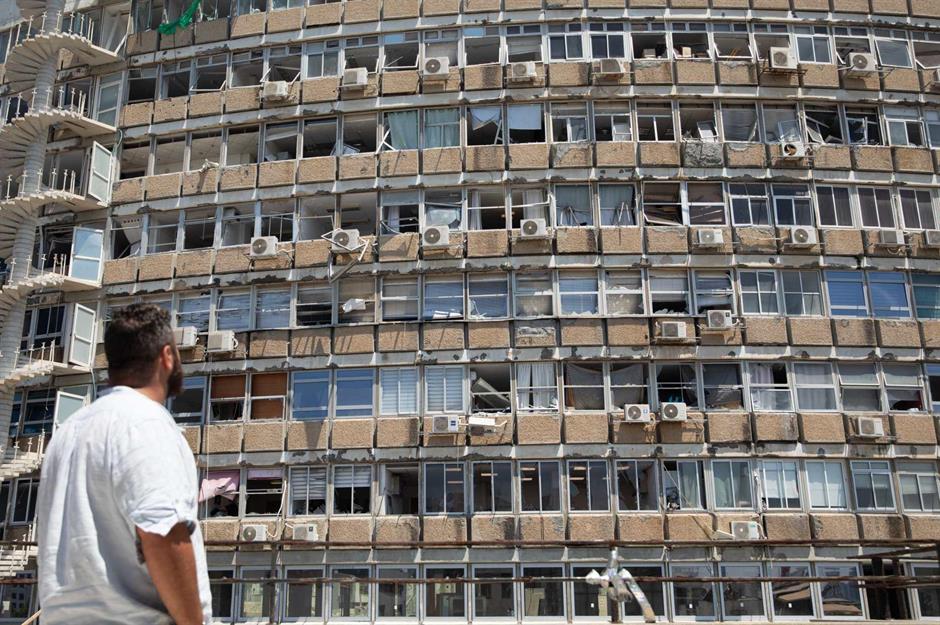
Israel maintains its place at number nine, with the ongoing Israel-Palestine conflict making it one of the world’s most militarised countries. Palestine is ranked at 19 in the current index, while Syria, Iran, Lebanon and Yemen have all been involved in the conflict to some degree.
Since October 2023, when Israel declared war on Gaza after an armed assault by Palestinian group Hamas, the Middle East and North Africa region has experienced widespread instability. It is the world’s least peaceful region.
8th most dangerous: South Sudan
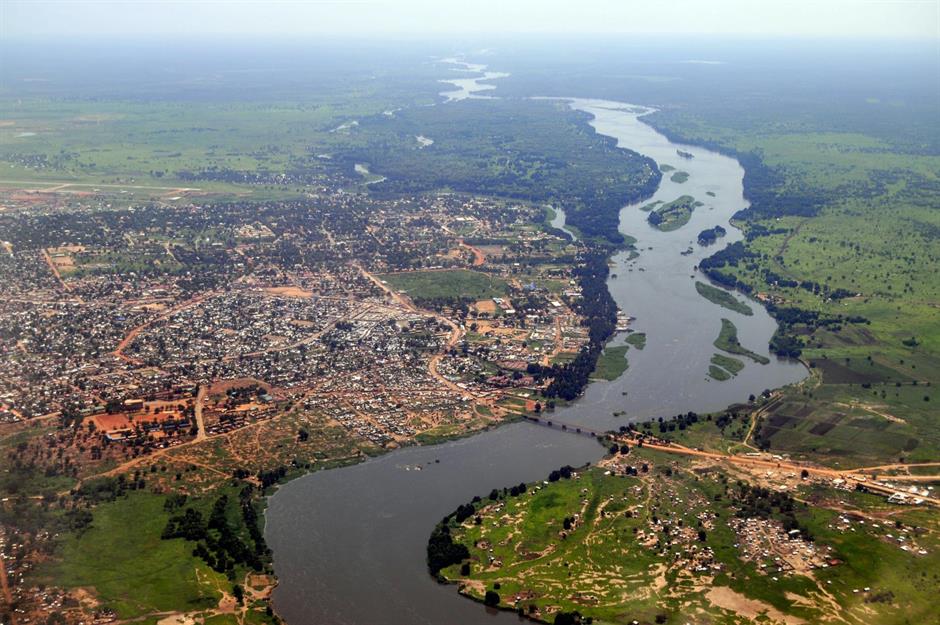
South Sudan moves from third in last year’s list to eighth, having registered minor improvements, including fewer deaths from internal conflict. But it continues to experience widespread insecurity and a severe humanitarian crisis – with violence targeted at the civilian population.
South Sudan is the world’s newest country, only declaring its independence in 2011. It is unfortunately also the second most dangerous country in Sub-Saharan Africa, which has seen an overall deterioration in peacefulness over the past year.
7th most dangerous: Syria
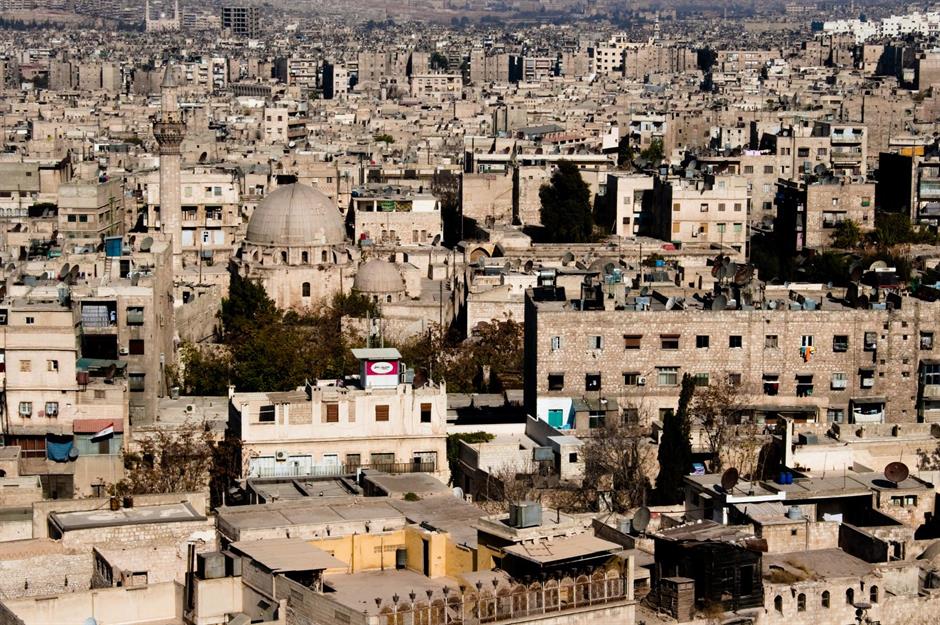
The index ranks Syria as the world's seventh least peaceful country – a deterioration from last year when it ranked eighth. The Middle Eastern country has suffered through a brutal civil war since 2011, which has reportedly claimed over 650,000 lives.
Despite the fall of the Assad family's 53-year regime in December 2024, the country’s future remains uncertain. It has also been embroiled in the Israel-Palestine conflict, inflaming longstanding hostility between Israel and Syria.
Sponsored Content
6th most dangerous: Afghanistan
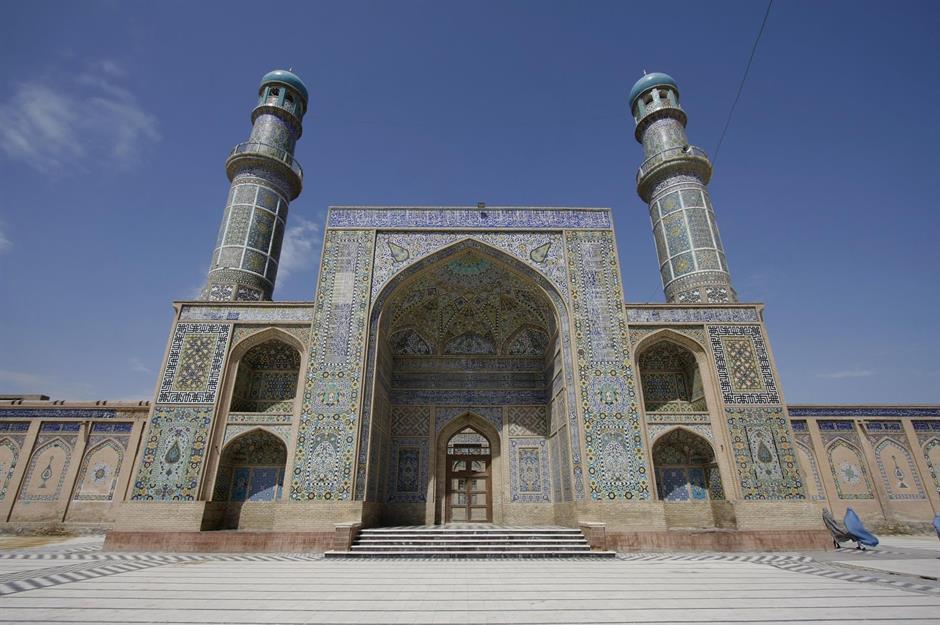
Afghanistan recorded a slight improvement in this year's GPI, after placing fourth in 2024. For eight years it ranked as the world’s most dangerous country, but that trend shifted following the end of the 10-year US occupation in 2021.
However, it remains the least peaceful country in the South Asia region – a position it has held since the index began in 2008. It registers poor scores for violent crime, instability and terror. Under Taliban rule, Afghanistan continues to experience humanitarian crises and political unrest.
5th most dangerous: Yemen
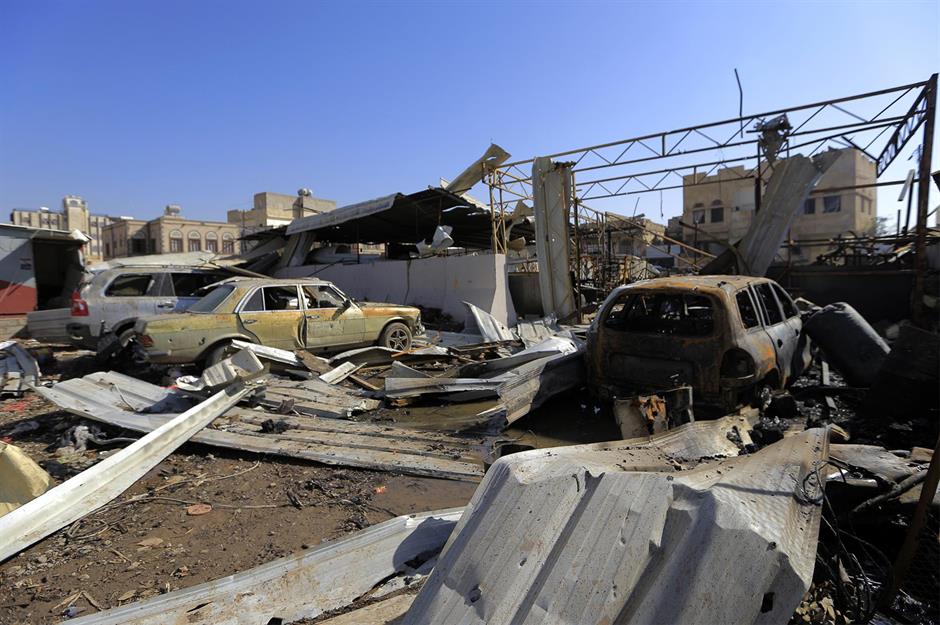
Last year’s most dangerous country, Yemen ranks fifth in the 2025 index. The Arab nation has been in a state of civil war since 2014, which has caused hundreds of thousands of deaths and led to the displacement of 4.5 million people.
The situation in Yemen has been described as "the world’s worst humanitarian crisis", with an all-pervading risk of violence. It's also involved in conflict with Israel, but deterioration in other countries means the IEP no longer rates Yemen as the world's most unsafe nation.
4th most dangerous: Democratic Republic of the Congo
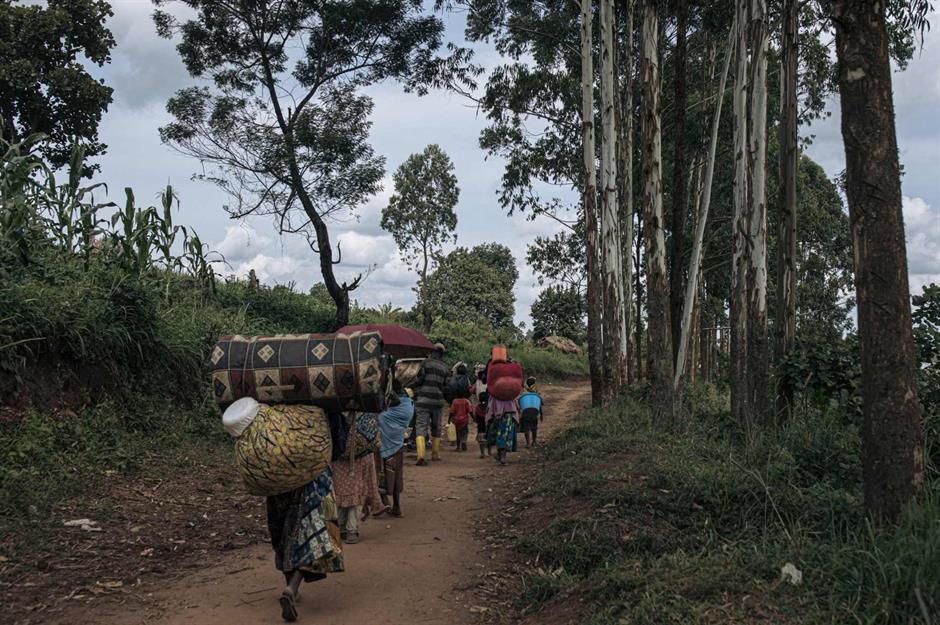
The Democratic Republic of the Congo (DRC) was ranked sixth most dangerous country last year, but has dropped to fourth this year. It deteriorated across several key indicators: deaths due to conflict, geopolitical tensions and breakdowns in social cohesion.
The DRC is currently embroiled in fighting with Rwanda, following decades of conflict. The country is the least peaceful in Sub-Saharan Africa and saw the largest deterioration in peacefulness in the region over the past year – it declined at 4.5% (against an average of 0.17% for the region).
Sponsored Content
3rd most dangerous: Sudan
Sudan was last year’s second most dangerous country but moves to third place in the latest index. Peacefulness in the country fell by 0.54% across the year, with the IEP citing indicators including nuclear and heavy weapons, violent crime and internal conflict.
Since 2023, Sudan has been engaged in a civil war, which has caused the displacement of millions of people and nearly 7,000 recorded deaths last year. Sudan ranks as the least peaceful country in the Middle East and North Africa region.
2nd most dangerous: Ukraine
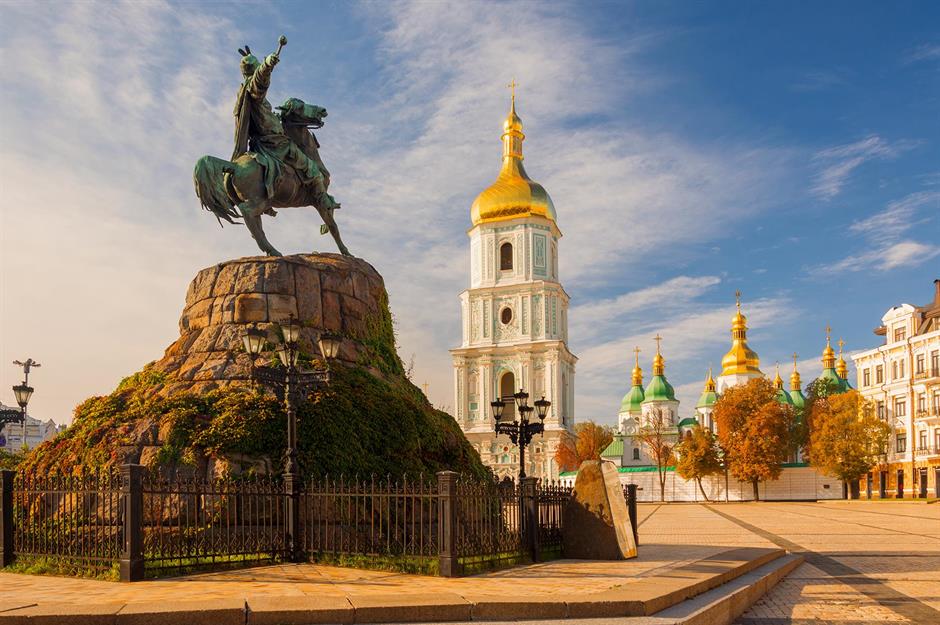
The biggest changes to the 'most dangerous' list concern its top two countries. Ukraine moved from fifth in last year’s index to second place in 2025, due to the ongoing war with Russia.
There were also increases in internal violence, including a 20% spike in reported domestic violence incidents attributed to stress from the war. Ukraine saw the largest deterioration in overall peacefulness in the Eastern Europe and Central Asia region.
1st most dangerous: Russia
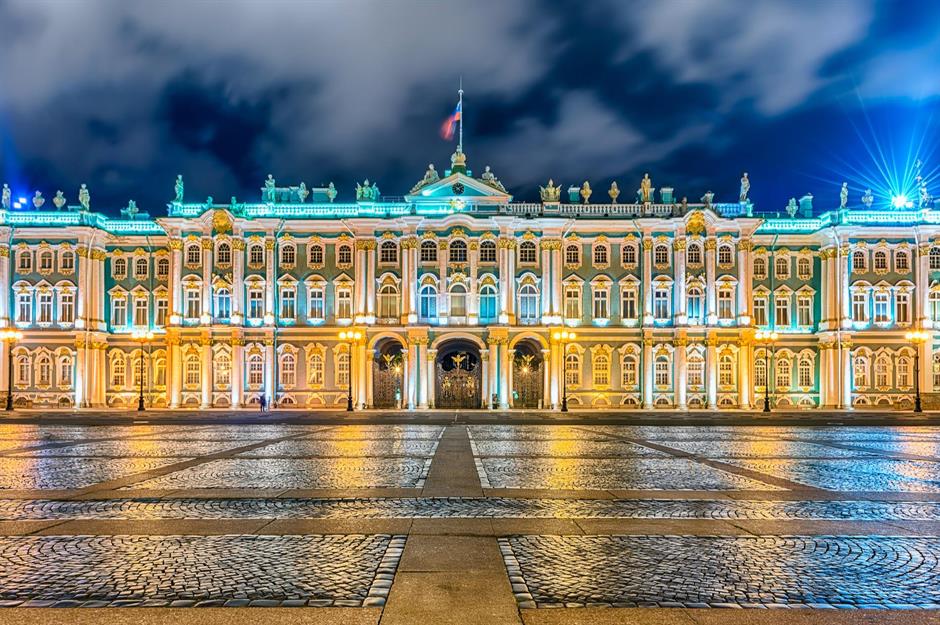
For the first time, Russia is the world’s least peaceful country – after finishing seventh last year. In that time, its overall peacefulness deteriorated by 6.5%, with deaths from internal conflict increasing due to the August 2024 Kursk offensive by Ukrainian troops.
The report predicts that "Russia and Ukraine will remain two of the least peaceful countries in the world for the foreseeable future." This comes amid the IEP’s warning that the gap between the most and least peaceful countries "continues to grow".