Ranked: the world's happiest countries – and the most miserable
Life satisfaction
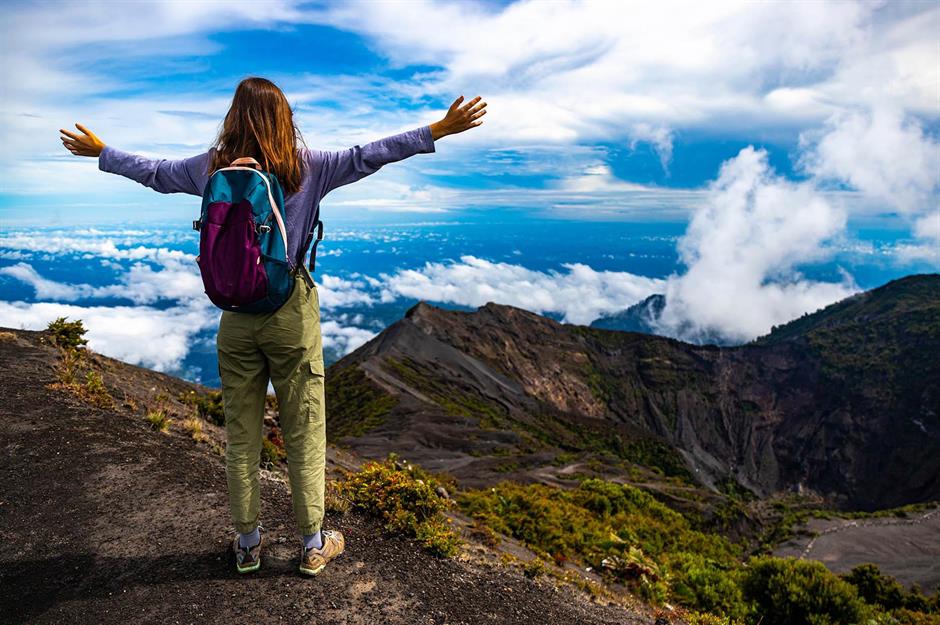
Which countries are the happiest and which are the least content? The latest World Happiness Report ranks 147 countries, according to how satisfied people feel about their lives on a scale of 0 to 10, averaged over three years from 2022 to 2024.
The report also includes metrics on healthy life expectancy, GDP per capita, social support, generosity, absence of corruption and freedom to make life choices. The report also looks at how kindness and social interactions, such as sharing meals or helping strangers, positively affect wellbeing.
Click through the gallery to find out which countries were ranked the world's happiest – and the most miserable...
10th happiest: Mexico
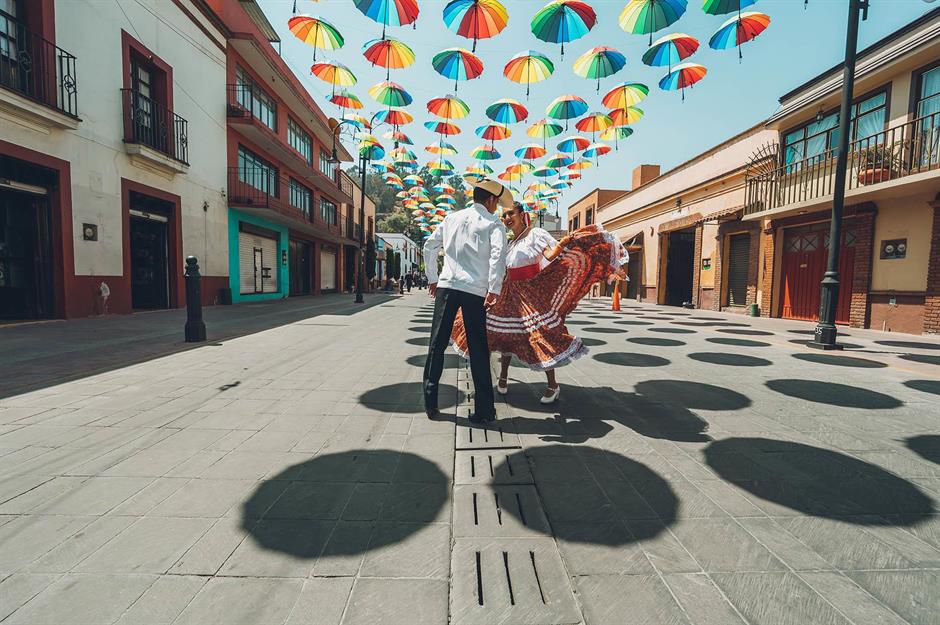
The list of happiest countries kicks off with Mexico – which jumps up from 25th place on last year’s list to tenth happiest this year, and enters the top 10 for the first time. Latin America’s second-largest economy, Mexico is a culturally rich and family-oriented nation with a diverse landscape. Among the 3,000 people surveyed between 2022 and 2024, the average 'life evaluation' score was 6.979 out of 10.
The country also ranks sixth among the nations for ‘positive emotions’. Recent efforts in Mexico to boost social protection programmes are helping to alleviate poverty among the 130 million-strong population.
9th happiest: Luxembourg

In ninth place, we have Luxembourg – a small, landlocked country bordering France, Germany and Belgium. One of the most expensive European countries to live in, Luxembourg has the highest GDP per capita in the EU. The average life evaluation score was 7.122.
Its population enjoys the benefits of a strong and stable economy, with high-quality healthcare, free public transport and a healthy work-life balance. The country also reports a low crime rate and high wage levels.
Sponsored Content
8th happiest: Israel
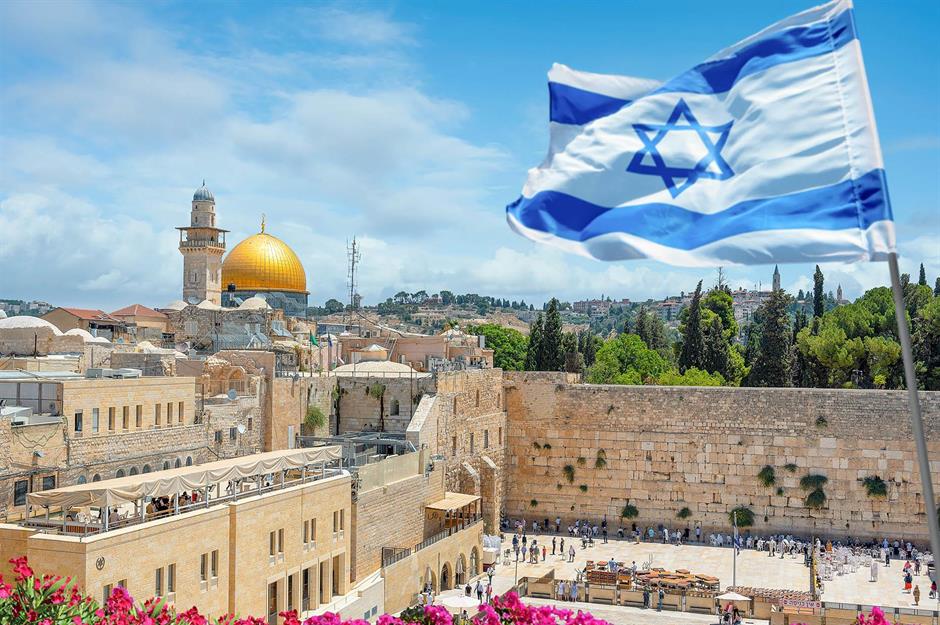
Israel drops from fifth-happiest country in last year's list to eighth-happiest on the latest list. This is despite the Middle Eastern nation’s long-standing conflict with Palestine, which intensified into a full-blown war after attacks by Hamas-led armed groups in October 2023.
Those surveyed between 2022 and 2024 still had an average life evaluation score of 7.234, while the country saw a decline in metrics including freedom (in 87th place out of 147 countries) and absence of corruption.
Meanwhile the country scores highly for social connections and community spirit.
7th happiest: Norway

The first Scandinavian country on the list, Norway keeps its place from last year as seventh happiest. It’s a nation of fjords and mountains, as well as a supportive social system and a high cost of living, balanced by high wages. The average life evaluation score was 7.262.
The country enjoys a strong economy, free healthcare and a healthy work-life balance. Its population also embraces the concept of ‘friluftsliv’ – which means ‘open-air living’ – and the health benefits of connecting with nature, even during those cold, dark Norwegian winters.
6th happiest: Costa Rica
Costa Rica moves up six places from last year, when it was ranked as 12th happiest country, and enters the top 10 happiest countries for the first time. The Central American nation is known for its biodiversity, tropical forests and beaches. Among those surveyed, the life evaluation score averaged 7.374.
The country of 5.1 million people prioritise health, sustainability and enjoying a relaxed way of life, with a culture of contentment and joy – or ‘pura vida’. It also benefits from a low cost of living and a stable democracy.
With both Mexico and Costa Rica entering the top 10 for the first time in 2025, this marks a rise in the happiness rankings for Latin America.
Sponsored Content
5th happiest: Netherlands
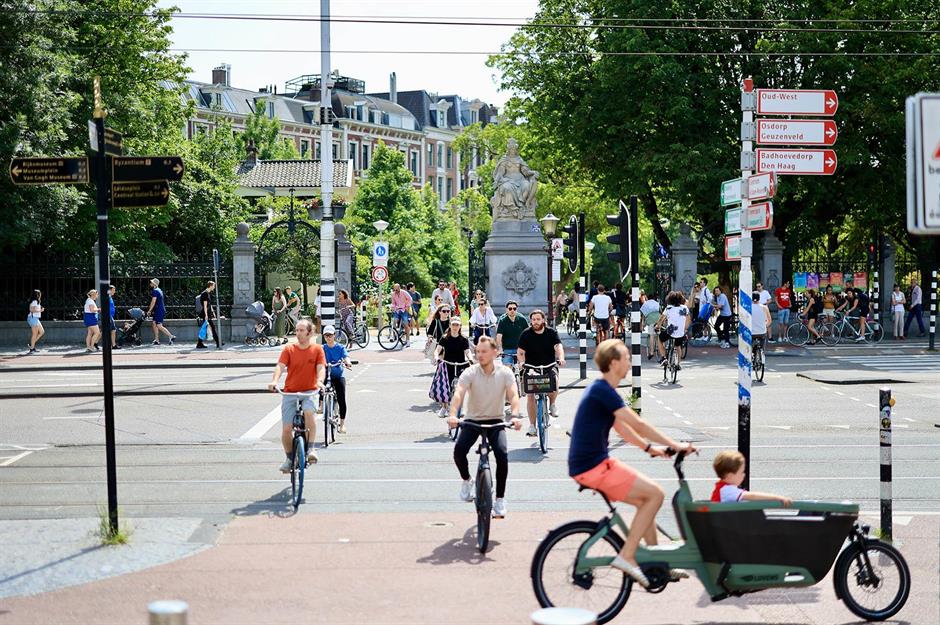
The fifth-happiest nation, according to the report, is the Netherlands. Located in Northwestern Europe, the country is synonymous with canals, tulip fields and windmills. It also has a vibrant arts scene and a high standard of living. The average life evaluation score from the report was 7.306.
The country, which has a population of nearly 18 million, regularly appears on quality-of-life lists. This is due to its social welfare provision, excellent public services and promotion of a healthy work-life balance, with an average 32-hour working week.
4th happiest: Sweden
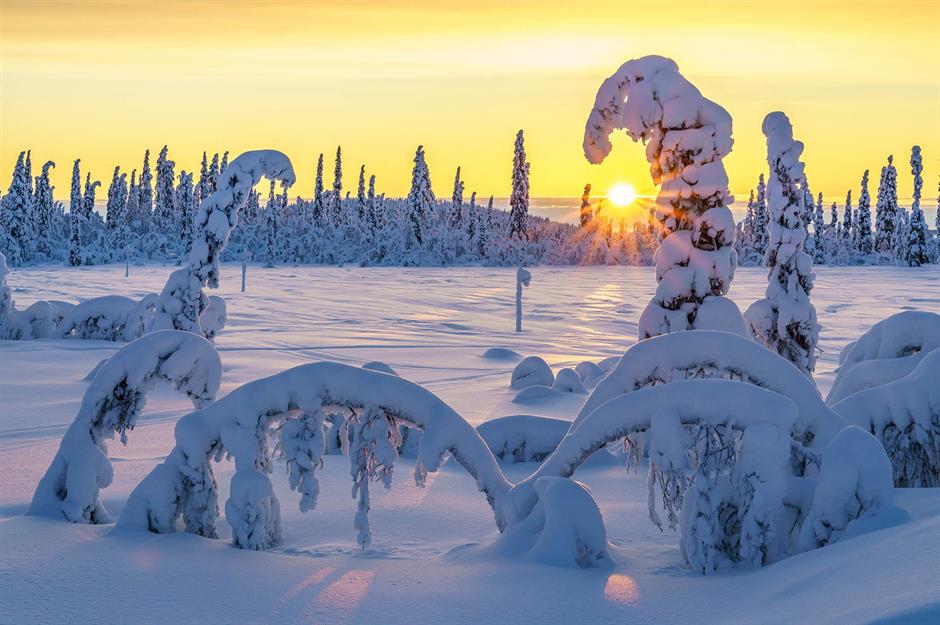
Sweden maintains its position from last year to rank in fourth place. The report reveals an average life evaluation score of 7.345.
Despite the long, dark winters and high cost of living in urban areas, the country enjoys strong social welfare systems, a positive work-life balance and strong social support networks. Outside its thriving cities, such as Stockholm, it boasts coastal islands, forests and mountains, and a deep-rooted cultural connection to the outdoors.
3rd happiest: Iceland
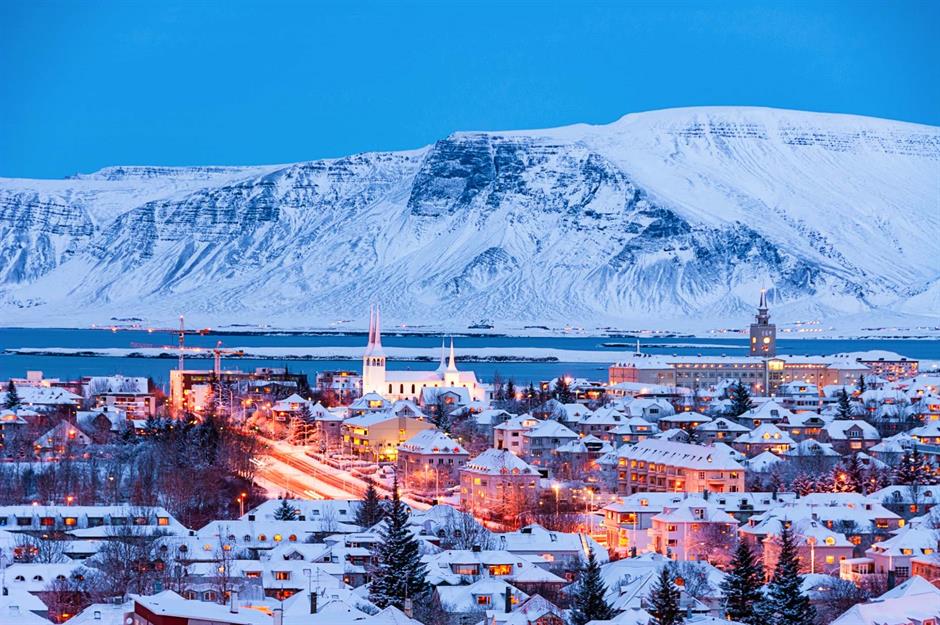
Coming in third is the Nordic nation of Iceland, which also retains its ranking from last year. It’s a country dominated by a sweeping landscape of volcanoes, geysers and glaciers. The average life evaluation score was similar to last year, at a healthy 7.515.
Over half of Iceland’s total population of around 400,000 people live in the Reykjavik region. The nation enjoys a high quality of life, with excellent public services and social support. Wellbeing is also boosted by proximity to the pristine natural environment.
Sponsored Content
2nd happiest: Denmark

For the seventh year in a row, Denmark comes in second in the ranking of the world’s happiest countries. The Scandinavian nation regularly appears in quality-of-life indexes, with an outdoors lifestyle and culturally rich cities. It all leads to an average life evaluation score of 7.521.
The population enjoys a comprehensive welfare state, a healthy work-life balance and strong social support. Denmark also embraces the concept of ‘hygge’ – a feeling of cosiness, contentment and enjoying life’s simple pleasures.
1st happiest: Finland

Topping the list for no less than eight consecutive years is Finland. Like its fellow Scandinavian countries, it regularly ranks highly in lists of the world's happiest countries. For this report, the average life evaluation score was an impressive 7.736.
So, why are Finns so content? The population of around 5.5 million enjoys high levels of safety and freedom. The nation also boasts excellent public services and abundant nature.
10th unhappiest: Lesotho
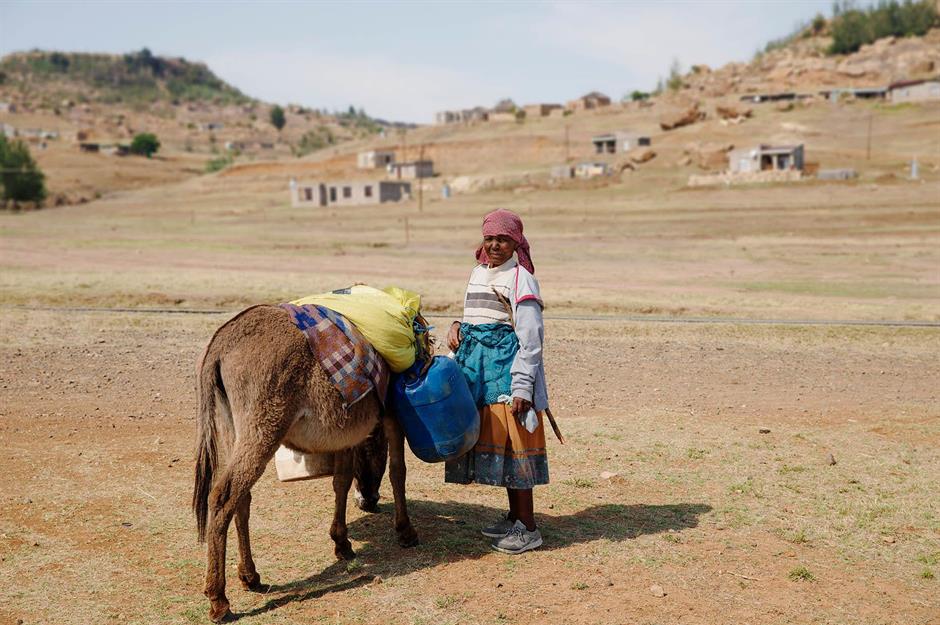
The list of top 10 unhappiest countries starts with Lesotho, a landlocked nation surrounded by South Africa. While its ranking has improved since last year, when it was named the third unhappiest country in the world, its average life evaluation score remains low, at 3.757.
The population of 2.3 million faces significant challenges, including widespread poverty and food insecurity, with one of the lowest GDPs per capita among the ranked countries. It also has one of the world’s highest rates of HIV/AIDS.
Sponsored Content
9th unhappiest: Comoros

Ninth unhappiest is Comoros – an archipelago of volcanic islands located off Africa’s east coast. The largest of the three main islands is Grande Comore, while a fourth, Mayotte, has been claimed by France. The largely Arabic and French-speaking nation had an average life evaluation score of 3.754.
Despite boasting stunning beaches and scenery – and drawing some tourists – Comoros remains a poor nation, which has experienced political instability. The population is mainly reliant on subsistence farming for its income.
8th unhappiest: Yemen
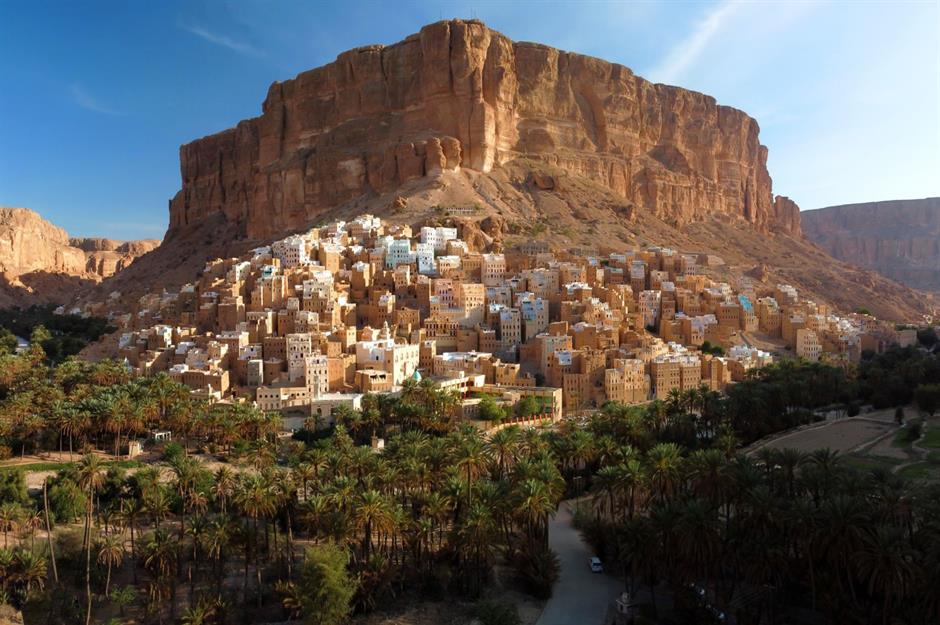
Next up is Yemen on the Arabian Peninsula. Little data is available on the troubled nation – which is in the midst of a humanitarian crisis, but the index does place the average life evaluation score at 3.561.
Yemen is considered dangerous for visitors, due to an ongoing civil war which began in 2015. The impoverished nation is also experiencing the effects of an economic collapse, affecting food prices, healthcare and employment.
7th unhappiest: Congo
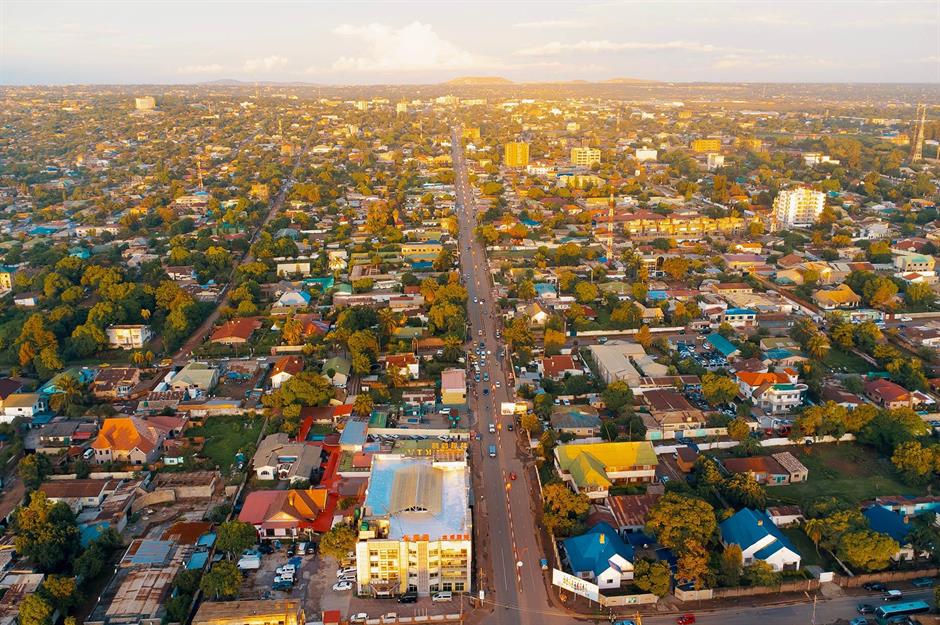
A slight improvement on its placement last year, when it was ranked fifth unhappiest nation, the Democratic Republic of Congo is next on the list. Located in Central Africa, it’s the largest country in sub-Saharan Africa, with abundant natural resources, including oil and diamonds, and rich biodiversity. The average life evaluation was 3.469.
The second most populous nation in Africa, with over 110 million people, Congo is also one of the poorest countries in the world. Ongoing conflict has contributed to challenges including food insecurity, disease and displacement of the population.
Sponsored Content
6th unhappiest: Botswana
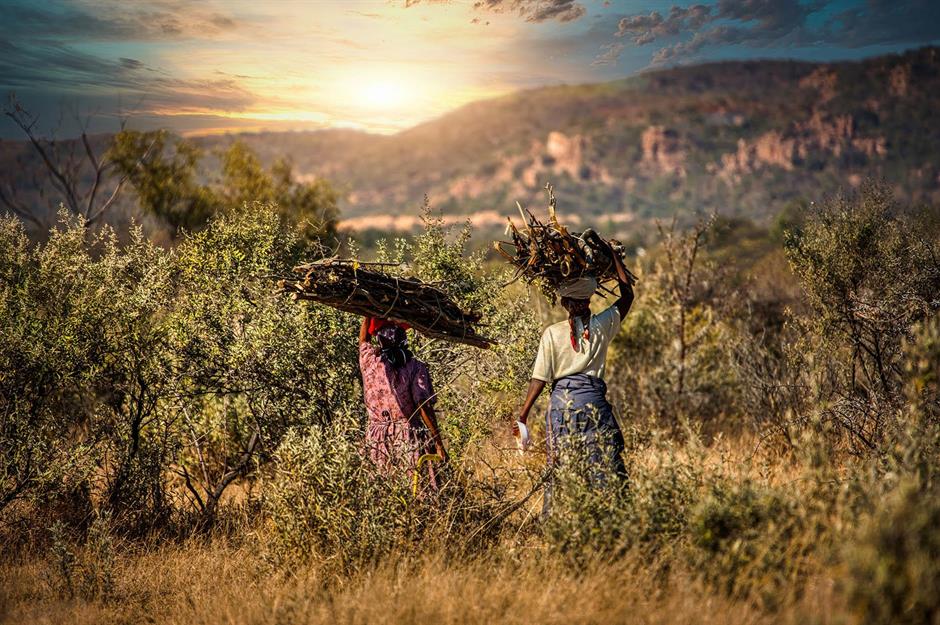
The next unhappiest nation is Botswana – a stable, landlocked country in Southern Africa. It extends across part of the Kalahari Desert and is home to the world's largest elephant population. The report puts the average life evaluation at 3.438.
Botswana is considered friendly, safe and inclusive, with a strong safari-based tourism industry. However, its economy remains largely dependent on its diamond industry, making it vulnerable to global market conditions. In addition, the nation faces shortfalls in public health services.
5th unhappiest: Zimbabwe
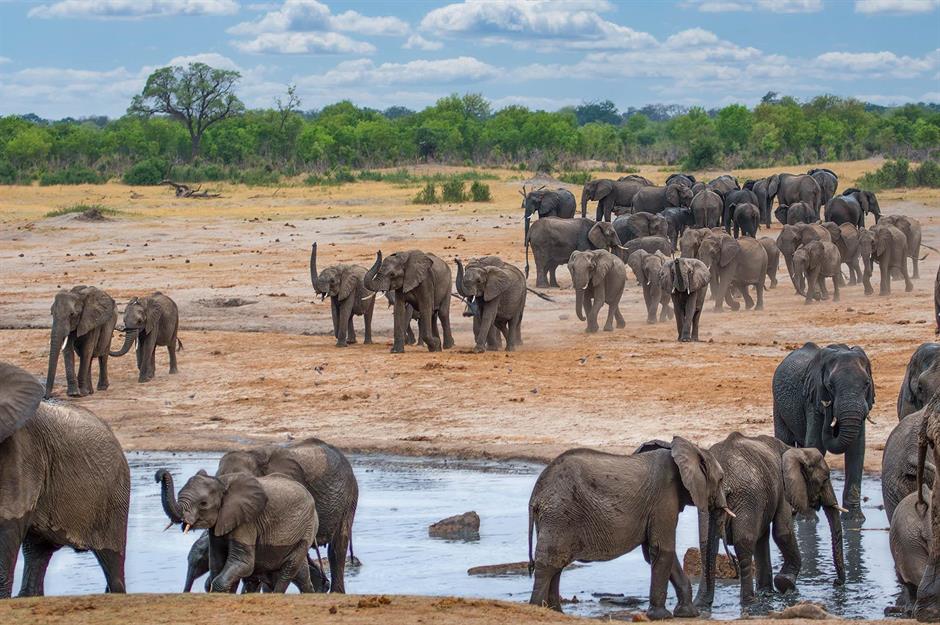
The Southern African nation of Zimbabwe moves from sixth unhappiest country to fifth unhappiest in the latest index. Another country known for its diverse wildlife, it’s also home to natural wonders, including beautiful Victoria Falls. Despite this, its average life evaluation score was 3.396.
Since controversial former president Robert Mugabe was forced out of office in 2017, the nation has faced ongoing challenges. These include economic instability, high inflation and unemployment, as well as concerns over its democracy and the impact of drought.
4th unhappiest: Malawi
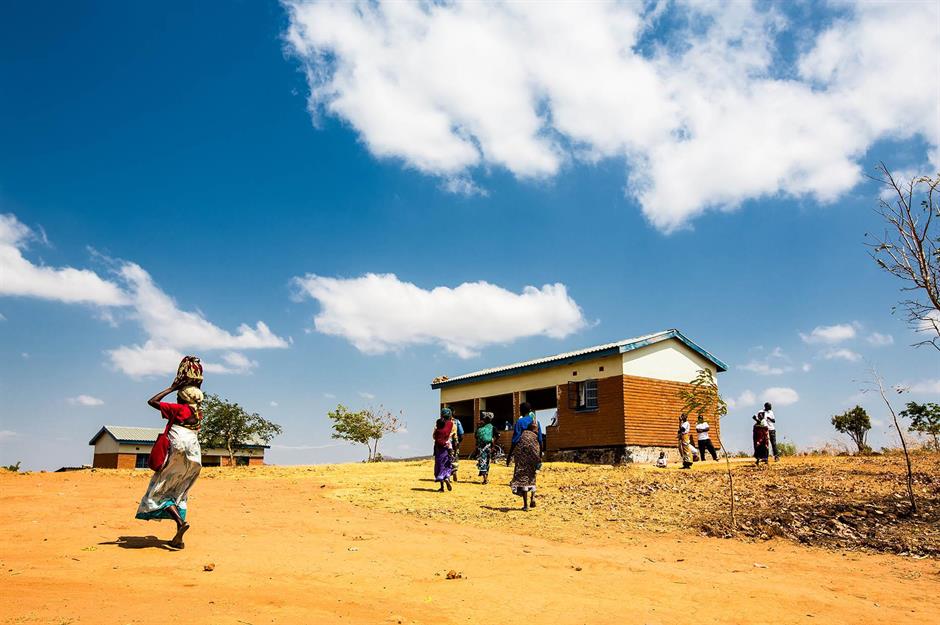
Malawi in Southeastern Africa has seen a worsening of its happiness score over the past year, moving from eighth unhappiest nation to fourth. Known as the ‘Warm Heart of Africa’, Malawi boasts diverse wildlife and stunning landscapes. But among those surveyed, the average life evaluation was 3.260.
Its economy is dominated by agriculture, but it is working to become wealthier and self-reliant by 2063. Challenges facing the nation of 21 million people include high rates of poverty, food insecurity and drought.
Sponsored Content
3rd unhappiest: Lebanon
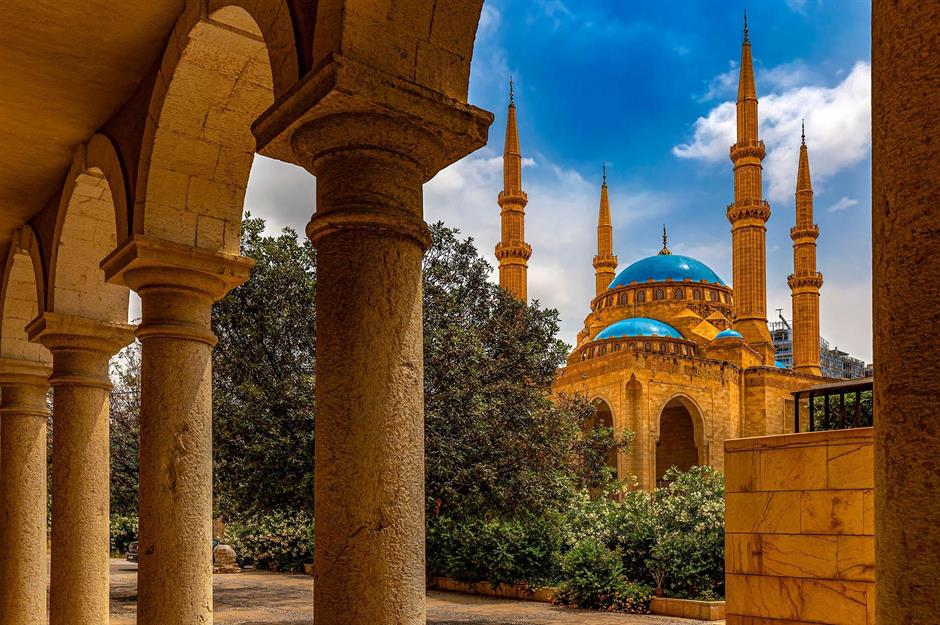
The third unhappiest country, according to the report, is the Middle Eastern nation of Lebanon, which was second unhappiest in last year’s list. Despite being a historically important commercial hub and culturally rich nation, Lebanon had an average life evaluation score of 3.188.
Bordering Israel and Syria, the country of six million has experienced significant political instability and involvement in regional conflicts. It has also faced economic collapse, leading to poor living standards, and has seen an influx of Syrian refugees.
2nd unhappiest: Sierra Leone
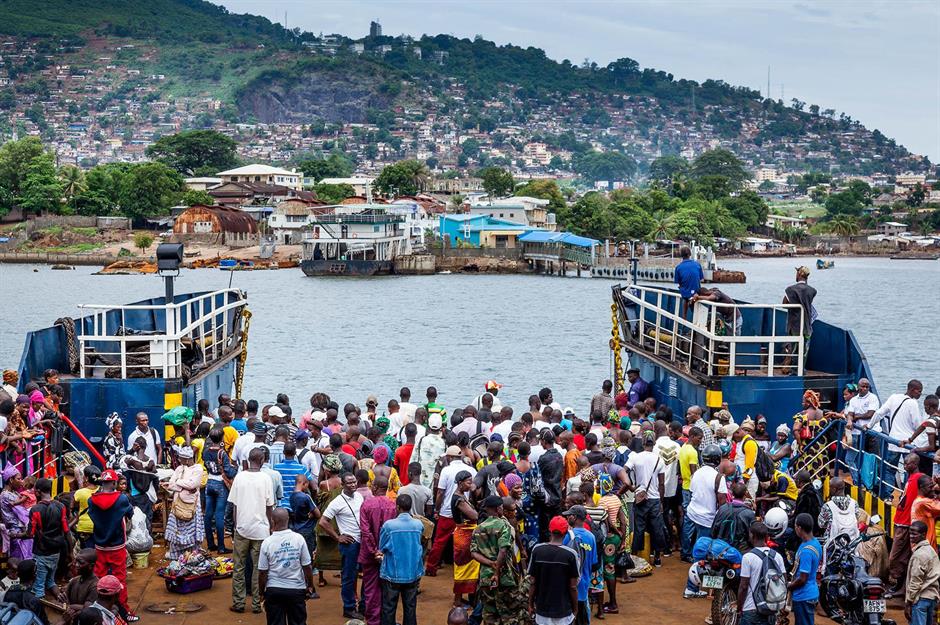
The second unhappiest nation is Sierra Leone, which moves down from the fourth unhappiest country in the previous report. The West African nation has a population of around 8.4 million people and is rich in mineral resources. The average life evaluation score was just 2.998.
Sierra Leone’s illicit diamond trade was a factor in its 10-year civil war, which ended in 2002 but continues to impact the country. It also experienced a devastating Ebola epidemic in 2014. Current challenges include poverty, high youth unemployment and weak infrastructure.
1st unhappiest: Afghanistan
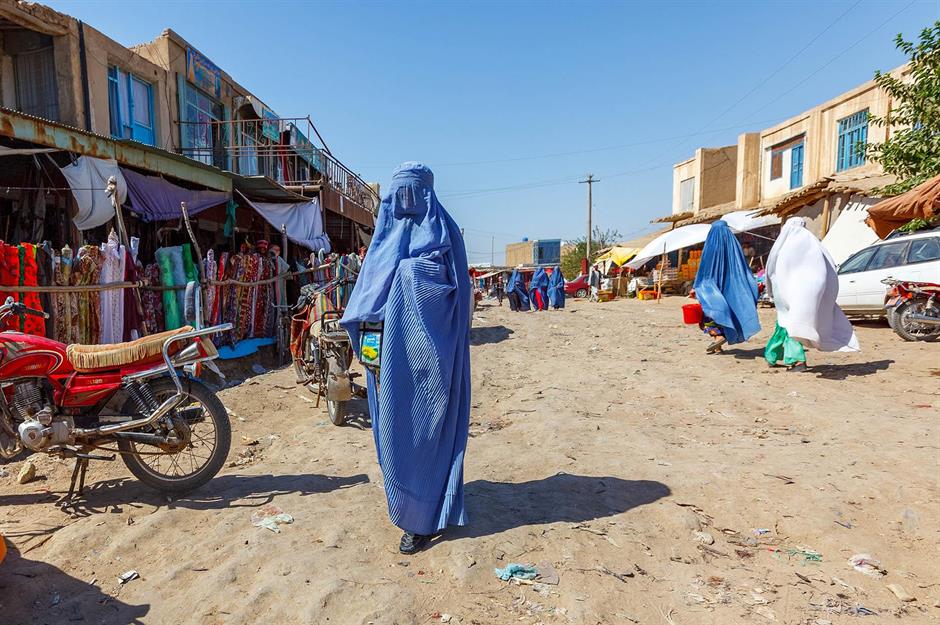
Retaining its place as the unhappiest nation among the 147 countries surveyed is Afghanistan in south-central Asia. Dominated by deserts and mountains, it has a population of around 44 million. Those surveyed had an average life evaluation of 1.364 – even lower than its previous score of 1.721 last year.
The war-torn country has experienced ongoing instability and humanitarian crises. Following the end of the US-led invasion in 2021, the hardline Taliban regained control, leading to a worsening of human rights – especially for women and girls.
Now discover where countries including the UK, the US and Canada were ranked on the happiness scale...
Sponsored Content
Australia: 11th happiest

Australia has been in the top 10 or thereabouts ever since the first World Happiness Report was published in 2012. It was pipped by the finest margins in the latest report, with Mexico’s average life evaluation score of 6.979 only just beating Australia’s 6.974.
Australia scored highly for its healthy life expectancy, freedom to make life choices and positive work-life balance. The report did, however, note a growing disparity in happiness between older and younger generations.
Canada: 18th happiest
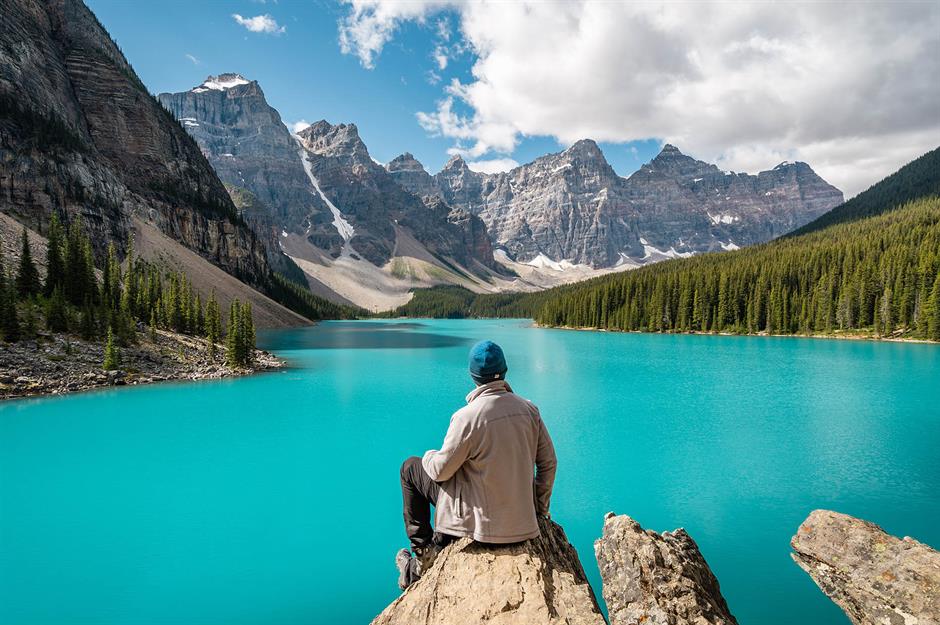
Once one of the happiest nations on earth, Canada is considered one of the biggest losers in the latest World Happiness Report. It scored 6.803 in its average life evaluation score and fell to 18th place, its lowest position ever, from 15th last year. The score reflects a continuous downward trend in happiness over the last decade.
Like many other Western nations, Canada’s score has been impacted by the dissatisfaction of its youth, with dwindling scores also in areas including social support and freedom to make life choices.
Germany: 22nd happiest
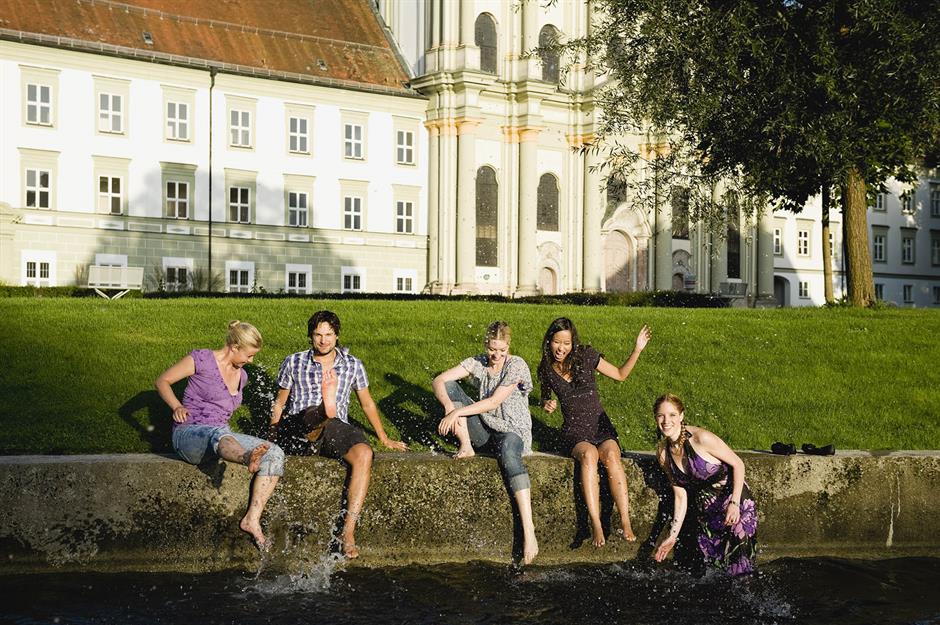
While Germany enjoys a high GDP and strong social support, a decline in the happiness among the country’s young people saw the country rank in 22nd place, with an average life evaluation score of 6.753.
While a step up from ranking 24th the year before, the result highlights the problems facing young Germans, including mental health challenges, housing affordability, stagnating wages and a high cost of living.
Sponsored Content
United Kingdom: 23rd happiest
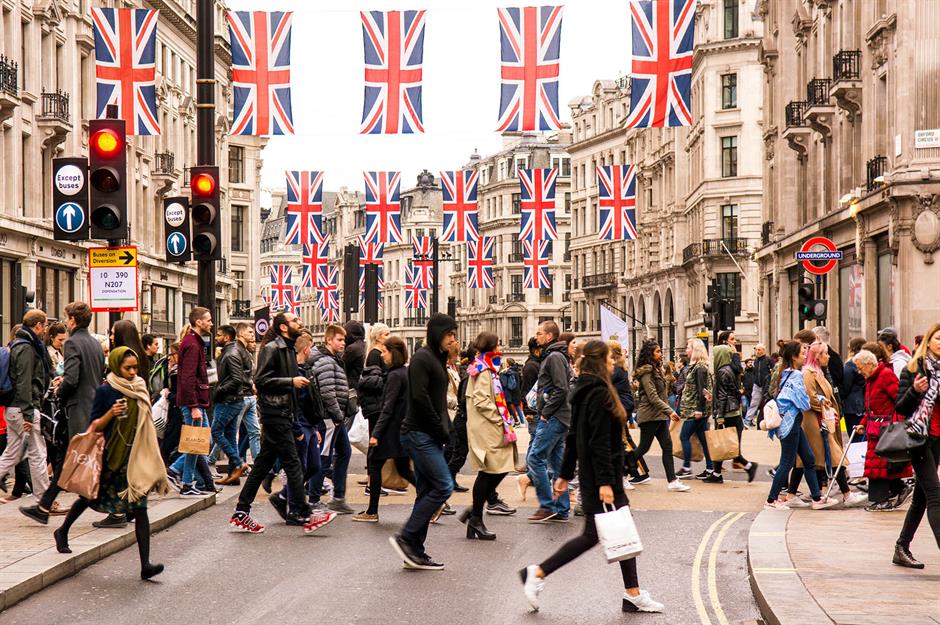
The latest World Happiness Report saw the United Kingdom drop to 23rd place, its lowest ranking since 2017, with an average life evaluation score of 6.728. An increase in the cost of living, a decline in trust in institutions and a growing divide between younger and older generations have all contributed to this score.
The good news is that while there has been a slight downward drift, the average satisfaction of Brits hasn't declined by too much since 2012. Rather, it’s a case of everyone else getting happier.
USA: 24th happiest

The latest World Happiness Report saw the USA drop to its lowest ever ranking, down to 24th from a high of 11th in the first report in 2012. Like the UK, the increase in the cost of living and the growing divide between young and old are contributing factors.
The report also noted a significant rise in people eating alone, especially among young people, who are experiencing particularly low levels of happiness and social connection. Declining social trust linked to increased political polarisation was yet another factor.
France: 33rd happiest
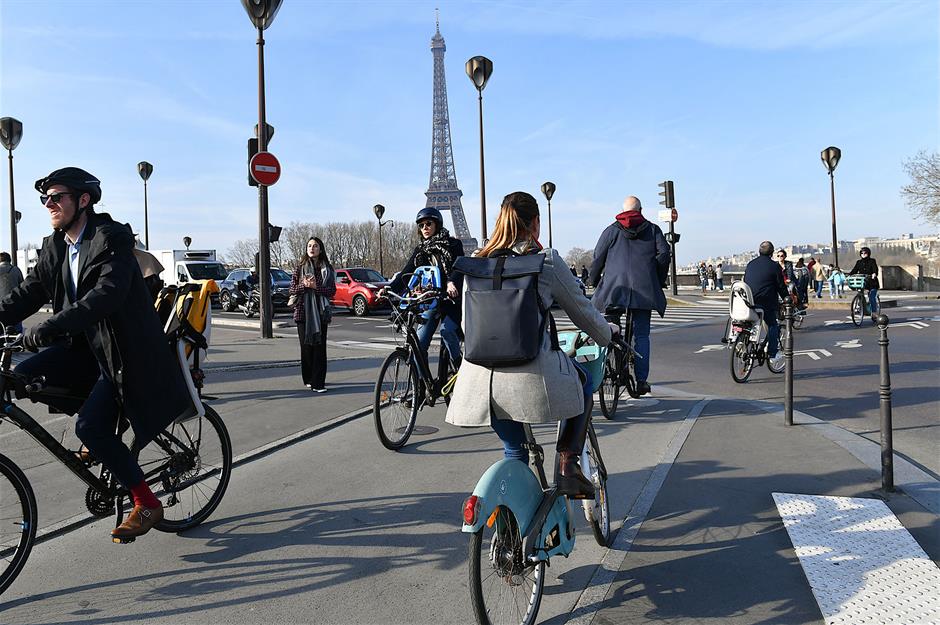
Despite its reputation for having a high quality of life, the latest World Happiness Report saw France plunge to 33rd place – its worst position in the index ever – and losing six ranks compared to the previous report, ranking a place behind Saudi Arabia.
While strong family bonds remain an essential foundation of happiness in France, factors such as political and social instability and increased national debt seem to be taking their toll. Generation X (born 1965-1979) reported significantly lower happiness levels than older generations.
Sponsored Content
Spain: 38th happiest
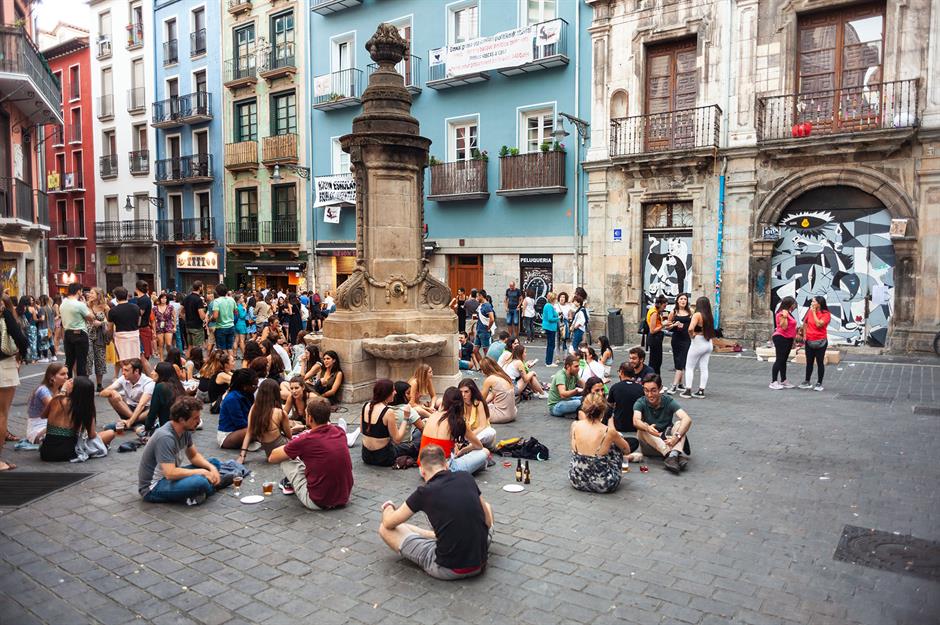
Like many Western nations (outside of Scandinavia), Spain’s lowly position in the latest World Happiness Report can be attributed to increasing pessimism among the young, who are struggling with intense economic challenges.
The report revealed low scores for social support and in freedom to make life choices. There was also a higher perception of corruption than in other Western countries. Interestingly, countries that Spain once ruled, like Mexico, Costa Rica and El Salvador, all ranked higher in this year's report.