Overlooked gems hiding in the UK’s least-visited counties
Well worth the trip
Beyond the bustle of Britain’s tourist hotspots lie quieter counties brimming with character, history and natural beauty – yet they're often overlooked. These rarely-visited counties offer unexpected treasures for curious explorers, from windswept coastlines to impressive sculpture parks and historic castles.
Click through this gallery to explore the UK's lesser-visited counties and their impressive attractions, whether it’s red kite feeding frenzies in mid-Wales or Roman ruins in Northumberland...
Rutland, England
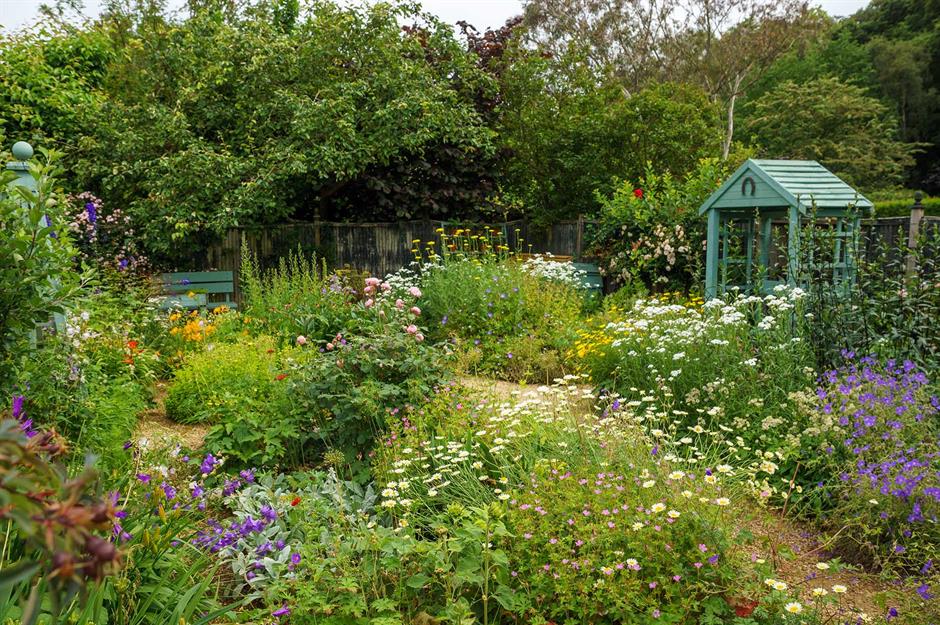
England’s smallest county, and one of its least visited, Rutland is a tranquil gem for those craving countryside charm. While Rutland Water and its iconic Normanton Church are the best-known draws – ideal for birdwatching and lakeside walks – the county also offers lesser-known delights.
Created by TV gardener Geoff Hamilton, Barnsdale Gardens (pictured) were transformed from an eight-acre field into 38 separate plots on Gardeners' World in the 1980s and 90s. After exploring these beautiful themed areas, head off to discover Oakham’s historic market and castle, and Uppingham’s artsy boutiques.
Caithness, Scotland
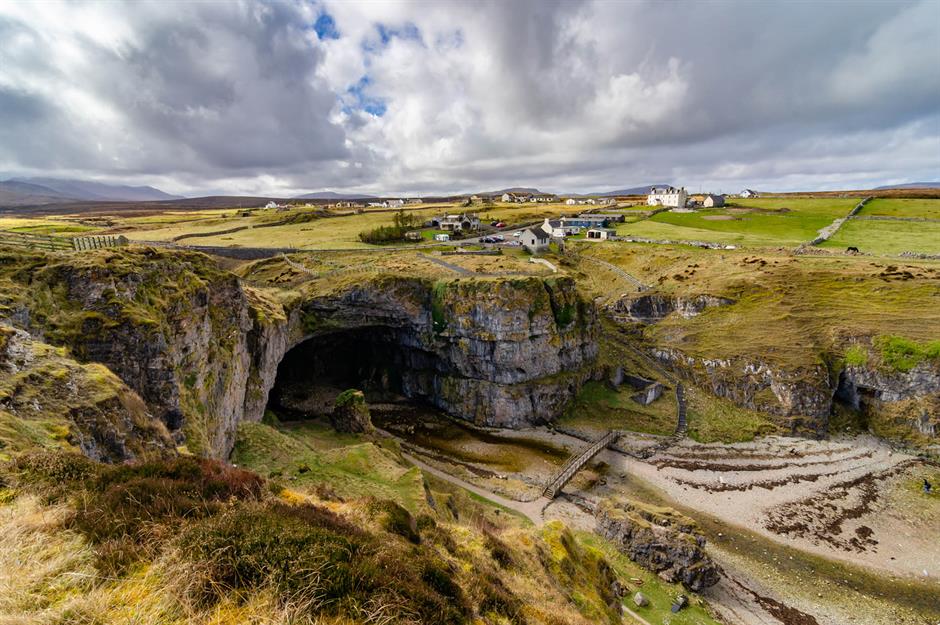
Caithness, perched at Scotland’s far northeast edge, offers wild coastal beauty and plenty of history. Smoo Cave's vast chamber and waterfall (pictured) are an impressive sight, and they're not far from the Castle of Mey, once the late Queen Mother’s rural retreat.
For dramatic ruins, Castle Sinclair Girnigoe clings to sea cliffs near Wick. It's an atmospheric fusion of two castles, with 15th-century origins and a colourful history of clan feuds, sieges and betrayal.
Sponsored Content
Powys, Wales
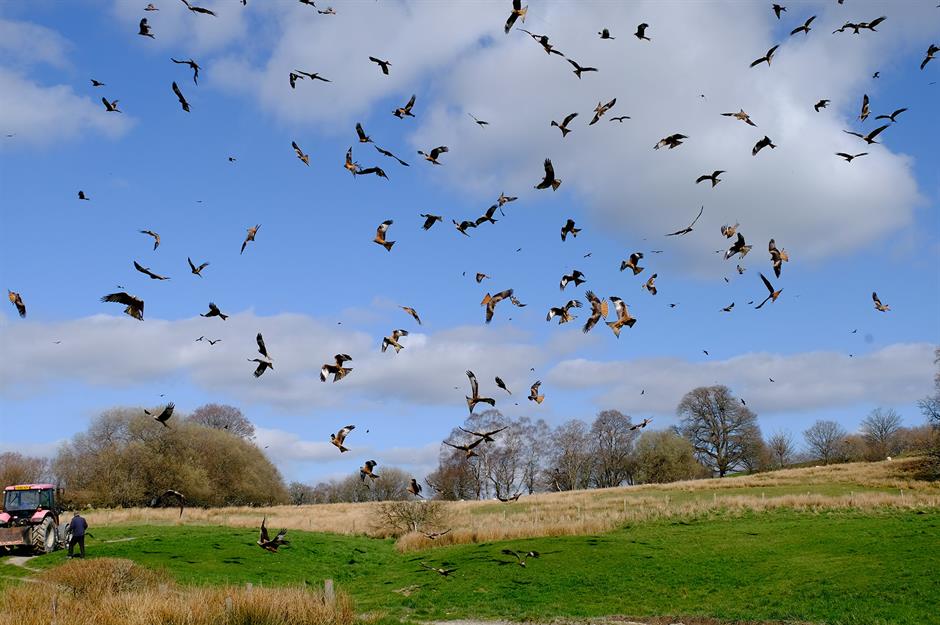
Aside from its many nature reserves and waterfalls, Powys has several unique attractions that visitors from further afield will love. Gigrin Farm Red Kite Feeding Centre in Rhayader is a thrilling wildlife spectacle, where hundreds of red kites descend daily in a dramatic feeding frenzy (pictured).
Also notable is Offa’s Dyke, a vast earthwork stretching 82 miles (132km) along the England-Wales border, built by King Offa of Mercia in the 8th century. Today, the Offa’s Dyke Path offers 177 miles (285km) of scenic walking and centuries of history.
County Down, Northern Ireland
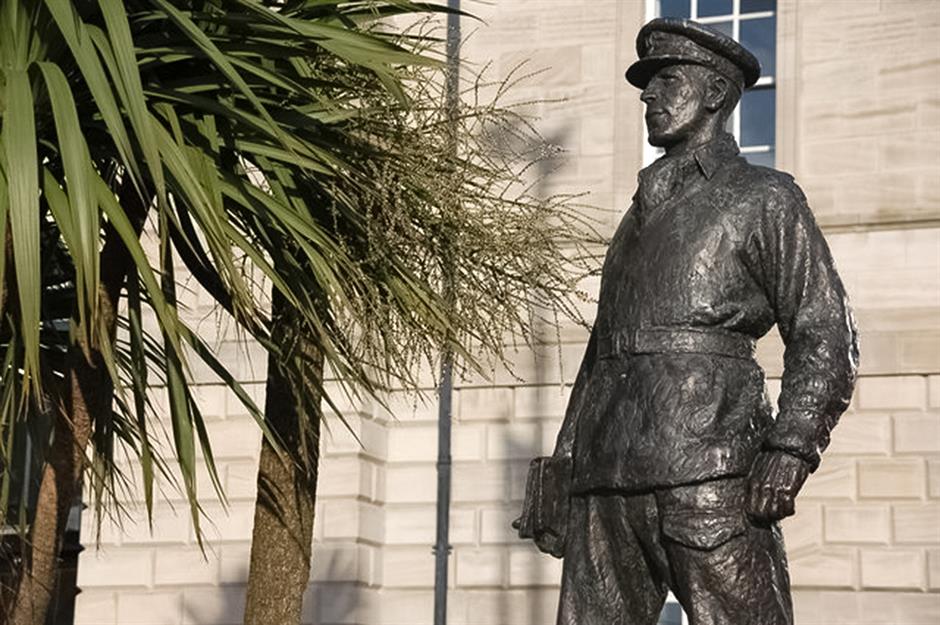
The National Trust's Mount Stewart House and its unusual gardens are among County Down's main attractions, along with Tollymore Forest Park and the Ulster Folk Museum. However, history buffs and fans of the TV show SAS: Rogue Heroes should head to Newtownards.
This unassuming town was the birthplace and home of boxer, rugby player and World War II hero Robert Blair 'Paddy' Mayne, an extraordinary character whose life story is told throughout Newtownards, from his statue outside the town hall (pictured) to the highly regarded War Years Remembered Museum.
Wiltshire, England
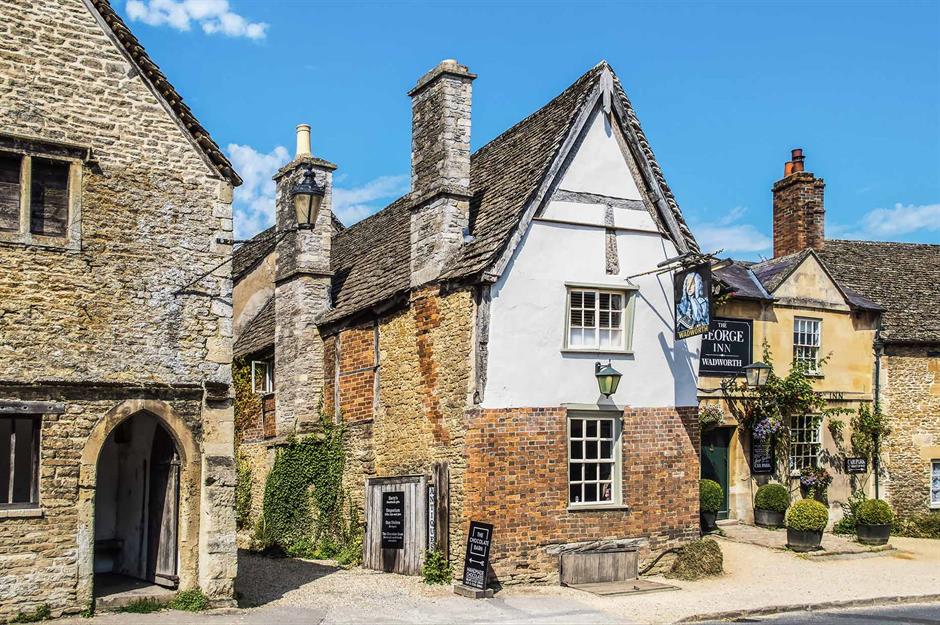
Wiltshire’s headline acts – Stonehenge, Longleat Safari Park and Salisbury Cathedral – draw the crowds, but its quieter gems are just as captivating.
Entering Lacock Abbey and village is like stepping back in time and, as a result, it's a popular filming location, appearing in Downton Abbey, Pride and Prejudice and the Harry Potter films. Meanwhile, Old Sarum reveals layers of Iron Age, Roman and Norman heritage atop a dramatic hill fort. Iford Manor Gardens, tucked in the valley near Bradford-on-Avon, is an enchanting spot to lose yourself among rare plants.
Sponsored Content
Suffolk, England
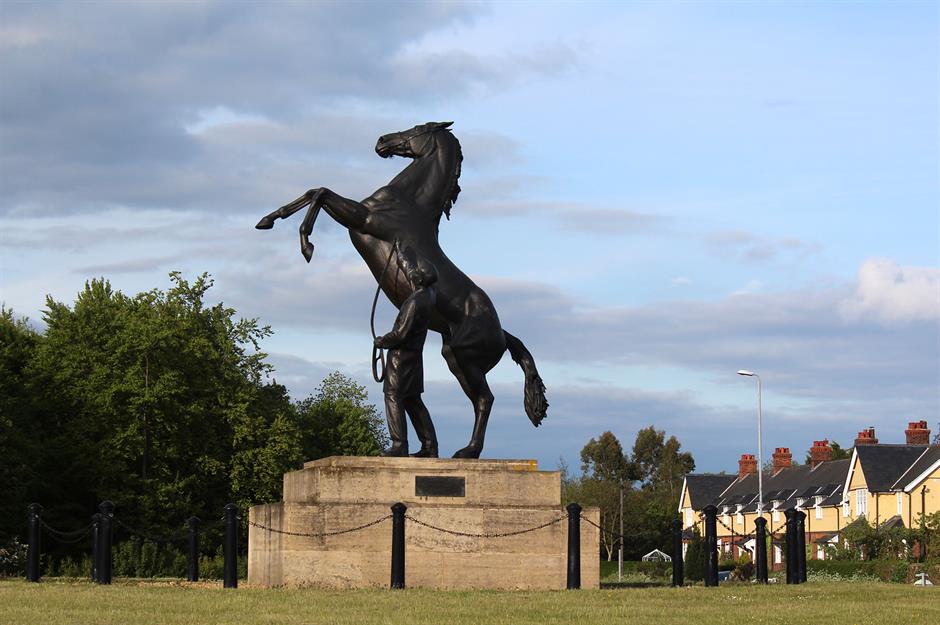
Suffolk’s big draws include Latitude Festival, Jimmy’s Farm and Wildlife Park (run by TV personality Jimmy Doherty) and Aldeburgh Beach, but the county offers a host of other attractions too.
Newmarket, the home of British horseracing, offers behind-the-scenes tours, race days and the National Horseracing Museum, while history fans flock to Sutton Hoo, where a huge Anglo-Saxon treasure hoard was unearthed during World War II. For family fun, Hilly Ridge Alpacas offers hands-on alpaca experiences, while Suffolk’s growing number of vineyards are well worth touring.
Sutherland, Scotland
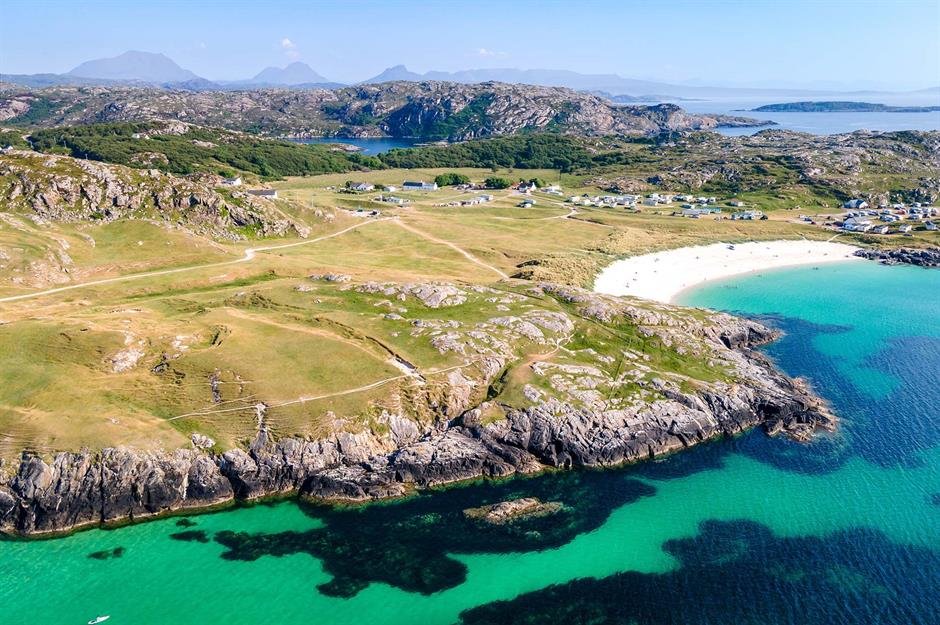
Sutherland – not to be confused with Sunderland – is reportedly the UK’s least-visited county, yet it's among the most breathtaking. Discover Achmelvich Bay (pictured), with white sands, turquoise waters and the quirky Hermit’s Castle, a 1950s brutalist concrete folly.
Nearby, the grand Dunrobin Castle, styled like a fairytale French château, boasts 189 rooms, landscaped gardens and a museum displaying clan history and wartime memorabilia. Perched above the Moray Firth, it dates back to the 1300s and remains the ancestral seat of the Dukes of Sutherland.
Denbighshire, Wales
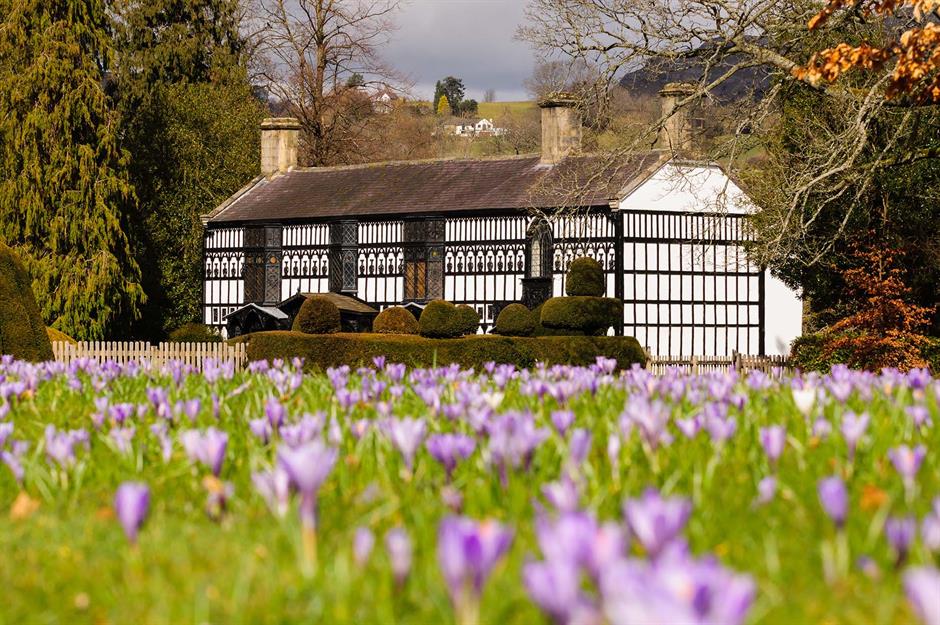
Plas Newydd in Llangollen (pictured), once home to the pioneering Ladies of Llangollen, is a Gothic-style manor now gaining attention thanks to the TV series Gentleman Jack. The Ladies' 18th-century literary salons drew cultural elites like William Wordsworth and the Duke of Wellington.
Nearby, the Pontcysyllte Aqueduct – 128 feet (39m) high and 1,007 feet (307m) long – is the world's highest navigable canal. Whether by barge, by kayak or on foot, crossing it offers breathtaking views and a surreal sense of floating above the Dee Valley.
Sponsored Content
Moray, Scotland
Moray is famous for its whiskey, and tours around its many distilleries – including Glenlivet and Glenfiddich – are a big draw.
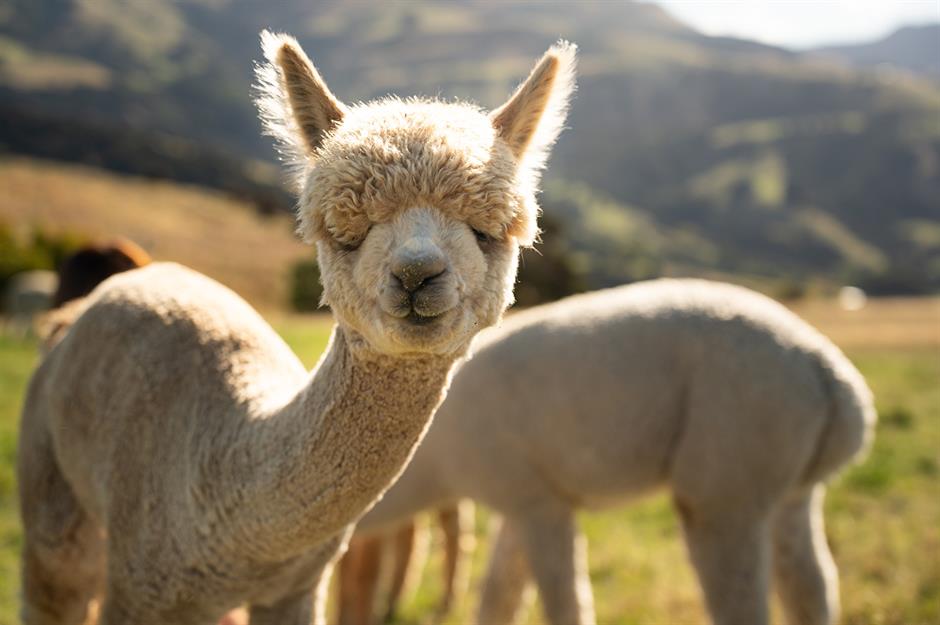
However, there's plenty more to do and see in Moray. At Auld Mill Alpacas in Elgin (pictured), visitors learn about alpacas before leading the curious creatures on a walk and finishing their day with coffee and cake by the fire. More than 70 Tripadvisor reviewers have given it a maximum five-star rating, calling it "magical" and "a unique experience".
Lancashire, England
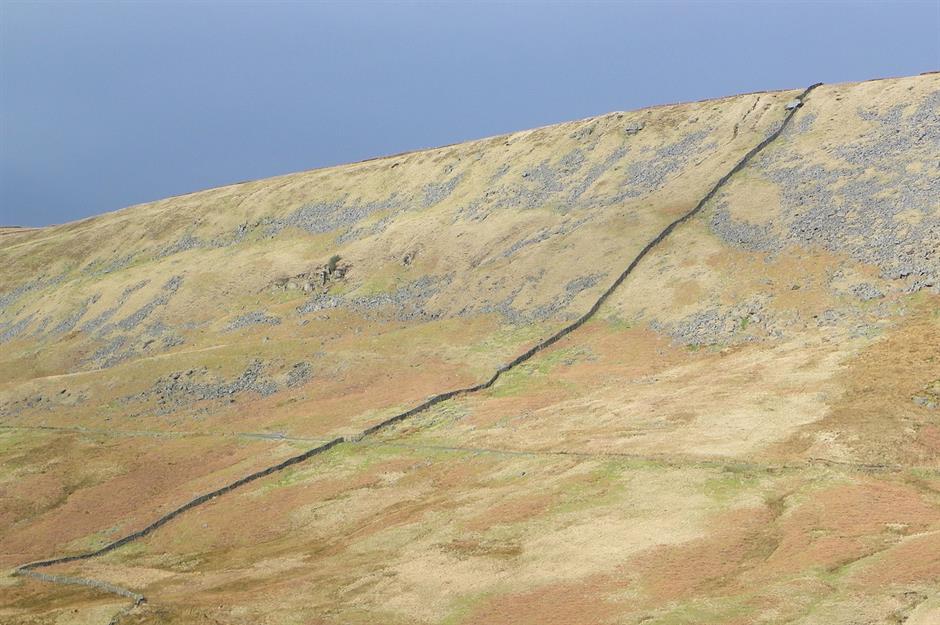
Lancashire’s Forest of Bowland, an Area of Outstanding Natural Beauty, offers sweeping moorland, quiet valleys and the rugged Bowland Fells, ideal for walkers and wildlife watchers. Nearby Pendle Hill is steeped in legend – famous for its 17th-century witch trials and panoramic views across the Ribble Valley. Families enjoy Bowland Wild Boar Park, where children can meet boars and deer, ride tractors and explore woodland trails.
More famous is Blackpool, with its pleasure beach, its illuminations and the ballroom made famous by TV's Strictly Come Dancing.
Ceredigion, Wales
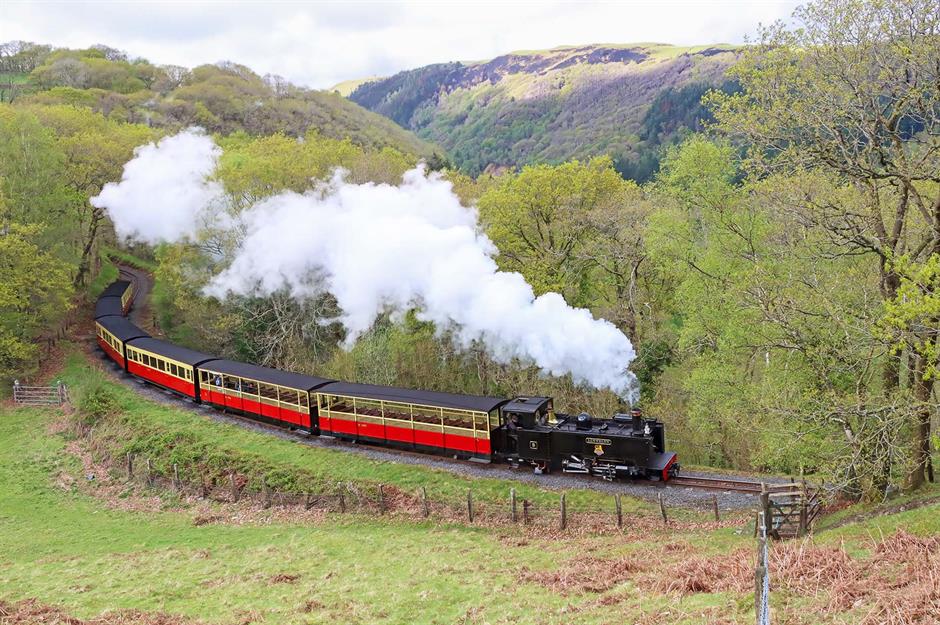
The beautiful beaches of Ceredigion – along with Aberystwyth castle – are why most visitors head to this Welsh county. But the Vale of Rheidol Railway (pictured) is also not to be missed.
Ride aboard beautifully restored narrow-gauge 1920s and 30s steam trains as they pass through dramatic mountain scenery, from Aberystwyth to Devil's Bridge, while red kites and buzzards soar high above and the rhythmic sound of the rails transports you back in time.
Sponsored Content
Angus, Scotland
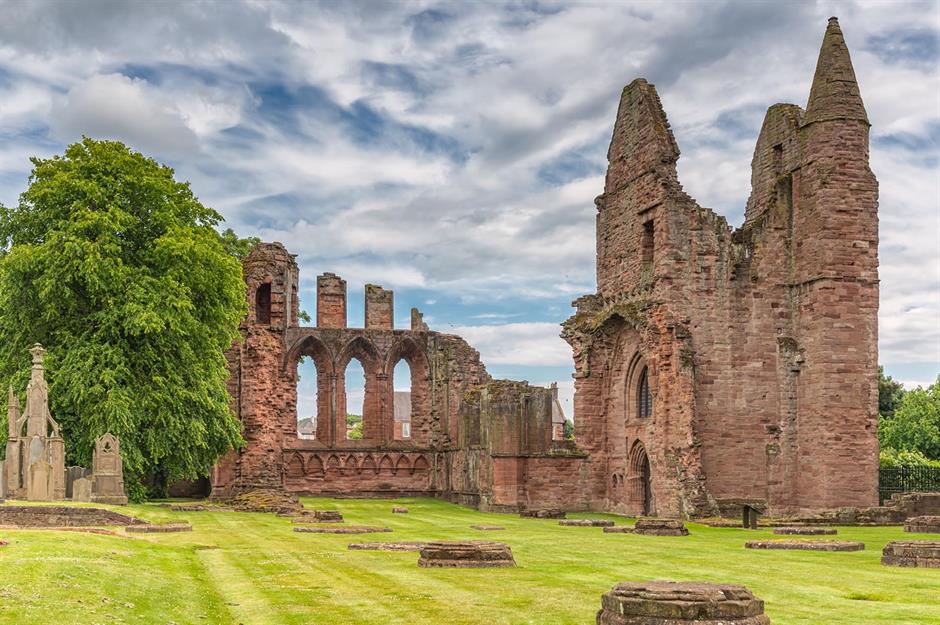
Arbroath Abbey (pictured), founded in 1178, is famed as the burial place of Scottish King William the Lion, and for its striking medieval ruins. Keen walkers can take the coastal path from Arbroath to Auchmithie and enjoy dramatic cliffs, sea stacks and panoramic North Sea views.
Glamis Castle – the childhood home of the late Queen Mother – is probably Angus's most famous attraction, but the elegant House of Dun and romantic Edzell Castle and Garden are also highly rated by visitors.
County Tyrone, Northern Ireland
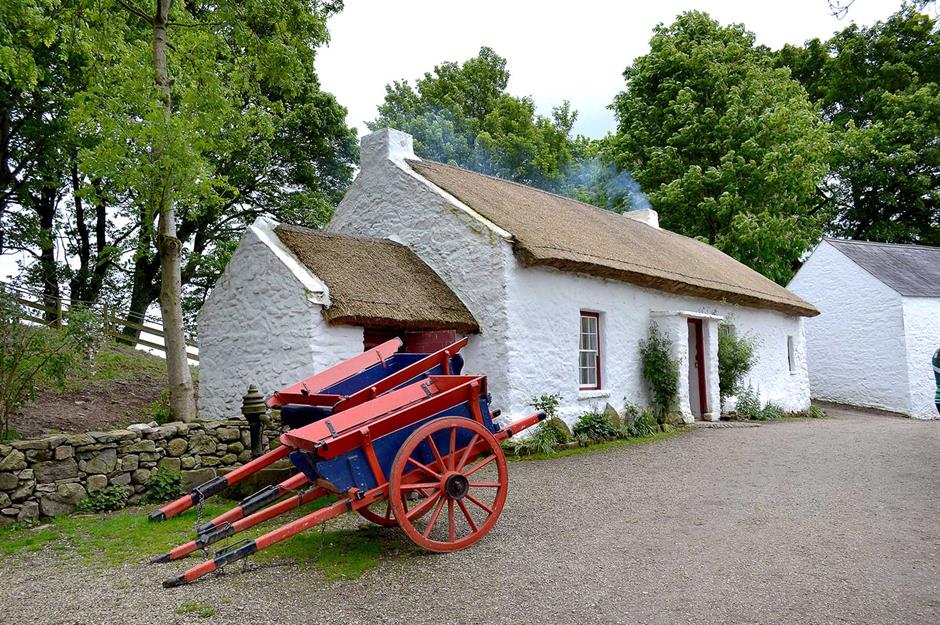
While the Ulster American Folk Park (pictured) is one of the most popular attractions in Tyrone, it's not well-known to those outside Northern Ireland. It explores the story of 18th and 19th-century Irish emigration to America. Visitors are escorted by costumed guides from traditional Ulster cottages to recreated American frontier settlements, tracing the lives of those who crossed the Atlantic.
Fans say it's a great day out for the whole family and that you could easily spend a full day exploring the site.
Lincolnshire, England

Stealing the local limelight, Lincoln Castle and its preserved Victorian prison sit beside the soaring Lincoln Cathedral, once the tallest building in the world. Nearby, Burghley House dazzles with Elizabethan architecture and landscaped gardens.
Beyond these headline sites, visitors praise the Lincolnshire Aviation Heritage Centre for its immersive World War II exhibits and working Lancaster bomber (pictured), while the International Bomber Command Centre offers powerful memorials and panoramic views. Together, they reveal Lincolnshire’s deep ties to Britain’s aerial triumphs during the world wars.
Sponsored Content
Northumberland, England
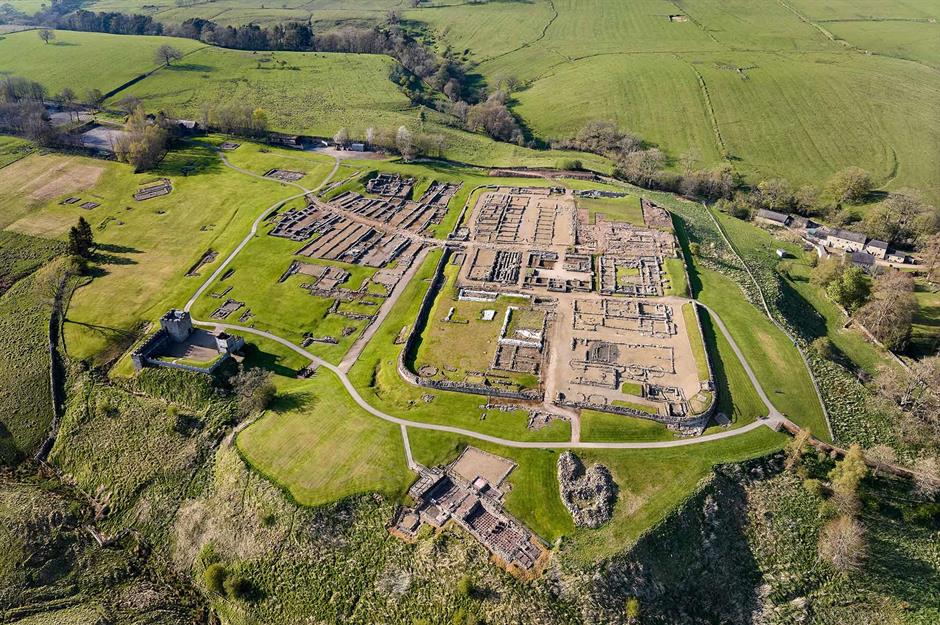
While Hadrian's Wall is the most well-known Roman relic in Northumberland, nearby Vindolanda (pictured) shouldn't be overlooked. It's one of Europe’s most important Roman sites, where visitors can explore the remains of forts and settlements, watch live excavations and view rare finds like the Vindolanda writing tablets, Britain’s oldest surviving handwritten documents.
Arguably more famous, Alnwick Castle, Bamburgh Castle, Lindisfarne and the Farne Islands are all spectacular family attractions worth exploring.
County Derry/Londonderry, Northern Ireland
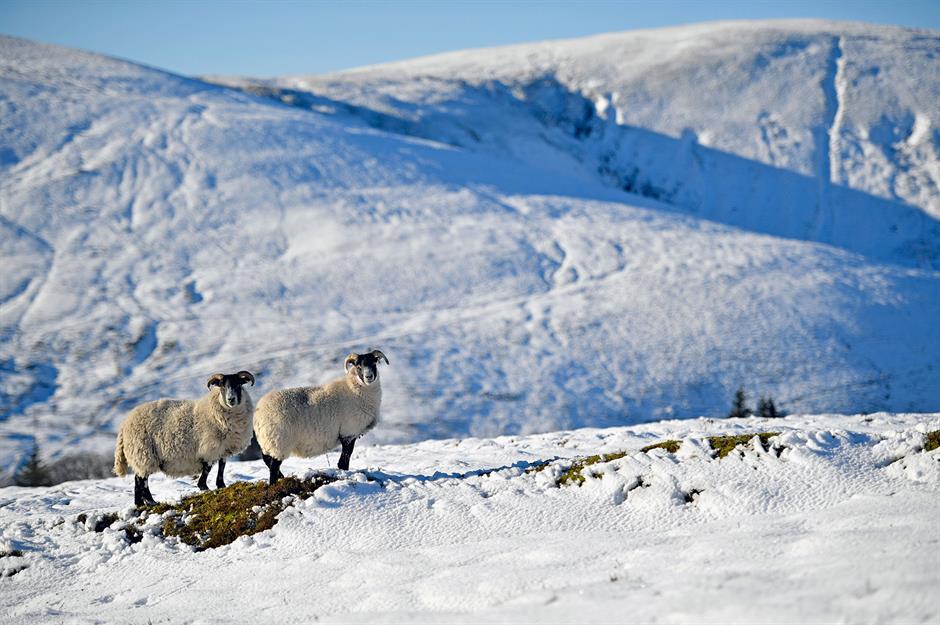
While the city of Derry/Londonderry is the second largest in Northern Ireland and popular with visitors, the surrounding county is often overlooked, despite its dramatic scenery.
The once-grand 18th-century estate of Downhill Demesne is well worth a visit, boasting rugged coastal views, the Mussenden Temple (once a private library) and the ruins of Downhill House. Meanwhile, the wild and untouched Sperrin Mountains (pictured) are beloved by walkers for their heather-covered hills, tranquil valleys and more than 90 sets of ancient stone circles.
Shropshire, England
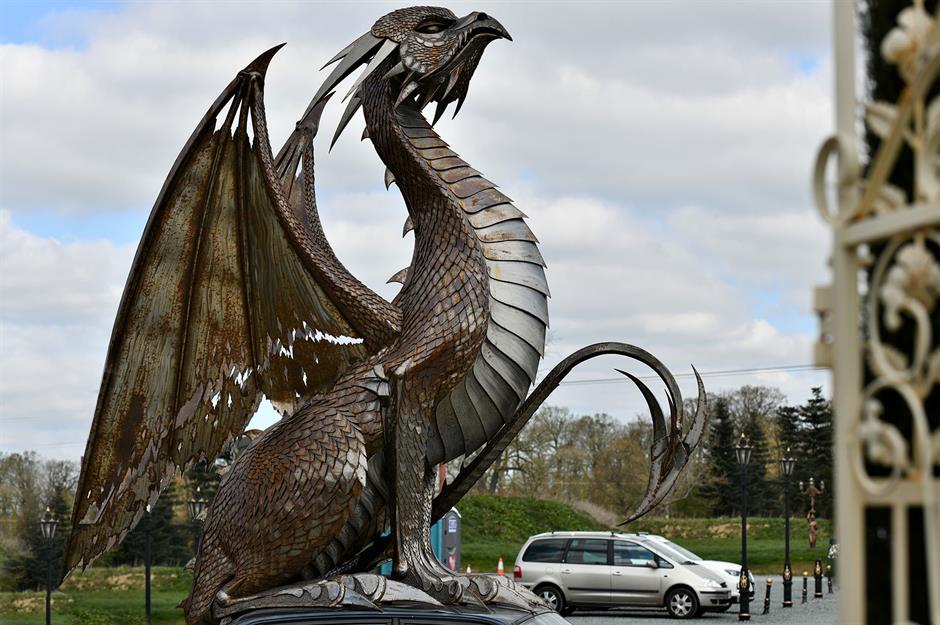
The British Ironwork Centre and Shropshire Sculpture Park cover 90 acres and feature more than 100 metal sculptures, including a 27-foot (8m) angel made of knives and a gorilla crafted from 40,000 spoons. This mythical wyvern sculpture sits atop a car, a fusion of fantasy and industrial art, and conveys more than a hint of pride in Shropshire's industrial heritage.
The county's bigger-name draws include Ludlow Castle, the Iron Bridge, Stokesay Castle and Hoo Zoo and Dinosaur World.
Sponsored Content
County Fermanagh, Northern Ireland
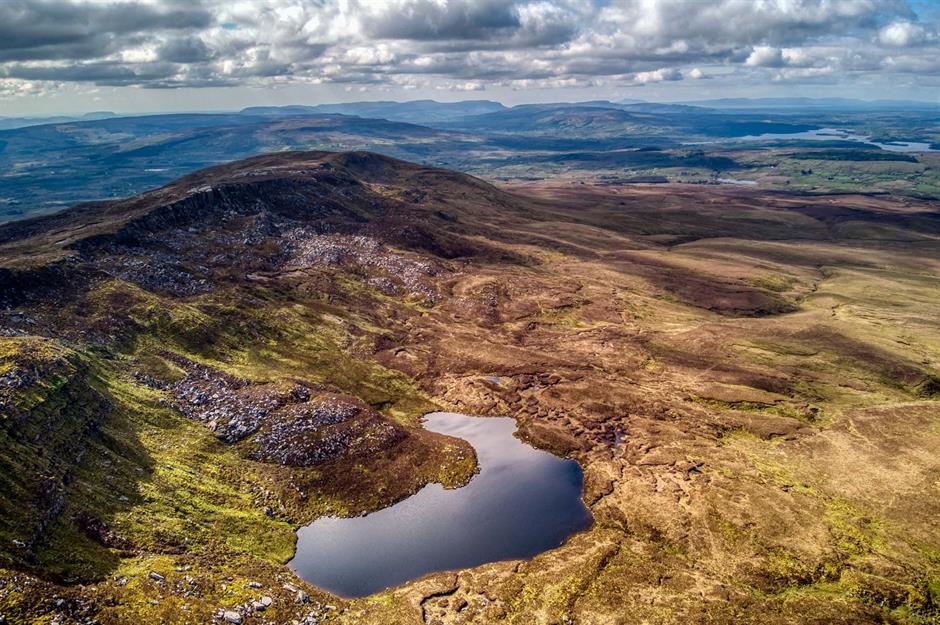
Cuilcagh Mountain Park (pictured) straddles the counties of Fermanagh and Cavan. It's famed for its dramatic limestone landscape and the Cuilcagh Boardwalk Trail, nicknamed 'the Stairway to Heaven'. The wooden path rises through bog and heather to serve up sweeping views from the summit, making this wilderness unusually accessible.
Marble Arch Caves are perhaps the county's most high-profile attraction, although Fermanagh is bristling with nature reserves and historic buildings like Enniskillen Castle, Florence Court, Castle Coole and the ruined Tully Castle.
Herefordshire, England
Perhaps best known for the rolling Malvern Hills, Herefordshire also hosts a wealth of castles, grand homes and gardens.
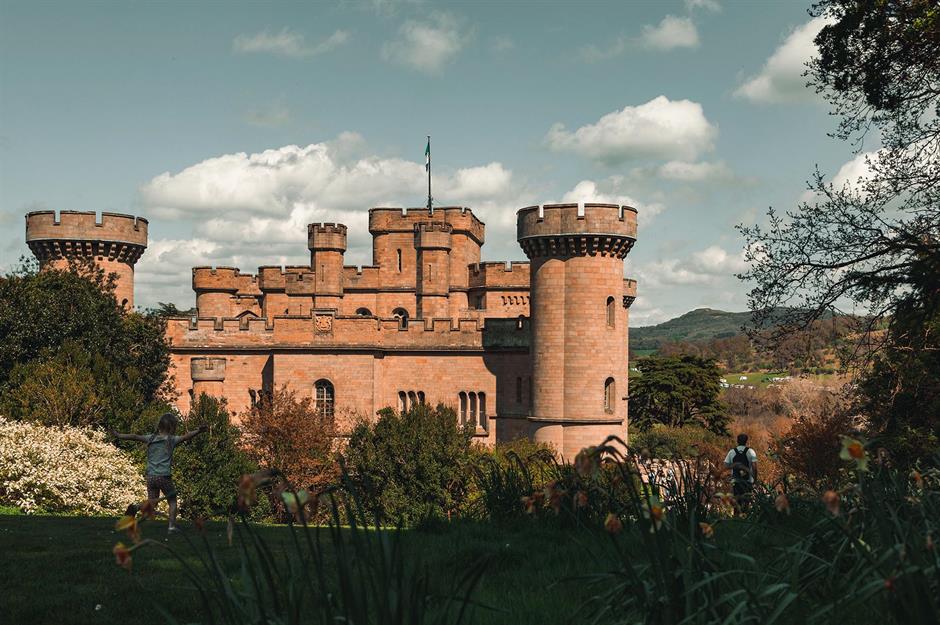
Explore turreted Eastnor Castle (pictured), still privately owned and open for tours and events; the dramatic ruins of Goodrich Castle, a Norman stronghold with panoramic views; and elegant estates like Berrington Hall and Croft Castle, both National Trust properties with landscaped grounds. Brockhampton offers a moated medieval manor, while Brobury House Gardens showcase riverside symmetry and seasonal colour.
Durham, England
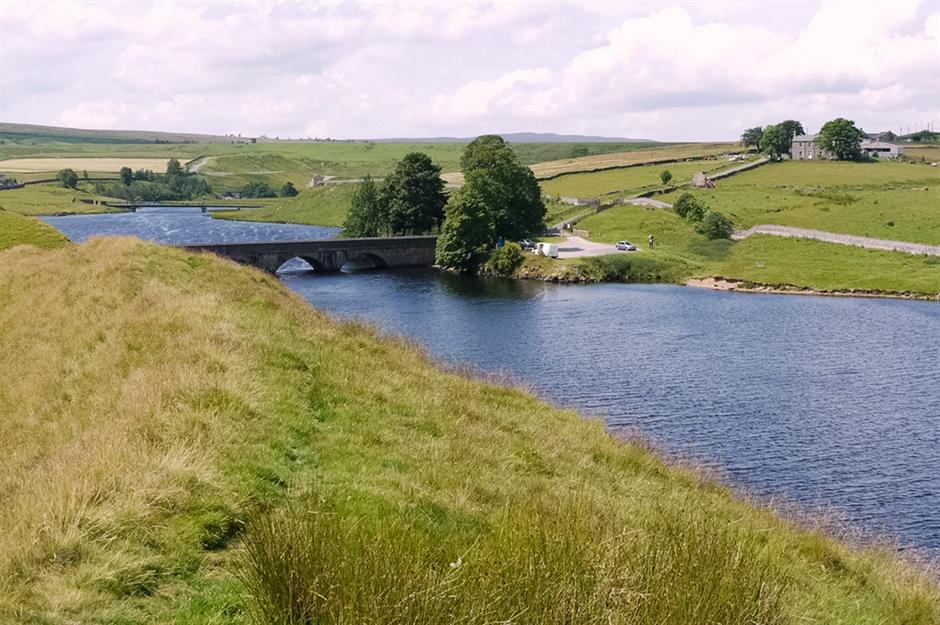
Not only is Grassholme Reservoir a beautiful place to walk or fish, it's also a Dark Sky Discovery Site, where anyone is allowed to park overnight to stargaze. Grassholme Observatory runs multiple events throughout the week for adults and children, with hot chocolate supplied if needed.
While Durham Cathedral and Castle are big draws, Brancepeth Castle is less well-known but equally interesting. Dating back to Anglo-Saxon times, it has been a fortress, a lab and a barracks, and is currently a family home open to the public on certain days each year.
Sponsored Content
County Armagh, Northern Ireland
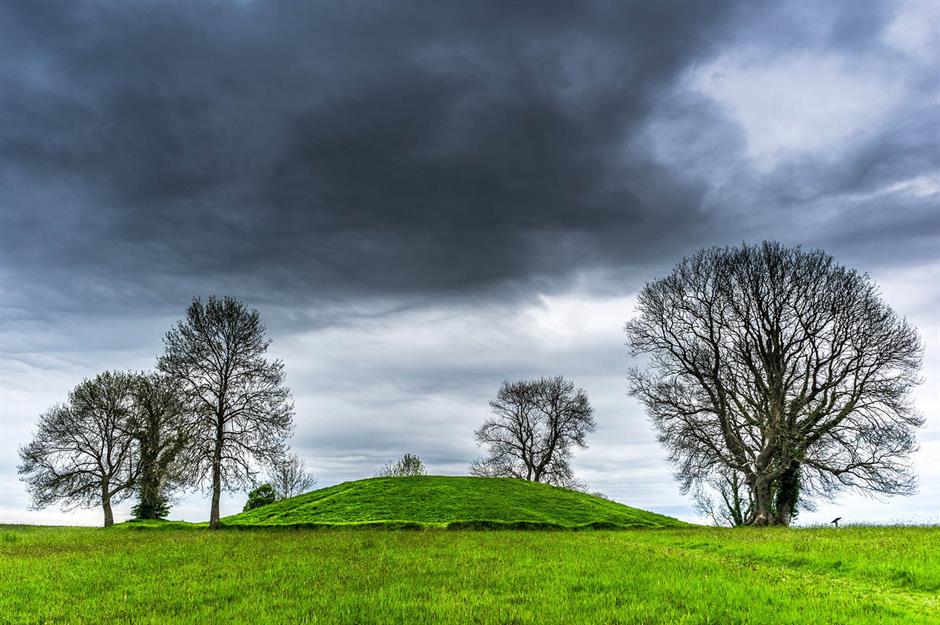
Navan Fort (pictured) may look like a simple grassy hillock, but it's actually the site of a 2,000-year-old temple and one of Ireland's most important archaeological sites. Visitors walk in the footsteps of Iron Age warriors, explore reconstructed dwellings and meet costumed guides who bring Celtic culture to life. TripAdvisor reviewers praise the engaging storytelling, interactive experiences and knowledgeable staff – a brilliant spot for anyone interested in Celtic history.
Gosford Forest Park is another well-loved local attraction, as is the city of Armagh's observatory and planetarium.
Now discover 25 hidden natural havens in the UK’s biggest cities