25 hidden natural havens in the UK’s biggest cities
Urban escape
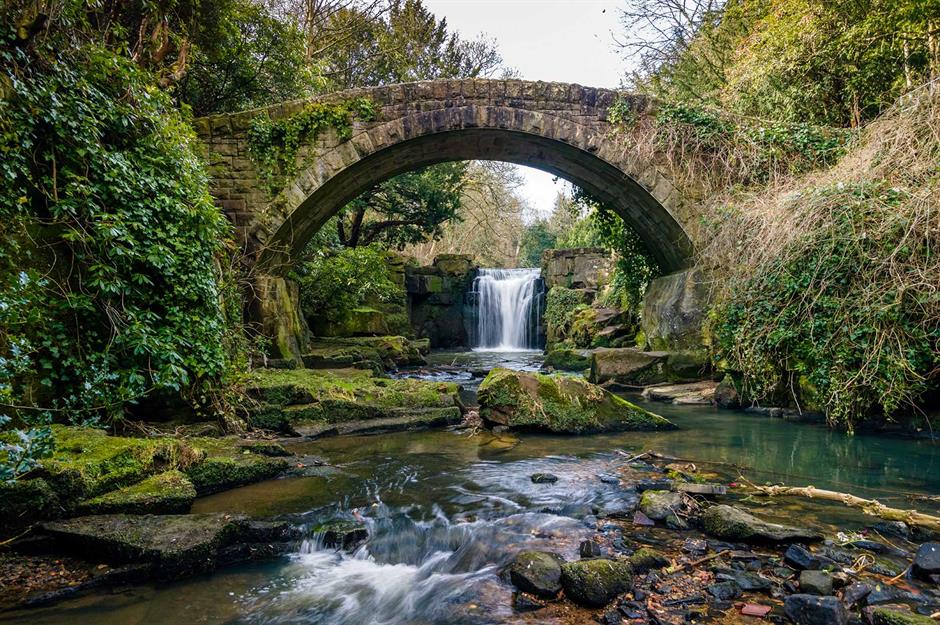
Beyond the bustle of the UK’s biggest cities lie unexpected pockets of nature – quiet woodlands, secret riversides and wildflower-filled parks that offer a peaceful escape from urban life.
Whether you're seeking solitude, scenic walks or simply a lungful of fresh air, these green gems showcase the surprising beauty that thrives in concrete jungles and prove that nature is never far away.
Click or scroll on to uncover the hidden natural wonders tucked in and around the UK’s 25 largest cities...
25. The Kennet & Avon Canal, Reading, England
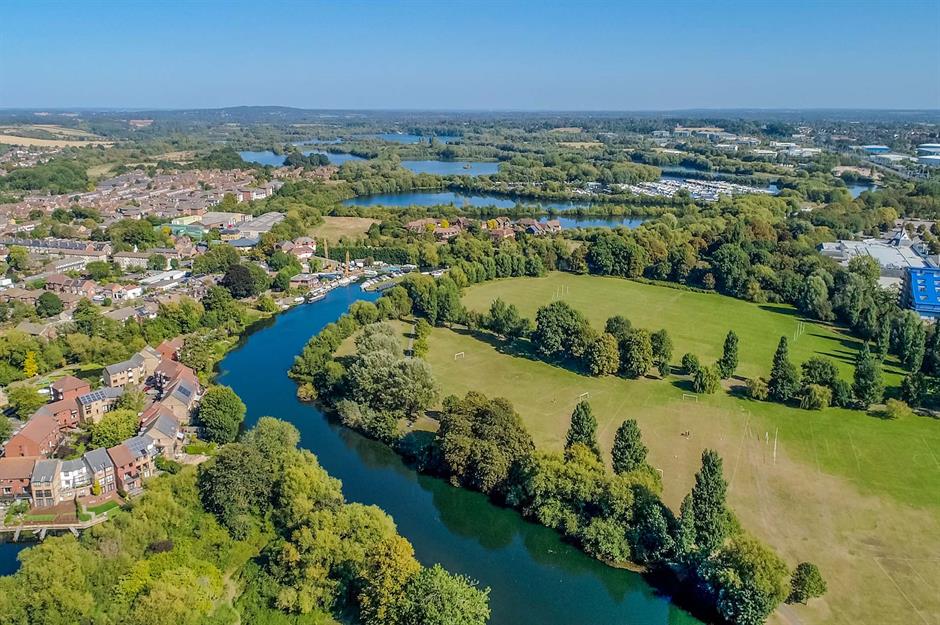
Reading, the UK's 25th largest city, boasts the beautiful Kennet & Avon Canal, which – at 87 miles long (140km) – links the River Thames in London to the River Avon in Bath. Completed in 1810, the canal transported everything from coal and timber to marble and even acid. The canal fell into decline until it was restored and revitalised by volunteers and reopened in 1990.
These days, the towpaths are delightful places to stroll in peace and spot otters, kingfishers and dragonflies as leisure barges cruise quietly by.
24. Barnes Meadow, Northampton, England
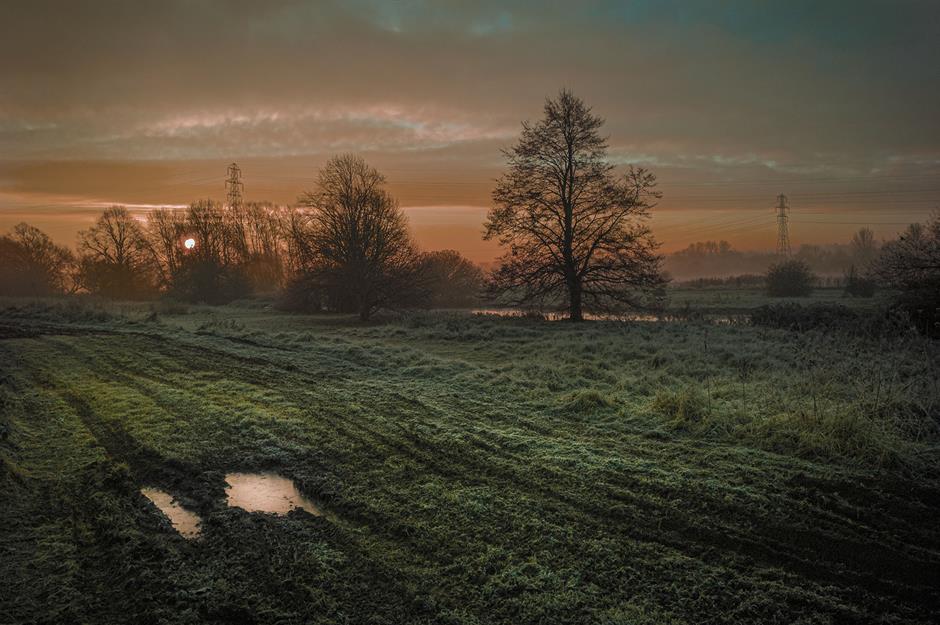
Barnes Meadow in Northampton is a 49-acre Local Nature Reserve nestled along the River Nene. Once agricultural land, it now thrives as a patchwork of meadows and manmade ponds, attracting over 100 bird species, including snipe, kingfishers and peregrine falcons, as well as grass snakes and otters – making it a hidden gem for nature lovers.
Barnes Meadow flows into the ancient Delapré Abbey estate, which has a lake, walled gardens, an arboretum and 550 acres (223ha) of parkland to explore.
Sponsored Content
23. Drake's Island, Plymouth, England
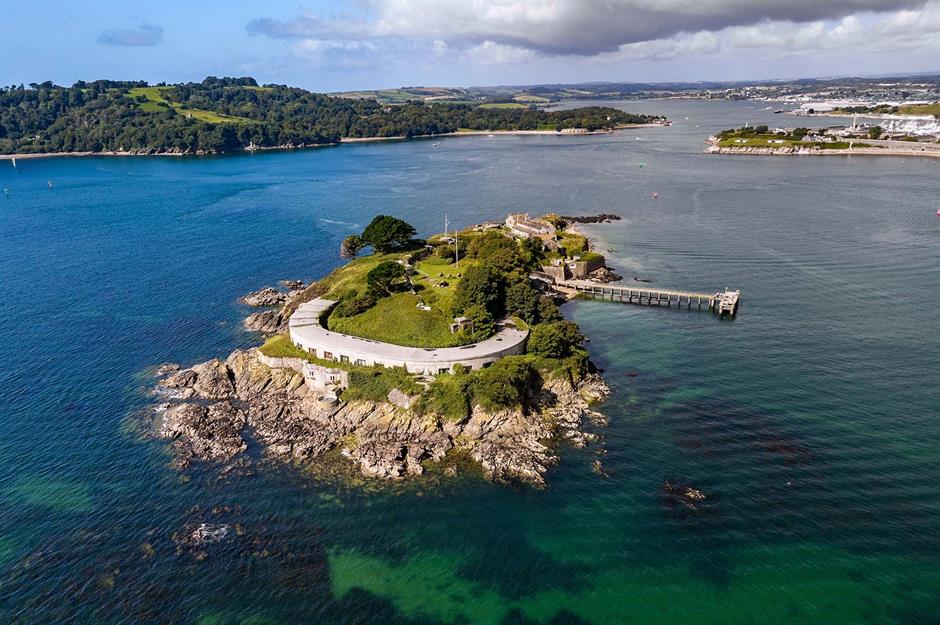
Drake’s Island lies just 1,640 feet (500m) off the coast of Plymouth. Formed 400 million years ago from the fossils of sea creatures, the island's first known building was a chapel dating from at least the 12th century.
Due to the isle's strategic position, the chapel was later demolished and replaced by a fort. Soon after, Sir Francis Drake – Queen Elizabeth I's favourite explorer – became its governor. Today, visitors can explore its tunnels, wildlife and panoramic views via guided tours.
22. Kipling Gardens, Brighton, England
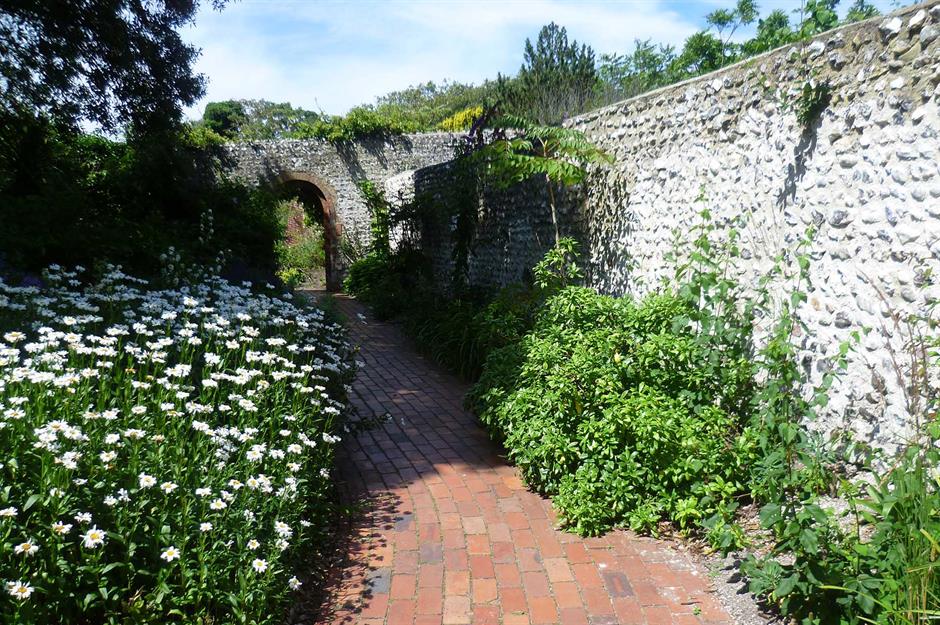
Kipling Gardens is tucked away in the outskirts of Brighton, one of the UK's chicest seaside cities. It once belonged to The Elms, home of The Jungle Book author Rudyard Kipling between 1897 and 1902.
Enclosed by flint walls, the gardens feature rose and herb beds, peaceful paths and Brighton’s only formal croquet lawn. Restored in the 1980s, it’s a quiet retreat where Kipling wrote many Just So Stories, now cherished by literature lovers and horticulturalists alike.
21. Farlington Marshes Wildlife Reserve, Portsmouth, England
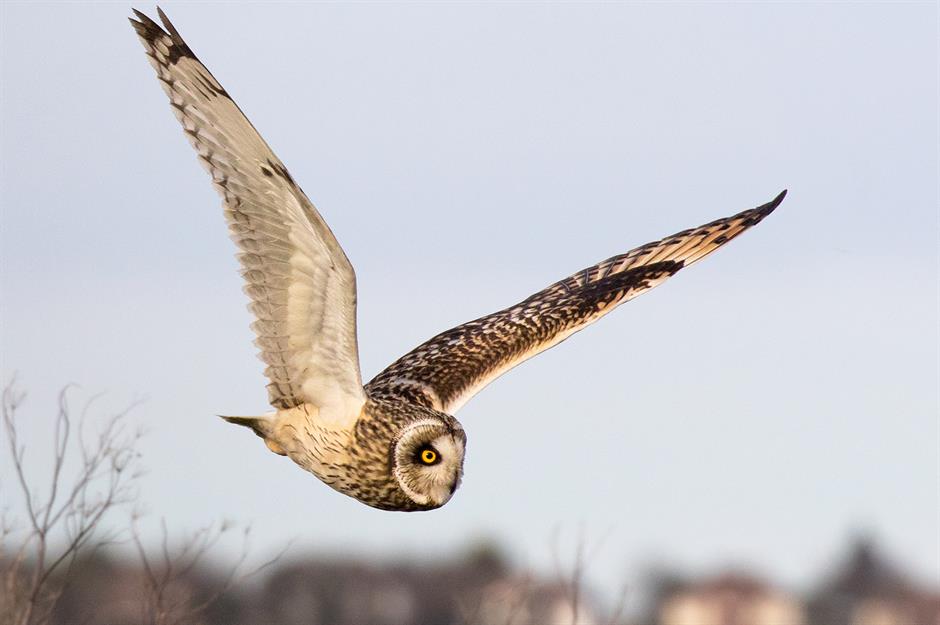
Farlington Marshes, on Portsmouth’s northern shoreline, is a 300-acre nature reserve rich in wetland habitats and birdlife. Reclaimed from Langstone Harbour in the 18th century, it now hosts thousands of overwintering birds like Brent geese, wigeons and short-eared owls.
In summer, cries from warblers and waders fill the salt marsh and lagoons. Criss-crossed by walking trails, it’s a peaceful haven for walkers and birdwatchers, offering stunning views and vital conservation for rare species, like avocets and lapwings.
Sponsored Content
20. Alvaston Park, Derby, England
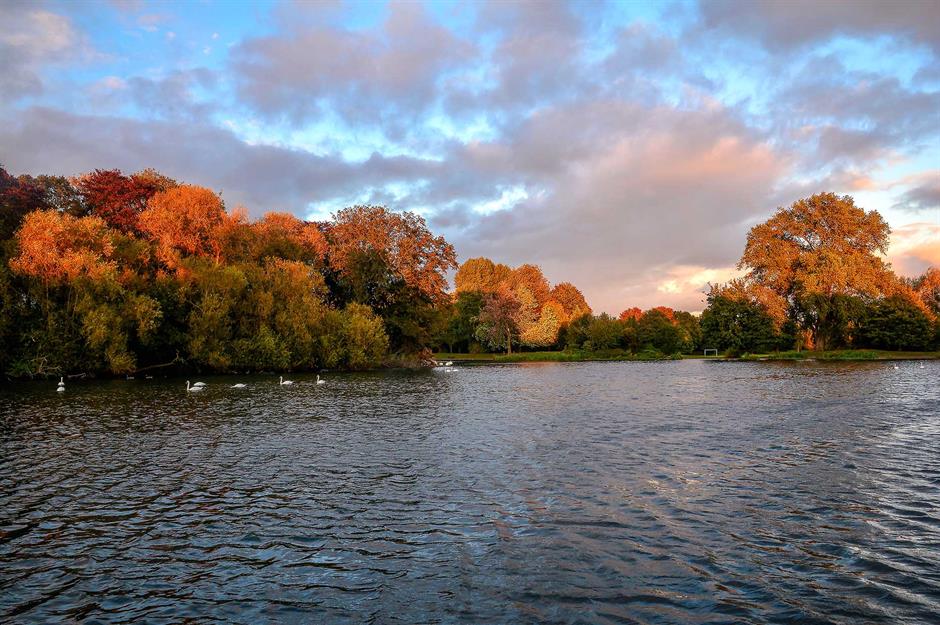
Alvaston Park is an 85-acre green space just south of Derby city centre. It features a science garden, a BMX track and nature trails, as well as this historic five-acre lake. At its centre lies Bird Island, which provides a safe nesting spot for swans, coots, mandarin ducks and even oystercatchers.
Visitors can enjoy fishing, model boating and regular community events at this lively yet peaceful beauty spot.
19. Itchen Valley Country Park, Southampton, England
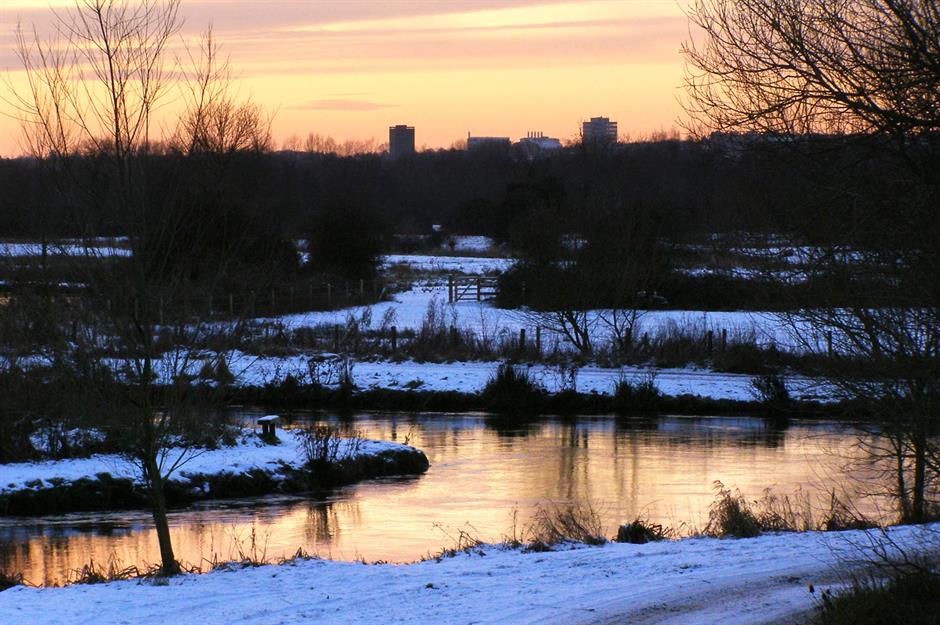
Itchen Valley Country Park, on the edge of Southampton, spans 440 acres of meadows, ancient woodland and riverside trails beside the River Itchen. It’s a haven for wildlife and outdoor adventure, with six nature-inspired play areas, orienteering courses and the treetop thrills of Go Ape.
The park also features a nature reserve, picnic spots and a café. With 16 Green Flag Awards, it’s a peaceful escape where families, walkers, and nature lovers can explore, unwind and connect with the outdoors.
18. Berryhill Fields, Stoke-on-Trent, England
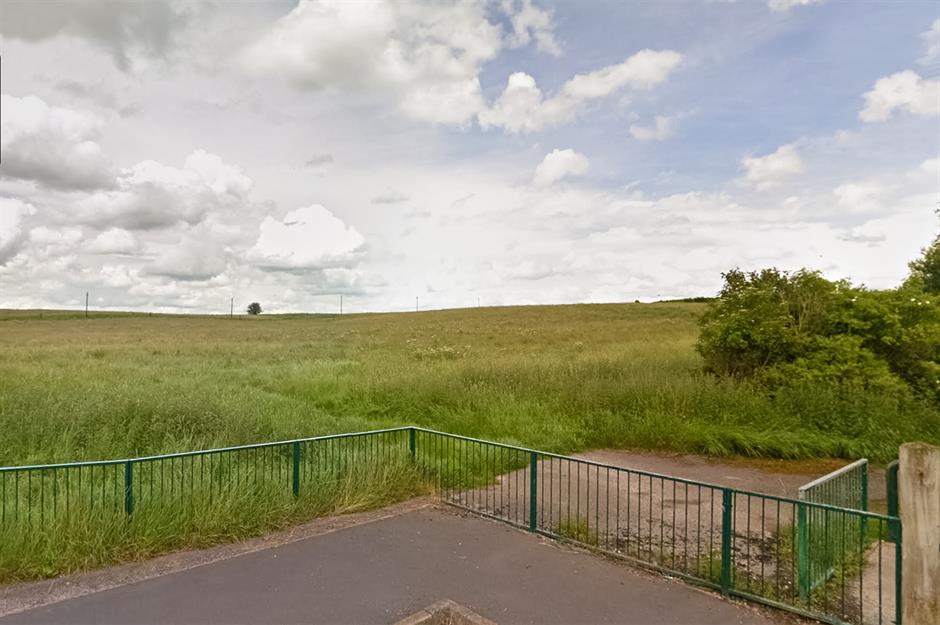
On the western edge of Stoke-on-Trent, Berryhill Fields is a 288-acre ecologically rich nature reserve. The former industrial site has been transformed into a peaceful green space where nature has reclaimed the land.
Along with the adjoining Saxon Fields and Moss Fields, the park is full of accessible paths, seasonal wildflowers, surprising sculptures, grazing horses, a mysterious stone circle and the Six Towns Viewing Point, where walkers can take in the whole of the city.
Sponsored Content
17. Jesmond Dene, Newcastle Upon Tyne, England
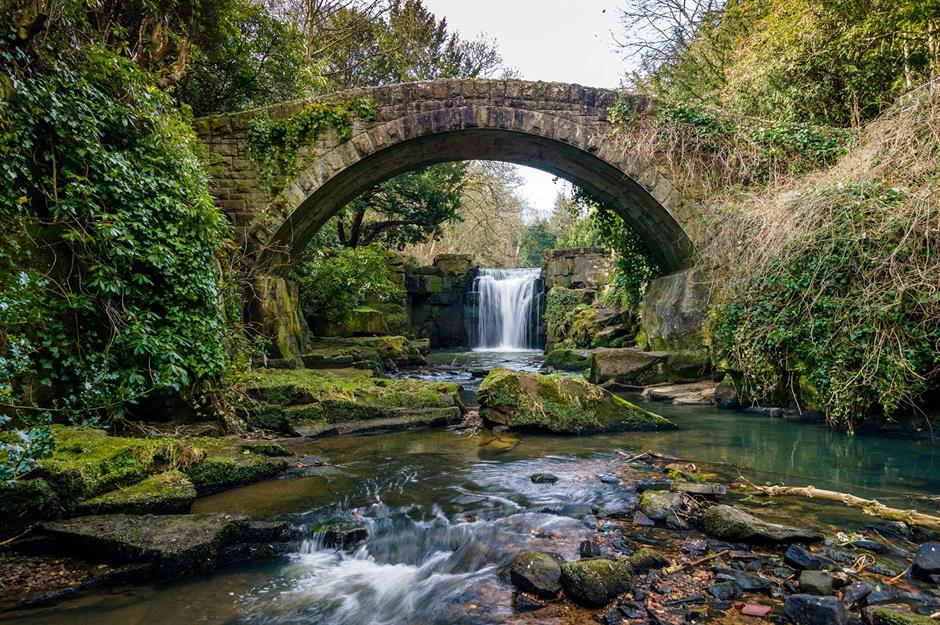
Jesmond Dene is a lush, wooded valley nestled near a popular student area of the city. Winding its way through this ancient woodland is the River Ouseburn, which once powered the flour, flax and corn mills that drove the industrial revolution.
Industrialist Lord Armstrong bought the little valley in 1862 and turned it into his private paradise, filled with waterfalls, bridges, exotic trees and a grotto. He gifted the dene to the public just 20 years later. Today, it's a peaceful escape, just minutes from the city centre.
16. Noddle Hill Nature Reserve, Hull, England
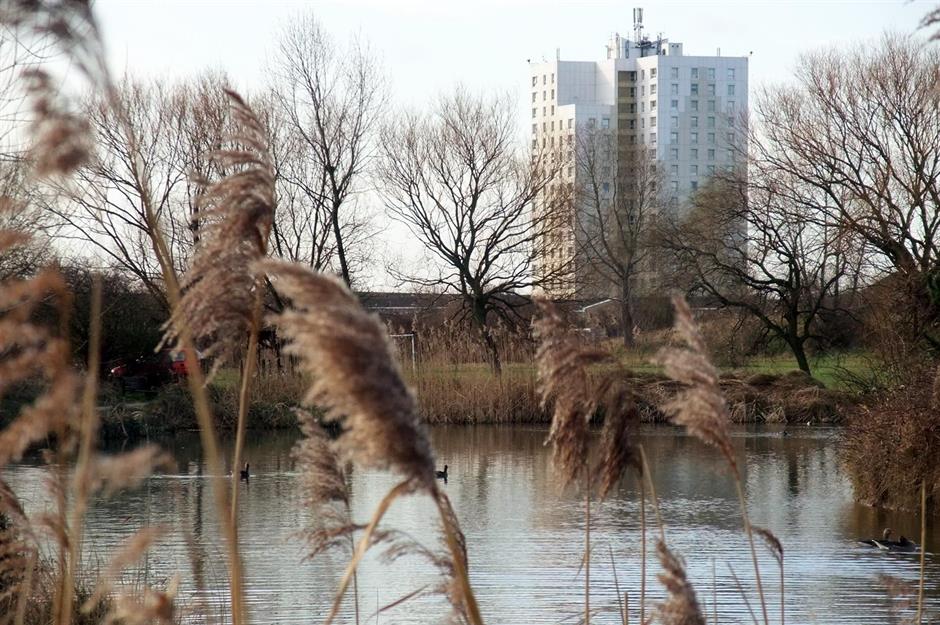
Much of what is now Noddle Hill Nature Reserve was once grazing for cattle before it was earmarked for construction in the 1980s. Thankfully, those plans fell through and over the next 33 years the area largely rewilded itself, with a little help from locals from the surrounding council estates.
It's now a haven for songbirds, crested newts, harvest mice and 16 species of dragonfly. There's also a fishing lake, sports pitches and a children's play area.
15. Attenborough Nature Reserve, Nottingham, England
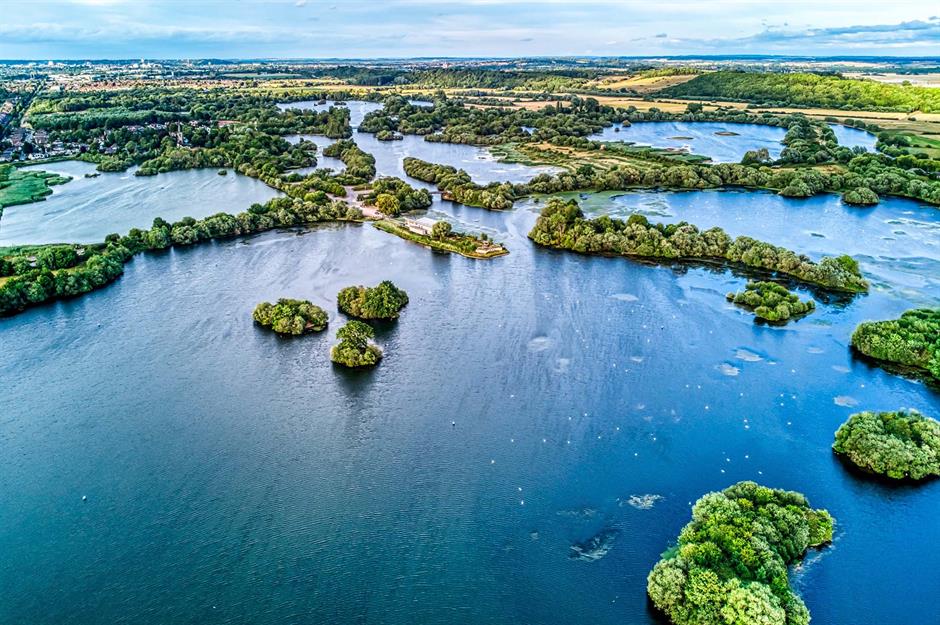
Located just south of Beeston – a popular residential area for Nottingham University students – the Attenborough Nature Reserve is a 544-acre haven of lakes, wetlands and islands formed from former gravel pits.
Opened by British broadcaster and biologist Sir David Attenborough in 1966, it’s a paradise for birdwatchers, with over 250 species recorded, including cormorants, kingfishers and sand martins. However, it's not just birds that thrive in the reedbeds and meadows; otters, bats, voles, butterflies and dragonflies all add to the wildlife spectacle.
Sponsored Content
14. Cave Hill, Belfast, Northern Ireland
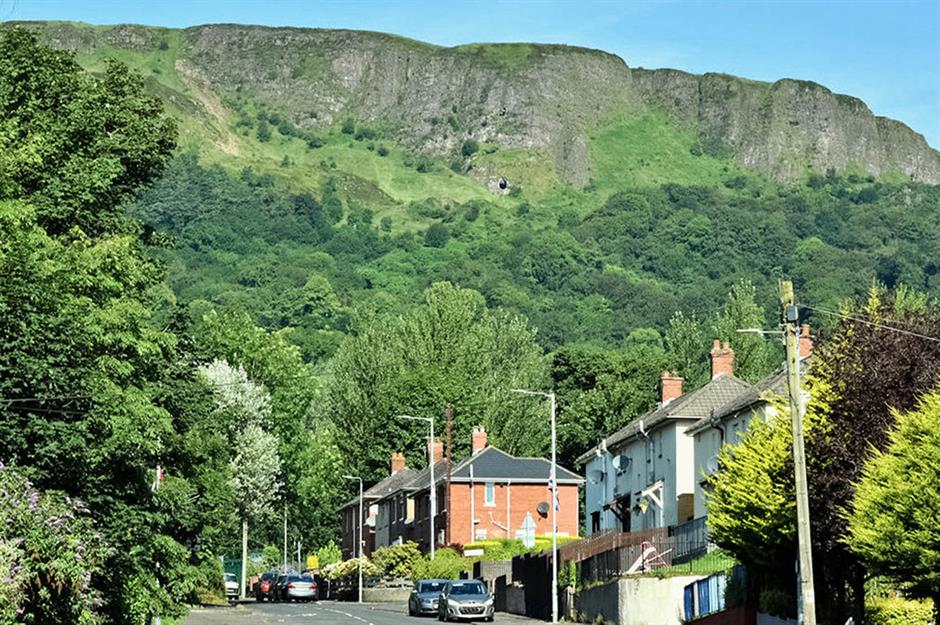
Cave Hill, rising 1,214 feet (370m) above Belfast, is a dramatic green backdrop to the city, famed for its cliff face known as Napoleon’s Nose, said to have inspired the giant in Gulliver’s Travels. The hill is home to man-made caves and ancient forts, including McArt’s Fort, an Iron Age promontory with sweeping views.
Part of Cave Hill Country Park, it also includes woodland trails, Belfast Castle and Belfast Zoo. It’s a great spot for hiking, history and panoramic cityscapes.
13. Parc Cefn Onn, Cardiff, Wales
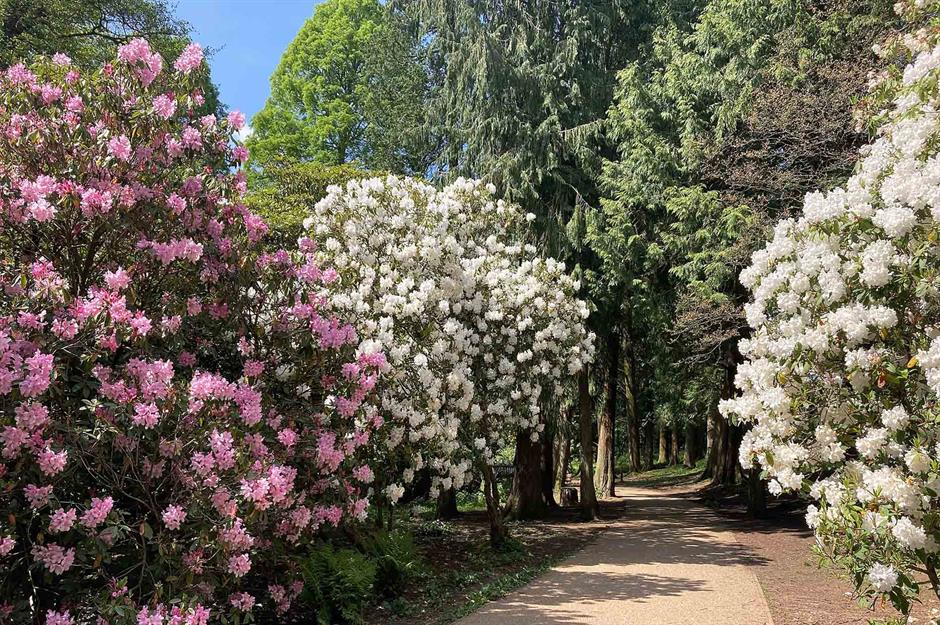
Parc Cefn Onn – meaning Hillside of Ash Trees – lies on the northern edge of Cardiff, the UK's 13th largest city. Nestled in a wooded valley, the Grade II-listed country park was created more than 100 years ago by railway director Ernest Prosser. He designed it for his son Cecil, who was suffering from tuberculosis.
Sadly, Cecil didn't survive and Ernest lost the will to see the project through. However, their legacy lives on in the park's ruins, tumbling streams and rare, exotic trees.
12. Heaton Woods, Bradford, England
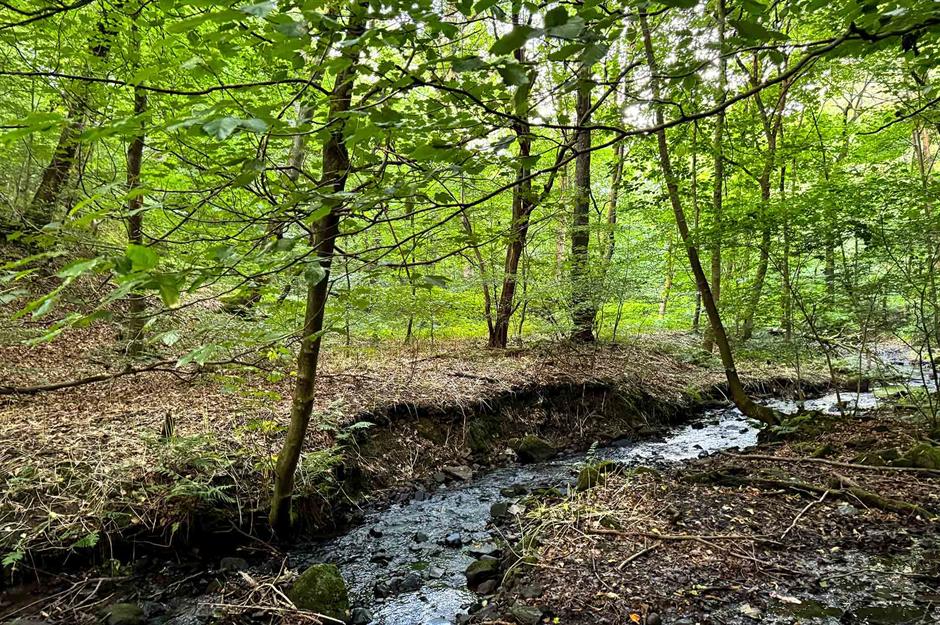
Heaton Woods in Bradford is a 50-acre mix of ancient and newly planted woodland. Once farmland, the woods were saved from development in the 1970s by a passionate group of local residents, who raised funds and rallied community support to protect the land.
Thanks to their hard work, it’s now a peaceful haven of bluebells, 800-year-old trees, wildlife including kestrels and sparrowhawks, and natural trails managed entirely by volunteers.
Sponsored Content
11. Coombe Abbey Country Park, Coventry, England
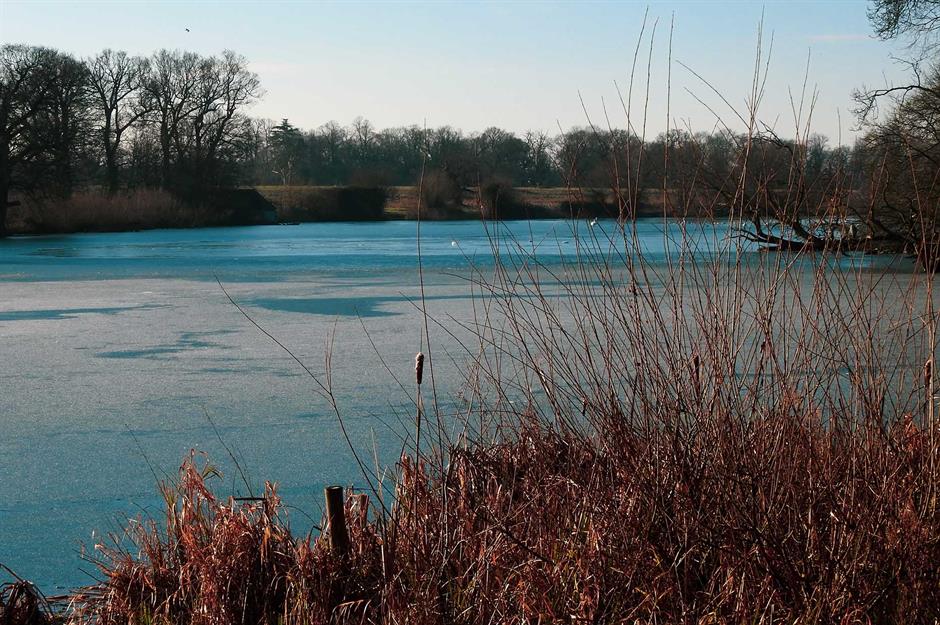
Standing on the eastern edge of Coventry lies the impressive Coombe Abbey hotel, which began life as an abbey in the 12th century. It's surrounded by the 500-acre Coombe Abbey Country Park, which includes gardens designed by famed landscape architect Capability Brown in 1771.
However, it's the woodlands and 80-acre lake that really steal the show. Designated a Site of Special Scientific Interest, the lake boasts bird hides and a heronry, as well as goldcrests, buzzards and egrets among many, many other species.
10. Aylestone Meadows, Leicester, England
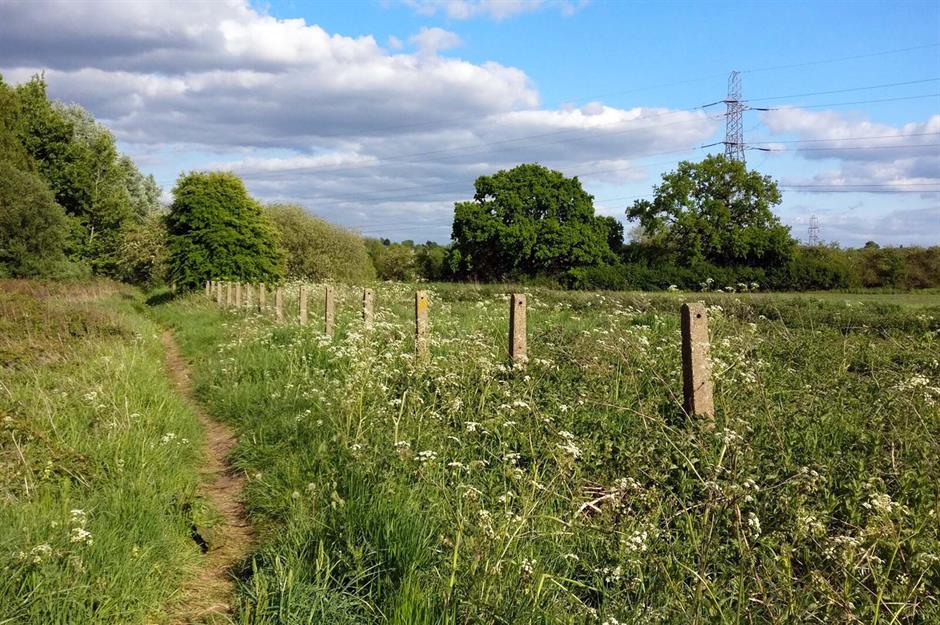
These meadows sit on the ancient course of the River Bytham, which was redirected by glaciers during the Ice Age over 400,000 years ago. These days, it lies just over a mile from Leicester city centre, the UK's 10th largest city.
A popular spot for locals for more than 100 years, the site is now Leicester's largest nature reserve and offers walks, wetlands and wildlife like otters and rare breed Longhorn cattle.
9. St. Margaret's Loch, Edinburgh, Scotland
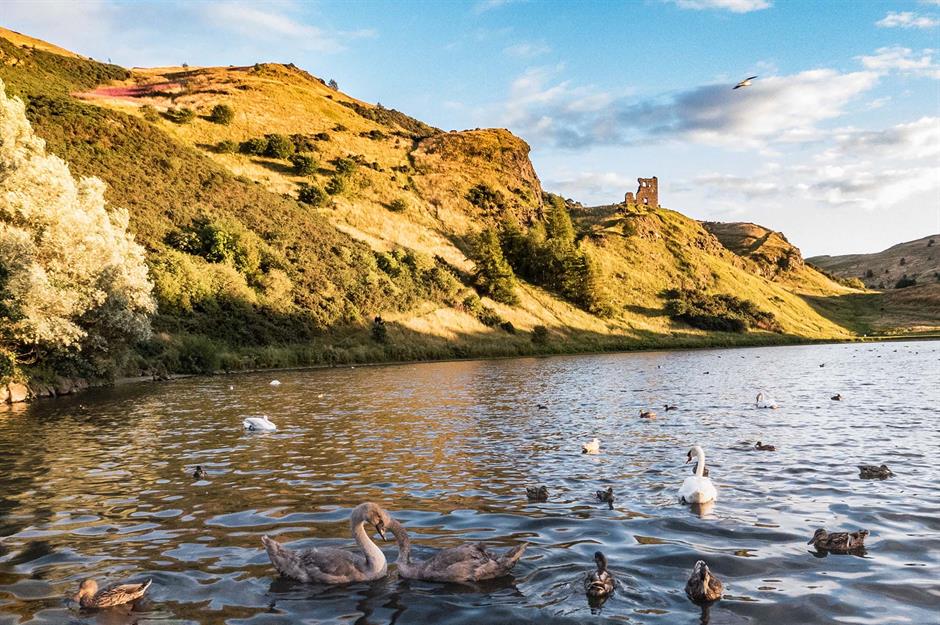
In contrast to Arthur’s Seat – Edinburgh’s iconic extinct volcano – which dominates the city skyline, St. Margaret’s Loch is a hidden gem. The shallow, man-made loch stands just 1,640 feet (500m) east of Holyrood Palace. Once a boating pond, it was created during Queen Victoria’s reign in 1856 as part of her husband Prince Albert’s vision to enhance the park.
Today, it’s a peaceful spot for birdwatching and its proximity to the city centre makes it a popular starting point for walks up Arthur’s Seat.
Sponsored Content
8. Middleton Park, Leeds, England
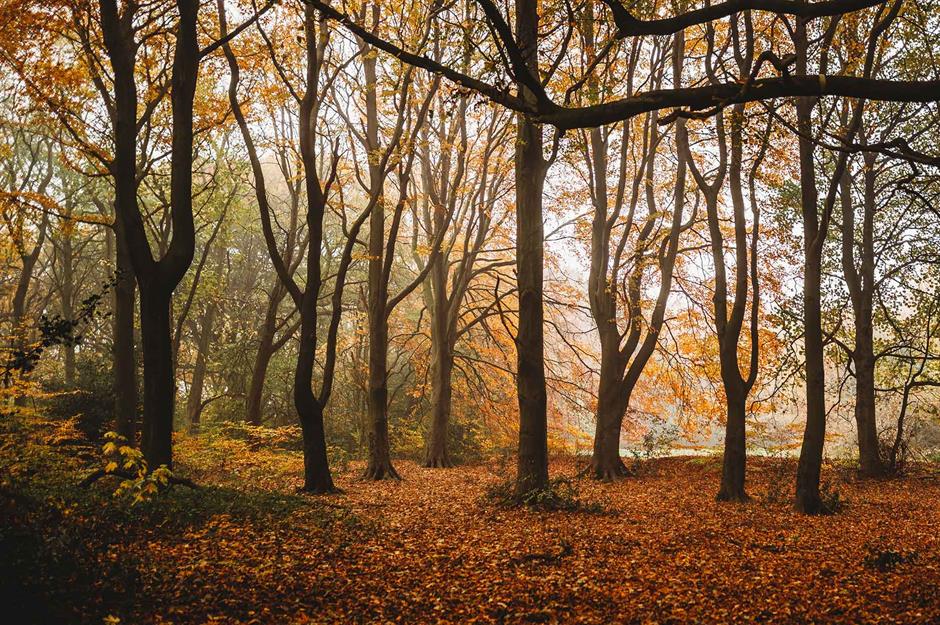
Middleton Park in Leeds spans more than 470 acres, including 200 acres of ancient woodland – West Yorkshire’s largest. Just four miles (6.4km) south of the city centre, it's a popular spot for locals and visitors alike, drawn by the lake, nature reserve, rose gardens and playgrounds.
Interestingly, the park contains the archaeological remains of medieval coal mining and is also home to the world’s oldest commercial railway, the Middleton Railway, which was founded in 1758 to transport coal.
7. Ecclesall Woods, Sheffield, England
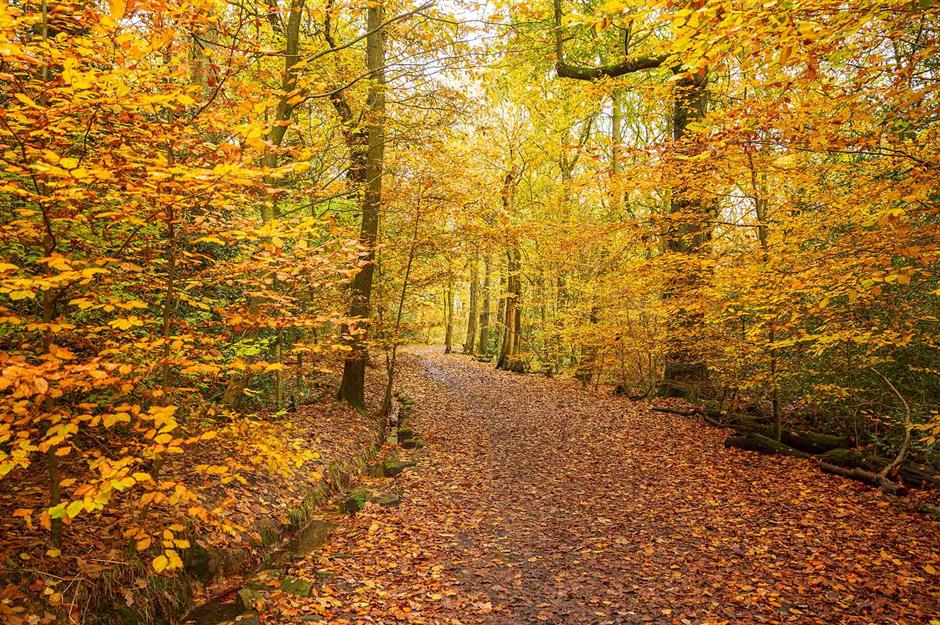
Ecclesall Woods in Sheffield is South Yorkshire’s largest ancient semi-natural woodland, dating back to at least the 1600s. It's packed with over nine miles (15km) of trails, a miniature railway and fascinating historical features. The woods contain medieval charcoal pits, a 17th-century lead smelting mill and prehistoric cup-and-ring stones, carved stones dating back over 3,000 years.
During the Dark Ages, Limb Brook, which runs through the woods, once marked the boundary between the ancient kingdoms of Mercia and Northumbria.
6. Debdale Park, Manchester, England
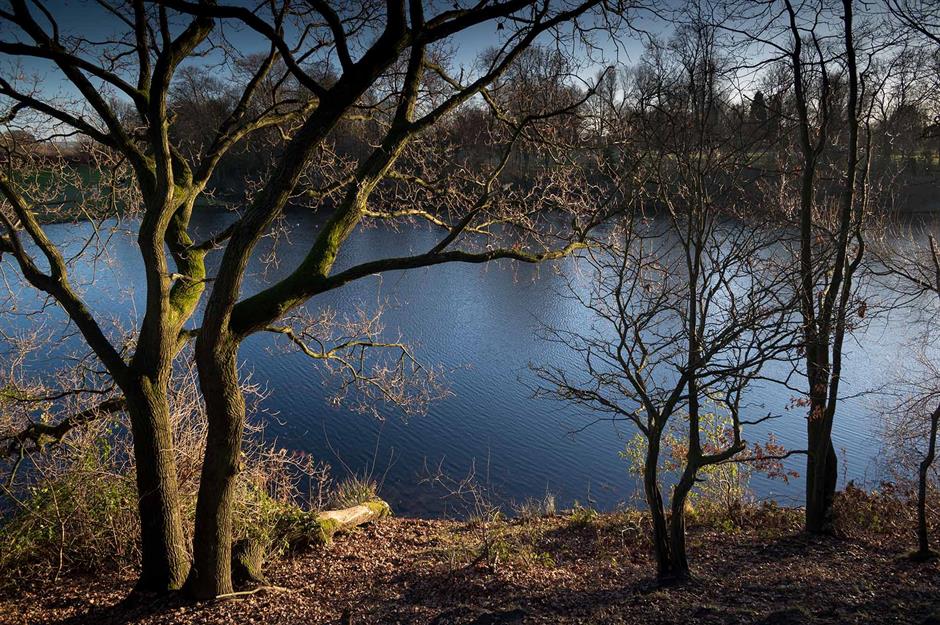
Who would have thought that inner-city Manchester would boast such a wild and peaceful spot? Originally part of a waterworks site, Debdale Park became a public space after World War II and is packed full of things to see and do. There are reservoirs for fishing, a skate park, tennis courts and an outdoor centre offering sailing, kayaking and canoeing.
In 1987, the park hosted a test station for Manchester’s Metrolink tram system. The public was invited to apply for tickets and 7,500 passengers rode the train.
Sponsored Content
5. Leigh Woods, Bristol, England
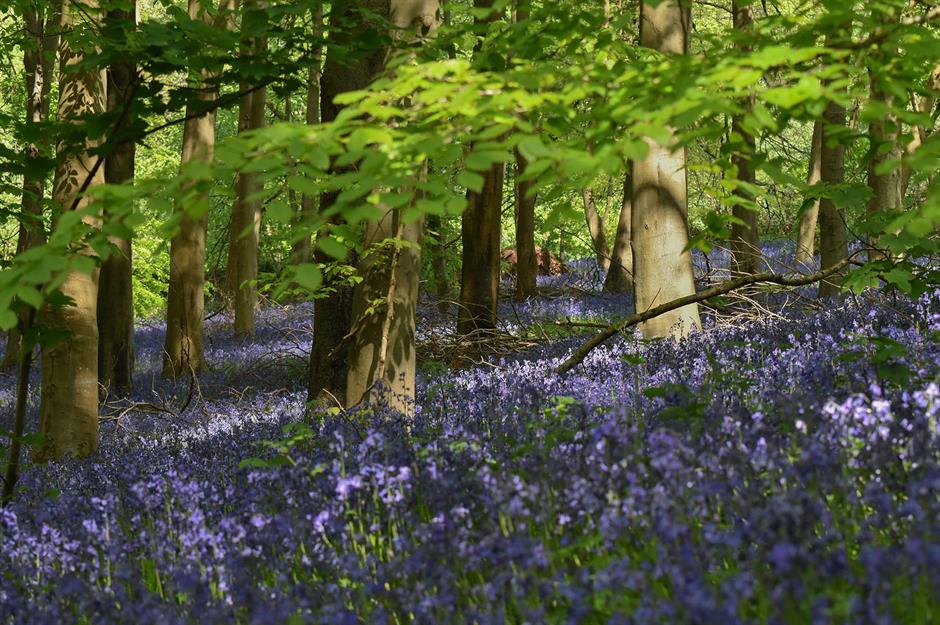
Stroll across the Clifton Suspension Bridge and you'll step into Leigh Woods, a 490-acre National Nature Reserve rich in history. Secreted inside the ancient woodland lies Stokeleigh Camp, a hillfort occupied for 400 years from the 3rd century BC and again during the Middle Ages.
Running alongside the woods, the famous Avon Gorge was shaped during the last Ice Age and is steeped in legend – it's said to be carved by two giants competing for the love of a local woman.
4. Sefton Park, Liverpool, England
While Sefton Park is well-known by Liverpudlians, visitors to the UK's fourth largest city will be pleasantly surprised. While it's less than half the size of Croxteth, Liverpool's most famous park, it's full of fascinating features.
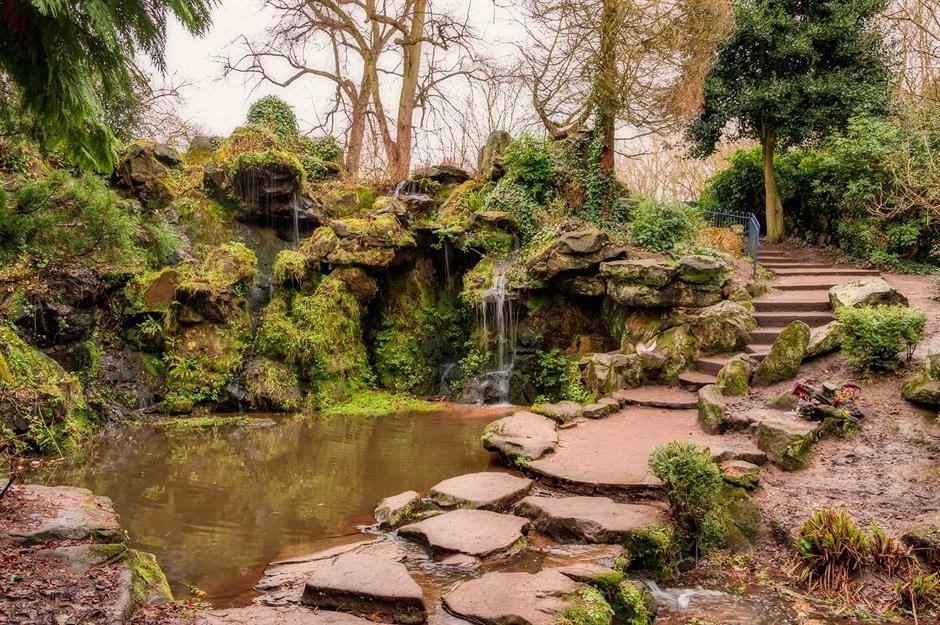
Originally part of the medieval Royal Deer Park of Toxteth, Sefton was opened in its present form in 1872 by Prince Arthur, Queen Victoria's third son. The park's Palm House contains palms, tulips and pineapples, while this Fairy Glen delights children with its waterfalls and rock pools.
3. Pollok Country Park, Glasgow, Scotland
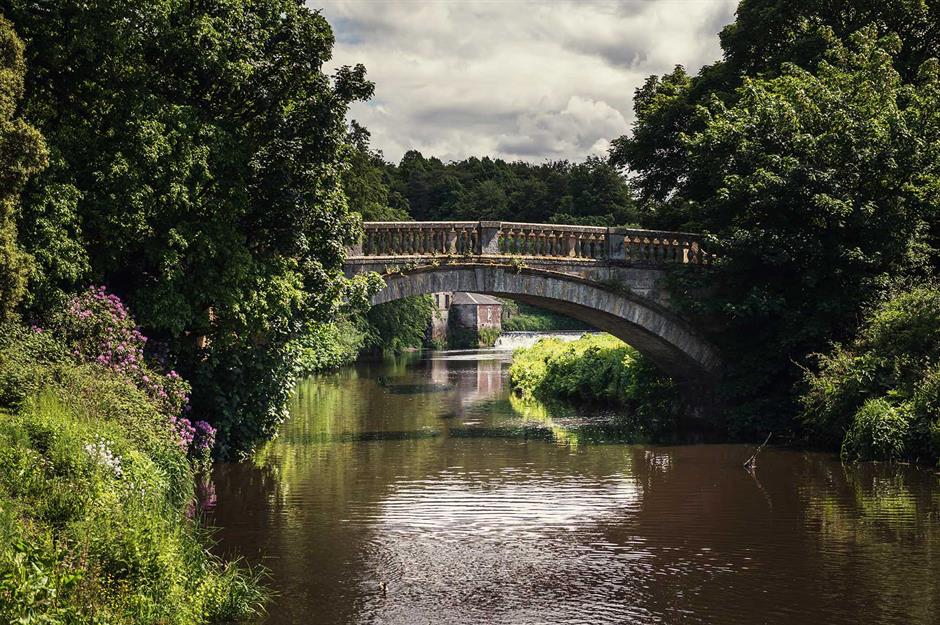
Pollok Country Park is the only country park in Glasgow. It was once part of an estate owned by the prominent Maxwell family, whose beautiful Georgian home, Pollok House, still lies at the centre of the park. In 1966, the family gifted the estate to the city, ending nearly 700 years of ownership.
Voted Best Park in Europe in 2008, it offers woodland trails, riverside walks, historic gardens and a herd of Highland cattle – all just two miles (3.2km) from the city centre.
Sponsored Content
2. Moseley Bog, Birmingham, England
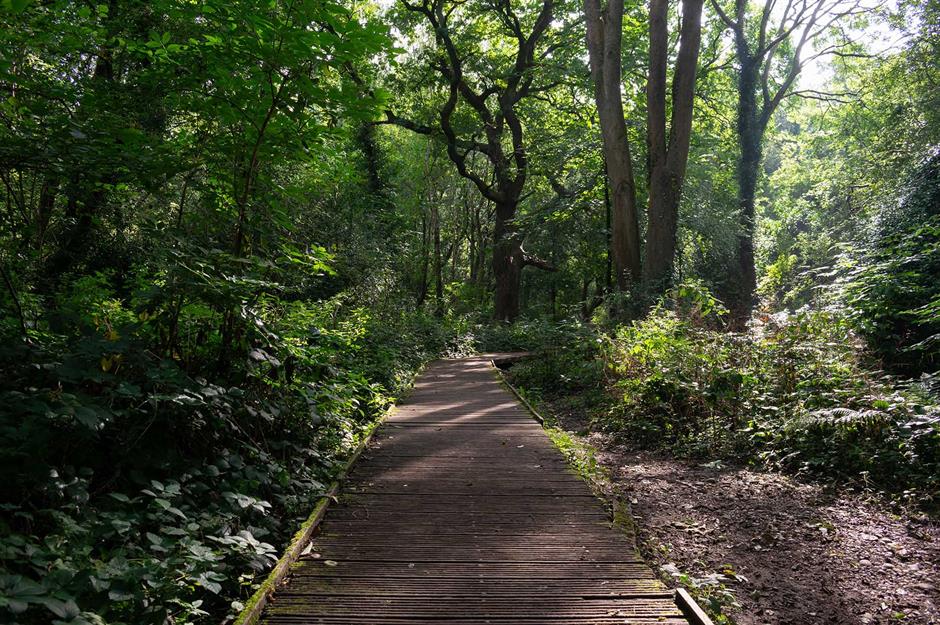
Moseley Bog in Birmingham is a 30-acre nature reserve that inspired J.R.R. Tolkien’s Old Forest in The Lord of the Rings. As a child, Tolkien lived in the nearby village of Sarehole and explored the bog's dense woodland and wetland, describing it as a “kind of lost paradise”.
Explore the ancient woodland and you'll find Bronze Age burnt mounds – ancient sauna-like sweat lodges – and remnants of Victorian gardens and mill dams, as well as carpets of bluebells each spring.
1. London Wetland Centre, London, England
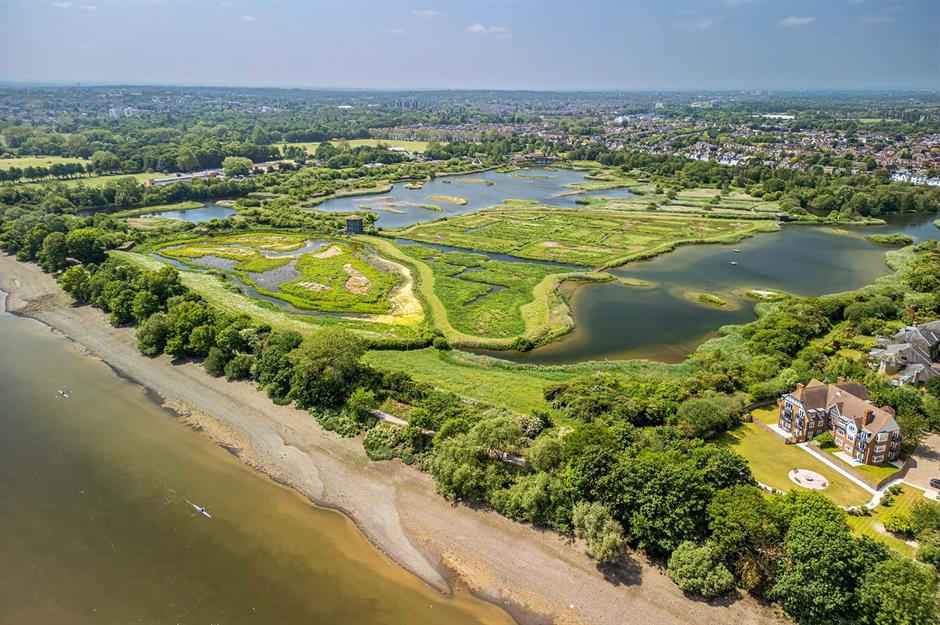
The London Wetland Centre in Barnes is an urban nature reserve built on four Victorian reservoirs. It was opened in 2000 by Sir David Attenborough, who called it "an extra lung for Londoners". It serves as a lifeline for water voles, the country's fastest declining mammal, who have lost more than 90% of their habitat over the past 400 years.
In fact, it was a wildlife haven even before it opened. A pair of little ringed plovers famously nested on-site during construction, prompting workers to protect their eggs.
Now explore the prettiest village in every English county, ranked