Bizarre stories of relocated and replicated monuments
Seeing double
Did you know that some of the most iconic monuments have duplicates elsewhere in the world? Or that some epic structures have been physically moved from one place to another?
Here, we take a look at why there is more than just one Parthenon, how you can see the Seven Wonders in an afternoon and reveal how an ancient Egyptian temple was moved, piece by piece.
Click through the gallery to discover some leading landmarks around the world which have been relocated or replicated…
Eiffel Tower, Paris, France
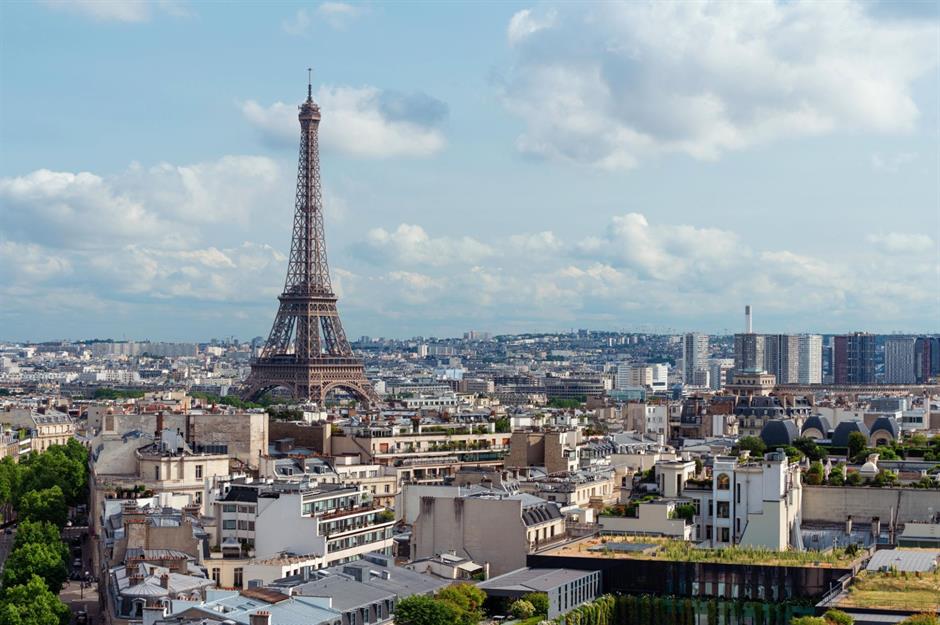
Built for the 1889 Paris Exposition, this 1,083-foot (330m) landmark has long been a tourist magnet, with up to seven million people now visiting each year. Made of wrought iron, it shimmers with gold each evening and boasts two restaurants, as well as an observation deck with sweeping views of Paris.
However, the City of Light is not the only place where you can admire and enjoy the views from this iconic tower – there are several similar designs in very different locations.
Paris Las Vegas, Nevada, USA
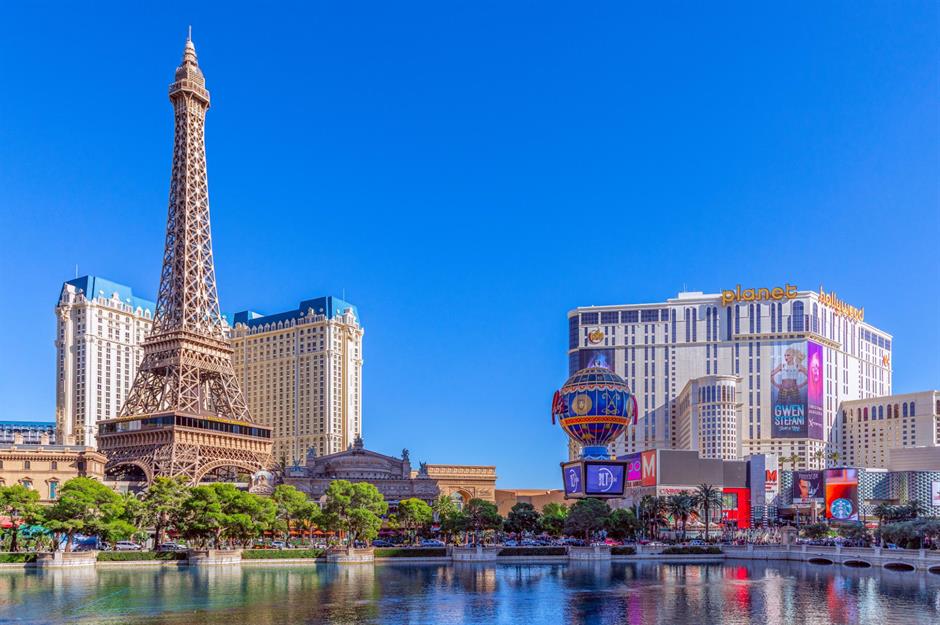
No Paris-themed Las Vegas hotel would be complete without an Eiffel Tower. This half-size steel replica measures 540 feet (165m) and features a novel design, with three of the tower’s ‘legs’ extending into the casino and one planted outside.
It has an observation deck 46 storeys up, with panoramic views of the Strip, and a restaurant, which naturally serves French cuisine. There’s also a light show each night. The designers even consulted Gustave Eiffel's original drawings to help recreate his greatest work.
Sponsored Content
Eiffel Tower Bahria Town, Lahore, Pakistan
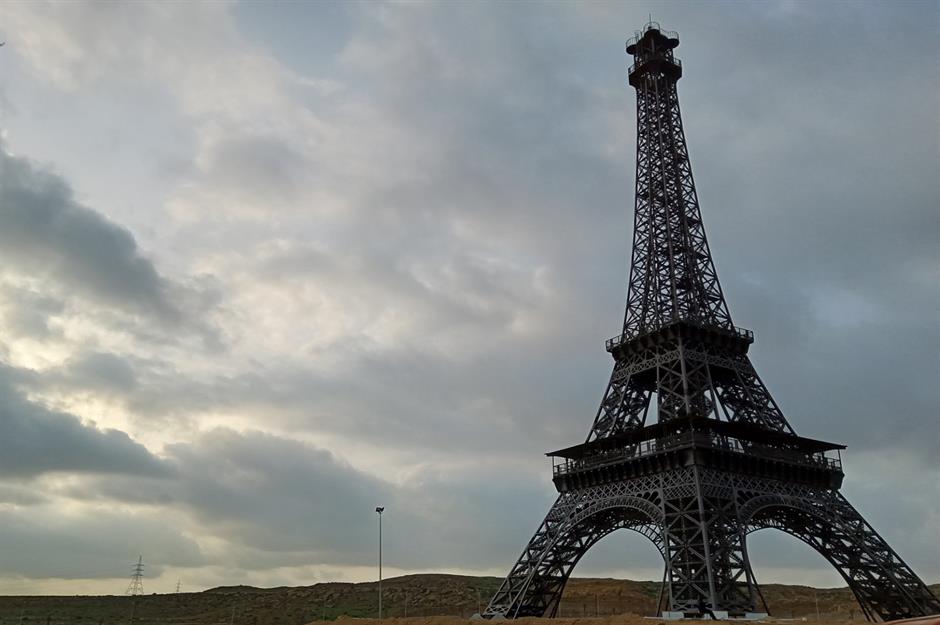
Another Eiffel Tower can be found in the unlikely location of Lahore, Pakistan. A tourist draw, the 459-foot (140m) structure in Bahria Town is a faithful, wrought iron replica of the original, with two observation decks and a nightly light show.
You can also find Eiffel-inspired towers in such diverse places as Tokyo, Macau, China and Mexico – highlighting the iconic nature of Gustave Eiffel's design. Ironic, given that the Paris tower was dismissed as an eyesore by many locals when it first opened.
Abu Simbel Temples, Abu Simbel, Egypt
The two Abu Simbel temples were carved into a cliff on the Nile River’s west bank between 1264 and 1244 BC – but were only discovered by the rest of the world in 1813. The main temple is guarded by four 66-foot (20m) figures of Egyptian king Ramses II.
However, construction of the Aswan High Dam in the 1960s caused the Nile to rise, threatening the ancient structure. So, a UNESCO-led team undertook a mammoth five-year project to cut the temples into numbered blocks and reassemble them 213 feet (65m) higher.
Abu Simbel Temples, Abu Simbel, Egypt
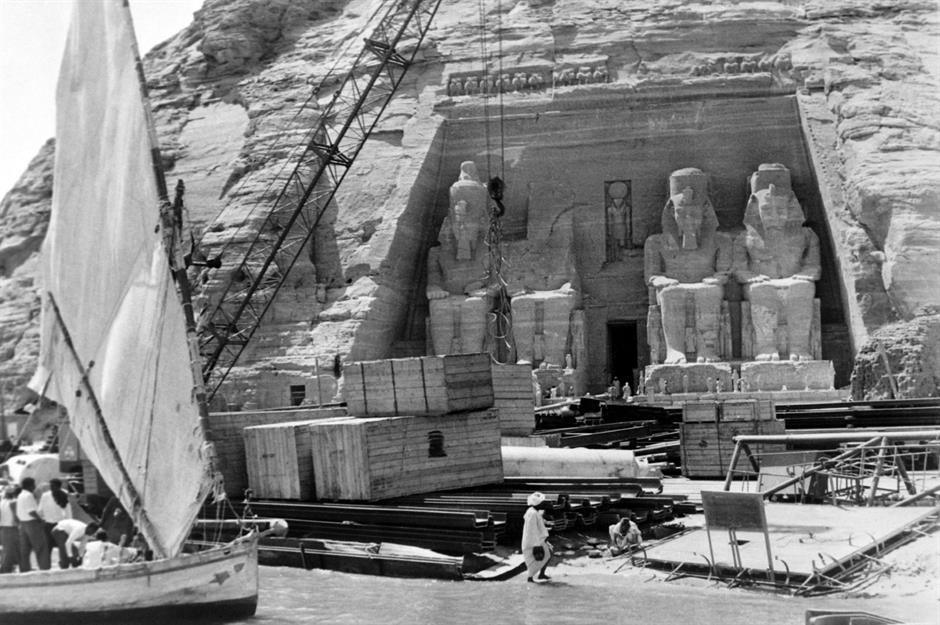
The epic feat required moving not just the huge statues of Ramses II (one of which suffered earthquake damage) but the interior of the temples, including pillars featuring intricate artworks, the elaborately painted ceiling and extensive hieroglyphics.
Positioning was also crucial. The structure was built facing toward the rising sun so that twice a year, it shone through a narrow opening to illuminate Ramses’ statue. That meant the team of hydrologists, engineers and archaeologists had to reassemble more than 1,000 blocks in the same solar alignment.
Sponsored Content
Sydney Opera House, New South Wales, Australia
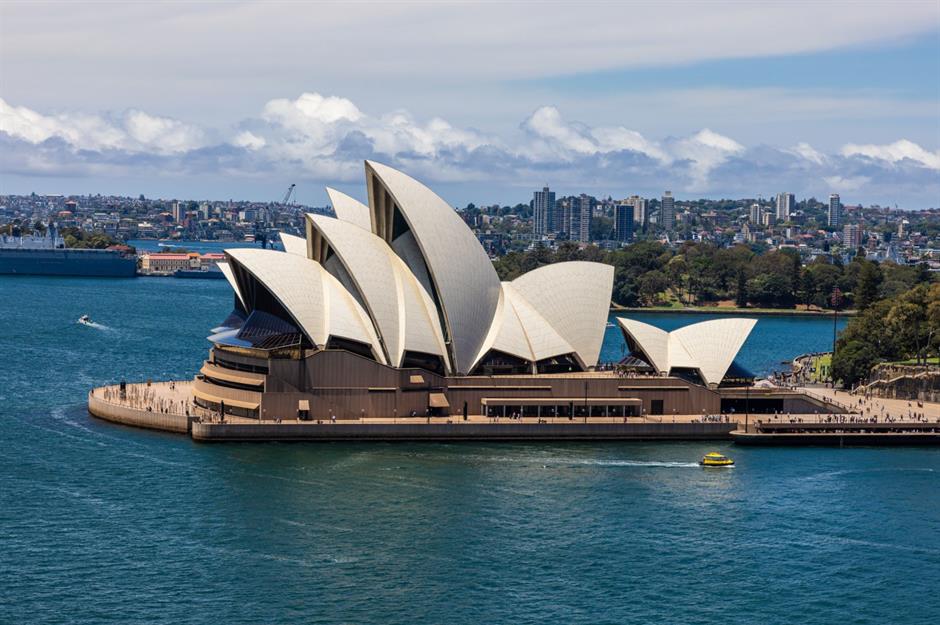
This world-renowned venue has been a feature of the Sydney skyline since it opened in 1973. Designed by Danish architect Jørn Utzon, it is World Heritage-listed and covers a 4.4-acre site on Sydney Harbour.
The 22-storey building is notable for its sail-shaped roofline comprising a series of concrete shells – which presented considerable engineering challenges. It remains a masterpiece of modern architecture. But while it’s synonymous with the Australian city, Sydney is not the only place you can see a version of this iconic structure.
Sydney Opera House, Shenzhen, China
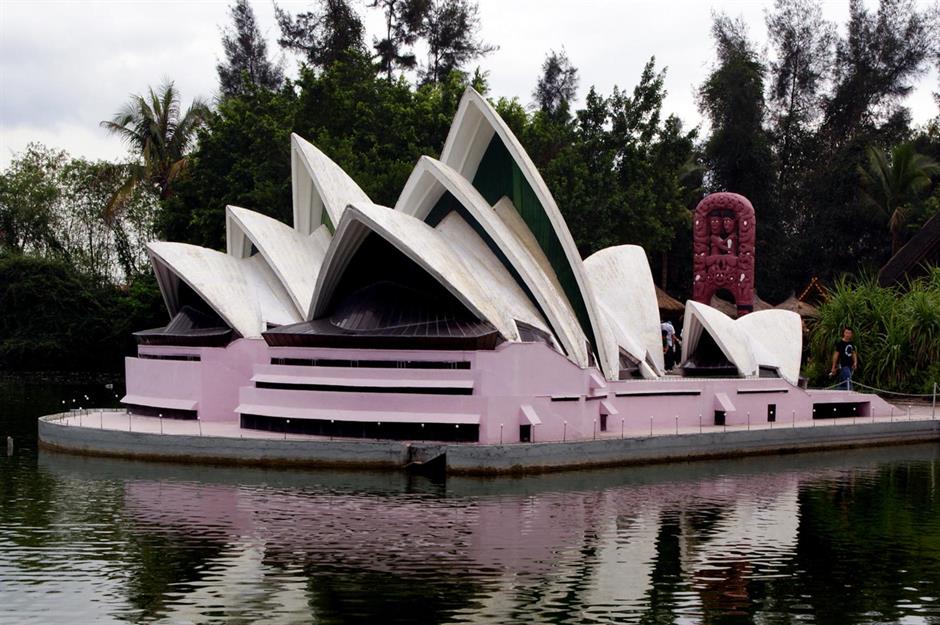
Believe it or not, a faithful mini replica of the Sydney Opera House can be found in Shenzhen, China. In fact, it’s one of 130 reproductions of famous monuments featured in the ‘Window of the World’ attraction.
The park is part of China's so-called ‘duplitecture’ trend of the early 2000s. Examples of this architectural style, which copied Western landmarks and even whole towns, can still be found across the country.
Statue of Liberty, New York, USA
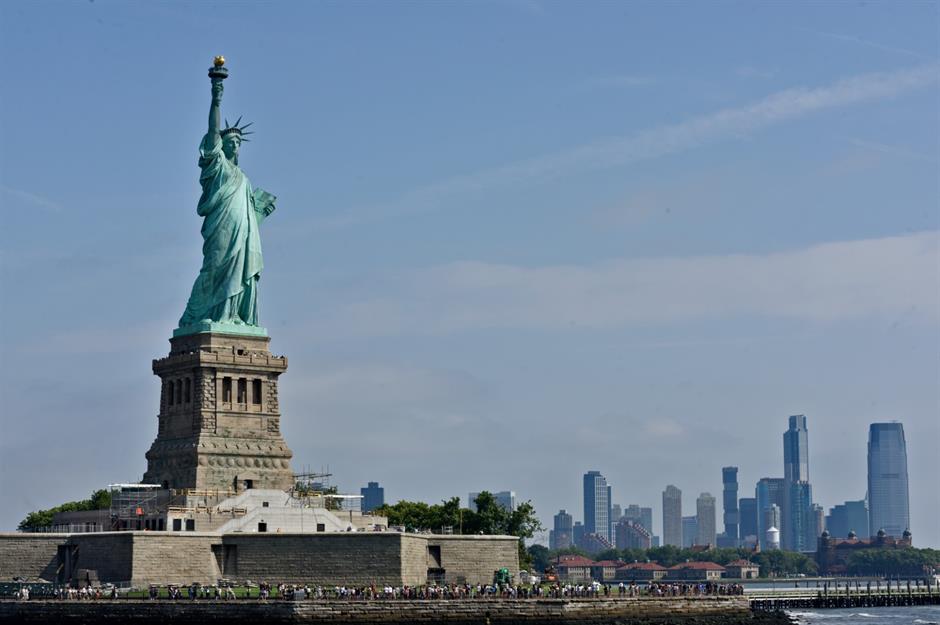
A gift from France, the Statue of Liberty was dedicated by US President Grover Cleveland on 28 October 1886. It took nine years to build, led by sculptor Frédéric-Auguste Bartholdi, with the interior iron framework designed by Gustave Eiffel.
Once constructed, it was disassembled and shipped to America in 214 crates, where it was reassembled on a pedestal on what is now Liberty Island. The statue has inspired several replicas – one of which can be found in the place where the original was created.
Sponsored Content
Statue of Liberty, Paris, France
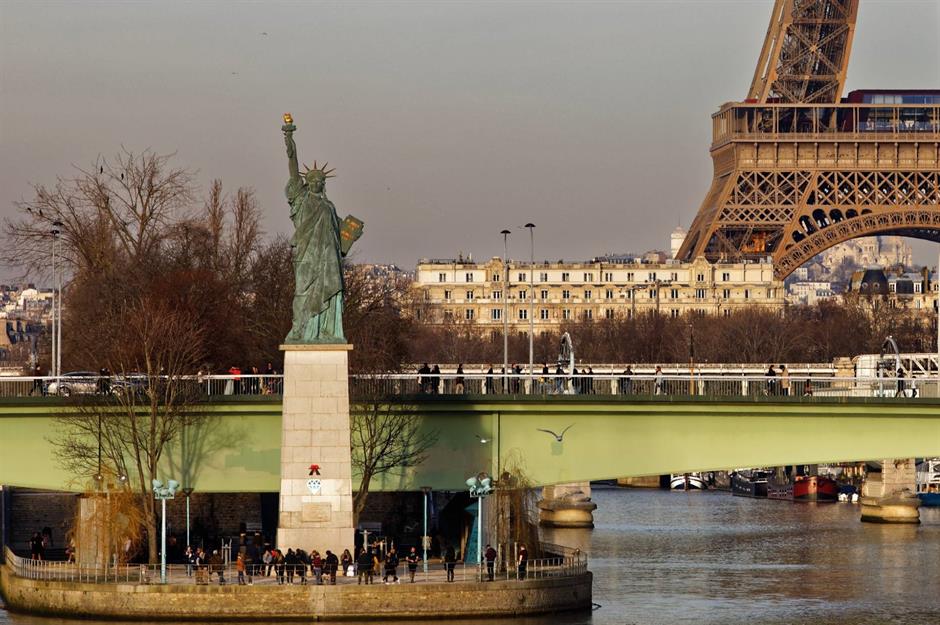
This quarter-size, 37-foot (11.5m) replica of the Statue of Liberty is on Île aux Cygnes, an artificial island in the Seine. The statue was a gift to France from the American community in Paris, in 1889, to mark the centennial of the French Revolution.
It bears two dates – 14 July 1789 (storming of the Bastille) and 4 July 1776 (US Declaration of Independence). The year the mini-Liberty was gifted coincided with the Paris ‘Exposition Universelle’ – which included the Eiffel Tower’s official unveiling.
London Bridge, London, England, UK
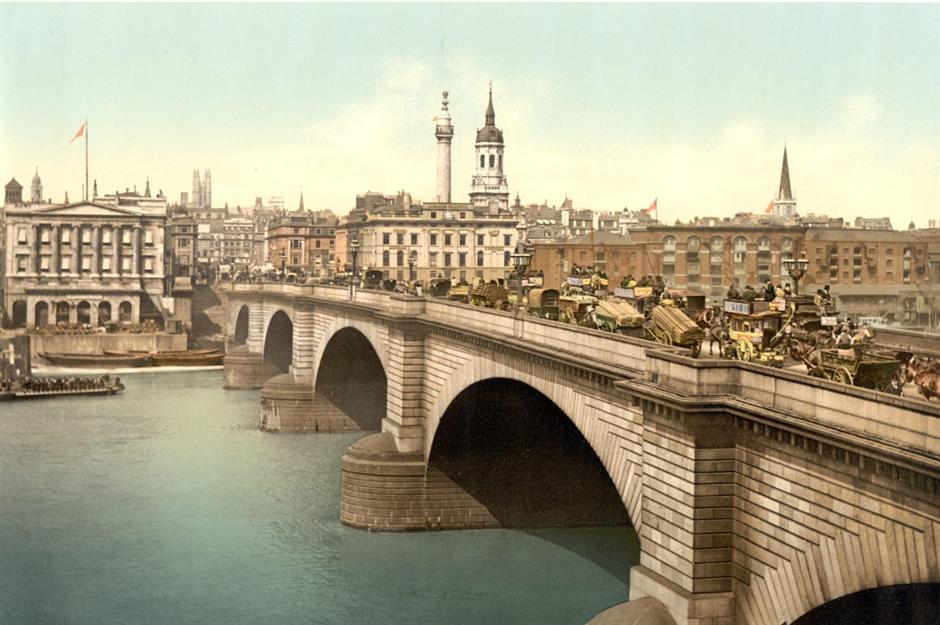
Old London Bridge was built between 1176 and 1209 and remained in use for 500 years. When the bridge needed replacing in the 18th century, a structure was designed by Scottish engineer John Rennie. It opened in 1831.
However, when cars became popular in the early 20th century, the added weight caused Rennie’s bridge (pictured) to start sinking, reportedly by one inch (3cm) every eight years. In 1967, it stopped being used. Six years later, the current London Bridge opened.
London Bridge, Lake Havasu City, Arizona, USA
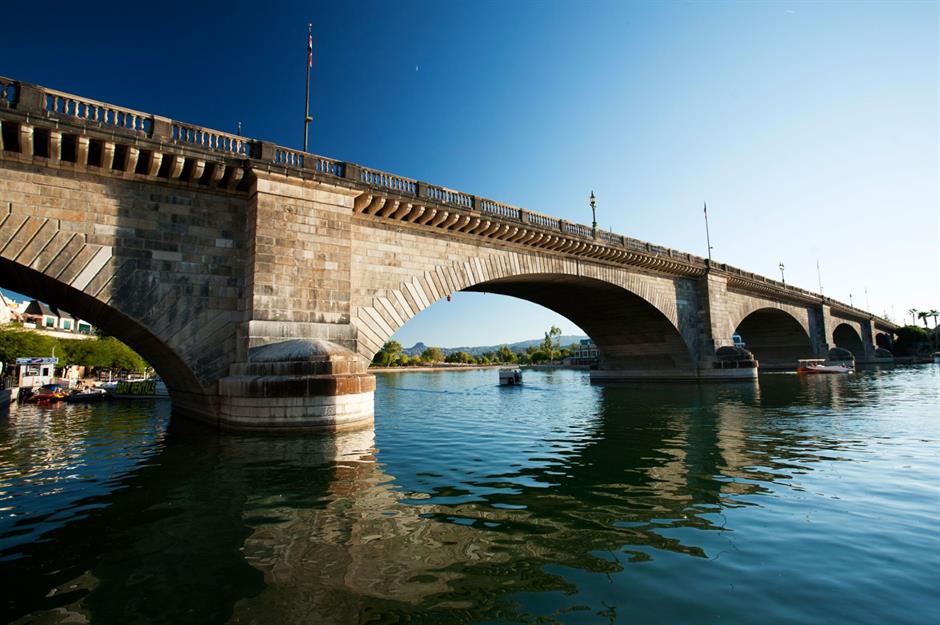
The City of London sought a buyer for Rennie’s defunct bridge. Enter US millionaire Robert McCulloch, founder of Lake Havasu City. Seeking to publicise his Arizona town, McCulloch saw an opportunity to import a piece of English heritage.
His winning bid of £1.8 million ($2.4m) in 1968 – £12.6 million ($17m) today – secured the bridge. The 10,276 granite blocks were shipped to Arizona (via the Panama Canal) and reassembled. The 930-foot (280m) bridge spans the Bridgewater Channel, where it remains a popular attraction.
Sponsored Content
Leaning Tower of Pisa, Pisa, Italy
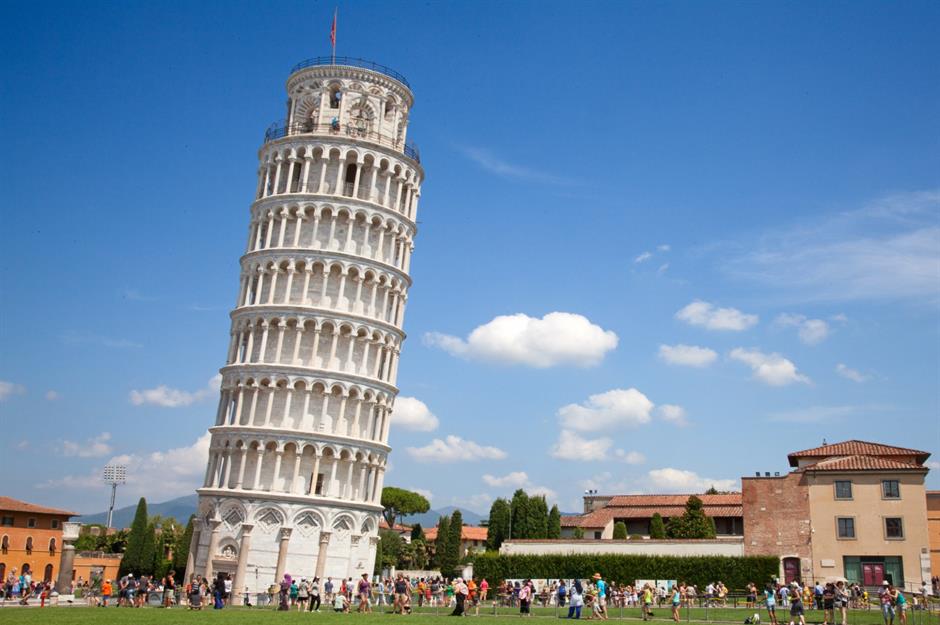
Begun in 1173, the Leaning Tower of Pisa took a remarkable 200 years to complete. It was not designed to lean. The anomaly was discovered sometime in the late-1170s, when just three of its storeys had been built.
Caused by the structure being set on soft ground, extensive stabilisation efforts have been required to keep it standing. Ironically, the sandy soil has also acted as a shock absorber over the centuries, helping to protect the 190-foot (58.4m) white marble campanile (bell tower).
Leaning Tower of Niles, Illinois, USA
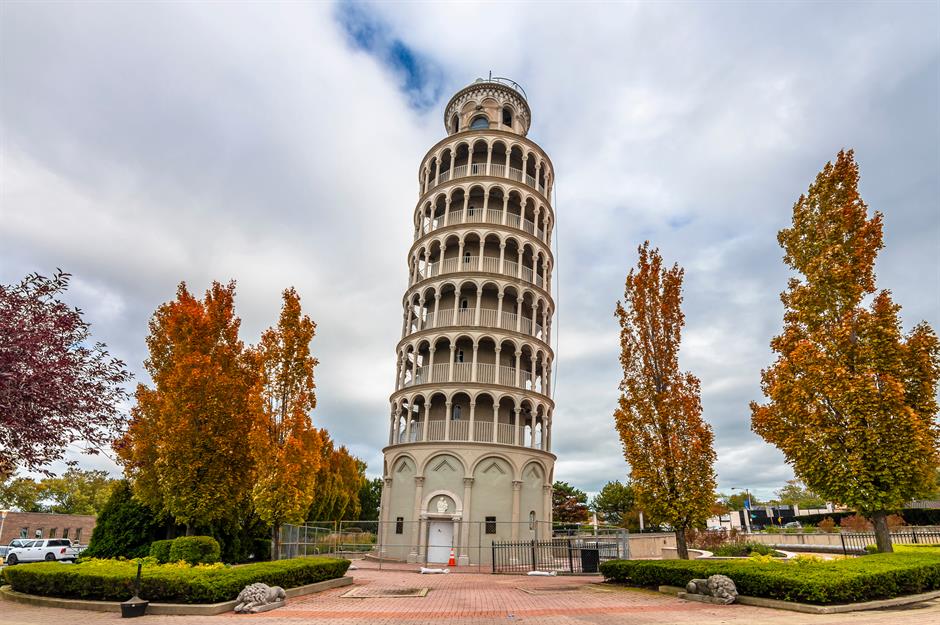
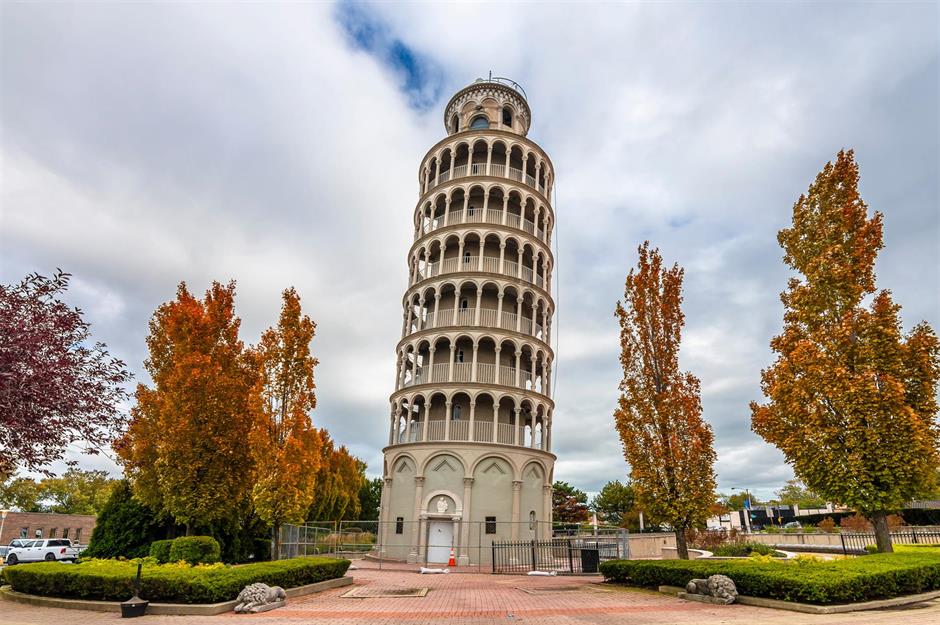
Journey to the village of Niles, Illinois – a few miles north of Chicago – to see a half-size replica of Italy's famous tower. It stands 94 feet (28.6m) tall, leans 7.4 feet (2.2m) and features bells which toll at regular intervals.
The tower opened in 1934. It was the idea of Robert Ilg, owner of Ilgair Park, which had two outdoor pools fed by a large water tower. To conserve the area’s natural beauty, Ilg decided to conceal the unsightly tower with a replica of Pisa’s beautiful campanile.
Marble Arch, London, England, UK
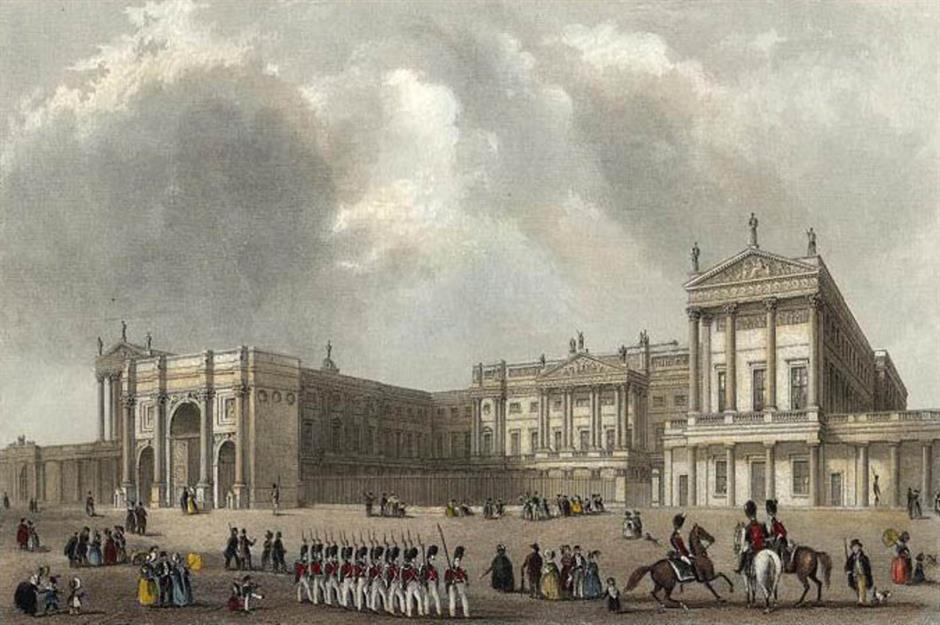
Long a familiar sight at the corner of Hyde Park, London’s Marble Arch was actually built to be the gateway to Buckingham Palace. It was the work of architect John Nash, a favourite of Prince Regent, who later became King George IV.
The original design was far more detailed and costly. However, on George IV’s death, and as Queen Victoria came to the throne, Nash was fired and Edward Blore brought in to complete a simpler and cheaper structure. It’s shown here (on the left of the image) in 1837.
Sponsored Content
Marble Arch, London, England, UK
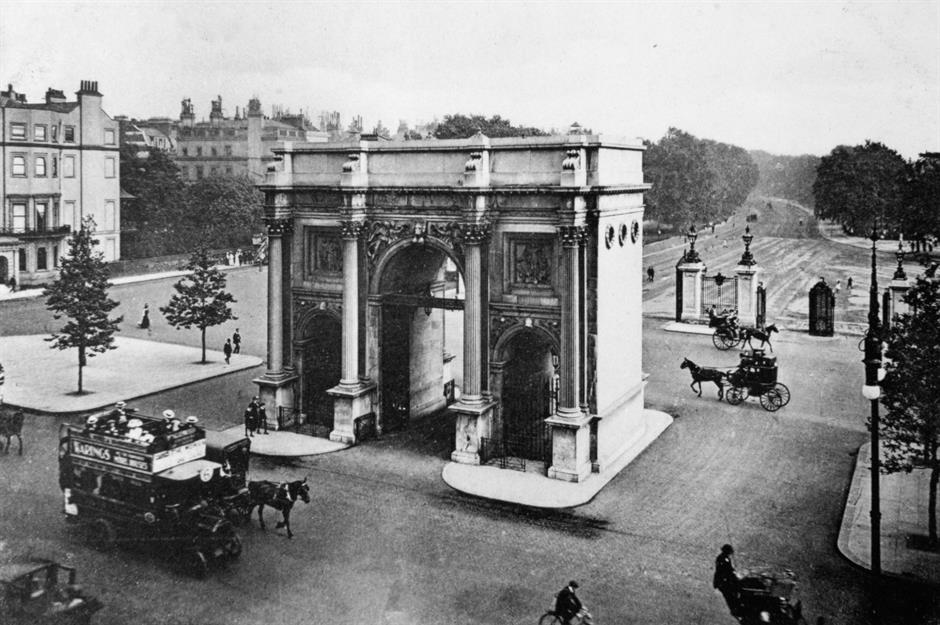
The arch remained in place at the palace for 17 years. During that time, Blore completed work to expand Buckingham Palace and the simple arch was considered not grand enough. So, it was moved, becoming the entrance to Hyde Park ahead of the Great Exhibition of 1851.
The stone-by-stone removal was led by architect Thomas Cubitt, with the whole process completed in just three months. Unfortunately, road widening schemes in 1908 and the 1960s separated the arch from the park – leaving it somewhat stranded.
The Parthenon, Athens, Greece
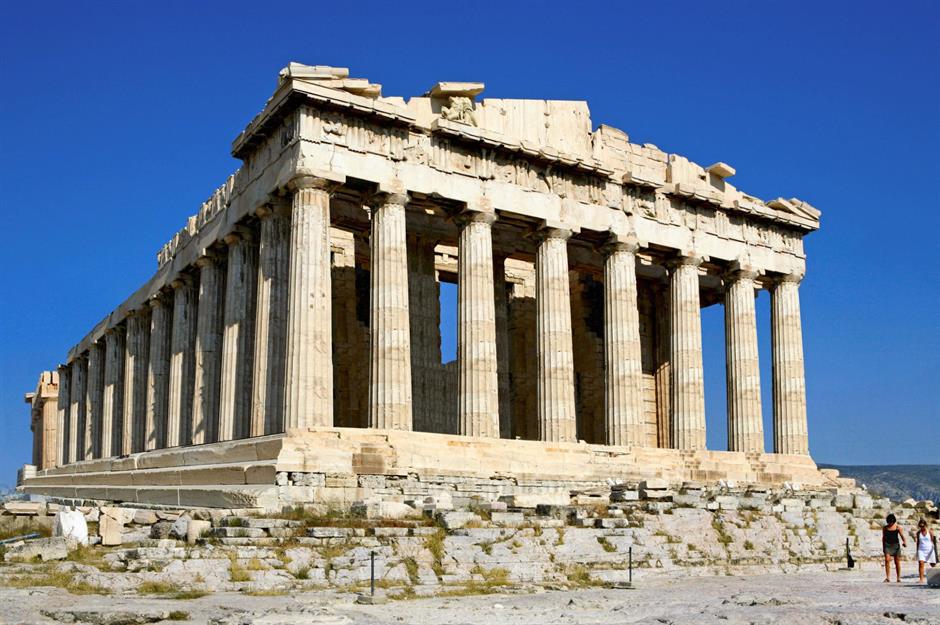
Dedicated to the goddess Athena, the Parthenon was built between 447 and 432 BC. Over the centuries, it has withstood wars, fires, earthquakes and even explosions. A UNESCO World Heritage Site, it remains one of the finest architectural buildings in Greece.
The Parthenon and the Acropolis citadel attract up to four million tourists each year, with the Greek government putting a cap on visitor numbers to help protect the ancient structures. But you don’t need to brave the crowds in Athens to marvel at the Parthenon...
The Parthenon, Nashville, Tennessee, USA
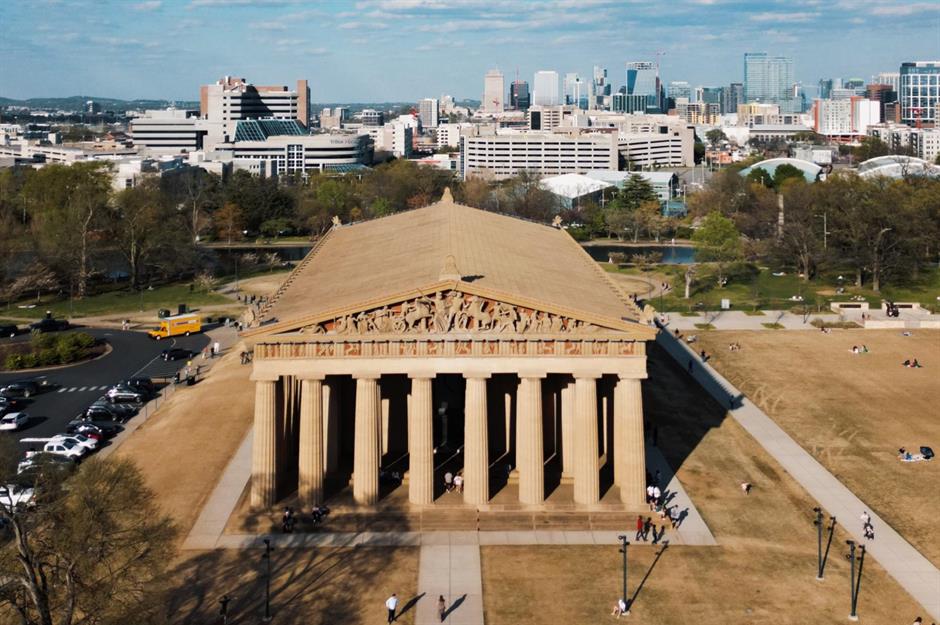
Nashville is known as the ‘Athens of the South’, so it’s only fitting that it has its own Parthenon. Unlike some replicas, this is full scale and faithful to the original, outside and inside (which houses an art gallery).
It was built for the Tennessee Centennial Exposition of 1897. After it ended, the locals wanted to keep the structure. However, the building degraded and was torn down and rebuilt between 1920 and 1931. It was fully completed in 2002, when the interior statue of Athena was finally painted and gilded.
Sponsored Content
St Bernard de Clairvaux Monastery, Miami, Florida
In 1925, newspaper publisher William Randolph Hearst bought the cloisters and outbuildings of St Bernard de Clairvaux Monastery – built in Sacramenia, Spain between AD 1133 and 1141.
Hearst had it shipped, brick by brick, to the US. Financial troubles meant it remained in storage until after his death in 1951, when it was reassembled in North Miami. Designed to be a tourist attraction, it houses the Church of St. Bernard de Clairvaux and is reportedly the western hemisphere’s oldest building by construction date.
Stonehenge, England, UK
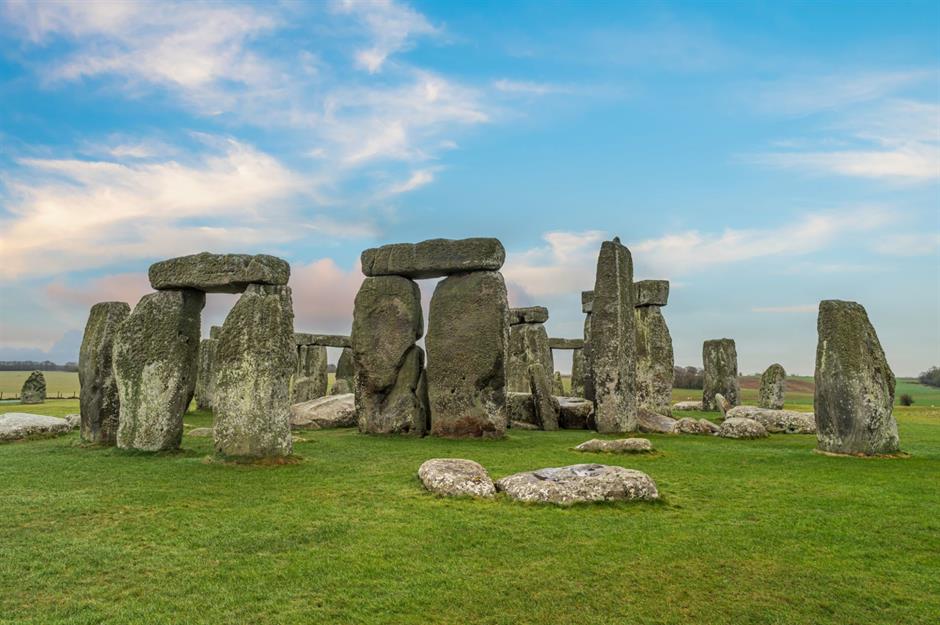
This prehistoric megalithic structure set on Salisbury Plain in Wiltshire, southern England, has become one of the world’s leading attractions. Built over 4,500 years ago, the stone circle remains something of a mystery.
Some believe it was a religious site, while others suggest it was intended as a scientific observatory. It aligns with the sun and moon and has long been used for rituals to mark the summer and winter solstices.
Esperance Stonehenge, Western Australia, Australia
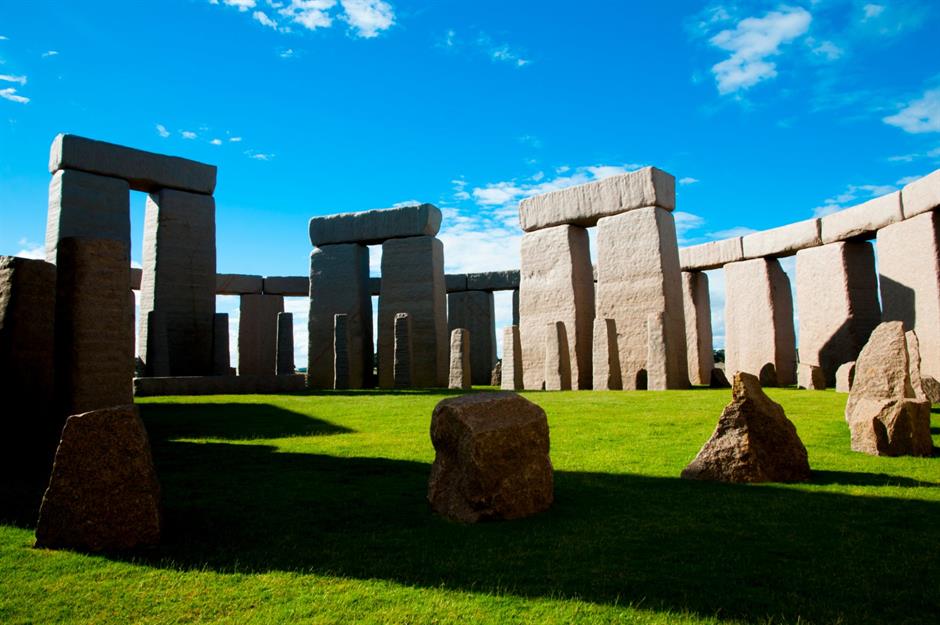
There are lots of Stonehenge replicas (not counting the unfortunately undersized stage prop used by fictional rock band Spinal Tap in the 1984 mockumentary!). The most geographically distant from the original can be found in Esperance, a town on the south coast of Western Australia.
Completed in 2011, it’s the only full-size replica of the English monument. It was built from 137 stones of Esperance pink granite and even aligns with the town’s summer and winter solstices.
Sponsored Content
Seven Wonders Park, Rajasthan, India
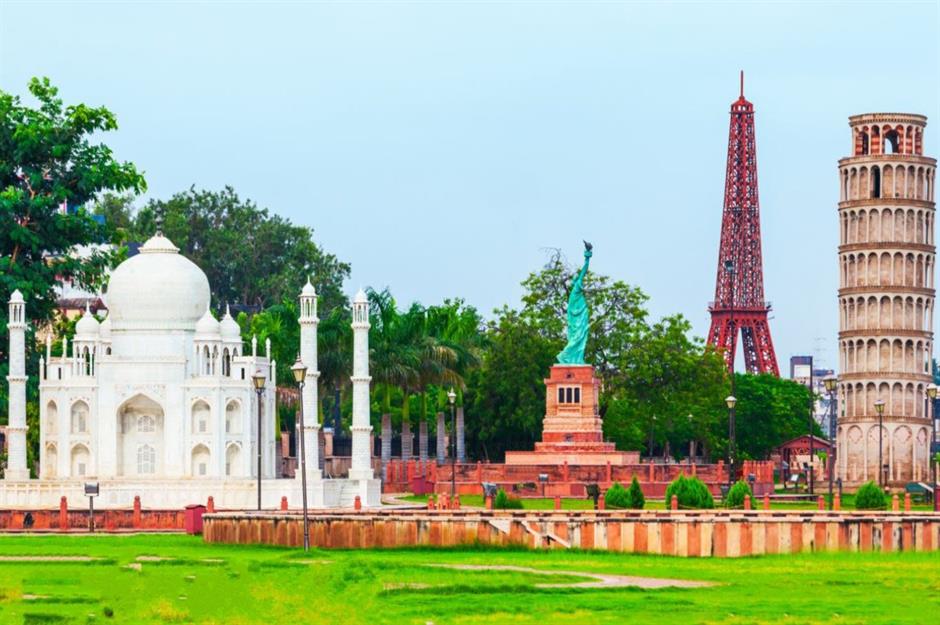
Finally, for a whole world of ‘doubles’, this tourist attraction in Kota, Rajasthan features miniature replicas of Christ the Redeemer, Taj Mahal, Pyramids of Giza and the Colosseum in Rome. You can also see versions of the Eiffel Tower, Leaning Tower of Pisa and Statue of Liberty.
Opened in 2013, the seven-acre park aimed to boost visitor numbers. It cost around £1.8 million ($2.4m) to build, with traditional artisans employed to ensure these iconic monuments were represented faithfully.
Now check out incredible images of America’s most iconic landmarks under construction