Then and now: How the world’s most famous and historic stadiums have changed over time
How stadiums have changed
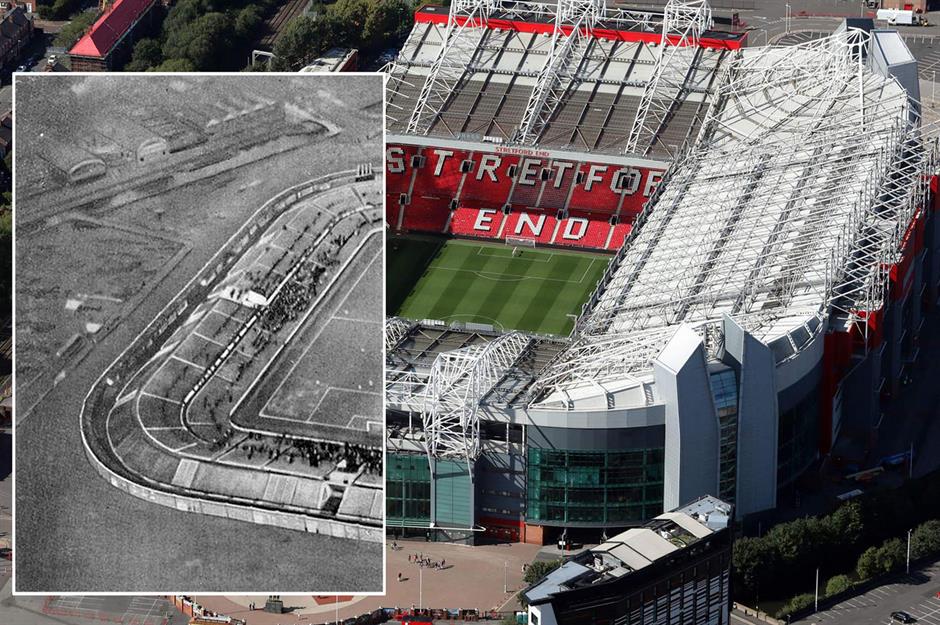
Whether it’s athletes pushing what’s possible with their elite-level skills or fans coming together in moments of ecstasy, sport – at its best – is a beautiful thing. But there’s another side to it all that sometimes gets overlooked, and that’s the stadiums our heroes perform in.
With that in mind, we’ve been digging through historic image collections to uncover the extent to which sport’s most historic arenas have changed.
Scroll on to see what the world’s most famous sporting theatres once looked like…
Then: Wembley Stadium, London, England, UK
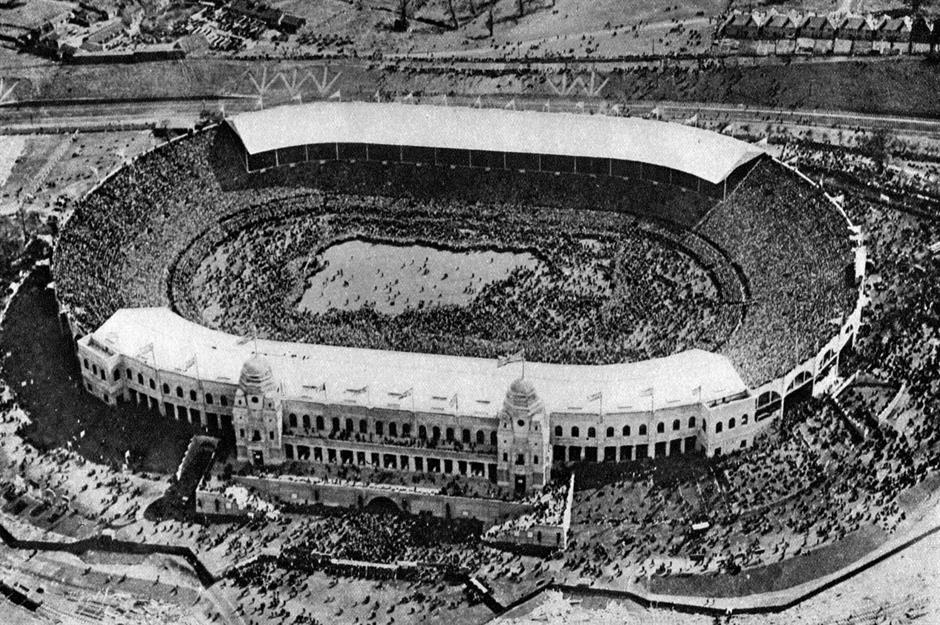
The original Wembley Stadium, with those iconic Twin Towers standing tall, opened its doors in 1923. Pictured here, we see the pitch being invaded during the stadium's first FA Cup Final, played between the Bolton Wanderers and West Ham.
Pelé, widely considered to be the greatest football player of all time, once said of this famous stadium: "Wembley is the cathedral of football. It is the capital of football and it is the heart of football".
Now: Wembley Stadium, London, England, UK
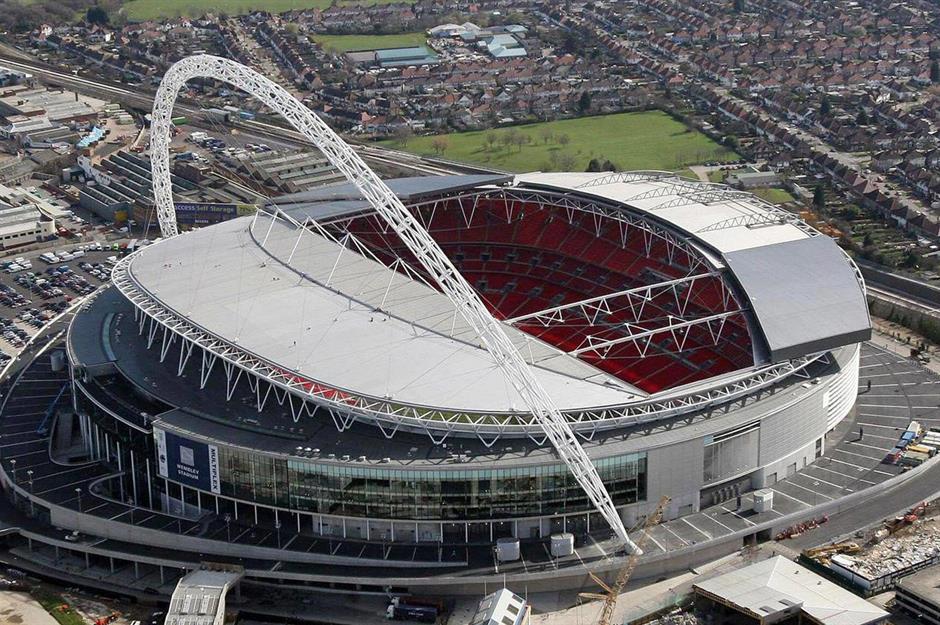
Built on the site of the original Wembley, and opened in 2007 after construction costs had soared to £750 million (over $1 billion), the new stadium boasts a 436-foot (133m) high arch that supports the entire north roof as well as 60% of the south roof. It has a capacity of 90,000, making it the second biggest stadium in Europe, and a sliding roof 171 feet (52m) above the pitch.
From Taylor Swift pop concerts to Champions League finals, it's hosted plenty of action in recent times. The 2025 FA Cup Final, played here, saw Crystal Palace defeat Manchester City 1-0 to win their first major trophy.
Sponsored Content
Then: Mile High Stadium, Denver, Colorado, USA
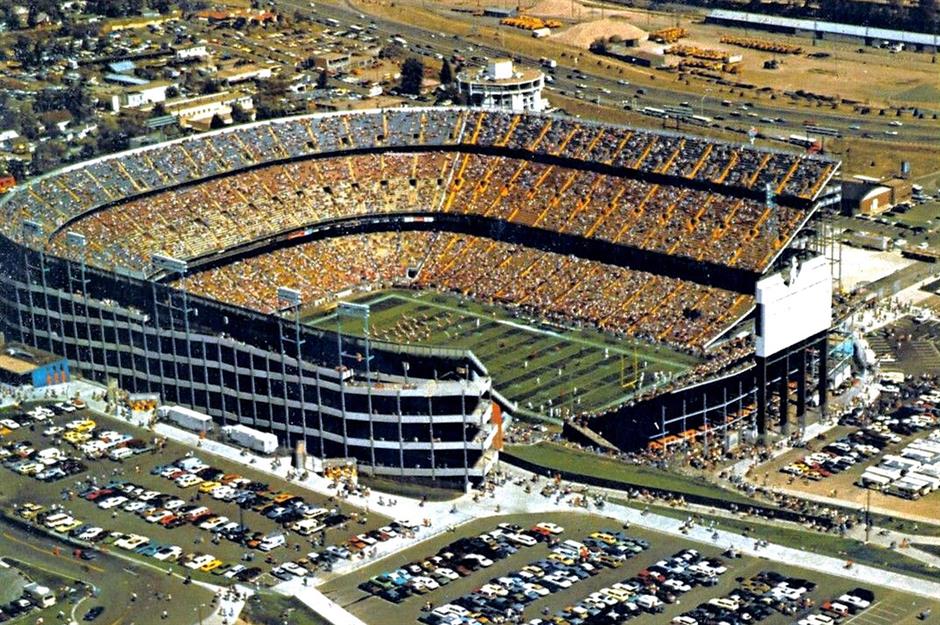
Mile High's history goes back to 1948, when private funds were used to construct a stadium for both the Denver Bears (baseball) and the local American football team. The famous Denver Broncos played their first game here in October 1960 against the Oakland Raiders. Originally called Bears Stadium, the arena changed its name after the 1968 season following major expansion work.
At its peak, the capacity of the horseshoe-shaped Mile High went north of 80,000. As its name suggests, the stadium was built at 5,280 feet (1,609m) above sea level. Yes, that's exactly one mile.
Now: Empower Field at Mile High, Denver, Colorado
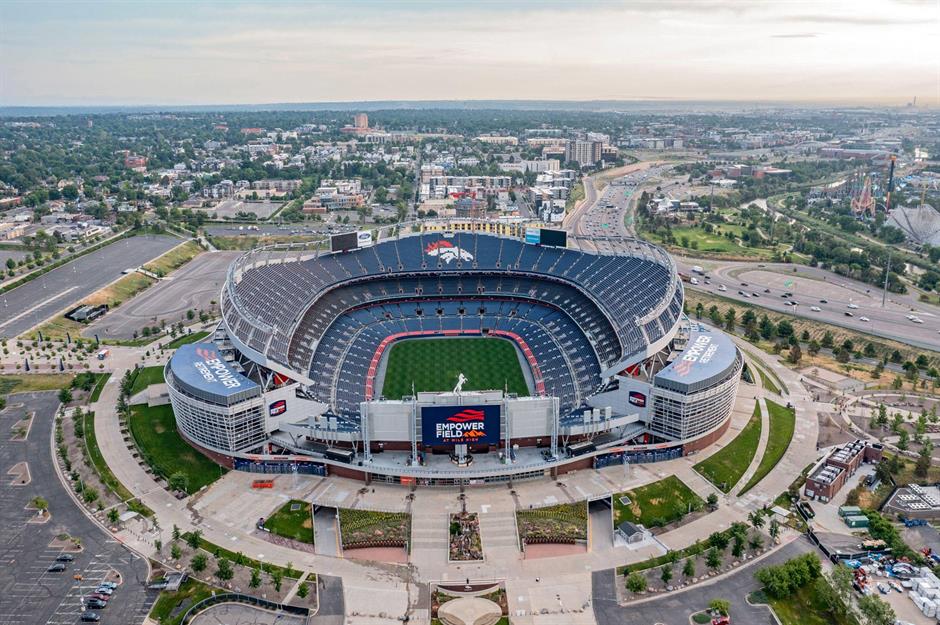
Constructed a stone's throw from the original Mile High Stadium, Empower Field at Mile High rose up in full view of Broncos fans cheering on their team next door. The famous NFL team, for whom all-time great quarterback John Elway worked his magic arm, played their last game at the original Mile High in December 2000.
Empower Field (formerly known as Invesco Field) opened its doors in August 2001. The unique stadium, with its undulating upper profile and a capacity of 76,125, first saw NFL action on 10 September 2001, with the Broncos beating the New York Giants 31-20.
Then: Lord's Cricket Ground, London, England, UK
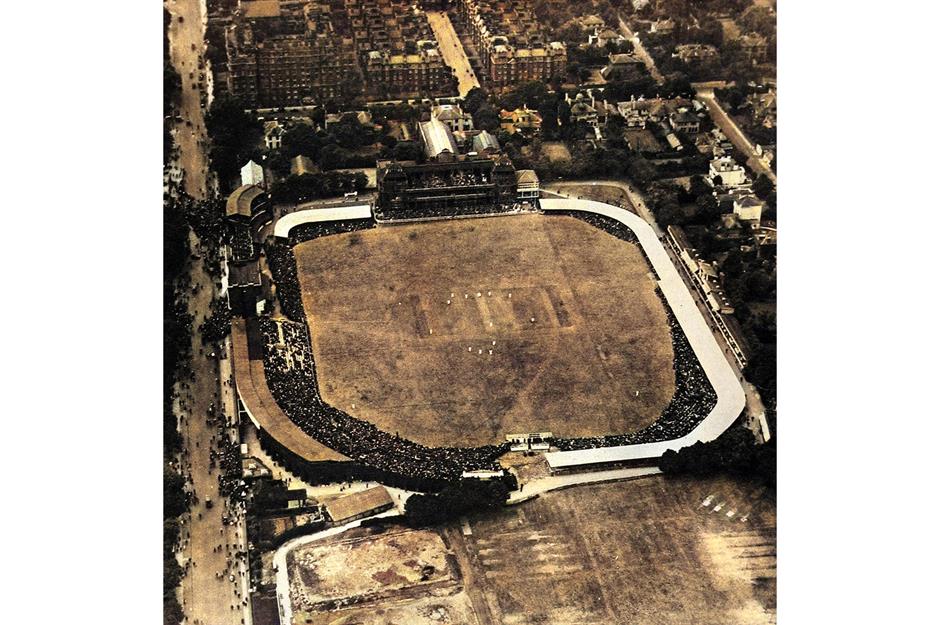
Even in the strange world of cricket, with all of its quirky rules and traditions, there is no other place quite like Lord's. Established in 1814, and known as the 'Home of Cricket', it's famous for having a bizarre slope that causes considerable deviation on the ball.
This aerial photograph, taken in 1921, shows 30,000 spectators crammed in to watch the second Test match between England and Australia. At the top of the image is the grand Victorian-style pavilion, built between 1889 and 1890. To the left, we can make out hundreds of disappointed people stuck outside the gate.
Sponsored Content
Now: Lord's Cricket Ground, London, England, UK

In many ways, the modern Lord's looks exactly like its older incarnation. Stare a little longer, however, and some unique details begin to emerge.
Down at the bottom, for example, we can make out the ground's spaceship-style media centre. Opened in 1999, it's flanked on either side by the new Compton and Edrich stands, completed in 2021. Multi-tiered viewing areas now surround this legendary playing surface in St John's Wood.
Then: Melbourne Cricket Ground, Melbourne, Victoria, Australia

No discussion of the world's most famous stadiums would be complete without a look at the Melbourne Cricket Ground. Situated in Yarra Park, in the heart of Melbourne, it's been a major fixture in Australian sport since it was built way back in 1853. In a country where sport is a vital part of daily life, it's been a cathedral to worship heroes in for over 170 years.
This photo was taken in 1933 during the notorious Bodyline series between England and Australia. Made infamous because of the controversial tactics implemented by the English, it was an Ashes series that strained diplomatic relations.
Now: Melbourne Cricket Ground, Melbourne, Victoria, Australia
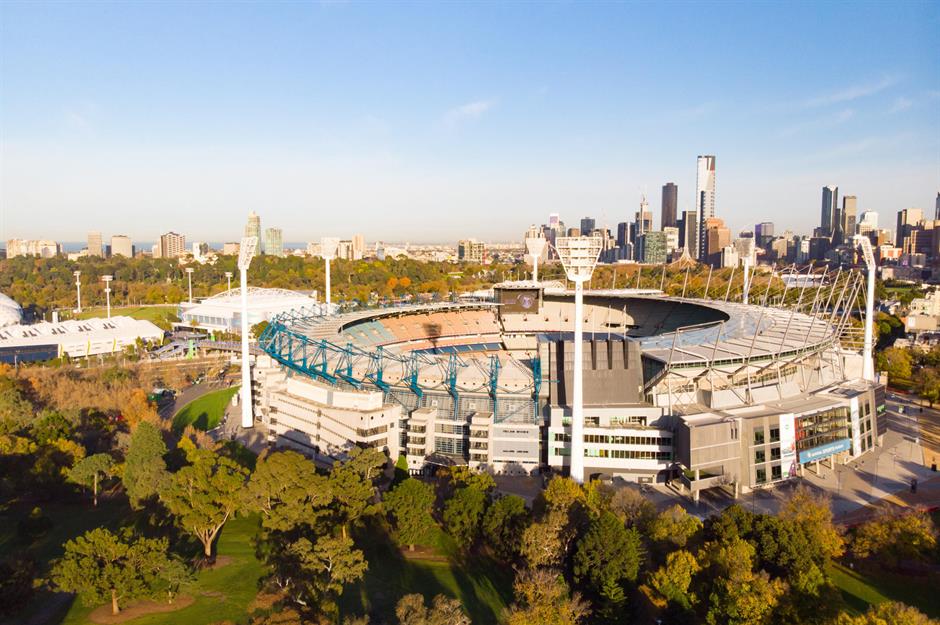
With a modern-day capacity of 100,000, the MCG is the largest stadium in Australia. In the southern hemisphere's winter, the ground hosts Australian football (also known as Aussie rules or AFL) matches, while in summer it's all about cricket.
Pictured here, on an autumn morning in 2018, we can see the arena's four levels of seating rising up out of the park like a futuristic Colosseum. Modern additions like the giant floodlights, constructed in December 1984, underline how far the stadium has come.
Sponsored Content
Then: White Hart Lane, London, England, UK
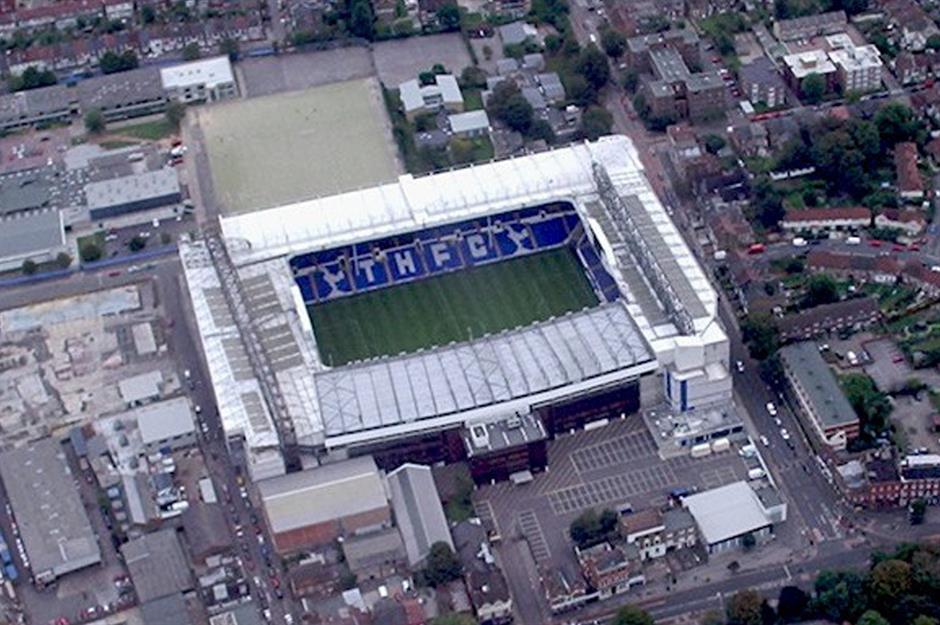
While it might not have been the most trophy-laden of stadiums over the years, there's no denying that the original White Hart Lane was a massive part of English football. Between 1899 and 2017, the home of Tottenham Hotspur bore witness to some greats of the game including Jimmy Greaves, Gary Lineker, Paul Gascoigne and Glenn Hoddle.
Smaller than the grounds of Spurs' rivals, and with compromised sight-lines an issue, the archaic arena's capacity before the bulldozers rolled in was just 36,240. With the club holding lofty Champions League ambitions, the time for an upgrade had come.
Now: Tottenham Hotspur Stadium, London, England, UK
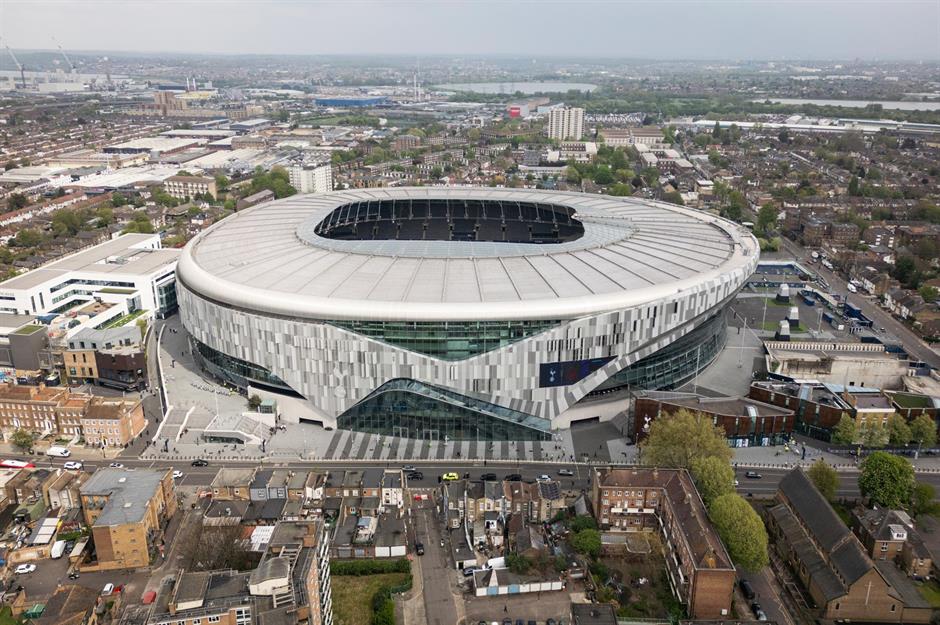
Opened in April 2019, on the site of the original White Hart Lane, the new Tottenham Hotspur Stadium is a major step forward in every sense. Designed to maximise the supporter experience and get fans closer to the action, its capacity of 62,850 makes it the largest club stadium in London.
One epic feature here is the 17,500-seat, single-tier South Stand. Reaching up more than 111 feet (34m) above the playing surface, it’s crowned by the club’s famous golden cockerel. Impressively, the stadium is also powered by 100% renewable energy.
Then: Estadio Santiago Bernabéu, Madrid, Spain
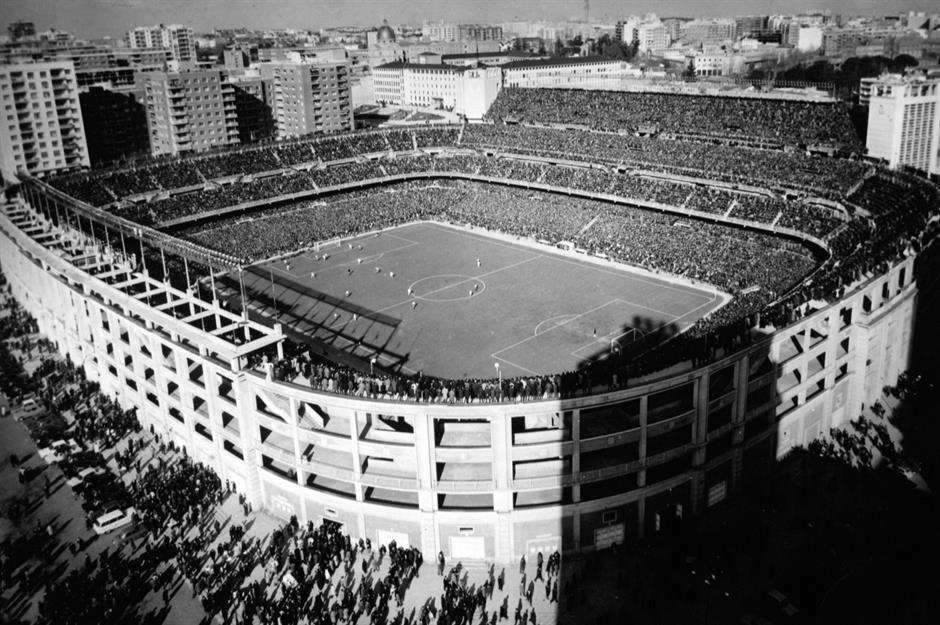
Boasting an astonishing 15 Champions League titles, more than twice as many as any other team, Real Madrid are easily Europe's most successful club side. Over the years, their famous stadium in Spain's capital has been a home to many of the greatest players in history including Alfredo Di Stéfano, Ferenc Puskás, Zinedine Zidane, Raúl and Cristiano Ronaldo.
Pictured here in the 1950s, an era when 'Los Blancos' won the European Cup (now called the Champions League) five times in a row, we can see the stadium was open to the elements. As you're about to see, it looks a bit different now.
Sponsored Content
Now: Estadio Santiago Bernabéu, Madrid, Spain
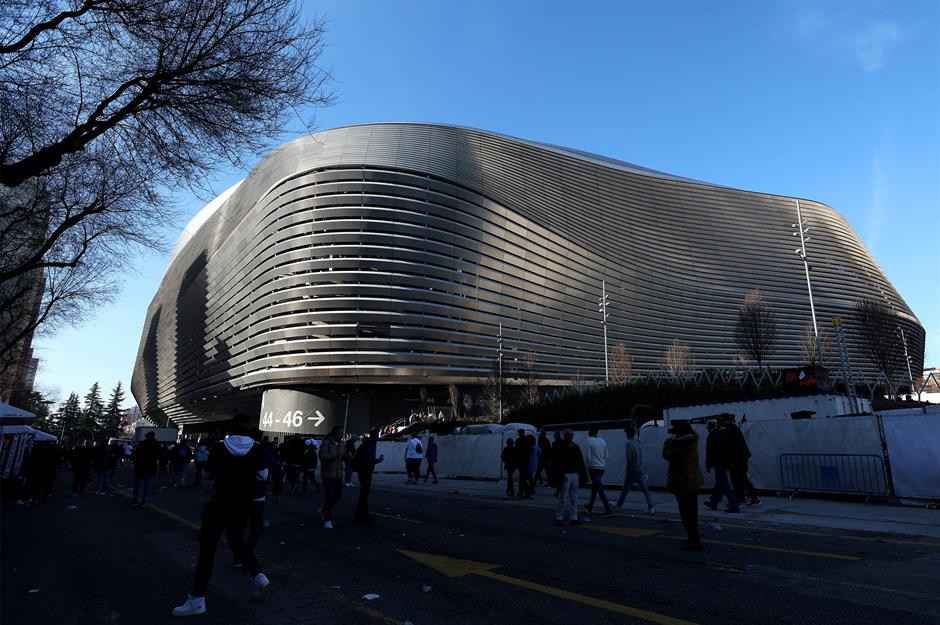
Resembling a giant spaceship from a distant galaxy, the revamped Estadio Santiago Bernabéu has a slightly more futuristic feel. Rocking a cool-looking sci-fi façade that maintains natural outdoor ventilation and can have images projected on it through LED lighting, the old stadium that first opened its doors in 1945 now has a retractable roof.
Bringing the arena in line with the demands of the 21st-century sports industry, and offering a unique experience for fans, the recent development encapsulates a club that so often leads from the front. This photo was taken in 2024 during a LaLiga match between Real Madrid and UD Almería.
Then: Old Trafford, Manchester, England, UK
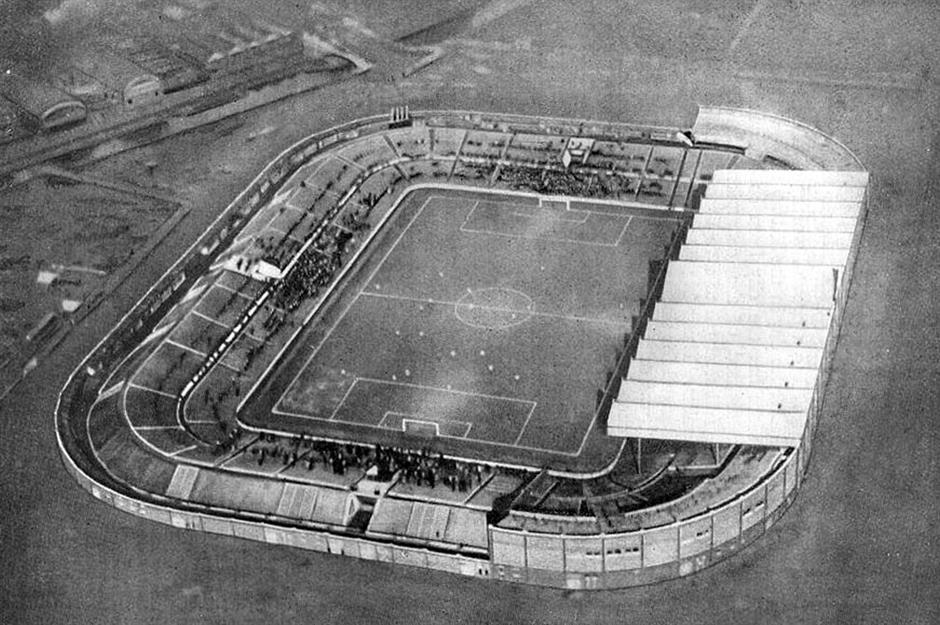
Fans of the English Premier League will be very familiar with Old Trafford, the home of Manchester United. Although it's unlikely many of them will recognise it in its 1920s form (pictured here).
With the exception of the United Road side, seen here on the right, the stadium was open to the elements. It also suffered serious bomb damage in World War II, forcing United to share Maine Road with local rivals Manchester City. The Red Devils returned home in 1949.
Now: Old Trafford, Manchester, England, UK
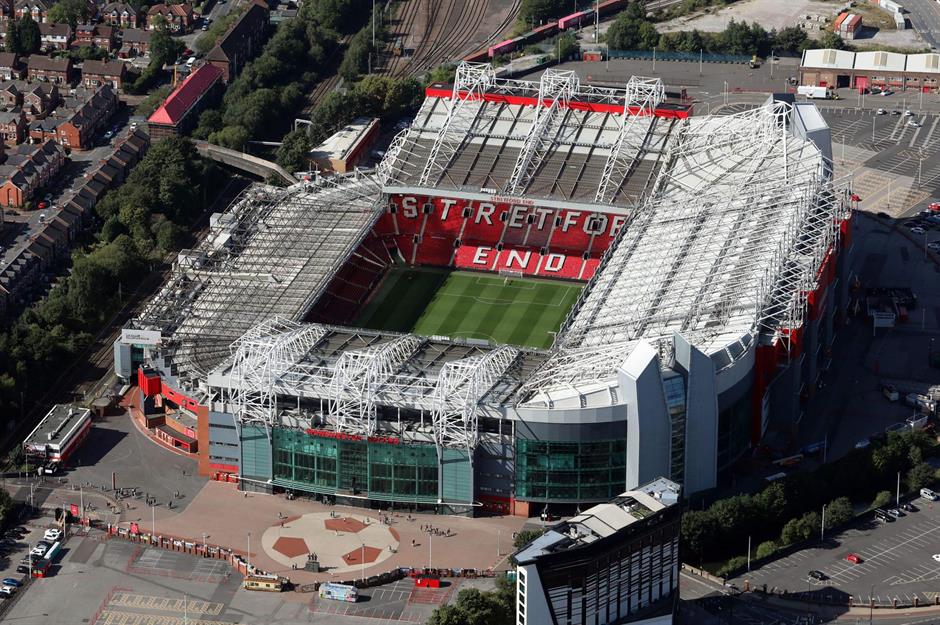
The present-day Old Trafford, of course, is a very different beast. Capable of seating over 74,000 fans on matchday, it became an icon of the sport during the hugely successful managerial era of Sir Alex Ferguson, spanning 1986 to 2013.
Despite now boasting a stand named after the man himself, the fortunes of Manchester United on and off the pitch have taken a downturn in recent years. With the stadium deteriorating badly, and the roof now leaking rainwater onto fans, plans are afoot to build a new 100,000-seat arena in the city. The 'Theatre of Dreams', it seems, is on its last legs.
Sponsored Content
Then: Fenway Park, Boston, Massachusetts, USA
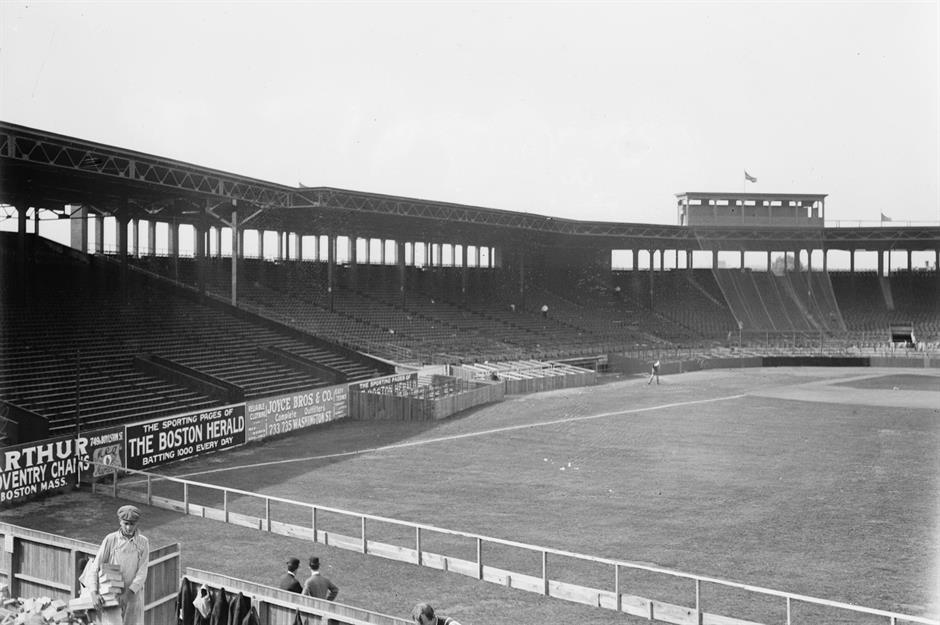
Fenway Park, home of the Boston Red Sox since April 1912, is synonymous with baseball. Generations of fans may have come and gone, but this grand old arena where the legendary Babe Ruth began his professional MLB career endures.
Taken the year the stadium opened, this photo shows us what an empty Fenway once looked like from the outfield. To the left of the image, we can see adverts for several local businesses including the long-running newspaper The Boston Herald.
Now: Fenway Park, Boston, Massachusetts, USA
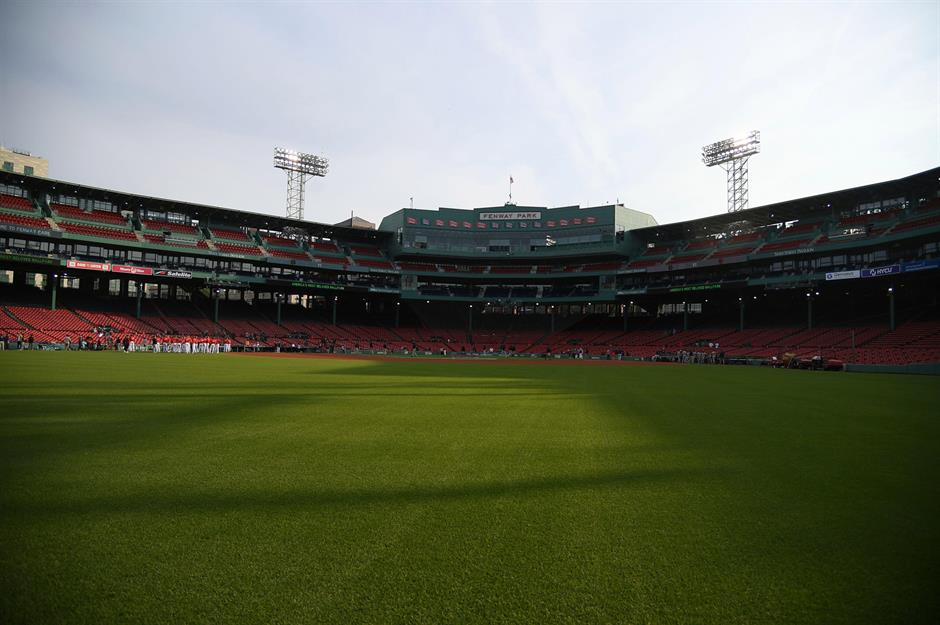
Over 110 years since Fenway Park saw its first pitches and home runs, the oldest stadium in Major League baseball lives on as a must-visit landmark in Massachusetts. Listening to the waltzy sounds of Take Me Out To The Ball Game just moments before watching a batter try to send one into the stands here is a fixture on the bucket lists of all sports fans.
The venue has multi-tiered seating nowadays, but that hasn't come at the expense of its early 20th-century charm. If you're able to ignore Fenway's LED screens, towering floodlights and tourist hordes taking a million smartphone selfies, you could almost be back in 1912.
Then: Yankee Stadium, New York City, New York, USA
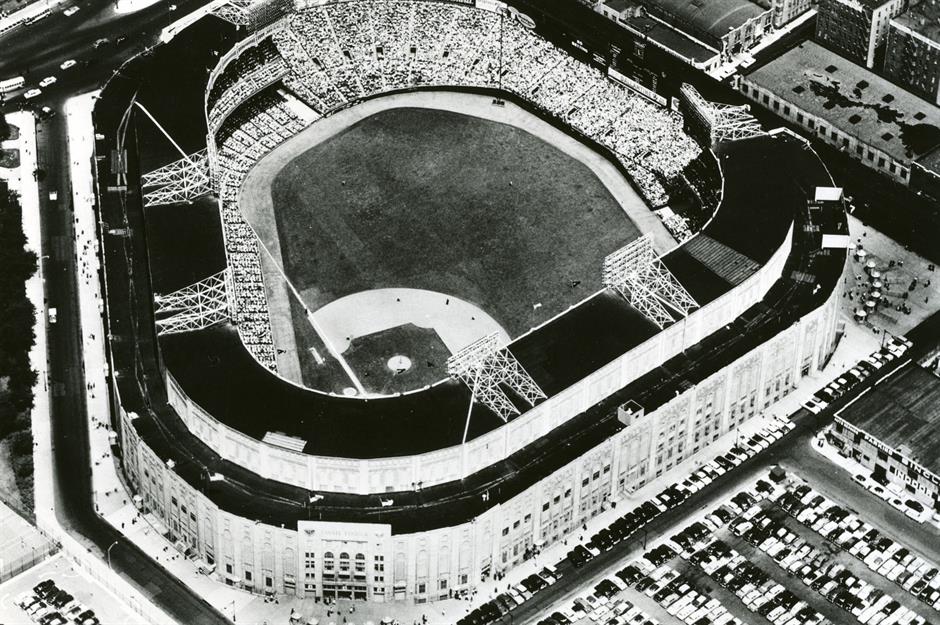
Much like Fenway Park, the Yankee Stadium in New York is a place where the deeds of baseball legends from days gone by echo across the concourses. In 1927, it was the fearsome arena where Babe Ruth, Lou Gehrig and the rest of the Yankees' powerful batting lineup, known as Murderers' Row, terrified visiting teams.
This aerial photograph taken in 1960 shows what the stadium looked like during a game. Around the edges, we can spot fans milling about outside, while at the bottom we can see a packed-out car park.
Sponsored Content
Now: Yankee Stadium, New York City, New York, USA
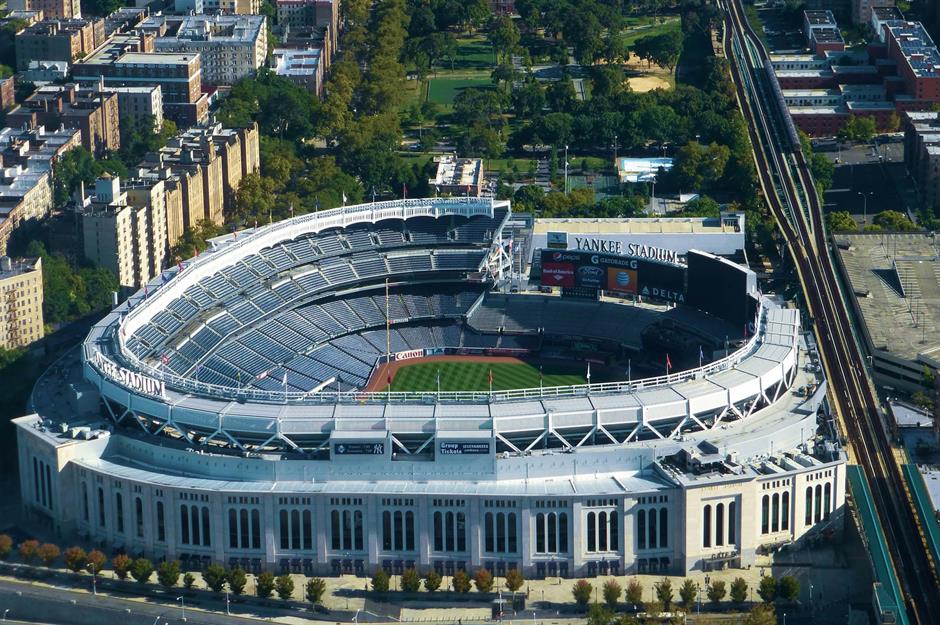
When news broke in the early 2000s that the original Yankee Stadium had reached the end of its life and was going to be replaced, many thought it would be impossible to emulate the intangible glory and iconic feel of the grand old ballpark. Yet these doubters couldn't have been more wrong.
Built one block north of the original, the team moved into their majestic new arena at the beginning of the 2009 season. Now, instead of Ruth and Gehrig, the loyal fans pour in to watch modern greats like the home-run-hitting machine Aaron Judge.
Then: La Bombonera, Buenos Aires, Argentina
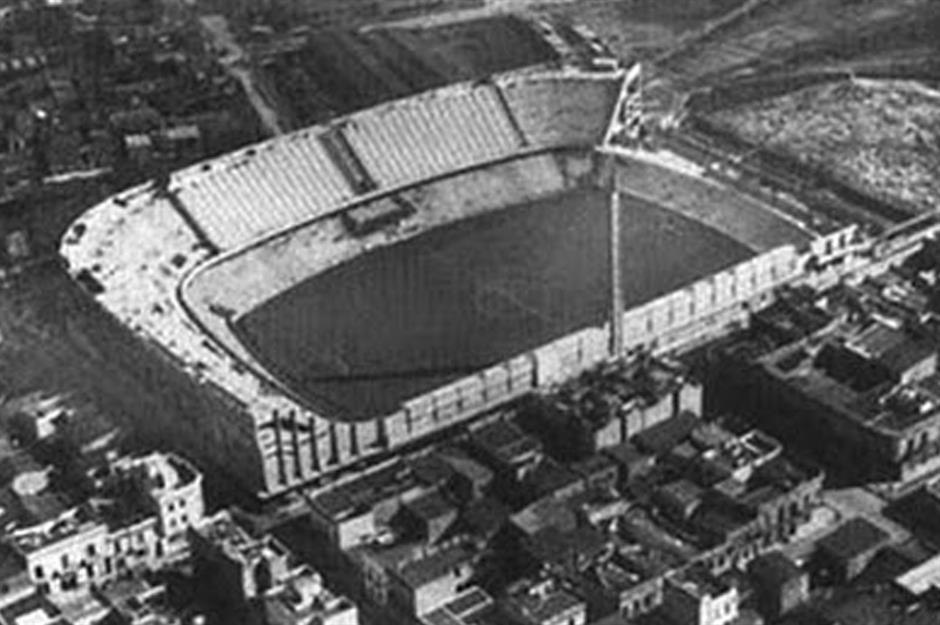
Home to South American soccer giants the Boca Juniors since 1940, a visit to La Bombonera in Buenos Aires is on the bucket list of sports fans the world over. Translating to 'The Chocolate Box' in English, its unique shape, with tiered-stands on three sides and a narrow building with storeyed boxes on the other, is purely the result of it being built on a tight plot of land.
Whatever the reason for it, it's certainly an iconic layout. Here we see it under construction the year it opened.
Now: La Bombonera, Buenos Aires, Argentina
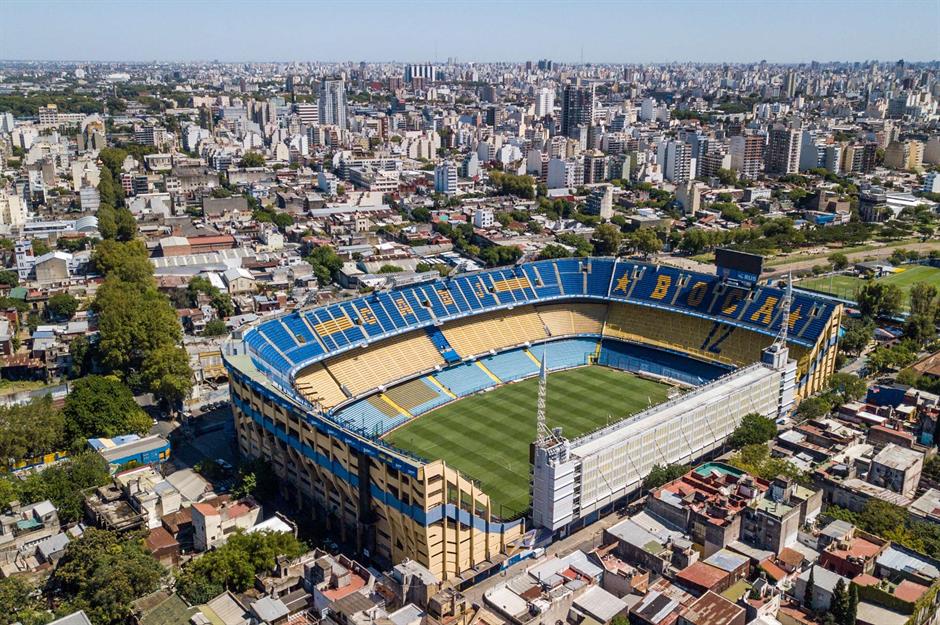
Thanks to the stadium's unusual D-shape, the steep stands bringing the fans closer to the action and the volume generated by the team's ultras, the atmosphere on matchday here is like nothing else in the world of football. Hernan Crespo, who once played for Boca Junior's arch rivals River Plate, once said: "When they say that La Bombonera trembles, it's true."
In a bid to increase capacity from 57,200, plans for expansion have been mooted. Issues around available space, as well as fan opposition to losing La Bombonera's unmistakable layout, could make things tricky though.
Sponsored Content
Then: San Siro, Milan, Italy
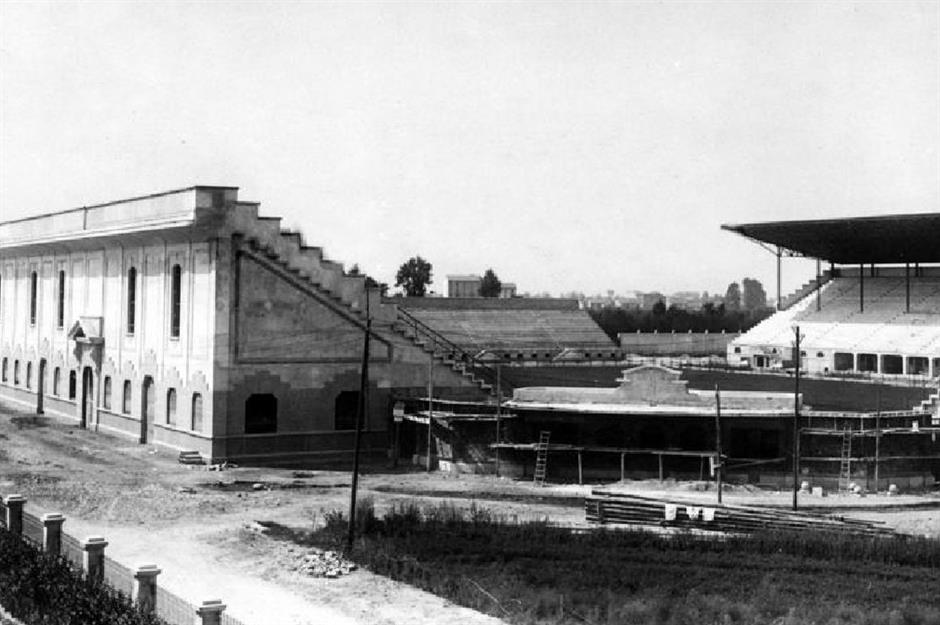
These days, the gargantuan San Siro in Milan is one of the most recognisable buildings in Italy. Back in the day, though, the stadium had a much more humble feel.
Pictured here still under construction prior to its opening in 1926, it's unrecognisable from the intimidating structure it would later become. Initially just the home of AC Milan, local rivals Internazionale (also known as Inter Milan) began ground sharing with their neighbours in 1947.
Now: San Siro, Milan, Italy
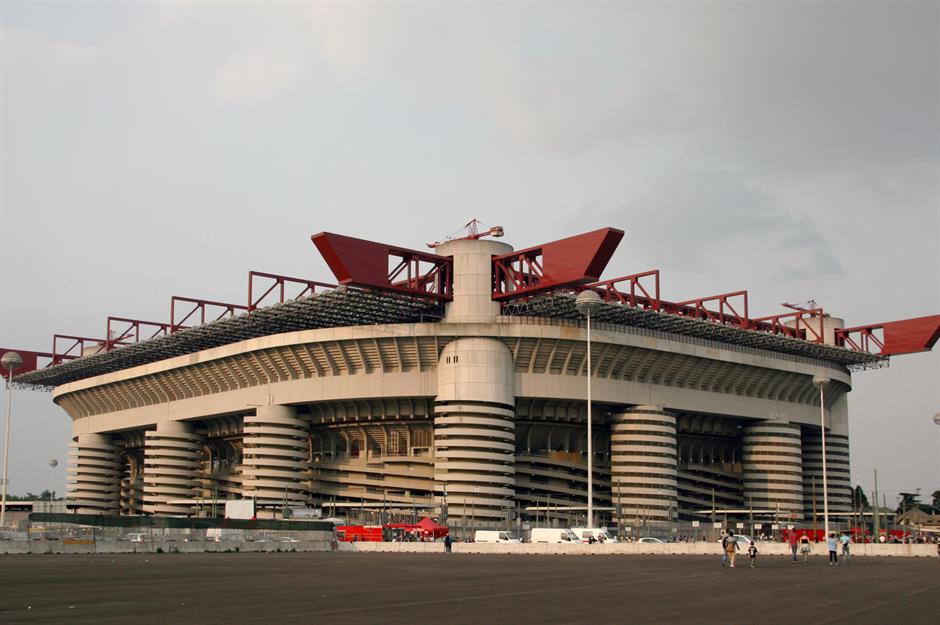
As you can see, the San Siro of today looks extremely different to what came before. Prior to Italy hosting the 1990 FIFA World Cup, the stadium that had grown over the years was extensively remodelled. Those distinctive spiral towers, that not only look magnificent but also help to hold up the roof, were added during that time.
There had been talk of the stadium being replaced by a new arena, designed by the architecture studio Populous, called the Cathedral. Thankfully, the stunning structure has been saved from demolition due to its cultural significance.
Now check out the historic photos of sporting moments that shook the world