The world's abandoned sacred places left to rot
Abandoned sacred places
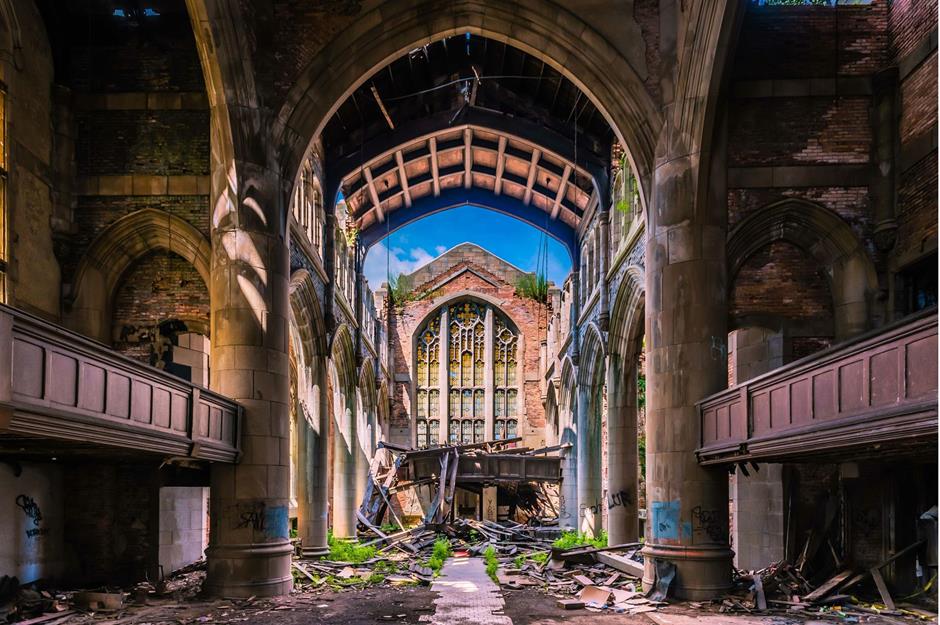
The world is full of magnificent spots which were once sacred to lost civilizations. The new book Abandoned Sacred Places, by Lawrence Joffe, explores the most amazing in the world. We've handpicked some of the most famous and fascinating to discover the history that lies behind them.
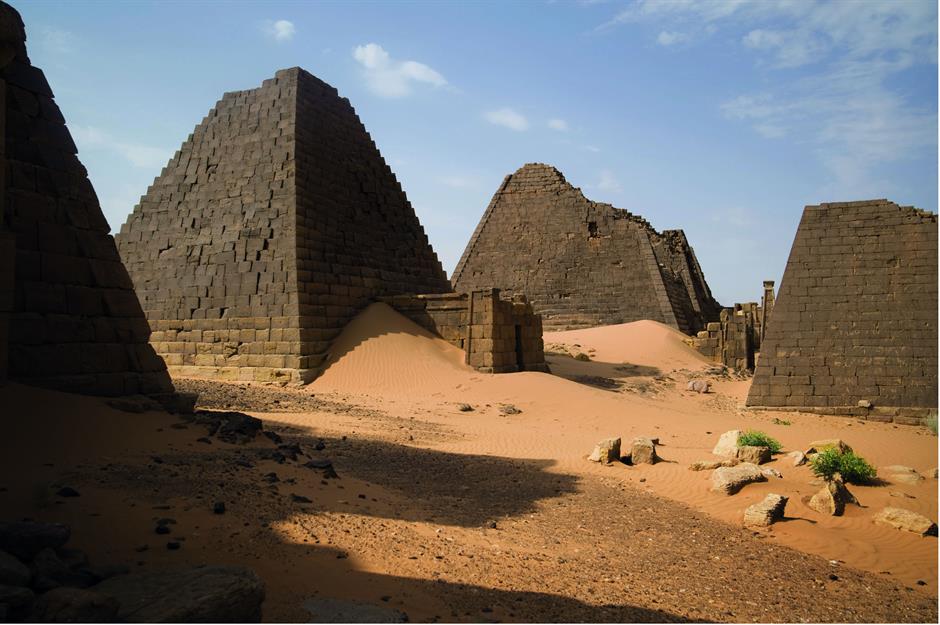
Nubian Pyramids, Meroë, Sudan
Tombs of Al-Bagawat, Egypt
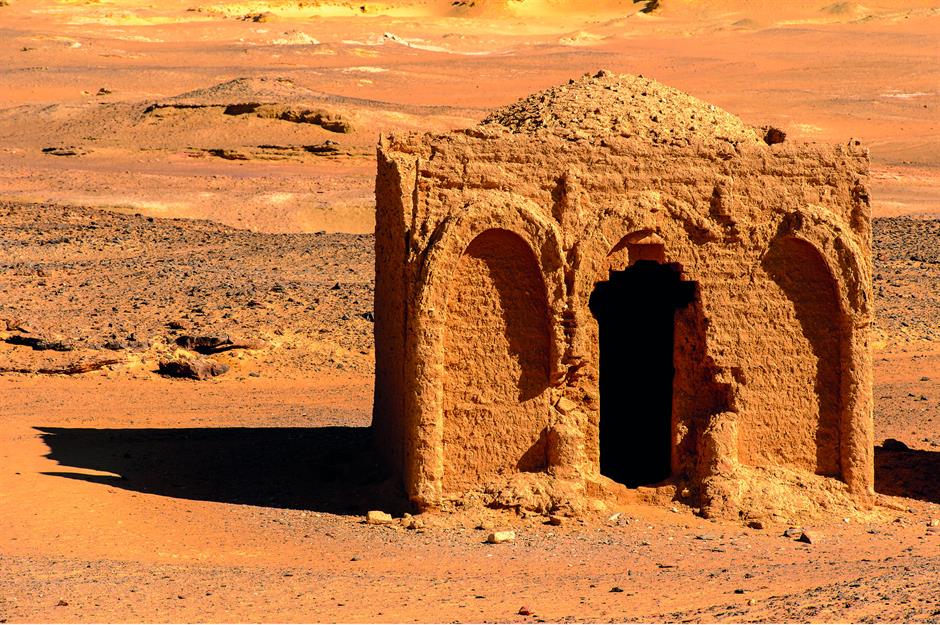
Near to the Kharga Oasis in the Sahara Desert lies Al-Bagawat, one of the world’s earliest Christian cemeteries. Hundreds of tombs date from the 4th to 7th centuries AD. Frescoes of Adam and Eve, Noah’s ark and St John adorn Bagawat’s Church of Exodus and Chapel of Peace. While Coptic Christians make up about 10% of Egypt’s current population, Bagawat last saw activity in the 11th century AD.
Sponsored Content
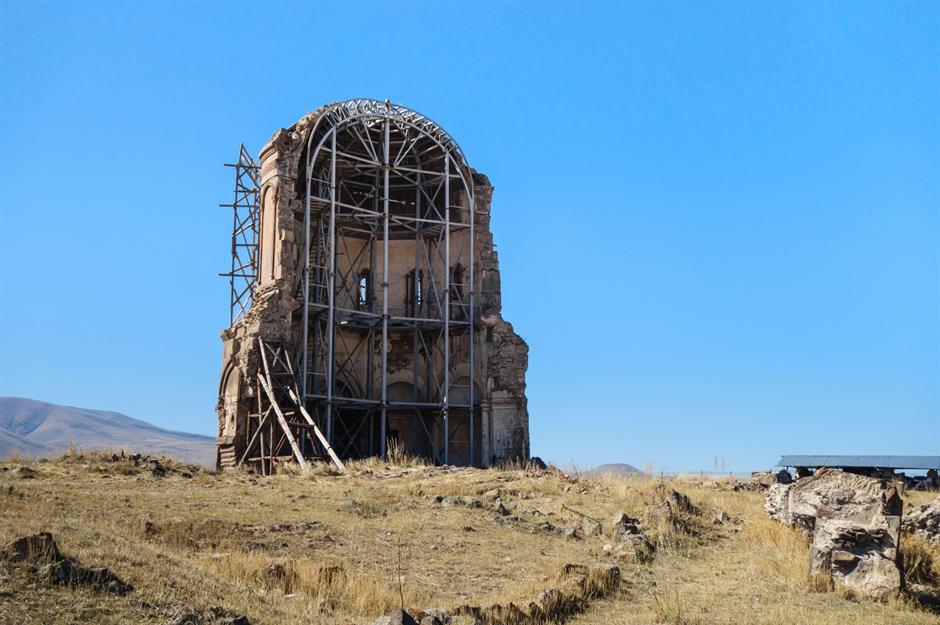
Church of the Holy Redeemer, Ani, Turkey
Mosque, Al Madam, Sharjah, United Arab Emirates
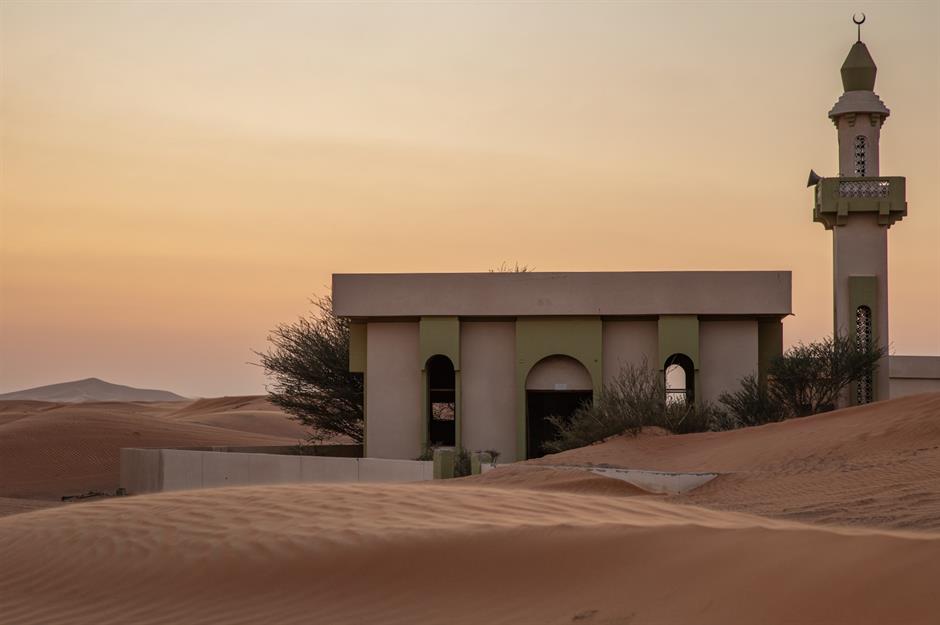
Think of the United Arab Emirates and images of soaring skyscrapers and affluent boulevards fill your mind. But this picture tells a different story of a mosque and associated villa complex that fell victim to changing fashions. It appears near Al Madam in Sharjah, along the E44 road to Dubai. Check out these amazing worldwide wonders we've only just discovered.
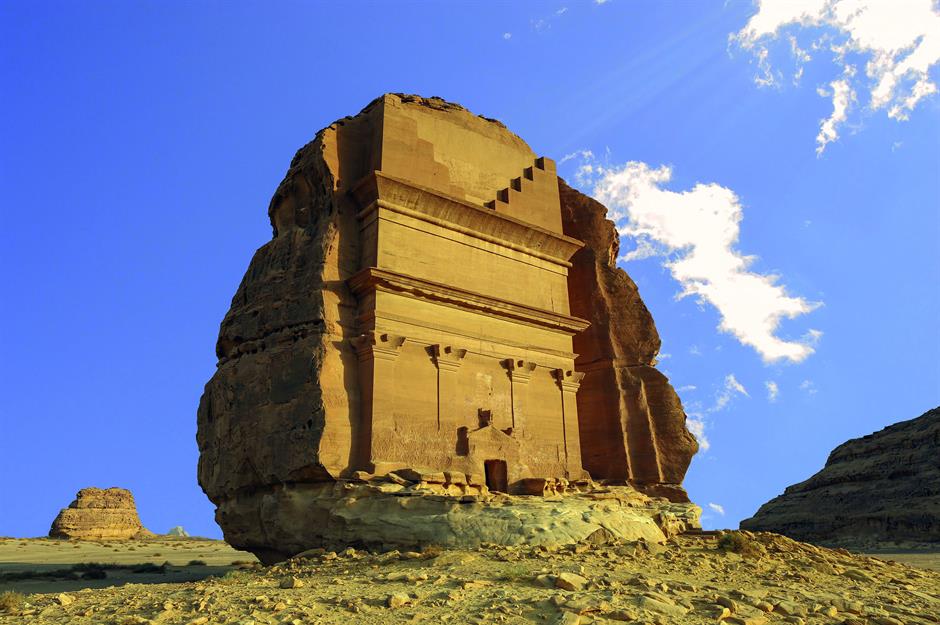
Mausoleums, Mada’in Saleh, Saudi Arabia
Sponsored Content
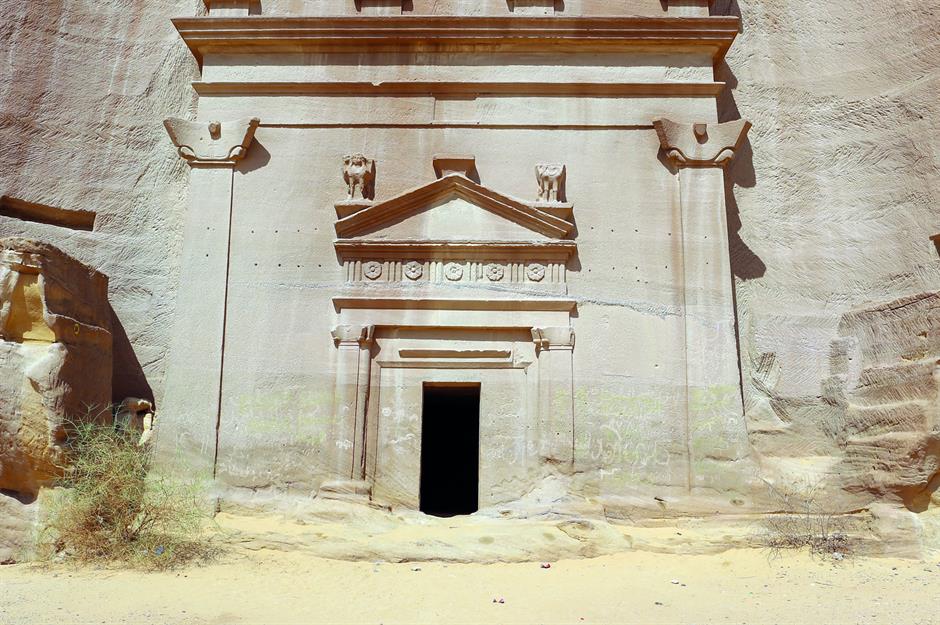
Mausoleums, Mada’in Saleh, Saudi Arabia
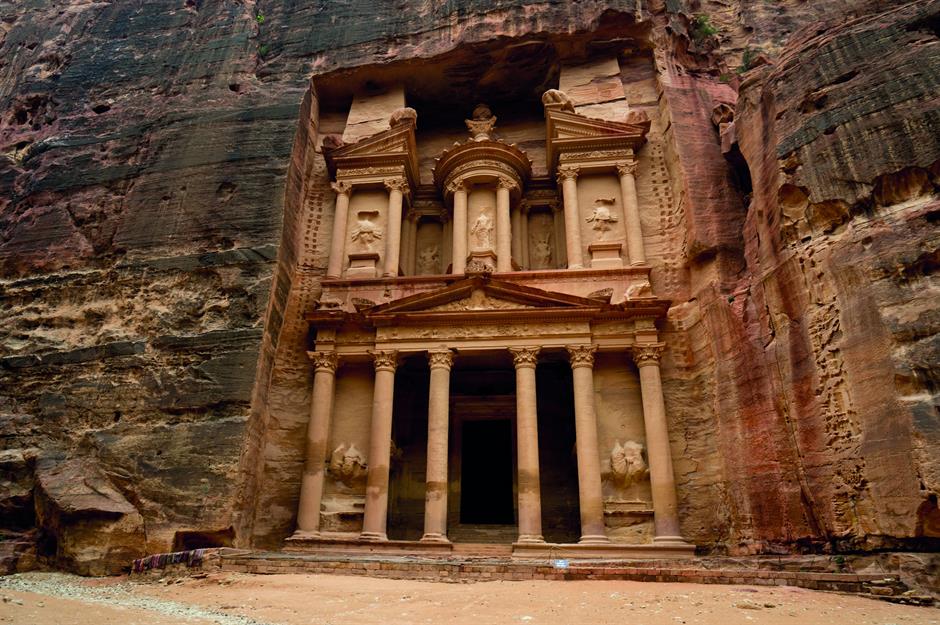
The Treasury, Petra, Jordan
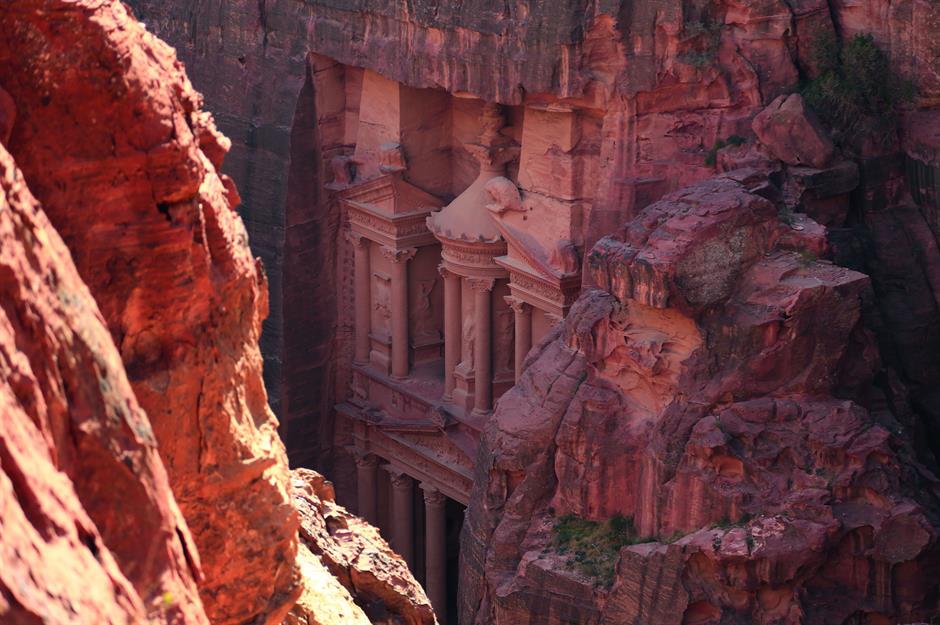
The Treasury, Petra, Jordan
Sponsored Content
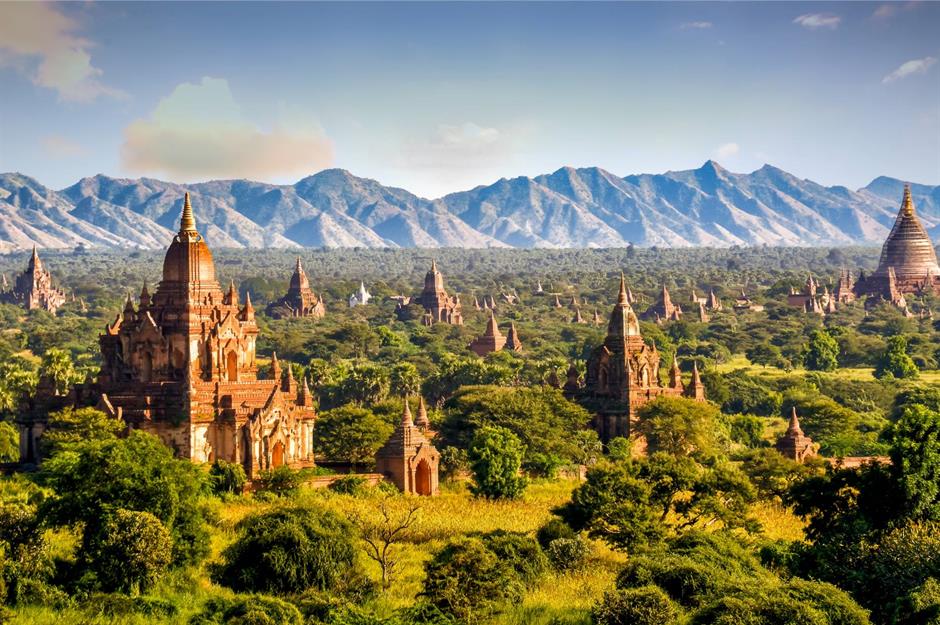
Bagan, Myanmar
Buddhas, Bamiyan, Afghanistan
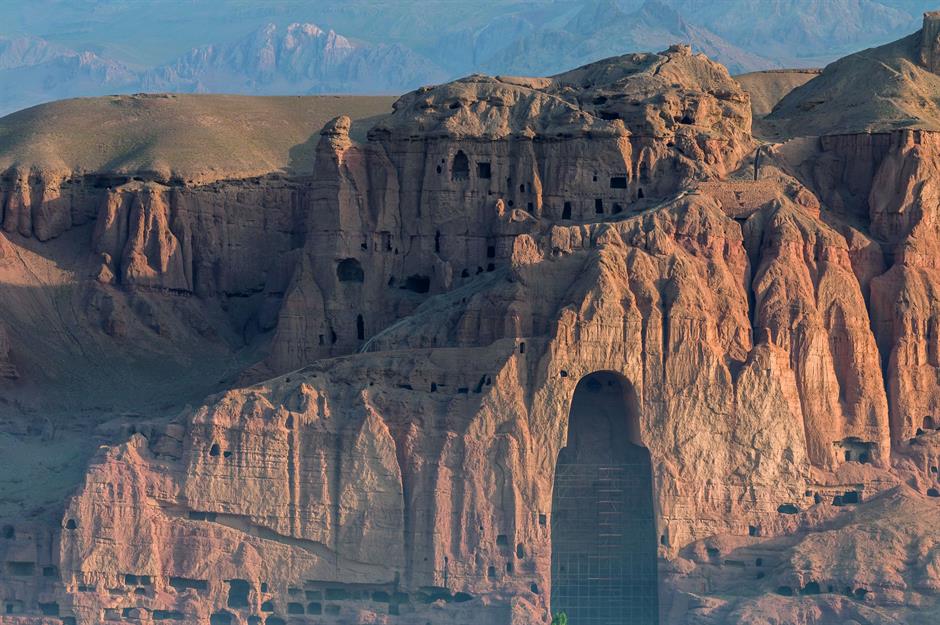
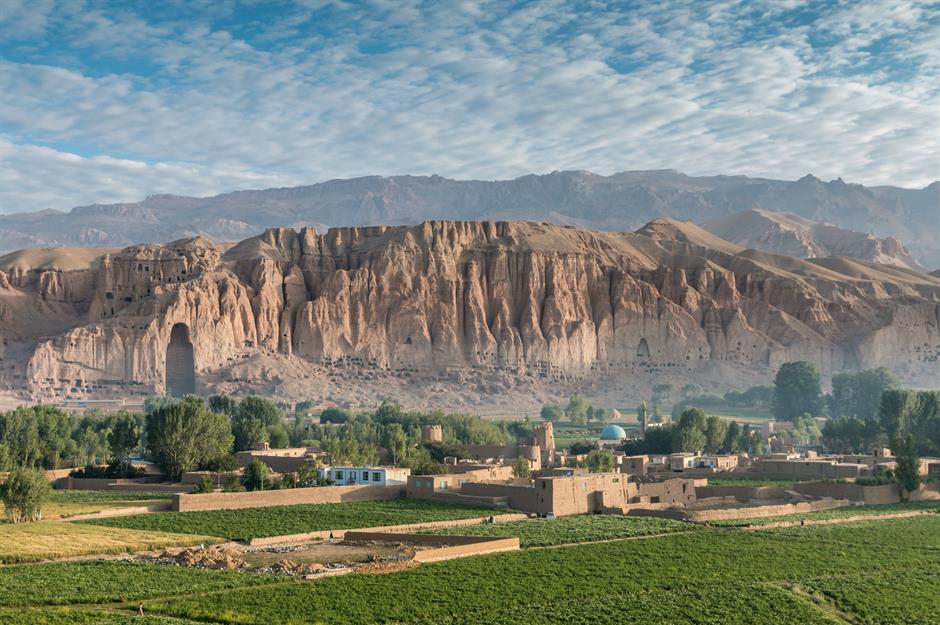
The Taliban’s destruction of Bamiyan’s two giant Buddhas in March 2001 created a defining image for fundamentalist barbarity only surpassed by images of the September 11 attacks six months later. In fact, by the 13th century Buddhist worship had mostly ceased in Muslim majority Afghanistan. So what explains this act of nihilism? Taliban fanatics saw pre-Islamic history as ‘a time of ignorance’. Worse, the rock-cut statues seemed like idols, which are forbidden in Islam. Yet historically, most Muslim rulers have tolerated, and even protected, non-Muslim sacred sites.
Buddhas, Bamiyan, Afghanistan
Sponsored Content
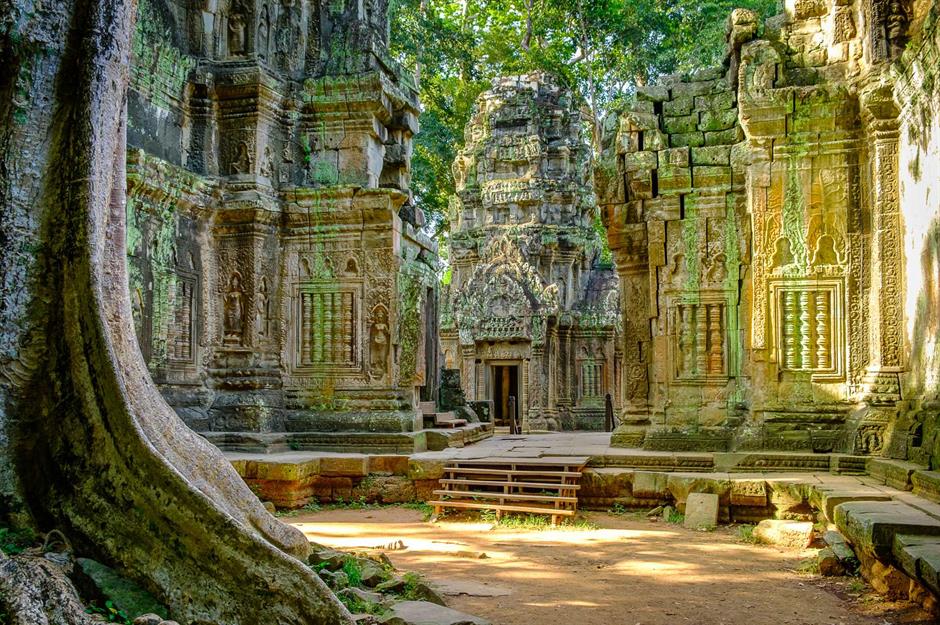
Ta Prohm, Angkor, Siem Reap, Cambodia
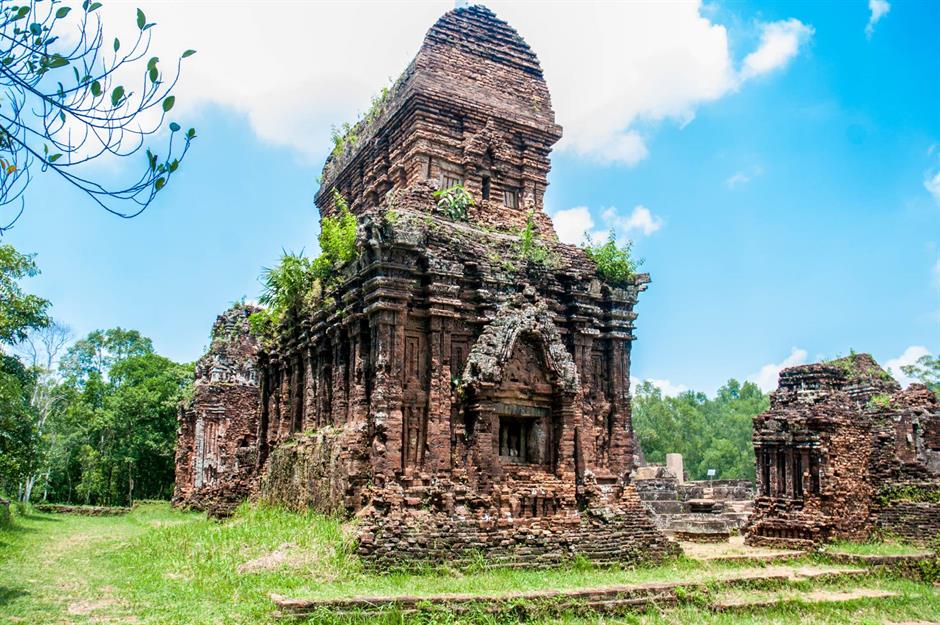
My Son, Quang Nam, Vietnam
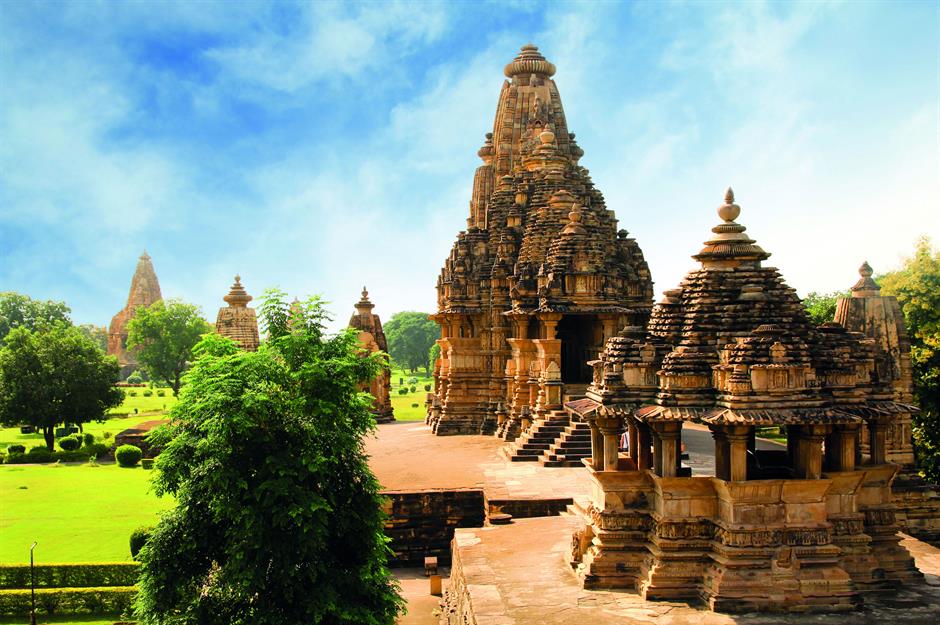
Kandariya Mahadeva Temple, Khajuraho, Madhya Pradesh, India
Sponsored Content
Borobudur, Central Java, Indonesia
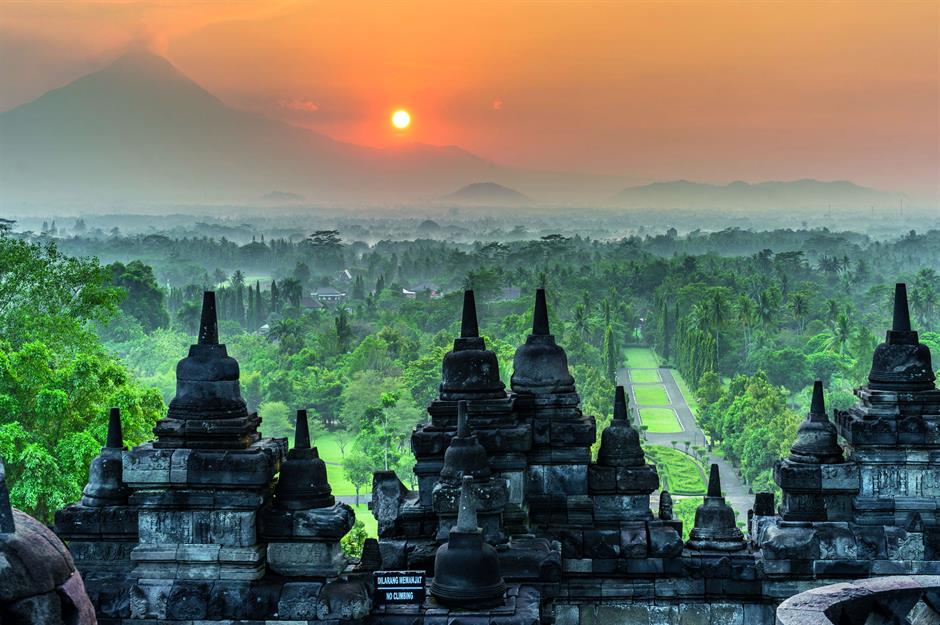
Borobudur, Central Java, Indonesia
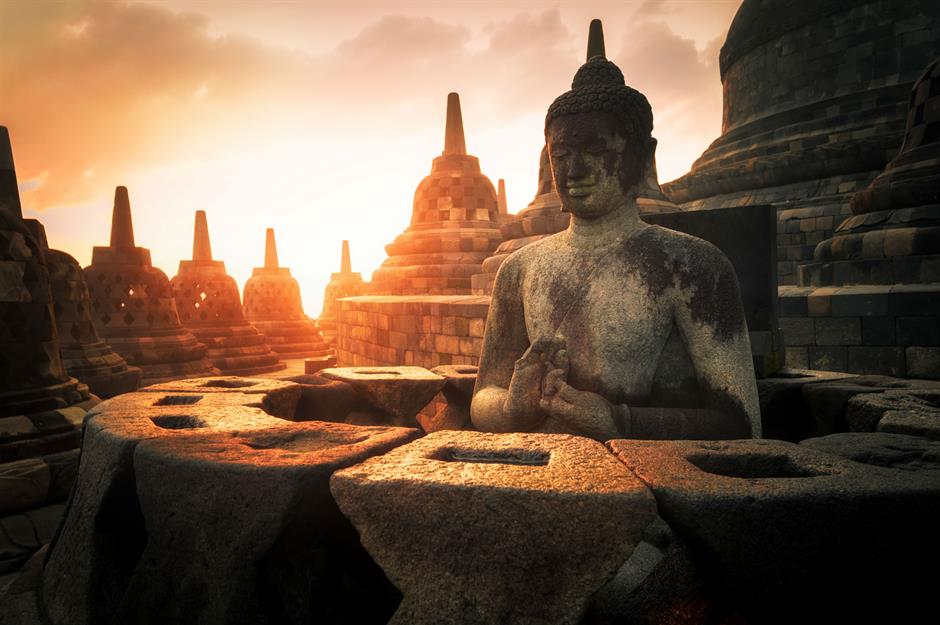
The Mataram Kingdom erected Borobudur in around AD 824. That means it enjoyed barely 200 years of use before the forest reclaimed it. Structurally, Borobudur works as a giant explanatory book: its 10 concentric rings stand for the ascending steps needed to achieve the perfection of the Buddha. Take a look at these complete ancient cities you can explore.
San Juan Parangaricutiro, Michoacán Province, Mexico
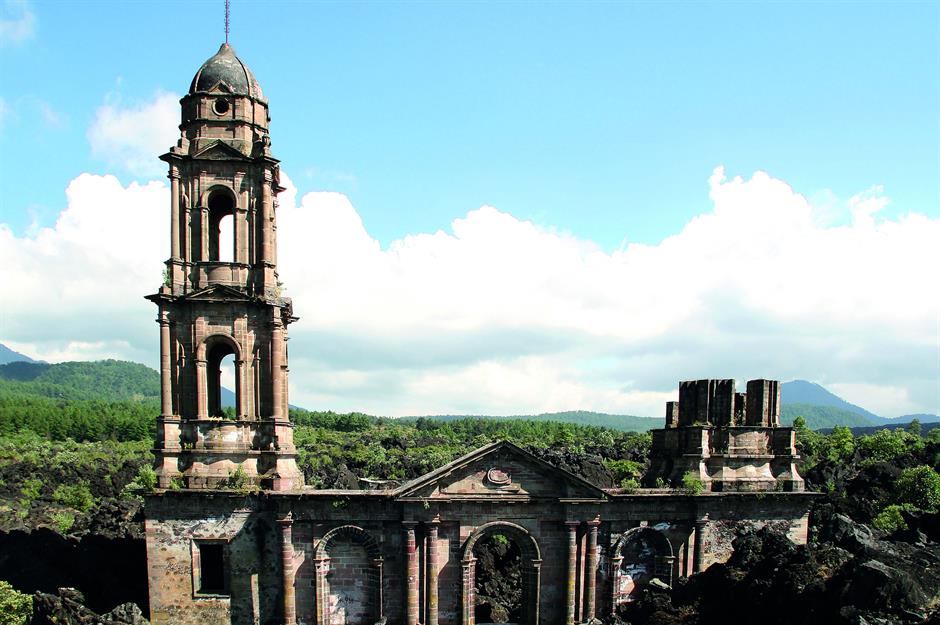
A deluge of ash and lava destroyed the town of San Juan Parangaricutiro in 1943, yet this church tower still proudly emerges above the black debris. Matter accumulated over the next eight years and created the world’s youngest volcano, Mount Paricutin, which eventually topped 9,186 feet (2,800m).
Sponsored Content
San Juan Parangaricutiro, Michoacán Province, Mexico
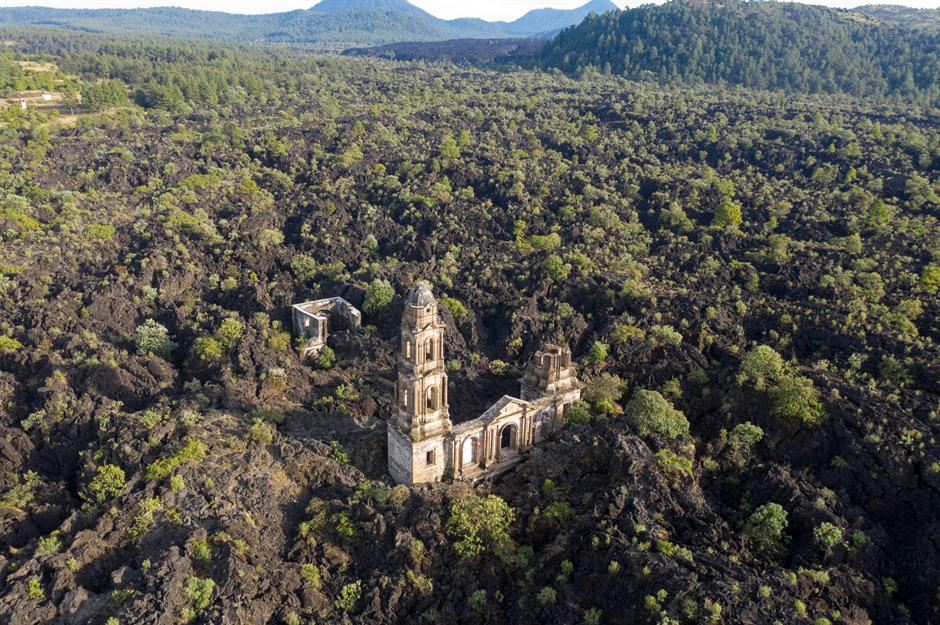
The Basilican-style church probably survived the eruptions because of the expertly engineered solid slabs that Augustinian monks used when they began building in the mid-1600s. Pilgrims used to flock to the old church to marvel at the reputedly miracle-working crucifix of El Señor de Los Milagros (Lord of Miracles). Since 1943 a new town has sprouted beside the old. Its church houses the wooden image of a saint that fleeing parishioners rescued from their former sanctuary. Curiously, the town’s name means St John of the Bedspreads.
Sacred Cenote, Ik-Kil, Mexico
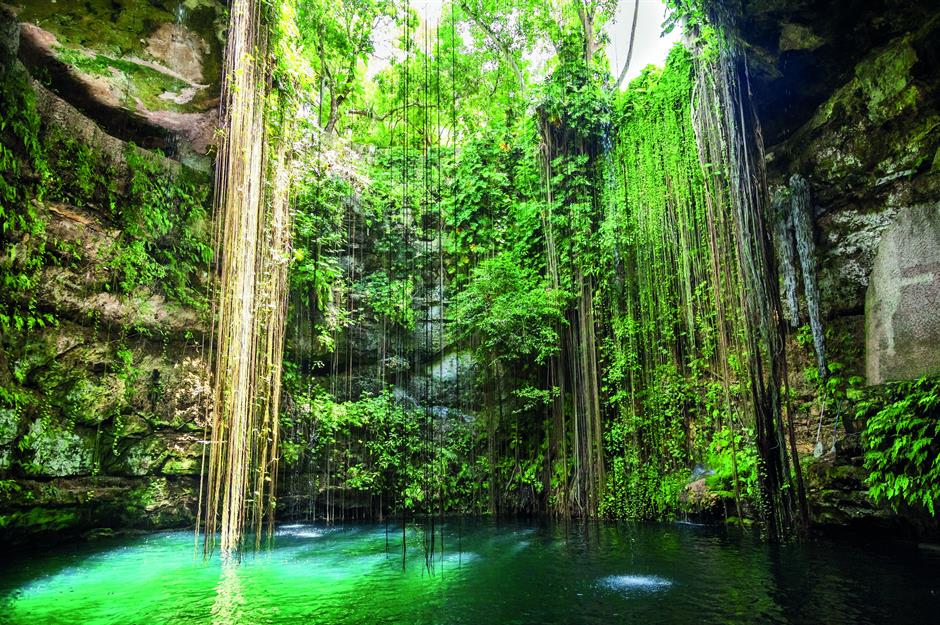
The Mayans quite reasonably venerated Ik-Kil’s cenote – a groundwater-rich natural sunken well – in the otherwise arid Yucatán Peninsula. Yet its placidity is deceptive. Skeletons discovered in the depths, along with jade and gold objects, speak of human sacrifices to the rain god Chaac. Nearby lies the city of Chichen Itzá, founded by the Mayans in the 6th century AD and conquered by Toltecs in the 10th century AD. Chichen Itzá contains more fearsome cultural clues: a Temple of the Jaguars, fanged rattlesnake sculptures, ceremonial pyramids and a court for tlachtli, a sacred ball game where losing teams literally lost their heads.
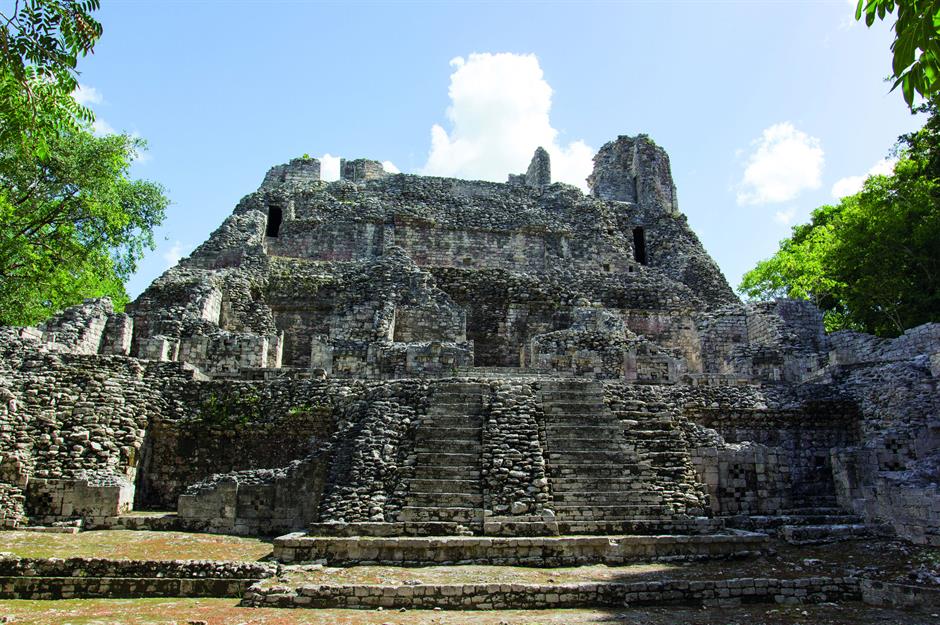
Becán, Yucatán, Mexico
Sponsored Content
Stonehenge, Wiltshire, England
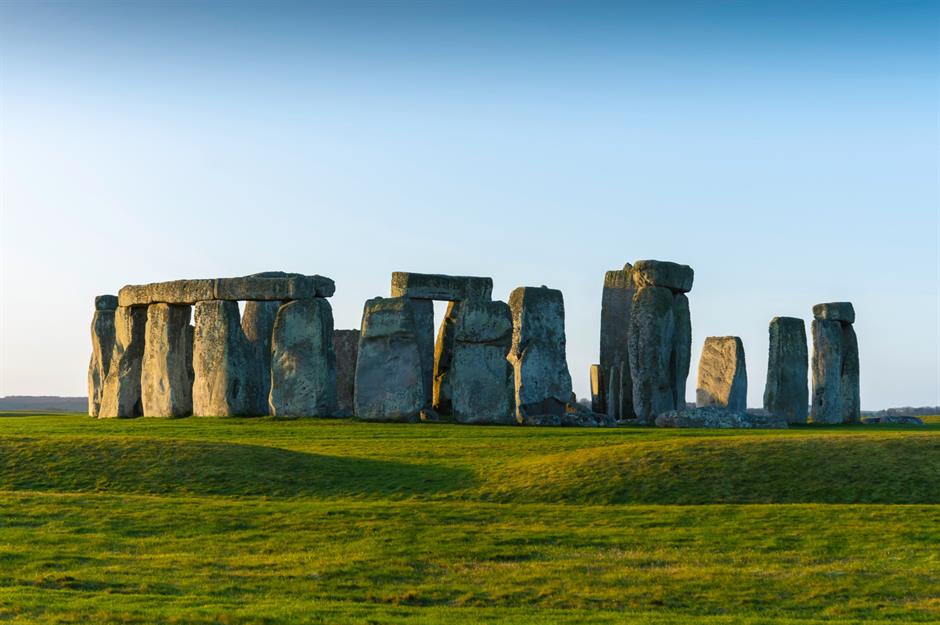
Every year people flock to Stonehenge to celebrate the winter and summer solstices. But what did the site really mean to the Neolithic and Bronze Age people who built and worshipped there? The answer is still cloaked in mystery. Take a look at more of the world's mysterious stone circles.
Stonehenge, Wiltshire, England
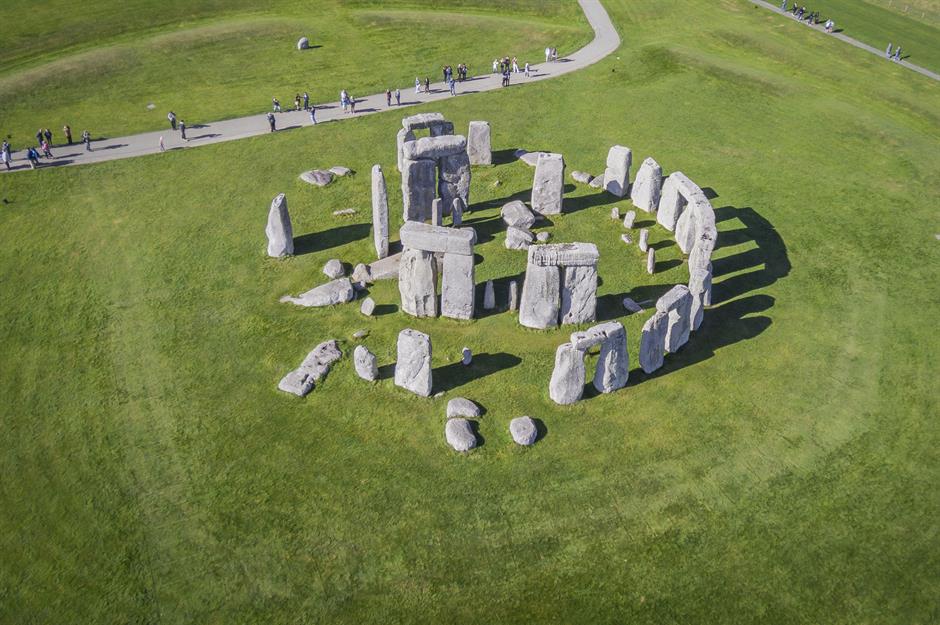
We do know that Stonehenge was built in six stages between 3000–1520 BC. Uniquely, the circular monument consists of artificially shaped sarsen stones, along with smaller bluestones that prehistoric Britons somehow carried from south Wales up to 150 miles (240km) away. Scholars have theorized that Stonehenge functioned variously as an eclipse-predicting ‘computer’, a monument to the ancestral dead, a seasonal gathering place located at the intersection of other prehistoric sites, or a site of sacred healing. Discover more amazing views of Britain from above.
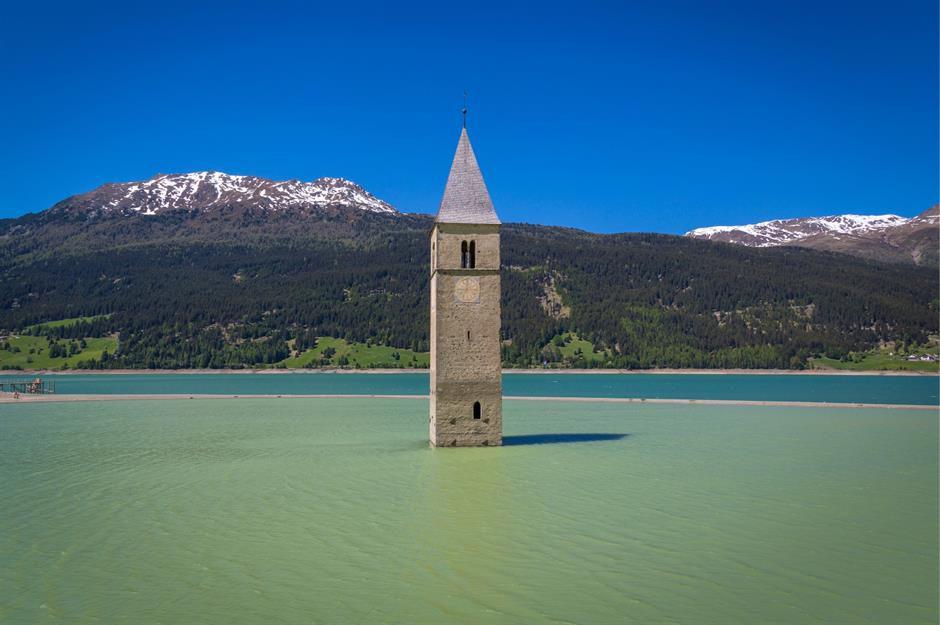
Church, Reschensee, South Tyrol, Italy
Sponsored Content
Whitby Abbey, North Yorkshire, England
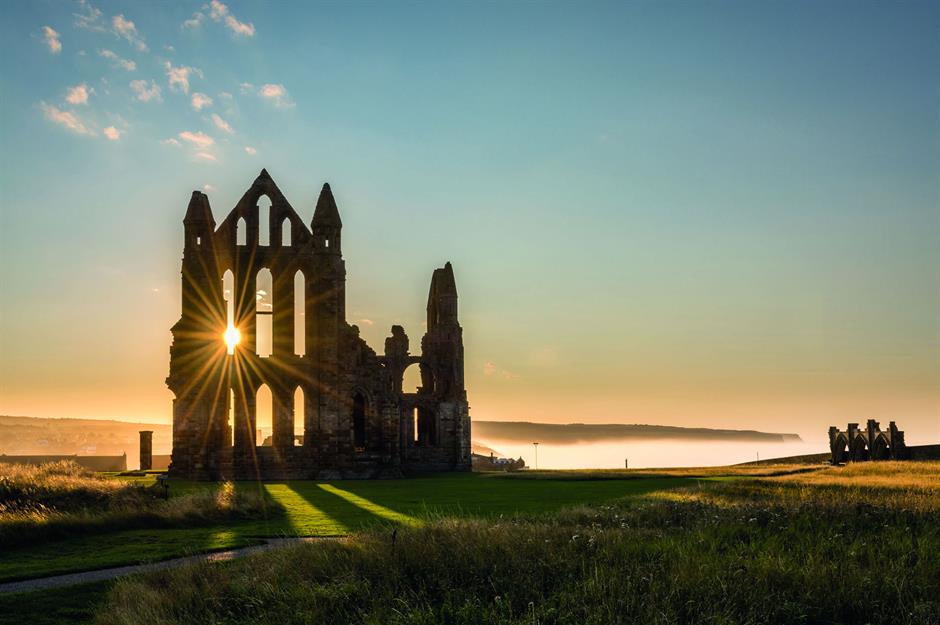
The abandoned structure that we see today is Whitby Abbey’s third incarnation, a handsome Gothic church first begun around 1225, but, due to a lack of funds, only completed two centuries later. The abbey was suppressed in 1539 after Henry VIII’s rift with Rome and many associated buildings were destroyed. Later, wind and rain eroded parts of the building, before the German navy caused further damage by shelling the abbey during the First World War.
Synagogue, Vidin, Bulgaria
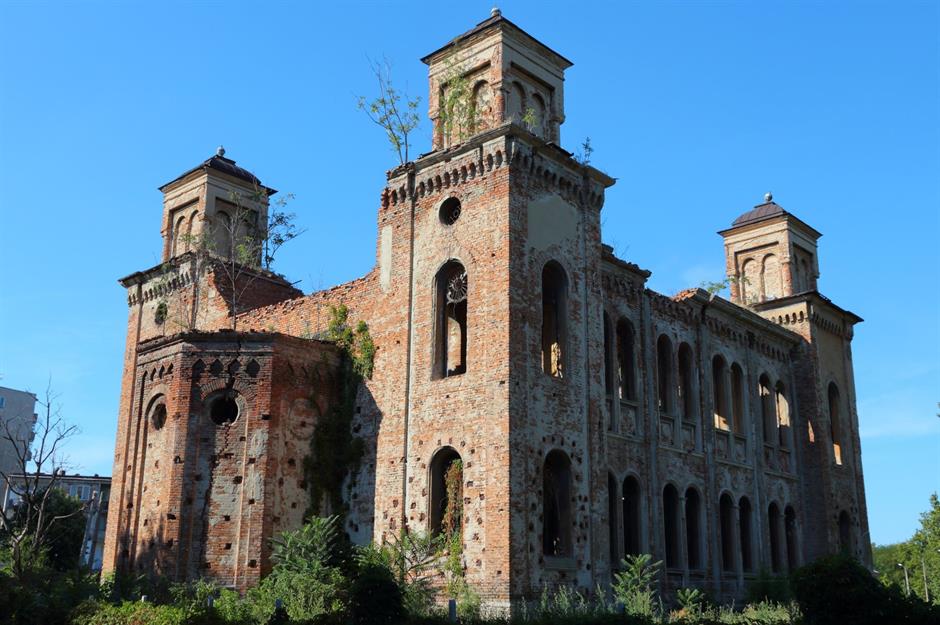
Unlike Bulgaria’s central and eastern European neighbors, most of its Jews were not Ashkenazim but Sephardic Jewish descendants of refugees expelled from Spain in 1492. Under German influence, Bulgaria passed discriminatory laws against Jews after July 1940; yet almost uniquely in Europe, no Jews from Bulgaria proper were deported to death camps. Most Bulgarian Jews left for Israel after the war, accelerating the decline of Vidin’s synagogue. Post-war Communist rulers appropriated the building and ended services there.
Rocky Valley Lutheran Church, Dooley, Montana, USA
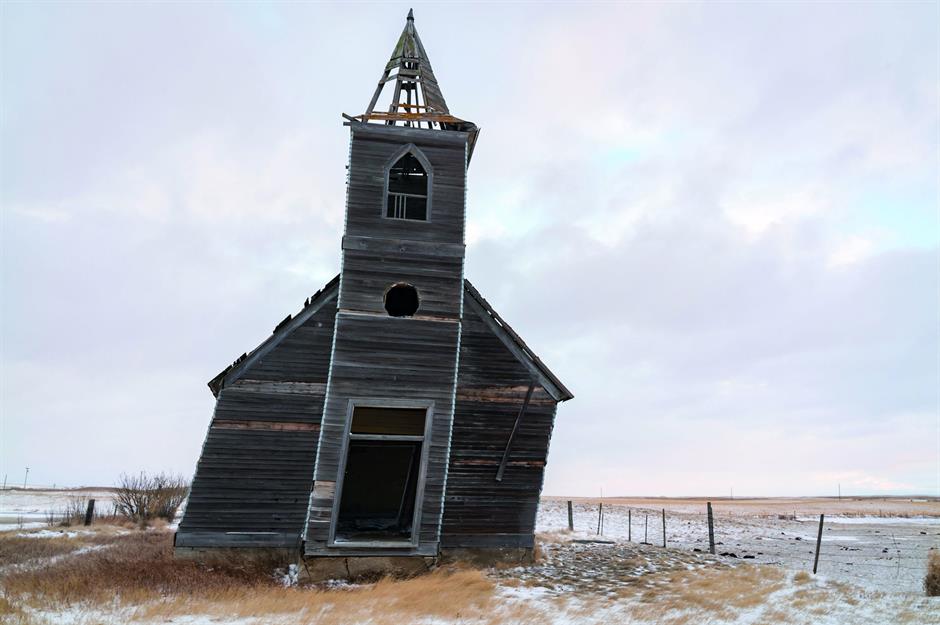
The only substantial building left in Dooley, Rocky Valley Church was built in 1915 and deserted 30 years later. Dooley’s economy collapsed after repeated crop failures, a rash of fires, armyworm infestations and cold winters that froze railway lines. Ultimately Dooley became a ghost town – a sad yet not uncommon counter-narrative to the American dream. Discover more ghost towns in the USA here.
Sponsored Content
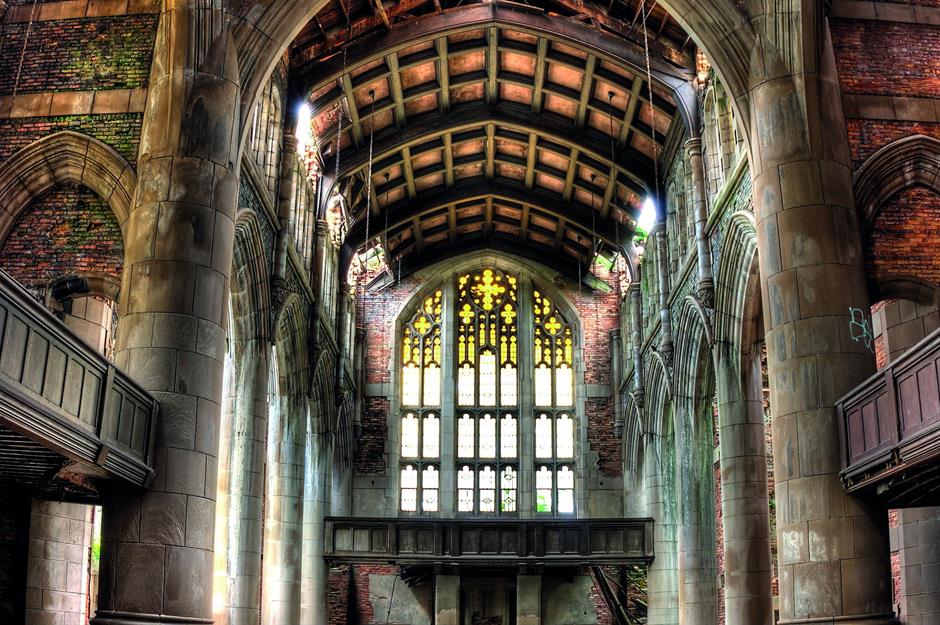
City Methodist Church, Gary, Indiana, USA
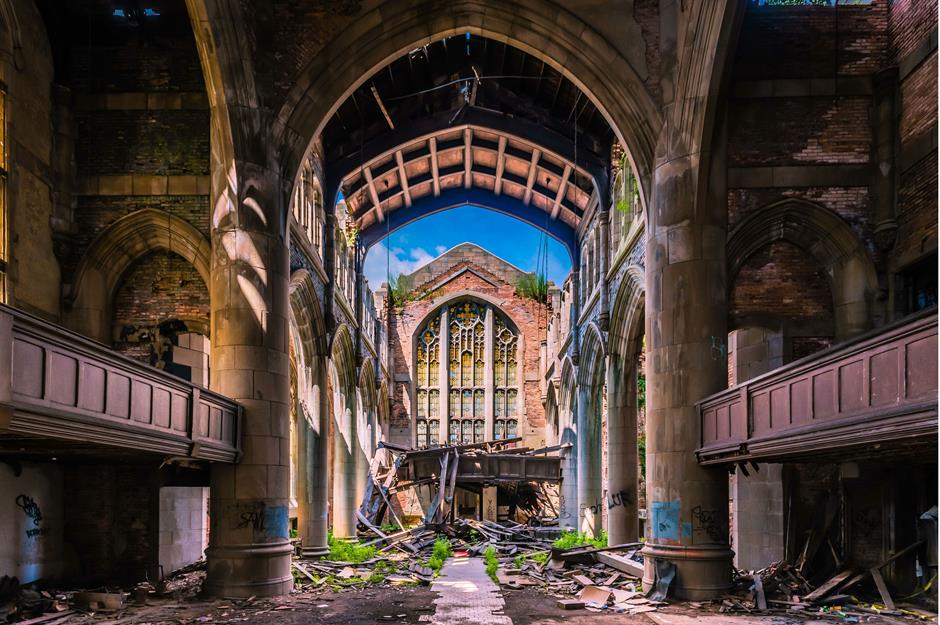
City Methodist Church, Gary, Indiana, USA
Trai Tim Church, Nam Dinh, Vietnam
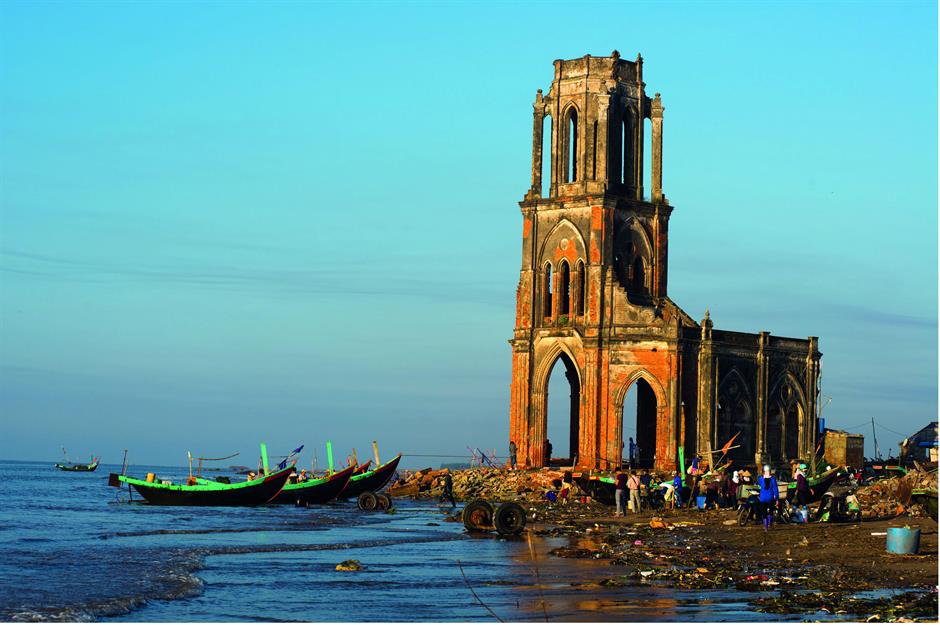
Looking like a charming piece of Normandy transplanted to the Vietnamese seaside, Trai Tim Catholic Church was built in 1927 when Vietnam was part of French Indochina. It still just about stands, but lost its last congregants in 1996. Like many churches and villages in Nam Dinh province, it has been the victim of coastal erosion. Yet its frame survives, as does a bell tower that once also served as a lighthouse. Here are more of the world's amazing places swallowed by the sea.
Sponsored Content
Find out more
All images are taken with permission from the book Abandoned Sacred Places by Lawrence Joffe, published by Amber Books Ltd and available via Amazon.
Comments
Be the first to comment
Do you want to comment on this article? You need to be signed in for this feature