These are the UK’s most beautiful train stations
Off the rails
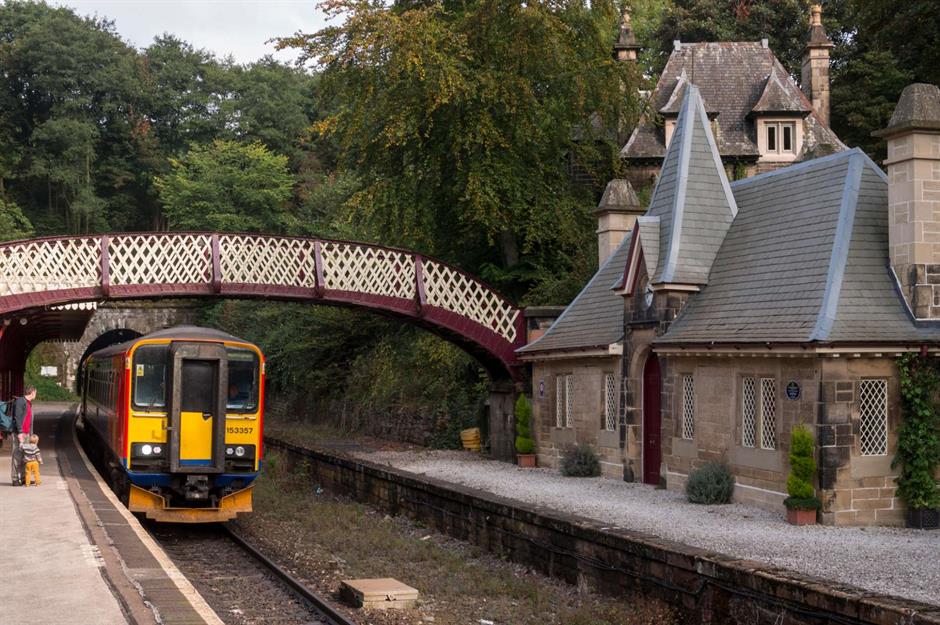
Whether it's a meander through the rolling countryside or the daily commute, a train journey in the UK offers the chance to appreciate its diverse railway stations. Home to the oldest rail system in the world, the country boasts stations which span every style, including astounding feats of Victorian engineering and striking contemporary architecture.
From sleek city hubs to charming small town stops, we’ve ranked 24 of the UK’s most eye-catching railway stations…
24. Liverpool Lime Street, Liverpool, England
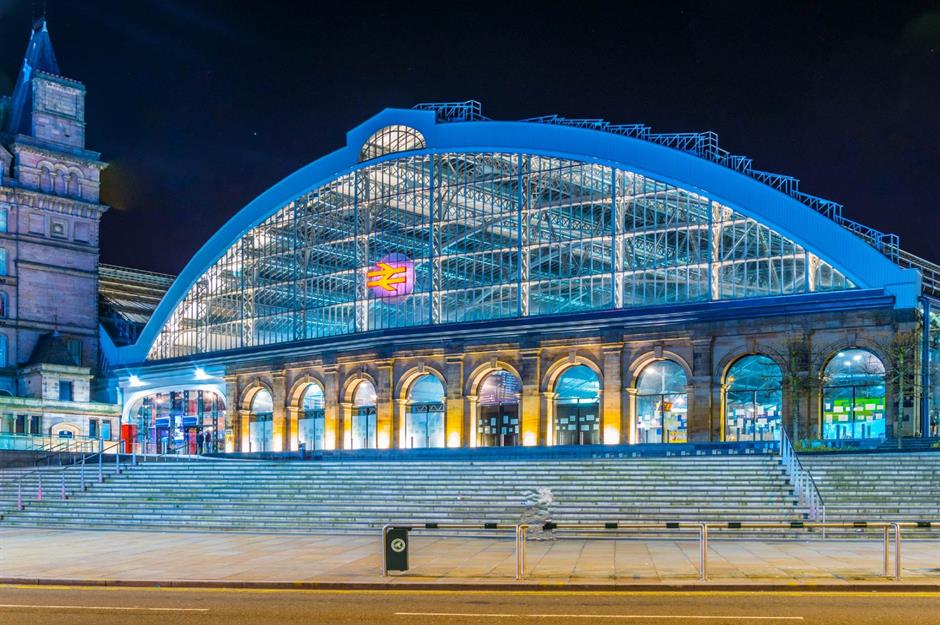
Located in the heart of the bustling city of Liverpool, Lime Street station first opened its doors in 1836, during a period of rapid growth for British railways. Lime Street expanded in 1849, with the addition of the magnificent château-like building and the elegant, curved glass roof which still fronts the station.
The city’s busiest station, Lime Street provides national intercity and regional overground services to around 20 million passengers each year.
23. Birmingham New Street, Birmingham, England
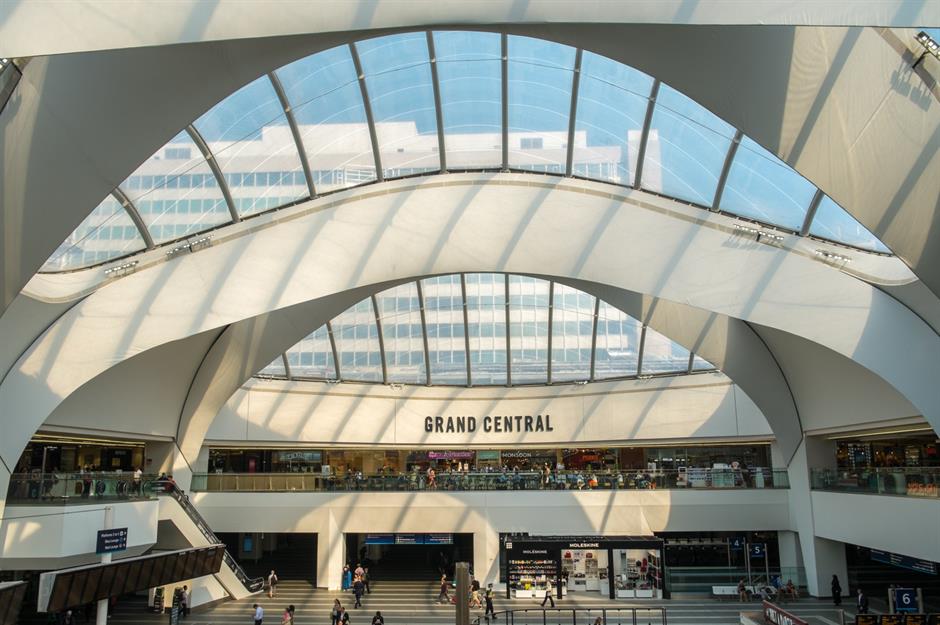
Opened in 1854, Birmingham’s main station was once home to the largest iron and glass roof of its kind in the world. During World War II, heavy bombing caused extensive damage to New Street, and it was eventually demolished and rebuilt during the 1960s.
In 2015, a shopping centre was built above the station, transforming it into a thriving retail and transport centre. With its curved white interior and reflective iron cladding, New Street is a stark symbol of modern architecture.
Sponsored Content
22. Whitehead Station, County Antrim, Northern Ireland
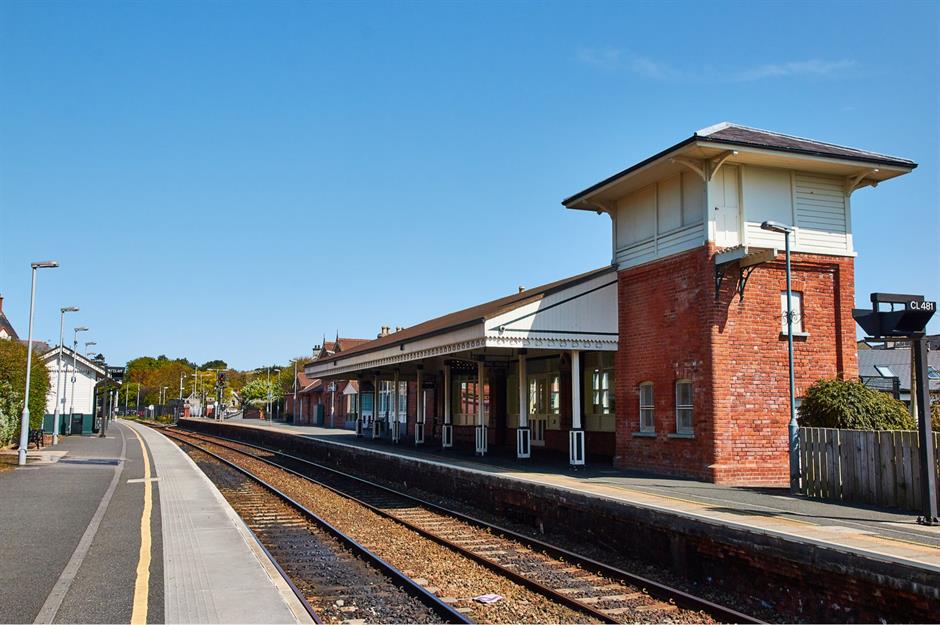
Originally built in 1863, this low-key Victorian station is situated in the seaside town of Whitehead on the east coast of Northern Ireland. The red brick building which still stands today opened in the 1870s, as part of the Northern Ireland Railways network.
Rail routes trail along the pretty Irish coastline and beyond. With its history as a railway excursion town, Whitehead is also home to the headquarters and museum of the Railway Preservation Society of Ireland.
21. Paddington, London, England
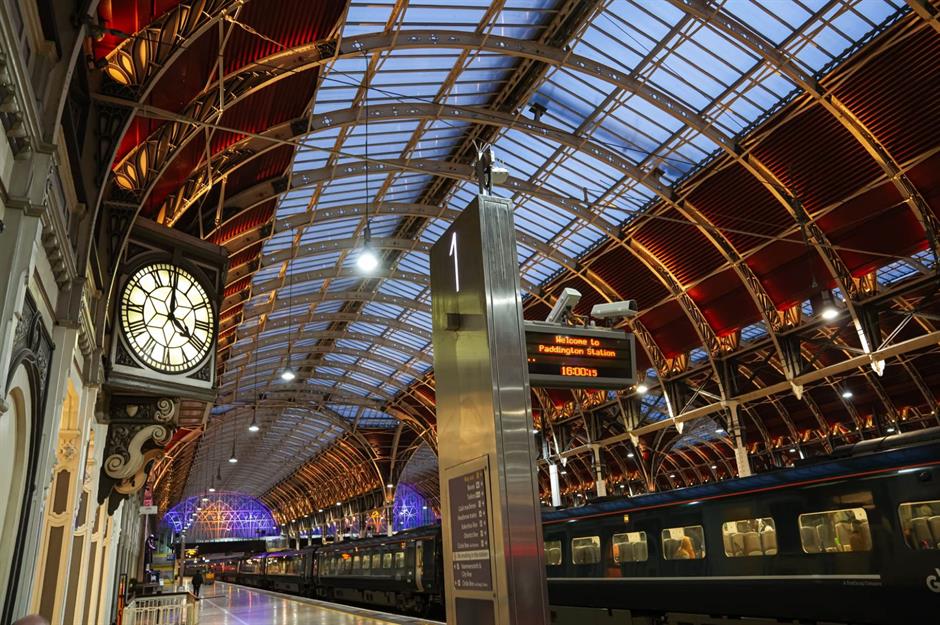
London’s Paddington is one of the busiest stations in the UK, with around 66 million people passing through annually. Built in the 1850s as the grand terminus for the Great Western Railway, it was the brainchild of engineer Isambard Kingdom Brunel.
Boasting the world’s largest train shed roof when it first opened, the station’s glass canopy is its most impressive feature. Paddington Bear was named after the station, and a bronze statue of the character can be found on Platform One.
20. Newcastle Central, Newcastle, England
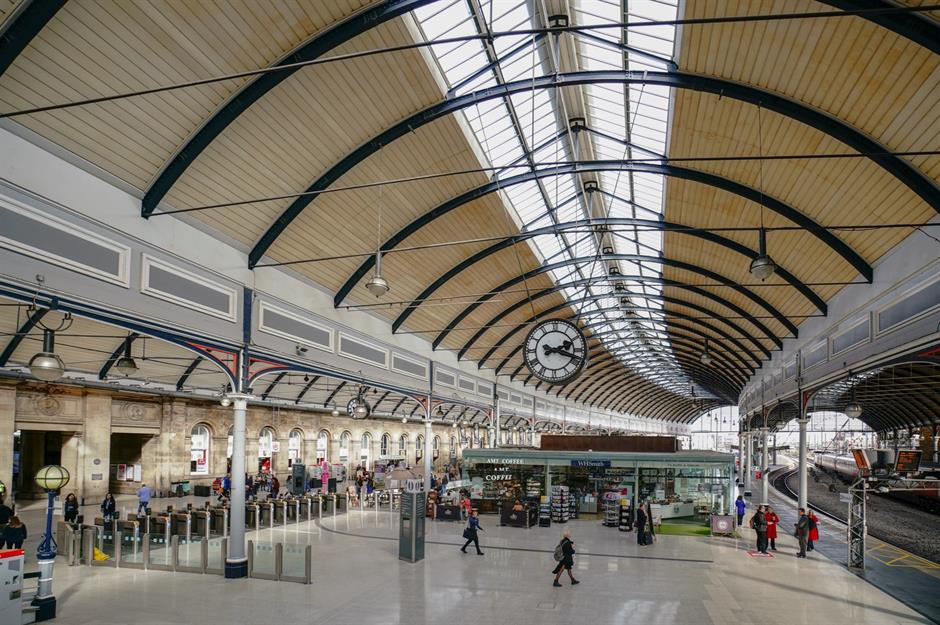
Located near the River Tyne in the city’s historic Grainger Town, Newcastle Central is another of the country’s busiest stations. First opened by Queen Victoria and Prince Albert in 1850, it symbolised a shift in Newcastle’s transport links, opening up the northern city to the rest of the country.
One of the only Grade I-listed stations in the UK, the lavish building underwent refurbishment in 2014 to maintain its beautiful Victorian architectural features. The magnificent station remains one of the great early monuments of Britain's golden age of railways.
Sponsored Content
19. Cardiff Central, Cardiff, Wales
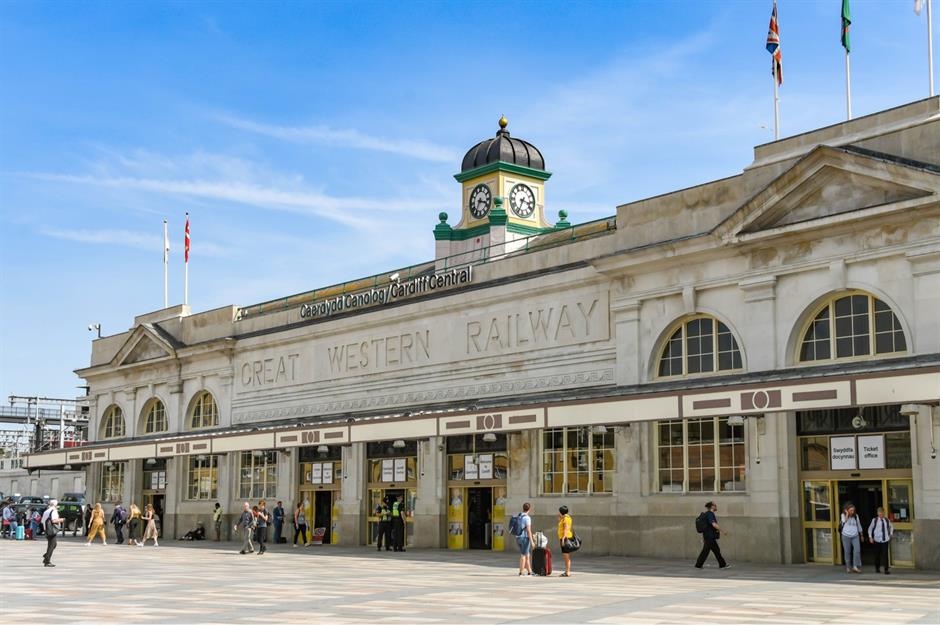
The busiest railway station in Wales, Cardiff Central is also steeped in history. Originally on the River Taff’s floodplain, in 1849, Isambard Kingdom Brunel came up with a plan to divert the river away from the building to prevent flooding.
Decked out with Art Deco lighting, the impressive Portland stone waiting room was designed in the 1930s, as part of the Great Western Railway’s rebuild. Today, the Grade II-listed station serves as an interchange between the south and west of Wales, as well as offering links to English cities.
18. Norwich Station, Norwich, Norfolk, England
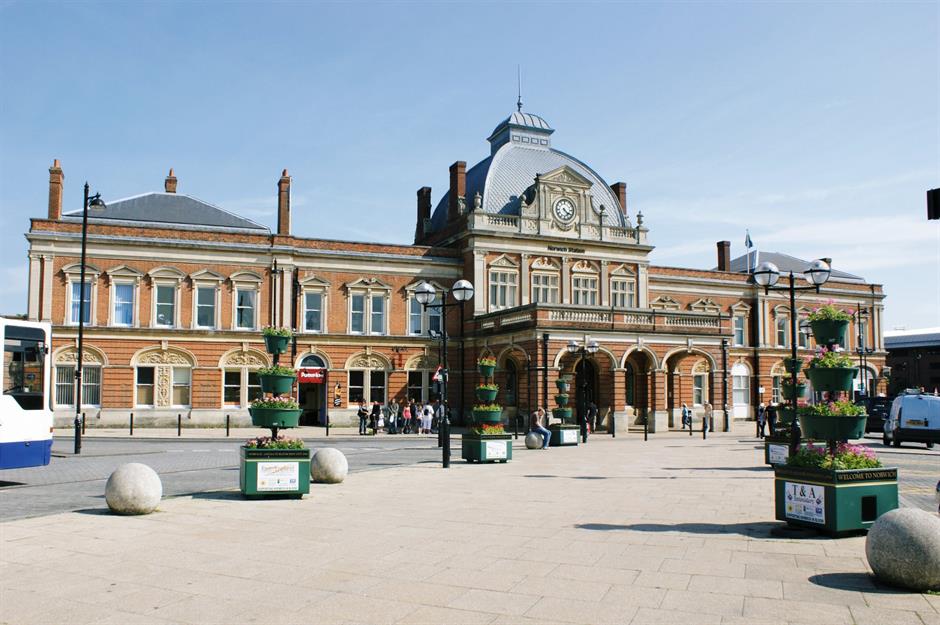
A major East of England transportation hub, Norwich provides services for the Greater Anglia and East Midlands Railways. The site was originally home to three stations, Norwich Victoria, Norwich City and Norwich Thorpe until the 1970s when two were demolished, leaving a single station to serve the city.
With its stately exterior and sprawling ticket hall, the red brick station is a historic monument to British railways. The original terminus dates to 1844, while the present building opened in 1886.
17. York Station, York, North Yorkshire, England
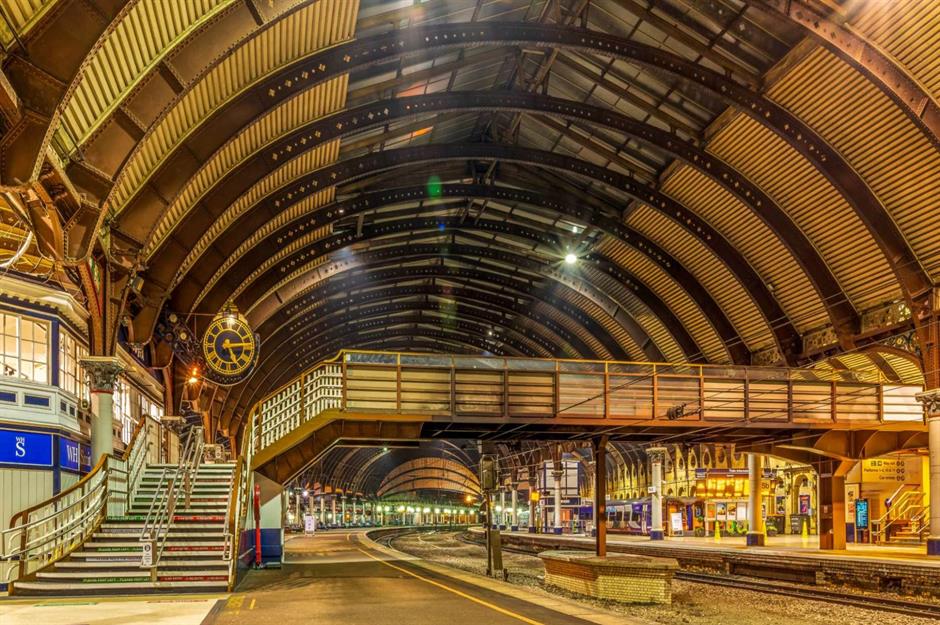
Designed by North Eastern Railways’ architect Thomas Prosser and engineer-in-chief Thomas Elliot Harrison, York station was the largest in the world when it first opened in 1877. The curved layout, wrought iron arches and cast-iron columns were inspired by the design for London Paddington and Newcastle Central.
Considered one of the great iron ‘cathedrals’ of the Railway Age, the station reduced journey times, with York becoming a busy interchange. It now offers services across the country, including to London and Edinburgh.
Sponsored Content
16. Nottingham Station, Nottingham, Nottinghamshire, England
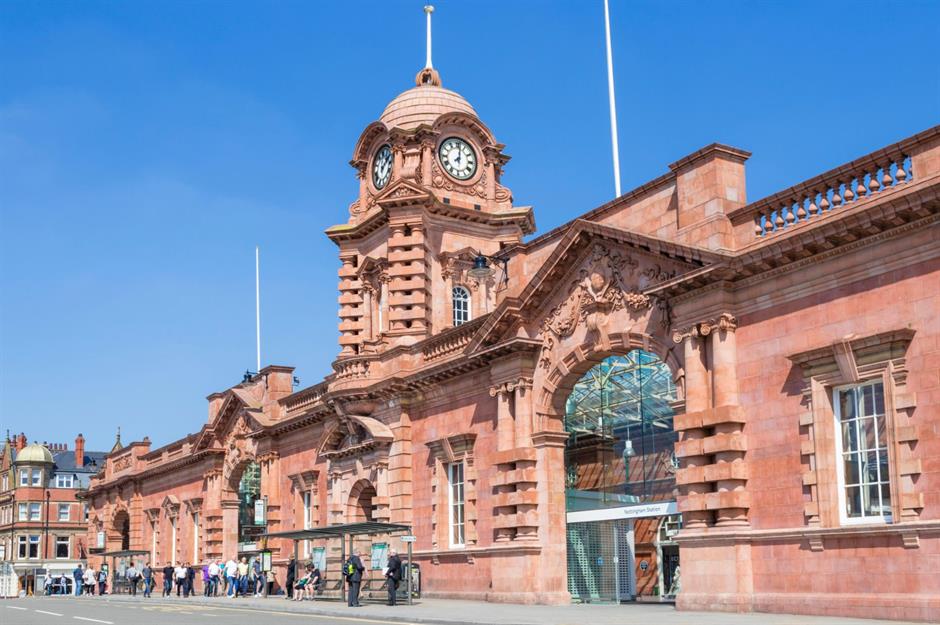
Nottingham Station has served the city since 1848, when it replaced the smaller Nottingham Carrington Street railway station. Located in the middle of Nottingham, next to the canal, the station was built by Midland Railway and renovated in 1904.
Designed by local architect Albert Edward Lambert, the impressive Baroque revival-style building has a striking terracotta façade featuring Art Nouveau railings and surmounted by a grand clock tower.
15. Huddersfield Station, Huddersfield, West Yorkshire, England
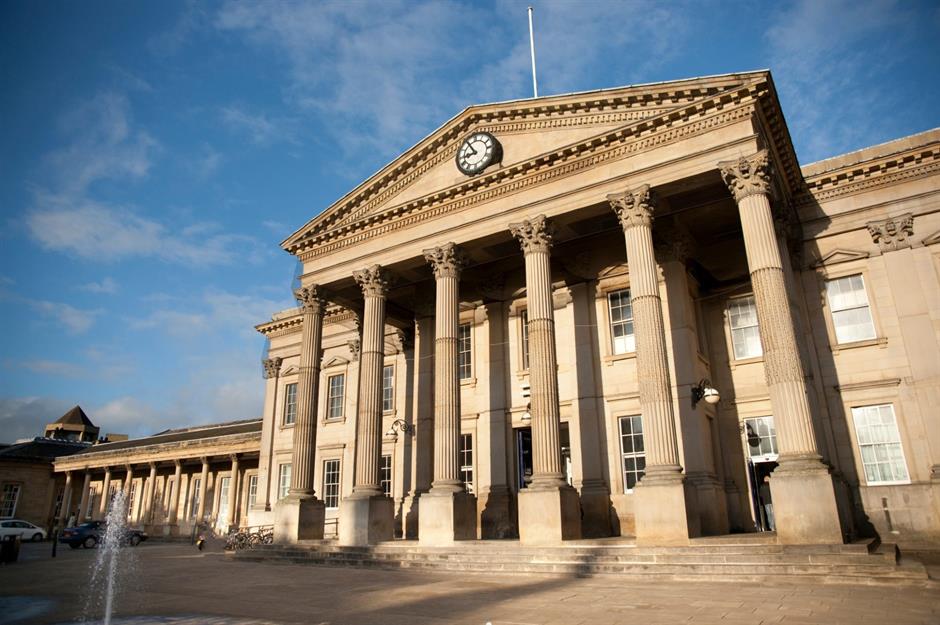
Huddersfield is often regarded as home to one of the most beautiful stations in the UK, and it's easy to see why. Designed by architect James Pigott Pritchett, the stately structure was built between 1846 and 1850 in the Neoclassical style of the early railway stations.
With its magnificent central portico and towering colonnades, it resembles a lavish country estate. The station stands in historic St George’s Square, which features a statue of Huddersfield-born former prime minister Harold Wilson.
14. Stamford Station, Stamford, Lincolnshire, England
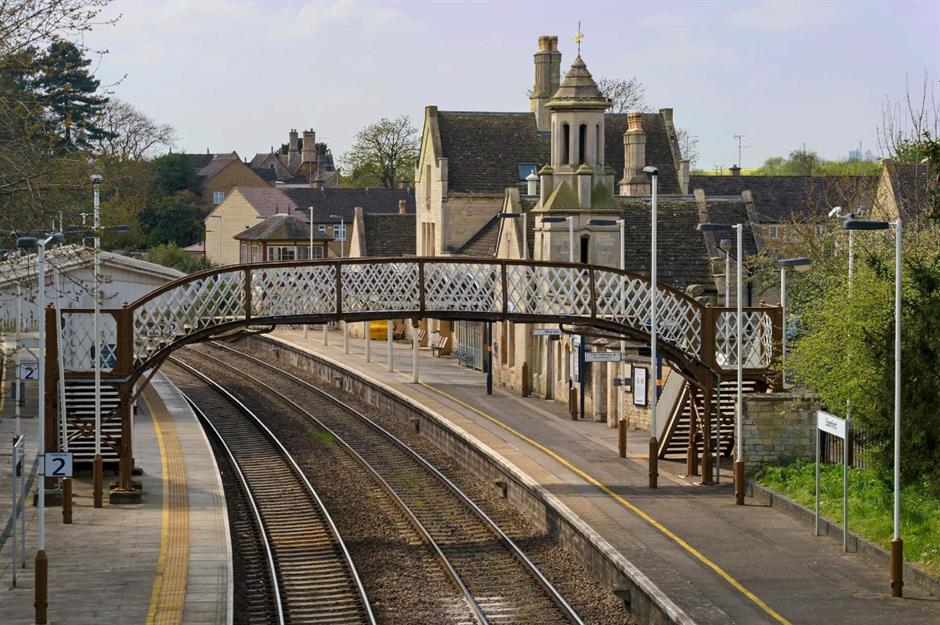
Regularly named one of the best places to live in the UK, the historic market town of Stamford in Lincolnshire is also home to one of England's finest stations. Formerly known as Stamford Town Station, it was designed by architect Sancton Wood in the mid-19th century for the Midland Railway.
Built in a mock Tudor style, the Grade II-listed structure features classic limestone walls framed by a lovely slate roof and is certainly one of Stamford's most beautiful buildings.
Sponsored Content
13. Kings Cross Station, London, England
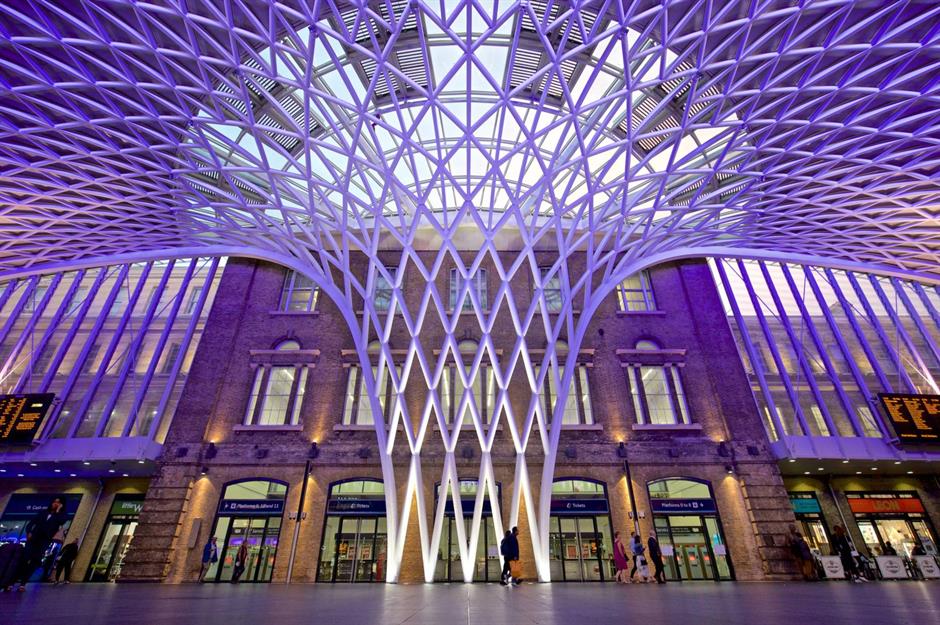
First opened in the 1850s, Kings Cross was built to be the London hub of the Great Northern Railway. Designed by architect Lewis Cubbit, its original roof is thought to have been modelled on the riding school of the Czars of Moscow.
Since then, the station has been refurbished with modern facilities, while retaining its original Victorian entrance. Now one of the world’s most recognisable stations (not least to Harry Potter fans), King Cross is a stunning blend of historic architecture and contemporary engineering.
12. Bristol Temple Meads, Bristol, England
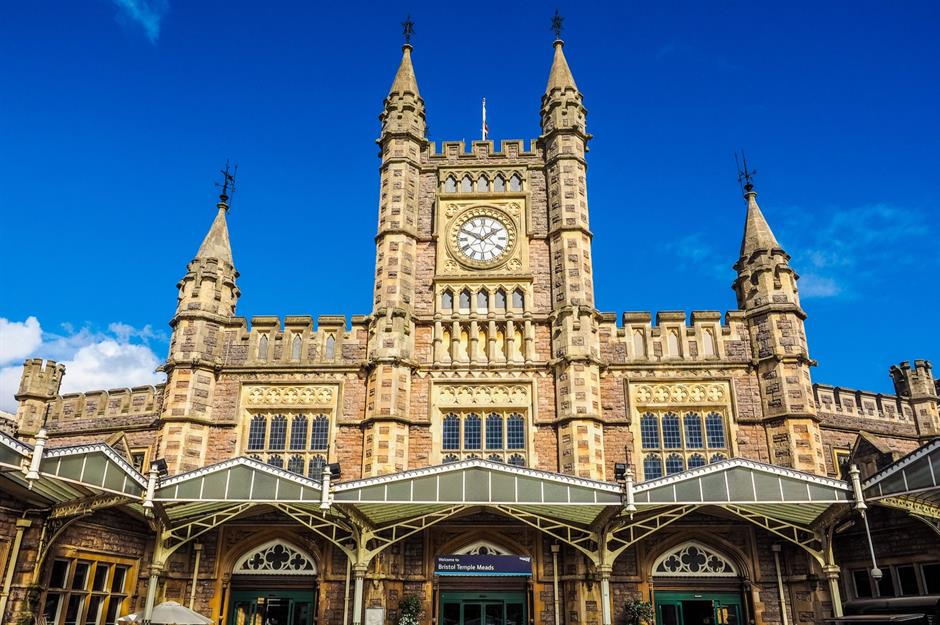
Another grand station designed by Isambard Kingdom Brunel, Bristol Temple Meads is the city’s largest station and a major transport gateway for the south-west. The mock Tudor-style structure opened in 1840 and served as the western terminus of the Great Western Railway from London Paddington.
By the 1870s, the demand for train travel was still growing, so additional platforms, offices and entrances – including the Gothic-style frontage –were built. The original Brunel train shed, in use for 125 years, is now a car park.
11. Shrewsbury Station, Shrewsbury, Shropshire, England
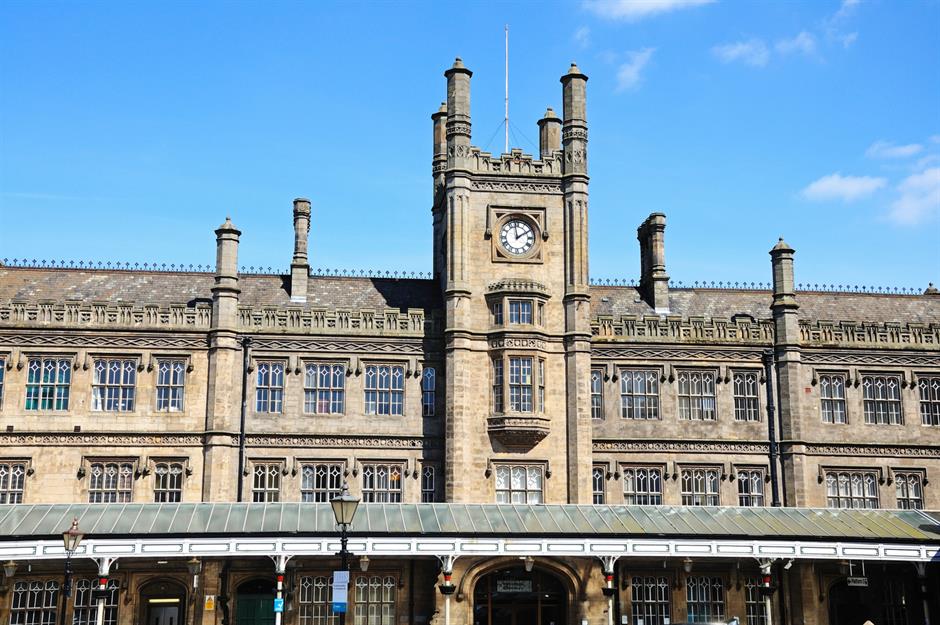
Shrewsbury’s railway station has connected Shropshire to the rest of England for over 150 years. Built in 1848, the striking building was designed by T.M. Penson in an imitation Tudor style – to mirror the Tudor building located opposite, which once housed Shrewsbury School (now the town’s library).
The Grade II-listed structure remains one of the finest examples of large-scale Victorian architecture in the county.
Sponsored Content
10. Glasgow Central, Glasgow, Scotland
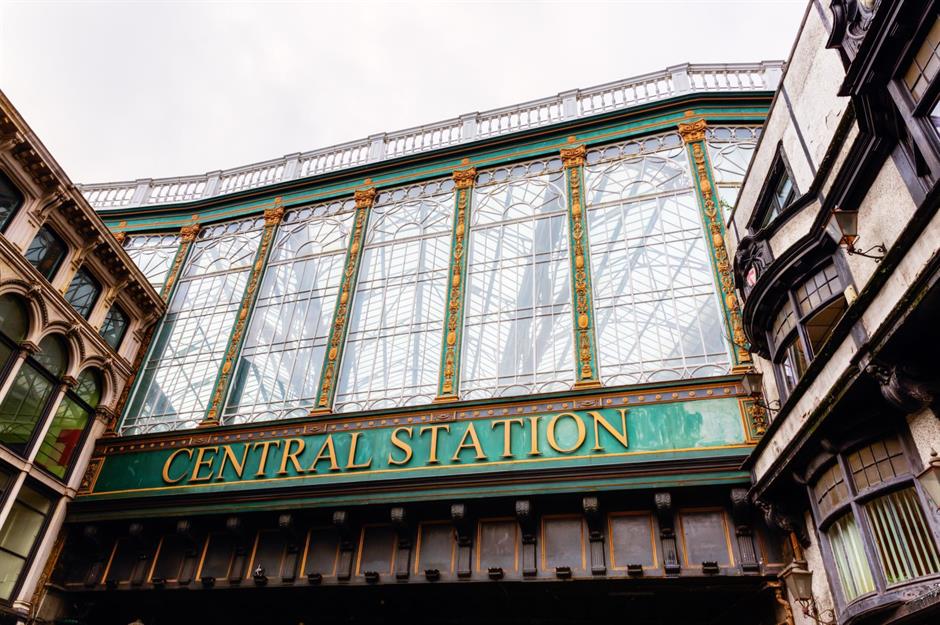
This impressive Victorian station in Glasgow city centre is the busiest in Scotland, with connections to the north of the country and down to England. The original Glasgow Central first opened in 1879 but it wasn't until its expansion years later that it became the glorious station we recognise today.
Due to the increase in passenger demand, it was rebuilt between 1899 and 1905, when the addition of a sweeping roof, stained glass panels and decorative stonework gave the station its grandeur.
9. Great Malvern Station, Malvern, Worcestershire, England
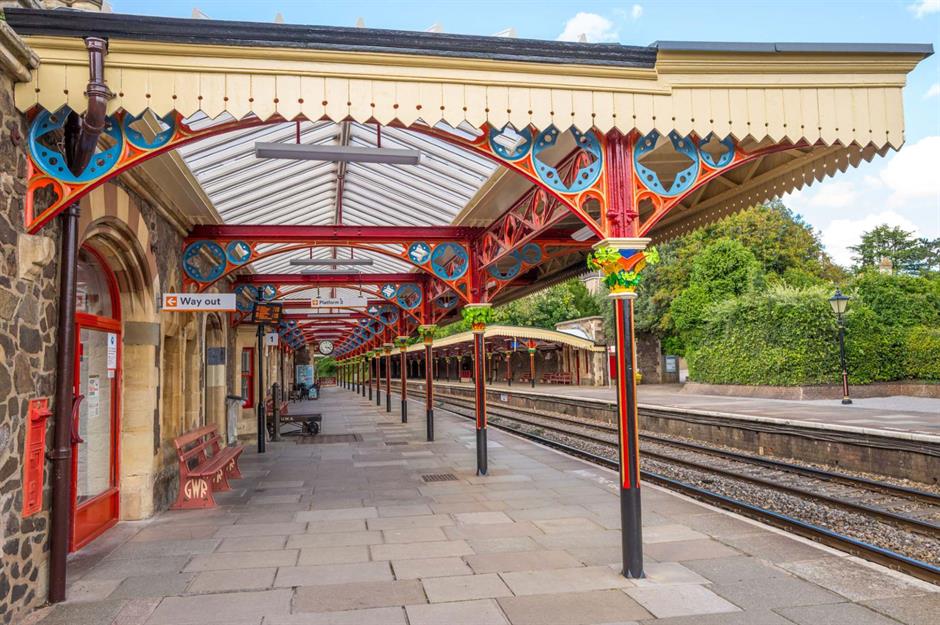
One of two railway stations serving the Worcestershire spa town, Great Malvern may be small, but it is packed with Victorian charm. The current Grade II-listed building replaced the previous temporary structure in 1862.
Designed by Edmund Wallace Elmslie, the station has retained many of its original features, including the ornate stained-glass windows and colourful cast iron pillars. Work to refurbish the platforms was completed in 2024, including strengthening and repainting the striking ironwork.
8. Wemyss Bay Station, Renfrewshire, Scotland
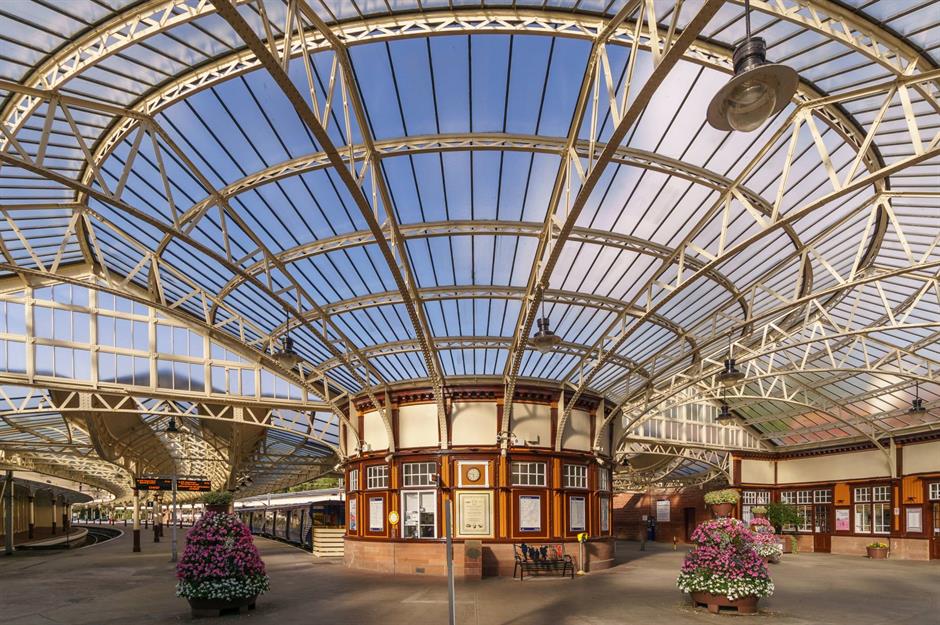
Considered one of the finest railway buildings in Scotland, Wemyss Bay sits on the coast of the Firth of Clyde. Built in 1865 and redeveloped in 1903 by the Caledonian Railway Company, the station was constructed alongside a ferry terminal connecting mainland Scotland to Rothesay on the Isle of Bute.
With its graceful wrought iron curves and pretty glass canopy, it's easy to see why Wemyss Bay is often hailed as one of Britain’s most beautiful stations.
Sponsored Content
7. Grange-over-Sands Station, Grange-over-Sands, Cumbria, England
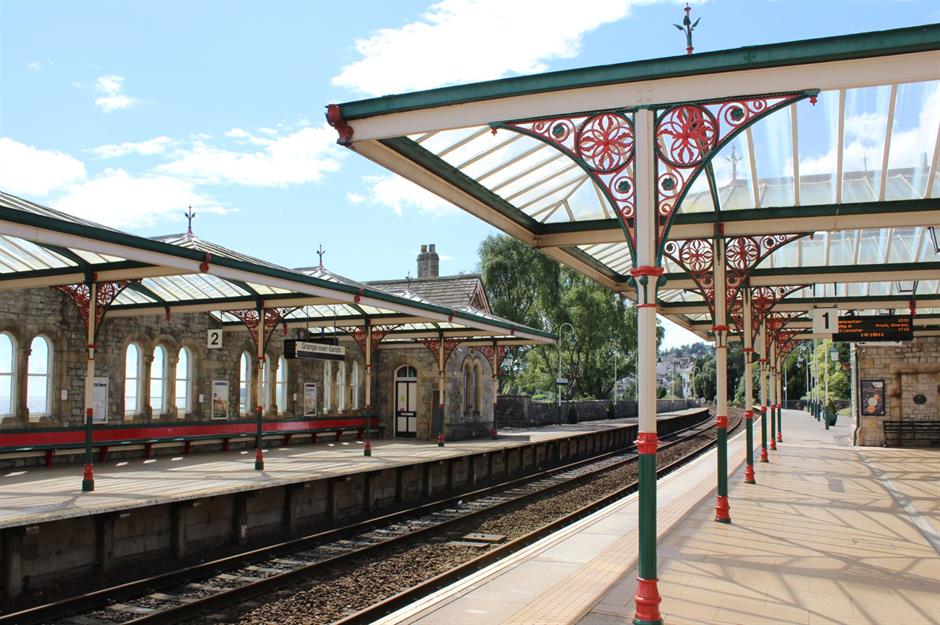
Also known as Grange station, this picturesque structure sits adjacent to Morecambe Bay on the Cumbrian coast. Designed by E.G. Paley in the mid-19th century, the station is located along the Furness Line, which runs between Barrow-in-Furness and Lancaster.
Overlooking the scenic bay, the Grade II-listed station is another triumph of Victorian engineering.
Check out these stunning photos of abandoned train stations around the world
6. Ribblehead Station, Carnforth, North Yorkshire, England
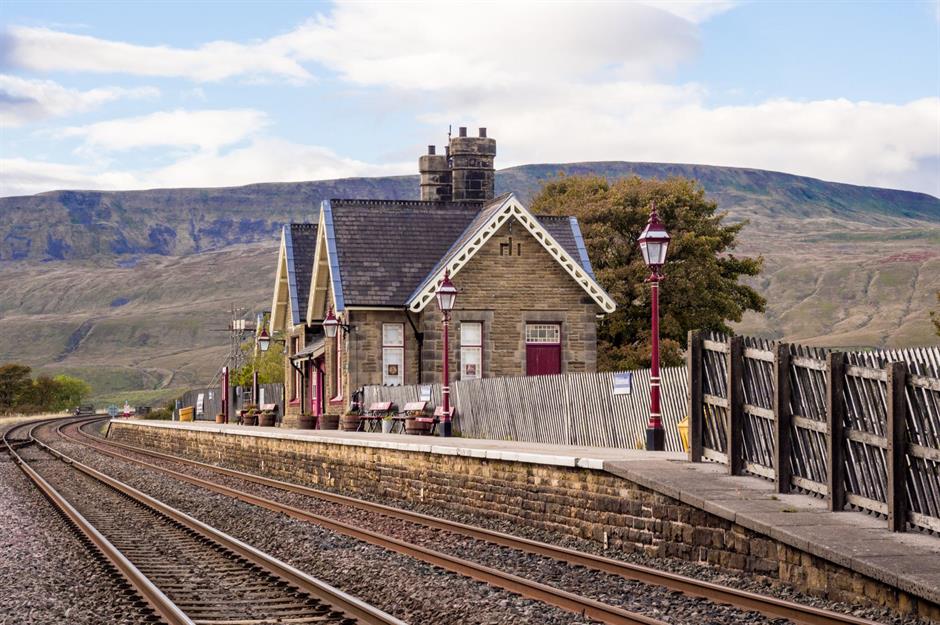
Set in the rolling hills of the Yorkshire Dales, overlooking Whernside Mountain, Ribblehead boasts a truly spectacular setting. Located on the southern edge of the famous Ribblehead Viaduct, the station was constructed in the late 19th century by the Midland Railway Company.
Despite years of disrepair and closures, Ribblehead remains a functioning railway station on the Settle-Carlisle line. It’s also home to a visitor centre with exhibitions exploring the region’s history.
5. Edinburgh Waverley, Edinburgh, Scotland
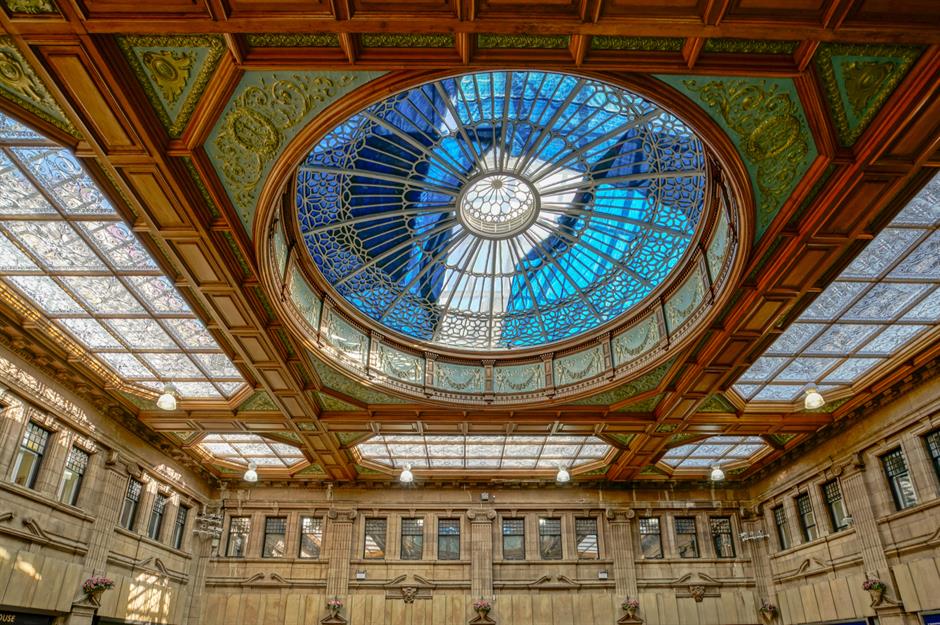
Britain’s second largest station, Waverley is located between Edinburgh’s Old Town and New Town. Named after Scottish writer Sir Walter Scott’s first novel, Waverley was the flagship station for the North British Railway.
Following its reconstruction in the late 19th century, it became the largest station in Britain, until Waterloo reopened in 1921. Today, Waverley is hailed for its gorgeous Victorian glass canopy which crowns the waiting room – a reminder of its rich history as a transport hub.
Sponsored Content
4. Oakworth Station, Keighley, West Yorkshire, England
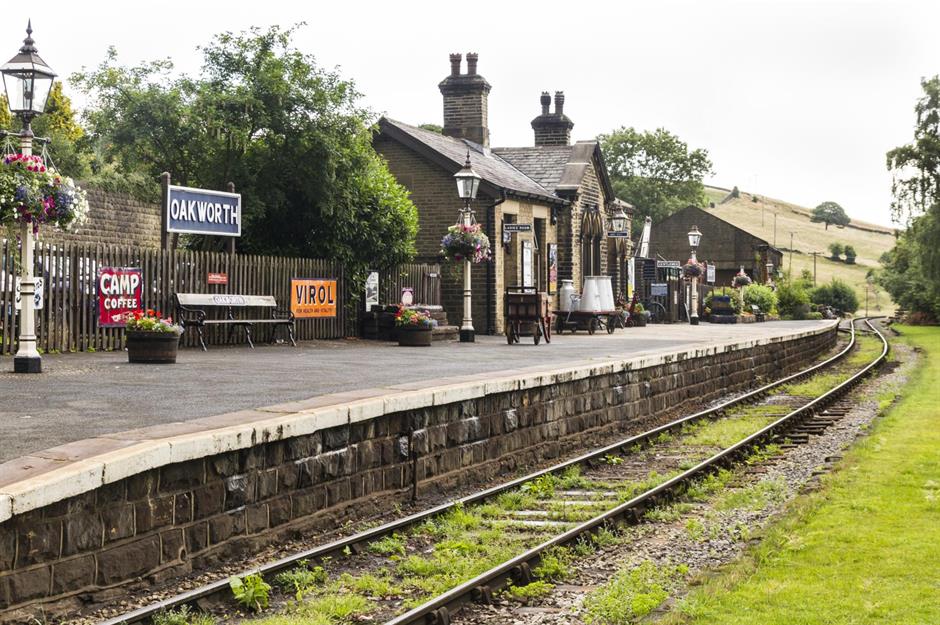
A hidden gem in the West Yorkshire countryside, you may recognise Oakworth from the 1970 film adaptation of Edith Nesbit’s book The Railway Children. Opened in 1876, the station closed to passengers in 1962.
However, it still serves as a stop on the heritage Keighley & Worth Valley Railway line. It’s also a popular tourist destination for visitors coming to explore nearby Haworth and the surrounding 'Bronte Country'.
3. Cromford Station, Matlock, Derbyshire, England
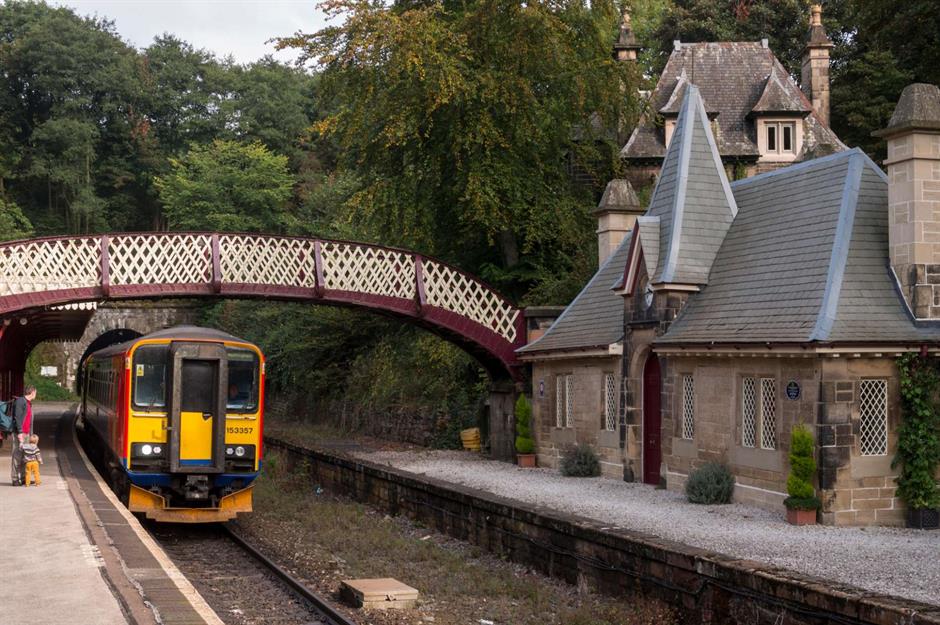
One of England’s most photogenic stations, Cromford lies in a charming Peak District village on the Derwent Valley Line in Derbyshire. Opened in 1849 by the Manchester, Buxton, Matlock and Midland Junction Railway, the original station buildings were built in wood, with a stone house for the station master constructed a few years later.
Created in a French château style, Cromford’s pretty Upside Waiting Room (pictured) is thought to have been built to impress important visitors to nearby Willersley Castle.
2. St Pancras International, London, England
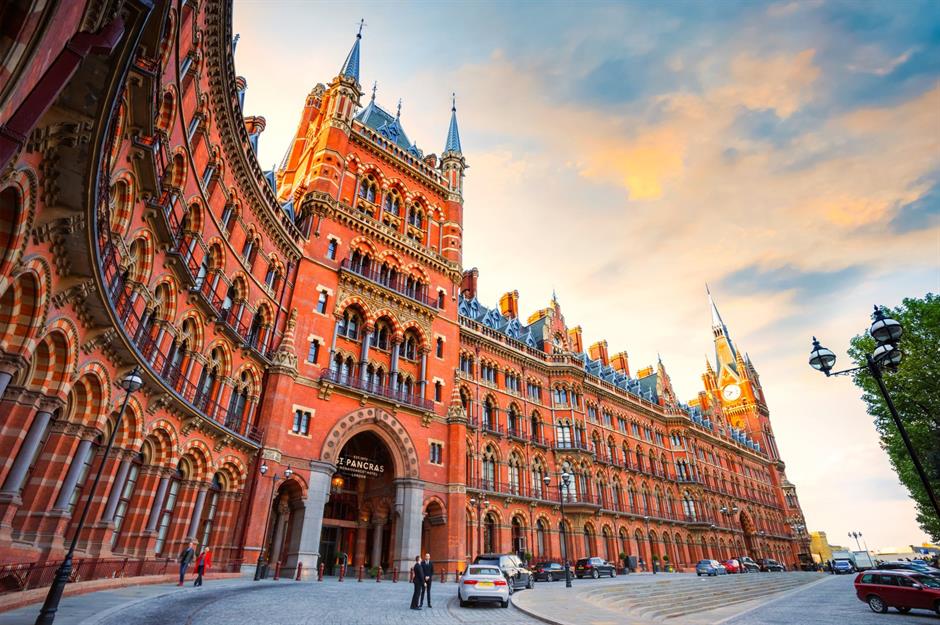
With its iconic Gothic façade, St Pancras International continues to be one of the world’s most famous train stations. Completed more than 150 years ago, it now offers national and international services, with Eurostar connections to mainland Europe, including Paris and Brussels.
A wonderful feat of Victorian engineering, it is often considered one of the most elegant stations in the world. The complex also includes the former Midland Grand Hotel – now the luxury St. Pancras London.
Sponsored Content
1. Berwyn Station, Denbighshire, Wales
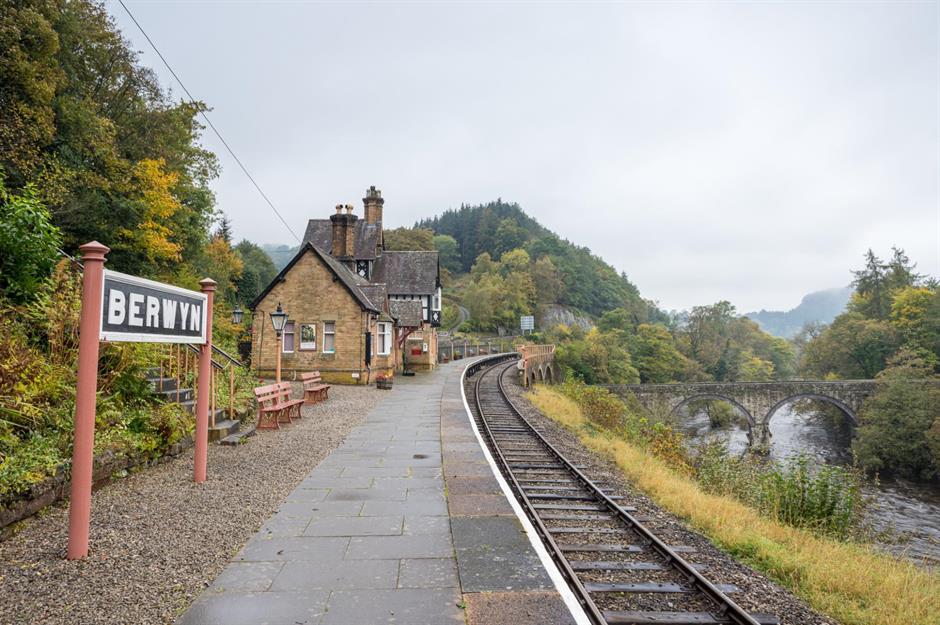
Our number one choice is Berwyn Station, which offers stunning views of the River Tee and surrounding Welsh countryside. Known as ‘The Station in the Gorge’, it opened in 1865 as part of the Llangollen Corwen Railway.
The charming half-timbered Tudor building was designed to match the historic Chainbridge Hotel on the opposite bank. The station closed to passengers in the 1960s but reopened in the 1980s, as part of the heritage Llangollen Railway.