Spectacular American castles you never knew existed
Fairytale fortresses in the USA
.jpg)
Most castles with towers and turrets are located in Europe, but there are fairytale fortresses in America too. Although they're not always the real deal, they often take inspiration from the majestic piles across the pond, with ramparts, battlements, gatehouses and even arrowslits.
Click through this gallery to take a tour of the most magnificent castles and fortresses from across the United States...
Scotty’s Castle, Death Valley, California
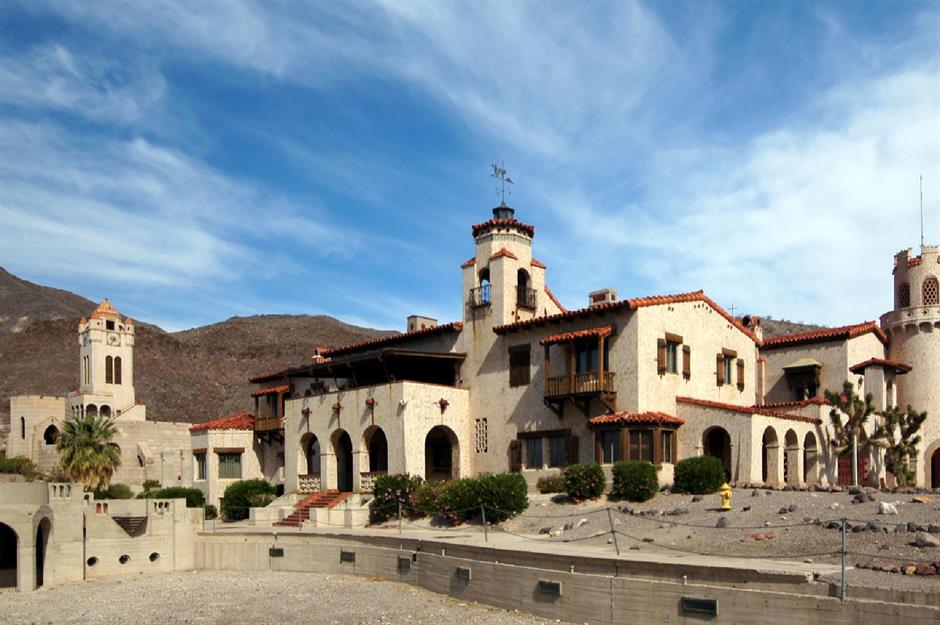
This Death Valley 'castle' has a murky past. Built in the Roaring Twenties and funded by millionaire Albert Mussey Johnson (who holidayed here with his wife), it was primarily the bolthole of notorious conman and crook Walter E Scott – and the likely plotting place for his schemes.
Scotty’s Castle, Death Valley, California
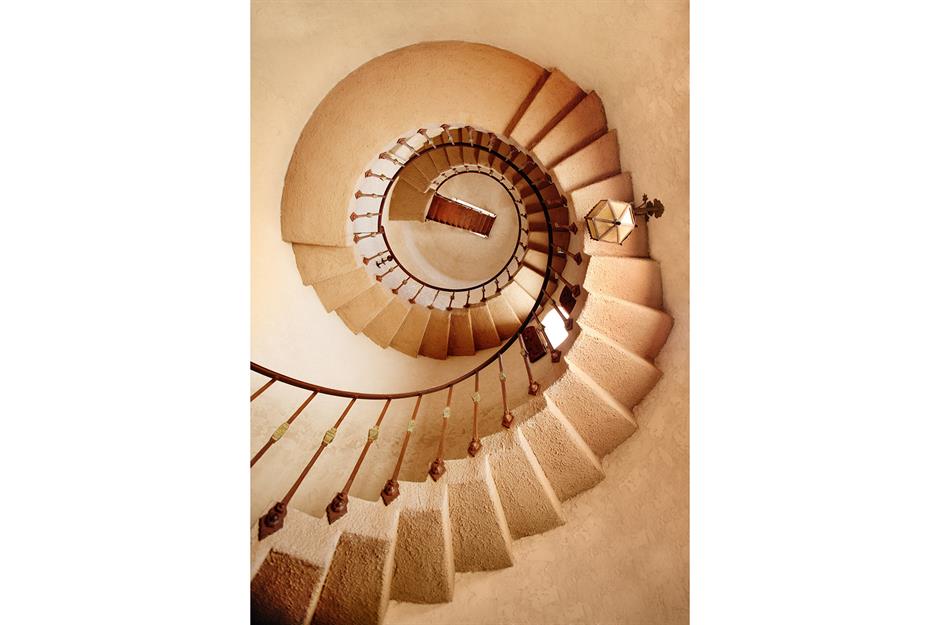
Its style is Spanish Colonial Revival – all terracotta roofs, winding staircases, elegant arches and intricate iron work. Sadly, flash flooding in 2015 and a fire in 2021 did major damage to the castle, and even now recovery efforts are ongoing.
Sponsored Content
Loveland Castle, Loveland, Ohio
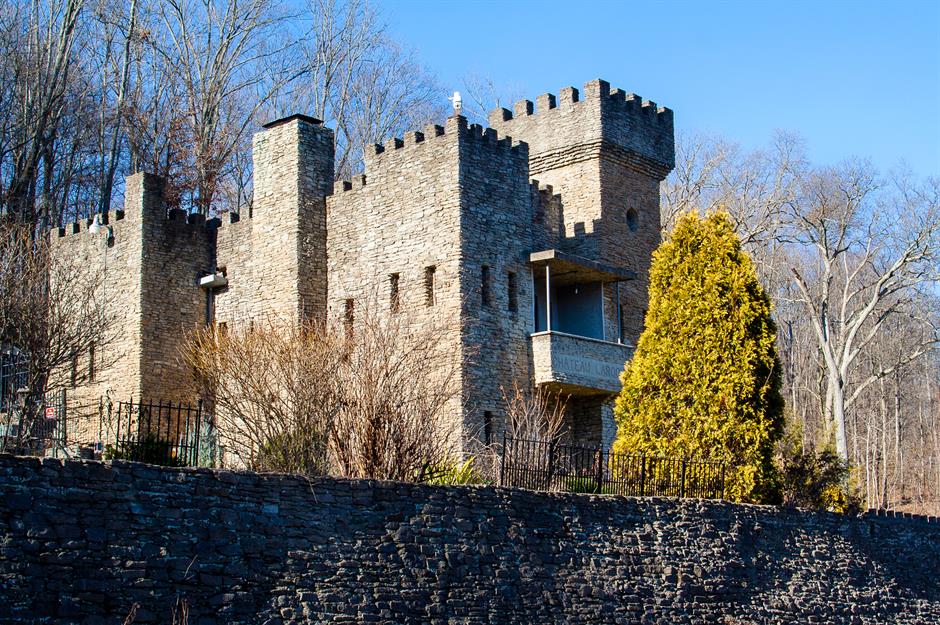
Loveland Castle, or Château Laroche as it’s also known, was born from one man’s fascination with medieval Europe. A World War I veteran, eccentric Harry Delos Andrews was intrigued by the sword-wielding knights of times gone by. He eventually set up the Knights of the Golden Trail, a kind of boy scout group that camped, hiked and allowed Andrews to indulge his passion for the Dark Ages.
Loveland Castle, Loveland, Ohio
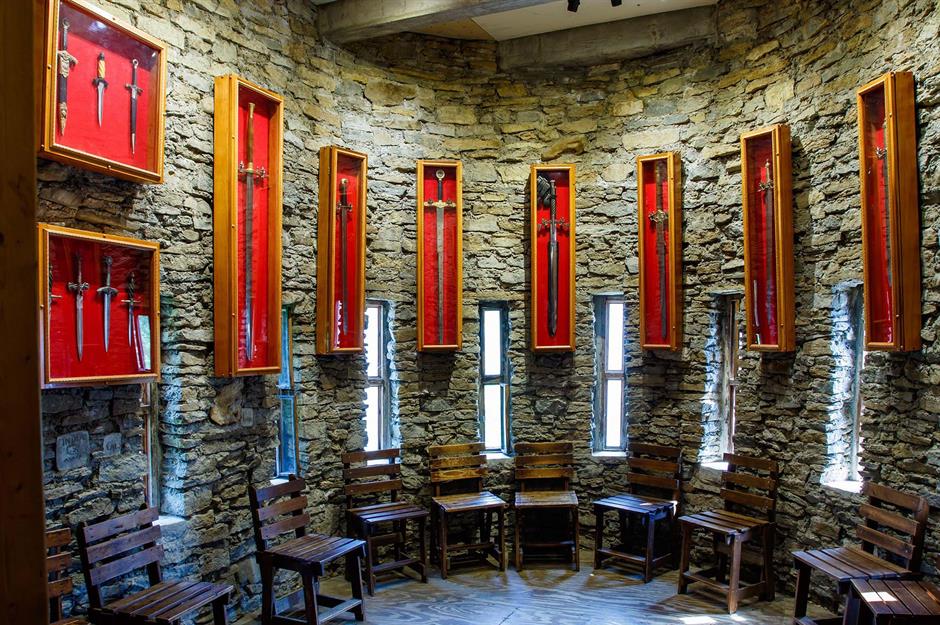
The castle itself came later, in 1929. Inspired by the fortresses of 16th-century France, Germany and England, Andrews envisioned it as a base for himself and his fellow 'knights', and worked on it almost single-handedly for decades until his death in 1981. The arrowslit windows, dry moat and hulking watchtowers remain a bold and curious tribute to medieval times.
Love this? Follow us on Facebook for travel inspiration and more
Berkeley Springs Castle, Berkeley Springs, West Virginia
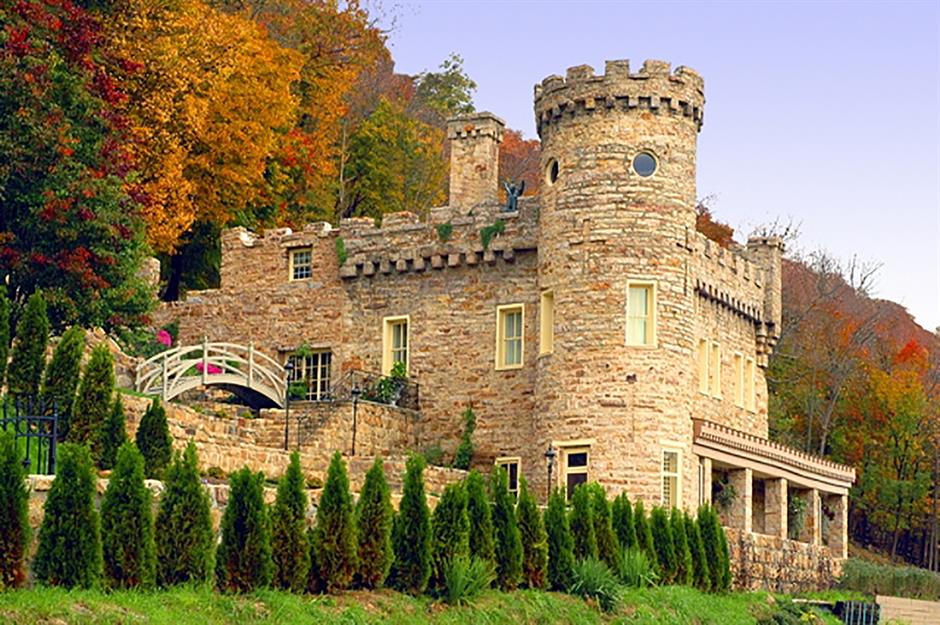
This moody citadel could have been plucked straight from the English countryside. Anglo-Norman in style, it’s all turrets, towers and weathered sandstone, and its foundations were set as early as 1885. It was the vision of businessman Colonel Samuel Taylor Suit who won the hand of Rosa Pelham, the daughter of an Alabama congressman, with his promise to build her a castle.
Sponsored Content
Berkeley Springs Castle, Berkeley Springs, West Virginia
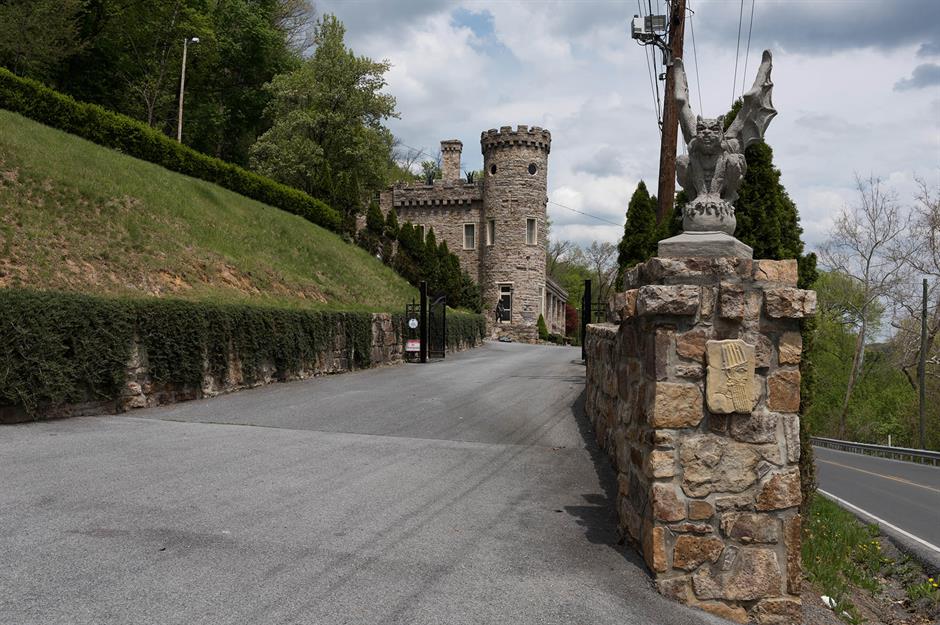
Suit died in 1888, before the feat was completed, and his wife finished the job herself. She lived in the castle and filled it with the most well-heeled members of society, holding lavish parties until her cash flow dried up and she was forced to move on. Legend has it that the spirit of Rosa, and several of her lovers, still remains.
Iolani Palace, Honolulu, Hawaii
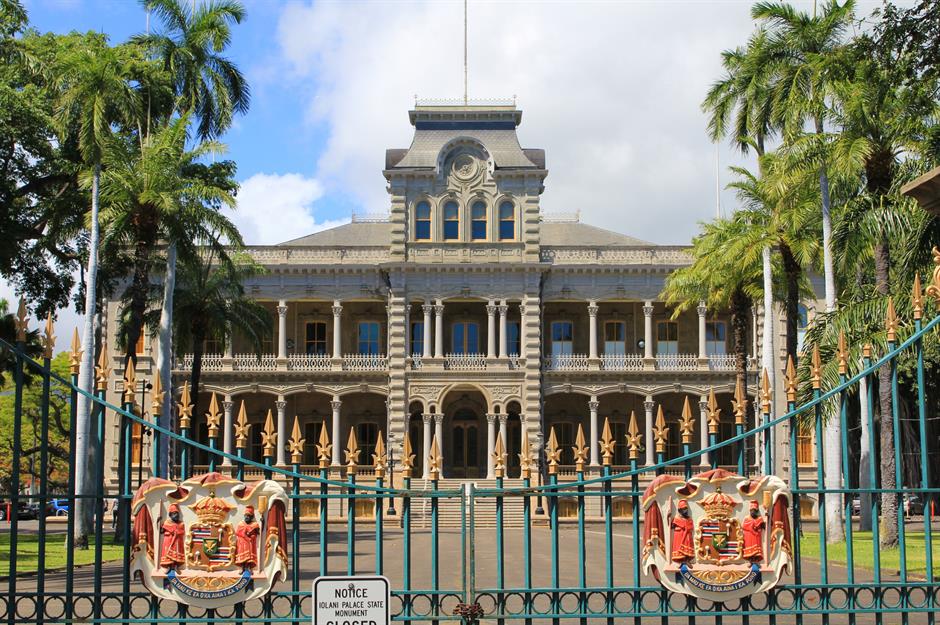
One of the few real palaces in the USA, Iolani Palace was home to the Hawaiian monarchy in the 19th century. The royal residence was completed in 1882 and was a sumptuous property ahead of its time, complete with electricity and indoor plumbing. Its architectural style is unique, dubbed American Florentine for its blend of traditional Hawaiian and Italian Renaissance features – the elegant columns and bold corner towers are particularly striking.
Iolani Palace, Honolulu, Hawaii
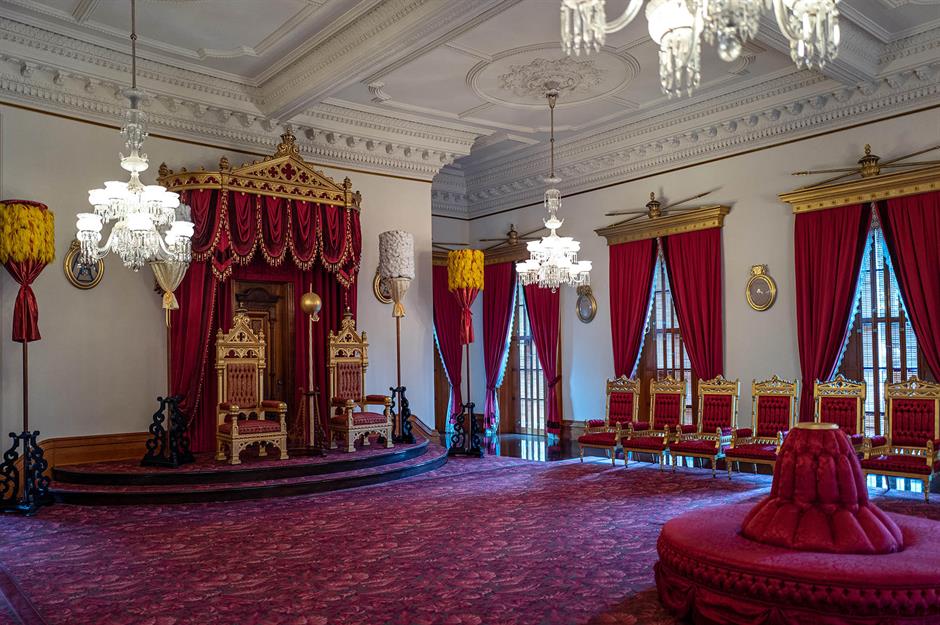
The interiors are just as opulent and the Throne Room is the plushest of them all; red velvet curtains frame vast windows, chandeliers hang heavy from the ceiling and a pair of gilded thrones sit on a raised platform. King Kalakaua and Queen Kapi'olani were the first royals to live here, moving in as soon as their regal abode was completed. The monarchy occupied the palace until 1893 when the then-leader Queen Lili'uokalani was overthrown.
Sponsored Content
Hearst Castle, San Simeon, California
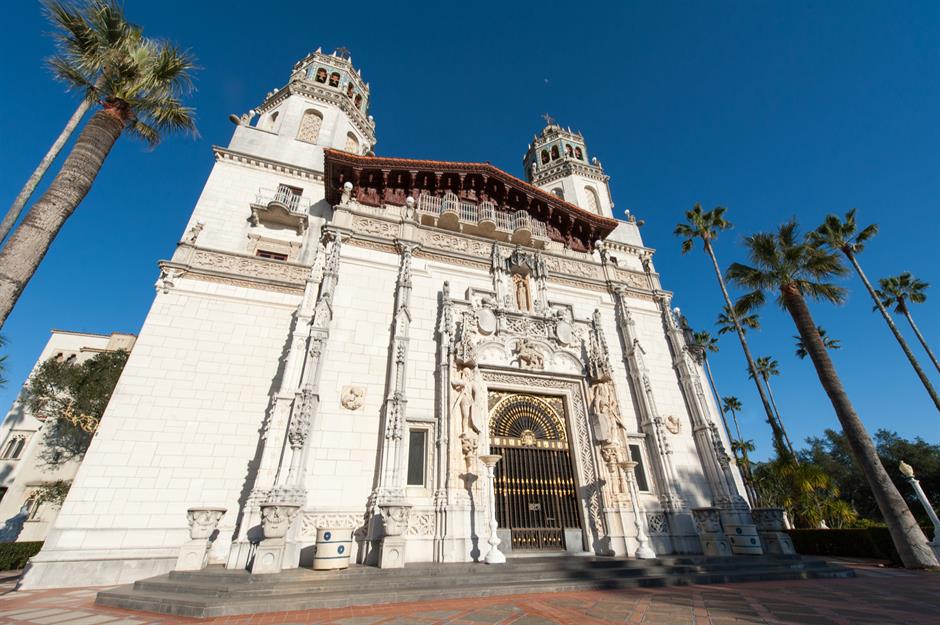
This impressive building was dreamed up by media man William Randolph Hearst, who was inspired by his childhood travels in Europe. He teamed up with architect Julia Morgan in 1919 and the pair would spend almost three decades toiling away on the castle. Ill health meant Hearst never saw it completed to his specifications, but even in its unfinished state the castle contained some 165 rooms and more than 100 acres of gardens.
Hearst Castle, San Simeon, California
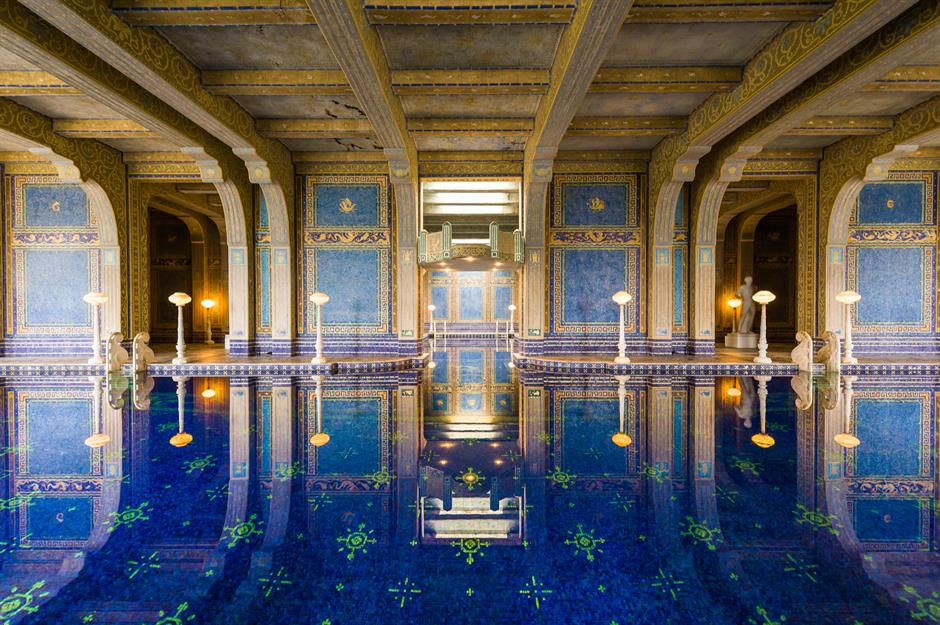
Hearst was an art lover too, and paintings and sculptures practically spill from the property. A highlight is Venus Italica, a sculpture of Venus by Italian artist Antonio Canova. The castle – once host to a glittering parade of guests including Charlie Chaplin and Cary Grant – also boasts a dreamy Italianate terrace and the indoor Roman Pool.
Ca' d’Zan, Sarasota, Florida
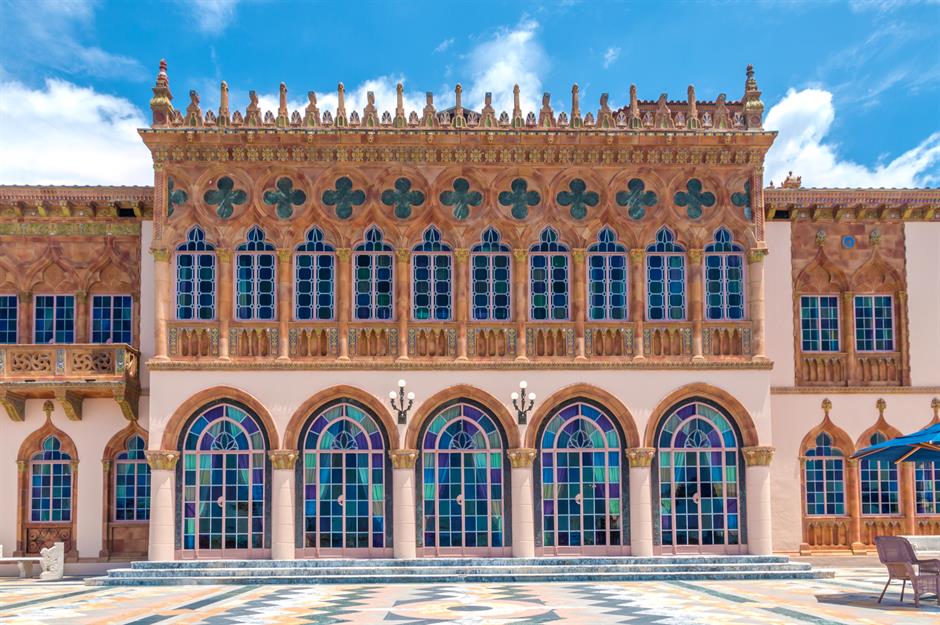
One glimpse at this sprawling villa and you might think you’ve been transported to the Mediterranean. The salmon pink and terracotta feat was inspired by some of Venice’s most impressive buildings, namely Ca' d’Oro and Palazzo Ducale, and was the vision of the eccentric circus master John Ringling and his wife Mable. Construction began in 1924, led by New York architect Dwight James Baum – 41 rooms and 15 bathrooms later, the glittering Ca' d’Zan was born.
Sponsored Content
Ca' d’Zan, Sarasota, Florida
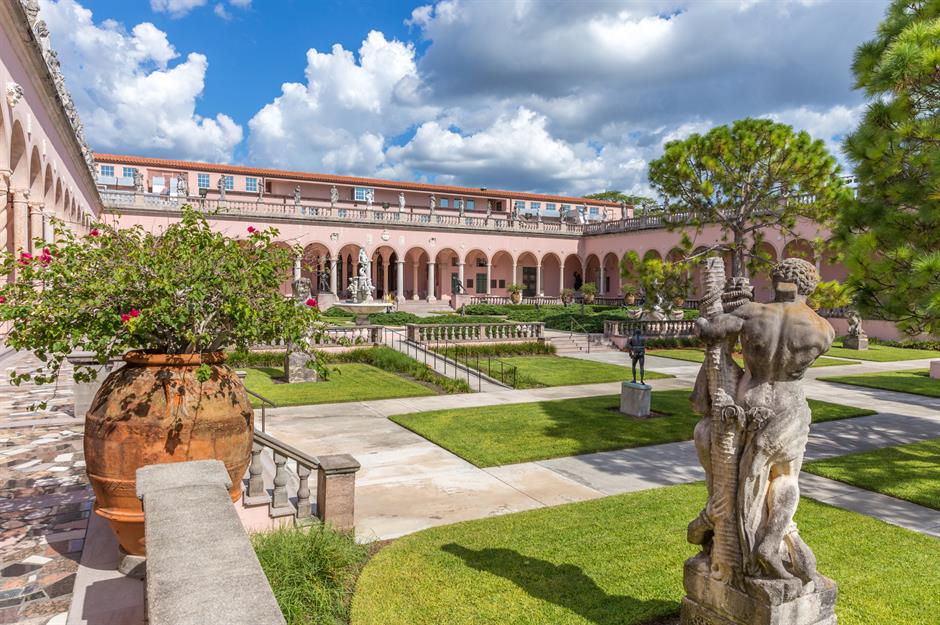
The façade is particularly impressive, with intricate cresting and blue stained glass, while the luxurious interior is fit for the string of celebrity guests that once frequented it (including the late comedian and actor Jimmy Walker). Ringling lived here until his death in 1936, when he donated the property to his beloved Florida.
Castle Museum, Saginaw, Michigan
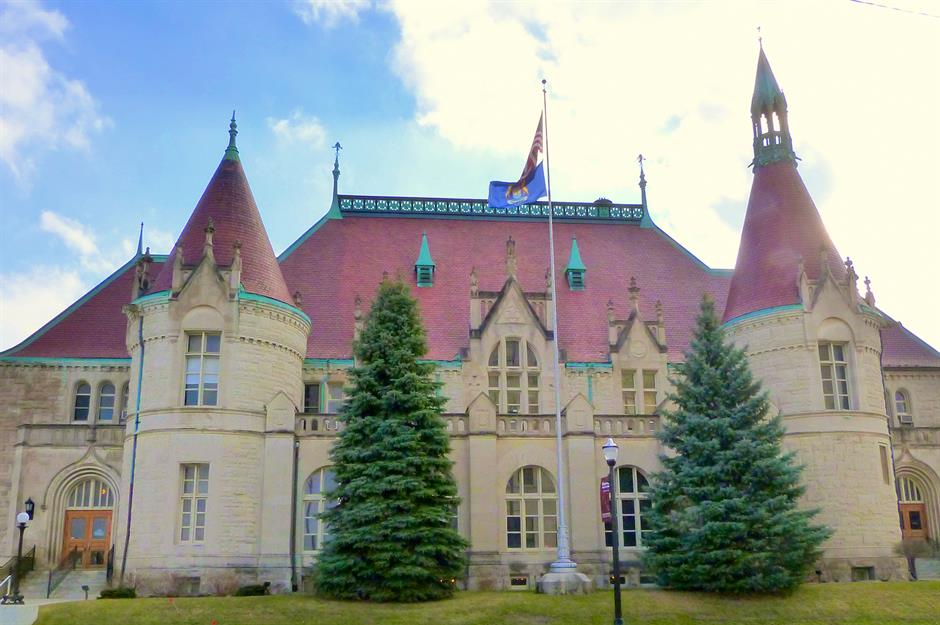
This ‘castle’ in Michigan may look like a French chateau, but it was once a humble post office. The building, with its cylindrical towers and cone-shaped turrets, was dedicated in 1898, and such was the local love for this unique post office that it was soon extended. Saginaw Valley, where you’ll find the building, had some early French settlers and some say this inspired the design.
Castle Museum, Saginaw, Michigan
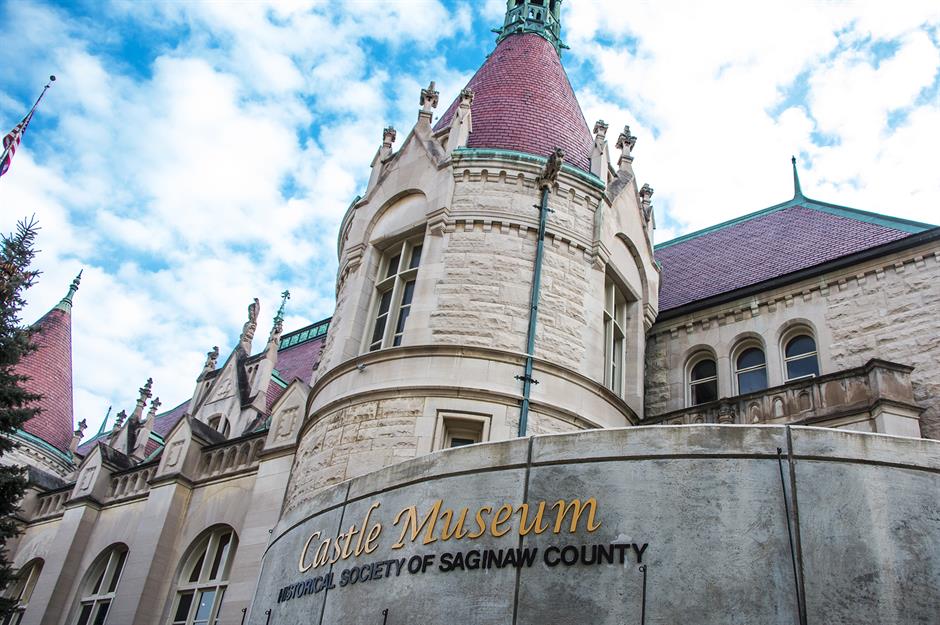
As new post and federal buildings popped up and began serving the city, this beloved building came under threat of destruction. But the city’s fondness for the French-style edifice won out and it was instead converted to the Castle Museum of Saginaw County History.
Sponsored Content
Belvedere Castle, New York City, New York
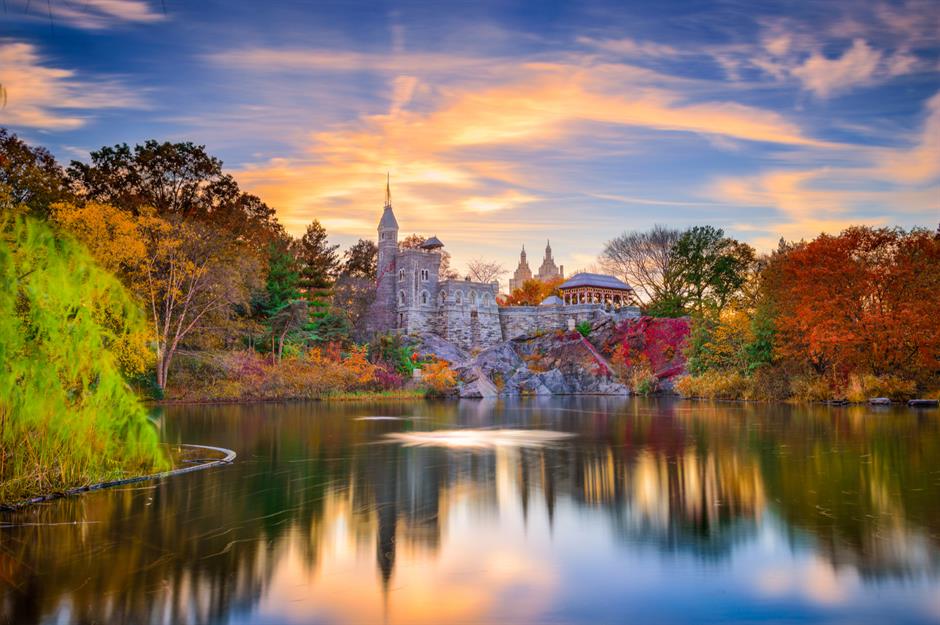
Belvedere means ‘beautiful view’ in Italian – a fitting name for this fairytale folly in New York’s Central Park. This city-dwelling castle has never seen battle. Instead, it was created in 1869 by American architect Calvert Vaux as a viewpoint for the park’s reservoir and the skyscrapers beyond.
Belvedere Castle, New York City, New York
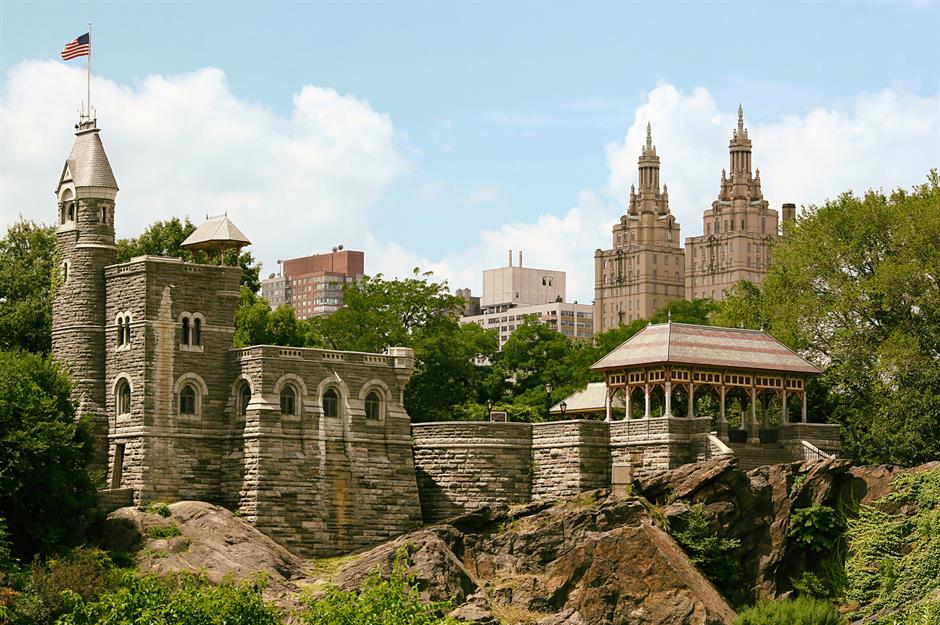
The Victorian Gothic building was also used as a weather station from 1919 and, after falling into disrepair, was given a much-needed face lift in 1983. More than three decades later, the turreted, grey-stone fort rises from its surrounding foliage as grand as ever.
Grey Towers Castle, Glenside, Pennsylvania
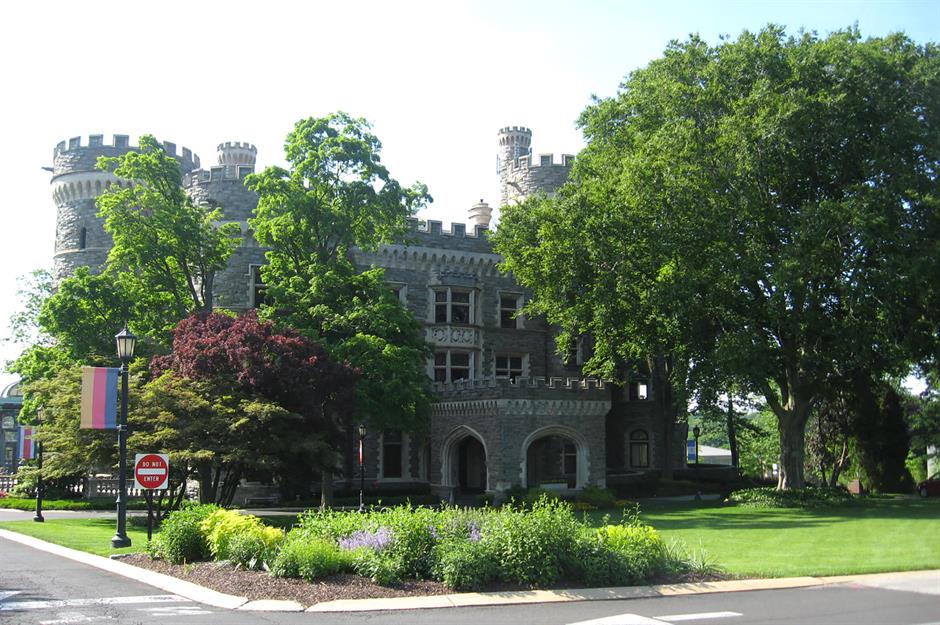
You’ll find this 19th-century castle on the grounds of Arcadia University in Glenside. It belonged to William Welsh Harrison, who built the lavish property after his former estate was ravaged by a fire in 1893. He recruited young architect Horace Trumbauer who modelled his creation after majestic Alnwick Castle in Northumberland, England.
Sponsored Content
Grey Towers Castle, Glenside, Pennsylvania
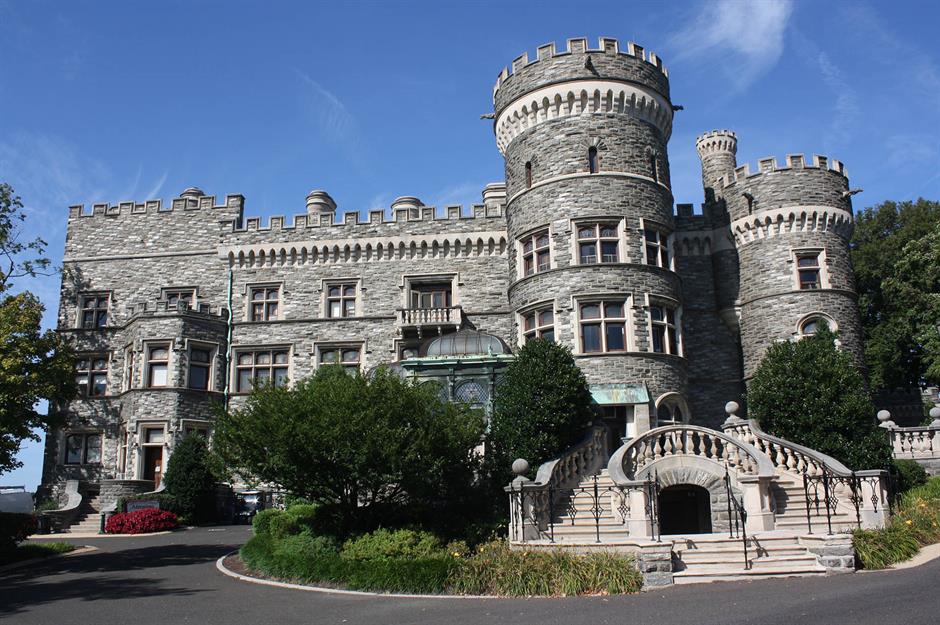
A Gothic masterpiece from the outside, the castle’s grandeur continues inside. Its rooms are mostly in the French Renaissance style, with swish wood panelling, decorated ceilings and grand entryways. Harrison passed away in 1927 and the castle became a university building.
Biltmore Estate, Asheville, North Carolina
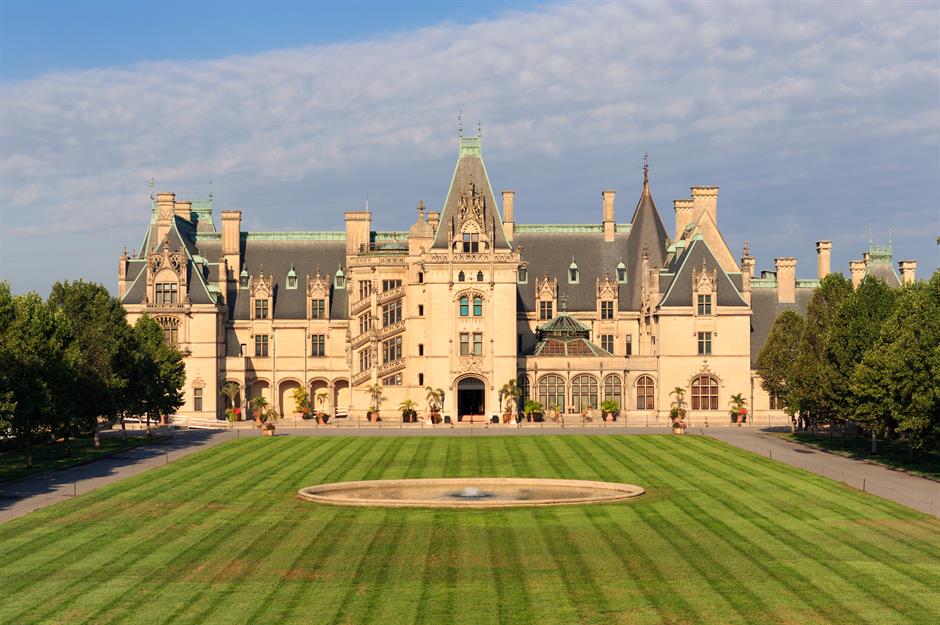
Touting itself as America’s largest home, Biltmore Estate is modelled on a French chateau and was completed in 1895, after six years of construction. Location is the real draw here: when young George Vanderbilt, a New York businessman from a distinguished family, visited the smoky Blue Ridge mountains, he knew he wanted to make them his backyard. Upon its completion, Biltmore Estate boasted an impressive 250 rooms, including 35 bedrooms.
Biltmore Estate, Asheville, North Carolina
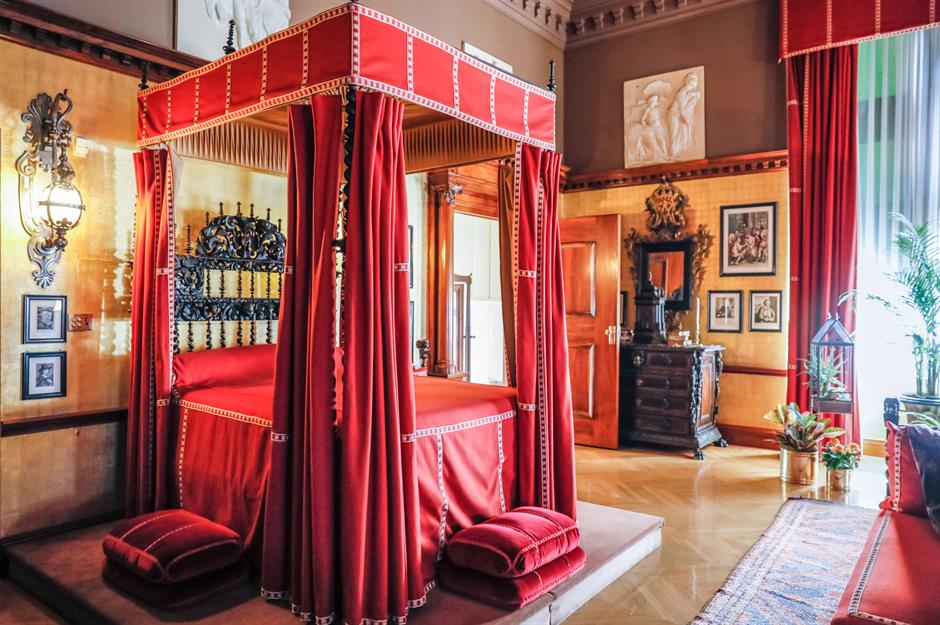
Vanderbilt soon filled these rooms with friends and family, and his future wife, Edith, whom he married three years later. After his death in 1914, son William set up Biltmore Estate Wine Company and began growing vines on the property. The estate still produces wine today.
Sponsored Content
Gillette Castle, East Haddam, Connecticut
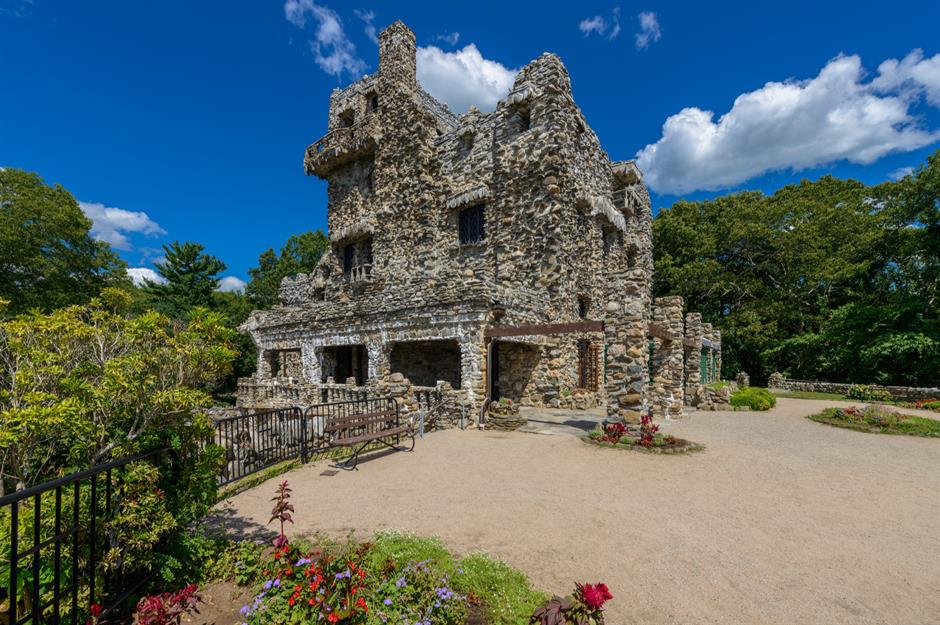
This curious medieval-style castle was named after its designer, the late William Gillette, an actor most widely known for playing Sherlock Holmes on stage and in a silent movie in the early 1900s. He poured the small fortune from his acting work into this stone confection, 200 feet (61m) above the Connecticut River. It took five years to build, from 1914 to 1919, and is filled with all sorts of oddities that offer a peek into Gillette’s quirky character.
Gillette Castle, East Haddam, Connecticut
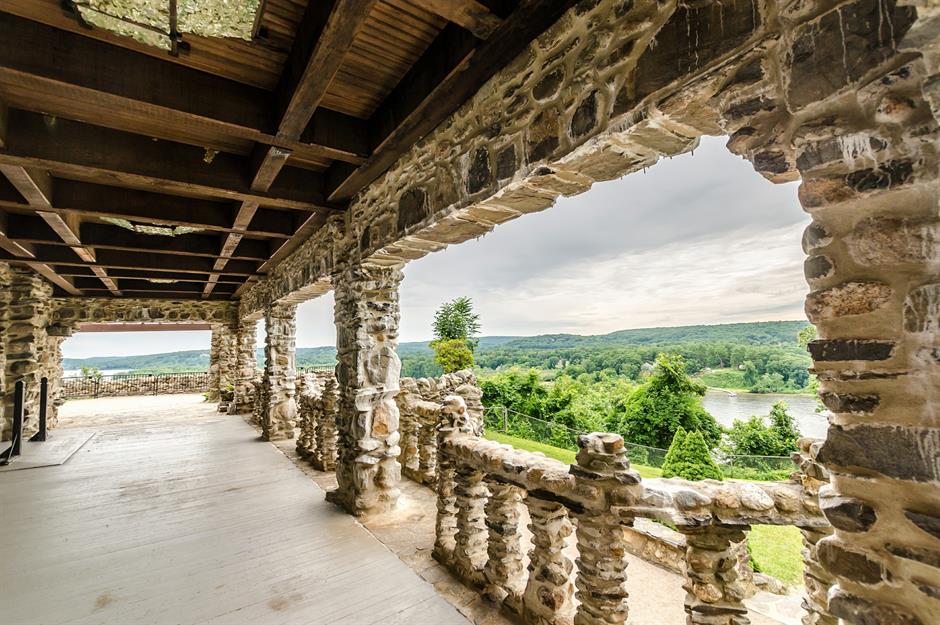
There are mirrors above the doors and windows, as well as a hidden staircase which Gillette purportedly used to spy on his guests. Perhaps most eccentric of all is the shifting dining table which Gillette would wheel out and slot into place should he have company.
Bishop's Palace, Galveston, Texas
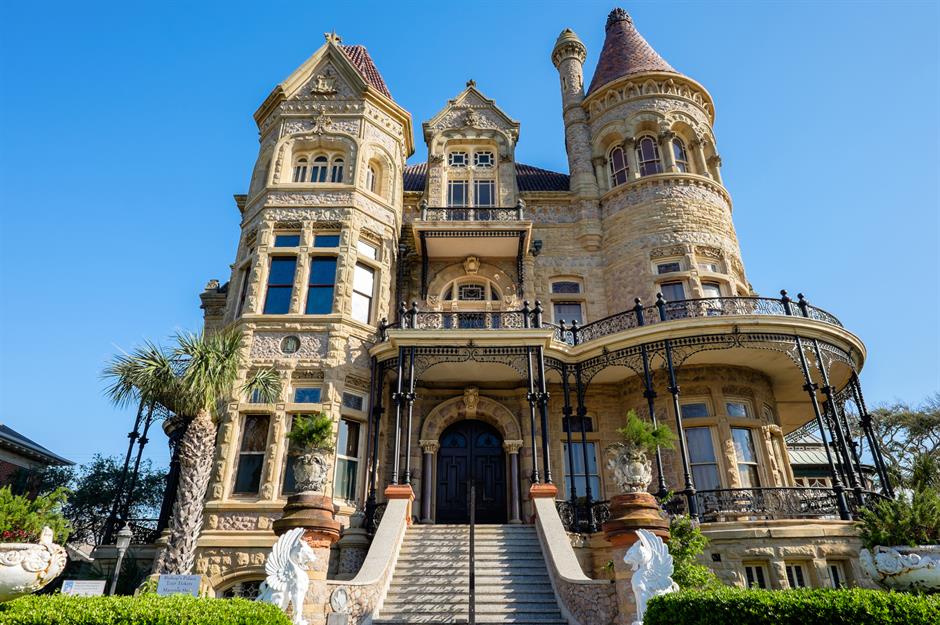
It’s a little small for a palace but this beloved Galveston property is deserving of its name. Built in 1892, it's an impressive example of Victorian architecture, with striking features such as intricate red turrets, gargoyles and bold, circular towers. It was the brainchild of celebrated Galveston architect Nicholas Clayton, who built many of the city’s most beautiful buildings.
Sponsored Content
Bishop's Palace, Galveston, Texas
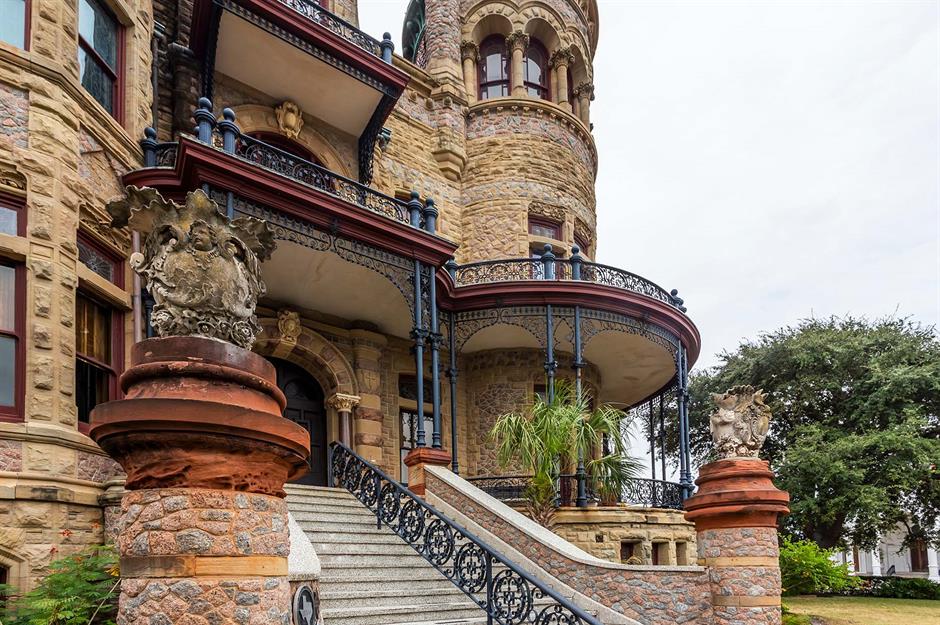
Now on the National Register of Historic Places, Bishop’s Palace was constructed for wealthy lawyer Walter Gresham and his family. In 1923, the property was acquired by the Catholic church and became home to Christopher CE Byrne, the Bishop of Galveston (giving the property its name).
Bishop's Castle, Rye, Colorado
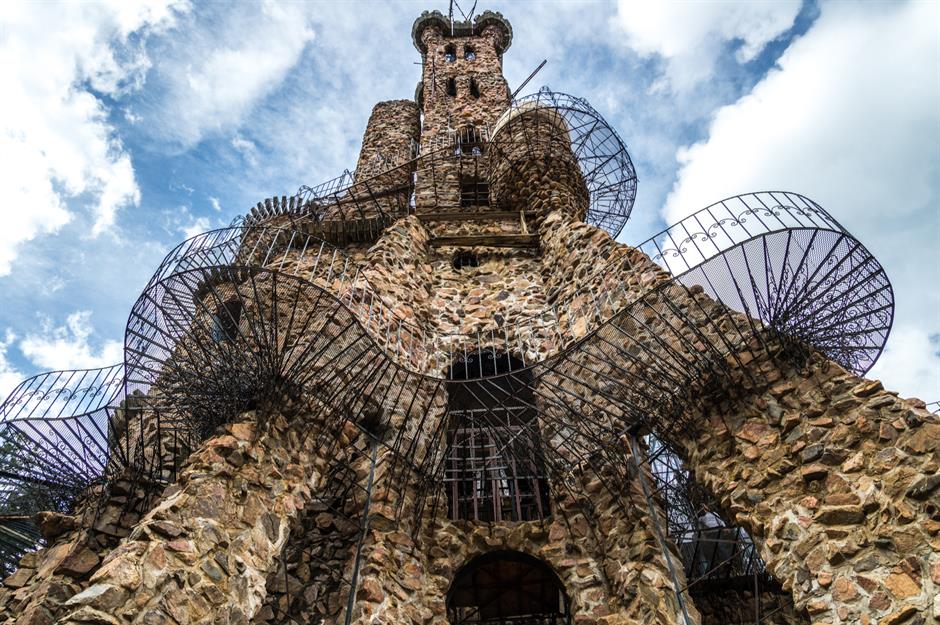
This isn’t a castle in the traditional sense – in fact, it's still a work in progress, built up from iron and stone by one man, Jim Bishop, over six decades. Without a qualified architect or even a blueprint, Bishop’s key raw material was determination – and some time spent as an apprentice at his father’s ornamental iron shop. Gradually, from its beginnings in 1969, Bishop’s castle in the mountains began to take shape.
Bishop's Castle, Rye, Colorado
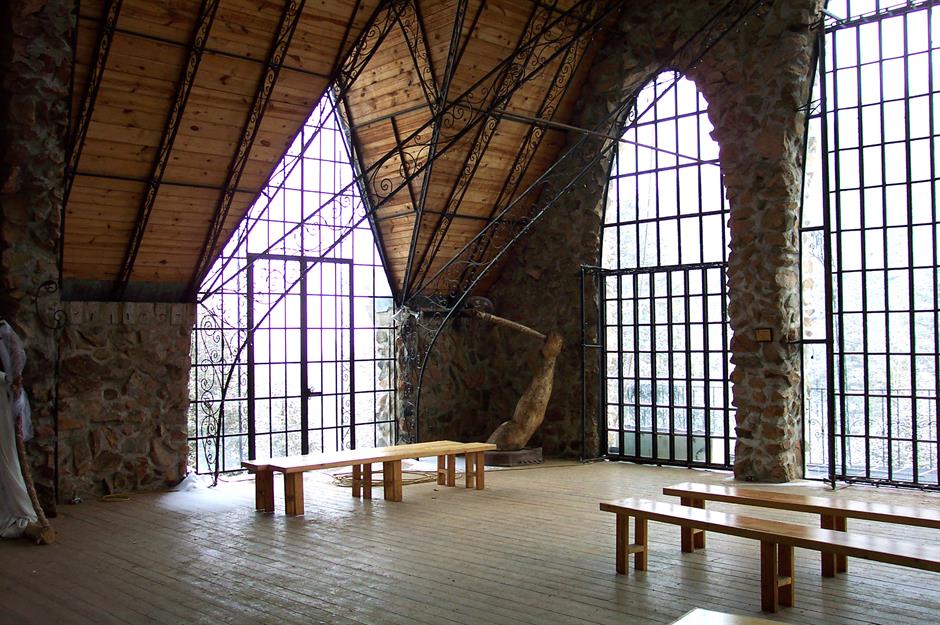
The place is a little rough around the edges. but that's part of its charm. The gloriously wonky building houses a fire-breathing dragon warped from steel, beautiful arched windows and fairytale winding passageways. Bishop sadly passed away in 2024, aged 80.
Sponsored Content
Boldt Castle, Alexandria Bay, New York
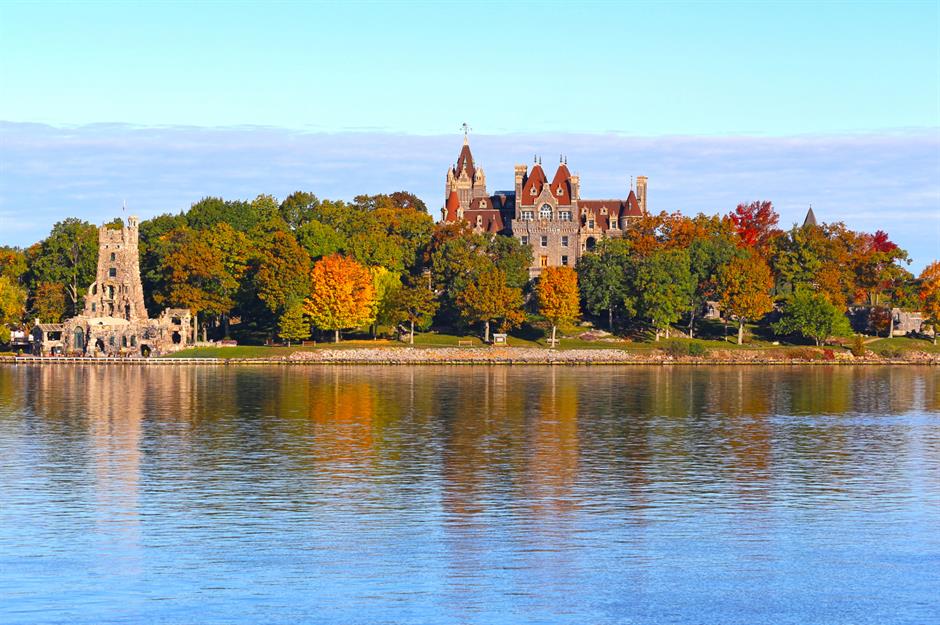
Named after its visionary – affluent hotelier George C Boldt – Boldt Castle was intended to be a private estate. The castle was a labour of love – literally – as Bolt started building the sprawling confection in 1900 as a show of love for his wife, Louise, who sadly passed away during its construction. Upon her death, the bereft Boldt abandoned the project and it stood unfinished on Heart Island until the 1970s.
Boldt Castle, Alexandria Bay, New York
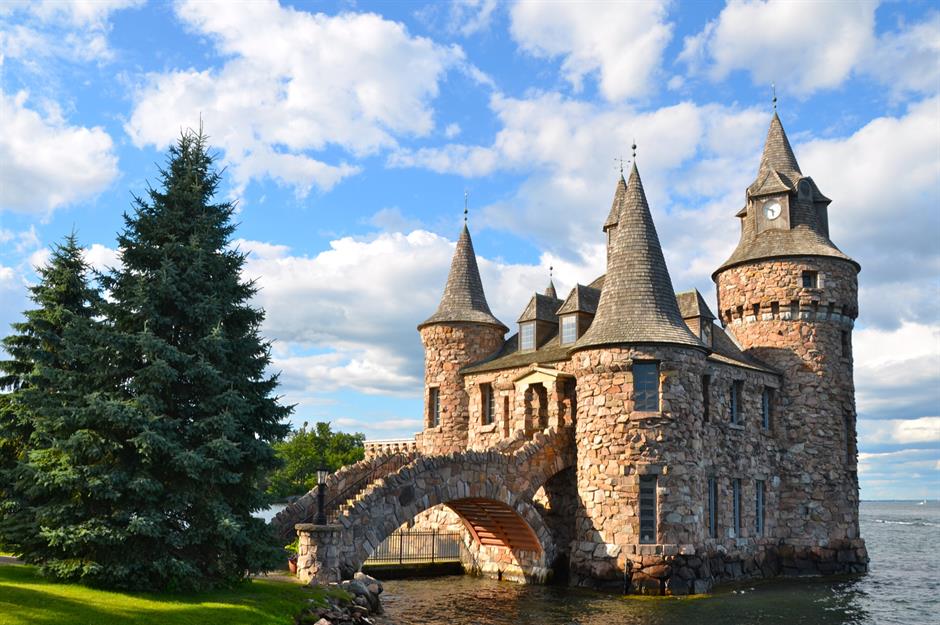
In 1977, the property was acquired by the Thousand Islands Bridge Authority, who showed it some much-needed love. The entire, restored castle has six storeys, 120 rooms and a beautiful Italianate garden. Some say it was inspired by the imposing fortresses dotting the German swathe of the River Rhine.
Castello di Amorosa, Napa Valley, California
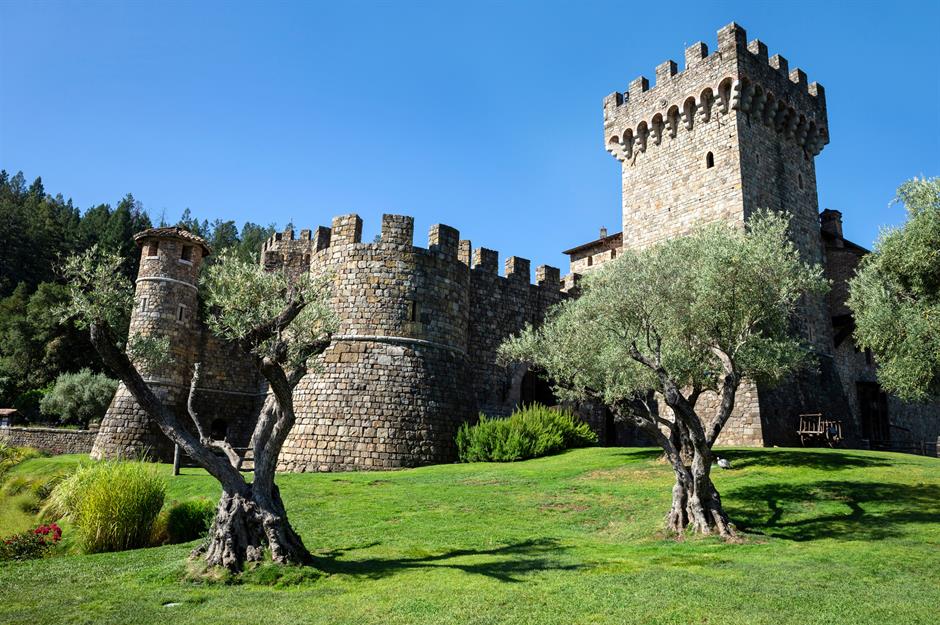
Dario Sattui didn’t rush into building Castello di Amorosa – he did his homework first. The impressive structure is modelled on a 13th-century Tuscan castle and is surrounded by acres of woodland. Sattui also spent years visiting Europe before setting up his own winery here in Napa Valley – in fact, he bought and renovated a slew of smaller palatial properties in Italy before he embarked on his master project.
Sponsored Content
Castello di Amorosa, Napa Valley, California
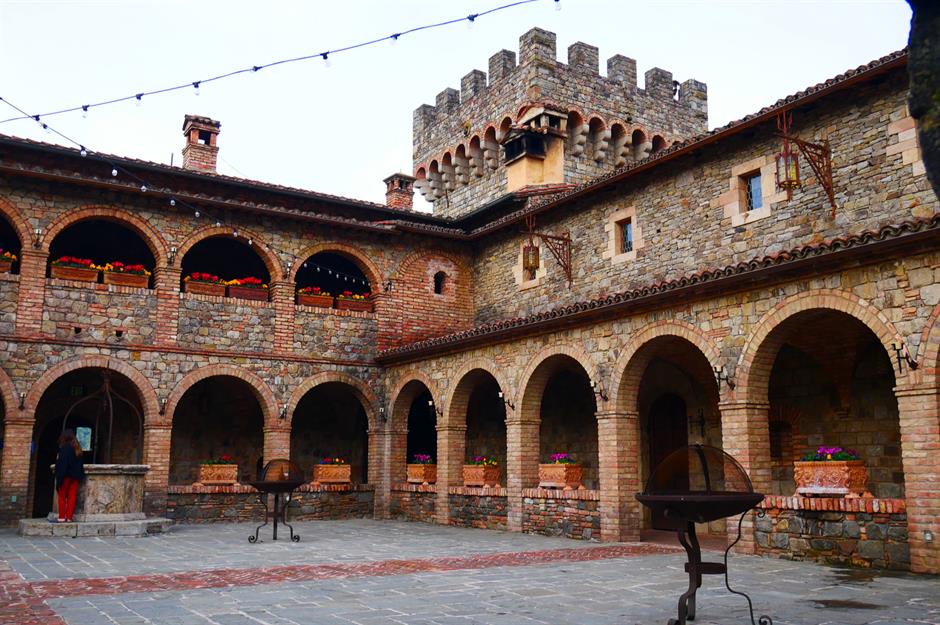
To make his dream a reality, Sattui teamed up with builder and medieval architecture aficionado Fritz Gruber. They employed building techniques that would have been used in medieval times and even used antique bricks from former Habsburg palaces. By 2007, the castle was complete with watchtowers, ramparts, a chapel and a Great Hall.