The world's amazing lost cities recently rediscovered
Lost cities found
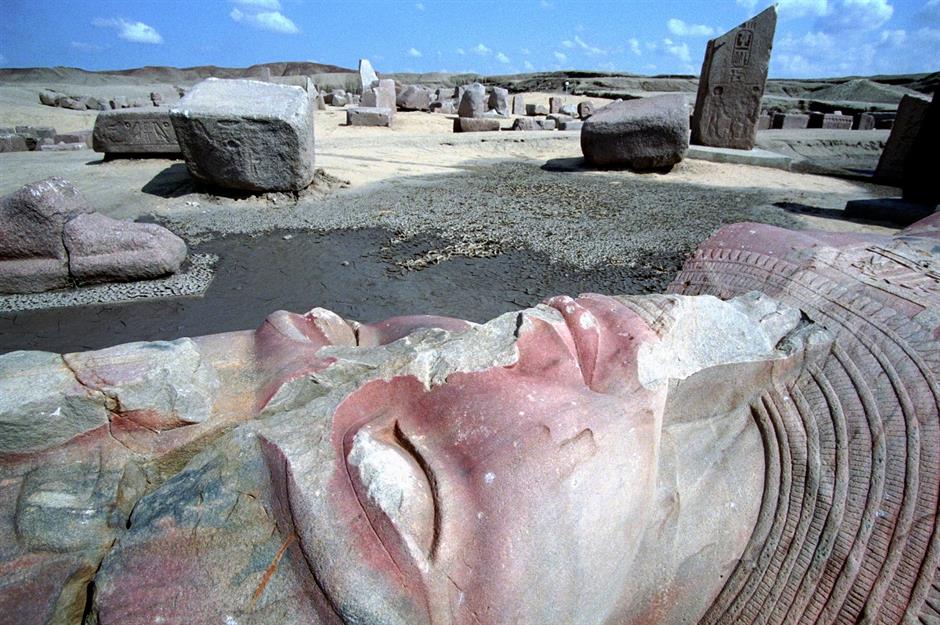
Founded, furnished and eventually forgotten – this has been the fate of many cities since ancient times. A few names have stayed alive in legend and literature while others disappeared completely – until a chance discovery brought them back from the dead. From Sigiriya, the amazing hilltop site in Sri Lanka, to Italy's astonishing Pompeii, we've rounded up the most fabulous cities lost and reborn.
Click or scroll through this gallery to unearth the world's rediscovered ancient cities...
Sigiriya, Sri Lanka
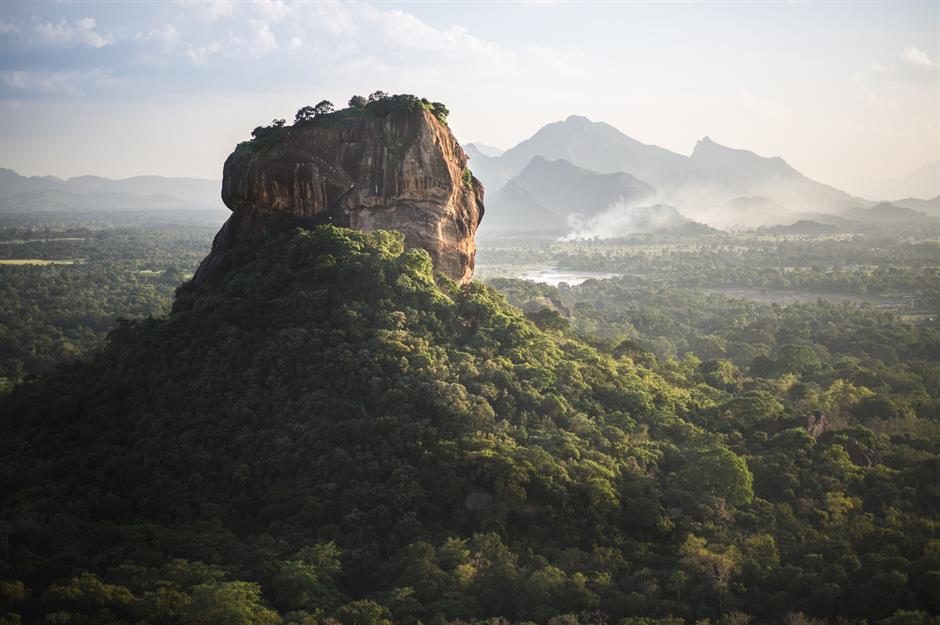
The jungle in central Sri Lanka is thick and lush. Back in 1831, Major Jonathan Forbes of the 78th Highlanders of the British Army was having trouble hacking his way through on horseback. But as he emerged, he came across an astonishing sight.
It was the "bush-covered summit of Sigiriya" adorned with brightly-coloured frescoes that looked as if they'd just been painted. Forbes had rediscovered a mythical city that had lain abandoned since the 14th century.
Sigiriya, Sri Lanka
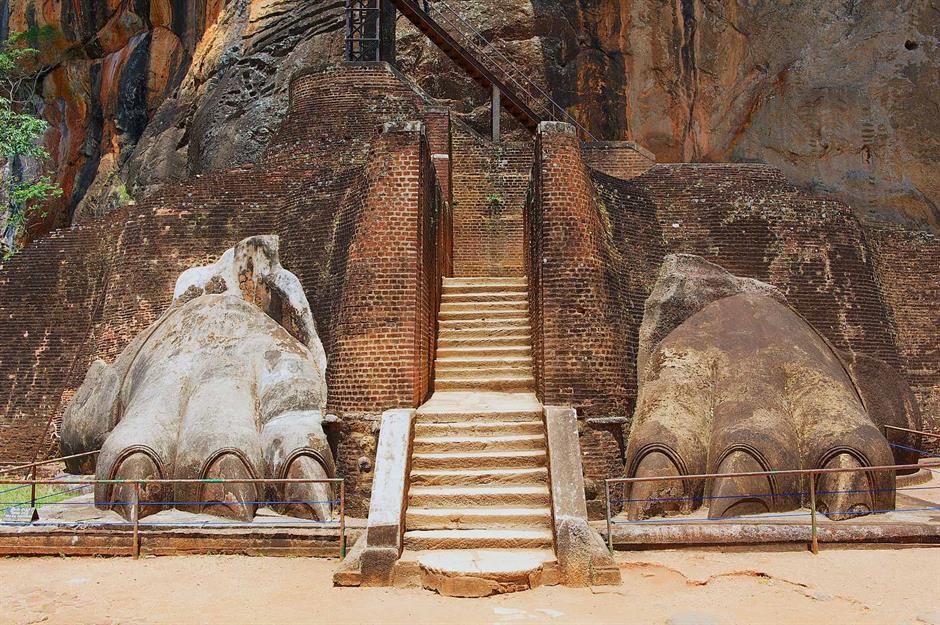
Sigiriya means 'lion' and the city is fronted by a huge lion entrance – sadly missing its head. The site was constructed on a rocky outcrop 650 feet (200m) above the jungle, initially as a 3rd-century-BC Buddhist monastery.
Then, 800 years later, King Kasyapa built an opulent palace there and covered it in frescoes. The palace was surrounded by gardens, pools and a mirrored wall that was polished so brightly the king could see his face in it.
Sponsored Content
Sigiriya, Sri Lanka
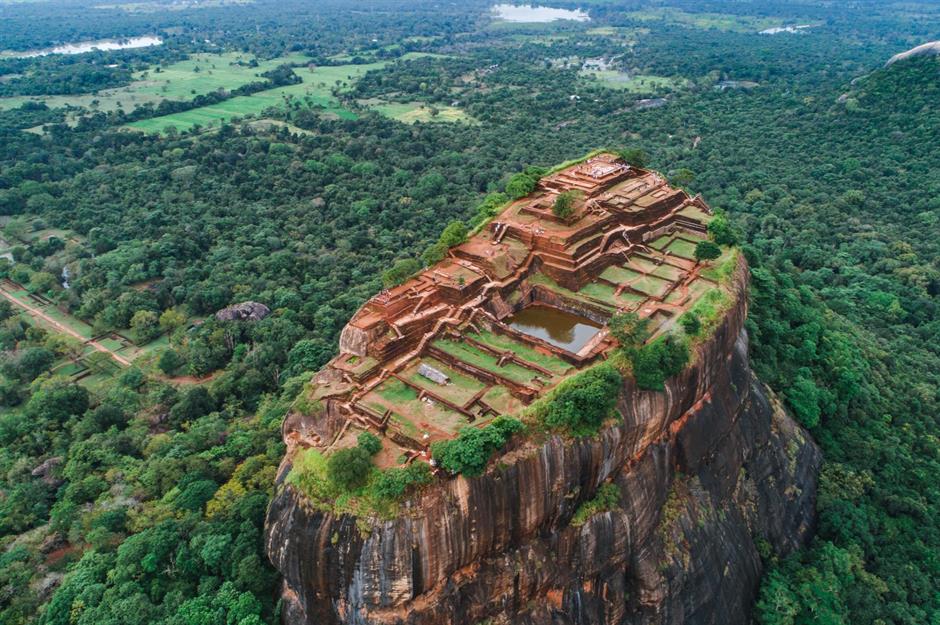
It takes around an hour to climb the 1,200 steps to the top of the rock, but the trek rewards with the sight of the Sky Palace surrounded by amazing gardens, pools and moats plus colourful frescoes. Called by some the Eighth Wonder of the World, UNESCO recognised Sigiriya as a World Heritage Site in 1982.
Sanchi, India
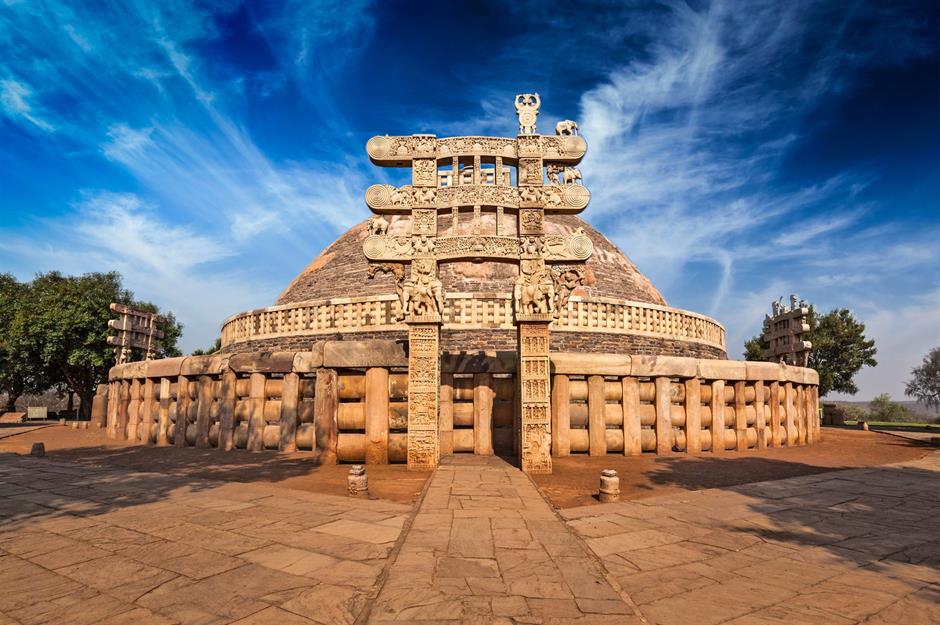
In 1818 Major Henry Taylor and his men were out hunting in a location that was a two-day march northeast of Bhopal in central India. They stumbled upon a huge domed stone structure with several stone gateways. Each was 40 feet (12m) high and nine feet (2.7m) wide and decorated with carvings of elephants, horses, lions and maidens.
Sanchi, India
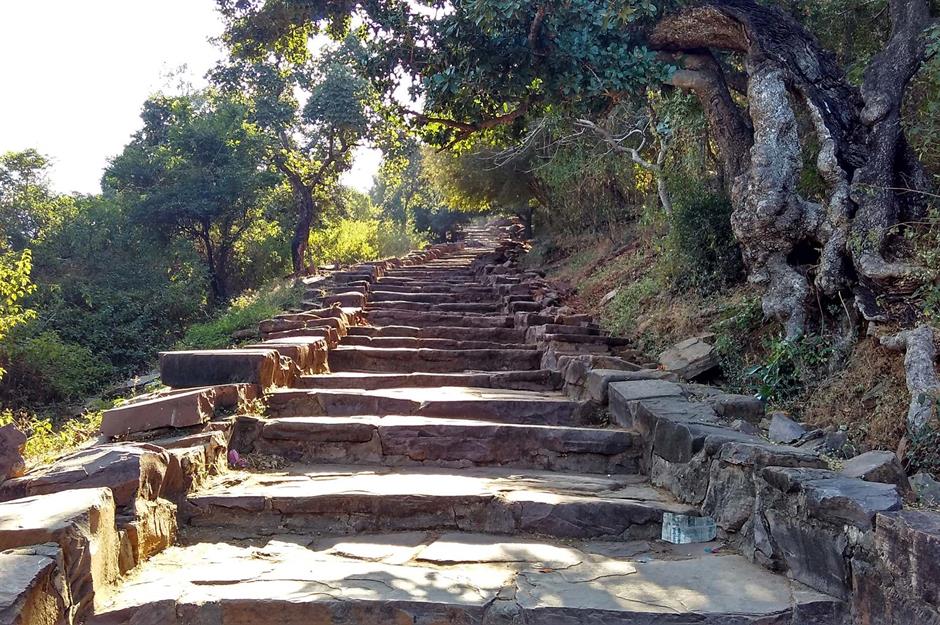
Taylor had discovered a 3rd-century-BC Buddhist complex built by the emperor Ashoka. At that time, Buddhism was relatively unknown, but Ashoka was drawn to its message of peace. He built a Great Stupa (or domed temple) guarded by four gateways carved with scenes from Buddhism. By the 13th century AD, the centre was abandoned.
Sponsored Content
Sanchi, India
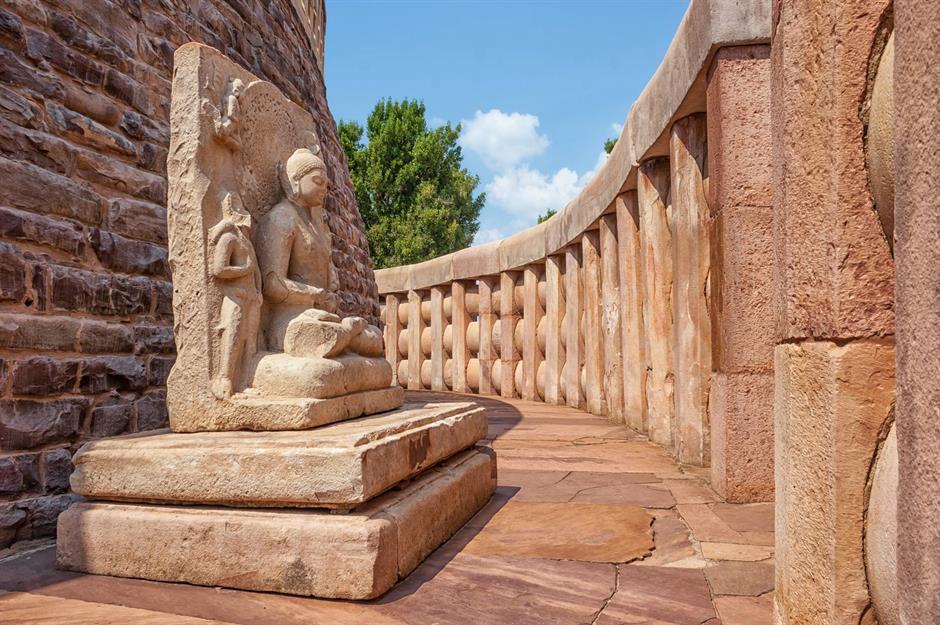
Sanchi can be reached by bus or car from Bhopal airport. The preservation of the site is astonishing and visitors can take in the Great Stupa – one of three such structures – plus 50 other monuments and a monastery. In 1989, Sanchi was named a UNESCO World Heritage Site.
Pompeii, Italy
.jpg)
In 1748, The Duke of Naples was having a summer palace built 14 miles (24km) south of Naples on Italy’s west coast. As workmen dug foundations, they came across the buildings and streets of a lost city and treasure hunters and art collectors descended on the scene.
It dawned on people that this was the lost and largely forgotten Roman city of Pompeii – destroyed by the eruption of Mount Vesuvius one day in the summer of AD 79.
Pompeii, Italy
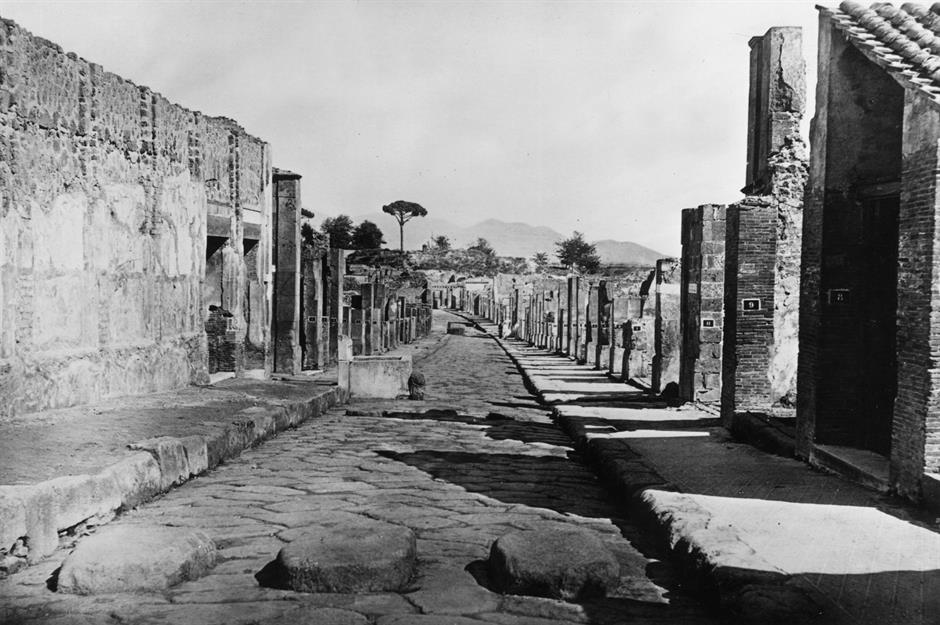
Throughout Victorian times, when this picture was taken, people flocked to see the mysterious town as more was uncovered. They found a huge amphitheatre, a forum and fine villas as well as ordinary houses, streets, shops and brothels.
On the day of the eruption, thousands of people were trapped and died of gas poisoning. Their bodies left cavities in the ash and, when plaster of Paris was poured in, their sad remains became evident.
Sponsored Content
Pompeii, Italy
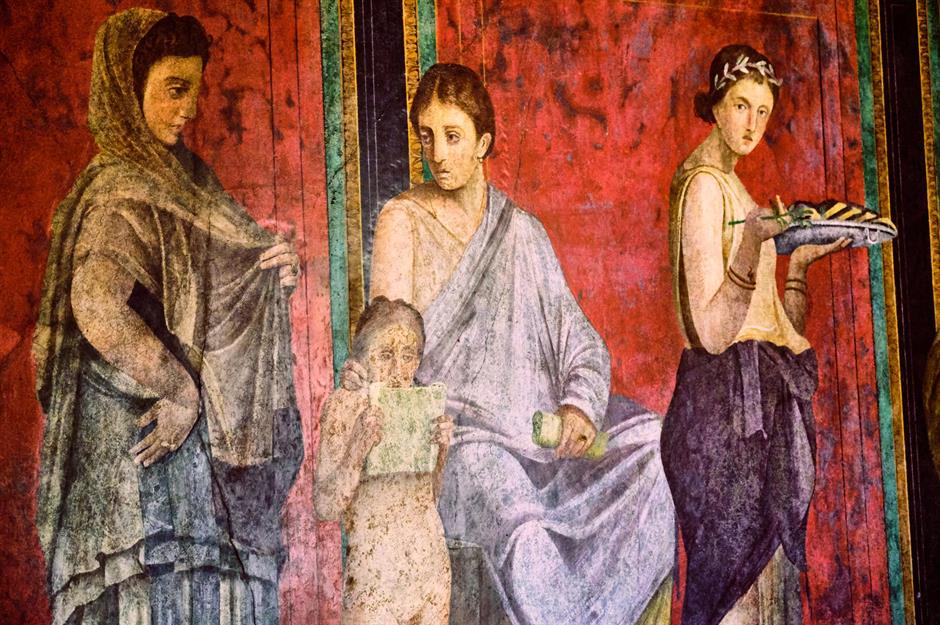
Today Pompeii is one of the most popular tourist attractions in the world, with around four million annual visitors. It’s astonishing to see this world trapped in time, with wall paintings almost as vibrant as they were in the Roman era. The excavations still continue, with much of the city yet to be uncovered and surprising secrets still being unravelled. Pompeii became a UNESCO World Heritage Site in 1997.
Caral, Peru
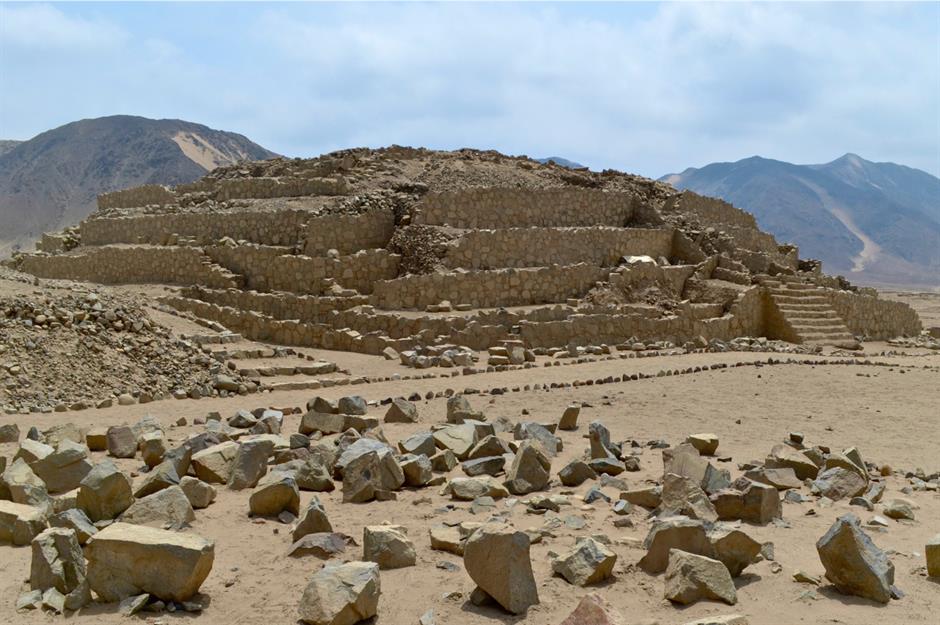
American history Professor Paul Kosok was fascinated by ancient settlements and he devoted much of his time to making studies in Peru. While he was there in 1948, he made a once-in-a-lifetime discovery. Hard at work in a dry desert terrace 125 miles (200km) north of Lima, he came across the remains of an ancient city.
Caral, Peru
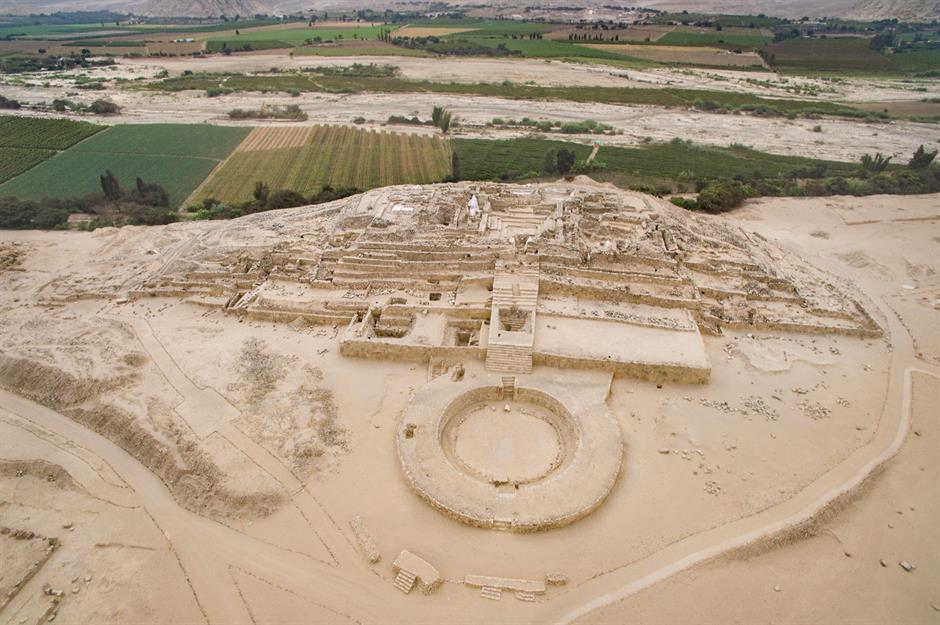
Peruvian archaeologist Ruth Shady radiocarbon dated the site to 5,000 years ago, making it one of the oldest cities in the Americas. It once housed 3,000 pre-Inca inhabitants and was already thriving when the Egyptian pyramids were being built.
Covering 370 acres, there were temples, plazas, an amphitheatre and ordinary houses. Caral was peaceful with no trace of battlements or weapons too. Abandoned in 2000 BC, it was made a UNESCO World Heritage Site in 2009.
Sponsored Content
Tanis, Egypt
If you've ever seen the Indiana Jones movie Raiders of the Lost Ark, you'll be familiar with the fictional version of Tanis. But the real-life story behind the city is just as amazing as the one from the film.
In 1939, Pierre Montet's team was excavating around 100 miles (160km) northeast of Cairo, looking for a city called Zoan which was where baby Moses was found in the Bible. Montet uncovered burial chambers, huge temples and an urban complex.
Tanis, Egypt
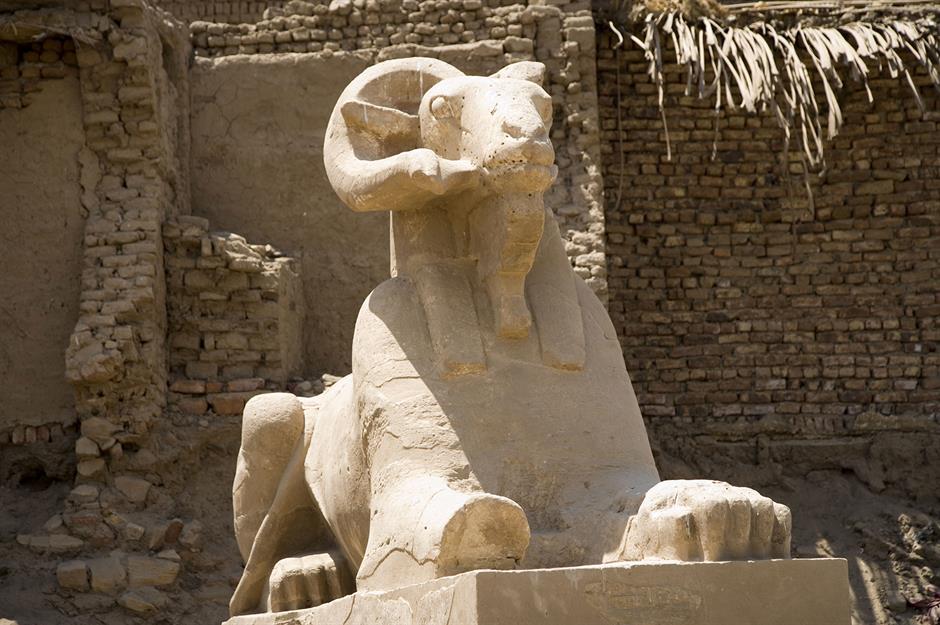
Tanis was a magnificent city and one-time capital of ancient Egypt. The earliest buildings date from around 1000 BC, with the temple of Amun (king of the gods) surrounded by a wall, plus houses and streets on a grid pattern. It declined when its ports silted up and the entire city eventually slipped beneath the sand. Visitors can get there by taking a train to Port Said and a bus to Tanis.
Qalatga Darband, Iraq
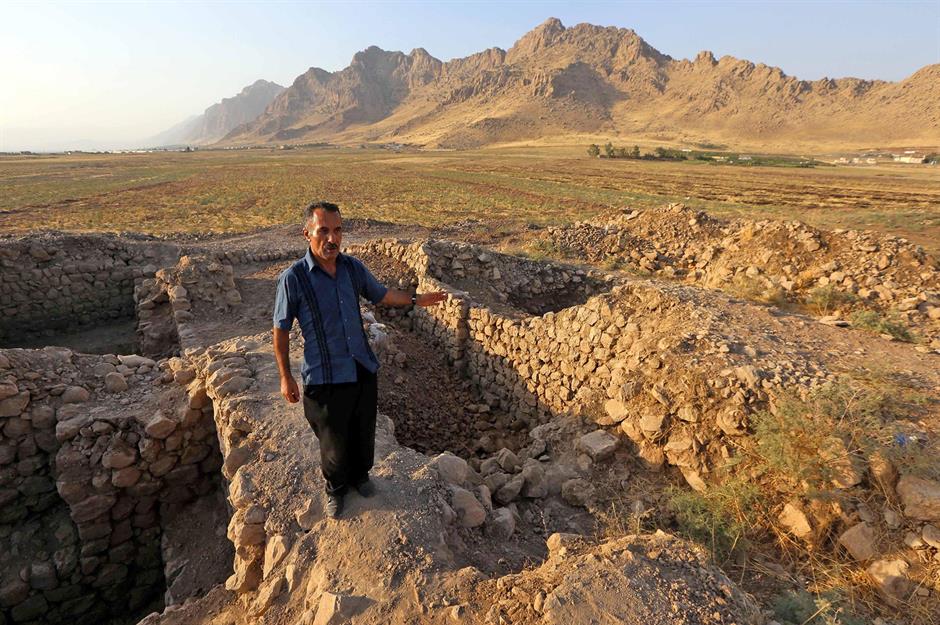
Thanks to declassified spy footage and cutting-edge drone photography, a lost city was unearthed just a few years ago in Iraqi Kurdistan. Built around 331 BC, Qalatga Darband is thought to have been established by Alexander the Great. It’s believed that the fortified city sits on what was once a well-trodden route between Iran and Iraq.
Sponsored Content
Qalatga Darband, Iraq
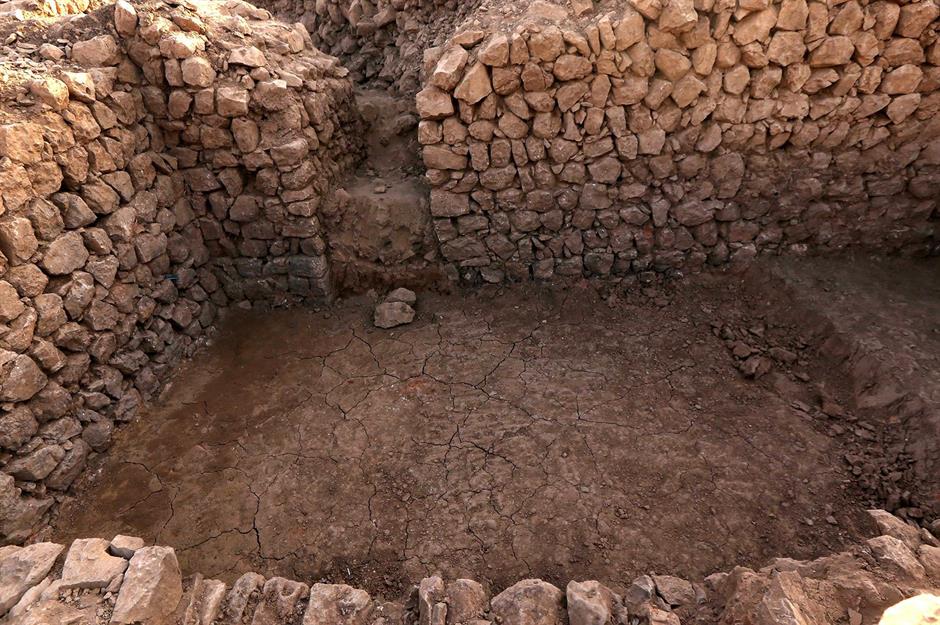
The site was originally detected when experts watched spy footage from the Cold War that was made public in 1996, but the area’s political volatility meant nothing could be done at first.
In 2017, a team of Iraqi and British archaeologists, led by specialists from the British Museum, began excavating the area. Together, they uncovered terracotta roof tiles and Greek and Roman statues, including one that depicts Aphrodite.
Mohenjo-daro, Pakistan
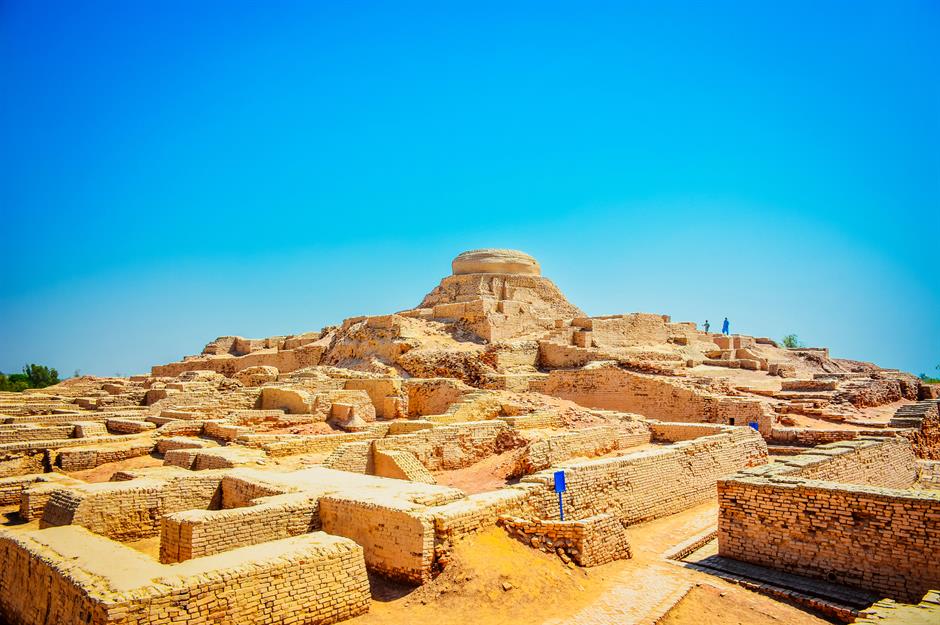
In 1922, RD Banerji, an official with the Archaeological Survey of India, was investigating what he thought was a Buddhist monument in the Sindh province of what's now Pakistan. He guessed the site dated to around 500 BC, but when he made some trial trenches, he realised it was older. His boss, John Marshall, made further excavations in the 1920s and 30s and deduced the city actually dated from around 2500 BC.
Mohenjo-daro, Pakistan
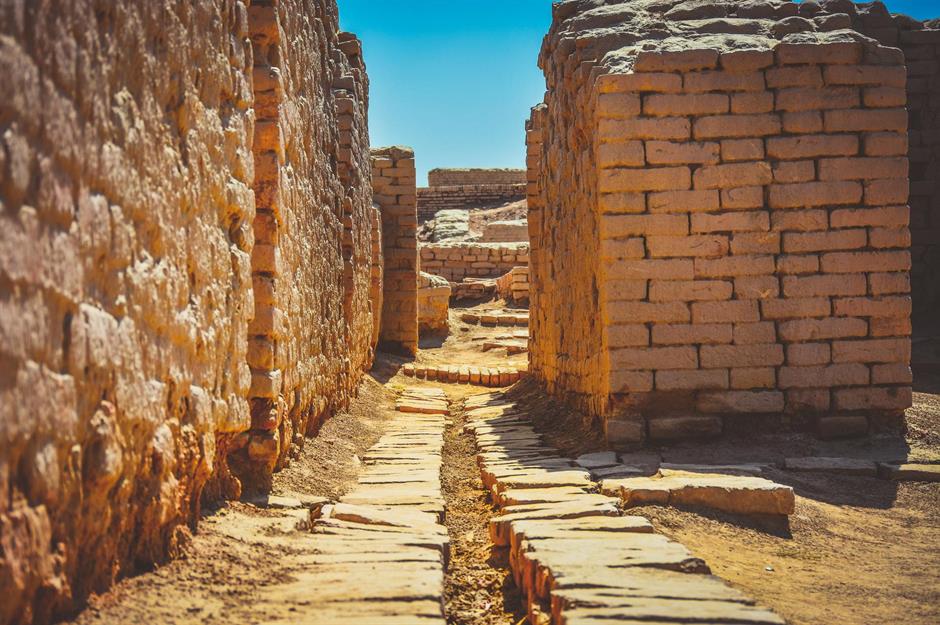
Mohenjo-daro was one of the largest settlements of the ancient Indus Valley and home to 50,000 people. Buildings uncovered include a Great Bath, an elaborate sewage system with 700 freshwater wells and a grid system of housing. Its residents were a prosperous community, as artefacts made of ivory and gold have been found. They are believed to have been traders with standardised seals and weights.
Sponsored Content
Mohenjo-daro, Pakistan
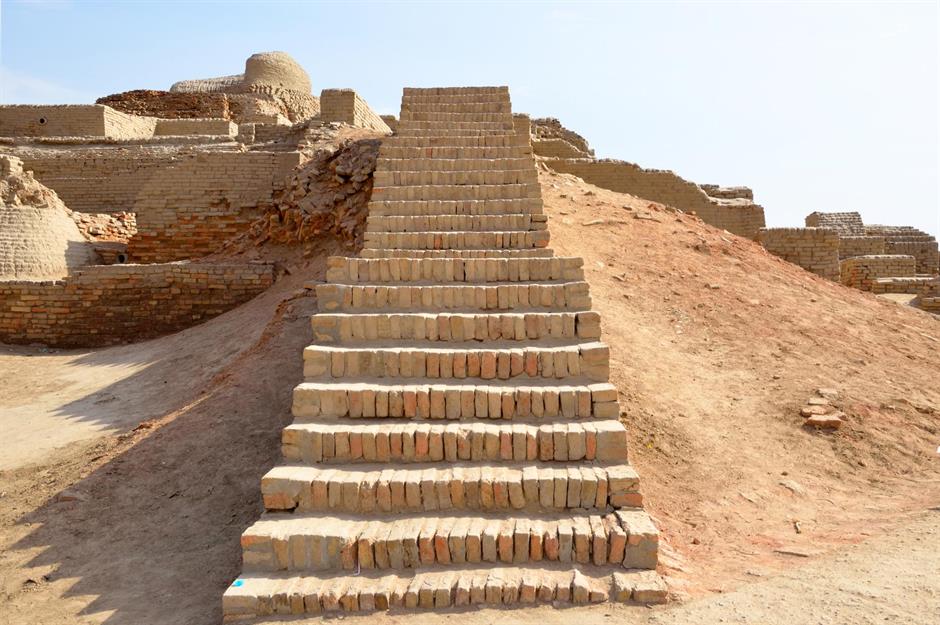
The city went into decline around 1900 BC and was abandoned. It became a UNESCO World Heritage Site in 1980, but sadly the mud-brick buildings remain at risk from the salty waters of the nearby Indus River, and heavy rain caused significant flood damage in 2022.
Xanadu, China
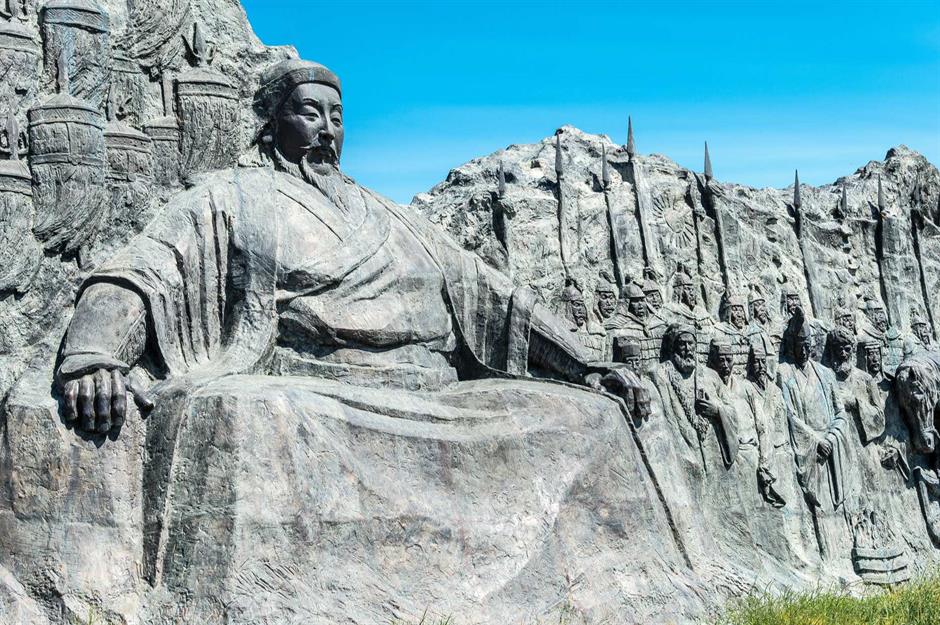
When British diplomat Stephen Bushell trekked into the prairie land of inner Mongolia in 1872 in search of Xanadu, he wasn’t the only person whose imagination had been captured by the lost 13th-century city, the capital of famed Mongol ruler Kublai Khan.
Seventy-five years earlier the English writer Coleridge had penned a poem based on a historical description of the fabled metropolis. But it was Bushell who, about 220 miles (350km) north of Beijing, made the rediscovery. The ruins featured ruined palaces strewn with blocks of marble and stone lions and dragons. The city gate was intact under a 20-foot (6m) arch.
Xanadu, China
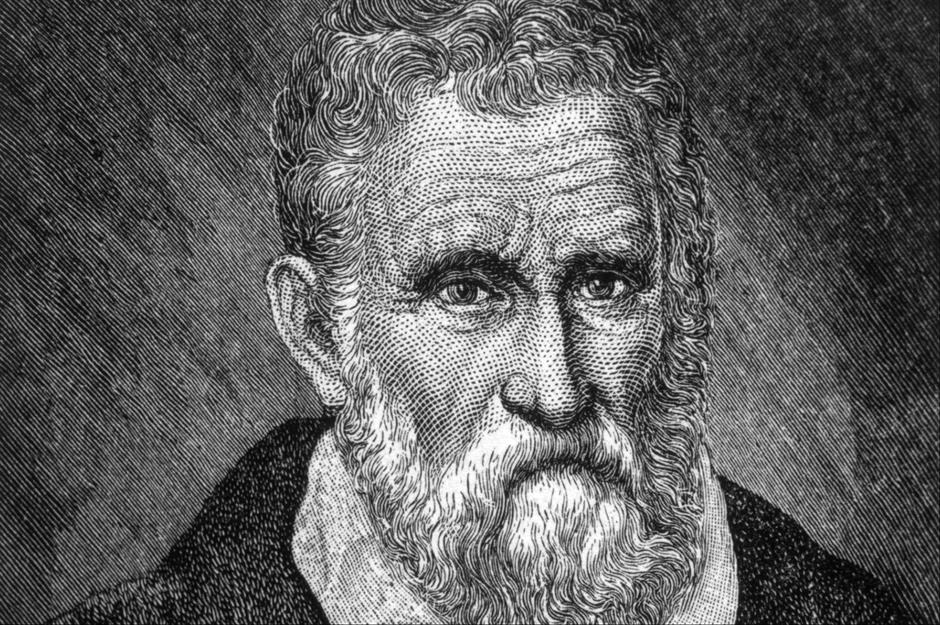
Bushell was the first European to set eyes on the place since the merchant and explorer Marco Polo visited in 1275. The Venetian adventurer wrote that the site was chosen by the emperor as his summer residence and featured marble and gilt halls and chambers. He claimed wild animals roamed in the grounds and pastures, and there was even a bamboo palace that could be taken down and put up elsewhere.
Sponsored Content
Xanadu, China
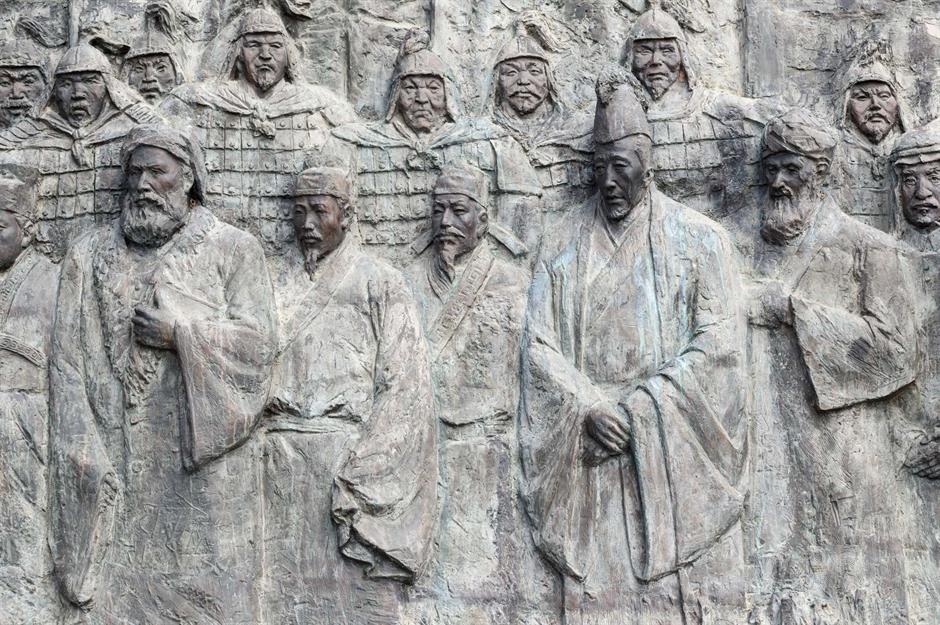
By 1430, Xanadu had been abandoned. Much of what Bushell saw has now gone, but the authorities have preserved what remains and excavated more than 1,000 buildings. The 62,000-acre site was opened to visitors in 2011.
Around 60,000 objects have been found, including ceramics, jade sculptures and coins, and they are on display in a museum four miles (7km) south of the site. In 2012, Xanadu was recognised by UNESCO as a World Heritage Site.
Troy, Turkey
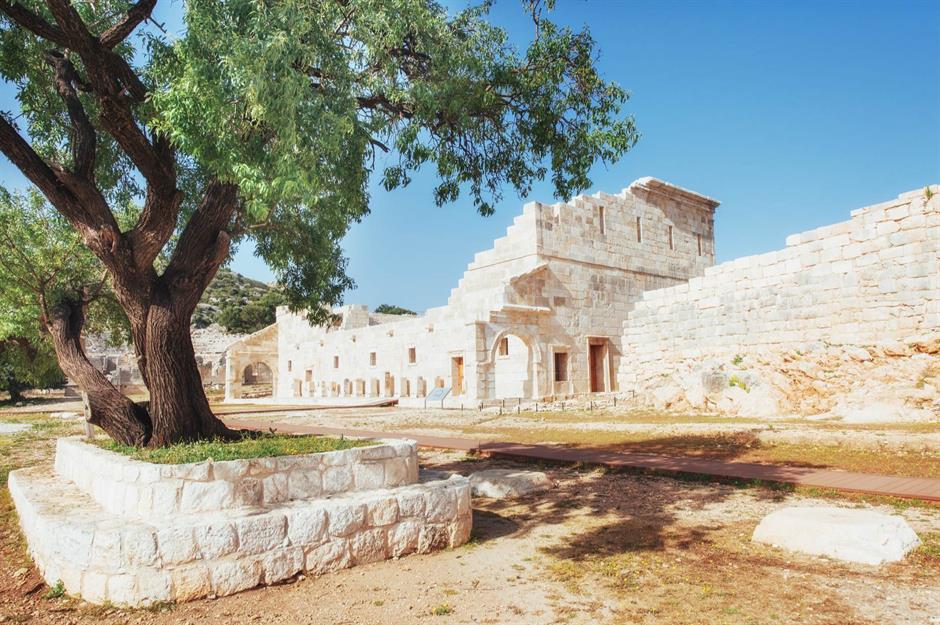
When German businessman and adventurer Heinrich Schliemann started an archaeological dig on Turkey’s Aegean coast in 1868, he was convinced he’d found Troy – the city made famous by Homer’s epic poem The Iliad.
While Schliemann certainly had found a magnificent ancient city, in truth there’s no proof the ruins are the Troy featured in the ancient story, or indeed that a Trojan war ever took place in a way that we'd recognise. Nowadays the city is known as Hisarlik.
Troy, Turkey
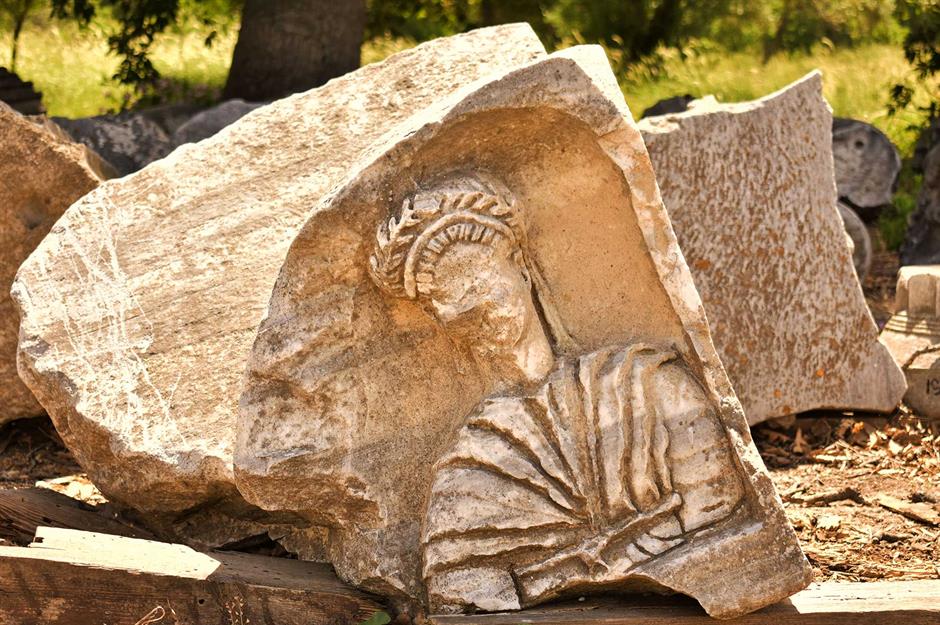
Legend says that Troy, also known as Ilium, was placed under a 10-year siege by the Greeks after Paris of Troy abducted Helen, Queen of Sparta. This is thought to have taken place around 1200 BC, but the site Schliemann discovered had been occupied from around 4000 BC for about 3000 years, with the buildings and walls of seven settlements discovered. Troy was made a UNESCO World Heritage Site in 1998.
Sponsored Content
Machu Picchu, Peru
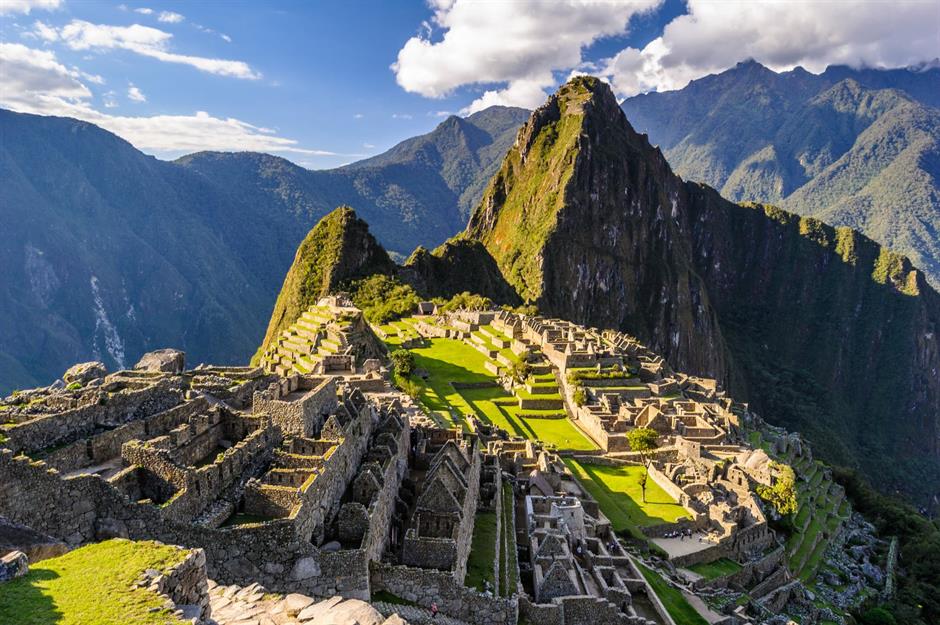
In July 1911, American historian Hiram Bingham was making a tour of ancient Inca settlements in Peru. He was near the city of Cusco when a farmer told him about ruins on top of a mountain which his people called Machu Picchu or ‘Old Peak’. Bingham and his team rode on mules to see it for themselves and were amazed to discover stone entrances to a forgotten city built on a number of man-made terraces.
Machu Picchu, Peru
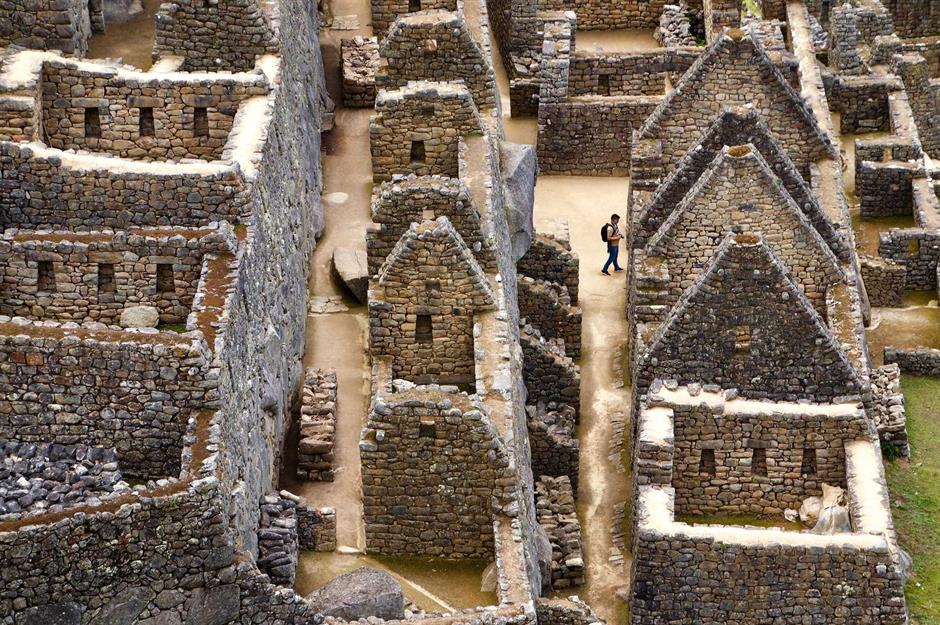
It’s believed the city was built around AD 1450 as a summer retreat for Inca rulers, and luckily remained hidden from the Spanish conquistadors. The 200 buildings had a population of about 750 people, probably royal retainers.
Built without the use of mortar, the polished dry-stone buildings include the Inti Watana (a kind of sundial), the semi-circular Temple of the Sun and the Temple of Three Windows. The site was abandoned in 1550, perhaps due to disease brought by the Spanish invaders.
Machu Picchu, Peru
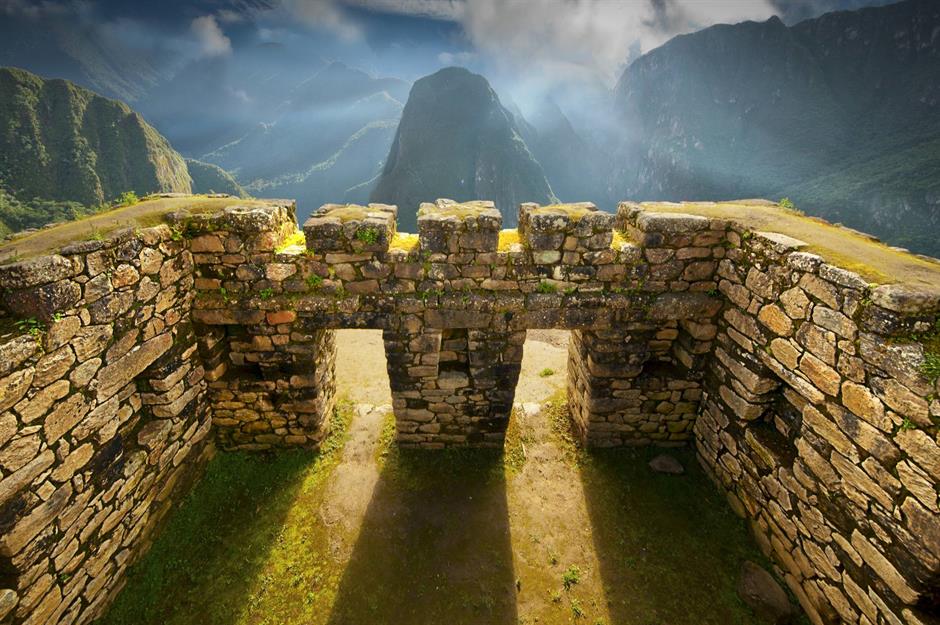
Today, you can reach Machu Picchu by train from Cusco then take a bus to the entrance. It can also be accessed on foot from the town of Aguas Calientes, but it’s a strenuous 90-minute climb. Note that there's a cap on daily visitor numbers, so it's best to book online in advance for a timed slot.
Excavations continue and, as pathways run off into the jungle, there may yet be more discoveries. The city became a UNESCO World Heritage Site in 1983.
Sponsored Content
Skara Brae, Orkney, Scotland, UK
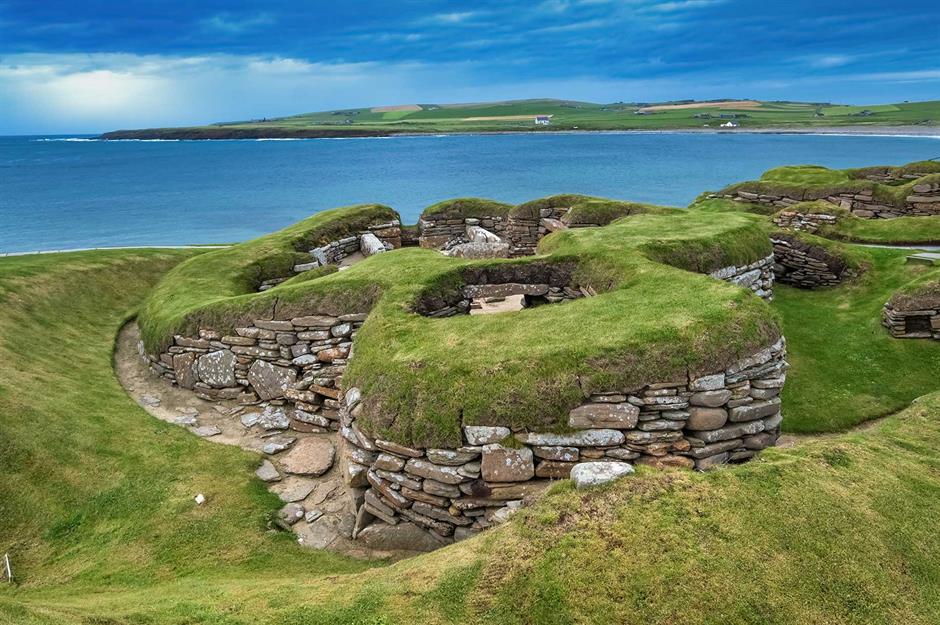
In the winter of 1850, a huge storm hit Scotland causing around 200 deaths. The next day, in the Orkney Isles, villagers discovered the tempest had dislodged part of a cliff and uncovered a hidden settlement with stone roofless houses. The local laird (or estate owner), William Watt, excavated four of the houses. When the village was threatened again by storm the following century, it was decided the site needed preserving.
Skara Brae, Orkney, Scotland, UK
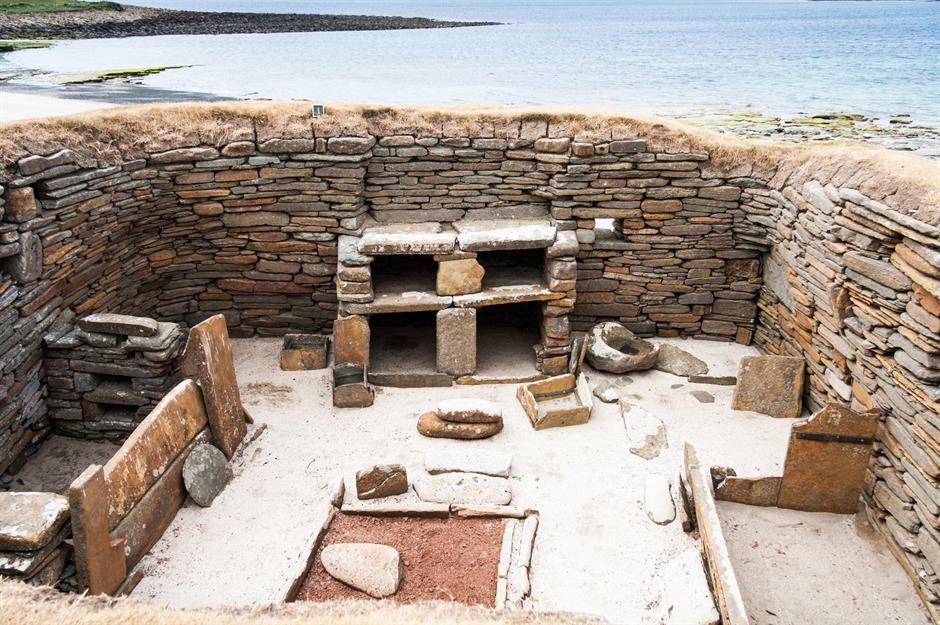
Tests showed the site dated from 3200 to 2200 BC and was inhabited for 600 years. It consisted of 10 round stone houses with a central hearth and beds by the wall. The roofs were probably made of whalebone and peat, and roofed passages meant you could go from house to house out of the weather.
The standardised design suggests there was no hierarchy, but a community of sophisticated people living peacefully as farmers, herdsmen and traders.
Skara Brae, Orkney, Scotland, UK
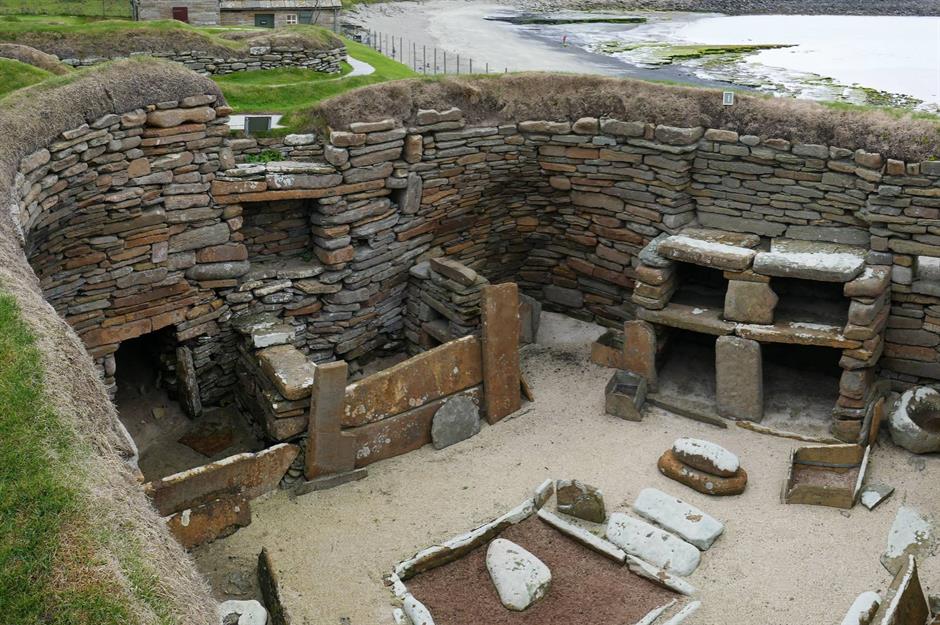
The village is on the Bay of Skaill, the largest of Scotland’s Orkney Isles, and the ferry takes you there from John O’Groats. The site is quite small but the houses are remarkably well preserved by centuries of sand and soil. They can only be viewed from the path, so a replica house offers a fuller picture of Neolithic life on the island. Skara Brae became a UNESCO World Heritage Site in 1999.
Sponsored Content
The Lost City, Colombia
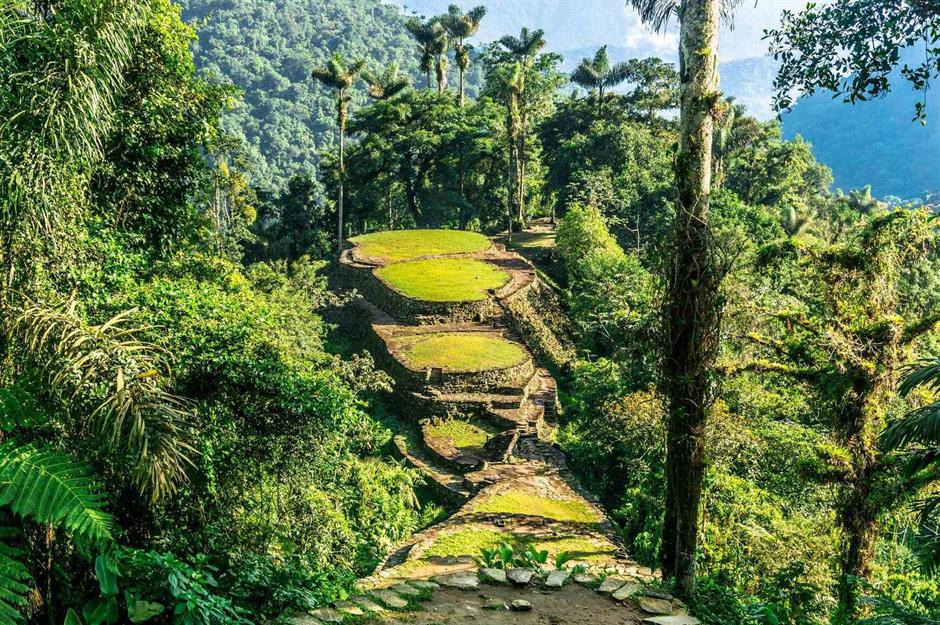
For more than 300 years, Colombia’s Ciudad Perdida ('Lost City') remained hidden from the outside world, known only by those living deep in the Sierra Nevada de Santa Marta mountains. Then, in 1972, a group of bird hunters happened upon an ancient stone staircase, carpeted with moss. When they hacked their way through, they found the ruins of a vast city buried under thick foliage.
The Lost City, Colombia
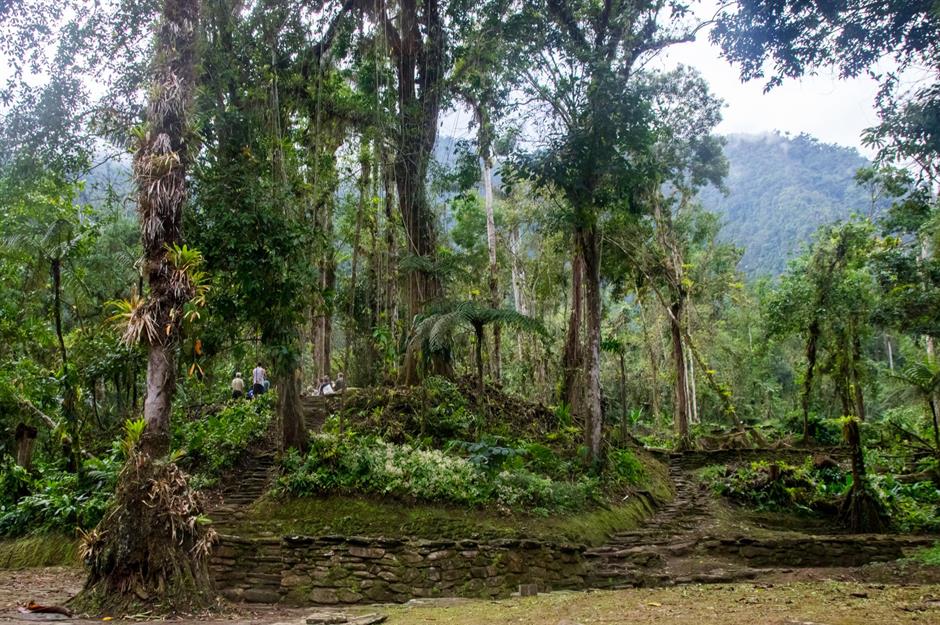
Built around AD 800, the Lost City (or Teyuna, as it was known) was home to several thousand Tairona people. But it was abandoned after the Spanish conquistadors arrived in the late 16th century and gradually reclaimed by the fast-growing jungle.
The Lost City, Colombia
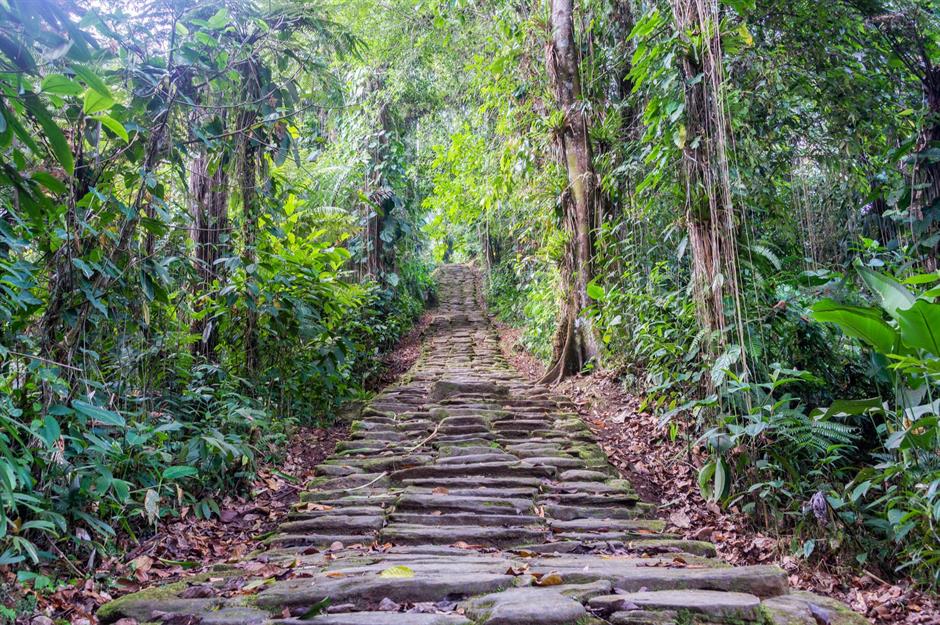
Today, nearly an acre of the Lost City is open to tourists, although a far bigger area remains hidden by thick foliage. The only way to get there is via a strenuous, five-day hike, culminating in a thigh-burning climb up some 1,200 steps. But the effort is rewarded, as this sacred jungle spot features magnificent tiered terraces, ancient stone paths and incredible views.
Sponsored Content
Vijayanagara, India
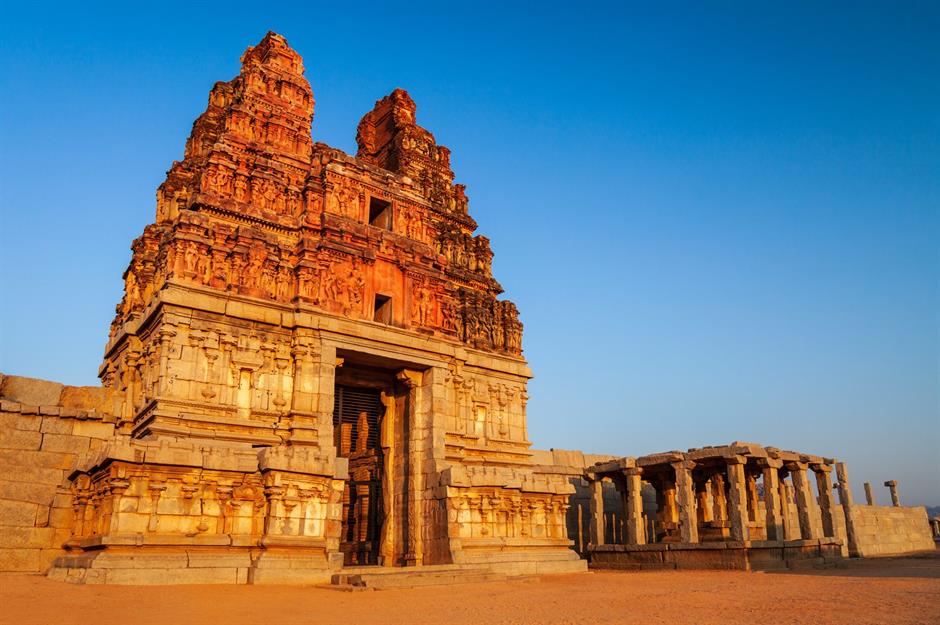
In 1799, Scottish army officer Colin Mackenzie was in the Deccan Plateau area of southern India when he came upon ancient ruins. He’d heard rumours about the lost city of Vijayanagara but he was unsure about what he'd discovered. He didn't realise he was looking at the remains of a great empire that dated from the 14th century AD.
Vijayanagara, India
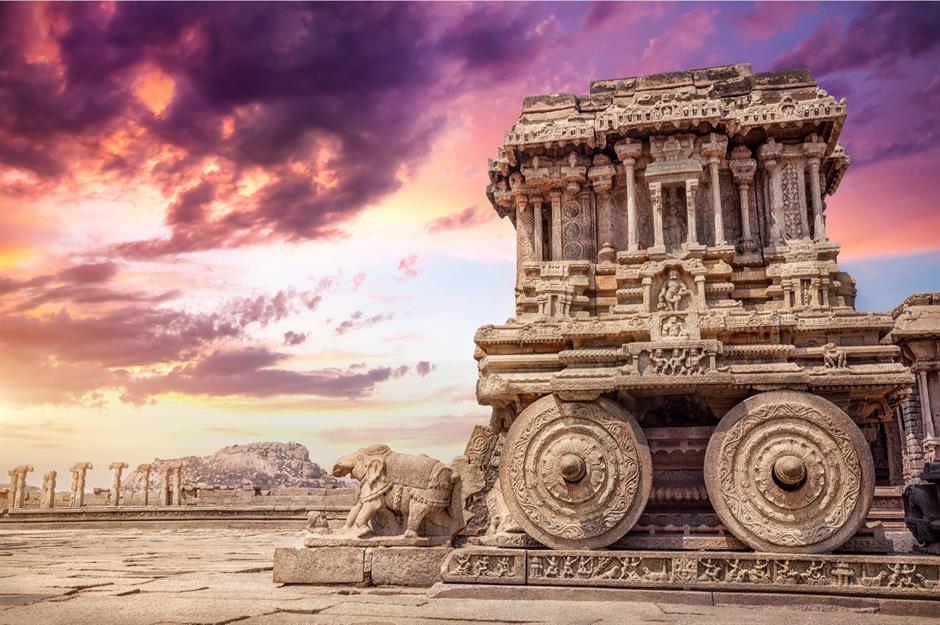
The Vijayanagara Empire was famed for its administrative efficiency, international relations and magnificent architecture. The temples and intricate carvings it produced are unbelievable – huge stone wagons, eight-foot-high (2.4m) stone horses and a row of 11 domed elephant stables.
It was a wealthy community too, with one visitor at the time remarking that people in the market traded diamonds and sapphires as easily as if they were vegetables.
Vijayanagara, India
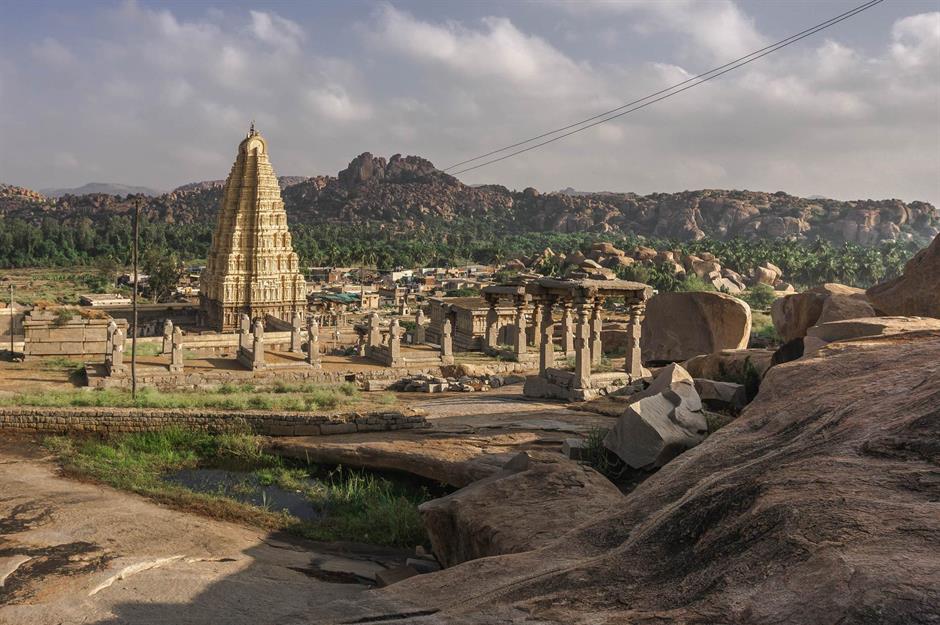
In 1565, a war ruined the city and it was abandoned. Nowadays, the wonderfully restored monuments are part of the UNESCO World Heritage Site of Hampi, which lies in Vijayanagara in central Karnataka state. Highlights include the huge steps to the audience hall and the underground green soapstone passages to the elephant stables.
Sponsored Content
Aten, Egypt
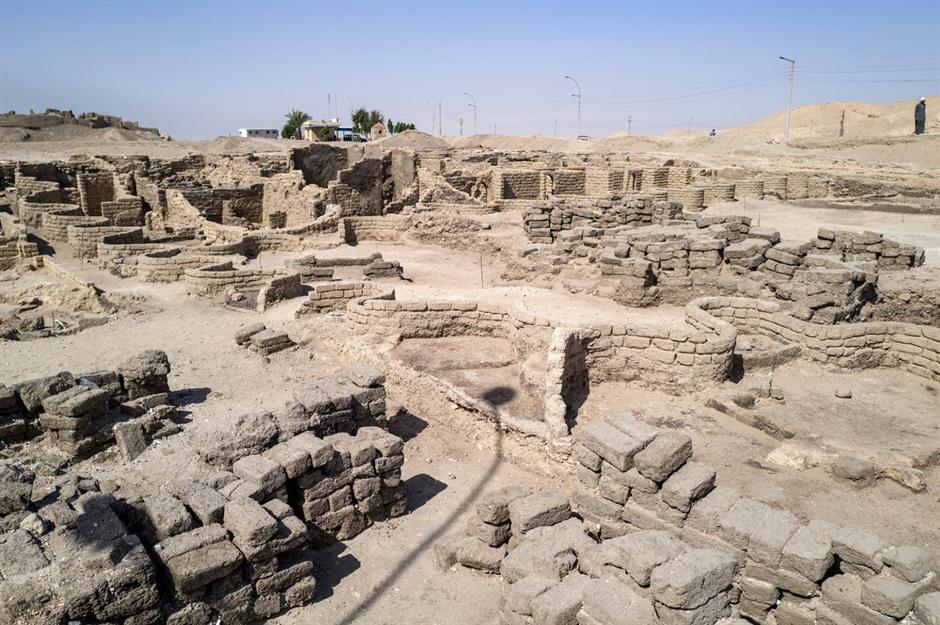
In September 2020, archaeologist Dr Zahi Hawass and his team began searching for a temple near the city of Luxor, on the west bank of the Nile. They got a little more than they bargained for.
On 8 April 2021, they announced the discovery of an entire 3,000-year-old city which had been buried under sand for millennia. Aten, also known as 'the Lost Golden City', is thought to be the largest ancient city ever uncovered in Egypt. The significance of the find was compared to the discovery of Tutankhamun’s tomb.
Aten, Egypt
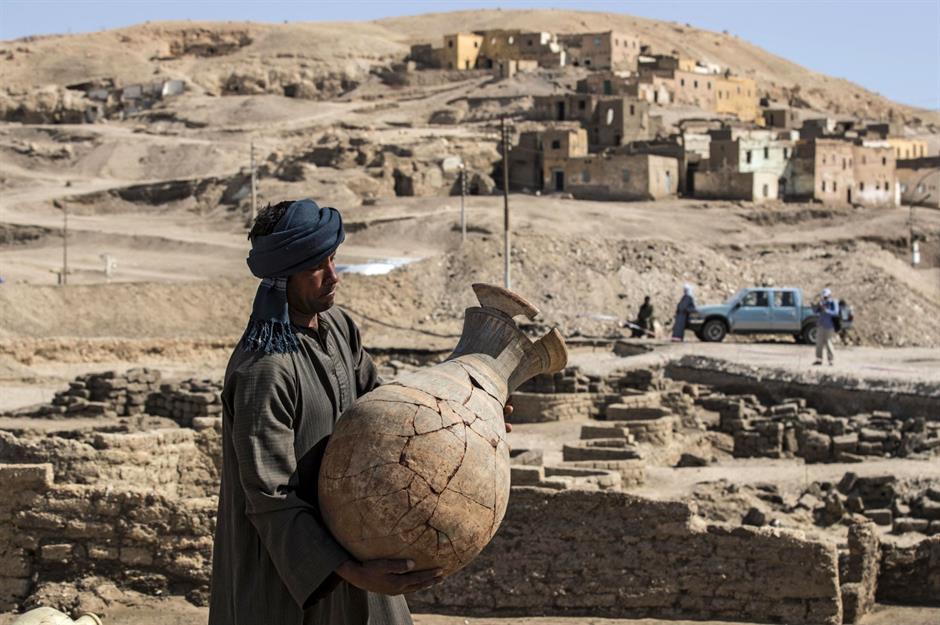
Thanks to mud bricks bearing the seals of King Amenhotep III's cartouche, Aten has been dated to between 1391 and 1353 BC, one of the most affluent periods in Egyptian history. According to the archaeologists who found it, the former town is remarkably well preserved, with rooms filled with objects including clay pots, tools for spinning and weaving, rings and scarabs.
Aten, Egypt
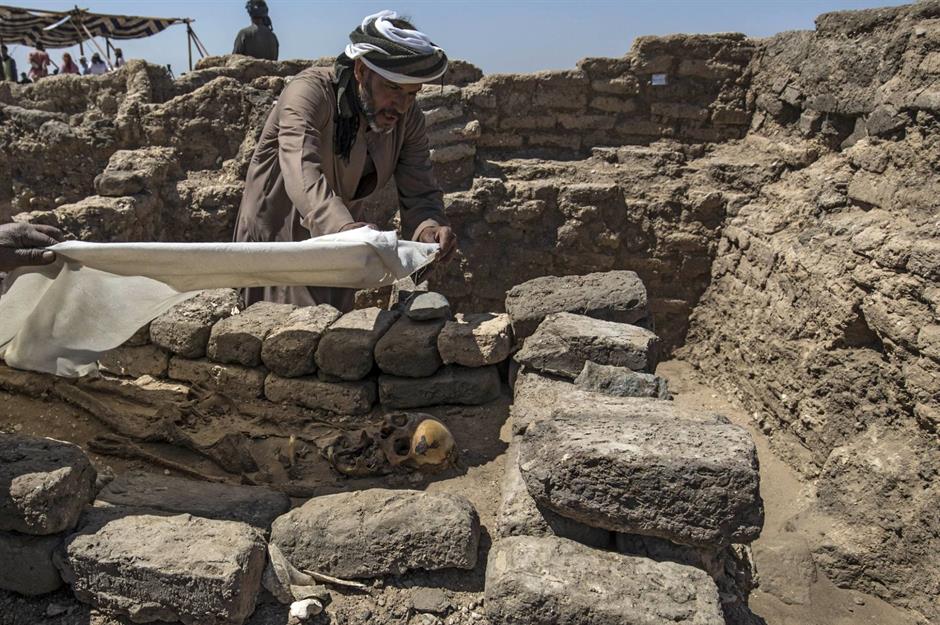
There’s also evidence of working life here, from a bakery (complete with ovens) to a workshop containing mud bricks for building temples and tombs, as well as casting moulds used to create amulets. But one of the most mysterious discoveries at Aten was a human skeleton, found “with arms outstretched to his side, and remains of a rope wrapped around his knees”.
Now check out 66 of the world's most unmissable cultural and natural wonders