America's best spots for stargazing
Incredible night skies
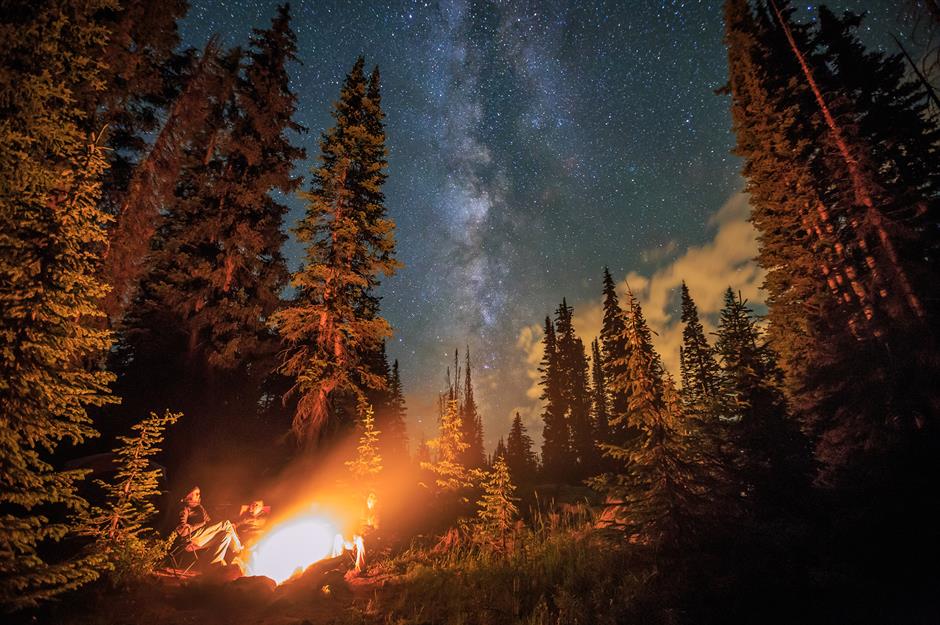
These rugged and dramatically remote US locations are humbling enough by day – but by night, their crystal clear, star-studded skies put on a spectacular show. From the Central Idaho Dark Sky Reserve to the desert bridges of Utah, prepare to be dazzled with these epic shots of the USA's stargazing hotspots...
Read on to discover the USA's best stargazing spots...
Flagstaff, Arizona
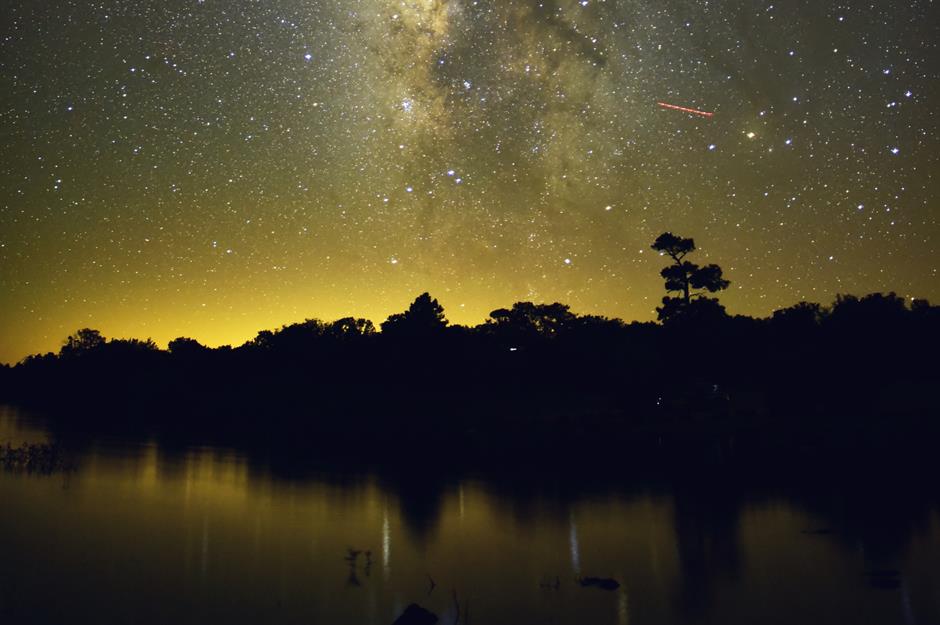
Stargazing’s biggest enemy? Light pollution from nearby electricity-guzzling settlements. Flagstaff, then, is a bit of an anomaly. This city of almost 80,000 has worked hard to keep its skies dark and the local Lowell Observatory even discovered Pluto in 1930.
Visitors can see constellations from their doorstep or window ledge and, around 20 miles southeast of Flagstaff, Ashurst Lake reflects glittering skies on its glassy surface.
Joshua Tree National Park, California
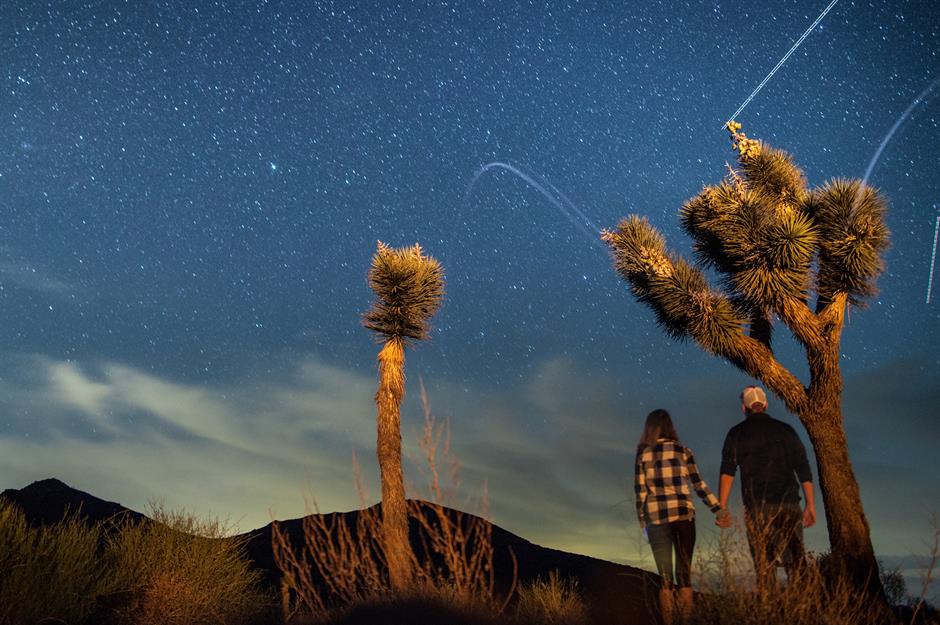
The upside to Joshua Tree National Park’s blistering summer temperatures? Balmy, star-filled nights. And with some areas reaching 5,000 feet above sea level, this IDA International Dark Sky Park is indeed a prime spot for stargazing.
The Milky Way often makes an appearance over the Cottonwood Campground and pullouts along Pinto Basin Road are another window to the stars.
Sponsored Content
Chaco Culture National Historical Park, New Mexico
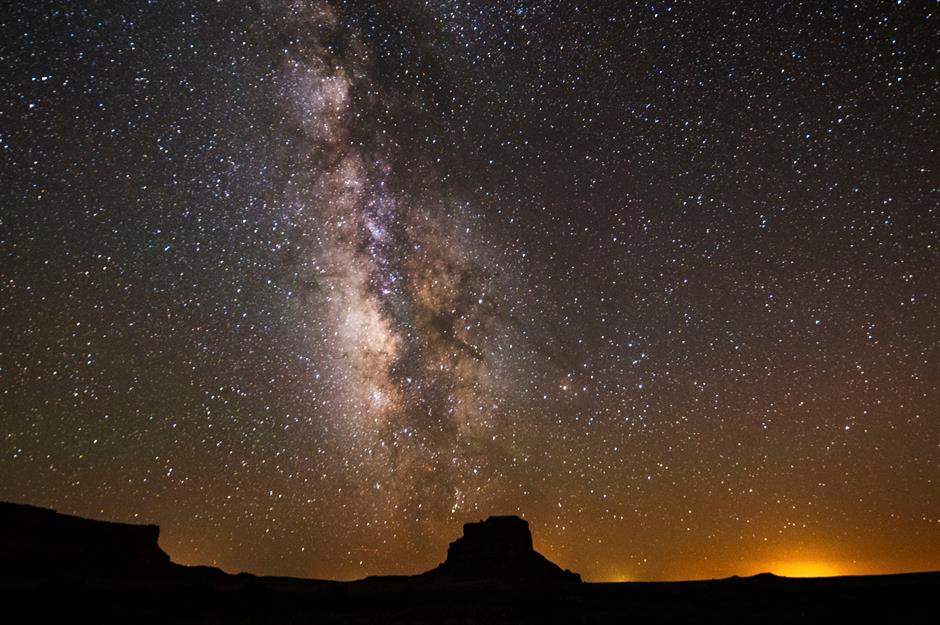
Named an International Dark Sky Park in 2013, Chaco founded its own Night Sky Program in 1991. It strives to provide the same viewing conditions Chacoan people enjoyed a millennia ago, with no permanent outdoor lighting found across 99% of the park.
The park offers a range of public astronomy programs too.
Denali National Park and Preserve, Alaska
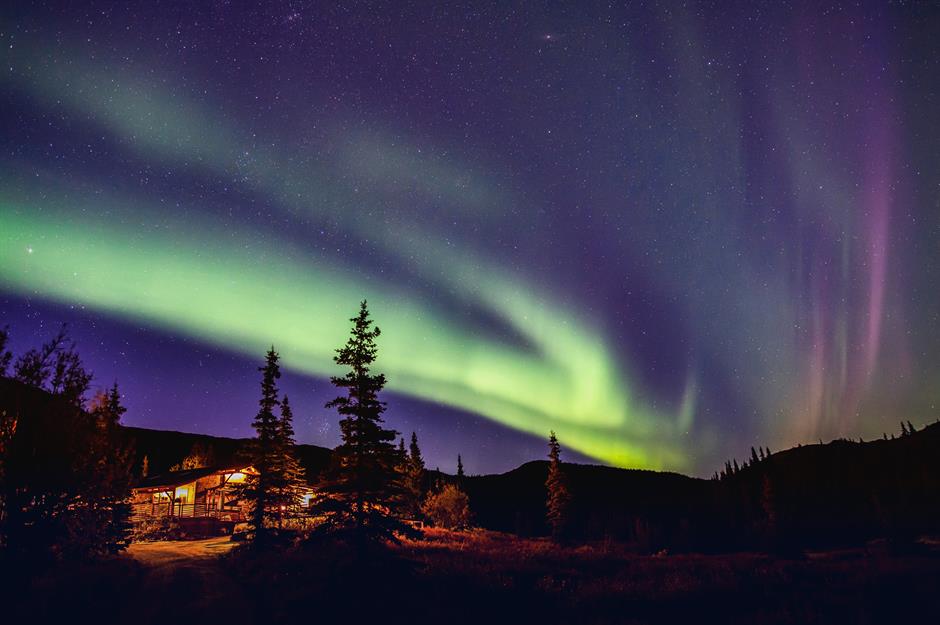
Alaska, with its long, dark winter nights, is a star-chaser's dream and the conditions for spotting planets, comets and more are great across Denali’s sprawling, largely uninhabited wilderness from mid-August through early April.
The same, of course, goes for the elusive aurora borealis. With the incredible skies comes snowfall, unpredictable weather, and freezing temperatures, but the nighttime spectacular is worth it.
Bryce Canyon National Park, Utah
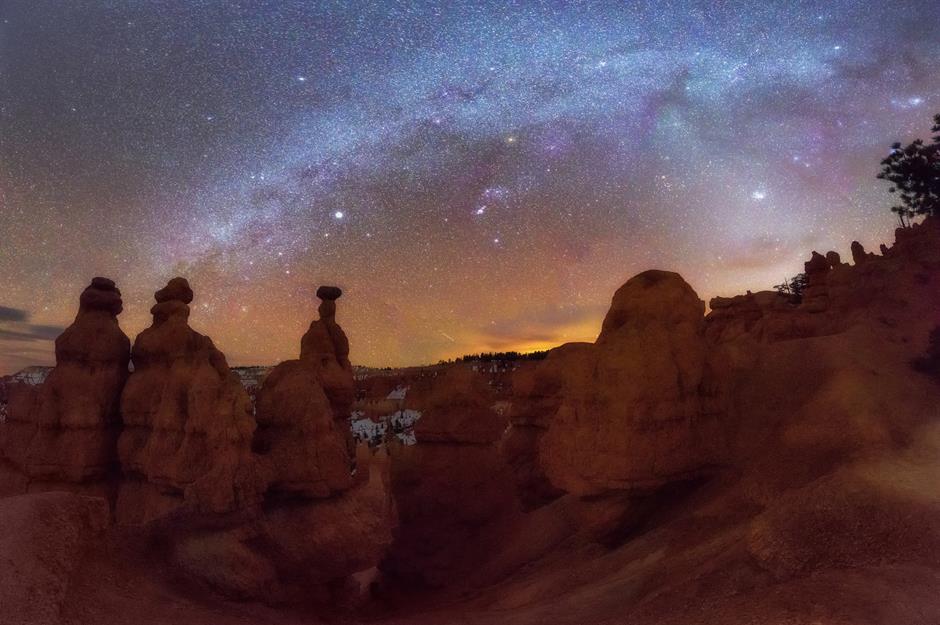
Stargazers are spoilt for choice in Utah, which has almost 20 IDA-certified spots – Bryce Canyon National Park joined their ranks in 2019. The park offers 100-plus annual astronomy programs involving stargazing expeditions with telescopes, as well as an annual Astronomy Festival.
Sponsored Content
Craters of the Moon National Monument and Preserve, Idaho
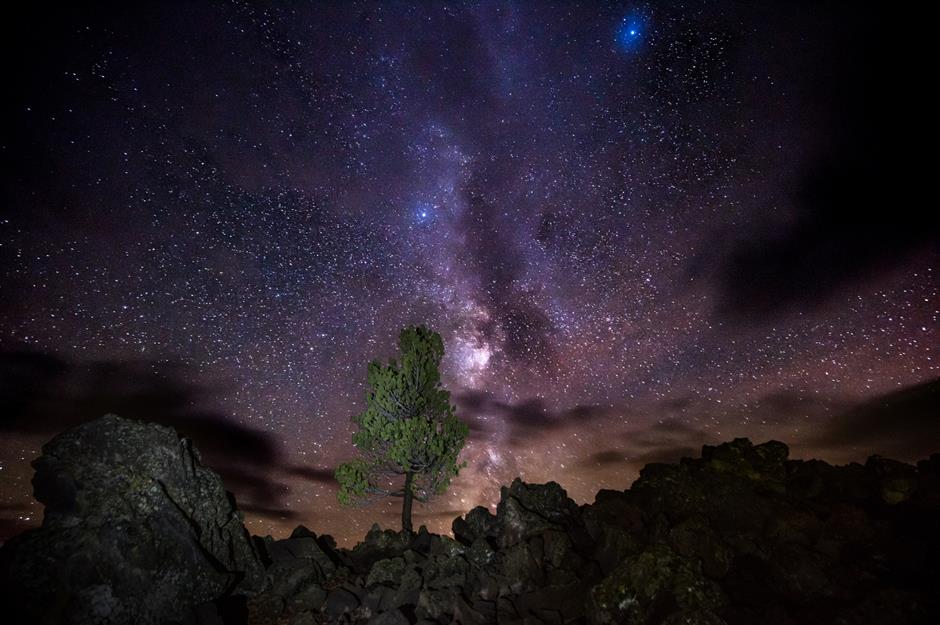
The curious lunar landscapes of Craters of the Moon, formed by volcanic lava over some 15,000 years, have been protected since 1924. Fittingly, given its name, it's also a great place to view the actual moon: due to low levels of light pollution, it was designated an International Sky Park in 2017.
The Idaho Falls Astronomical Society usually unites professional and amateur astrologers for star parties from March through October.
Alabama Hills, California
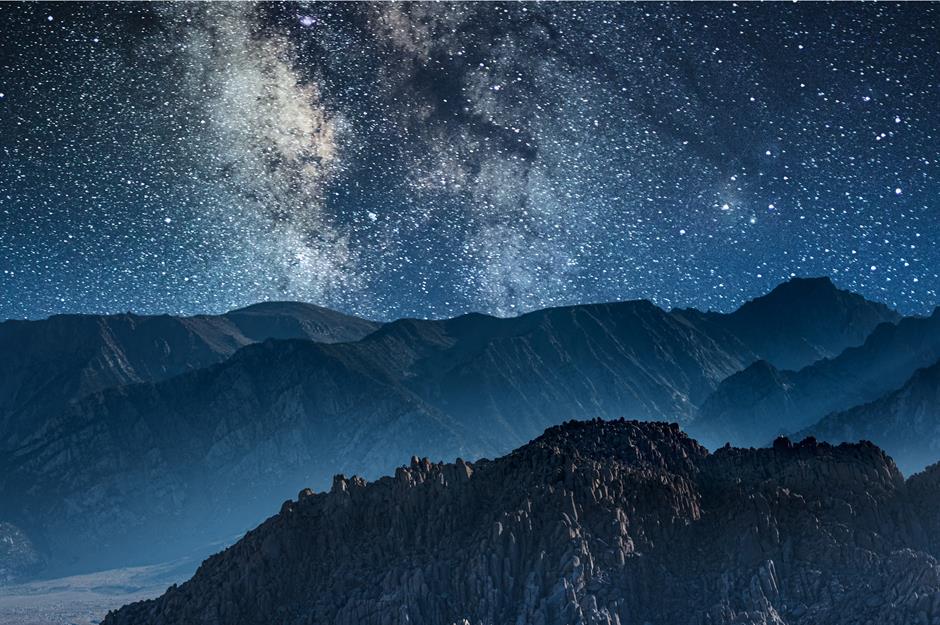
The strange, rocky landscapes of the Alabama Hills have provided an otherworldly backdrop for many popular TV shows and films. And they also serve as a good spot for stargazing, enjoying a Bortle class 4 dark sky score. (The scale ranges from "1: excellent dark-sky site’ through to '9: inner-city sky").
The nearby tiny town of Lone Pine (population around 2,000) is a common base for stargazers – despite its remote location, it can be reached in under four hours by car from both Las Vegas and Los Angeles.
Death Valley National Park, California and Nevada
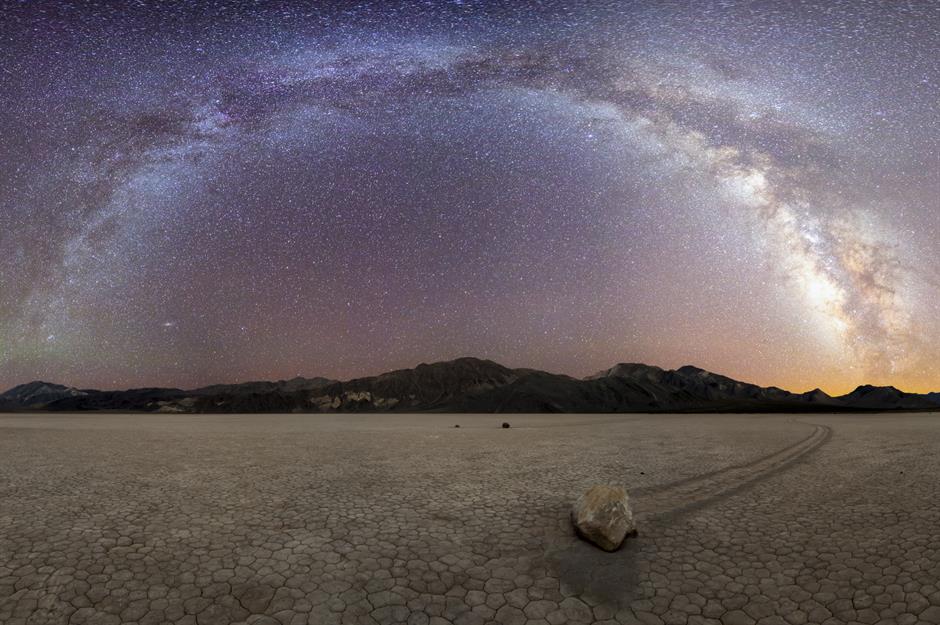
After improving its external lighting and night sky visitor education facilities, Death Valley became the third member of the US National Park System to be designated an International Dark Sky Park.
The rolling Mesquite Flat Sand Dunes are a popular spot for night-sky photographers, as well as the Harmony Borax Works, with its evocative historic mule cart.
Sponsored Content
Copper Breaks State Park, Texas
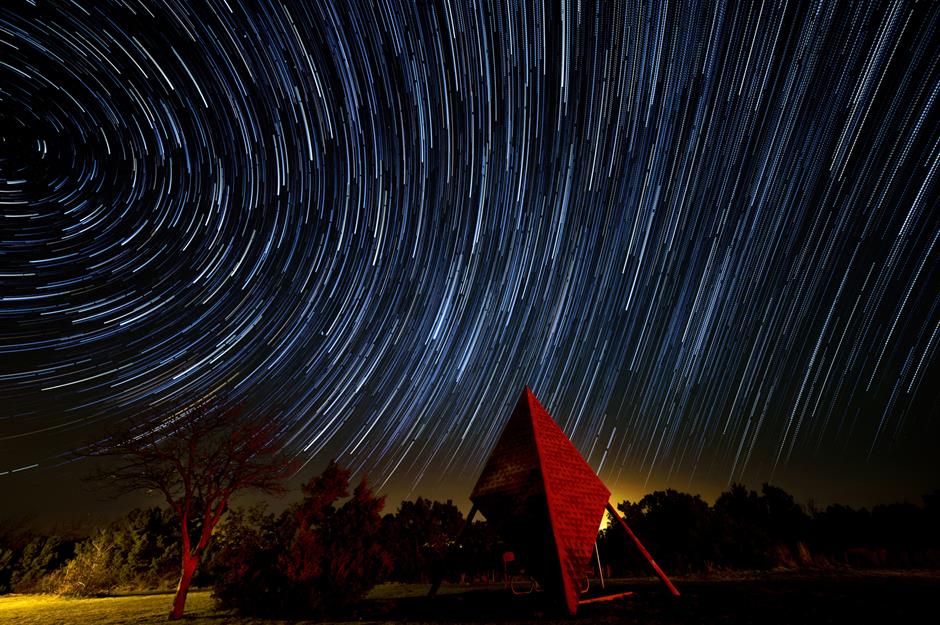
Like Death Valley, Copper Breaks is an International Dark Sky Park offering incredible opportunities for seeing everything from the moons of Jupiter to the International Space Station (be warned: it orbits Earth at a speed of 17,227 miles per hour).
There are planetarium shows and ranger-led "Starwalks" each month – check the park's website for details.
Badlands National Park, South Dakota
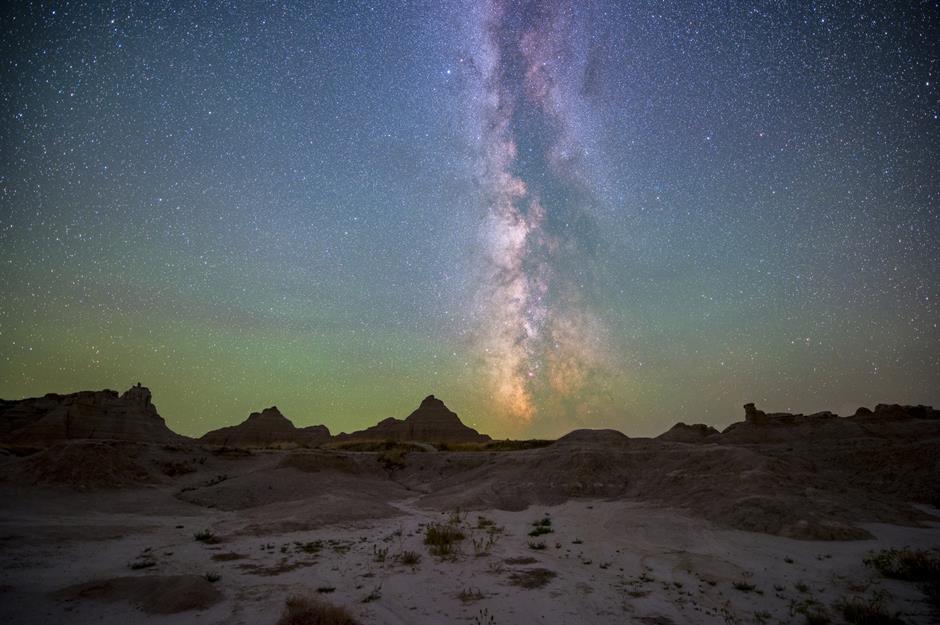
South Dakota is one of the USA's least-populated states, with only 880,000 inhabitants (there are 10 times as many in New York City alone), so there’s little city glare to obstruct the night sky.
The Annual Badlands Astronomy Festival brings together space science professionals and amateur astronomers for a stellar experience every summer. Check the official website for details.
Ochoco National Forest, Oregon
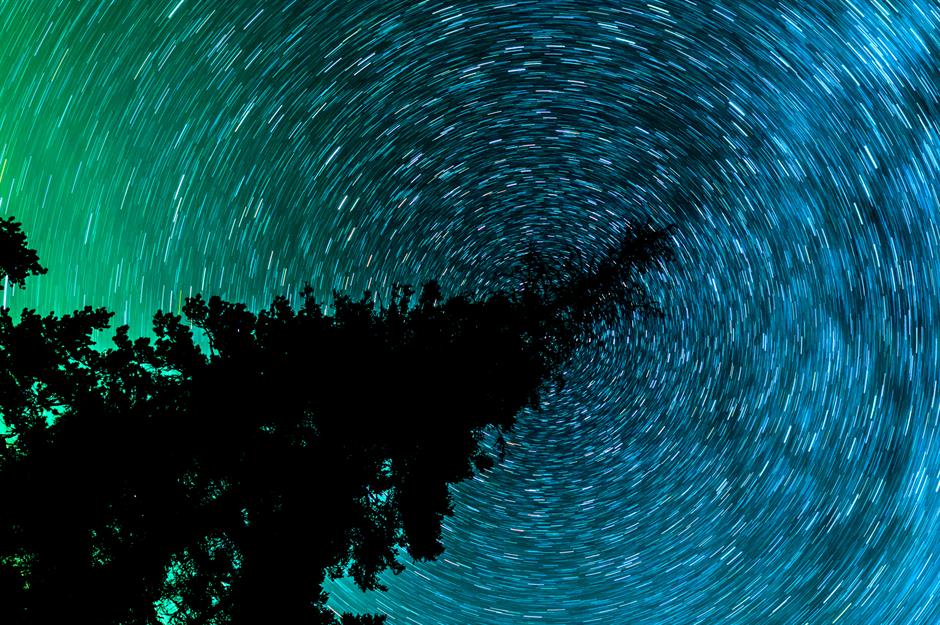
Despite Oregon’s reputation for wet winters and grey and cloudy skies, some 522 budding astrologers turned out for the first Oregon Star Party in 2019, where they enjoyed "clear skies and excellent observing all week."
The event is held every summer, but stargazers can go it alone, overnighting in campsites such as Bingham Springs Campground, with its glorious night skies. The Oregon Observatory is also around a two-hour drive west in Willamette National Forest.
Sponsored Content
Cathedral Rock, Sedona
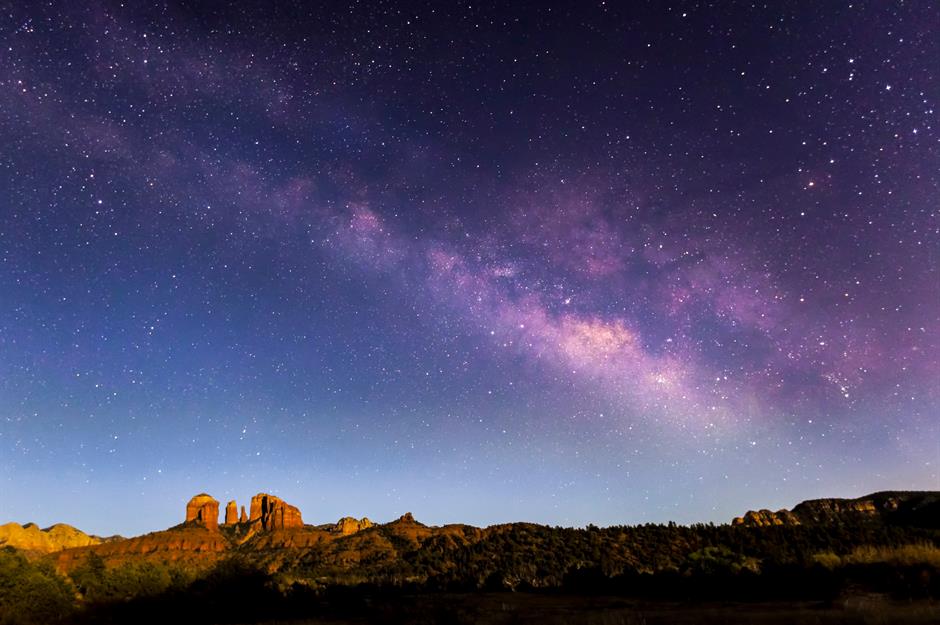
Cathedral Rock is a protruding icon of Sedona’s tiny and modest cityscape, and accessible in only 12 minutes by car.
And due to this tiny town's low levels of light pollution, Sedona and its Rock are excellent spots for studying the night sky. In fact, it’s been a member of the IDA International Dark Sky Community since 2014.
Cherry Springs State Park, Pennsylvania
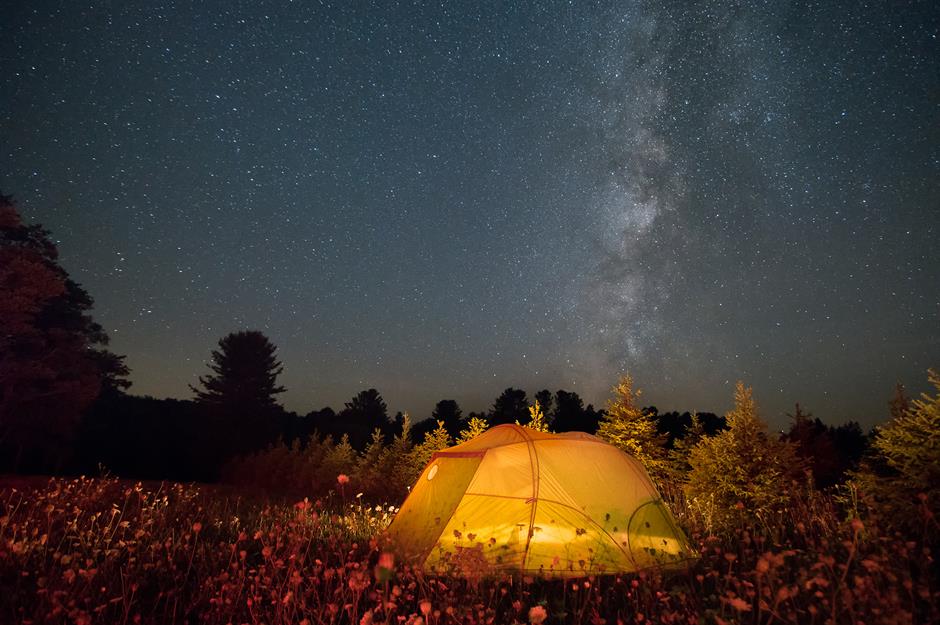
The only International Dark Sky Place in the state of Pennsylvania, Cherry Springs State Park boasts prime stargazing conditions 60–85 nights of the year.
Optimally located cabins allow star-lovers to overnight nearby and private guides also operate around the park – check with individual tour operators for updates and availability.
Great Basin National Park, Nevada
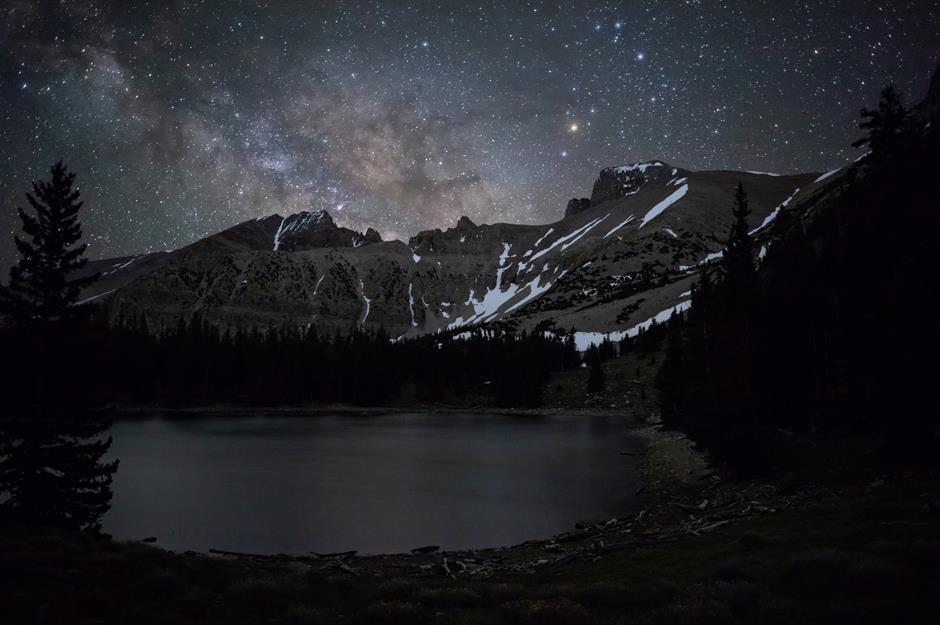
An International Dark Sky Park since 2016, Nevada’s Great Basin National Park offers a full bounty of celestial events. The annual Astronomy Festival is held every September and ranger-led astronomy programs are held throughout the year.
The unique Star Train disembarks on select summer evenings from the city of Ely and into the park with rangers on board; you'll alight for stargazing before returning to town.
Sponsored Content
Antelope Island, Utah
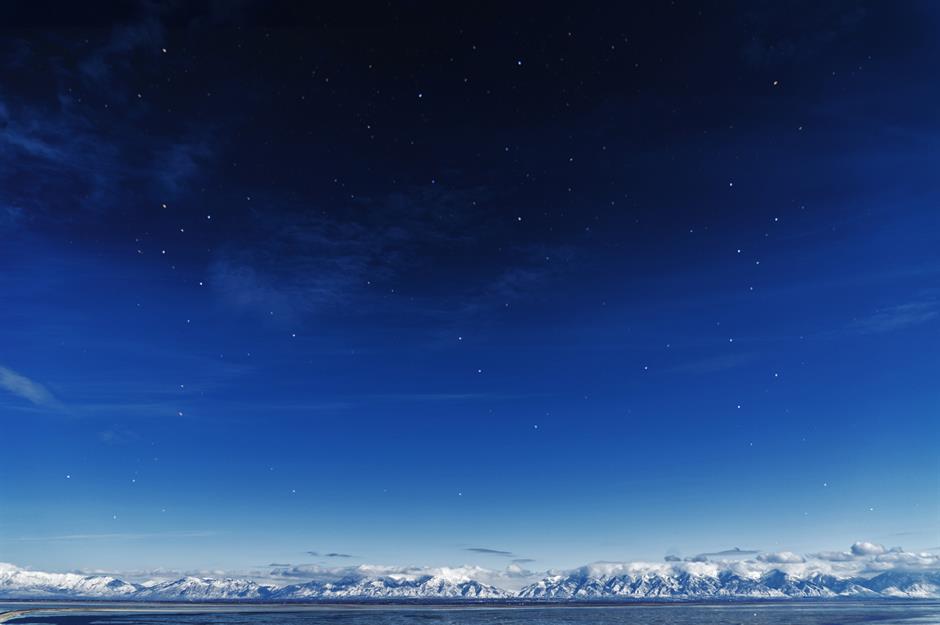
Utah’s Antelope Island State Park, and Antelope Island therein, are known for two things: wildlife (and not just antelope, but bison and coyotes too) plus fantastically dark skies.
This vast island in the Great Salt Lake is a truly unique location for spotting meteors and asteroids, and Salt Lake City is only 60 miles away. The city is the main base for local astronomy clubs, including the University of Utah South Physics Observatory.
Natural Bridges National Monument, Utah
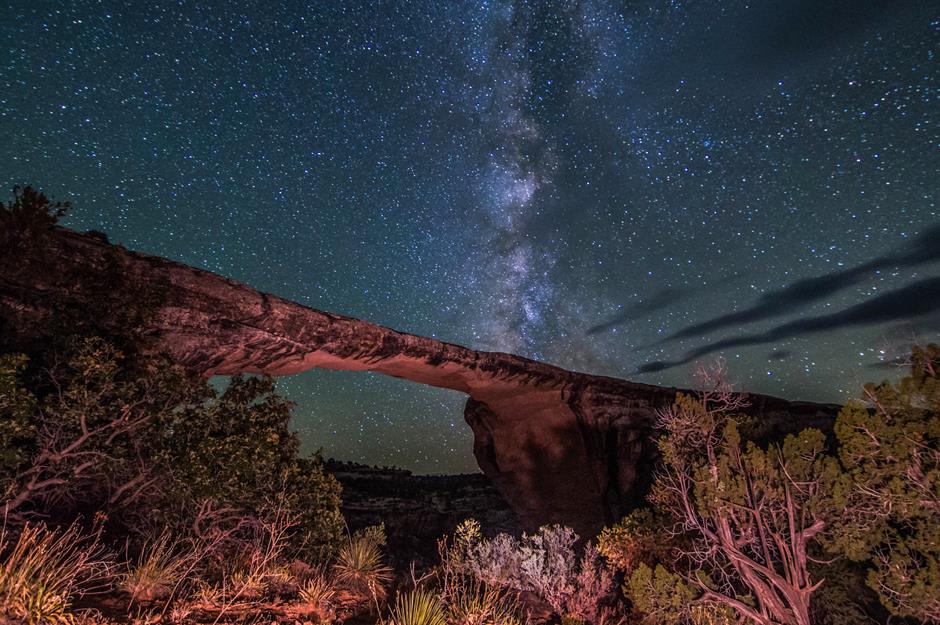
The Natural Bridges National Monument – known for its wondrous arched rock formations like Owachomo Bridge (pictured) – became the world’s first International Dark Sky Park in 2007.
Adventurous visitors are free to traverse Natural Bridges’ trails at any time of the day or night . A night hike is the best way to drink in Southern Utah's starry skies, since the bridges aren't visible from any of the campgrounds here.
Dry Tortugas National Park, Florida
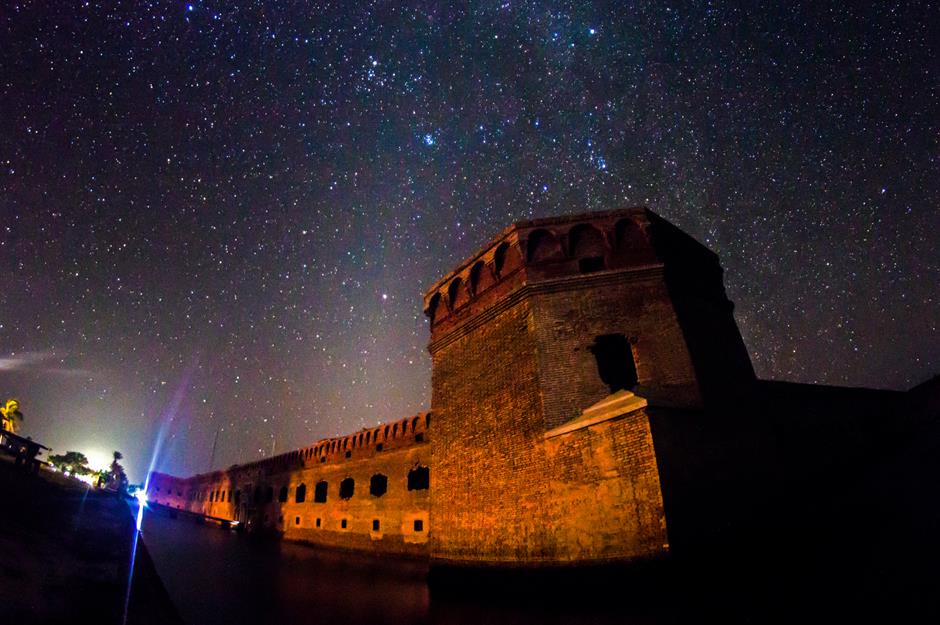
There’s nowhere else quite like Florida’s hidden oasis, Dry Tortugas National Park. Comprised of seven little islands found some 69 miles from Key West, the park is famous for the striking 19th-century Fort Jefferson, plus its abundance of sea turtles.
It’s no wonder the islands’ dark skies are so remarkable, scattered as they are deep in the Gulf of Mexico. Camp overnight on Garden Key beach for a stargazing experience like no other.
Sponsored Content
Cape Cod, Massachusetts
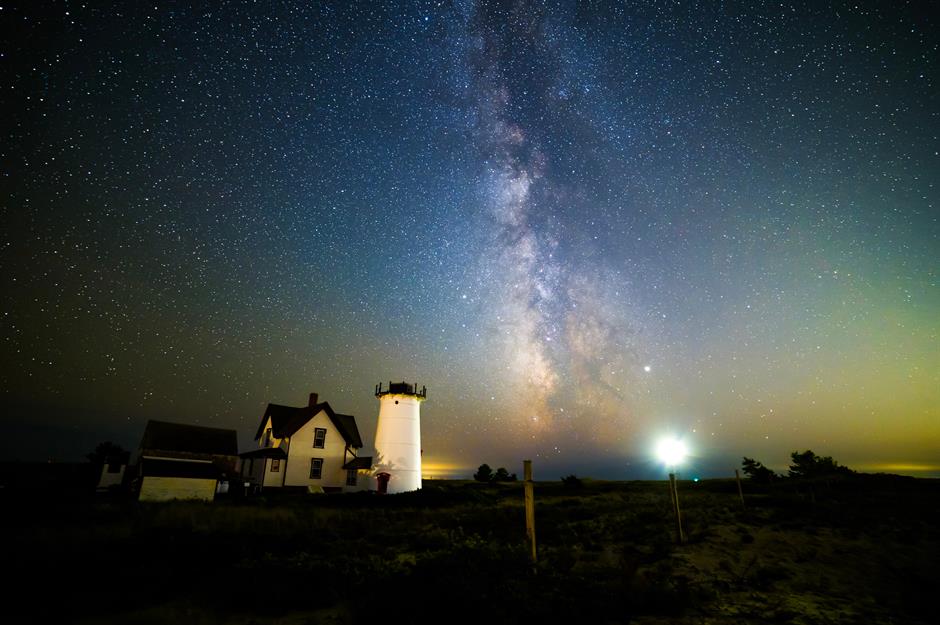
It was reported in 2016 that 80% of Americans can no longer see the Milky Way where they reside. And while a remote location is your best bet for obscure sights (the Omega Nebula, the Andromeda Galaxy), you don’t have to travel far from civilization for our miraculous galaxy to reveal itself.
At least not in Massachusetts, where the water-surrounded Cape Cod peninsula dazzles many a night. The Cape Cod Astronomical Society holds regular star parties at the Werner Schmidt Observatory.
Great Sand Dunes National Park and Preserve, Colorado
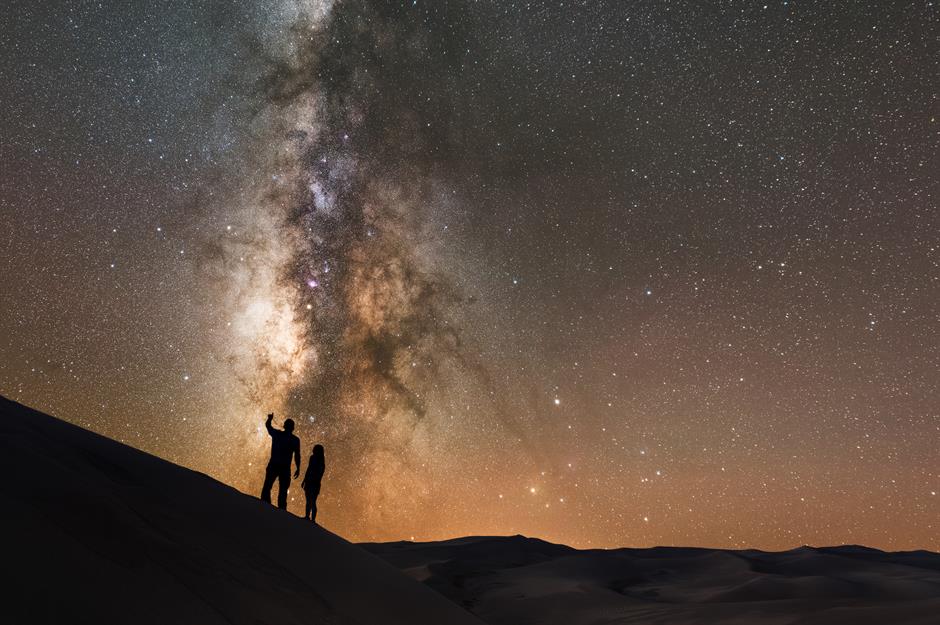
As night falls across these elegant dune fields they feel like another planet. Here, dry air and high elevation combine to create excellent stargazing conditions – as such, the park was certified an International Dark Sky Park by the International Dark Sky Association in 2019.
On moonless nights, the stars come out in full force, while visitors can explore the park without a flashlight on a full moon.
White Pocket, Arizona
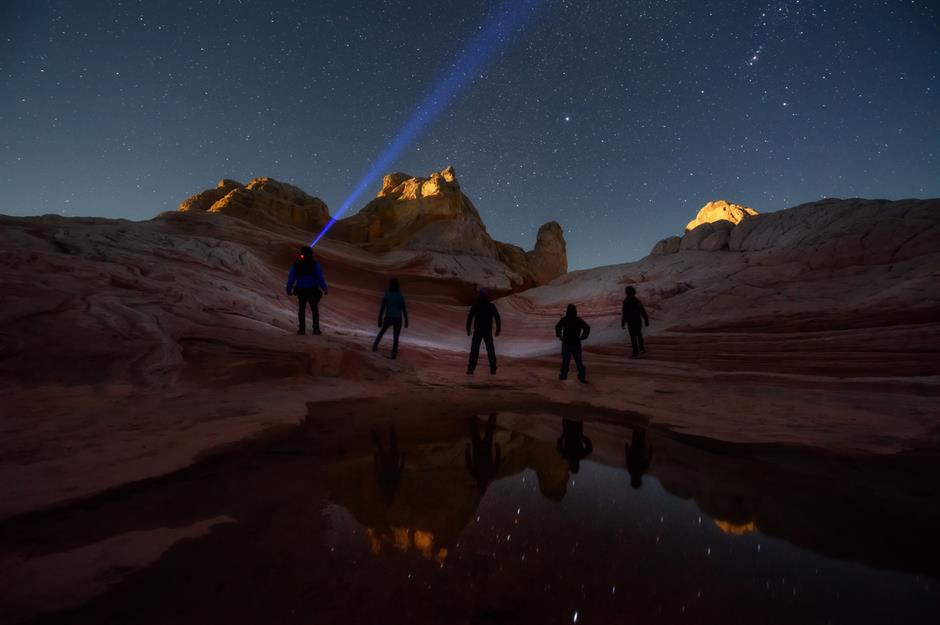
Now for a highly specific (and infamously hard to reach) stargazing location: the sculpture-like sandstone rock formations of White Pocket. Located within the Vermilion Cliffs National Monument close to the Arizona/Utah border, the Pocket is immensely photogenic.
The Overnight White Pocket Photography Tour allows visitors to shoot the scenery with both blazing sunlight and star-lit skies as a backdrop. The tour includes 4x4 drive transportation, some meals, and camping facilities.
Sponsored Content
Mono Lake, California
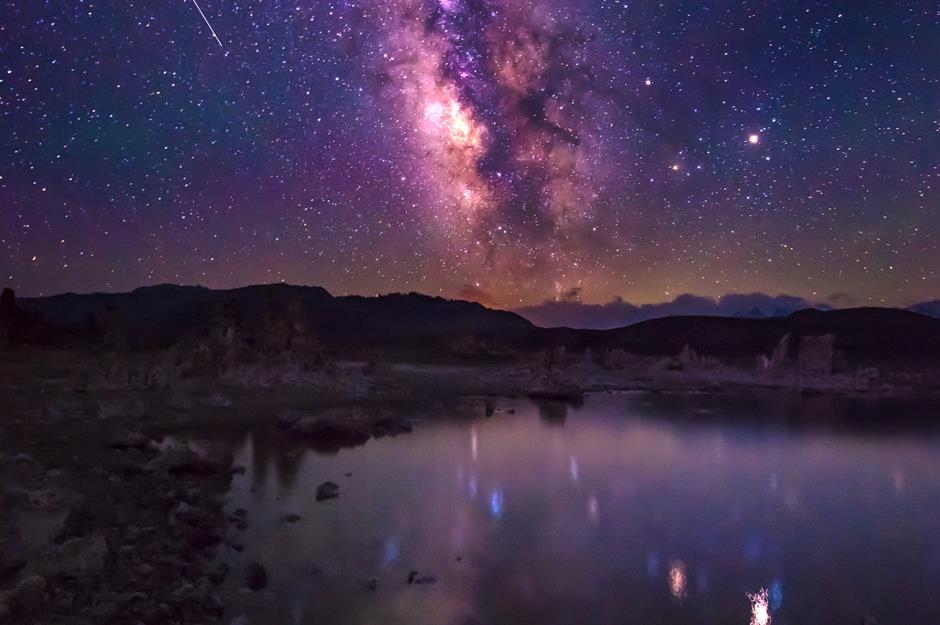
Imagine the clear night sky reflected in the waters of this age-old saline lake, covering 70 square miles. Located at the edge of the Great Basin and the Sierra Nevada Mountains, this Californian beauty spot is known for its dark skies and jutting, calcified "tufa tower" rocks, which together inspire an ever-deeper sense of natural wonder.
The area is at least 760,000 years old – and who knows how far the sights above date back.
Brockway Mountain Drive, Michigan
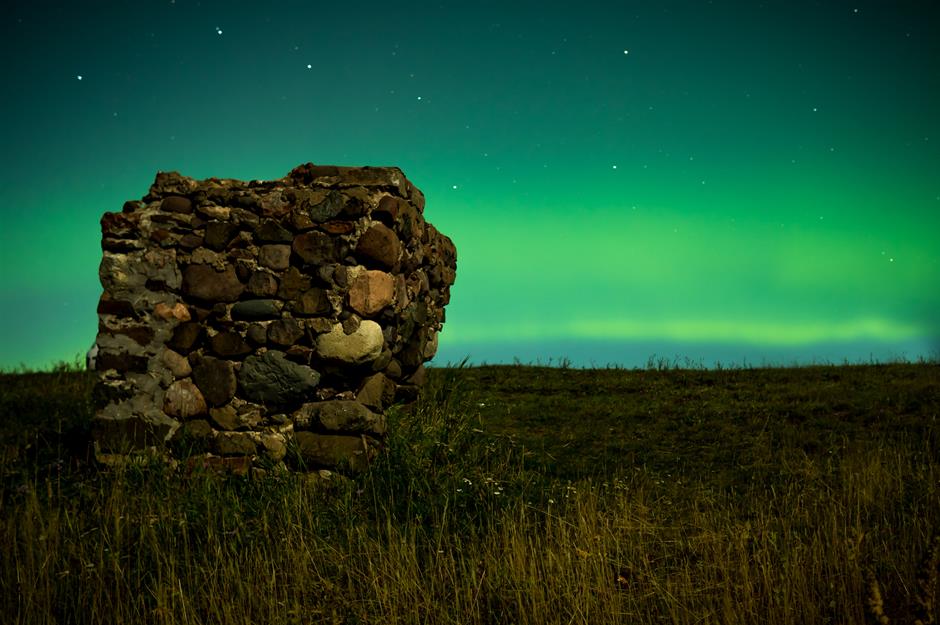
The elusive aurora borealis is visible in the northern reaches of the country – and so to rural, northernmost America, and the dark skies of Michigan’s Upper Peninsula. The 10-mile Brockway Mountain Drive stretches off M-26 between Eagle Harbor Township and Copper Harbor and its numerous viewing platforms offer spectacular stargazing opportunities.
Keweenaw Dark Sky Park is just a short ride down US-41 and offers regular educational workshops for those wanting to learn more.
Anza-Borrego Desert State Park, California
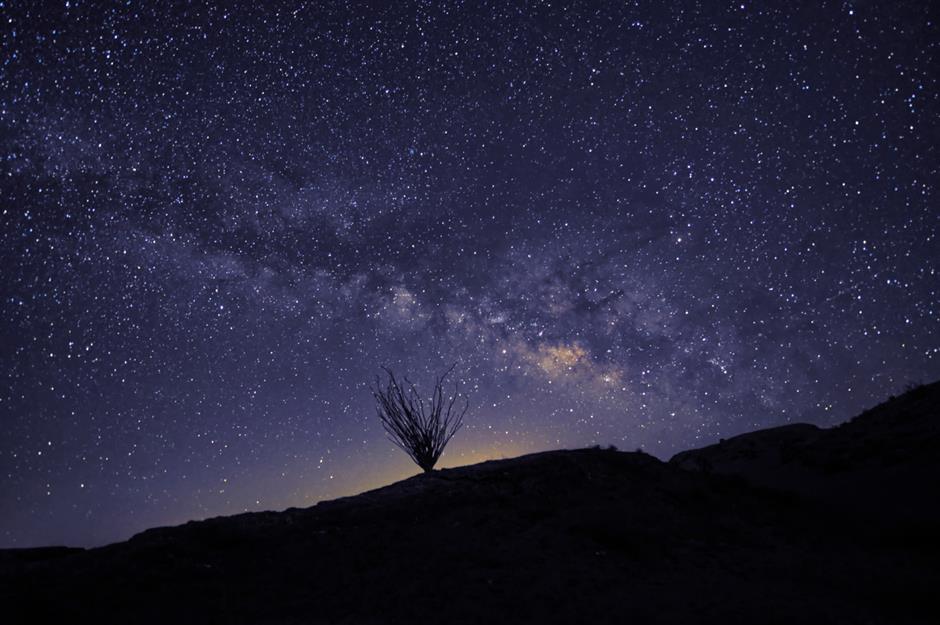
Back to the Golden State – although that nickname isn't apt in the case of Anza-Borrego's densely dark skies. Thanks to the subtlety of streetlights in nearby Borrego Springs, it was the first place in California to join the International Dark Sky Community.
Local accommodations, such as The Springs at Borrego RV Resort and Golf Course, with its 11-inch diameter telescope, make the most of the clear nights, and Dark Sky Week takes place in April too.
Sponsored Content
Glacier National Park, Montana
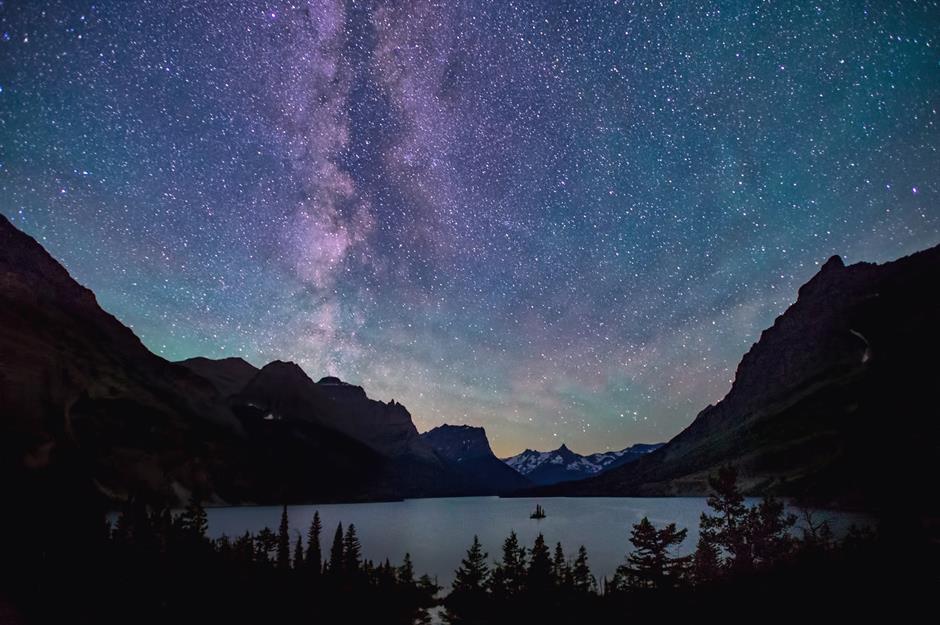
The alpine meadows and glacial valleys of this 1,583-square-mile expanse make up an IDA-designated Dark Sky Park – a title it shares with its sister site, Waterton Lakes National Park, across the Canadian border.
The sky puts on a spectacular show over scenic spots including Logan Pass, along the Going-to-the-Sun Road, and there are plenty of ranger-led activities.
Grand Canyon National Park, Arizona
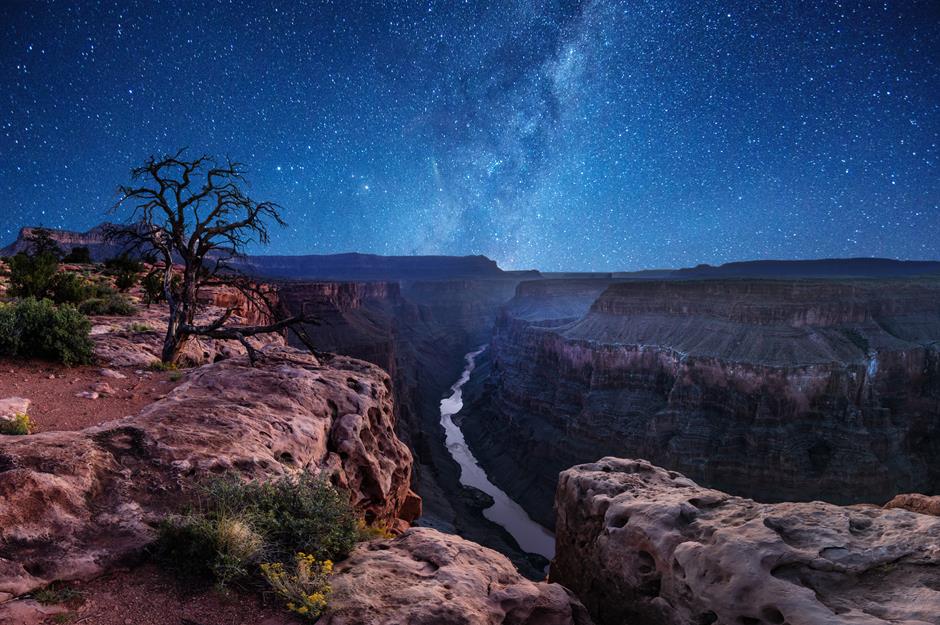
From steep-walled basins to flat-topped mesas and the 70-foot Desert View Watchtower, there are so many places to look out and contemplate the universe at the iconic Grand Canyon. To escape the crowds, adventurous visitors can head to the lesser-visited North Rim, and perhaps the Walhalla Plateau overlook.
Grand Canyon Star Parties are held annually on both the North and South Rim in May and June.
Rocky Mountain National Park, Colorado
Rocky Mountain National Park boasts astonishing skyscapes across 415 square miles of wilderness, with the Trail Ridge Road highway winding out above the timberline, offering truly expansive views.
Bear Lake, ringed by the Bear Lake Trail, is another popular stargazing spot, and there are a range of Night Sky and Astronomy Programs during the summer.
Sponsored Content
Mount Washington Observatory, New Hampshire
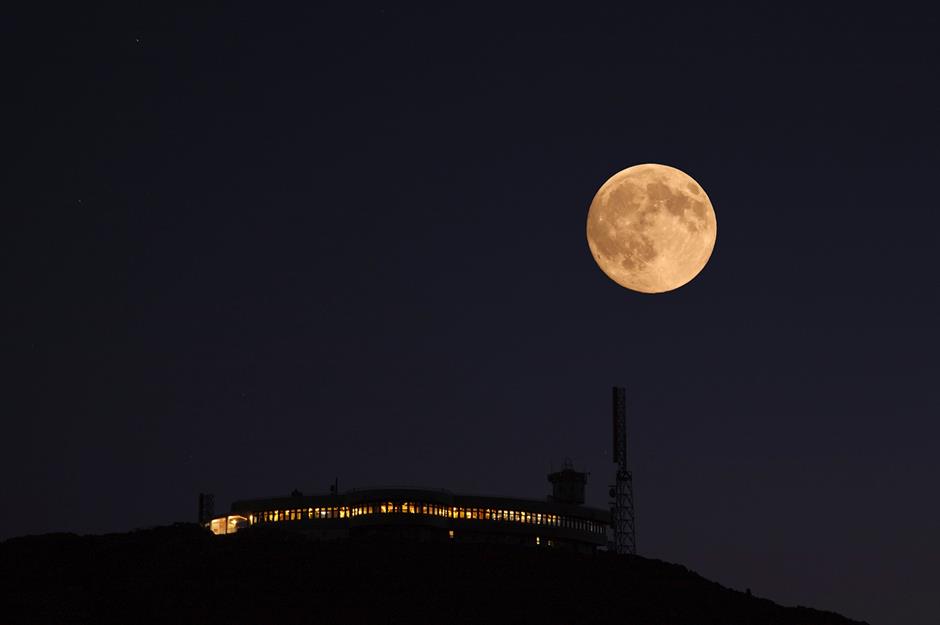
Deep in the heart of Mount Washington State Park you’ll find the Mount Washington Observatory. Sitting atop the highest peak in New England, it offers uninterrupted views across New Hampshire as well as a wonderful window into the dazzling night skies.
Situated in the Sherman Adams Visitor Center, the observatory is open mid-May through mid-October and can be reached by car or foot, or better still, by the Mount Washington cog railway.
Yellowstone National Park, Wyoming
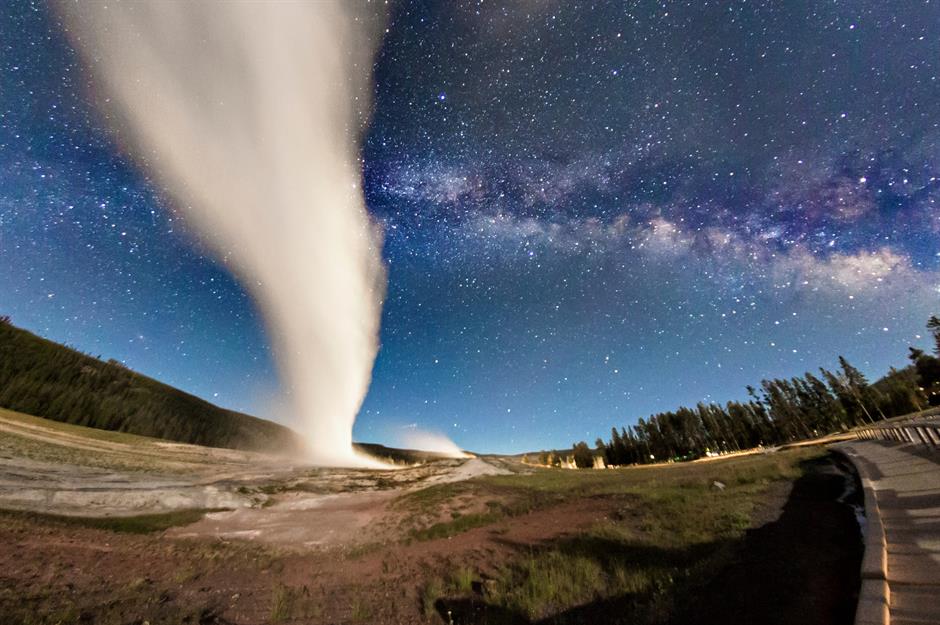
We’ve had glaciers, canyons, and mountains, but how about stargazing with erupting columns of boiling water for company? Yellowstone has the largest concentration of geysers on the planet – and many double up as cool spots for stargazing, with top areas including Mammoth Hot Springs and the Upper Geyser Basin.
The 10,243-foot Mount Washburn also has fabulous views. Yellowstone National Park Lodges’ Steam, Stars and Winter Soundscapes Tour is currently taking bookings for December 2025 too.
Big Bend National Park, Texas
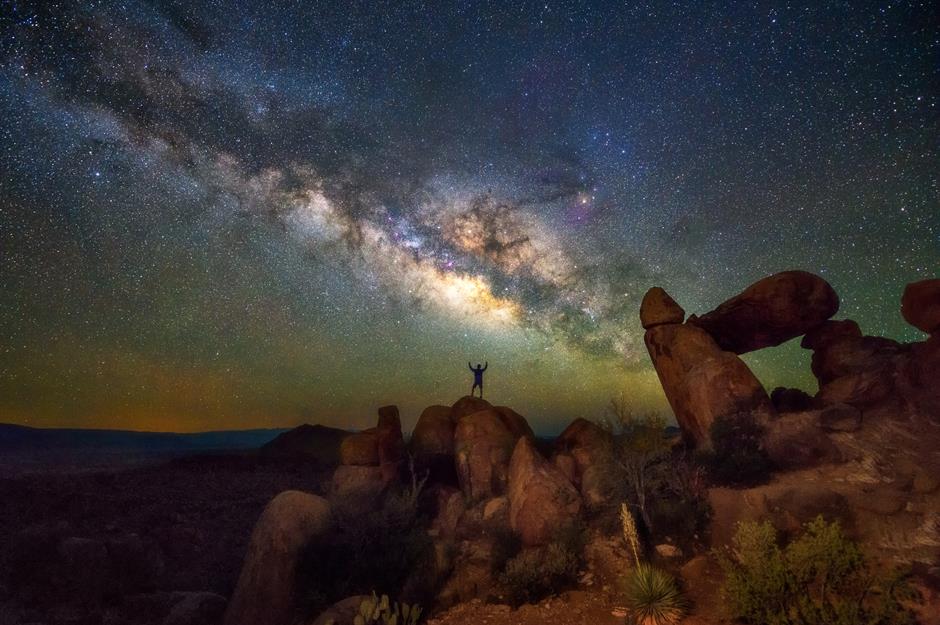
Stargazers can absorb little-changing celestial beauty among 500-million-year-old rocks at Big Bend. Awarded Dark Sky Park status in 2012, the site offers some of the country's darkest skies – in fact it has the least light pollution of all the national parks in the lower 48 states.
Park-recommended stargazing spots include Hot Springs Canyon and Rio Grande Village Nature Trails.
Sponsored Content
Kitt Peak National Observatory, Arizona
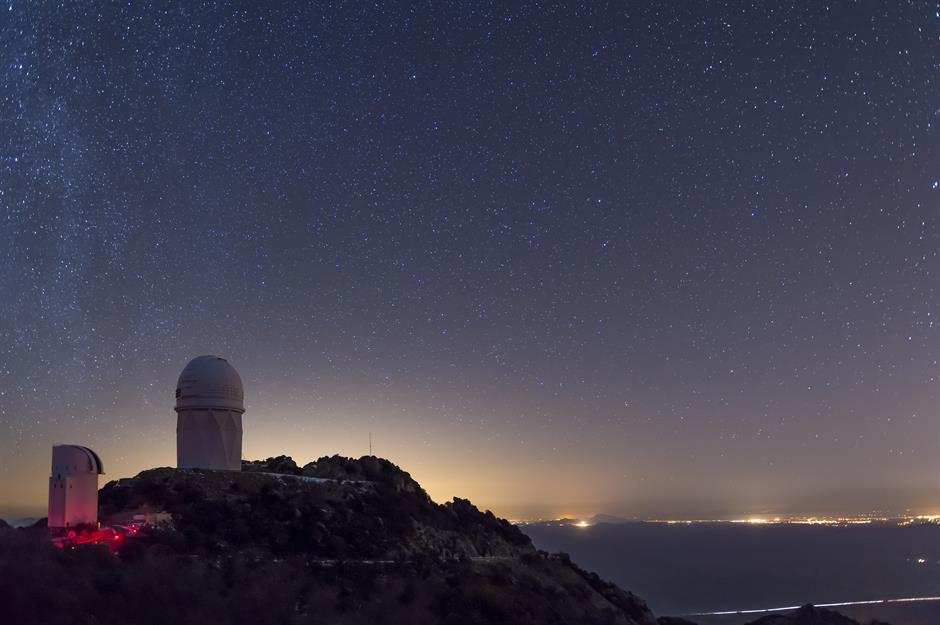
The Kitt Peak National Observatory (KPNO) is nestled atop the Quinlan Mountains’ Kitt Peak overlooking Tucson, Arizona some 55 miles away. This is the place to come to explore the universe as real astronomers work around you.
Head to the Visitor Centre to browse the observatory’s night sky discovery programs. The most exclusive is the personalized Overnight Telescope Observing Program, giving you and your group use of a research-grade telescope.