America's worst storms
Shocking storms
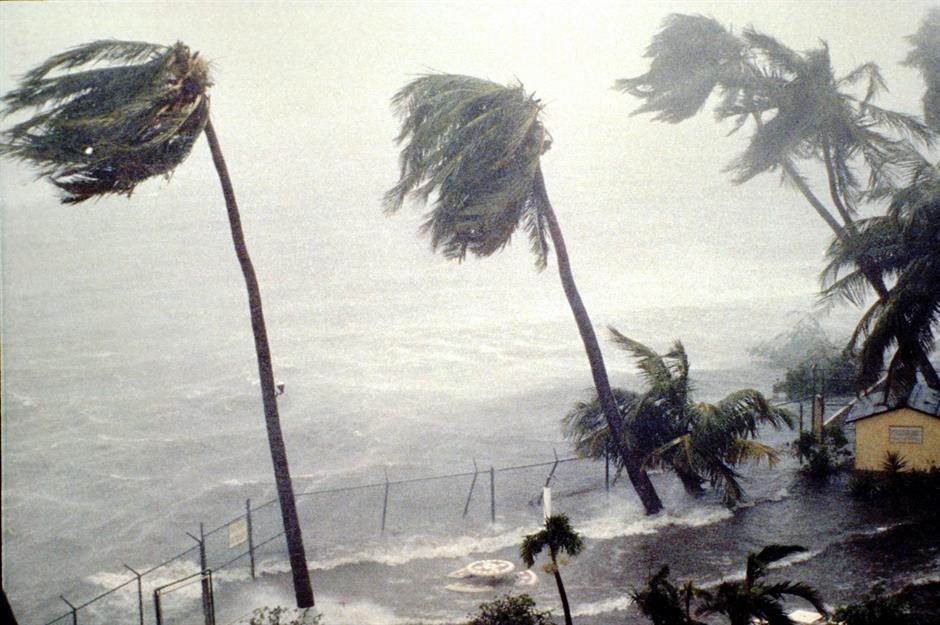
From bone-chilling blizzards to catastrophic hurricanes and terrifying twisters, the USA has seen more than its fair share of powerful and deadly weather systems.
Click through the gallery as we take a look at US storms of record ferocity that have wreaked damage and destruction throughout history...
1888: The Great White Hurricane, East Coast

More than 400 people lost their lives during what became known as The Great White Hurricane, the worst death toll in US history from a winter storm.
On March 11 and 12, the devastating blizzard dropped up to 4.2 feet of snow on Connecticut, New Jersey, Massachusetts, and New York, which was the worst hit. Snowdrifts buried houses and trains while fierce winds caused around 200 ships to flounder.
1900: The Great Galveston Storm, Texas
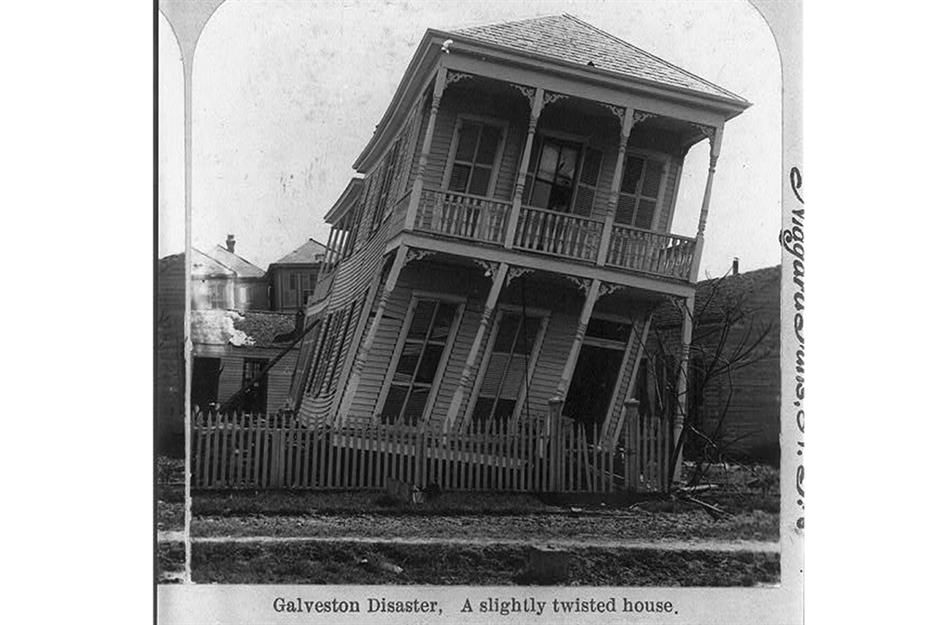
The deadliest natural disaster in US history took place on September 8, 1900 when a Category 4 hurricane ripped apart the island city of Galveston on Texas’ Gulf Coast. The estimated death toll of 6,000 to 12,000 people was a result of extreme winds, flying debris, and storm swells that submerged the city.
Residents were caught unaware as US meteorologists had underestimated warnings from Cuba about the incoming storm and its direction.
Sponsored Content
1913: The Great Storm, Great Lakes
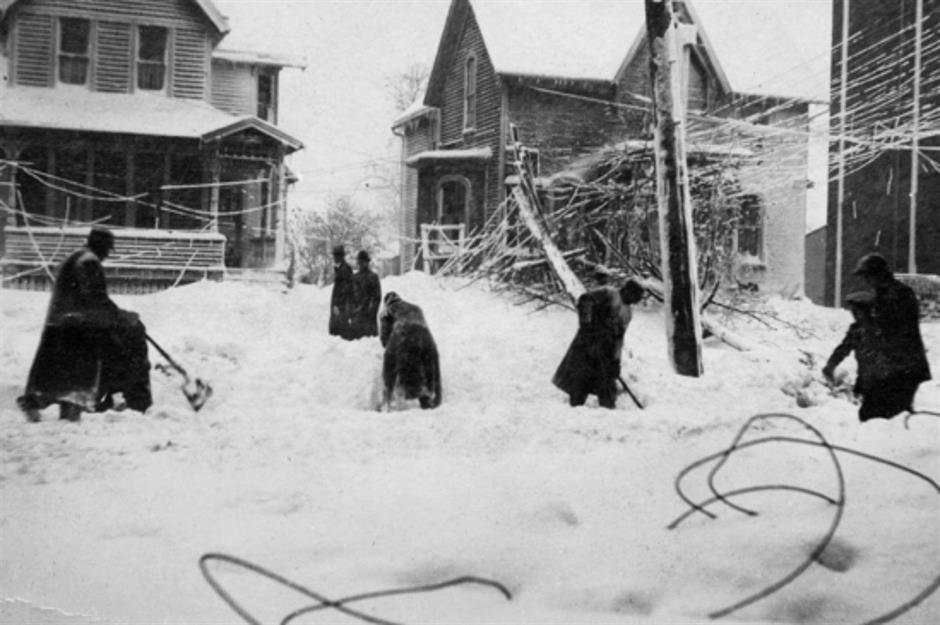
The notoriously weather-beaten Great Lakes Basin witnessed its worst ever storm during November 1913. Also known as the White Hurricane, the blizzards, thunderstorms, powerful winds, lethal waves, and freezing spray of two different weather systems resulted in the deaths of 250 people and destruction of over 42 ships over a few days.
Pictured is Cleveland in the aftermath.
1922: Knickerbocker Storm, East Coast
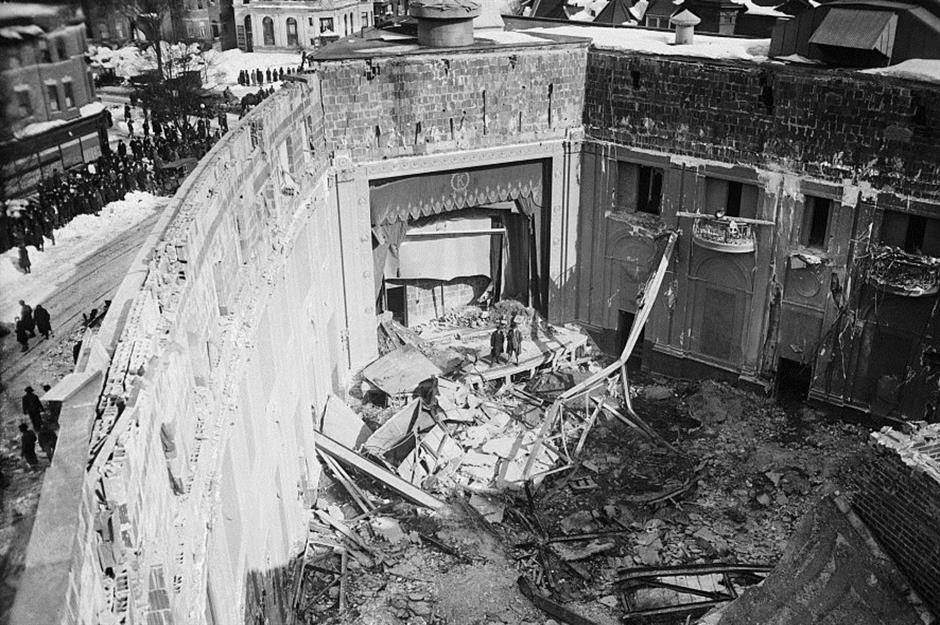
A deadly blizzard engulfed the East Coast on January 27 through 28, 1922, with the capital Washington DC recording a staggering 2.3 feet of snow. The snowbound city largely ground to a halt during what is now known to be one of the worst snowstorms in US history.
It became known as the Knickerbocker Storm after the collapse of the roof of the Knickerbocker Theatre due to the accumulation of heavy snow. It killed 98 people and injured around 133 more.
1925: Great Cyclone Disaster, Midwest and South
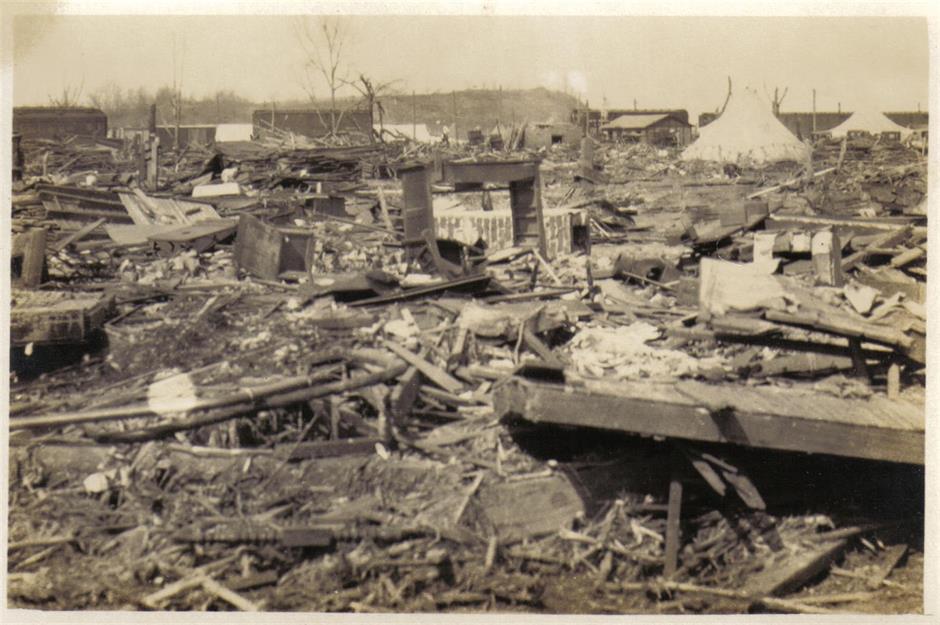
Parts of the Midwest and the South were struck by a huge and destructive outbreak of tornadoes in March 1925, including the deadliest tornado in US history. The Great Tri-State Tornado on March 18 left a trail of destruction in its path from southeastern Missouri through southern Illinois and southwest Indiana.
It killed 695 people and destroyed 15,000 homes. This image shows a house which was carried for more than 50 feet by the gusts, which reached up to 300 miles per hour.
Sponsored Content
1926: Great Miami Hurricane, Florida
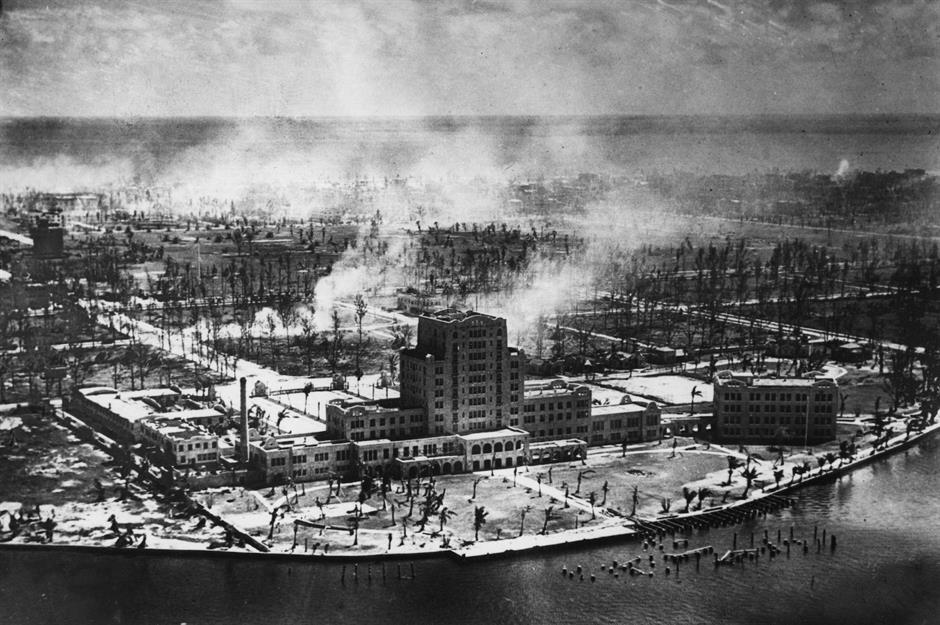
A 10-foot storm surge walloped Miami Beach in the aftermath of the large and intense tropical cyclone that devastated the Greater Miami area in September 1926. A total of 372 were killed and 43,000 left homeless, which was nearly a third of the county’s population at the time.
Boats were capsized and washed ashore and many hotels in the beach resort, including the Flamingo Hotel (pictured), sustained major damage. The Category 4 hurricane also caused extensive damage in the Bahamas.
1928: Okeechobee Hurricane, Florida
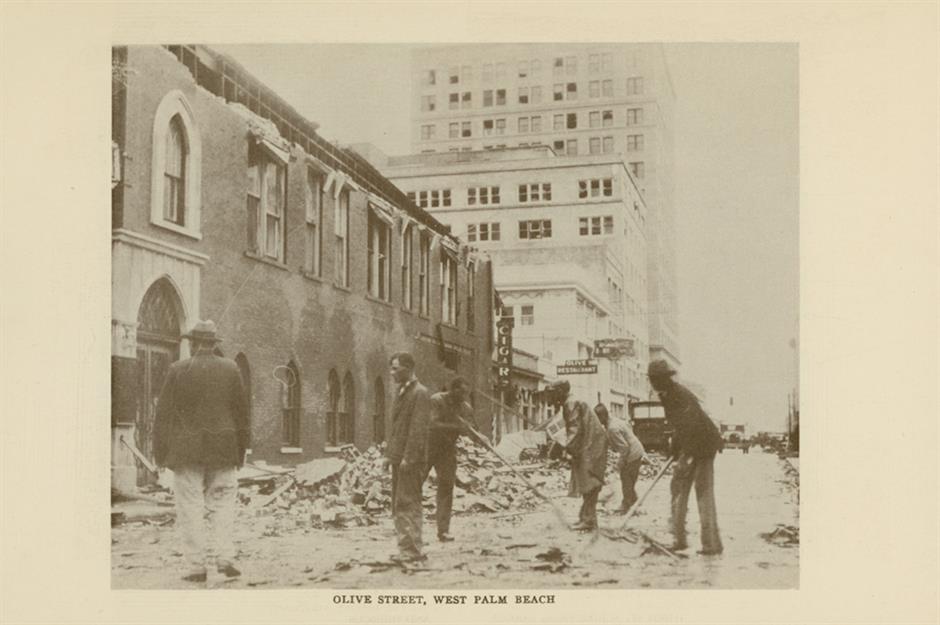
A monstrous hurricane ravaged the Gulf Coast, as well as Puerto Rico, in September 1928. On the mainland, the Category 4 storm made landfall near West Palm Beach in Florida on September 17, destroying many buildings in its wake.
A storm surge caused Lake Okeechobee to flood, resulting in at least 2,500 people drowning and houses being swept away. It is the second deadliest hurricane in US history.
1936: Tupelo–Gainesville tornado outbreak, Mississippi and Georgia
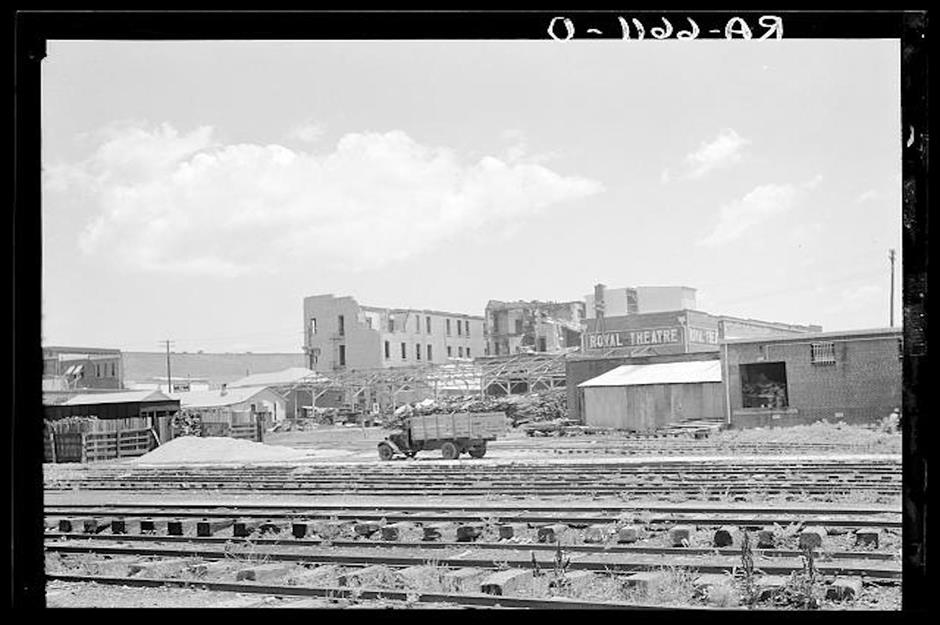
One of the deadliest in US history, the Tupelo Tornado in April 1936 ripped through the town of Tupelo in Mississippi, claiming 216 lives and injuring over 700 people.
The morning after, the storm system moved into Georgia, causing other tornadoes to develop including double twisters that hit Gainesville in Georgia, killing another 203 people and flattening parts of the industrial town.
Sponsored Content
1938: The Great New England Hurricane, New England
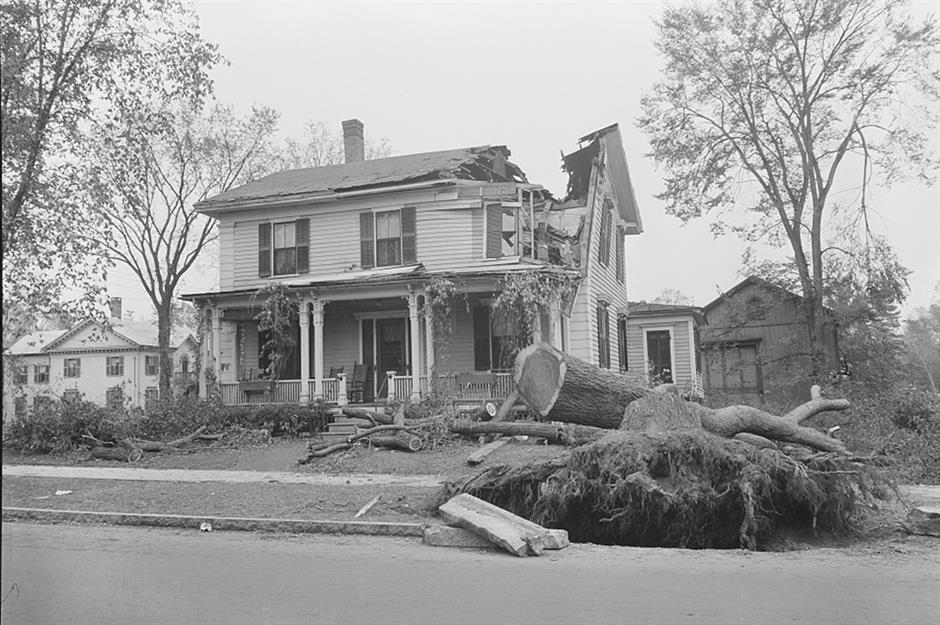
Parts of New England were ravaged by vicious winds of up to 183 miles per hour and deadly waves when a hurricane struck Long Island on October 3, 1938. Katharine Hepburn’s Connecticut beach house was one of 8,900 homes swept into the sea as a result of the powerful storm.
A surge of water was pushed ahead by the hurricane causing the most damage, with the water reaching up to 25 feet. It was nicknamed 'Long Island Express' and was responsible for more than 256 deaths. Pictured is a damaged house in Amherst, Massachusetts.
1947: The Woodward tornado, Oklahoma
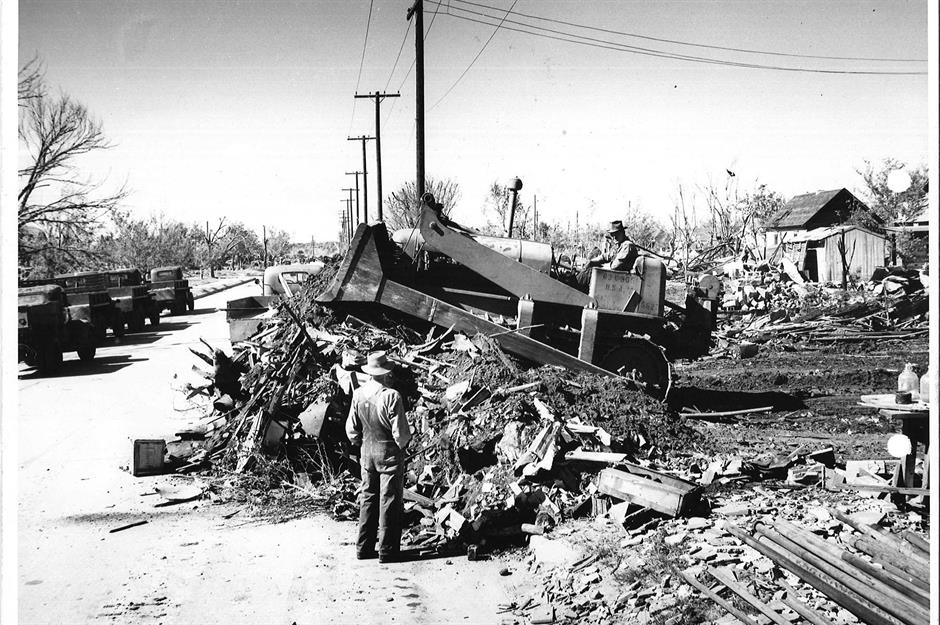
The Woodward tornado on April 9, 1947 is the deadliest one to ever hit the state of Oklahoma, leaving 185 dead and more than 1,000 injured. The storm began in the Texas Panhandle and produced at least six tornadoes along a 220-mile path that stretched from Texas to Kansas.
The tornado that devastated the town of Woodward was up to 1.8 miles wide and traveled at about 50 miles per hour. It destroyed over 1,000 homes and businesses.
1953: The Flint-Beecher Tornado, Michigan
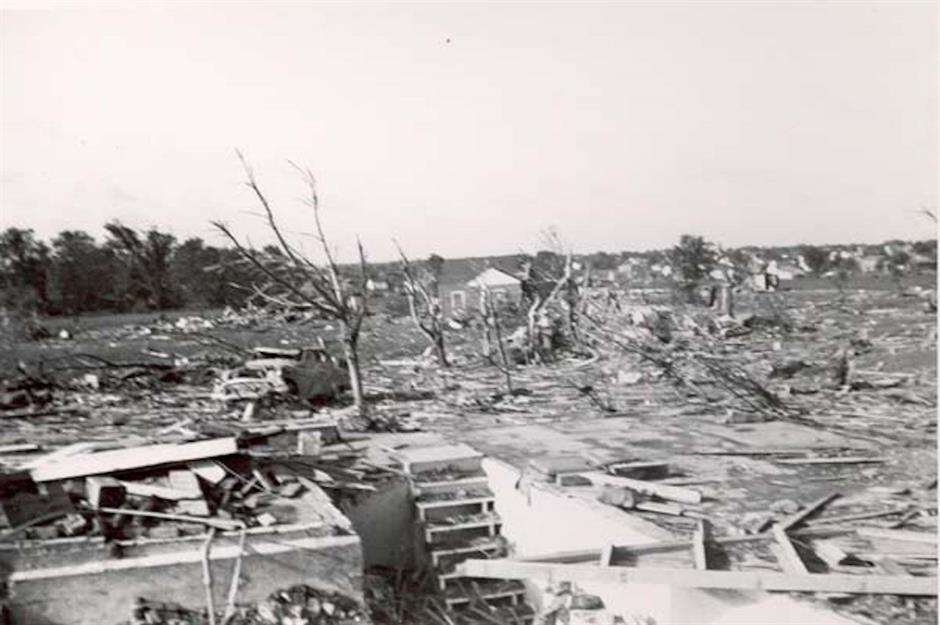
The year of 1953 was a bad year for tornadoes with several deadly storms. The worst of these hit Flint on June 8, killing 116 and injuring 844 people. It was an F5 intensity tornado, the highest rating on the Fujita Scale of damage, and the most destructive twister ever recorded in the state.
Another seven tornadoes also occurred in Michigan on the same evening, claiming another nine lives.
Sponsored Content
1954: Hurricane Carol, New England
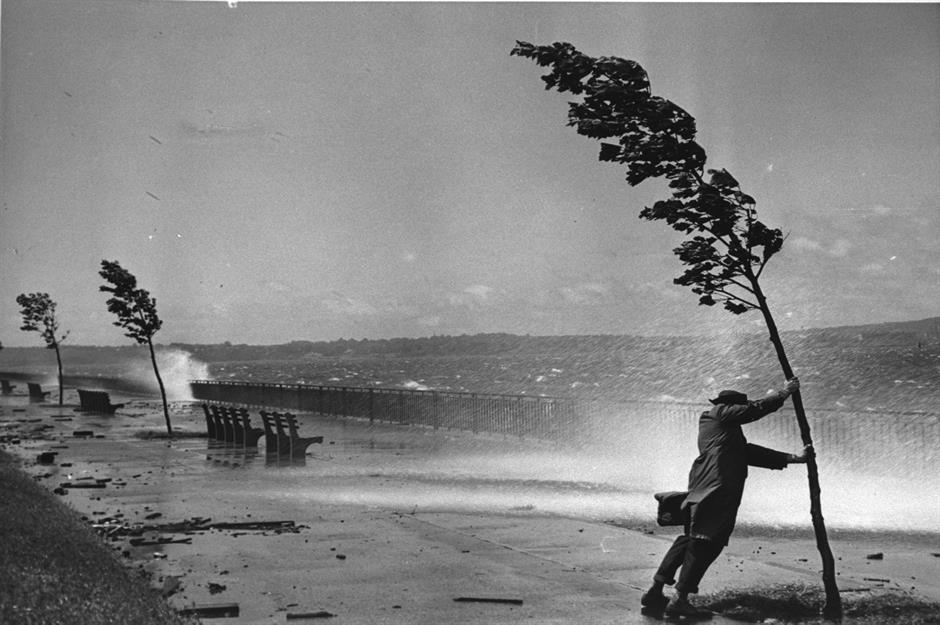
Category 3 hurricane Carol careered into the south of New England on August 31 1954 and unleashed utter havoc across Rhode Island, the eastern half of Connecticut and the east coast of Massachusetts.
Coastal towns were flooded, power lines were destroyed, and trees were toppled as the winds reached speeds of up to 135 miles per hour.
1962: Columbus Day Storm, Oregon and Washington State
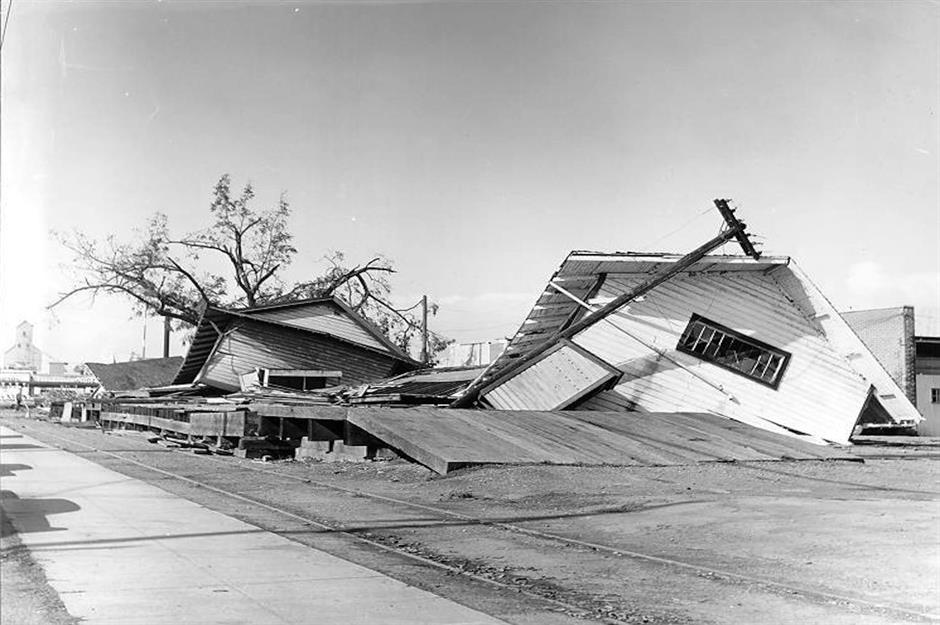
Also known as the "Big Blow," this formidable windstorm hit the Pacific Northwest on October 12, 1962 with all of its might. With winds of over 100 miles per hour lashing Portland, it killed 46 people across Oregon and in Washington state, damaged 50,000 houses and toppled around 16,000 trees.
It remains the most significant windstorm ever recorded in the Portland area.
1965: Palm Sunday Twin Tornadoes, Indiana
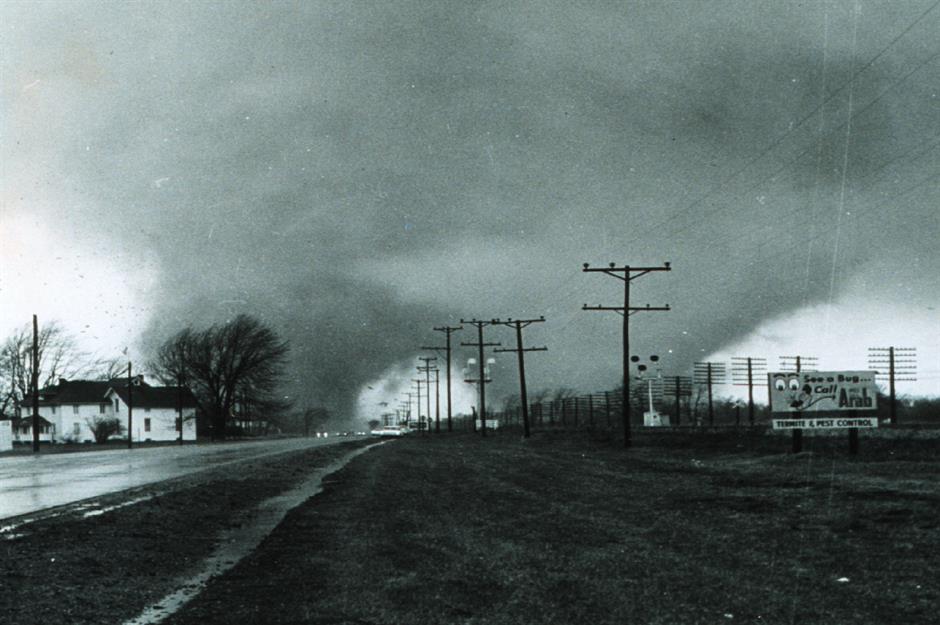
Twin twisters ravaged Indiana on Palm Sunday, April 11, 1965. It was one of six Midwest states to be hit by deadly tornadoes on that fateful day, which saw 47 break out in total, killing 271 people and injuring over 1,500.
The storm’s now infamous double tornado completely destroyed the Midway Trailer Park in Dunlap, Indiana (pictured), killing 33 people.
Sponsored Content
1969: Hurricane Camille, Mississippi and southeastern states
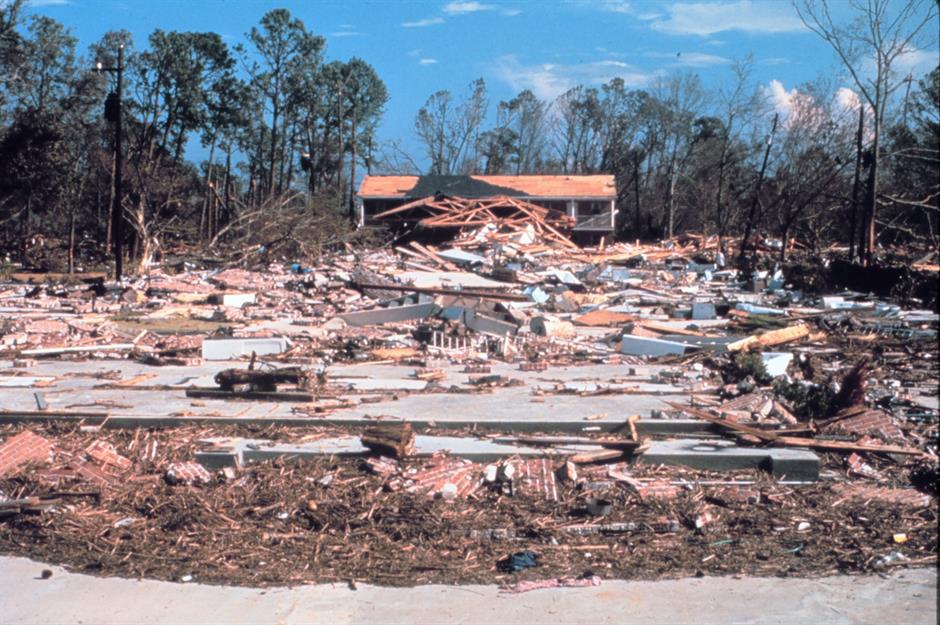
One of the most intense storms to hit the US barreled in from the Gulf of Mexico on the night of August 17, 1969. Hurricane Camille, a Category 5 storm, caused more than 256 deaths after it made landfall at Bay St. Louis in Mississippi.
There were powerful winds and peak tides of more than 24 feet high. Much of the Mississippi coast was decimated and the storm also caused major flooding as it crossed the Appalachian Mountains into Virginia.
1972: Hurricane Agnes, East Coast
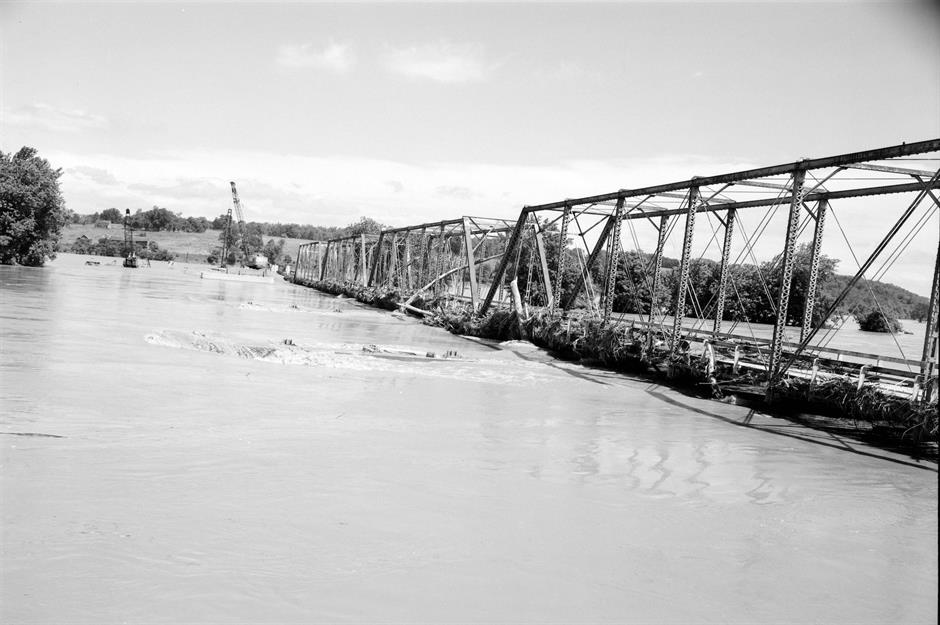
At the time it struck, Hurricane Agnes was the costliest hurricane in US history. As well as extensive damage to property and industry, the winds, rain, and floods killed 122 people across eight states in the eastern part of the country. Apalachicola bore the brunt of Agnes as the hurricane first made landfall on Florida’s coast on June 23, 1972, causing about $10 million in damages at the time.
The storm also caused terrible flooding in Pennsylvania, New Jersey, and Virginia (pictured here is Wingina). Although only a Category 1 storm, it still resulted in 122 deaths and caused around $2.1 billion in damage at the time.
1978: Northeastern Blizzard, New England, New Jersey and New York
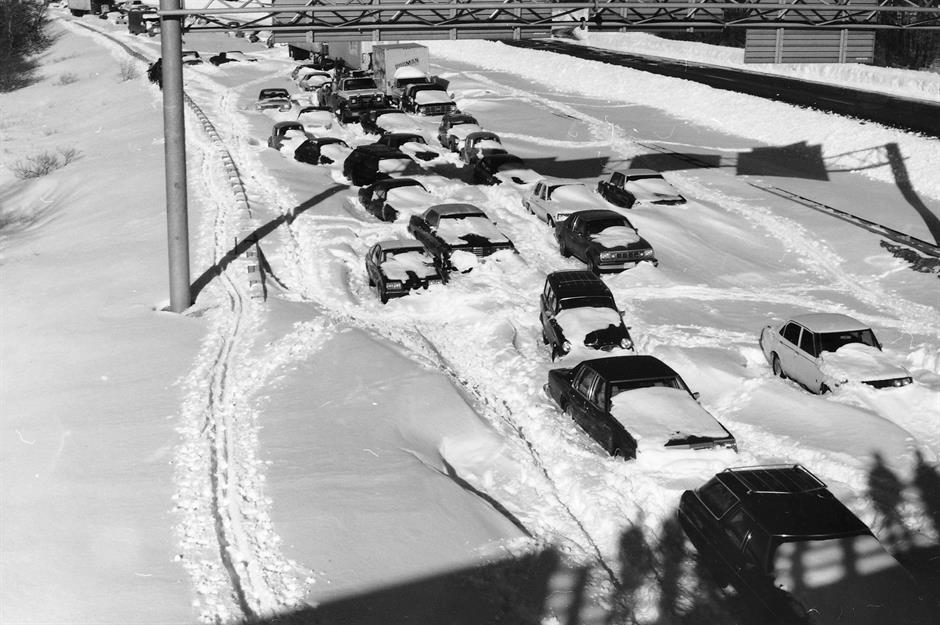
One of the worst winter storms in living memory blasted across parts of the USA in 1978. The historic nor'easter in early February brought blizzard conditions to New England, New Jersey, and New York City with hurricane-force winds, white-outs, and snow drifts trapping drivers, workers, and families in their homes.
Combined with spring high tides, severe flooding also destroyed many homes on Long Island Sound and Cape Cod Bay.
Sponsored Content
1989: Hurricane Hugo, the Carolinas and Puerto Rico
Wind gusts of 140 miles per hour, heavy rains and monstrous waves left a trail of devastation through Guadeloupe, the US Virgin Islands, and Puerto Rico in September 1989.
Hugo, as the hurricane that formed over the eastern Atlantic near Cape Verde became known, struck land once again in South Carolina on September 22 making its presence known with violent winds and storm surges. It caused major structural damage there and in North Carolina too.
1992: Hurricane Iniki, Hawaii
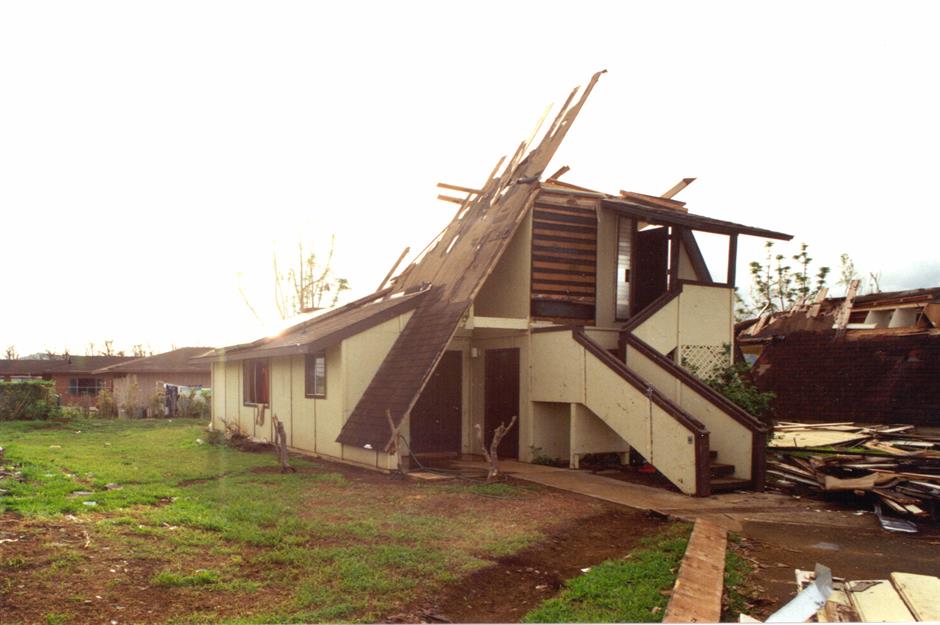
The year 1992 was the last time a hurricane made a direct hit on the state of Hawaii and it was a whopper. Hurricane Iniki, the most powerful and costliest storm to strike the islands in recorded history, made landfall on September 11 and destroyed thousands of homes with violent winds of 145 miles per hour.
The island of Kauai was the worst hit and six people died. Iniki means "strong and piercing wind" in Hawaiian.
1992: Hurricane Andrew, Florida
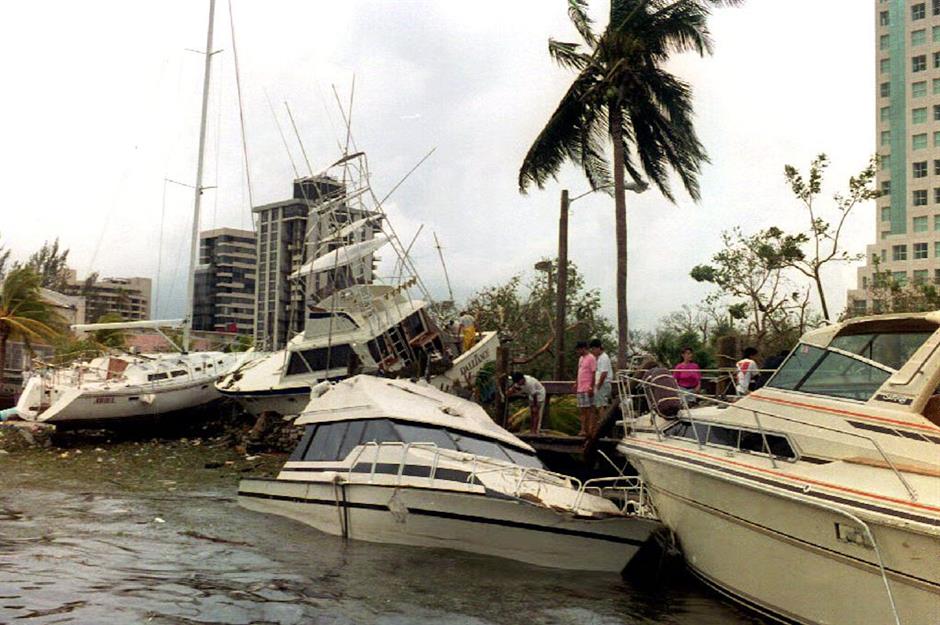
Category 5 Hurricane Andrew clobbered South Florida during the night of August 24, 1992 with winds of up to 175 miles per hour. It was the strongest to hit in 40 years and one of the biggest natural disasters in American history, causing 61 deaths.
It caused an estimated $50 billion of damage (adjusted to present-day values) making it the sixth most costly hurricane to impact the US since 1980. The long-lasting impact of Hurricane Andrew led to major changes to Florida’s storm preparation strategies.
Sponsored Content
1993: Superstorm, various states

Also known as the "Storm of the Century," it still remains the country's most costly winter storm since 1980, causing $9.9 billion (when adjusted to today's values) in damage across the US in mid-March 1993. With a central pressure usually only found in Category 3 hurricanes, the storm left tornadoes, coastal flooding, crippling snow, and freezing temperatures in its wake, including in Washington DC (pictured).
A total of 318 people lost their lives and thousands of areas were left without power and suffered extensive property damage.
1996: The North American Blizzard, various states
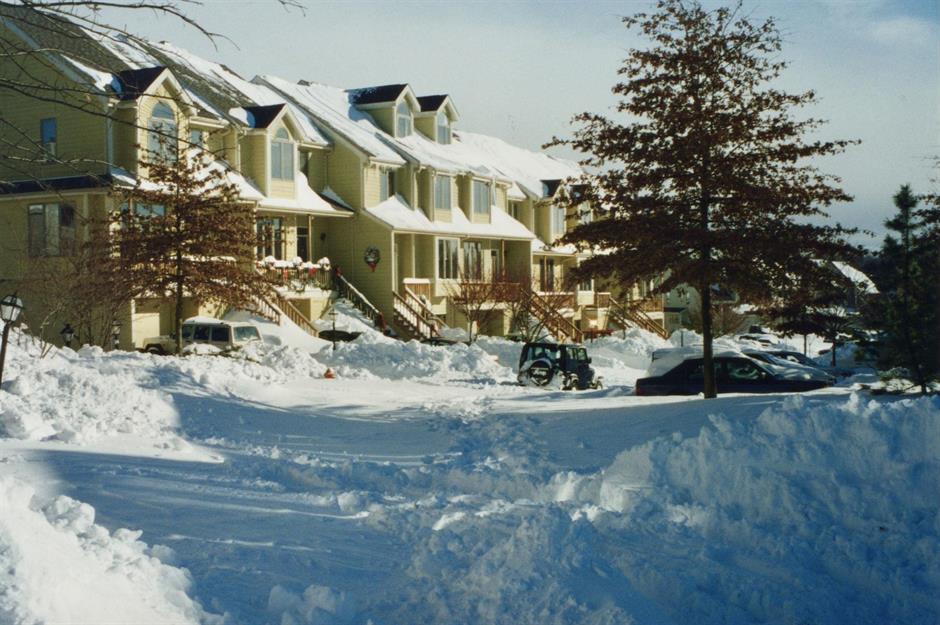
From January 6-8 one of the most devastating snowstorms struck the US, with 154 people losing their lives. As the storm moved from city to city it broke records in Rhode Island, Philadelphia, and Providence, with snow reaching heights of up to three feet.
President Bill Clinton was forced to shut down the federal government for nearly a week due to the severe conditions. He declared DC and nine states to be disaster areas. In the aftermath, the sudden increase in temperature that melted the snow caused serious flooding that took 33 lives.
1999: Hurricane Floyd, North and South Carolinas
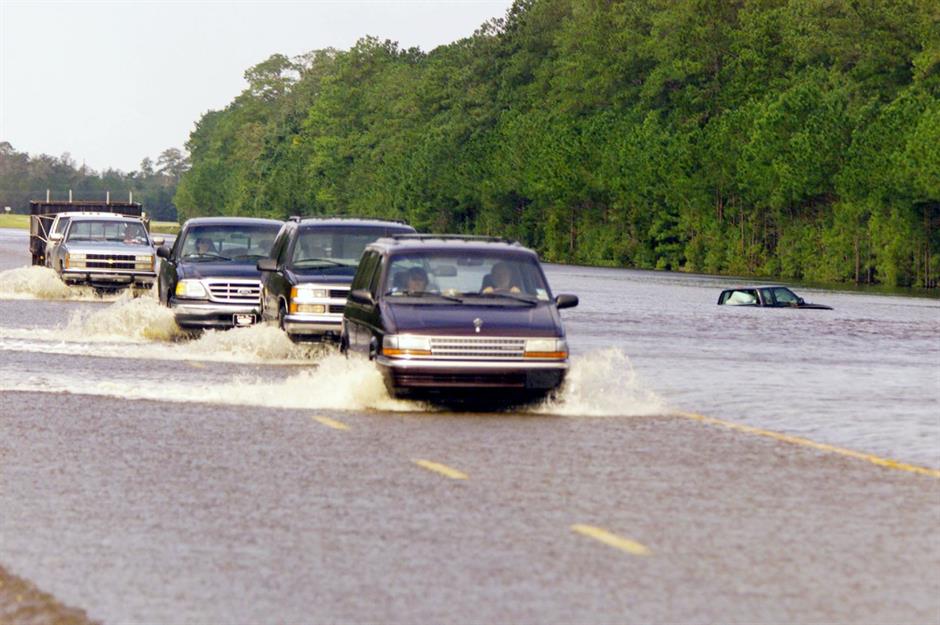
After pounding the Bahamas as a Category 4, it was thought Hurricane Floyd was heading for the coast of Florida. In fact, it struck North Carolina on September 16 as a Category 2 hurricane with winds of 105 miles per hour and caused large-scale inland flooding all the way up to New England.
It was the strongest, costliest, and deadliest hurricane of the 1999 Atlantic hurricane season, killing between 76-86 people.
Sponsored Content
2004: Hurricane Charley, Florida
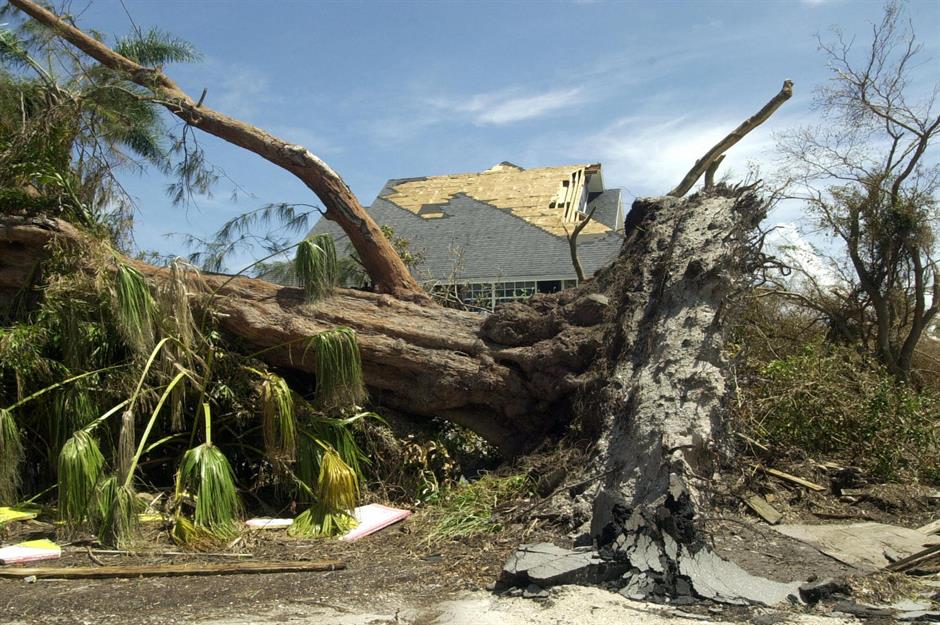
The year 2004 was a bad one for Florida as four hurricanes made landfall in the state during the months of August and September. Category 4 Charley was the first, hitting the southwest coast on August 13 and causing 10 direct fatalities and around $22 billion in economic losses in today's money.
The intense storm moved onshore at the barrier islands of Sanibel and Captiva near Cayo Costa but the high winds wreaked damage across the Sunshine State.
2005: Hurricane Katrina, Florida, Alabama, Mississippi, and Louisiana
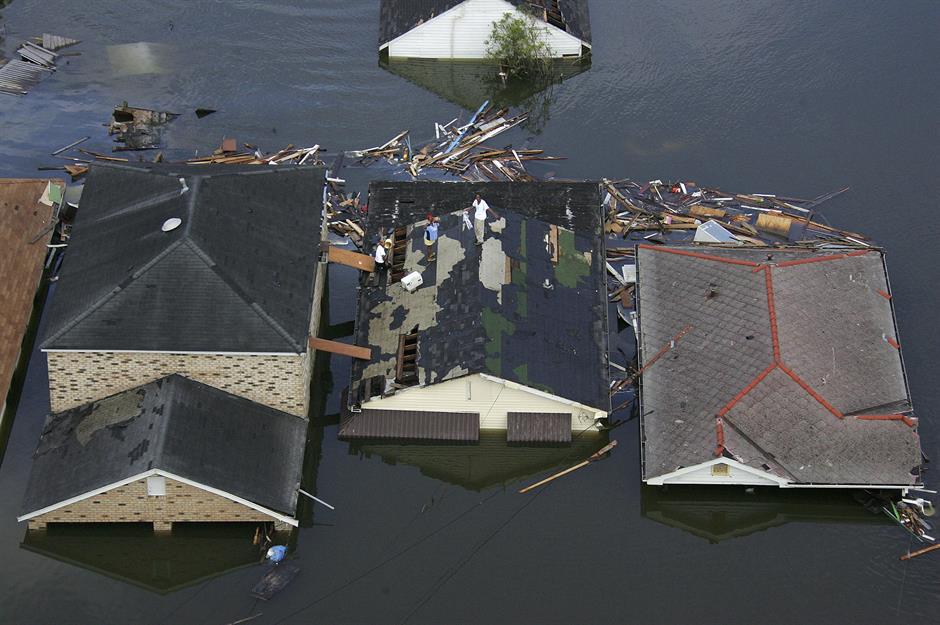
On August 29, 2005, the city of New Orleans was lashed by one of the biggest hurricanes the South had ever seen. It started as a tropical depression over the Bahamas but by the time it struck Louisiana, strong winds pummeled New Orleans, causing damage to property and a violent storm surge.
The aftermath saw levee breaches cause catastrophic flooding and many people took to their rooftops to await rescue. The storm led to 1,833 deaths and displaced more than 400,000 residents.
2005: Hurricane Wilma, Florida

Wilma lays claim to being the most intense tropical cyclone on record in the Atlantic basin after it lashed Florida’s southeast coast with huge waves, torrential rain, and 125 miles per hour winds and swept across the state in October 2005.
It killed eight people, caused widespread floods, and major power outages. The tropical weather system also caused catastrophic damage to parts of Cuba and Mexico’s Caribbean coast.
Sponsored Content
2008: Hurricane Ike, Texas
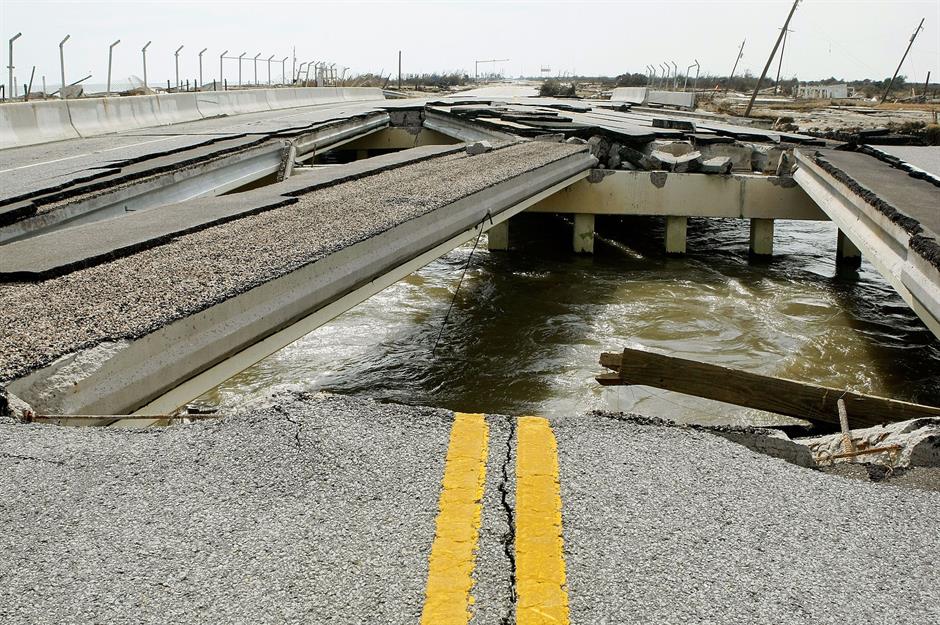
Hurricane Ike made landfall in the US on September 13, 2008 as a Category 2 storm with 110 miles per hour winds, leading to a storm surge in coastal Texas and severe flood damage. At the time it was the costliest natural disaster in Texas' history costing around $38 billion after destroying or damaging many thousands of houses, businesses, and bridges.
Around three-quarters of all homes in Galveston were destroyed. Over 100 people in the USA died too.
2008: The Super Tuesday Outbreak, various states
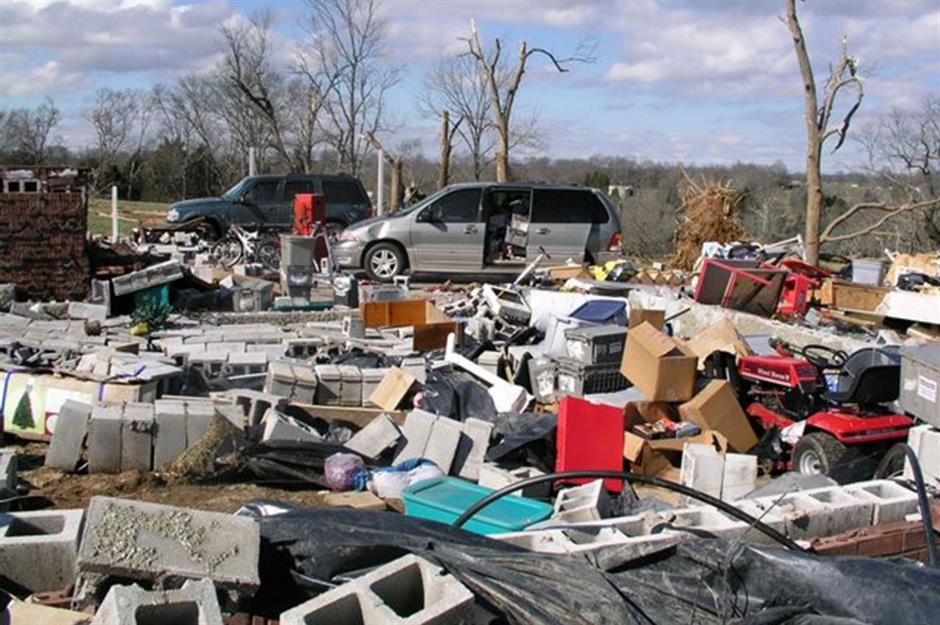
One of the most prolific tornado outbreaks occurred on February 5, 2008 with 87 severe tornadoes occurring over a 15-hour period in the southeastern states, including Tennessee, where this house in Castalian Springs was flattened.
It became known as the Super Tuesday Outbreak and killed 57 people as well as causing serious structural damage to properties.
2011: Super tornado outbreak, Alabama
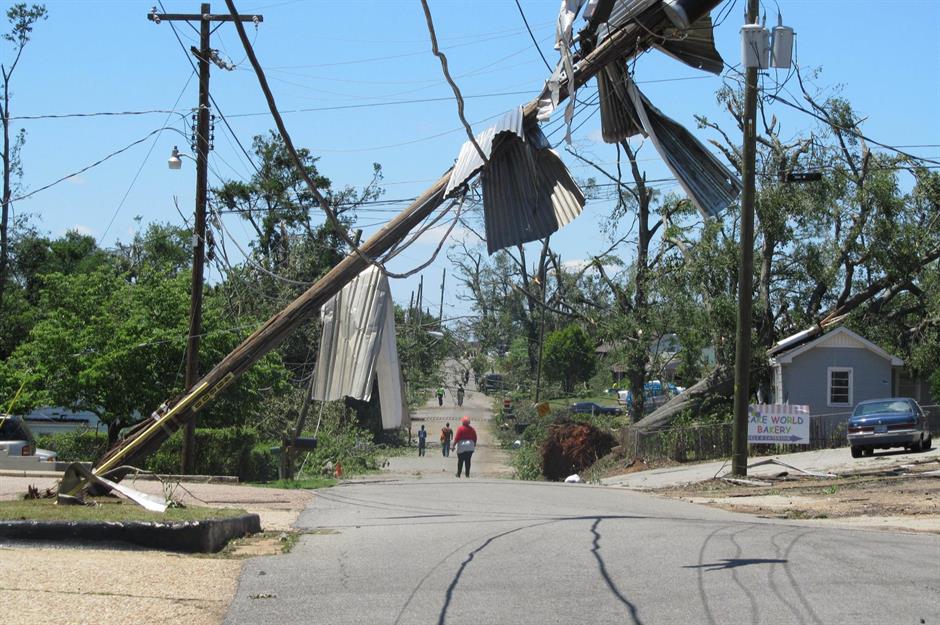
A three-day "super outbreak" of 62 tornadoes erupted across Alabama in April 2011, wreaking utter havoc and destruction in Tuscaloosa and other parts of the state, as well as in Mississippi, Arkansas, Georgia, Tennessee, and Virginia.
The National Weather Service confirmed there were 362 tornadoes during the historic outbreak, which killed nearly 350 people. It was the costliest and deadliest tornado outbreak ever recorded.
Sponsored Content
2011: Joplin Tornado, Missouri
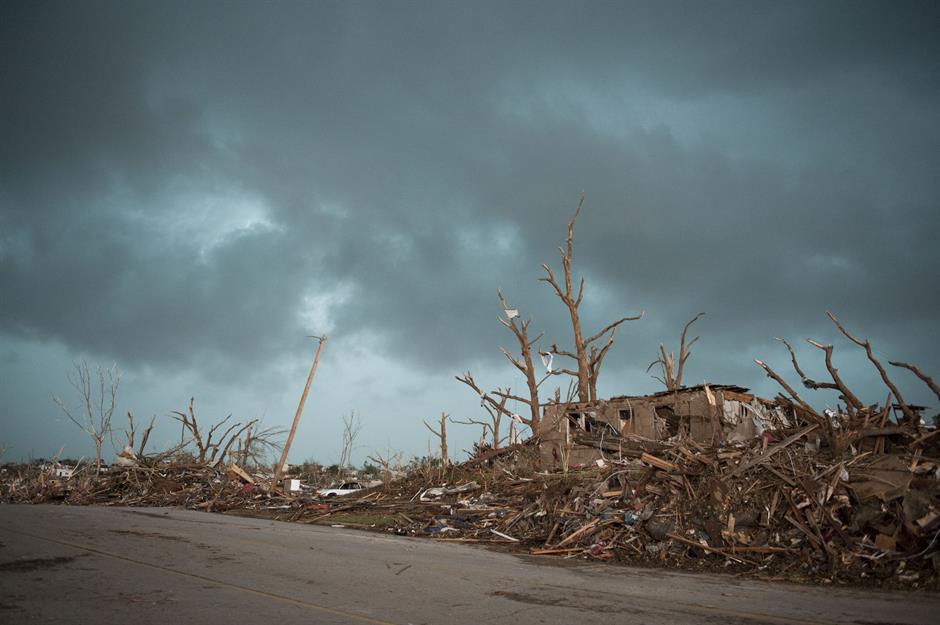
A deadly twister ripped through the town of Joplin, Missouri, on the afternoon of May 22, 2011 and wreaked widespread destruction. With wind speeds in excess of 200 miles per hour, the tornado was ranked EF5 (on the new Enhanced Fujita Scale) and its route was around 13 miles long and, at its peak, nearly a mile wide.
Lasting around 38 minutes from start to finish, it caused $3 billion worth of damage and took the lives of 161 people.
2012: Superstorm Sandy, New York and New Jersey
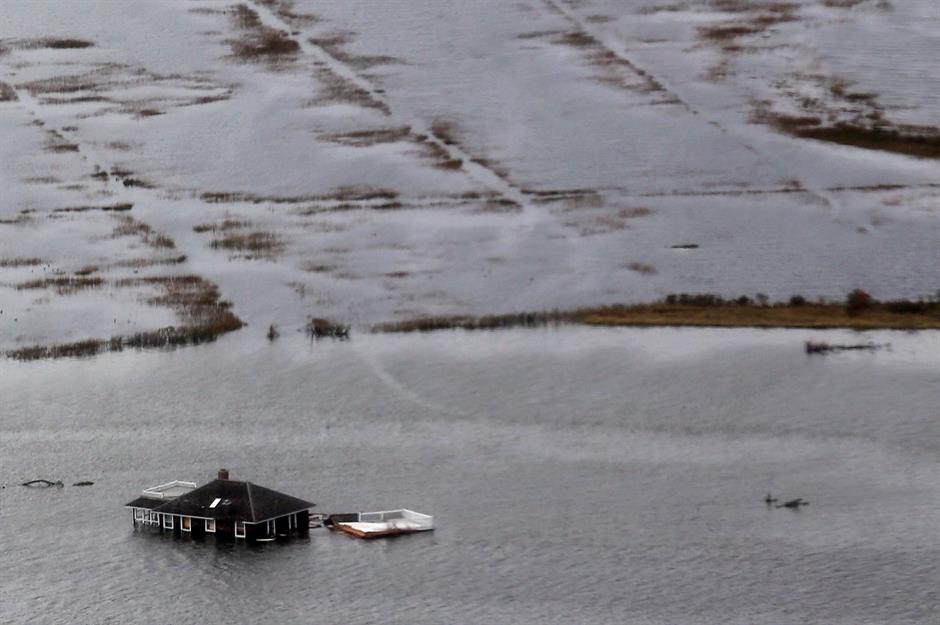
One of the most damaging storms ever to make landfall in the US, monstrous Sandy is thought to have caused 285 deaths after slamming into New York and New Jersey in October 2012. It flooded parts of New York City, near lower Manhattan, Brooklyn, and Staten Island, destroyed many homes along the East Coast and caused major power outages.
This is the view of storm damage over the Atlantic Coast from the helicopter behind Marine One that carried President Barack Obama and Governor Christie as they viewed the aftermath.
2012: Harrisburg Tornado, Illinois
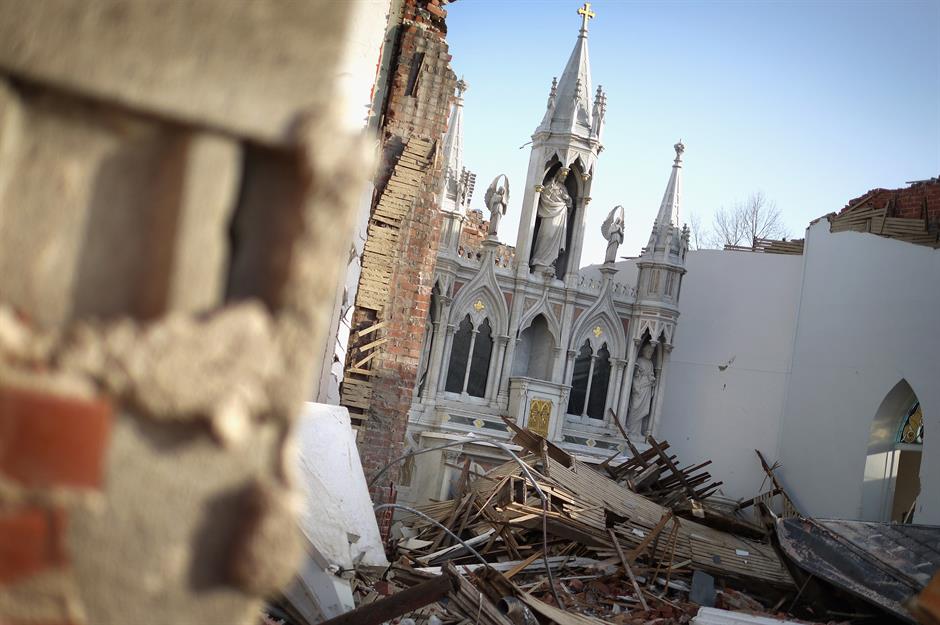
An intense EF4 tornado wrought substantial damage to parts of Harrisburg and Ridgway, Illinois as it swept through the state on February 28, 2012.
It leveled houses and malls and destroyed 110-year-old St Joseph's Catholic Church in Ridgway, downed power lines and uprooted trees with its powerful winds. Around 13 people died.
Sponsored Content
2013: Tornado outbreak, Indiana
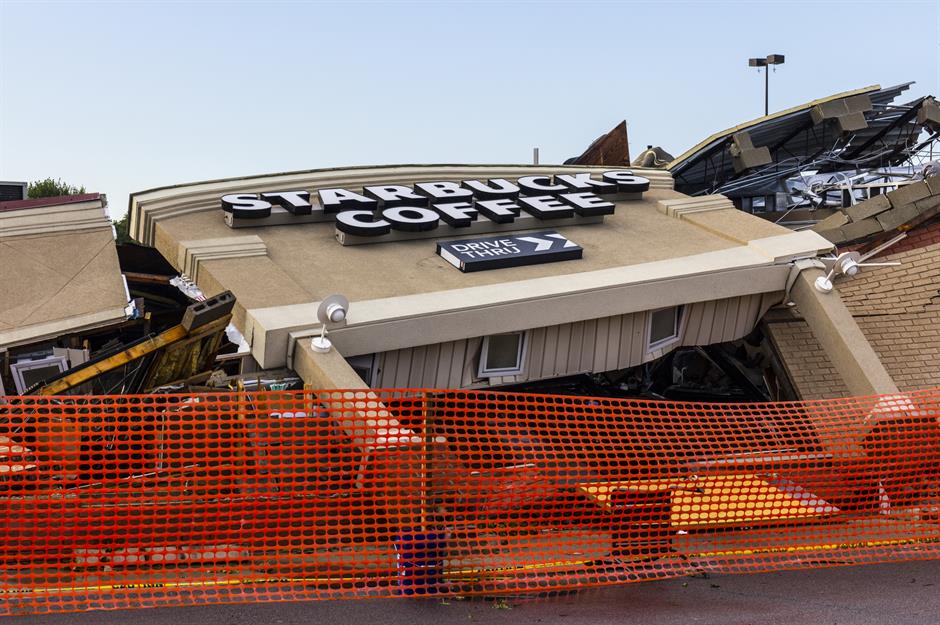
The residents of Indiana are no strangers to extreme weather with devastating tornadoes not unusual. But on November 17, 2013 a staggering 30 tornadoes hit the state – it was the second highest number of tornadoes to hit in one day in its history.
In August 2016, three tornadoes touched down, causing injury and destruction. This Starbucks in Kokomo was one of many buildings flattened.
2015: Flooding, South Carolina
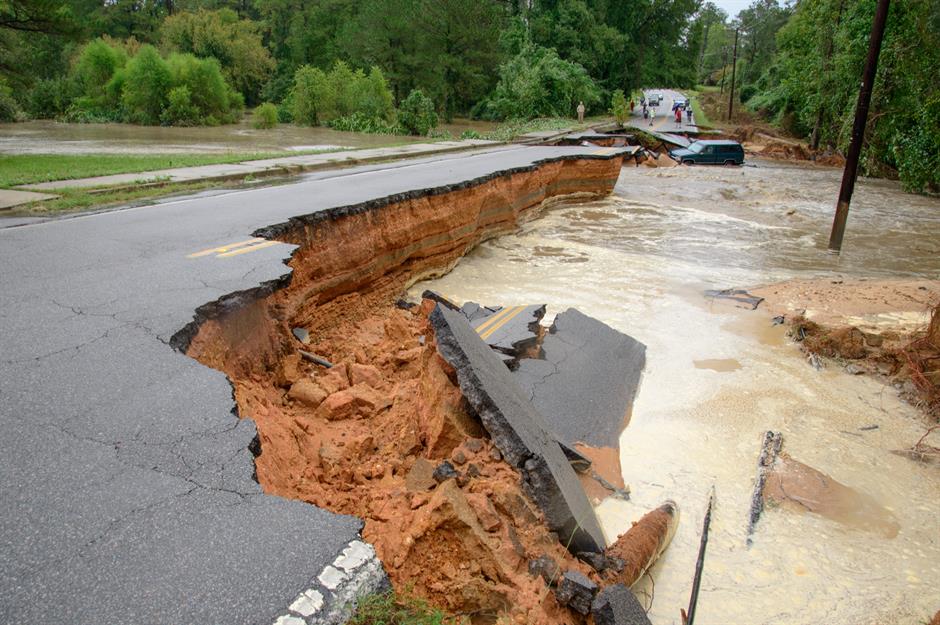
Historic levels of flooding hit South Carolina in 2015, causing widespread damage to the state’s buildings and infrastructure.
The record-breaking deluge was linked to Hurricane Joaquin, a Category 4 weather system which hit the Bahamas hard, and saw dams overflow, bridges collapse, and hundreds of roads submerged by floodwaters.
2016: Winter Storm Jonas, East Coast

Storm Jonas occurred between January 22-24, 2016, bringing deep snow to the Eastern seaboard. In New York, Jonas beat the snowfall record of 2006 with levels reaching up to 2.4 feet at JFK Airport.
Three days after the storm passed, cars in Washington DC were still stuck. The storm caused 18 deaths and a state of emergency was declared, with travel bans put in place until the snow was cleared.
Sponsored Content
2017: Hurricane Harvey, Texas and Louisiana
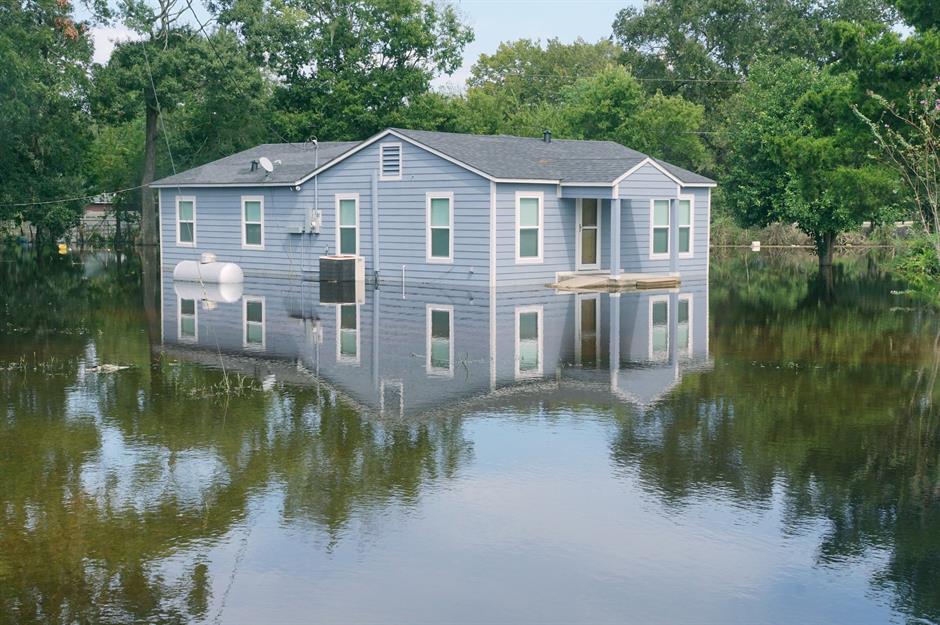
When Hurricane Harvey whacked into Texas, near Rockport, in late August 2017, it was the first Category 4 storm to hit the US in 12 years. With 130 miles per hour winds as it made landfall and intense rainfall, it caused devastating floods, dumping over 40 inches of rain in parts of Texas.
The hurricane also made landfall in southwestern Louisiana. A total of 89 people died, more than 200,000 homes and businesses were damaged or destroyed, causing $127 billion worth of damage. Along with Hurricane Katrina, it's ranked the costliest tropical storm to affect the USA in recent times.
2017: Hurricane Irma, Florida
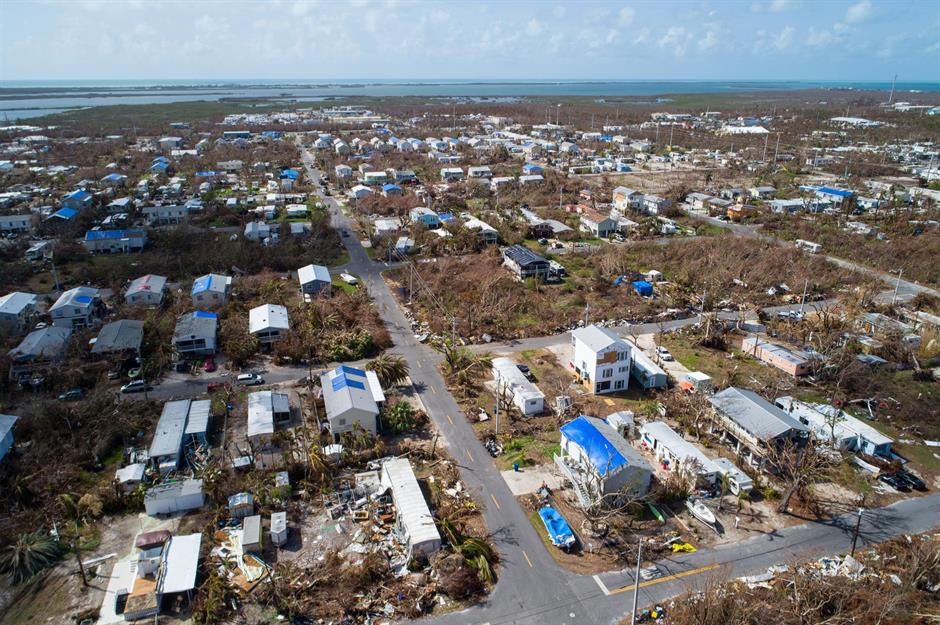
Hurricane Irma made landfall at the Florida Keys and southwest Florida in September 2017 as a Category 4 storm. It left six people dead and led to torrential rains and devastating flash floods as it moved up the center of the state to the northeast.
The powerful storm caused historic levels of destruction, with a whopping $50 billion bill for damages for the state.
2017: Hurricane Maria, Puerto Rico
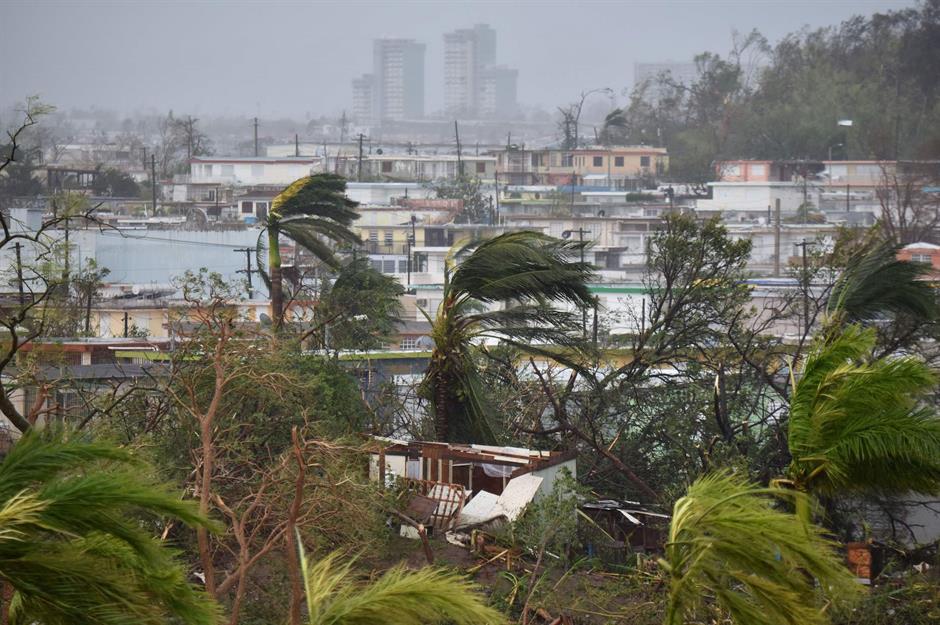
Deadly Hurricane Maria ripped through Puerto Rico on September 20, 2017, cutting power across the US territory and leaving a horrifying trail of destruction with its 150 miles per hour winds. The powerful storm came just weeks after Hurricane Irma had caused substantial damage on the islands.
Maria was the strongest hurricane to hit Puerto Rico in nearly a century, with the Governor revising the official death count from 64 to 2,975 in 2018.
Sponsored Content
2018: Hurricane Michael, Florida
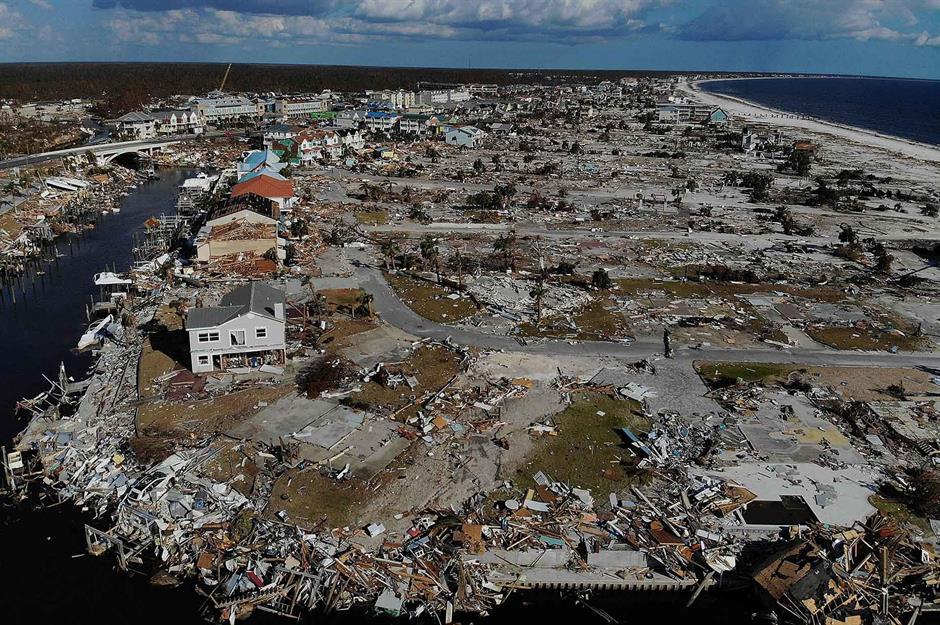
In October 2018, disaster struck Florida in the form of Hurricane Michael. The tearing winds of the hurricane cost 36 lives and decimated this part of Mexico Beach.
This photo of the aftermath was taken on October 17, a week after the Category 4 storm first hit the weather-beaten state. Matthew caused huge structural damage and many homes that remained standing were left without power.
2018: Hurricane Florence, North Carolina, South Carolina and Virginia
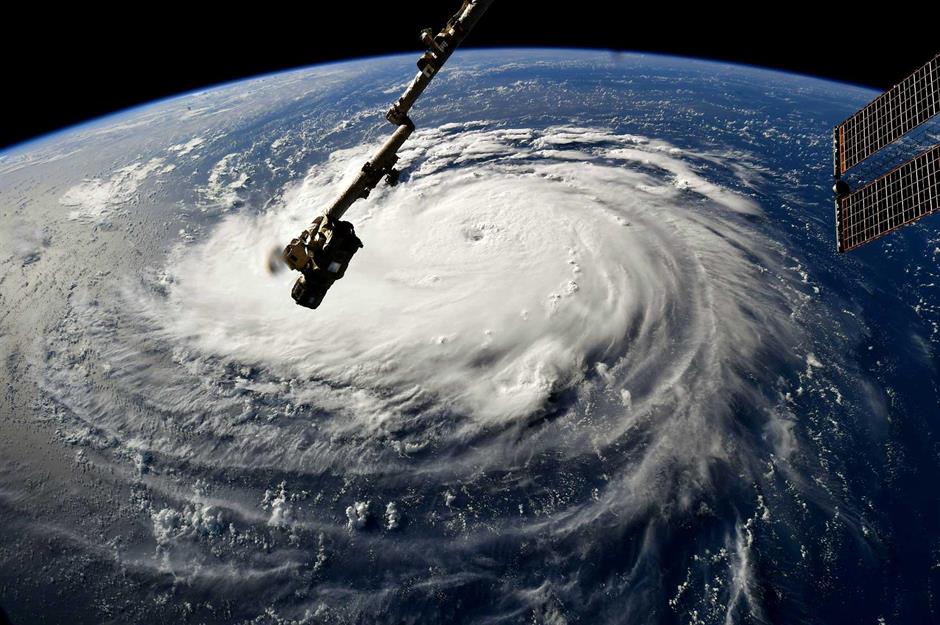
This is Hurricane Florence, as seen from the International Space Station. The image was taken by Astronaut Ricky Arnold as the hurricane gained strength in the Atlantic moving west.
It was another three days before Florence hit land in North Carolina. When it did, it caused a record-breaking storm surge of 9-13 feet, catastrophic flooding due to rainfall of up to 2.5 feet and extensive wind damage along the North Carolina coast. The flooding caused 42 deaths, more than half in vehicles.
2019: Midwest Floods, various states
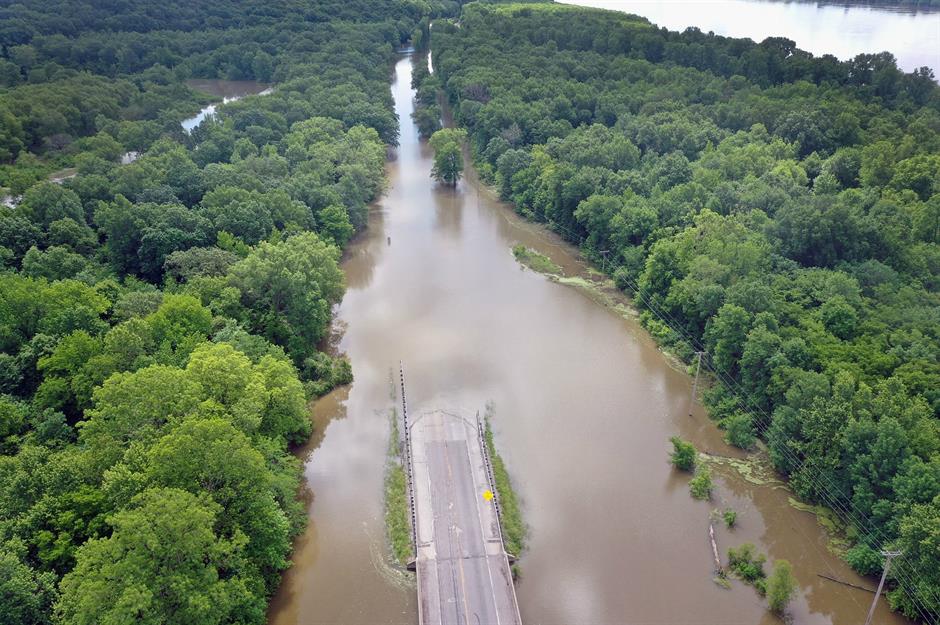
Extreme flooding drowned parts of the Midwest in spring 2019, and made history as well as causing death and destruction. The torrential downpours followed around 270 tornadoes that ripped through the region, including 13 consecutive days of twisters.
Around 14 million people were affected and at least 40 lives were lost. The Mississippi River has been above flooding stage for the longest time in almost a century. This image shows the OK-3 highway being swallowed up by floodwater where the Marys River meets the Mississippi.
Sponsored Content
2020: Tornado outbreak, various states
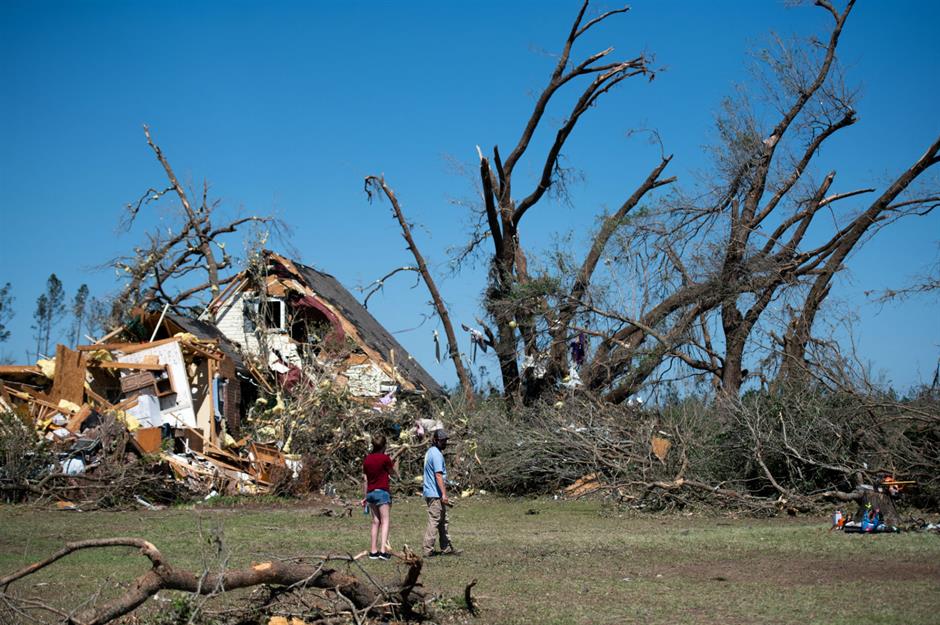
A number of tornadoes that swept mostly through the southeastern states in April 2020, causing catastrophic damage, hit the record books. A whopping 351 were registered, killing 40 people, making it the deadliest month for tornadoes since 2012, when 43 died.
Among the relentless storms were four EF4-rated tornadoes, one of which grew to 2.5 miles wide. This image shows a home in Nixville, South Carolina, completely destroyed.
2020: Hurricane Laura, Louisiana and Texas
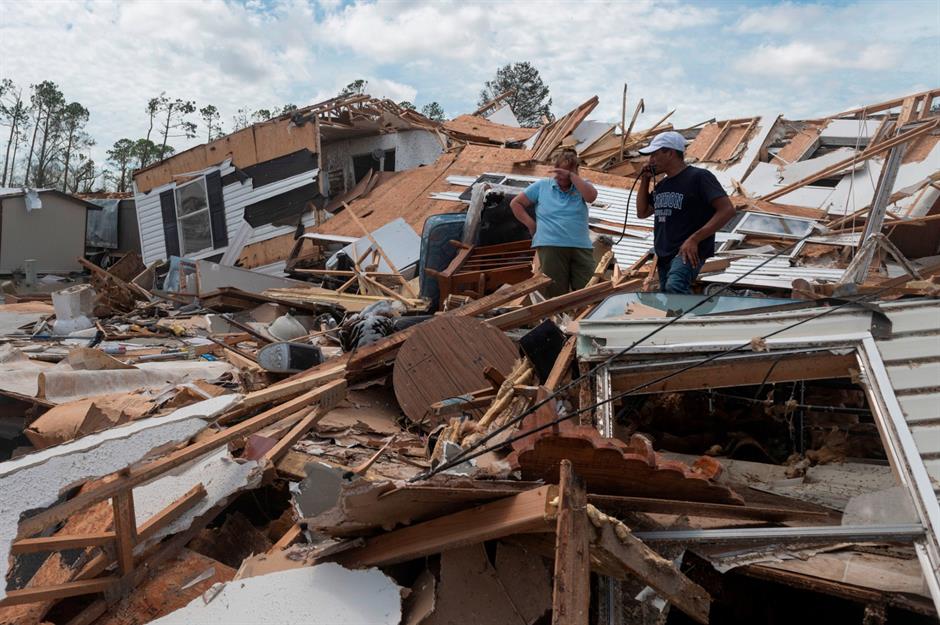
Rolling and roaring ashore near the Texas state line as a Category 4, Hurricane Laura ripped off roofs and tore down any buildings in its path in August 2020, before slamming into the Louisiana coast to cause more chaos. The 150 miles per hour winds eventually downgraded to a tropical storm but not before killing at least 14 people, costing $19 billion in damages and leaving 750,000 homes and businesses without power across Louisiana, Texas, and Arkansas.
One of the hardest-hit areas was Lake Charles (pictured), where communities were still picking up the pieces a year later, on top of a paralyzing deep freeze that came in February 2021.
2020: Hurricane Delta, Louisiana
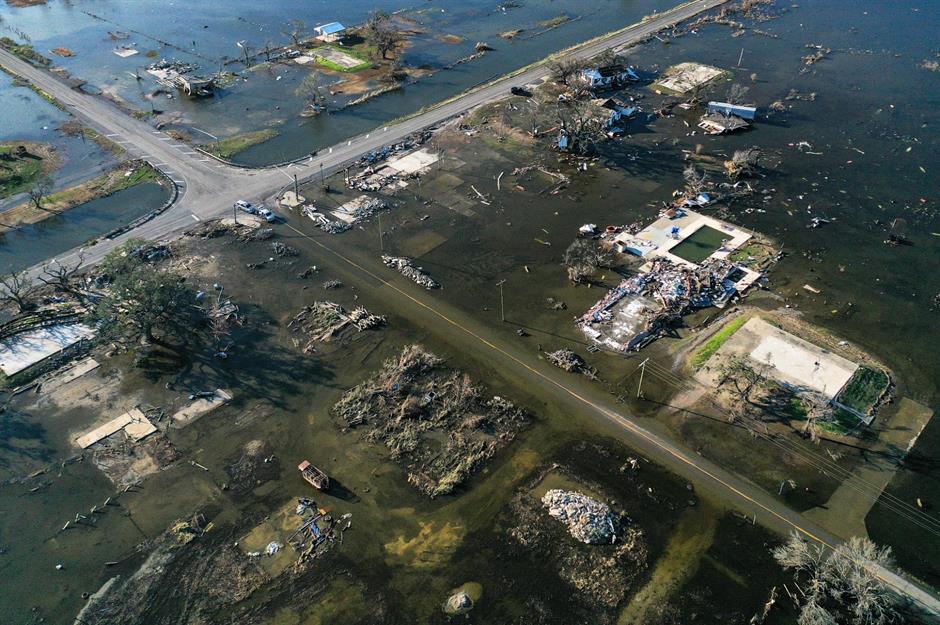
Still reeling from Hurricane Laura tearing through the state two months earlier, Louisiana suffered again in October 2020 when Hurricane Delta took aim at its Gulf Coast. The Category 2 storm made landfall in Creole causing flood waters to surround the already destroyed structures (pictured), leaving hundreds of thousands of people without power and costing six people their lives.
The 97 miles per hour winds produced a storm surge that hit nine feet in some places, costing the country $2.9 billion in damages.
Sponsored Content
2021: Mega snowstorm, northeastern states
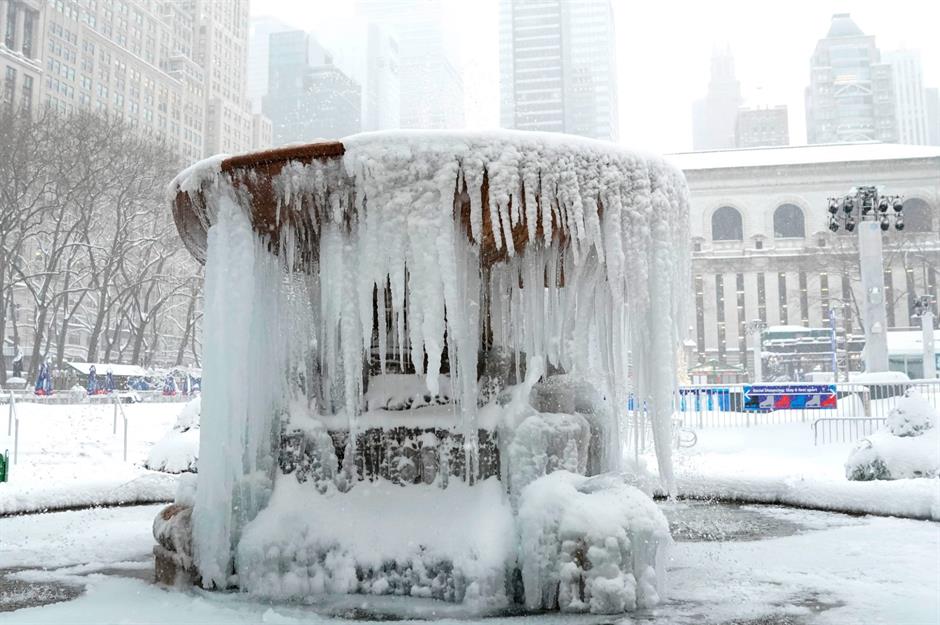
Heavy snowfall in early February brought New York, New Jersey, and parts of Pennsylvania to a standstill. Snow, combined with 50 miles per hour winds, grounded flights and caused COVID-19 vaccination centers to close, briefly halting both states' vital immunization programs.
In New York City, the Josephine Shaw Lowell Memorial Fountain in Bryant Park was a sight to behold (pictured), as icicles formed around the usually gushing water display. Around 1.4 feet of snow blanketed the Big Apple, prompting Mayor Bill de Blasio to declare a state of emergency.
2021: Winter Storm Uri, various states
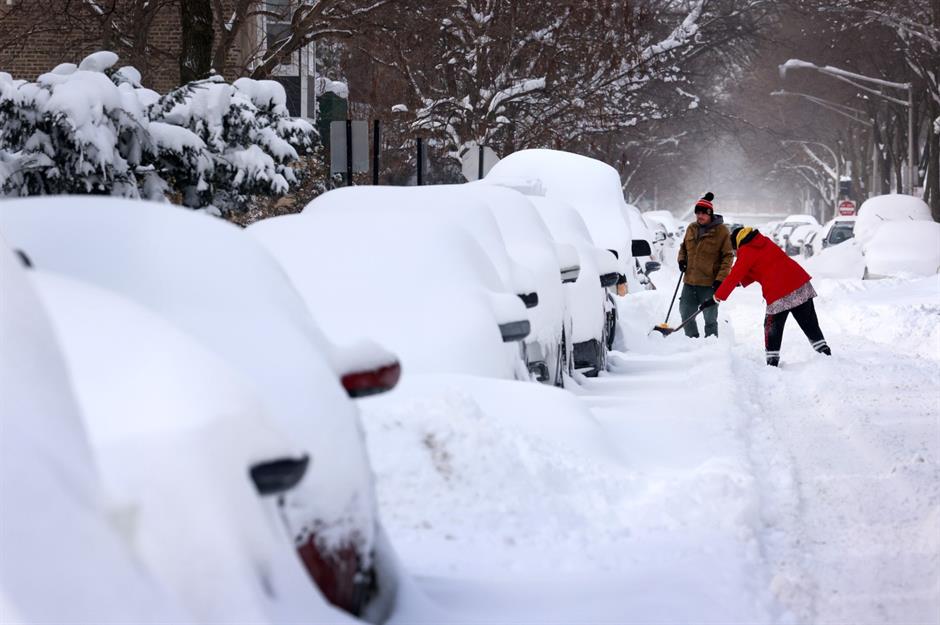
Record snowfall and below-freezing temperatures brought by an Arctic blast swept through the US in mid-February, covering 73% of the country in the white stuff. The winter storm hit Texas first, leaving 4.5 million homes without power, killing 210 people (including indirectly by hypothermia and carbon monoxide poisoning due to equipment failure) and costing billions of dollars.
When the snowfall landed in Chicago, Illinois, residents were forced to dig their cars out of 1.4 feet of snow (pictured).
2021: Tropical Storm Henri, Rhode Island
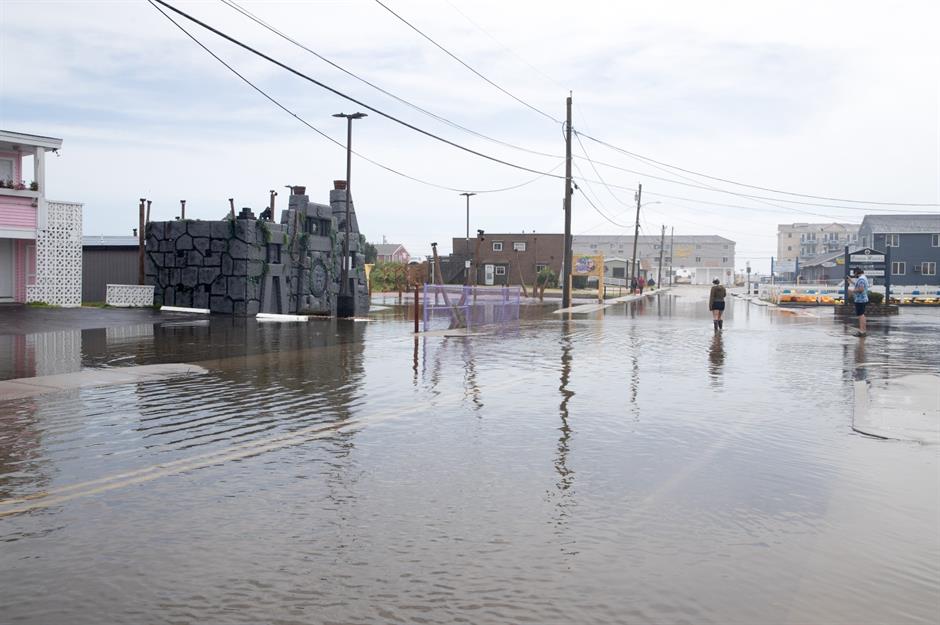
Powerful winds and dramatic rainfall sparked by Tropical Storm Henri hit Rhode Island in late August 2021, leaving more than 140,000 homes without power from New Jersey to Maine at its peak.
The storm, which made landfall near the town of Westerly on the southwest coast, sustained winds of roughly 60 miles per hour, creating mammoth waves up to 19 feet tall in some areas before it moved inland.
Sponsored Content
2021: Tropical Storm Henri, New Jersey
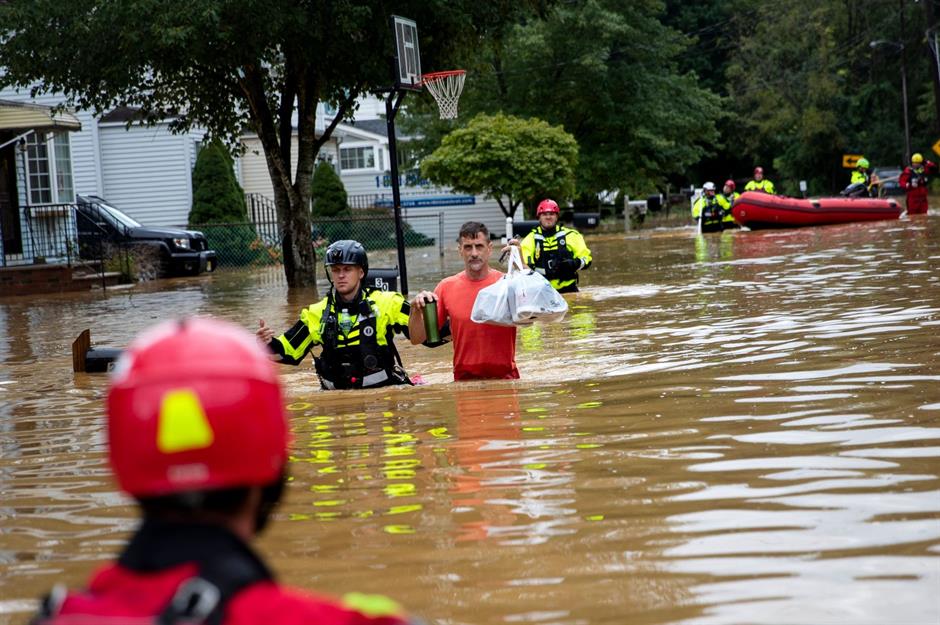
Tropical Storm Henri also battered parts of New Jersey in late August, triggering heavy downpours and flash flooding to sweep across the state. The heavy waters drenched homes, destroyed cars, closed bridges, and dozens of people were left stranded.
2021: Tropical Storm Henri, New York
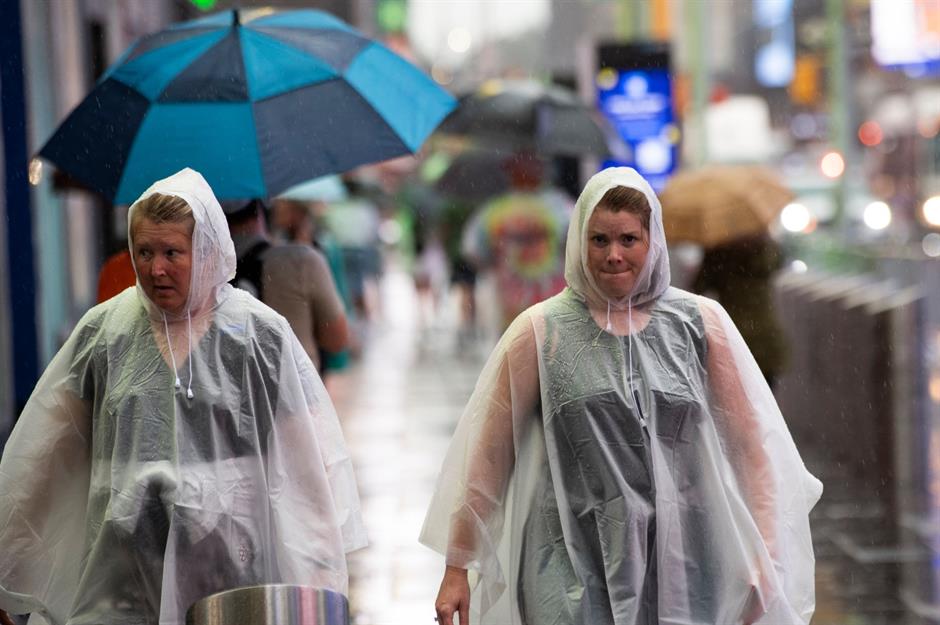
Fueled by the approaching Storm Henri, on August 21 more than four inches of rain fell in a single day in New York City.
The storm brought winds of up to 60 miles per hour to the country’s east coast, while the National Weather Service reported that 1.94 inches of rain fell in just one hour in Central Park, the most it had ever recorded in 60 minutes.
2021: Floods, Tennessee
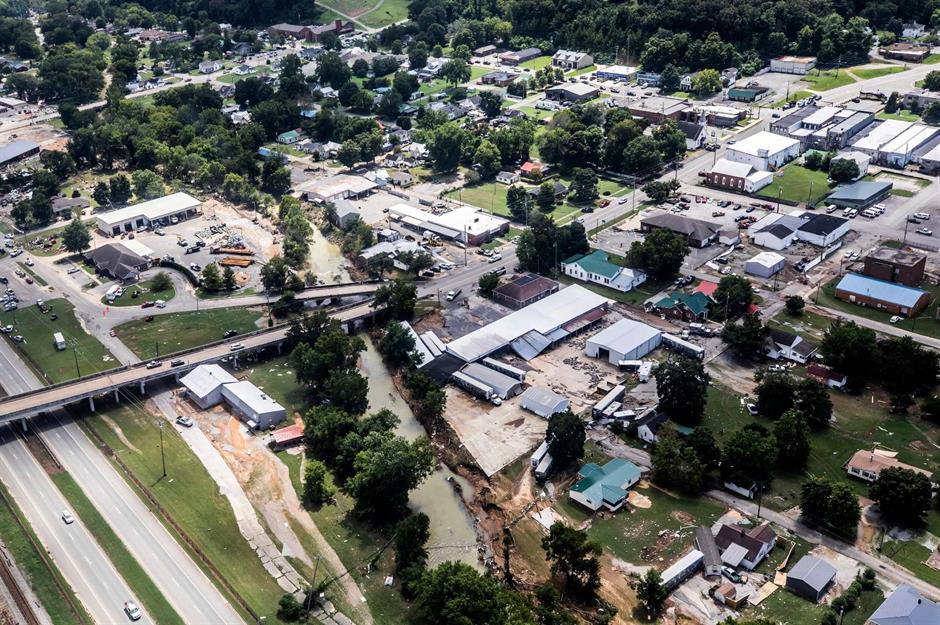
Record-breaking rainfall sparked floodwaters to surge across central Tennessee in August. Up to 17 inches of rain is thought to have fallen in less than 24 hours, appearing to beat the state’s previous one-day record by more than three inches.
The deadly water knocked down cell phone towers, washed away houses, and swamped roads, killing at least 22 people and destroying 272 homes.
Sponsored Content
2021: Hurricane Ida, Louisiana
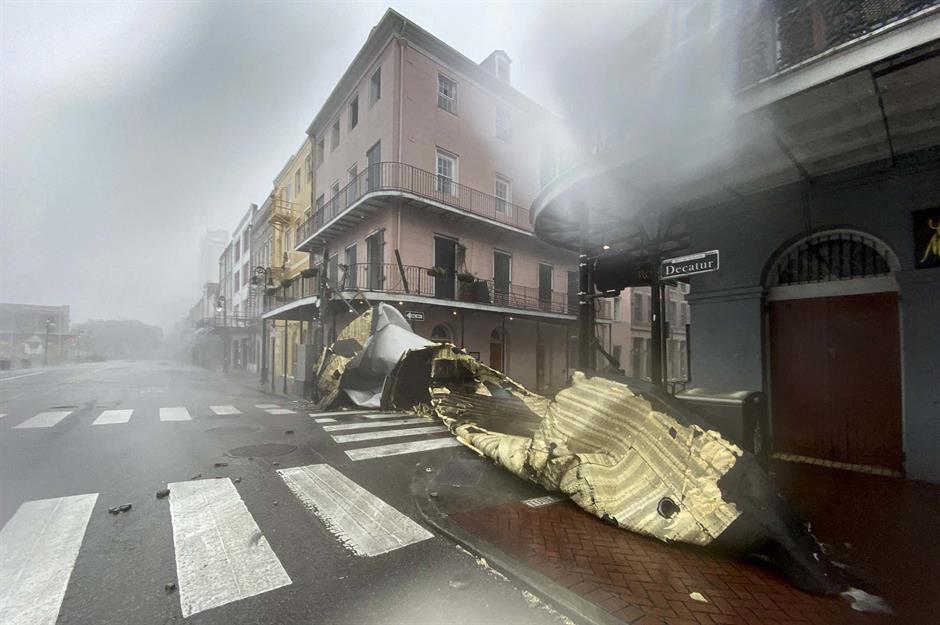
On August 29, 2021 Hurricane Ida made landfall near Port Fourchon in Louisiana, battering New Orleans on its path. The extremely dangerous Category 4 storm arrived 16 years to the day after Hurricane Katrina devastated the region.
With wind gusts reaching 172 miles per hour, the storm is said to be the fifth strongest to ever hit the mainland US. Here, a section of a roof has been torn down by the storm in the city's French Quarter.
2021: Hurricane Ida, Louisiana
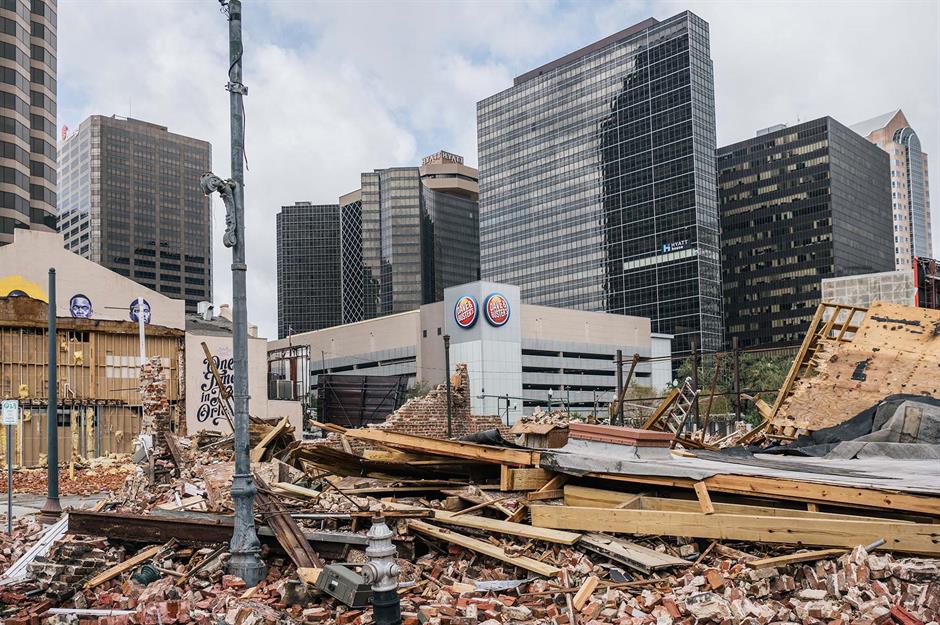
The aftermath of the storm led to extreme flooding throughout the coastal regions, with more than one million people without power and many struggling to buy fuel.
Although Governor John Bel Edwards acknowledged the damage as catastrophic – as seen in this image of a completely destroyed building in New Orleans – it seems that the city's flood defenses, strengthened after Katrina, did their job, minimizing the impact as much as possible.
2021: Hurricane Ida, Louisiana
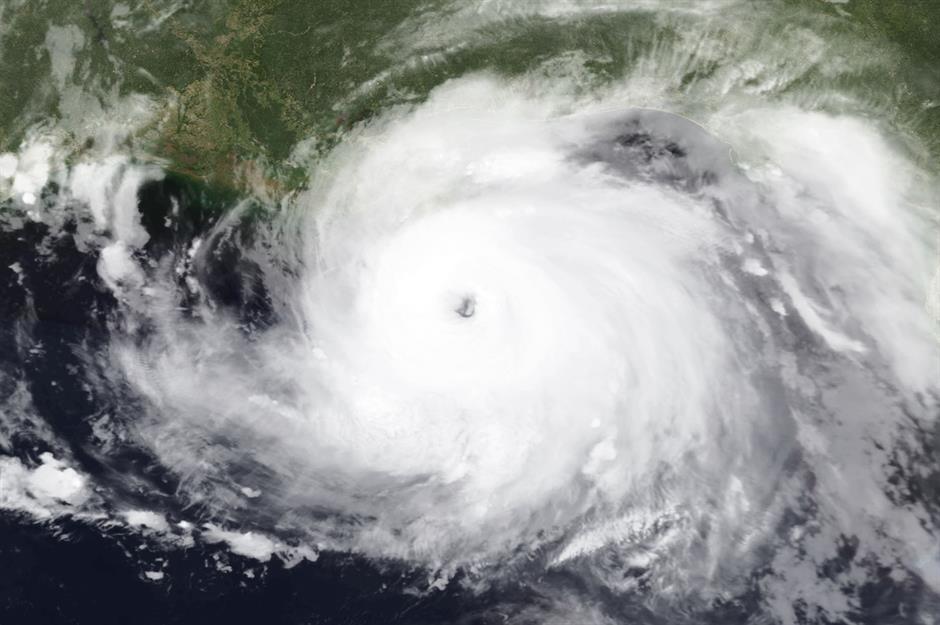
Here, the hurricane is captured over the Gulf of Mexico from the International Space Station a day before it made landfall in Louisiana while it was still a Category 2 storm.
Soon after Ida was upgraded from a tropical storm to a hurricane on Friday, August 27, it smashed into Cuba's Isle of Youth, tearing roofs from buildings and toppling trees, while in Jamaica it caused heavy rains and severe flooding that was followed by landslides.
Sponsored Content
2021: Hurricane Ida, New Jersey
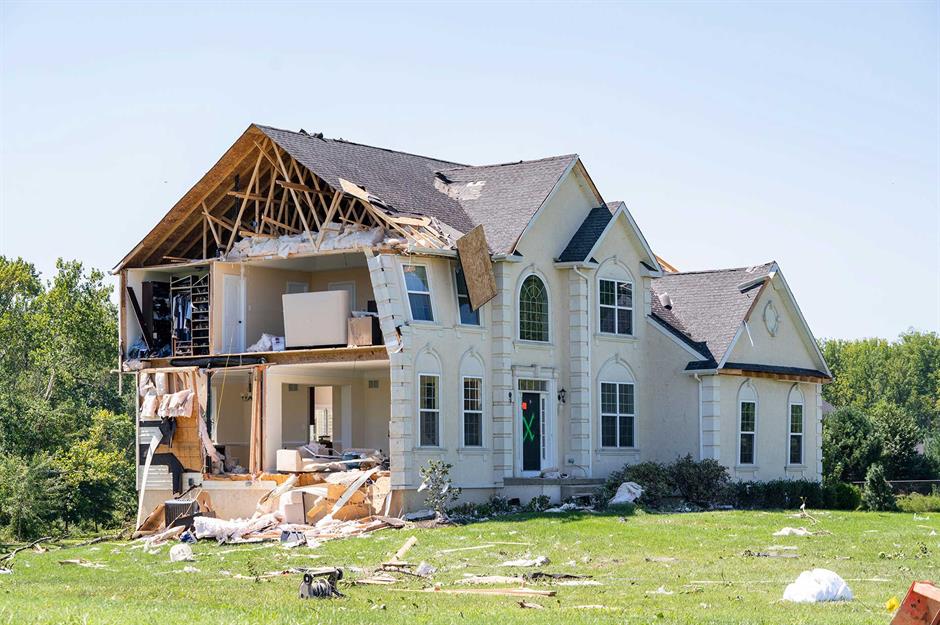
The remnants of the storm moved up the East Coast, affecting areas from Virginia to New England, bringing record-breaking rainfall that hammered the tristate area. In Mullica Hill, New Jersey a tornado tore through the small community on September 2, 2021.
While homes were destroyed, fortunately there were no injuries caused by the EF-3 twister.
2021: Hurricane Ida, New York
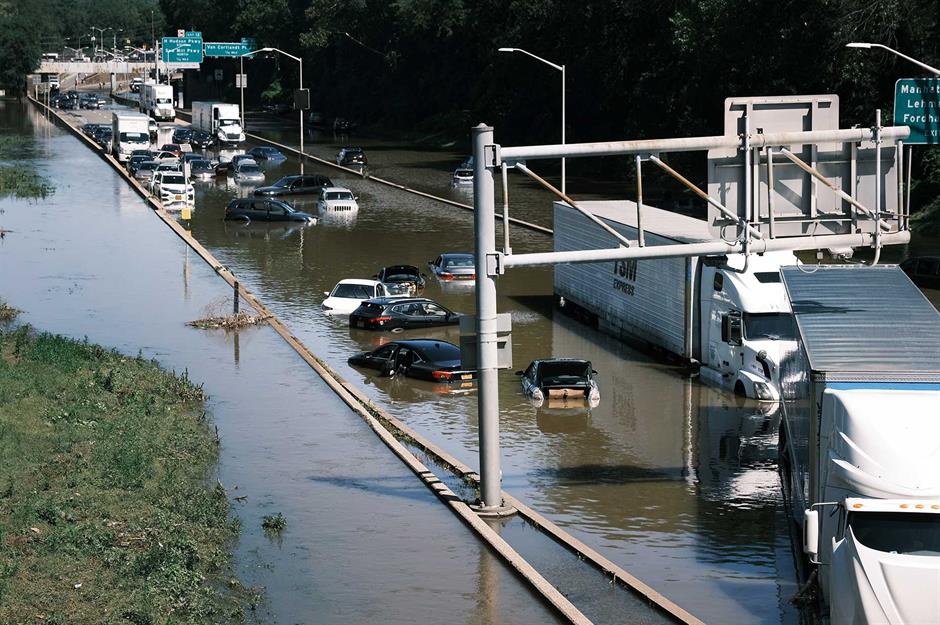
In New York, rising floodwaters were the biggest concern. Dozens of vehicles were stranded, with cars trapped on the Major Deegan Expressway in the Bronx.
The total death came to 82, of which 26 were in Louisiana, 52 were in the northeast, and four were in the southeast.
2021: Tornado, various states
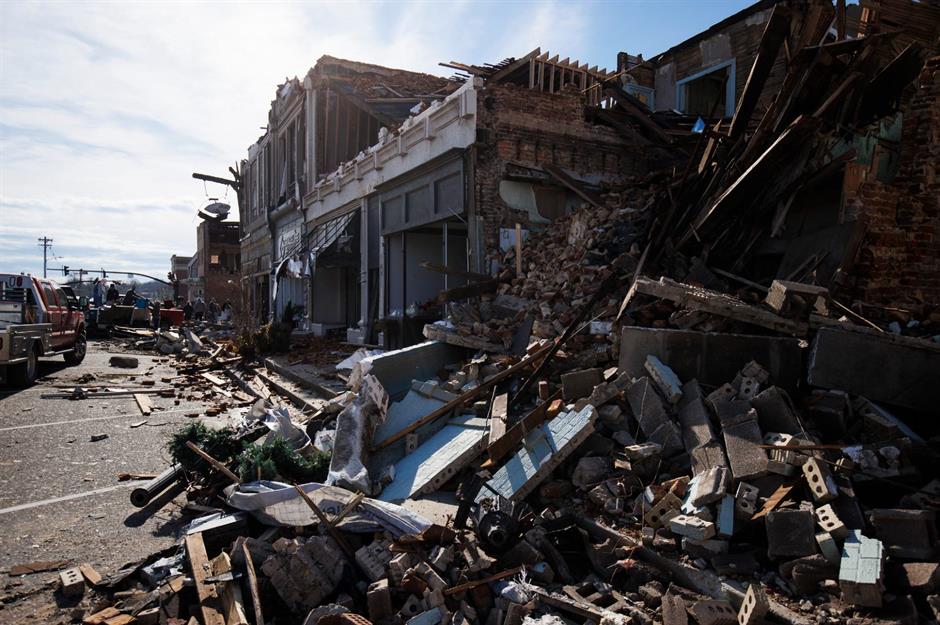
Beginning on December 10, deadly tornadoes tore across five states: Kentucky, Tennessee, Arkansas, Missouri, and Illinois. Kentucky was the worst affected, with the death toll for the state estimated at around 50.
President Joe Biden declared a major federal disaster. In Mayfield, pictured, buildings were bulldozed and survivors had to flee to find shelter.
Sponsored Content
2021: Tornado, various states
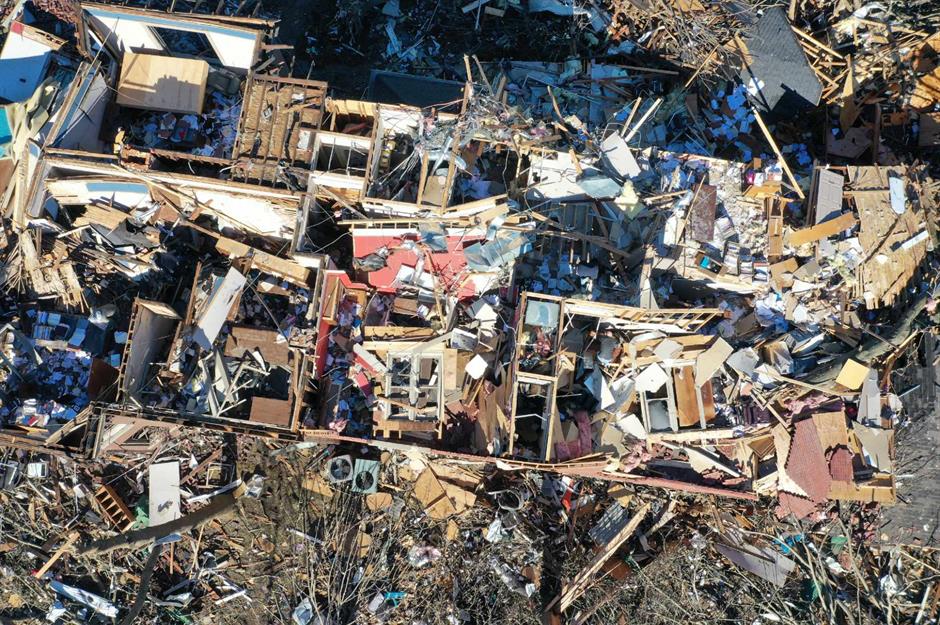
The path of destruction was about 227 miles long, according to Kentucky Governor Andy Beshear, while temperatures were below freezing. This was especially unprecedented because usually cold weather limits tornadoes.
In Illinois, six people were killed as the roof collapsed at an Amazon warehouse and there were further casualties in Arkansas, Tennessee, and Missouri. The devastating tornado outbreak was dubbed "one of the largest in US history" by the president.
2022: Hurricane Ian, Florida and the Carolinas
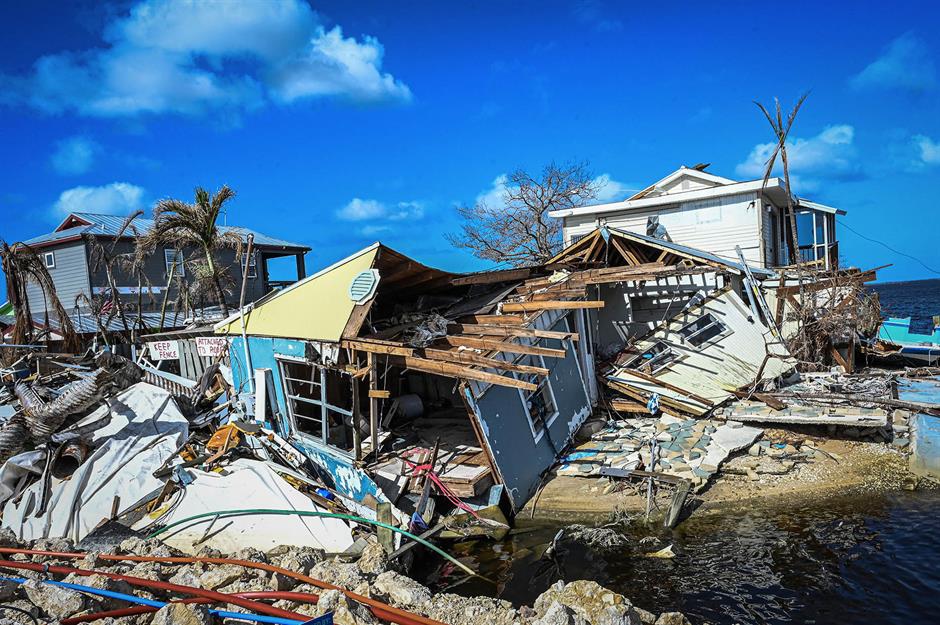
Late September 2022 saw one of the most powerful storms to hit the US, causing catastrophic damage to Florida's Gulf Coast, the Carolinas, and Cuba. Hurricane Ian struck Cuba first, leaving the whole island without power, before making landfall west of Fort Myers in Florida a day later.
Heavy rain and 150 miles-per-hour winds caused devastating damage and decimated the tiny community on Matlacha Island (pictured), in northwest Lee County.
2022: Hurricane Ian, Florida and the Carolinas
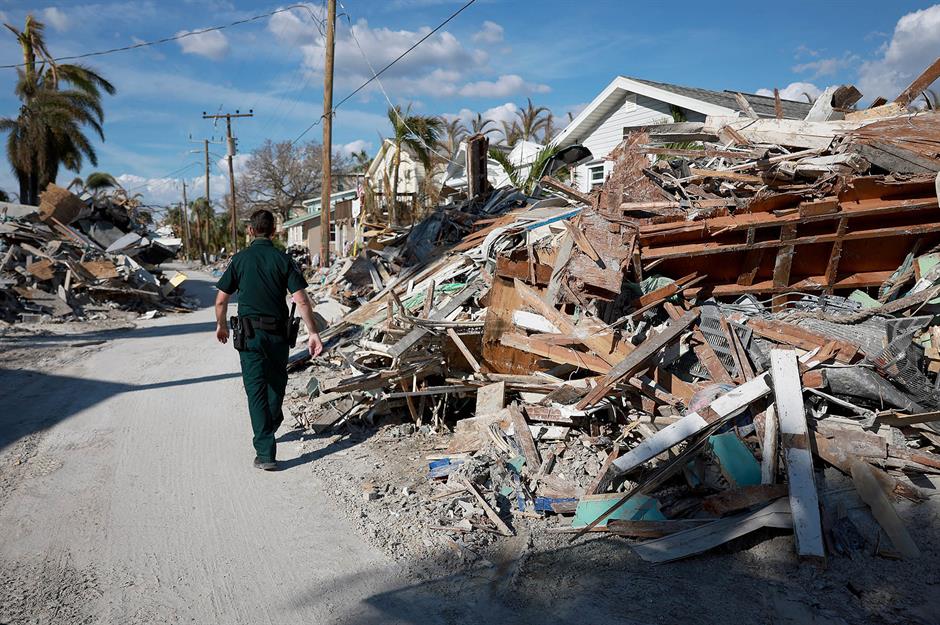
The Category 4 storm was Florida's deadliest hurricane since 1935, with the death toll reaching at least 150. It's also the costliest hurricane in the state's history – and the third-costliest in America's history – with damage totaling a staggering $112 billion.
In Fort Myers Beach (pictured) alone, an estimated 900 structures were completely destroyed.
Sponsored Content
2023: Tornado, Mississippi
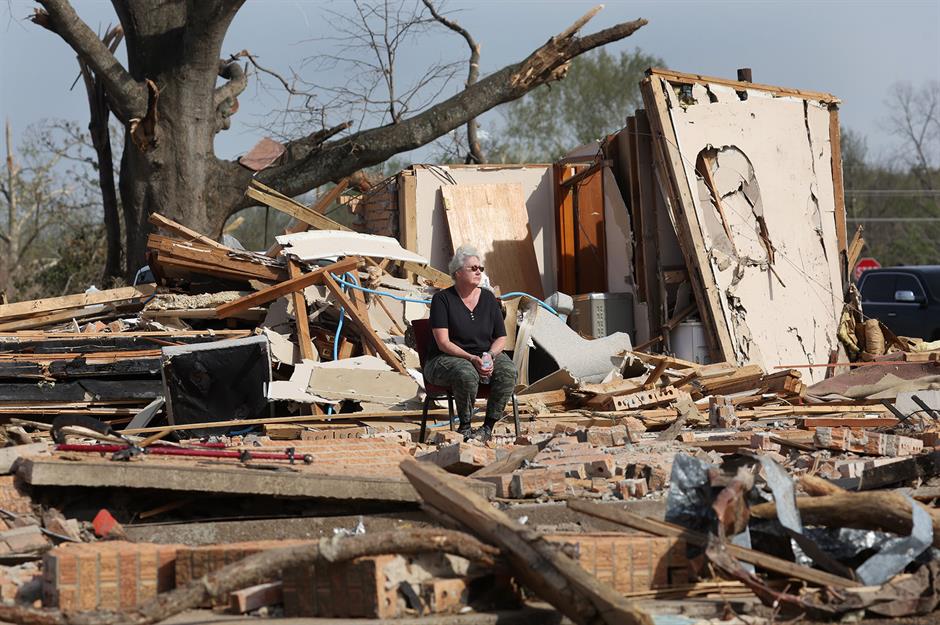
In March 2023, western Mississippi felt the full brunt of a deadly, mile-wide tornado that would go on to claim the lives of 26 people, making it the worst to hit the Magnolia State in the last 50 years.
The small town of Rolling Fork (pictured), in the southwest of Mississippi, was hit hard, with the National Weather Service rating it as a high-end EF4 on the Enhanced Fujita scale.
2023: Tornado, Mississippi
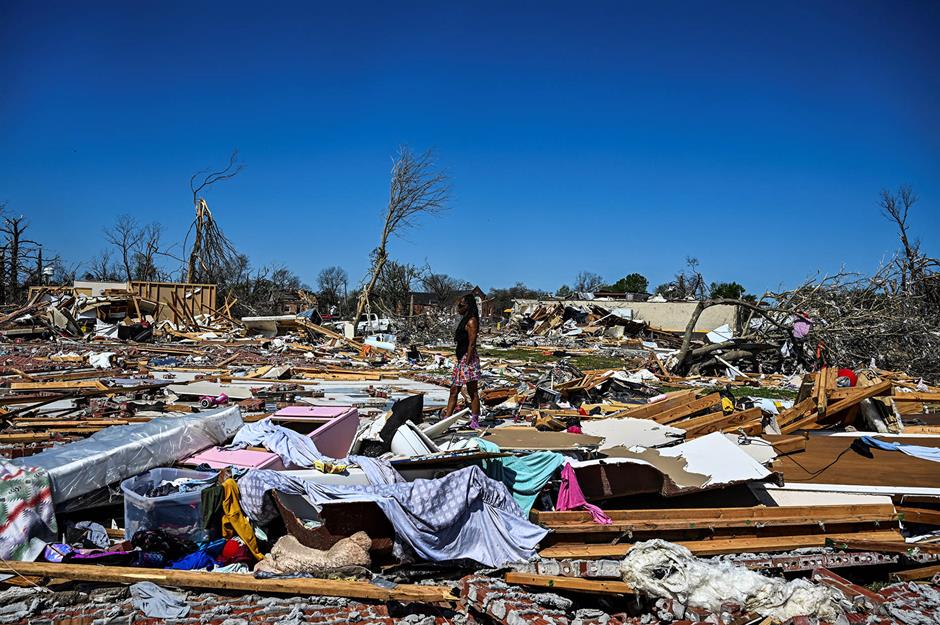
Destroying everything in its path with winds moving at 170 miles per hour, Rolling Fork lost 13 of its residents. The town's water tower toppled and 300 homes and buildings were ripped apart as the tornado traveled for nearly 60 miles northeast and lasted for more than an hour.
2023: Hurricane Idalia, various states

The states of Florida, Georgia, and the Carolinas were all affected by Hurricane Idalia in August 2023. The Category 3 storm made landfall in Florida's Big Bend region near Keaton Beach with 125-miles-per-hour winds battering the area and torrential flooding threatening lives.
This image shows a gas station uprooted in Perry, Florida.
Sponsored Content
2023: Hurricane Idalia, various states
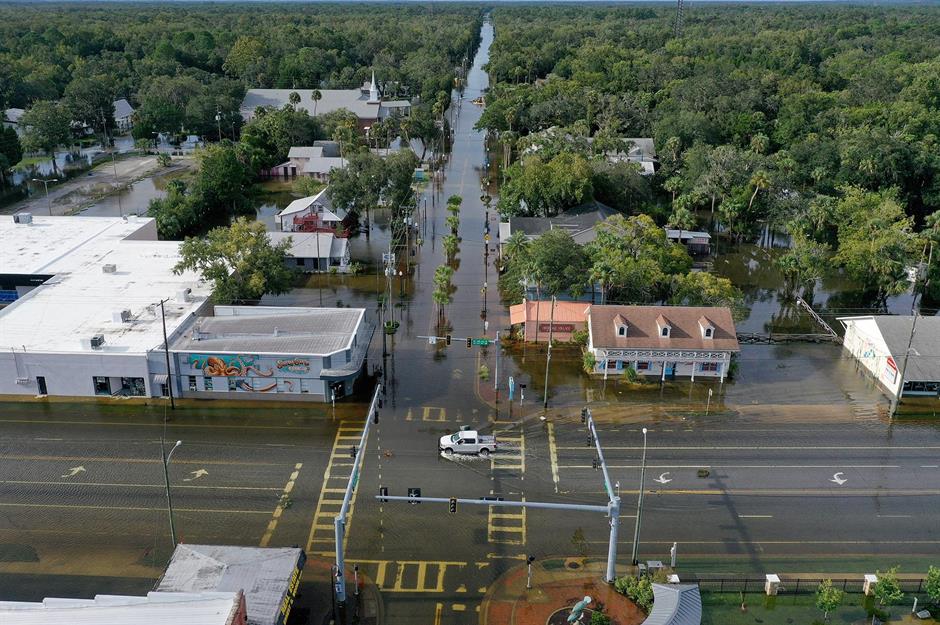
Trees were brought down, homes destroyed, and buildings ripped apart as the hurricane spawned floods across the Gulf Coast before moving east towards Georgia and South Carolina. Four people died and dozens were injured.
Pictured is the Sunshine State's coastal city Crystal River at the end of August.
2024: Hurricane Helene, Florida
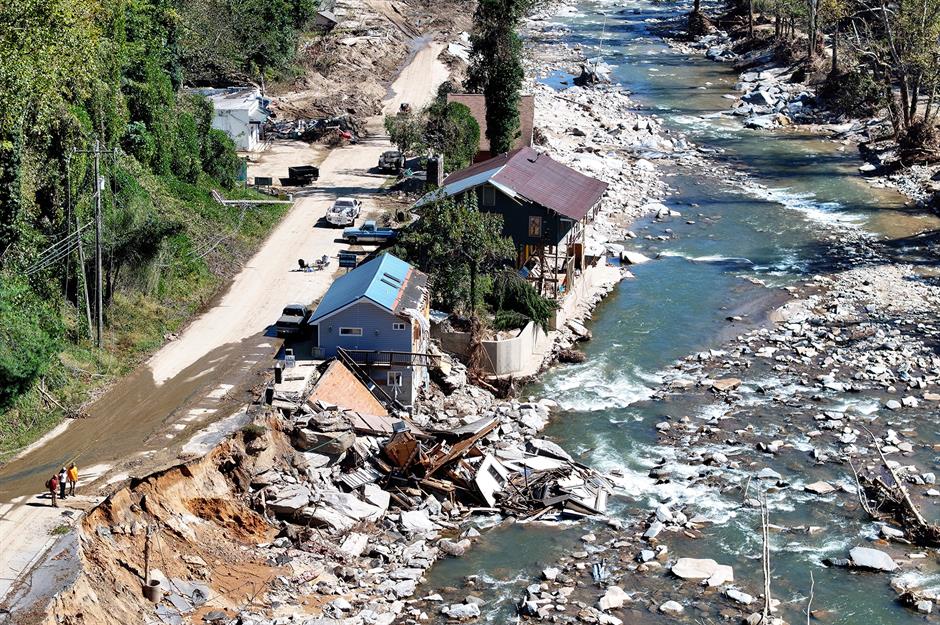
In late September 2024, Hurricane Helene tore through Florida's Big Bend region as a powerful Category 4 storm, one of the most devastating hurricanes in recent memory. Packing ferocious winds of 140 miles per hour, Helene left a trail of catastrophic damage, flooding homes, uprooting infrastructure, and displacing thousands.
The storm's wrath didn’t stop at Florida’s borders; it barreled into Georgia, the Carolinas, and Tennessee, ultimately claiming 220 lives.
2025: Flash floods, Texas
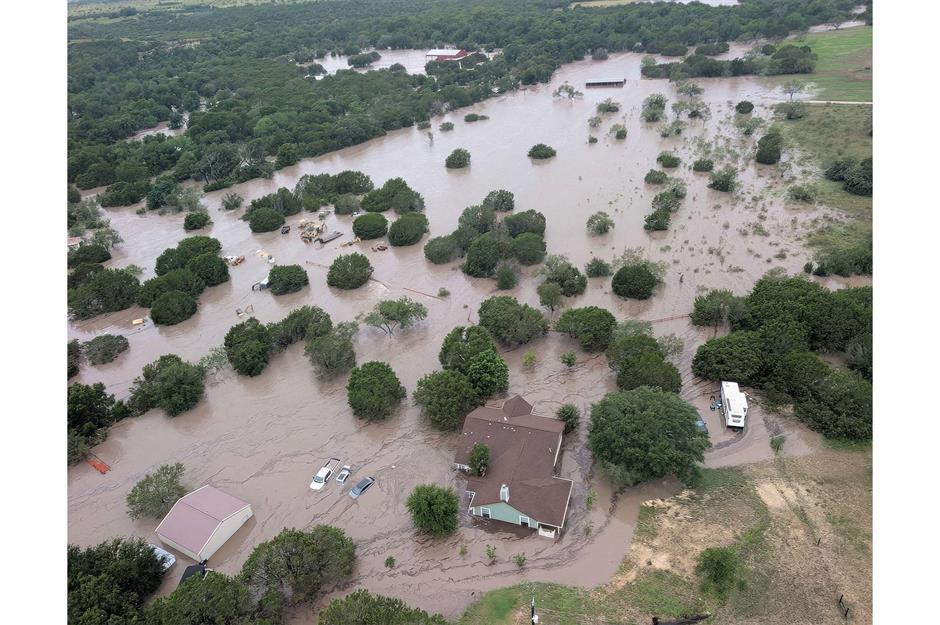
On July 4, 2025 Texas’s worst floods in decades claimed the lives of more than 130 people across the region. In one of the most tragic incidents the floods devastated Camp Mystic, a girl’s camp located on the banks of the Guadalupe River in Kerr county. Twenty-five young girls, two teenage counselors, and the camp’s longtime owner, Dick Eastland, all died after flood waters inundated the property.
Pictured is an aerial view of the Guadalupe River taken from a Coast Guard Search and Rescue helicopter on July 5, 2025.
Now take a look at more shocking out-of-season weather events