Stunning photos of the world’s most beautiful trees
The world's most inspiring trees, in pictures
Rainbow eucalyptus, Hawaii, USA
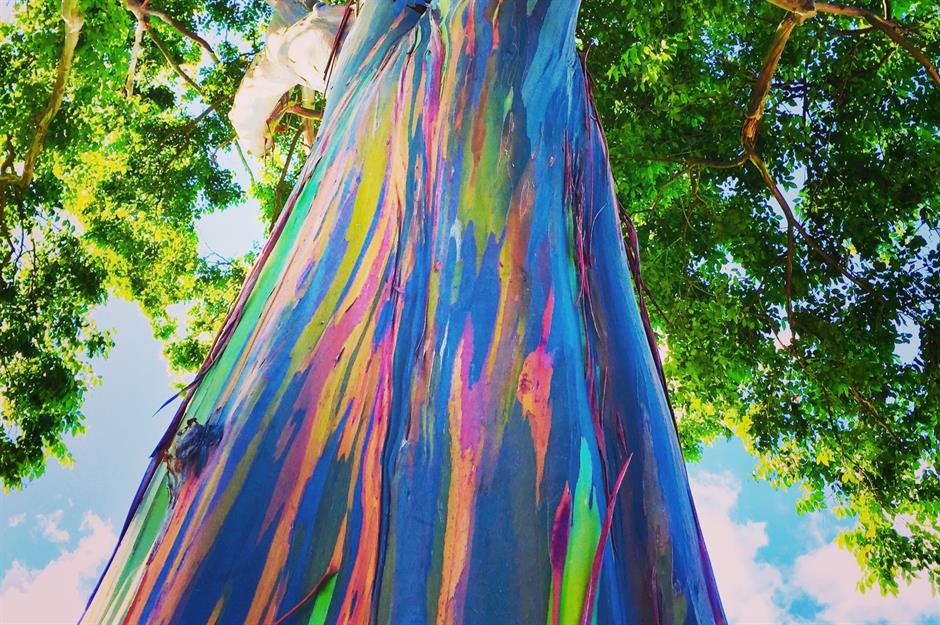
Rainbow eucalyptus, Hawaii
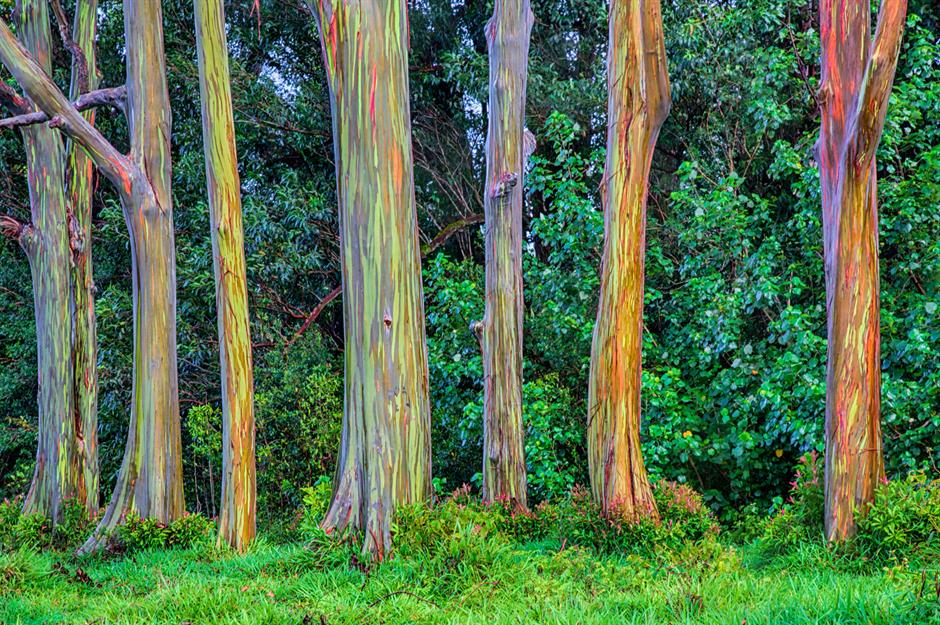
The lines on the tree trunks show up as the bark sheds off in strips, revealing technicolour hues of orange, green and red below. On top of looking the part, these psychedelic trees smell lovely too.
Discover more amazing images of the world's most colourful natural wonders
Sponsored Content
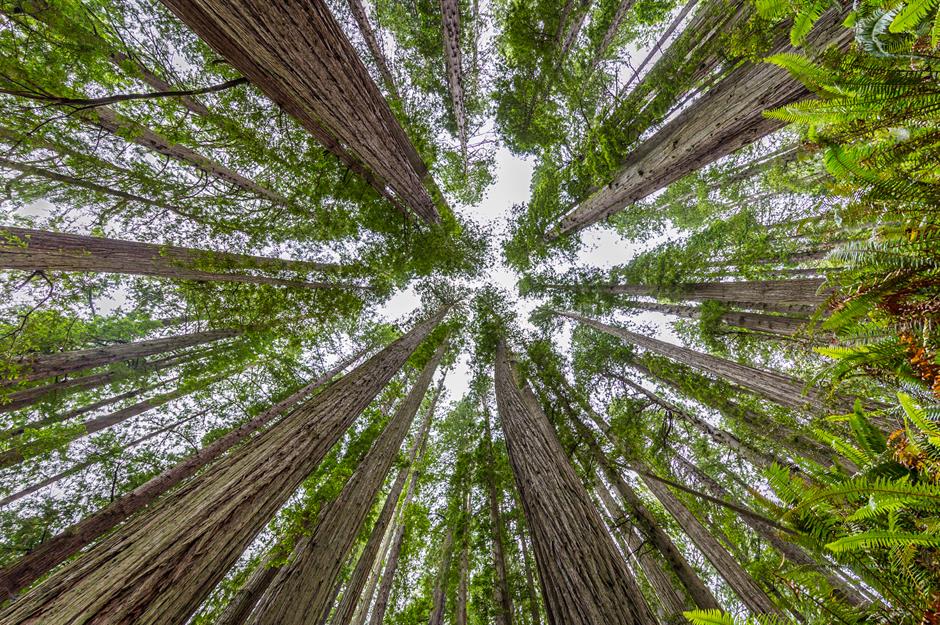
Redwoods, Redwood National and State Parks, California
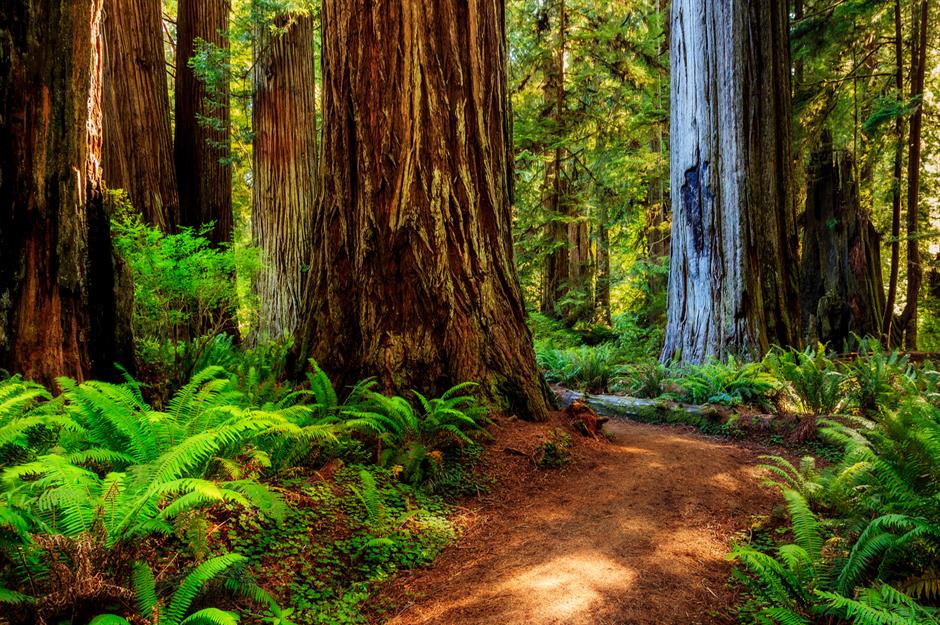
Redwoods, Redwood National and State Parks, California
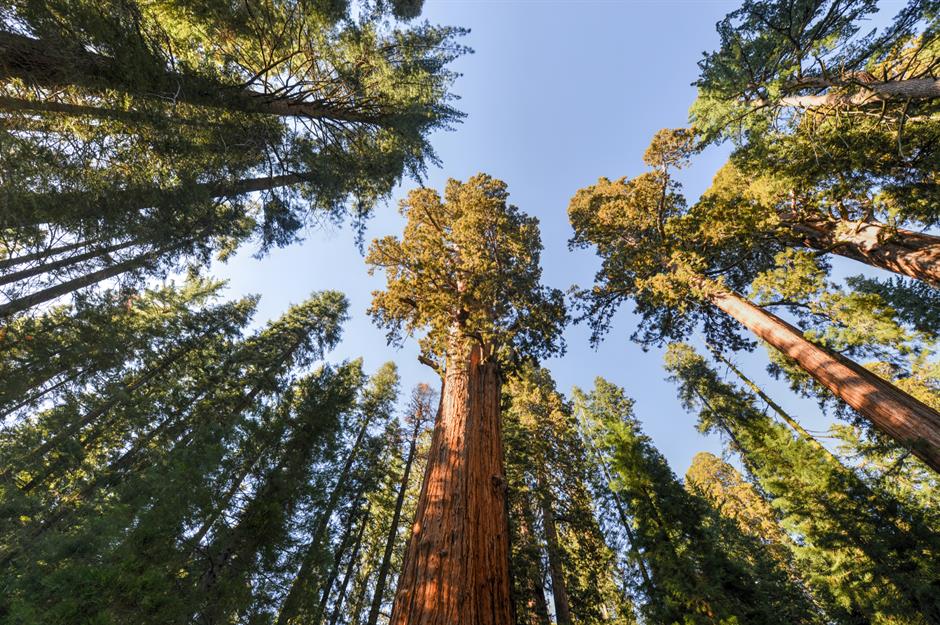
General Sherman, Sequoia National Park, California
Sponsored Content
General Sherman, Sequoia National Park, California
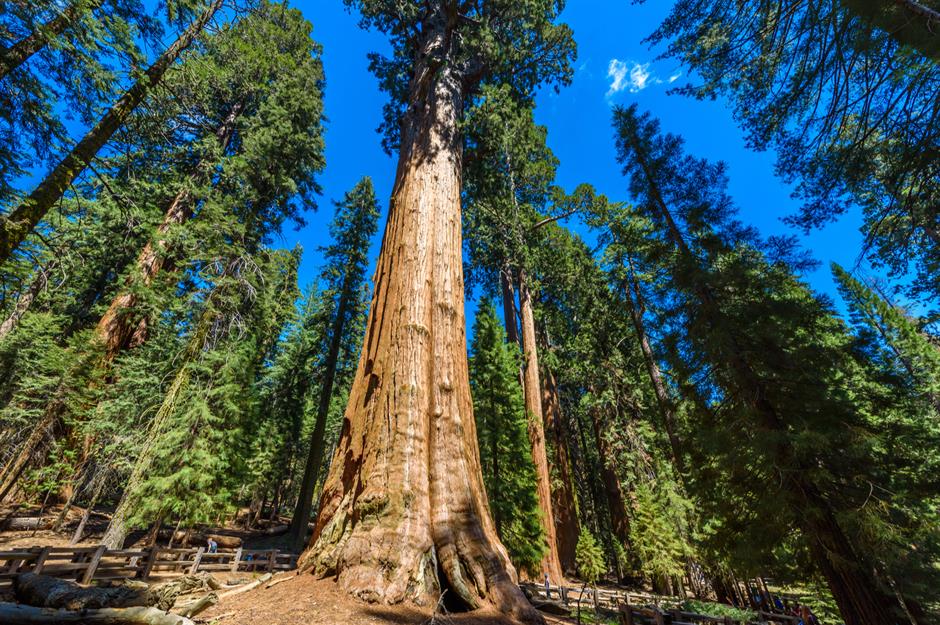
It measures a neck-craning 275 feet (84m) in height and is more than 36 feet (11m) in diameter at the base too. And best of all, it's still growing – even at the grand old age of 2,000-plus years old.
Love this? Follow our Facebook page for more travel inspiration
Argan trees, Morocco
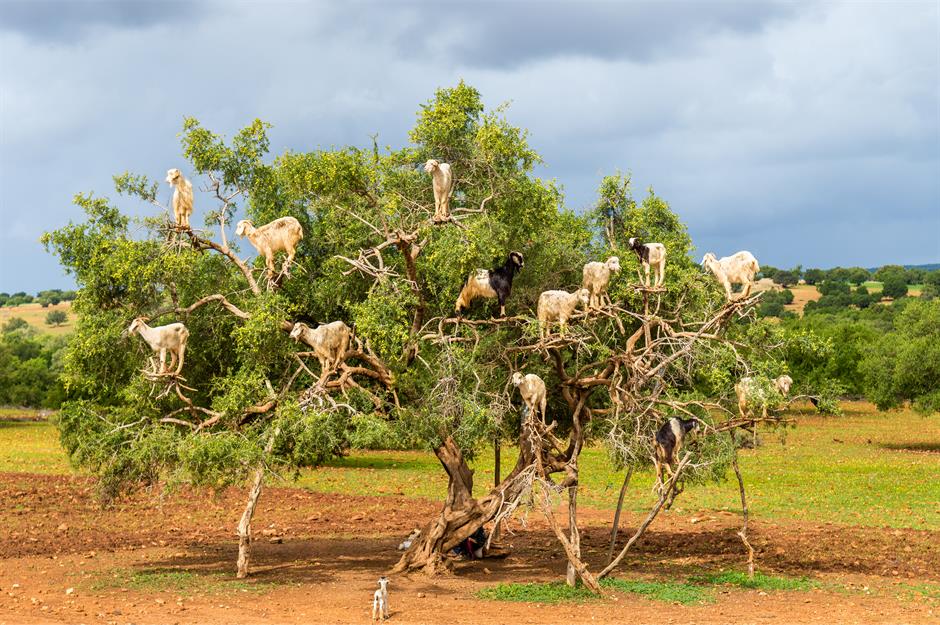
Argan trees are a fascinating sight. With their wide canopies and thorny branches, they dot the landscape of southwest Morocco, particularly between Essaouira and Agadir. What's more, they have some loyal four-legged friends: goats are particularly fond of these trees and the fruits they bear. They're pictured here, perched seemingly precariously among the branches.
Argan trees, Morocco
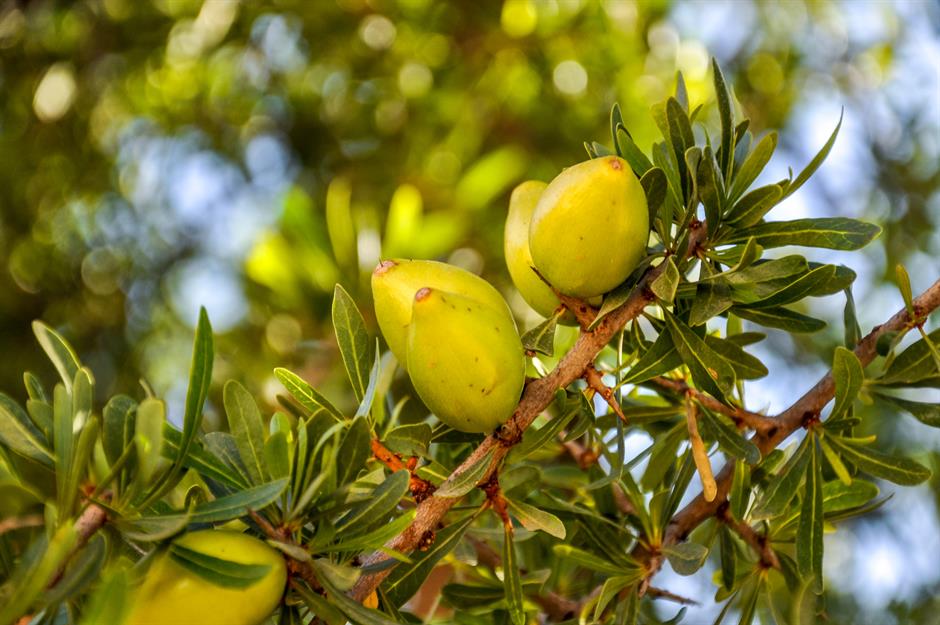
The goats perform more than a balancing act, though. They actually help in the production of one of Morocco’s most valuable products: argan oil, dubbed "desert gold". The goats typically graze on the fruit from the trees, separating and spitting out the hard nuts and their oil-rich seeds in the process. The trees themselves are made of strong stuff too: they can withstand the fierce desert heat and live up to 250 years.
Explore Marrakech: places to visit, what to do and where to stay
Sponsored Content
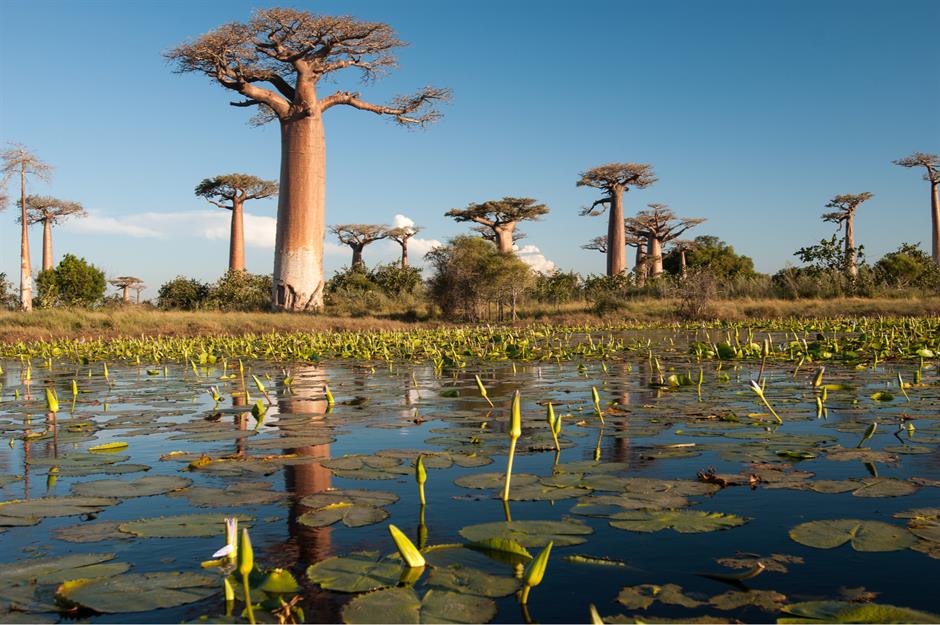
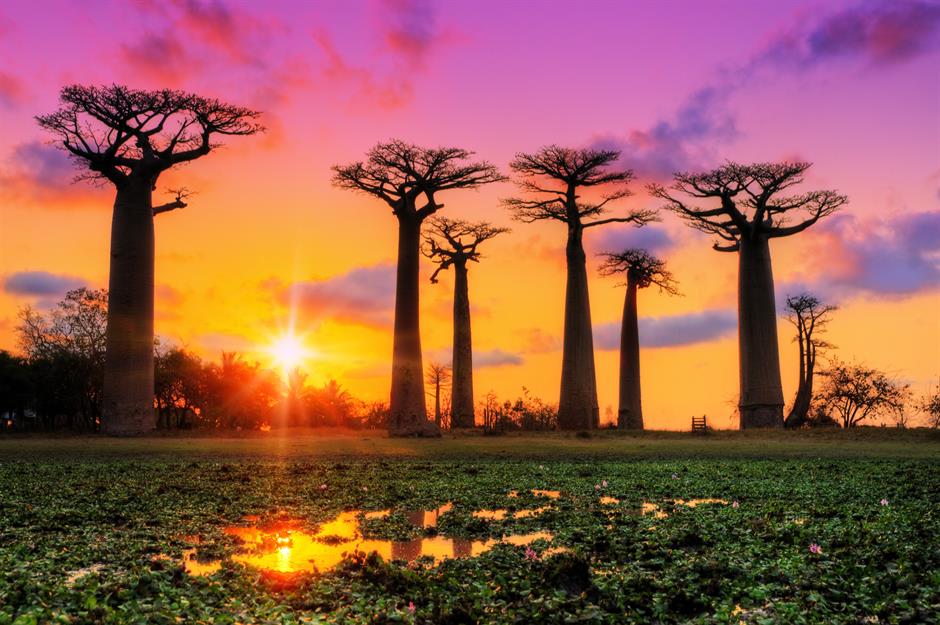
Baobab trees, Madagascar
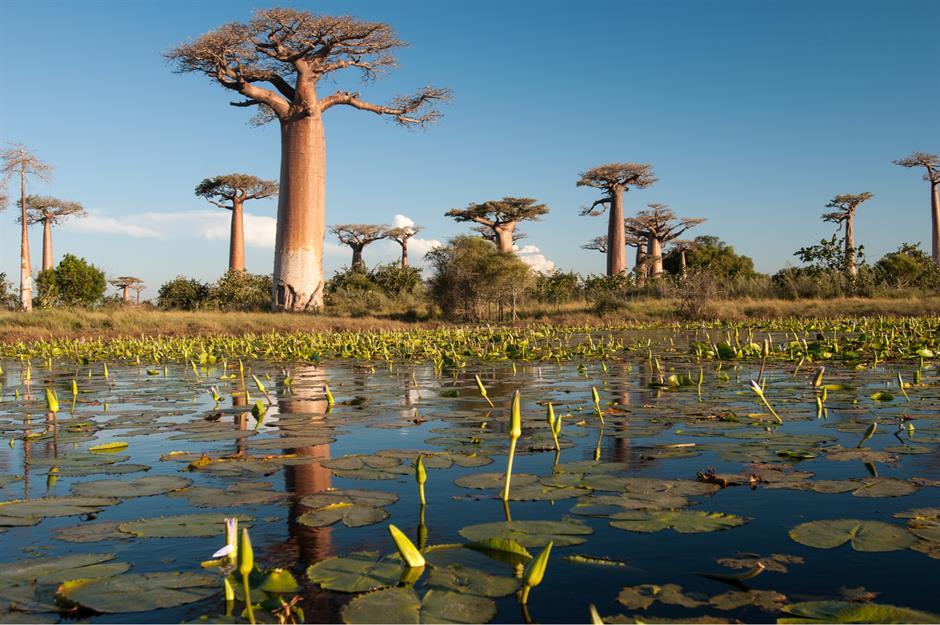
Baobab trees, Madagascar
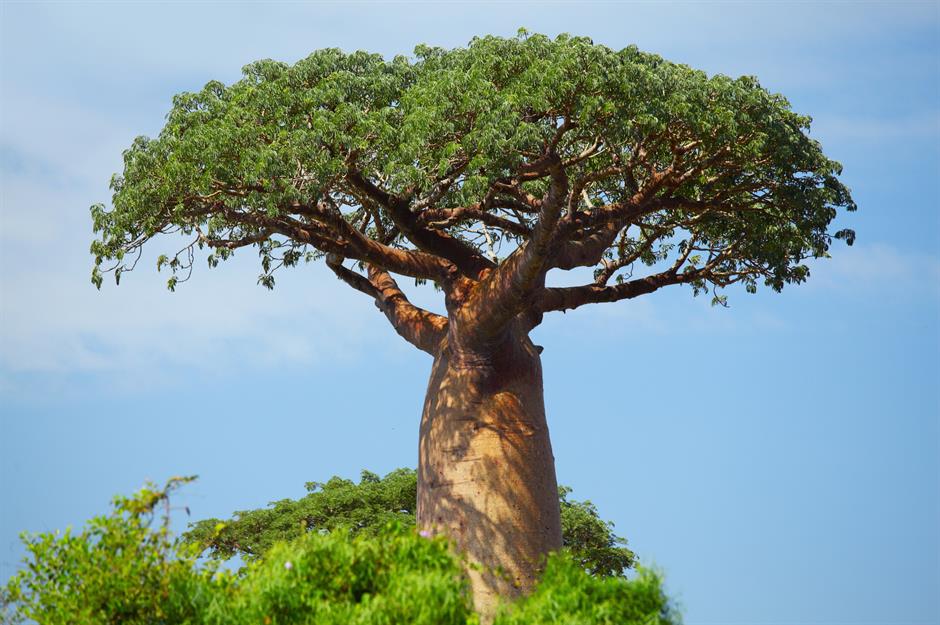
Baobab trees, Madagascar
Sponsored Content
Joshua trees, Joshua Tree National Park, California
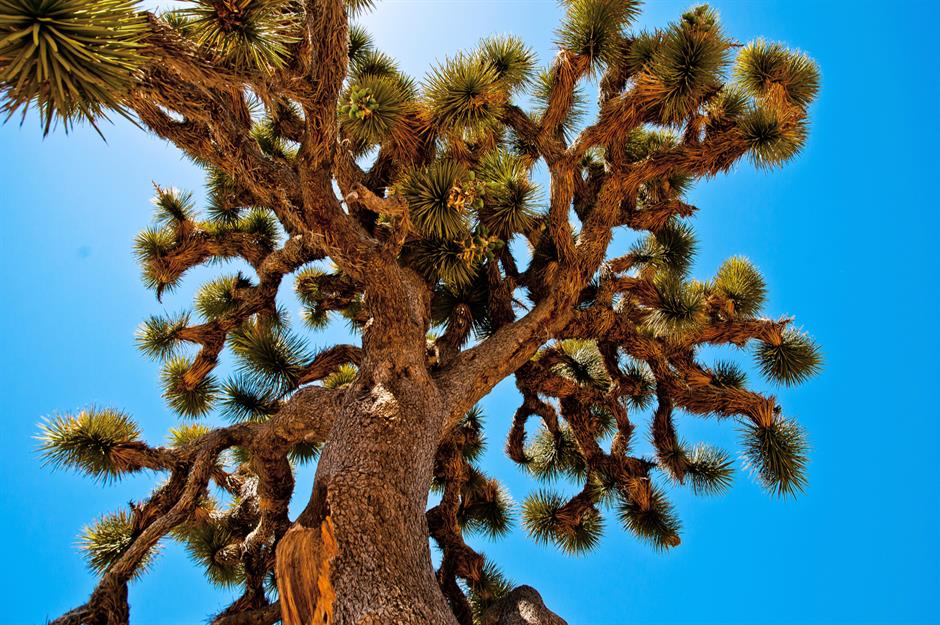
Joshua trees, Joshua Tree National Park, California
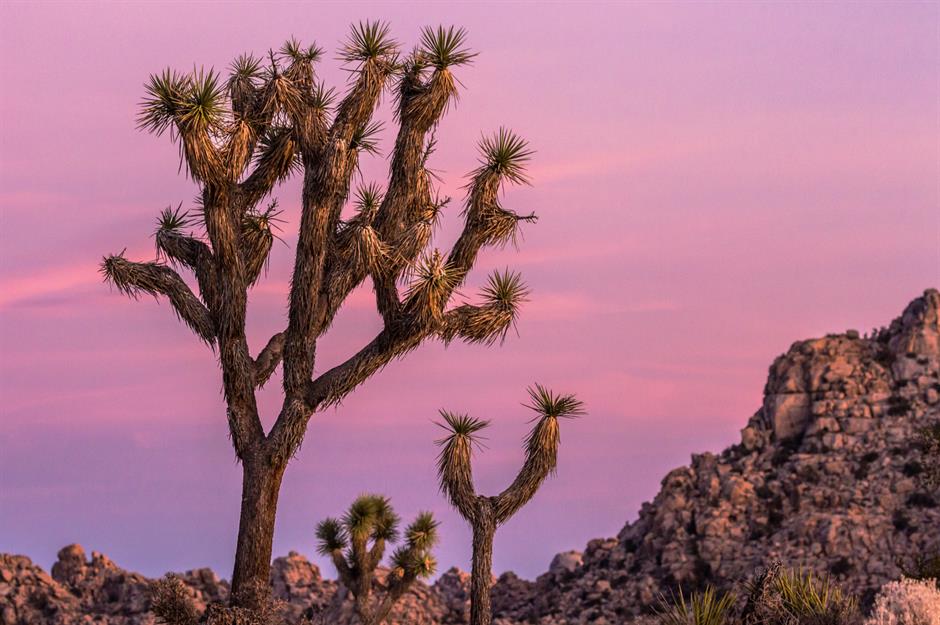
It's the trees' spunky appearance that makes them such a source of curiosity. They exist in a flurry between the national park's rock formations and boulders, with their spindly trunks and branches and their shock of prickly spines. Species such as wood rats and desert night lizards are known to skitter around them too.
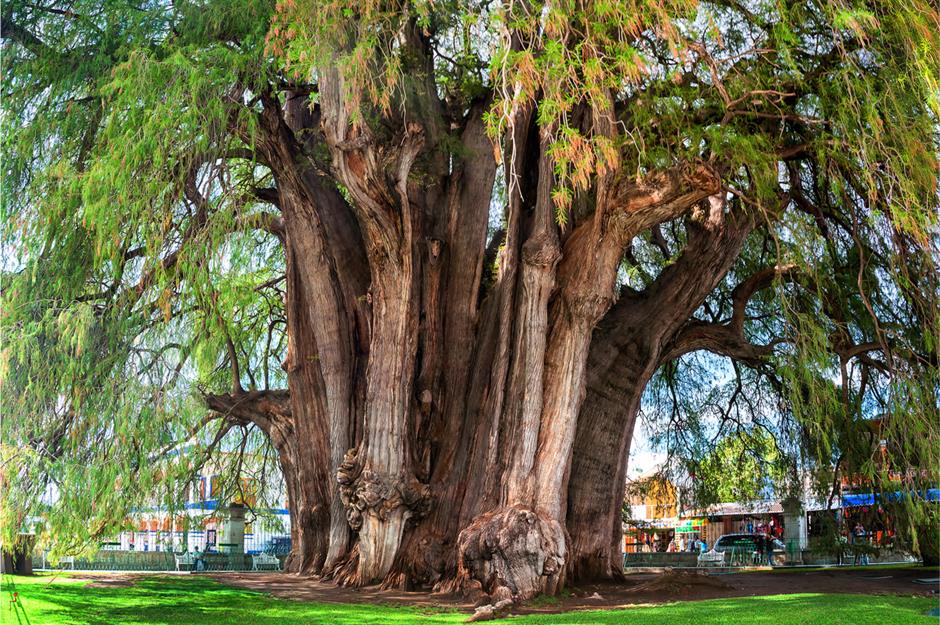
Montezuma cypress, Santa María del Tule, Mexico
Sponsored Content
Dark Hedges, near Armoy, Northern Ireland
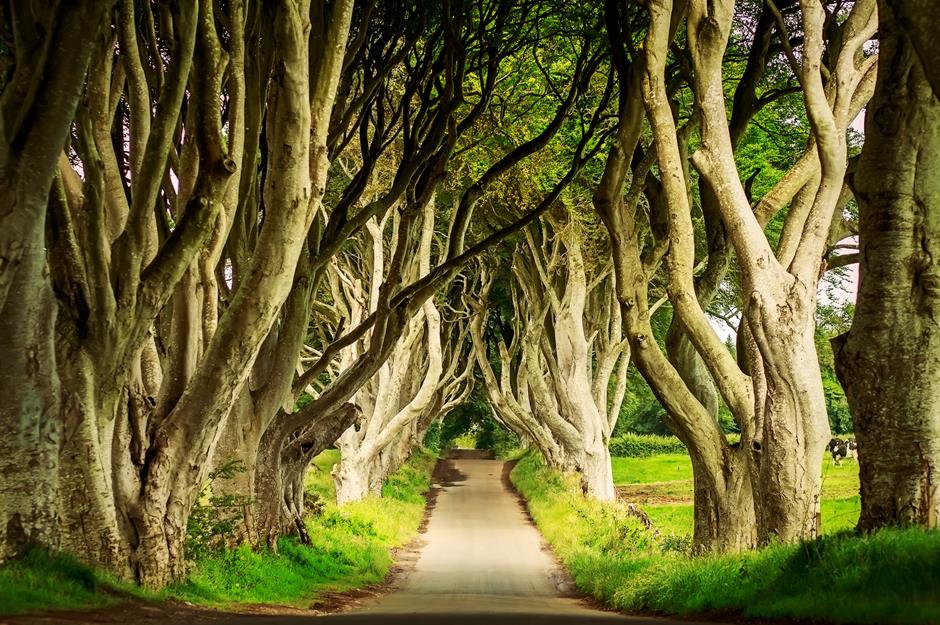
Chances are, if you’re an avid Game of Thrones fan, you might recognise Northern Ireland’s gothic-looking Dark Hedges, located in County Antrim. It features as the Kingsroad in the much-loved TV show and has been attracting devotees of the series ever since.
Dark Hedges, near Armoy, Northern Ireland
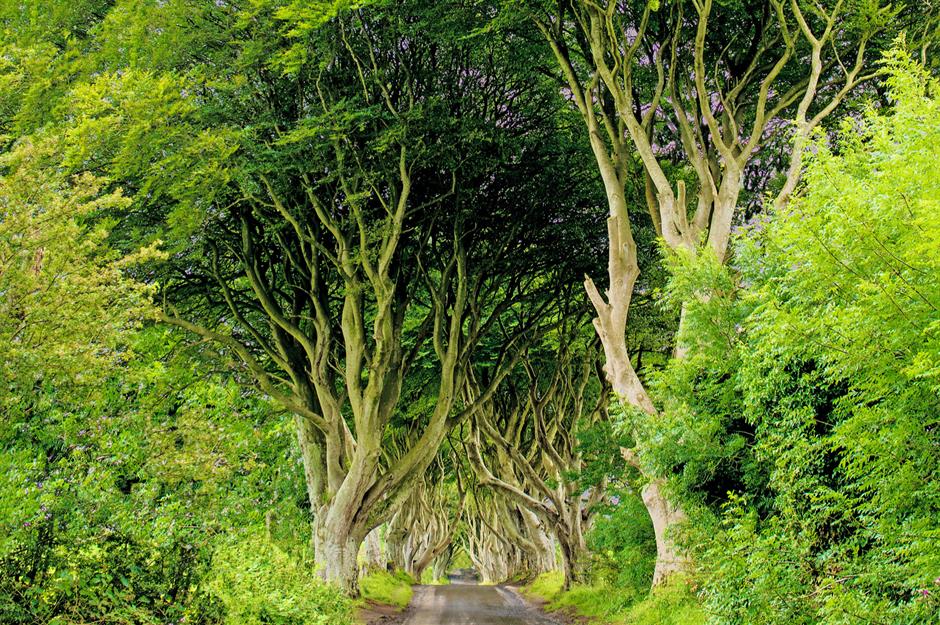
This dramatic tunnel of more than 150 beech trees was formed in the 18th century by the Stuarts and served as an impressive entrance to Gracehill House, a sumptuous Georgian mansion. Today it's rumoured that spectres including the so-called Grey Lady haunt this eerie passage of trees.
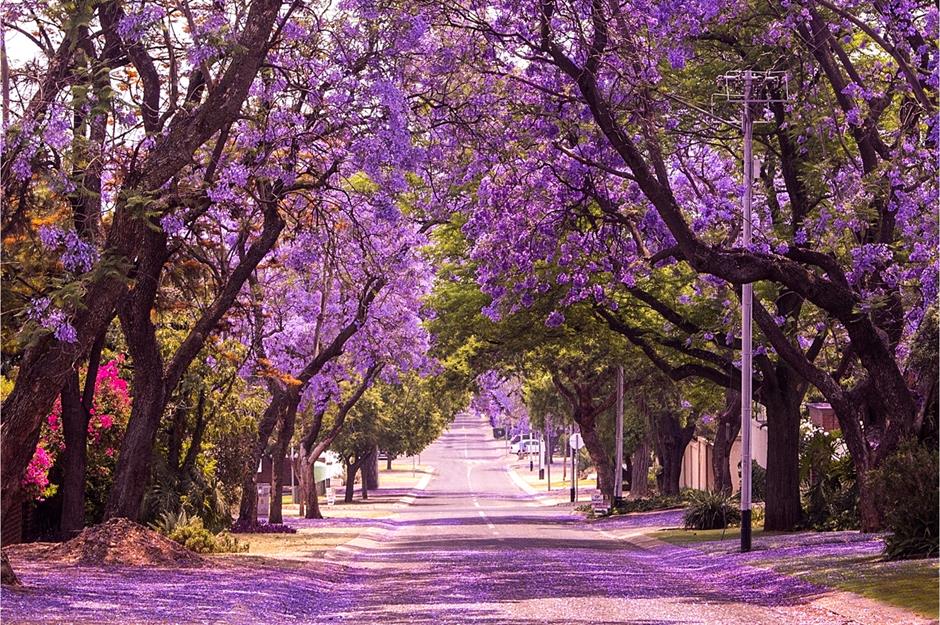
Jacaranda trees, South Africa
Sponsored Content
Jacaranda trees, South Africa
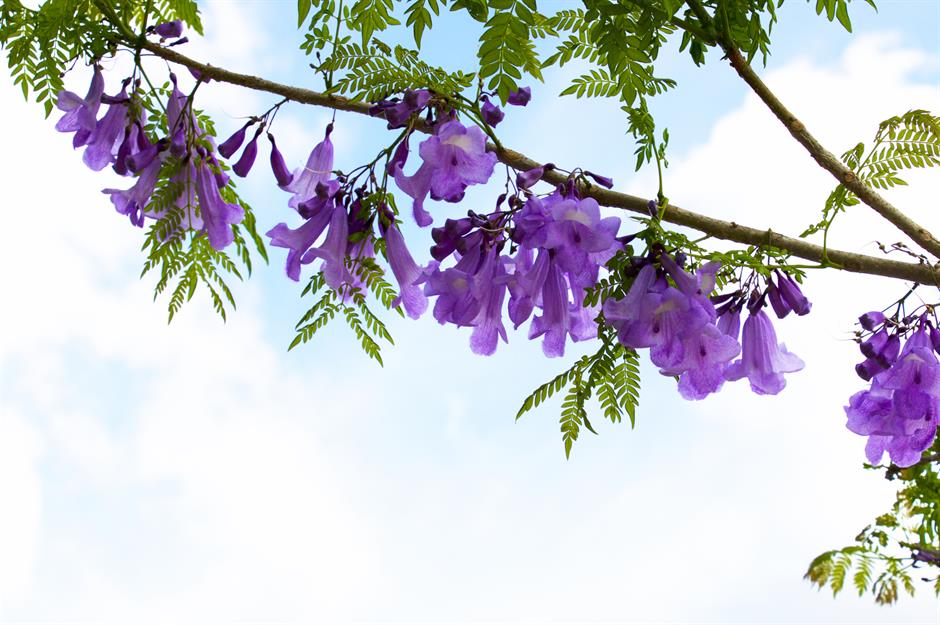
Though jacarandas have become something of a national symbol in South Africa, they're not actually native to the country. The first trees were brought to South Africa in the 19th century from Brazil.
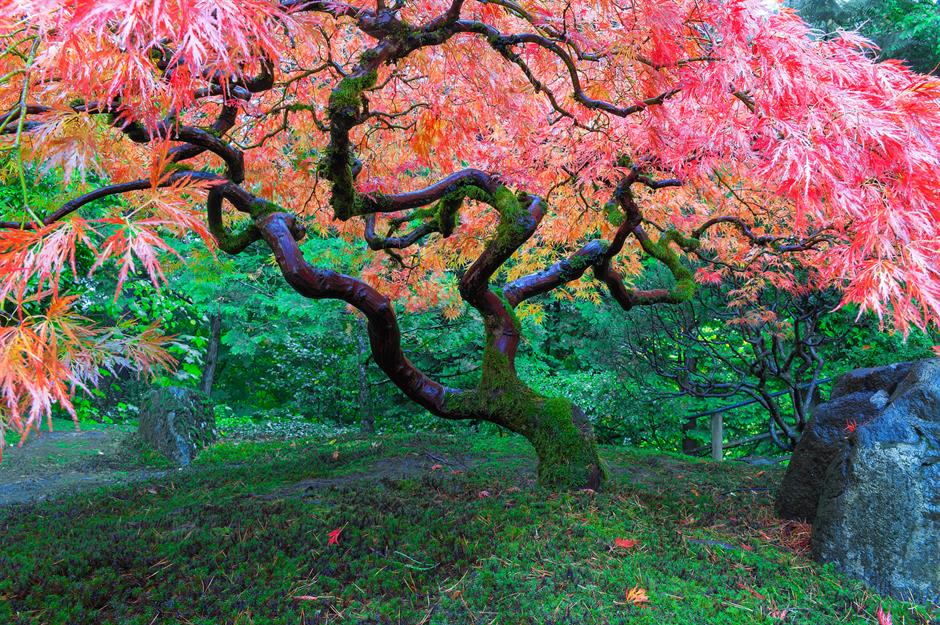
Japanese maple, Portland, Oregon
Dragon trees, Tenerife
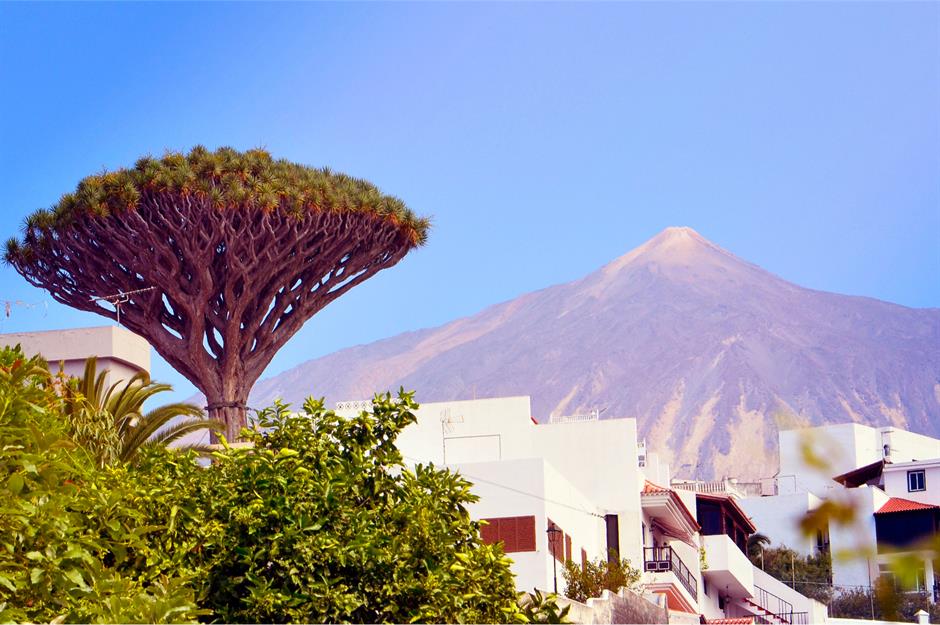
Sponsored Content
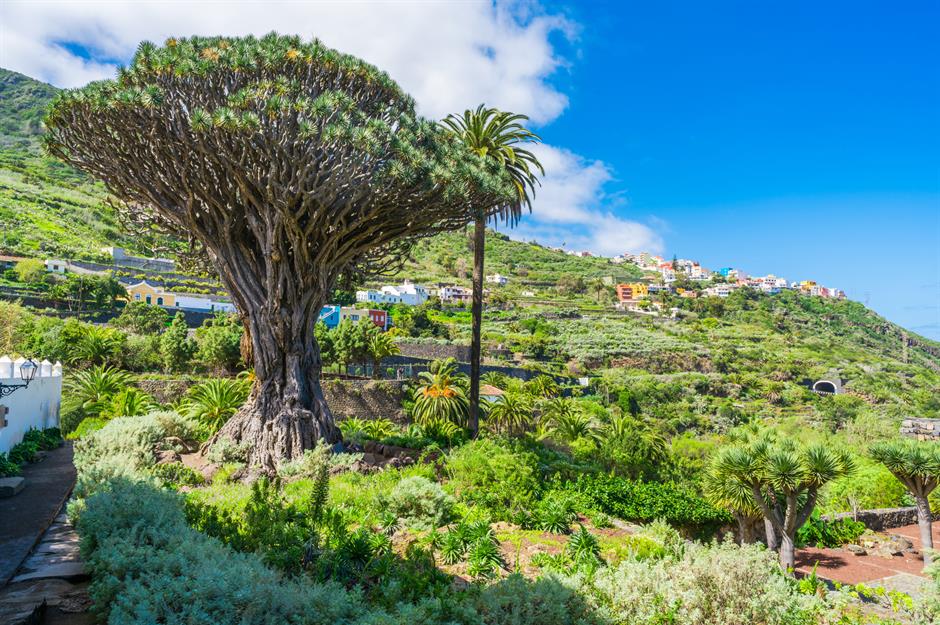
Dragon trees, Tenerife
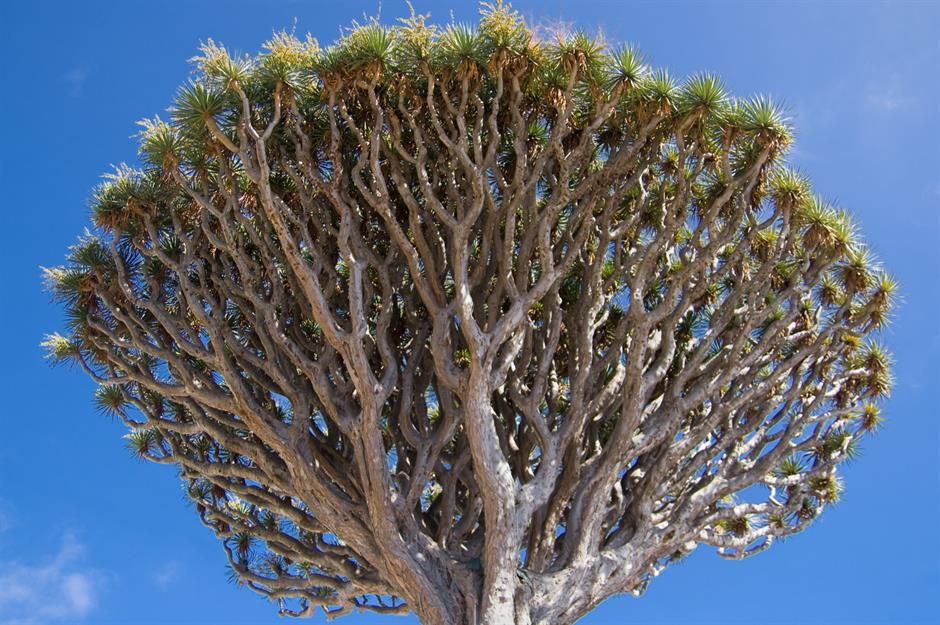
Dragon trees, Tenerife
Crooked trees, Poland
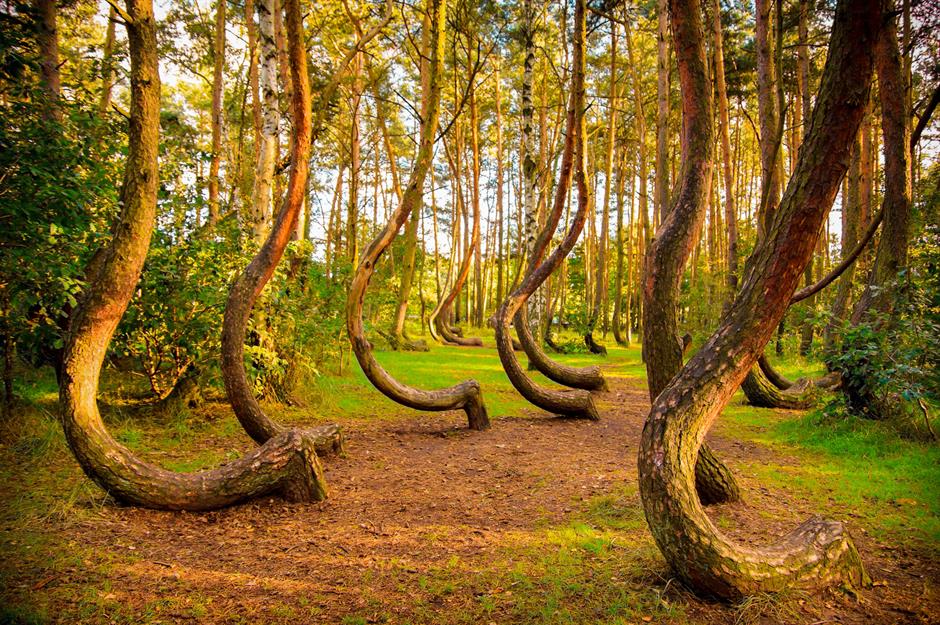
West Pomerania, one of the greenest regions of Poland, is home to the Crooked Forest, a series of 22 rows of trees, all with curved bases pointing north. The jury is still out as to whether these eerie trees naturally bend or were planted in a way to achieve this effect. One thing’s for sure, either way: they look like something straight from another planet.
Sponsored Content
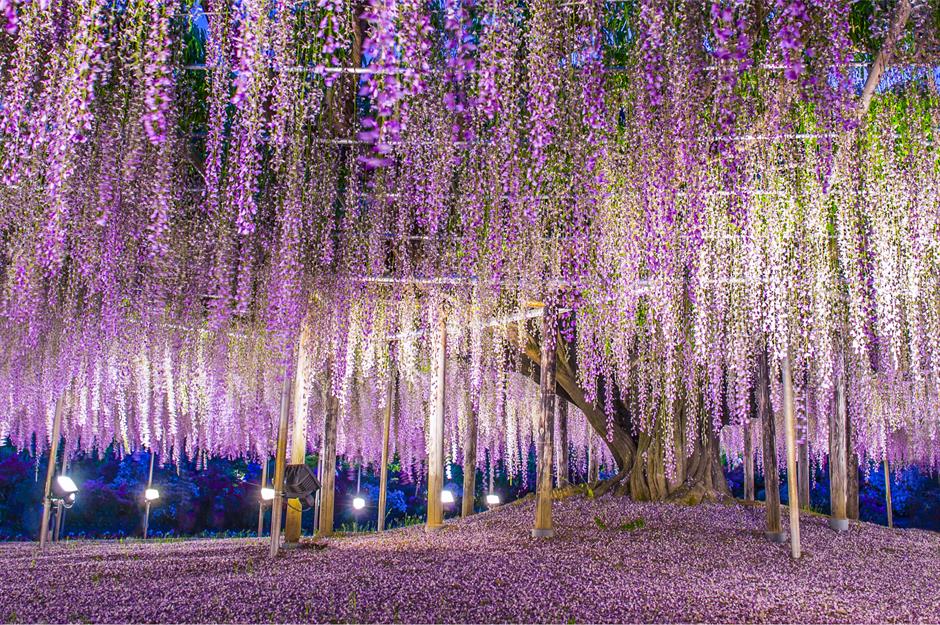
Giant wisteria, Ashikaga, Japan
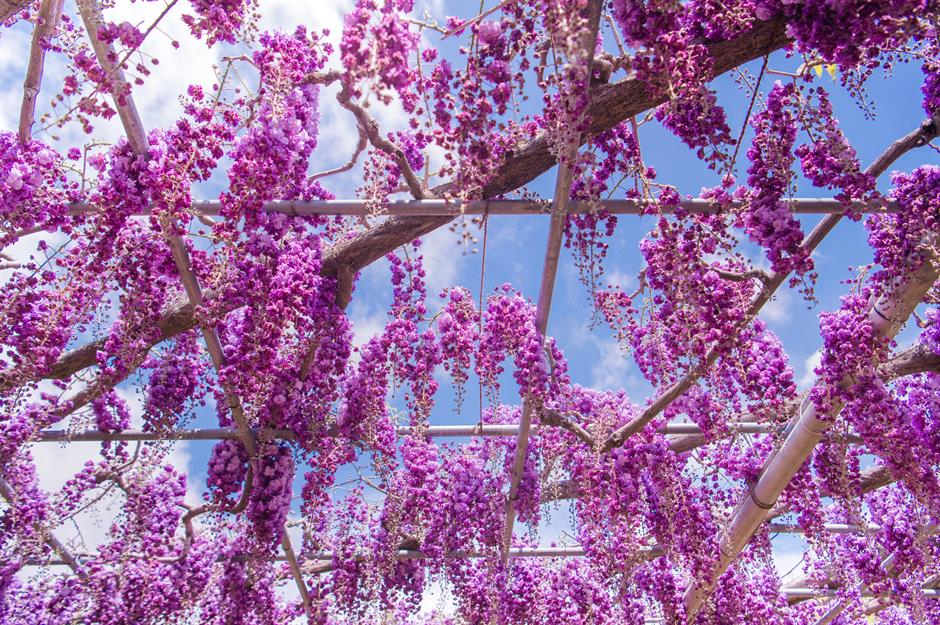
Giant wisteria, Ashikaga, Japan
Crooked Bush, Saskatchewan, Canada
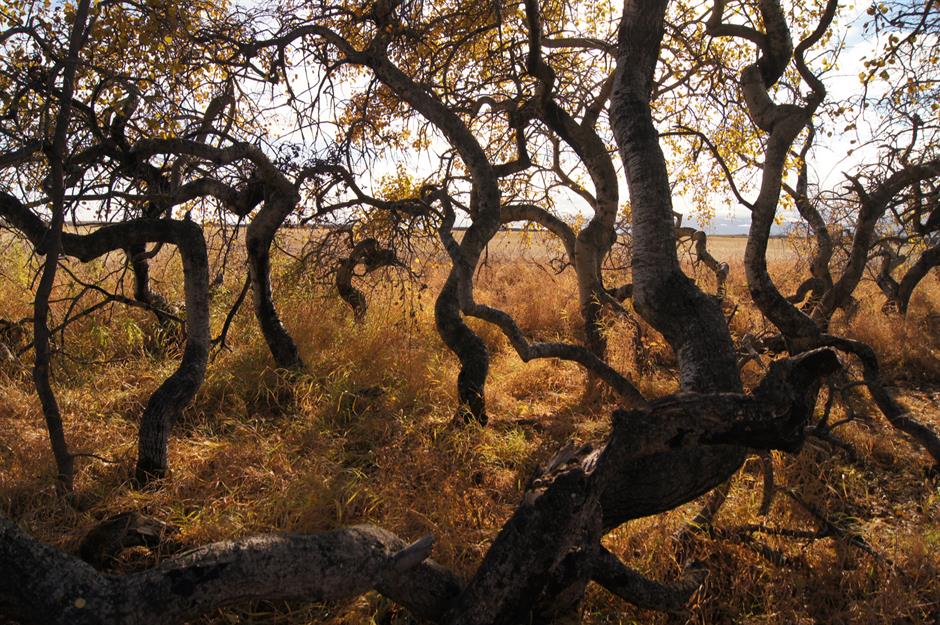
Something of a botanical mystery, this grove of crooked aspen trees is located in the Canadian province of Saskatchewan, close to the town of Hafford and around an hour from capital Saskatoon. While weird and wonderful theories as to their origins abound, most experts believe that the trees’ contorted form is caused by a genetic mutation.