What vacations looked like in every decade since 1900
Trips and travel through the ages
Travel has changed a lot over the decades. In the early 20th century, seaside holidays were reserved only for the richest in society – today, the planet seems smaller than ever.
Click through this gallery for nostalgic photos of holidays from yesteryear that show how much travel has changed over the years...
1900s: the Elephant Hotel near Atlantic City, New Jersey

At the turn of the century, vacations were the domain of the most privileged people. The development of railroads during the industrial revolution allowed affluent families to flock to the coast in states including Florida, California and New Jersey. Atlantic City, with its famed boardwalk and unique hotels grew in popularity during this time – pictured here is the nearby Elephant Hotel, which drew visitors from across the country.
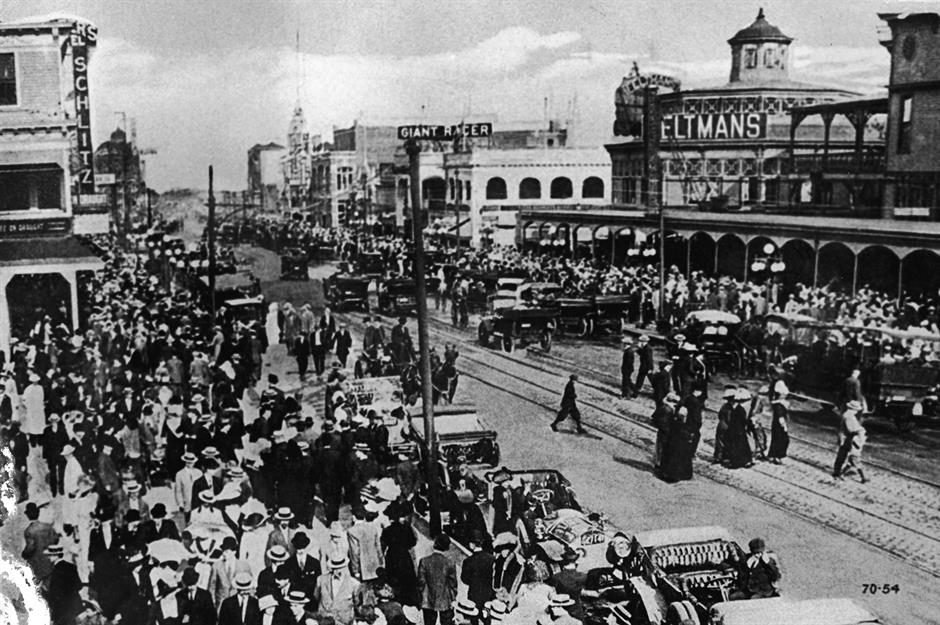
1900s: crowds enjoy Coney Island in New York City
Sponsored Content
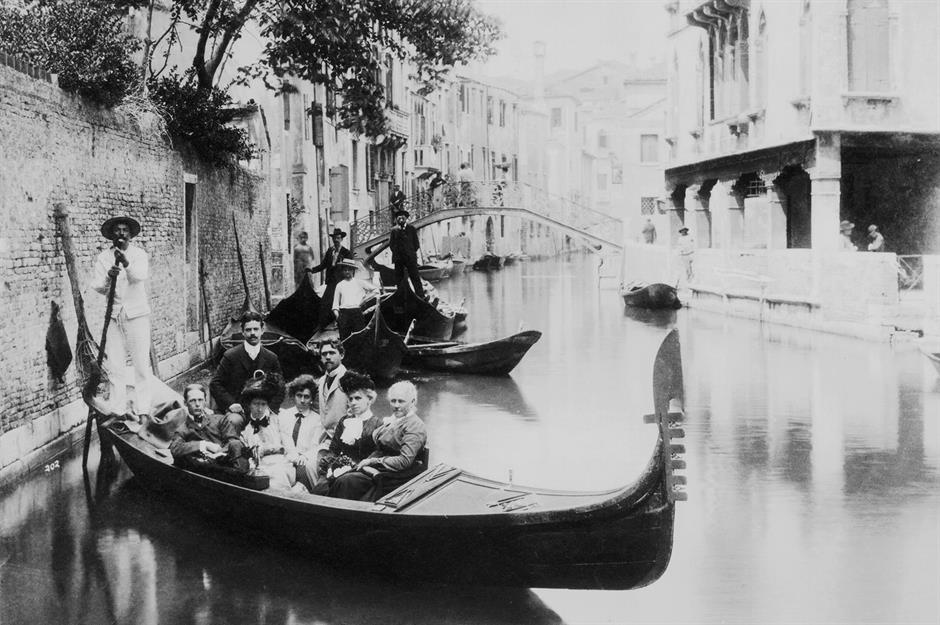
1900s: tourists pose in a gondola in Venice, Italy
1900s: two men canoeing on a lake in the Adirondack Mountains

Camping for pleasure was popularised throughout the 19th century, and is often linked to William Henry Harrison Murray's 1869 publication of Adventures in the Wilderness; or, Camp-Life in the Adirondacks, the first outdoor guide of its kind. In the early 1900s, it remained a favoured way for Americans – particularly urban Americans – to spend their vacation time. Popularised by Murray, the scenic Adirondack Mountains were a top destination.
Love this? Follow our Facebook page for more historic photo features and travel inspiration
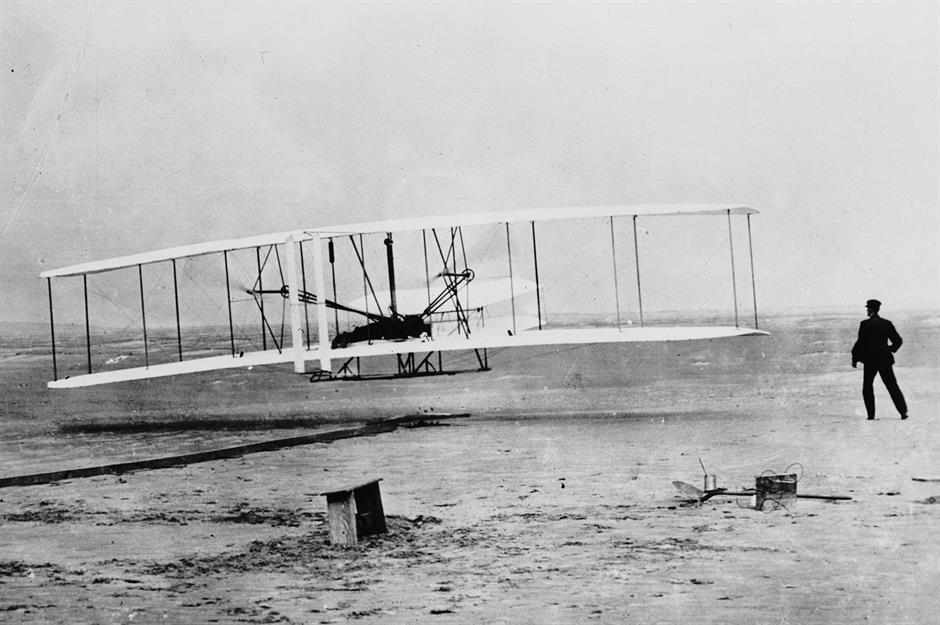
1900s: the Wright brothers' first "heavier-than-air" flying machine
Sponsored Content
1910s: the first-ever RV

1910s: a poster advertising Yellowstone National Park

1910s: tourists on an organised tour exploring Yellowstone National Park and Rocky Mountain National Park
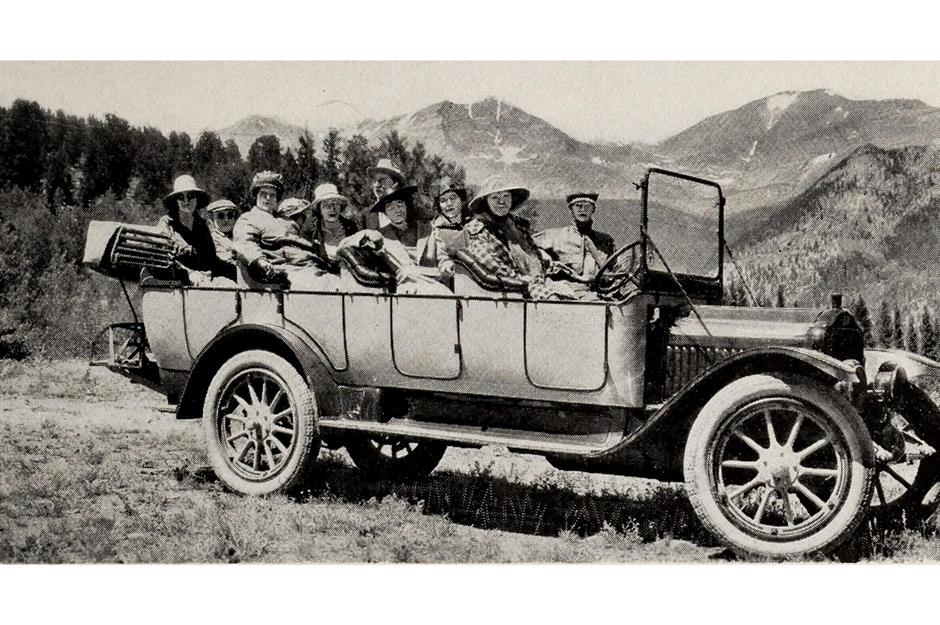
The development of the National Park Service bred Americans' appreciation for their own backyard, and many spent their vacation time soaking up the natural beauty of the newly designated national parks. Escorted tours through the parks were also popular – here tourists are pictured enjoying a 'Two National Parks in Two Weeks' tour that swept through Rocky Mountain National Park and Yellowstone National Park.
These are the earliest ever photos of the world's national parks
Sponsored Content
1910s: a poster advertising Grand Canyon National Park

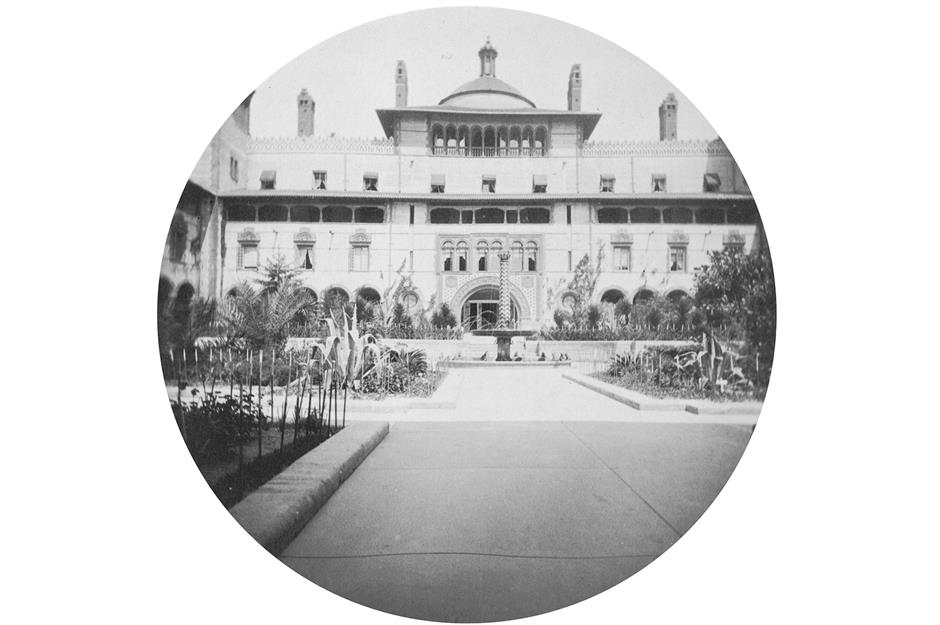
1910s: Ponce de Leon Hotel in St Augustine, Florida
1920s: a Tin Can Tourist Camp in Gainesville, Florida

Sponsored Content
1920s: passengers aboard Cunard's Scythia liner

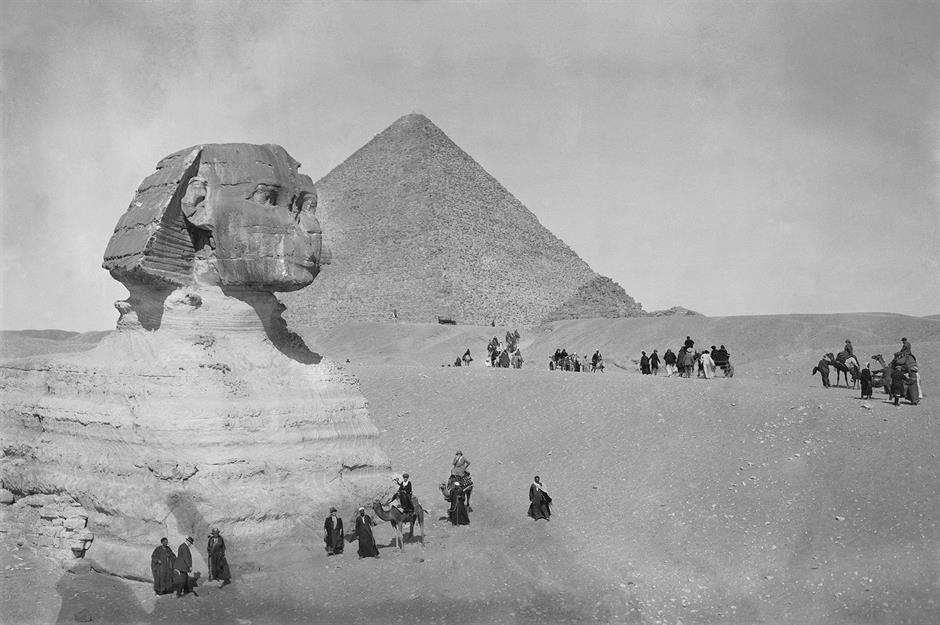
1920s: American tourists at the Giza pyramid complex in Egypt
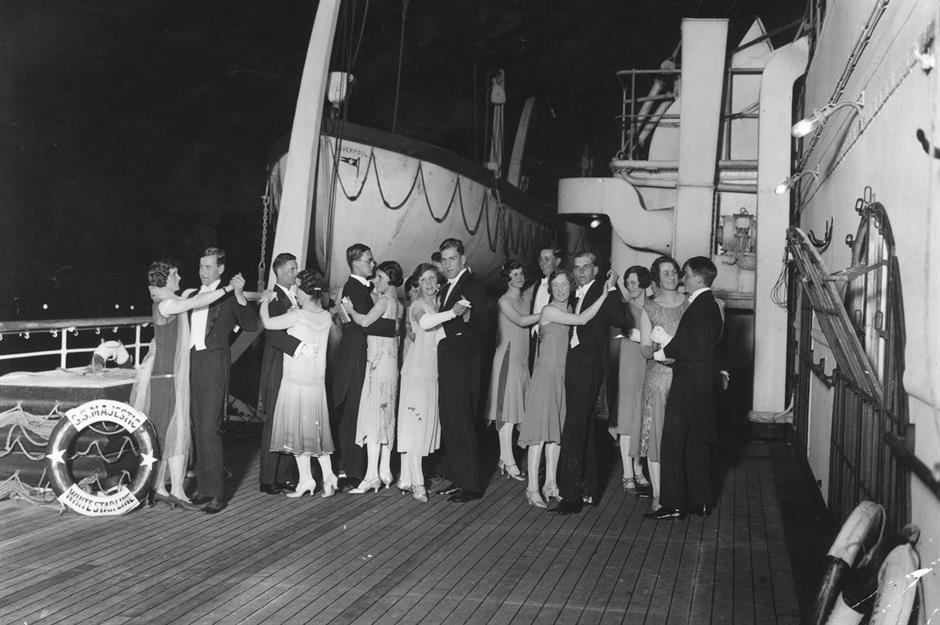
1920s: a ball on the White Star Line's Majestic liner
Sponsored Content
1920s: a tourist driving in Yellowstone National Park

The 1920s saw a continued fascination with America’s national parks and improved road conditions around the country made it easier than ever for tourists to get back to nature. Car ownership was becoming more and more common and many Americans spent their vacation time on the road, with the great outdoors their final destination. The year 1926 also saw the birth of Route 66 – today the 'Mother Road' is synonymous with the great American road trip.
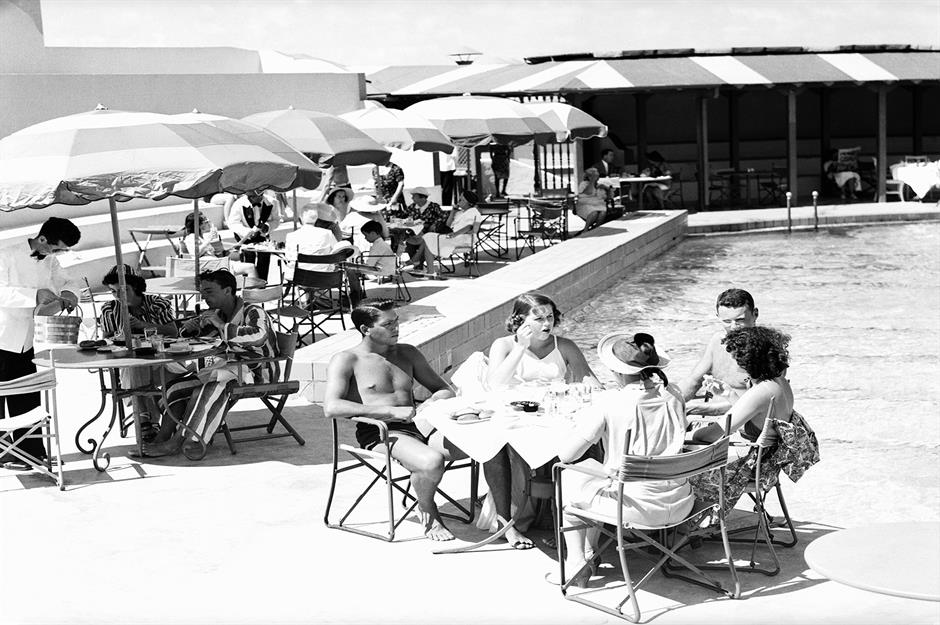
1930s: vacationers dine poolside at a Miami hotel
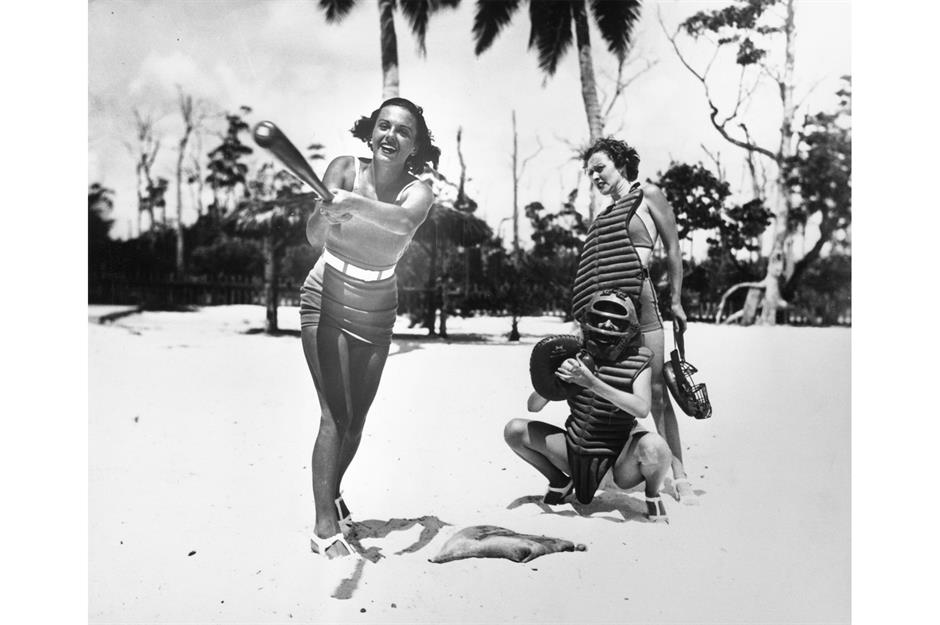
1930s: a group of women play beach baseball in Miami
Sponsored Content
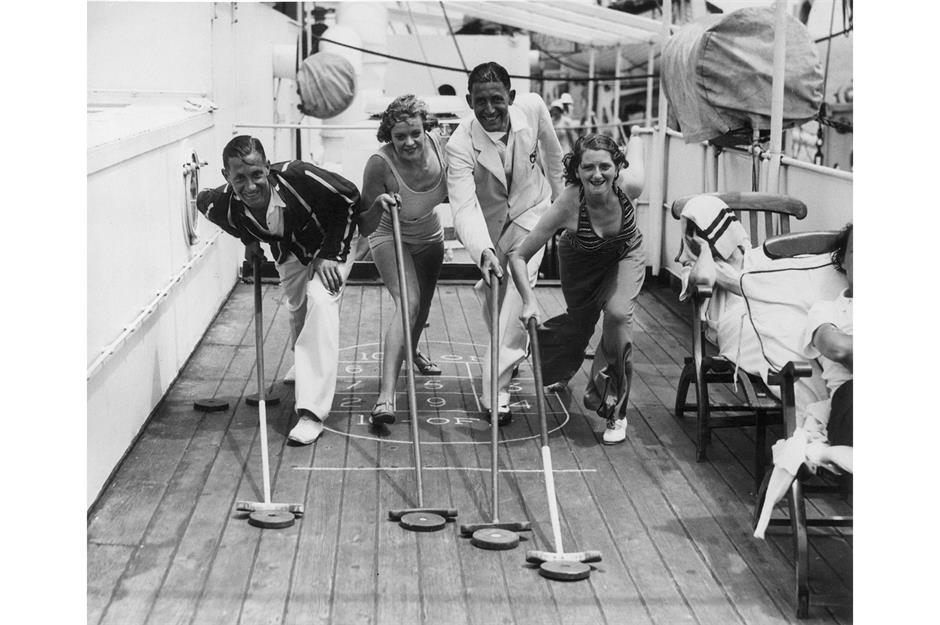
1930s: cruise passengers play shuffleboard on deck
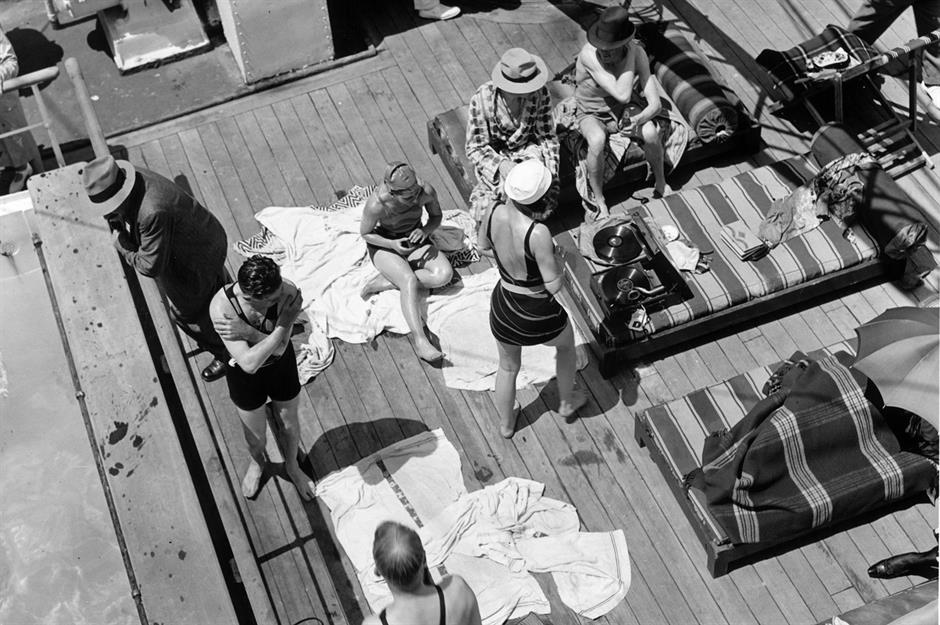
1930s: passengers sunbathe on the Atlantis liner
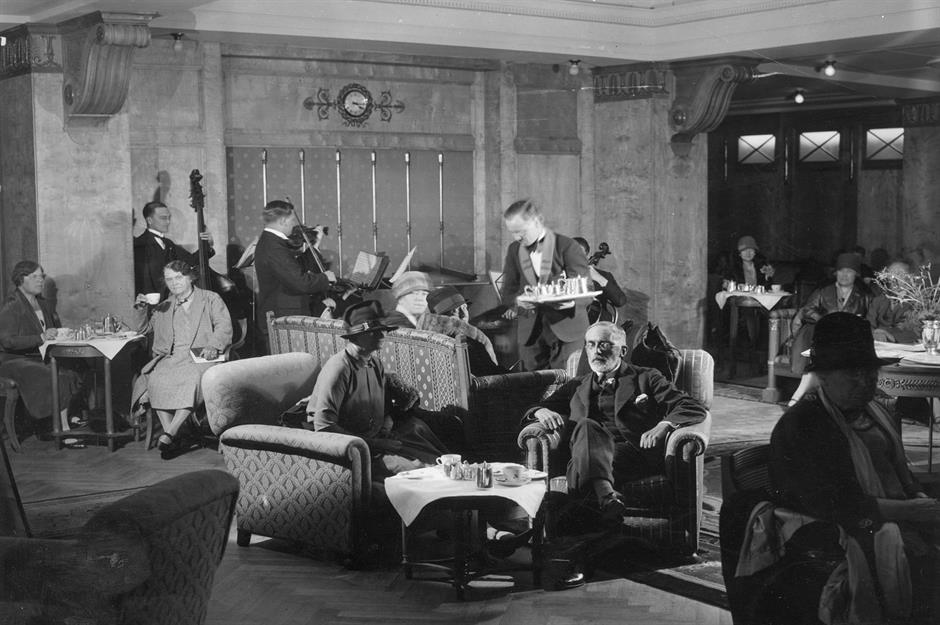
1930s: passengers take tea aboard the Duchess of Bedford cruise liner
Sponsored Content
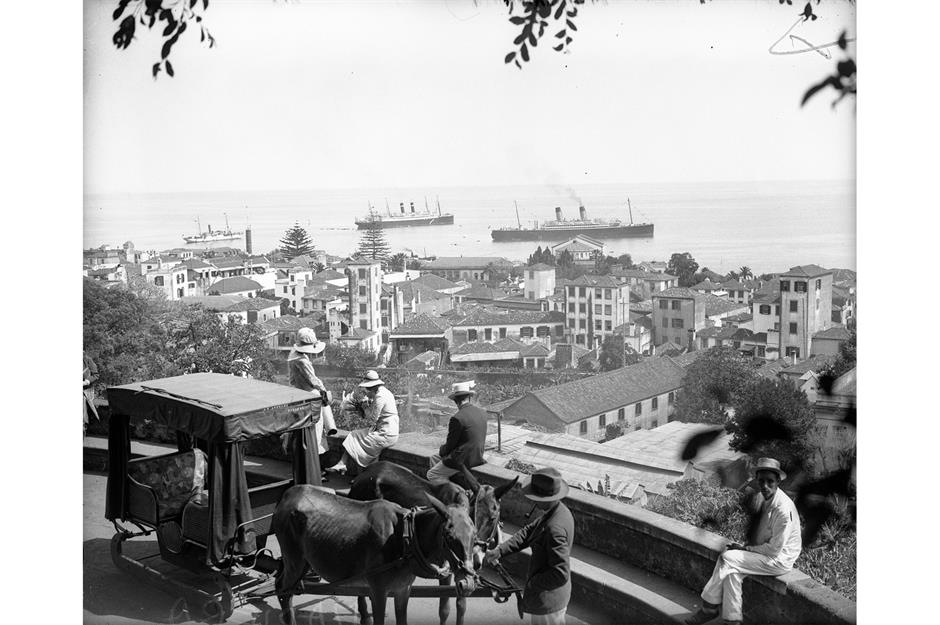
1930s: tourists on the Portuguese isle of Madeira
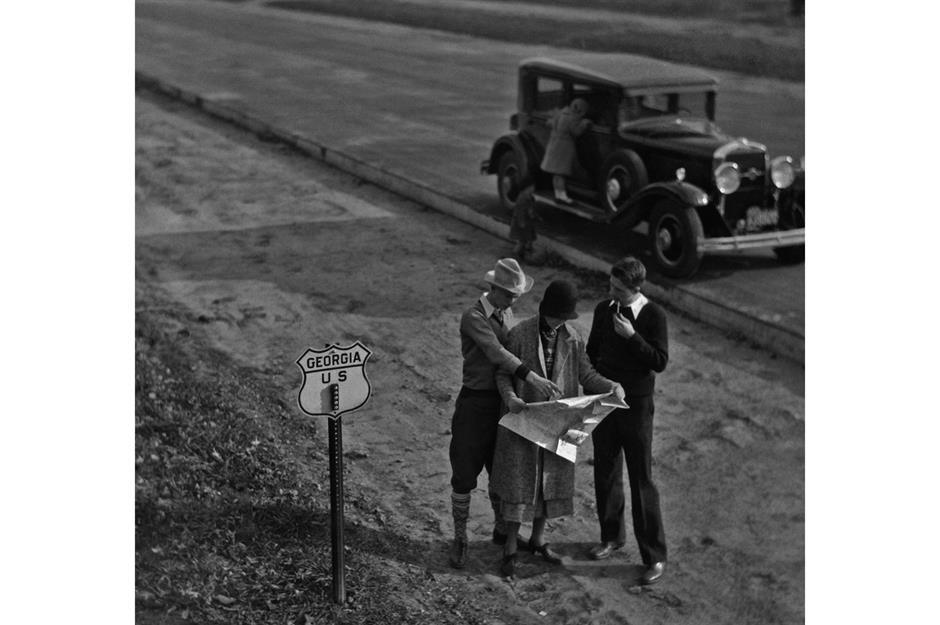
1930s: road trippers consult a map in the state of Georgia
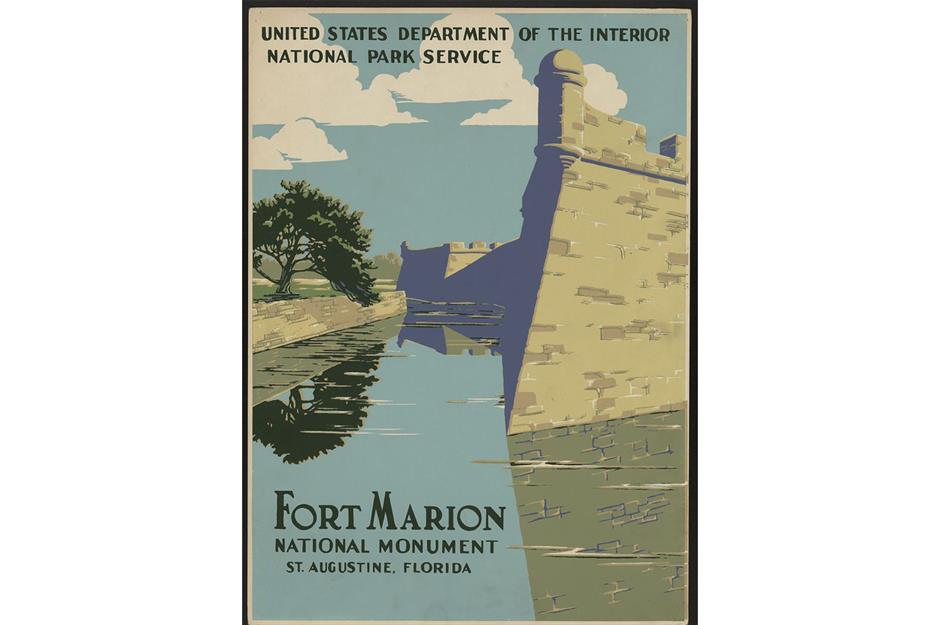
1930s: a travel poster for Fort Marion National Monument in St Augustine, Florida
Sponsored Content
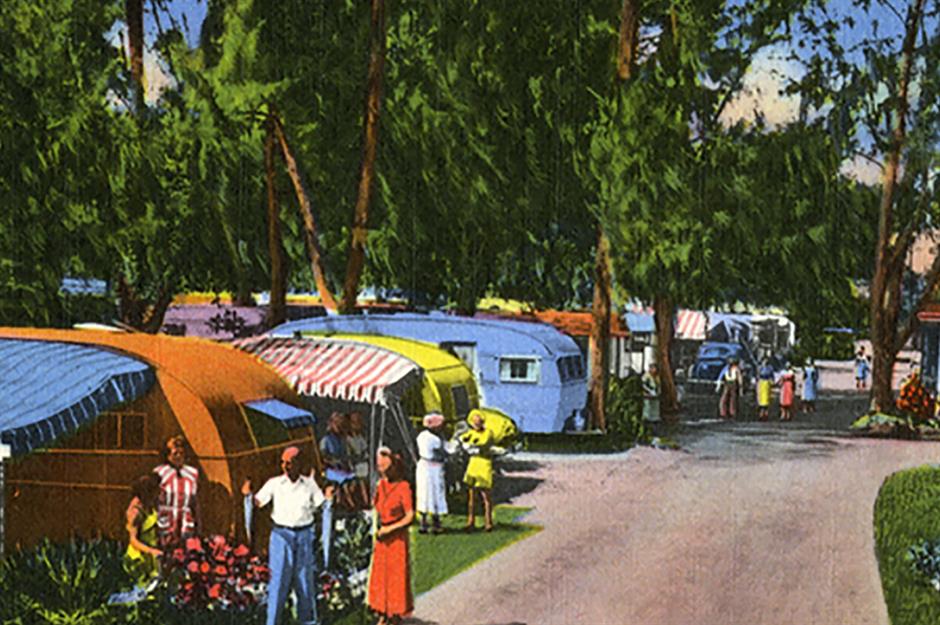
1940s: a trailer park in St Petersburg, Florida
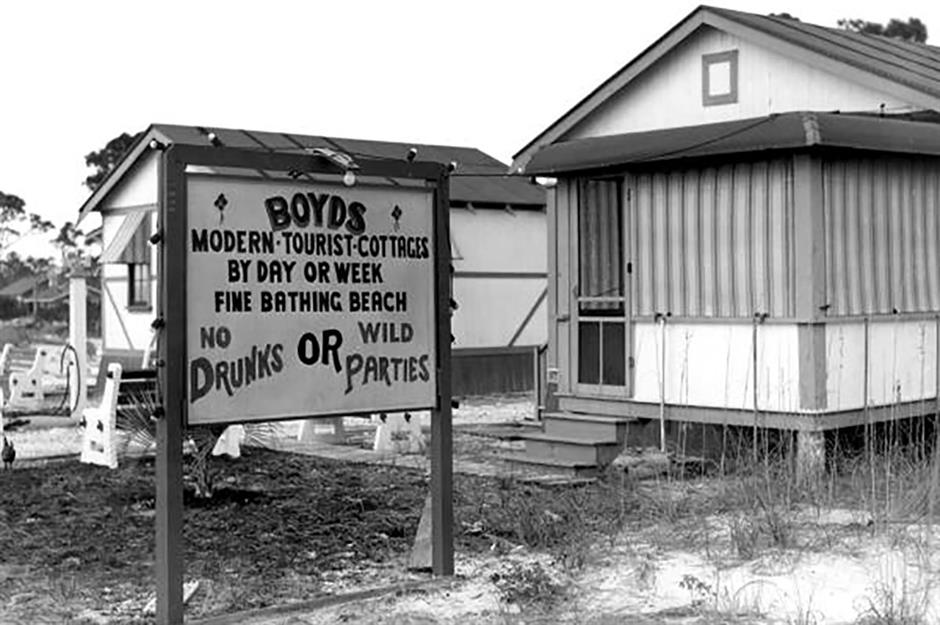
1940s: Boyds Modern Tourist Cottages in Pensacola, Florida
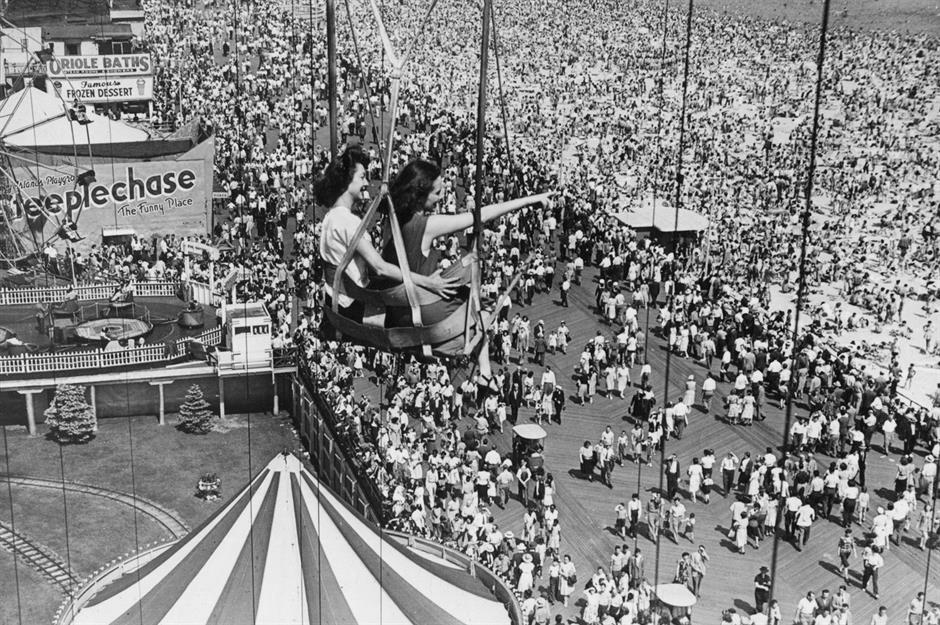
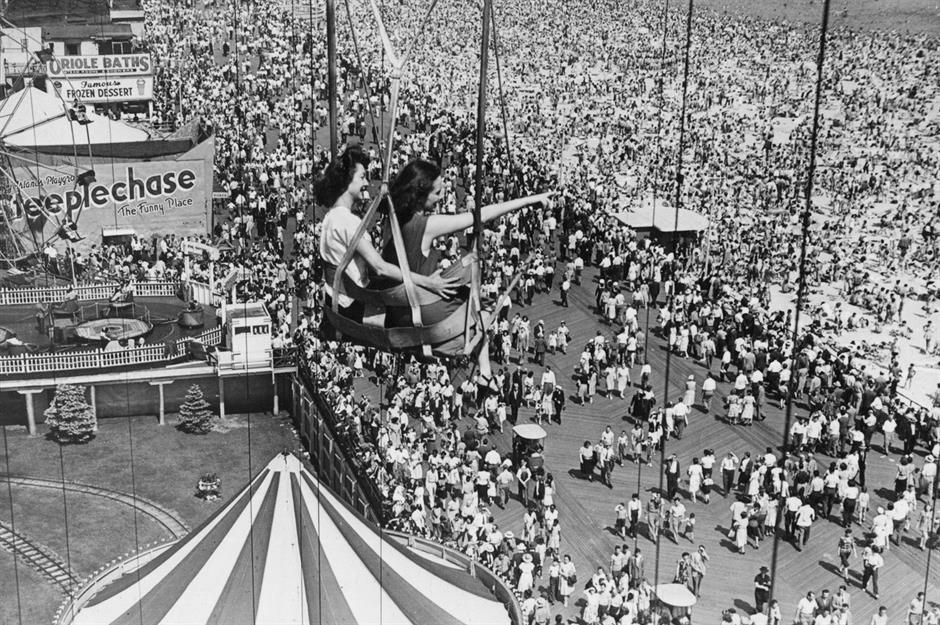
1940s: a view from Coney Island's historic parachute ride
Sponsored Content
1940s: a performance at Weeki Wachee Spring

1940s: Pan-American World Airways clipper 'Flying Cloud' fleet

Developments in commercial aviation were put on the back-burner during the Second World War, and commercial air travel didn’t truly get off the ground in this decade. However, work began in the later part of the 1940s with war planes and air bases repurposed for commercial air travel. This shot shows Pan-American World Airways’ clipper ‘Flying Cloud’ fleet, which journeyed between London and New York.
How air travel has changed in every decade from the 1920s to today
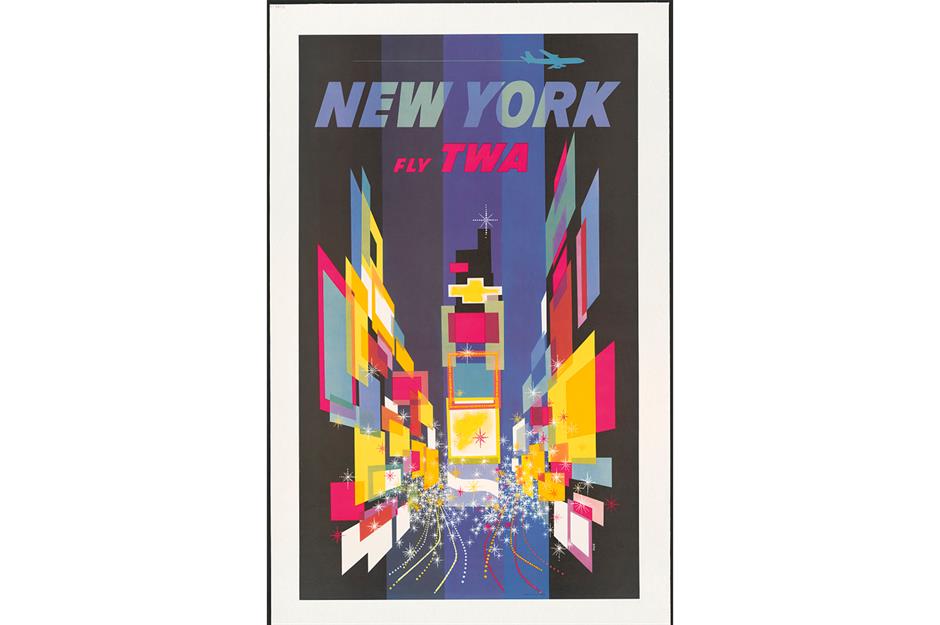
1950s: a promotional poster for Trans World Airlines
Sponsored Content
1950s: a flight during the golden age of travel

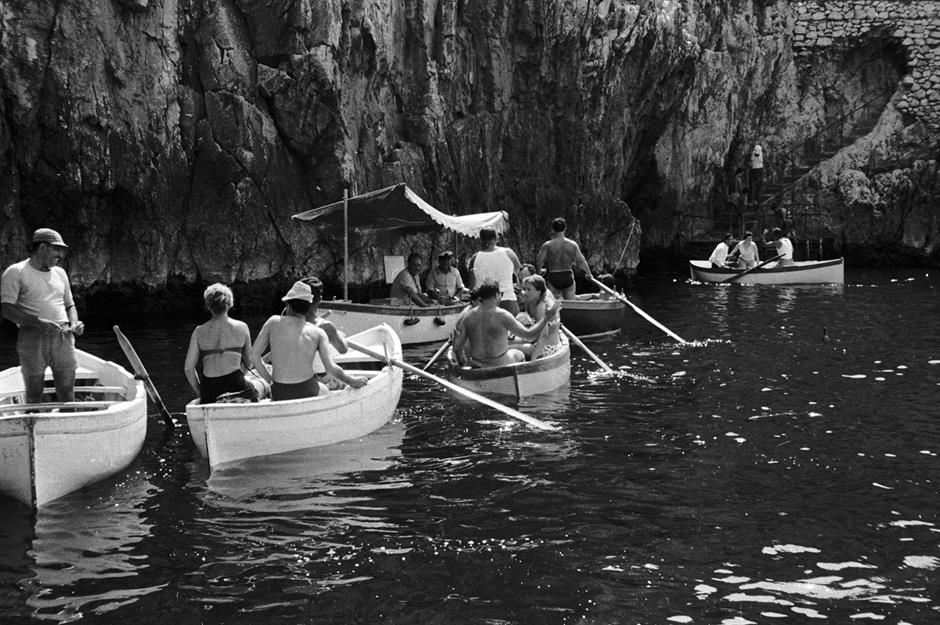
1950s: tourist boats at the Blue Grotto in Capri, Italy
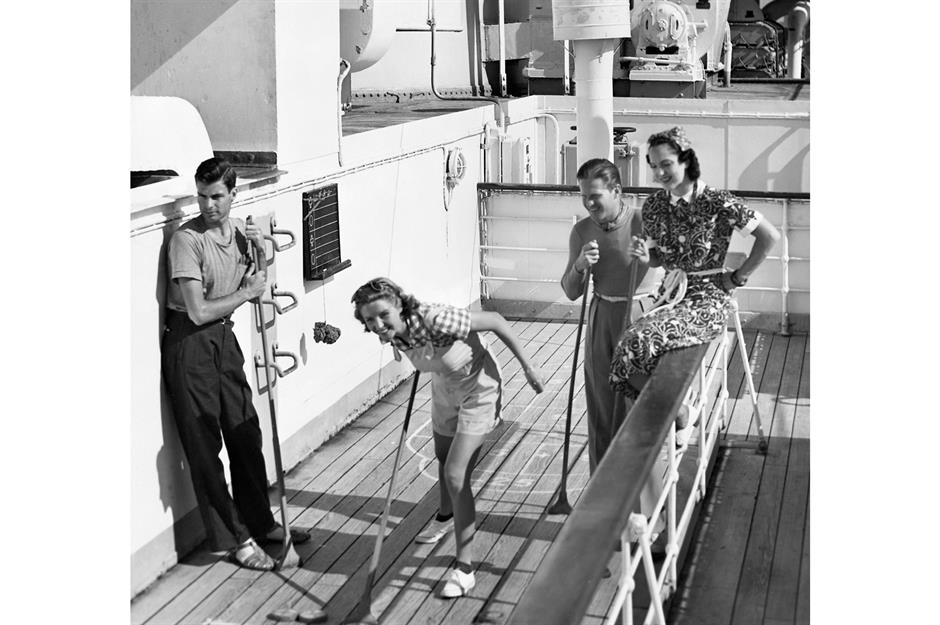
1950s: shuffleboard players on a luxury cruise liner
Sponsored Content
1950s: vacationers at the resort of Sanibel Island, Florida

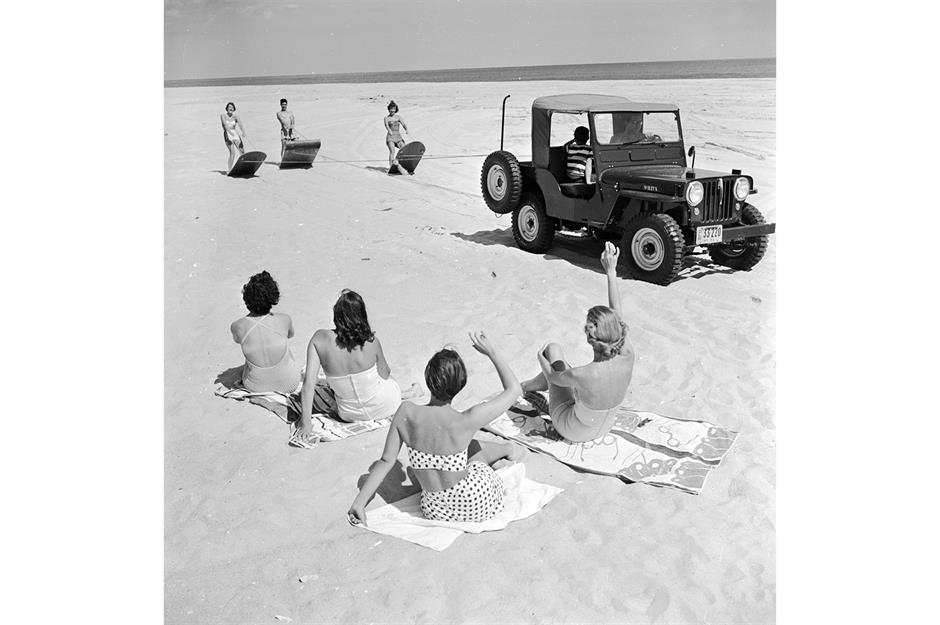
1950s: surfers and sunbathers on a beach near Southampton, Long Island
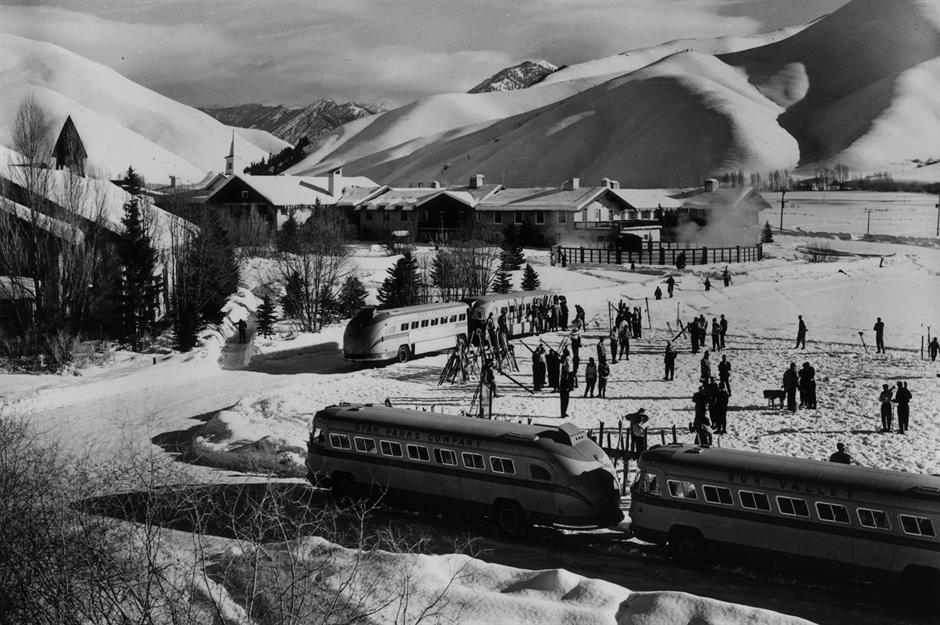
1950s: Sun Valley ski resort in Idaho
Sponsored Content
1950s: a road-tripping couple check the map
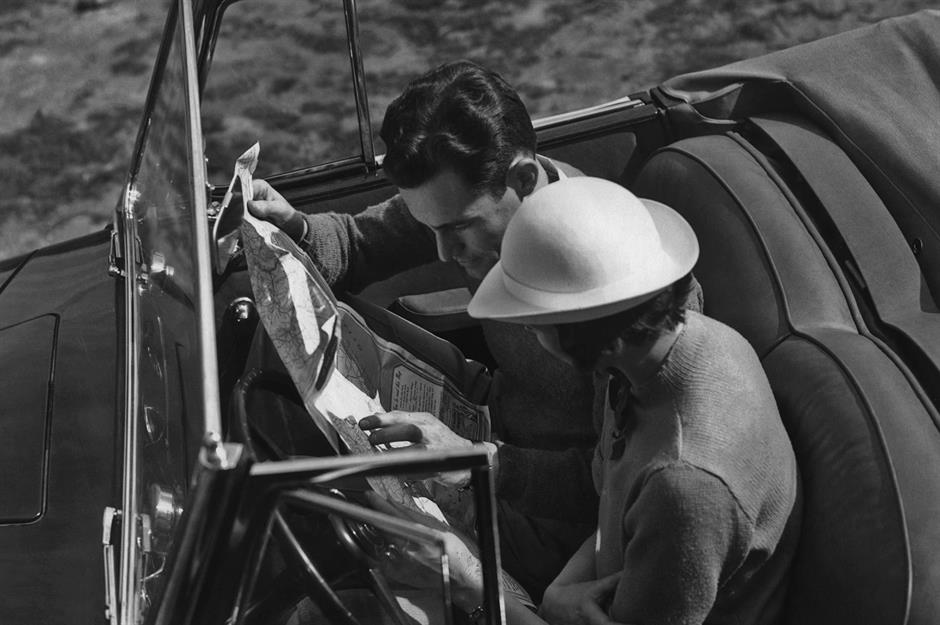
By the 1950s, the road trip had become a true fixture of American culture. The years after the Second World War saw a boom in automobile ownership across the States and road conditions had improved a great deal too. Jack Kerouac's 1957 novel On The Road helped cement the country’s infatuation with America's highways and byways.
1950s: the Bon-Aire Motel in Miami, Florida
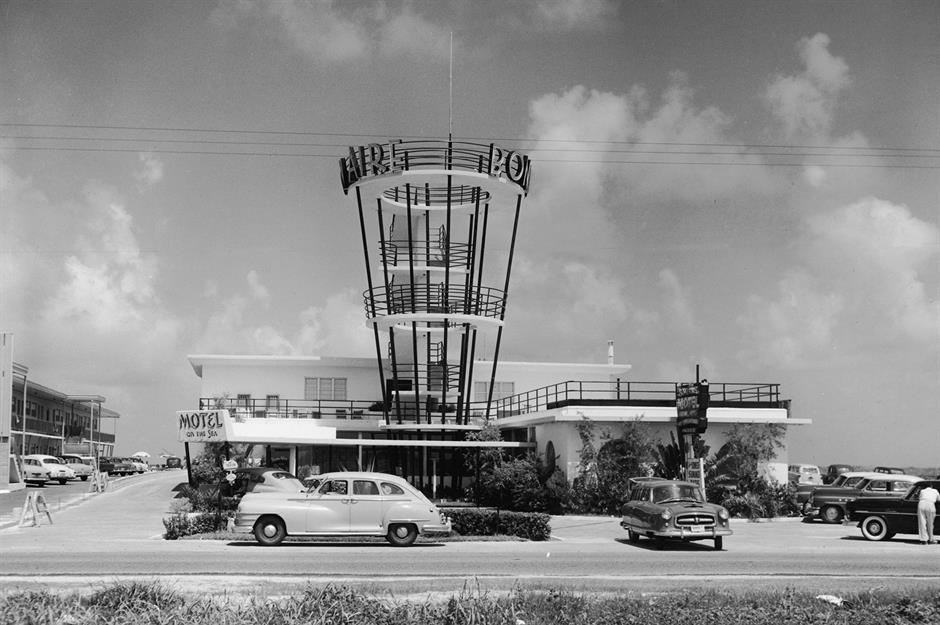
As more and more Americans took to the road during their vacation time, laid-back motels and diners became a pervasive sight along United States’ highways. A classic 'mom-and-pop' motel – usually marked by colourful or neon signage – would offer affordable lodgings and a place to park up for the night. They’d often be accompanied by a cafe or diner offering down-home cooking too.
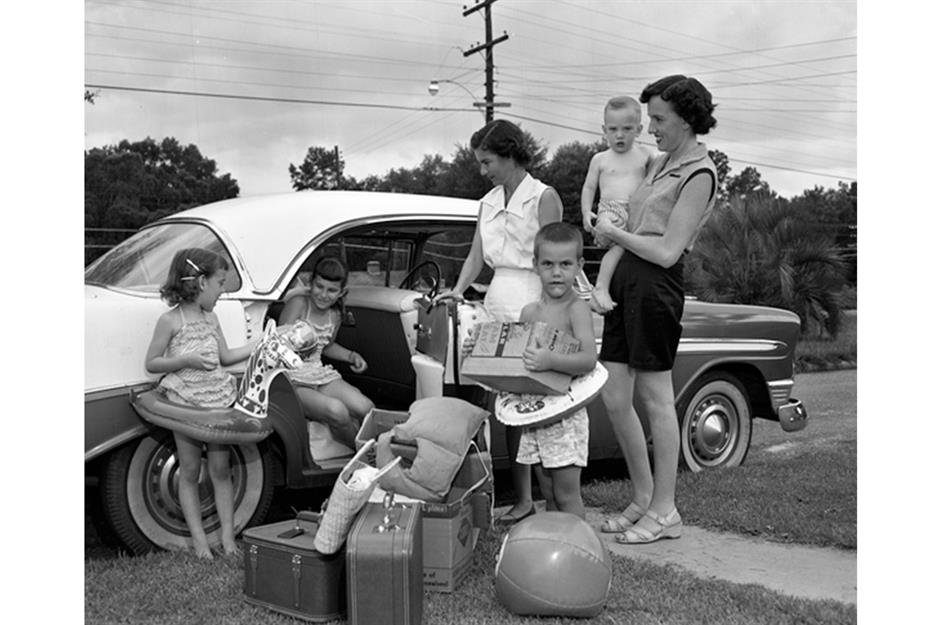
1950s: a family prepares for a road trip to the coast
Sponsored Content
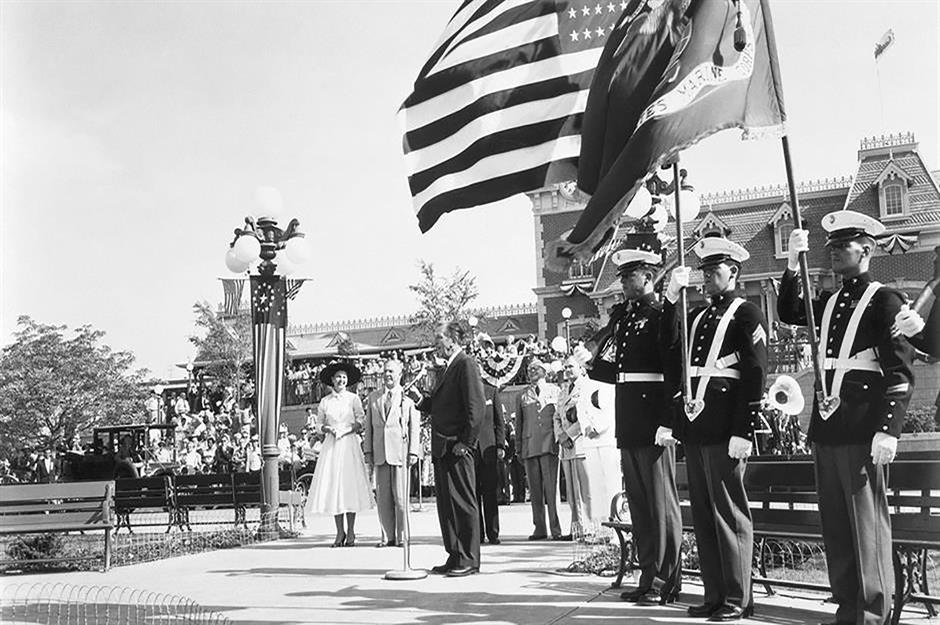
1950s: the opening day of Disneyland in California
1950s: Sleeping Beauty Castle at Disneyland in California
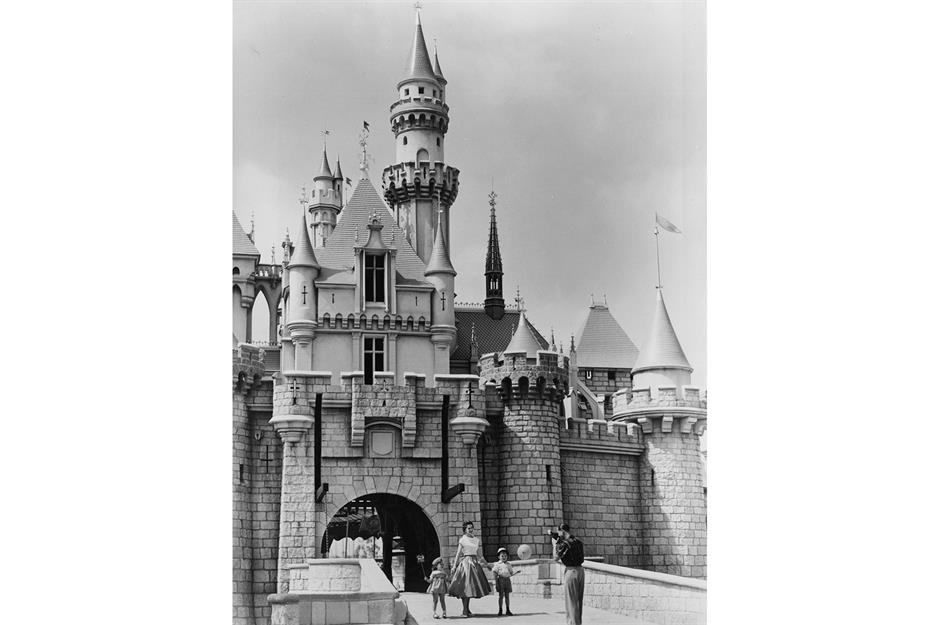
Disneyland set the bar for all future American theme parks and visitors flocked to the newly opened attraction throughout the 1950s. The early park comprised of five different amusement areas or 'lands': Tomorrowland, Main Street, U.S.A, Frontierland, Adventureland and Fantasyland. The iconic Sleeping Beauty Castle, now synonymous with Disney, appeared in Fantasyland.
These are the most amazing historic pictures of Disney's parks
1960s: a steward serves lunch aboard a commercial aircraft
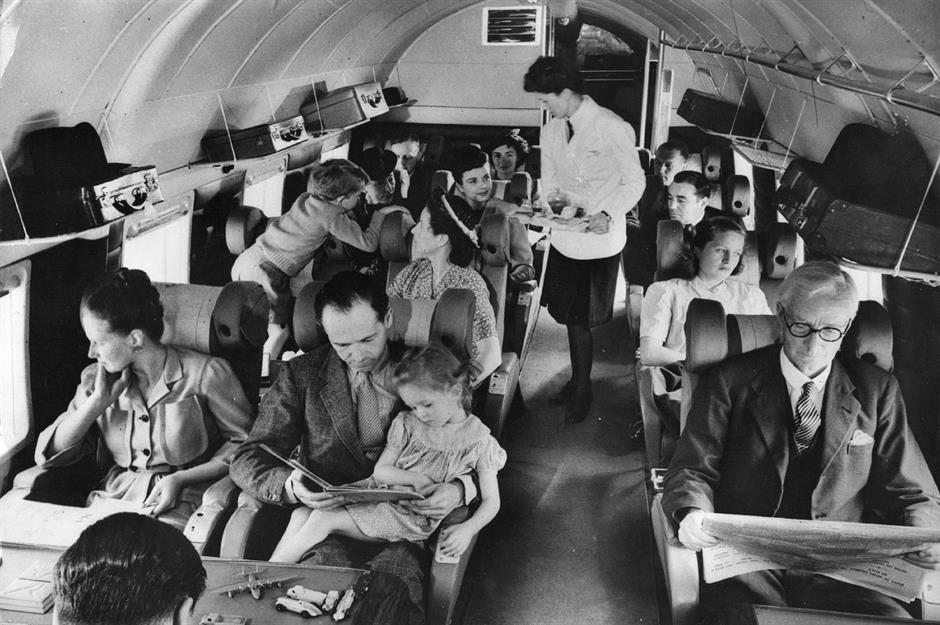
The 1960s unfolded in a similar fashion to the 1950s, and the 'golden age of travel' lived on. Flying was still an expensive and elaborate affair that few could afford during this time. But, in the coming decades, commercial air travel was to become much more accessible.
Sponsored Content
1960s: vacationers on the beach at Tossa de Mar, Costa Brava, Spain
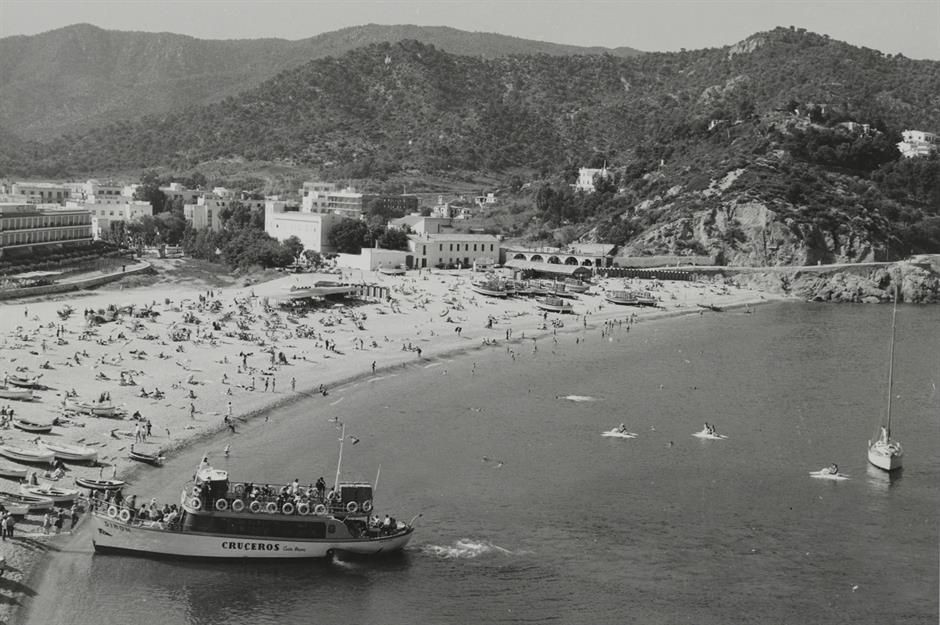
Across the pond, Spanish tourist resorts such as Costa Brava and Costa Blanca became increasingly popular with Brits, who mainly travelled on the package holidays that had gained momentum since the end of the 1940s. While these Mediterranean spots typically attracted tourists from the UK, some well-off Americans keen to pair a fly-and-flop break with a tour of Europe could be found on these beaches too.
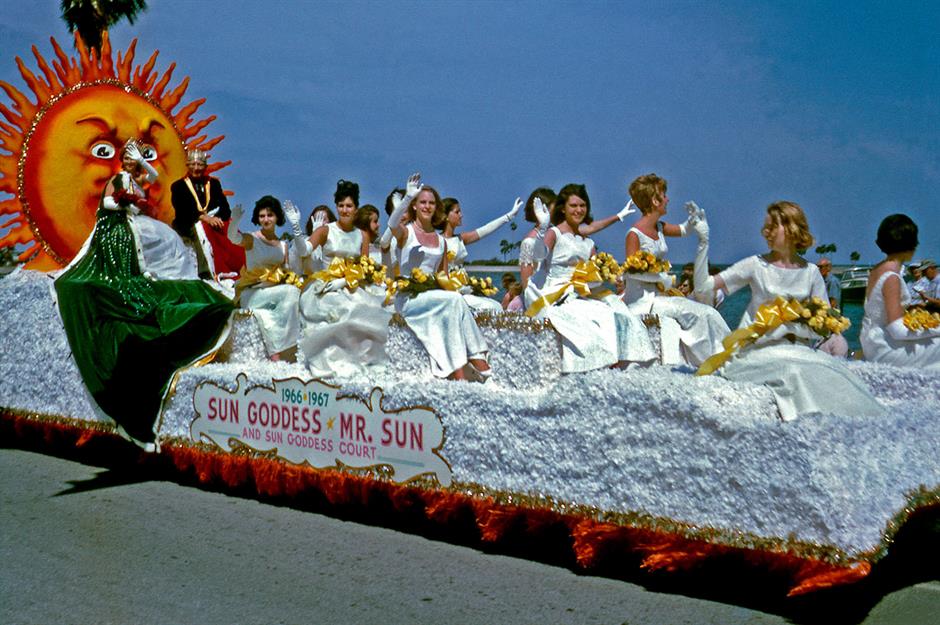
1960s: street parade, St Petersburg, Florida
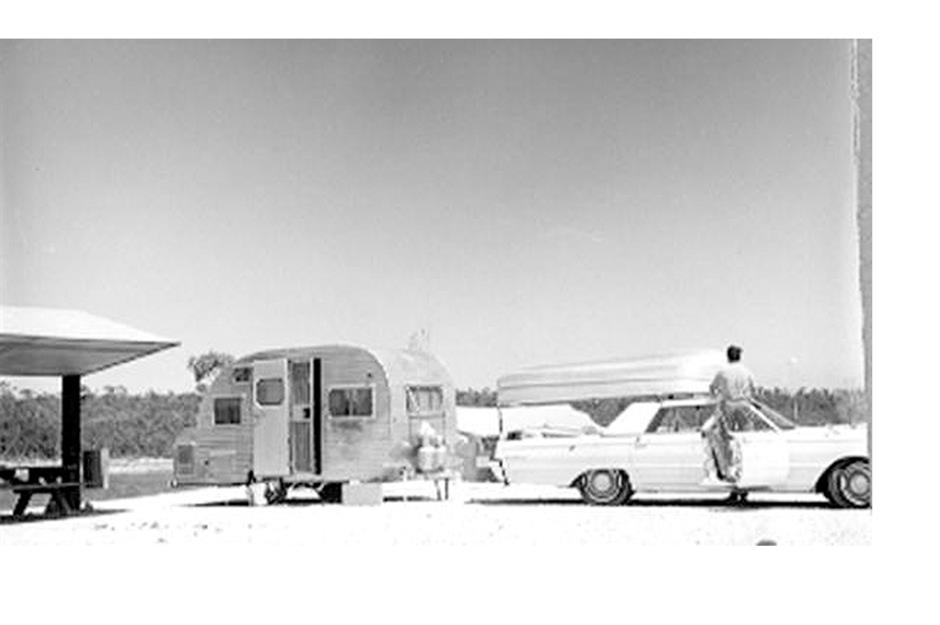
1960s: camping area at John Pennekamp Coral Reef State Park, Key Largo
Sponsored Content
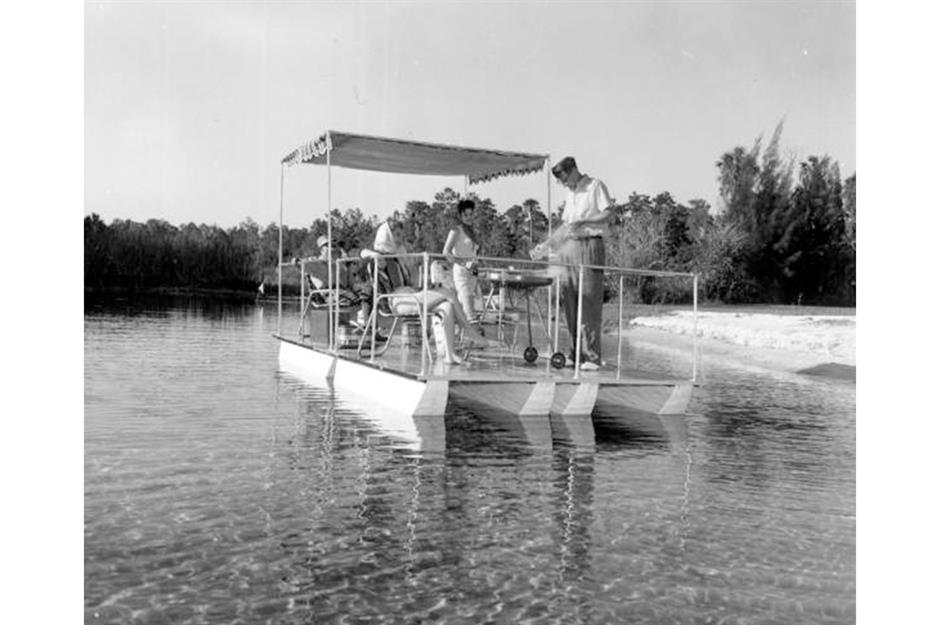
1960s: a pier boat on Weeki Wachee Spring, Florida
1960s: Cars drive on Route 66 in Arizona
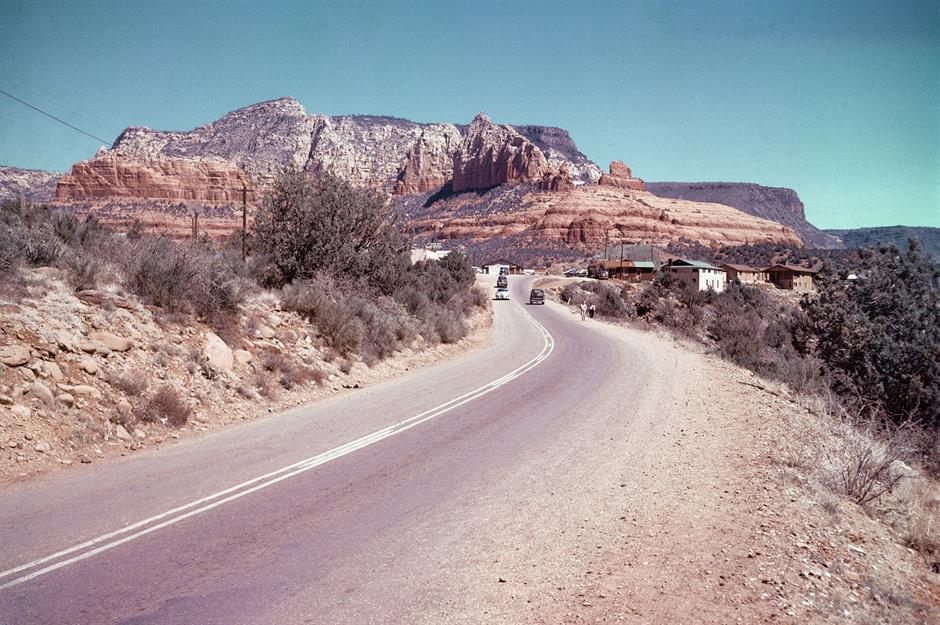
Post-war, American motorists flocked to Route 66, which was by now peppered with motels, auto camps, diners and gas stations. In 1960, Route 66, an American TV series that followed the escapades of a pair of young men travelling the route, aired on CBS. As the Mother Road continued to crop up in popular culture, America's fascination with her grew.
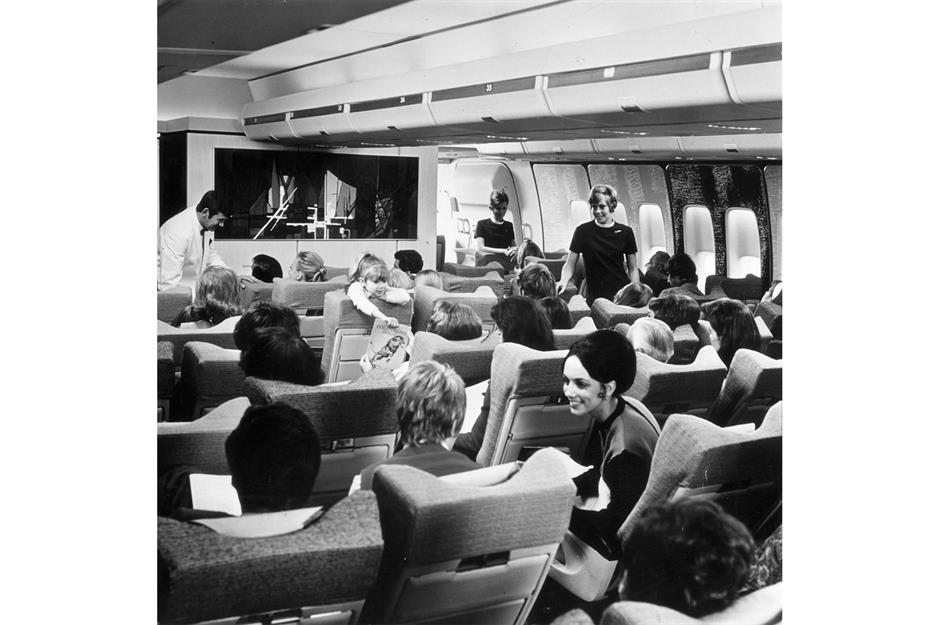
1970s: passengers aboard the new Boeing 747
Sponsored Content
1970s: passengers leaving New York on a cruise liner headed for Europe

This was also the decade that cruising began to appeal to the middle classes. Another facet of travel once reserved for the rich, cruising became more affordable as the years went on, and was also popularised by 1977 TV series The Love Boat, which aired until 1986. The comedy series, which was set on a luxury liner, is widely credited with changing public perceptions about cruising and its accessibility, and boosting the industry as a whole.
1970s: passengers sunbathing on board SS Oronsay

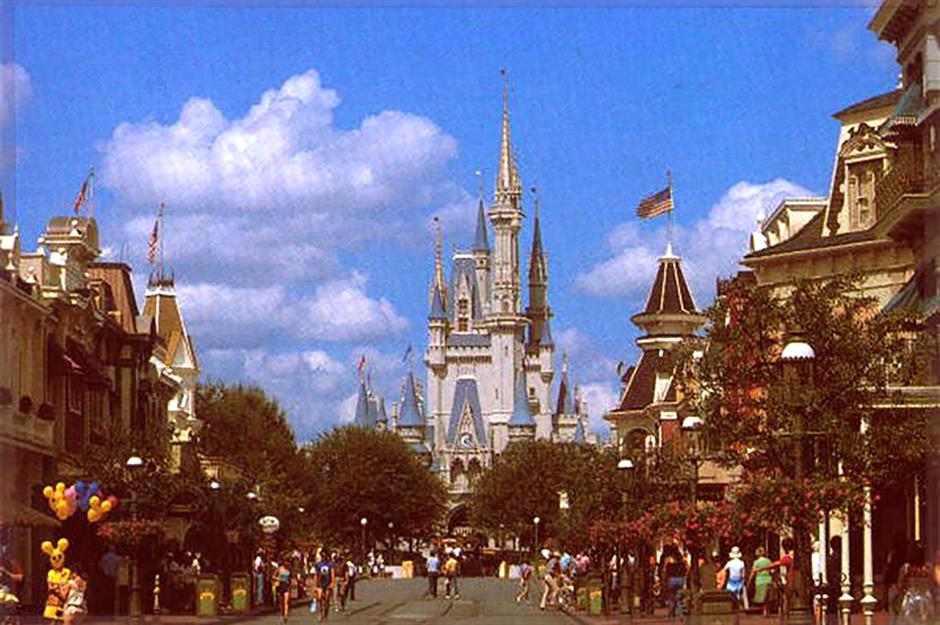
1970s: Cinderella Castle at Disney's Magic Kingdom, Florida
Sponsored Content
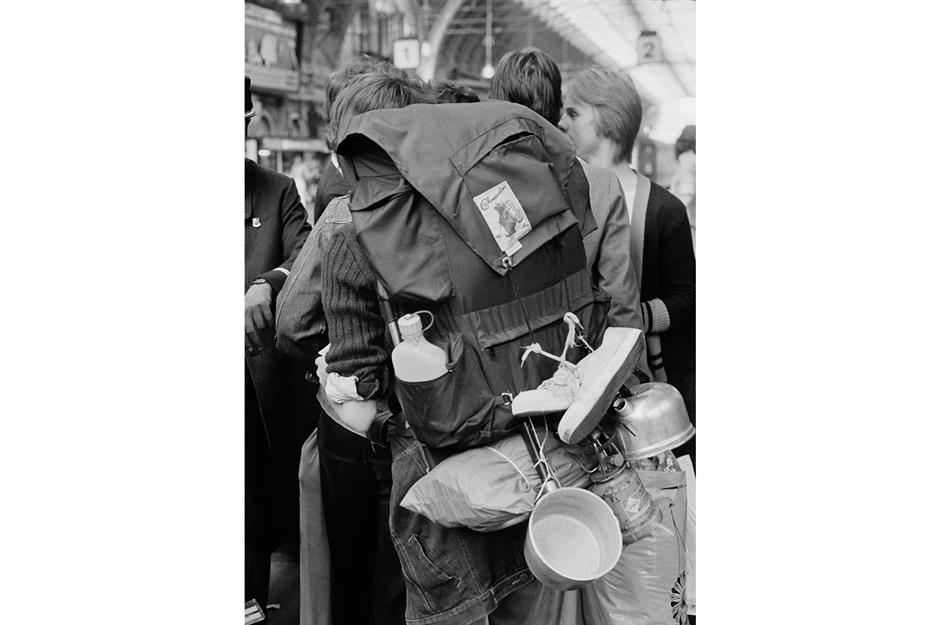
1970s: backpackers prepare to embark on the hippie trail
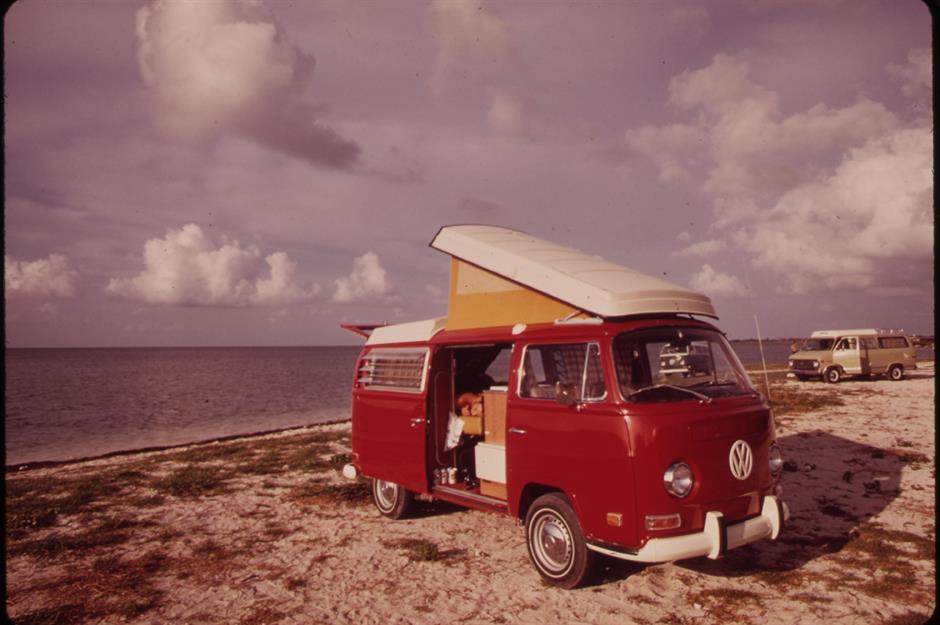
1970s: a Volkswagen Type 2 parked on a beach at Little Duck Key, Florida
1980s: passengers in the airport lounge at Miami Beach, Florida

In this decade, more than ever before, air travel was booming. And, according to Travel + Leisure, the freedom of the air meant there were some particular destinations on America’s radar: these included Japan, Australia and Thailand. According to the long-running publication, other travel trends of the decade included luxurious spa retreats and gourmet-themed trips.
Sponsored Content
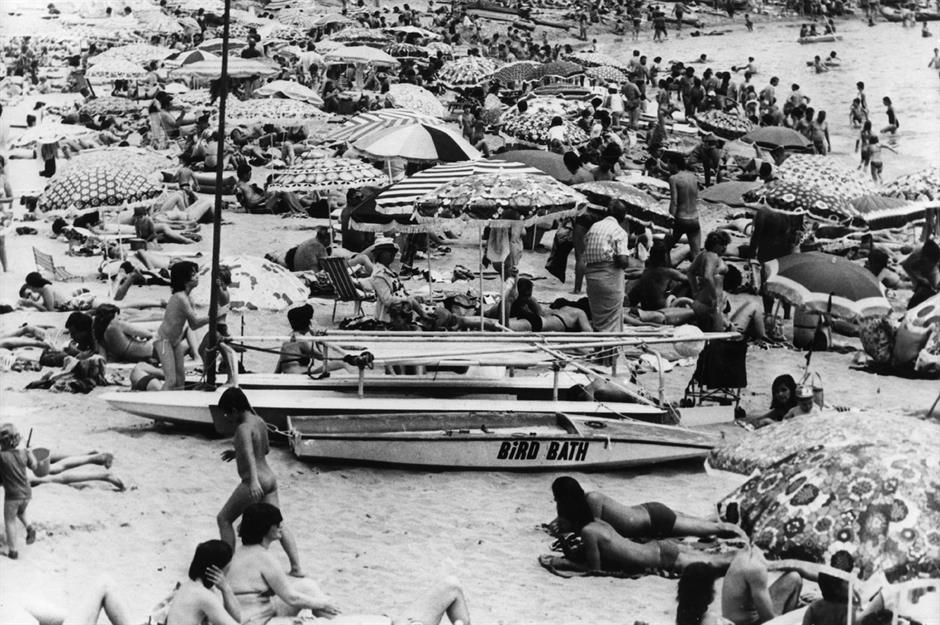
1980s: a busy beach in Palamos, Costa Brava, Spain
1980s: tourists at Epcot, Walt Disney World, Florida
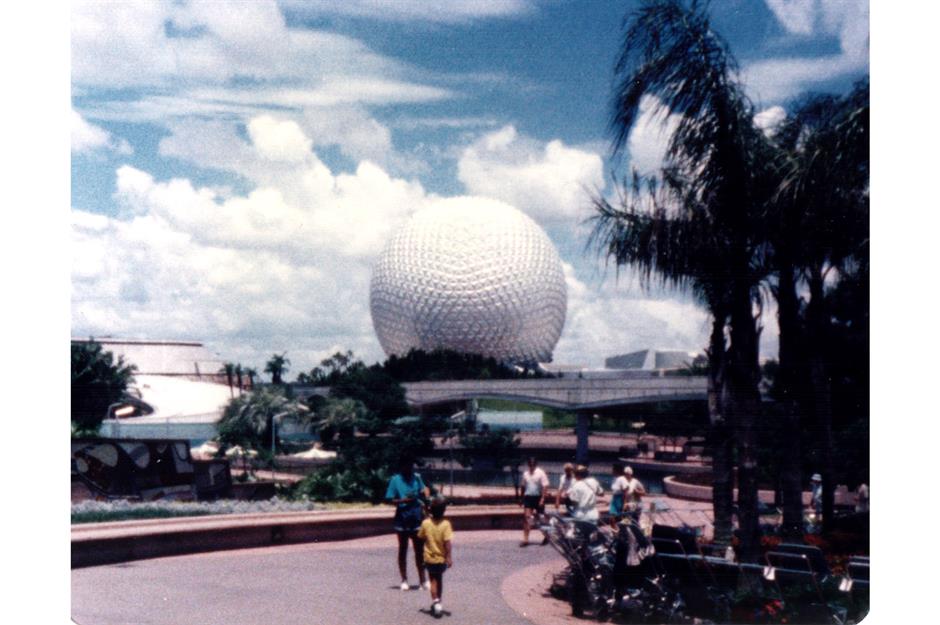
Americans continued to travel across the country for theme parks. Florida’s Magic Kingdom proved to be a roaring success and Epcot (then Epcot Center) opened in 1982. The theme park, whose name stands for Experimental Prototype Community of Tomorrow, was initially intended to be a city where people would live and work. However, since Walt Disney died before his vision was realised, the site was turned into a glittering amusement park instead.
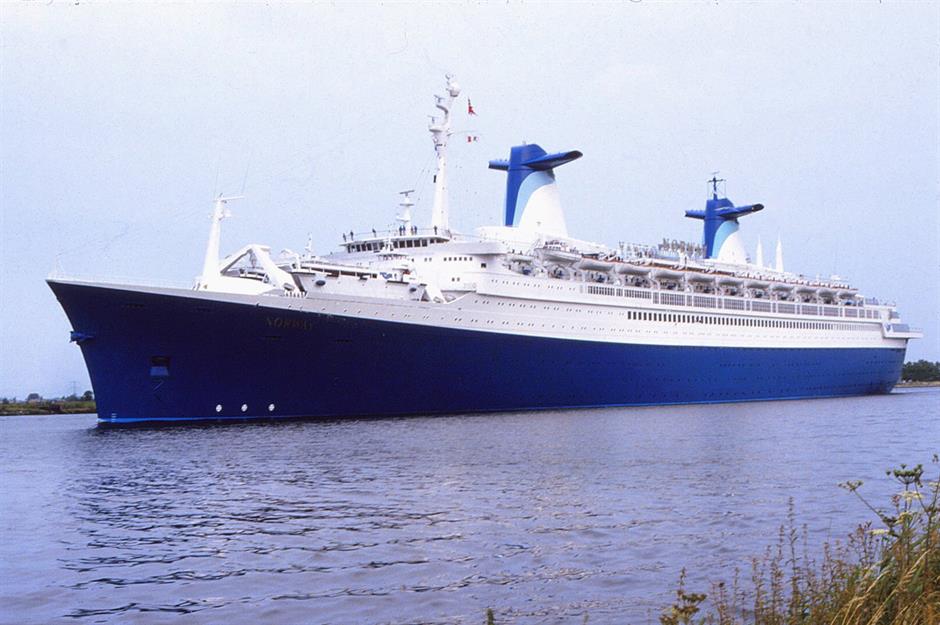
1980s: a 'cruise to nowhere' on SS Norway
Sponsored Content
1990s: the entrance to Universal Studios Florida

By the 1990s a stay at a theme park was a common family vacation and amusement sites of all kinds continued to spring up around the country. The year 1990 saw the opening of Universal Studios Florida (Universal Studios Hollywood had been a theme park since the 1960s). If the Disney parks hadn’t already succeeded in this aim, Universal Studios established Florida as the theme-park capital of the world.
1990s: the opening of Disneyland Paris

Across the pond, Europe, which was already home to numerous historic amusement parks, was christened with its first Disney site. Disneyland Paris (originally Euro Disney) opened on 12 April 1992 with lands mirroring those at stateside parks, from Main Street, U.S.A to Fantasyland. Pictured here is a press preview on 11 April, the day before the park welcomed the public.
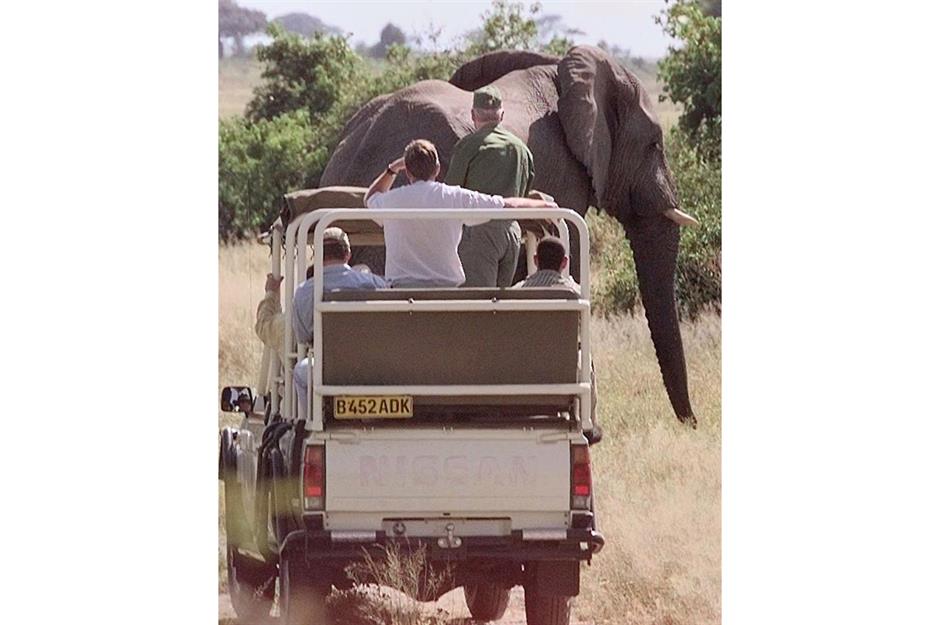
1990s: Bill Clinton on safari in Botswana
Sponsored Content
1990s: an internet cafe in Hanoi, Vietnam

1990s: Ryanair's chief executive conducting a promotion

2000s: easyJet founder Stelios Haji-Ioannou laughs with passengers
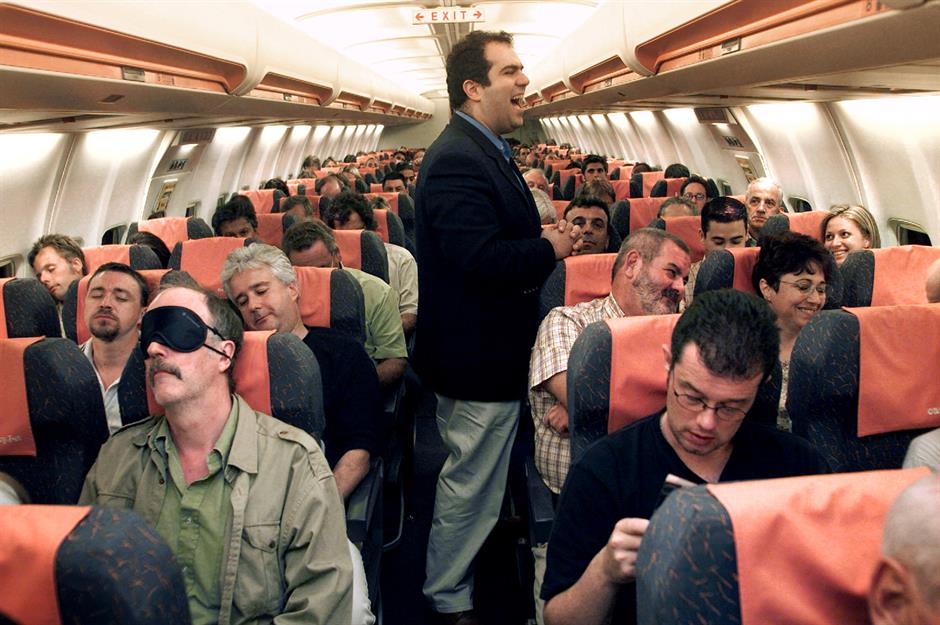
The tragic events of 9/11 affected the tourism industry, with many Americans avoiding travel in the years that followed. Tighter security in airports and aircraft cabins also ensued. According to the Bureau of Transportation Statistics, it was low-cost carriers who saw growth throughout the rest of this decade – a trend that has continued into the 2010s.
Sponsored Content
2000s: a Tripadvisor flag hangs from a hotel
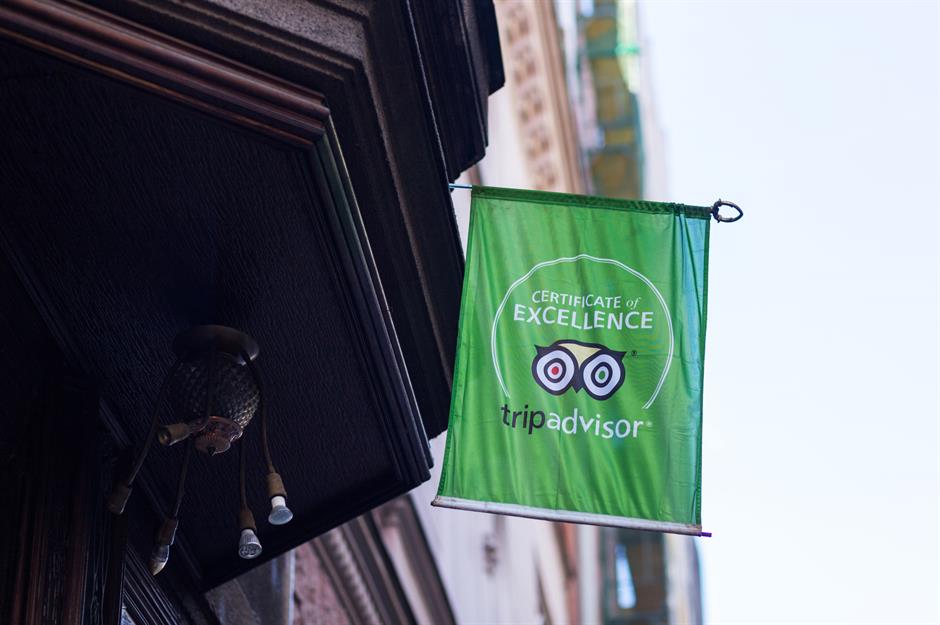
The travel tech revolution continued with the invention of Tripadvisor in 2000. As is still the case today, this meant many facets of a vacation, including hotels and restaurants, were now planned based on recommendations from fellow travellers, rather than from industry professionals.
Theses are the secrets the travel industry doesn't want you to know
2000s: Dubai's Palm Jumeirah in 2003
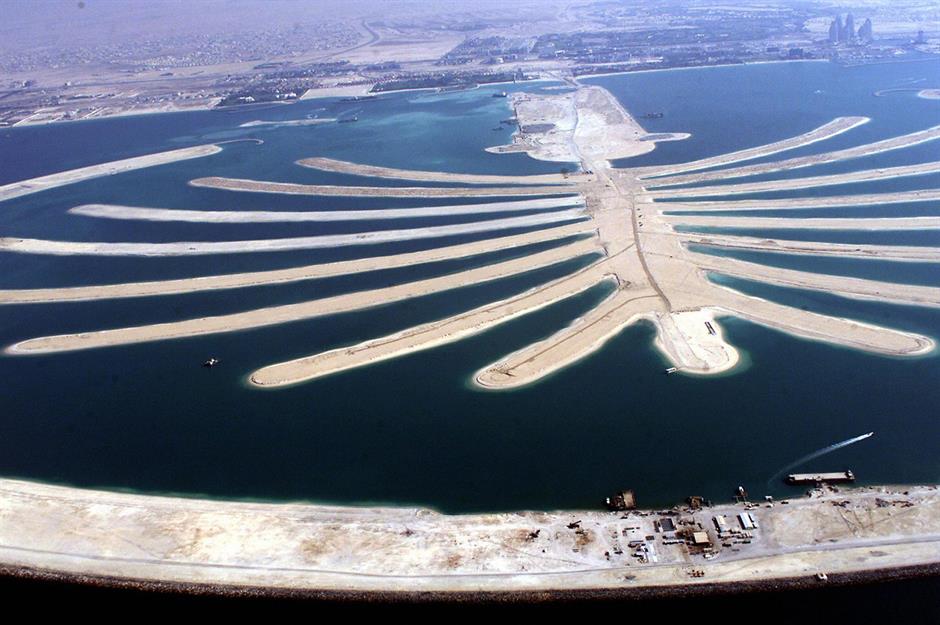
Through the 2000s, glitzy mega resorts and teetering skyscrapers sprang up across the UAE, piquing the interest of American vacationers after a touch of luxury. Dubai’s tourism industry grew rapidly throughout this decade, and construction of the Palm Islands (a string of man-made archipelagos hosting luxurious resorts) began in 2001. The Burj Khalifa, the world’s tallest building, was also completed in 2009.
2000s: a woman photographs a waterfall with a digital camera
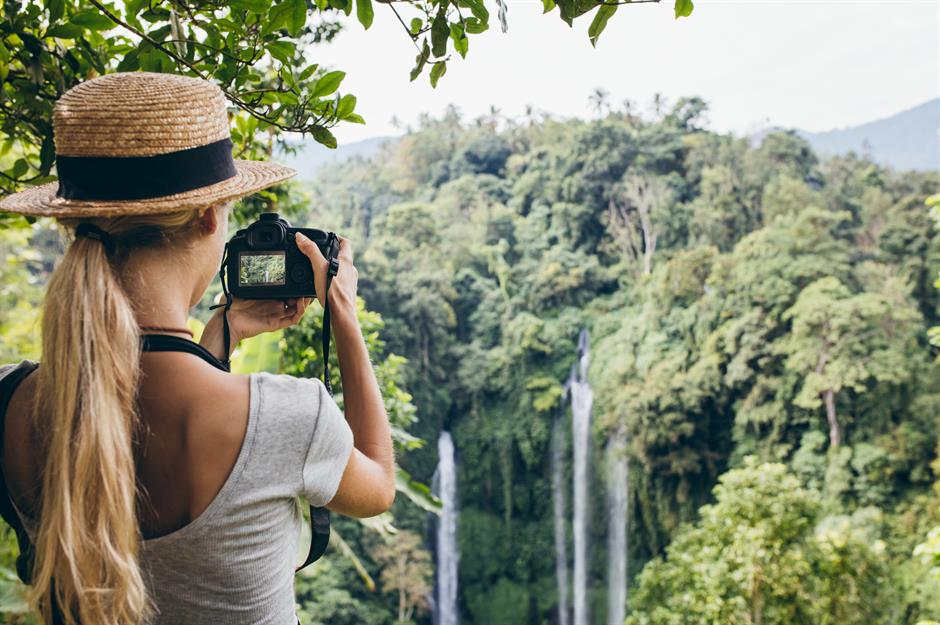
In 2004, the creation of another online platform would change how Americans – and indeed the rest of the world – travel forever. Facebook launched in February 2004 and, for the first time, a vacation was no longer a private affair. Increasingly, travellers saw their vacation through a camera lens, later carving out the best bits and posting them online for all to see.
Sponsored Content
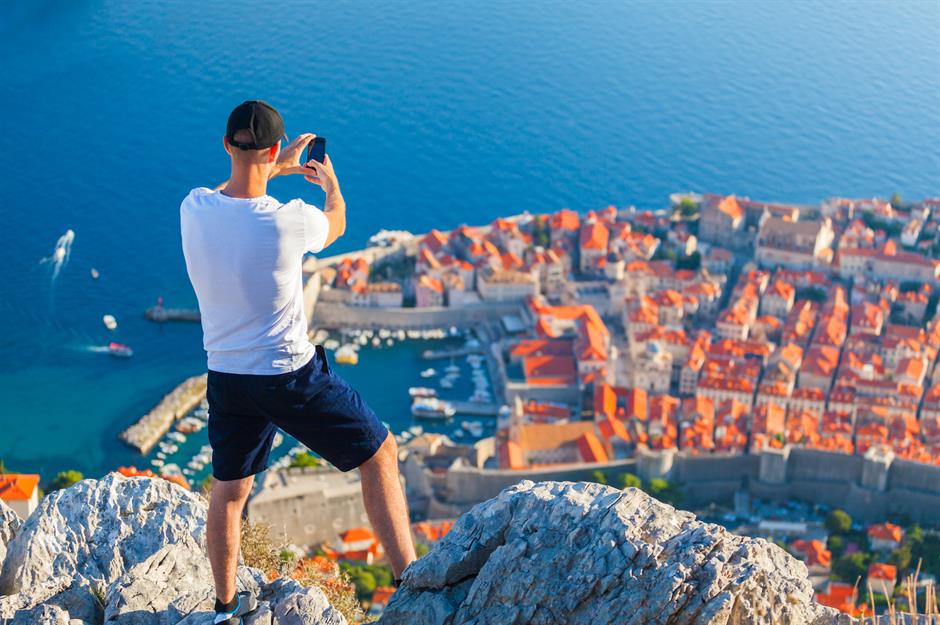
2010s: a man snaps a photo of Dubrovnik, Croatia with a smartphone
2010s: a view of Prague from an Airbnb home

Airbnb was founded in 2008, but really came into its own throughout this decade. Today many vacationers would prefer a stay in a local’s home over a more impersonal hotel or rental apartment. Rather than seeing vacation time as merely a chance to relax, modern travellers jump at the chance to 'live like a local' for the duration of their break.
2010s: a cooking class in Chiang Mai, Thailand

Sponsored Content
2010s: heaving crowds at Riva degli Schiavoni waterfront in Venice, Italy
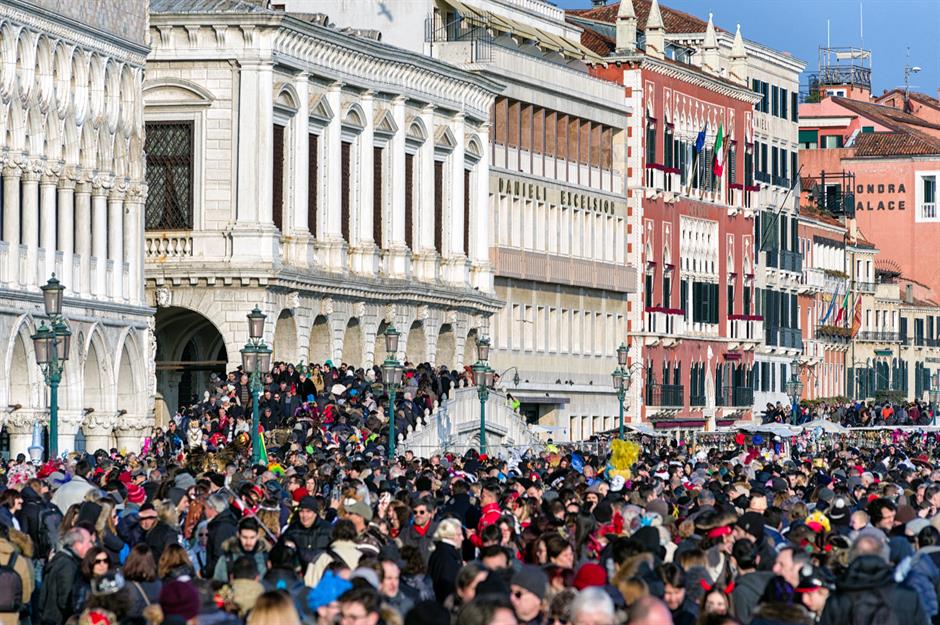
The accessibility of all corners of the globe means overtourism is a reality many destinations face today. Vacationers may experience jostling crowds and long queues as they go about their travels, while overcrowding can have a damaging impact on local communities, infrastructure and natural habitats. Venice, Machu Picchu in Peru and the Isle of Skye in Scotland are just a handful of places that have struggled to cope with ever-surging tourist numbers in recent years.
2010s: eco-friendly Hotel Belmar in Costa Rica

As a reaction to overtourism and climate change, travellers are now increasingly aware of their impact on the destinations they visit, meaning sustainable tourism became an important trend for this decade. This looks different depending on the destination and the individual holidaymaker, but may involve staying in eco-conscious accommodation, being mindful about their choice of tour operator and their impact on local communities, or limiting the use of polluting modes of transport.
How to tell if your trip is really eco-friendly, responsible and sustainable
2020s: the Nightjet from Paris to Berlin
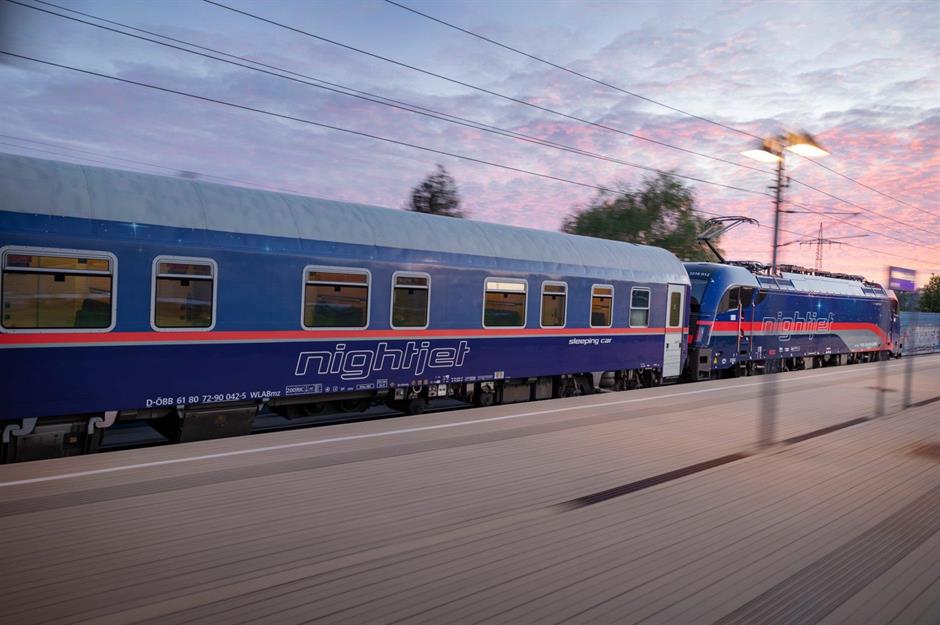
Fuelled by a drive towards more sustainable travel, the 2020s have seen the renaissance of rail travel across the globe. In Europe, new sleeper services like the Nightjet from Paris to Berlin offer a romantic and refreshing alternative to flying across the continent. Further afield, new rail lines are opening up exciting destinations little visited by tourists, like the Boten–Vientiane railway in Laos.
Sponsored Content
2020s: a dog vacationing in Europe

The 2020s saw more dogs on planes, trains and automobiles than ever before as taking Fido on your vacation became the norm rather than the exception. A 2023 survey by the American Pet Products Association (APPA) found that 37% of animal owners travel with their pets every year, a 19% increase on the previous decade. Hotels have become more accommodating too after a recent study showed becoming pet-friendly could increase revenue by 30% a year.
2020s: a traveller consulting TikTok

Travel content is one of the most popular video categories on TikTok with the #travel alone amassing more than 195.3 billion views and counting. Gen Z consider the app their ‘travel best friend’, turning to it for vacation ideas, recommendations, hidden gems and, increasingly, entire itineraries. TikTok says that 77% of its users are inspired to visit a destination, or even purchase a travel-related product, after discovering it on the app.
2020s: experiencing Mohawk life in New York State

The early 2020s saw a staggering rise in Indigenous-led tourism across the globe. The COVID-19 pandemic made people more aware of the impact travelling can have on destinations and communities. And a growing awareness of Indigenous history sparked curiosity and a realisation that those who have lived somewhere the longest have the deepest understanding of that destination. It has benefited the communities financially too with Indigenous tourism generating £31.2 billion ($40bn) in revenue in 2022 alone.
Now discover these incredible vintage photos of the world's most famous landmarks