Groundbreaking airlines that no longer fly
Names that once ruled the skies
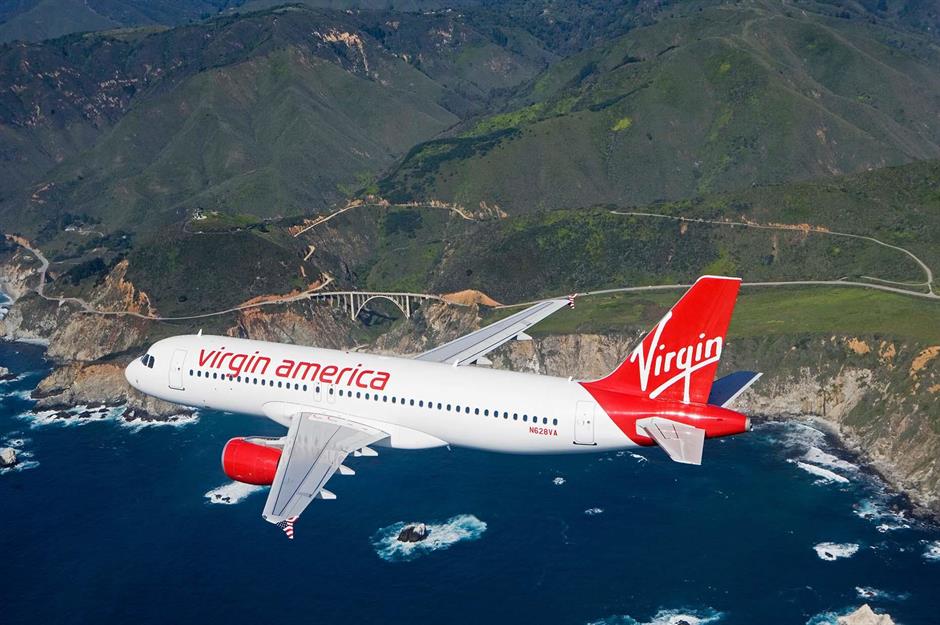
Whether it's bankruptcies, mergers or marketing mistakes, even the biggest businesses can fall and the airline industry is no exception. From Pan Am to Alitalia, these are the stories behind some of the most well-known airlines that no longer exist – and why they had to fold their wings for good.
Click through this gallery to learn about the airlines you'll never fly with again...
Laker Airways, 1966-1982
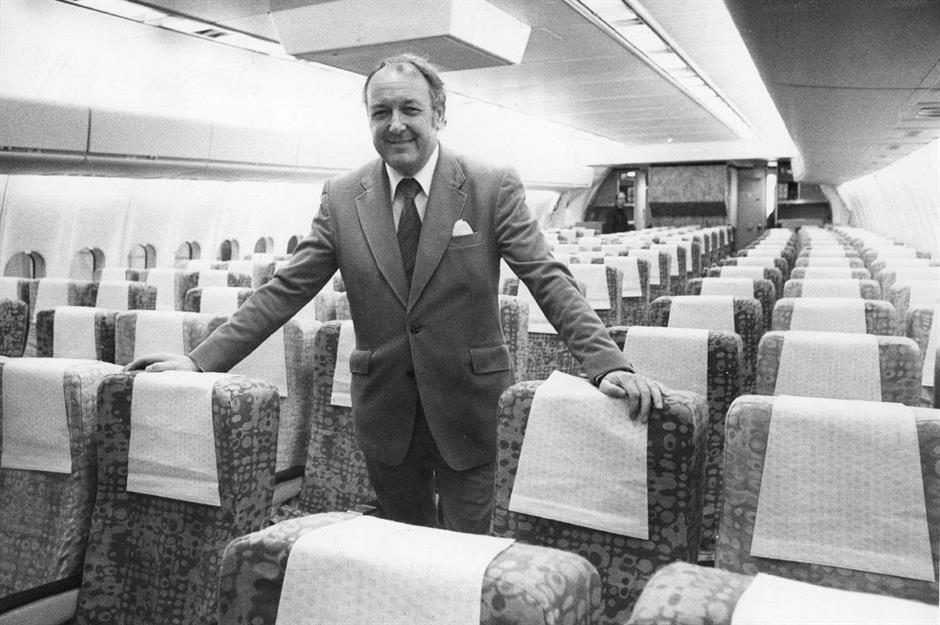
Originally a charter airline, Laker Airways became one of the first no-frills airlines of its kind, founded in 1966 by British entrepreneur Sir Freddie Laker (pictured). The private enterprise pioneered clever cost-saving tricks, such as a reduced thrust take-off technique and weight-saving measures. This led Laker to become the sun-seeker's favourite carrier, thanks to its pocket-friendly fares to holiday resorts in the Mediterranean and the Canary Islands.
Laker Airways, 1966-1982
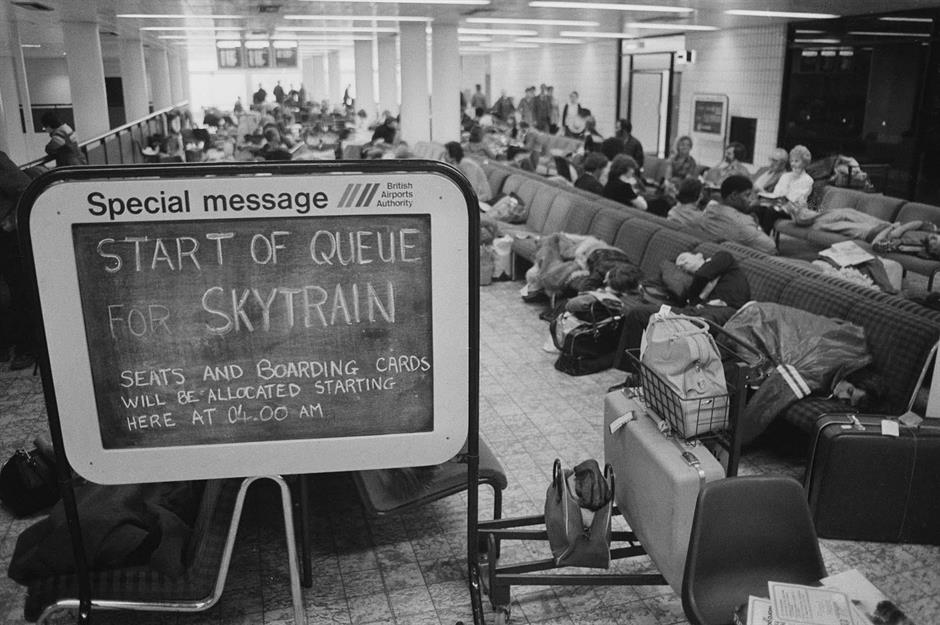
Keen to expand further, Laker launched new successful ventures such as transatlantic flights that provided meals, movies and a free bar. In 1971, Sir Freddie announced the Skytrain, a low-cost summertime, transatlantic service between London and New York. The first flight didn't take off until 1977, but by 1981 the Skytrain was also flying to Los Angeles, Miami and Tampa.
Sponsored Content
Laker Airways, 1966-1982
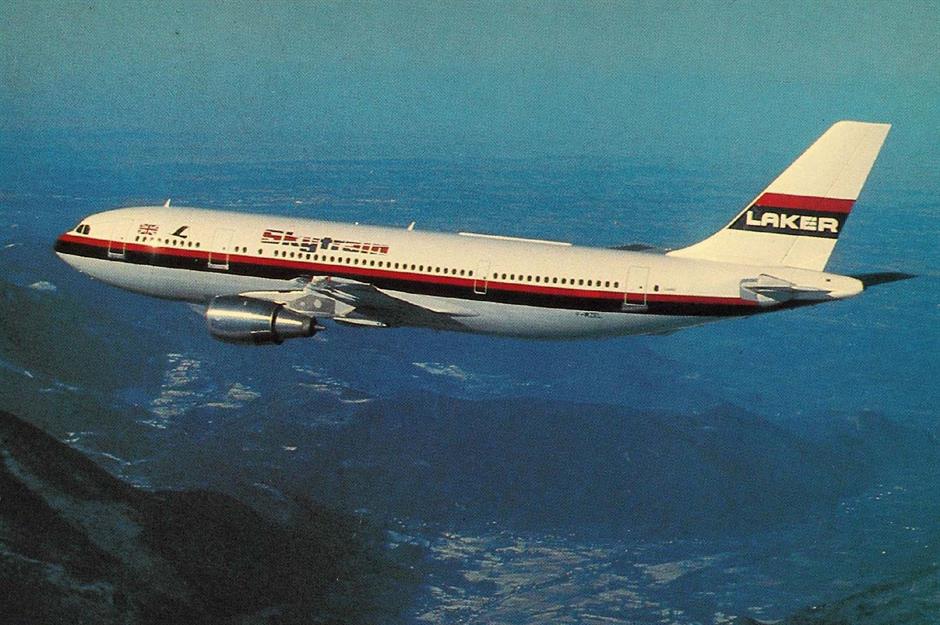
Unfortunately, Laker Airways didn't have the financial strength to survive the 1980s recession and couldn't keep up with other established big-name airlines. The beginning of the end came when rivals Pan Am dropped its transatlantic economy fares to compete. Laker collapsed in 1982 and its owner sued a number of high-end airlines for conspiracy to put his airline out of business, all of which settled out of court.
Braniff International Airways, 1930-1982
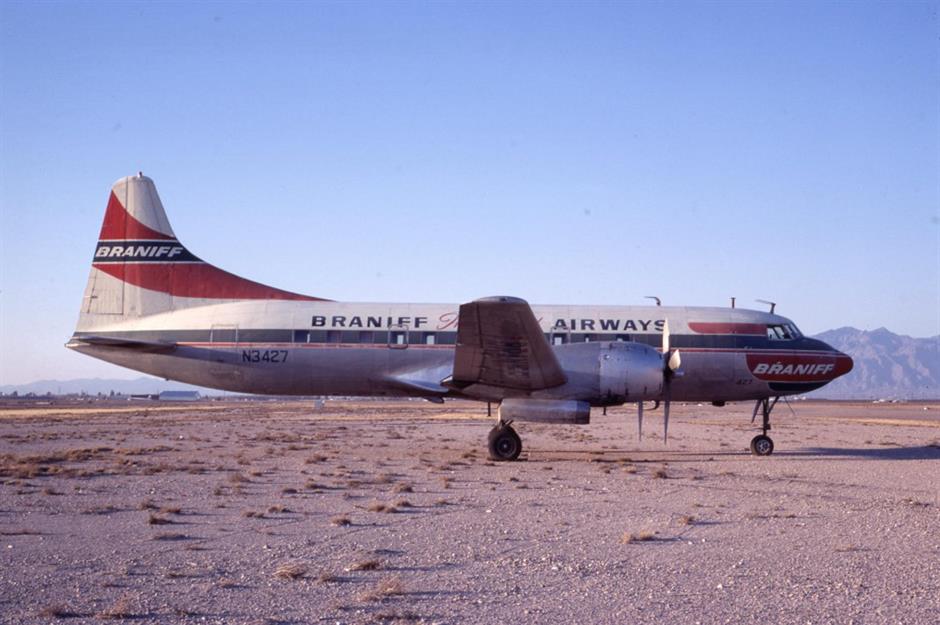
Once one of America’s fastest-growing and most profitable airlines, Braniff International Airways was founded by the Braniff brothers in Oklahoma City in 1930. After winning contracts for air mail routes which helped fund its passenger network expansion, the modest regional carrier soon flew all across the Caribbean, Mexico and South America. By 1955, Braniff was the 10th largest airline in the US by passenger miles, though its owners never got to see the peak of its success – they both passed away in 1954.
Braniff International Airways, 1930-1982
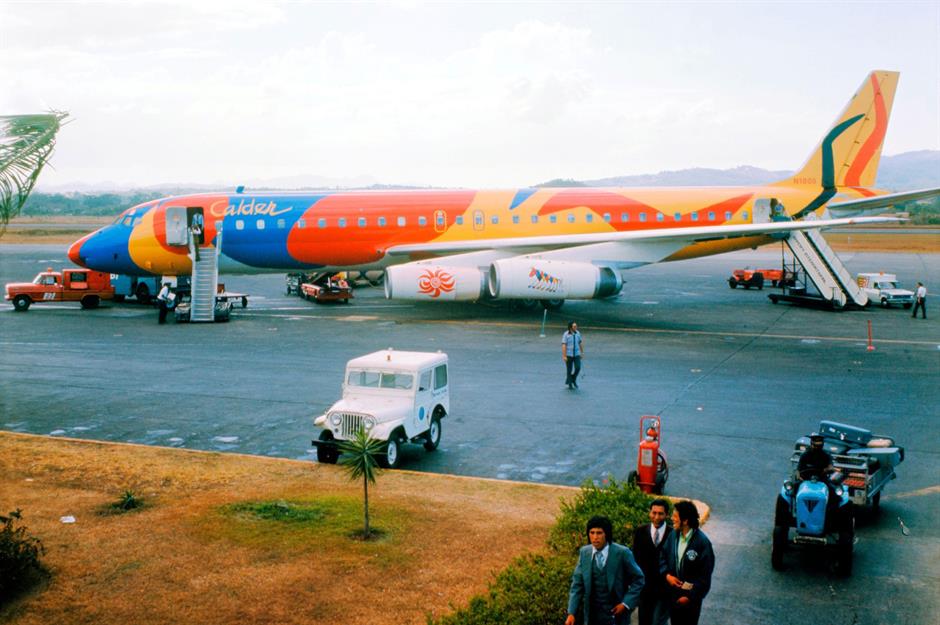
In 1979, Braniff International Airways became the first American airline to fly with Concorde, but behind the accolades and signature cheerful liveries, the trailblazing airline was fighting a number of battles. As interest rates skyrocketed, competition increased and fuel costs rose higher than the cost of labour, Braniff found itself impounded in debt. After more than five decades in the skies, Braniff International was grounded forever on 12 May 1982.
Sponsored Content
Pan Am, 1927-1991
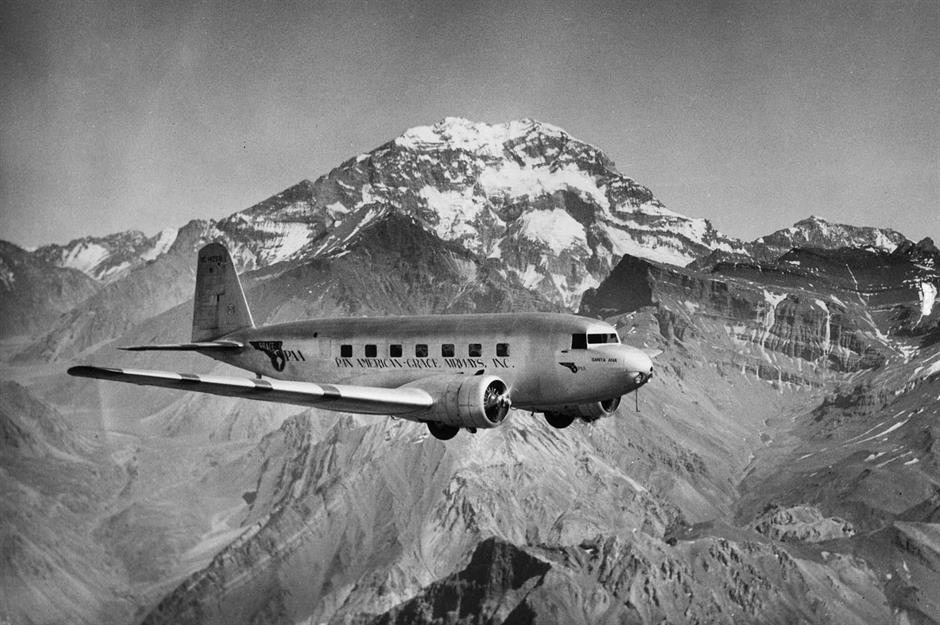
Pan Am, or Pan American World Airways, is surely one of the best-known airlines to ever shut down. A true rags-to-riches story, this humble airmail and passenger carrier started shuttles from Key West in Florida to Havana, Cuba in 1927, and grew into an international success that pioneered numerous industry innovations, from jet aircraft to computerised booking systems.
The airline started operating South American and transatlantic routes on flying boats in the 1930s and by the mid-20th century had a near monopoly on international routes.
Pan Am, 1927-1991
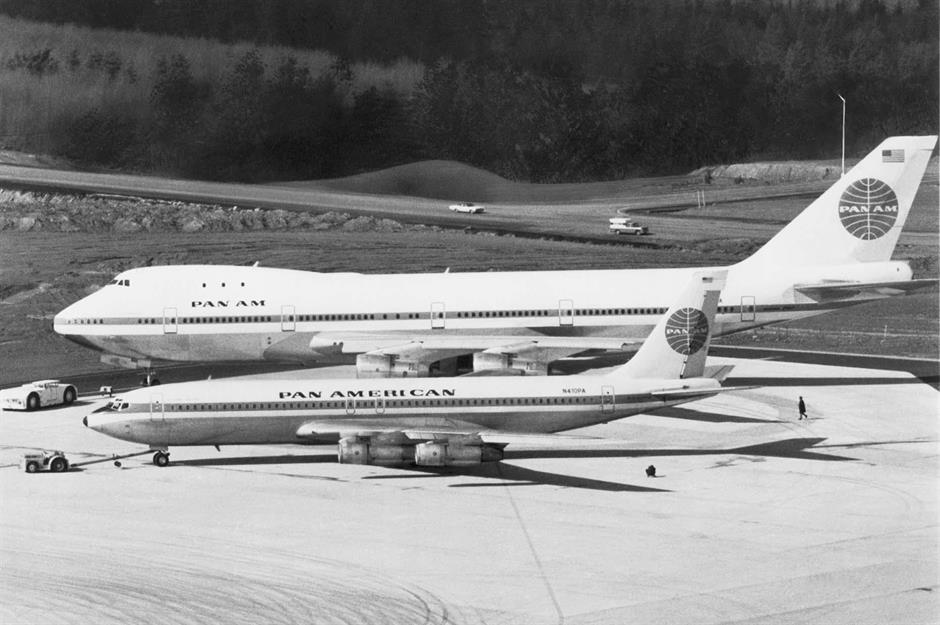
The airline acquired new jetliners, like the Boeing 707 and Boeing 747, thus thrusting the industry into the Jet Age with its first daily service from New York to Paris. This, along with Pan Am's impeccably well-trained staff, gave the company a glamorous reputation, and in 1970 alone the airline transported 11 million passengers. On 21 January 1970, Pan Am was the first to use the Boeing 747 – aka the Jumbo Jet – starting service on the airline's New York to London route.
Pan Am, 1927-1991
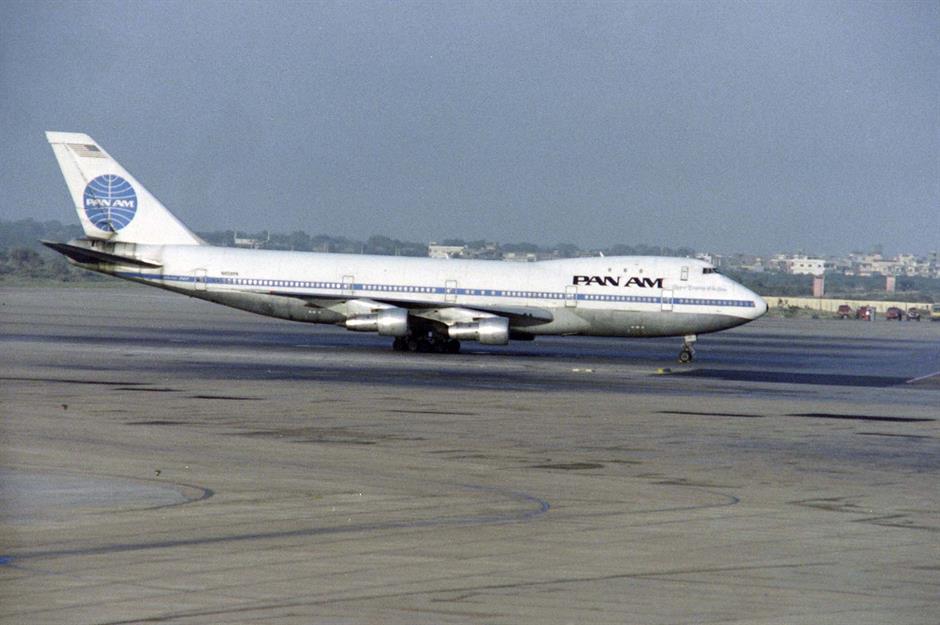
After Pan Am's founder Juan Trippe died in 1981, its supremacy began to wane, and oil crises and stiff competition had knock-on effects. The tragedy of Pan Am Flight 103 from London to New York in 1988 was probably Pan Am's final devastating blow, as the aircraft was blown up over Scotland and crashed into the town of Lockerbie, killing all on board plus 11 on the ground. The airline ceased operations in 1991.
Sponsored Content
Interflug, 1958-1991
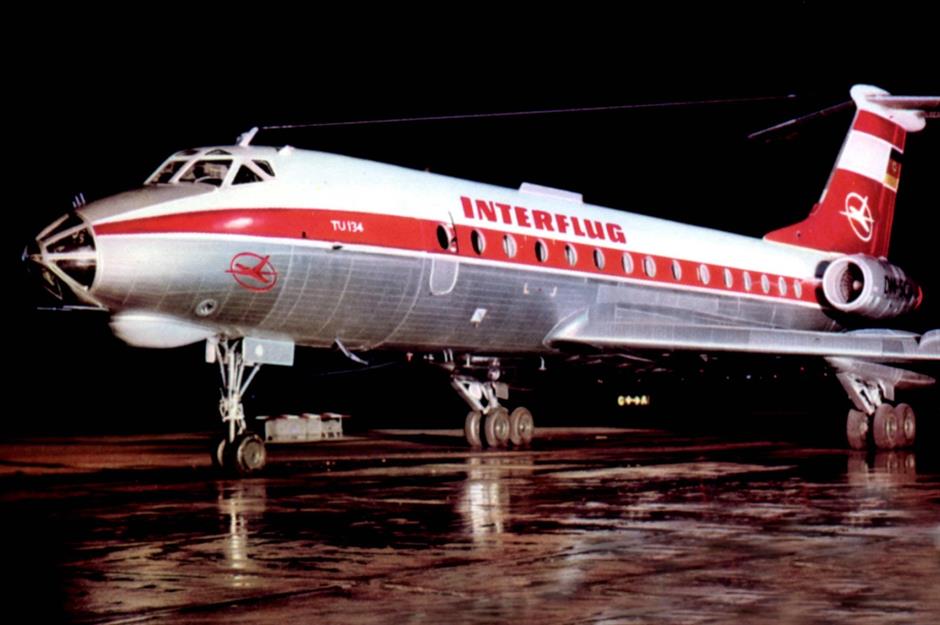
Interflug was the national carrier of the German Democratic Republic (GDR) until the reunification of Germany in 1990. It was formed when the allies seized all German planes in the aftermath of World War II, which saw former flag carrier Deutsche Luft Hansa dissolved.
The name ‘Lufthansa’ was then trademarked in West Germany, followed by the trademarking of ‘Deutsche Lufthansa’ in East Germany. When Deutsche Lufthansa went into liquidation in 1963, its operations were transferred to Interflug, which East Germany had set up in 1958.
Interflug, 1958-1991
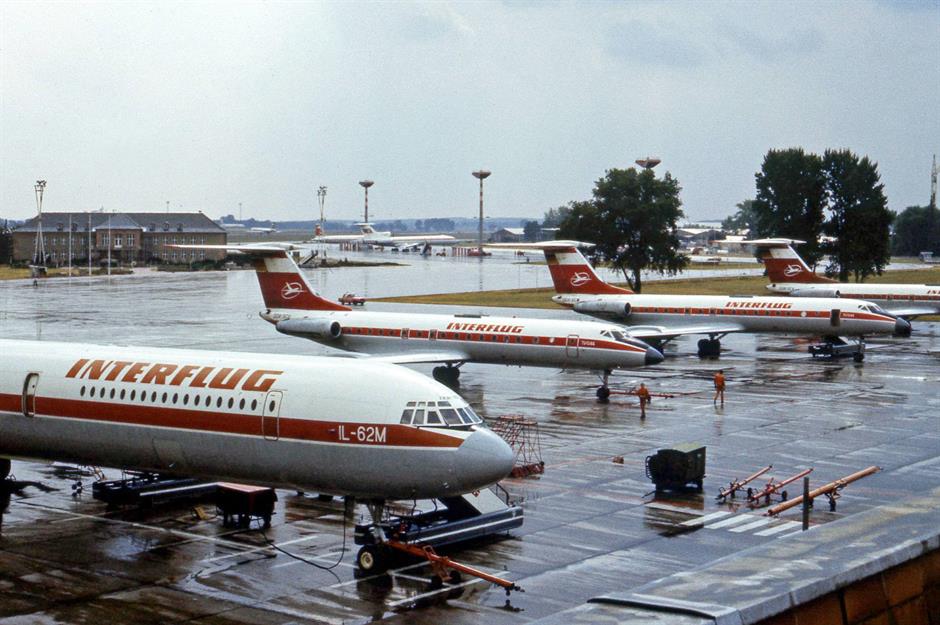
Serving mainly German destinations on both sides of the Berlin Wall and a number of nations across the Eastern Bloc, Interflug’s main issue was its outdated fleet of oil-guzzling Soviet jets, which led to the airline acquiring three Airbus A310s during its final years. This followed Germany’s worst air disaster in 1972, when an Interflug Ilyushin Il-62 aircraft crashed and killed all 156 people on board.
Furthermore, Interflug’s restricted flight network and low passenger capacity meant it couldn’t survive in the international market, and the airline came tumbling down with the wall. Its last ever service flew on 30 April 1991.
Trump Shuttle, 1989-1992
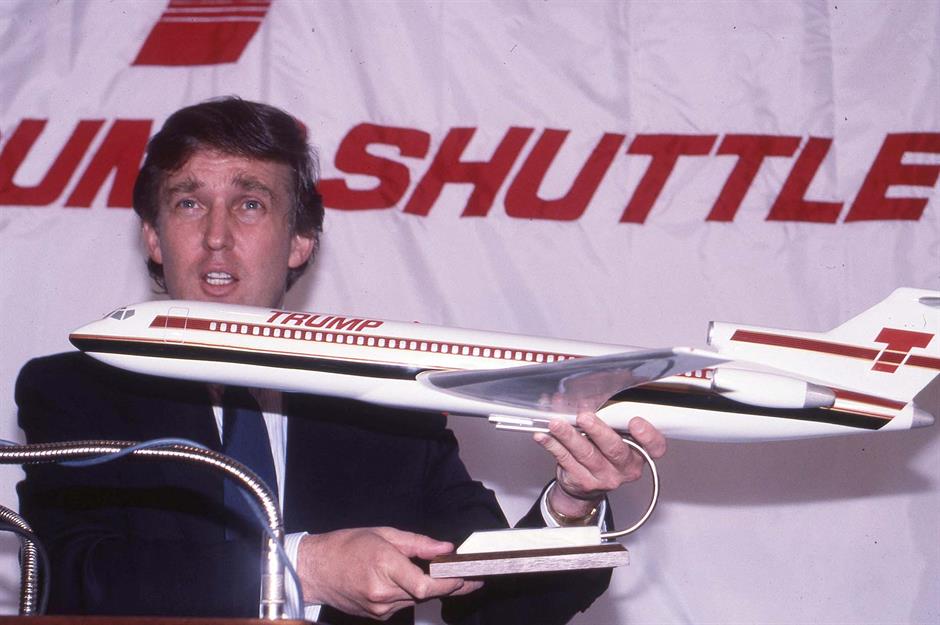
US President Donald Trump stepped into the airline business when he purchased landing rights and physical assets from an arm of Eastern Air Lines in the late-1980s. The new operation launched in 1989 and Trump's plan was to convert it from its previous position as a no-frills airline for business travellers to a luxury service. On board, passengers could expect free meals, including steak on some flights, as well as complimentary Champagne, beer and wine.
Sponsored Content
Trump Shuttle, 1989-1992
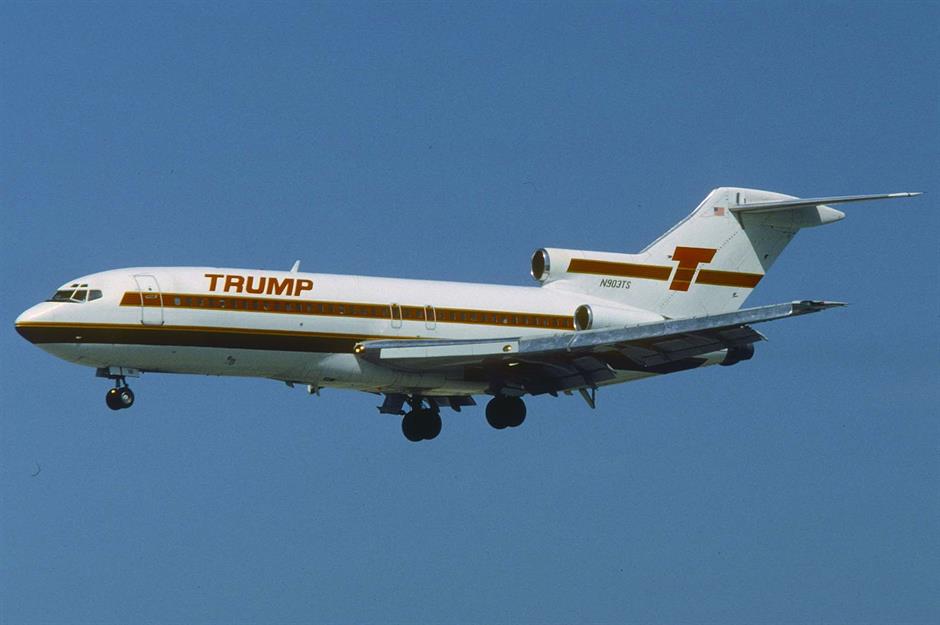
Perhaps the airline's downfall was Trump's vision to make it uber luxurious: he installed maple wood veneer, chrome seat belt latches and gold-coloured lavatory fixtures in his aircraft. Or, maybe it was the recession. Fuel-price hikes and personal bankruptcy, as well a decline in sales when passengers switched to Pan Am, led Trump to merge the venture with US Airways in 1992, after only three years in the air.
Trans World Airlines, 1930-2001
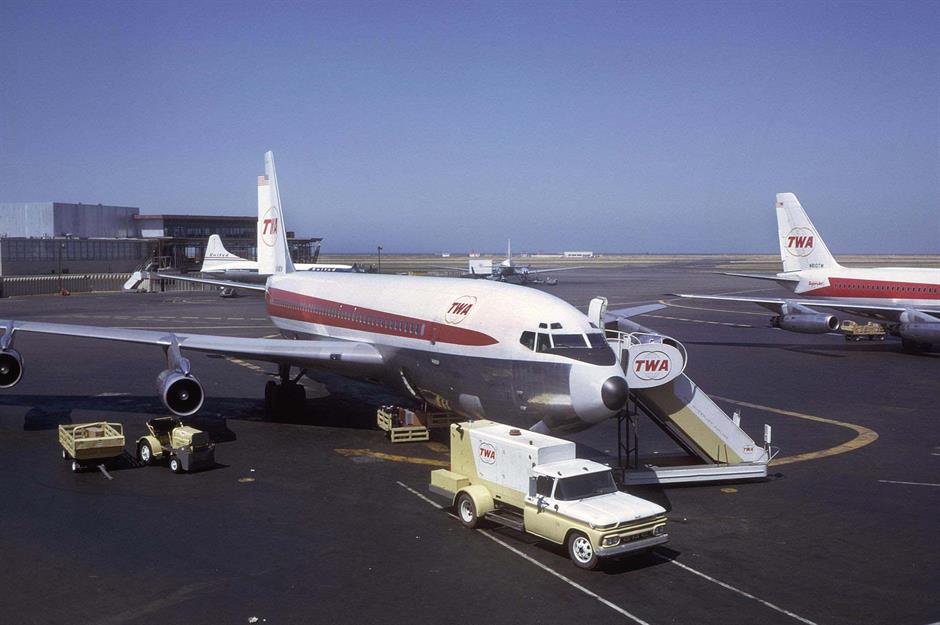
Trans World Airlines (TWA) was formed in the United States in 1930, but grew to be the second unofficial flag carrier of the US after millionaire Howard Hughes became the company's main shareholder in 1939. During his ownership, Hughes successfully grew TWA into one of America's most well-known brands.
It maintained extensive routes in the United States, as well as connections to Europe, the Caribbean and the Middle East. Also, thanks to Hughes' Hollywood connections, TWA gained a glamorous reputation at the height of the Jet Set era, and the company gained many loyal movie star passengers.
Trans World Airlines, 1930-2001
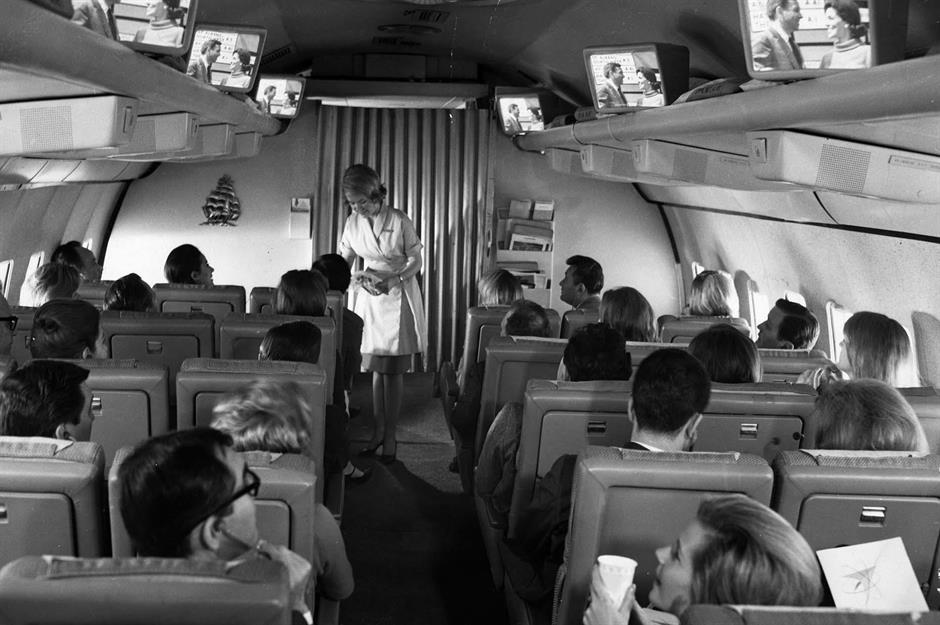
Hughes lost control of the airline to a group of Wall Street banks in 1961, which led to him selling his shares in 1966. A succession of hijacking and terrorism scares contributed towards TWA's demise too.
In 1985, TWA Flight 847 was en route from Cairo to San Diego when the plane was hijacked after a stop in Athens, and in 1996 TWA Flight 800 exploded mid-air due to an alleged technical issue. Eventually TWA's assets were acquired by American Airlines in 2001 and the airline ceased to exist.
Sponsored Content
Trans World Airlines, 1930-2001
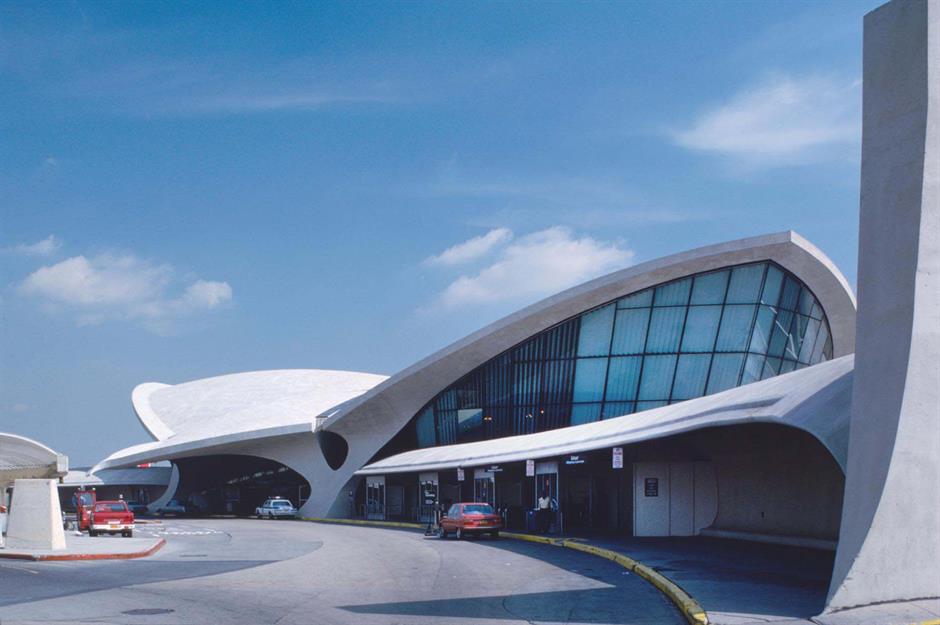
During its peak in the 1960s, TWA opened the Trans World Flight Center (pictured) at New York City's JFK Airport. The impressive building was a cutting-edge terminal designed by Finnish-American architect Eero Saarinen, who's known for his futuristic style.
Although the iconic, wing-shaped terminal sat empty after TWA was acquired, the landmark building has been brought back to its former glory as the TWA Hotel, complete with vintage TWA aircraft Connie, which has been repurposed into a unique cocktail lounge.
Sabena, 1923-2001
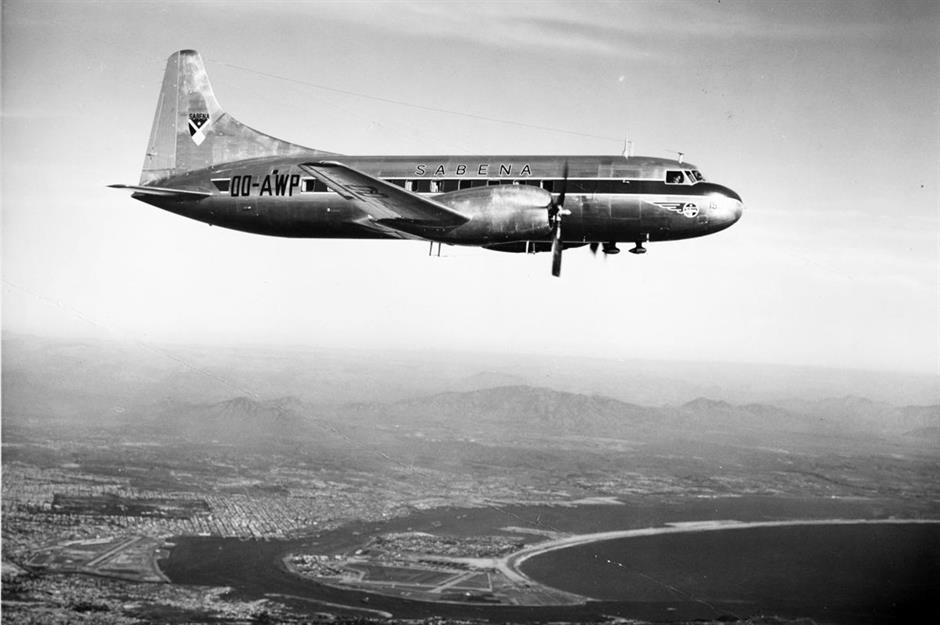
Sabena (an acronym of the far less snappy 'Societé Anonyme Belge d'Exploitation de la Navigation Aérienne') was Belgium's flag carrier for nearly eight decades, and is one of the world's largest airlines ever to go bust.
When it was founded, Belgium still had African colonies, which it operated regular flights to, and it eventually built a fleet of 52 craft that ran routes across the continents.
Sabena, 1923-2001
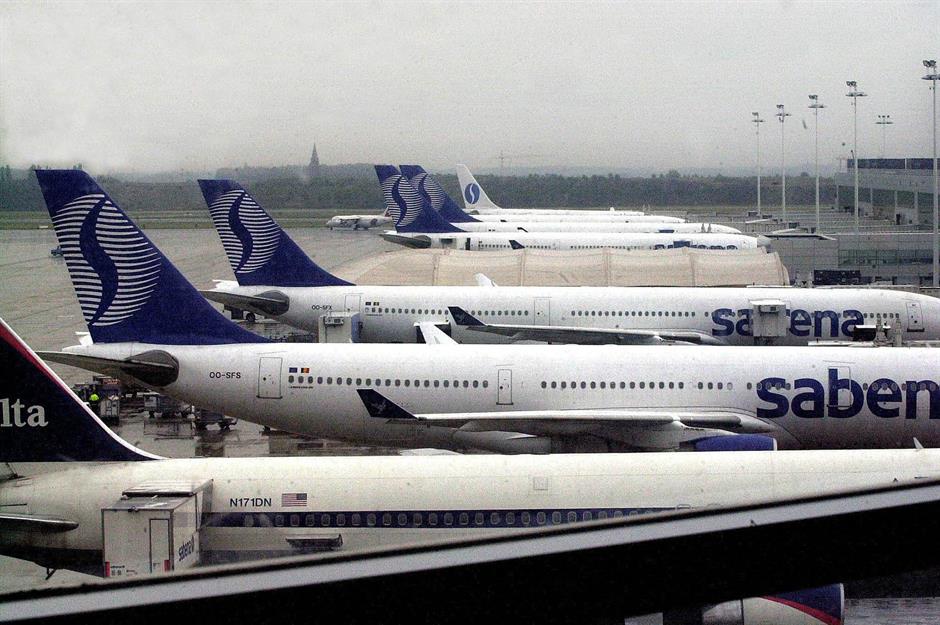
Stiff competition saw Sabena struggle in the 1990s, and Swiss flag carrier Swissair bought 49% of the airline and took over operational control. Further investment was promised but never materialised, and Swissair itself collapsed into administration in 2001.
Sabena followed a month later, and its final flight touched down in Brussels on 7 November.
Sponsored Content
Swissair, 1931-2002
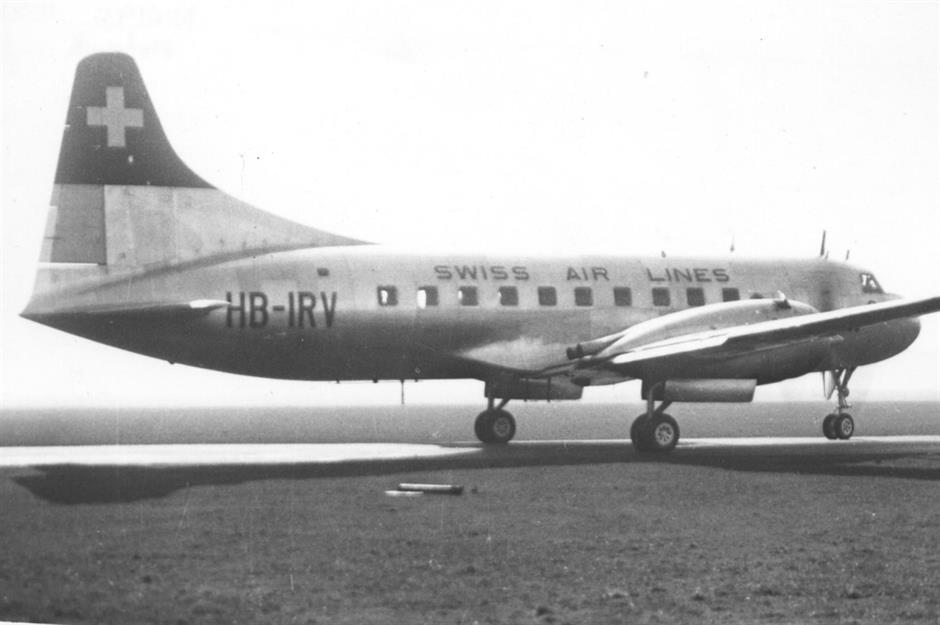
In operation for 71 years and Switzerland's flag carrier for more than 50 of them, Swissair was ironically famous for its financial strength and stability before its rapid decline in the 1990s and early 2000s.
Particularly attractive to first-class customers, the airline thrived internationally despite Switzerland's small size, surviving a six-year suspension of services during World War II and earning the nickname 'the flying bank' due to record profits through the 1960s.
Swissair, 1931-2002
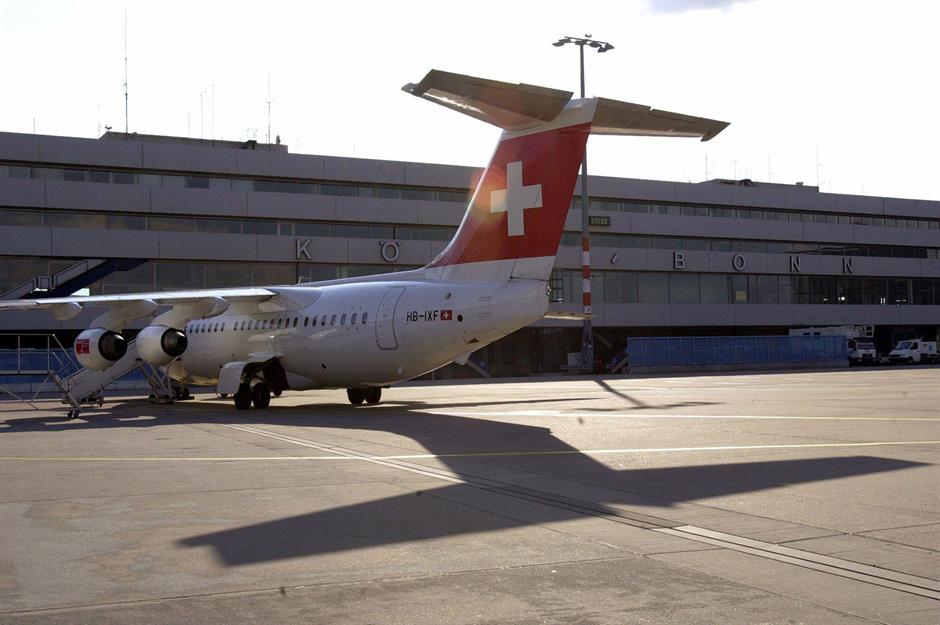
In the 1990s, the good times came to an abrupt end. A rapid expansion programme known as 'the Hunter Strategy' saw the airline vastly overstretch itself, and in 1998 a terrible crash off the Canadian coast killed all 229 passengers and crew on board, dealing a devastating reputational blow.
The airline's precarious finances finally collapsed during the industry-wide downturn that followed the 9/11 attacks, and Swissair was fully shut down and replaced by Swiss International Air Lines in April 2002.
Ansett Australia, 1935-2002
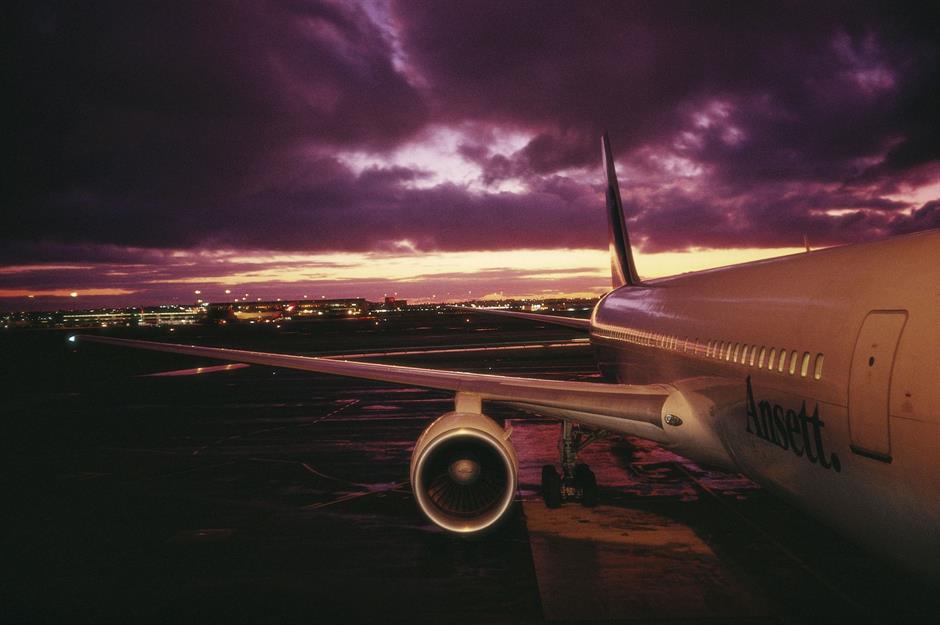
While Qantas is sure to be the name on everyone’s lips when asked to think of the best Aussie airline, they might have had a different answer a few decades ago. Ansett Airways, as it was originally called, was established by transport magnate Reginald Ansett in 1935, with the airline launching its first flight the following year between Hamilton and Melbourne.
It expanded its fleet after World War II, converting superfluous Douglas C-47 planes into passenger carriers, and later becoming known as Ansett Australia.
Sponsored Content
Ansett Australia, 1935-2002

The primarily domestic carrier operated its first international service in 1987 with a connection to New Zealand, and it was soon flying to various destinations in Asia. Though Ansett Australia was in many ways ahead of the curve (it operated mystery flights to undisclosed destinations, an idea recently revived by Qantas), that wasn’t enough to save it from history’s scrap heap.
An ill-fated acquisition by Air New Zealand, high staffing costs, fierce competition and decrepit planes, as well as the effects of the 9/11 attacks on the aviation industry, saw the airline fold its wings for good in 2002.
Balkan Bulgarian Airlines, 1947-2002
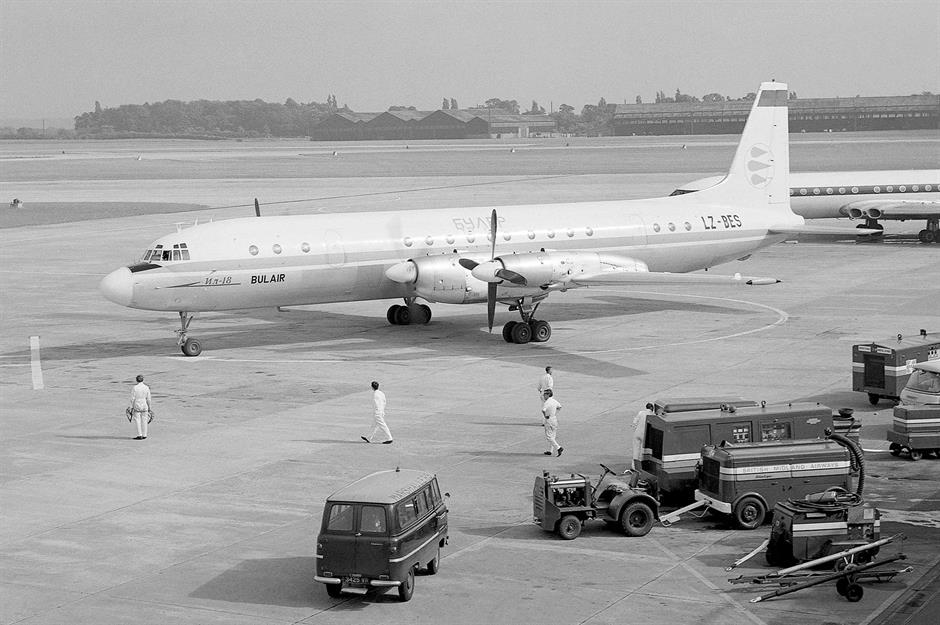
Bulgaria's flag carrier from 1947 to 2002, Balkan Bulgarian Airlines was formed when the Bulgarian government set up a state-owned airline following its defeat in World War II. The country had sided with Nazi Germany during the war, and the airline's first few flights carried negotiators to the post-war peace talks in Paris in 1946. The airline officially launched a year later, and quickly fell under the influence of the Soviet Union, which supplied most of its planes and soon took on part-ownership.
Balkan Bulgarian Airlines, 1947-2002
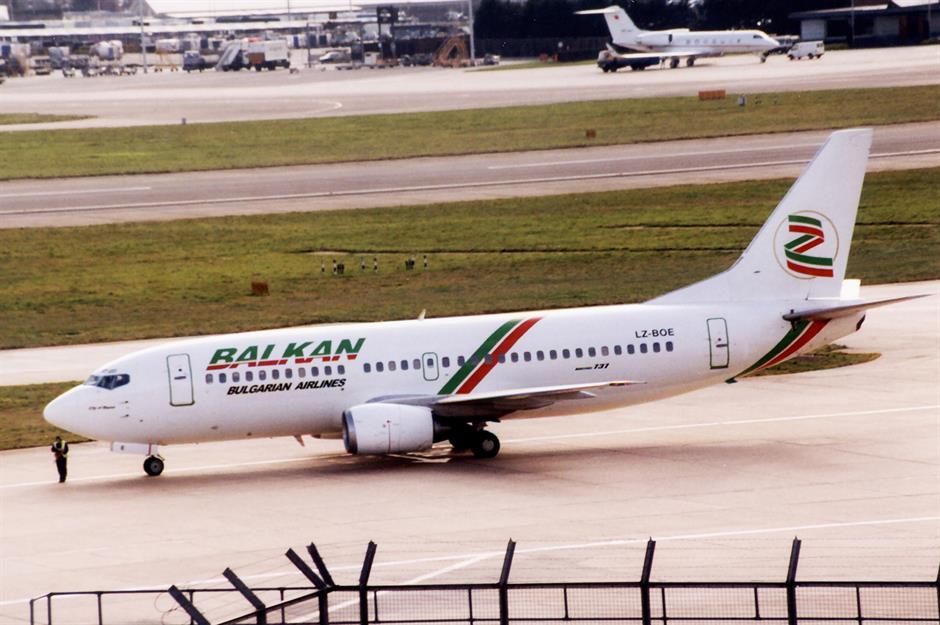
The airline expanded rapidly and adopted the name Balkan Bulgarian Airlines in 1968, but struggled financially following the collapse of the Soviet Union in the early 1990s. The transition from communism to capitalism initially saw costs skyrocket, and after a decade of volatility the airline was liquidated in 2002. Its successor, Bulgarian Air, remains Bulgaria's flag carrier to this day.
Sponsored Content
Britannia Airways, 1961-2005
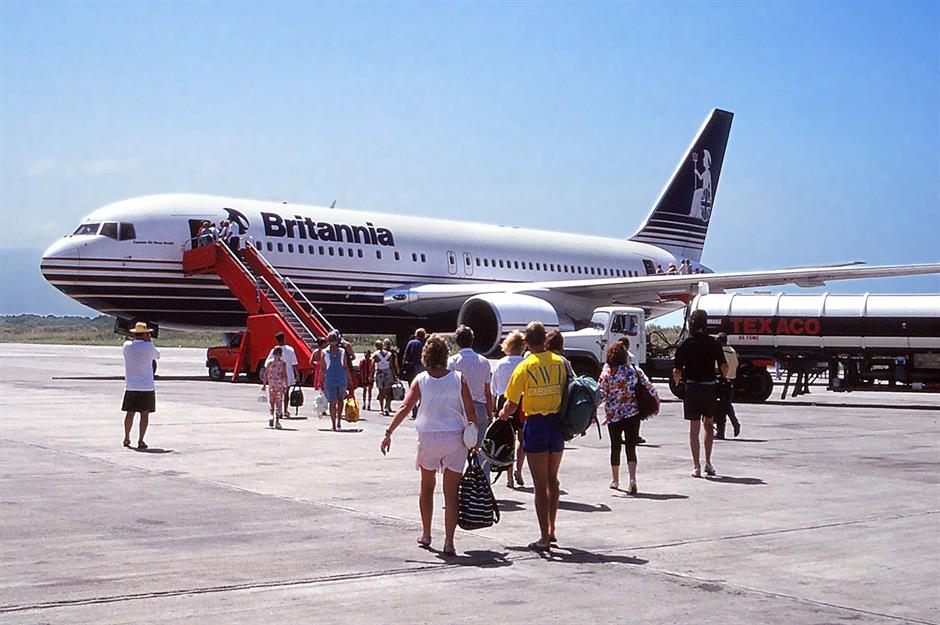
British airline Britannia Airways was founded in 1961 by British businessman Ted Langton as Euravia, and soon became known as the world's largest holiday airline. It rebranded as Britannia Airways in 1964 and by 1972 it was the largest British independent charter airline, focusing mostly on Spanish destinations. In the 1980s, the airline's fleet grew to include nearly 30 Boeing 737s and it was the first European airline to fly the Boeing 767, which helped the airline expand to more long-haul destinations.
Britannia Airways, 1961-2005
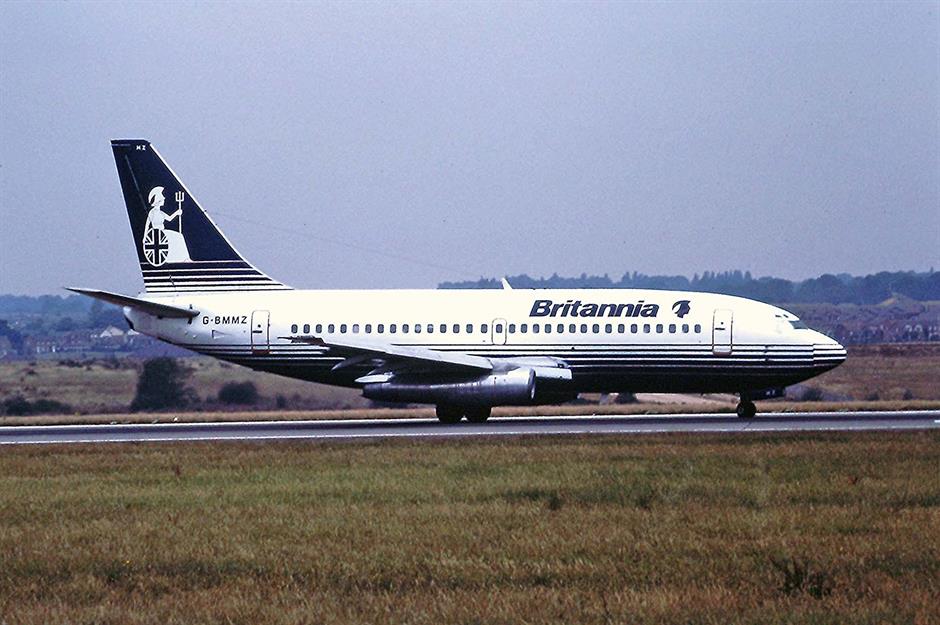
In 1965, Britannia became part of the Thomson Travel Group yet retained its independence, name, logo and livery for the following 35 years. Then, in 2000, Thomson Travel Group was acquired by German company TUI Group and by 2005 Britannia was rebranded to Thomsonfly. Although Britannia proper ceased to exist in 2005, remnants of the airline remain as part of TUI, a current British charter airline.
Aloha Airlines, 1946-2008
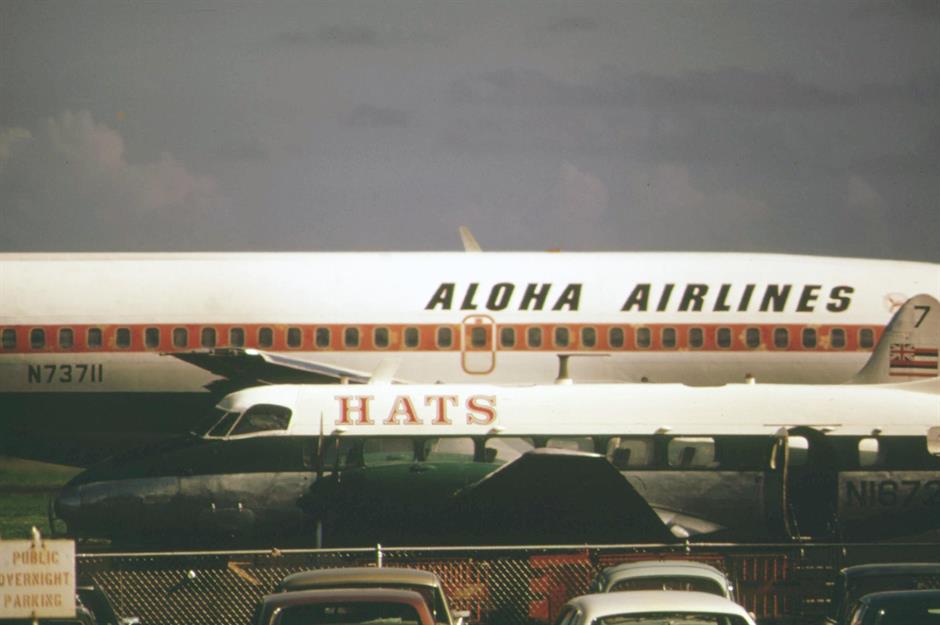
Aloha Airlines started as Trans-Pacific Airlines in 1946 and served air passengers for more than 60 years. It was founded by Chinese-American businessman Ruddy F Tongg Sr who, after reportedly being refused boarding on a flight to the US mainland, wished to build a 'people’s airline' all Hawaiians were welcome to fly with. The first Hawaiian airline to become profitable, Aloha’s early island-hopping operations were enabled by surplus propeller planes from World War II.
Sponsored Content
Aloha Airlines, 1946-2008
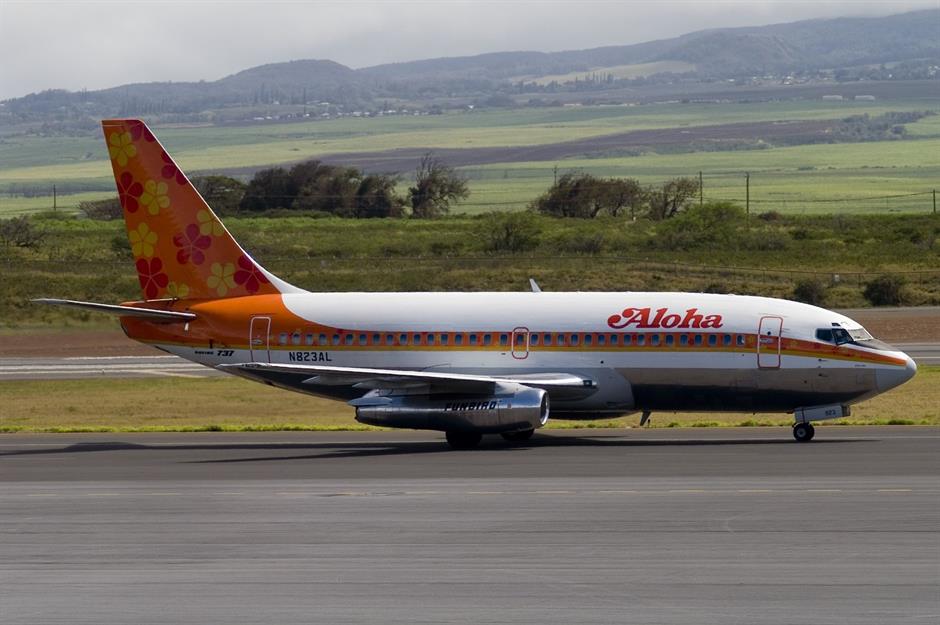
In 1988 – one of three years that saw unsuccessful attempts to merge Aloha with its main competitor, Hawaiian Airlines – a freak incident occurred during an Aloha flight from Hilo to Honolulu. The plane’s roof was partially ripped off at 24,000 feet (7,315m), claiming the life of a flight attendant, though the pilots ultimately managed to land the craft. In the years that followed, Aloha felt the implications of 9/11 and got caught in a price war, filing for bankruptcy in March 2008.
Continental Airlines, 1934-2010

Continental Airlines started life as a humble mail carrier called Varney Speed Lines, founded by Walter Varney in 1934. In the following decades, it expanded rapidly, acquiring Pioneer Airlines in the 1960s.
Continental became an airline that led the way and was the first major US carrier to hire an African-American pilot in 1963. It also established many new long-haul jet routes. In the early 1980s, deregulation hurt the airline as passengers chose low cost over better service and eventually it declared bankruptcy. Surprisingly, that wasn't the end of it.
Continental Airlines, 1934-2010
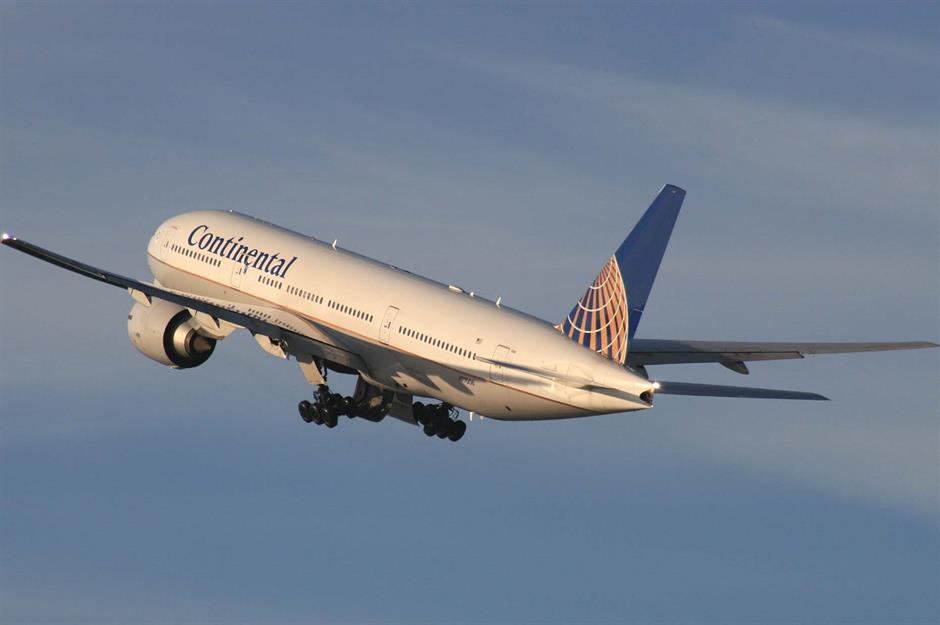
Continental managed to bounce back with a reorganisation, and the appointment of former Boeing executive Gordon Bethune in 1994 changed the airline's fortunes. Bethune turned the airline from 'worst to first', as he describes in detail in his book of the same name. The airline became widely respected and was one of the last US airlines to still offer free pillows, blankets and meals on domestic flights, while Bethune also helped raise Newark Airport's profile to successfully rival New York's JFK.
Sponsored Content
Continental Airlines, 1934-2010
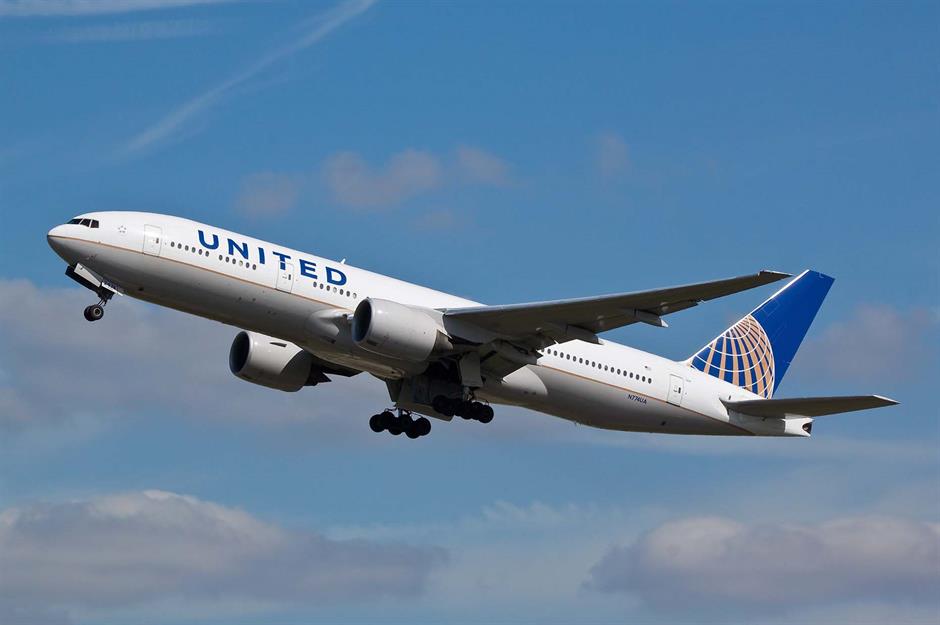
Bethune left the company in 2004 and the airline was greatly affected by the 2008 financial crisis. As a result, Continental cut 3,000 jobs, reduced salaries and capacity, and began merger talks with United Airlines Holdings, operator of United Airlines. The merger was completed in 2010 and United completely absorbed Continental, bar one small detail – the new livery design retained Continental's iconic globe on the aircraft's tail.
US Airways, 1937-2015
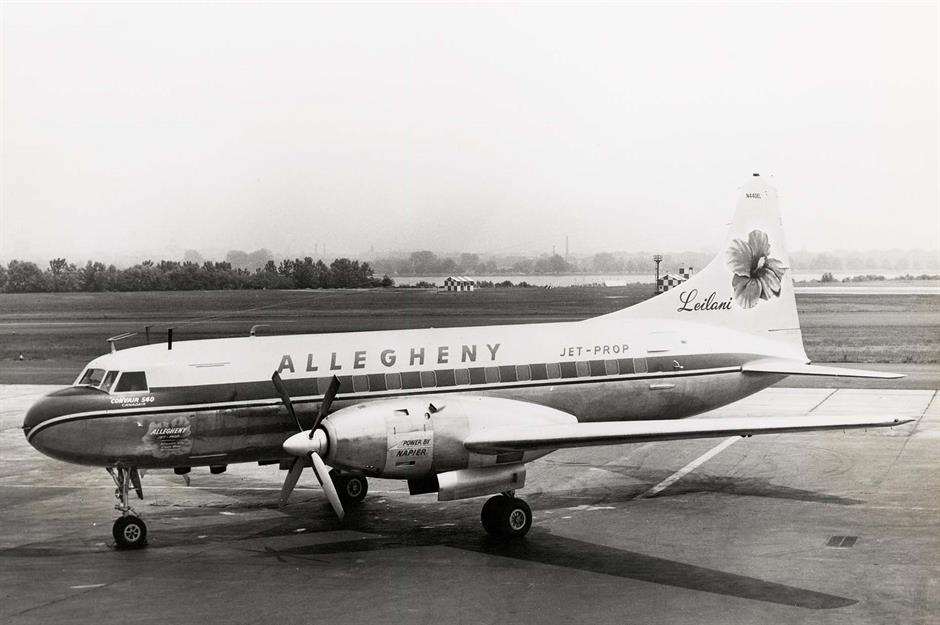
US Airways was launched as All American Aviation in 1937 and started life as a mail carrier across the mountainous regions of Pennsylvania and West Virginia. Passenger services started in 1949 and with a new name, Allegheny Airlines, the airline focused predominantly on routes connecting the Midwest to the Atlantic coast. Over the following decades, the airline took over several smaller carriers and expanded its network to 193 destinations in 24 countries at its peak.
US Airways, 1937-2015
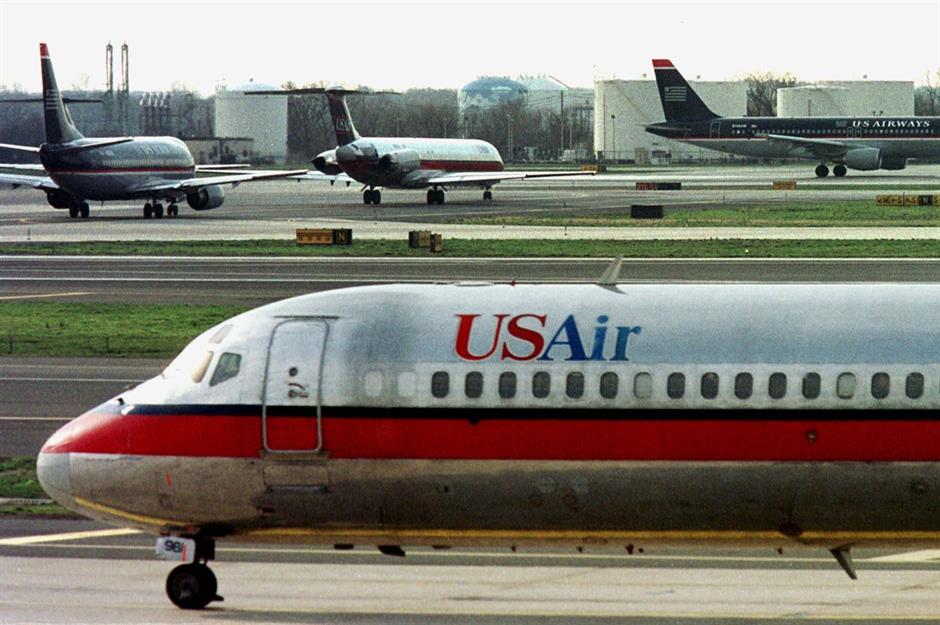
During its most successful period in the 1990s, the airline (called USAir at the time) entered into a brief transatlantic alliance with British Airways, and it was renamed US Airways in a bid to develop a more international image.
In 1997, the airline acquired the remains of the former Trump Shuttle and launched its own shuttle service alongside a new MetroJet service, intended to compete with Southwest and Delta Express in the West and AirTran in the South. However, the new millennium delivered one blow after another.
Sponsored Content
US Airways, 1937-2015
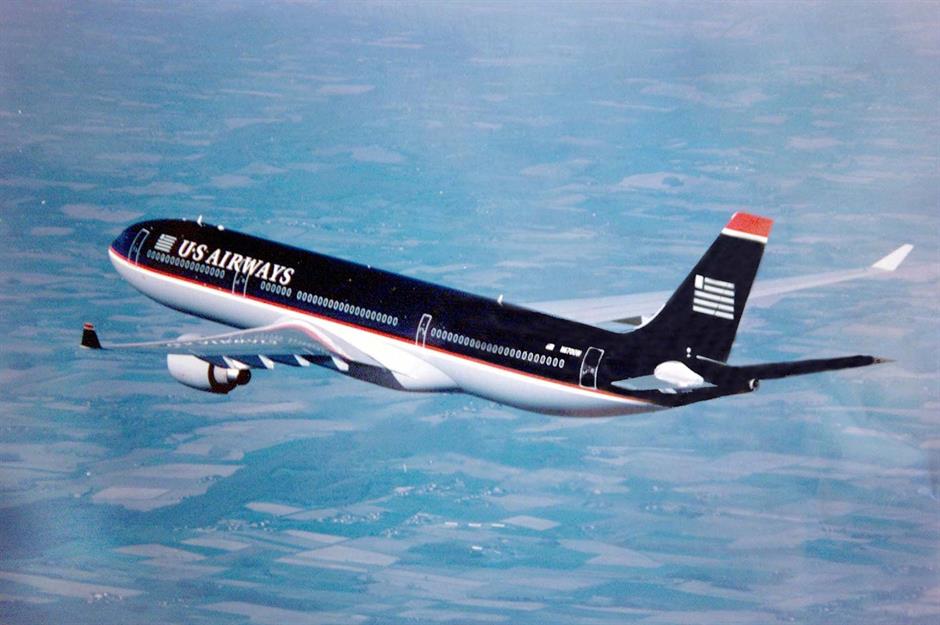
In the aftermath of 9/11, US Airways lost a lot of revenue due to the temporary closure of Washington DC's Ronald Reagan Airport, which took away a significant portion of its network. The airline dehubbed its Washington operations and filed for bankruptcy in 2002.
Another blow came when the airline was forced to leave its hub in Pittsburgh and relocate to Philadelphia and Charlotte. During the Christmas holiday rush in 2004, the company came close to liquidation, as many disgruntled employees opted to call in sick. Surprisingly, the airline survived and was briefly revived after it merged with America West Airlines.
US Airways, 1937-2015
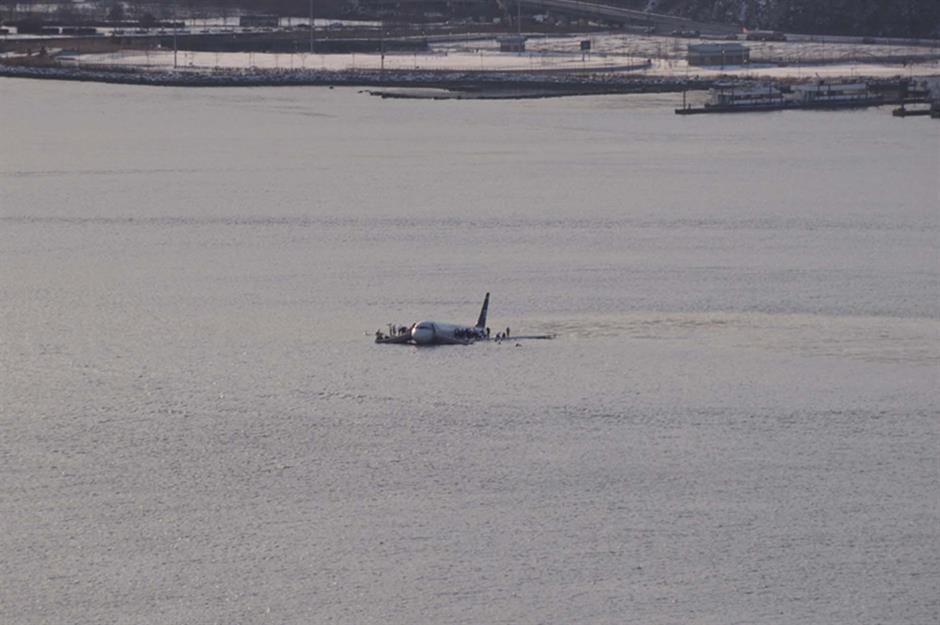
The airline dominated headlines around the world due to the 'Miracle on the Hudson', when Captain Chesley 'Sully' Sullenberger famously landed an Airbus A320 on the Hudson River after a bird strike and saved everyone on board. However, the airline would soon be acquired by American Airlines. US Airways completed its final flight in October 2015, when the merger was finalised, and the last remaining US Airways liveries were repainted in 2016.
Monarch Airlines, 1967-2017
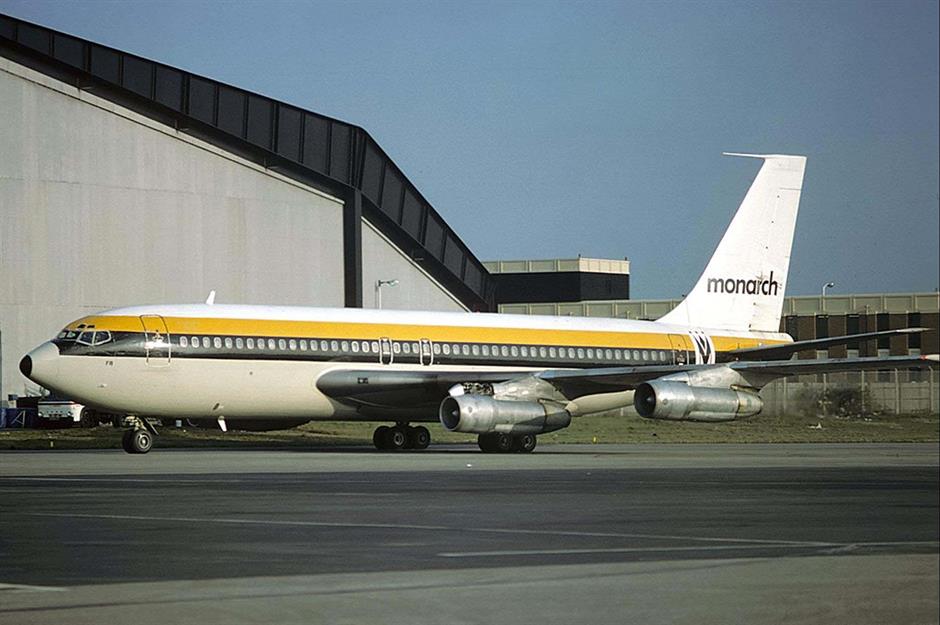
Founded in 1967, this British airline was aimed at families looking to escape to sunnier shores. At its peak in the 1980s, the budget airline flew two million holidaymakers mostly around Europe. It was also the first airline to fly a UK-operated twin-engine jet over the Atlantic Ocean, when it transported its 235 passengers from Luton Airport to Orlando in Florida, USA in 1988.
Sponsored Content
Monarch Airlines, 1967-2017
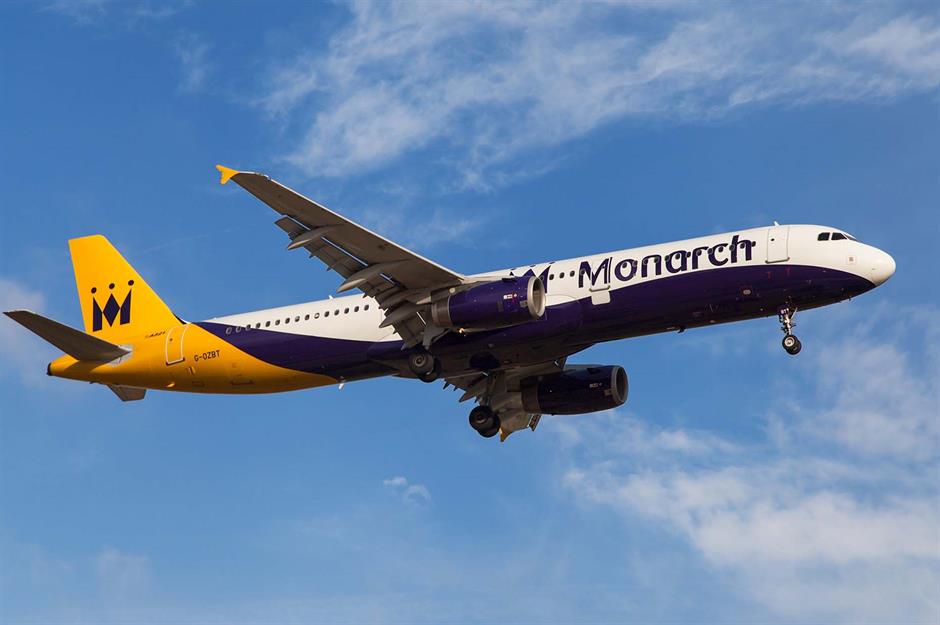
However, financial difficulties plagued the airline from the start of the new millennium. Then, the EU referendum in the UK, and the associated fall in the British pound against the US dollar, left the already struggling Monarch paying millions more for fuel. An order for Boeing 737 Max planes, worth around £2.24 billion ($3bn), was also due to be charged in US dollars.
Despite receiving a rescue package in 2011, and later scoring investment from Boeing in 2016, Monarch Airlines grounded all flights in 2017 after nearly 50 years of service. It went into administration, leaving 110,000 passengers stranded abroad.
Air Berlin, 1978-2017
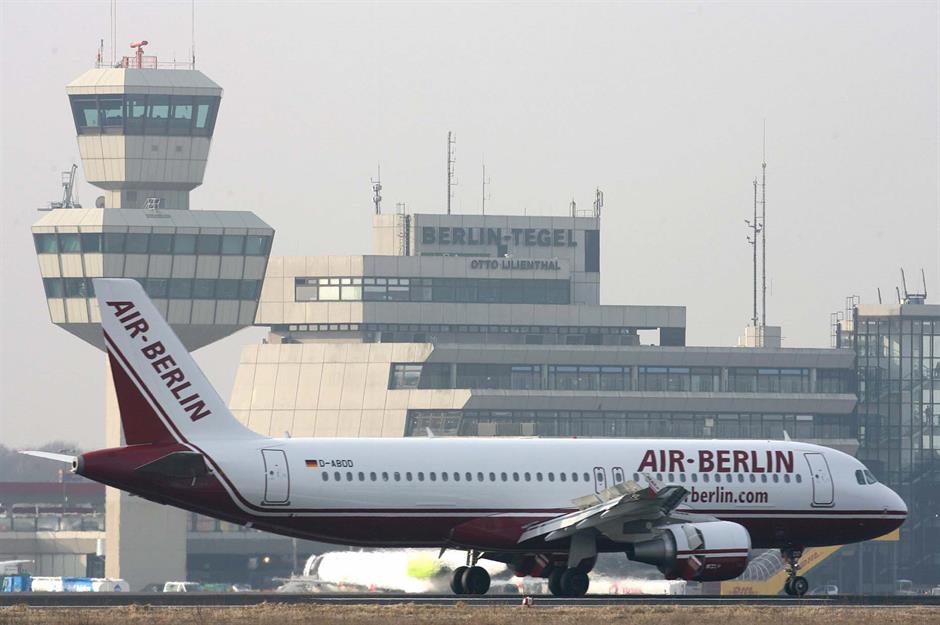
First registered as an American company in 1978, Air Berlin grew to become the second-largest airline in Germany after Lufthansa. Being American, it was allowed to fly in and out of West Berlin, which could not be served by airlines operating in East Berlin, like Lufthansa. The fall of the Berlin Wall in 1989 and German reunification saw the airline rapidly expand.
Air Berlin, 1978-2017
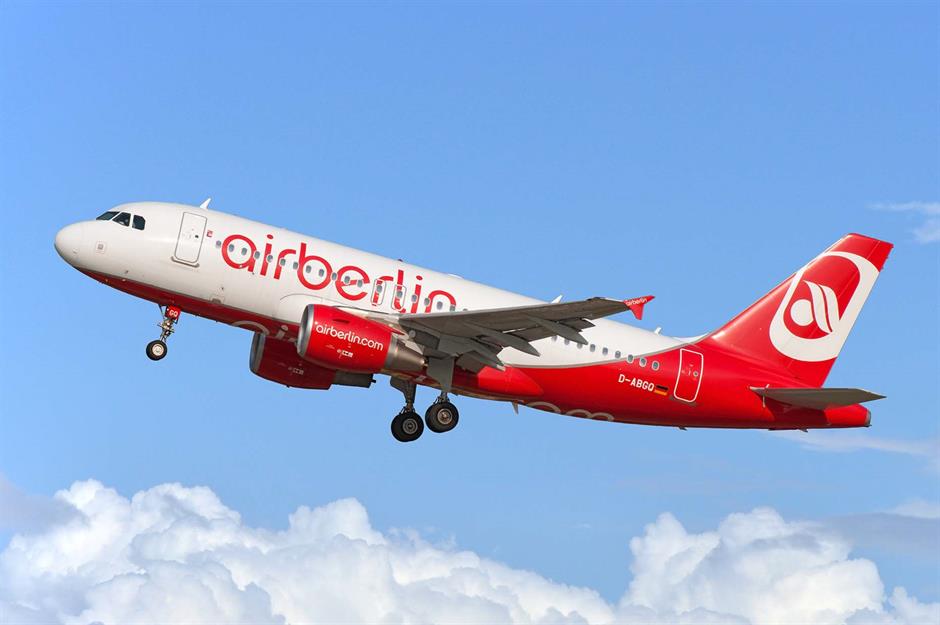
In 2006, Air Berlin floated on the stock exchange but was forced to lower the price of shares almost immediately. It had also based a lot of its future plans on a new hub at the new Brandenburg Airport in Berlin, which was due to open in 2011, but suffered delays for almost a decade.
Then in 2011 Etihad propped up the business by becoming its main shareholder. The airline continued to struggle to compete with low-cost airlines like Ryanair and easyJet, and in October 2017 the company filed for bankruptcy.
Sponsored Content
Air Berlin, 1978-2017
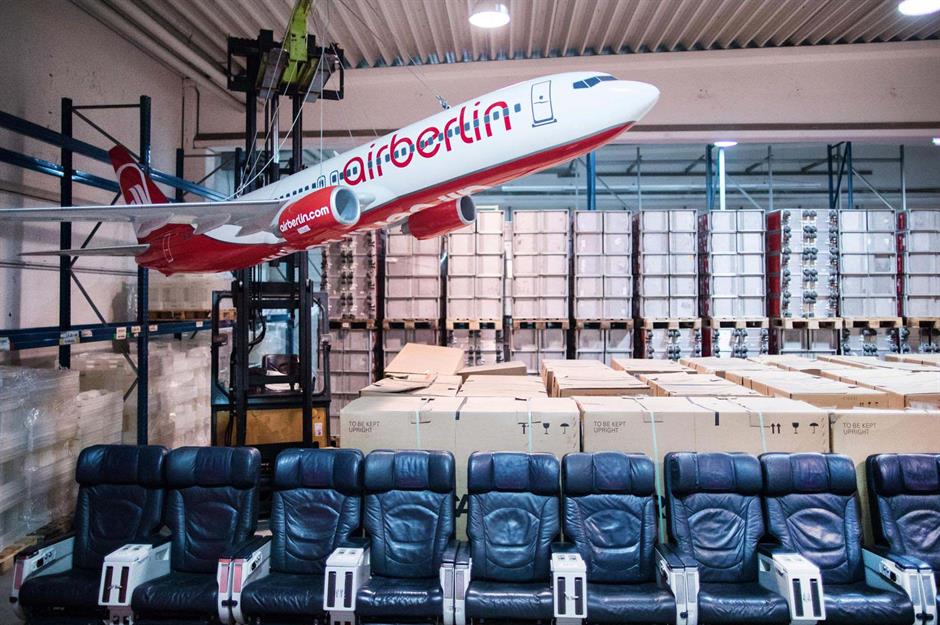
German air giants Lufthansa purchased a number of aircraft and employed former Air Berlin employees, while easyJet took on operations at Berlin Tegel Airport. In January 2018, auction house Dechow ran a sale of all Air Berlin assets including seats, model planes and even branded chocolates in a bid to raise cash to clear its £1 billion ($1.2bn) debt.
Primera Air, 2003-2018
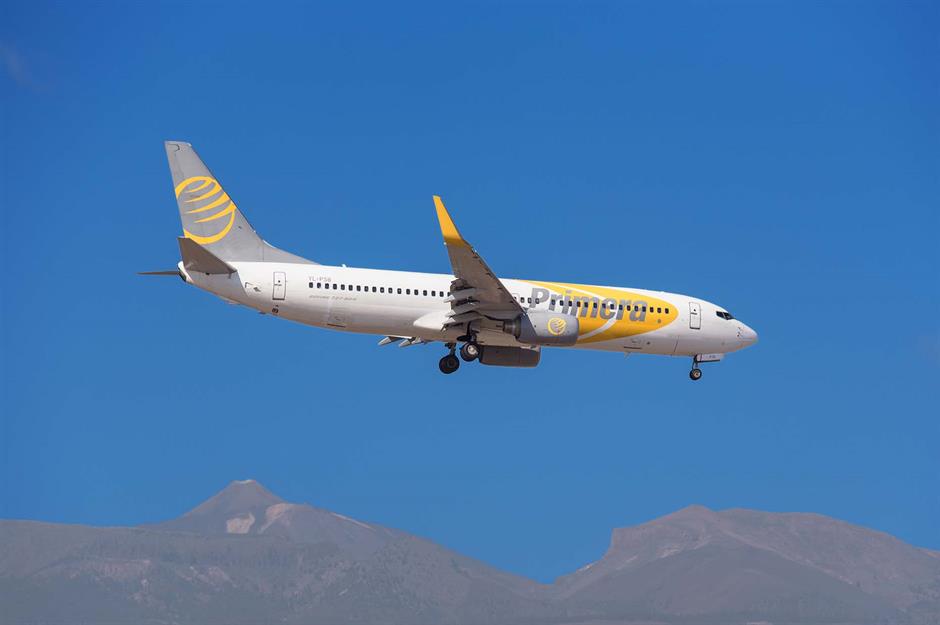
This Danish airline had carried Scandinavians around the globe for 17 years before its demise. Founded in 2003 as JetX, it became Primera Air in 2009. At its peak in 2014, the company flew 155,000 passengers on 1,006 flights in the space of a year, and after a run of successful short-haul expansions, the airline was ready to try out a new venture.
Primera Air, 2003-2018
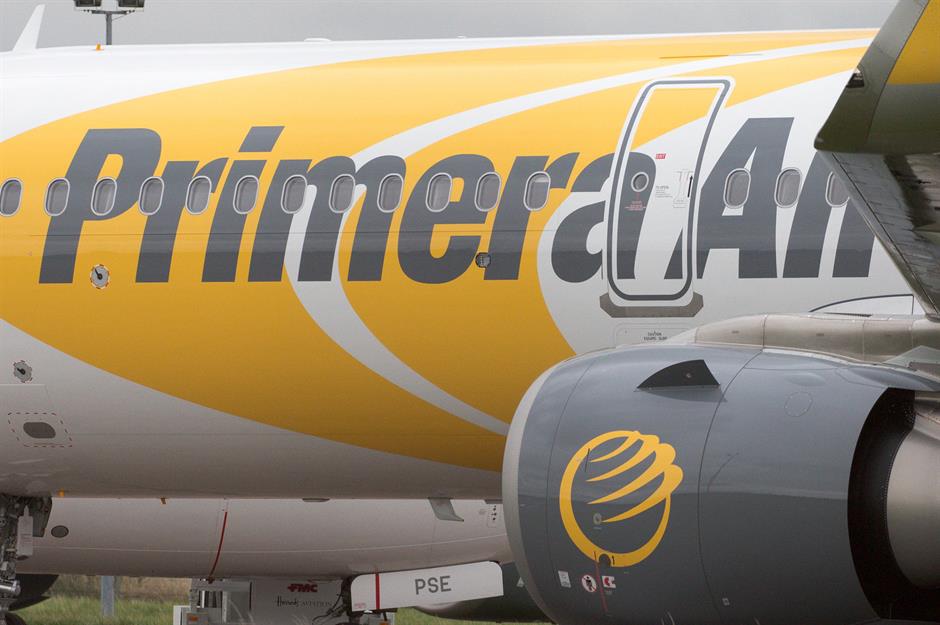
Primera Air announced plans for low-cost transatlantic travel from London to New York, Boston, Toronto and Washington DC at the beginning of 2018. It splashed out on marketing which – coupled with repair expenses, late delivery of new planes and inefficient older stock – led to the airline's downfall. Planes were in the air and passengers were queuing to board flights when the closure was announced. Consequently, many angry passengers and crew were left stranded in both Europe and America.
Sponsored Content
Virgin America, 2007-2018
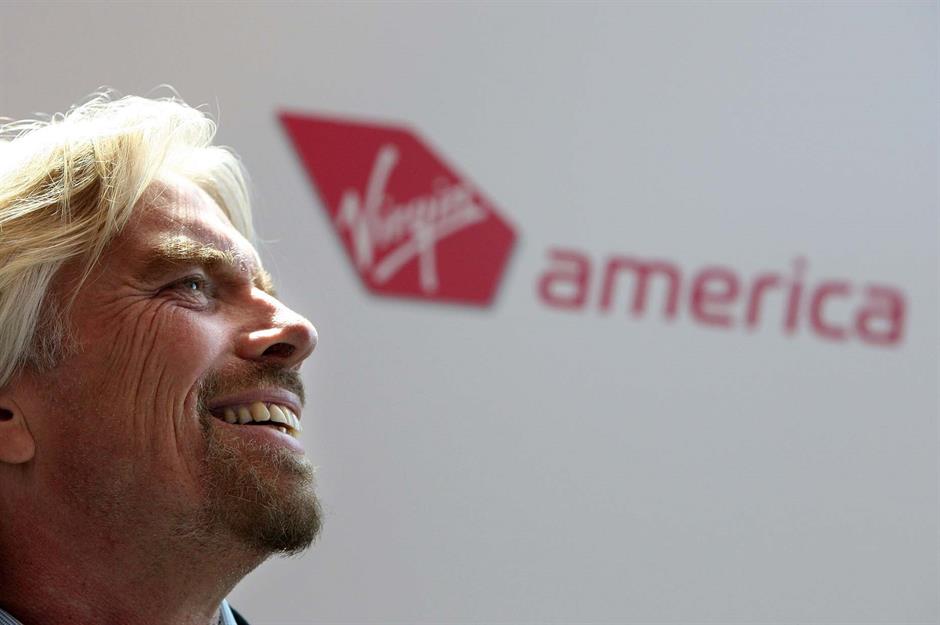
While Virgin Atlantic still takes to the skies, the same can't be said about one of its sister airlines, Virgin America. Founded in 2007 as an independent airline with Virgin licensing, it focused on low-cost travel mainly on the US West Coast.
Virgin America, 2007-2018

Sir Richard Branson was keen to give his new venture the same glamorous appeal as his other companies: staff wore the famous red uniforms, funky mood lighting graced the cabins, glitzy parties were held to celebrate new routes and the airline grew an impressive celebrity passenger following. It was also the first airline to offer free in-flight WiFi access to all customers.
Virgin America, 2007-2018
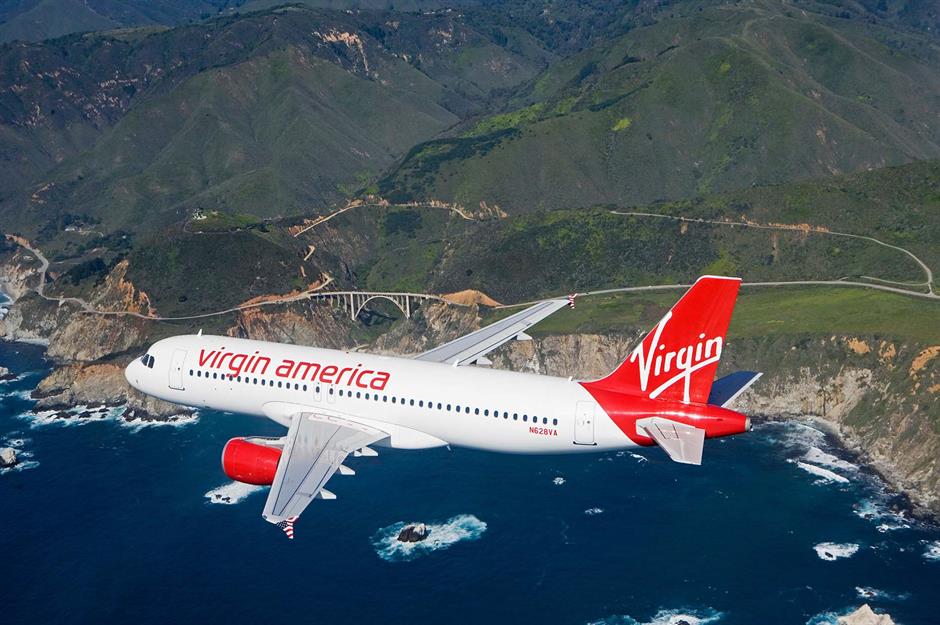
It wasn't so much a failure as a money-making sale that put an end to Virgin America. After being approached by several airlines interested in a takeover, Virgin America was acquired by Alaska Airlines for a purchase price of £1.9 billion ($2.6bn) in 2016, who slowly retired the brand, painting over the fleet livery with their logo and colours. Sir Richard Branson expressed his sadness with an open letter published on his Virgin blog titled Dear Virgin America.
Sponsored Content
Thomas Cook Airlines, 2003-2019
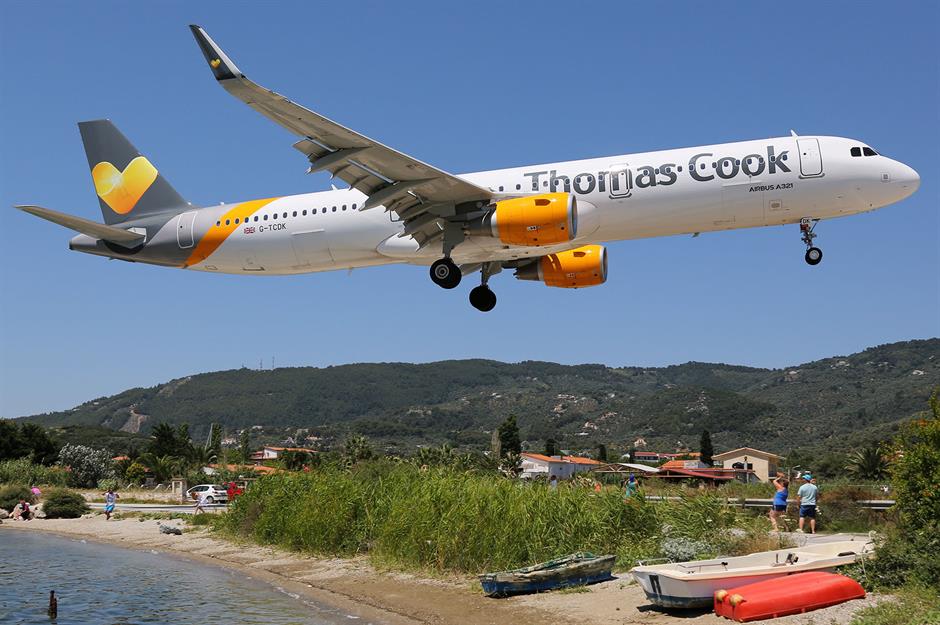
Thomas Cook the company was founded by Thomas Cook the man in England in 1841, making it one of the first – if not the first – package holiday operators in history. More than 150 years later, the company added an airline to its travel stable. By this time owned by a German conglomerate, the airline initially flew under the name JMC before relaunching as Thomas Cook Airlines in 2003.
Thomas Cook Airlines, 2003-2019
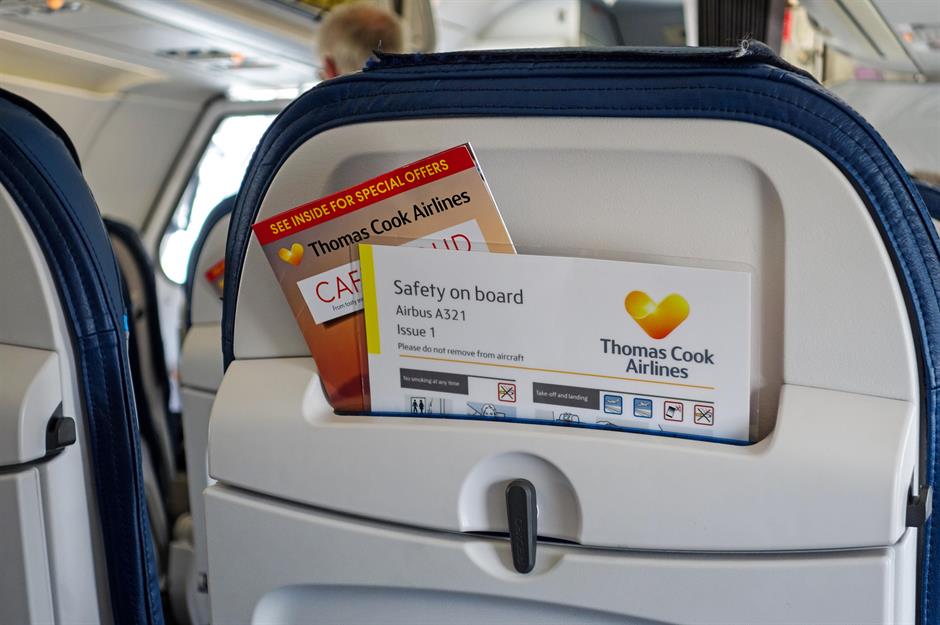
The airline attracted a customer base of millions flying on short and medium-haul beach breaks, but mounting debts and changing travel trends piled on pressure across the brand. The company's 500+ high street outlets were rendered obsolete by the switch to online booking systems, while the airline came within a whisker of bankruptcy in 2011. By 2019 the debts had grown too large, and the entire Thomas Cook brand ceased trading after 178 years.
Wow Air, 2011-2019
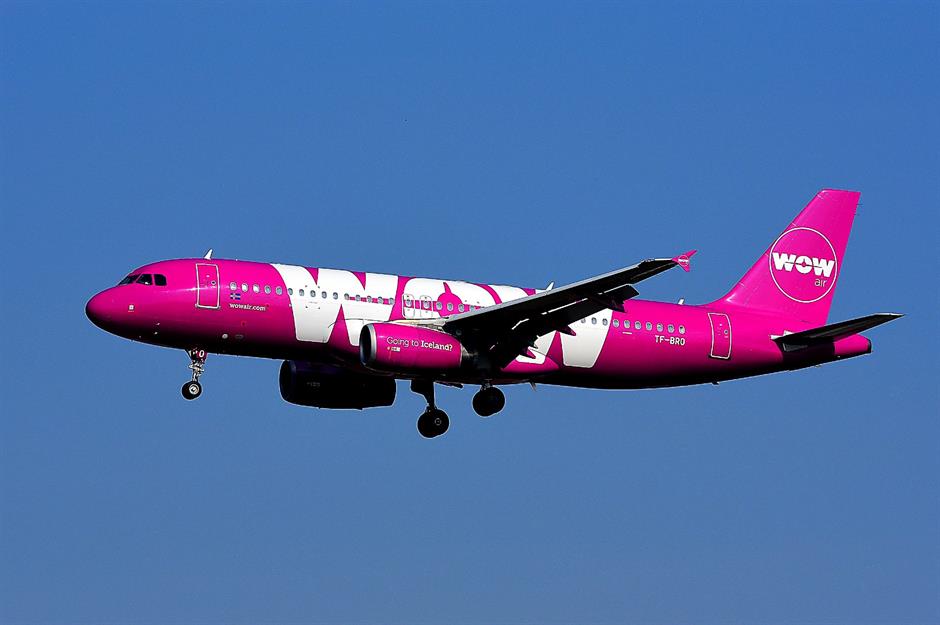
When the Icelandic budget airline Wow Air collapsed on 28 March 2019, hundreds of passengers were left stranded. The low-cost carrier initially announced at 6am local time that it was just cancelling its 15 flights for that day, which included three from the US. With tickets still on sale for other flights as of 7am, grounded travellers scrambled for refunds or to book themselves onto the next available departure, but within an hour there were no flights available and Wow Air ceased operations.
Sponsored Content
Wow Air, 2011-2019
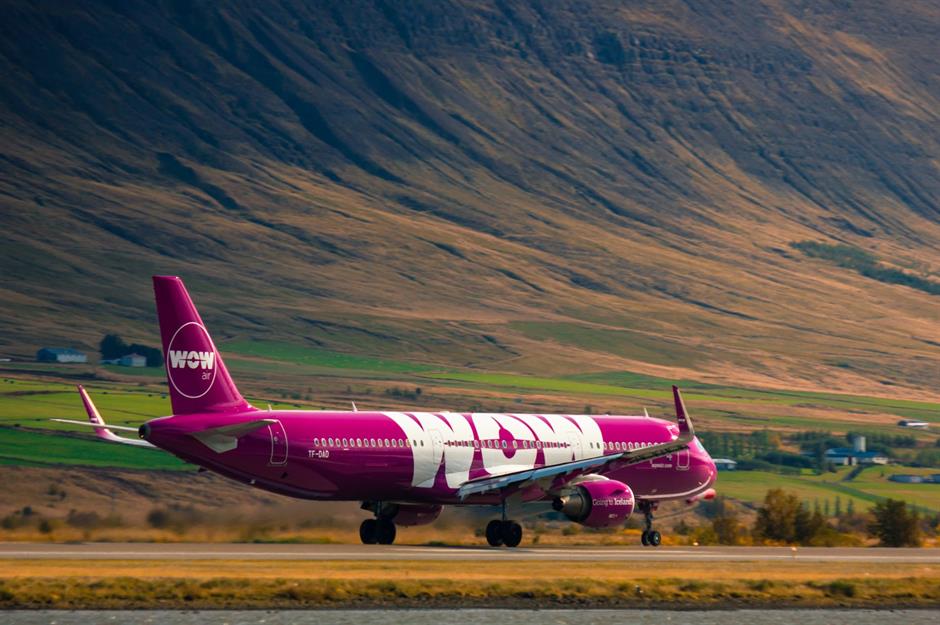
The airline had been blighted by debt for some time before finally succumbing. While its tickets froze at bargain prices, Wow Air made 111 employees redundant in 2018 and slashed its fleet size by nearly half. The company’s chief executive blamed the small carrier’s eventual failure on its global expansion, which required bigger jets and greater volumes of fuel.
Alitalia, 1947-2021
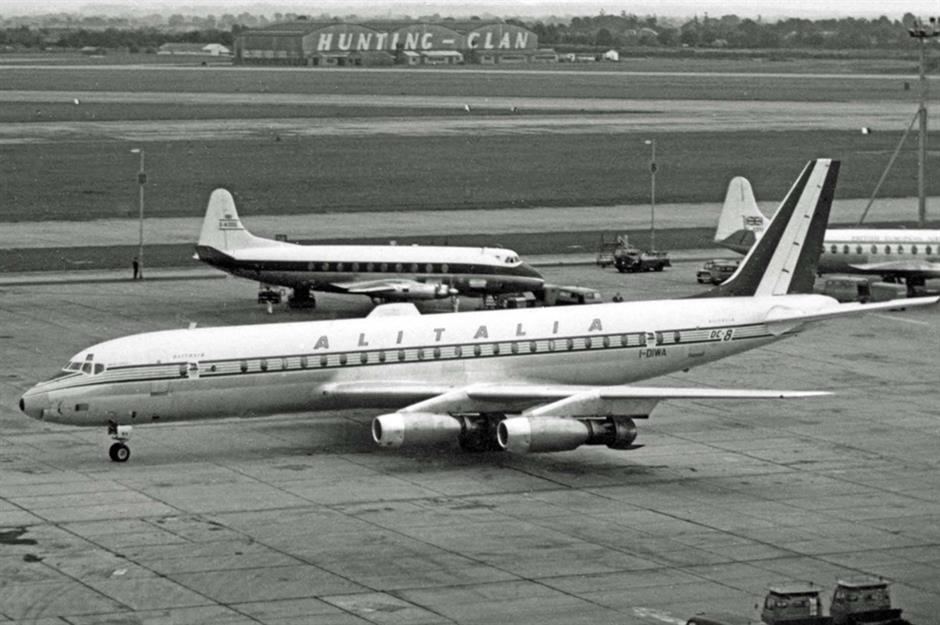
Once the flag carrier and the largest airline of Italy, Alitalia began operations in 1947 with an inaugural flight from Turin to Catania via Rome. The first intercontinental operations started just a year later, connecting Milan with cities in South America.
The airline was also an early adopter of jet airliners, like the Sud Caravelle and the Douglas DC-8 on some of its long-distance routes. By the 1990s, Alitalia was carrying 25 million passengers annually, but the new century brought about the first financial troubles.
Alitalia, 1947-2021
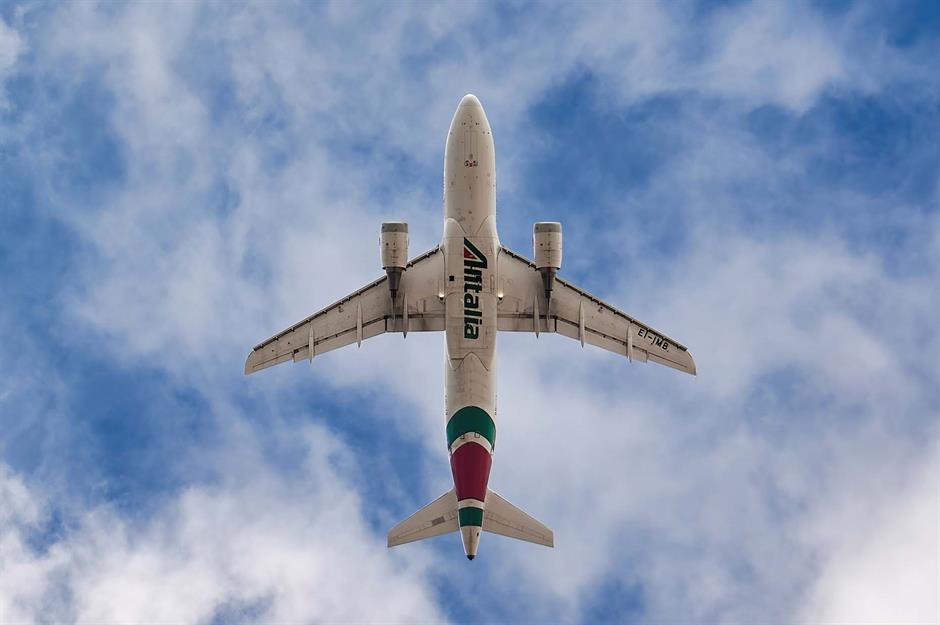
The airline went bankrupt in 2008 and it was acquired by a group of investors who formed Compagnia Aerea Italiana (CAI). Alitalia was relaunched in 2009 and 25% of the company's shares were sold to Air France-KLM. Controversially, the 'new' Alitalia didn't claim its history and insisted on being a brand new company, thus not recognising previous Alitalia passenger benefits or honouring old passenger claims.
After further investor troubles, the Italian government took over in 2020, but to no avail. The company ceased operations in August 2021 and flew its last service in October.
Sponsored Content
Flybe, 1979-2023
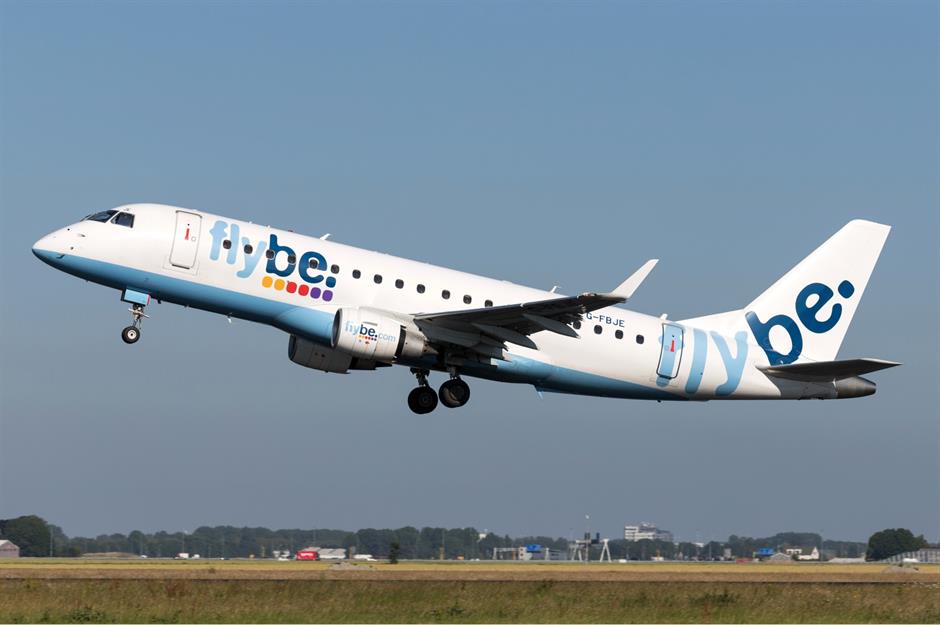
Originally launched as Jersey European Airways, Flybe was having issues for years before it finally collapsed in 2023. The airline, which served airports across the UK as well as Amsterdam and Geneva, had previously entered administration in 2020 at the height of the pandemic. After being thrown a lifeline by Thyme Opco, who bought its business and assets in 2021, Flybe returned to the skies in April 2022.
Flybe, 1979-2023
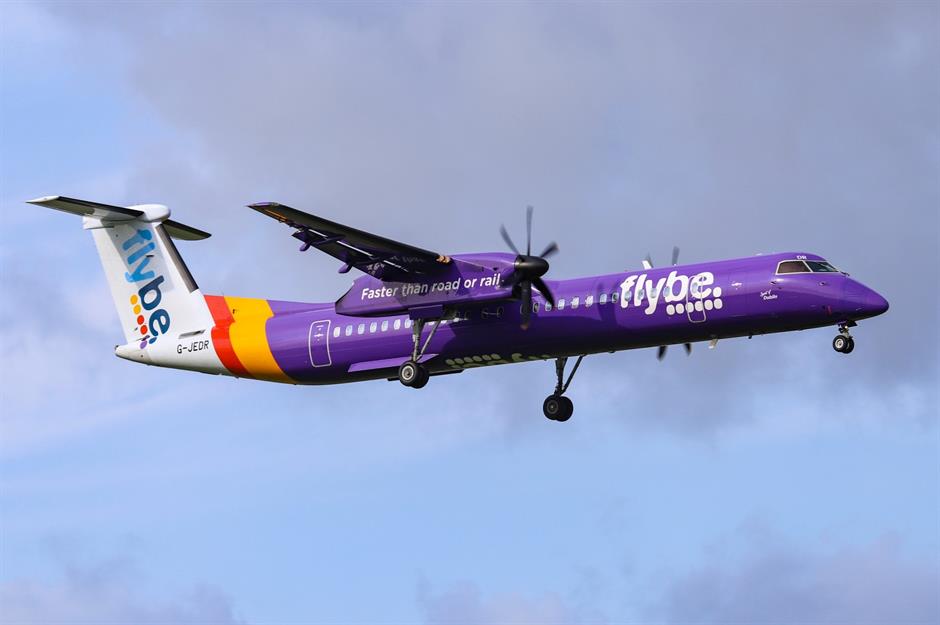
The airline, which was once responsible for more than a third of UK domestic flights, planned to operate over 500 journeys a week across 23 different routes when it bounced back in 2022. But its wings were ultimately clipped at the start of 2023, with the termination of its trading and the cancellation of all its flights. Flybe was officially dissolved, leaving behind substantial debts.
Czech Airlines, 1923-2024
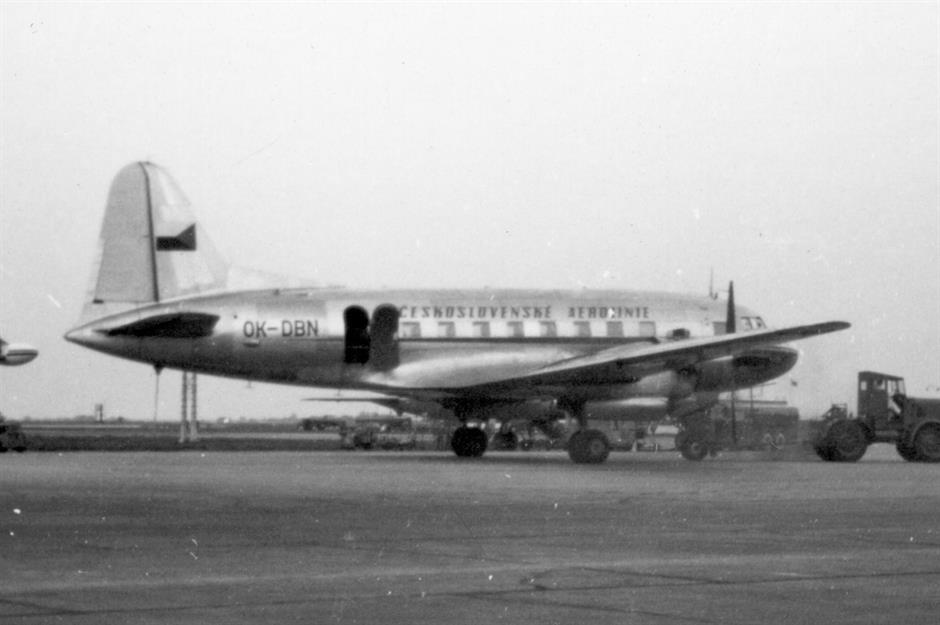
Czech Airlines had just celebrated its centenary when it ceased operations on 26 October 2024, as its final flight completed its journey from Paris Charles de Gaulle Airport to Prague. The former flag carrier not only of Czechia but also of Czechoslovakia, a large central European republic that lasted from 1918 to 1992, the defunct airline was repurposed as a holding company for budget Czech carrier Smartwings, which also took over its remaining routes.
Sponsored Content
Czech Airlines, 1923-2024
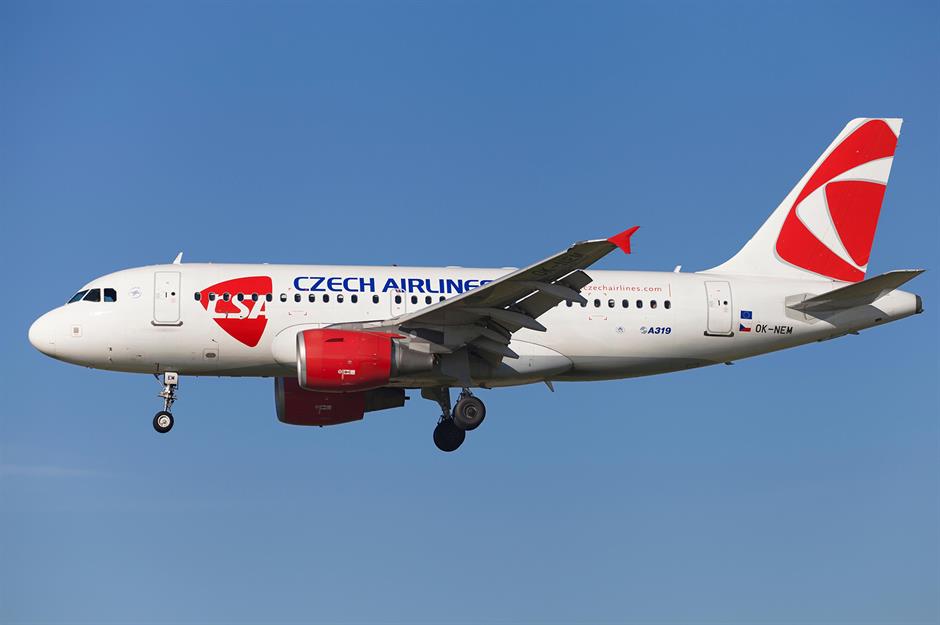
Founded in 1923 as Czechoslovak State Airlines, the airline spent much of the 20th century under Soviet influence and flew mostly Soviet-made craft. It switched to more modern, Western-made planes in the 1990s, but was brought down by the 2008 financial crisis, competition from budget operators, and the COVID-19 pandemic. When it folded, Czech Airlines was the fifth-oldest airline in the world – after KLM, Avianca, Qantas and Aeroflot.