The amazing tourist attractions ruined by commercialisation
Victims of their own success
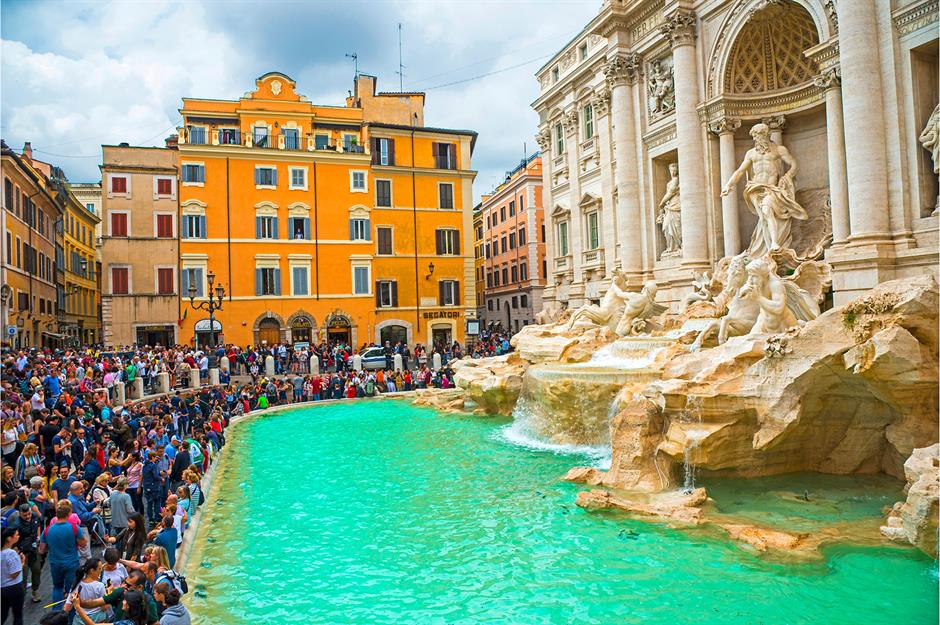
Some of the world’s most historic and beautiful attractions are being damaged by mass tourism, undermined by commercialisation or just tarnished by the selfie-crazy masses.
From uncomfortable overcrowding and tacky souvenir stores to physical damage inflicted by a constant flow of visitors, we look at the impact commercialisation has had on some bucket-list destinations.
Click through the gallery to see the places around the world suffering from commercialisation and overtourism...
Mount Everest, Nepal
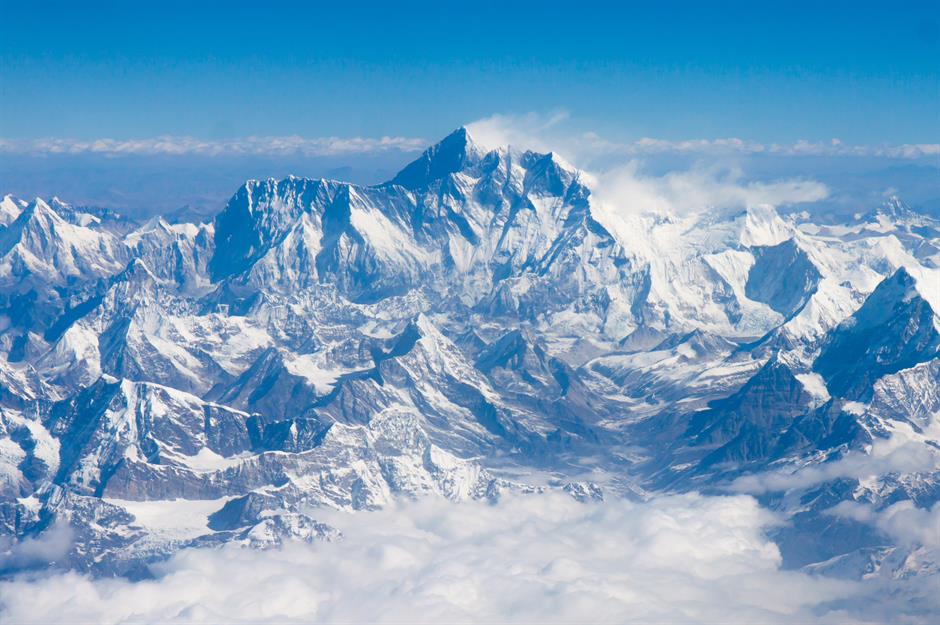
Mountain climbing and trekking on Everest is now a huge commercial operation. Between 700 and 1,000 people attempt to climb the world's tallest mountain each year.
Its summit was first conquered in 1953, when overcrowding was definitely less of a concern.
Mount Everest, Nepal
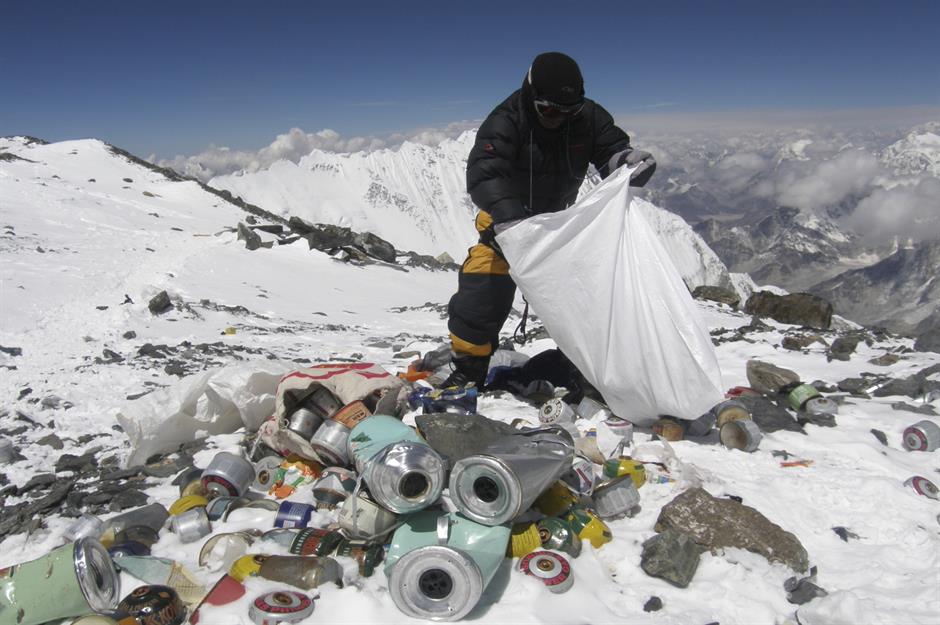
In 2025, 846 climbers successfully reached the summit while thousands more trekked around the mighty peak. Unfortunately, this boom in tourism has left Mount Everest covered in debris too – huge piles of rubbish are left behind on the mountain, not to mention human waste and, sadly, some bodies.
The overuse of trekking poles is also eroding the terrain and a dependence on tourism has changed the face of many Himalayan villages.
Sponsored Content
Machu Picchu, Peru
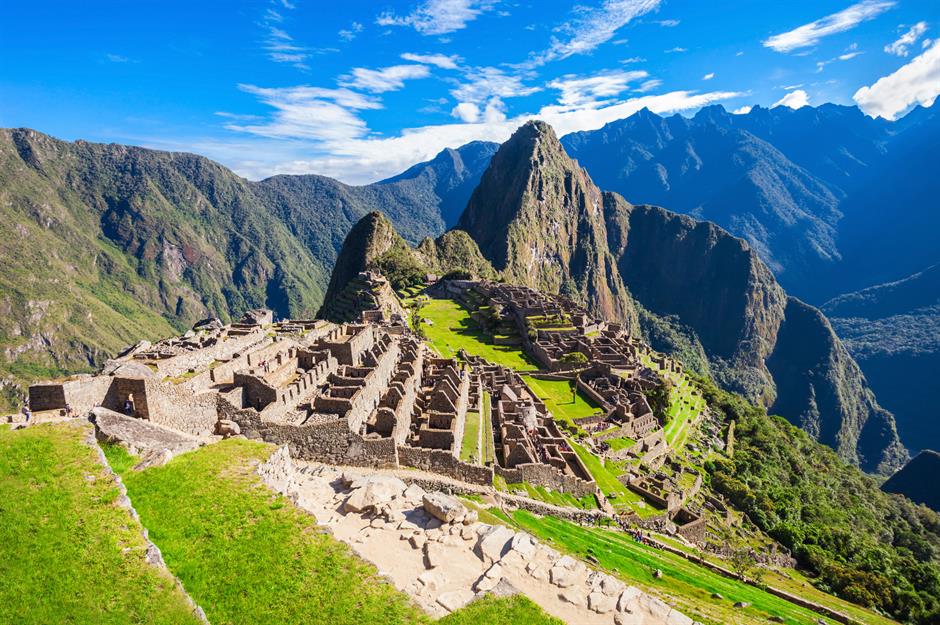
Peru's national treasure tops many people's travel bucket lists. The lofty 'lost' Andean city is truly awe-inspiring, but the fragile site is suffering from its popularity.
Rediscovered by American explorer Hiram Bingham in 1911, the city housed a maximum population of 1,000 at its peak, but visitor numbers have now risen to 5,600 per day in peak season, putting enormous pressure on the monument’s paths and steps.
Machu Picchu, Peru
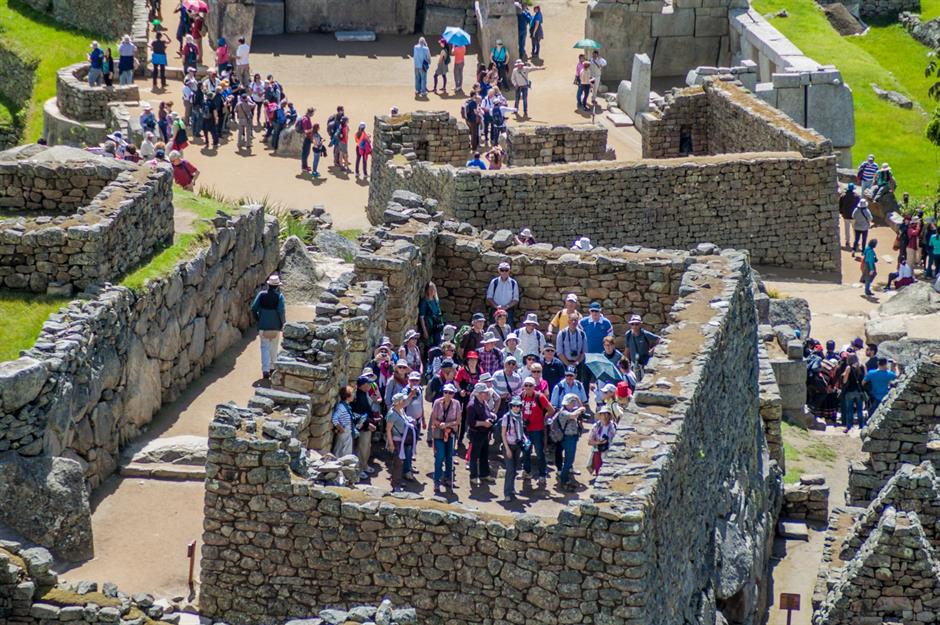
In 2024, the Peruvian government introduced a new visitor management system to limit the impact of overtourism, with timed entry, 10 designated circuits, and a limit of 2,400 people allowed to be within the magnificent Inca citadel at any one time.
Concerns about preserving Machu Picchu’s integrity continue despite the crowd management initiatives, given that daily visitor numbers may significantly exceed the ideal or historically recommended thresholds.
Teotihuacan, Mexico
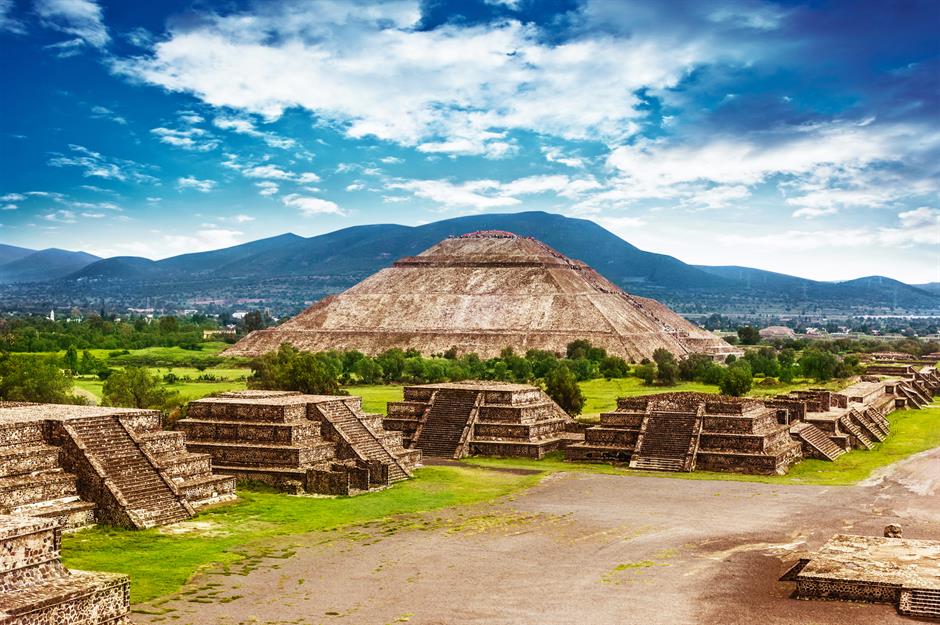
One of Mexico's most magnificent and mysterious ancient cities, Teotihuacan is best known for its two huge pyramids: the Pyramid of the Sun and the Pyramid of the Moon.
An easy day trip from Mexico City, these mighty temples are one of the country's most-visited archaeological sites, attracting millions of visitors every year.
Sponsored Content
Teotihuacan, Mexico
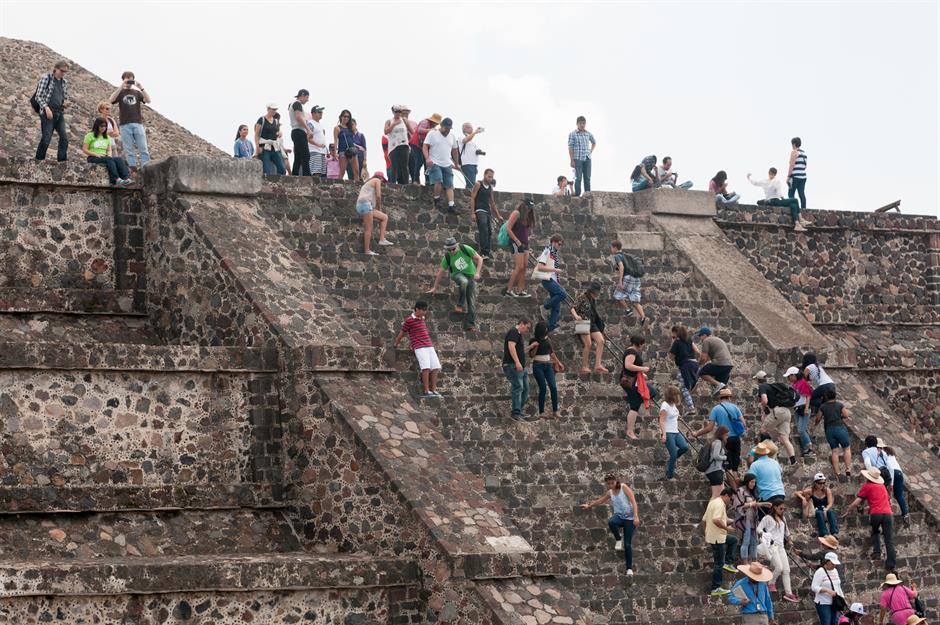
Unsurprisingly, Teotihuacan can be swarmed by vendors too, keen to sell their wares to the visiting crowds. The site gets especially hectic during the spring and autumn equinoxes when thousands descend, believing the structures possess a special energy.
While it’s no longer possible to climb on certain precious monuments (as pictured), as there were concerns about the damage this inflicted, visitors can now climb the first platform of the Pyramid of the Moon. After five years, this part has reopened but with strict rules in place.
The Great Barrier Reef, Australia
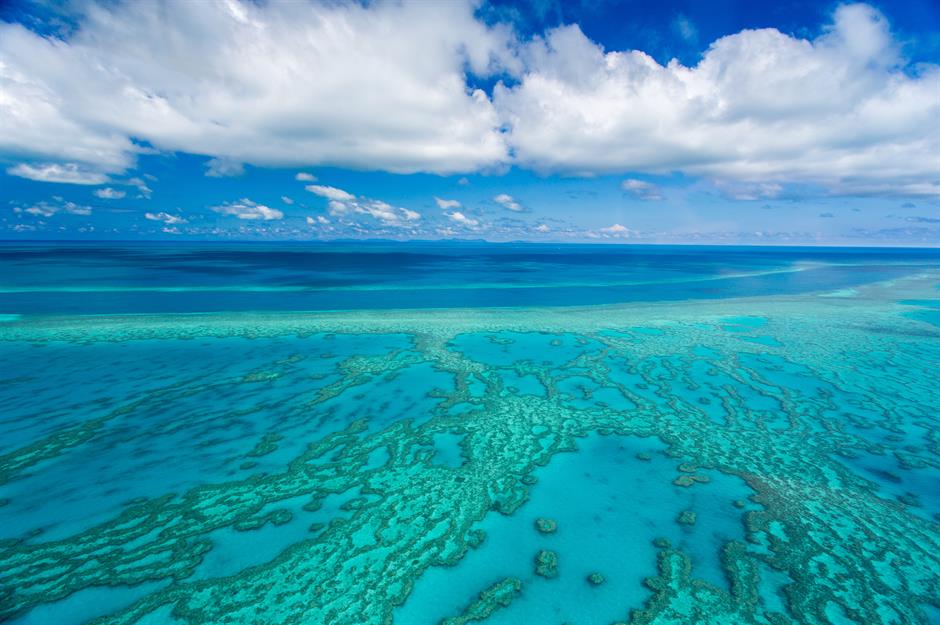
One of the world's seven natural wonders, Australia's Great Barrier Reef stretches 1,430 miles (2,301km) along the Queensland coast. A huge tourism industry has developed in resorts all along the coast to ferry tourists out to see the underwater splendours of the World Heritage-listed marine park.
The reef receives around two million visitors a year.
The Great Barrier Reef, Australia
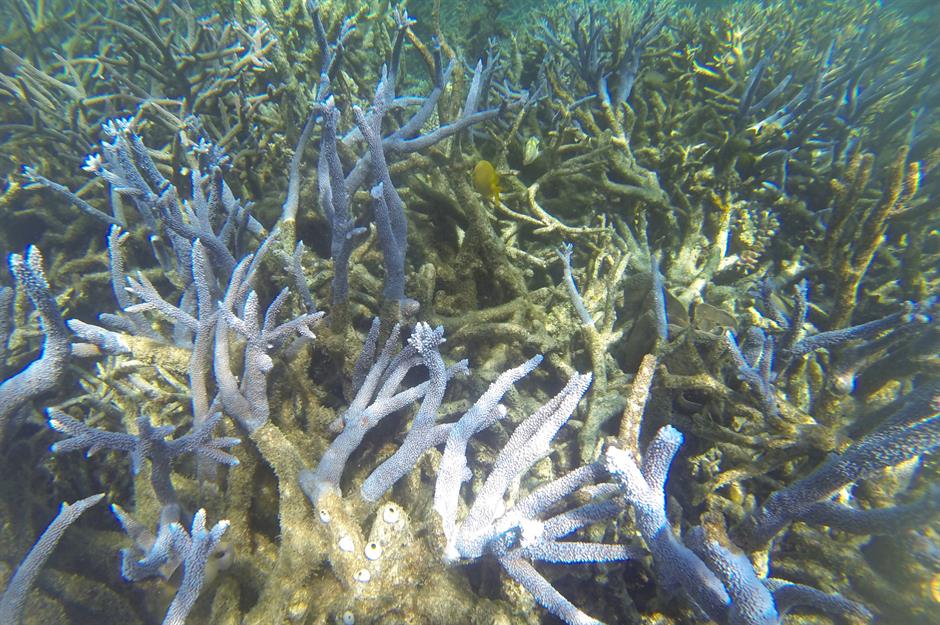
As well as the worrying effect of careless tourists on the health of the world's largest coral reef ecosystem, the sheer number of boats heading out to the reef can be off-putting. There are approximately 820 operators and 1,500 vessels operating in the marine park, and you can find yourself elbow-to-elbow with fellow snorkellers as you try to ogle a clownfish.
Book a small boat tour, preferably to the outer reef or islands, to avoid sharing the water with hundreds of other day-trippers
Sponsored Content
The Great Wall of China, China
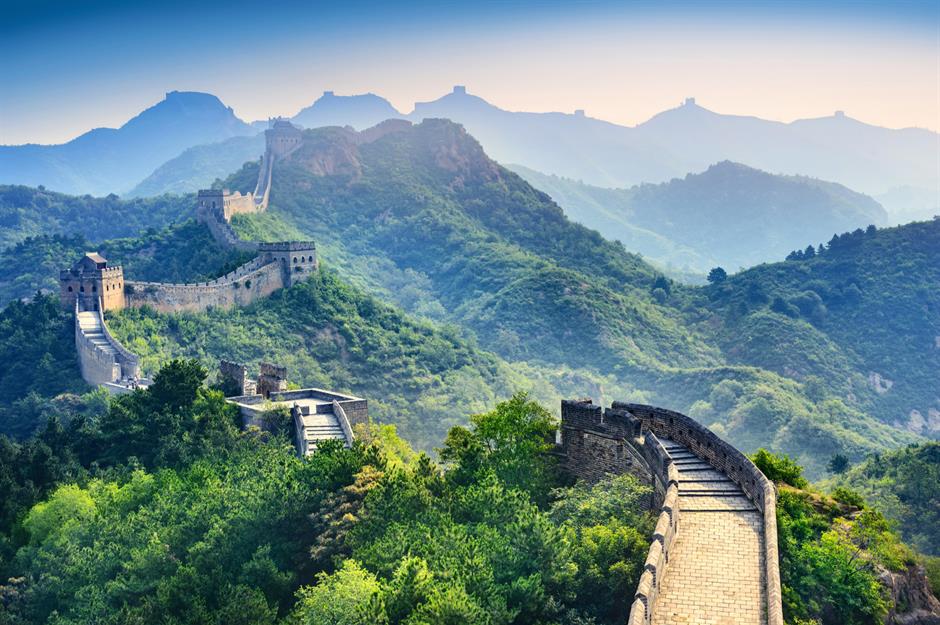
Construction of this epic fortification, which extends thousands of miles in sections from Shanhaiguan on China's east coast to Jiayuguan in the west, first began in 771 BC. It was built as a mighty line of defence against enemy invasions.
Large parts of the Great Wall were built during the Ming Dynasty of 1368-1644.
The Great Wall of China, China
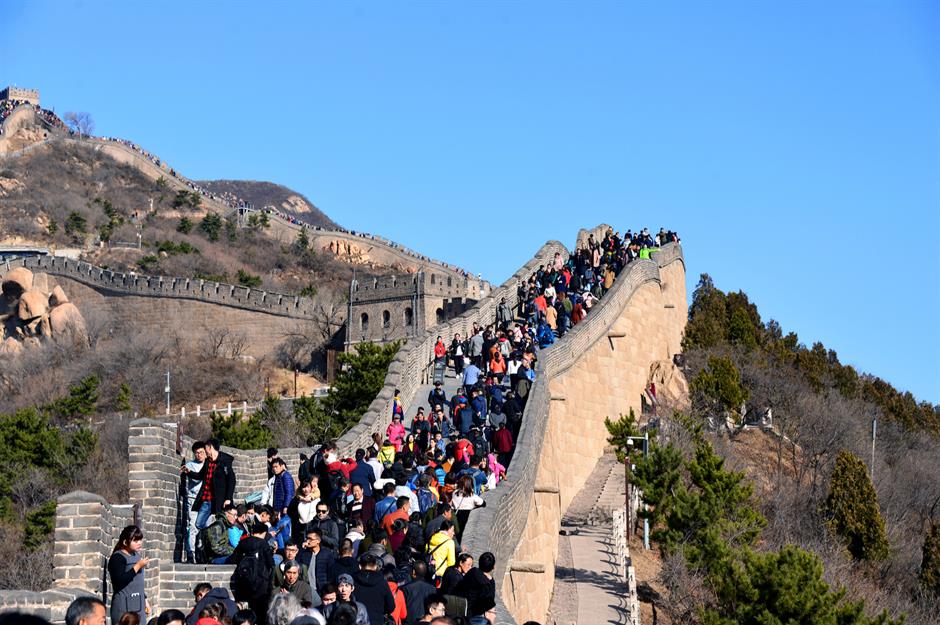
Ironically, however, the country's most significant historic site, which attracts over 10 million visitors annually, has faced a more alarming assault.
It has suffered considerable damage from overtourism over the years, as well as vandals stealing bricks or leaving graffiti. The most-visited sections of the monument are those north of the capital, Beijing, such as Badaling, which has now limited visitor numbers to 65,000 people per day.
Galapagos Islands, Ecuador
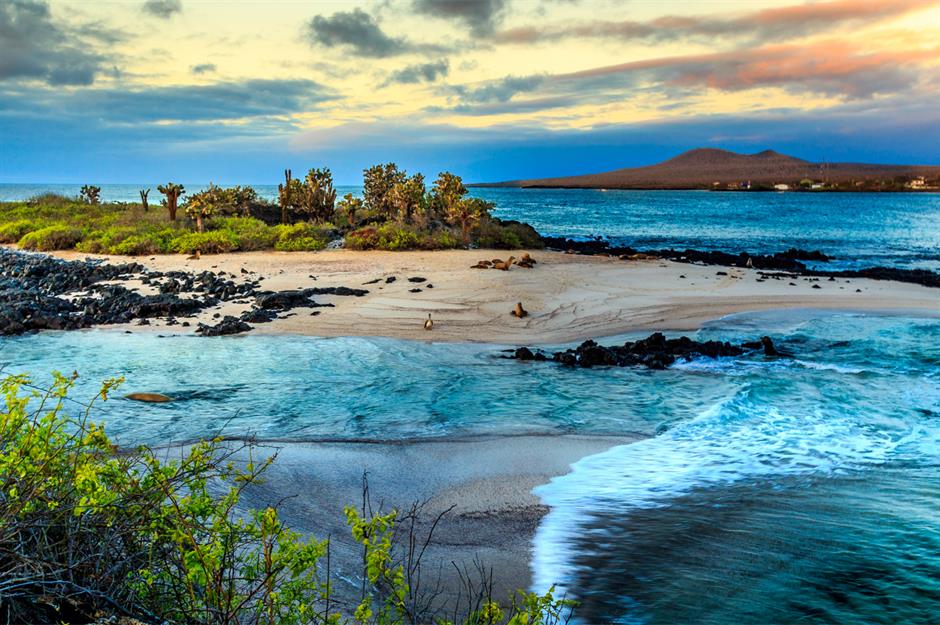
Once a remote and isolated archipelago, the Galapagos have experienced a boom in tourism, with people desperate to see their natural wonders. There were 1,000 tourists per year in the 1960s, when tourism first began, but that number has swelled to around 300,000 today.
There are major concerns about tourism and its impact on the once-pristine environment, and they were listed as an endangered UNESCO World Heritage Site in 2007.
Sponsored Content
Galapagos Islands, Ecuador
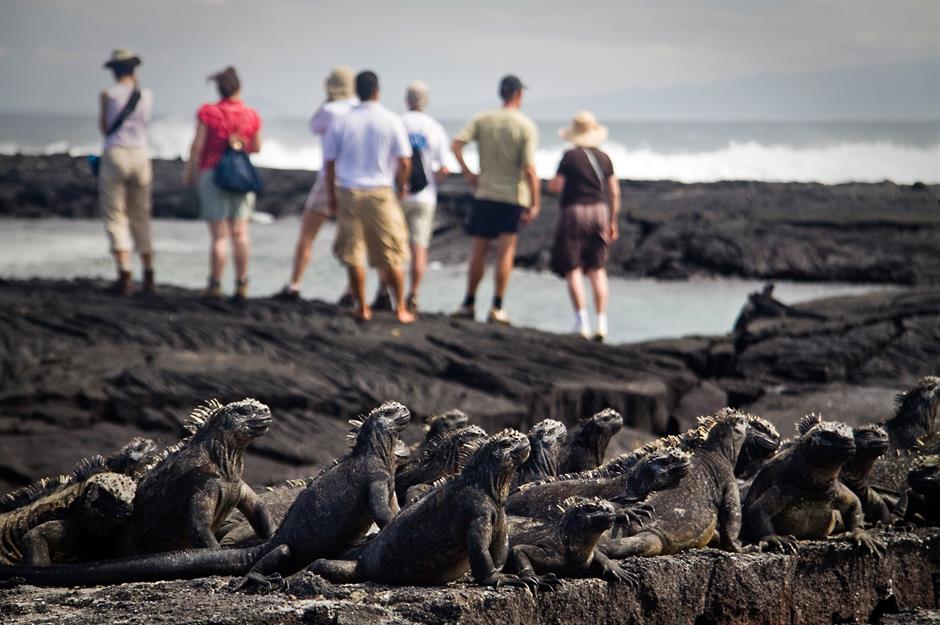
If you're expecting an edge-of-the-world paradise, you'll be disappointed. There's been a massive population growth to match the tourist influx – evident in the souvenir shop-laden Puerto Ayora, Santa Cruz's main town.
Tighter regulations are now in place to help preserve the fragile ecology and extraordinarily diverse wildlife, with limitations on boats, but you may have to dodge fellow camera-wielding visitors as you attempt to snap the photogenic locals.
Stonehenge, England, UK
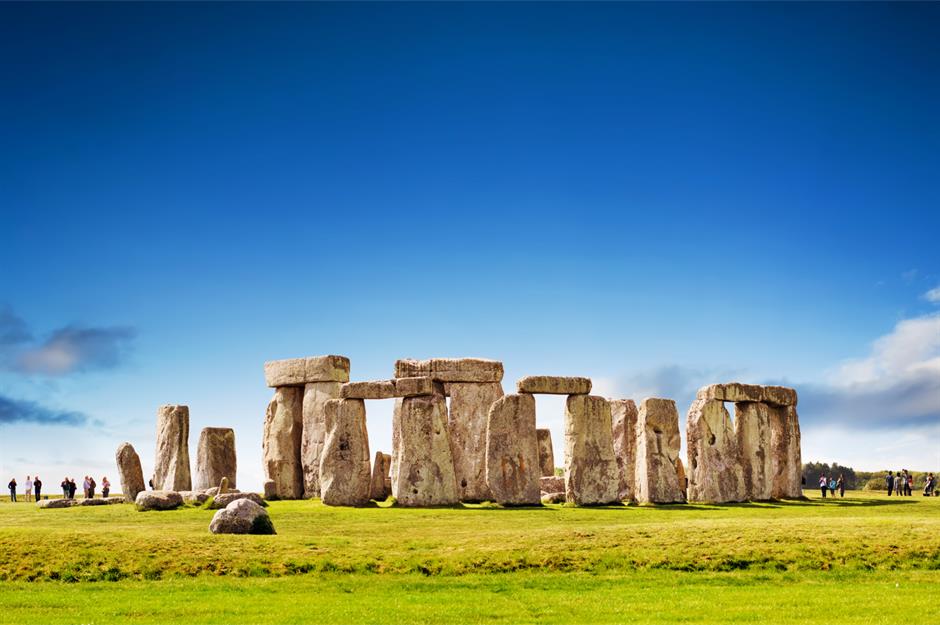
Britain's most famous ancient landmark has lured visitors and pagan worshippers for thousands of years. Up until 1978, the public could wander freely among the prehistoric stones.
Eventually, they were fenced off due to fears of damage as the number of people entering the site grew.
Stonehenge, England, UK
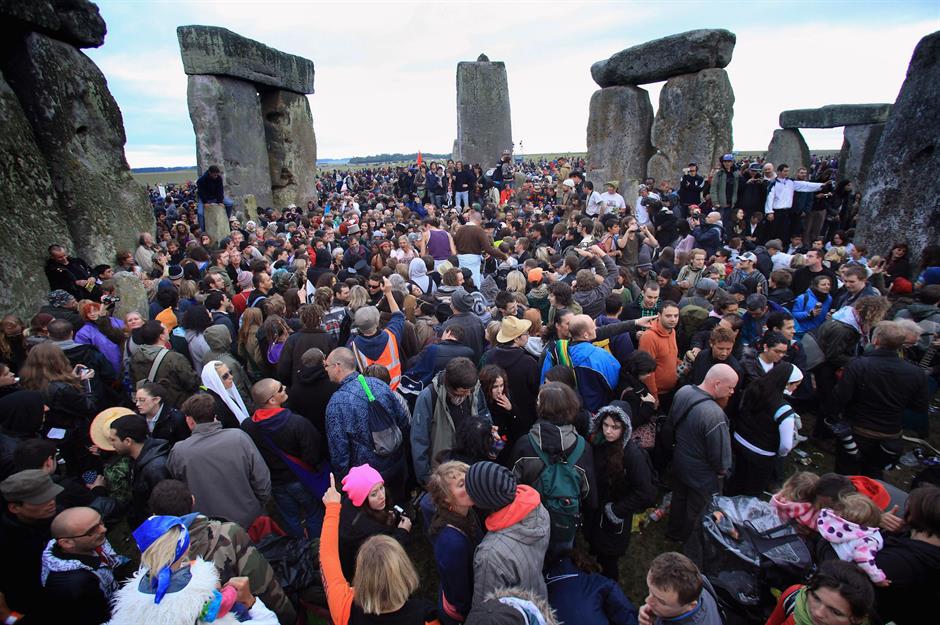
Today, a visit to the enigmatic structure can be sadly underwhelming due to a procession of coach parties and the hum of the traffic-clogged main road nearby. During the summer solstice, the stones are fenced off as thousands of revellers arrive to see in the dawn of a new day.
Despite ongoing controversies around the site, the opening of a £27.5 million ($35.7m) visitor centre in 2013 has done much to improve the landscape and overall visitor experience.
Sponsored Content
Petra, Jordan
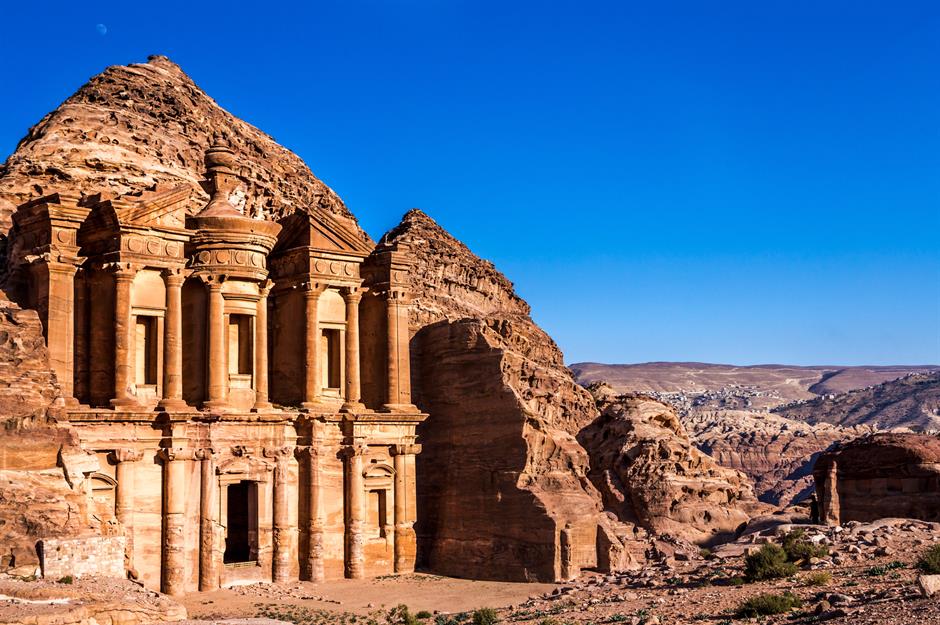
Lost in the desert for more than 1,000 years, this spectacular, rose-coloured ancient city is now Jordan's biggest tourist attraction and one of the world's most famous heritage sites.
Although visitor numbers have decreased here, as they have across the Middle East due to safety concerns relating to the war in Gaza, tourism is still taking its toll.
Petra, Jordan
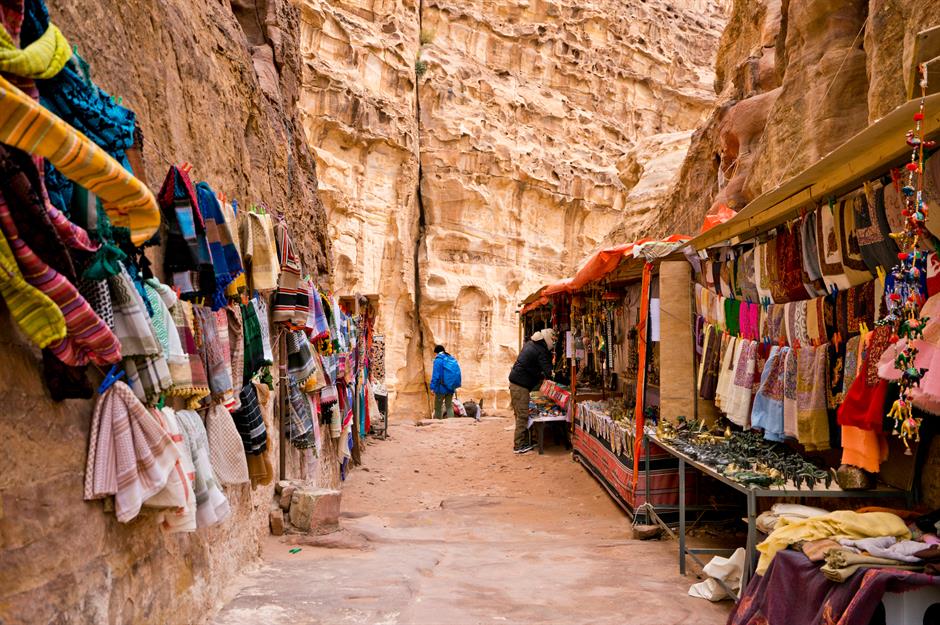
Dangers to the precious sandstone structure include tourists riding donkeys up the steps to the monastery, or simply people walking around or leaning on walls. Litter is another blight on the ancient treasure.
Be sure to double-check FCDO and US Department of State advice before you travel to Jordan.
Lascaux, France
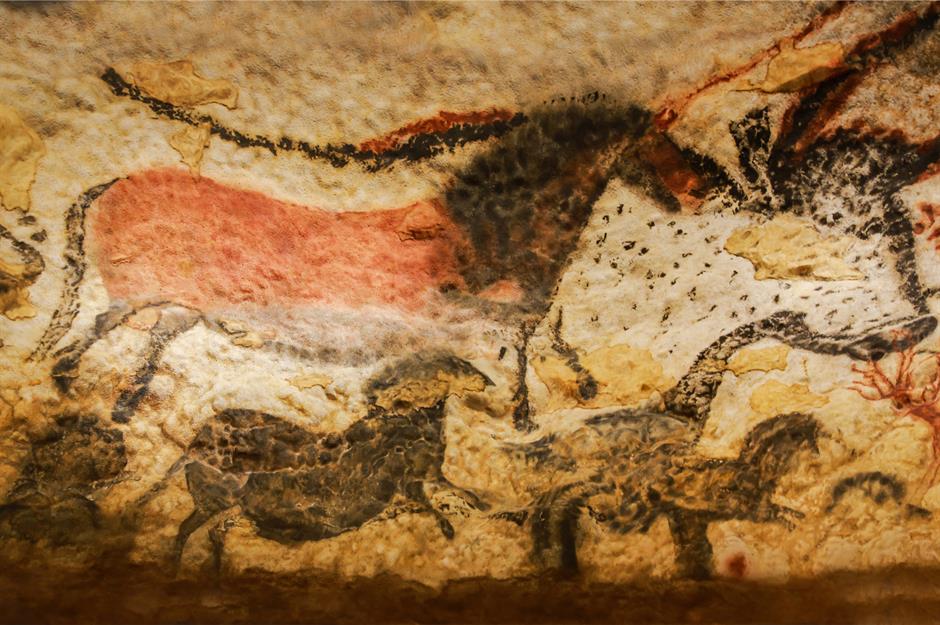
The mere breath of tourists within the prehistoric cave of Lascaux in the Dordogne caused such permanent damage that it was closed indefinitely.
The incredible display of around 600 cave paintings was discovered by teenage boys in 1940 and opened to the public in 1948.
Sponsored Content
Lascaux, France
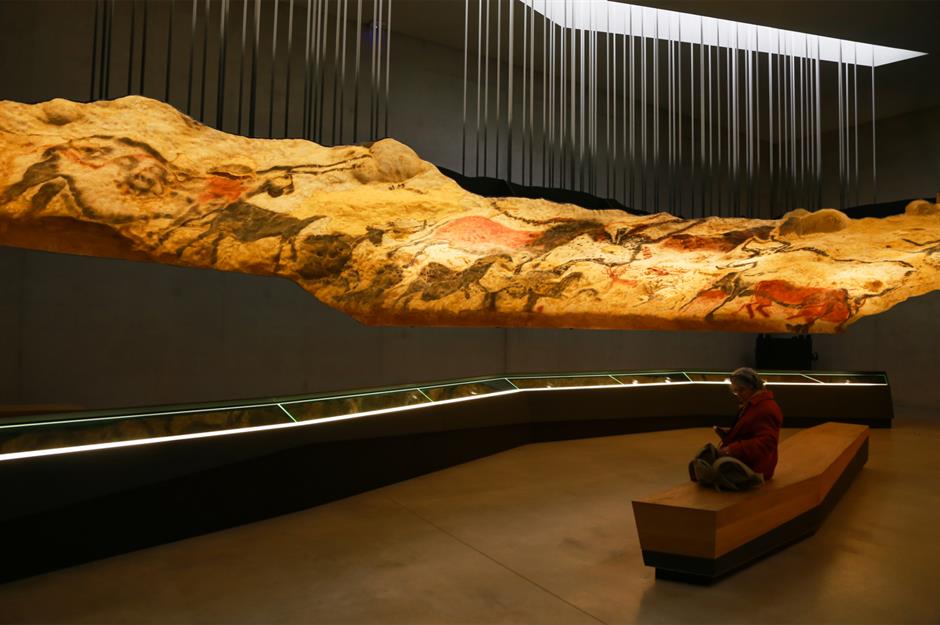
Thousands flocked to see them, changing the caves' atmosphere and causing algae and crystals to irreparably damage the artwork. While you might not get to see the real thing, a spectacular and complete replica of France's most celebrated cave art opened in 2016.
The striking centre is set at the foot of the hill where the original cave art was found and is known as Lascaux 4.
The Valley of the Kings, Egypt
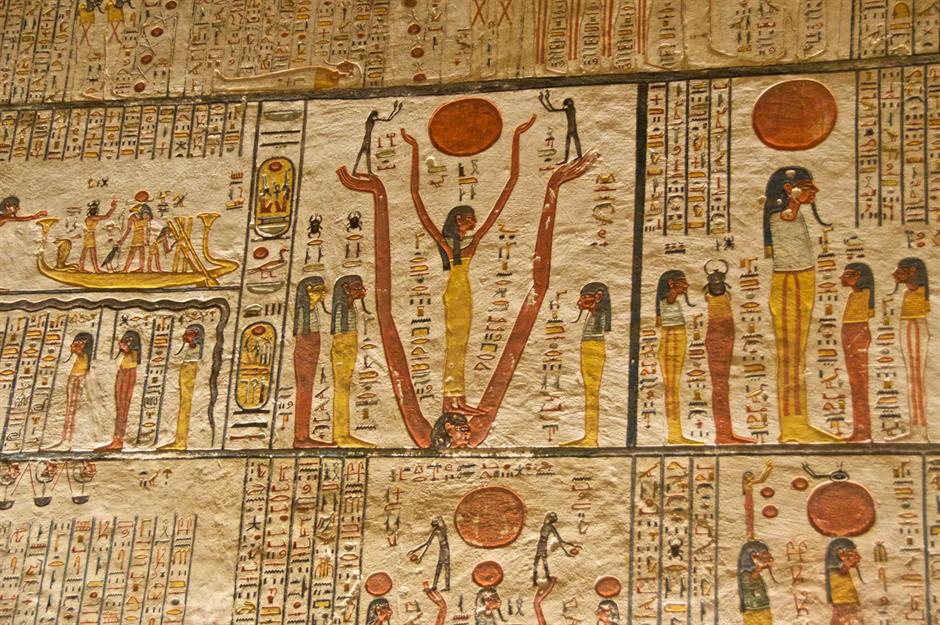
Another replica of a threatened heritage site was opened in the Valley of the Kings in 2014. An exact copy of the burial site of King Tutankhamun was painstakingly created after the original tomb was closed for restoration by the Department of Antiquities.
The Valley of the Kings, Egypt
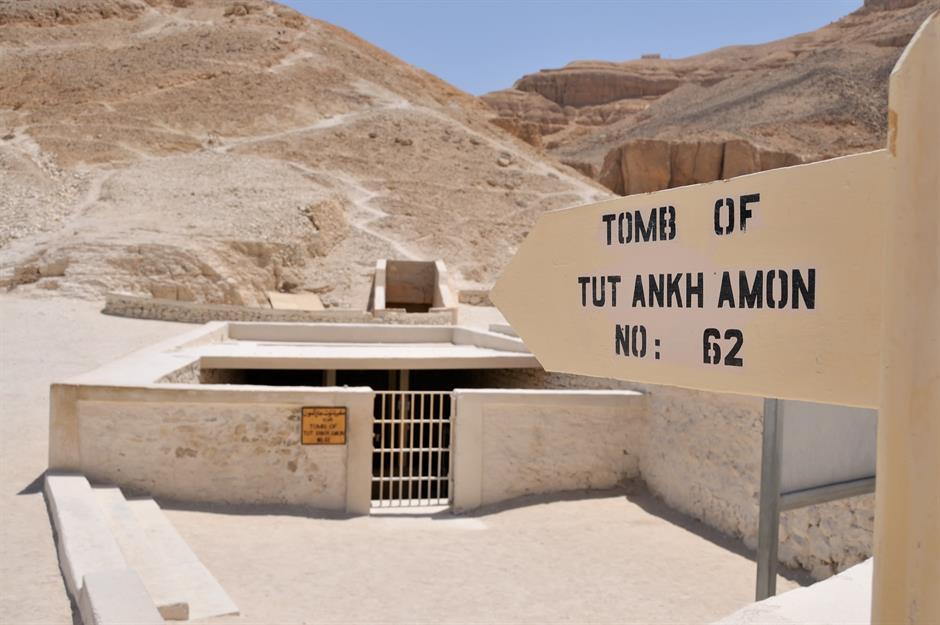
The painted burial chamber of the young pharaoh was showing the strains of countless heavy-breathing tourists pouring into it since it was first discovered by archaeologist Howard Carter in 1922.
It has since reopened with physical barriers and a new ventilation system.
Sponsored Content
Angkor Wat, Cambodia
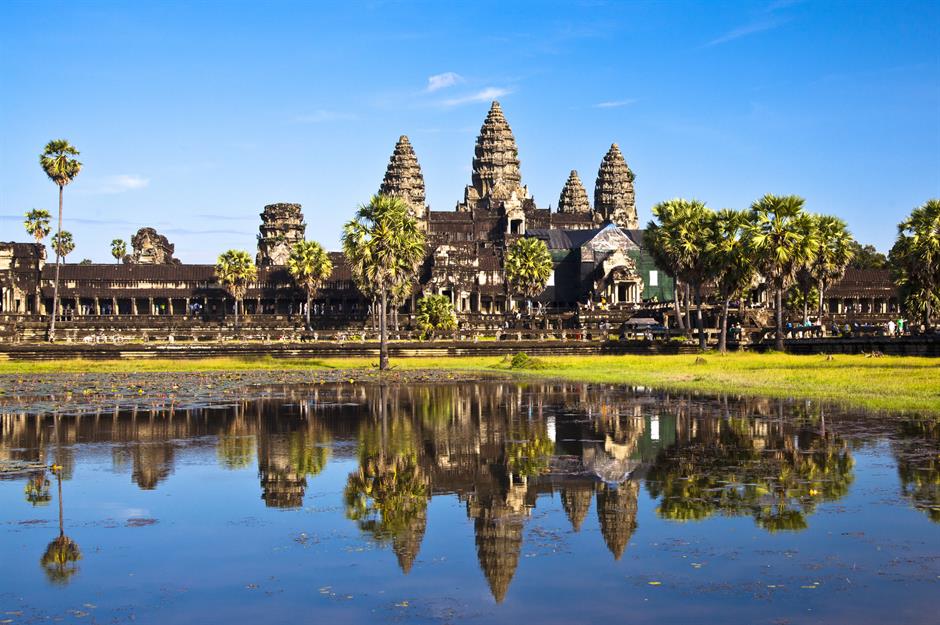
The jewel in Cambodia's tourism crown, Angkor Wat pulls in hundreds of thousands of tourists a year. The vast temple complex may have survived the ravages of time, nature and civil war but the impact of mass tourism is concerning.
Controversially, authorities nearly doubled the entry ticket price for foreigners back in 2017, partly as an attempt to curb numbers.
Angkor Wat, Cambodia
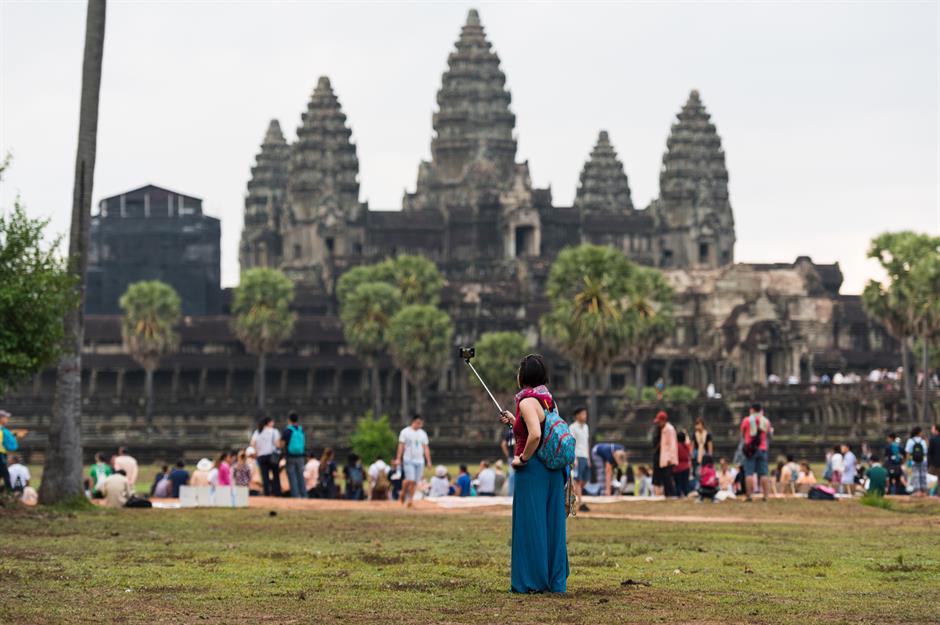
If it's spiritual serenity you're after, then you'll be sorely disappointed as you edge past selfie-taking tourists at this holy site. Since the Nineties, visitor numbers have leapt from 7,650 in 1993 to more than one million in 2024.
Although 2025 saw slightly less visitors at 955,131, the steep influx has not just ruined the magic of discovering this 'lost' wonder but has also taken its toll on the delicate sandstone structures, as people clambering up the narrow staircases and bottlenecks cause them to brush past its intricate carvings.
The Acropolis, Greece
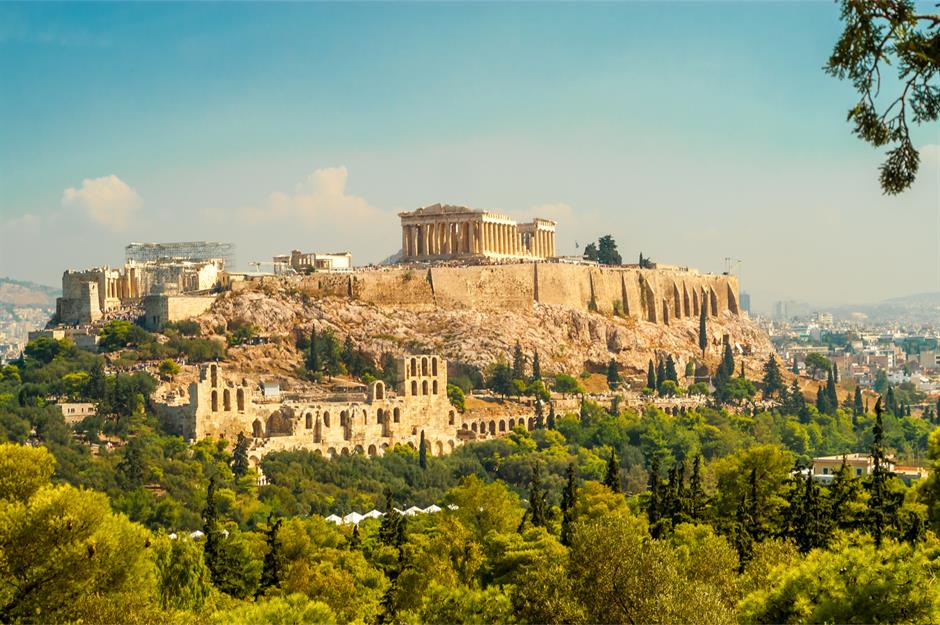
Just about wherever you go in Athens, you can catch a glimpse of the magnificent sacred citadel that has stood above the city for millennia. While you expect to see a crumbling ruin, when you get up close, it might look a little more worn.
There has been inevitable wear and tear over the years as hordes of visitors ascend the mound, including significant erosion to the steps of the Propylaea, the Parthenon and the hill itself.
Sponsored Content
The Acropolis, Greece
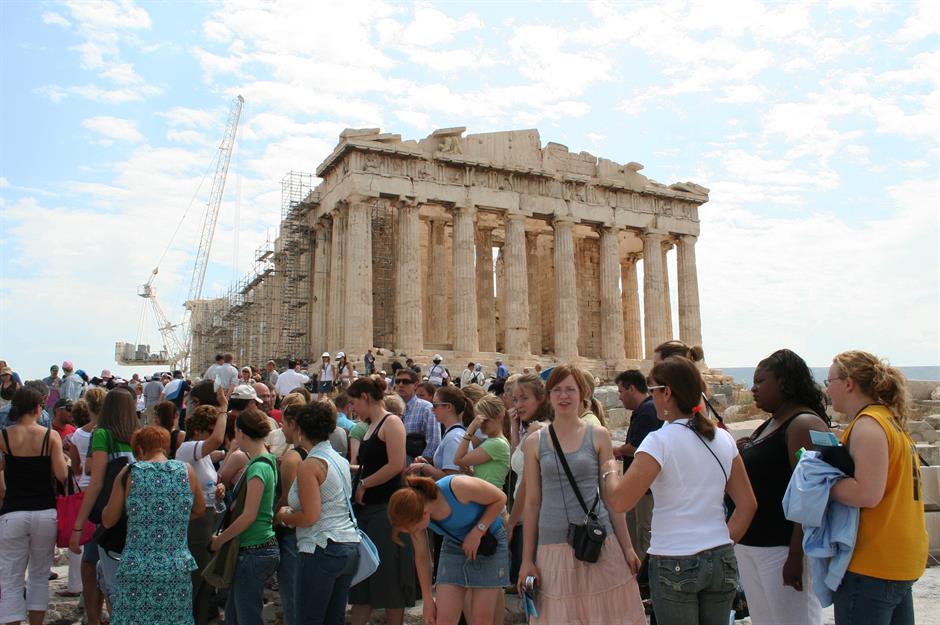
In an attempt to combat the damage, extensive restoration works (pictured) went on for decades – a lengthy process that was hindered by the country's financial woes. Happily, most of the scaffolding has now been removed, major construction work has wrapped up, and a new visitor cap means that a maximum of 20,000 people per day can enter the ancient site.
Previously, as many as 23,000 people could throng here each day.
The Sistine Chapel, Vatican City
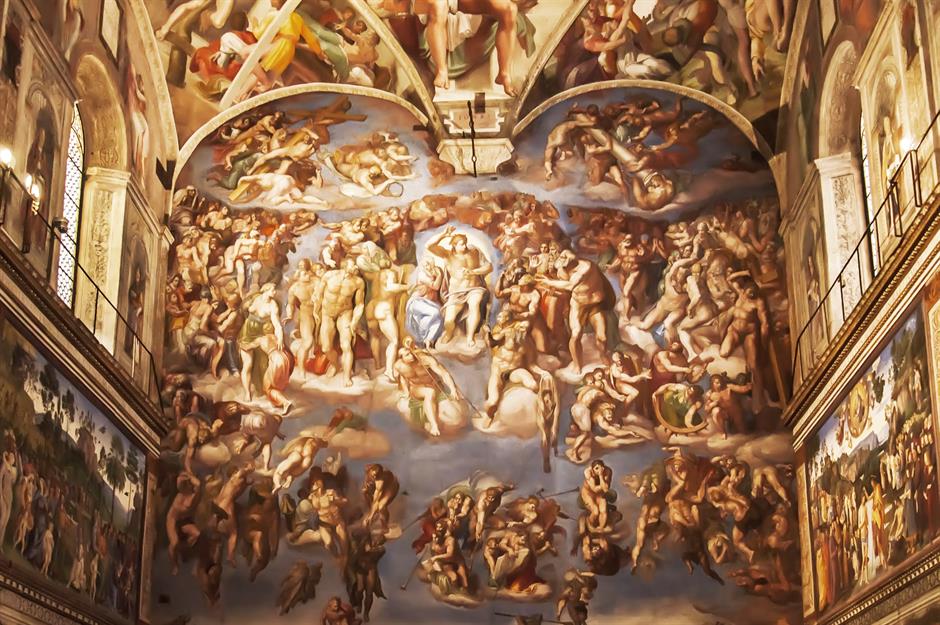
Michelangelo's renowned masterpiece – the ceiling of the Sistine Chapel – is undoubtedly breathtaking, but you might want to think twice before visiting.
Sadly, the experience of viewing Vatican City's most magnificent artwork can be a bit of a letdown – social media is awash with people complaining it's 'underwhelming' and 'overrated'.
The Sistine Chapel, Vatican City
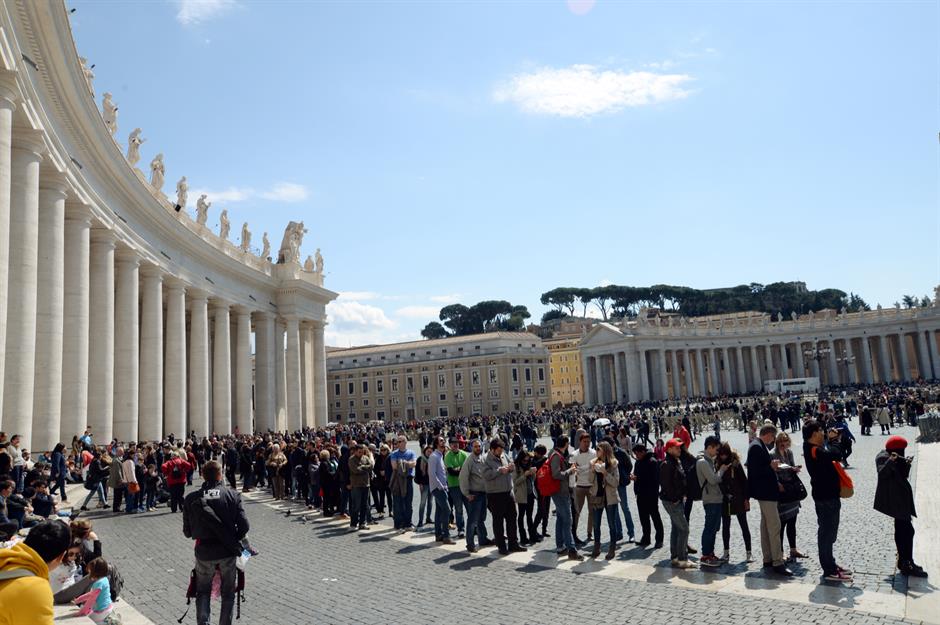
The queues to enter the Vatican Museums are horrendous (though you can buy more expensive ‘skip-the-line tickets’). Once you're in, you have to contend with huge crowds as you slowly traipse towards the chapel.
And as you finally peer up along with the neck-craning masses, you can't help but think about how your presence could be damaging the 500-year-old artwork – the millions of annual visitors have taken a toll on the integrity of the precious paintings.
Sponsored Content
The Pyramids of Giza, Egypt
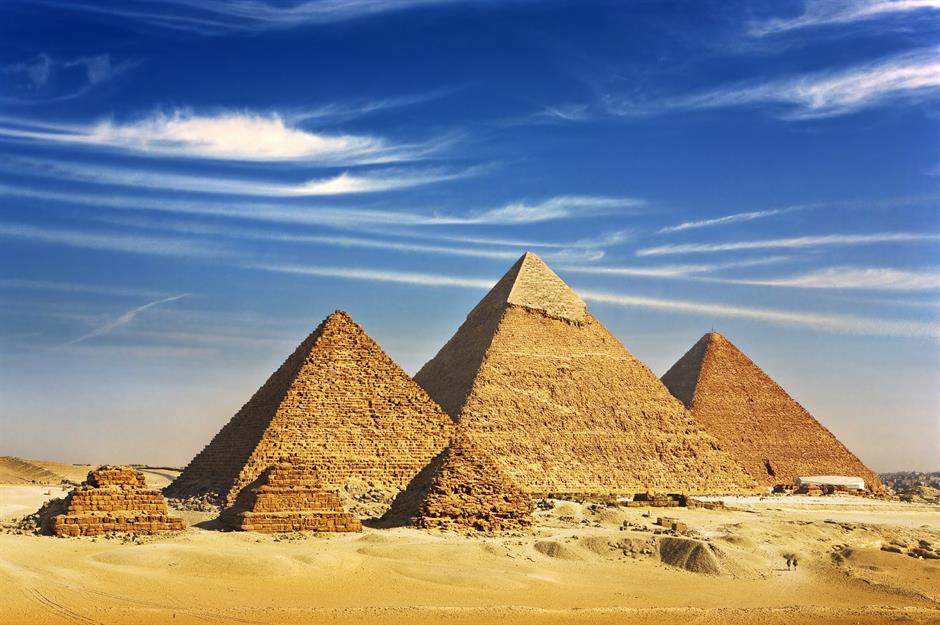
Built between 2584 BC and 2561 BC, the Great Pyramid of Giza is the only Seven Wonders of the Ancient World to survive, and has enthralled travellers for millennia.
As you see the gargantuan structure and the other pyramids rise from the desert just outside of Cairo, you can't help but be awed by the enormity of their size and history.
The Pyramids of Giza, Egypt
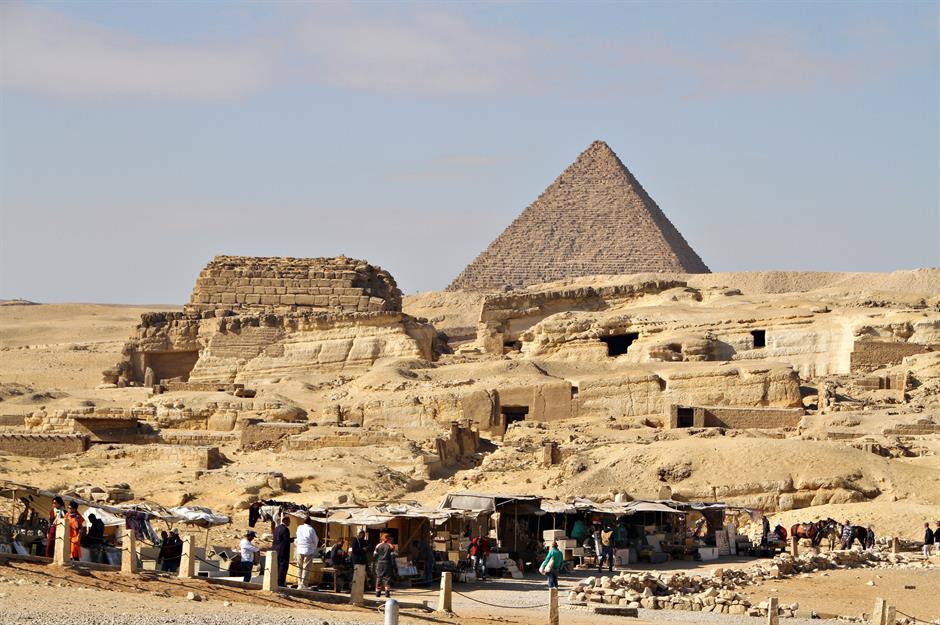
But the hassle you get from overzealous vendors can soon taint the experience, according to visitors. The ugly fast-food outlets and hastily constructed apartments that have been built near the Giza plateau are another unwelcome addition.
However, a visitor centre has opened in recent years to improve the tourist experience.
Taj Mahal, India
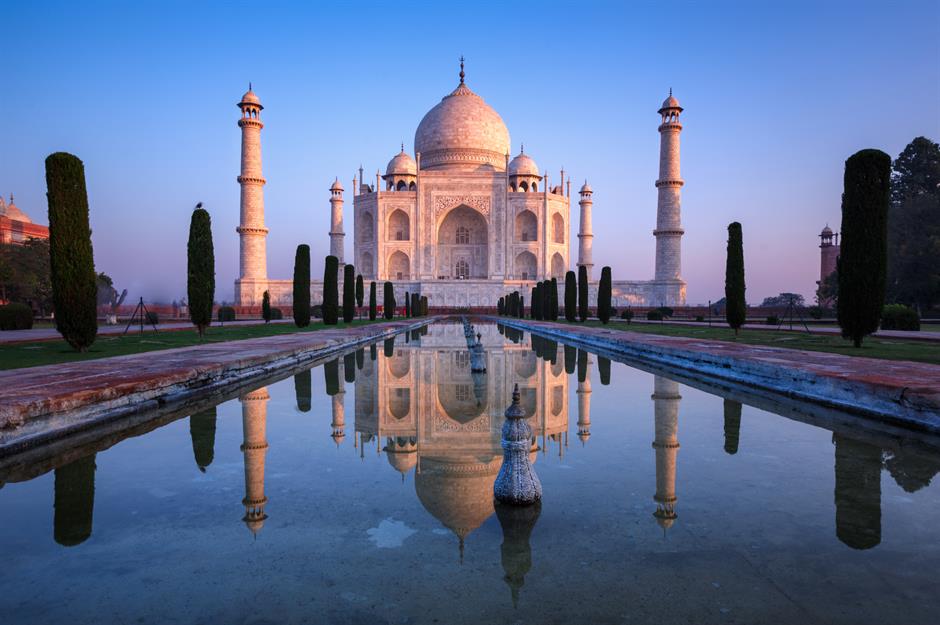
Built by Shah Jahan in memory of his beloved wife Mumtaz Mahal in the 17th century, the Taj Mahal is widely considered to be one of the world's most beautiful buildings.
And a beauty it is, but Mumtaz Mahal may well be turning in her grave at the tourist circus that has developed around her mausoleum.
Sponsored Content
Taj Mahal, India
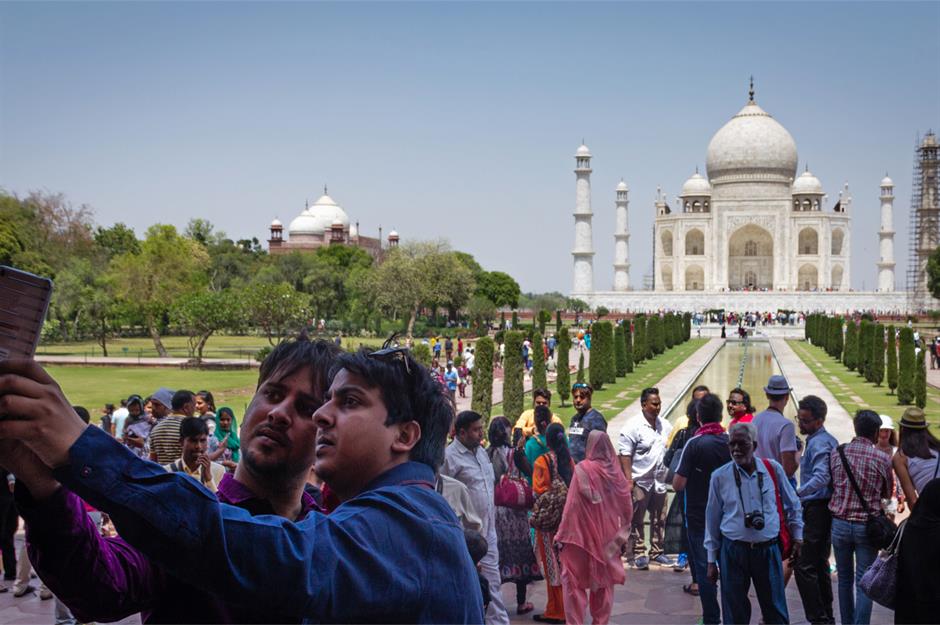
It can be hard to appreciate the beauty of the Mughal architecture when you're jostling with immense and excitable crowds to get a glimpse of the classic view – the marble monument reflected serenely in the lotus pond. Being confronted by a swell of people claiming to be guides, souvenir sellers and hawkers can also mar the experience.
However, visits are now limited to either morning or afternoon slots, meaning tourists can't stay all day.
Koh Phi Phi, Thailand
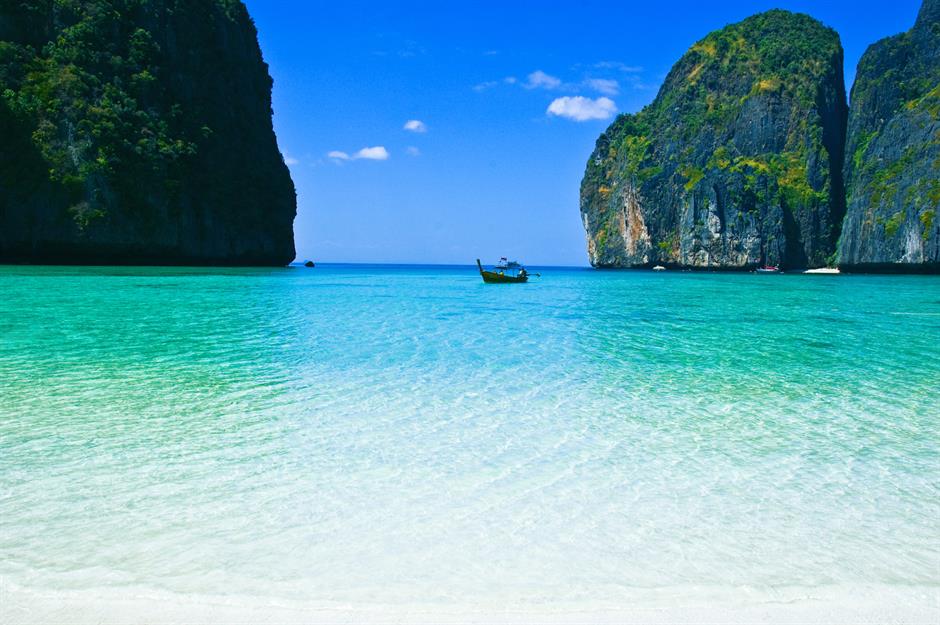
Since starring in Danny Boyle's 2000 film The Beach, Maya Bay on Koh Phi Phi has been a magnet for tourists, who arrive only to discover a place that's a far cry from the pristine beaches and clear waters of the film.
Clogged with boats and swarming crowds, the beach received up to 5,000 visitors a day and was forced to close due to overtourism.
Koh Phi Phi, Thailand
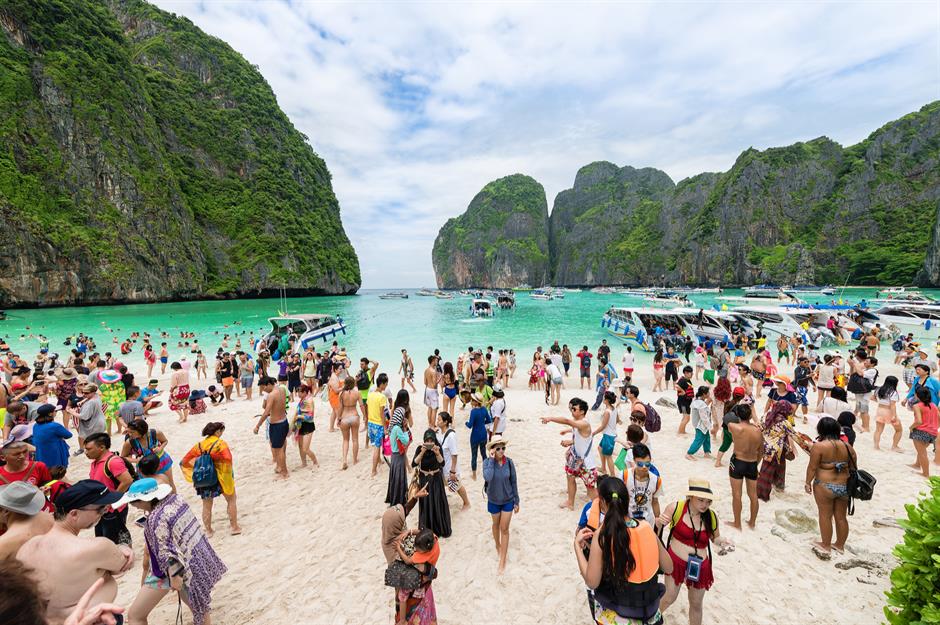
Hordes of tourists, hard-talking boat trip vendors and piles of rubbish made this beauty spot anything but a paradise. The victim of its own popularity, Koh Phi Phi was critically damaged from overtourism.
The beach was closed from 2018 to 2023 to rehabilitate the bay’s ecosystem, and there are now plans to restrict visitor numbers to around 4,000 per day, with only 300 people allowed in at a time, with an hour-long time slot.
Sponsored Content
Easter Island, Chile
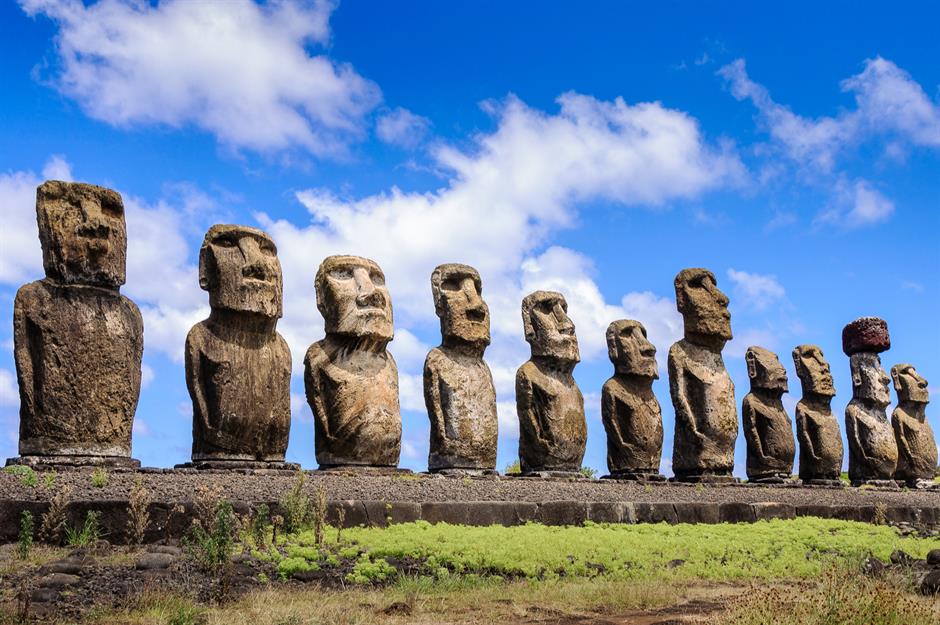
The remote Chilean island Rapa Nui (or Easter Island as it's also known) in the Pacific Ocean has seen its tourism industry really take off in recent years.
Its incredible moai – giant stone statues – have made the island famous across the world and millions want to see them.
Easter Island, Chile
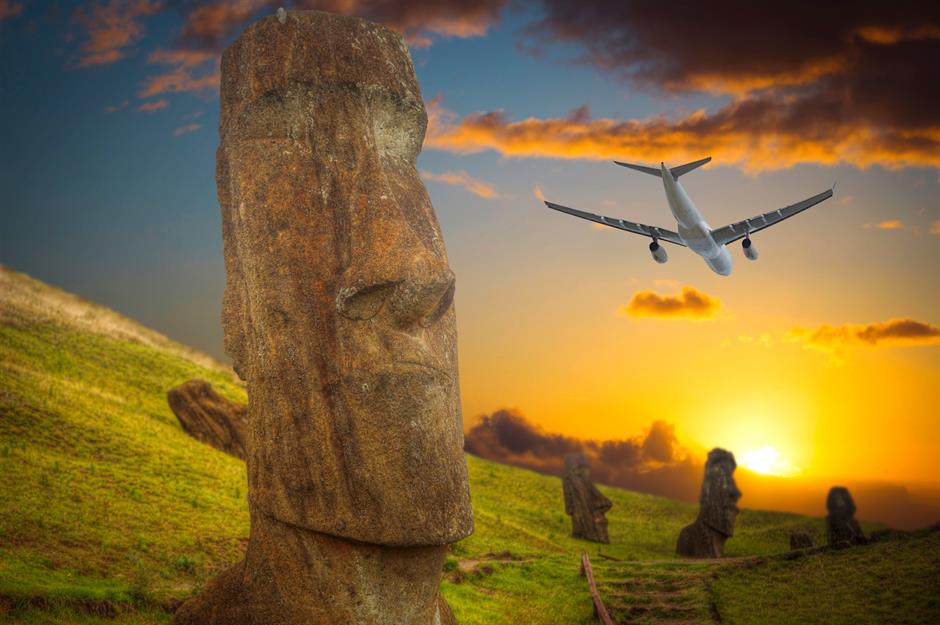
Similar to the isolated Galapagos, there has been a surge in increasingly affordable flights and cruise ships stopping at the tiny island. So much so that it has many Rapa Nui people worried about the impact of tourism on their cultural heritage and fragile environment.
There have been reports of tourists climbing on the statues or vandalising them. A swelling population and concerns around waste management are also of huge concern.
Uluru, Australia
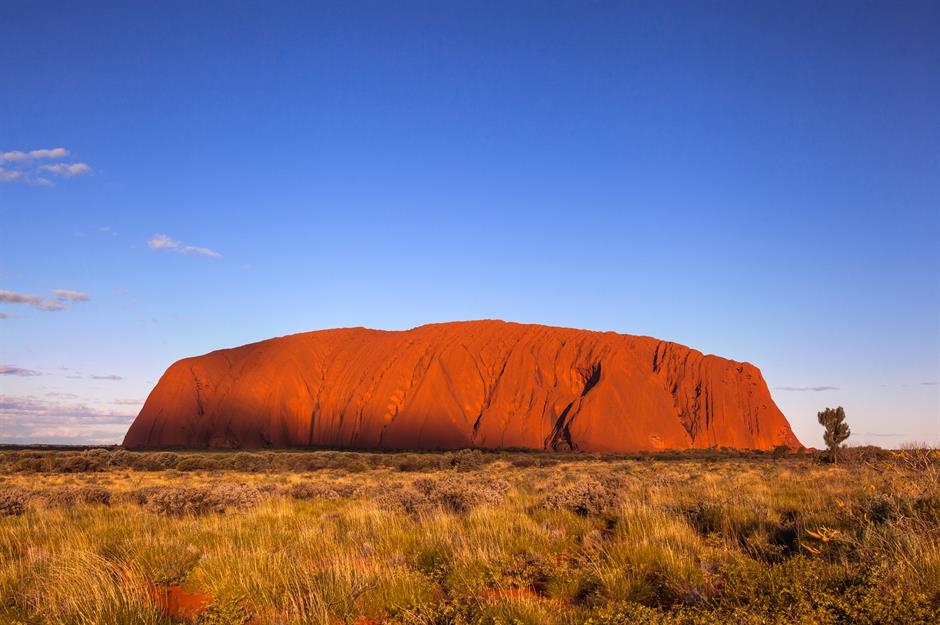
Outback scenery doesn't get more epic than at Uluru-Kata Tjuta National Park in Australia's Northern Territory, where the spectacular sacred rock Uluru rises dramatically from the flat scrubland.
The nearest town, Alice Springs, might be a five-hour drive away, but for all of its remoteness, it can get pretty busy with visitors at peak times of the year.
Sponsored Content
Uluru, Australia
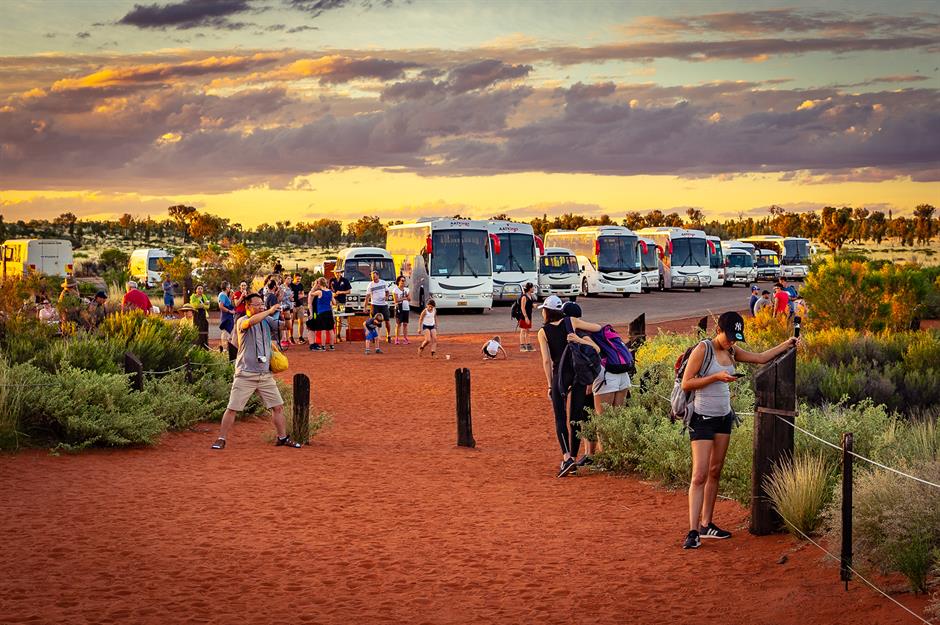
While it's possible to enjoy a relatively peaceful stroll around the base of the monolith, if you want to see the famed change of colours at sunrise and sunset, be prepared for company. A noisy crowd of coach parties, tour groups and backpackers congregate at the roadside for breakfast, drinks and barbecues as they watch the rock glow various shades of red and pink.
Since 2019, it has no longer been possible to climb Uluru, which is sacred to the Indigenous Anangu peoples.
Halong Bay, Vietnam
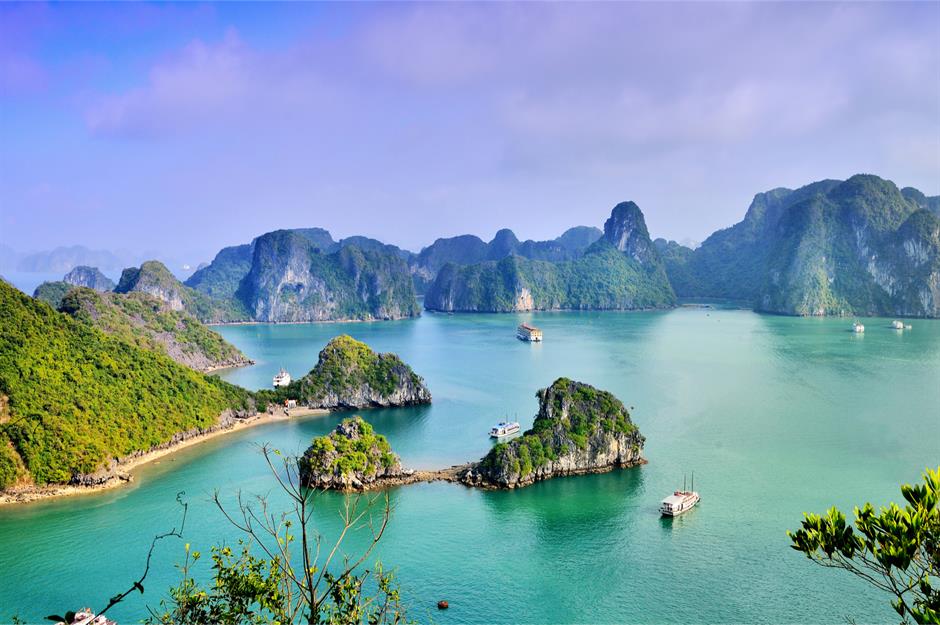
Hopping aboard a traditional Vietnamese junk boat to explore the famous limestone karsts that tower above Halong Bay is one of the country's quintessential travel experiences.
The best way to get up close to the network of caves, grottos and arches within this UNESCO World Heritage Site is by boat, but you won't be alone – the water can get very congested.
Halong Bay, Vietnam
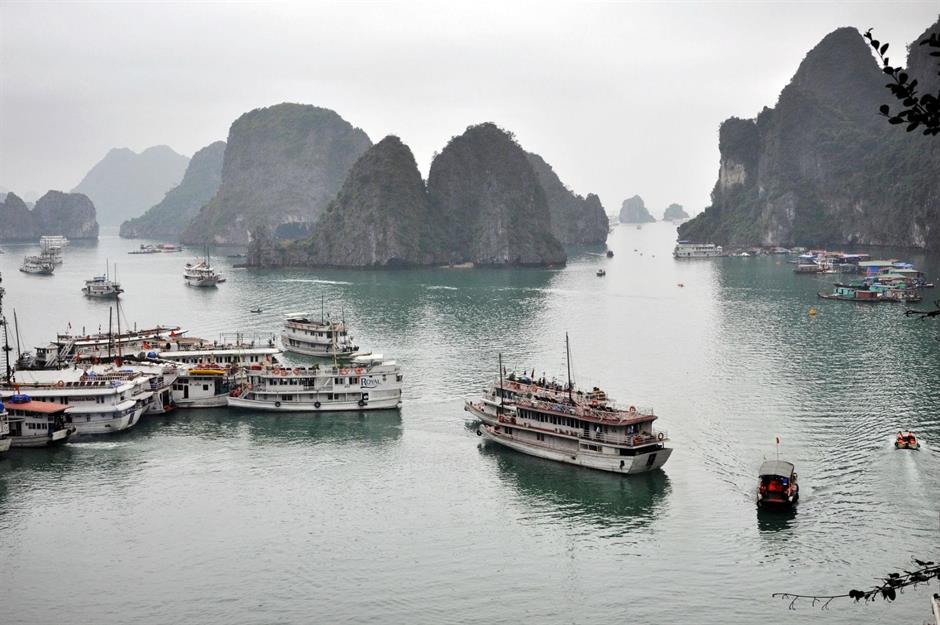
Some visitors come away considering it yet another over-hyped tourist hotspot – a one-time beauty spot that's become overrun with junk boats, vendors peddling tourist tat and rubbish littering the bay.
While the commercialisation of the bay doesn't entirely detract from the beauty of the geography, if it's an off-the-beaten-track expedition you're looking for, this is not the boat trip for you.
Sponsored Content
Kerala backwaters, India
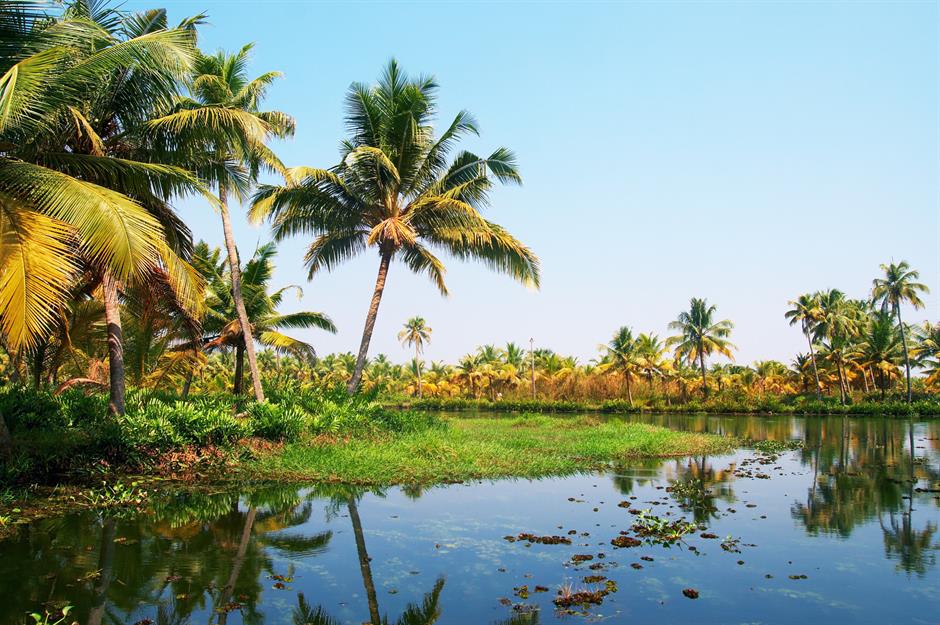
The idyllic and sleepy backwaters of Kerala, a sprawling network of lakes, rivers and canals, have long been the lifeblood of the south Indian state – used by local people for drinking, washing, transport and fishing.
But since backwater tours hit the travel bucket lists of domestic and global tourists, things aren't quite so sleepy. The unregulated expansion of the houseboat industry is damaging the region's remarkable coastal ecosystem.
Kerala backwaters, India
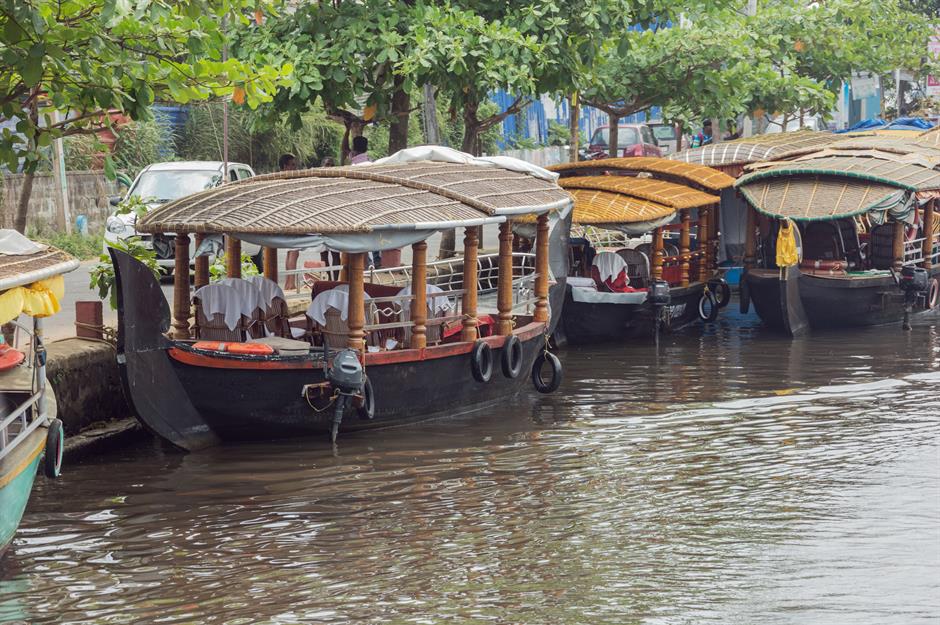
Visit the main hub of Alleppey in the morning and you'll see hundreds of kettuvallam (thatch-roofed rice boats) chugging along to drop off and pick up passengers.
The increasingly congested waters have become heavily polluted by spilt fuel and sadly, the sight of boat workers throwing litter into the water is not an uncommon one.
Antarctica
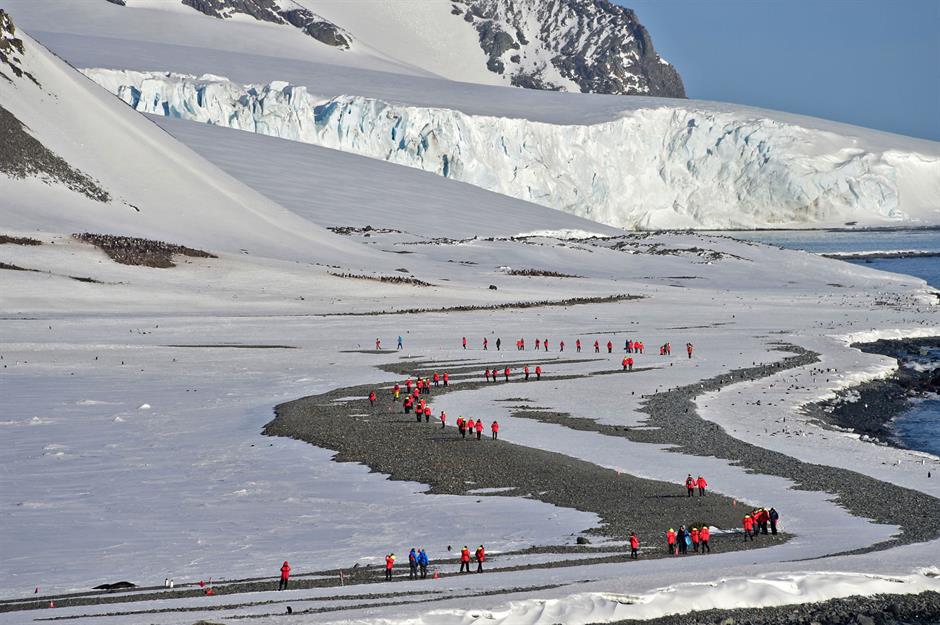
You might think the massive, virtually uninhabited, ice-covered continent at the bottom of our planet would be the last place on Earth to have a problem with overtourism. You’d be wrong. Between October 2023 and March 2024, the tourist season’s number of visitors surpassed 100,000 for the first time – a 40% jump on the previous record.
Although that number decreased slightly in 2024-25, the startling upward spike in intrepid travellers heading to Antarctica raises the question of how much, if any, tourism should be allowed in this unique part of the world.
Sponsored Content
Antarctica
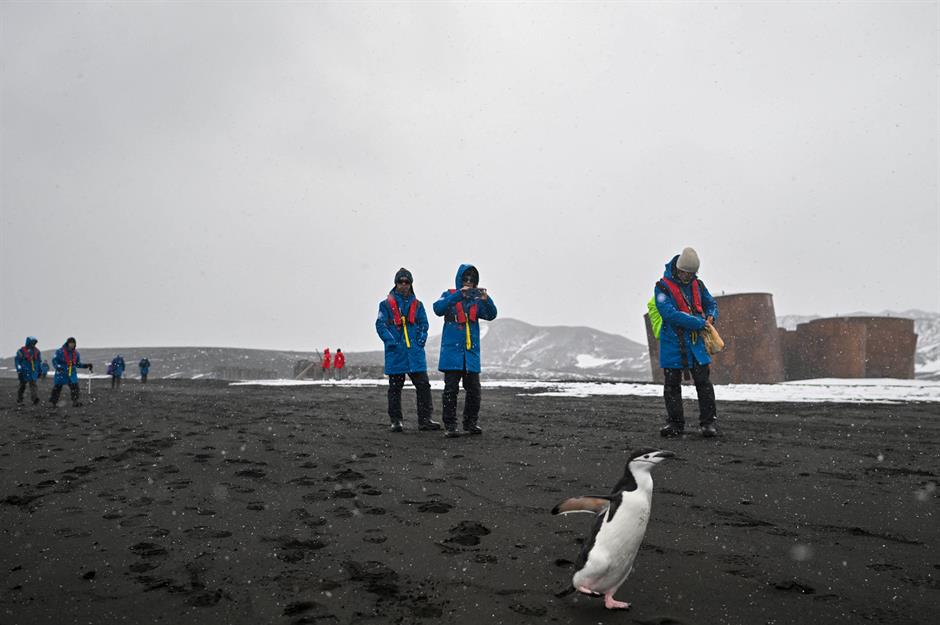
Wealthy visitors are lured by the extreme ‘final frontier’ nature of Antarctica as a destination, as well as the stark beauty of its landscapes.
With some cruise ships carrying upwards of 400 passengers at a time, and a sense that tourist activity – with all of the CO2 emissions it brings – is only going to expand without checks in place, many campaigners are now arguing that more needs to be done to protect the continent’s pristine environment from commercialisation.
Dubrovnik's Old Town, Croatia
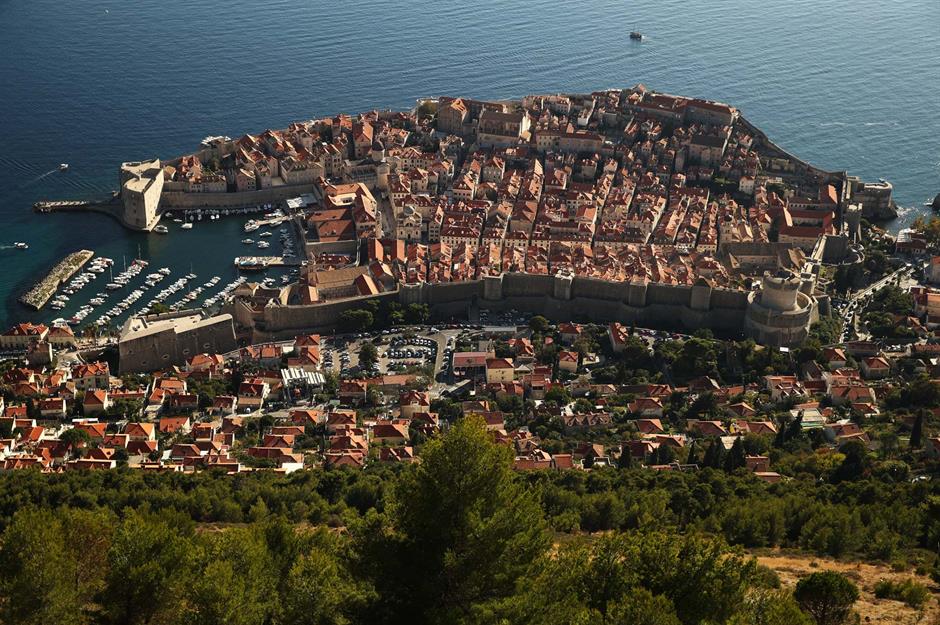
After the huge popularity and success of HBO’s Game of Thrones, it was perhaps inevitable that filming locations used for the show would see a huge uptick in visitor numbers. Dubrovnik’s Old Town, which starred as the fictional Westeros city of King’s Landing in the smash hit TV series, was one such place.
In August 2016, over 10,000 visitors bought tickets to walk Dubrovnik’s famous city walls in a single day. That same year, UNESCO threatened to remove the city’s World Heritage Site status unless it reduced tourist numbers.
Dubrovnik's Old Town, Croatia
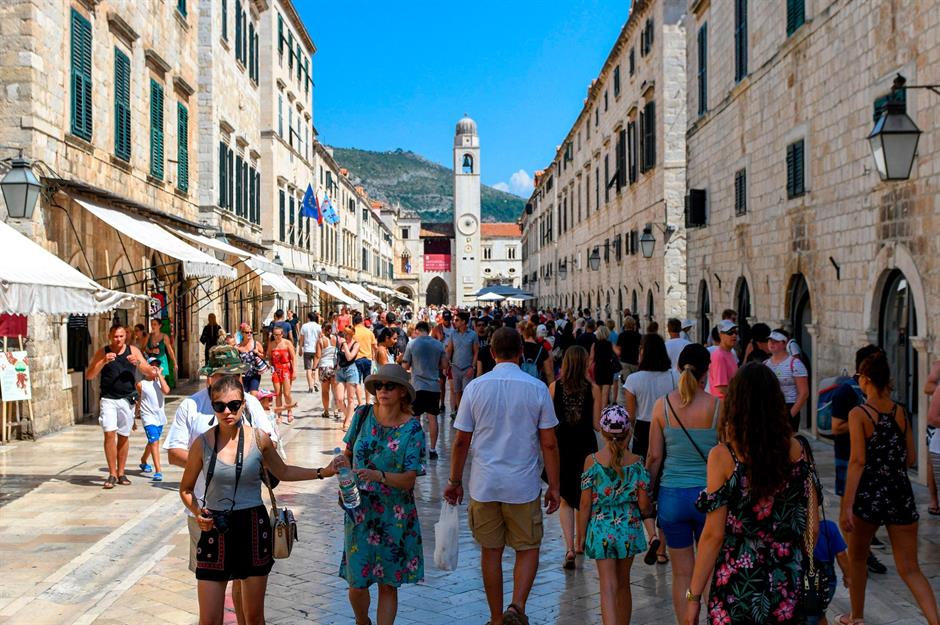
Fantasy television spectaculars are only part of the overtourism story in Dubrovnik. A mixture of cheap flights and its cruise stop status, with passengers often spending little time or money here but filling the historic streets anyway, have been a big issue.
The popularity of weekend breaks and the rise of Airbnbs and hotels has also displaced residents from the area. In 2025, Dubrovnik – with its population of just 42,615 – had over 4.2 million overnight stays. Thankfully, caps on the number of cruises that can dock each day are now in place.
Sponsored Content
Venice, Italy
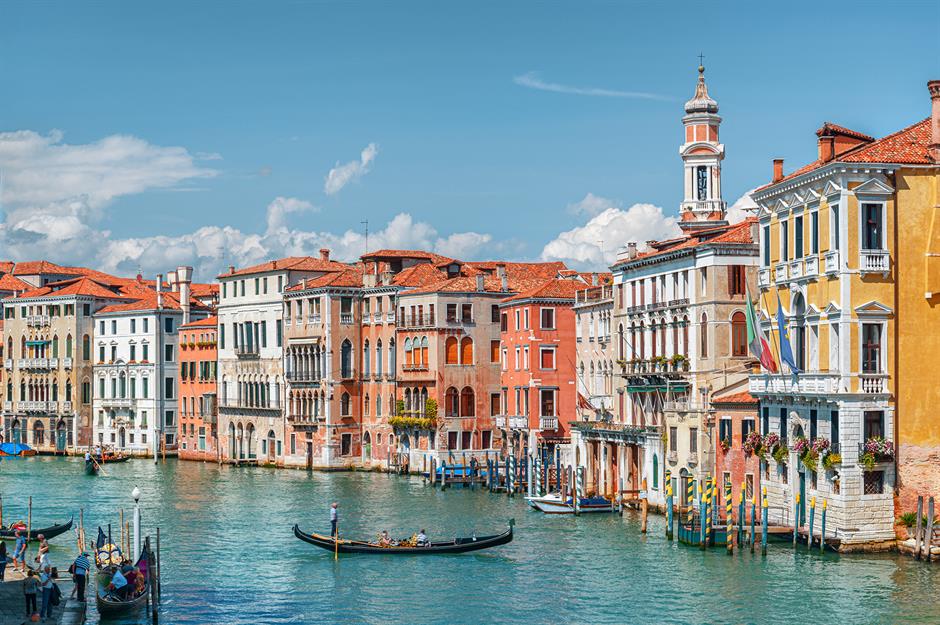
Venice, an enchanting labyrinth of canals and historic architecture, has become a poster child for overtourism and commercialisation. The influx of millions of tourists each year – especially those arriving via enormous cruise ships – has put the city’s infrastructure under strain. Traditional Venetian businesses and artisans have been pushed out, replaced by souvenir shops and fast-food outlets catering to short-stay visitors.
Narrow streets once filled with locals are now often choked with tourists, making daily life increasingly challenging for residents. The sheer weight of foot traffic, combined with rising sea levels, has contributed to the erosion of the city’s foundations, endangering its fragile existence.
Venice, Italy
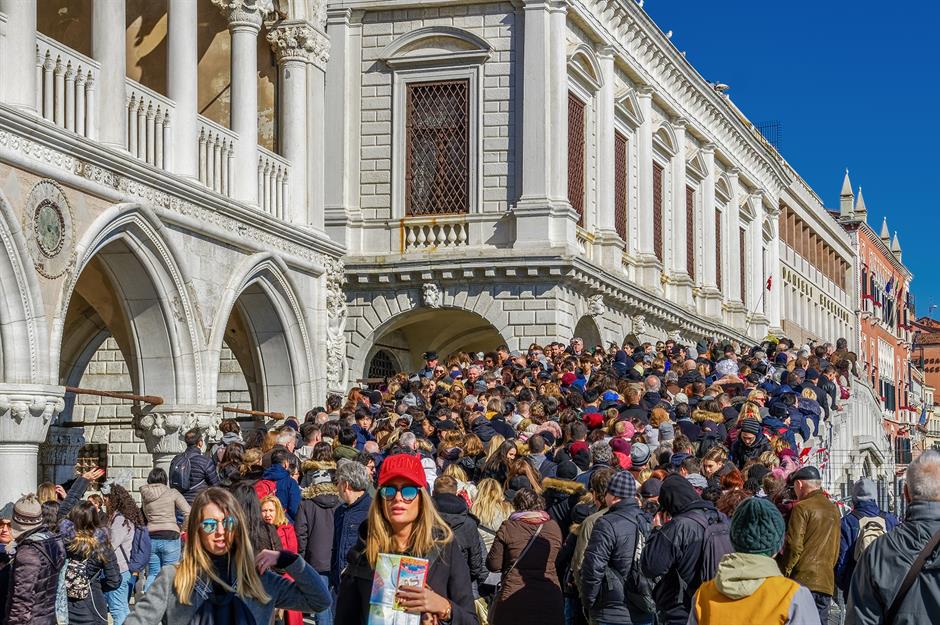
For many, the very essence of Venice – the quiet beauty of its canals, the sense of discovery in its hidden alleyways – has been eroded by crowds and commercial interests. In response to the crisis, Venice has implemented measures such as tourist taxes, restrictions on cruise ships and a limit to daily visitors (25 per tour group, for example).
However, the charm of this UNESCO World Heritage Site remains under threat as the city struggles to strike a balance between reliance on tourism and the preservation of its cultural and environmental beauty.
Santorini, Greece
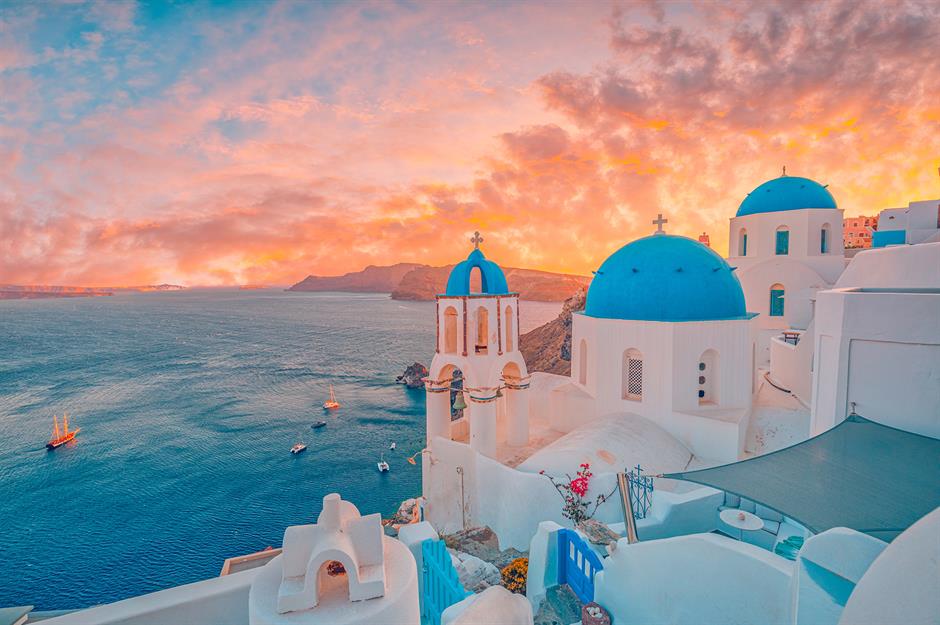
Santorini, famed for its whitewashed villages, cobalt blue domes and stunning sunsets, has become a victim of its own beauty. Once a quiet Greek island, it now struggles under the weight of mass tourism, with thousands of visitors arriving daily, particularly during peak season. Cruise ships unload swarms of day-trippers who crowd the narrow streets of Oia and Fira, often overwhelming the island’s limited infrastructure.
Traditional homes have been converted into luxury hotels and short-term rentals, driving up prices and pushing out locals. The very elements that once defined Santorini’s charm – its tranquillity, authenticity and close connection to local life – are increasingly overshadowed by souvenir stalls, pricey restaurants and overcrowded photo spots.
Sponsored Content
Santorini, Greece
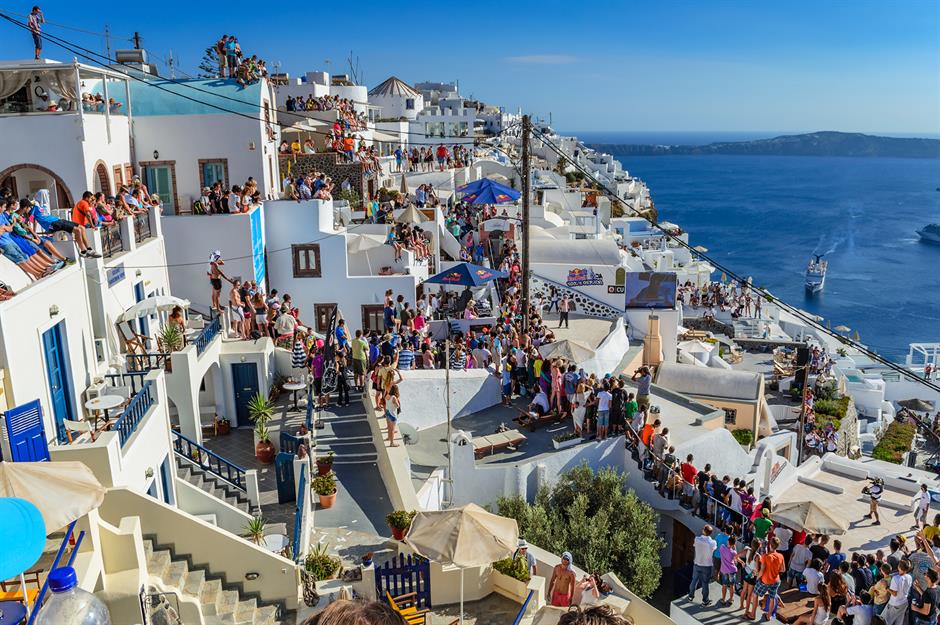
The environmental toll has also been significant, with increased water consumption, waste and pressure on the island’s landscape. Efforts have been made to introduce visitor caps and regulate cruise arrivals, but the economic pull of tourism is hard to resist.
For travellers seeking an authentic experience, Santorini’s magic is now harder to find amid the relentless crowds and commercialisation.
Trevi Fountain, Italy
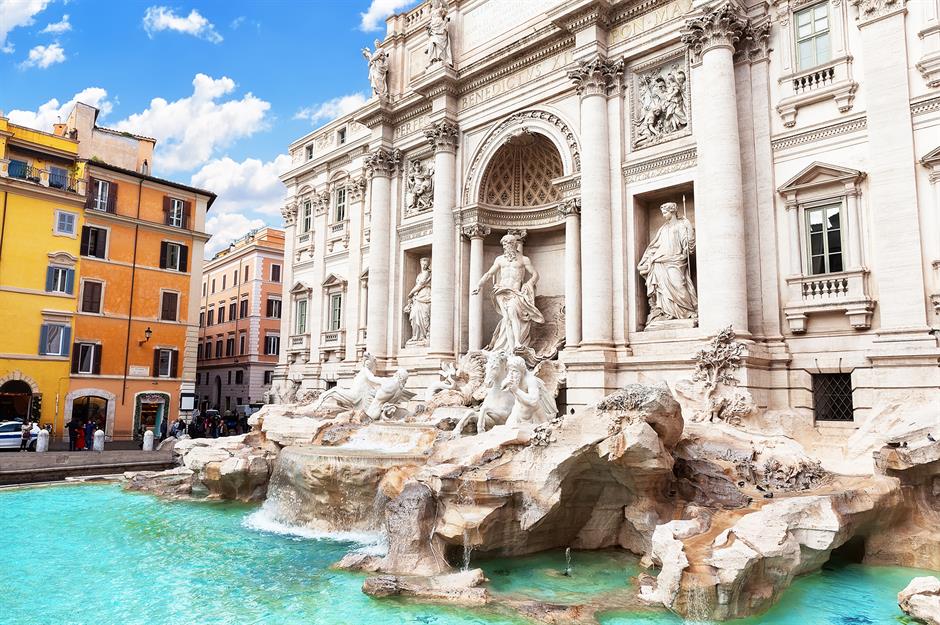
The Trevi Fountain, one of Rome’s most iconic landmarks, was once a tranquil spot where visitors could admire the Baroque artistry in peace. In recent years, however, it has attracted up to 12,000 visitors per day, all vying for the perfect photo or a spot to toss their coin.
Overcrowding has turned the area into a chaotic spectacle, dominated by commercial street vendors and selfie sticks. For many, visiting the fountain no longer feels like an intimate encounter with history but rather an exercise in navigating crowds and other distractions.
Trevi Fountain, Italy
Following a three-month restoration in 2024, a new queuing system has been introduced, which limits the number of visitors to 400 at any one time between 9am and 10pm. Starting from 1 February 2026, visitors must book online to visit and pay two euros (£1.75/$2.34) to enter, with a 30-minute slot allocated to visit the fountain.
Yet the experience remains far removed from its romantic reputation, with surrounding shops and cafés catering to tourists rather than offering authentic Roman fare.
Now see how the world's most famous cities have changed in the last 100 years