The effects of flying on the human body and how to deal with them
How flying affects the human body
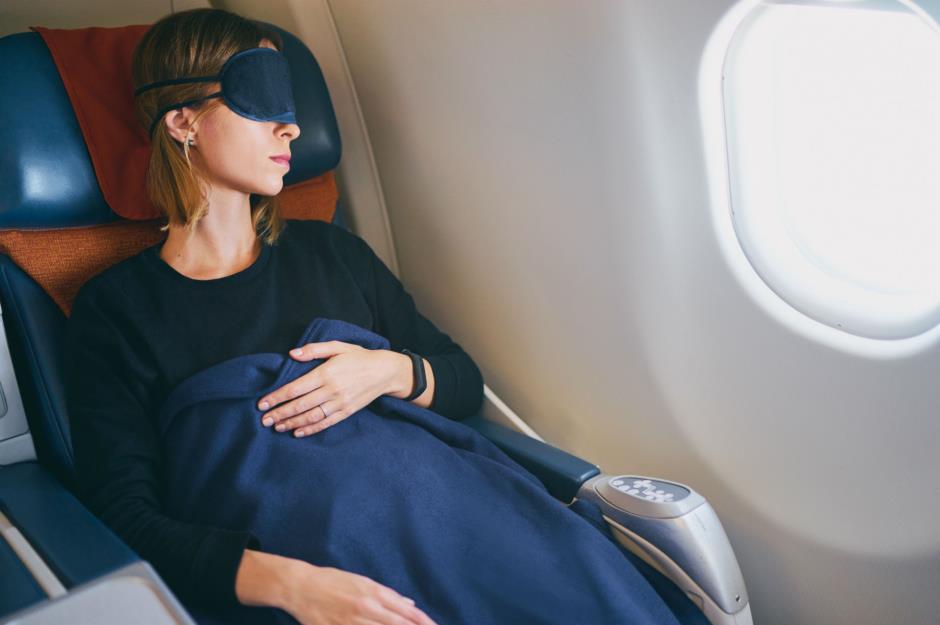
The effects of flying on the human body are varied, from dehydration to dulling of the taste buds. While some are minor, others could have serious health implications if they're not dealt with in a suitable manner.
Read on to discover the different ways flying can impact your body and how best to deal with them...
The effect: you’re more likely to catch a cold
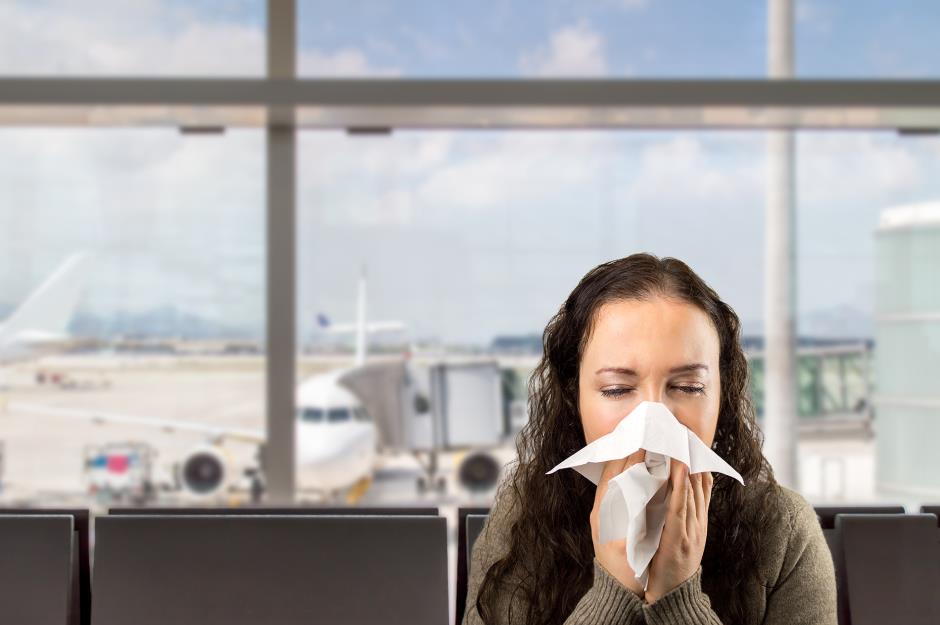
According to a study published in the Journal of Environmental Health Research, you're over 100 times more likely to catch a cold during a flight. The confined space and re-circulated air mean that germs and viruses carried by sick passengers can spread much more quickly.
Additionally, low cabin humidity dries up the protective mucus in our noses and throats, making us more susceptible to infection.
The solution: fight the germs
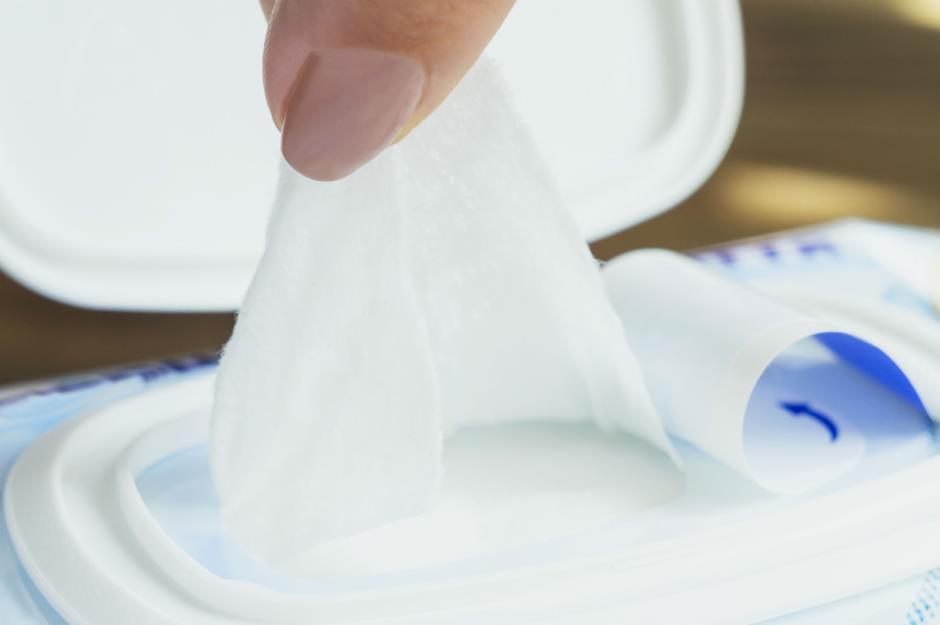
Wearing a well-fitting face mask, especially during peak cold, flu and COVID-19 season, will reduce your risk of picking up any nasty infections while flying. Also, avoid germs by washing your hands frequently and/or using an antibacterial hand sanitiser, and stay hydrated by drinking plenty of water.
You could also carry sanitising wipes to clean your tray table – apparently one of the dirtiest surfaces on a plane.
Sponsored Content
The effect: your skin might react badly
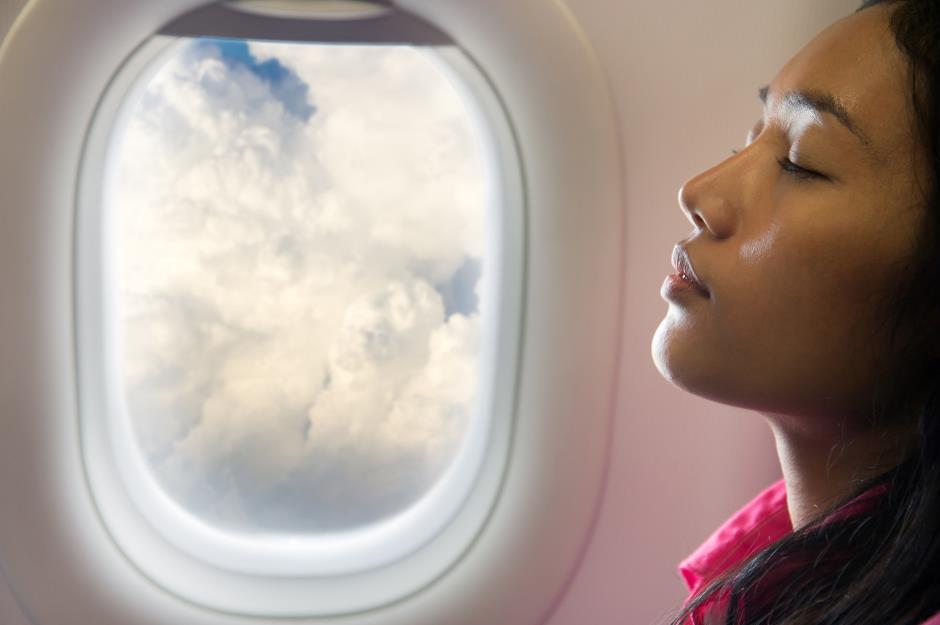
There are a number of reasons your skin might react badly when flying. The lack of humidity and moisture in the pressurised cabins mean that it can dry out during the journey.
Alternatively, it might overcompensate for the dry conditions by producing more natural oils, which could cause you to break out in spots.
The solution: keep your skin hydrated
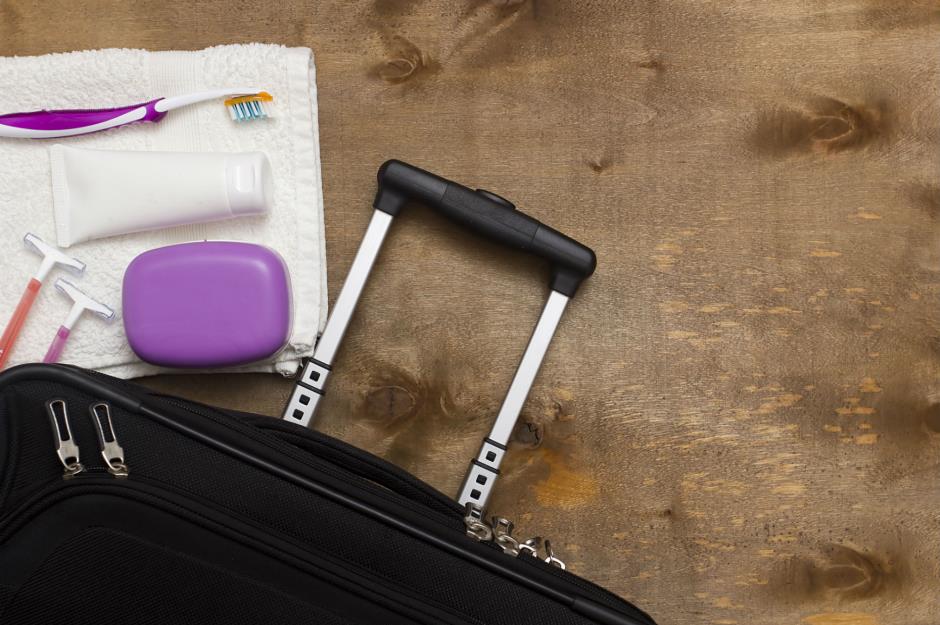
Prevent a breakout or dry patches after a flight by taking a few simple precautions. Moisturise before, during and after the flight and drink plenty of water.
Avoid wearing make-up and exfoliate when you land to keep your face from looking puffy or from breaking out in spots.
The effect: you might not be able to taste much
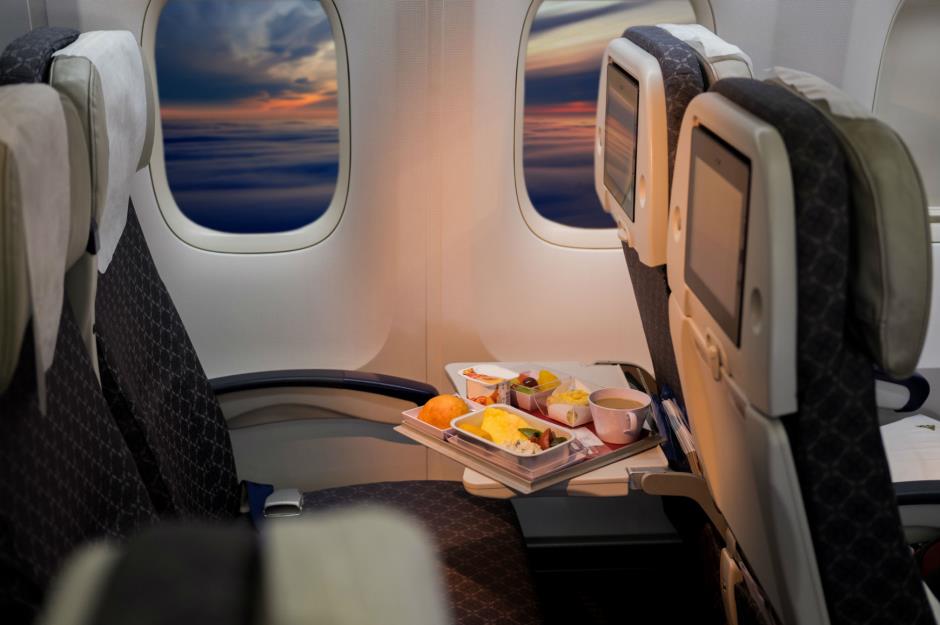
We all complain about airline food, but there might actually be a scientific reason why it tastes so bland. Recent research suggests that a mixture of low air pressure, dry air, and loud background noise during flights can directly impact our senses, causing dulled taste buds and reducing our enjoyment of certain foods.
Sponsored Content
The solution: drink tomato juice

However, it’s not all bad news. While our ability to taste sweet foods is suppressed, research shows that conditions in the air make foods rich in umami, the savoury flavour found in things like mushrooms and parmesan cheese, taste better.
It's why tomato juice is such a popular drink to order in the air, so join the crowd when the drinks trolley comes round – it'll taste better than it does on land.
The effect: there's a higher risk of blood clots
There isn’t really anywhere to go when you’re stuck on a plane, but sitting in the same spot for hours on end without moving can limit your blood circulation. In extreme cases, this can lead to deep vein thrombosis (DVT) – when blood clots form in the deep veins of your legs.
The longer the flight, the greater the chance of developing DVT, with journeys lasting more than 8-10 hours posing the most risk.
The solution: keep your blood flowing
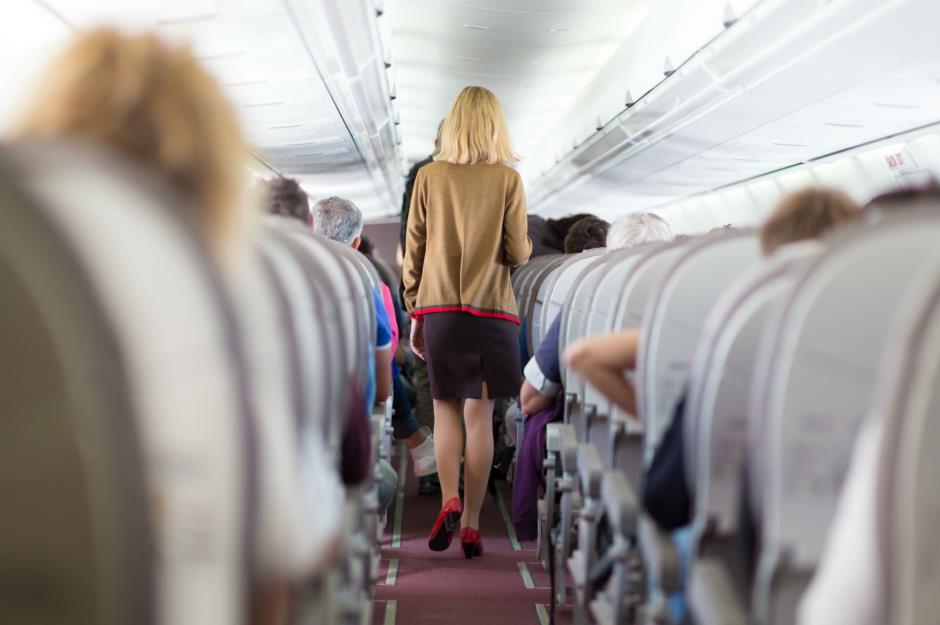
Deep vein thrombosis is easy to avoid. As well as staying hydrated and wearing loose clothing, make sure you get up and walk around every two hours, if not more.
Simple exercises like flexing your ankles can also improve blood flow through the legs. Wearing compression stockings on longer flights can also significantly reduce your risk of developing DVT.
Sponsored Content
The effect: you might feel anxious
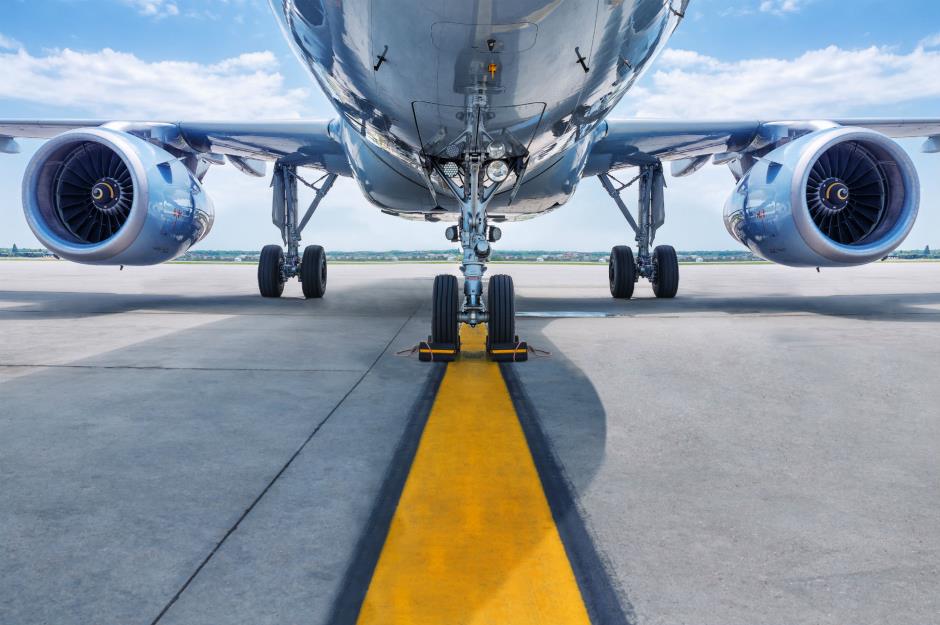
Many of us suffer from a fear of flying. In a 2025 Harris poll, 65% of respondents admitted to being more nervous about plane travel after a spate of high-profile plane crashes in recent years.
According to an older YouGov poll, the three main aspects people are most afraid of are technical failures, turbulence and bad weather while flying.
The solution: learn to cope with your anxiety
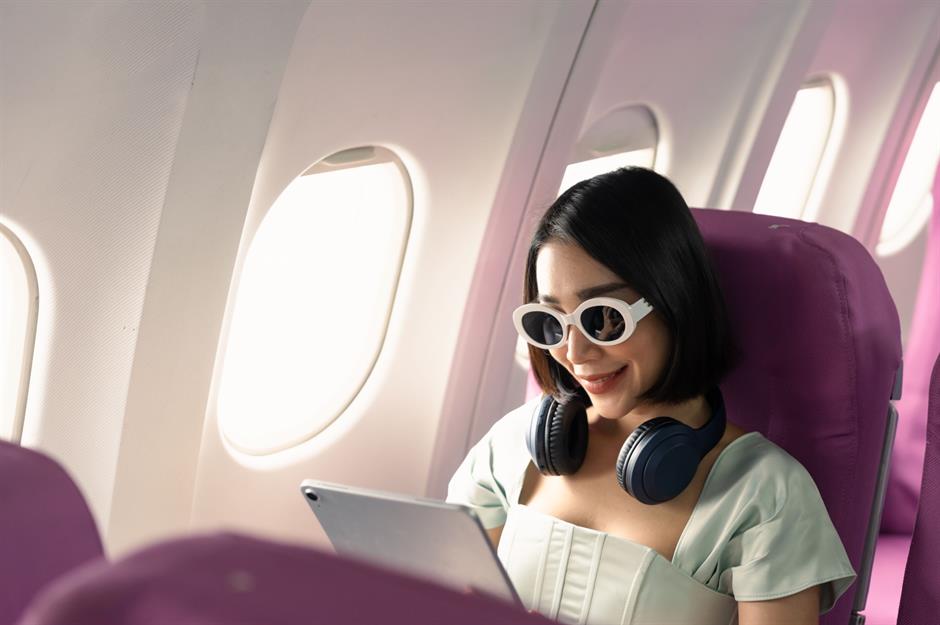
There are a number of ways to counter anxiety while flying. While on board, make sure you’ve got plenty to distract you, like downloading your favourite TV series onto a portable device or taking a stack of magazines or a favourite book.
Using a mindfulness app like Headspace can also help to put your mind at ease. If your anxiety is so bad you can’t contemplate getting on a plane, therapy has been proven to help in many cases.
The effect: you might feel bloated
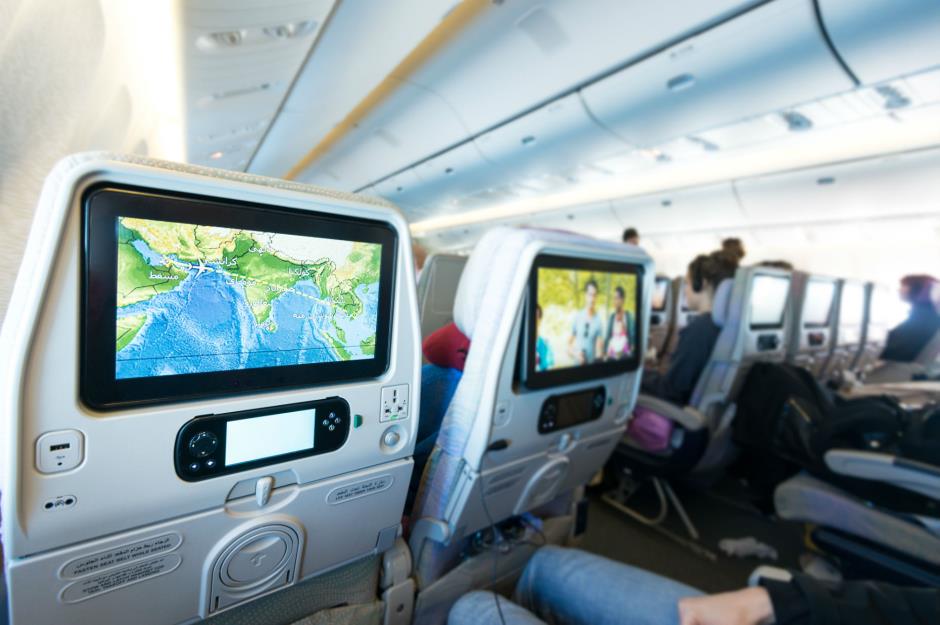
We all know the feeling: getting off a flight feeling bloated, even though we haven’t eaten much at all. It's due to changes in air pressure, which can cause a build-up and expansion of gas in your body.
It can also be a symptom of dehydration.
Sponsored Content
The solution: drink the right stuff
Avoid bloating by staying away from fizzy drinks and fatty foods before and during the flight. You can also reduce swelling by drinking plenty of water, eating light meals, wearing loose clothes and by stretching your legs every couple of hours.
The effect: you’ll feel sleepy
Cabin air pressure reduces our oxygen supply, which is one of the reasons why many people feel drowsy on plane journeys. Cabins are typically pressurised to around 75% of the oxygen available at sea level.
When your body tries to reduce how much energy you use to compensate for the reduced amount of oxygen, you’ll start to feel tired.
The solution: stay hydrated
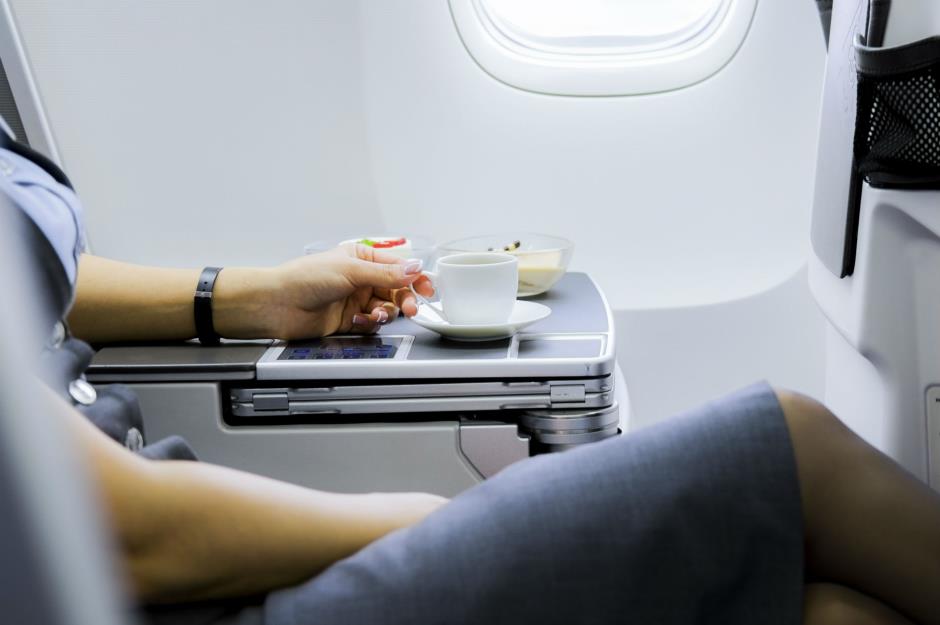
While you might be happy to doze off on the flight, it might not be wise. Airline staff recommend staying awake during daytime flights, as sticking with the rhythm of the light outside will be less disruptive to your sleep patterns.
To avoid an unwanted snooze, drink plenty of water and avoid heavy meals.
Sponsored Content
The effect: you could get a headache
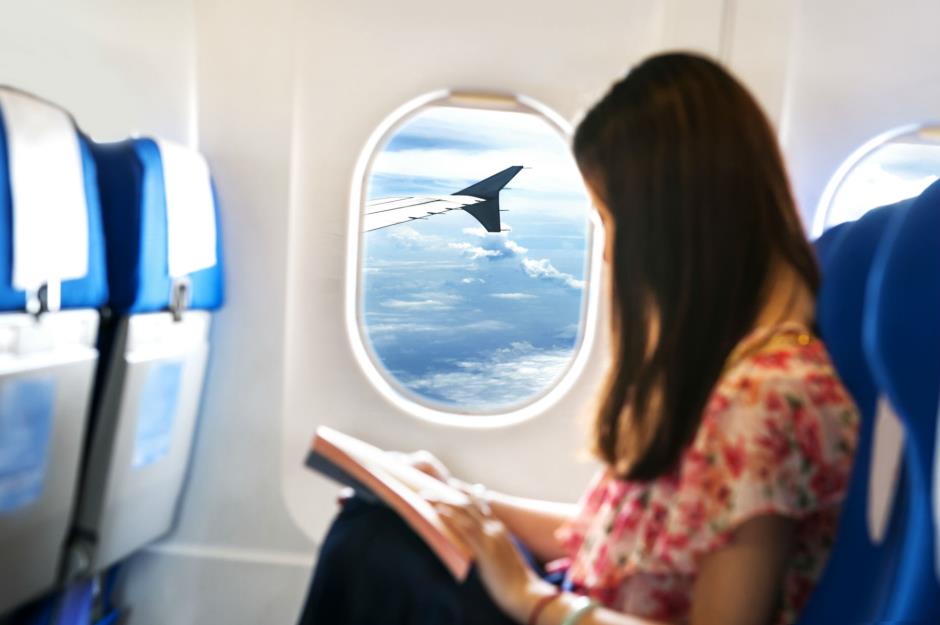
If you often get a splitting headache during your flight, it’s not just because of the screaming baby next to you or the noisy plane engines. ‘Airplane Headache’ can affect some travellers during landings and is caused by an imbalance between air pressure in the cabin and the frontal sinuses.
Other factors could include stress, lack of sleep and holding your neck in an awkward position for too long.
The solution: come prepared
Once again, dehydration will exacerbate symptoms, so drink plenty of water and try to avoid too much alcohol. Taking over-the-counter medication like ibuprofen can also help alleviate headaches, as can a nasal decongestant spray used 30-60 minutes before landing.
The effect: you might experience bad breath
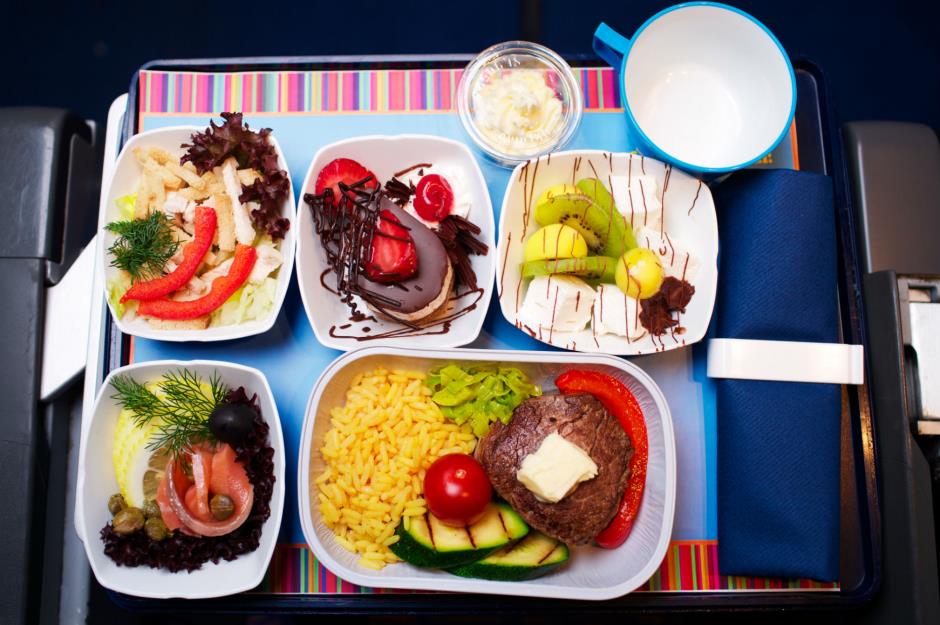
Your breath might not be at its best when you’re on a plane. Air pressure in the cabin (yes, it strikes again) can cause saliva production to slow down, meaning bacteria are more prevalent.
Eating at irregular times, not eating at all and not brushing your teeth on the flight can also contribute.
Sponsored Content
The solution: arm yourself with remedies
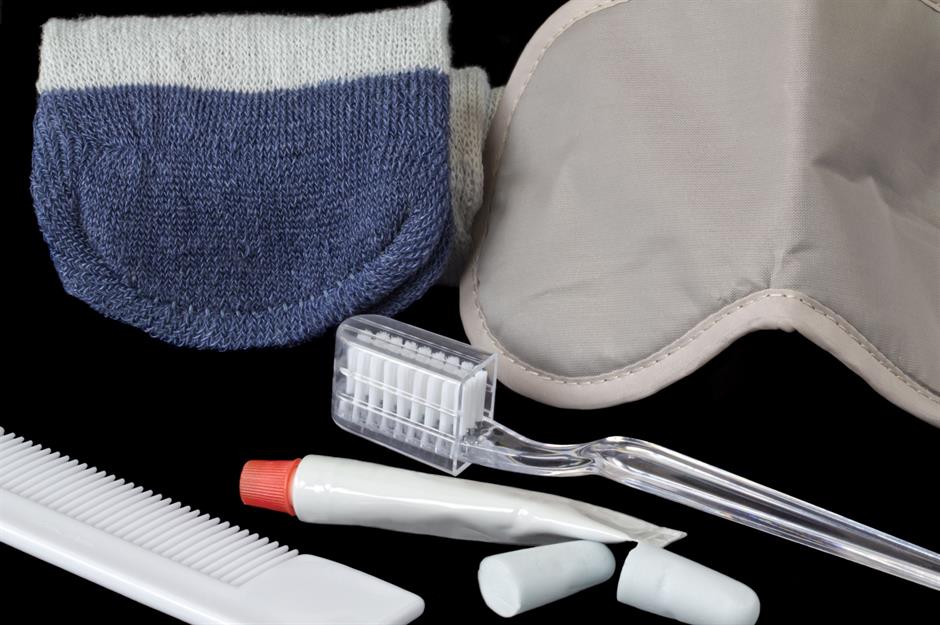
Make the effort to brush your teeth – it's an effective way to prevent bad breath. Many airlines provide toothbrushes and toothpaste, or bring a pocket-sized set with you, as well as floss and a mini mouthwash. Drinking plenty of water will also help to keep bad breath at bay.
The effect: you might feel sick
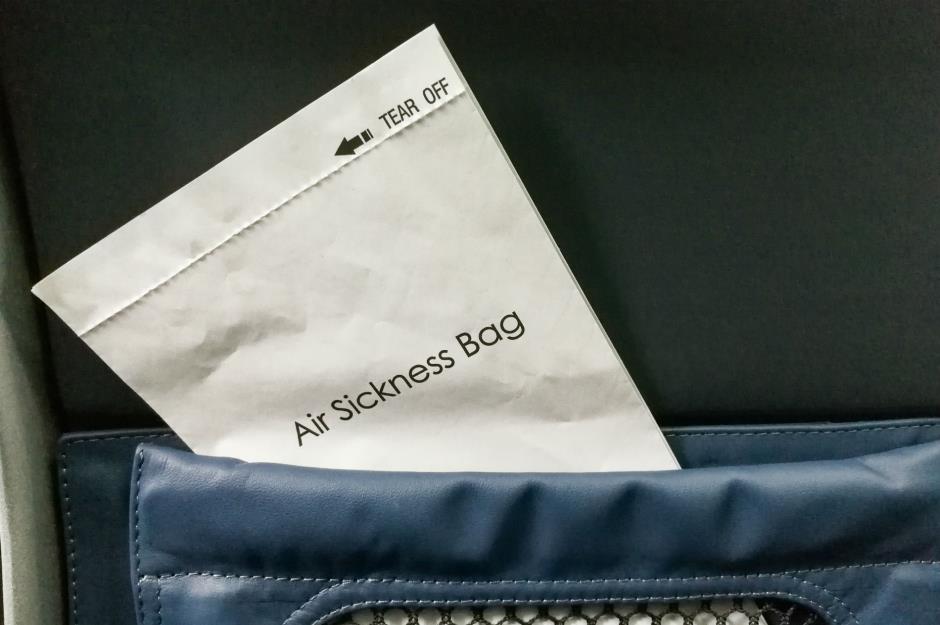
Many passengers suffer from motion sickness. Nausea occurs when your brain is confused by conflicting signals.
For example, if your inner ear detects movements and sends different signals from those your eyes are sending, or vice versa.
The solution: take precautions against nausea
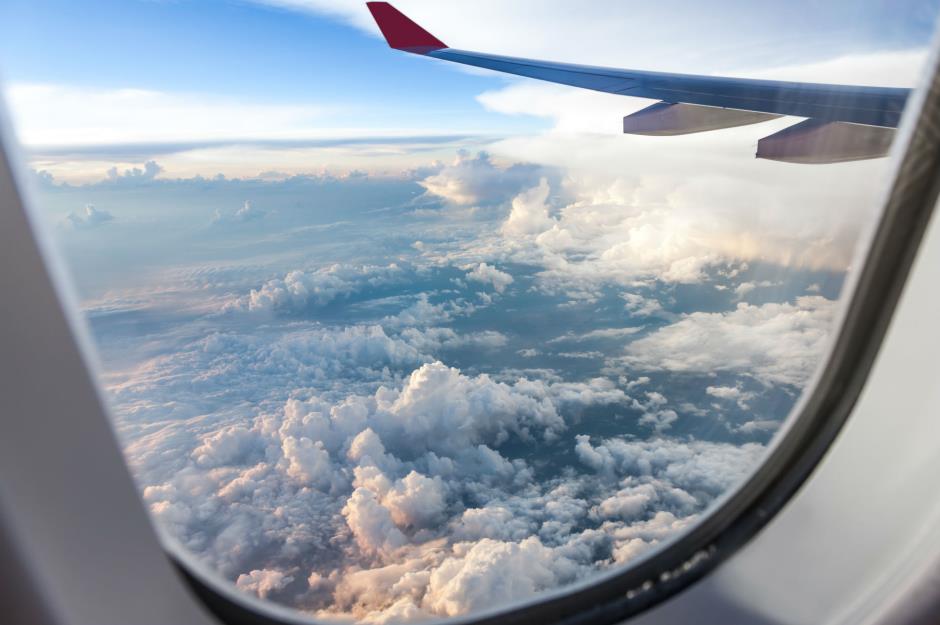
To combat motion sickness, avoid reading or putting your head down, as any extra movement could be even more confusing to your body. Instead, focus on a fixed point on the horizon and avoid moving your head.
Ginger aids digestion, so opt for a ginger ale from the drinks trolley or have hard ginger sweets to hand. Other helpful methods include sitting near the front of the plane to avoid bumpiness and taking motion sickness medicine.
Sponsored Content
The effect: you might feel emotional
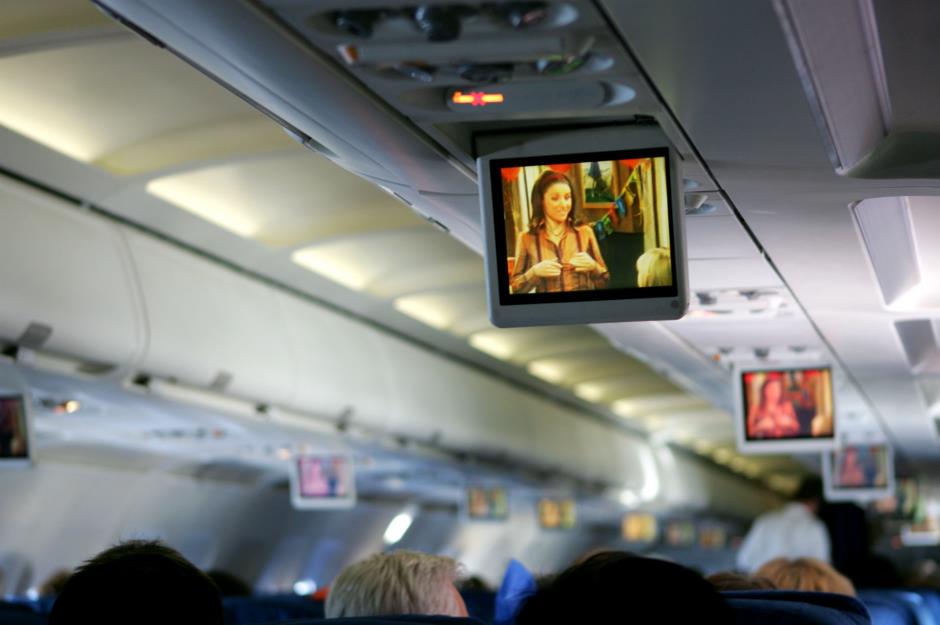
A study by Gatwick Airport found that people were far more likely to cry when watching a film on a flight than if they were at home or in a cinema.
There is no definitive reason why, but there are plenty of theories, including that high altitude can make us feel more tired, and therefore more emotional.
The solution: keep hydrated
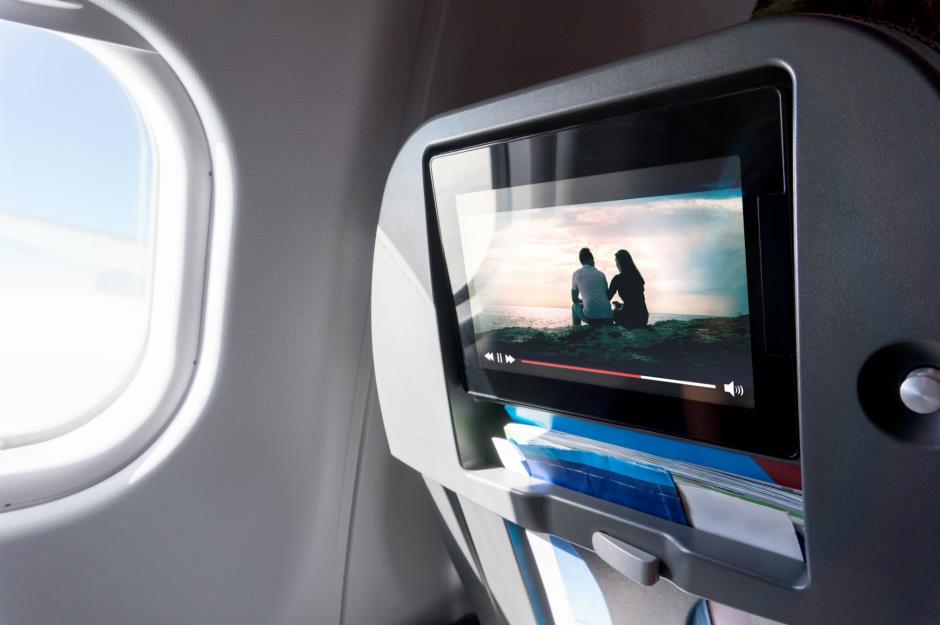
If you don’t mind having an emotional outburst, just make sure to pack some tissues. However, to give yourself the best chance of remaining calm and collected, drink water regularly.
Research shows that becoming even slightly dehydrated can affect our mood.
The effect: your ears might hurt
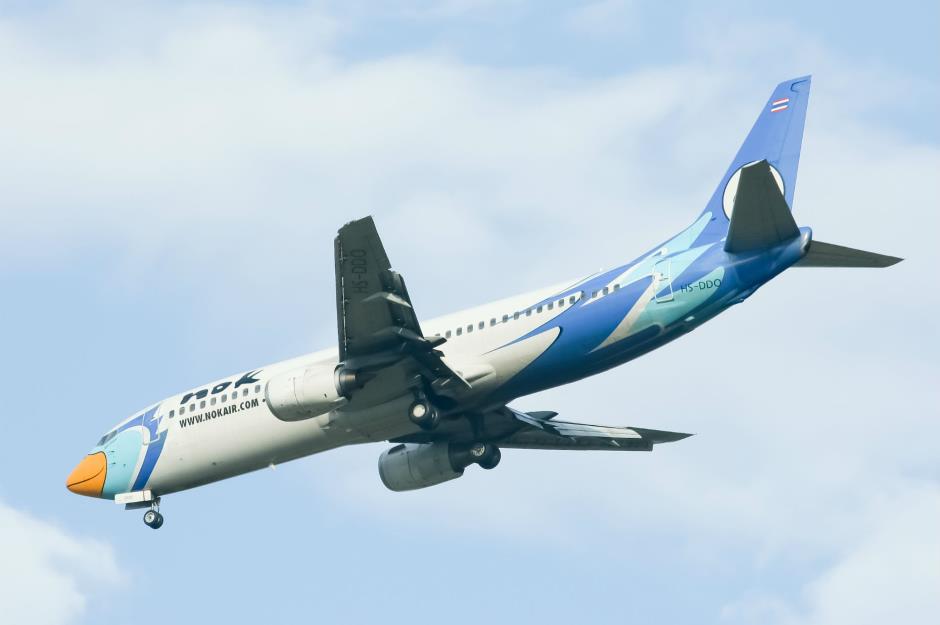
Most of us will have experienced ear pain or blockage on a plane. As with so many other flying-related afflictions, it's down to air pressure changes in the cabin.
As the plane starts to descend, pressure in the cabin increases, which can make the eardrum stretch and cause you pain as the ear adjusts to the change in air pressure.
Sponsored Content
The solution: chew gum or sweets
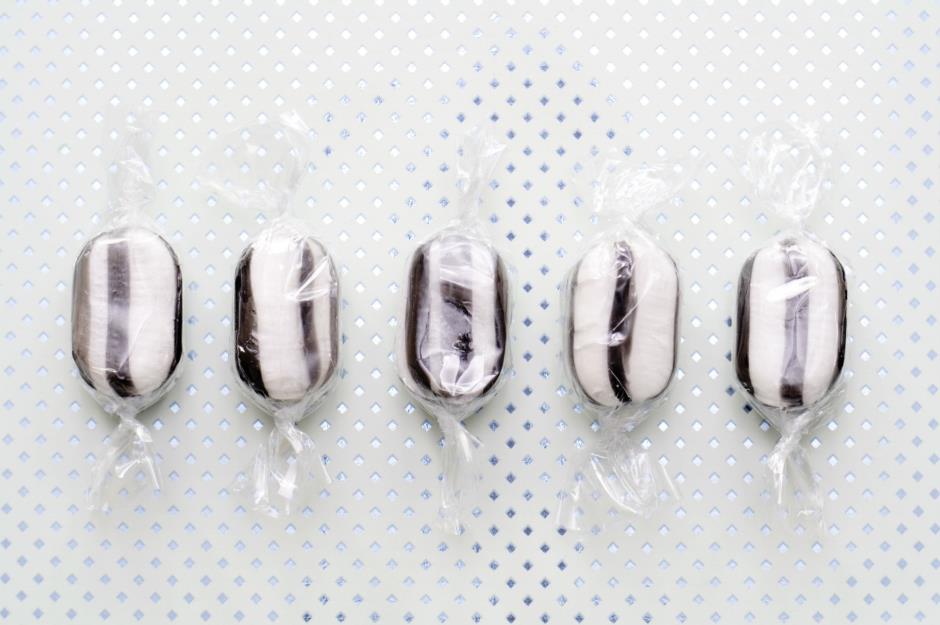
There are several simple ways to prevent ear pain and blockage. Swallowing, chewing gum, sucking sweets and yawning can reduce the pressure in your ears, while pinching your nose, closing your mouth and blowing through your nose can help to unblock them.
The effect: you might get constipated
It’s one of flying’s least enjoyable side effects, but it’s the reality: flying can make you constipated. There are several reasons why: the change in routine, not moving your body for hours on end and air pressure changes are all responsible for an uncomfortable case of constipation and stomach pains.
The solution: keep as active as possible

You can help everything move along as much as possible by keeping active. Get up from your seat and walk around the cabin every hour or two to avoid your digestive system feeling sluggish.
It’s also helpful to avoid alcohol and caffeine, drink plenty of water and eat foods that are high in fibre the day before and the day of travel.