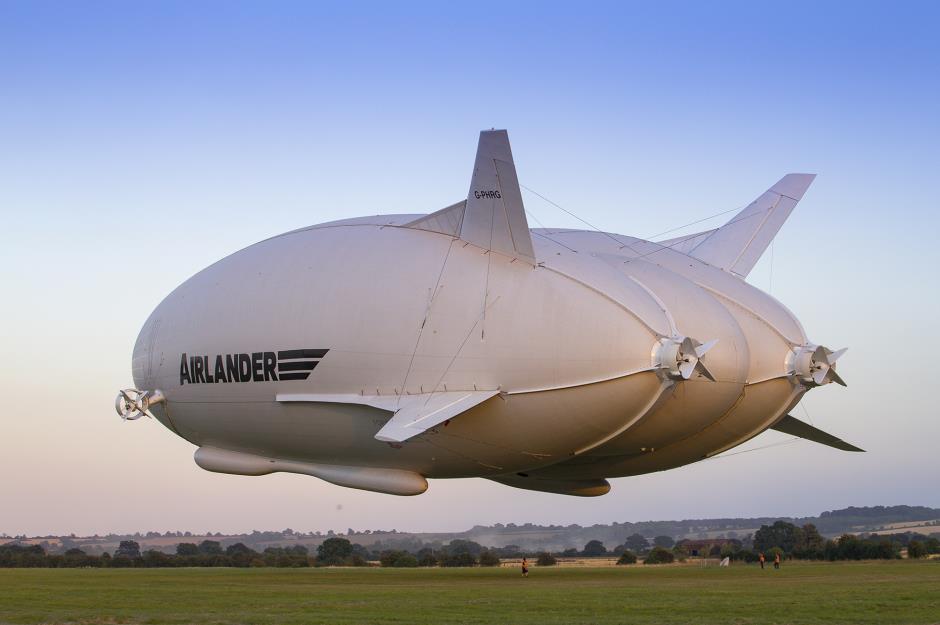
Inside the 21st-century airship Airlander 10
The future of air travel?
What is Airlander 10?
How does it fly?
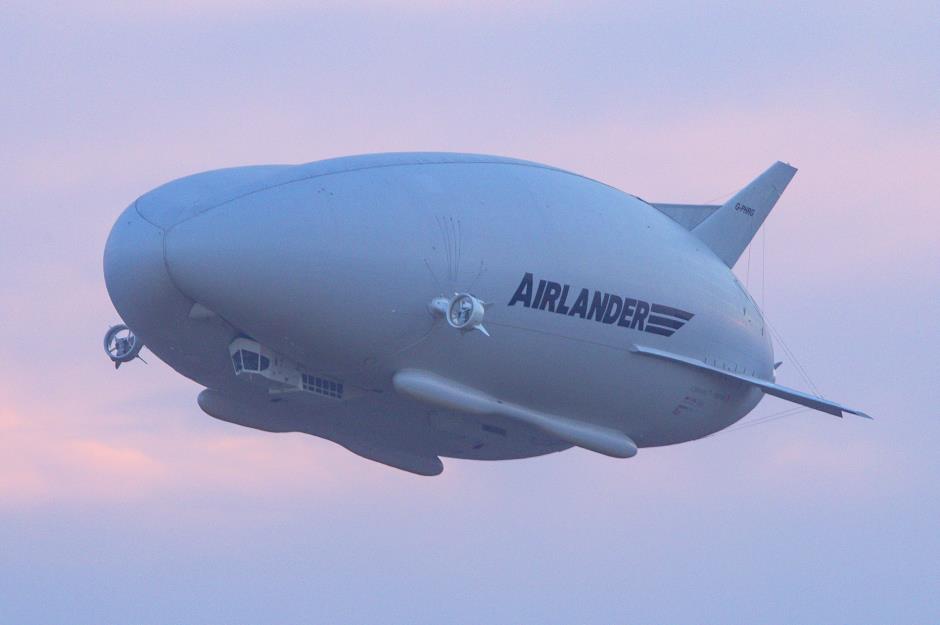
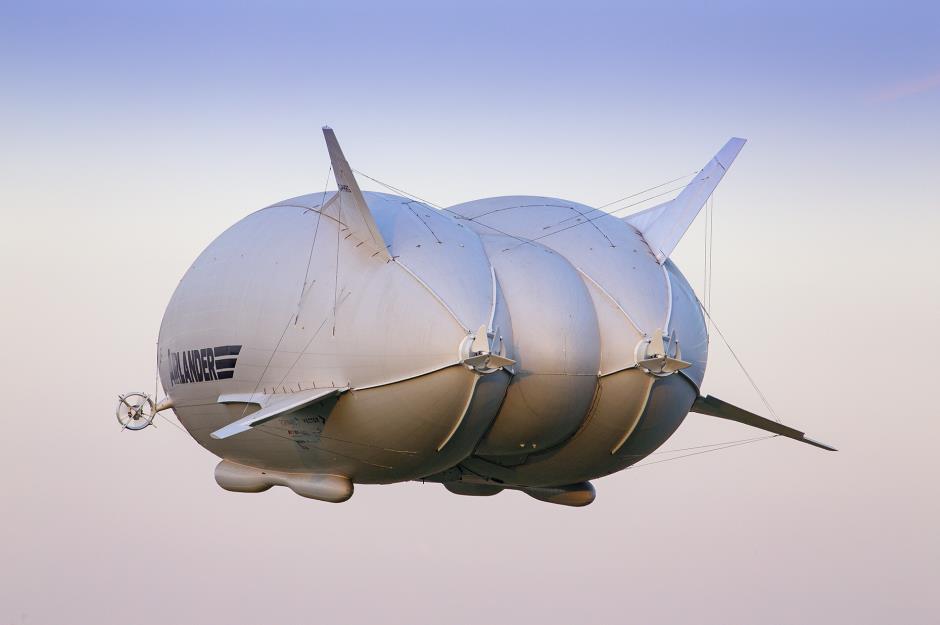
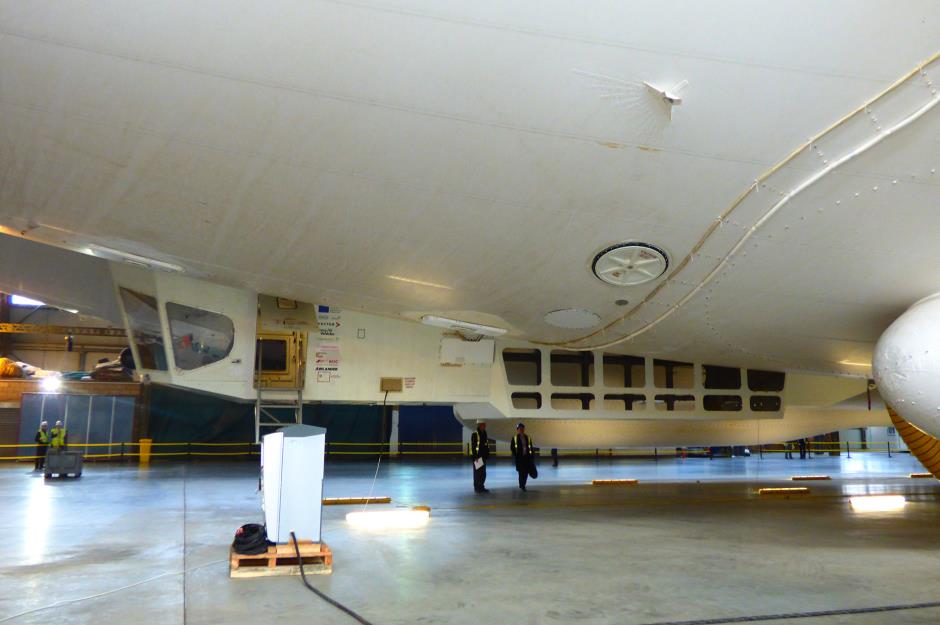
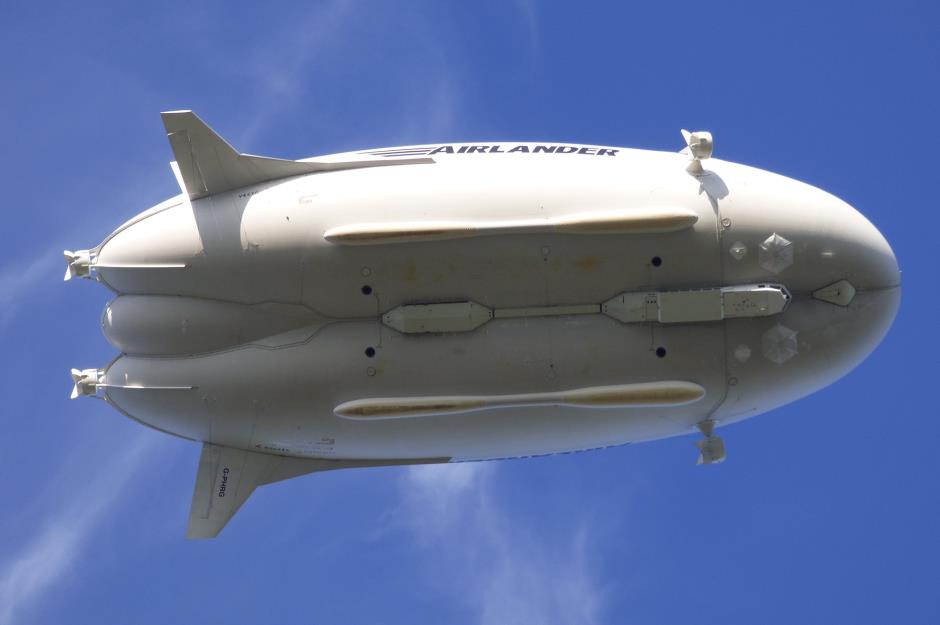
The airship is filled with lighter-than-air helium – instead of the hydrogen that led to the tragic Hindenburg airship disaster – which offsets the airship’s weight on the ground. The peculiar shape helps to make it airborne too: the hull actually acts as a wing, helping to generate lift as the airship moves through the skies.
Sponsored Content
What’s so special about it?
Why is it better?
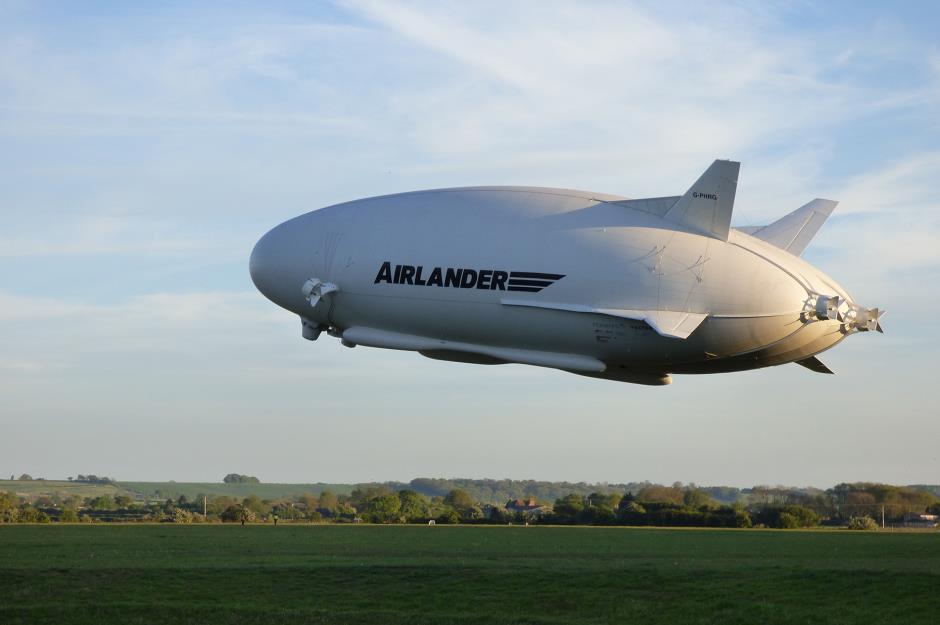
It’s extremely environmentally friendly: its fuel consumption is only about 10% of a helicopter’s and 25% of an aeroplane’s in like-for-like tasks. This means that per passenger it will have a carbon footprint that’s less than a tenth of a jet. The airship can also take off and land virtually anywhere so it doesn’t need an existing airport or any other special infrastructure built for it.
What else can it do?
Sponsored Content
Where is it being built?
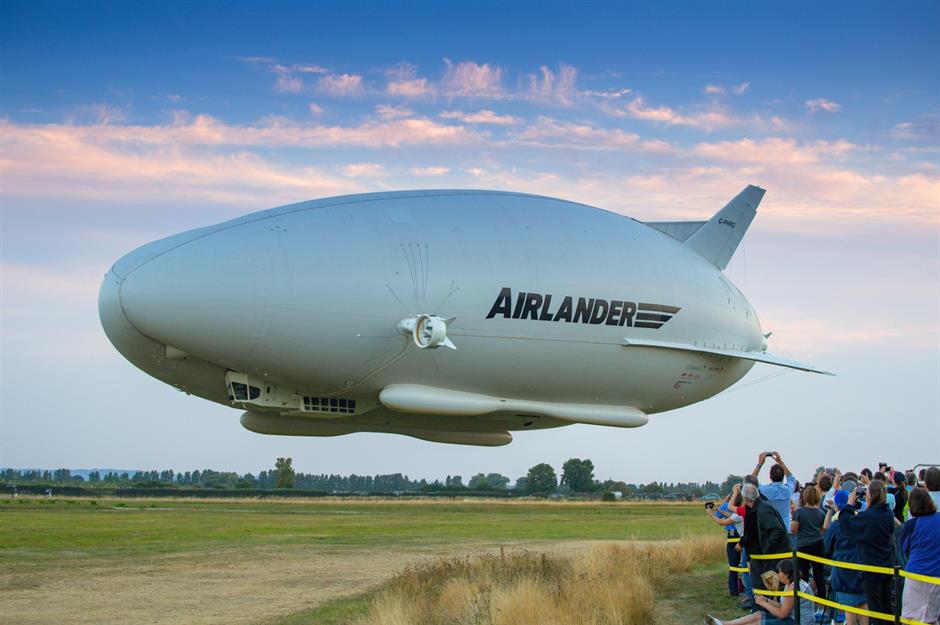
HAV has chosen South Yorkshire as their building site for their fleet of eco-friendly airships. The site will be located in a green aerospace manufacturing zone and focus on bulding 10 Airlander 10 aircraft for Spanish airline Air Nostrum.
When will travellers be able to try it?
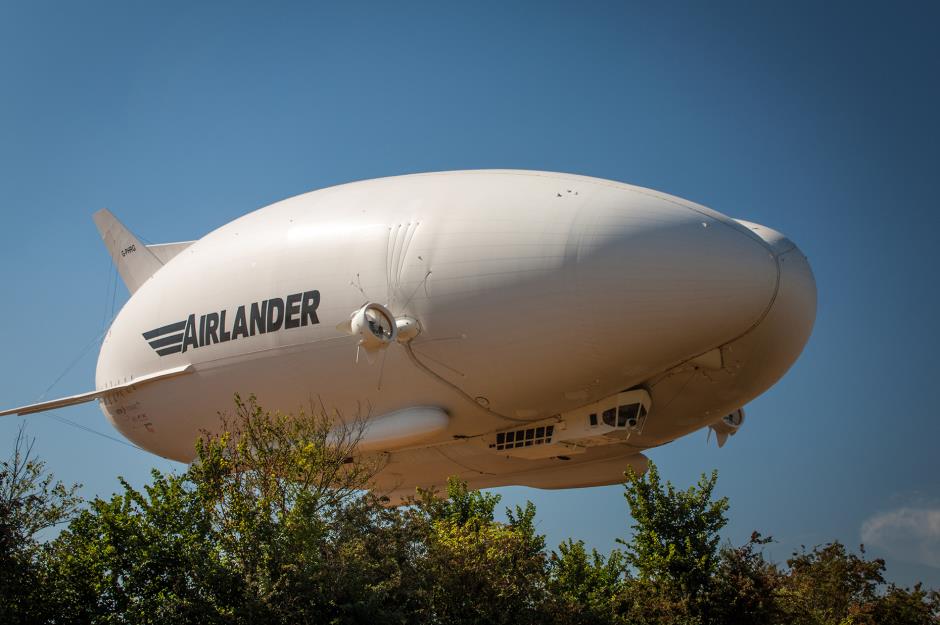
HAV have already partnered with luxury adventure provider Henry Cookson Adventures, working with the Airlander company since 2017. Cookson Adventures has helped HAV with their expert team on different sections such as development and onboard guest experience.
What will it look like inside?
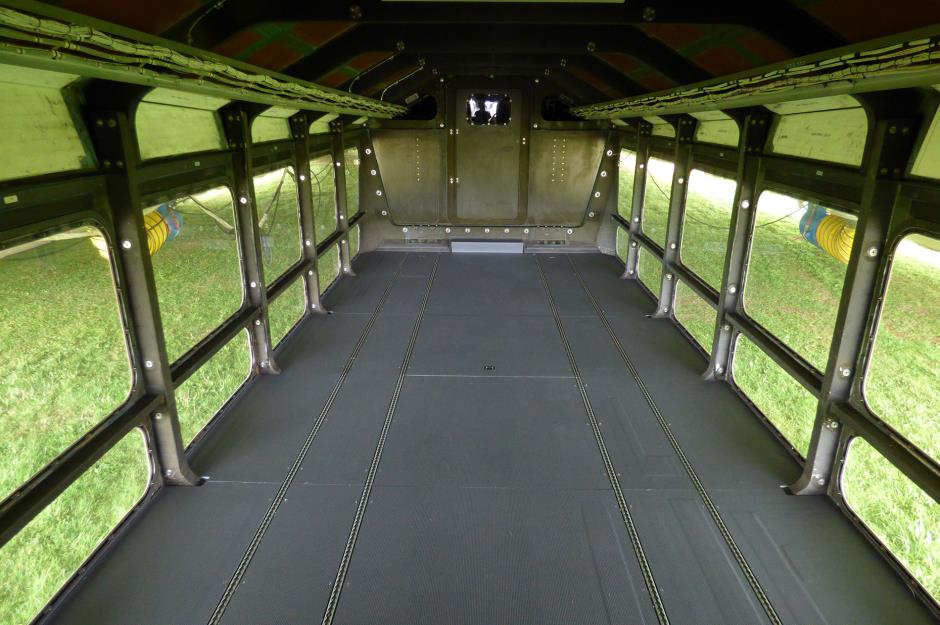
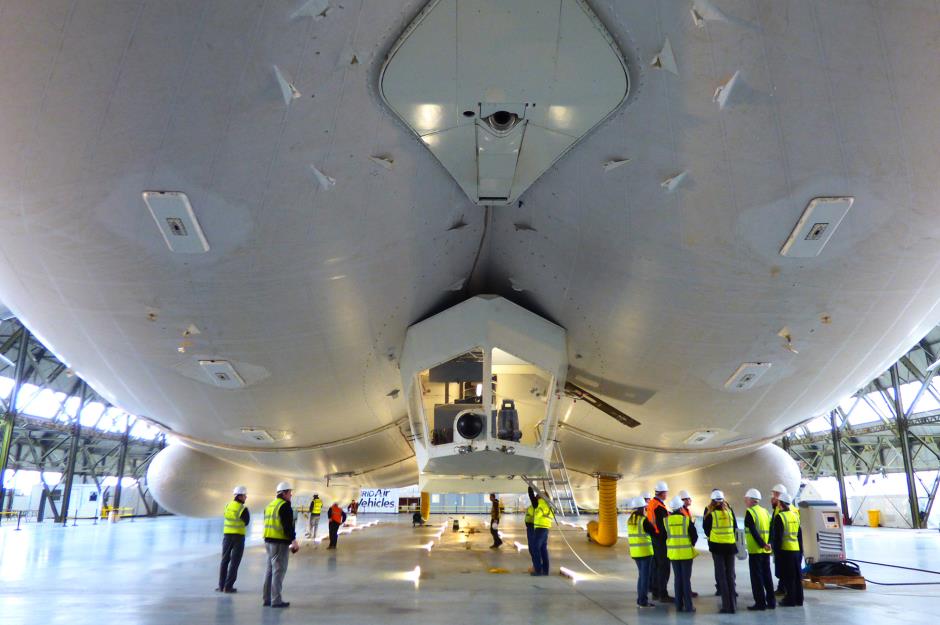
Currently, while the aircraft is still in testing, the passenger compartment is just an empty box. But in the future the operating companies will be able to design the configuration of this area themselves. Think anything from a 90-seat standard train seat layout to a 40-seat fine-dining restaurant, a first class airline cabin, a comfortable living room with plush sofas or even luxurious eight double ensuite hotel rooms with a king-sized bed.
Sponsored Content
What could the travel experience look like?
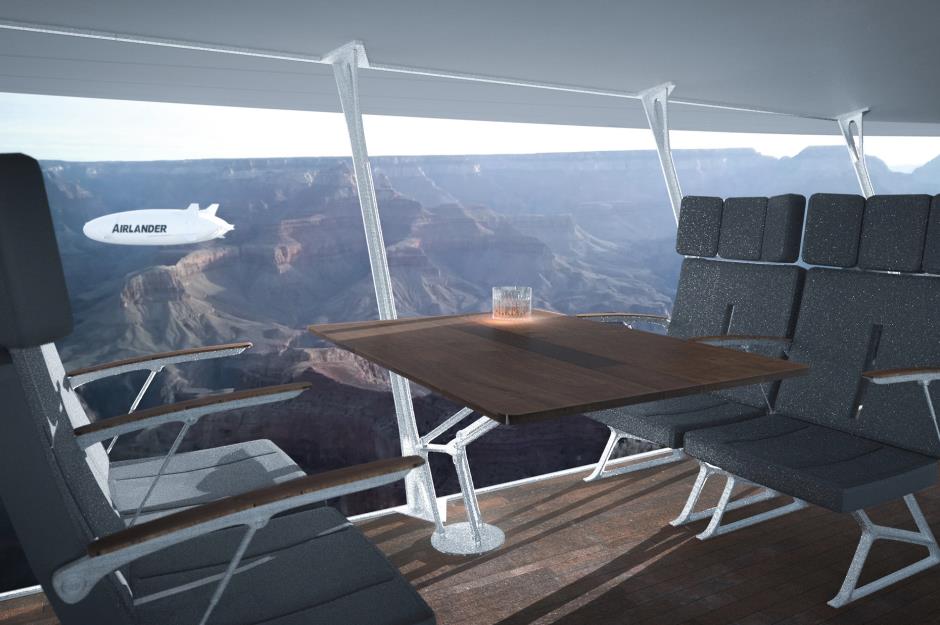
What would the travel experience be like on Airlander?
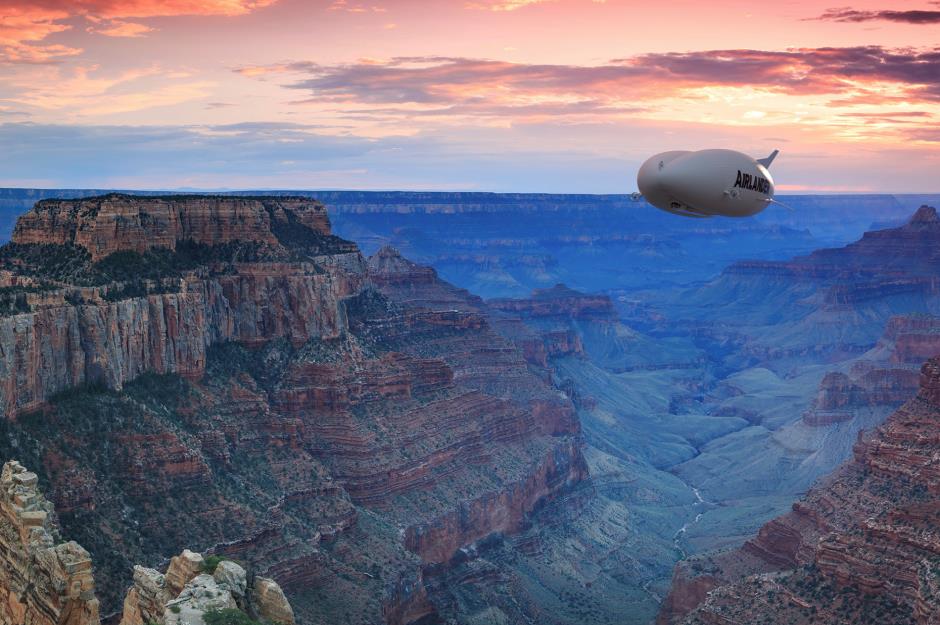
Can it really change passenger travel?
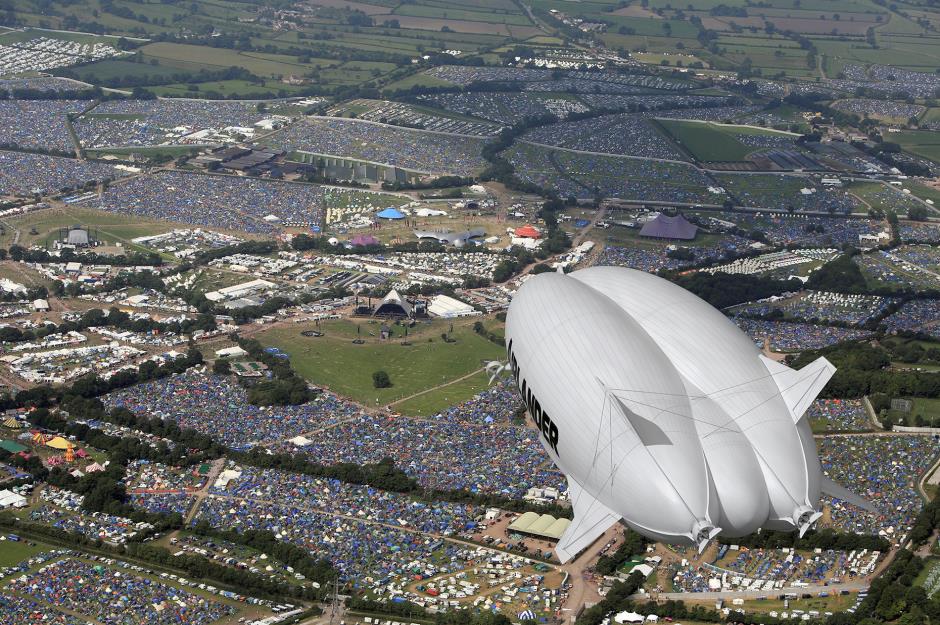
Under a recent deal with Spanish airline Air Nostrum, HAV is building 10 of their Airlanders for commercial travel. Production is tipped to start in 2022 and the aircraft will be delivered in 2026. Initially, they'd serve on a Barcelona to Mallorca route, whisking passengers away in around four hours. Commercial flights with Airlander are expected be more expensive than coach travel and slower than conventional air travel, but it offers its passengers the opportunity to go directly from city centre to city centre, rather than battling with airports miles out of town.
Sponsored Content
Can it go fully electric?
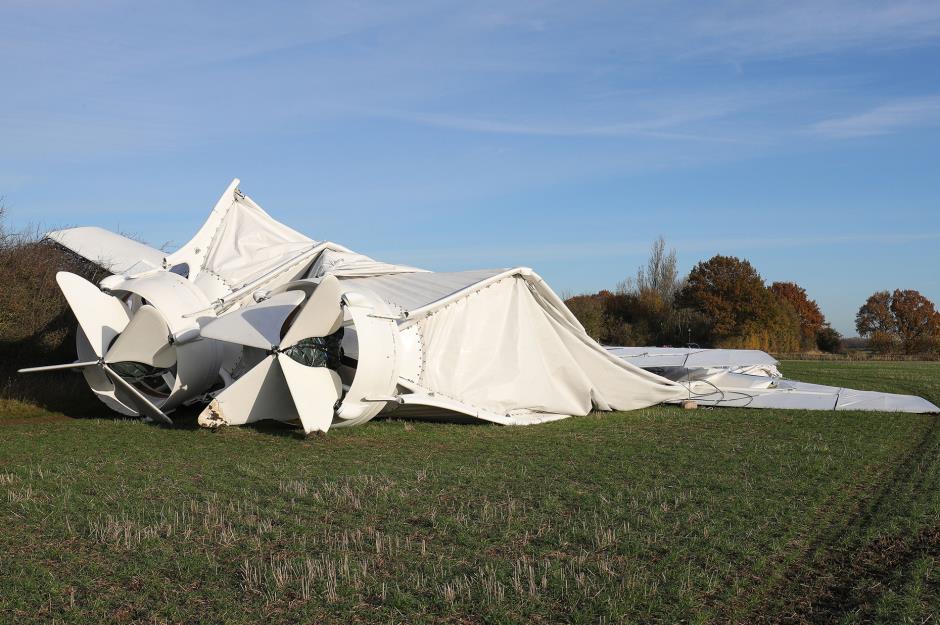
What about the accident?
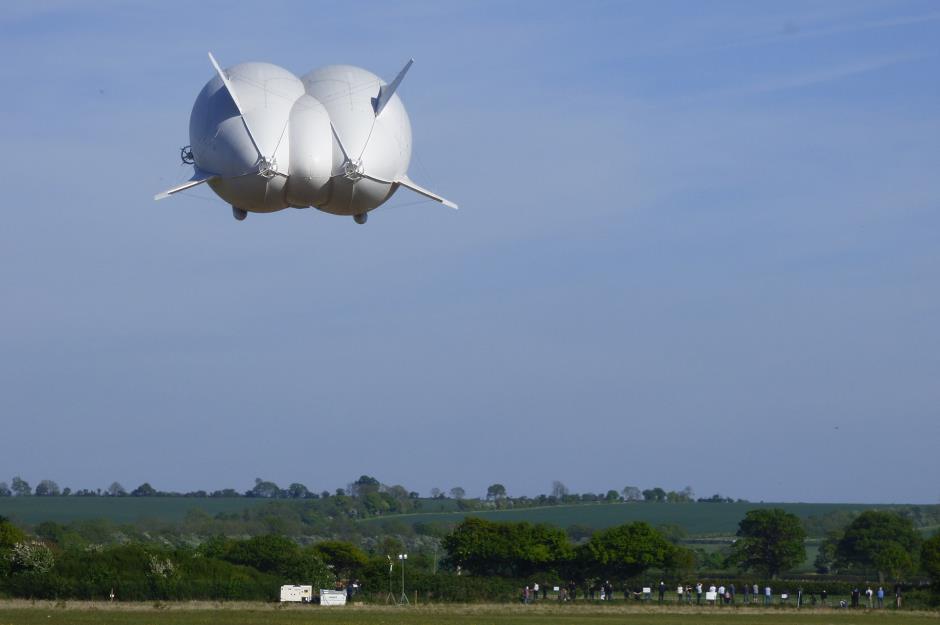
What’s next?
Sponsored Content
What’s next?