A travel doctor's orders: how to stay healthy on holiday
Top travel health tips

We've all had a spot of Delhi belly before, right? Sometimes you can't help getting sick on holiday, but there are certainly things you can do to prevent any major disasters. We asked Dr Kenny Livingstone, chief medical officer and founder of an on-demand GP service ZoomDoc, all our burning questions on travel health. Here are his top tips for staying healthy on holiday.
What should I do before I head off travelling?
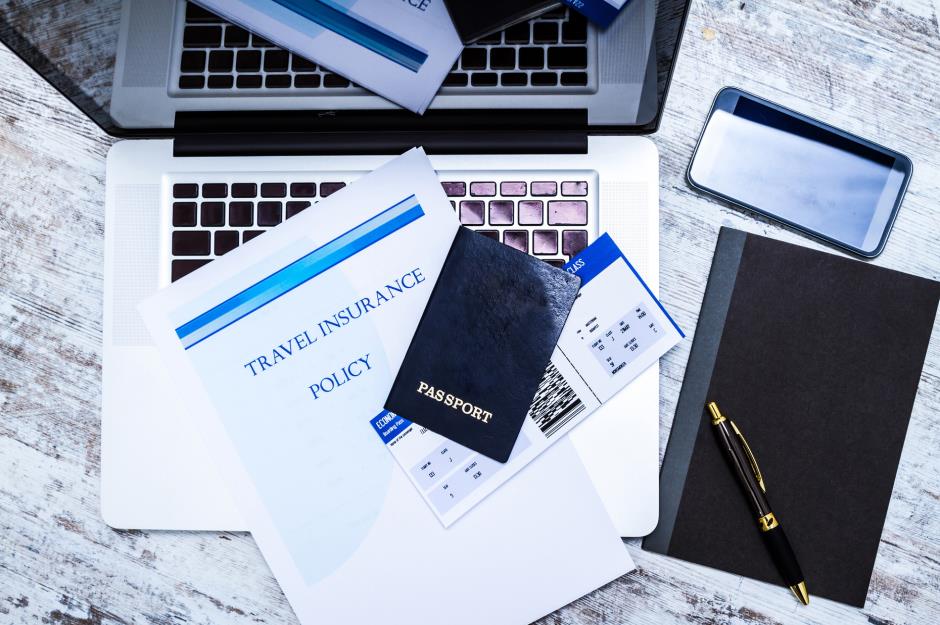
One of the most important things to do before heading on a holiday is to check you're up to date with immunisations. Depending on your travel destination, you might require extra vaccinations in order to protect yourself from serious diseases found in other parts of the world. Check the NHS to see what you will need – some are free, others you'll need to pay for. Leave plenty of time before you go on holiday for this, as some immunisations need to be given far in advance. It’s highly recommended that you allow at least eight weeks prior to your trip for getting all the vaccinations to ensure you’re protected.
Get a quick MOT

Sponsored Content
How do I stay healthy on a long-haul flight?
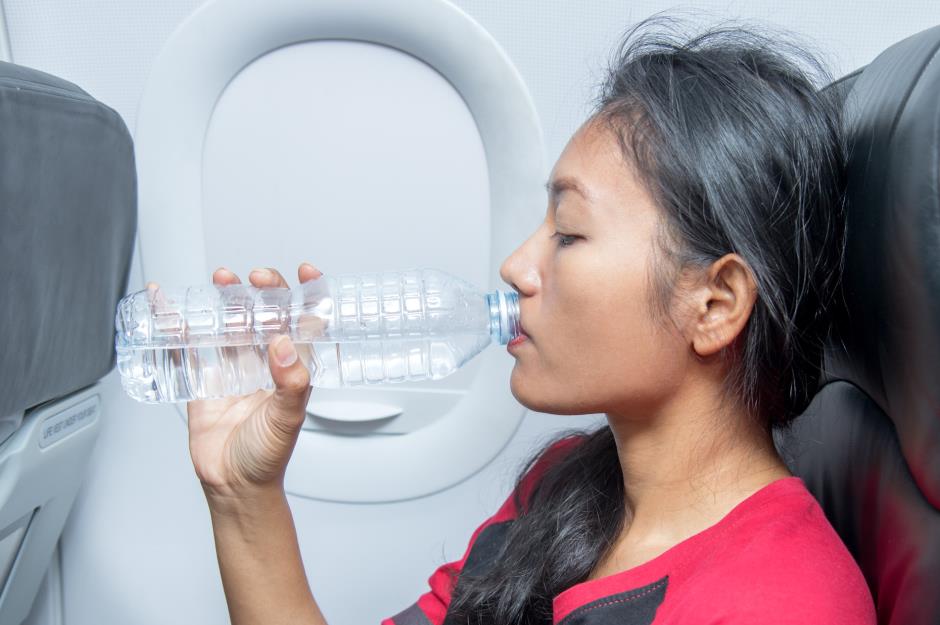
It’s widely known that due to low cabin humidity (which is at around 10%) most people feel thirstier when they're on a plane, especially while on long-haul flights. Dr Livingstone advises staying away from any alcoholic drinks and coffee, as these mixed with dry air can cause you to feel even more dehydrated once you land. Always drink lots of water and be sure to move around the plane as much as possible, and do simple leg stretches while you’re seated. Think about wearing compression stockings on flights as they can also significantly reduce your risk of DVT.
Why do I always seem to catch a cold after a flight?
What actually is the dreaded Delhi belly?
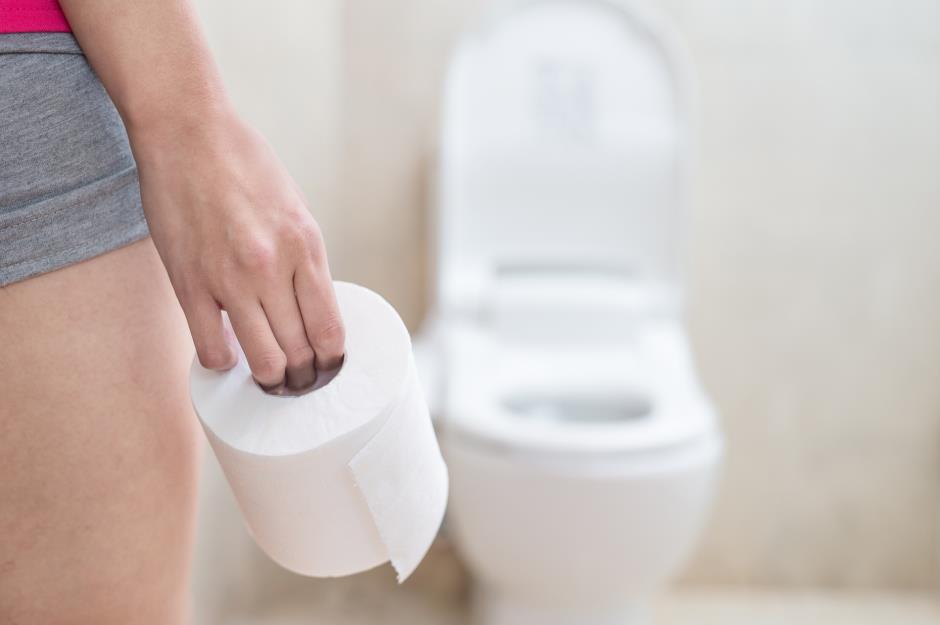
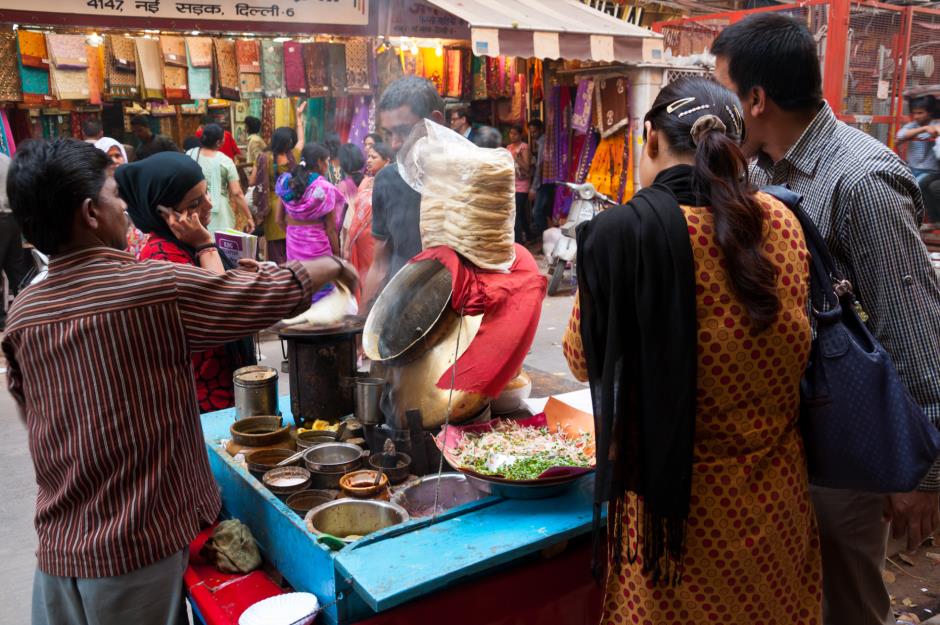
Dr Livingstone says Delhi belly is often an e-coli or campylobacter infection, which are more common in southeast Asia. These account for approximately 50% of cases of diarrhoea in travellers. Norovirus is the other one you ideally want to avoid. Strict hand hygiene, drinking boiled water and avoiding street food will go some way to protecting you from these. If you’re heading off the beaten track and likely to be at risk of getting sick, take a short course of ciprofloxacin antibiotics with you. They can be prescribed by your GP with strict instructions of when and how to take it.
Sponsored Content
Are there certain things we simply shouldn't eat or drink abroad?
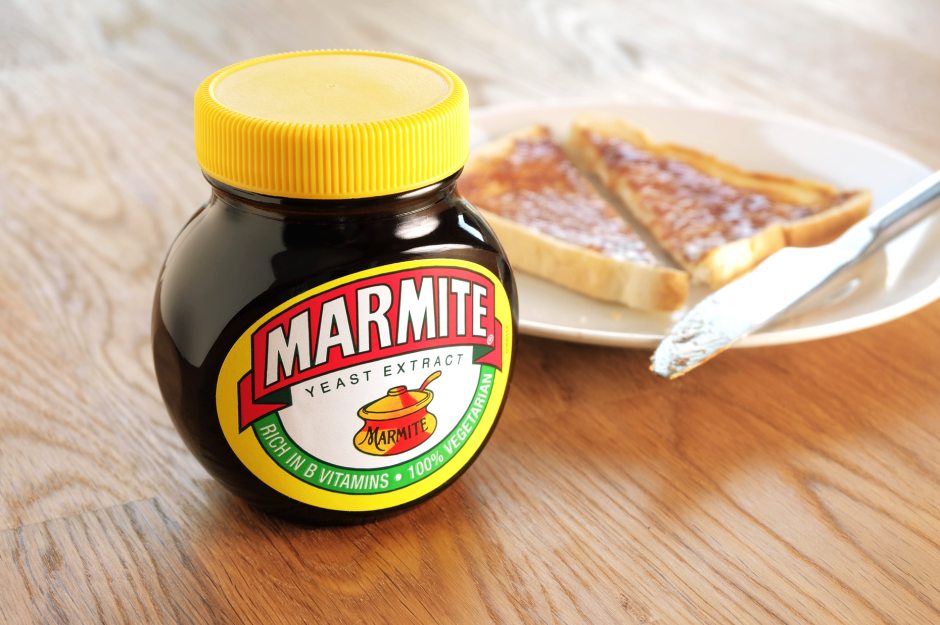
Does eating Marmite really help keep mosquitoes at bay?
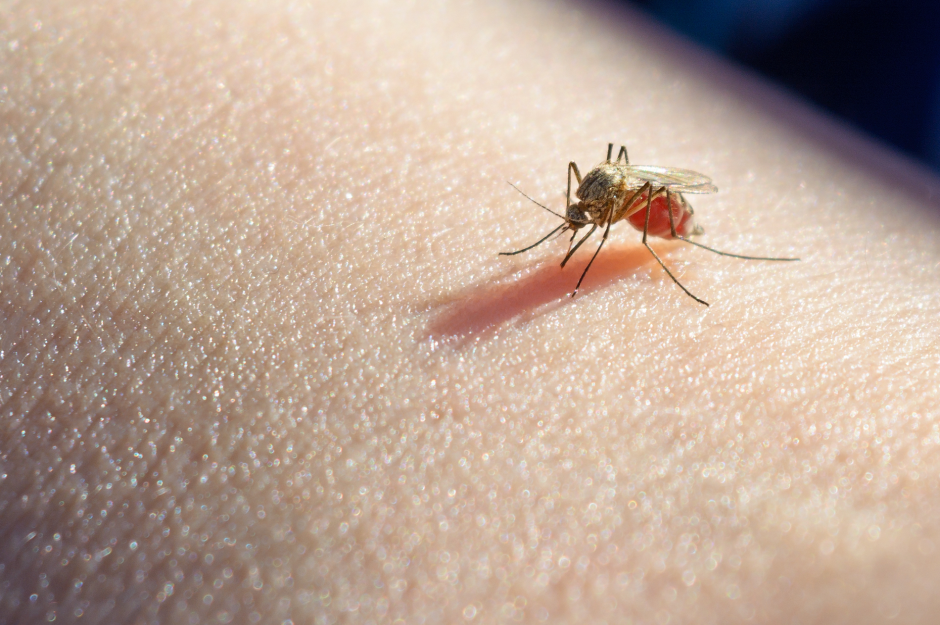
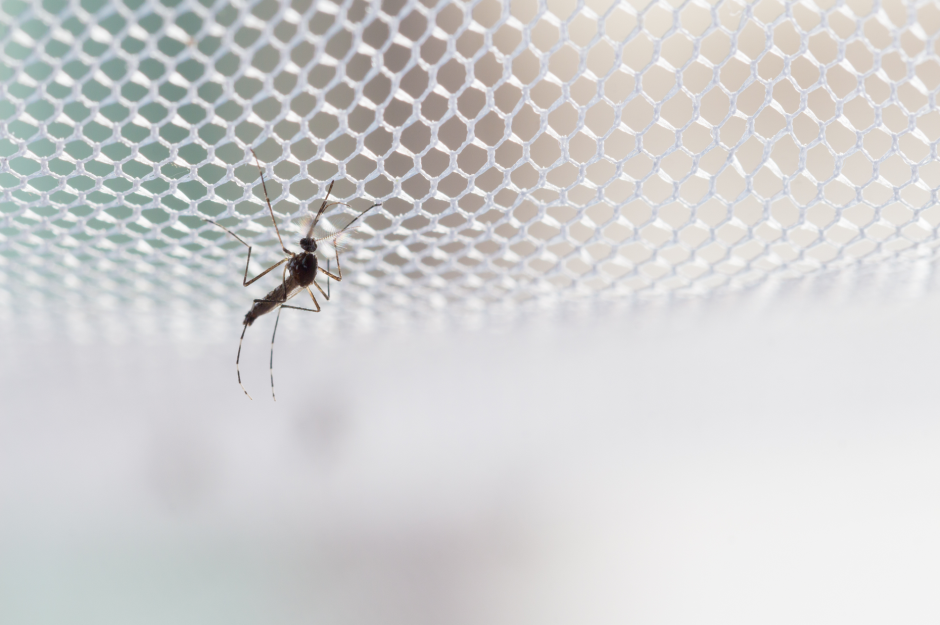
So how do we stop mosquito bites?
Sponsored Content
I’m prone to sunburn no matter what factor I wear – how can I avoid it?
What’s your advice on carrying prescription medicine overseas?
What essential first aid items should I pack?
Sponsored Content
I’m pregnant… What’s the deal with long-haul travel after six months?
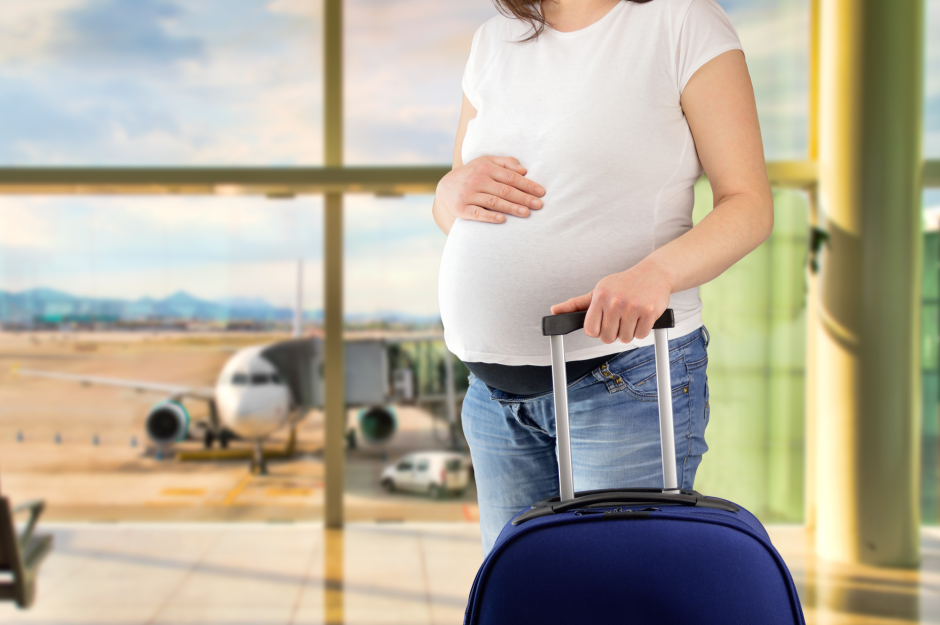
While most women are able to travel and have pleasant travel experiences while pregnant, it's highly recommended that women planning on travelling after 30 weeks should get advice from their GP and midwife ahead of any flights. Many airlines ask pregnant women to prove they are fit to fly once they are over 30 weeks pregnant, which can be confirmed in a letter from your GP. This is because pregnant women can have a higher risk of blood clots or DVT on planes. Consider packing your midwife notes in case of any complications while you're away.
How can I avoid altitude sickness in the mountains?

I’m going to a malaria zone but I’ve heard bad things about malaria tablets – what should I do?

Sponsored Content
Are there any other preventative steps?
Any other top tips?