Weather that changed the world in 2017
loveEXPLORING staff
04 December 2017
The force of nature

Extreme weather often has the power to change our planet, as these photos from 2017 prove.
The fall of the Azure Window, Malta

The Azure Window collapsed in March, after a storm hit the coast of Malta. This limestone arch, which has appeared in Game of Thrones, was suffering from erosion. However, experts didn't predict that it would collapse as early as it did.
Retreating glaciers in Whistler, Canada
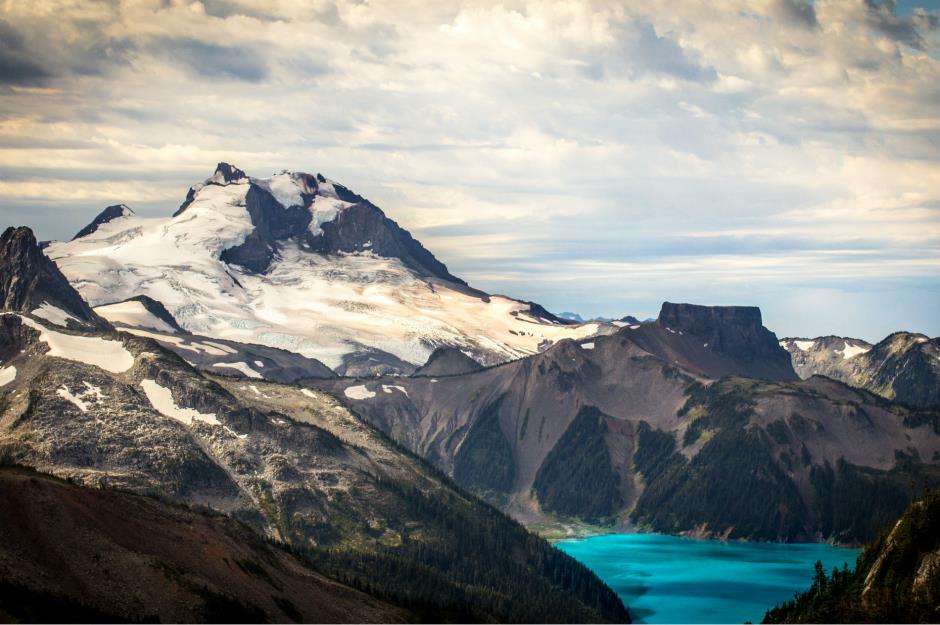
Glaciers in Whistler are rapidly melting due to global warming. Horstman Glacier is one of two to offer winter sports and serves as a training area. However, this year it was closed due to the lack of snow, making it impossible to set up the training ground.
Sponsored Content
Rockslide in Oregon
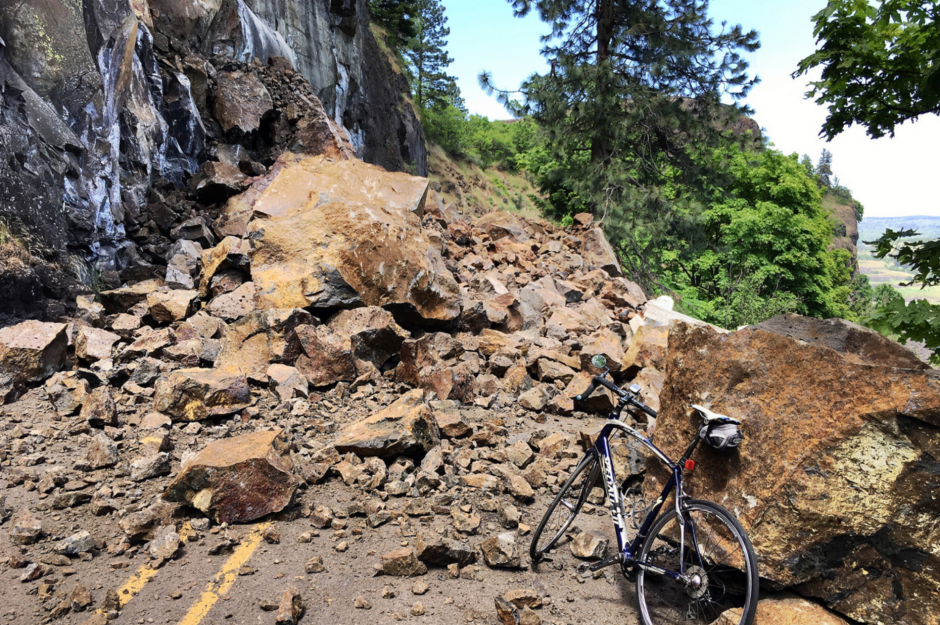
In May, between 500 and 600 cubic metres of rock and debris fell as the result of a rockslide on the historic Highway Rowena in Oregon, covering 150 feet of the road.
Coral bleaching in the Great Barrier Reef
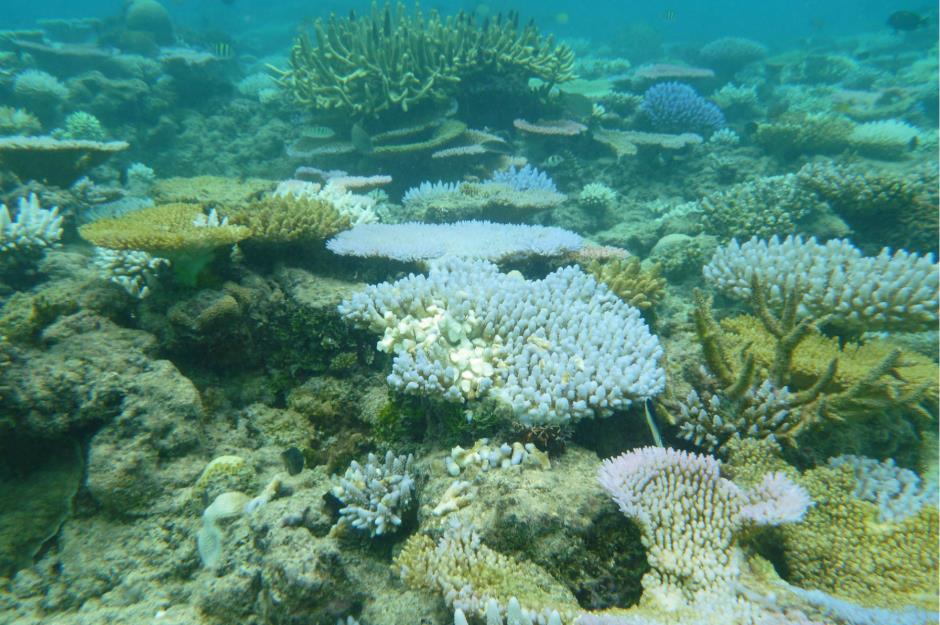
During early 2017, Australia's Great Barrier Reef experienced its hottest summer on record. Peak water temperatures mean that one of the world's most vital marine sanctuaries is experiencing bleaching and disease, meaning the reefs lose their natural colour.
Kamokuna Delta, Hawaii
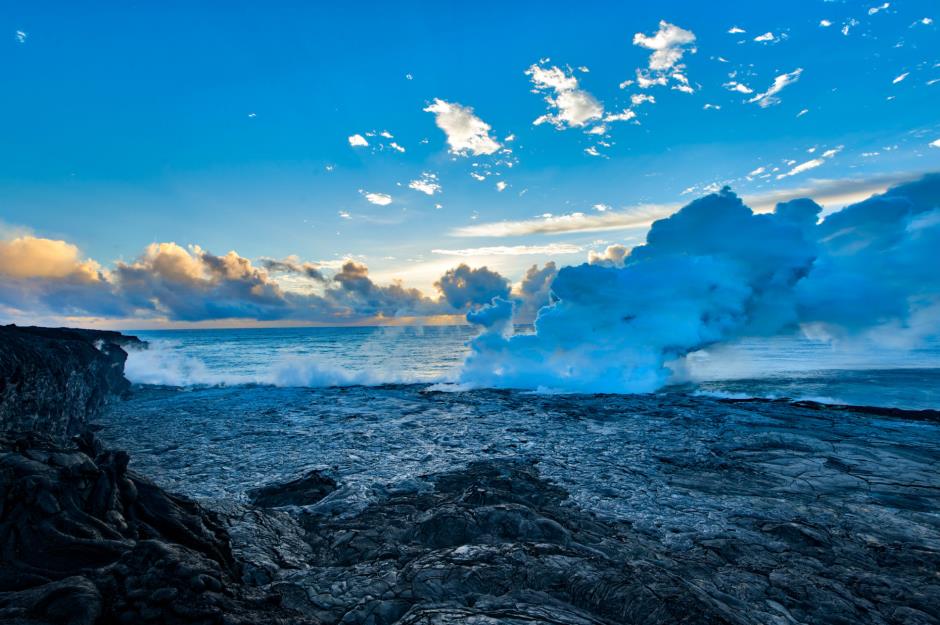
At the beginning of the year, a 22-acre chunk of Hawaii's famous Kamokuna lava delta collapsed into the ocean, triggering huge waves and showers of volcanic rock. As the lava from the volcano enters the sea, it produces a highly corrosive plume of hydrochloric acid.
Sponsored Content
Kamokuna Delta, Hawaii
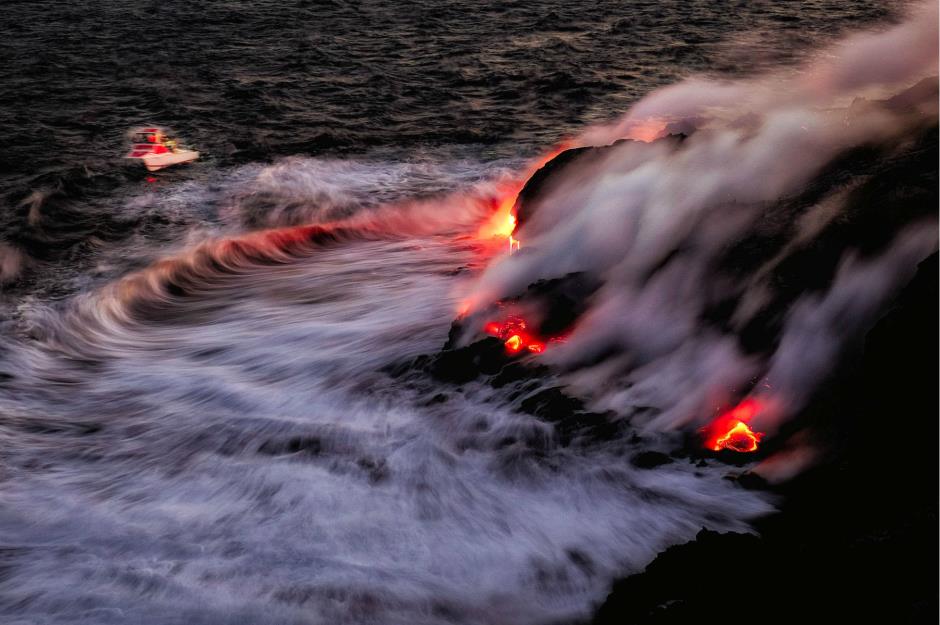
After its collapse, the delta had reformed at a size of 10 acres by November. The delta is being fed by Kilauea Volcano as it continues to erupt.
Venezula's last remaining glacier
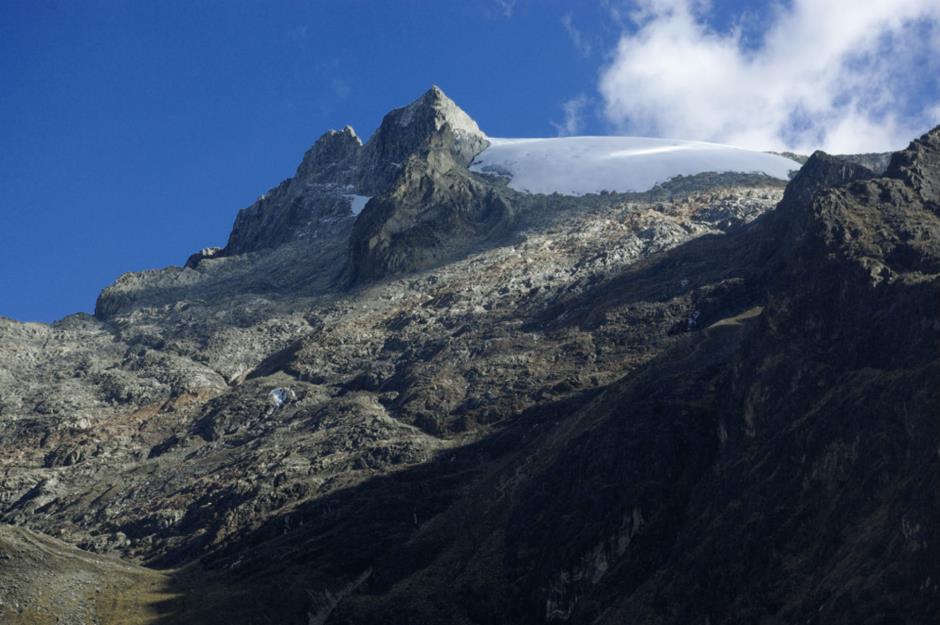
Venezula is a tropical country, however the mountain ranges of the north-west offer glaciers and skiing ranges. In 1991, five glaciers occupied the range, but just one remains in 2017. Now reduced to just the size of 10 football pitches, Venezuela could be the first country to lose all its glaciers.
Dooagh beach in Achill, Ireland
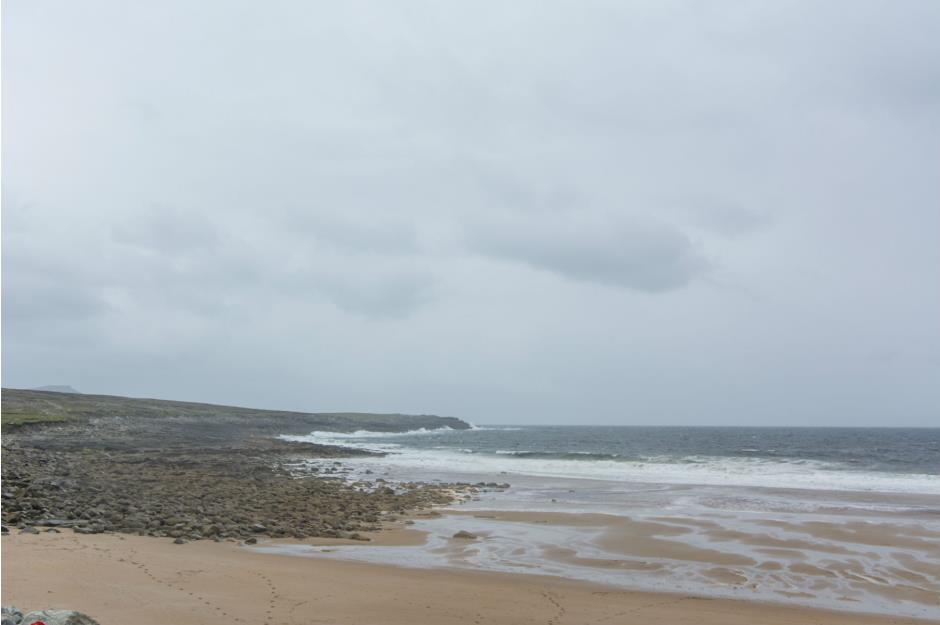
An Irish beach that washed away in 1984 reappeared over three decades later in April this year. This is due to a number of strong storms depositing sand onto the shoreline.
Sponsored Content
Slims River, Canada

A retreat of the Kaskawulsh Glacier in Canada in April caused the Slims River to change its course and join the Kaskawulsh River. This was the first case of what is known as 'river piracy' in modern times.
Larsen C Iceburg, Antarctic
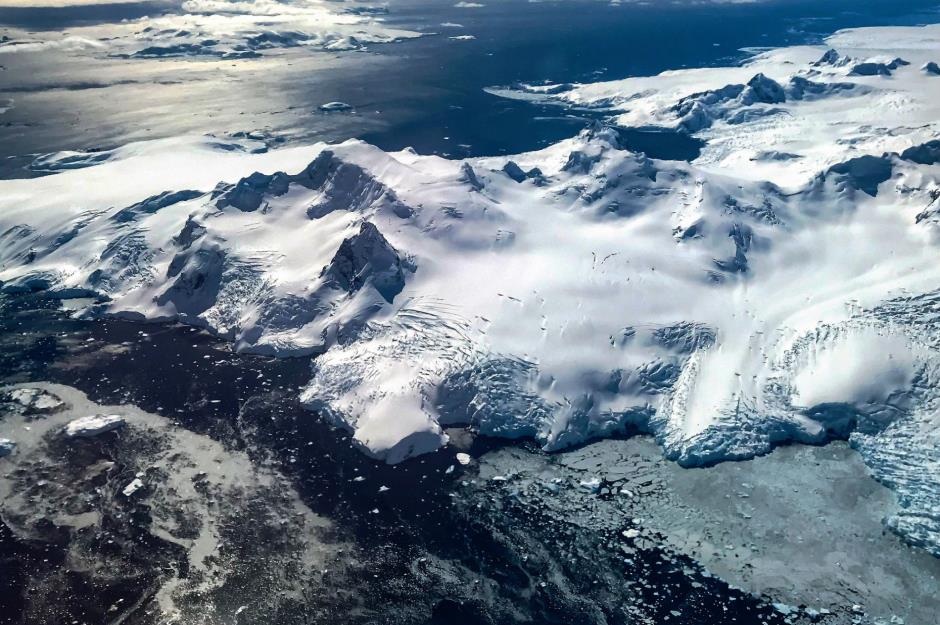
This July, an iceberg twice the size of Luxembourg broke off the Antarctic ice shelf, changing the landscape forever. The Larsen C ice shelf is now adrift in the Weddell Sea, although experts say it will not cause any sea level rises as its mass was already floating.
Polyna, Antarctica

For the second year in a row, scientists have discovered a massive hole in Antarctica's sea ice, also known as a polynya, which spans an area the size of South Carolina. These areas of open water can be caused by warmer sea temperatures. Polynyas can though be vital for wildlife as it provides them with access to the ocean.
Sponsored Content
Tunnel tree toppled by storm, California

A giant ancient sequoia tree with a hollowed-out tunnel was knocked over by severe storms and flooding in California on January 8.
Yosemtie National Park rock fall, California
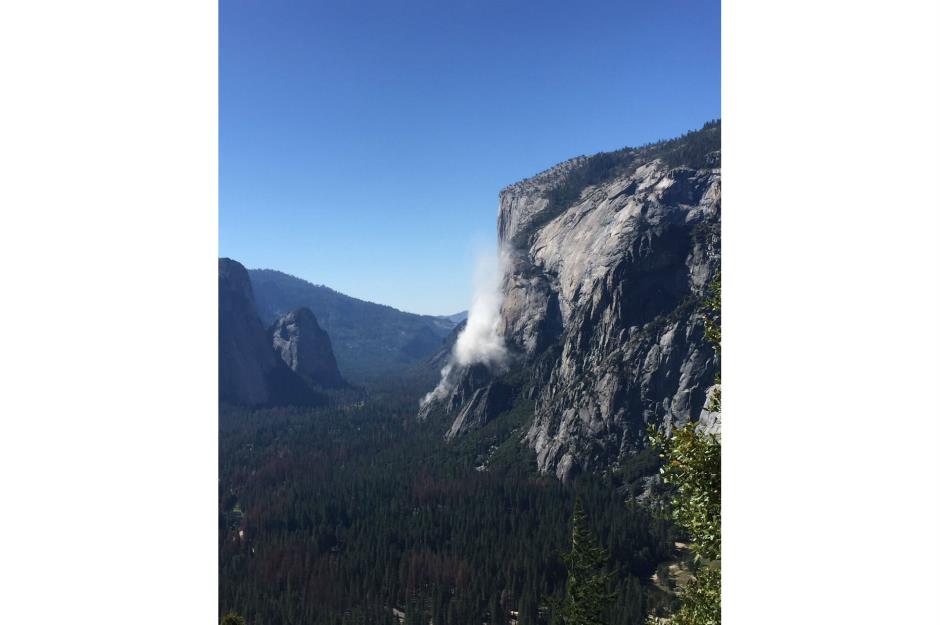
More than 1,000 tonnes of rock fell from the face of El Capitan monolith in September from a height of 200 metres.
Avalanche in Abruzzo, Italy
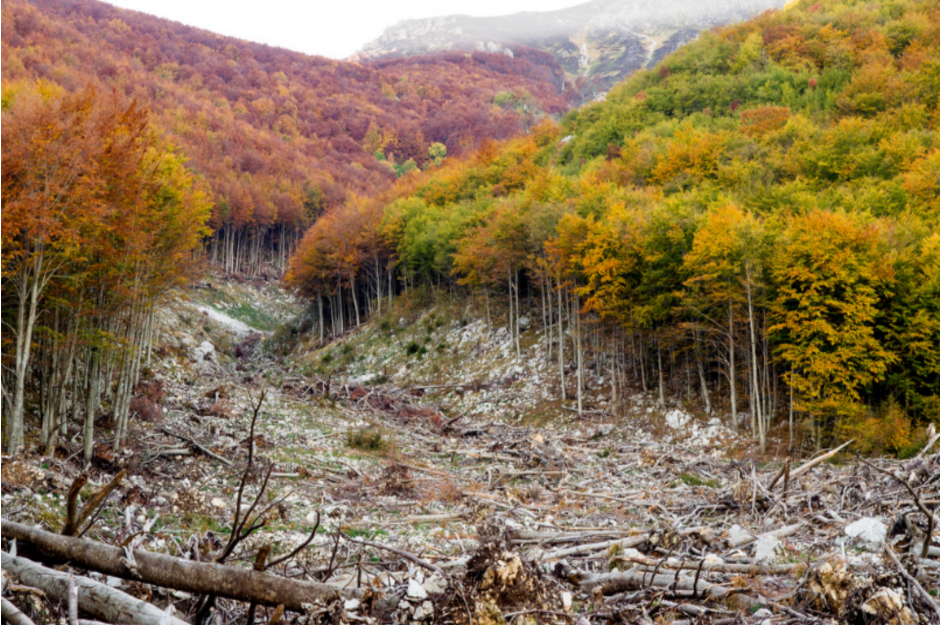
The path of the avalanche that hit Abruzzo, Italy in January. Avalanche experts believe it could have been set off by four earthquakes nearby a day earlier, which caused the snow to dislodge.