The very best wildlife experience in every US state
Where to see wildlife in the USA
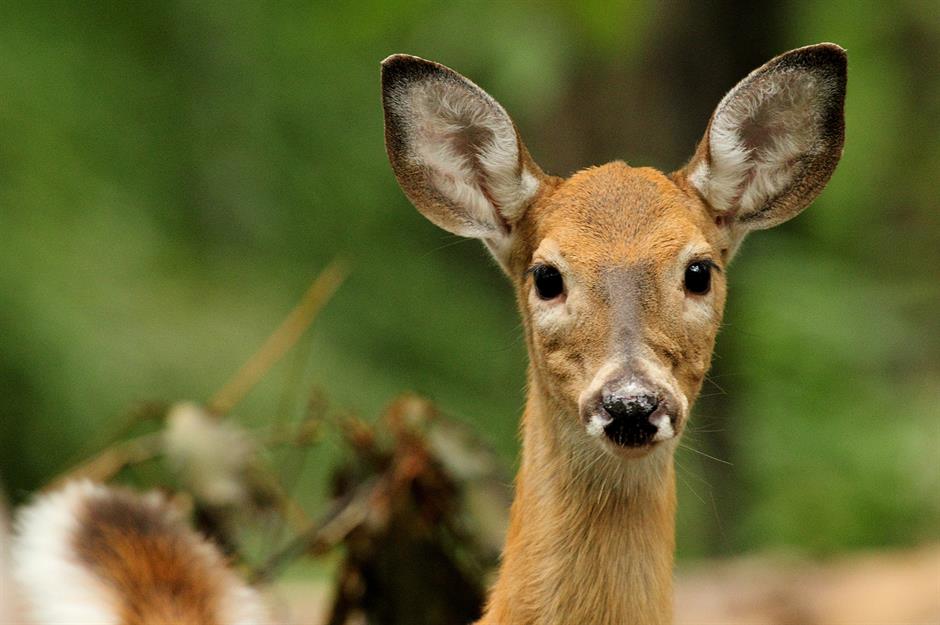
Alabama: Bon Secour National Wildlife Refuge
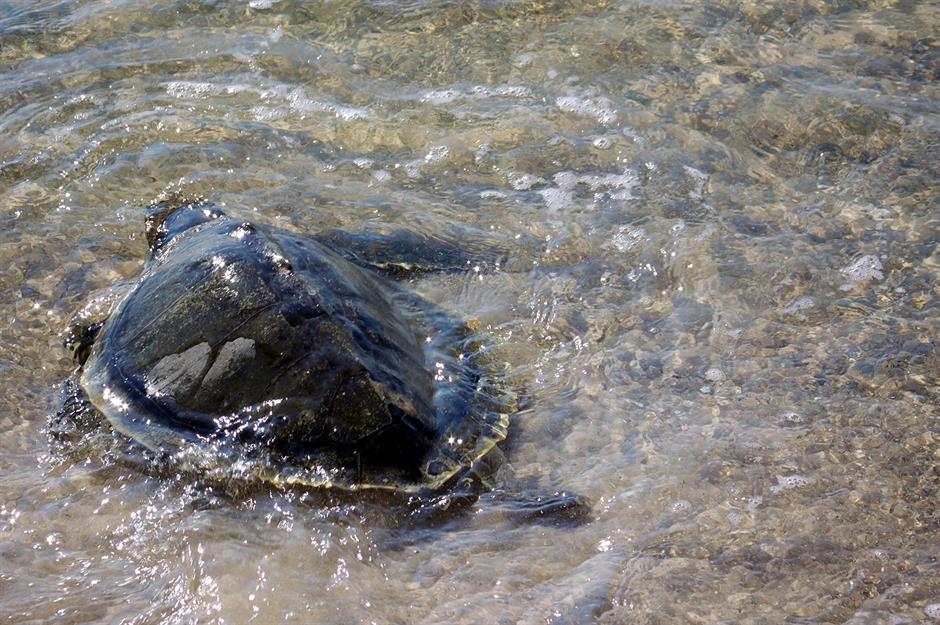
The Bon Secour National Wildlife Refuge is a haven for some 370 bird species, including the threatened snowy plover, as well as alligators, armadillos, and even bobcats. It's also home to Kemp's ridley, loggerhead, and green sea turtles, who nest on the Gulf Coast shores from late May to October. Four separate trails cover the refuge and provide different opportunities for wildlife viewing: if you spot a turtle, keep a good distance to avoid disturbing it and try not to destroy any tracks.
Alaska: Denali National Park
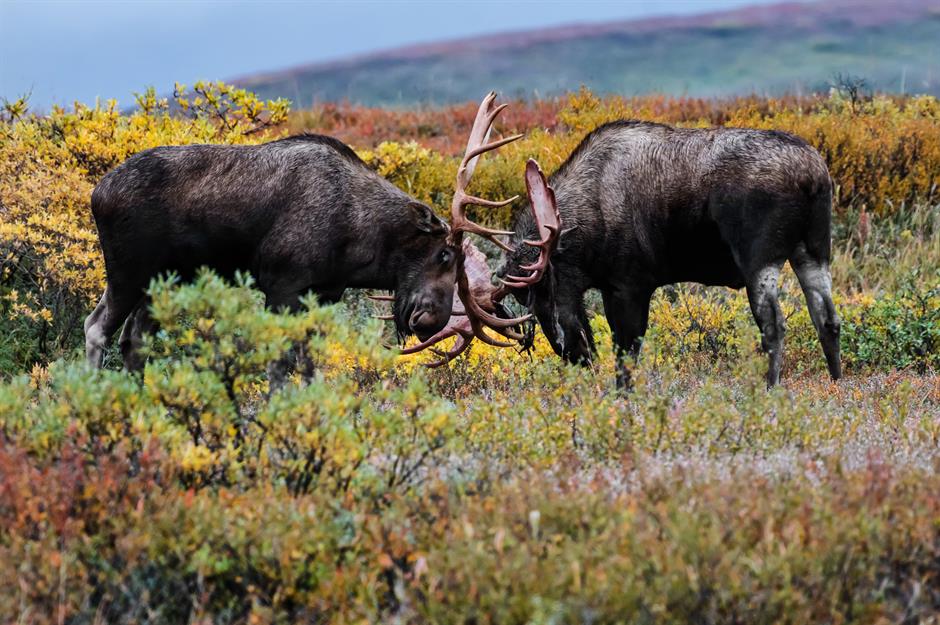
One of the best national parks for wildlife viewing in the US, Denali is home to Alaska's Big 5: caribou, moose, wolves, dall sheep, and, of course, grizzly bears. You can tour the park independently, but a ranger-led Discovery Hike allows you to embrace your adventurous spirit and go off-trail. A narrated bus tour is another popular option for wildlife viewing and your expert naturalist will pause if they see a bear hulking at the roadside or a moose grazing in the brush. Be sure to follow the park's safety advice at all times.
Sponsored Content
Arizona: Sipe White Mountain Wildlife Area, Springerville
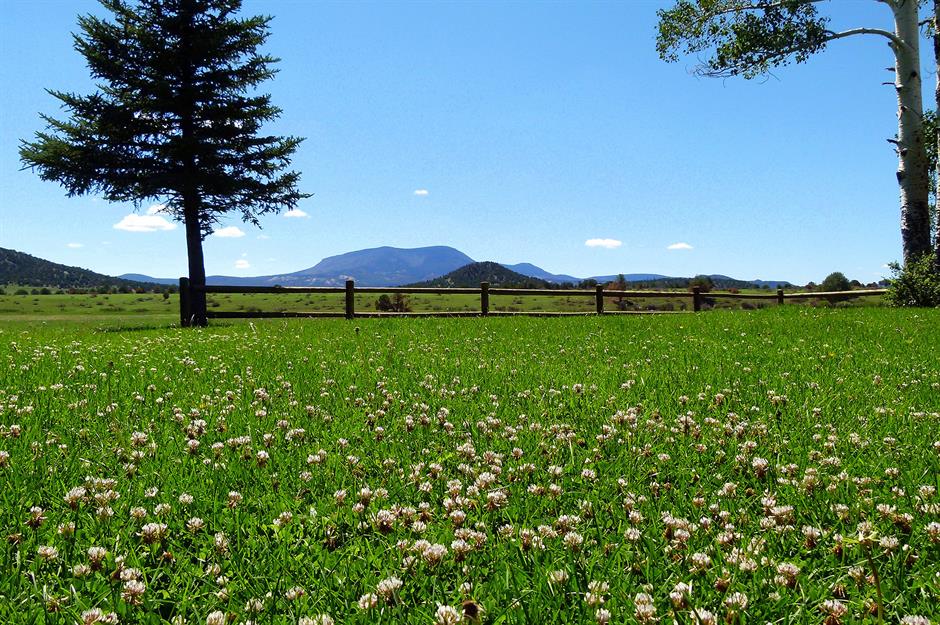
Bull elk, bald eagles, and a steady stream of waterfowl call this refuge in eastern Arizona home. Each July, bird lovers flock to the park for the High Country Hummers Festival, during which time the public can learn about a range of hummingbird species as they're banded and released back into the wild. Come in autumn or winter and you're more likely to catch a glimpse of elk amid the forest or bald eagles circling overhead. Wildlife viewing points are stationed along each of the four hiking trails.
Arkansas: Petit Jean State Park
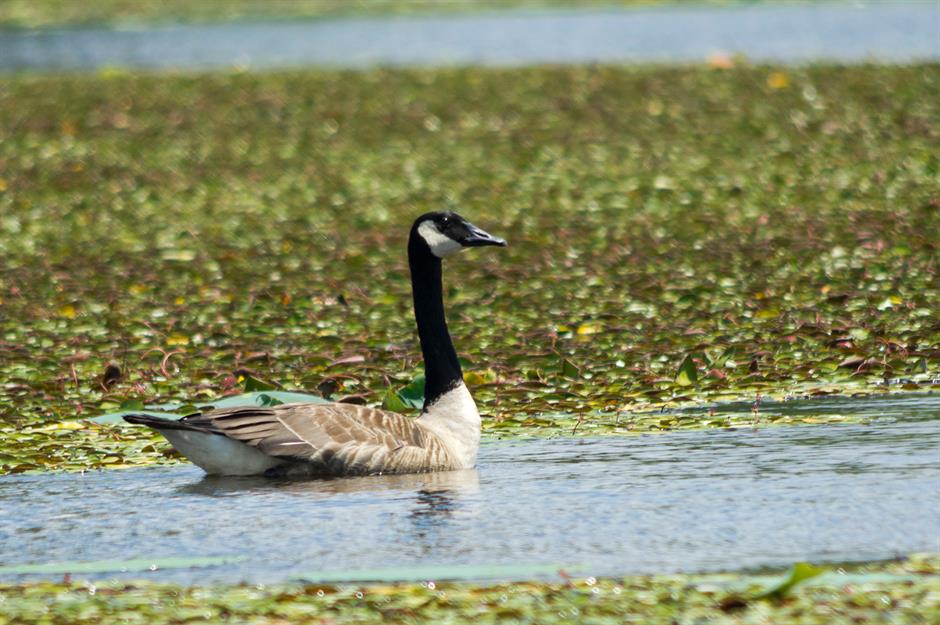
Bird lovers should make a beeline for this peaceful park in the Natural State. Species spotted here include abundant waterfowl like Canadian geese, plus the red-bellied woodpecker and the cute Carolina chickadee. The birds exist against a stirring backdrop of craggy rock formations, waterfalls, forests, and meadows and there are typically plenty of interpreter-led events to help you learn more.
California: Point Reyes National Seashore
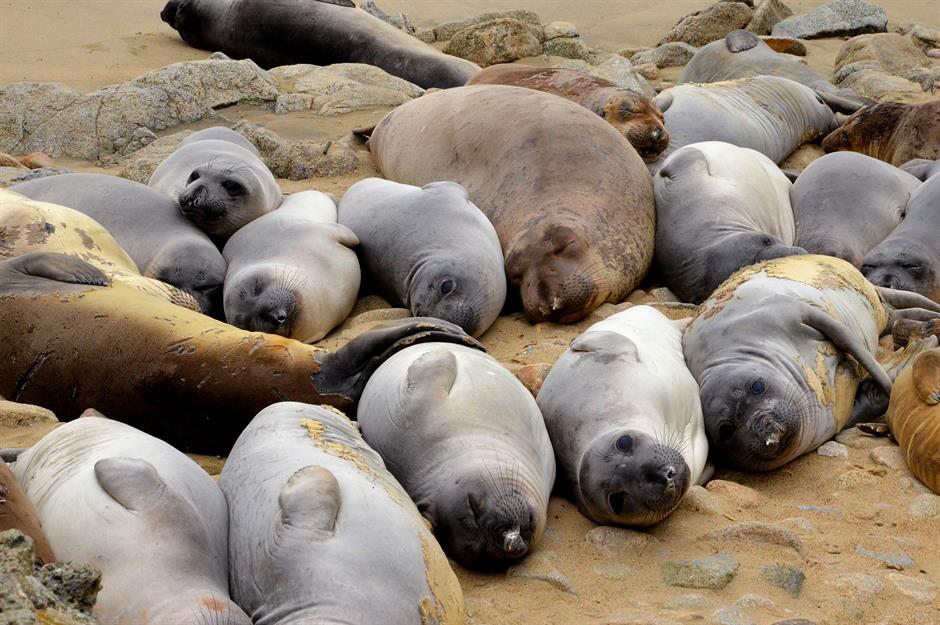
This vast area of protected California coastline is home to more than 1,500 species of flora and fauna, so it's an ideal place to get to grips with the Golden State's incredible wildlife. It's a mammoth site, encompassing some 80 miles (129km) of shoreline, and within its limits you'll find elephant seals, harbor seals, tule elk, and even coyote and black bear. Spot frolicking seals from December through to March at Elephant Seal Overlook close to Chimney Rock or head to the Tule Elk Preserve at Tomales Point for a glimpse of these majestic mammals.
Sponsored Content
Colorado: Rocky Mountain National Park
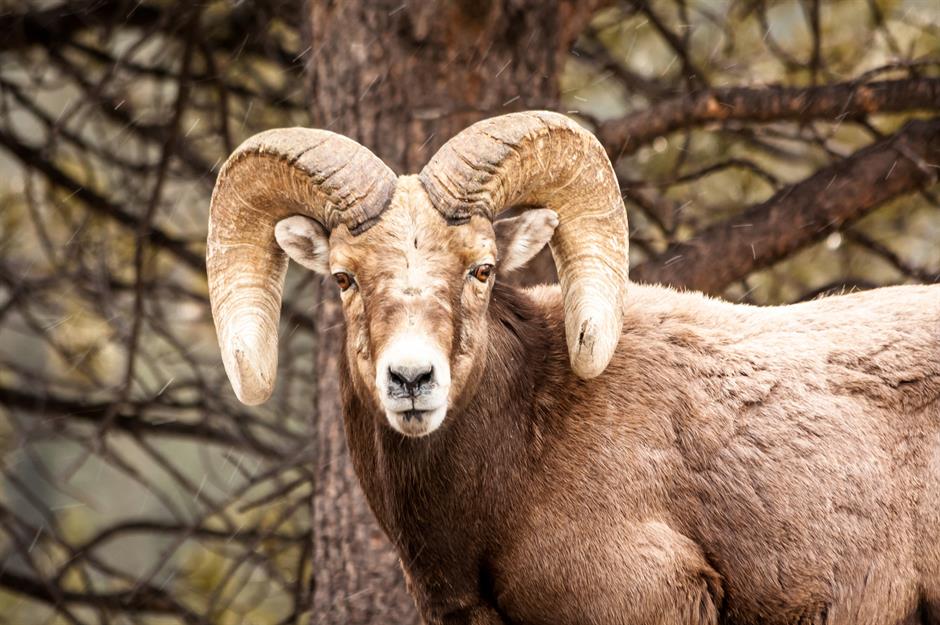
More than 300 miles of hiking trails criss-cross this park, with its peaks, still lakes, and abundant wildlife. Of the 67 mammal species here, bighorn sheep, with their arching horns and their climbing prowess, are among the most intriguing. Look out for them around Sheep Lakes in late spring and early summer. Also roaming the park are mountain lions, mule deer, black bears, and moose, plus cute-as-a-button pikas, a little mammal related to the rabbit.
Connecticut: Eagle Landing State Park
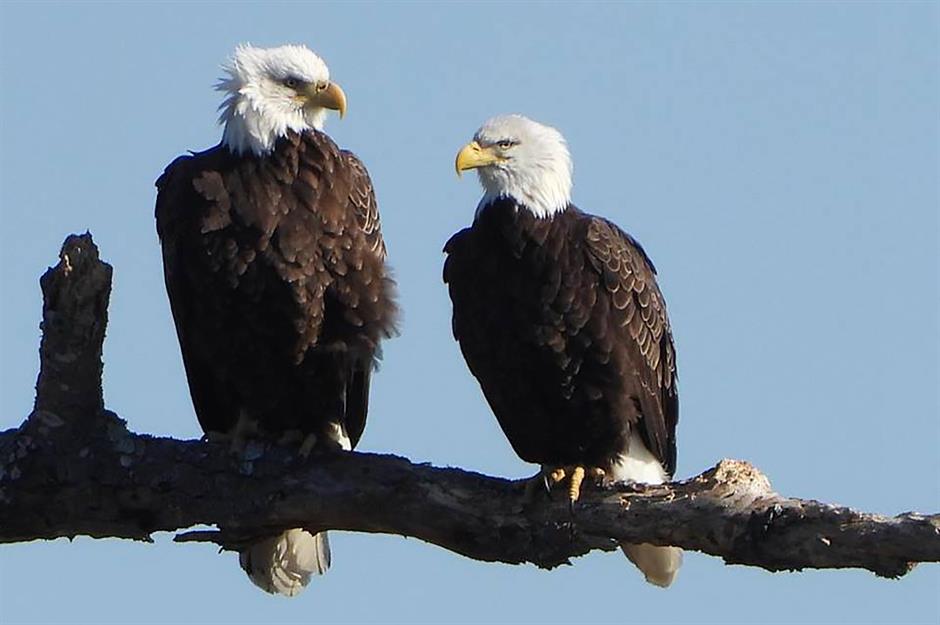
Eagle Landing is a fitting name for this 16-acre riverside park. In the colder months, bald eagles and the occasional golden eagle thrive in this slice of southern Connecticut, having escaped from the chill in the north of the state. For a great chance of a sighting, book onto one of River Quest's Winter Wildlife Eagles Cruises: you'll sail down the Connecticut River with expert naturalists who'll point your gaze in the right direction.
Delaware: Bombay Hook National Wildlife Refuge
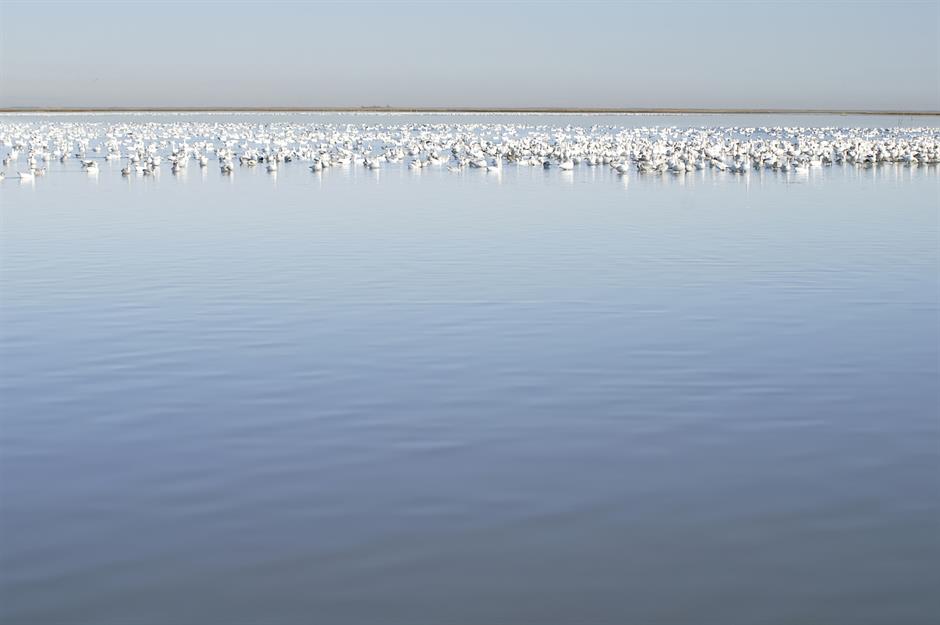
This National Wildlife Refuge protects a portion of salt marsh and forest along the Delaware coast. A paradise for birders, the refuge supports a large population of migratory birds through the autumn and winter, from American black ducks to snow geese. Though more elusive, northern harriers also circle over the salt marshes and bald eagles watch their prey from the trees. Wildlife seekers can choose between a 12-mile wildlife drive or five hiking trails.
Sponsored Content
District of Columbia: Rock Creek Park, Washington DC
While you might not expect to find wildlife in the United States' capital, Rock Creek Park, part of the National Park Service system, is a blessing for urban animal lovers. Deer, foxes, and beaver thrive in the park, and there have been many a coyote sighting too. Pore over the exhibitions at the Rock Creek Park Nature Center and Planetarium, then head out on a hike.
Liking this? Click the Like button above. And click the Follow button above for more great stories from loveEXPLORING
Florida: Everglades National Park
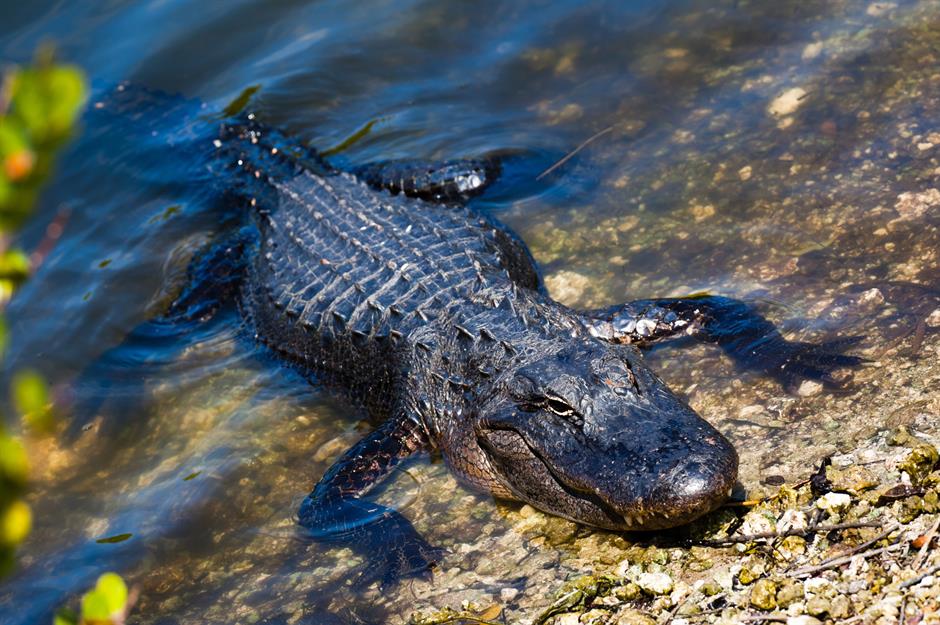
This giant national park comprises more than 1.5 million acres of wetland landscapes, so you'll need to plan carefully if you want to spot some wildlife. You'll find the American crocodile lurking in numerous parts of the park, including the Flamingo area, with its fascinating visitor center. Popular trails for wildlife spotting include the short Anhinga Trail, where you might also glimpse turtles, alligators, and wildfowl.
Georgia: Georgia Sea Turtle Center, Jekyll Island
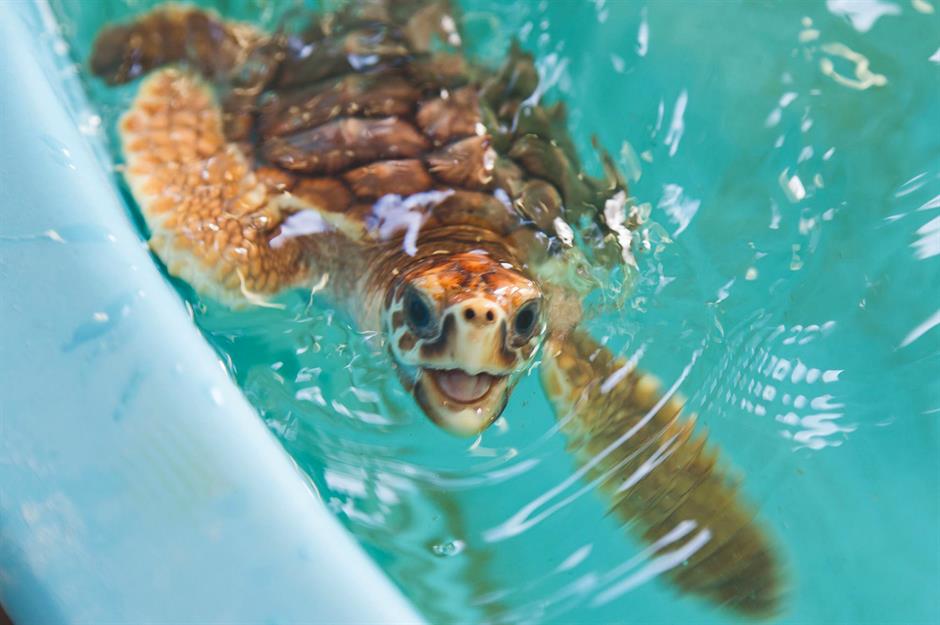
According to the World Wildlife Fund, "nearly all species of sea turtle are classified as Endangered" and this sanctuary on Georgia's Jekyll Island is committed to the rehabilitation of these creatures. Describing itself as a "working hospital," the center conducts vital conservation work, as well as looking after injured reptiles and seeking to educate the public. Accompanied by expert staff, visitors can meet some of the "turtle patients," watch feeding time, and learn from interactive exhibits.
Sponsored Content
Hawaii: Kaloko-Honokōhau National Historical Park
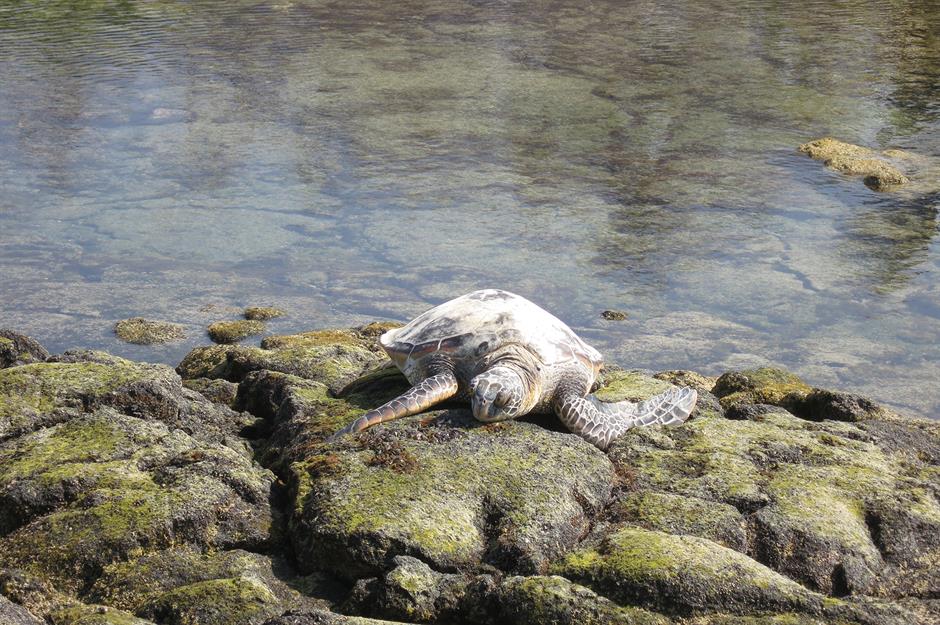
A protected site on Hawaii Island, Kaloko-Honokōhau is as rich in wildlife as it is in history. Green sea turtles are the park's most conspicuous reptile, sunning themselves on the shores or paddling in clear shallow waters. If you look closely you can also spot quick-footed geckos, as well as the occasional Hawaiian monk seal. In winter, you might see the crest of a humpback whale out at sea. Begin at the Hale Ho'okipa Visitor Contact Station, where staff can point you towards the best trail for nature viewing depending on the season.
Idaho: Harriman State Park
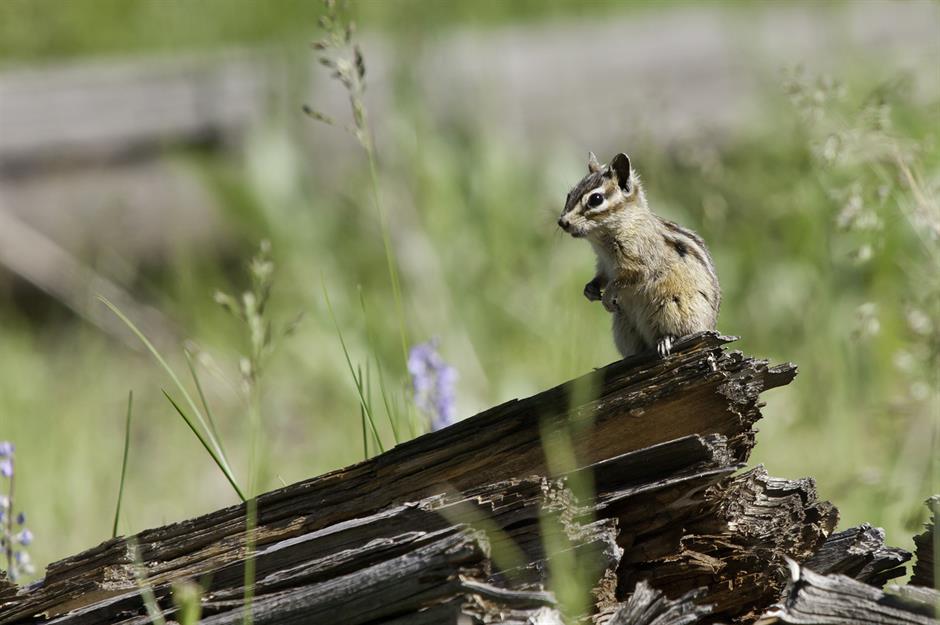
Not to be confused with New York's Harriman State Park, this scenic area of forests and lakes is just a stone's throw from Yellowstone National Park – though you'll find its trails and woods to be much quieter. On the park's 22 miles of hiking routes, keep your eyes peeled for moose and elk peering from between the trees or cute chipmunks frolicking in the grass. Keen birders will also be in awe of the elegant trumpeter swans gliding on the lakes. To maximize your chances of an animal encounter, spend the night in one of the yurts or cabins.
Illinois: Cypress Creek National Wildlife Refuge
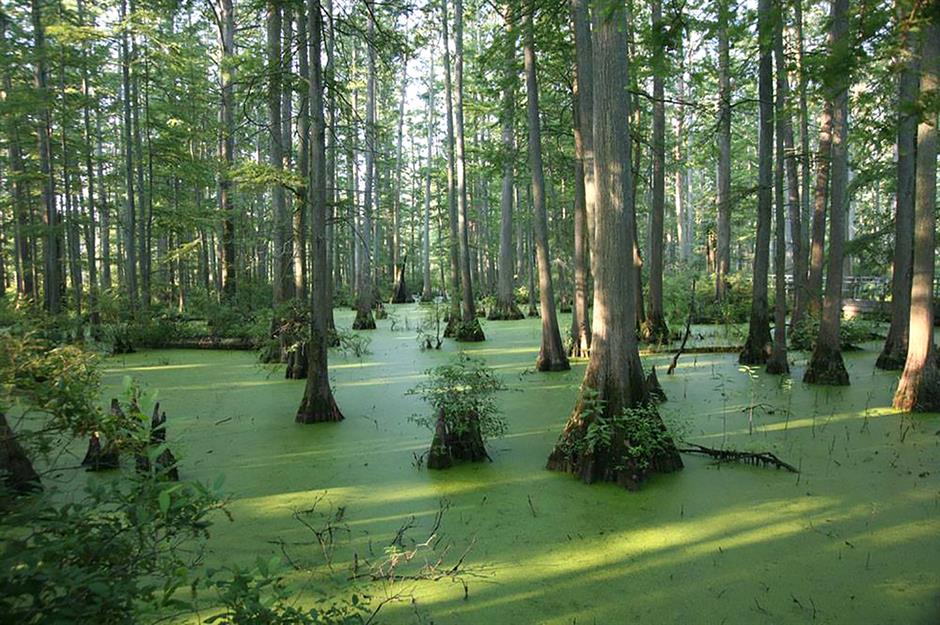
This protected area of swamps, wetlands, and cypress trees may look straight out of Louisiana or Florida, but you'll actually find it in southern Illinois. The migratory birdlife is a top draw here, and the prothonotary warbler, a dainty yellow songbird, is the most vocal of them all. A more secretive species is the endangered Indiana bat, but experts have found so-called 'maternity colonies' made up of female bats throughout the refuge during the summer months. The 1.5-mile Hickory Bottoms Trail leads visitors through forestland brimming with birds.
Sponsored Content
Indiana: Indiana Dunes National Park
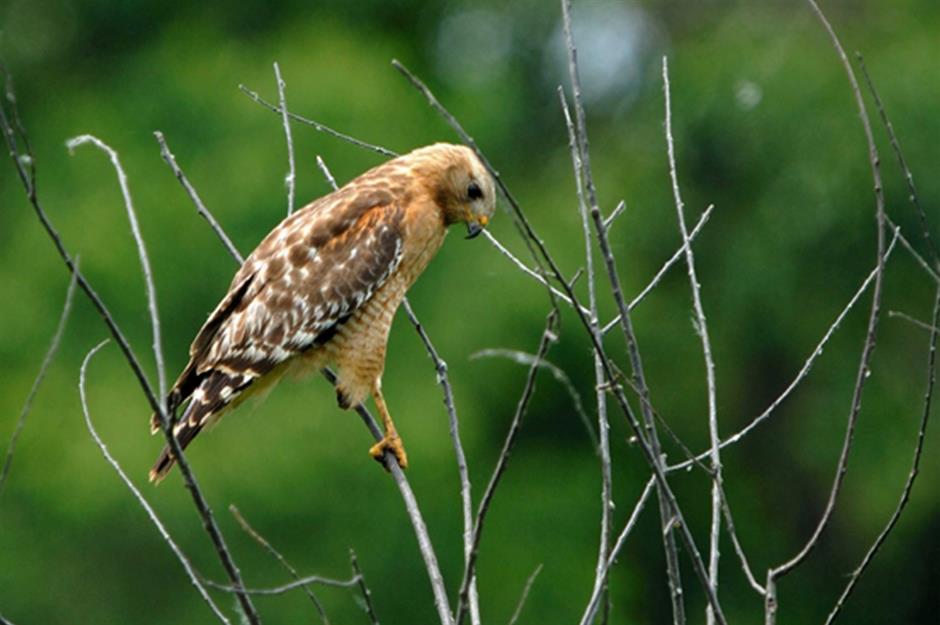
The biggest drawcard of this national park is its towering sand dunes, but there's plenty of wildlife to be discovered too. The sprawling landscape fringes Lake Michigan and serves as a rest stop for migratory birds – more than 350 species have been spotted here. Keep your eyes peeled for fascinating creatures like the red-shouldered hawk (pictured) and the yellow warbler, plus mammals like bats, beavers, and deer.
Iowa: Backbone State Park
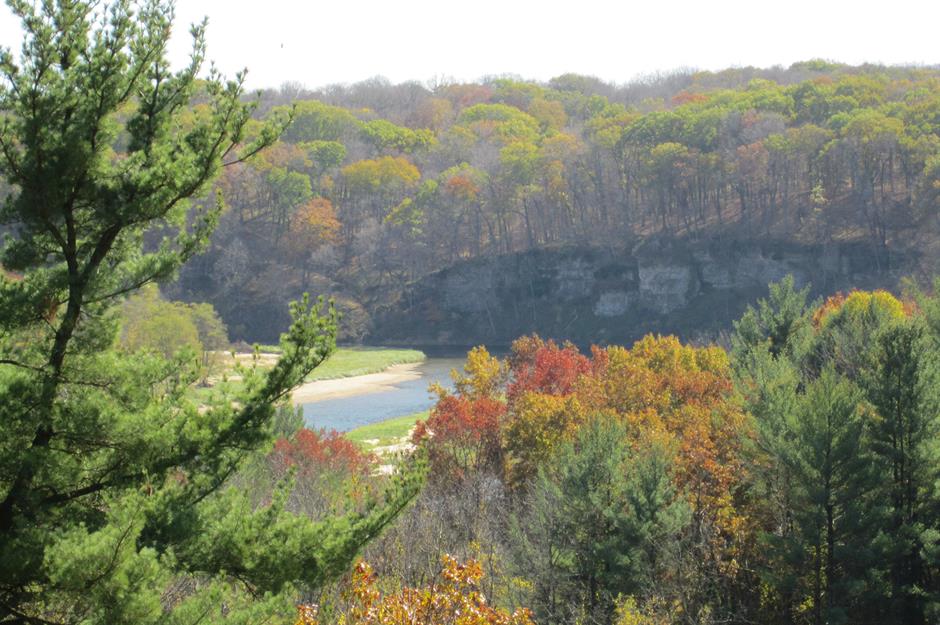
While Iowa is not known for its black bears or big cats, there's still some fascinating wildlife to be found. A good place to start is Backbone State Park, the oldest in Iowa. You'll find waterfowl wading at the edge of Backbone Lake, plus coy deer, foxes, and racoons hiding among the oak and maple forests. Some 21 miles of hiking trails wind through the wooded park, but the best views are from Devil's Backbone, one of the highest points in northeastern Iowa.
Kansas: Kirwin National Wildlife Refuge
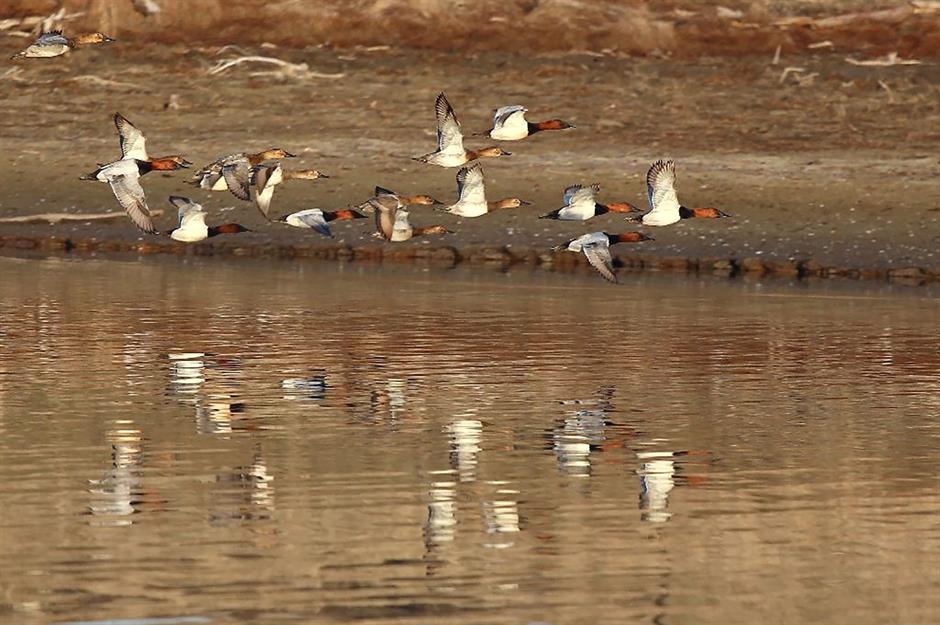
A huge expanse of prairies and plains, this National Wildlife Refuge protects one of America's cutest mammals: the prairie dog. A chubby cousin to chipmunks and squirrels, the prairie dog generally exists in subterranean colonies known as dog towns. At the refuge, visitors can follow a quarter-mile interpretive trail through the site's Prairie Dog Town area, where you'll likely spot some of these delightful creatures. Look out for white-tailed deer, birds like Canadian geese, and even bald eagles.
Sponsored Content
Kentucky: Mammoth Cave National Park
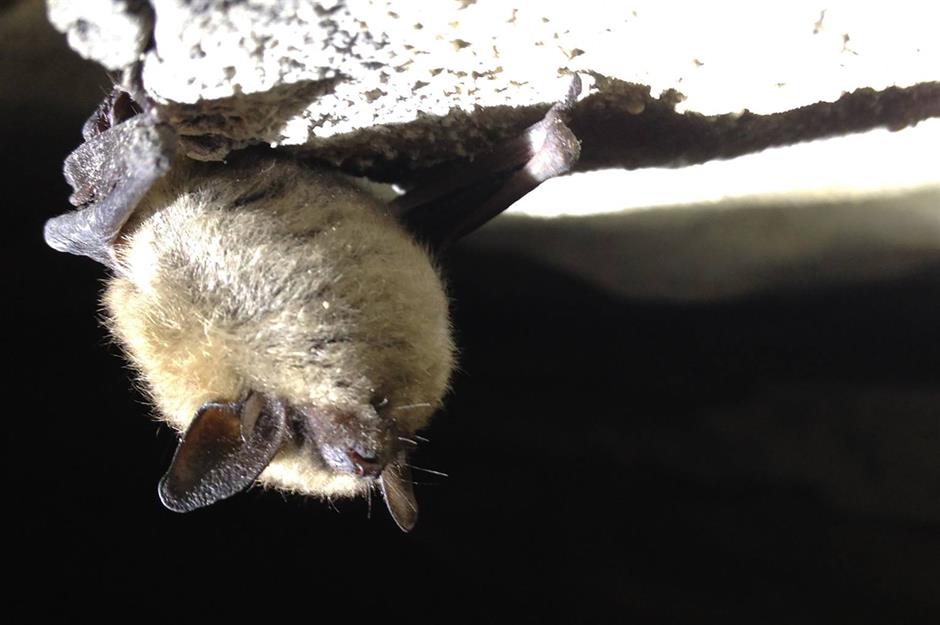
The wondrous caverns in this national park are reason enough to visit, but the site holds some exciting wildlife too. Most intriguing of all is Mammoth Cave's bats – numbers of Indiana and grey bats at the park have fallen over the years, but staff are committed to protecting this endangered species. While the public aren't allowed into areas supporting bat colonies, you may well see a bat flit overhead as you take a ranger-led cave tour. Beyond the caves, coyotes, bobcats, groundhogs, and more all live in the park.
Louisiana: Barataria Preserve, Jean Lafitte National Historical Park
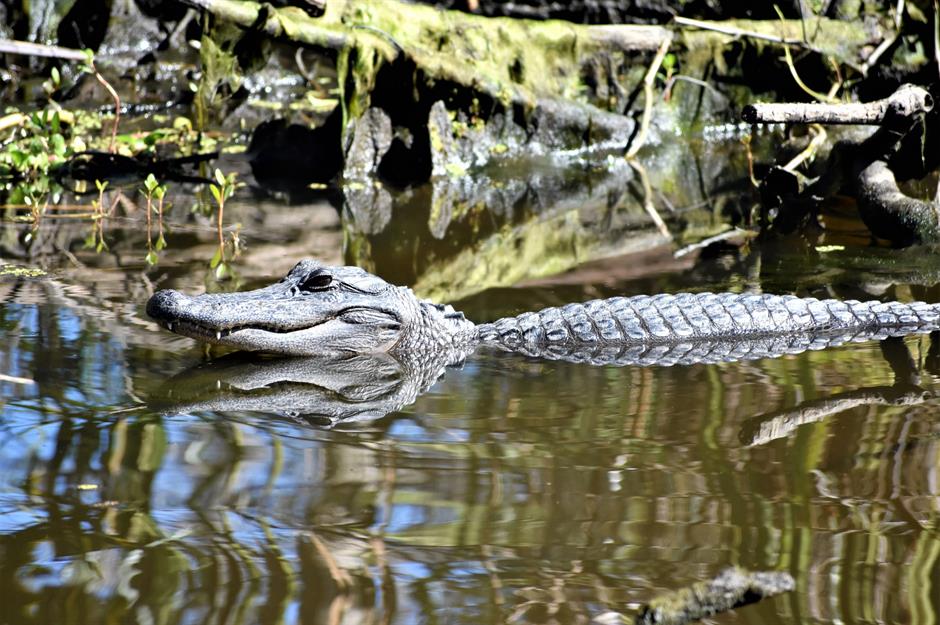
Within the Jean Lafitte National Historical Park is the Barataria Preserve, a reptile-rich area of Louisiana wetlands. Here you'll find the formidable American alligator, soaking in the swamps or resting on the marshy banks. Also present are water snakes, tree frogs, and more than 200 species of bird. Join a ranger-led Wetlands Walk to learn more about the preserve's critters.
Maine: Baxter State Park
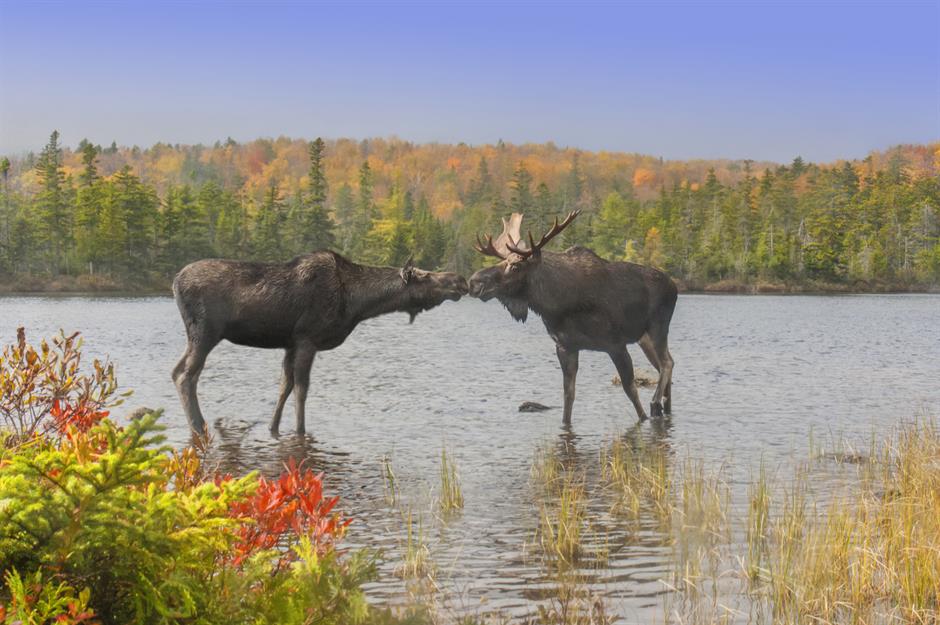
If you're hoping to see Maine's state animal, the moose, Baxter State Park is a great place to start. Keep your eyes peeled for bull moose with their great antlers walking in shallow waters or munching on shrubs in the Acadian Forest. Lots of photographers gather at Sandy Stream Pond, hoping for a winning shot. Come in early morning or evening for the best chance of a sighting.
Sponsored Content
Maryland: Assateague Island National Seashore
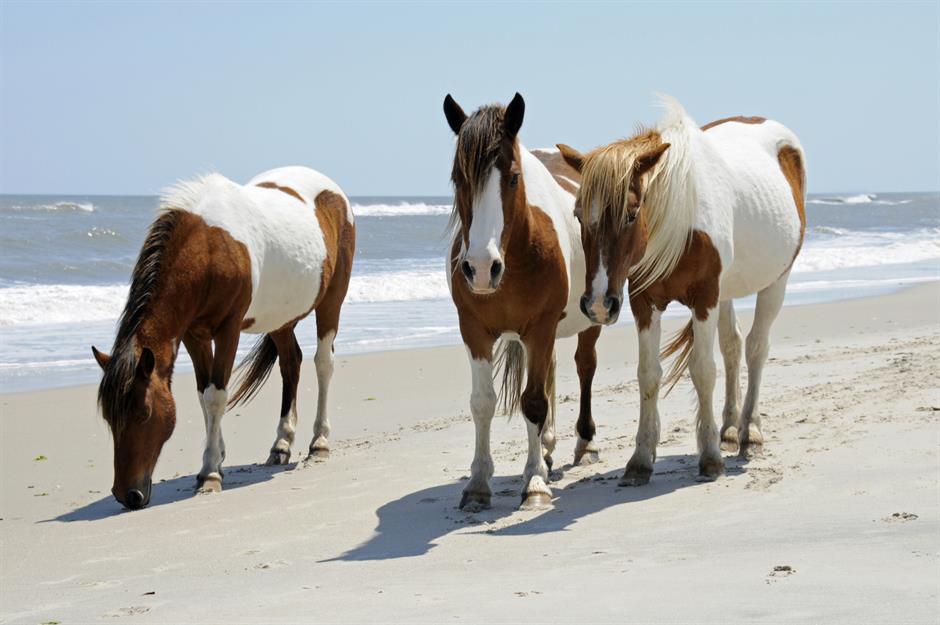
The Assateague Island National Seashore spans both Maryland and Virginia, with two herds of wild horses separated by a fence at the state line. You can see horses on beaches throughout the park, with organized hiking trails in the Maryland district including the half-mile Life of the Dunes loop. There are few more breathtaking sights than seeing a group of windswept horses gallop along the sand or a mother grazing quietly with her foal.
Massachusetts: Stellwagen Bank National Marine Sanctuary
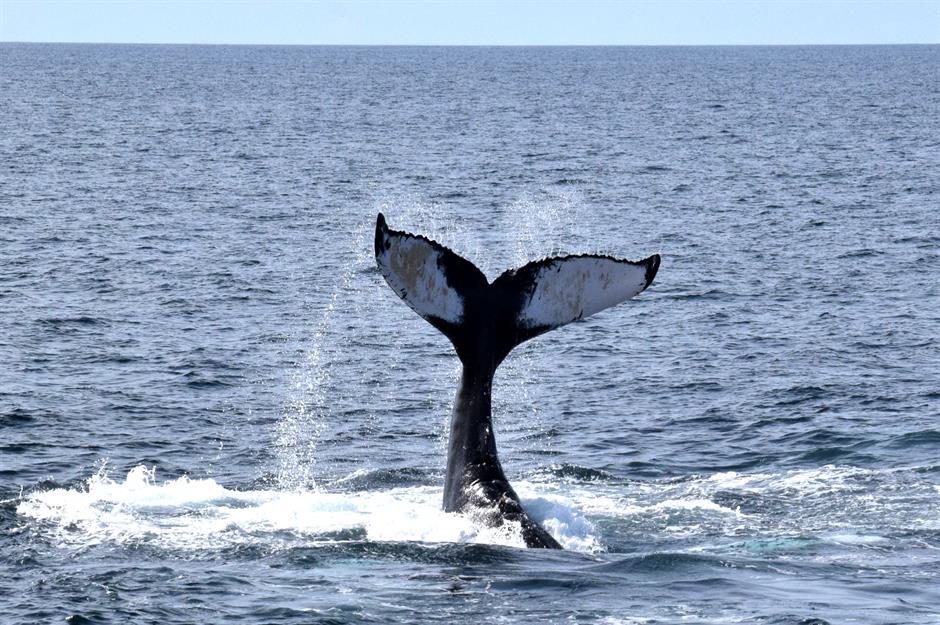
Stellwagen Bank National Marine Sanctuary is a protected area of water right at the mouth of the Massachusetts Bay. It's gloriously rich in sea mammals, from Atlantic white-sided dolphins to the harbor porpoise. But, most exciting of all is the presence of whales, from giant humpbacks to minke whales. The sanctuary welcomes a range of whale-watching tours on its waters, including Hyannis Whale Watcher Cruises, which come highly recommended.
Michigan: Isle Royale National Park
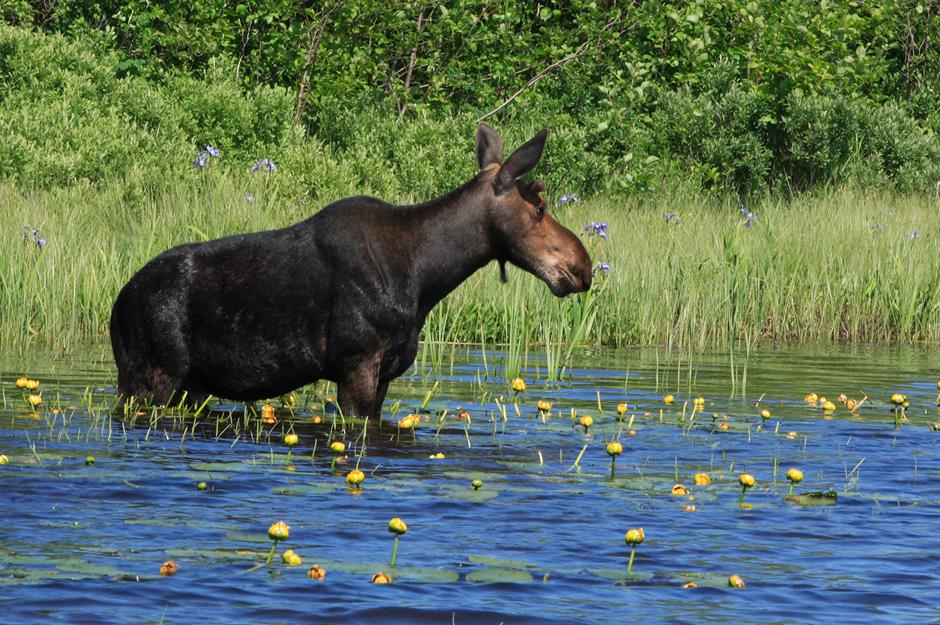
Many come to Isle Royale National Park, which floats in Lake Superior, in the hope of spotting a moose. The population of these gargantuan mammals is tightly bound to that of the grey wolf, the moose's only predator in the park. The wolf population here is currently extremely low, but park staff are working to reintroduce these predators onto the island over a period of several years. Top areas for a moose sighting include Washington Creek in the park's Windigo area, and the six-mile Minong Ridge Overlook Trail.
Sponsored Content
Minnesota: Voyageurs National Park
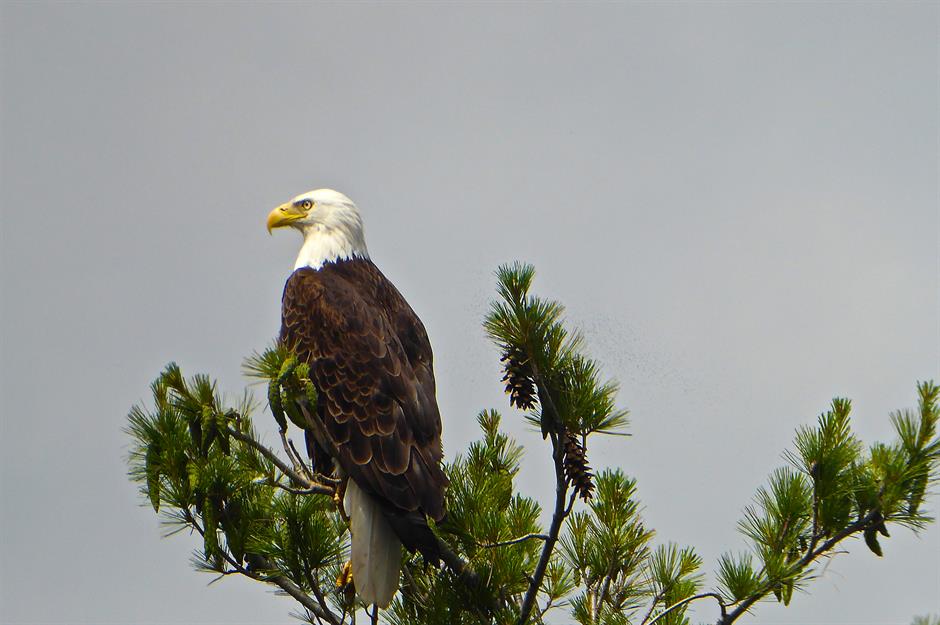
One of the northernmost national parks in the USA, Voyageurs is the remote domain of wolves, moose, and more than 240 species of bird (including the bald eagle, pictured). The vast Kabetogama Peninsula area is the top place for a moose sighting, and the 9.5-mile Cruiser Lake Trail is the longest and most wildlife-rich route through the park. Given the location, you may even catch a glimpse of the Northern Lights.
Mississippi: Sandhill Crane National Wildlife Refuge
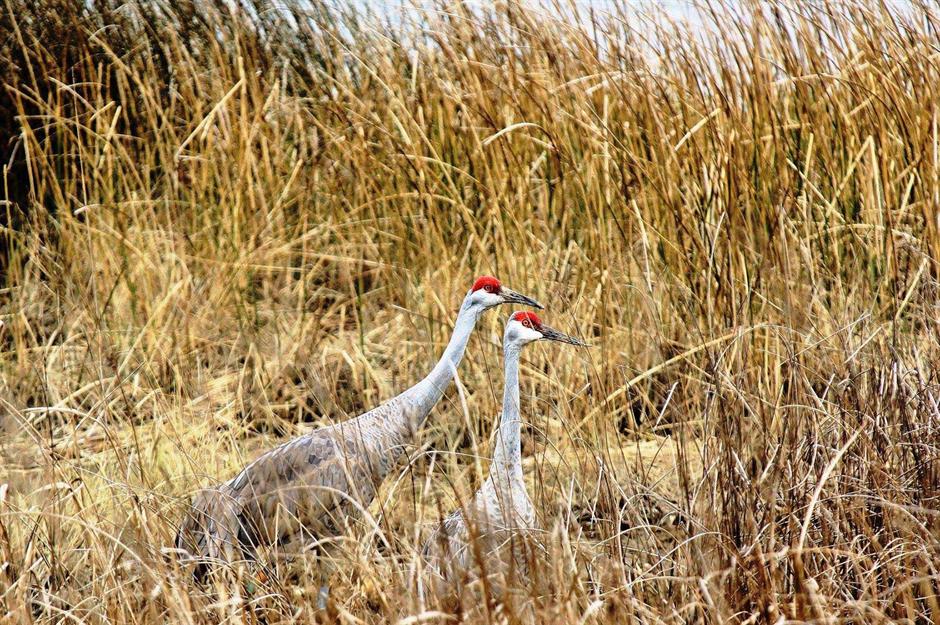
Named for its most fascinating residents, the Sandhill Crane National Wildlife Refuge occupies a sprawling area of pine savanna in southeastern Mississippi. The Mississippi sandhill crane is a critically endangered species – today, only around 130 of these birds, with their long pointed beaks and conspicuous red crowns, remain, and all of them live in this refuge. A ¾-mile public nature trail winds its way from the visitor center and, during the winter months, there are occasional tours to spots overlooking the cranes' favored feeding sites.
Missouri: Lone Elk Park, St Louis
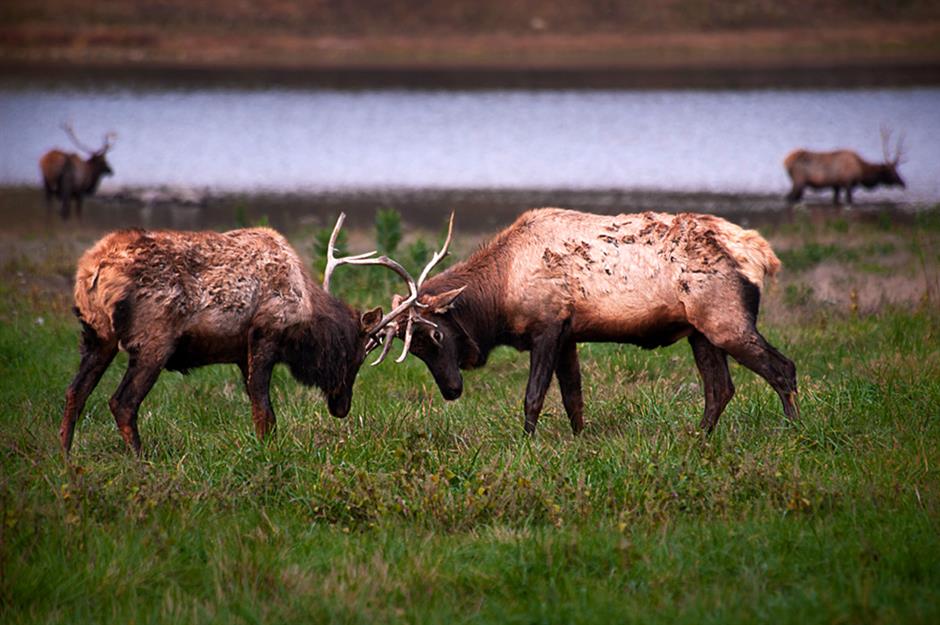
Spreading over 546 acres, Lone Elk Park is bursting with wildlife, plus miles of marked trails for trying to catch a glimpse of it. Keep your eyes peeled for brooding bison, elk, wild turkeys, and waterbirds – this photo shows two mighty bull elk butting heads. And get to the park in the early morning, when the animals are at their most active.
Sponsored Content
Montana: Glacier National Park
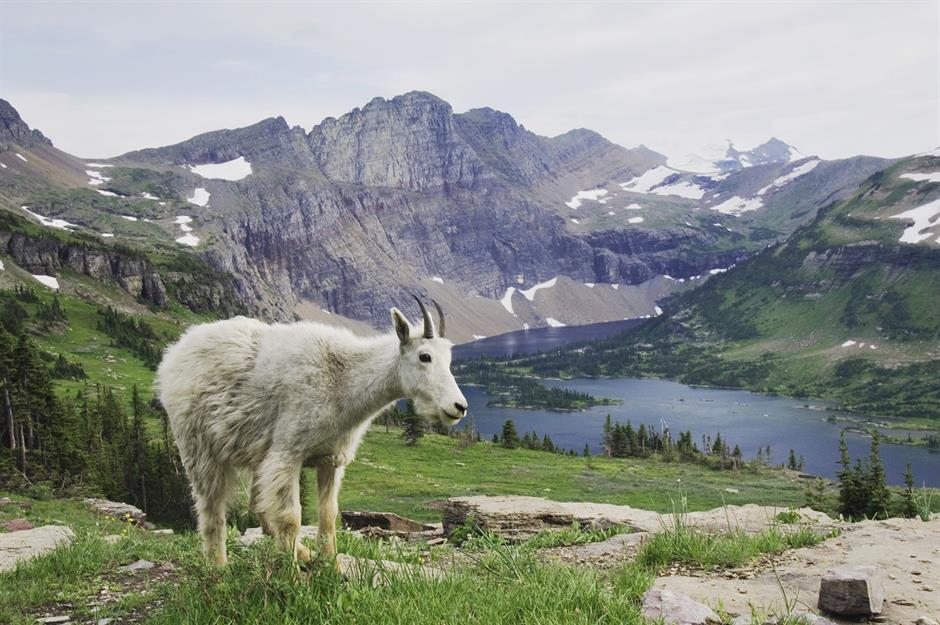
Home to both Glacier National Park and an epic slice of Yellowstone, Montana is one of the USA's best destinations for wildlife-watching. In the former, mountains, lakes, and lush meadows share space with wildlife from bighorn sheep and bears to mountain lions and lynx. Fluffy mountain goats are among the park's most fascinating residents: a lone goat is pictured here above Hidden Lake.
Nebraska: Fort Niobrara National Wildlife Refuge
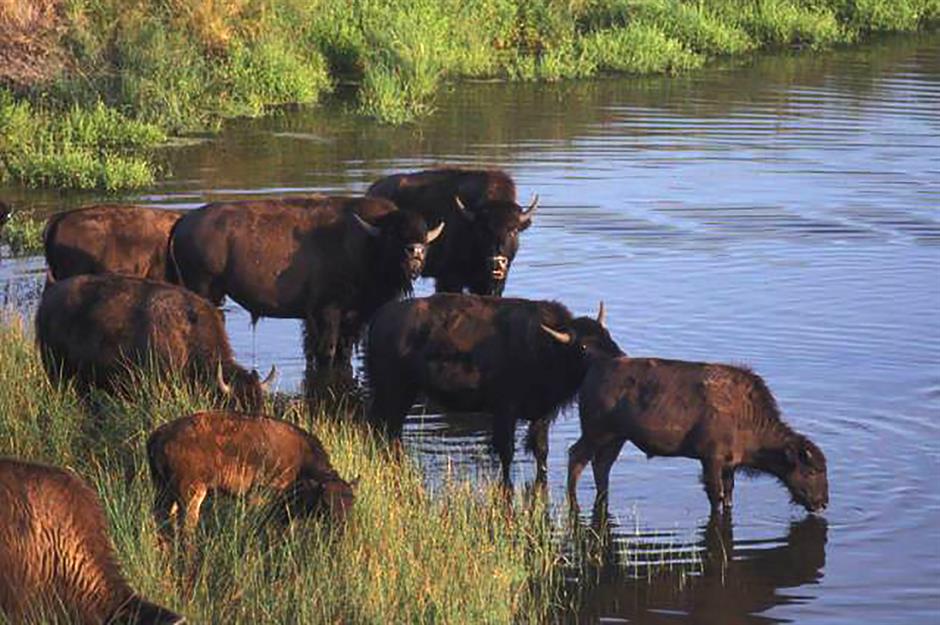
Hugging the Niobrara River, this huge Wildlife Refuge is home to a large population of elk, some 350 bison, and plenty of Nebraska's state animal: the white-tailed deer. Come in spring when you might see wobbling fawns barely taller than the grass, or in winter, when new flocks of migratory birds descend on the site. Watch out for wildlife as you tackle the challenging Fort Niobrara Wilderness Area and Nature Trail, which covers around a mile of the park.
Nevada: Lake Mead National Recreation Area
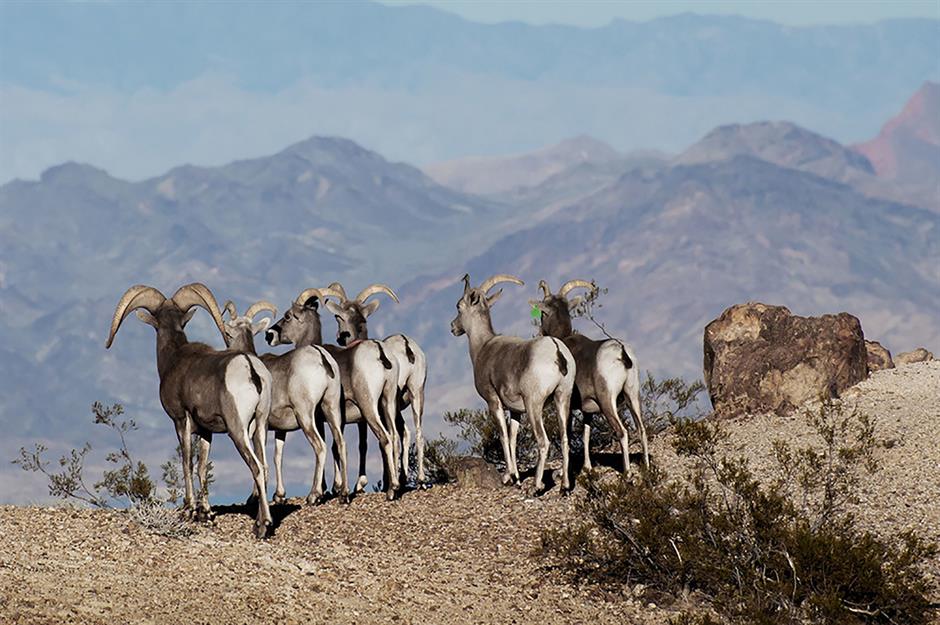
Straddling the border between Arizona and Nevada, this National Recreation Area has incredible opportunities for wildlife viewing on either side of the state line. Mountain lions and coyotes pad through the park, but it's the curious desert bighorn sheep, Nevada's state animal, that really captures visitors' imagination. The species was once in serious decline, but reintroduction efforts have made some progress. They're nervous of humans and blend seamlessly with their surroundings, but keep your eyes peeled on one of the many hiking trails and you might just be lucky.
Sponsored Content
New Hampshire: Franconia Notch State Park
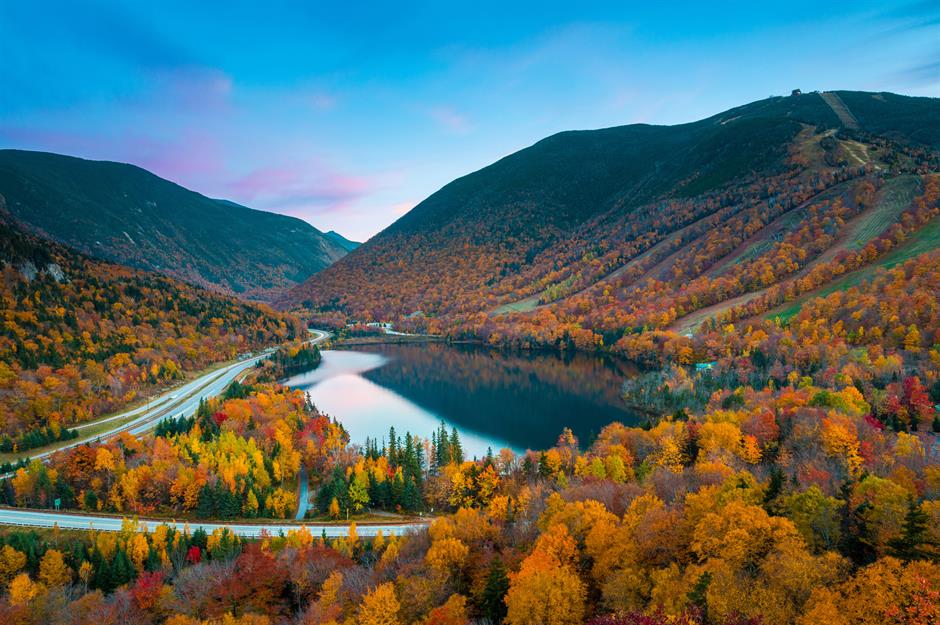
This stunning state park is nestled away in the White Mountain National Forest. Its waterfalls and wildflowers draw in visitors but, most exciting of all, a sloth of bears call the park home, too. On a hike through the area, look towards the Cannon Mountain ski slopes – you may well see bears frolicking on the hills in summer. The Cannon Mountain Tramway offers a sweeping view of the site and potentially a bird's-eye view of the animals.
New Jersey: Edwin B. Forsythe National Wildlife Refuge
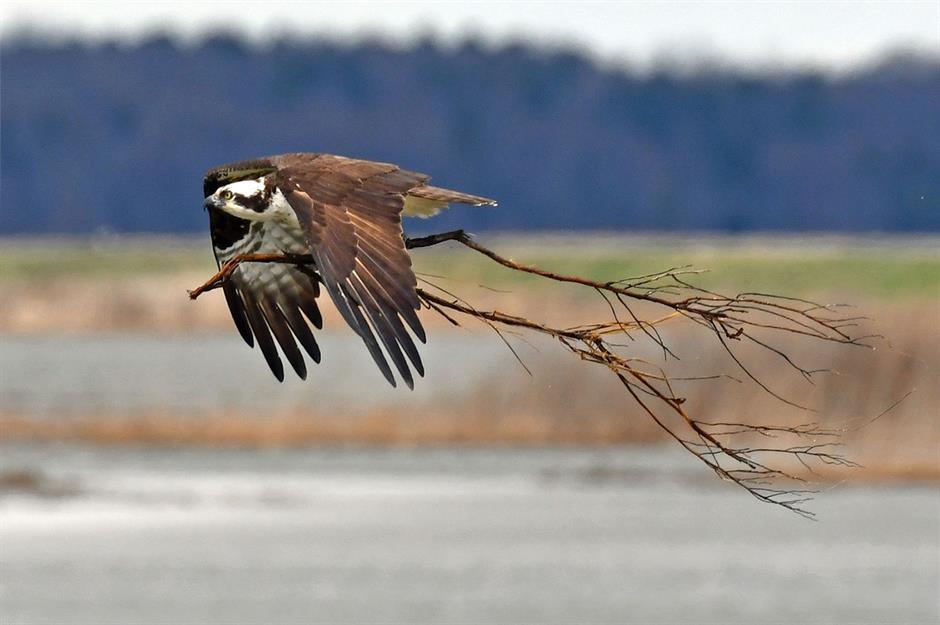
With an 80-year-plus history, the Edwin B. Forsythe Wildlife Refuge protects a great swathe of the New Jersey coast. You'll spot a variety of different creatures depending on the season. In summer, you might notice mud turtles in the freshwater ponds, while in winter, monarch butterflies migrate right through the site. Whenever you visit, you'll see plenty of birdlife, from bald eagles in winter to ospreys in the spring.
New Mexico: Carlsbad Cavern National Park
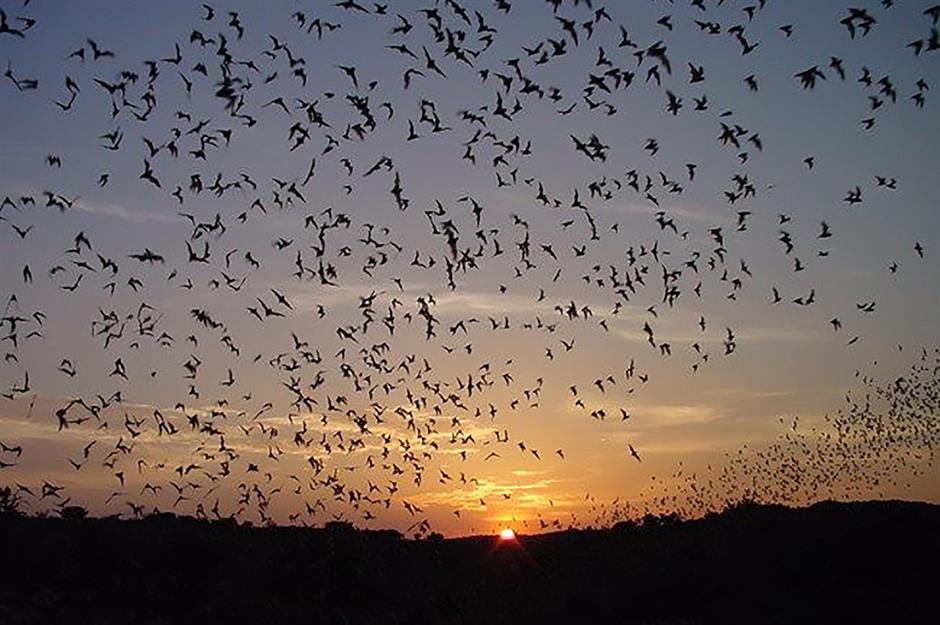
The Carlsbad Cavern National Park comprises more than 119 caves – but it's equally famous for its huge colony of Brazilian free-tailed bats. These bats roost in the park's darkened caves, but from April through to mid-October, they exit the caverns nightly in their thousands, offering a spectacular show for the onlooking visitor. You can join a ranger on an evening Bat Flight Program to learn more about the phenomena.
Sponsored Content
New York: Montauk Point State Park
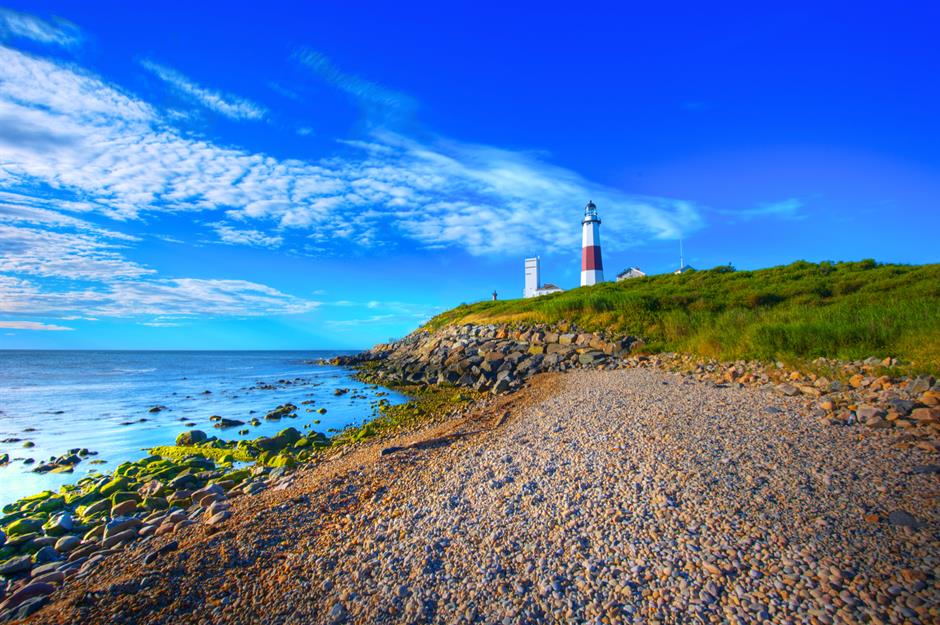
Montauk Point State Park in Long Island is best known for its views of the striking Montauk Lighthouse – but in winter, there's another reason to visit this underrated spot. Each season, seals make a home of the rocky shoreline and naturalist-led hikes help you spot them. The walks are generally three-mile hikes along the beach and you'll be able to see up to four species of seal while learning more about these adorable marine animals.
North Carolina: Alligator River National Wildlife Refuge
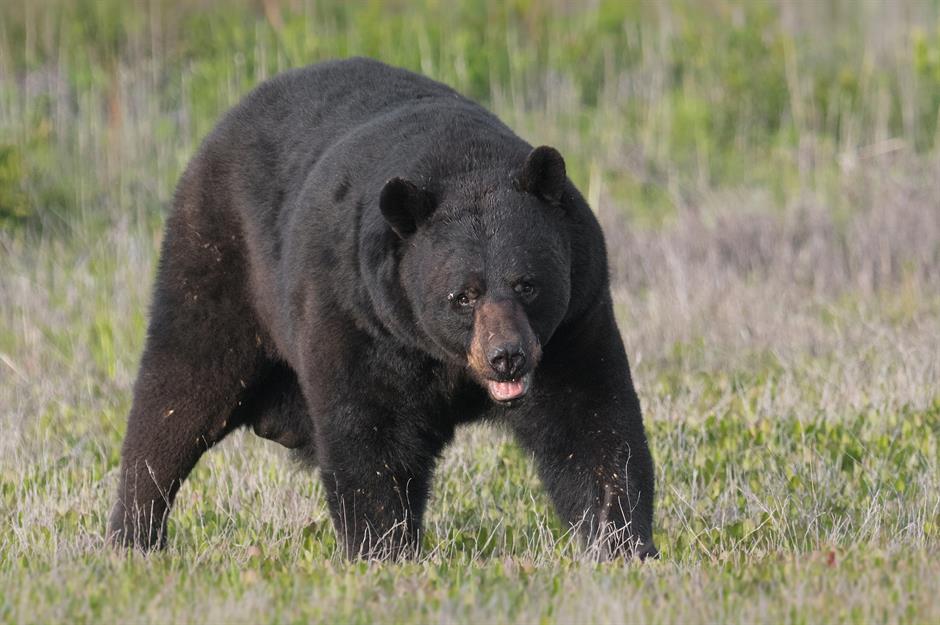
Unsurprisingly, the American alligator is one of the most interesting creatures to roam this wildlife refuge. But they're not alone. Joining them are black bear and red wolves, which were reintroduced to the site from 1987. Follow the refuge's popular Wildlife Drive: from the comfort of your own vehicle you may well see a bear lurking at the roadside or a raptor gliding overhead.
North Dakota: Theodore Roosevelt National Park
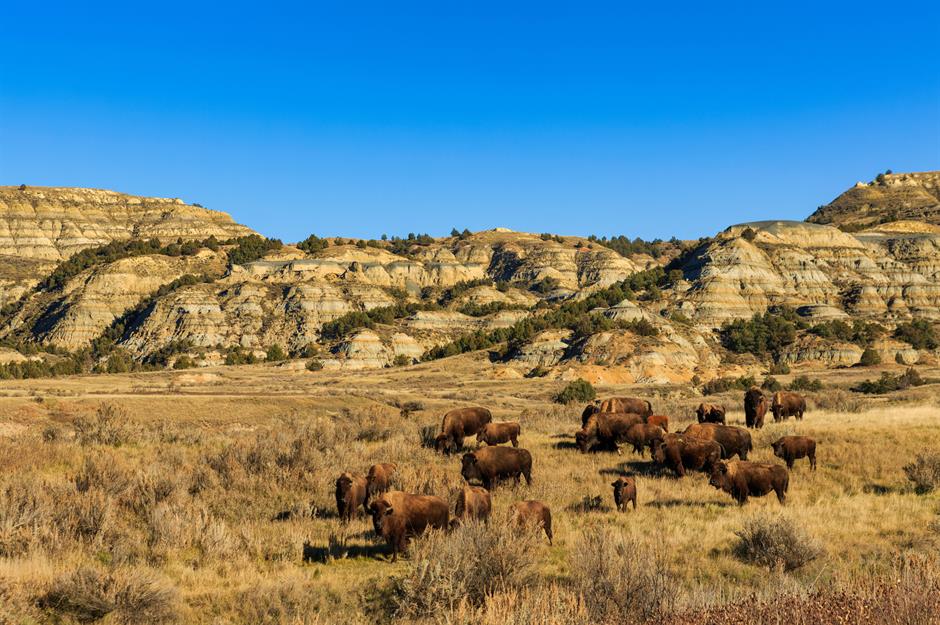
The wild plains and rockscapes of Theodore Roosevelt National Park are a haven for wildlife lovers. Bison, elk, and feral horses are all common sights, while more secretive species like coyotes and bobcats dwell here too. Seek them out on the South Unit's 36-mile Scenic Loop Drive, which takes around 1.5 hours to complete. A ranger-led hike is another great way to explore.
Sponsored Content
Ohio: Ottawa Wildlife Refuge
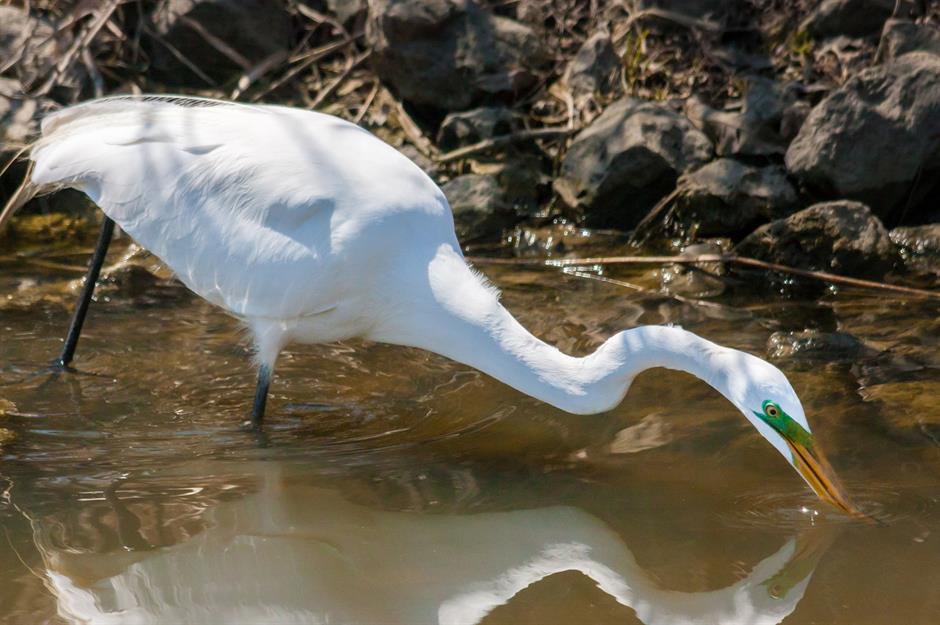
Bird lovers should make a beeline for the Ottawa Wildlife Refuge in northern Ohio. The diverse site encompasses woodland, wetlands, and grasslands and supports a range of birdlife, from the cute yellow-rumped warbler to the ubiquitous dunlin. It also plays host to the mother of all raptors, the bald eagle. Pick up some binoculars from the visitor center and explore the 10 miles of hiking trails or take to the refuge's popular wildlife drive, open when weather permits.
Oklahoma: Wichita Mountains Wildlife Refuge
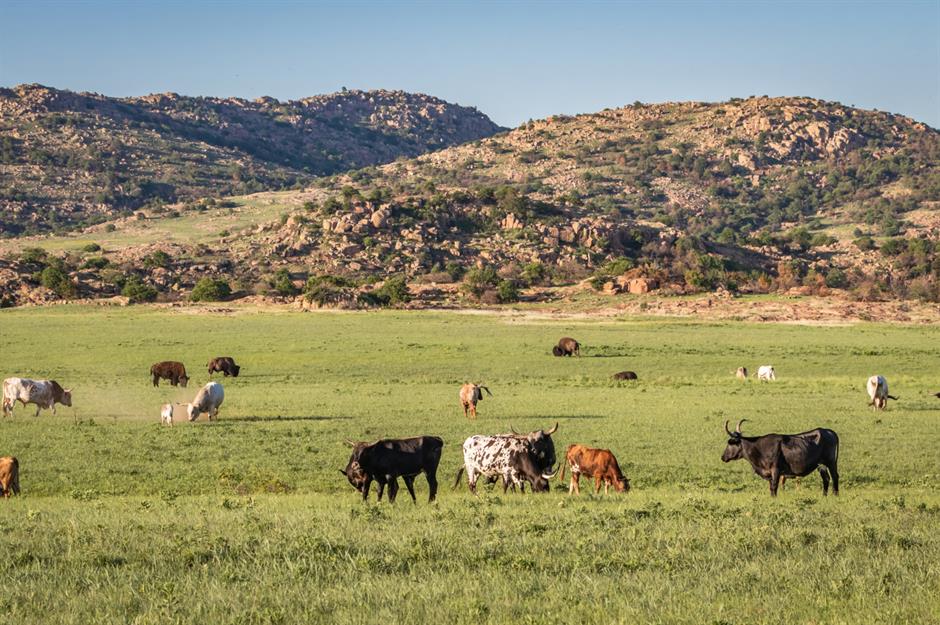
This refuge in Oklahoma's Wichita Mountains has some impressive numbers: the area supports 50 mammal species, 64 reptile species, and 275 species of bird. Among the mammals are the American bison and the Rocky Mountain elk, both of which have been reintroduced after their populations in the park were diminished. Also keep your eyes peeled for little snapping turtles, yellow mud turtles, and numerous species of lizard. Bugling Elk Tours run during the autumn months too.
Oregon: Cape Arago State Park
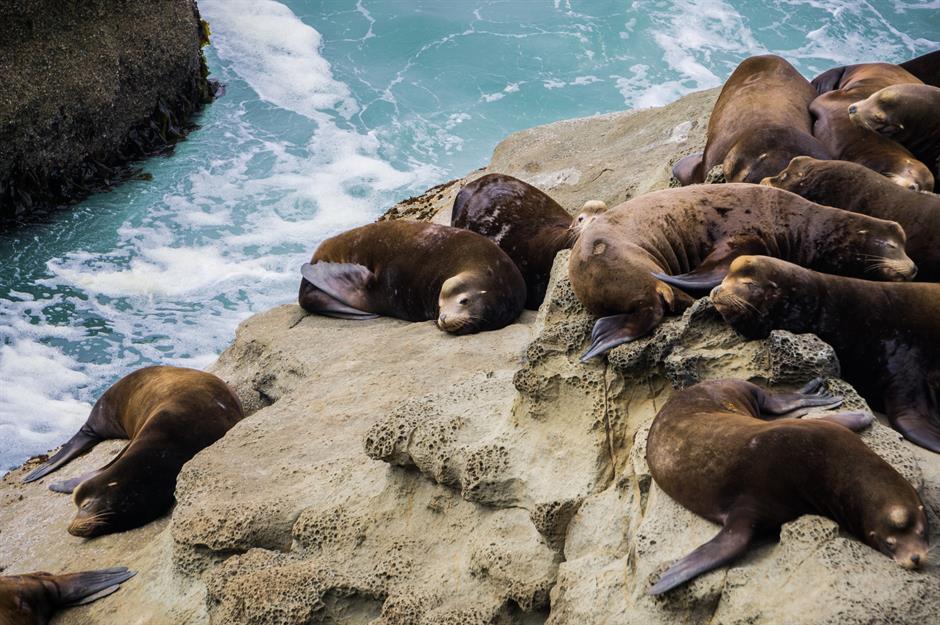
If seals or sea lions are high on your wildlife wish list, head to Cape Arago State Park on the Oregon coast. You've got a great chance of spotting a colony basking on the rocks of Shell Island – the isle can be viewed from the short North Cove Trail. The park is also a top spot for whale watching, with migrating grey whales arriving in the surrounding waters in winter.
Sponsored Content
Pennsylvania: Leonard Harrison State Park
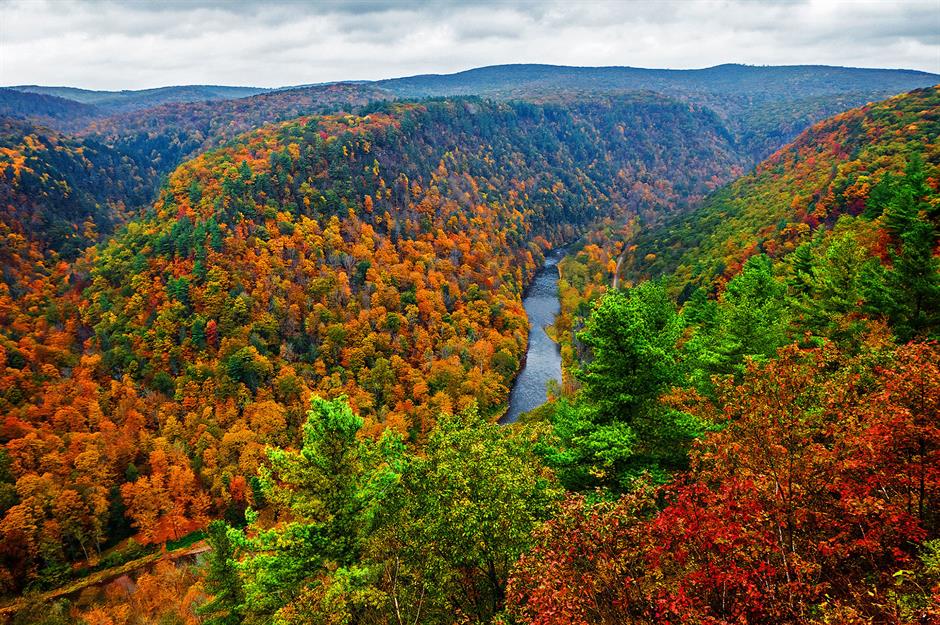
A top destination for leaf-peeping in autumn, this state park is home to Pine Creek Gorge, which earns high praise as the 'Grand Canyon of Pennsylvania.' And beyond its blazing maples and oaks, there's lots of wildlife to be discovered. Between the trees, hikers might spot white-tailed deer, wild turkeys, and even black bears.
Rhode Island: Sachuest Point National Wildlife Refuge
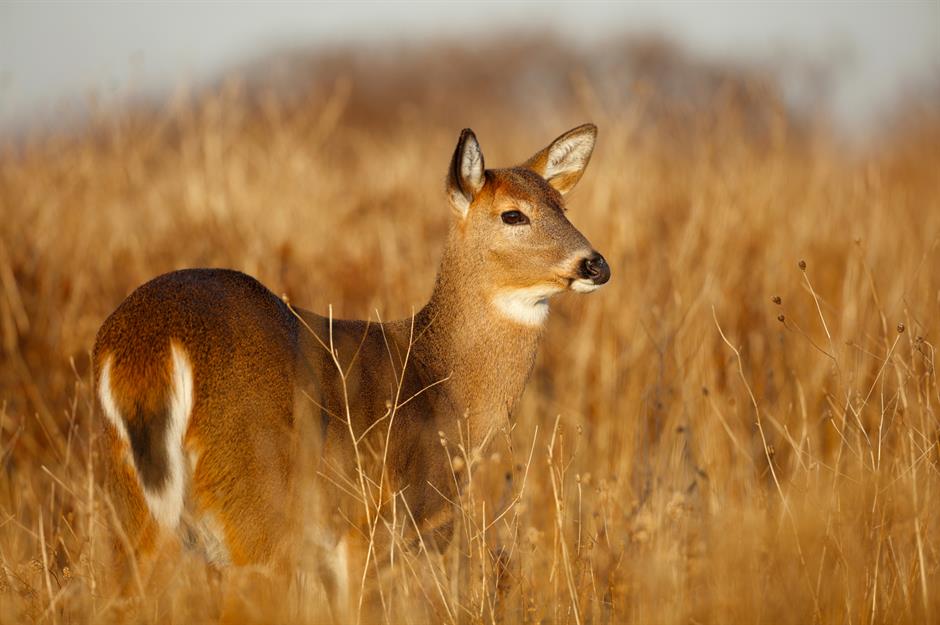
One of five National Wildlife Refuges in Rhode Island, Sachuest Point is a critical habitat for migrating birds, as well as for one of the region's most adorable native animals: the New England cottontail. The population of this little rabbit species is in sharp decline due to habitat loss, so a sighting is no mean feat. Guided refuge tours are run by volunteers and the three miles of hiking trails may also reveal deer, foxes, and other New England creatures.
South Carolina: Myrtle Beach State Park
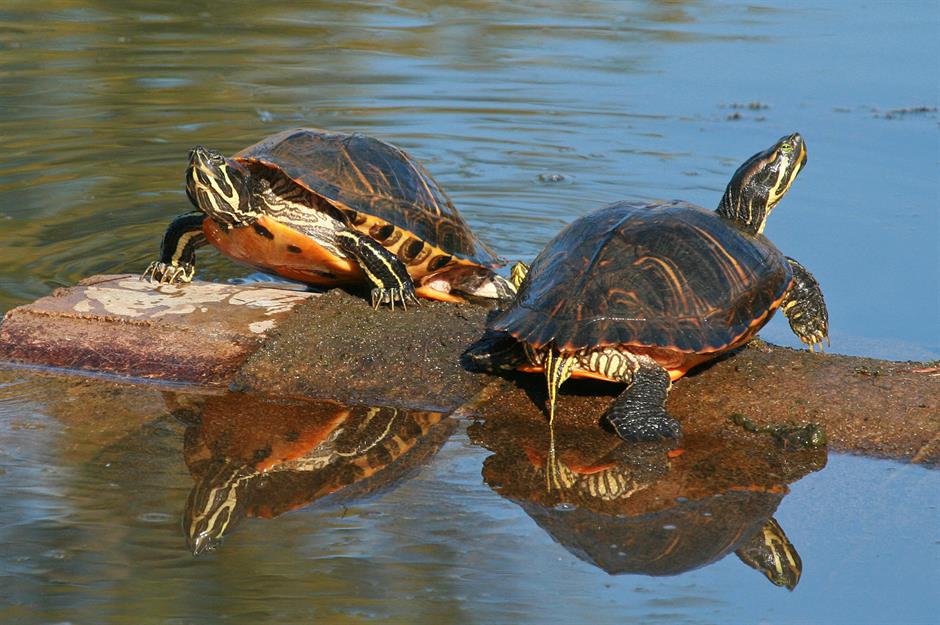
South Carolina's state reptile is the loggerhead sea turtle and you may well spot one as you journey through Myrtle Beach State Park – keep an eye out for cordoned-off areas designed to protect the turtles' delicate nests. Out to sea, you might also see a dolphin break the water's surface or, overhead, a bald eagle or osprey searching for its prey. The wooden fishing pier is a great wildlife-watching base.
Sponsored Content
South Dakota: Custer State Park
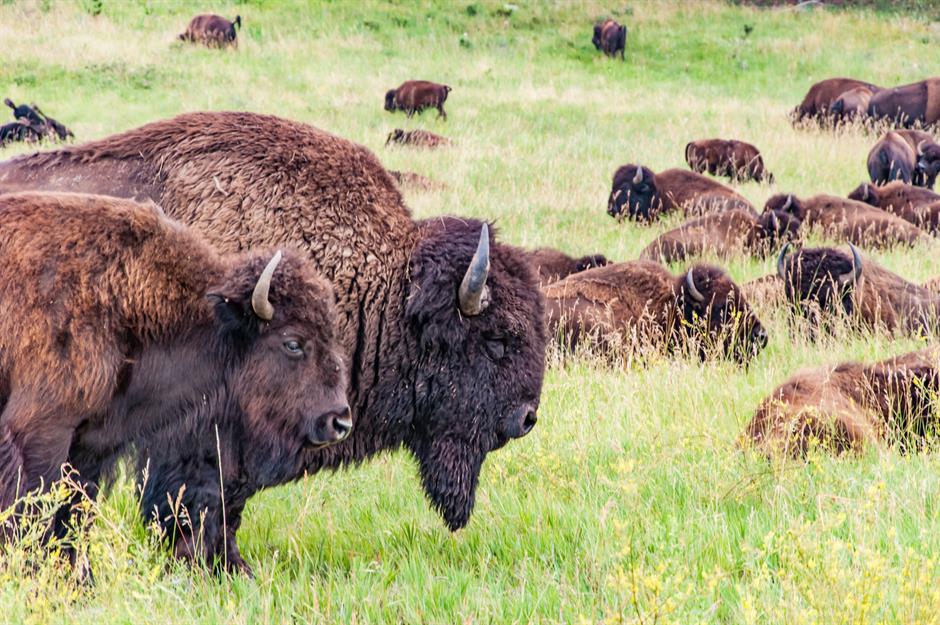
One of the most diverse state parks in the country, this rugged site in South Dakota's Black Hills has little shortage of wildlife, from bighorn sheep to prairie dogs. The best way to cover a decent amount of ground is to travel the 18-mile Wildlife Loop State Scenic Byway. Drive slowly – you'll almost certainly see a brooding bison cross the road or a wild burro (donkey) grazing on the plains. In autumn, the annual "Buffalo Round-up" is a crowd-pleaser.
Tennessee: Great Smoky Mountains National Park
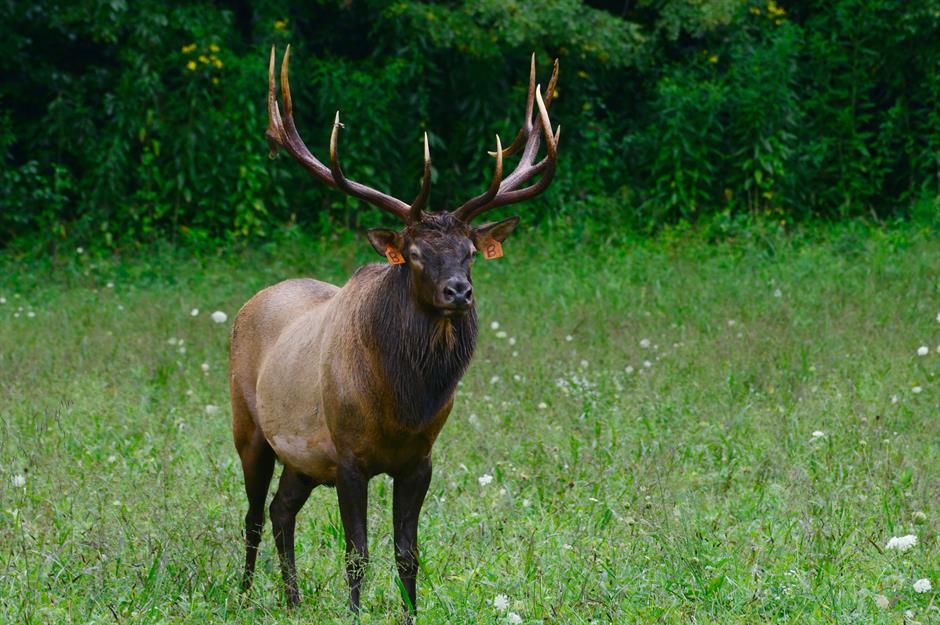
The Great Smoky Mountains National Park, with its epic panoramas of forested peaks, is certainly easy on the eye. It's also one of the USA's top spots for wildlife viewing, with elk, black bears, and white-tailed deer all living among the wooded mountains. A popular viewing area is the Cataloochee Valley, since it's an open space within a park mostly shrouded by trees. Synchronous fireflies also attract visitors during their two-week mating season, which usually occurs between the end of May and mid-June.
Texas: Big Bend National Park
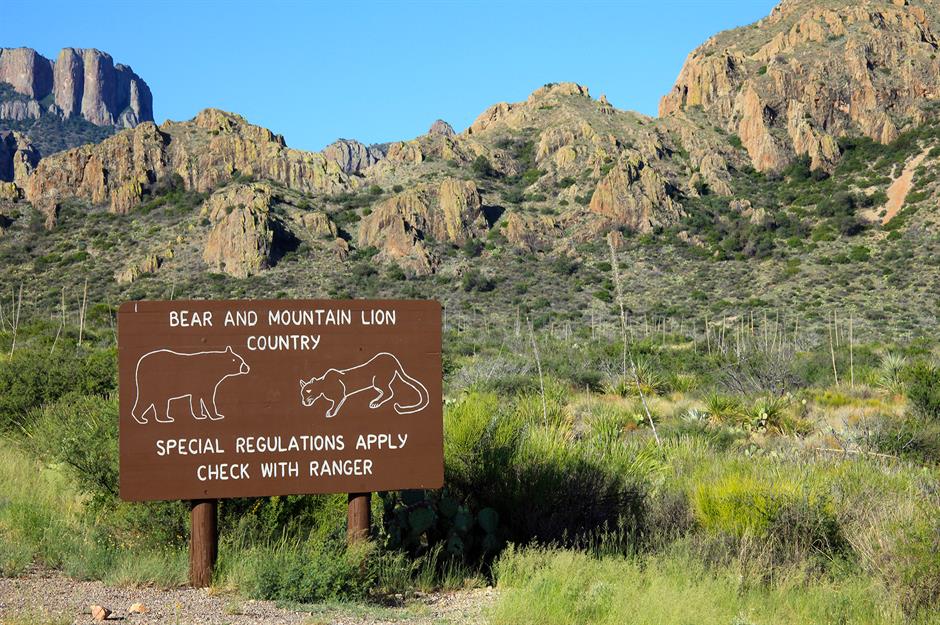
Right on the border with Mexico, this wild national park is made up of rugged mountains and desert. But despite the tough conditions, plenty of wildlife flourishes here. Among the resident species are black bear, who prefer the cooler climes of the park's forestland, and mule deer and coyotes who you might glimpse at dawn or dusk. Following a driving route, such as the Ross Maxwell Scenic Drive, is a great way to happen across some of the park's wildlife.
Sponsored Content
Utah: Antelope Island State Park
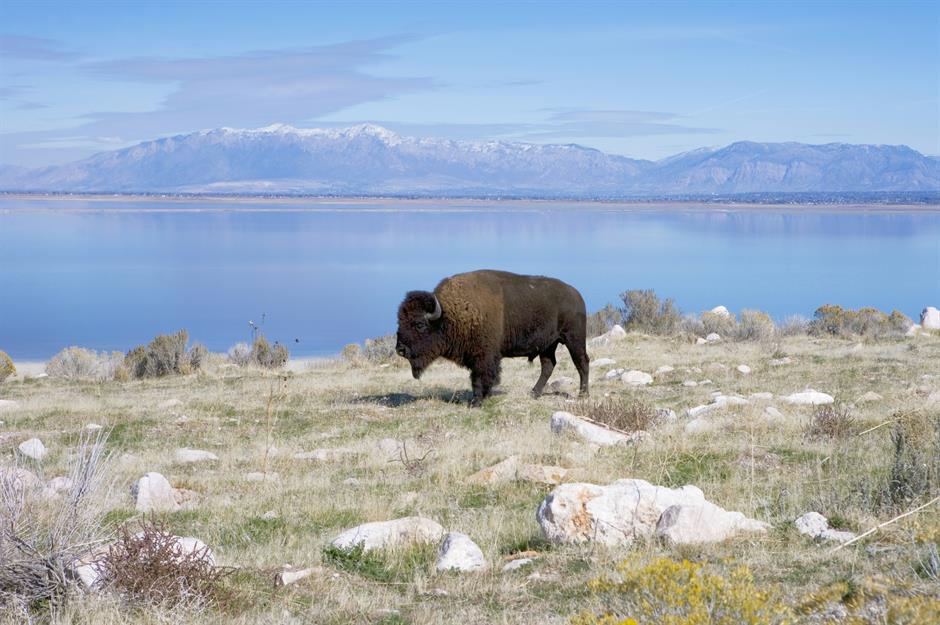
Antelope Island State Park juts into Utah's Great Salt Lake and its stark terrain is dotted with 500-plus roving bison. Joining the herd are pronghorns, bighorn sheep, and mule deer, plus predators such as coyotes and bobcats. Choose between a variety of hiking trails, from the Mountain View Trail, which skirts the island's edges, to the Frary Peak Trail, which slices through a portion of the center. The annual autumn bison round-up is open for public viewing too.
Vermont: Nulhegan Basin Division, Silvio O. Conte National Fish and Wildlife Refuge
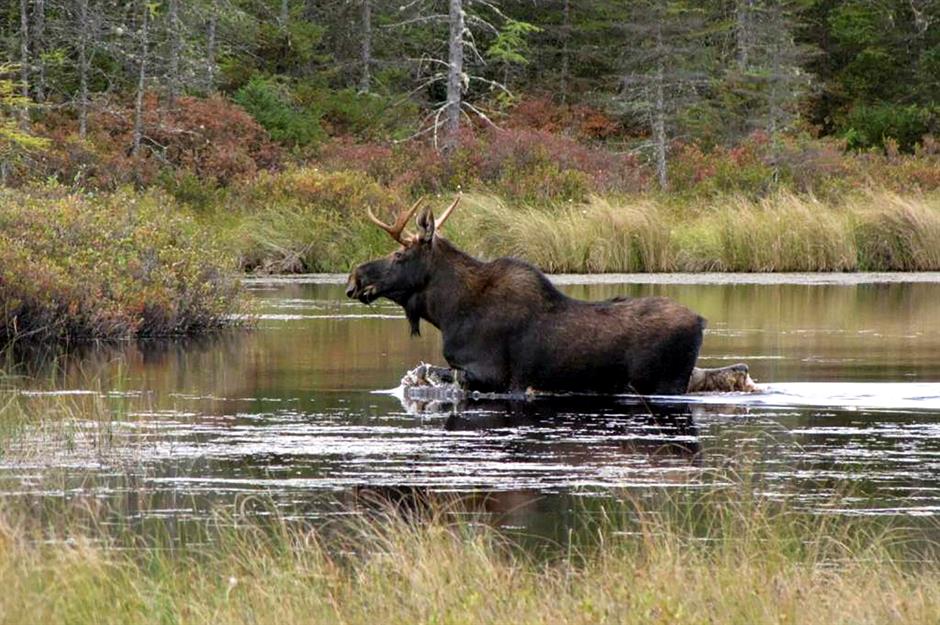
The moose is given top billing when it comes to wildlife watching in Vermont. They're prevalent in the state's Northeast Kingdom area and particularly in the Nulhegan Basin Division of the Silvio O. Conte Wildlife Refuge (the entire refuge spans multiple New England states). Get your bearings on the Nulhegan River Trail, a one-mile loop through some of the park's most scenic portions – on your way, look out for black bear, snowshoe hare, and white-tailed deer.
Virginia: Shenandoah National Park
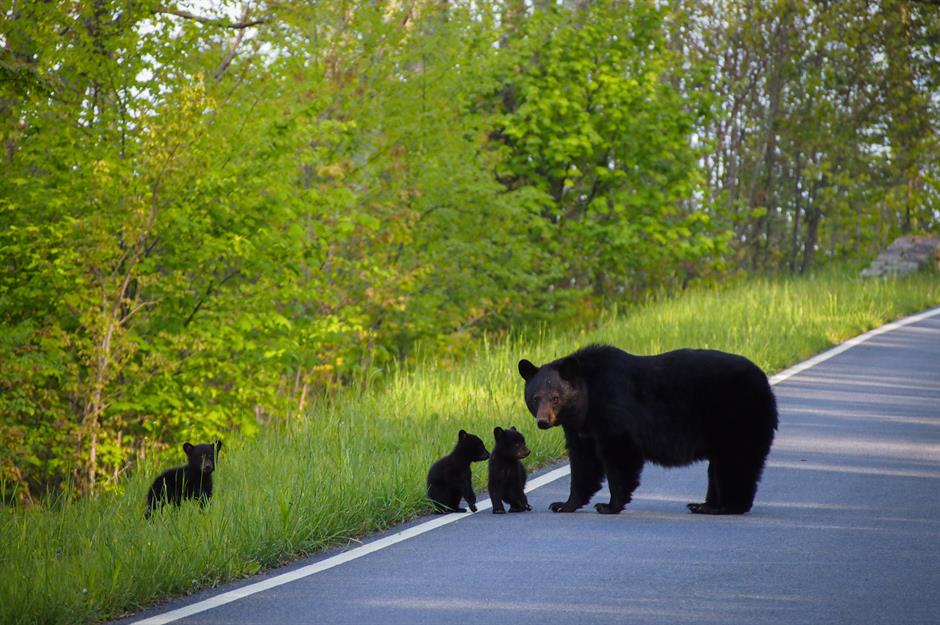
Shenandoah National Park protects a mighty portion of the Blue Ridge Mountains. Top of most visitors' itinerary is a cruise down Skyline Drive, which slices through the park, studded with 70 overlooks giving way to panoramic views. Aside from the vistas, the main draw of the drive is the many animals who take shortcuts across the scenic roadway – watch out for passing deer and even the odd black bear if you're lucky.
Sponsored Content
Washington: Olympic National Park
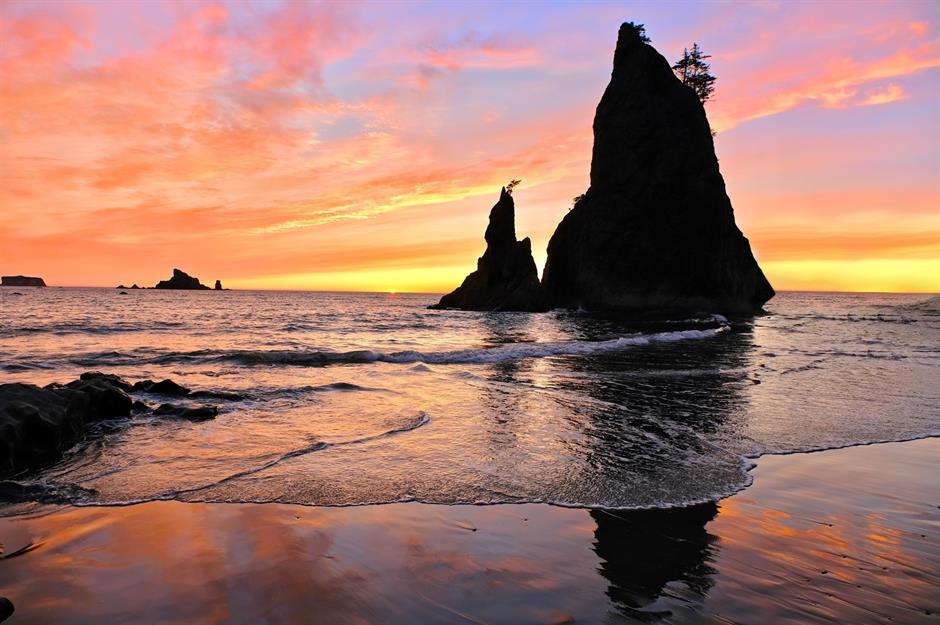
This national park is prime whale-watching territory, with grey, minke, humpback, and orca whales commonly spotted in the waters off its shores. Head to the picturesque beaches of Shi Shi or Rialto, both part of the whale trail, for the best chance of a sighting. Whales aren't the only marine mammals that inhabit these waters, though – look out for seals, sea lions, otters, and dolphins frolicking in the ocean too.
West Virginia: Hanging Rock Raptor Observatory
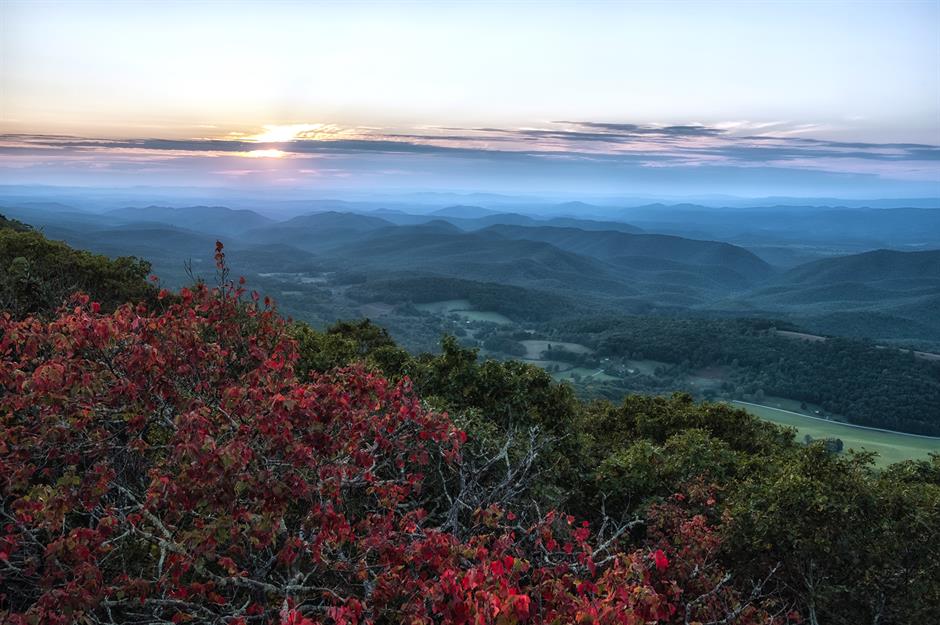
You'll find the Hanging Rock Raptor Observatory perched in Monroe County's Peters Mountain. The rustic viewing tower, reached by a mile-long hike, is a celebrated spot to take in birds of prey, with ospreys, falcons, and eagles all regularly soaring past the deck. You've the best chance of seeing circling raptors in autumn, but even if you're not lucky, the mountain views alone are worth it.
Wisconsin: Peninsula State Park
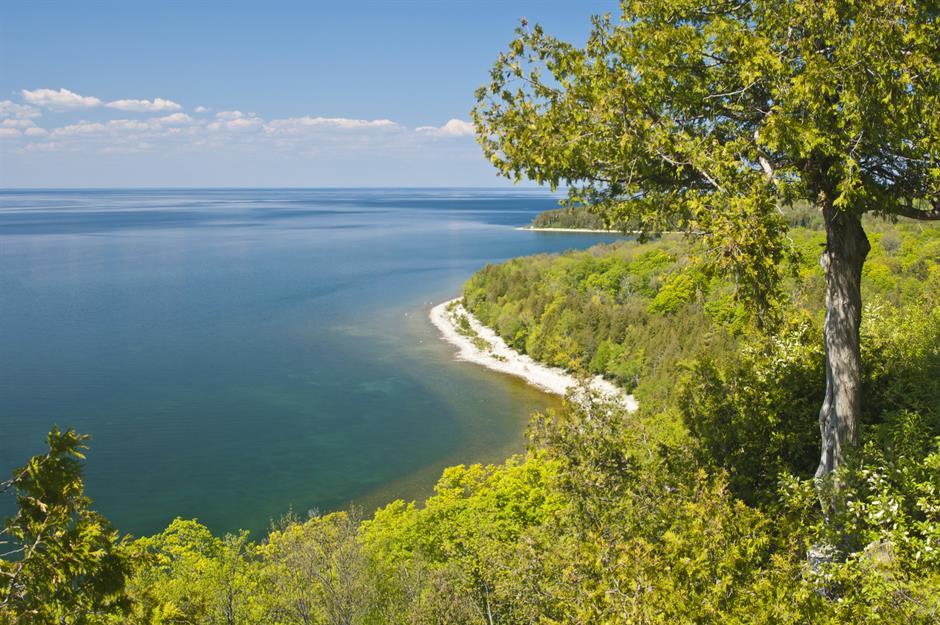
More than 3,700 acres make up the remote Peninsula State Park, whose leafy expanse is filled with some of the state's top wildlife. Black bears make the occasional appearance and the park's coyotes are elusive – but more likely to make themselves known are deer, raccoons, and porcupines. The park's summer nature program is a boon for big and little wildlife lovers alike.
Sponsored Content
Wyoming: Yellowstone National Park
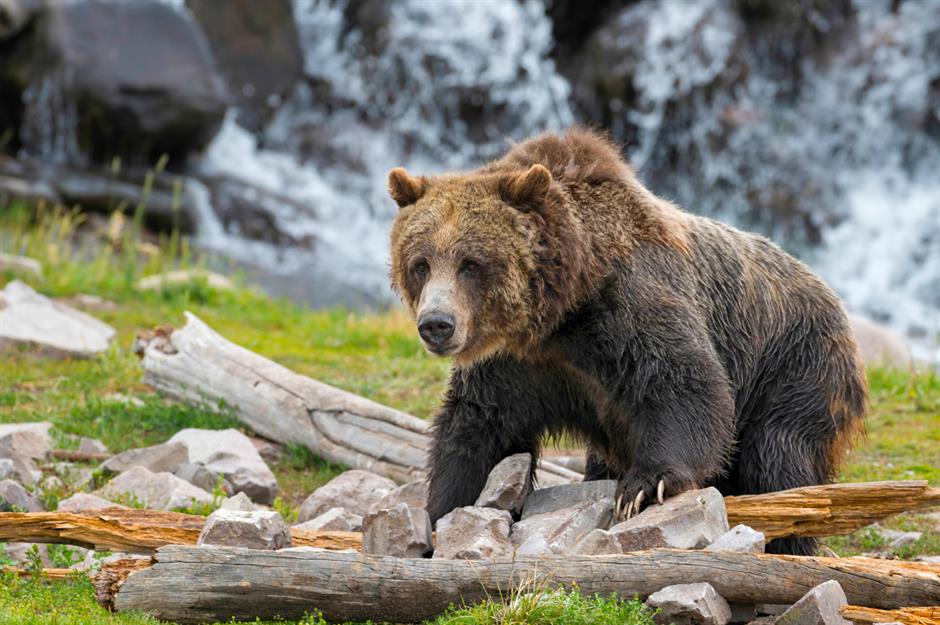
America's first and most famous national park, Yellowstone stands head and shoulders above the rest when it comes to wildlife-viewing potential. More than 65 species of mammal wander its great expanse, including an estimated 1,063 grizzly bears. There are also bison and bighorn sheep, mountain lions and moose, and the evasive Canada lynx. The historic Fishing Bridge remains a favored place for spotting grizzlies, while elk and bison are known to frequent the Mammoth Hot Springs area.
Liked this? Click the Like button above. And click the Follow button above for more great stories from loveEXPLORING
Now read the incredible story of Yosemite: America's most photogenic national park