Are these America’s most remote towns?
Off the grid
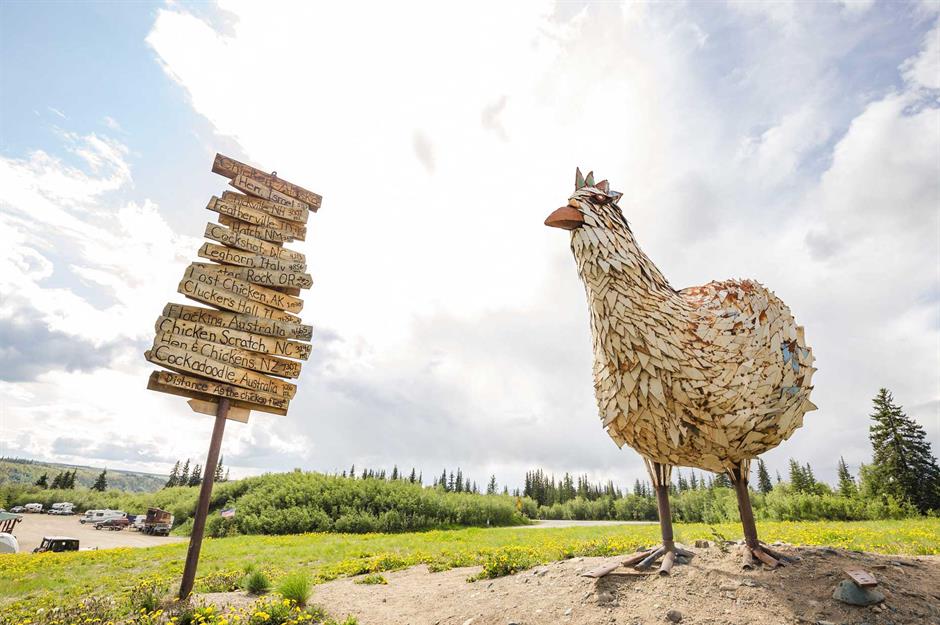
If you’re drawn to truly off-grid destinations, these remote towns in the United States should be on your bucket list.
For these isolated communities, reaching town could mean flying in by plane or helicopter, hiking in harsh weather, or crossing vast, empty landscapes to reach the nearest city.
The list, compiled by financial services company Remitly, looked at various criteria to define remoteness: distance to the closest city with a population over 50,000; road access; population size; and access to infrastructure such as medical care, phone service, and fresh food.
Click through the gallery to discover 12 of the most remote towns in the US, where solitude is guaranteed...
12. Boulder, Utah
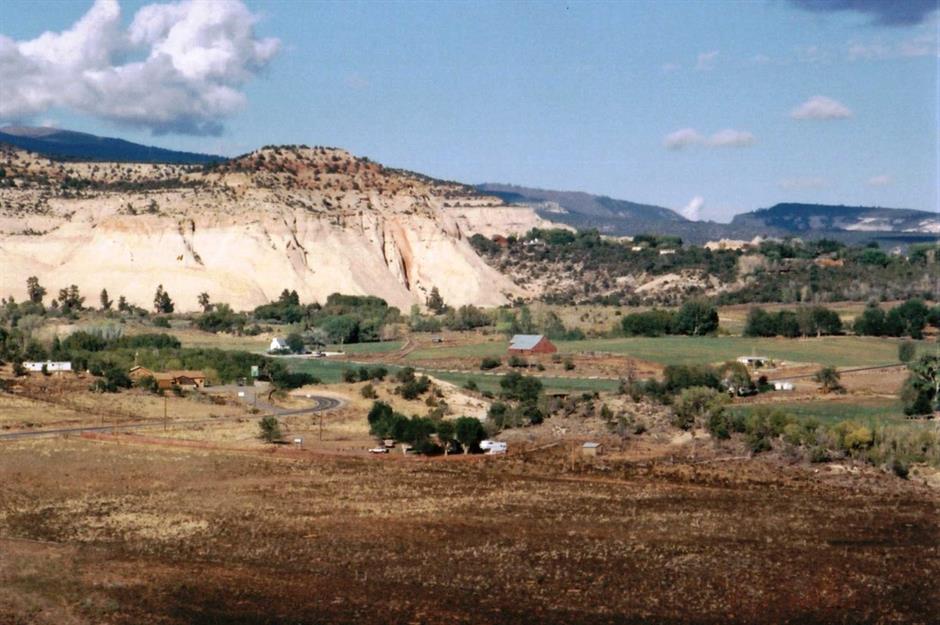
With a population of just over 250 people, Boulder claims to be the last community in the continental United States to receive its mail by mule train – a practice that continued until the 1940s.
Set at the base of Boulder Mountain and surrounded by protected wilderness – including the Grand Staircase-Escalante National Monument, Dixie National Forest, and Capitol Reef National Park – it boasts a spectacularly remote natural setting.
The town sits roughly 125 miles from Interstate 15 and 85 miles from Interstate 70, making it the furthest hamlet from a US interstate. Salt Lake City, the nearest major city, lies around 250 miles north.
11. Chicken, Alaska
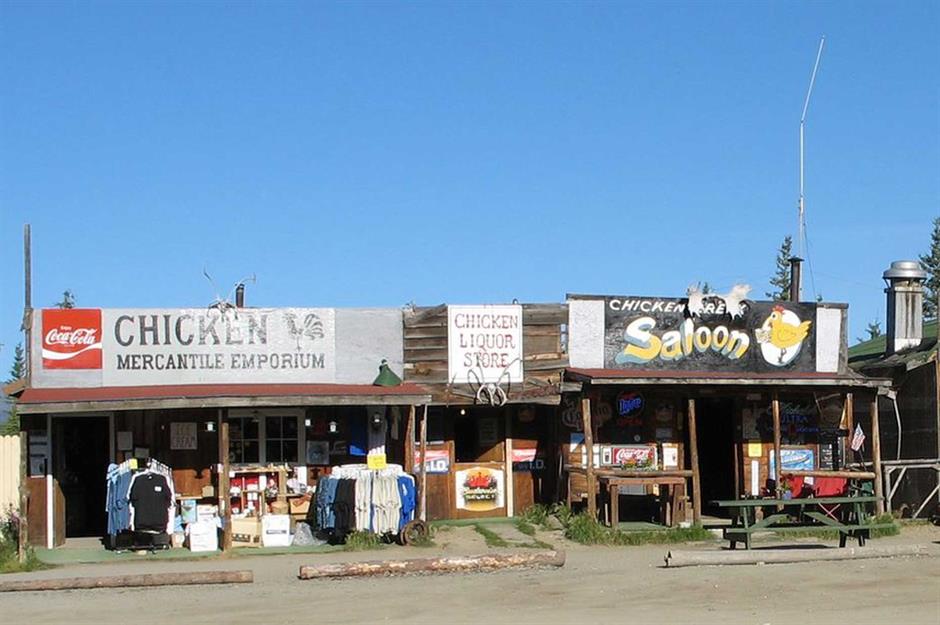
Founded around 1898 during the gold rush, Chicken is home to around 17 residents. It’s accessed via the Taylor Highway, a rugged 77-mile road that often closes in winter, leaving bush planes as the only way in or out. With no cell service and electricity supplied by generators, Chicken epitomizes off-grid living.
In winter, residents rely on stockpiled supplies. Fairbanks, the nearest city, is 275 miles away. Visitors can camp nearby and try gold panning, hiking, rafting, fishing, while history lovers will enjoy visiting the Pedro Gold Dredge, which is on the National Register of Historic Places.
Sponsored Content
10. Terlingua, Texas
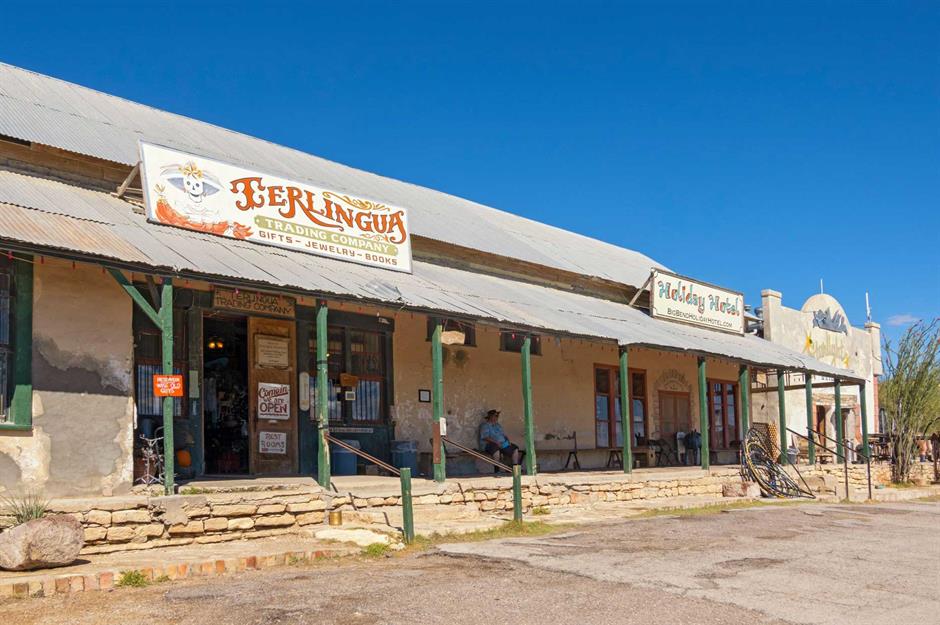
Located in the sun-scorched Chihuahuan Desert near Big Bend National Park, Terlingua lies around 80 miles from the small town of Alpine.
Once a mercury-mining boomtown, it became a ghost town in the late 1940s, before reemerging more recently as a quirky spot for tourists seeking a remote place to stay.
Today, roughly 100 residents – mainly artists and creatives – call it home. Expect patchy WiFi and drives of around 2.5 hours to reach major supermarkets and hospitals.
9. McCarthy, Alaska
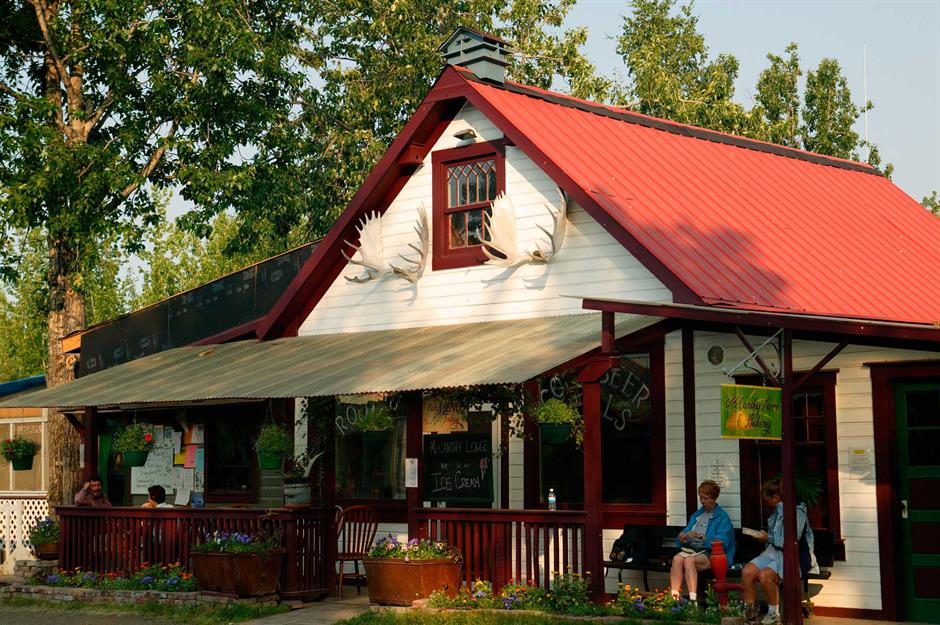
Deep within Wrangell-St. Elias National Park – the largest national park in the US – McCarthy is reached via a 60-mile gravel road from Chitina. Cars must stop before a pedestrian bridge over the Kennicott River, as the town itself is car-free.
Once a notorious copper mining town, McCarthy is now home to around 200 residents in summer, dropping to roughly 30 during the harsh winter months.
Visitors come for the town’s proximity to pristine wilderness and outdoor adventures, from hiking and rafting to ice climbing and cave exploration. In McCarthy itself, guests can check into Ma Johnson's Historical Hotel (pictured), a former boarding house built in the 1920s, or learn about the town’s colorful past at the McCarthy-Kennecott Historical Museum, located inside a former railroad depot.
8. Escalante, Utah
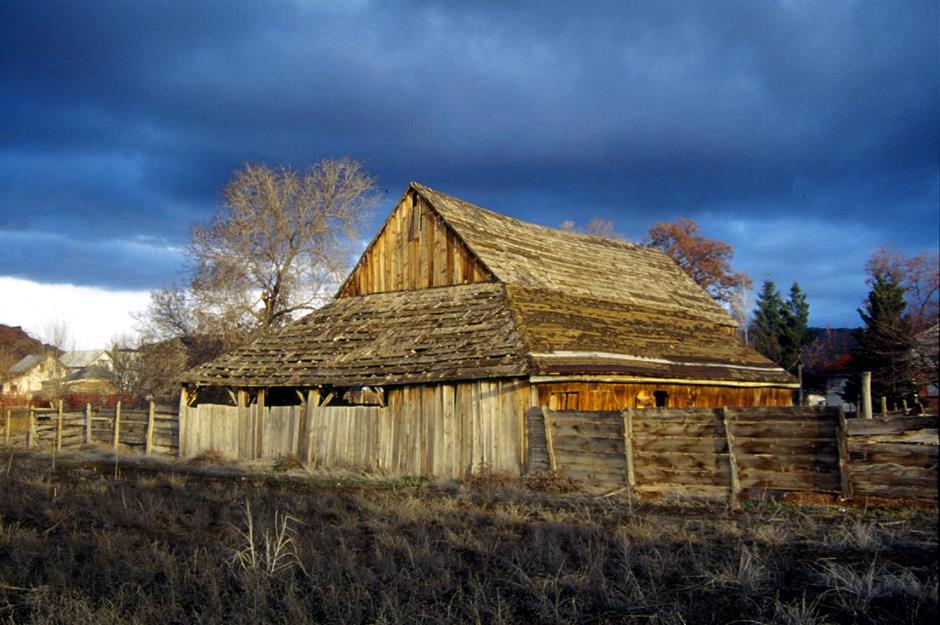
Nestled between Capitol Reef and Bryce Canyon national parks and bordering Grand Staircase–Escalante National Monument, Escalante is a gateway to dazzling slot canyons and photogenic desert trails.
With its cute cafes and motels, Escalante is a scenic town to spend the night in, though brace yourself for the desert’s unforgiving climate, which makes it a challenging place to live year-round for its 800-or-so residents. The nearest Walmart and full-service hospital are over an hour away, and Salt Lake City is around 300 miles north.
Sponsored Content
7. Jordan Valley, Oregon
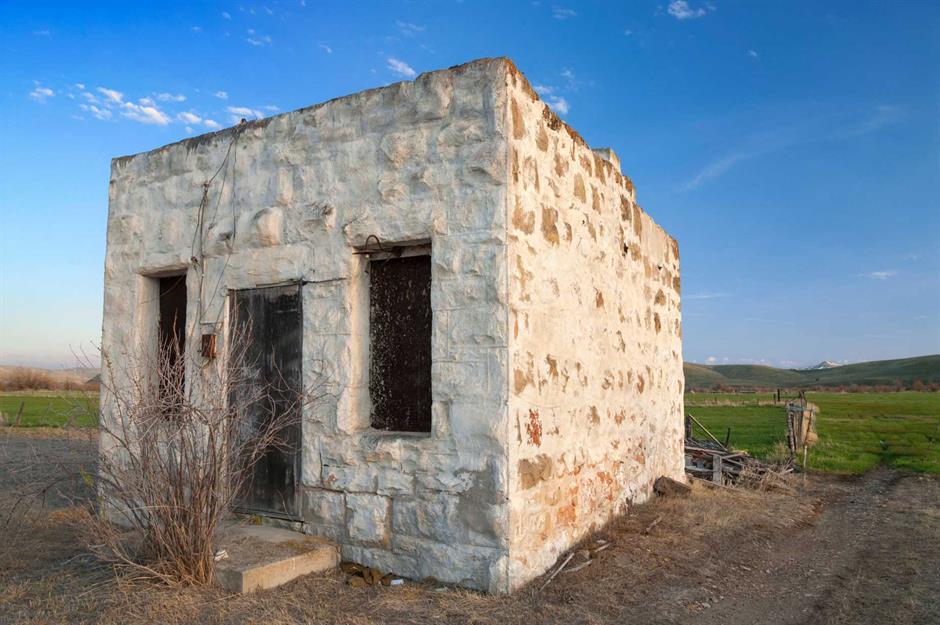
Set in Oregon’s high desert at 4,300 feet, Jordan Valley is surrounded by farmland, mountains, and craggy volcanic formations. Life for its 200 residents revolves around farming and enjoying the great outdoors, such as rafting on the nearby Owyhee River.
Once a site for the tribes of the Northern Paiute people, gold prospectors descended on the Jordan Valley in the mid-1800s. By the end of the 19th century, it was settled by Basque cattle herders whose cultural heritage still influences those who live here today.
Find out more about the area’s history at the Jordan Valley Owyhee Heritage Council Museum, then bed down for the night at Sunny Ridge RV Park in town. While access to large grocery stores and hospitals requires long drives – the closest major hub of Boise in Idaho is 80 miles away – Jordan Valley offers some limited amenities, such as a cafe and general store.
6. Hyder, Alaska
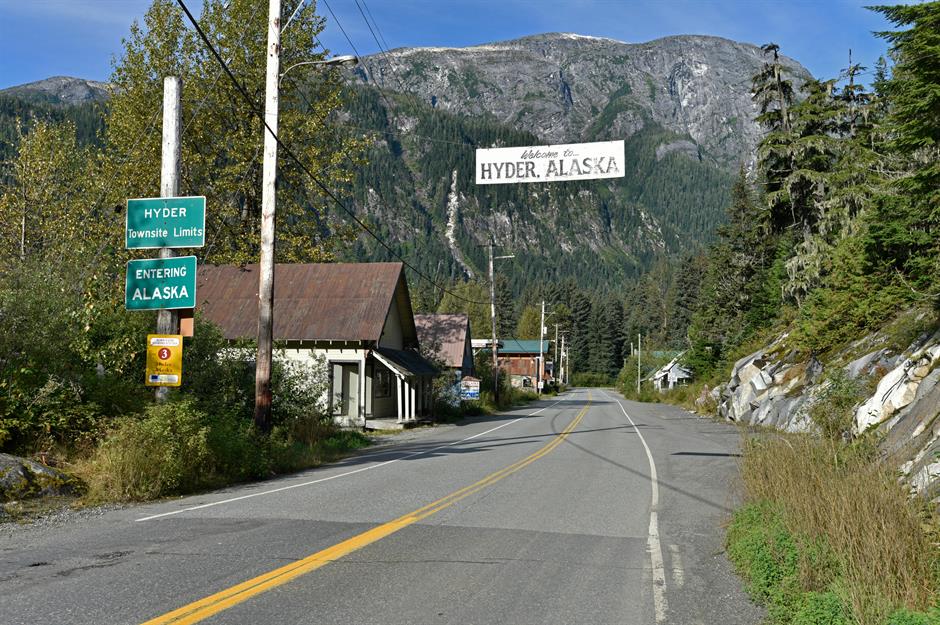
Although it’s located in Alaska, Hyder is closely linked to nearby Stewart in British Columbia. Its small population of around 60 depends heavily on Canada for everything from emergency services and food to mail and schools. Residents often use local Canadian currency and follow the Pacific time zone, and while the border with the US is open, the sense of isolation from the US is tangible here.
Visit the smattering of gold rush-era saloons in town, then head out to the Fish Creek Wildlife Observation Site, six miles north, to spot bears feeding on salmon as they spawn upstream.
5. Mentone, Texas
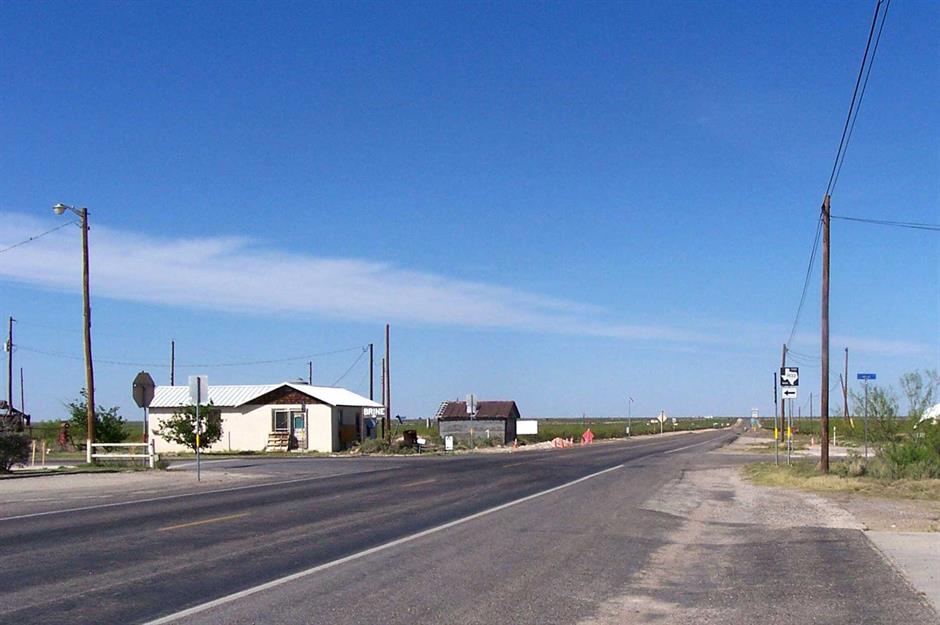
Mentone is the county seat of Loving County, the least populous county in the United States. You’ll find a courthouse, a gas station, and a food truck here – and little else. Perched on State Highway 302, 25 miles southwest of Kermit and 25 miles north of Pecos, the town sprang up in 1925 when oil was discovered here, and by the 1930s it featured several cafes, gas stations, hotels, pharmacies, and even a dance hall.
Since then, the town has dwindled, with just 15 residents recorded in the 2000 census and no drinking water available. The nearest hub, Odessa, is about 75 miles away.
Sponsored Content
4. Hanksville, Utah
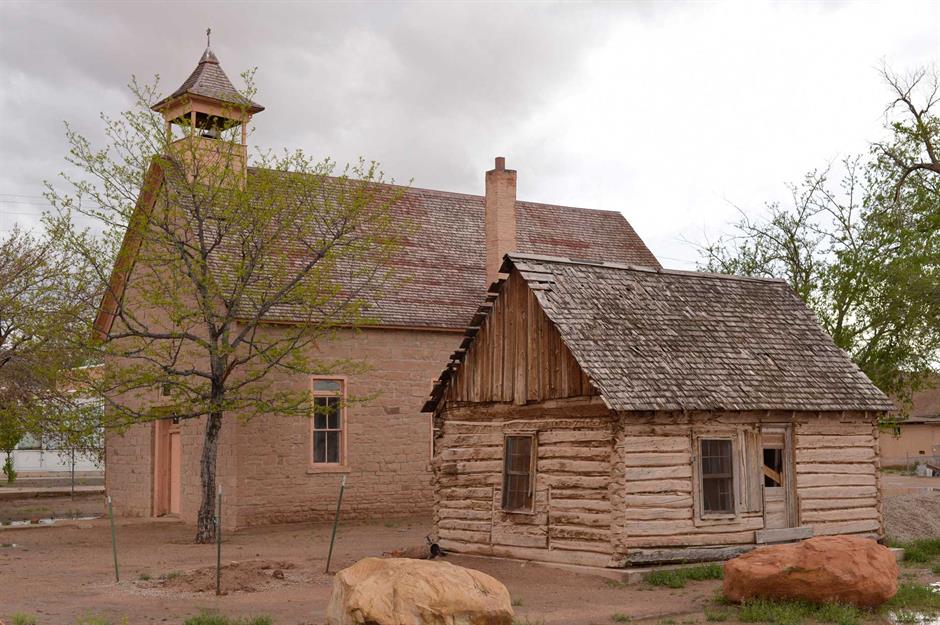
Another excellent basecamp for exploring Southern Utah, Hanksville is known for its surreal desert landscapes that feel like you’re wandering the surface of the Moon or Mars. In fact, the nearby Mars Desert Research Station was set up here as the terrain is so similar to that of the Red Planet.
Due to its high desert location, the weather here is unforgiving for its 220 residents, with sizzling summers, freezing winters, and limited water sources. For visitors just passing through, there’s plenty of adventure to be had nearby, from marveling at the otherworldly hoodoos of Goblin Valley State Park to spotting mule deer, pronghorn antelope, and buffalo in the Henry Mountains.
3. Cold Bay, Alaska
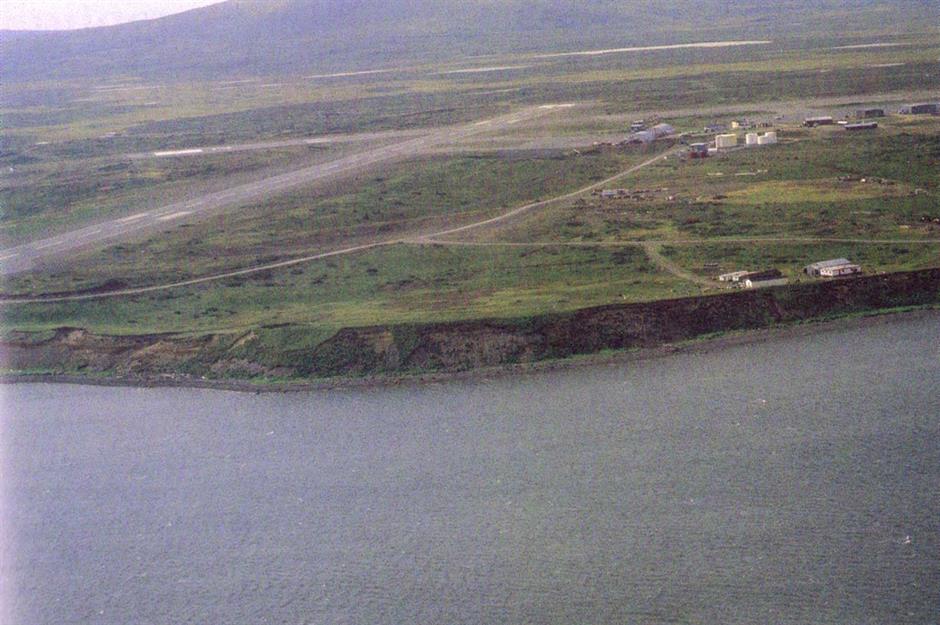
With a population of around 50, Cold Bay largely consists of an all-weather airport that acts as a regional transportation hub. Visitors head here to discover Cold Bay’s dramatic surrounding landscapes of volcanoes, glacier caps, and windswept tundra, or to spot wildlife including brown bears, caribous, and an abundance of shorebirds and waterfowl.
While there’s a small general store in town, most of the supplies are flown in from Anchorage, some 630 miles away.
2. Supai, Arizona
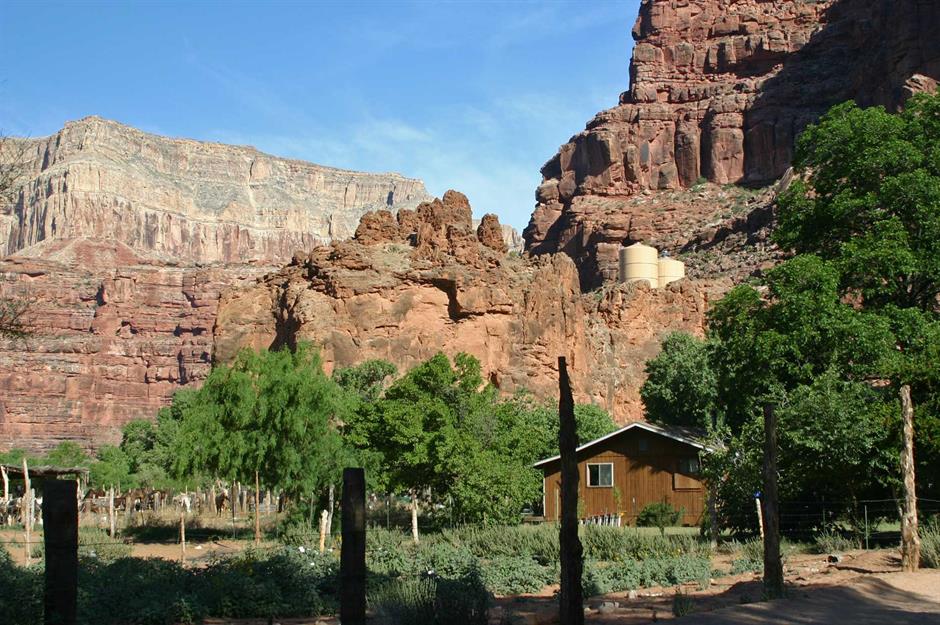
Set deep within Havasupai Canyon, Supai is the most remote village in the contiguous United States. Getting here is no mean feat, requiring an eight-mile hike, helicopter ride, or travel by horseback. It’s also the only place in the US where mail is still delivered by mule.
The capital of the Havasupai Indian Reservation is home to a community of around 200 people and can only be visited by those who secure a permit to the nearby Havasu Falls. While witnessing the blue-green Havasu and Mooney Falls is a highlight of any visit, take the time to check out the Havasupai Museum of Culture, where you’ll learn about the history, culture, and traditions of the Havasupai people.
Sponsored Content
1. Adak, Alaska
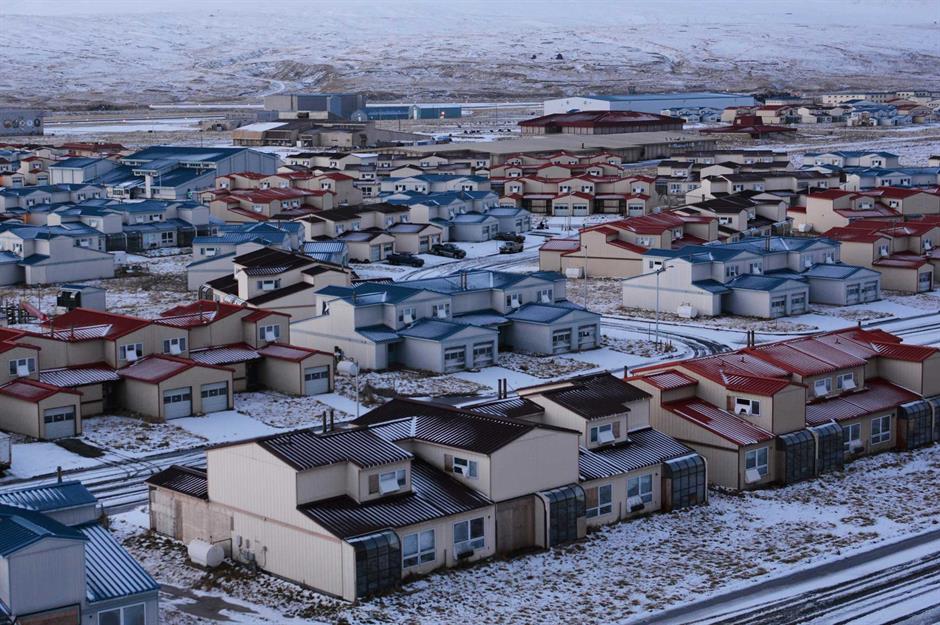
Located on the windswept Aleutian Islands, Adak is the westernmost city in the US and is only accessible by plane, with flights often canceled due to bad weather. Fewer than 200 people live here, mostly in former military housing from its time as a World War II naval base.
With no hospital and limited services, almost all supplies arrive by plane or barge. Visitors who make the long journey are rewarded with dramatic scenery, abundant wildlife, and military history. The town’s limited services include a restaurant, post office, gas station, and a small grocery store, so most visitors bring their own food.
While life in these isolated towns is challenging, what unites them is resilience, close-knit communities, and a deep sense of place – making them captivating destinations for adventurous travelers.