Europe's most overrated tourist attractions, ranked
Don’t believe the hype
Europe is home to some truly spectacular sites, from majestic Roman amphitheatres to fairytale-like Gothic castles. And yet it’s also the location of some serious flops. While these tourist attractions tend to draw huge crowds thanks to their high-profile nature, visitors are often left disappointed by eye-watering prices, long queues and just a general feeling of “is that it?!”
We’ve ranked what we think are Europe’s most overrated attractions, where tourists are left feeling decidedly deflated and most locals wouldn’t be seen dead.
Read on to see our ranking of Europe’s 21 most overhyped tourist sites...
All dollar values in US dollars
21. Eiffel Tower, Paris, France
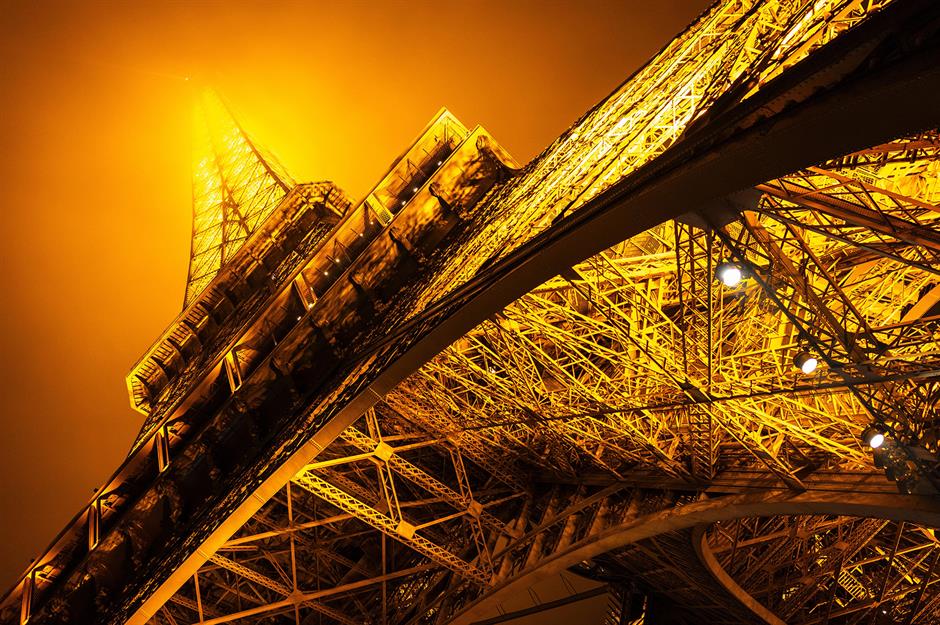
When the Eiffel Tower opened in 1889 for the World’s Fair, it faced fierce backlash from renowned writers, artists and architects, with some signing the “Protest against the Tower of Monsieur Eiffel” to halt its construction. The letter, published in Le Temps newspaper and signed by names including writer Guy de Maupassant and architect Charles Garnier, called the Eiffel Tower “useless and monstrous”.
According to legend, de Maupassant resorted to eating his lunch on the building’s first floor to avoid seeing the eyesore. Today, it’s become one of the world’s most famous monuments, but some tourists are unimpressed by the large crowds surrounding the area, the long security queues and the number of pickpockets lurking nearby.
20. Brandenburg Gate, Berlin, Germany
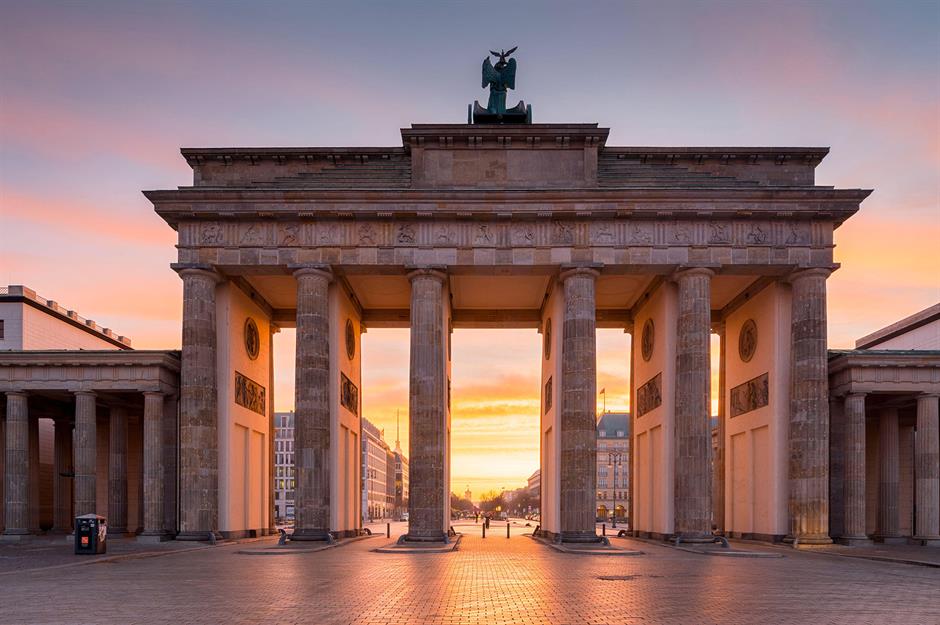
While no one can deny the historical importance of the 18th-century Brandenburg Gate – Berlin’s most famous landmark and a symbol of peace and unity since the fall of the Berlin Wall in 1989 – it’s still just a gate, with no internal museum or exhibition to explore.
The area is usually packed with other selfie-snapping tourists and large tour groups, and you’re surrounded by souvenir shops selling tourist tat. Once you’ve snapped a photo, there’s little else to do around here but move on feeling bemused.
Sponsored Content
19. Dubrovnik Old Town, Dubrovnik, Croatia
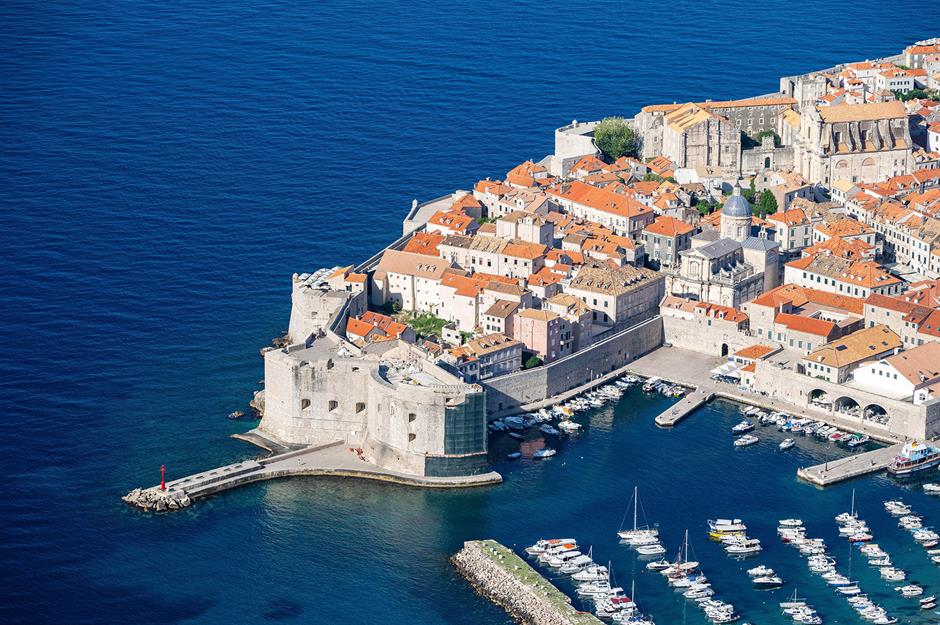
With its beautifully preserved medieval Old Town packed with palaces, photogenic piazzas, churches and museums, the historic walled city of Dubrovnik is a hit with countless tourists. And yet its popularity has led to extreme overtourism, meaning it’s best avoided if you prefer less crowded tourist attractions.
After appearing in Game of Thrones as King’s Landing, the destination experienced a massive tourism spike, compounded by its popularity as a day-trip destination for swarms of cruise visitors. While daily visitors to the Old Town are capped to 10,500 people a day, this still leaves the beautiful city feeling overwhelmingly overrun.
18. Blue Lagoon, Iceland
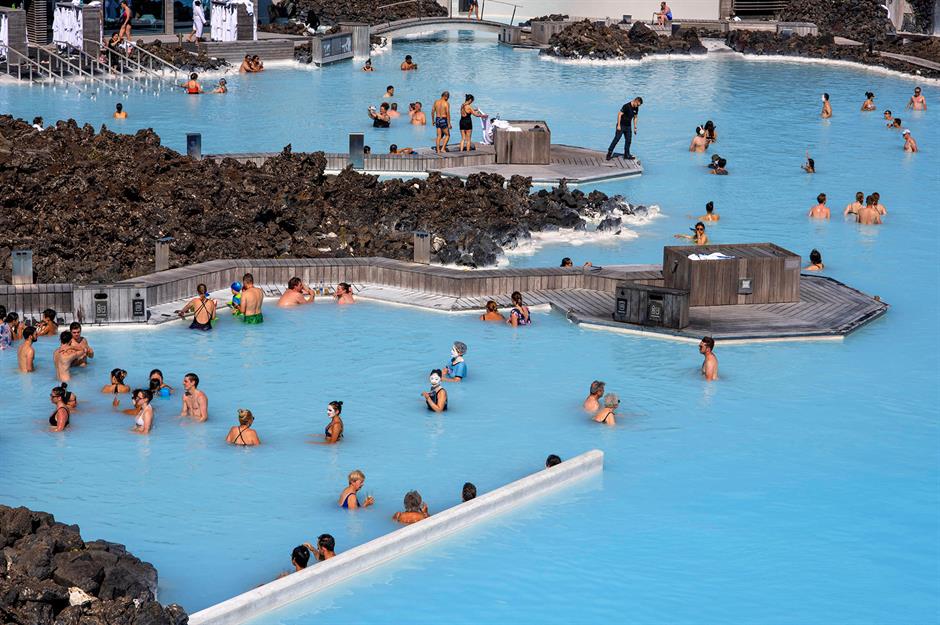
Set against the rugged black rocks of a volcanic lava field, the mineral-rich waters of the Blue Lagoon draw more than 700,000 visitors a year, making it Iceland’s most popular tourist attraction. Which means you’ll be taking it all in among swathes of others, in an experience that feels highly commercialised and like you’re in a vast, bustling spa resort rather than in pristine nature.
Be prepared to fork out between $100 and $150 (£75 and £112) for your visit and wave goodbye to your personal space, which makes the experience less than relaxing. It’s also not an entirely natural lagoon either: in fact, it’s an engineered pool fed off the run-off from a nearby geothermal power plant.
For a more rustic, natural experience that’s also completely free, visit the Reykjadalur Hot Spring Thermal River, a 45-minute drive east of Reykjavik and set in a beautiful valley, where temperatures vary between 36-40°C (97-104°F).
17. Stonehenge, Salisbury, England, UK
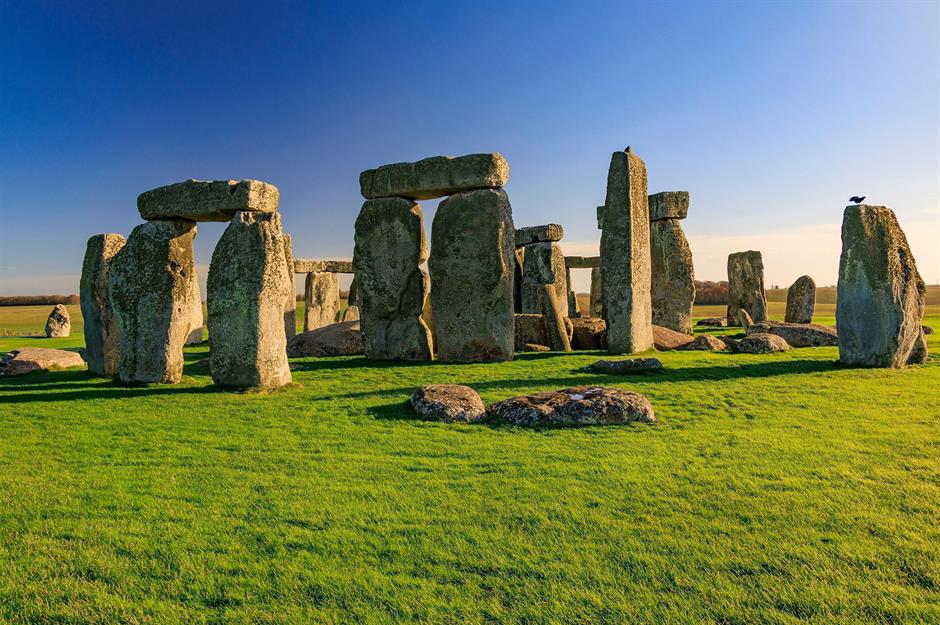
One of the UK’s most famous sites, this 5,000-year-old Neolithic stone circle is also often dubbed one of the country’s biggest tourist traps, thanks to a hefty entrance fee to see the stones from behind a roped-off path. Even history buffs fascinated by the site’s ancient mysticism and spiritual significance might feel a pang of disappointment when they look out across the traffic-clogged A303 road that surrounds it.
Many prefer a visit to the ancient stone circle at nearby Avebury instead, where you can even touch the stones and feel a deeper connection to the past, away from the tourist hordes.
Sponsored Content
16. The Temple Bar, Dublin, Ireland
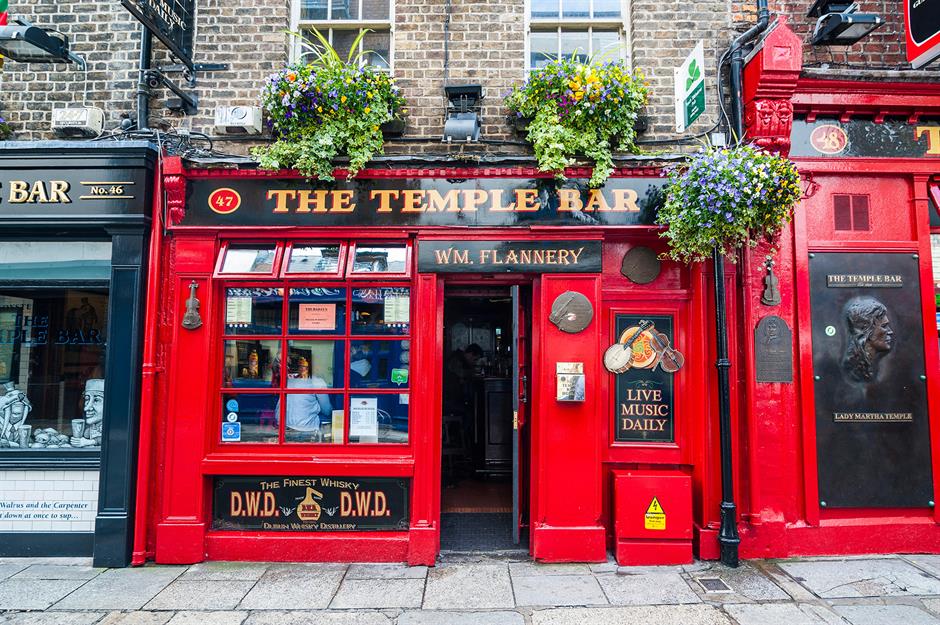
If it’s an authentic vibe you’re after as you sip your pint, you’re best off avoiding the Temple Bar, which is packed to the rafters with tourists drinking overpriced Guinness and tends to get very rowdy – and even violent – after dark.
While Dublin's cultural quarter of the same name is worth a wander, you’d probably prefer to order a pint in another of the city’s many excellent traditional pubs. Standouts include the award-winning Kehoes Heritage Pub on South Ann Street, which opened its doors in 1803 and became a haunt of literary figures including Patrick Kavanagh and Brendan Behan.
15. Loch Ness, Scotland, UK
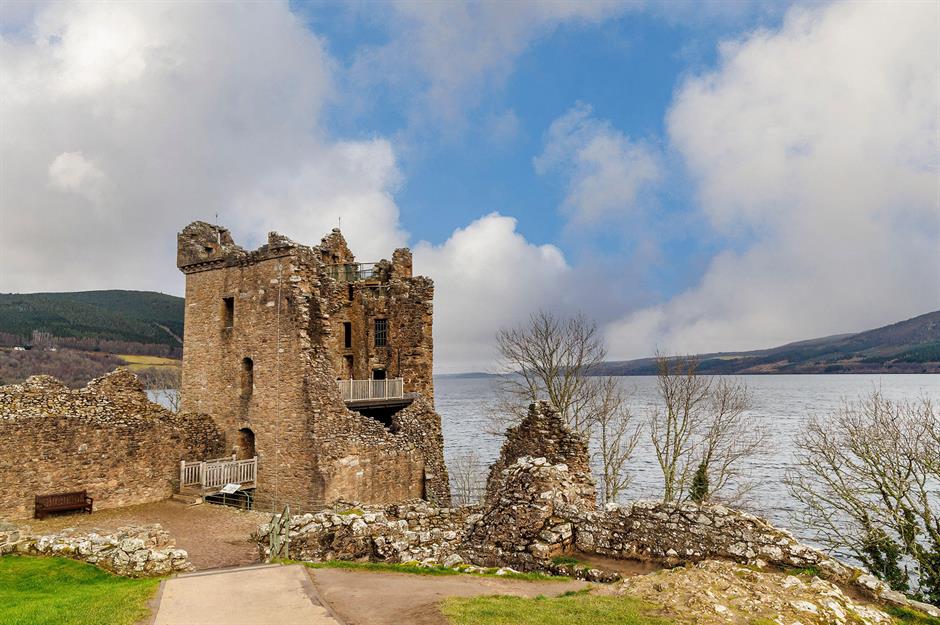
Scotland is home to more than 30,000 lochs, many of them surrounded by rugged and unspoiled Highland landscapes. The overdeveloped Loch Ness isn’t one of the country’s best, relying heavily on a fictional monster to draw tourists in, and because the lake is so large (it’s the second-largest loch by surface area at 56 square km/23 square miles), the views are relatively unimpressive.
Head further west to Loch Shiel, surrounded by craggy mountains perfect for scenic hikes, and where you can take wildlife tours to spot red deer and golden eagles.
14. Hallstatt, Austria
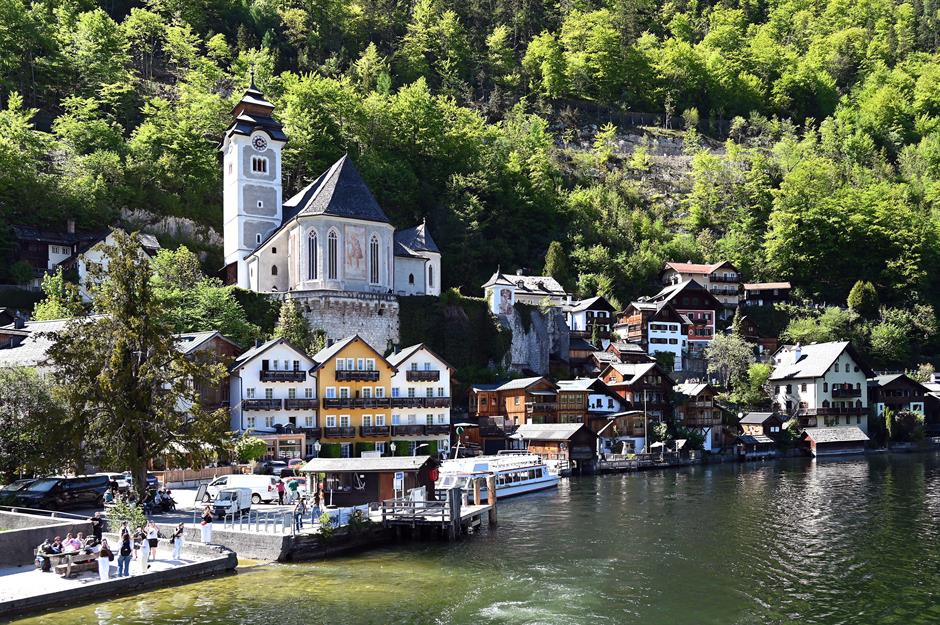
Don’t get us wrong, with its sprinkling of chocolate-box houses perched by a glassy, alpine lake, Hallstatt is impossibly pretty. But it’s become a victim of its own success, with social media and its rumoured resemblance to the kingdom of Arendelle in Disney’s Frozen causing this once-sleepy UNESCO-listed bolthole of 800 residents to be besieged by up to 10,000 visitors a day in peak season.
Despite measures to limit overtourism, including caps on the number of coaches, the narrow streets remain littered with badly behaved visitors who’ve been known to fly drones and leave rubbish in the once-peaceful streets.
Sponsored Content
13. John O’Groats, Scotland, UK
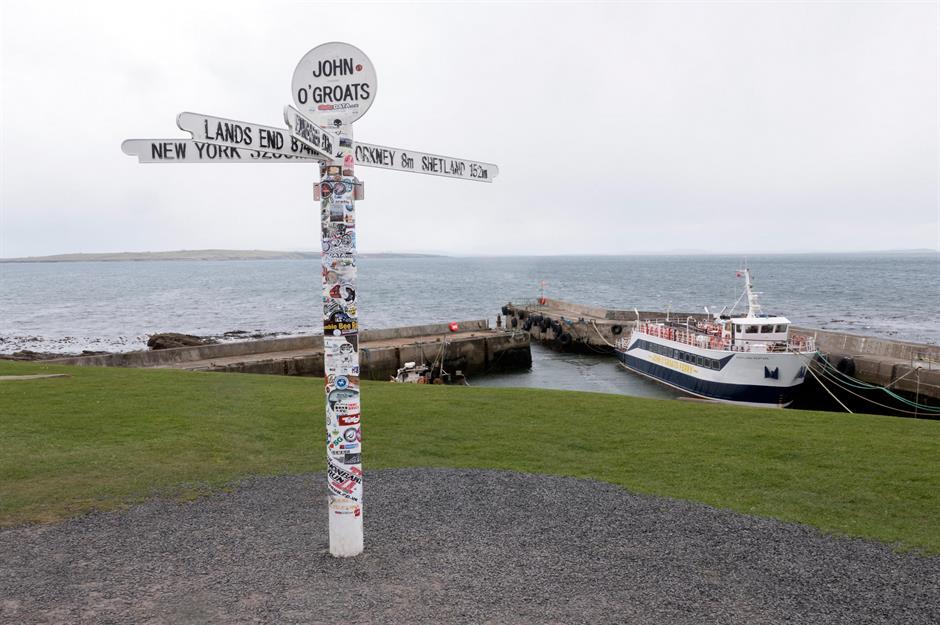
Time for another entry that’s built its reputation around a myth. Contrary to popular belief, John O’Groats isn’t the most northerly point on the British mainland – that’s Dunnet Head, a few miles away. Expect very little dramatic scenery here: the landscape is largely flat, with a gift shop, car park, toilet blocks and some holiday lodges accompanying the much-photographed signpost.
Get back in the car and drive a few miles further to Dunnet Head to see the dramatic sea stacks and wind-whipped coastal views you were probably hoping for.
12. London Eye, London, England, UK
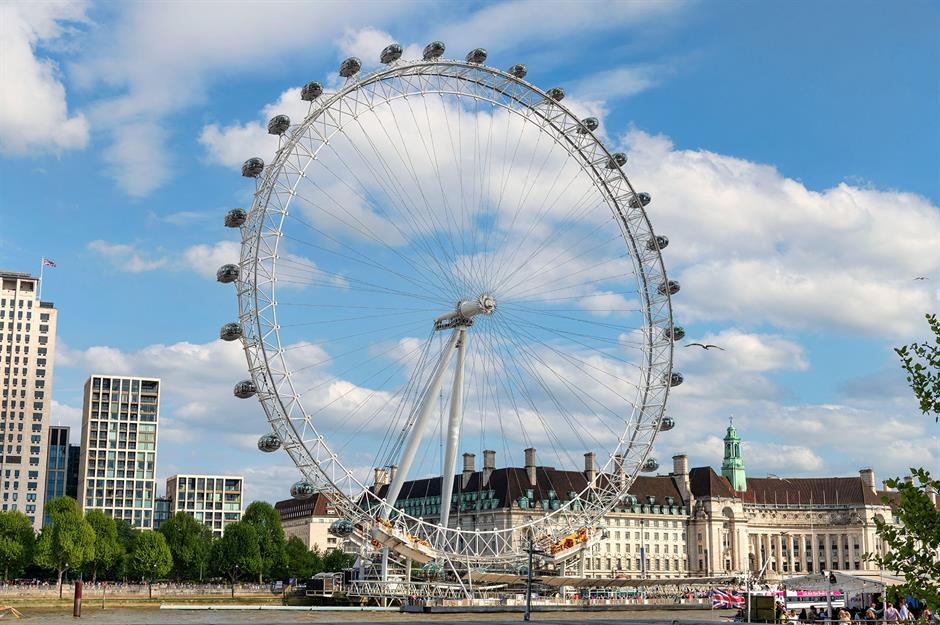
Sure, everyone loves a Ferris Wheel, but at a cost of up to $59 (£44) per adult, this one feels especially pricey. You’ll also likely be elbow-to-elbow with other tourists in your pod and have to endure long queues, even if you’ve pre-booked your tickets.
London also boasts plenty of standout city views that don’t cost a thing. Head to Sky Garden which, at 508 feet (155m), is 65 feet (20m) taller than the Eye, or Horizon 22, currently London’s highest free viewing platform. You’re welcome.
11. Northern Lights, various
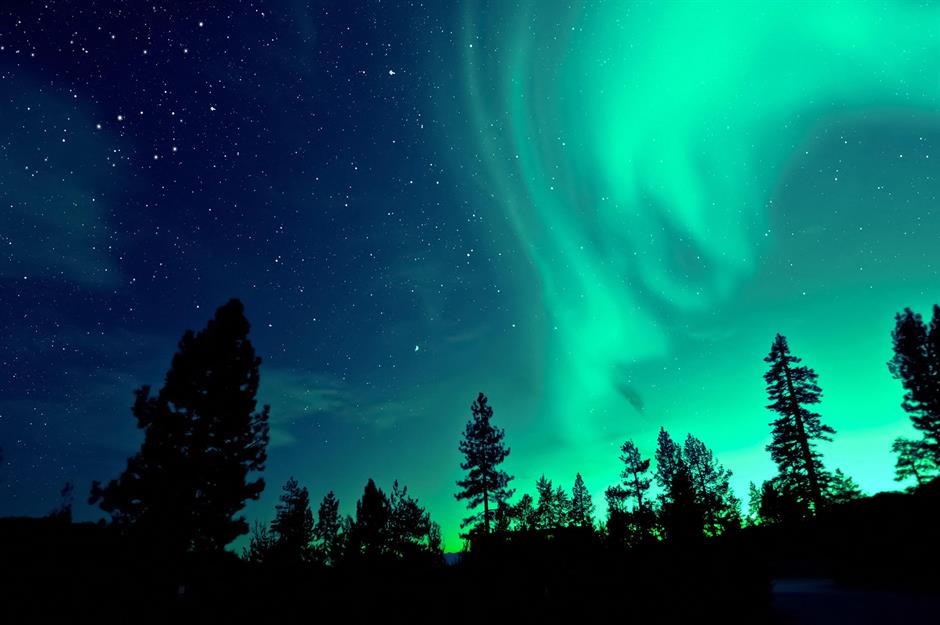
If you’ve seen the Northern Lights for yourself, you’ll know that the images we’ve been fed by countless travel magazines, news sites and social media feeds over the years have been tweaked to a level that’s arguably dishonest.
While it’s undeniably a thrill to see the lights (though a word of warning: you’ll need clear skies, darkness and a high level of solar activity to see them anyway), even on a good day the lights appear pallid compared to the snaps taken with long exposures by the professionals. A classic case of Instagram vs reality...
Sponsored Content
10. Mona Lisa, Paris, France
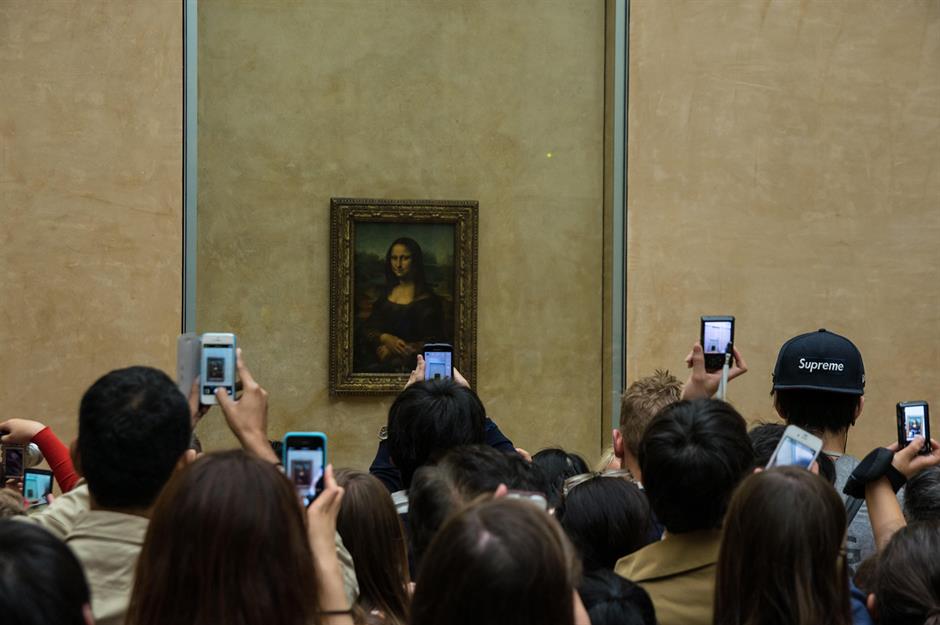
According to the former director of the Louvre Museum in Paris, 80% of their visitors come with the Mona Lisa in mind, often dubbed the world’s most famous painting. That’s a shame, given the museum is also home to masterpieces including the Venus de Milo, Renaissance works by Botticelli and the 3,000-year-old Great Sphinx of Tanis.
By contrast, the Mona Lisa is surprisingly teeny – just 30 by 21 inches (77 x 53cm) – and after queuing for an eternity, you’ll be lucky to catch more than a fleeting glimpse of her enigmatic smile before the next wave of selfie-snapping tourists jostles you along. Instead, we recommend heading to the museum’s Grande Galerie to admire another Leonardo Da Vinci portrait featuring a similarly mysterious female gaze: La Belle Ferronniere.
9. Checkpoint Charlie, Berlin, Germany
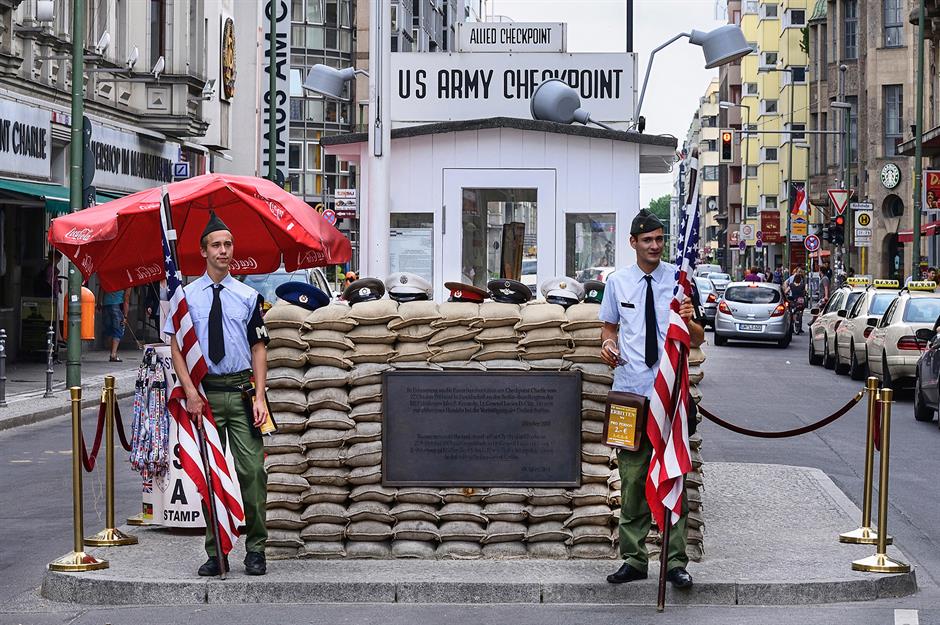
Famed as the best-known border crossing between East and West Germany, Checkpoint Charlie became a powerful symbol of Cold War tension. It was the site of a notorious 16-hour standoff between Soviet and American tanks in 1961 and was closely associated with tense diplomatic exchanges and escape attempts in the surrounding border area of Soviet-governed East Berlin.
Today, though, it’s an overcommercialised and largely inauthentic reconstruction of a checkpoint hut, complete with actors dressed as border guards selling photo ops. For a more meaningful engagement of the city’s divided past, visit the East Side Gallery, which explores the realities and complexities of the wall – and the war – with the seriousness they deserve.
8. Blue Domes of Santorini, Santorini, Greece
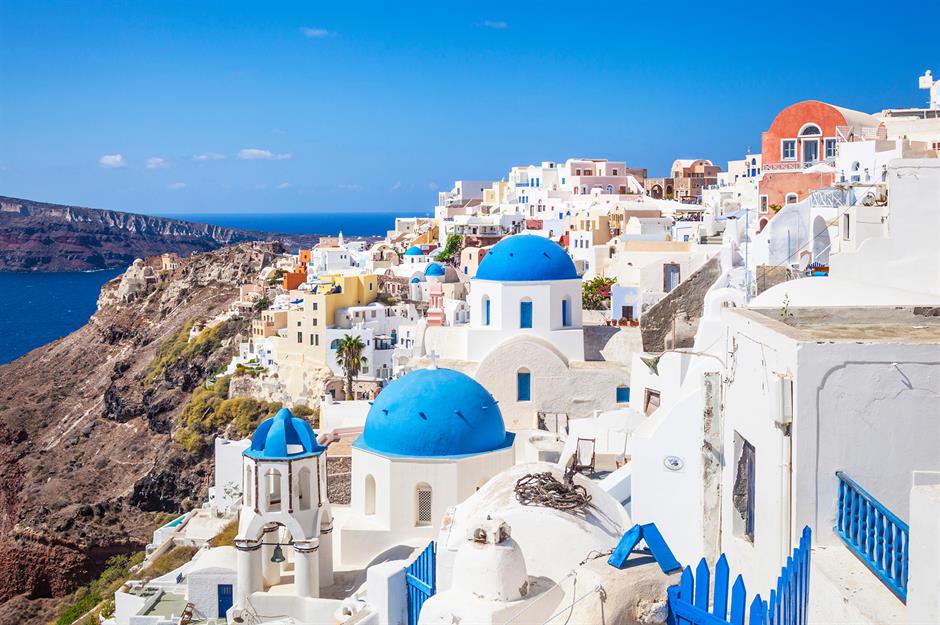
Quite possibly one of the most photographed travel landmarks to ever appear on your social media feed, the famous Three Blue Domes in Oia are undeniably striking set against the area’s white-washed buildings, teetering on the cliffs against a backdrop of the rocky caldera and Aegean Sea.
And if you’re here to get the perfect shot for your own Instagram feed, be prepared to wait in long, winding queues alongside thousands of cruise ship passengers for the privilege.
Sponsored Content
7. Juliet's House, Verona, Italy
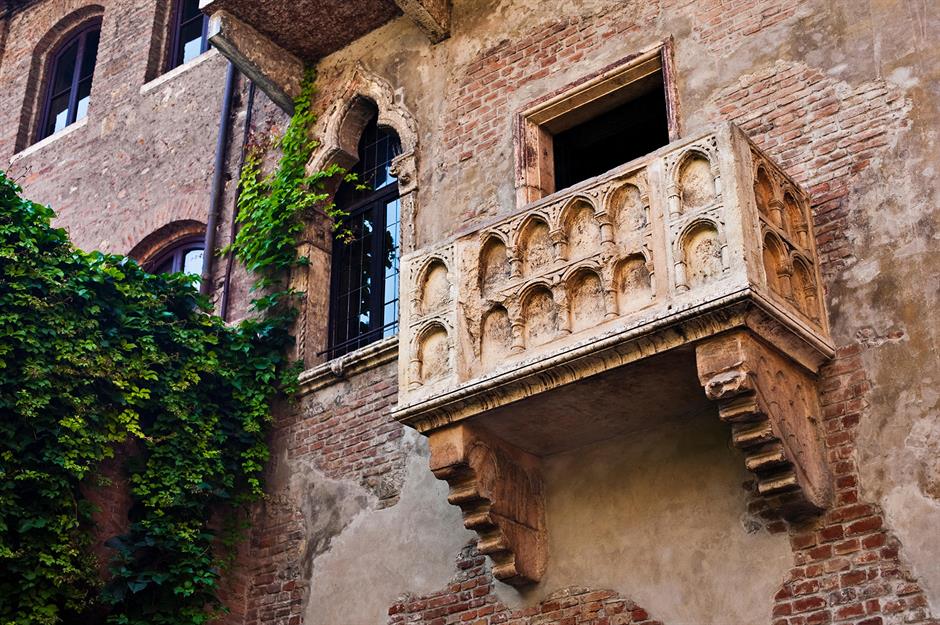
Countless lovers visit Juliet’s balcony in Verona each year to leave notes to their beloved, enraptured by William Shakespeare’s timeless tragedy about love and loss. Yet anyone expecting to see the real deal will be disappointed: not only is Romeo and Juliet a work of fiction, the famous balcony is too, added to the building during a restoration in the 1930s to capitalise on the legend.
In fact, the play doesn’t ever specify a balcony; the action of the scene simply takes place “from above”. The 13th-century ‘Juliet’s House’ once belonged to the Dal Cappello family, whose name was similar enough to the Capulets for the city to turn the property into a tourism site. Not so romantic, really...
6. Madame Tussauds, London, England, UK

To some people, the idea of spending an afternoon snapping selfies with lifelike, beaming, blemish-free waxworks of their actor and musician idols sounds like fun. To everyone else, it sounds vaguely creepy. And yet still, there are queues snaking out of the building and down Marylebone Road most weekends...
5. Little Mermaid, Copenhagen, Denmark
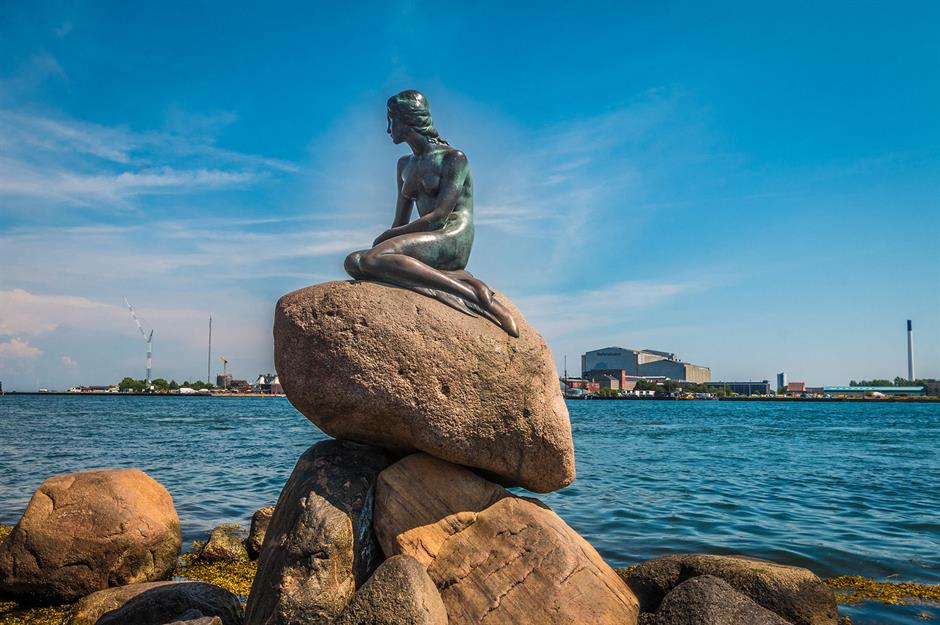
At just four feet (1.25m) tall, the Little Mermaid statue on Langeline Pier is not just small in stature, it often leaves an underwhelming impression too. Located in a less-than-attractive part of the harbour in an otherwise very pretty city, the statue is visited by over a million people each year, so expect lots of elbowing as you take your snap.
It’s also located just a metre offshore, so tourists have been known to slip into the chilly harbour water in their quest for the perfect shot.
Sponsored Content
4. Trevi Fountain, Rome, Italy
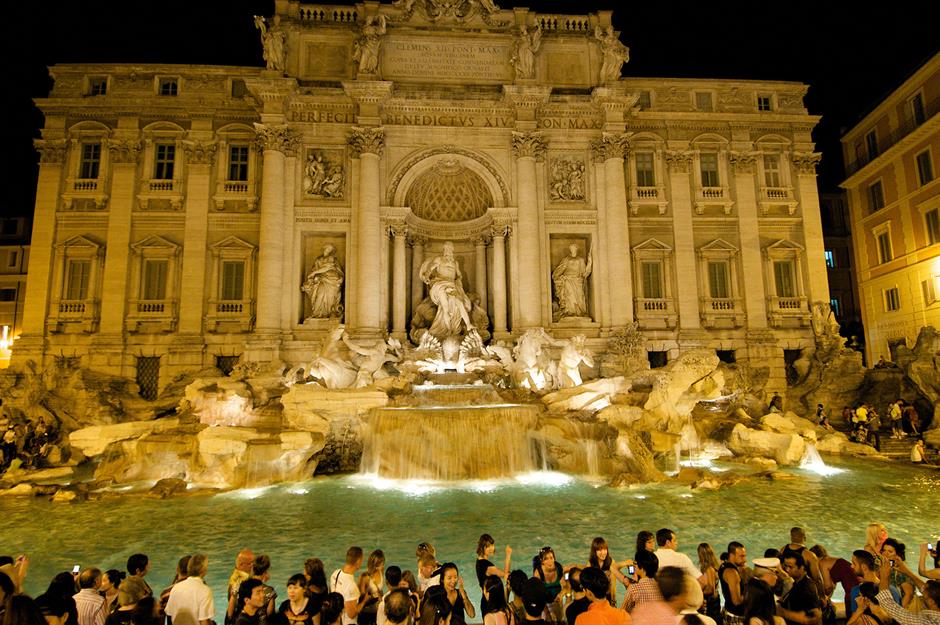
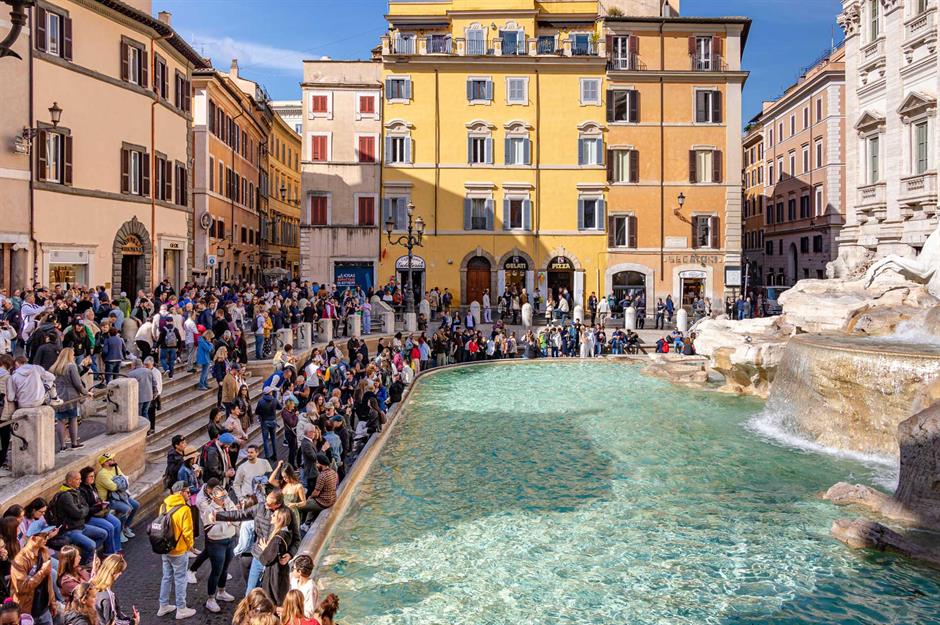
There is so much to see in the Eternal City, including archaeological marvels, breathtaking world-class art and the Vatican City, famed for its churches and frescoes. And yet the relatively small Trevi Fountain, made famous after appearing in movies such as Roman Holiday, remains one of the world’s most visited landmarks, with more than 10 million visitors a year.
It’s so popular, in fact, that Rome is charging €2 ($2/£1.50) for a ticket to queue and get up close to the fountain and throw in a coin for good luck.
3. Las Ramblas, Barcelona, Spain
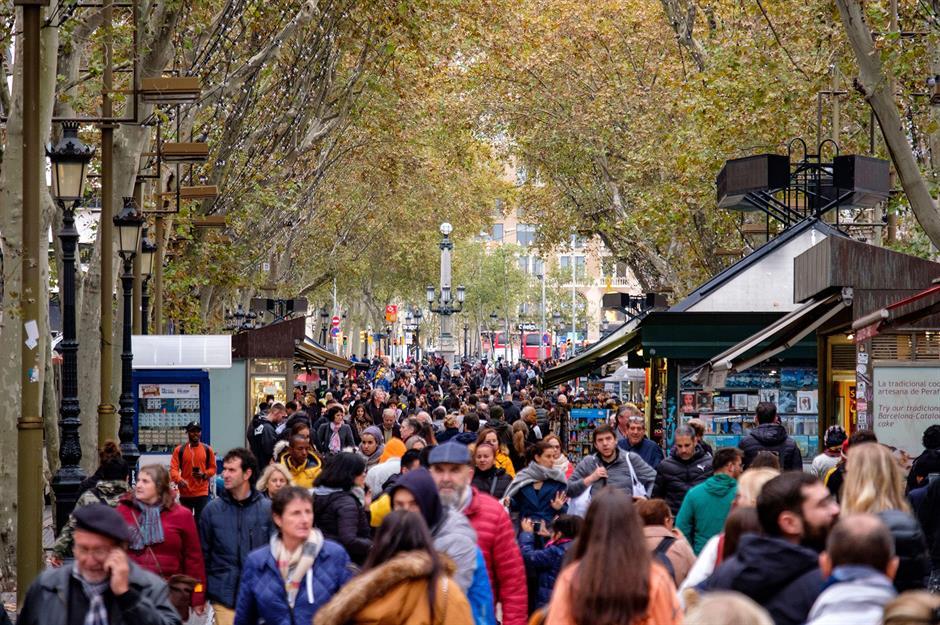
Locals largely avoid Las Ramblas – the city’s most famous street – where anti-tourist slogans dominate downtown walls and the avenue is clogged with tourist-trap restaurants, international fast food chains and lingering pickpockets. In fact, the entire city is struggling with overtourism, with its 1.6 million inhabitants dwarfed by its 32 million annual tourist visits, leading to protests by residents.
Some might prefer to give the city a wide berth and experience Catalonia’s many other gems instead, including Girona, often dubbed Barcelona in miniature, or Tarragona, where Roman history, Gaudí heritage and excellent food and wine make a captivating combination.
2. Piccadilly Circus, London, England, UK
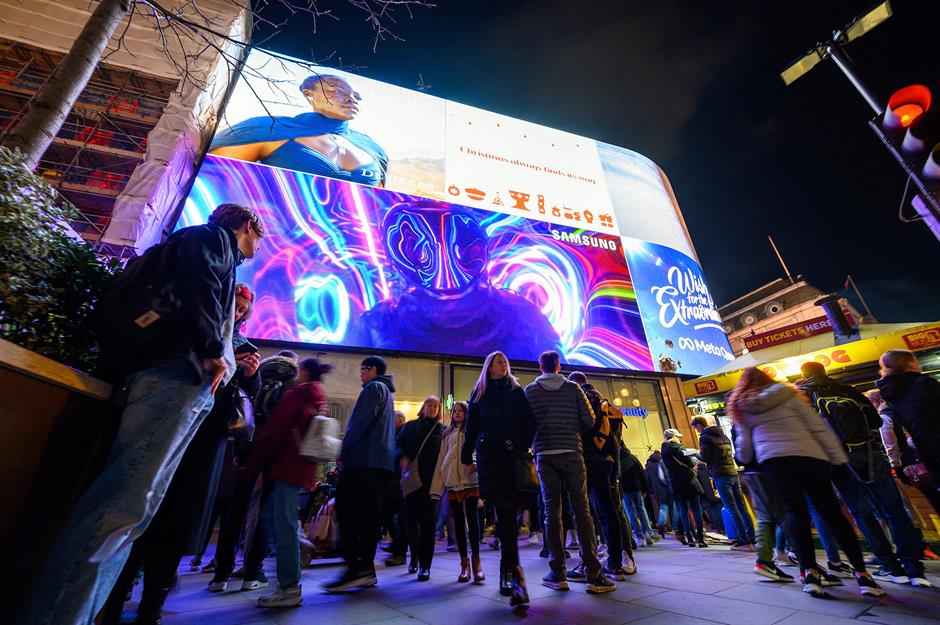
Famed for its illuminated advertising signs that have graced this central London square since 1908, Piccadilly Circus is essentially a major traffic junction, surrounded by tooting cars, buses and black cabs, where pavements are packed with tourists and exasperated London commuters. The area also has a reputation for pickpocketing and is surrounded by tacky souvenir shops, candy stores and fast food joints.
For a more relaxed atmosphere, head to historic Covent Garden, whose market dates back to the 17th century and is dotted with restaurants, bars and boutiques today.
Sponsored Content
Venetian gondolas, Venice, Italy
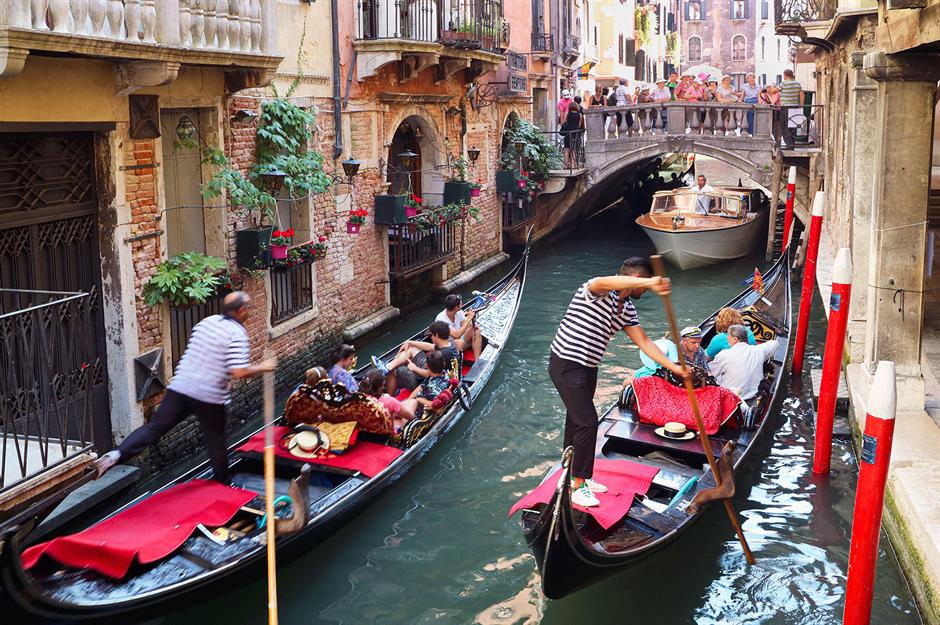
Another city quite literally crumbling under the weight of mass tourism, Venice is often described as resembling a theme park, with its cultural heritage and history dating back to the 5th and 6th centuries getting tragically lost along the way.
Over the years, the city’s famous gondolas have become part of the problem. They’re eye-wateringly expensive, largely geared toward visitors, and you’re likely to get stuck in a traffic jam in one on the Grand Canal. Hardly the serene, romantic experience it was once marketed as.