England’s tiniest museums worth a detour
Small but mighty
England is full of grand museums bursting with impressive collections. These tiny museums, however, don’t demand a full afternoon or a deep dive into history. Instead, they offer quick, curious glimpses into subjects you didn’t realise you’d enjoy.
From small-town collections shaped by local passion to creative reinventions of old buildings, each one proves that size isn’t everything when it comes to a good story. Whether you’re on a day trip or passing through, these miniature spaces are well worth the detour.
Click through this gallery to discover England's best tiny museums...
The Dog Collar Museum, Kent
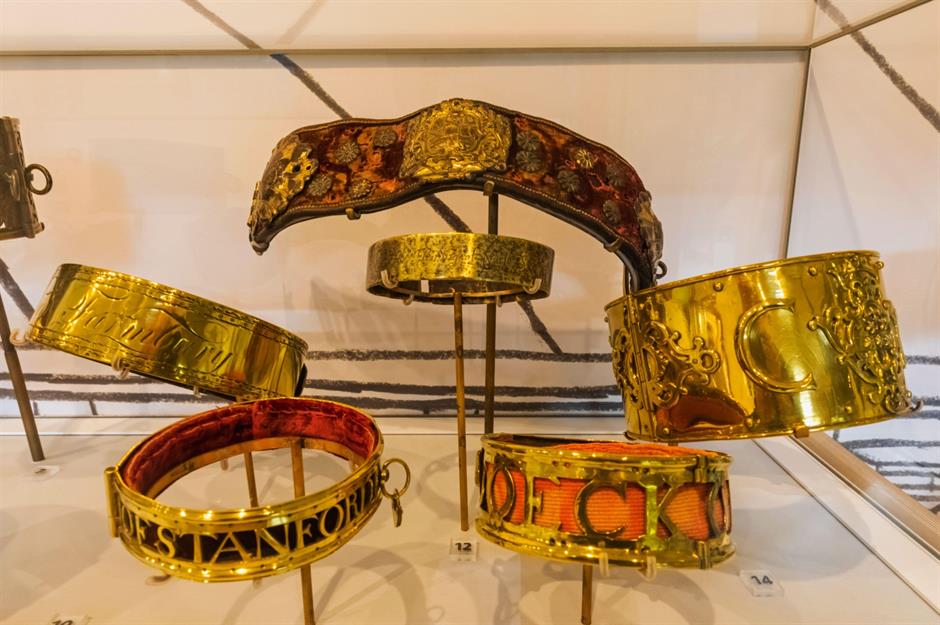
Inside Leeds Castle, which is – rather confusingly – in Kent, the Dog Collar Museum is a niche stop that rewards anyone with a taste for quirky history. Its modest size means you can explore the full collection in a single circuit, taking in five centuries-worth of canine fashion and craftsmanship.
The displays range from grand medieval hunting collars to curious Victorian designs, offering a charming window into how humans have cared for their dogs through time.
The Museum of Witchcraft and Magic, Cornwall
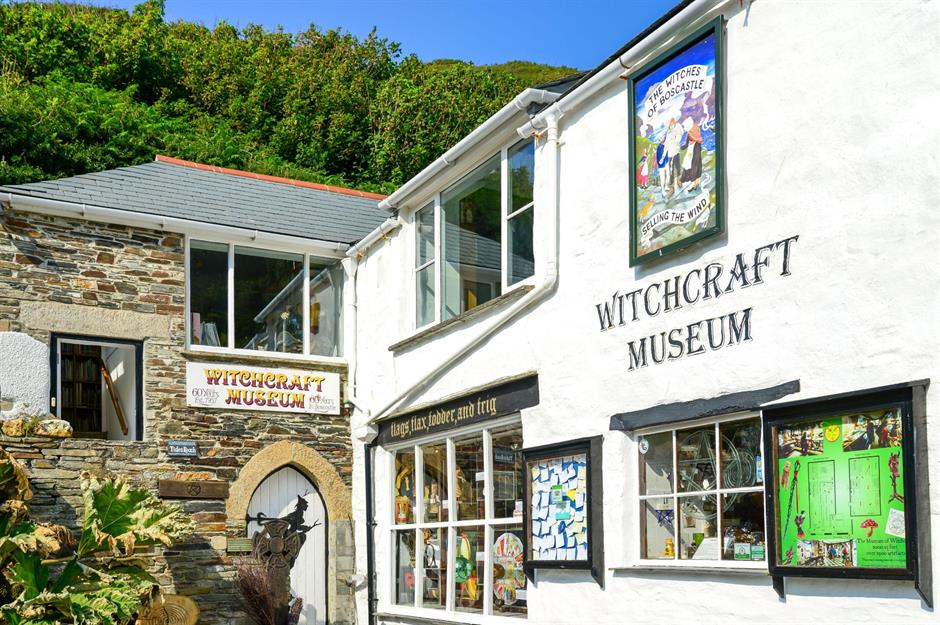
Embrace all things witchy in the harbour village of Boscastle, with a visit to the Museum of Witchcraft and Magic – an intriguing collection that explores British folk magic, ritual, superstition and witchcraft through objects gathered over decades.
The museum’s story begins with Cecil Williamson, a lifelong collector who opened several witchcraft museums before finally settling in Boscastle in 1960, after an early collaboration – and later falling-out – with Gerald Gardner, often dubbed "the father of modern witchcraft". Many objects come from real practitioners, giving the museum its atmospheric feel and making it a memorable stop along the Cornish coast.
Sponsored Content
Derwent Pencil Museum, Cumbria
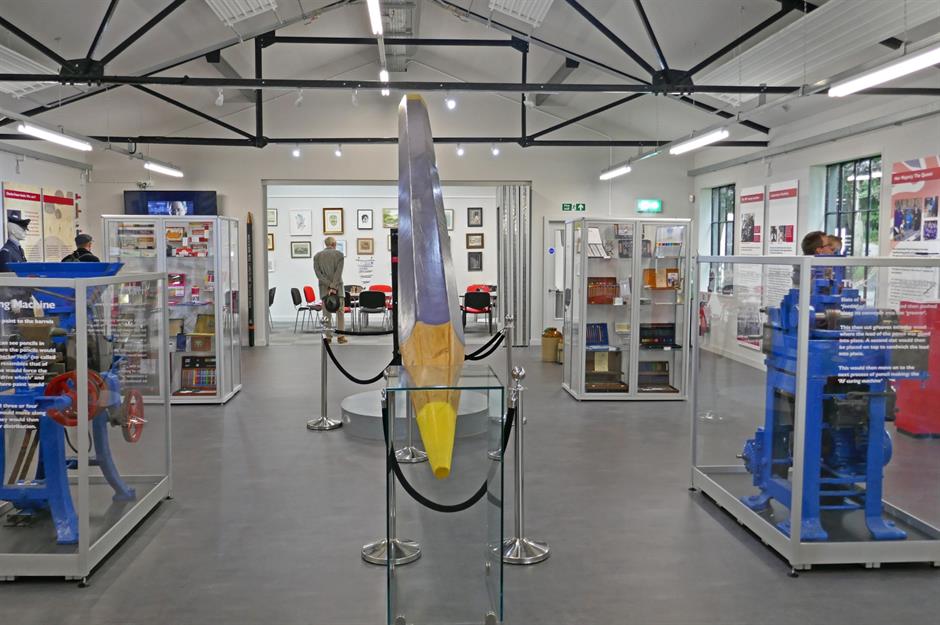
The Derwent Pencil Museum in Keswick tells the story of the humble pencil, from early graphite mining to the development of modern drawing tools. Its star attraction is a giant pencil (pictured), and you can trace (no pun intended) how artists, writers and engineers have relied on this everyday object throughout time.
Wartime innovations involving the writing utensil are particularly interesting – think pencils concealing hidden maps – and though small, this remains a big draw (pun intended) for visitors to the surrounding area.
Shell Grotto, Kent
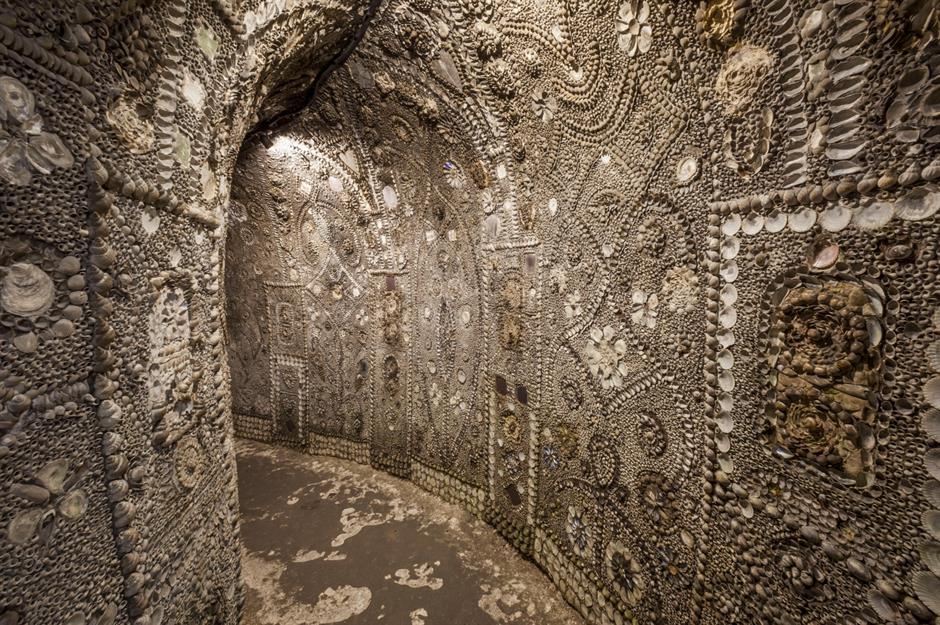
Margate’s Shell Grotto is an intriguing hub of seaside eccentricity – an unassuming building that leads to underground passageways decorated with millions of shells. Discovered in 1835, there's still no definitive explanation as to who created it – or why – but that's part of the appeal.
Showcasing historic illustrations, restoration work and shell-craft traditions, a visit here may be brief, but the grotto’s atmosphere and craftsmanship are well worth a stop before you return to Margate’s bright streets.
Cawthorne Victoria Jubilee Museum, South Yorkshire
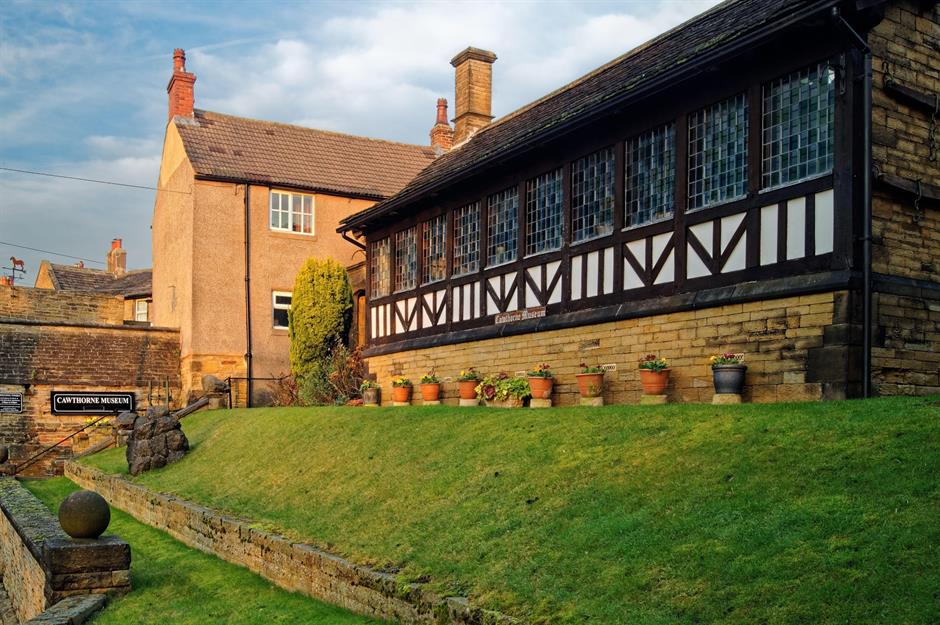
Hidden away in the tiny village of Cawthorne, South Yorkshire, the Victoria Jubilee Museum is a wonderfully old-fashioned curiosity cabinet where every shelf holds something unexpected. The entire museum fits into a single, creaking room filled with local history, donated heirlooms and oddities collected over generations
Its most famous exhibit is the two-headed lamb, preserved since the 19th century, but it’s far from the only surprise – you’ll also find the boots worn by a man who survived a lightning strike, alongside mining tools, Victorian domestic items and taxidermy.
Sponsored Content
The Micro Museum, Kent
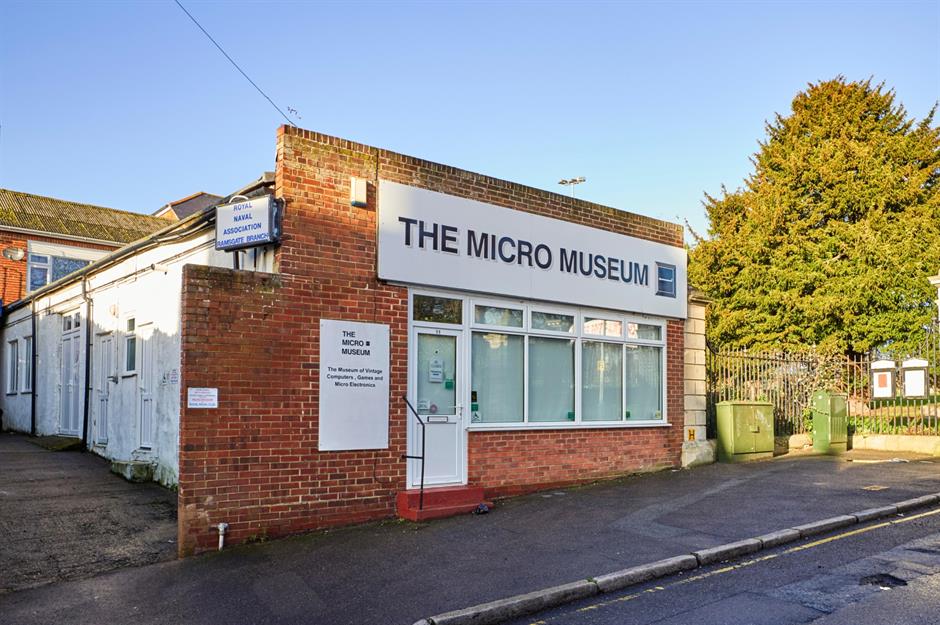
It doesn't look particularly entertaining from the outside, but Ramsgate’s Micro Museum is a nostalgic, pocket-sized celebration of home computing and video games. Its collection spans early personal computers, classic consoles and handheld devices that shaped gaming culture from the 1970s onwards.
Many exhibits are hands-on, allowing visitors to try out games and programmes of yesteryear, and although small, the museum captures the excitement of the early digital age. An enjoyable detour for anyone who remembers cassette-loading games or first-generation consoles.
Brighton Fishing Museum, East Sussex
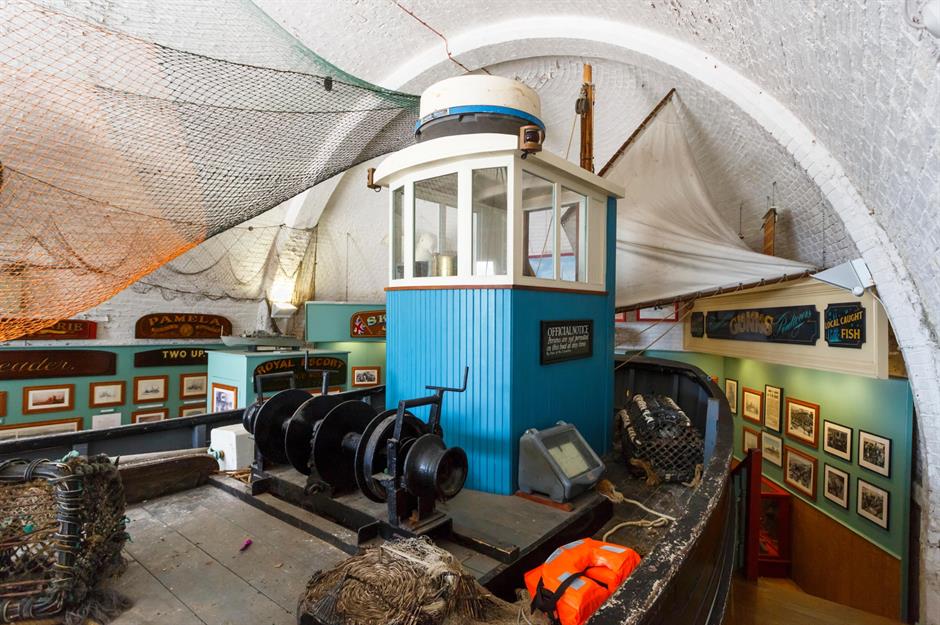
Set right on Brighton’s seafront, the Brighton Fishing Museum is a showcase of the city’s long maritime history. Housed in former fishermen’s arches, it brings together photographs, restored boats, traditional gear and personal stories that show what life was like before Brighton became a resort town.
The displays focus on the people who worked the shoreline, and the museum’s small size keeps everything easy to take in.
House of Marbles, Kent
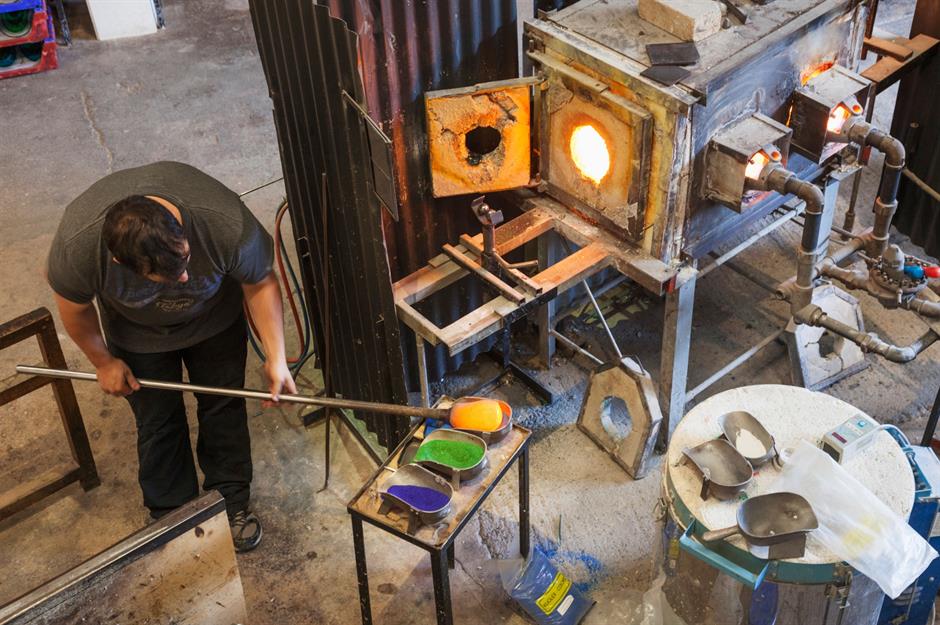
Ever feel like you've lost your marbles? Well, this is where you can find them. Set within a former pottery, the House of Marbles in Bovey Tracey is a small but compelling look at the history of glass marbles and traditional games, which also reveals techniques used to create patterned marbles.
One of the main draws is the series of intricate mechanical marble runs, and you can also see historic kilns and watch live glass-making in action. Bonus points: there's a restaurant on-site.
Sponsored Content
The Knaresborough Courthouse Museum, North Yorkshire
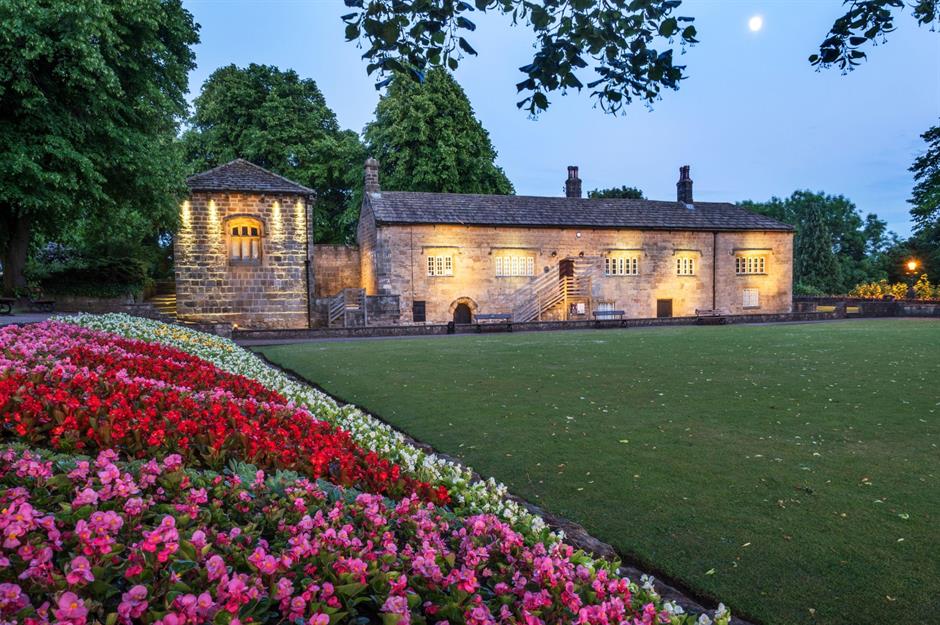
This small museum within the grounds of Knaresborough Castle explores the legal and social history of Knaresborough. Niche, sure, but its displays include original court records, local policing artefacts and information about notable cases heard in the town.
The preserved Tudor-era courtroom is the highlight, offering a clear view of where defendants, magistrates and clerks once sat. The museum also touches on Knaresborough’s wider heritage, and it makes for a brief but informative stop when exploring the historic market town.
Teapot Island, Kent
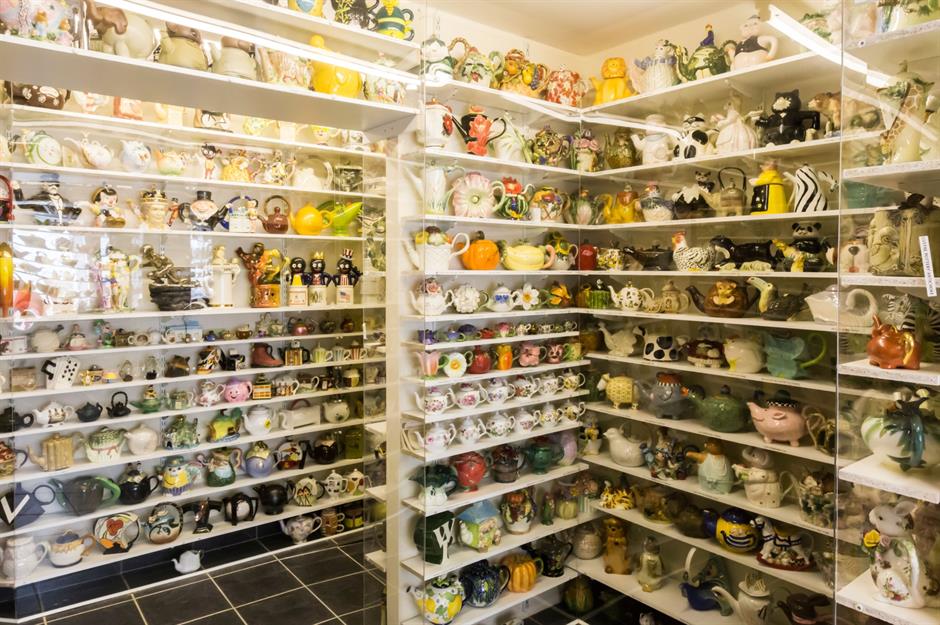
Located beside the River Medway in Yalding, it will surprise no one to learn that Teapot Island is a museum dedicated entirely to the teapot. Its collection began as a private hobby and has grown into a tightly packed display of more than 8,000 pieces, arranged by theme, maker and era.
You’ll find everything from traditional ceramic teapots to novelty designs, along with information explaining how teapots have evolved alongside British tea culture. The adjoining tearoom (there had to be one) turns the visit into a refreshing detour.
Sir John Soane’s Museum, London
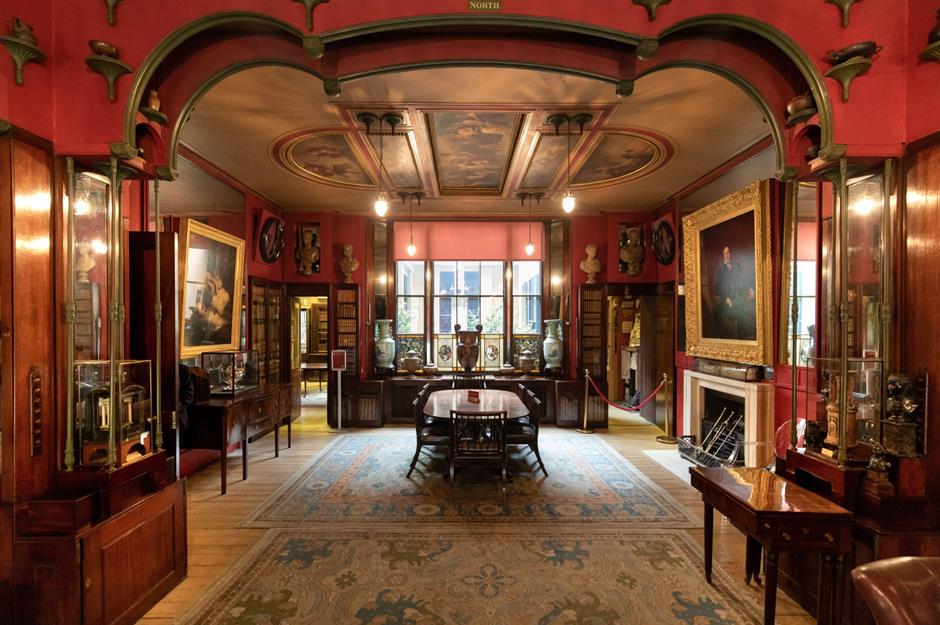
Sir John Soane’s Museum feels a bit like stepping into the private workshop of a brilliantly curious mind. Set inside the famous architect’s former home, it’s a warren of rooms packed with models, paintings, oddities and ancient fragments he collected over a lifetime. Soane arranged everything himself, and the house is preserved exactly as it was when he died in 1837.
One moment you’re looking at Hogarth prints, the next you’re eye-to-eye with an Egyptian sarcophagus. The house is part of the story too, showing how Soane tested ideas at home before using them in his public buildings.
Sponsored Content
Charles Dickens Museum, London
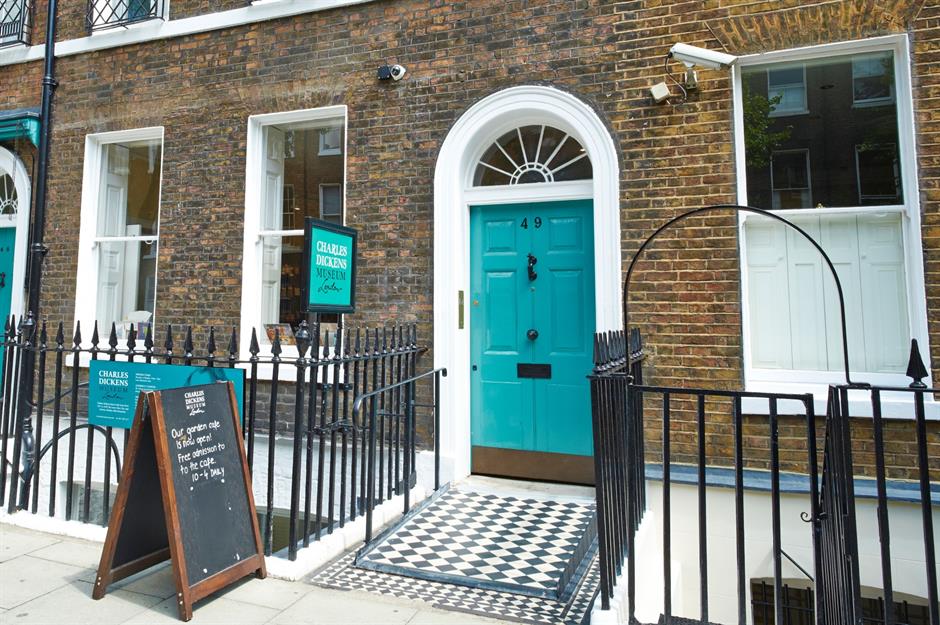
Behind a bright blue-green front door in Bloomsbury, the Charles Dickens Museum offers an engaging glimpse into the iconic writer’s everyday world. This is the townhouse where he wrote Oliver Twist, and stepping inside shows him not as a grand literary figure but as a young man juggling work, family life and the bustle of Victorian London.
His writing desk, marked-up drafts and household items are still in place, and the tight layout of the rooms gives a sense of how closely life and work overlapped for him. It’s a down-to-earth stop that makes Dickens feel genuinely human.
The Roman Army Museum, Northumberland
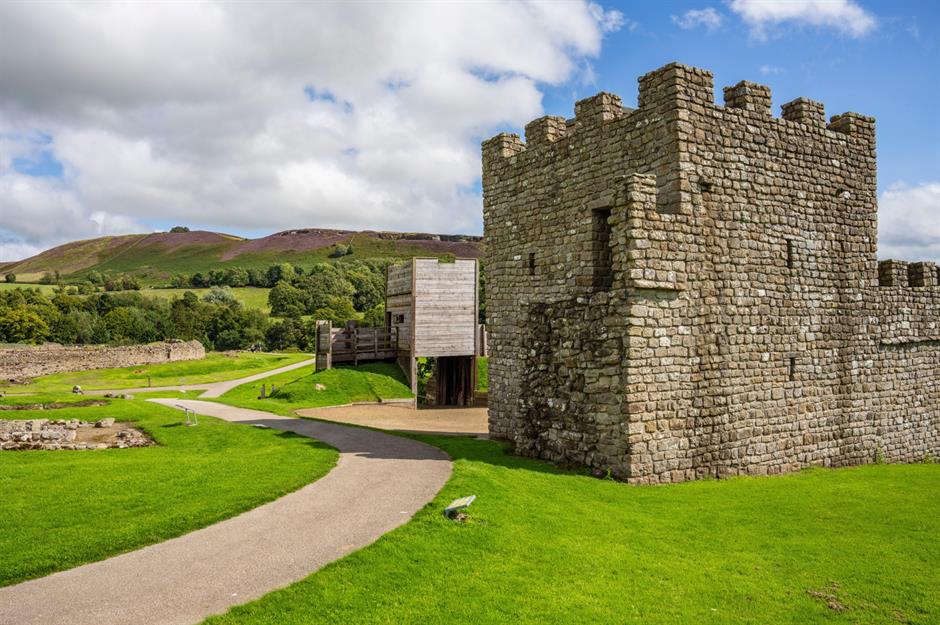
Right next to Hadrian’s Wall, the Roman Army Museum offers a snapshot of what it was actually like to serve on the edge of the empire. The indoor displays focus on the practical side of army life – the kit soldiers carried, what they ate and how they trained in such a remote spot.
The visit pairs neatly with the nearby Vindolanda open-air site, where you can walk among the excavated fort remains and several reconstructed buildings, like the one pictured, that show how the settlement once looked. Together, they create a memorable picture of Roman life in the north.
The Lakeland Motor Museum, Cumbria
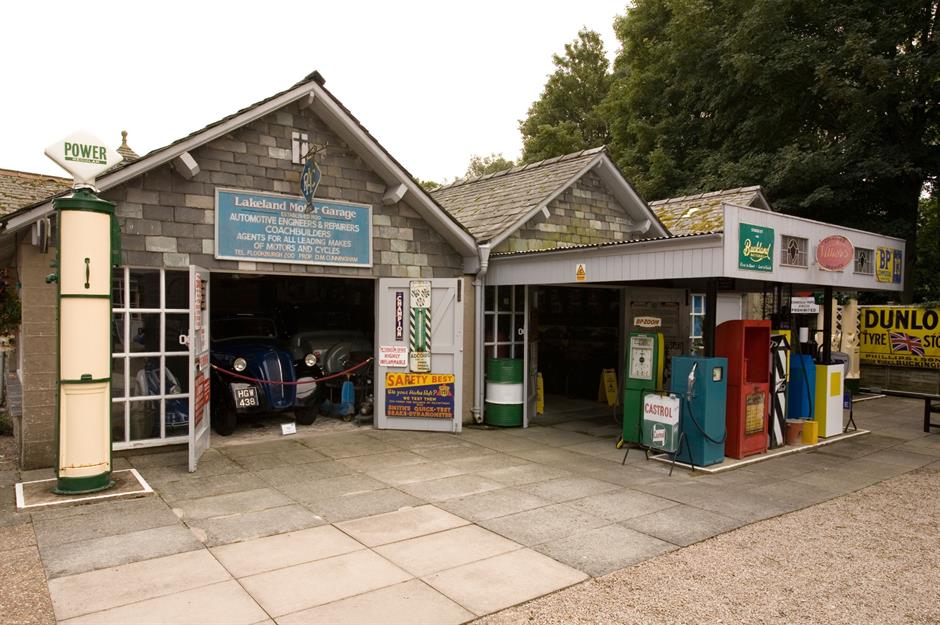
Step straight into a time capsule of motoring at the Lakeland Motor Museum. Housed in a converted mill near Lake Windermere, it brings together everything from early motorbikes to quirky microcars, with shelves of old signs, tools and accessories.
A recreated 1950s petrol station (pictured) adds to the charm, giving a feel of roadside life from another era. The Bluebird exhibition adds a burst of drama, charting the Campbell family’s record-breaking attempts. An essential detour during a day in the Lakes.
Sponsored Content
Land of Iron Museum, North Yorkshire
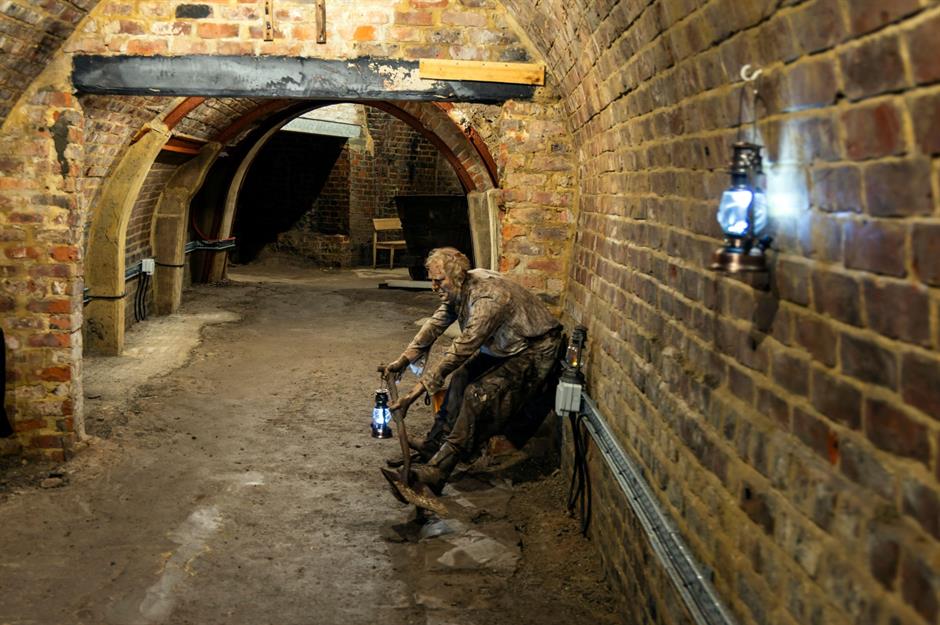
Set in the heart of the North York Moors, the Land of Iron looks at the region’s ironstone mining industry, which once powered local communities. Tools, photographs and miners’ personal items show what life was like both underground and above it, while short films and models explain how the railway networks and inclines worked.
Even a brief visit helps to see the moors differently, especially if you’re heading out on one of the nearby walking routes that pass old mining remains.
Shoemakers Museum, Somerset
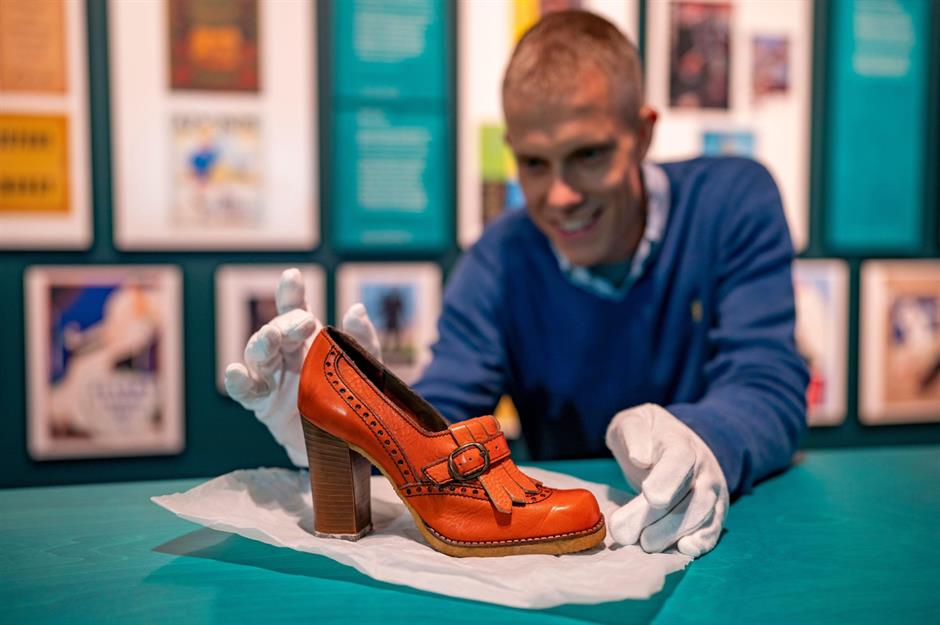
Are you even a bona fide Brit if you've never owned a pair of Clarks shoes? Opened in 2025, the Shoemakers Museum is a brand-new attraction that replaces Street’s former Shoe Museum, which closed in 2019.
Rather than refurbishing the old site, the Alfred Gillett Trust created an entirely new home for the town’s shoemaking heritage, combining a restored 16th-century manor house, a 17th-century barn and a modern gallery space. The collection traces the rise of Clarks and the craft behind it, with galleries on 'Making Shoes', 'Selling & Buying' and the history of Street itself.
The Museum of Lakeland Life & Industry, Cumbria
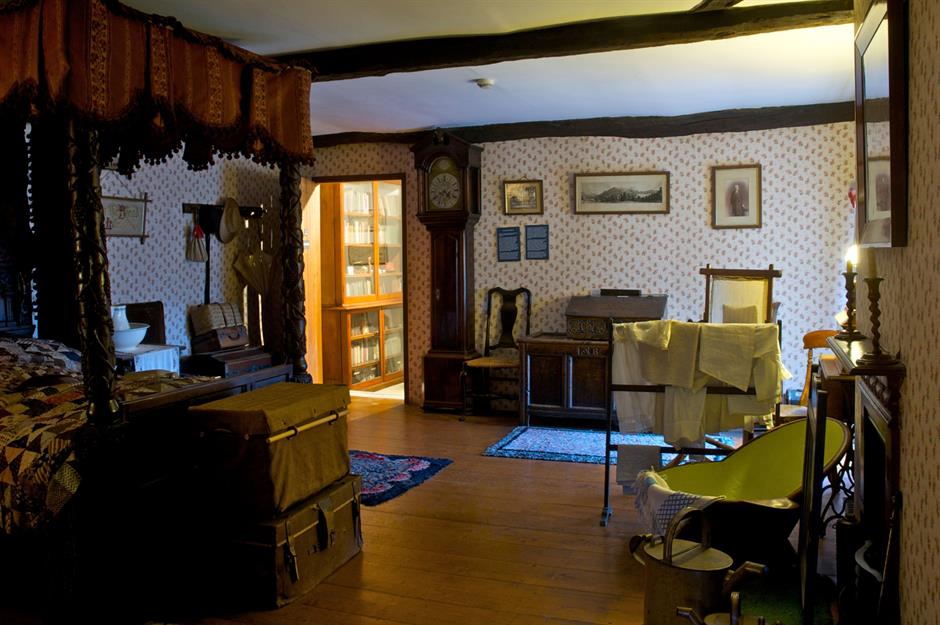
Located in Kendal, the Museum of Lakeland Life & Industry offers a picture of how people have lived and worked in the Lake District over the past few centuries.
It’s arranged as a series of small rooms that cover rural trades, local crafts, household life and the region’s literary connections. Recreated shopfronts, tools and everyday objects help illustrate the history of Lakeland communities long before tourism defined the area.
Sponsored Content
The Old Operating Theatre Museum, London
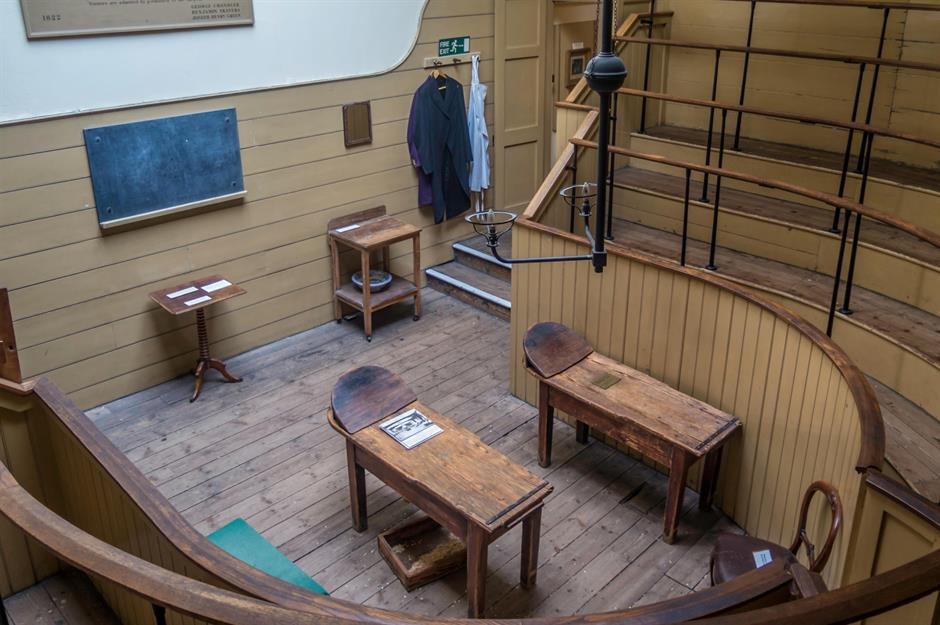
Hidden in the attic of an 18th-century church, the Old Operating Theatre Museum is one of London’s best-kept secrets. Every corner of this tiny space is filled with stories about early surgery, herbal medicine and hospital life before anaesthetics and antiseptics reshaped the profession.
The highlight is the preserved operating theatre itself (pictured), where medical students once crowded around to observe procedures. The displays explain early surgical practices, using tools, case notes and everyday hospital objects to show how much healthcare has (thankfully) changed since those early days.
Sidmouth Phone Box Micro Museums, Devon
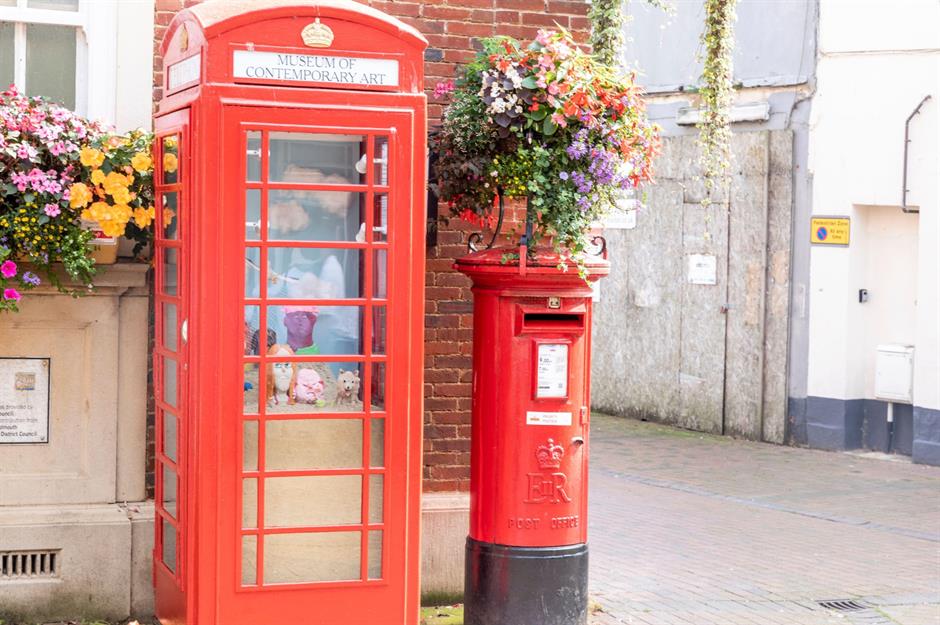
They don't get much smaller than this. In Sidmouth’s Market Square, two restored red telephone boxes have been cleverly repurposed as tiny museums, created by the Sidmouth School of Art in partnership with the Town Council. One functions as the Museum of Contemporary Art (pictured), the other as the Museum of Antiquities, with rotating displays that make the most of the limited space.
Past exhibitions have included plasticine figures titled 'Holiday Makers of Sidmouth', small collections of vintage toys and coastal curiosities. They’re easy to view in a few minutes and add a fun twist to a visit to Sidmouth.