20 ‘facts’ about British Royals that aren’t actually true
Monarchy myths
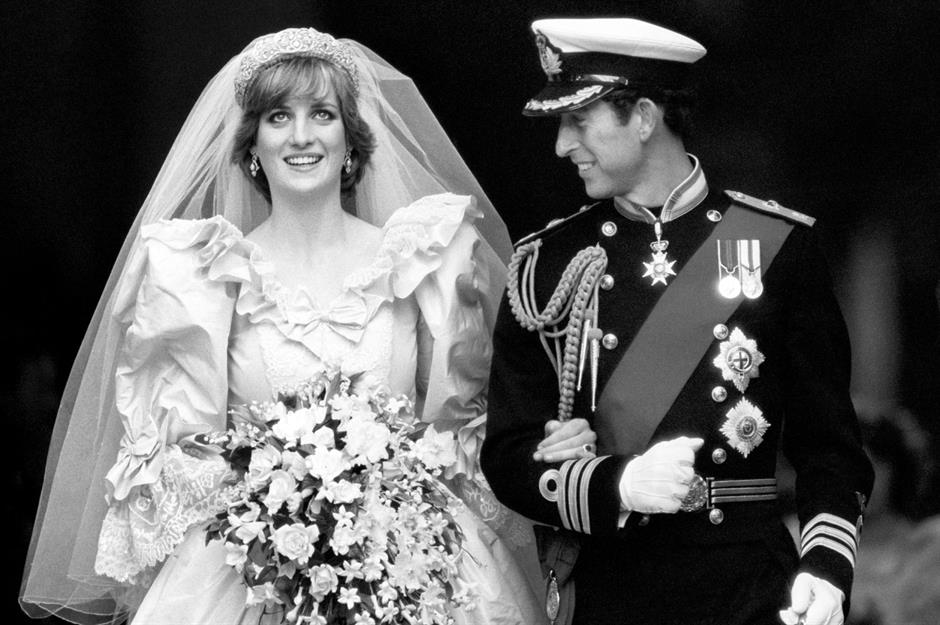
For a thousand years, Britain’s royals have collected more myths than most people gather souvenirs. Some of them are harmless folklore, some are the result of long-lasting propaganda and some have simply been repeated so often that they've taken on lives of their own. From unfairly maligned Tudor queens to modern royals saddled with inaccurate labels, these 'facts' dissolve when you look a little closer.
Click through this gallery to discover enduring myths about the British royals, and the realities behind them...
The monarch is above the law
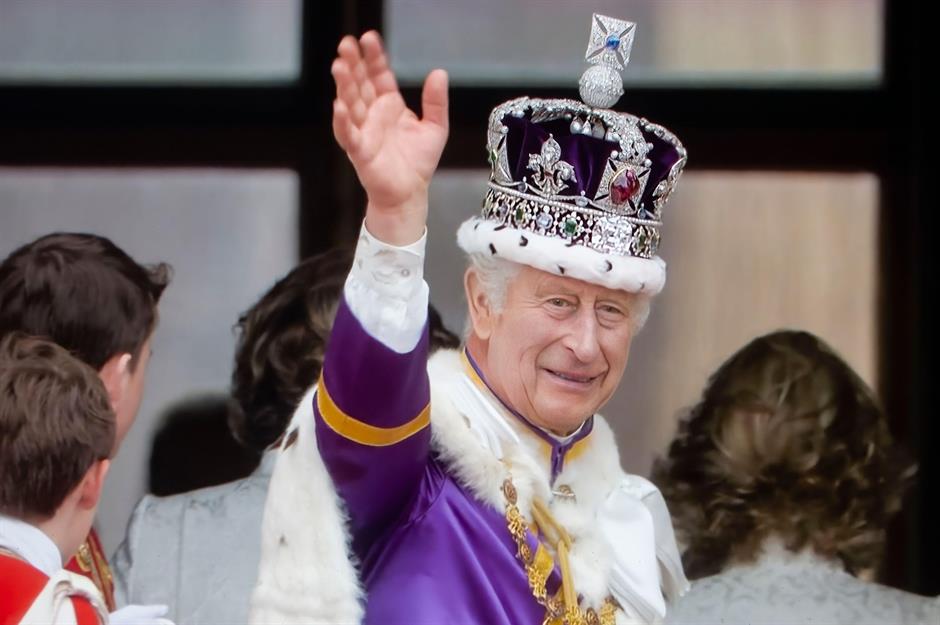
Sovereign immunity very much does exist, but it has never meant total freedom. History shows how royal power is kept in check. In 1911, for example, George V wanted to end a political deadlock, but he was told he could act only if the elected government formally asked him.
Edward VIII discovered the limits even more starkly in 1936, when opposition to his marriage plans left abdication as his only option. These moments show that, while protected in law, monarchs remain restricted by constitutional constraint and public scrutiny.
Prince Albert introduced Christmas trees to Britain
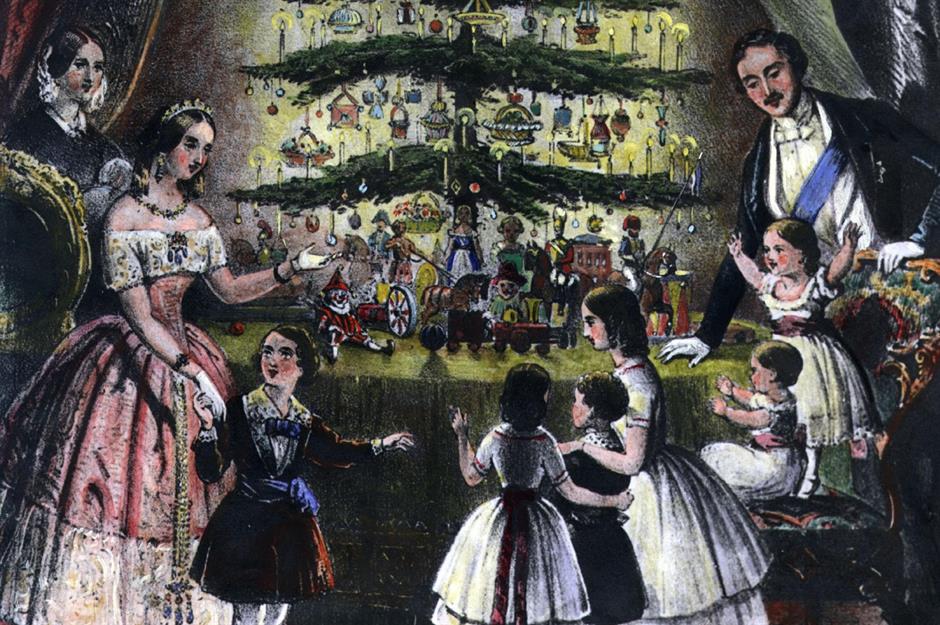
It is a charming story, but not entirely true. Christmas trees were already used in parts of Britain before Prince Albert arrived, particularly among communities with German links. What Albert did do – alongside Queen Victoria – was popularise the tradition on a national scale, thanks in part to a widely published illustration (pictured) of the royal family gathered around their decorated tree.
Sponsored Content
The monarch cannot travel on the same plane as the heir
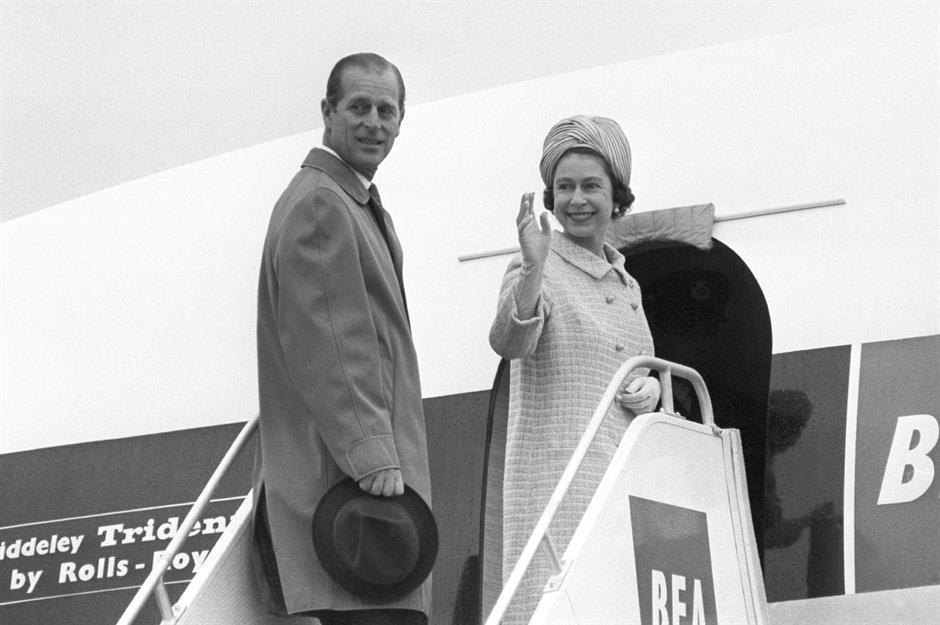
This is often described as an ironclad rule, but it is actually a guideline rather than a legal requirement. The idea emerged to protect the line of succession, but modern travel is far safer than when the convention began. As a result, the rule is sometimes relaxed.
The then Duke and Duchess of Cambridge, for instance, travelled with Prince George when he was a baby, and the Palace simply approved the arrangement. Ultimately it is a matter of practicality and risk assessment, not a strict decree.
All Tudor monarchs were ruthless tyrants
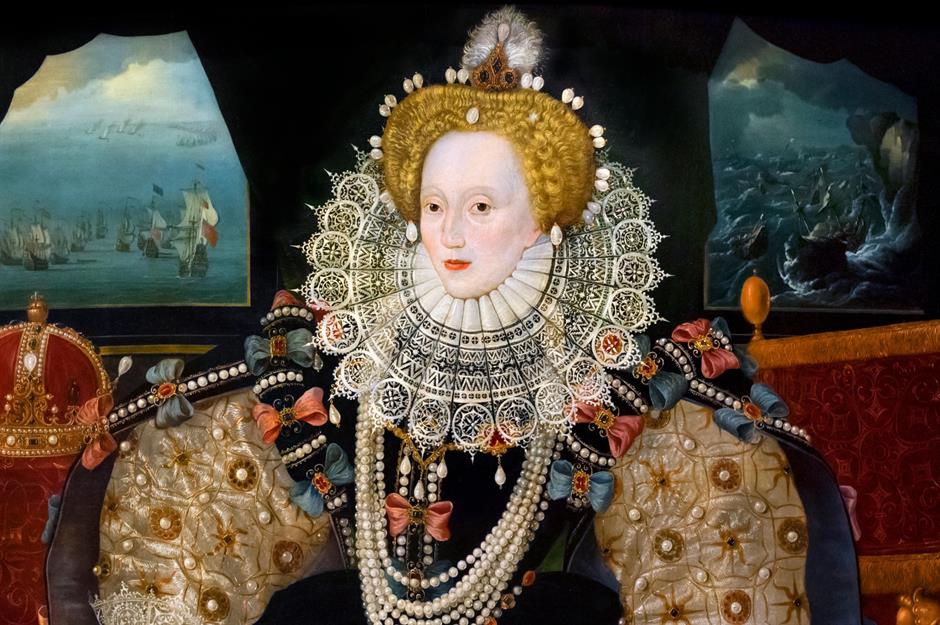
The Tudors are often painted with the same broad brush – dramatic, dangerous and permanently poised over a chopping block. While Henry VIII certainly contributed to that image, the dynasty was far more varied.
Henry VII ruled cautiously and preferred paperwork to waging war, Edward VI’s short reign focused on religious reform and Elizabeth I relied heavily on diplomacy, patience and careful image-crafting.
All royals must remain politically neutral

Senior working royals are expected to stay neutral, as they represent the monarchy in an official capacity. But the idea that every royal has always kept quiet about politics doesn’t hold up. Princess Margaret was known for her forthright views on social issues, while Prince Harry spoke openly about mental health, military service and media regulation long before stepping back from royal duties.
Go further back and Prince Albert, Queen Victoria’s husband, regularly advised ministers and took an active interest in government affairs. Today, the strictest neutrality applies to the monarch and those carrying out public duties, while other family members have more freedom to express personal views.
Sponsored Content
Henry VIII wrote ‘Greensleeves’
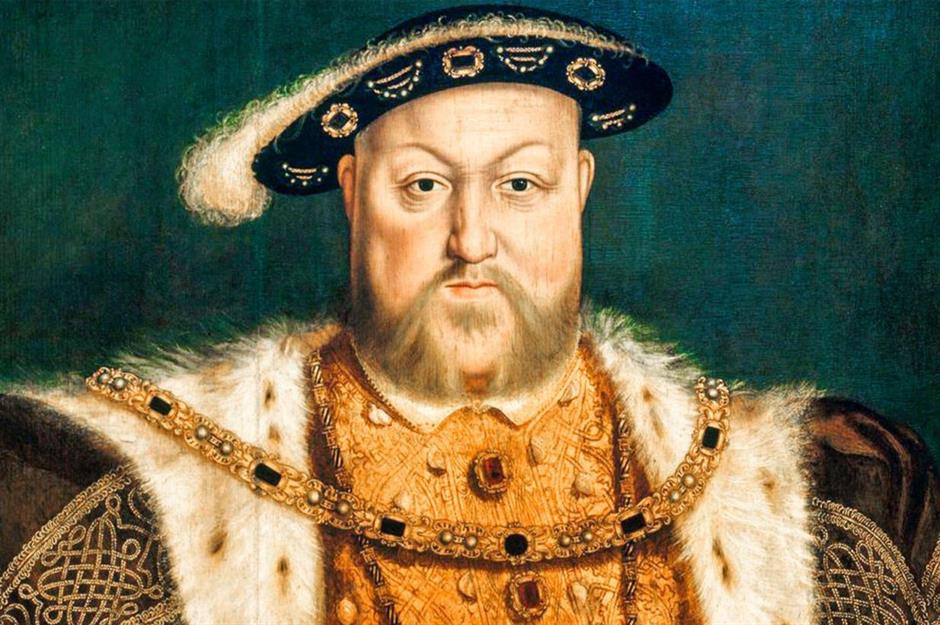
It is a common myth that Henry VIII penned the haunting melody of 'Greensleeves', but there’s no real evidence to support it. The song first appears in print after Henry’s death, and its musical style reflects later influences not associated with his court.
While Henry did compose music – some of which survives – 'Greensleeves' almost certainly wasn’t his work. The myth likely endures because it fits so neatly into the romanticised drama of his reign.
The monarchy pays no taxes
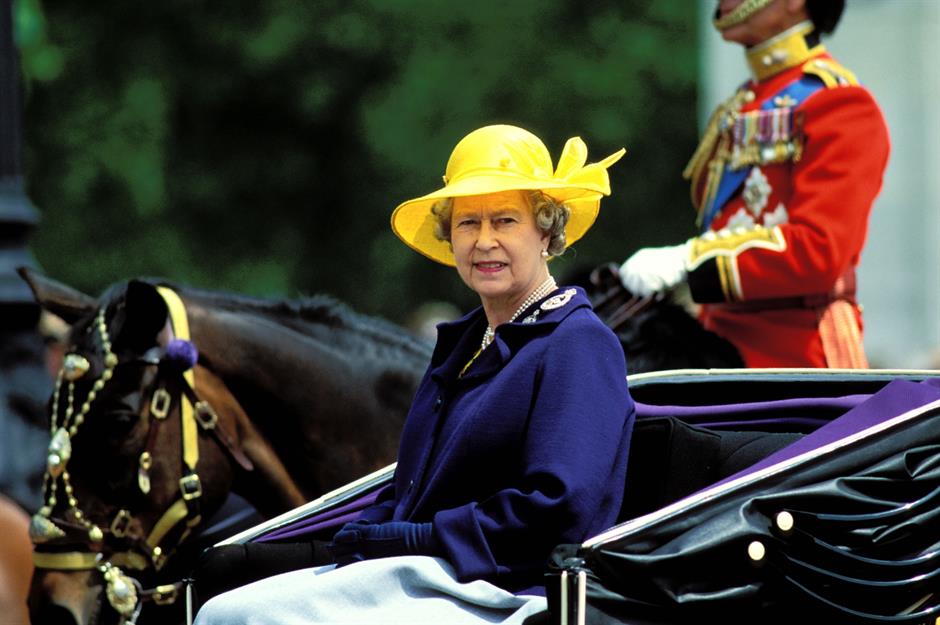
This claim lingers, but it has not been accurate for decades. The late Queen Elizabeth II voluntarily began paying income and capital gains tax in 1993, setting a precedent that the King continues today. While some assets tied to the Crown are treated differently for constitutional reasons, the monarch’s private income is currently taxed much like anyone else’s.
Anne of Cleves was unattractive
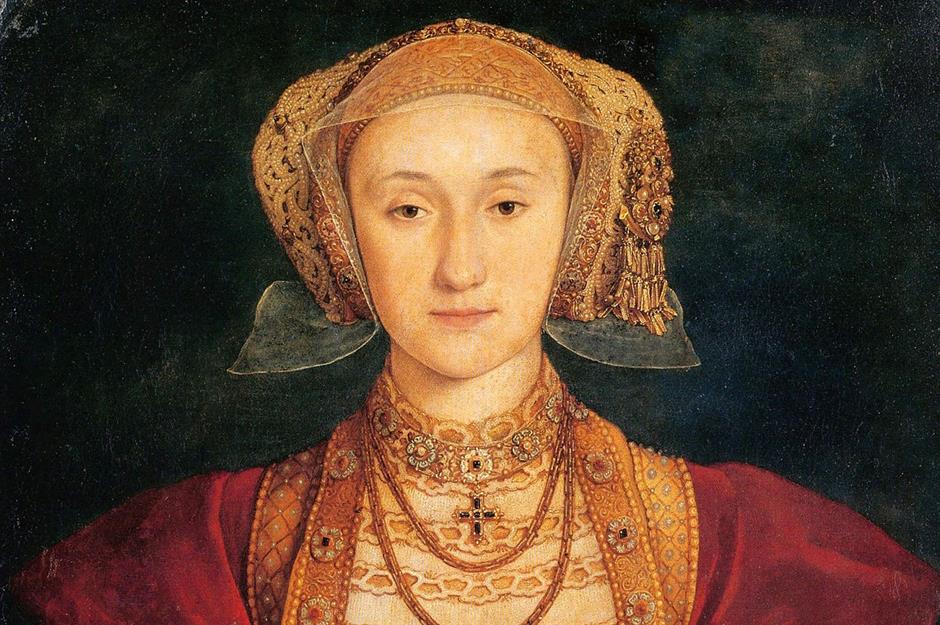
Poor old Anne of Cleves has had a rough time when it comes to her legacy, particularly regarding her looks. As Henry VIII’s fourth wife, she is often remembered only for the king’s disappointment, but contemporary evidence tells a fairer story. In fact she was entirely respectable by the standards of the Tudor court.
Henry’s irritation stemmed more from politics than appearance, as the marriage failed to deliver the alliance he hoped for. After their annulment, Anne became a trusted friend of the king and lived comfortably at court.
Sponsored Content
The royal family is not allowed to work
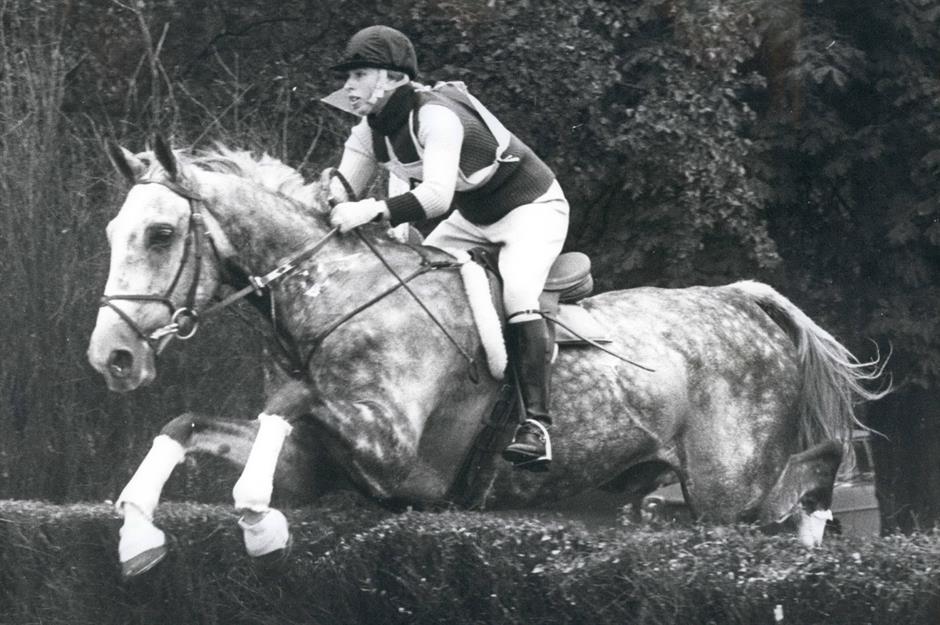
The idea that royals are barred from having jobs is misleading. While senior working royals devote their time to public duties, many others have pursued careers of their own.
Prince William and Prince Harry both served in the military, Princess Eugenie works in the art world and Princess Anne (pictured) trained as a professional equestrian before taking on full-time royal duties. The expectation varies depending on a royal’s position in the family, but there is no blanket ban on earning a living outside the palace.
All royal weddings are fully taxpayer-funded
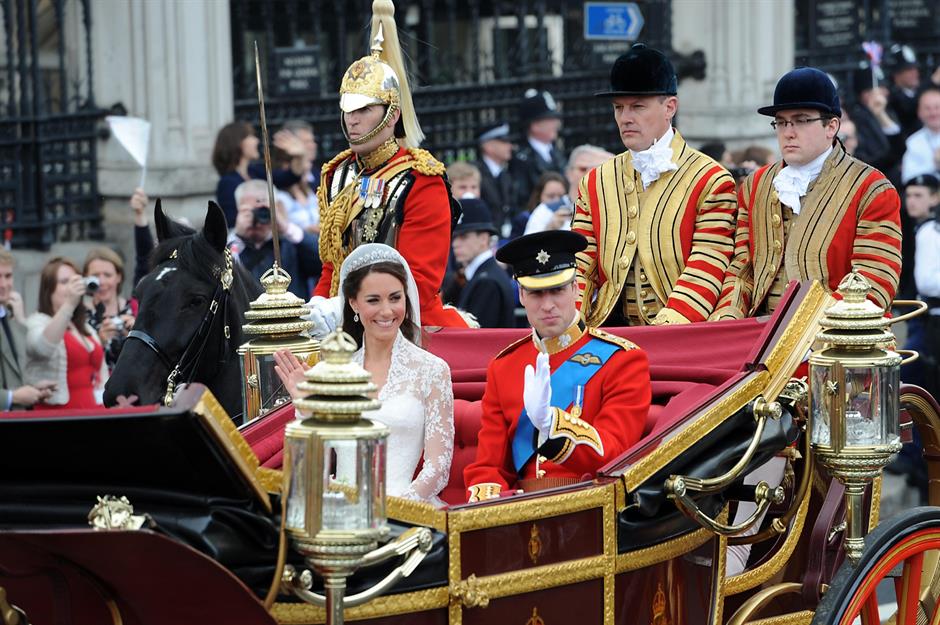
It is often assumed that every royal wedding comes straight out of the public purse, but the reality is more nuanced. The royal family covers the private elements of these events, including clothing, receptions and ceremony costs.
The government, meanwhile, takes responsibility for security – as it would for any major state occasion attracting large crowds. The split can be debated, but it is not true that taxpayers foot the entire bill.
Queen Victoria was always dour and humourless
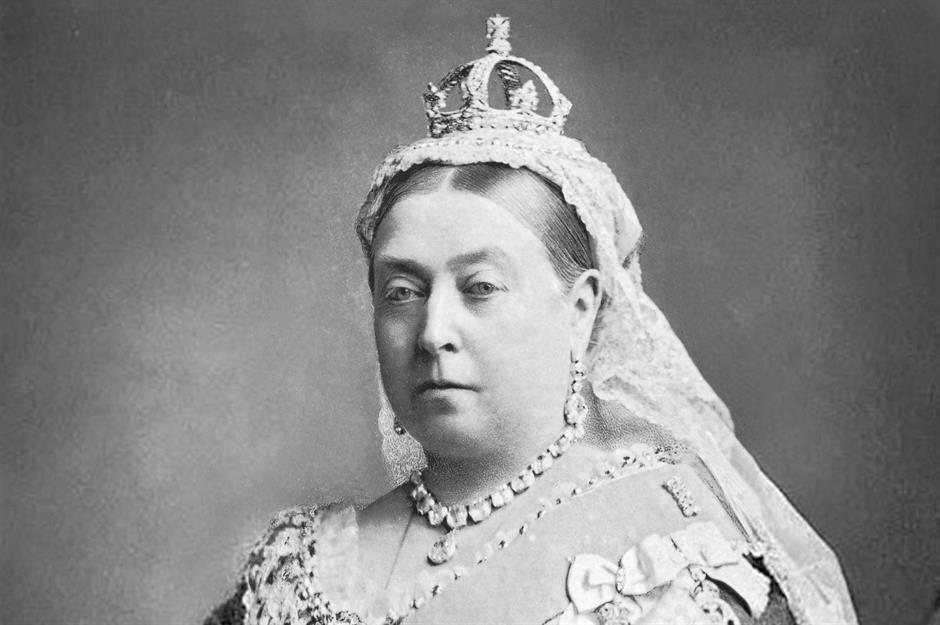
Victoria’s reputation as permanently stern and unsmiling owes much to the famous "we are not amused" line, but even that was likely misquoted. Her own letters and diaries reveal a far livelier personality. She adored music, parties, travel and good food, and she often wrote with warmth and humour about family life.
Those who knew her privately described someone far more expressive and affectionate than her public image suggests. The 'dour queen' label has stuck, but it tells only a fraction of the story.
Sponsored Content
Anne Boleyn had six fingers
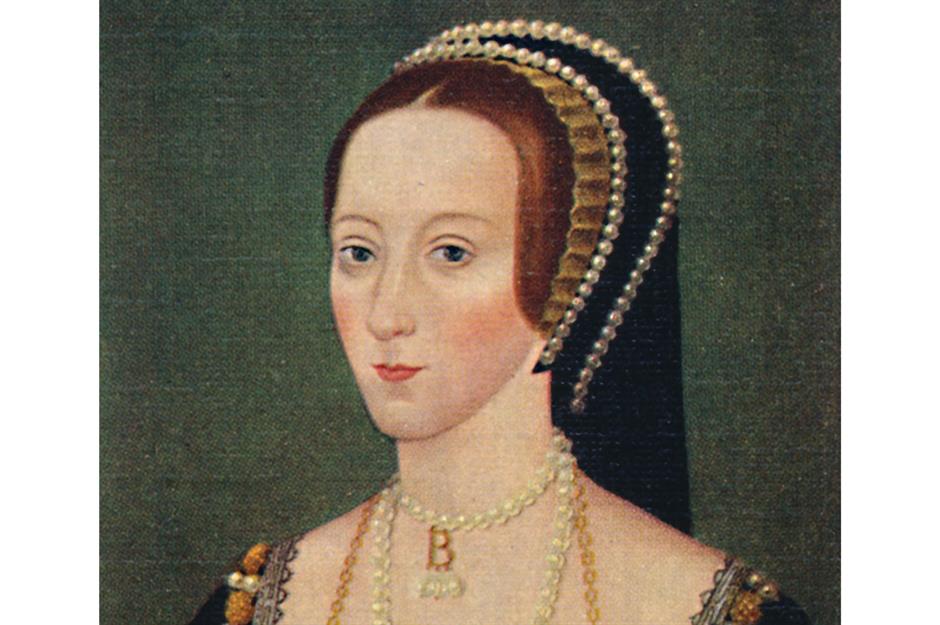
This odd little rumour has clung to Anne Boleyn for centuries, but there is no credible evidence to support it. None of her contemporaries mentioned an extra finger, despite their enthusiasm for criticising her appearance and character.
The story appears to have emerged long after her death, most likely as a way to paint her as unnatural or bewitched. In reality, it says more about Tudor propaganda than it does about Anne herself.
All kings and queens live in Buckingham Palace
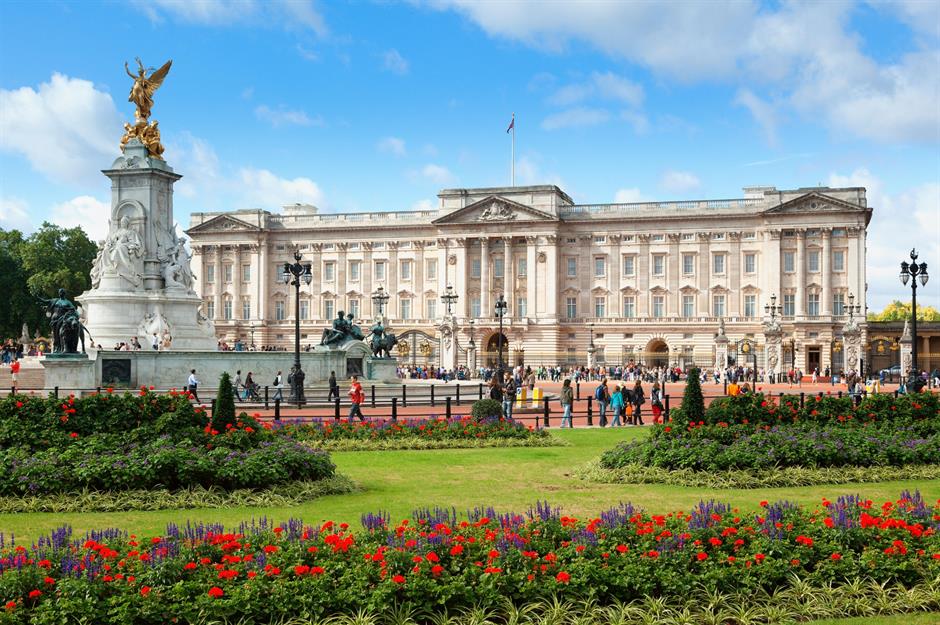
It's easy to imagine Buckingham Palace as the automatic home of every monarch, but historically it has been more of an administrative base than a beloved family residence.
Some earlier monarchs never even set foot in Buckingham Palace, as it was not used as the monarch’s official London residence until the 19th century. In reality, kings and queens have always had multiple homes, and their personal favourites often lie far from the palace’s grand façade.
George III went mad because of porphyria
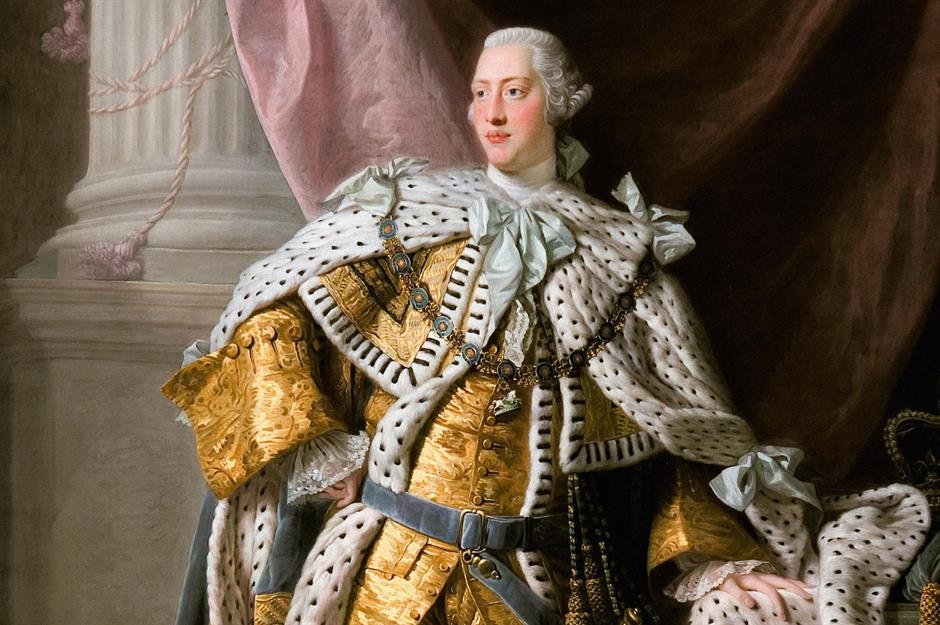
George III is often remembered as 'the mad king', and for years his bouts of illness were blamed on porphyria, a rare genetic disorder thought to explain his confused speech and erratic behaviour. However, modern research has cast serious doubt on that diagnosis.
Some historians and medical experts now argue that his symptoms fit more closely with bipolar disorder, especially when looking at the patterns, triggers and length of his episodes. There is no definitive consensus.
Sponsored Content
Until recently, royal marriages were loveless and arranged
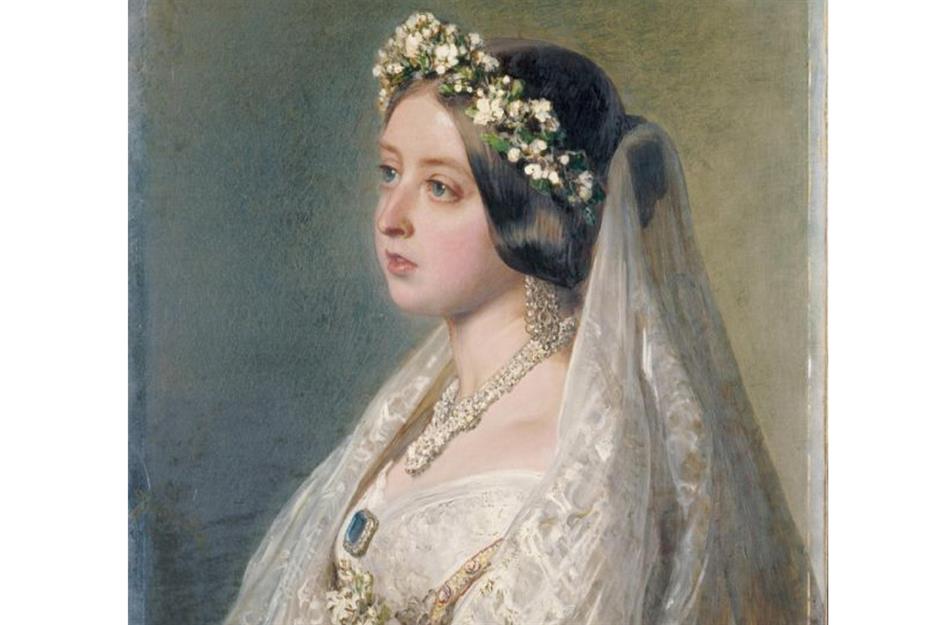
Many royal marriages were shaped by politics, but the idea that all were loveless arrangements is far from true. Henry VIII was genuinely devoted to Catherine of Aragon – his brother’s widow – during the early years of their marriage (best not dwell on how things eventually turned out).
George III grew deeply fond of Charlotte of Mecklenburg-Strelitz, despite meeting her only on their wedding day and Queen Victoria fell wholeheartedly in love with Prince Albert before they tied the knot. Pictured here is a portrait of her in her 1840 wedding dress and veil, painted in 1847 as an anniversary gift.
Mary, Queen of Scots was hopeless and incompetent
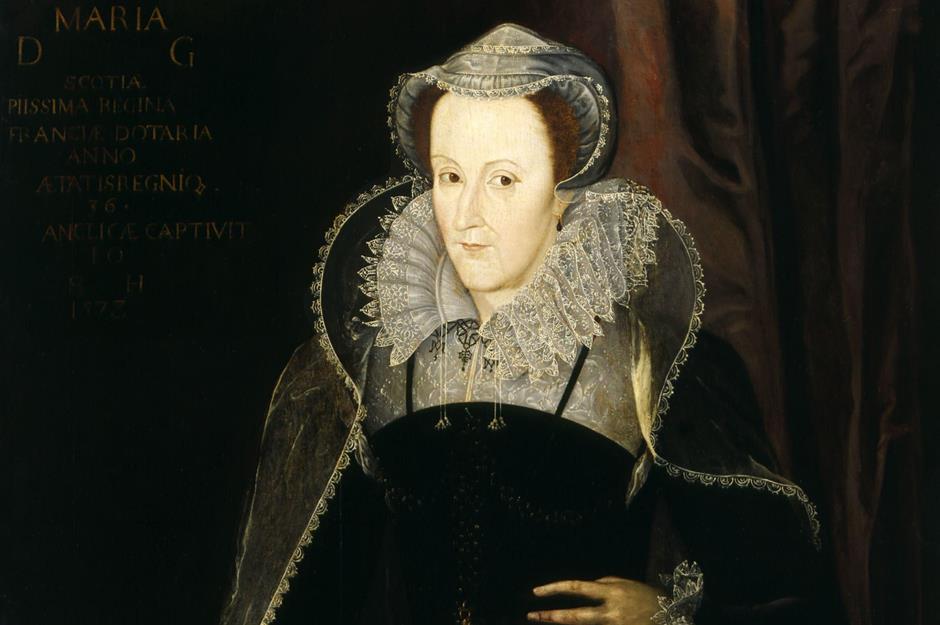
Mary’s reputation has taken a battering over the centuries, but the idea that she was entirely inept doesn’t hold up. She was highly educated, multilingual and initially popular when she returned to Scotland.
Her downfall stemmed less from personal incompetence and more from a volatile political landscape, competing noble factions and a series of disastrous marriages. Mary made mistakes, but she was far from the helpless figure later propaganda made her out to be.
The monarch owns all the swans in Britain
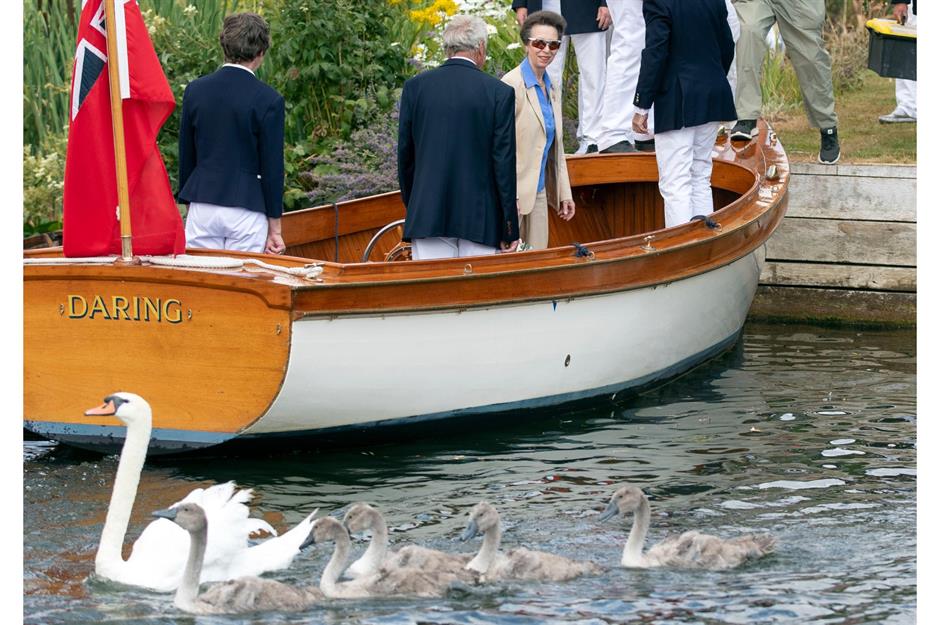
This well-worn claim has floated around for centuries, but it is not strictly true. The Crown’s rights apply only to unmarked mute swans on specific stretches of the River Thames, where a centuries-old tradition known as Swan Upping still takes place each summer (pictured).
During the ceremony, the King’s Swan Marker and team gently round up the birds so they can be counted and checked for health. Outside these designated areas, swans belong to no one in particular, and many are protected by conservation laws rather than royal edict.
Sponsored Content
Royal mistresses had no political influence
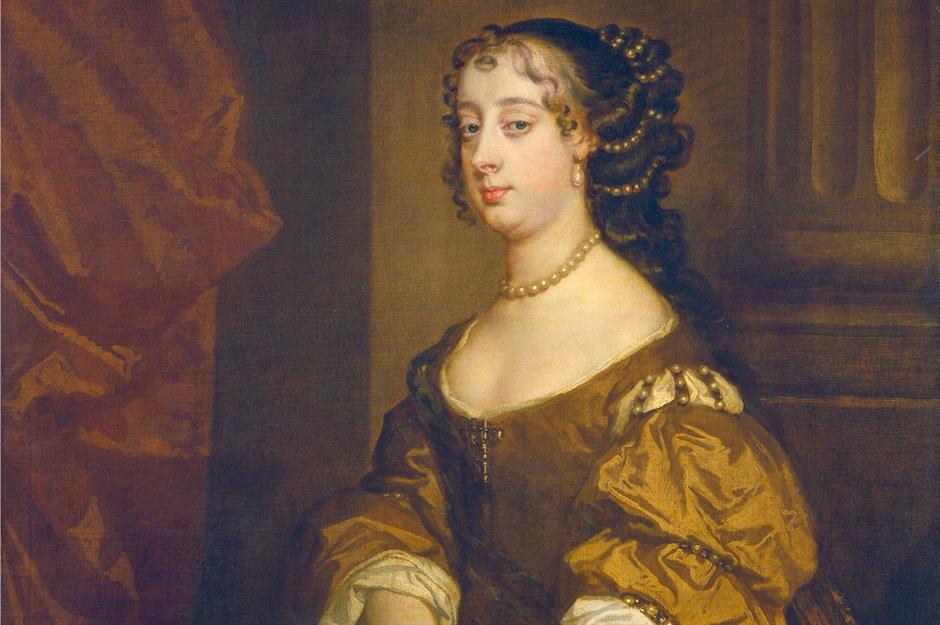
Far from being decorative footnotes, several royal mistresses wielded significant clout. Barbara Villiers (pictured), one of Charles II’s most prominent mistresses, was a formidable political operator. As Duchess of Cleveland, she influenced appointments, shaped who had access to the king and secured titles and positions for her allies and children.
Others played softer but still meaningful roles: Nell Gwyn helped improve Charles II’s public image through her humour and popularity, while earlier figures like Alice Perrers, Edward III’s mistress, involved themselves in court business and petitions.
Elizabeth II was crowned 'Queen of England'
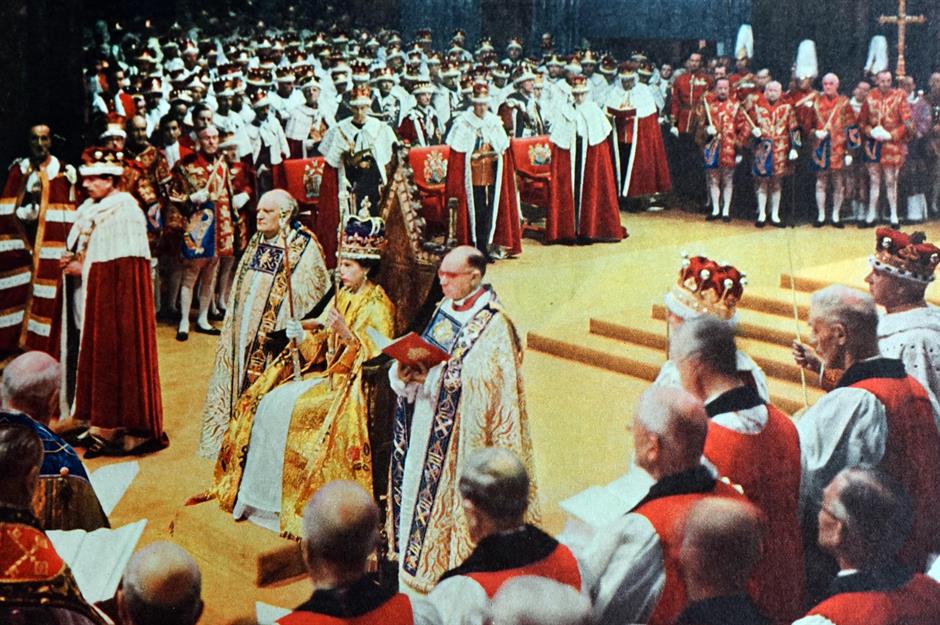
This is still a common slip, but it hasn’t been correct for centuries. Elizabeth II was crowned Queen of the United Kingdom, a title that has existed since the 1707 Act of Union joined England and Scotland under a single sovereign. 'Queen of England' ceased to be an official title at that point, even though it lingers in everyday speech.
Princess Diana was the first 'commoner' to marry an heir to the throne
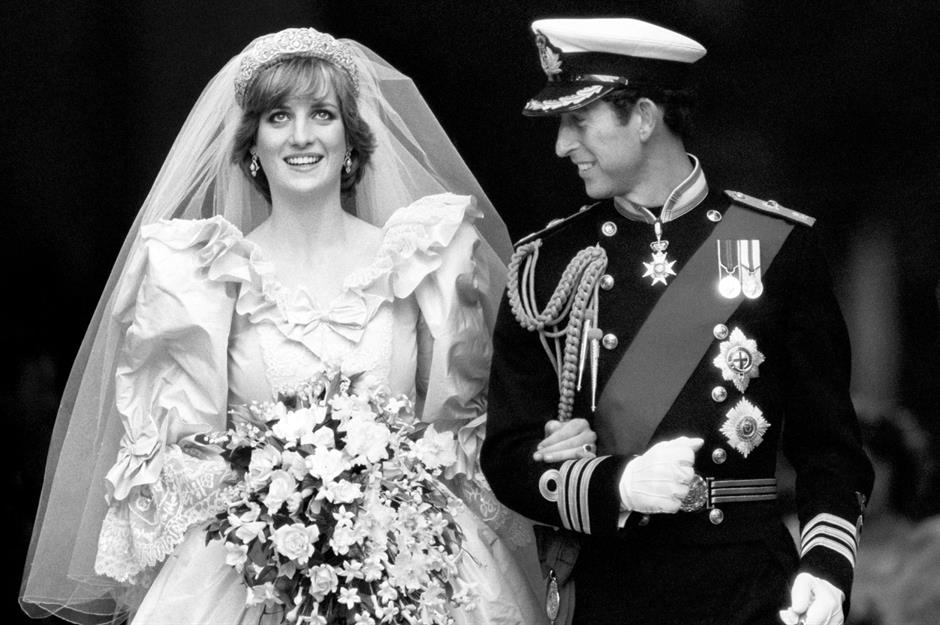
It’s a popular claim, largely because of Diana's relatable public image, but it simply isn’t true. Diana was born Lady Diana Spencer, a member of one of Britain’s oldest aristocratic families, with ancestral ties that in some cases outranked the Windsors.
The Spencers had been close to the royal family for generations, and Diana grew up on the Sandringham estate. Far from being a commoner, she was firmly part of the aristocracy long before she ever met Prince Charles.
Now check out these amazing royal honeymoon destinations throughout history...