10 myths about US presidents you probably believe
White lies in the White House
So much is written about the lives and deeds of the presidents of the United States, but among the political highs and lows, the landmark speeches, and the legacy-defining achievements, the occasional falsehood or fabrication has crept in. Going right back to the creation of the office, fake news appears to be nothing new.
Click through this gallery to explore some of the major myths and misconceptions that continue to color the reputations of 10 commanders-in-chief…
George Washington cut down his father’s cherry tree
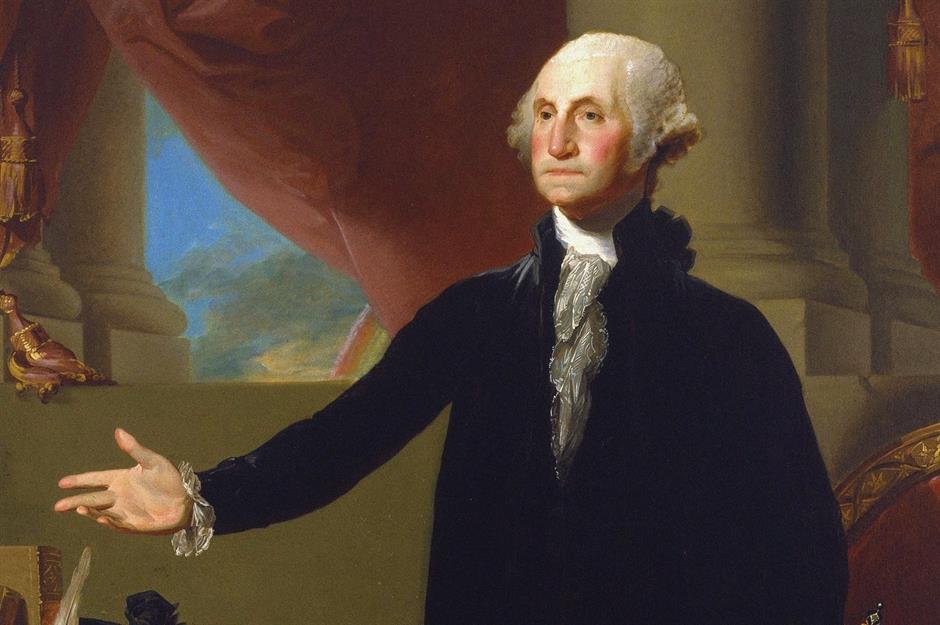
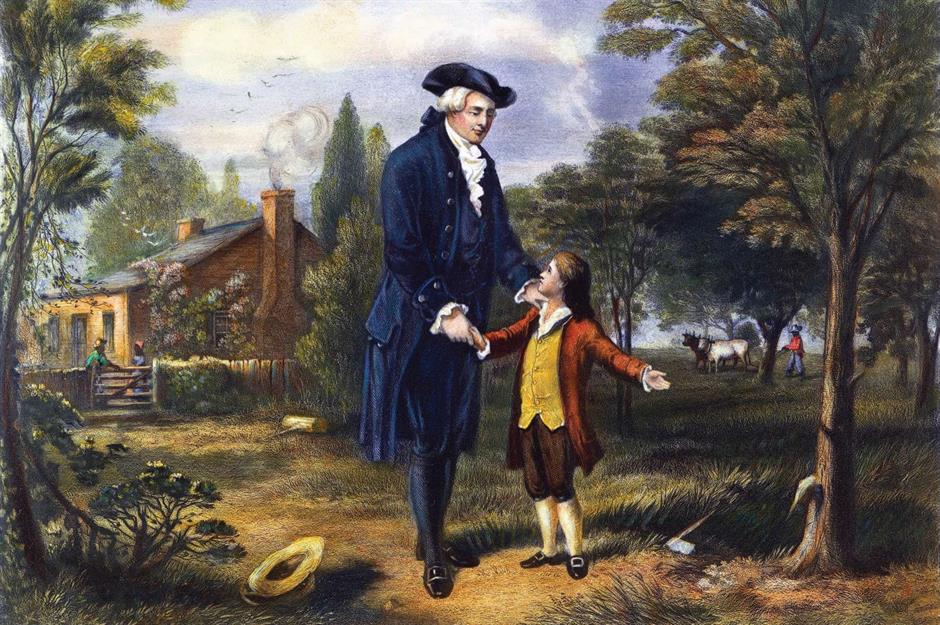
Before he rose to be the first president of the United States and "father of his country," George Washington was a precocious and unwaveringly honest child. When he turned six, he received a hatchet as a present and set about testing it by cutting down his father’s prized cherry tree.
It's not a fable about Washington’s troubled past as a vandal, but a demonstration of his honesty, for when his father confronted him, the boy immediately confessed, saying, "I cannot tell a lie." To have such virtue at that age – surely Washington was destined for greatness.
George Washington cut down his father’s cherry tree
Perhaps no figure in American history has been as mythologized as Washington, and the story of the cherry tree is part of his legend. In truth, it was made up by his biographer. Within a year of Washington’s death in 1799, a traveling minister and bookseller named Mason Locke Weems wrote and published The Life of Washington, a glowing biography of the president.
It was an instant bestseller, although the cherry tree did not even appear until the fifth edition in 1806, supposedly after Weems had been told the tale by an elderly (and anonymous) relative of the Washington family.
Sponsored Content
John F Kennedy called himself a jelly doughnut
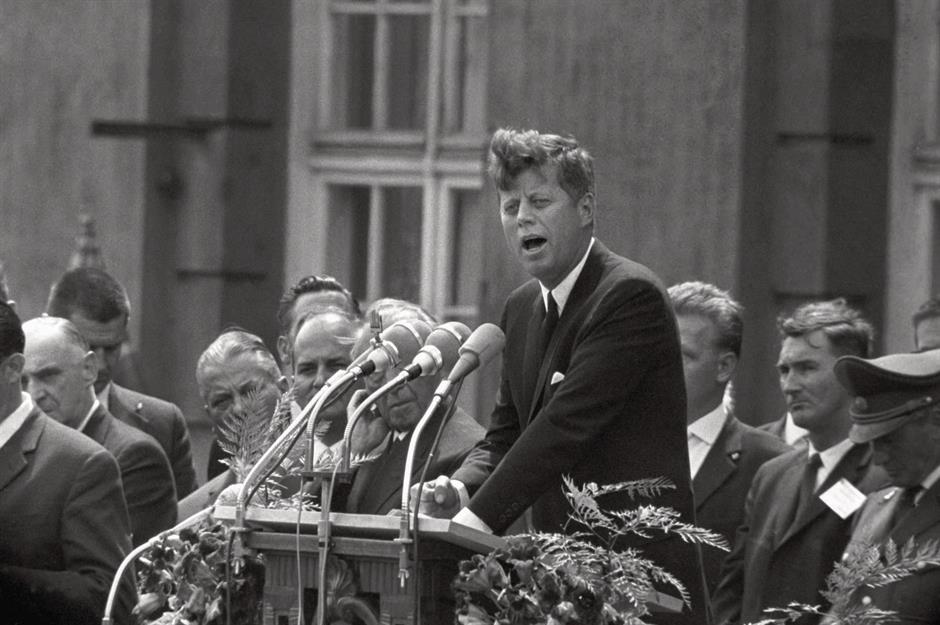
On June 26, 1963, President John F Kennedy gave an impassioned speech near the Berlin Wall in which he declared, "Ich bin ein Berliner." Meaning "I am a Berliner," the phrase marked an important moment in the Cold War, as the wall had become a global symbol of the division between capitalist West and communist East.
It was marred, however, by the fact that in Germany a "Berliner" was also a type of jelly doughnut. So rather than expressing solidarity with West Germany, JFK just called himself a pastry – at least, so the story goes.
John F Kennedy called himself a jelly doughnut
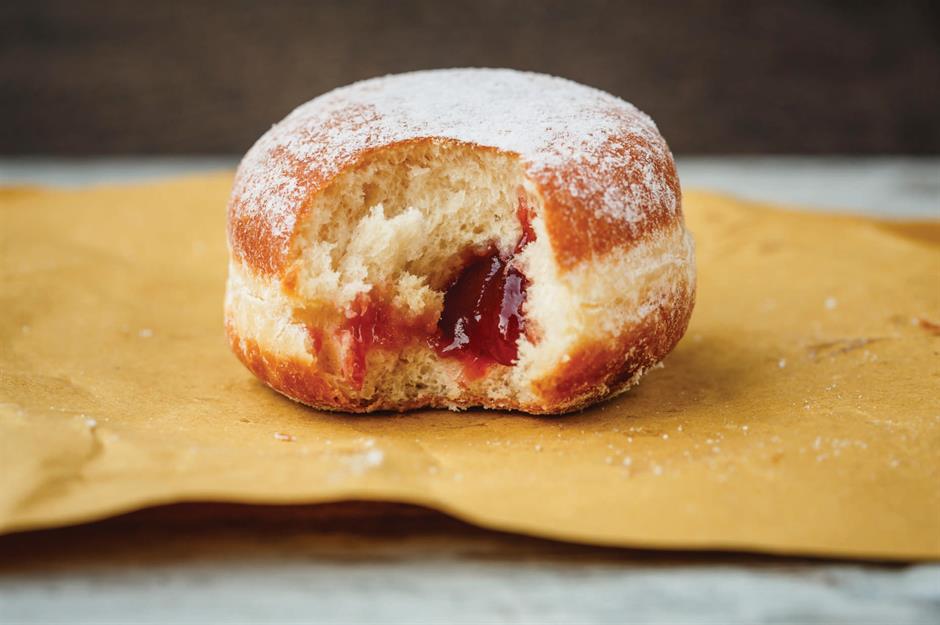
In reality, JFK did nothing of the kind. The line had been written by his German interpreter, himself a Berlin native, while the word "Berliner" was not a common name for the doughnuts at that time, with most Germans preferring to call them Pfannkuchen.
German-speaking listeners would have had no problem understanding JFK’s sentiment, and it was only later retellings in American media that began mocking the president for his non-existent blunder.
William Henry Harrison died of pneumonia caught during his inauguration speech
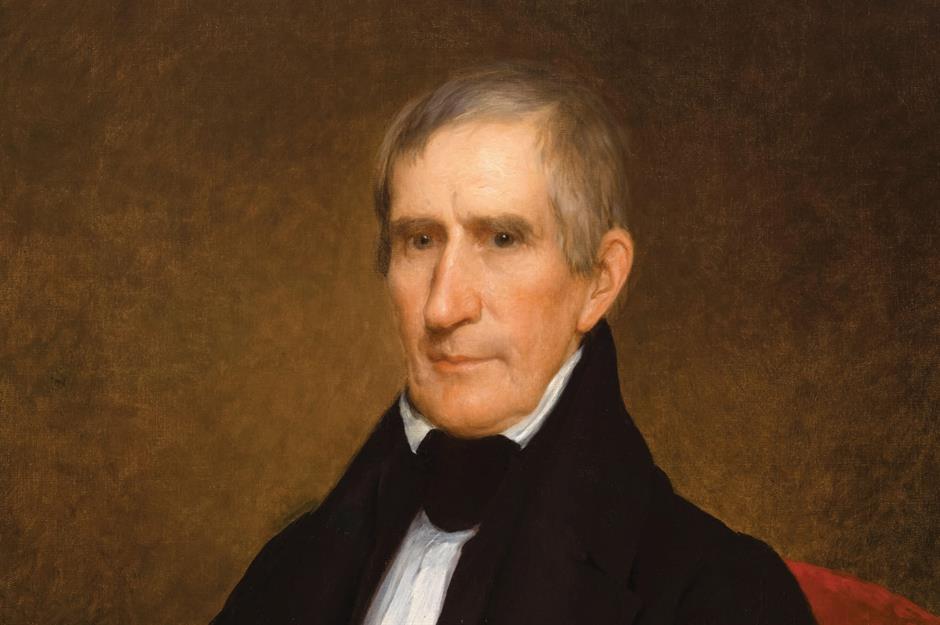
William Henry Harrison has the dubious double honor of being the first president to die in office, and holding the shortest presidency in history. He served just 31 days from March 4 to April 4, 1841.
The cause of death, it has long been claimed, was a bout of pneumonia caught at his inauguration. Despite the bitter cold and wet Washington, D.C. day, the ceremony took place outside, and the 68-year-old gave a two-hour address without wearing a coat, hat, or gloves.
Sponsored Content
William Henry Harrison died of pneumonia caught during his inauguration speech
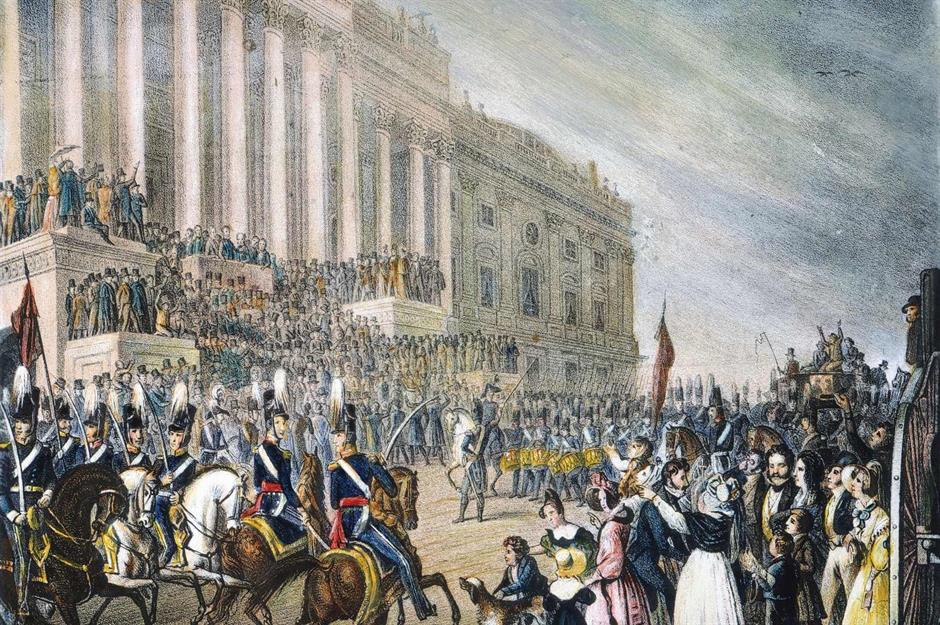
But Harrison’s health during his month as president was more complex. There is no surviving proof that he suffered from symptoms until late March, when he complained of fatigue and anxiety. His own doctor thought that more was going on, writing: "The term pneumonia afforded a succinct and intelligible answer to the innumerable questions as to the nature of the attack."
Today, medical experts believe Harrison had gastrointestinal issues from drinking contaminated water and died of enteric, or typhoid, fever. The supply pumped into the White House at the time was downstream from a sewage outlet, after all.
James Garfield inspired the name of the cartoon cat
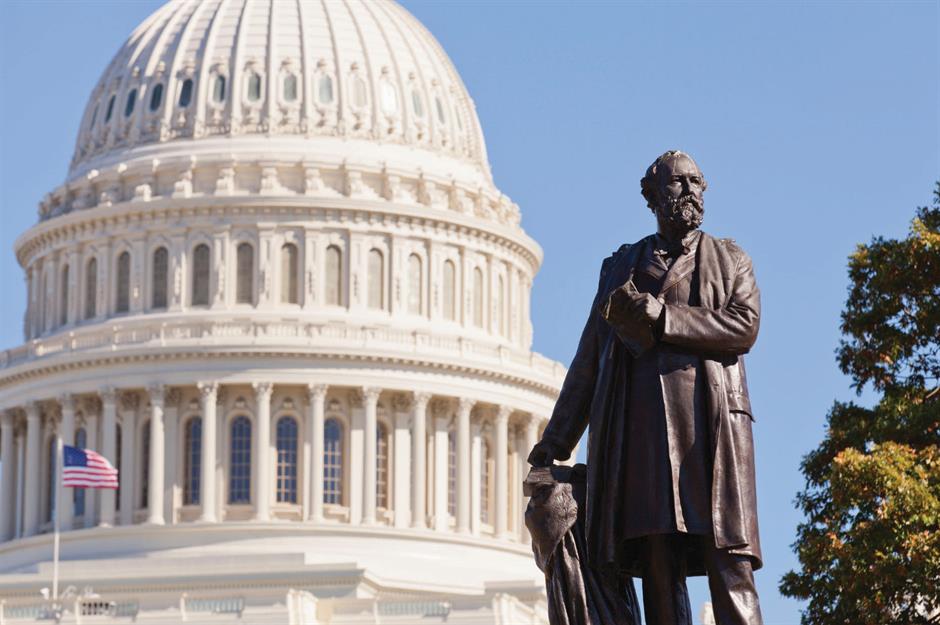
The lasagna-loving, Monday-hating orange cat Garfield has little in common with the 20th President of the United States, besides the name. James Garfield was highly intelligent – he could write Latin with one hand and ancient Greek with the other simultaneously – and emerged as a presidential candidate in 1880 with hopes of uniting a divided Republican Party.
Once he won, he looked set to be a great leader and fight against political corruption, but, like Lincoln 16 years earlier, he would be felled by an assassin.
James Garfield inspired the name of the cartoon cat
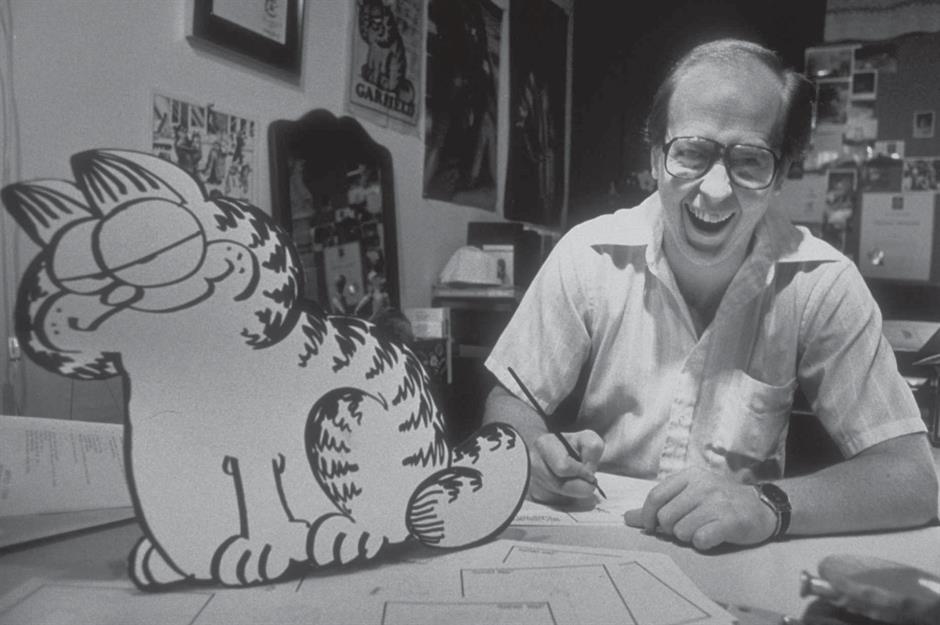
So, why would the cartoonist Jim Davis name his cat character after this unfortunate footnote and compelling political "what if"? The short answer is that he didn't.
Created in 1978, Davis developed a comic strip based on a lazy, sardonic tabby cat who always got the better of his owner, Jon, and dim but excitable dog, Odie. He named Garfield after his grandfather, James A Garfield Davis, "a large gruff man with very kind eyes, so the personality fits Garfield." His grandfather was the one named for the fallen president, not the cat.
Sponsored Content
Abraham Lincoln wrote the Gettysburg Address on an envelope
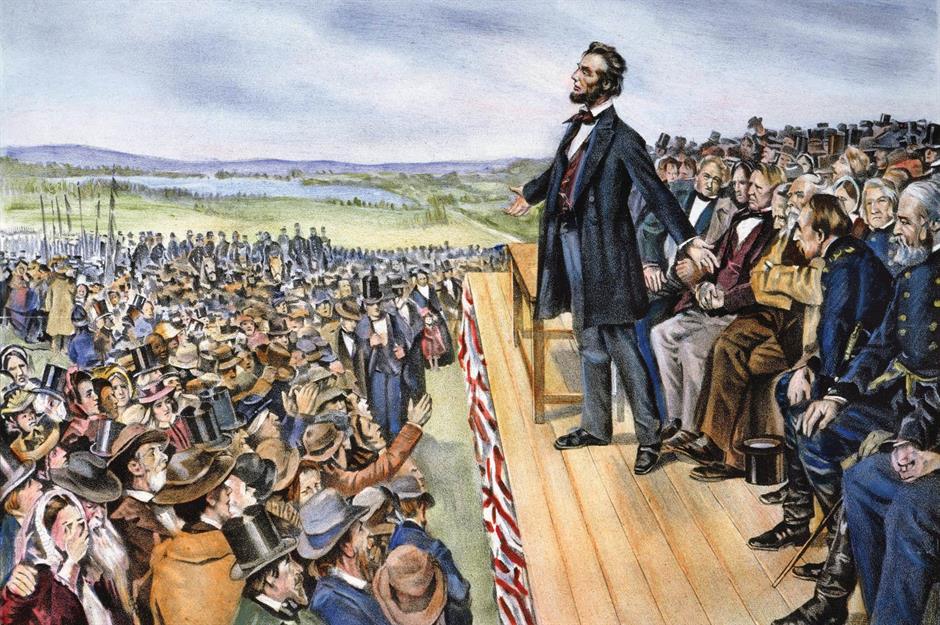
At just 272 words, Abraham Lincoln delivered one of the most famous speeches in US history on November 19, 1863, when the Civil War was at its height. Adding to the mythos of the Gettysburg Address was the rumor that the president had simply jotted down his thoughts on the back of an envelope while on the train to Gettysburg, Pennsylvania.
Lincoln supposedly did not think his words would be that important, since he was not the main speaker that day. The great orator Edward Everett spoke for two hours, without any notes.
Abraham Lincoln wrote the Gettysburg Address on an envelope
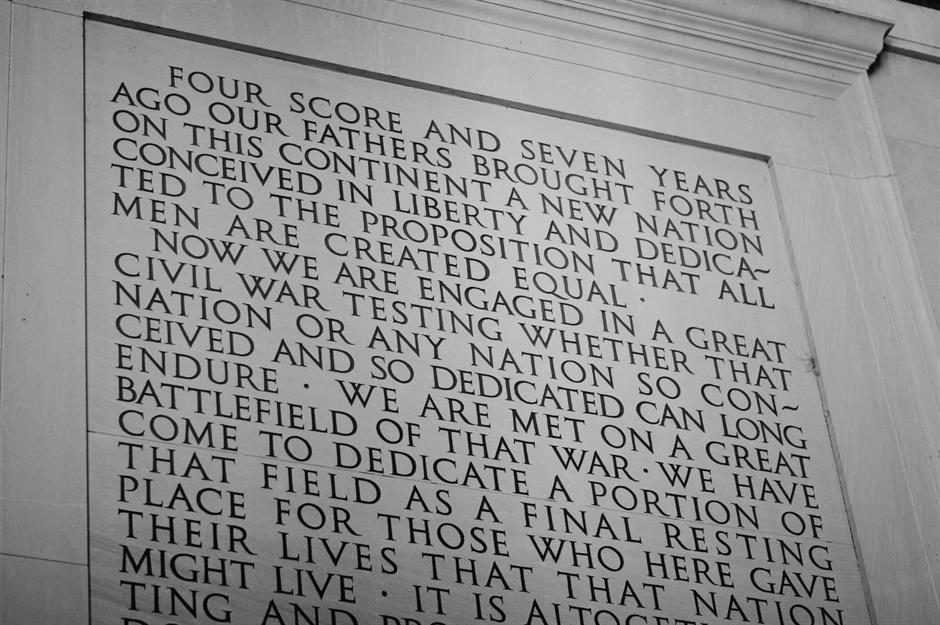
Actually, Lincoln went through several drafts of his address, on normal paper, as he prepared for the consecration of a cemetery at Gettysburg, where the war’s bloodiest battle had been fought four months earlier. There are five known copies today, all with slightly differing text and far-too-neat handwriting to have been scrawled on a moving train.
The speech's impact was immediate and undeniable. Everett wrote to Lincoln, declaring: "I should be glad, if I could flatter myself that I came as near to the central idea of the occasion, in two hours, as you did in two minutes."
Thedore Roosevelt rode a bull moose
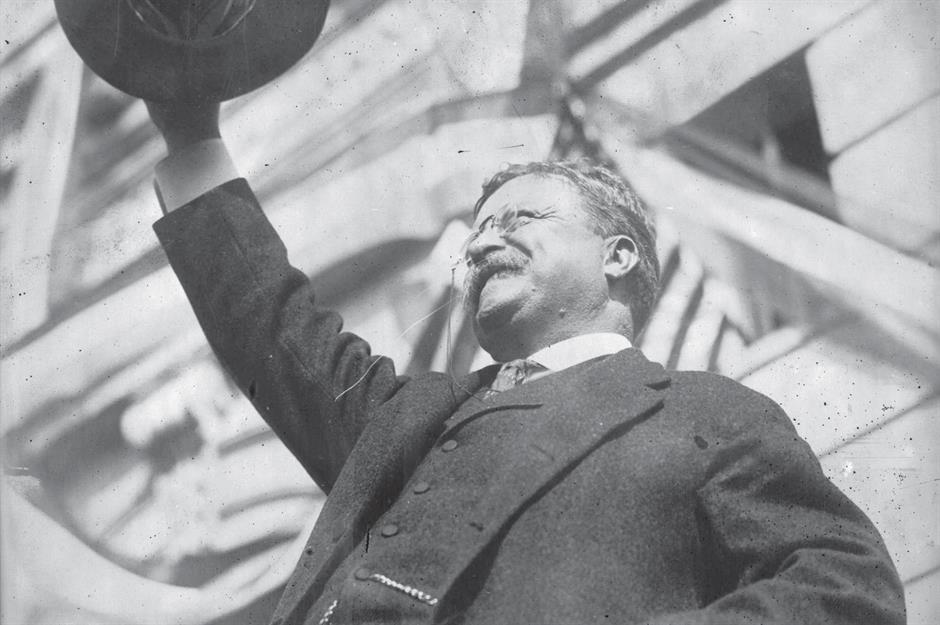
Having served as president from 1901 to 1909, Theodore "Teddy" Roosevelt ran for his third term in 1912. This time, he no longer stood as a Republican but at the head of his own "Bull Moose Party."
Its name was inspired by Roosevelt surviving an assassination attempt. Shot in the chest, he still gave a 90-minute speech before seeking medical attention, before quickly resuming his campaign with the words, "I’m as fit as a bull moose." So what better image for his party than him sat on top of an actual bull moose?
Sponsored Content
Thedore Roosevelt rode a bull moose
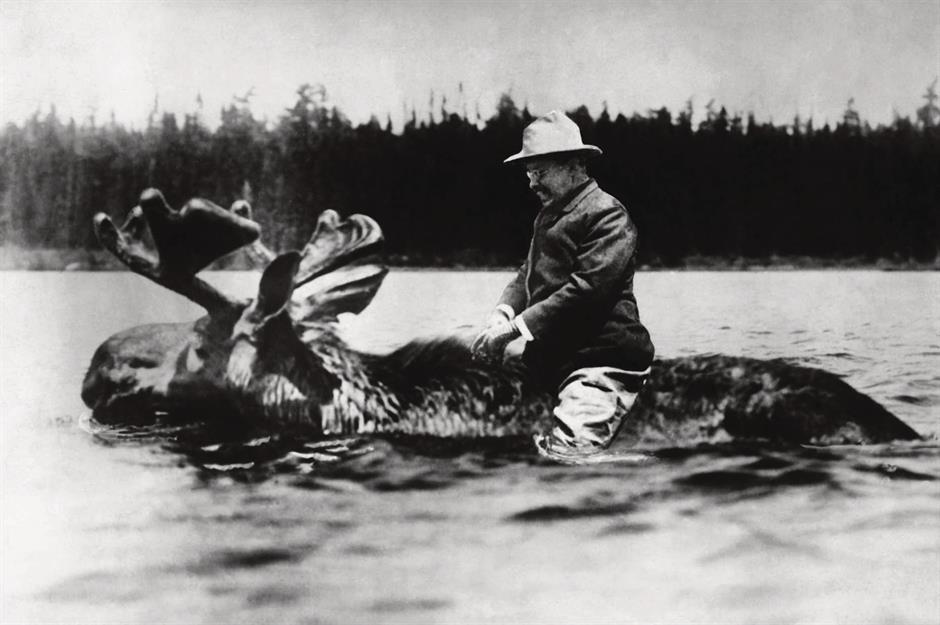
In an early form of photo manipulation, however, the shot was not real. Instead, a snap of Roosevelt in the saddle of a horse had been cut out and pasted onto a riderless moose as it swam across a lake.
It was part of a trilogy of doctored images intended for a newspaper. Under the heading "The Race for the White House," Republican candidate William Taft could be seen perched on an elephant (the symbol of his party) while Woodrow Wilson rode a donkey (the Democrat mascot of choice). As an avid outdoorsman, Roosevelt certainly looked at home on his steed.
Thomas Jefferson introduced ice cream to the US
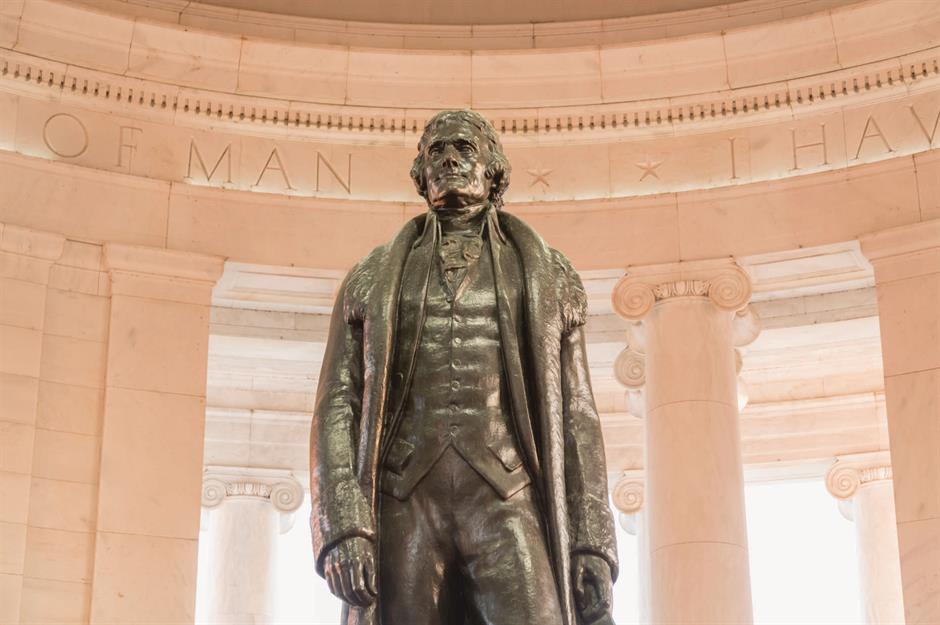
From 1785 to 1789, Thomas Jefferson served as Minister to France and fell in love with all things French – especially the cooking. When he returned to the US, he brought the recipe for a dessert causing a stir in Europe, called ice cream, and went on to serve it at the White House.
This does not mean, however, that he introduced the treat. Ice cream, which is thought to have ancient origins in China, was already around. The governor of Maryland hosted a dinner including "some fine ice cream" in 1744, the year after Jefferson’s birth.
Thomas Jefferson introduced ice cream to the US
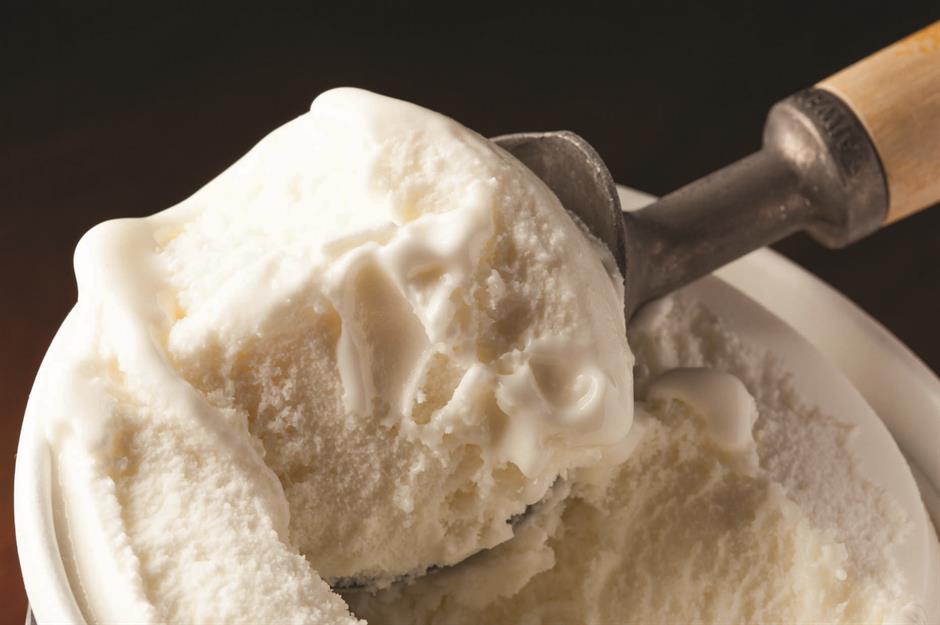
Even though he did not introduce ice cream, Jefferson did help popularize it. Plus, he is given an authorship credit – beyond the Declaration of Independence, of course – as the first American to write its recipe.
Devised either by his butler Adrien Petit or James Hemings, a slave who Jefferson took to learn French cuisine, it consisted of two bottles of "good cream," a stick of vanilla, six egg yolks, and half a pound of sugar. An updated version can be found online, so anyone can still make Jefferson’s ice cream.
Sponsored Content
Richard Nixon was impeached
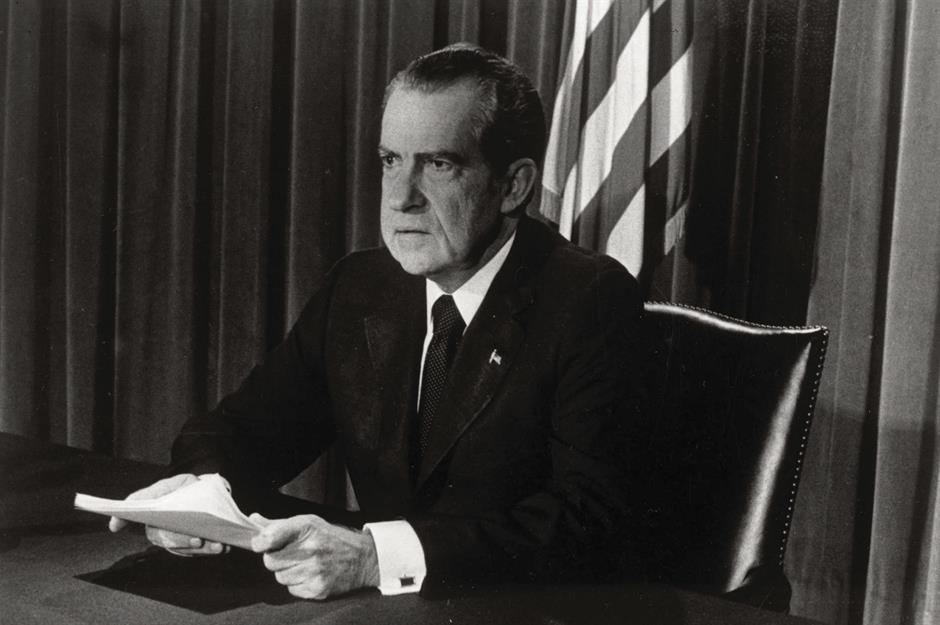
Today, the president most associated with the word impeachment is probably Richard Nixon. His involvement in the Watergate scandal, a convoluted series of crimes and cover-ups that went all the way to the Oval Office, was investigated by the FBI, Congress, the judiciary, and the media, resulting in a spectacular fall from power.
Just two years after winning re-election in one of the biggest landslides in presidential history, his support eroded, and impeachment proceedings got underway to remove him from office.
Richard Nixon was impeached
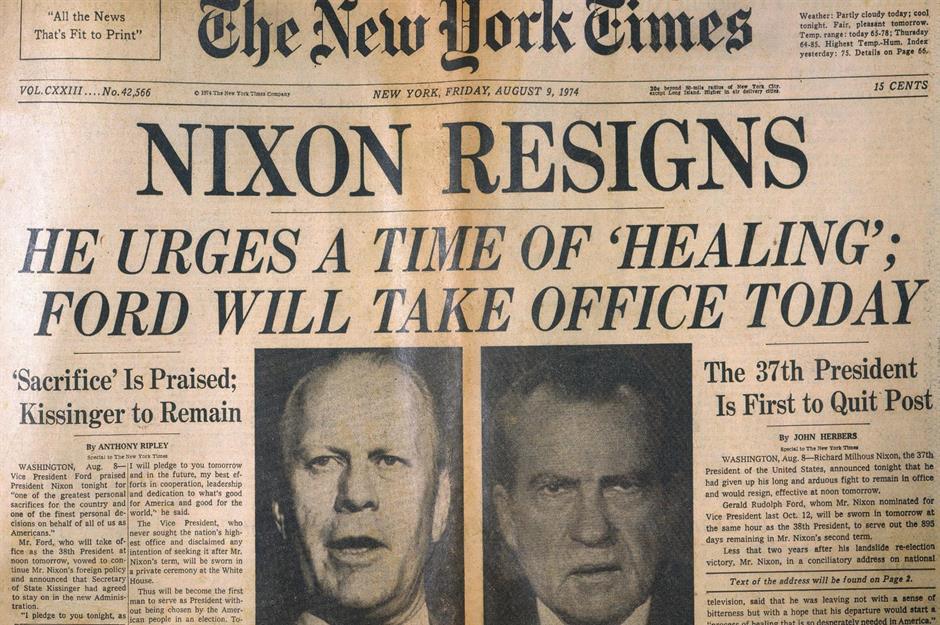
But Nixon was never actually impeached. The process begins with a vote in the House of Representatives on whether the accused will face a trial in the Senate, charged with what the Constitution calls "high crimes and misdemeanors." If convicted by a two-thirds majority, the president is removed from office.
There is no question that Nixon would have been impeached, but it never got to that stage: he resigned on August 9, 1974, before the House had a chance to vote. He remains the only president to date to resign from the job.
William Taft got stuck in the White House bathtub
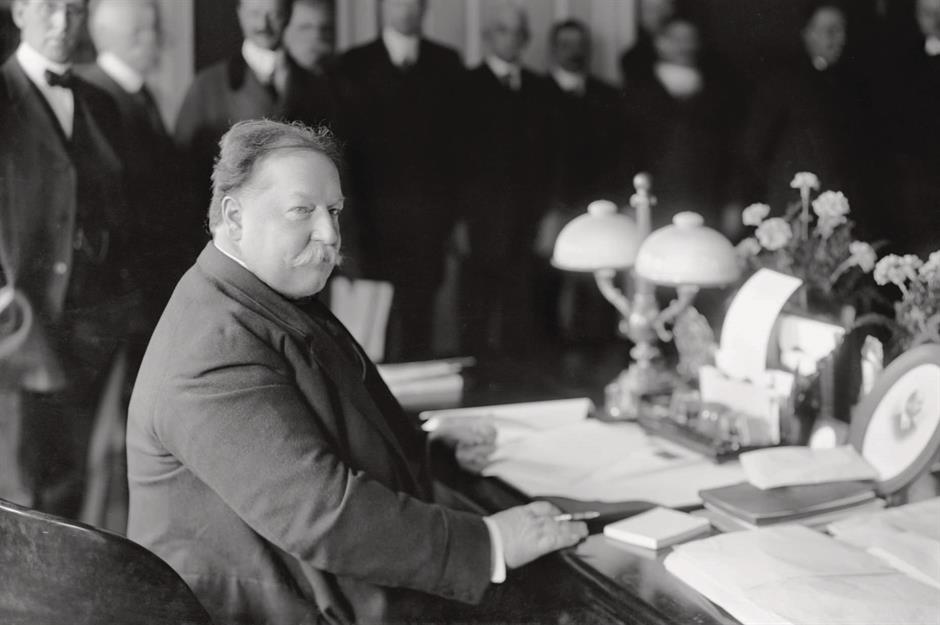
William Taft always struggled with his weight, and by the time he ended his term as president in 1913, his size had ballooned to around 150kg (330lbs). Indeed, he got so big that he got stuck in the bathtub at the White House and needed half a dozen men to help him get out.
That’s the claim, but there's no evidence that it ever happened. In fact, Taft was known for having huge custom bathtubs made, measuring seven feet long and with enough space for four men, so the likelihood of him getting stuck was, if you will, slim.
Sponsored Content
William Taft got stuck in the White House bathtub
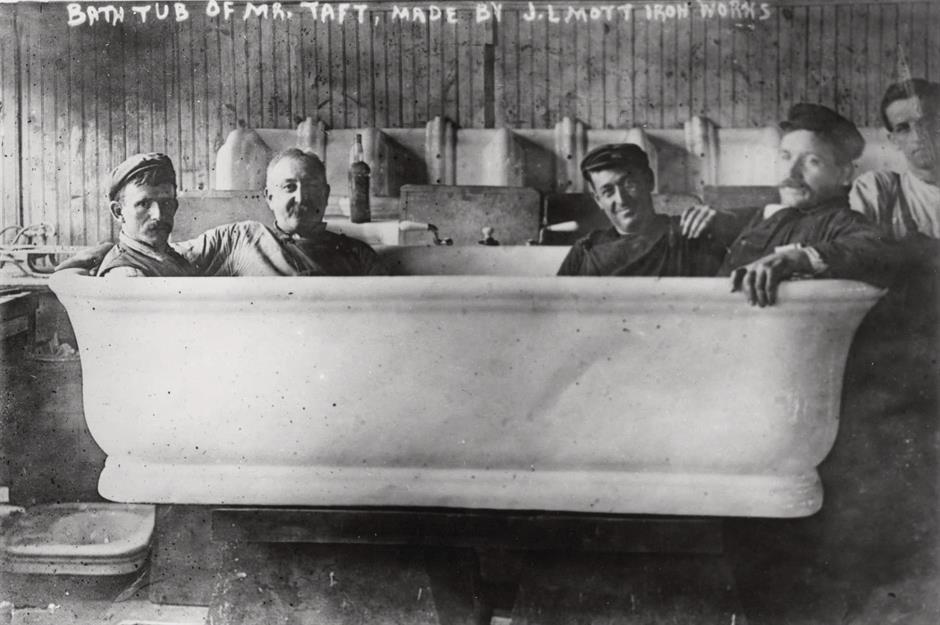
Taft’s ample frame was a target for derogatory, personal attacks by his political rivals, which is how this rumor began. Yet Taft did later have a real unfortunate incident in a bath. While at a hotel in Cape May, New Jersey, he overfilled the tub, sending water over the sides and through the floor when he got in, showering the dining room below.
He reportedly joked that he wanted to fence off a bit of the Atlantic Ocean to ensure he could continue to bathe without the risk of overflow.
Ronald Reagan was cast in Casablanca
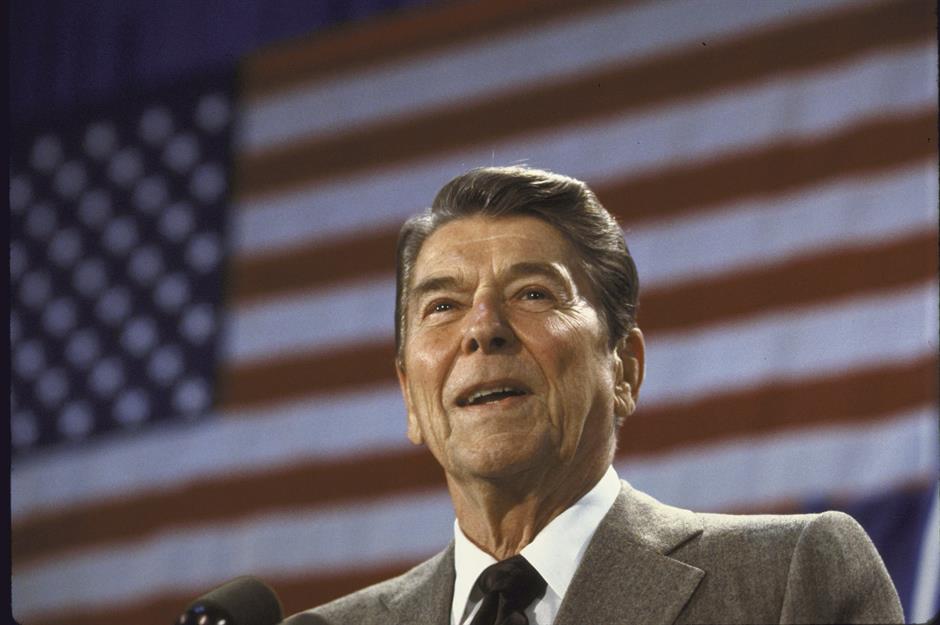
With iconic lines like "Here’s looking at you, kid," and "I think this is the beginning of a beautiful friendship," Humphrey Bogart made the role of Rick Blaine, a hard-drinking, cynical nightclub owner, his own in Casablanca. Imagine how different the classic wartime love story might have been with someone else – say, future president Ronald Reagan.
Before being elected in 1980, Reagan made his name as a charismatic and charming B-movie actor, starring in dozens of films since 1937, and rumors still abound that he had been slated to play Rick before Bogart.
Ronald Reagan was cast in Casablanca
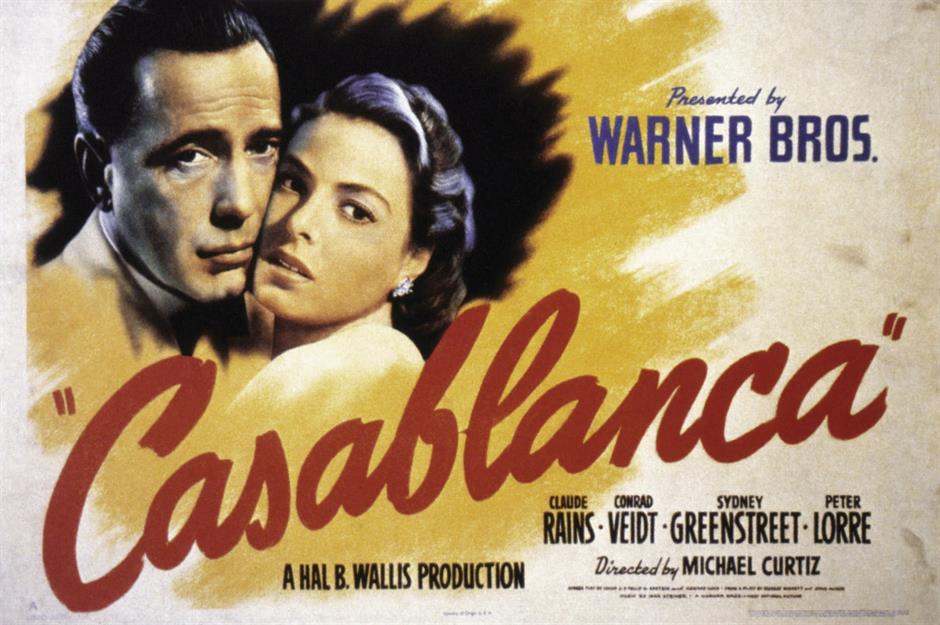
It would certainly have altered Reagan’s career – would he have gone into politics at all? – but there's little credence to this story. It’s based on an early press release by the studio, Warner Bros, announcing that Reagan and actress Ann Sheridan were set to star in the film.
This was just marketing to build hype for the duo’s other movie, King’s Row. Casablanca had not yet been written, and no one but Bogart was seriously considered. Besides, Reagan had joined the army and was no longer acting during World War II. The whole thing was studio smoke-and-mirrors, and no one was to know that it involved someone who would go on to be president.
Now discover the most common general misconceptions about US history...