America’s extraordinary nocturnal wildlife
Creatures of the night

When night falls, America’s nocturnal wildlife comes out from hiding. Found in deserts, forests, cities, and rivers, these cute, creepy, and clever creatures thrive in the hours of darkness.
From ghostly crabs to remarkable reptiles and a whole host of marvelous mammals, we’ve shone a light on these nighttime wonders.
Click through to discover some weird and wonderful creatures which only come out at night…
Eastern screech owl
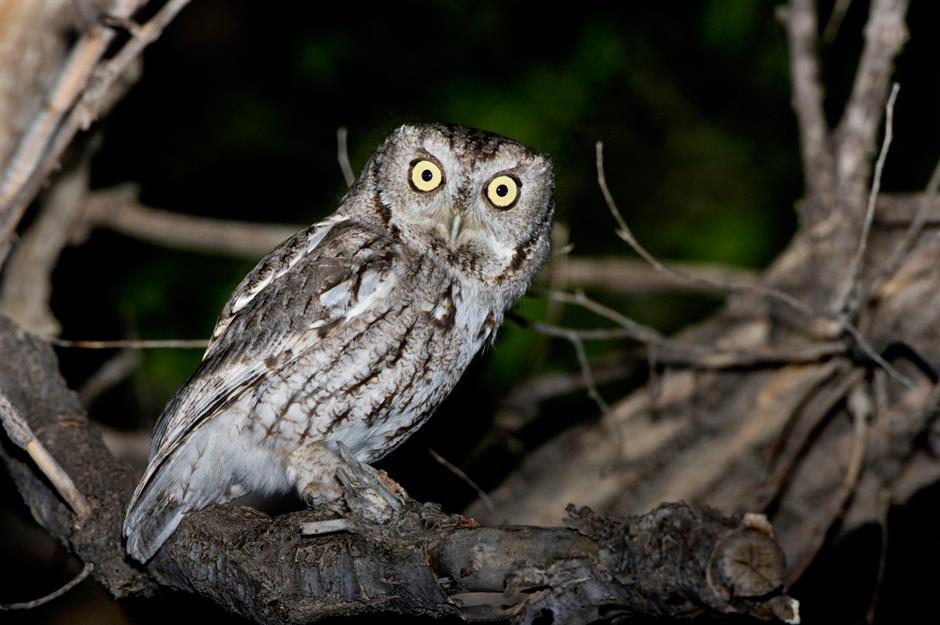
We start with a true night owl. The Eastern screech owl is found across North America, east of the Rockies. During the day, it hides in tree cavities – camouflaged against the bark by its gray or rufous (reddish-brown) feathers.
At night, this tiny six-to-10-inch owl swoops silently through the trees, using its glowing yellow eyes and sharp hearing to prey on insects, mice, frogs, small birds, and even bats. Despite its name, its call is more a whinny or an eerie trill than a screech.
Ghost crab
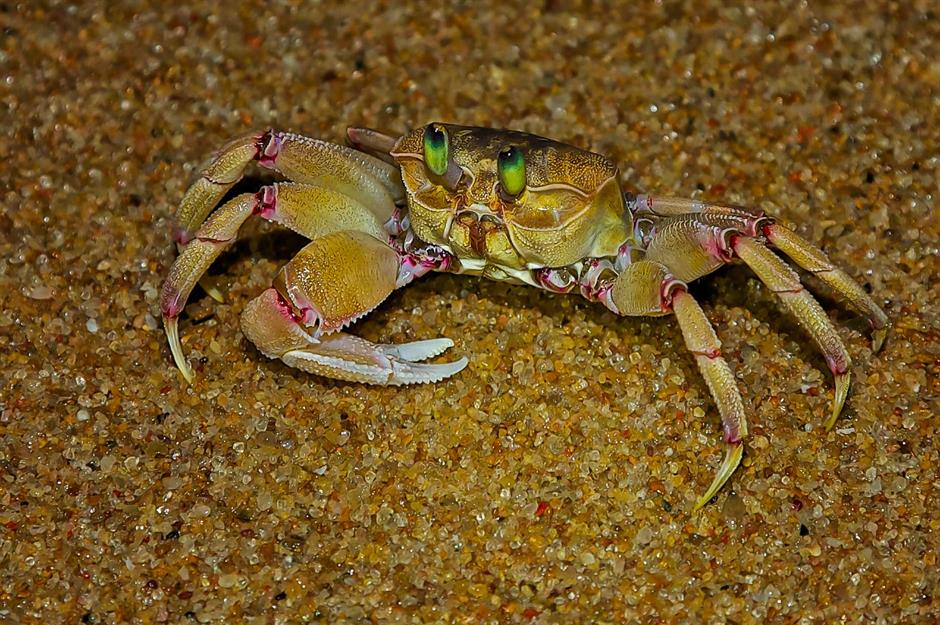
Head to the beaches along the Atlantic and Gulf coasts after dark and you might spot these clever, two-inch creatures scuttling sideways across the sand. In fact, the ghost crab is the fastest crustacean on land, reaching speeds of up to 10 miles per hour.
They hide in deep burrows during the day, emerging at night to forage and dig. They have periscopic eyes, which move independently and provide 360-degree vision. Ghost crabs get their name from their sandy, semi-translucent color.
Sponsored Content
Kangaroo rat
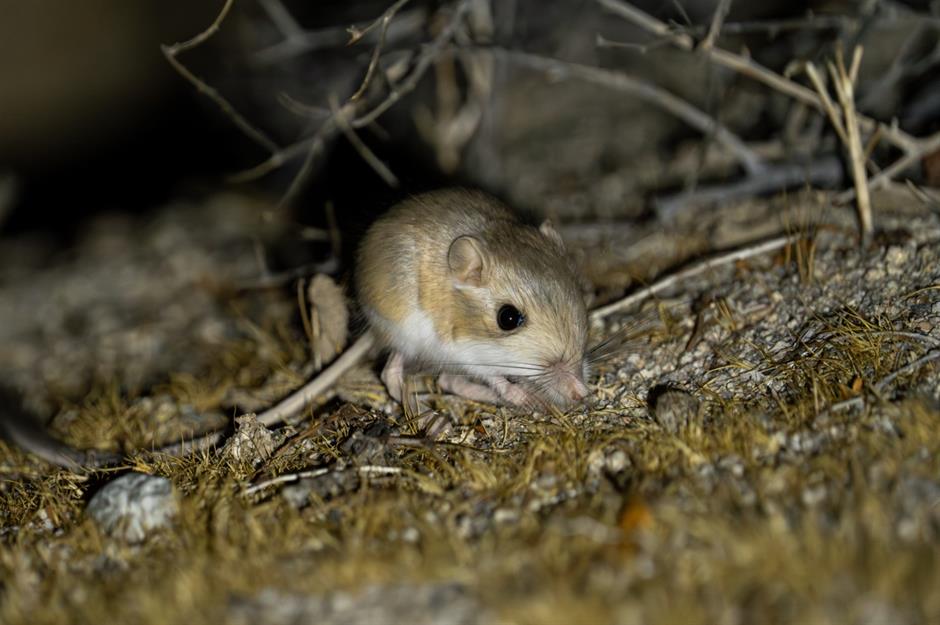
These hardy little rodents live in arid regions of the southwestern US. The most common species is the Merriam’s kangaroo rat (pictured). During the day, they escape the harsh desert heat in deep burrows.
Measuring just three to five inches, their most notable feature is their kangaroo-style hind legs. They can leap up to nine feet to escape predators. Remarkably, these desert dwellers never drink water – they get their moisture from their seed-based diet.
Gila monster
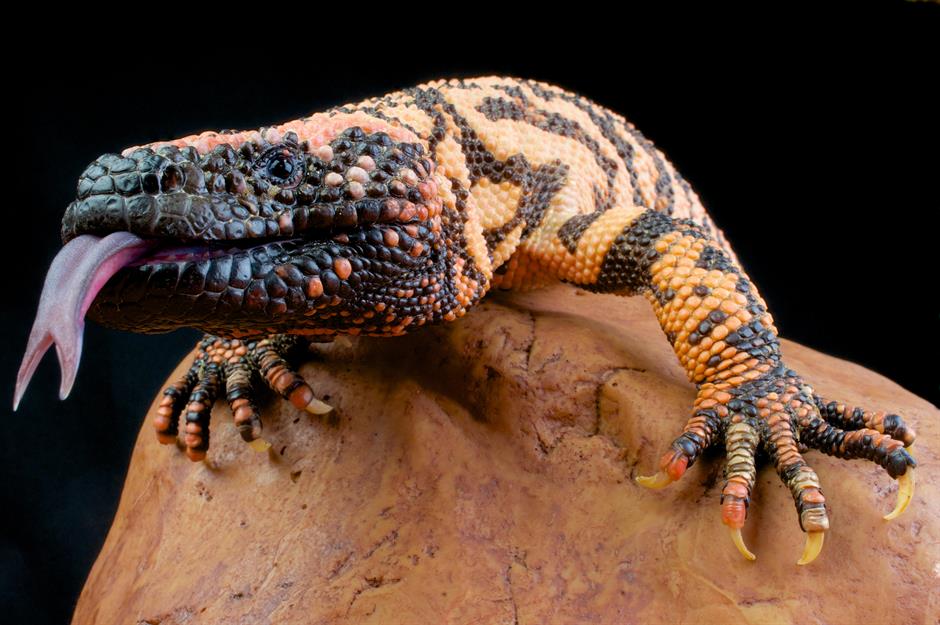
We stay in the southwestern US for our next nocturnal creature: the fearsome Gila monster. America’s only native venomous lizard, it grows to between 18 and 22 inches. Its venom – which is rarely fatal to humans but requires medical attention – is delivered via grooves in its lower teeth.
During the summer, these lumbering carnivorous scavengers are only active at night. They use their powerful sense of smell to hunt down small mammals (including the kangaroo rat), as well as birds, reptile eggs, and nestlings.
Swift fox
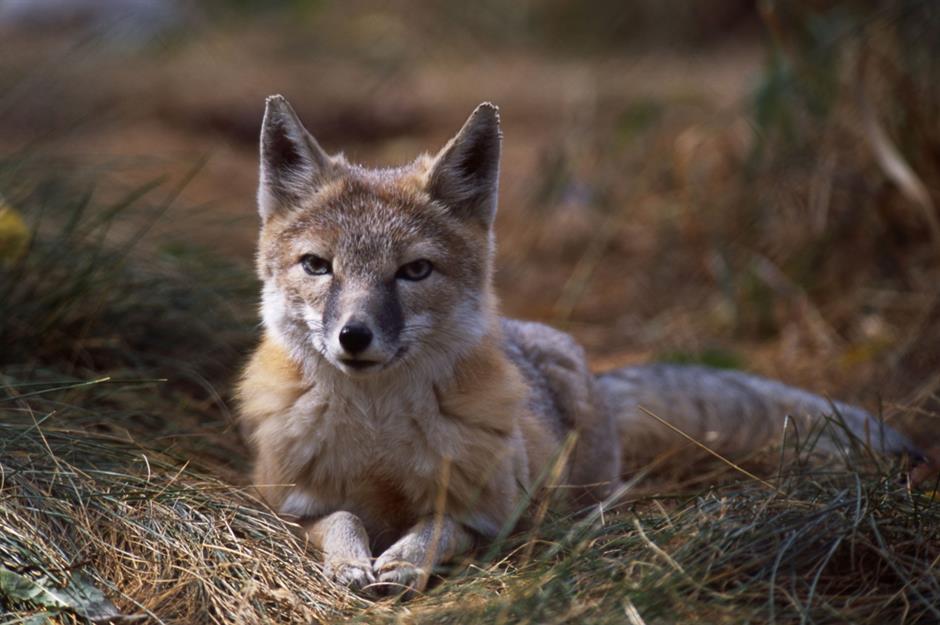
Found on the Great Plains of the central US, the swift fox is one of the smallest members of the wild dog family. The size of a domestic cat, the swift fox can reach speeds of up to 40 miles per hour.
These omnivores mostly stay in underground dens during the day, avoiding predators like golden eagles. They emerge at night to hunt small mammals, insects, birds, and reptiles. The swift fox was nearly wiped out in the 20th century but is recovering, thanks to conservation efforts.
Sponsored Content
Nine-banded armadillo
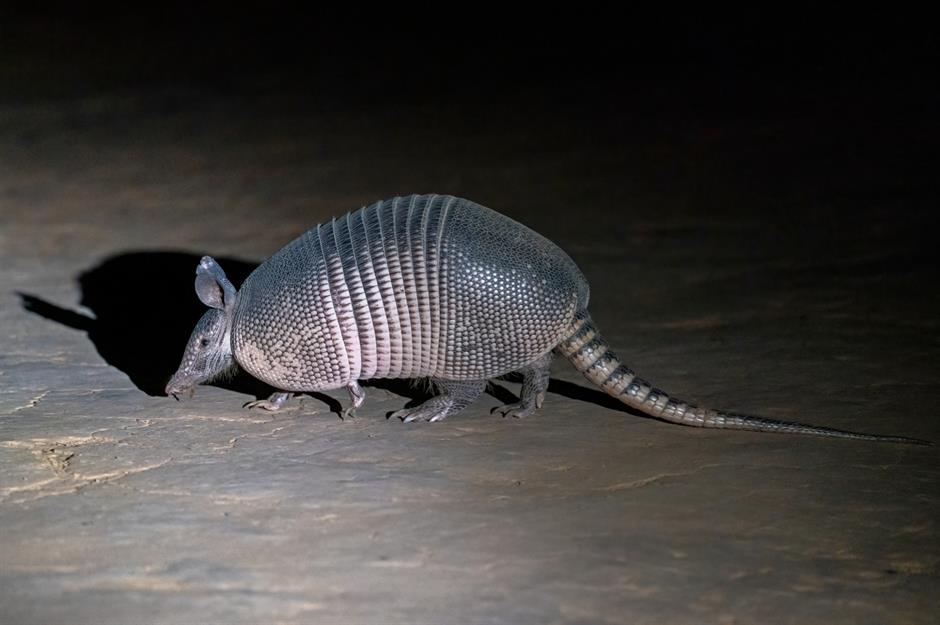
Primarily nocturnal, the nine-banded armadillo lives in the southern US, mostly in warm, moist environments – such as woodland and grassland. The name comes from the nine flexible bands across its armor-like shell. Contrary to belief, they can’t roll into a ball but can jump up to four feet in the air if frightened.
Mainly insectivores, they use their long, sticky tongue to scoop up grubs, beetles, ants, termites, and other invertebrates. They also eat small amphibians, eggs, fungi, and plants.
Virginia opossum
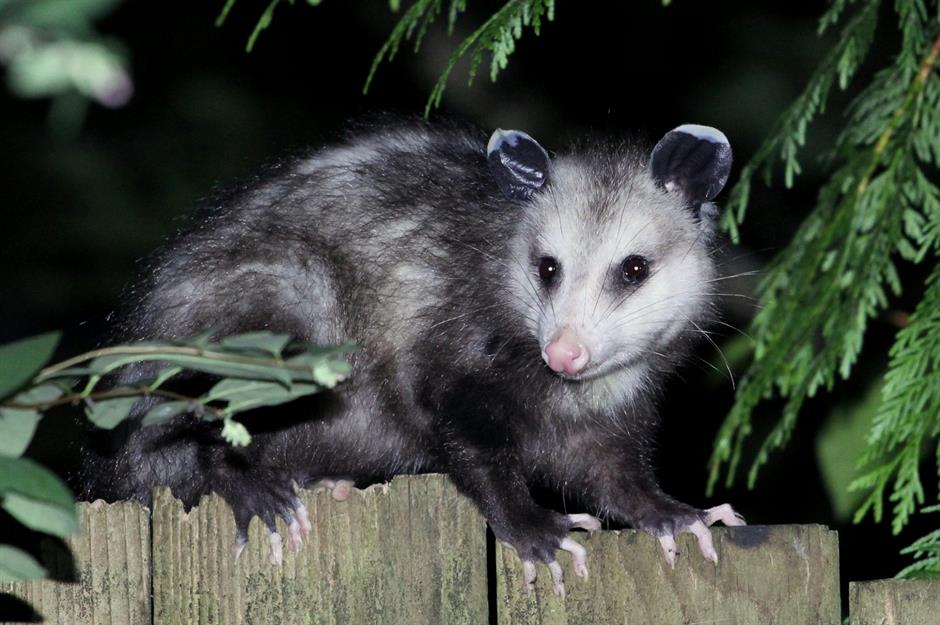
We move on to America’s only marsupial: the Virginia opossum. The jellybean-size joeys develop in the female’s pouch, then, later, ride on her back. Litters of up to 15 are not uncommon. Opossums are famous for "playing dead" when threatened – even emitting a "death stench."
These curious nocturnal creatures sleep in dens, trees, or abandoned burrows by day and forage by night. They are opportunistic omnivores, eating everything from insects, fruit, and eggs to roadkill and rattlesnakes (they are immune to their venom).
Flying squirrel
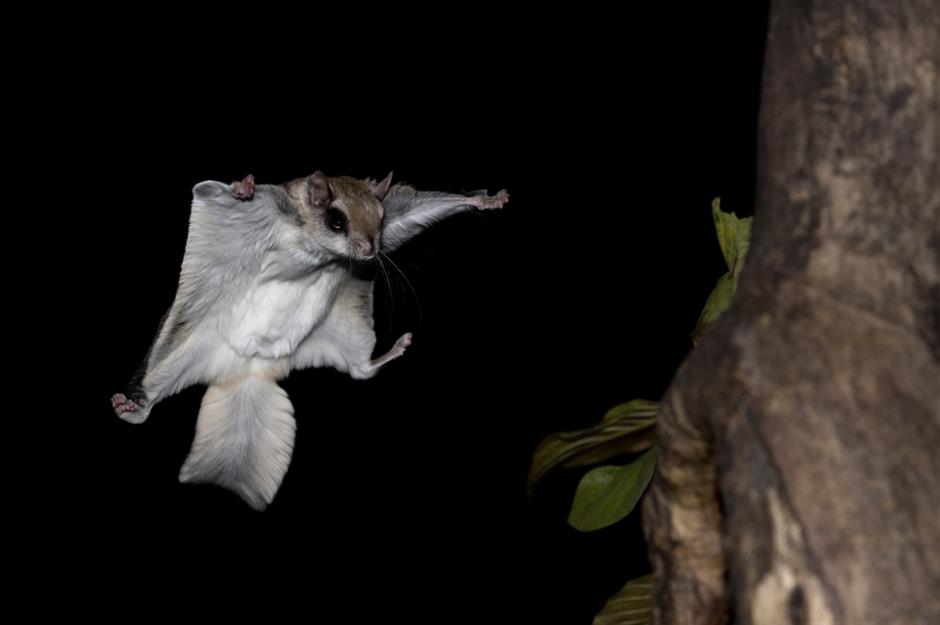
North America is home to three species of flying squirrel. Pictured is the Southern flying squirrel, which lives in the eastern US and parts of the Midwest. Flying squirrels nest in tree cavities during the day and forage at night for nuts, berries, fungi, insects, bird eggs, and sap.
They don’t actually fly – instead, the large flap of skin (patagium) you can see allows them to jump and glide up to 150 feet between trees, using their tail as a rudder.
Sponsored Content
Tarantula

The southwestern US is home to several species of tarantula – including the Arizona blonde or desert blonde tarantula (pictured). Measuring up to six inches, they hide in silk-lined burrows by day, emerging at night to hunt insects and other small invertebrates.
Shy and non-aggressive, if threatened they flick the tiny, barbed hairs on their abdomen. Female tarantulas can live for 30 years, while males live between five and 10 years – one of the largest gaps in the natural world.
Bobcat

Next up is a North American wild cat, which can be found across the country in diverse habitats, including forests, swamps, urban areas, and deserts. Primarily nocturnal, bobcats are also classed as crepuscular (active at dusk and dawn).
About twice the size of a domestic cat, they get their name from their short, bobbed tail. Bobcats are shy and solitary in nature, so sightings are rare. Their diet depends on their environment, so they target anything from birds and rodents to fish and plants.
Common poorwill
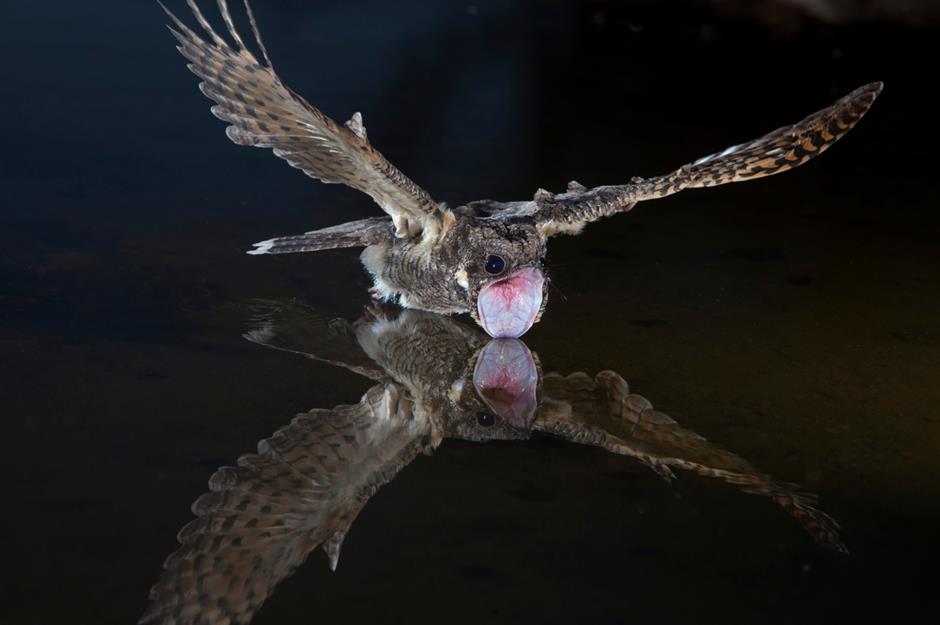
Related to nightjars and nighthawks, the common poorwill can be found in western North America. Measuring about seven to eight inches, it has a unique haunting call – which sounds like it’s crying "poorwill."
At night, it hunts flying insects, using its gaping mouth as a large net. Not only is the common poorwill nocturnal, it’s the only North American bird which is known to hibernate. In fact, "poorwill" means "the sleeping one" in the native Hopi language.
Sponsored Content
Fireflies
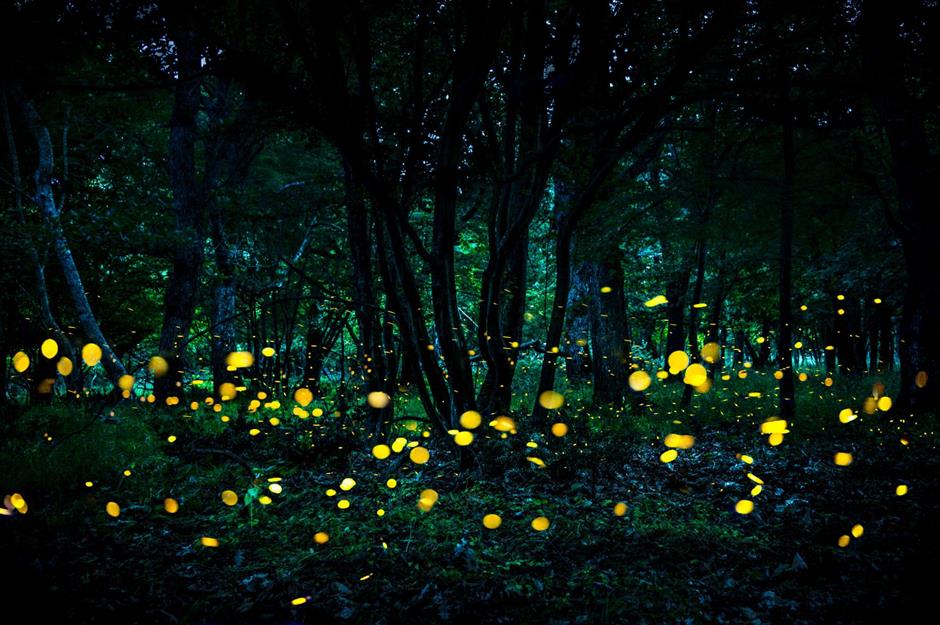
Fireflies are not flies at all – but beetles. Also known as lightning bugs, they can be found mostly in the eastern and southern US, where they gather in meadows, woodlands, marshes, and even back gardens.
Their bioluminescent glow is created by a chemical reaction in the abdomen. The lightshow is aimed at attracting mates, with different species each having a unique rhythmic flash pattern. Mostly nocturnal, some non-glowing species are active during the day.
American alligator
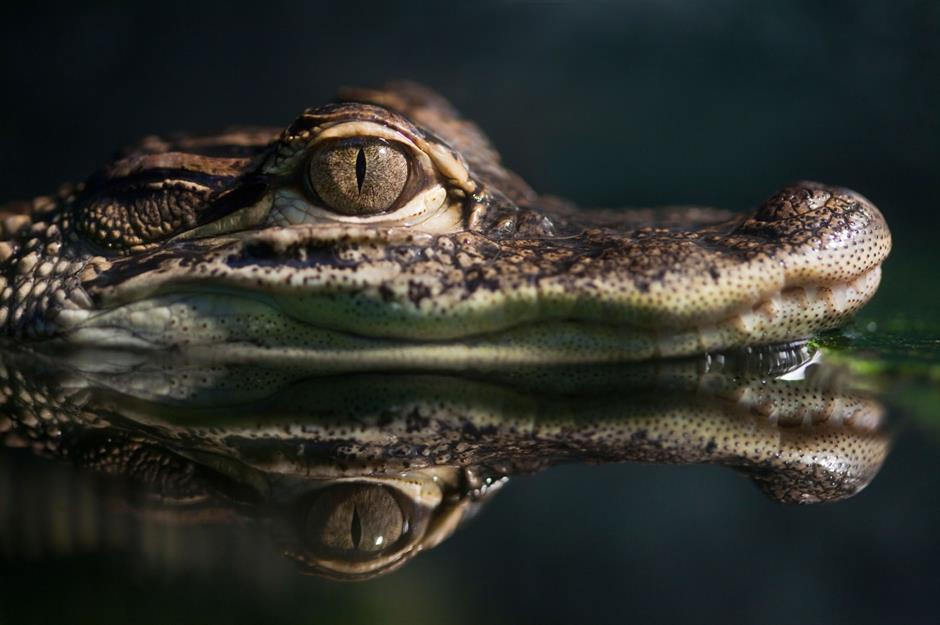
One of the more surprising nocturnal creatures on the list, American alligators are mostly active at night. They live in freshwater swamps, marshes, rivers, lakes, and ponds across the southeastern states.
Known for the eerie glow of their eyes, they can remain underwater for up to two hours. They use vibration sensing and powerful jaws to ambush their prey – including fish, turtles, and birds. American alligators constantly replace their lost teeth, getting through up to 3,000 in their lifetime.
Striped skunk
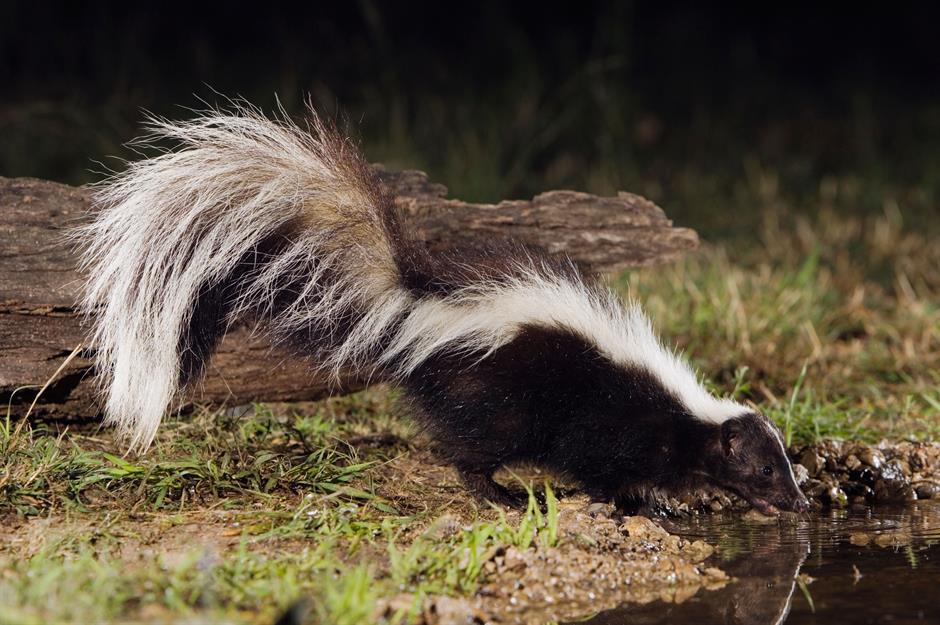
Our next nocturnal creature is the striped skunk. Found throughout most of the US, skunks emerge at night to forage for insects, small mammals, eggs and berries, and to root through trash. They have excellent smell and hearing, while their bold black-and-white coloration warns off predators.
Skunks are infamous for spraying a foul-smelling, sulfur-rich oily secretion when threatened. Their Latin name, Mephitis mephitis, even means "noxious vapor." The spray can cause nausea, gagging, and temporary blindness – and is notoriously hard to remove.
Sponsored Content
Cottonmouth
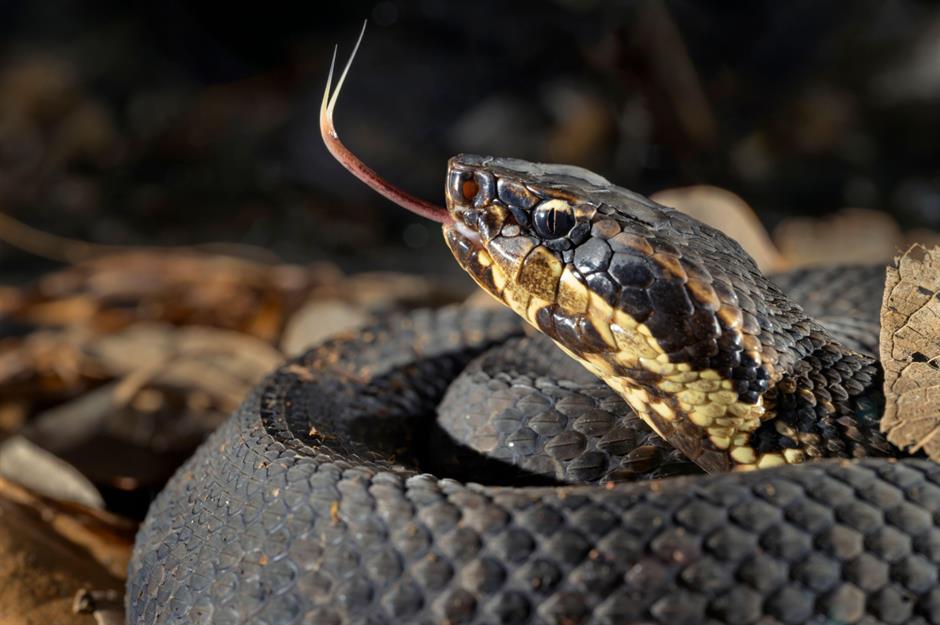
Cottonmouth snakes – also known as water moccasins – are found in the wetlands, swamps, lakes, rivers, and bayous of the southern US. They typically grow to between two and four feet, though some reach six feet.
Most active at night, they prey on fish, small mammals, and birds – striking with venom-injecting fangs. Often mistaken for harmless water snakes, cottonmouths are actually related to copperheads and rattlesnakes. Their venom isn’t usually fatal to humans but requires urgent medical attention.
Raccoon
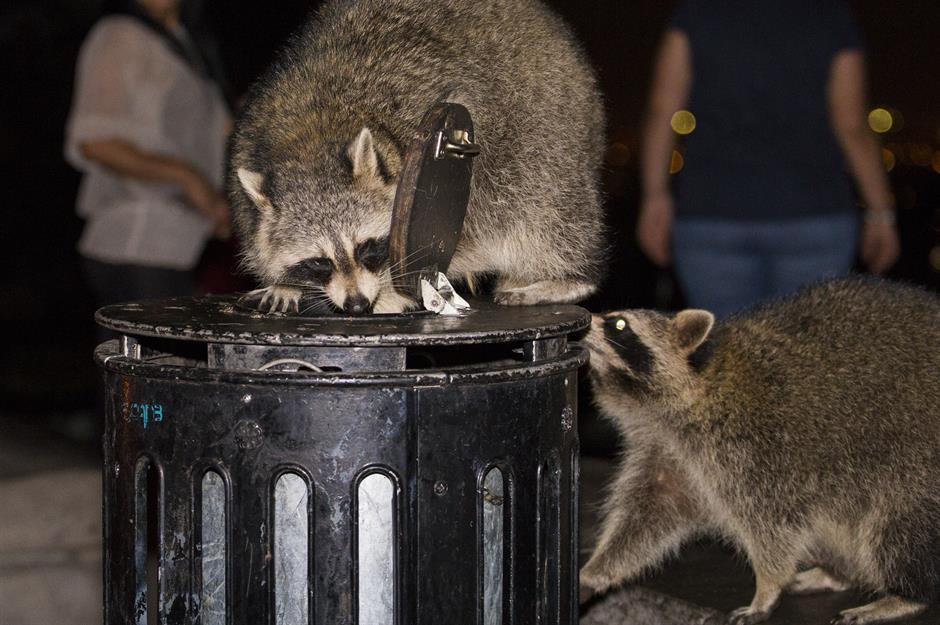
We couldn’t leave these masked nocturnal critters off the list. Found across North America, raccoons are highly intelligent, with advanced problem-solving skills. They have sensitive and dexterous front paws, which they use to manipulate objects and unlatch containers.
They’re also excellent climbers and swimmers and can adapt to a variety of habitats, including forests, suburbs, cities, and back gardens. Raccoons forage for fruit, nuts, insects, and small animals. As the image shows, they also freely rifle through trash.
Eastern hellbender
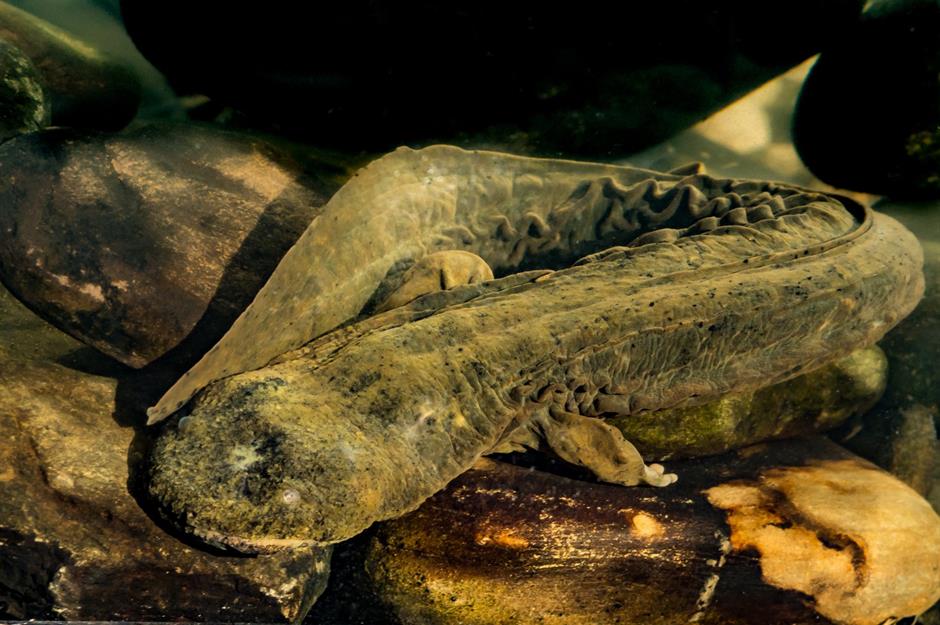
Also known as the "devil dog" or "mud devil," the eastern hellbender is certainly the slimiest entry on our list. At two feet long, it’s the largest aquatic salamander in North America. It can be found in the eastern US, including in the Appalachians and Ohio River Basin.
Hellbenders spend their days hiding under large rocks, emerging at night to hunt crayfish, insects, worms, and small fish. They breathe through their skin and – despite the fearsome name and appearance – are harmless to humans.
Sponsored Content
North American porcupine

Next, we have the North American porcupine. There are actually seven different subspecies across the country, leading to considerable variation in appearance. Some look quite fluffy, while others (like the one pictured) look more like small bears.
Solitary and shy, porcupines are fantastic climbers. At night, they forage for leaves, bark, buds, and pine needles. They have around 30,000 detachable barbed quills, which lie flat until raised in defense. The porcupine is North America’s second largest rodent – after the beaver.
American woodcock
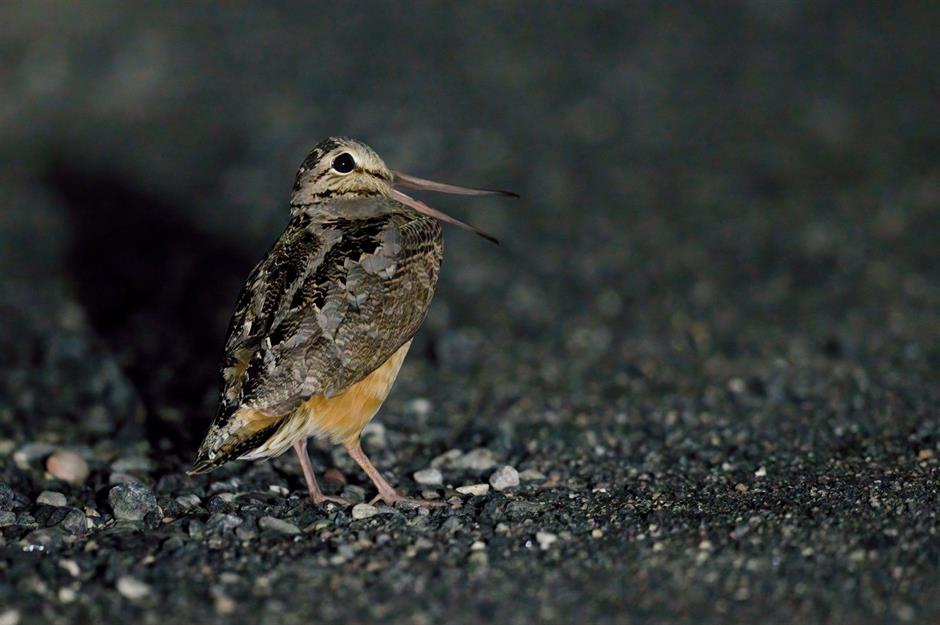
Primarily nocturnal and crepuscular (active at dawn and dusk), the American woodcock – sometimes called a timberdoodle – migrates between the north and southeastern US. These ground-dwelling birds live mostly in woodlands and forests, using their long, flexible bills to probe for worms and other invertebrates.
Woodcocks are known for their distinctive bobbing, bouncing gait. The males also put on spectacular courtship rituals when seeking a mate – involving twilight display flights and musical chirps.
Pallid bat
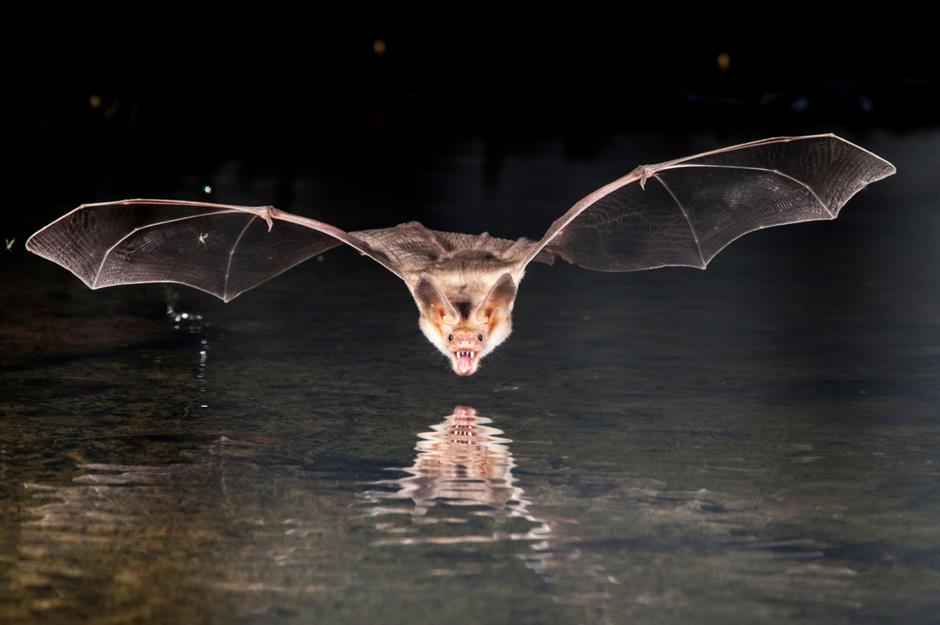
This fierce-looking pallid bat is found in the western and southwestern US – mostly in deserts, scrublands, and open woodland – and has a wingspan of around 15-16 inches.
Pallid bats eat insects, centipedes, and even scorpions – they’re immune to the venom. Unlike most bats, they hunt on the ground. They fly silently through the night, using their big ears and excellent vision to locate and swoop down on their unsuspecting prey.
Now check out 30 of the world's strangest creatures you won't believe exist