America's rarest wildlife: hard-to-spot creatures and where to find them
Elusive wildlife
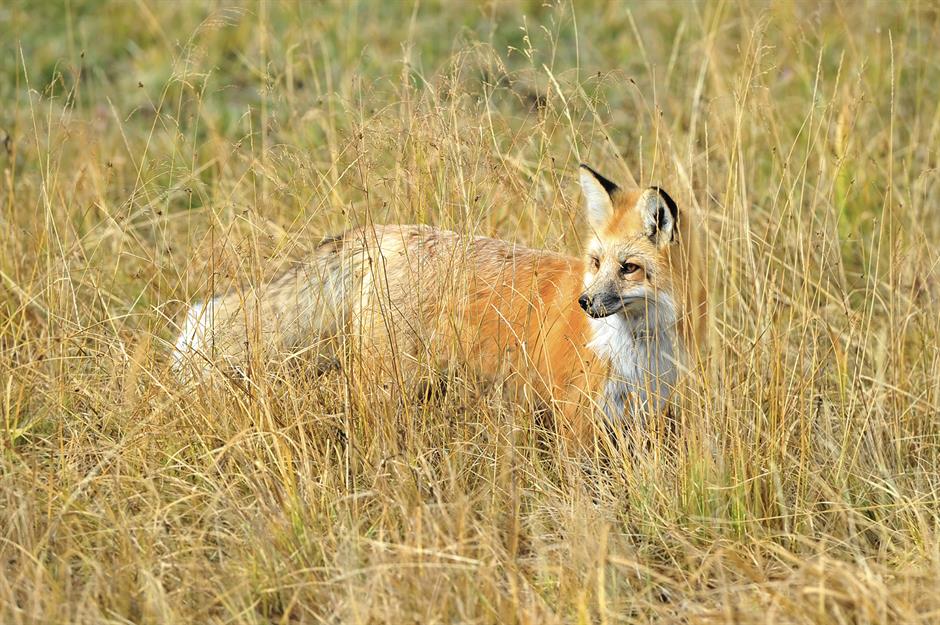
From desert ghosts to island oddities, North America shelters animals you may never have heard of, let alone seen. Here, "rare" isn’t just about low numbers or an endangered tag; it also means species confined to a single pocket on the map, tied to ultra-specific habitats, or simply so good at hiding they slip past most of us. They can be spotted, but only if you know where to look.
Click through this gallery to discover America's rarest wildlife and where to find them...
Gila monster
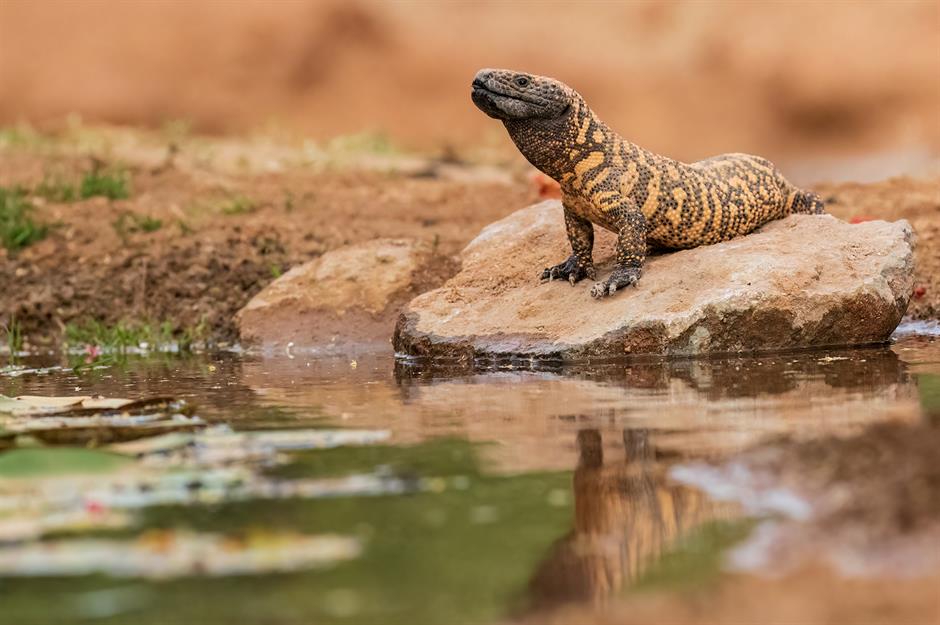
With a name as terrifying as its appearance, the Gila monster is one of the few venomous lizards in the world. Though scarce, it lives in the Sonoran Desert of the Southwest, especially around Saguaro National Park and Organ Pipe Cactus National Monument in southern Arizona. Your best chance of seeing one is on warm spring evenings in the foothills, but give this slow-moving reptile plenty of space.
Newfoundland marten
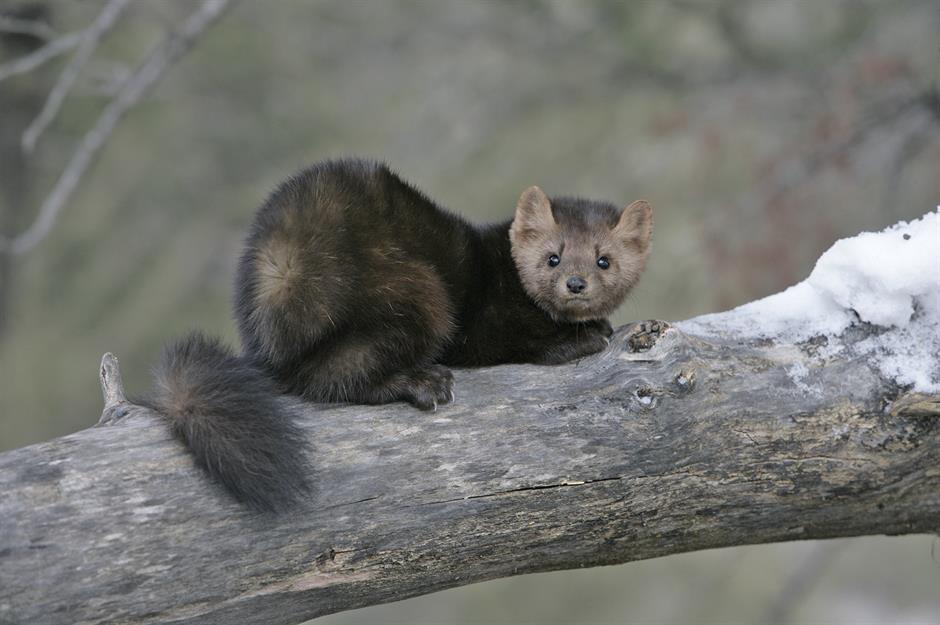
The American marten is found across Canada, Alaska, and the northern forests of the United States, but one subspecies is especially rare: the Newfoundland marten, found only on the island of Newfoundland off Canada’s Atlantic coast (though numbers are slowly improving thanks to conservation efforts.)
To spot one, head for Newfoundland's old conifer forests, like those found in Terra Nova National Park. About the size of a housecat but infinitely quicker, martens are experts at avoiding cameras – your best chance is catching a blur of movement along the forest edge.
Sponsored Content
Eastern hellbender
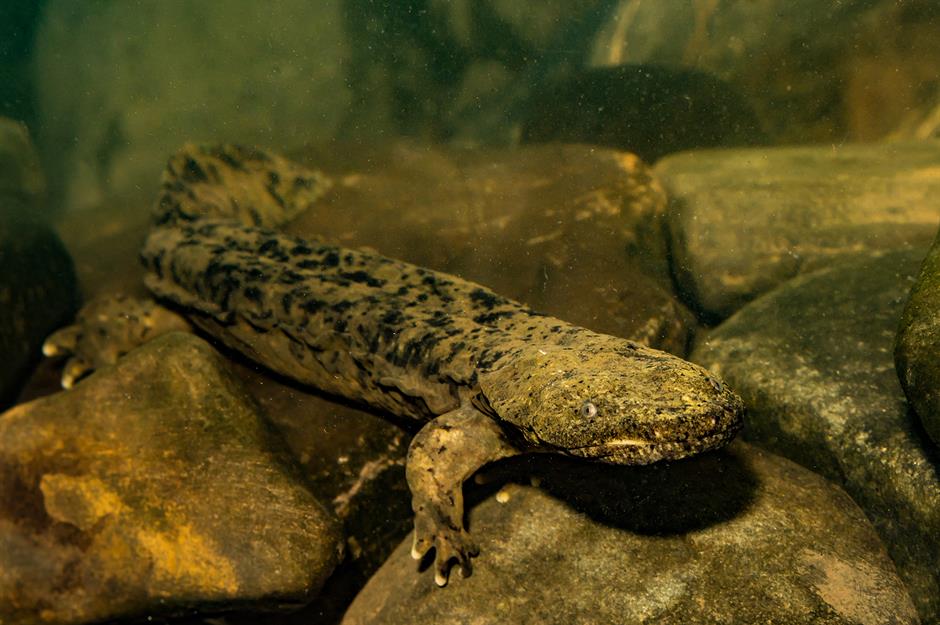
Wrinkly and perpetually grumpy-looking, the Eastern hellbender is North America’s largest salamander. Though exact numbers are unknown, populations are in decline. They lurk in cold, rocky streams across 15 states – but your best chance of spotting one is in Tennessee’s Hiwassee River in Cherokee National Forest, which holds one of the largest populations.
Red wolf
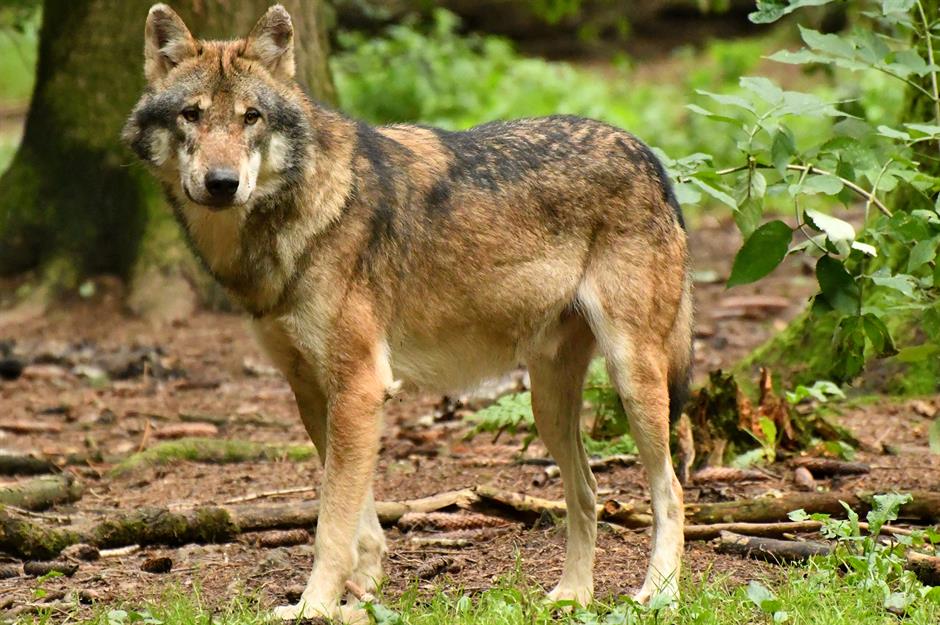
Nicknamed America’s ghost dog, the red wolf is down to fewer than 20 in the wild. They roam the Albemarle Peninsula of North Carolina, mostly in and around Alligator River and Pocosin Lakes National Wildlife Refuges. You’re more likely to hear their dusk howls over swampland than see them.
A separate safety-net population of a few hundred live in accredited facilities across the country.
Florida black bear
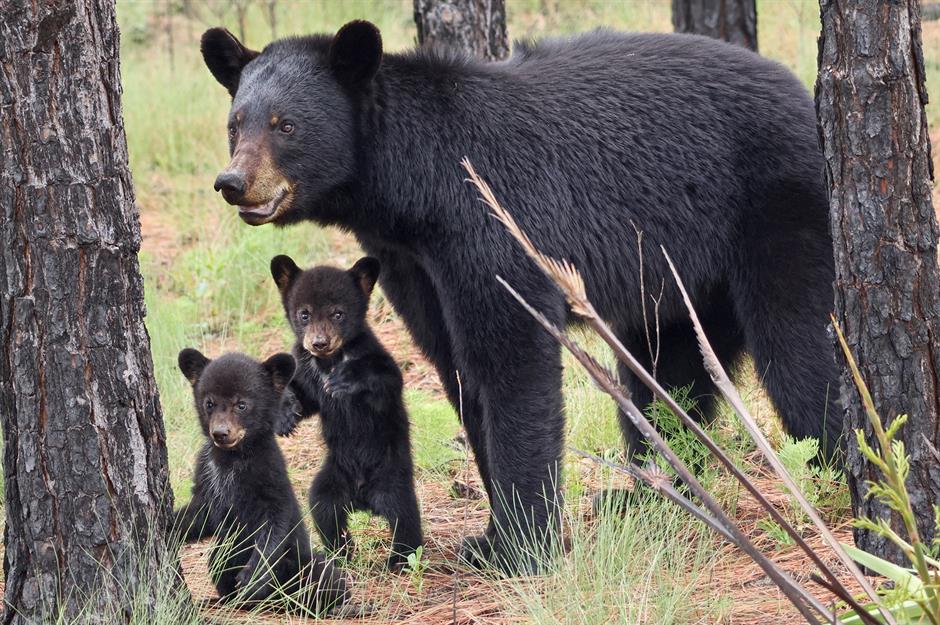
The Florida black bear is the only black bear subspecies found in the Sunshine State, adapted to subtropical forests and swamps rather than the mountains most of its cousins call home.
Today, about 4,000 roam the state, with their range covering most of peninsular Florida and parts of the panhandle. Your best chance of seeing one is at dawn – just keep snacks sealed unless you want an uninvited taste-tester.
Sponsored Content
Vaquita
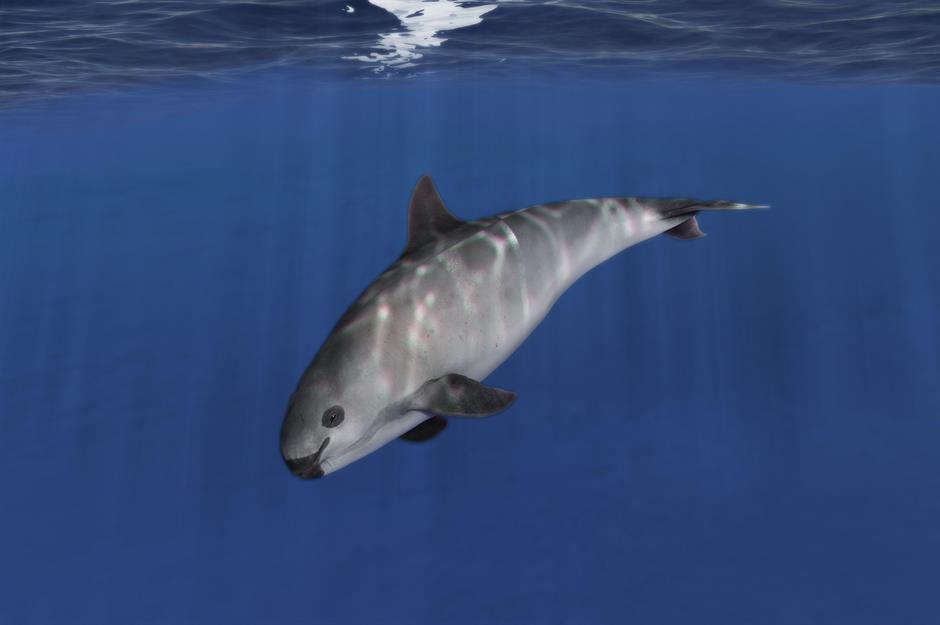
The vaquita, the world’s most endangered porpoise and rarest marine mammal, hovers on the brink of extinction with only around 10 individuals. They survive solely in the upper Gulf of California off Mexico's west coast.
Realistically, you won’t see them – quiet waters are critical, and enforcement zones limit access. Instead, visitors can support conservation programs that swap out fishing gear and remove nets, then scan the sea with hope.
Hawaiian monk seal
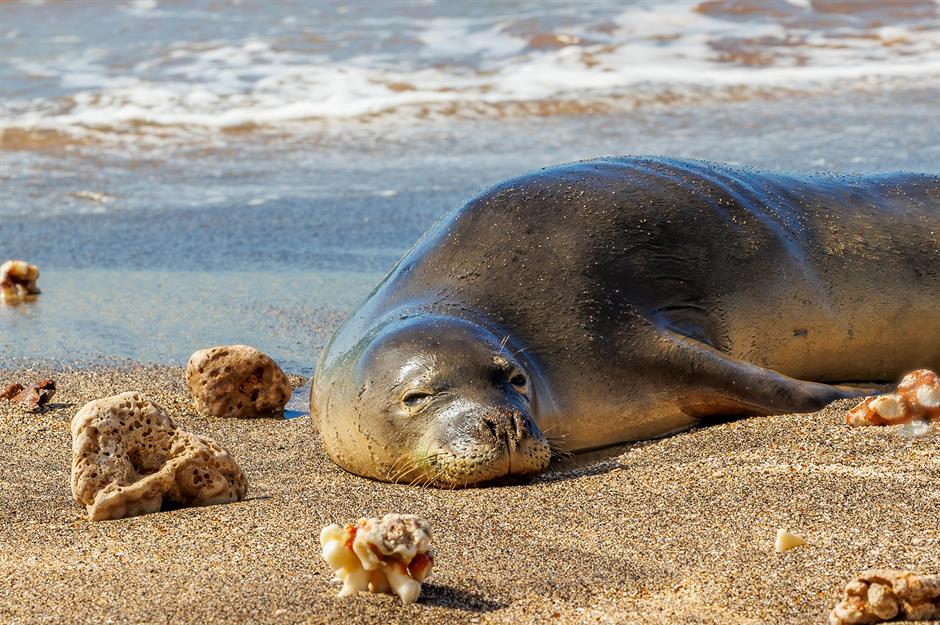
Endangered Hawaiian monk seals – playfully called sea sausages – mostly live in the remote Northwestern Hawaiian Islands, but roughly 400 haul out on the main islands of Oʻahu, Kauaʻi, Maui, and Hawaiʻi. Early morning is best for a quiet beach encounter – sun hat required, patience recommended.
Imperial woodpecker
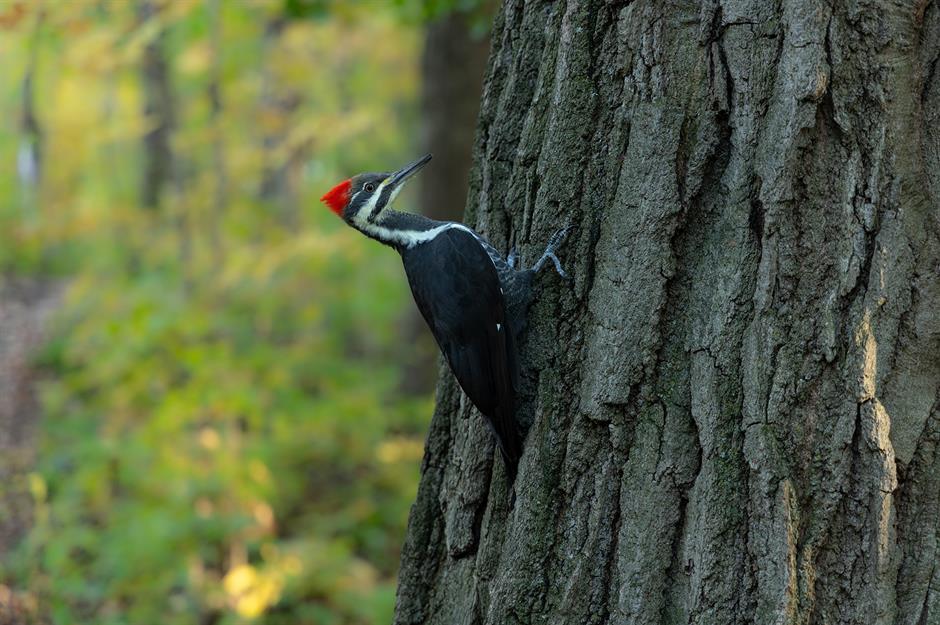
The Imperial woodpecker is the world’s largest woodpecker – and practically a ghost. No confirmed sightings have surfaced in decades, and it’s listed as Critically Endangered (possibly extinct).
Historically, birders searched the remote Sierra Madre Occidental mountains of northern Mexico. Today, birdwatchers will find many species to admire in the region, but the Imperial woodpecker is unlikely to be one of them.
Sponsored Content
Island fox
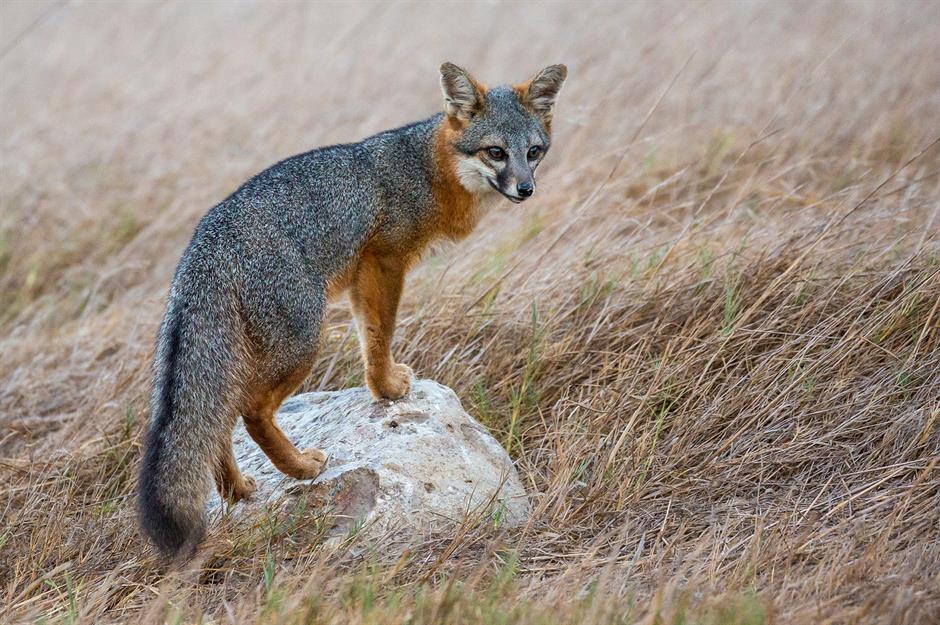
Palm-sized and almost too adorable, the island fox lives only on California’s Channel Islands, making it one of the rarest mammals in North America despite its recent recovery.
Nearly wiped out in the 1990s by disease and golden eagle predation, the species has bounced back thanks to intensive conservation. Today, populations survive on six of the California Channel Islands, but nowhere else on Earth. Ferries from Ventura or Oxnard get you there; sunrise drives get you the photos.
Key deer
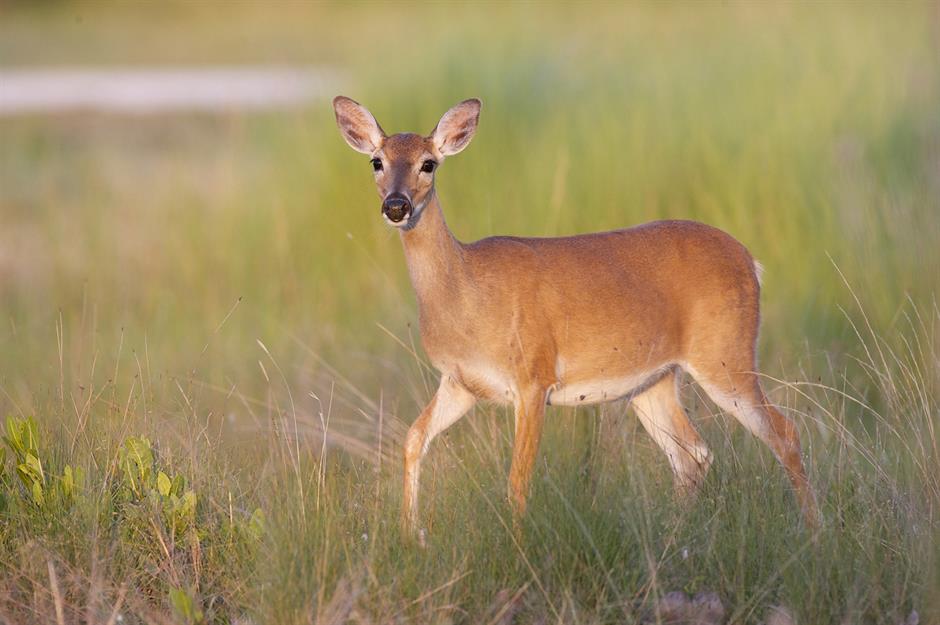
The Key deer, a pocket-sized cousin of the white-tailed deer, is found only in the Lower Florida Keys and ranks among the rarest deer in North America. Look for them on Big Pine Key, No Name Key, and nearby islets, especially at dusk around freshwater holes in the National Key Deer Refuge.
Black-footed ferret
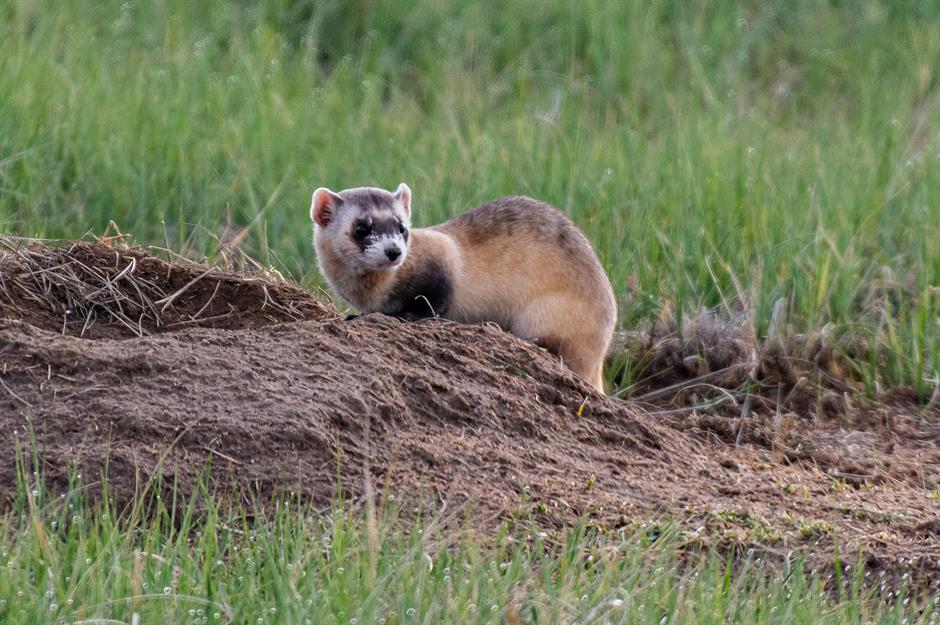
Once declared extinct in the wild, the black-footed ferret has made a comeback thanks to captive breeding programs. Today, around 495 survive in the wild, scattered across prairie dog colonies – their main food source – in several western states.
Key spots include Badlands National Park in South Dakota, the wide-open grasslands of the Shirley Basin in Wyoming, and across the border in Janos, northern Mexico. Your best chance of seeing one is on special ranger-led night tours – expect long hours, red searchlights, and the constant chorus of prairie dogs.
Sponsored Content
Eastern indigo snake
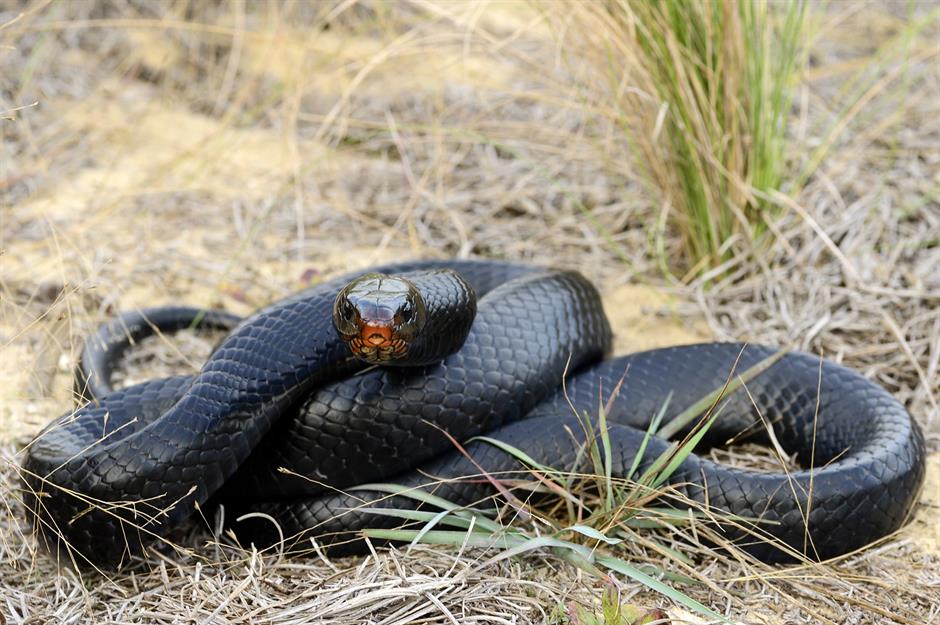
The Eastern indigo snake is America’s longest native snake, often sharing burrows with gopher tortoises. Once widespread across the Southeast, it now survives only in Georgia, Florida, Alabama, and a small portion of southeast Mississippi.
Despite their size – adults can reach up to 8.5 feet – they’re non-venomous and even eat venomous snakes like rattlers and copperheads, which they can even swallow whole. Look for them in longleaf pine, sandhill, and scrub habitats of reintroduction sites like the Apalachicola Bluffs and Ravines Preserve.
Mountain beaver
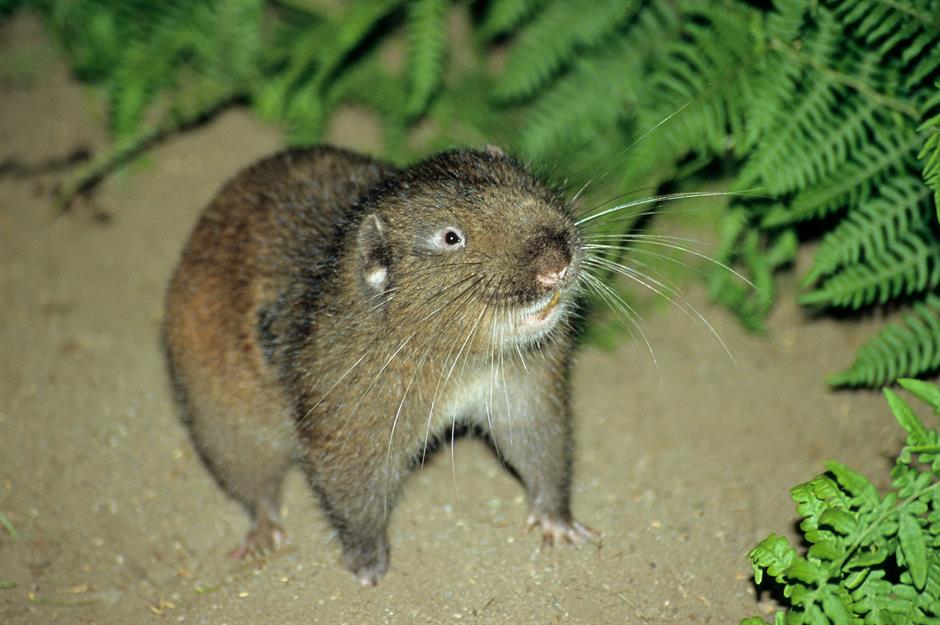
Despite its name, the mountain beaver isn’t a beaver at all but a living relic – the only surviving member of an ancient rodent family once widespread across North America. Today, it’s locally common in the damp forests of the Pacific Northwest.
Look for it on ferny slopes in Redwood National and State Parks in northern California, the Olympic foothills of Washington, or the cool scrub of Point Reyes National Seashore in California, where a unique local population digs elaborate tunnel networks. Waterproofs recommended.
Ocelot
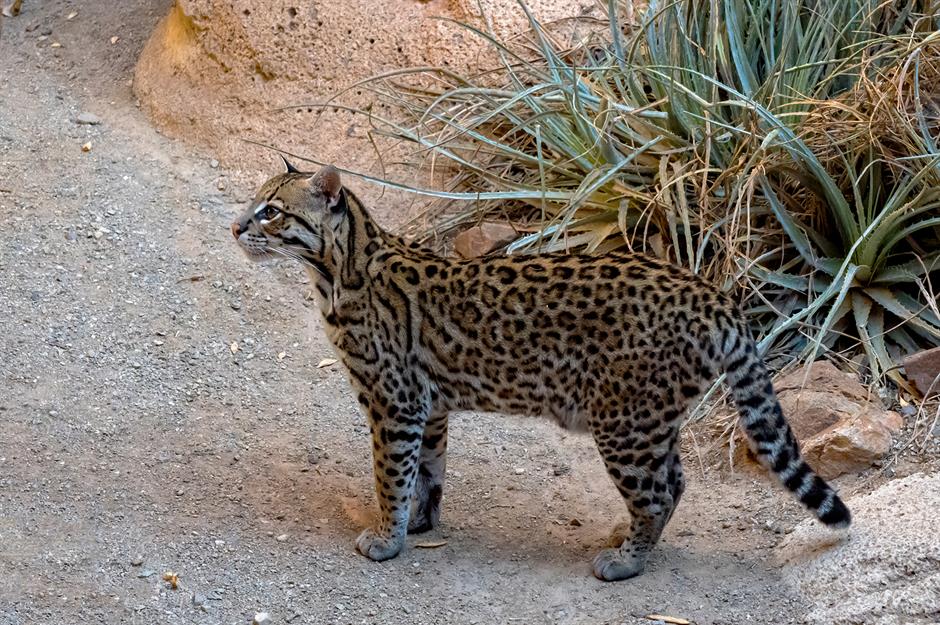
The ocelot is one of North America’s most elusive cats. In the US, fewer than 100 survive in South Texas, split between Laguna Atascosa National Wildlife Refuge and nearby private ranchlands.
Scan thornscrub edges at dawn, but be prepared to settle for pawprints or an empty camera roll. South of the border, larger populations live in the thornscrub and tropical forests of northeastern Mexico, though even there, sightings are rare.
Sponsored Content
Pacific fisher
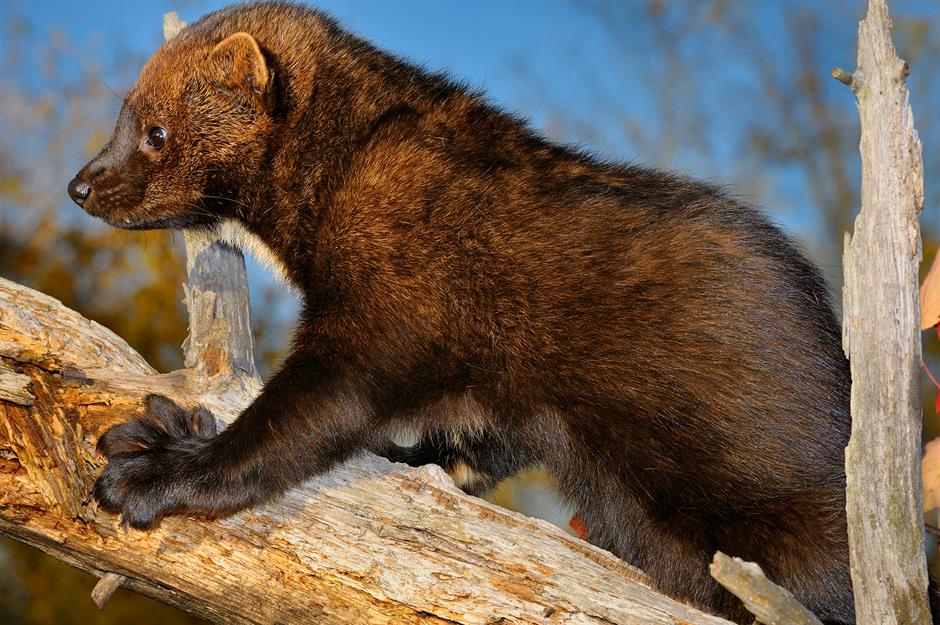
The Pacific fisher is a tree-dwelling predator – sleek, catlike, and built for climbing. In California, only two native populations survive: one in the Klamath-Siskiyou country near the Oregon border, and one in the southern Sierra Nevada.
To try your luck, scan the old-growth conifers of Sequoia National Forest for the southern group, or the rugged forests near the Tuolumne River in Yosemite National Park. Go slow at dawn, scan log piles and creek crossings, and count fresh tracks, scat, or a tail-tip blur as a win.
Ringtail
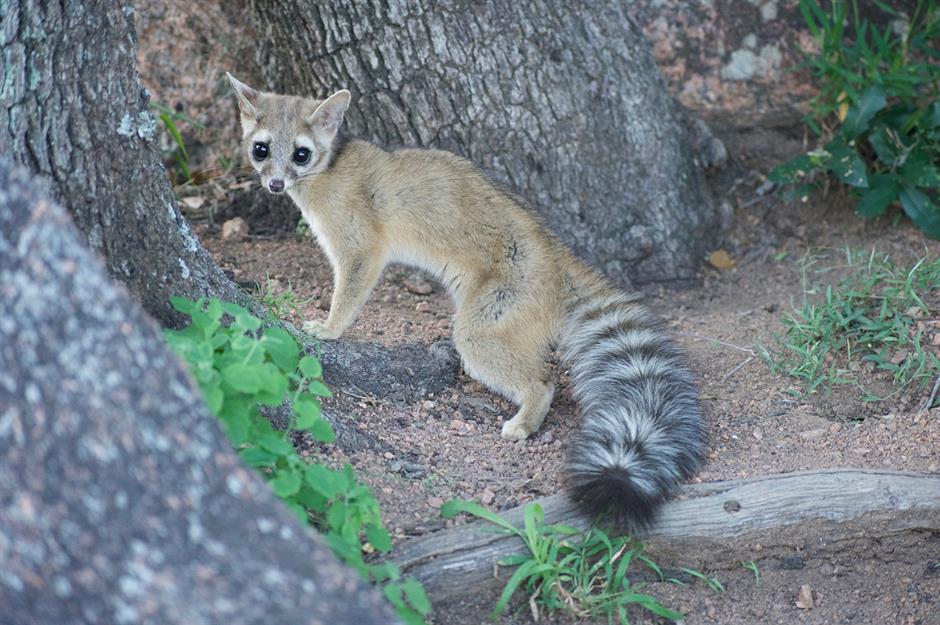
Arizona’s state mammal, the ringtail, looks like a mix of lemur, squirrel, and burglar. While they range widely across the Southwest, they’re masters of stealth and rarely seen in the wild.
Your best chances are rocky canyons in Saguaro National Park or the cliffs of the Grand Canyon. Head out at night, watch for the flash of a banded tail, and remember they can slip into a picnic basket with lock-picking ease.
Alligator snapping turtle
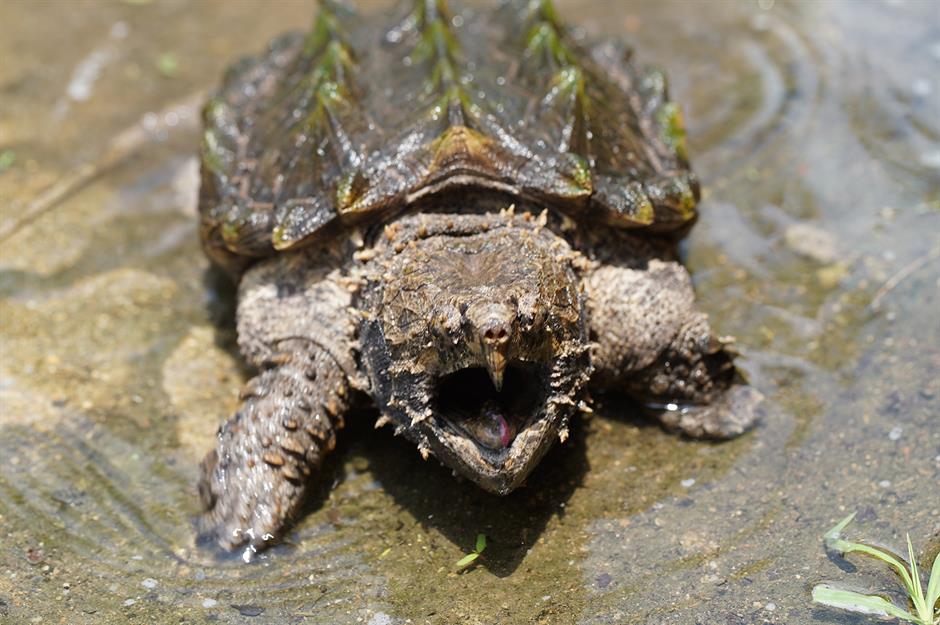
Living fossils with a worm-like lure in their mouths, alligator snapping turtles are among the most ancient reptiles in North America. Once widespread, they’ve disappeared from much of their range and now survive mainly in isolated Southern waterways.
Look (but never touch) in deep, slow rivers, swamps, canals, and large lakes across the southeastern United States – waters that drain to the Gulf from Texas to Georgia and Florida, and up major river systems as far north as Illinois and Kansas. Safer vantage points are bridges, boardwalks, or guided paddles.
Sponsored Content
Sonoran pronghorn
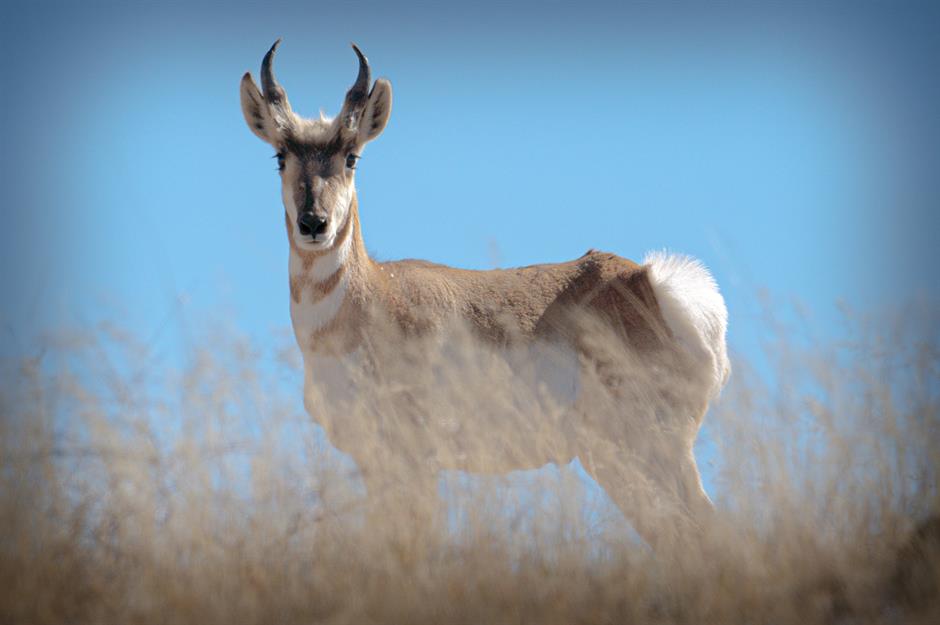
The Sonoran pronghorn may sound like a Harry Potter character, but it’s actually a desert antelope built for speed. In the US, it survives only in a few remote, permit-only slices of the Sonoran Desert, so its range is tiny and tightly managed.
Add in its perfect sand-colored camouflage and skittish nature, and you can see why sightings are genuinely hard-won. Go at dawn, bring binoculars, and scan shimmering flats after rain when brief green-ups draw them out.
Eastern spotted skunk
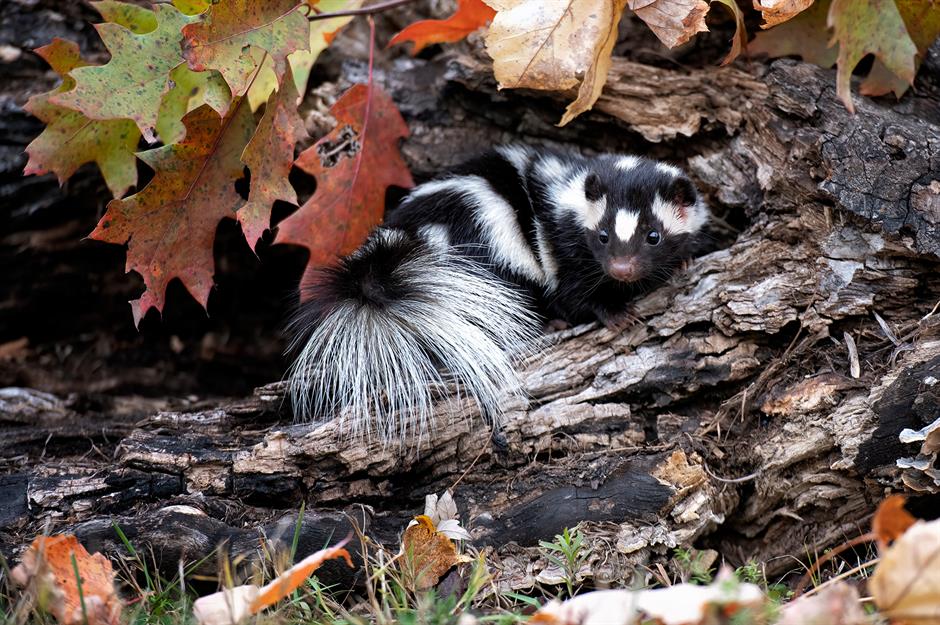
Known for doing handstands before it sprays (yes, really), the Eastern spotted skunk is a pint-sized cousin of the striped skunk. Numbers are unclear, but the species has declined and is patchily distributed.
Look for them after dark in Virginia’s Blue Ridge and Florida’s Panhandle longleaf pine, especially Apalachicola National Forest. Oh, and remember: if it goes vertical, stay politely upwind.
Wolverine
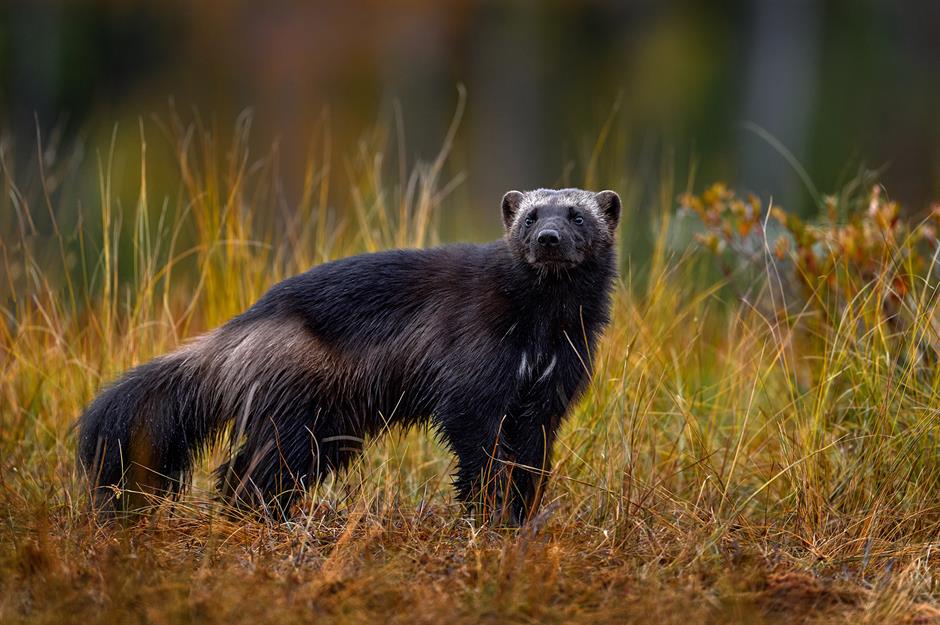
Part bear, part storm cloud, the wolverine is now listed as threatened in the contiguous US. Most of the population lives in Canada and Alaska; in the lower 48 states your (still slim) chances are in high, snowy country of the Northern Rockies and Washington’s North Cascades.
Females raise kits in deep spring snow, and a warming climate is shrinking that crucial denning habitat – made worse by habitat fragmentation and human disturbance. For a shot of spotting one, stake out wind-scoured passes and avalanche bowls at dawn, and be ready to count fresh tracks as a win.
Sponsored Content
Sierra Nevada red fox
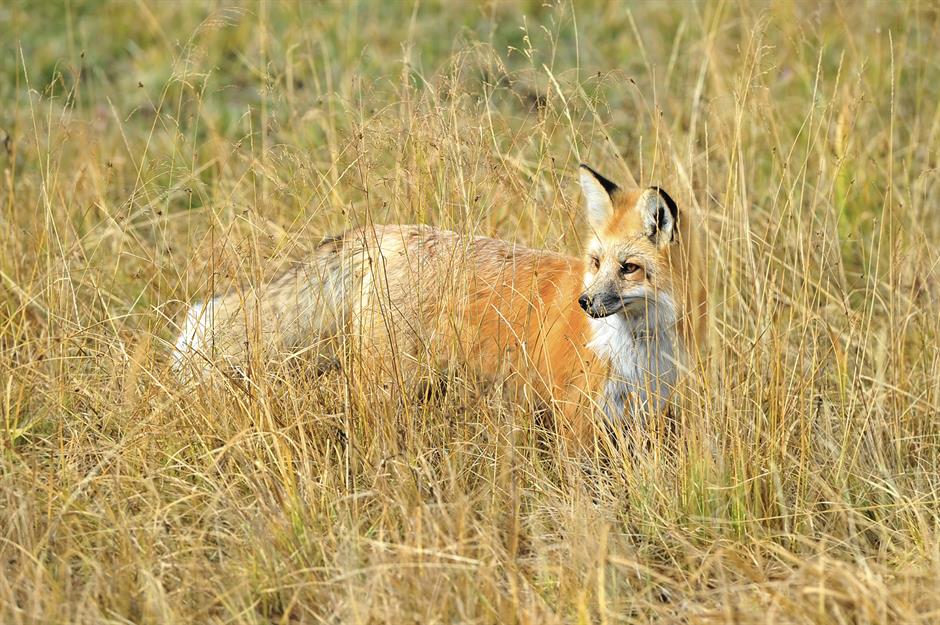
Among North America’s rarest mammals, this elusive fox has a population numbering somewhere between just 18 and 39 animals. If you want a chance of seeing one, head to the high, snowy backcountry of the central Sierra Nevada in California – think Sonora Pass and the remote northern edge of Yosemite National Park. A second, equally tiny group clings on further north, near Lassen Volcanic National Park.
Now discover the deadliest American animals you wouldn’t want to run into...