American hotels where history was made
History made in hotels
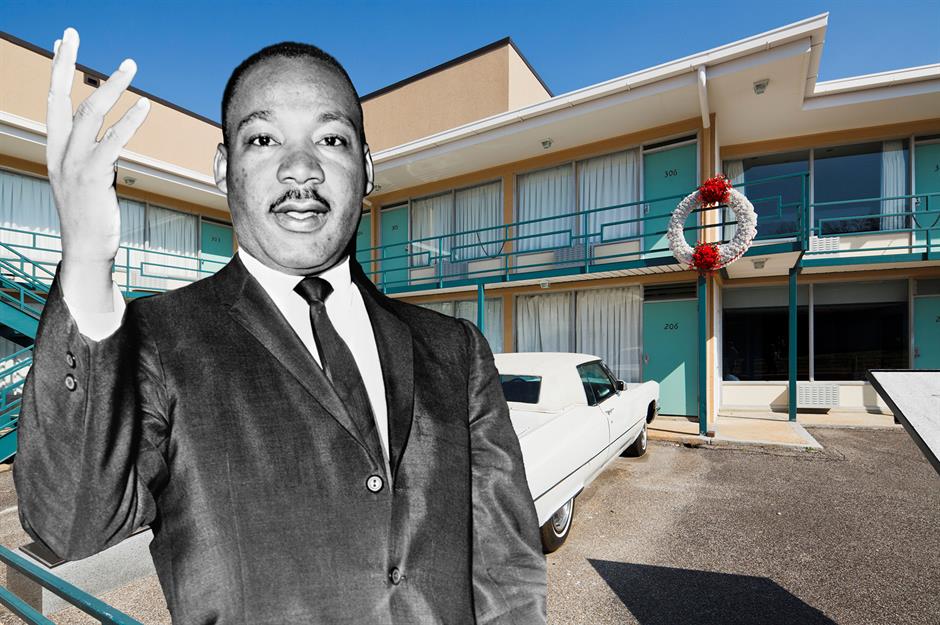
From hotel bars where future presidents recruited soldiers to ballrooms where world leaders redrew the global map, hotels have been more than just places to sleep. They’ve been backdrops for assassinations, secret Cold War deals, turning points in civil rights, and even the birthplace of legendary songs and novels.
Click through this gallery to discover the American hotels where history was made...
Menger Hotel, San Antonio, Texas
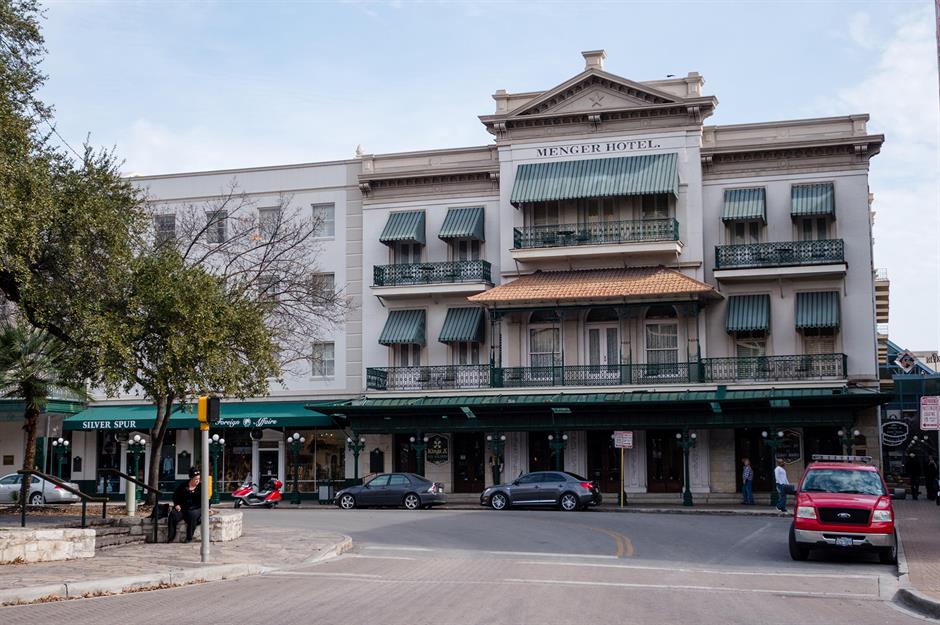
In 1898, Theodore Roosevelt was serving as Assistant Secretary of the Navy when he resigned to form a volunteer cavalry for the Spanish-American War. From the bar of San Antonio’s Menger Hotel, he recruited over 1,250 men: a mix of cowboys, ranchers, and Ivy League athletes.
Months later, the Rough Riders’ charge up San Juan Hill made Roosevelt a national hero – and helped launch his path to the presidency. The Menger still proudly displays its Roosevelt connection today, with the Menger Bar still intact.
Roosevelt Hotel, Los Angeles, California
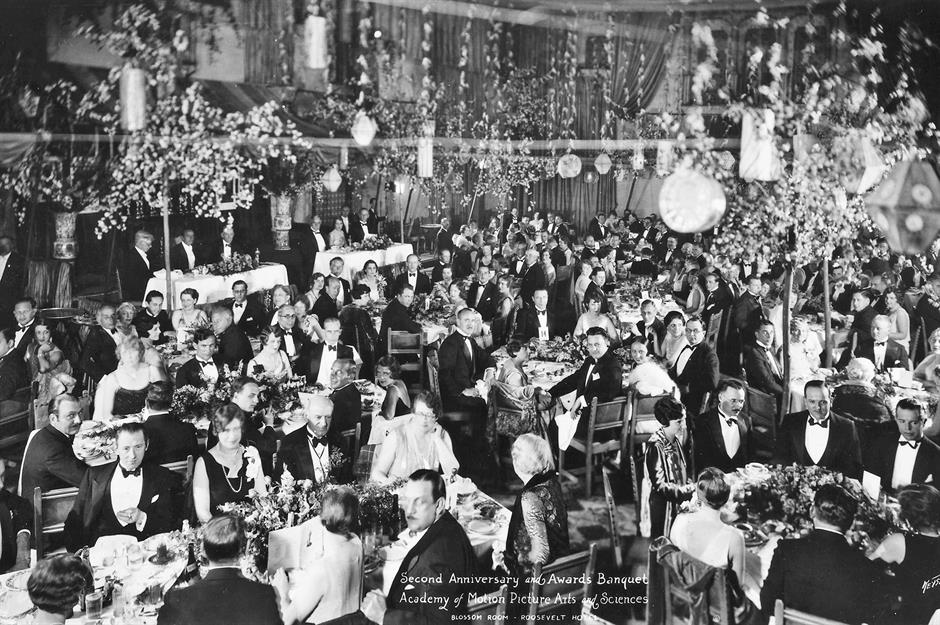
In 1929, the very first Academy Awards ceremony was held in the Blossom Room of the Roosevelt Hotel (pictured). That night, Wings – a World War I aviation epic starring Clara Bow and Charles "Buddy" Rogers – became the first movie to win Best Picture.
Stars like Douglas Fairbanks, Mary Pickford, and Janet Gaynor were in the room, unknowingly launching what would become Hollywood’s biggest annual event.
Sponsored Content
Ambassador Hotel, Los Angeles, California
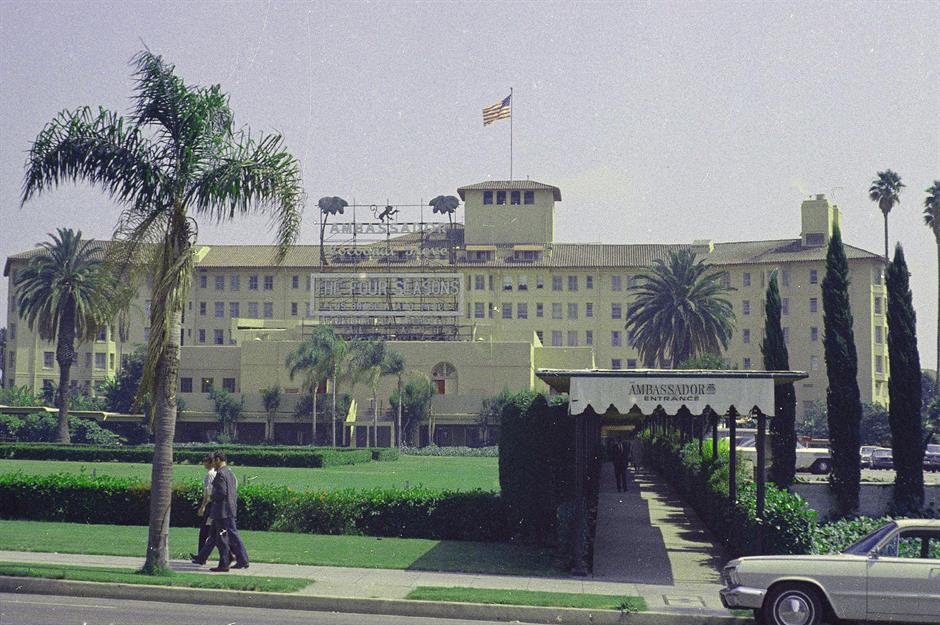
On June 5, 1968, presidential hopeful Robert F. Kennedy took the stage at the Ambassador Hotel to celebrate winning the California primary.
After his speech, he cut through the hotel’s kitchen pantry to avoid the crowds – and was shot there, at around 12:15am. He died the next day. The hotel, seen here in 1968, remained forever linked to that tragic night until its demolition in 2005.
Willard InterContinental, Washington DC
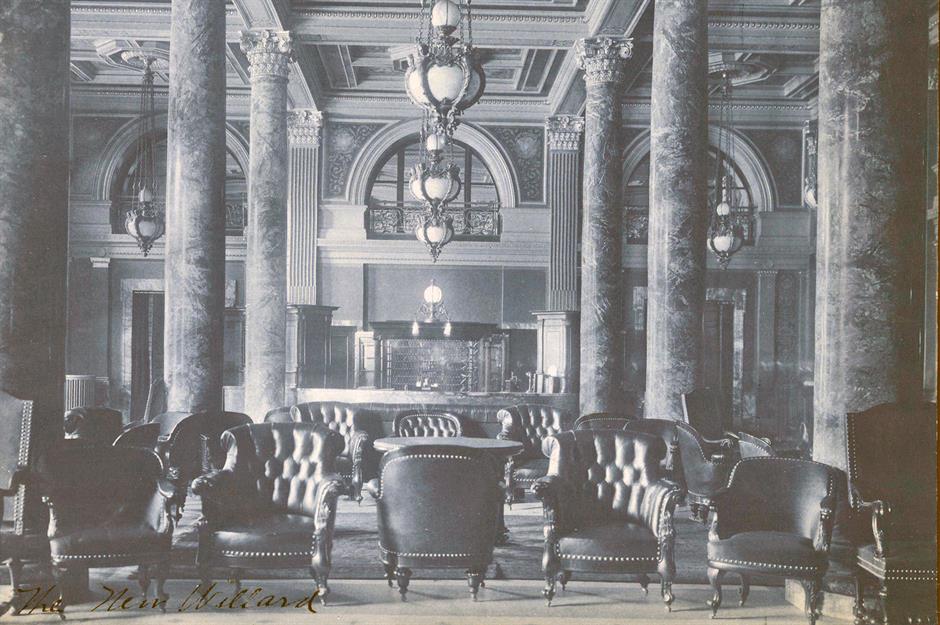
In February 1861, as the country teetered on the brink of war, state delegates gathered in the Willard’s meeting rooms, trying to find a compromise to keep the Union together. This gathering, known as the Peace Conference of 1861, included 131 politicians from 21 of the 34 states.
It didn’t work – just weeks later, the first shots of the Civil War rang out. But for a few tense days, history’s biggest "what if" hung in the air.
Willard InterContinental, Washington DC
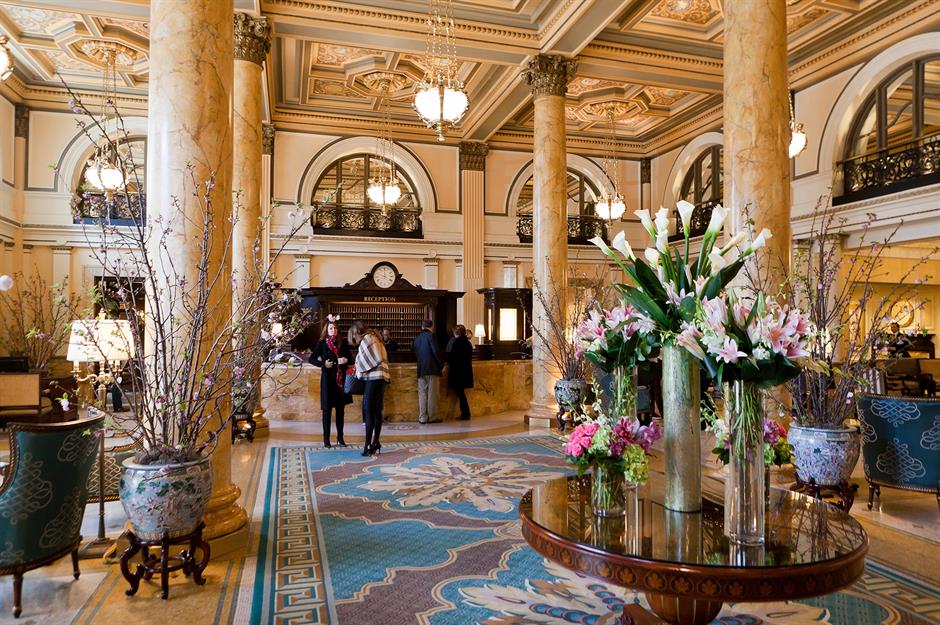
A century later in August 1963, the night before the March on Washington, Martin Luther King Jr. sat in the lobby of the Willard Hotel, fine-tuning the words that would echo through history. Friends and advisers sat with him as he worked, adding ideas and energy.
The next day, his legendary "I Have a Dream" speech would help define the civil rights movement and inspire generations of Black Americans.
Sponsored Content
Hotel Muehlebach, Kansas City, Missouri
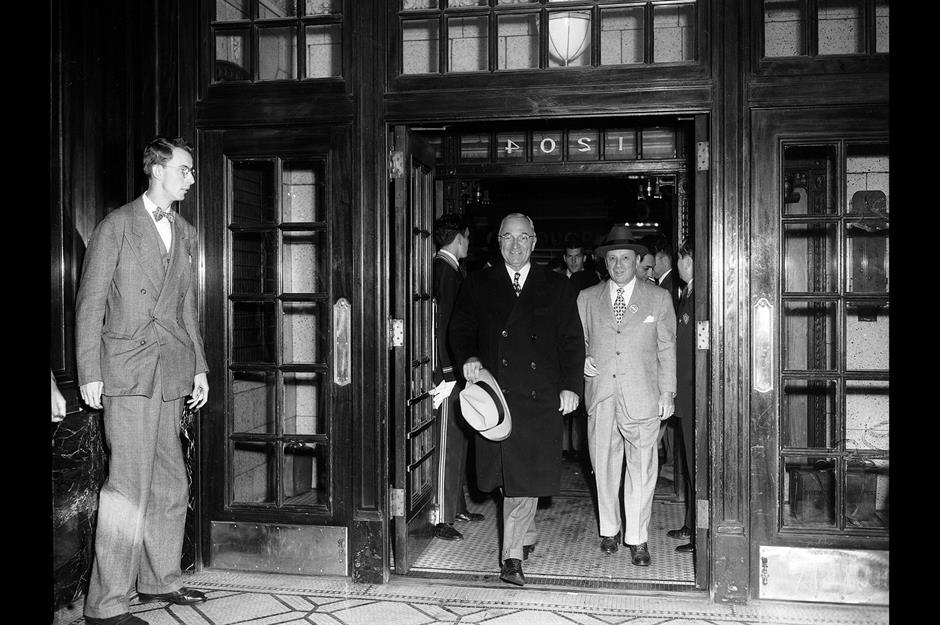
President Harry Truman often stayed at the Muehlebach, turning it into his so-called "White House of the West." On May 22, 1947, he even signed the Truman Doctrine there, a pledge of aid to countries resisting Communism that set the tone for America’s Cold War policy.
Here, Truman is seen leaving the building in 1948 with Barney Allis, his long-time friend and the hotel's owner.
Hotel Texas, Fort Worth, Texas
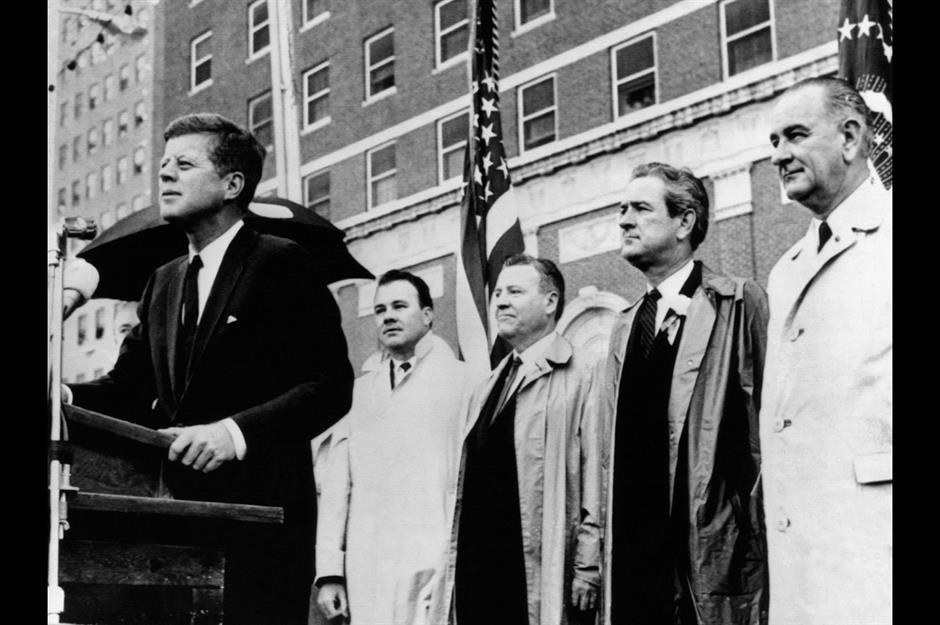
On the night of November 21, 1963, President John F. Kennedy and First Lady Jackie Kennedy stayed at the Hotel Texas in Fort Worth. The next morning, he stepped outside to greet a large, rain-soaked crowd and delivered what would be his final public speech.
A few hours later, he was assassinated in Dallas. Back then, it was the Hotel Texas; today, it’s the Hilton Fort Worth, still operating and marked with historic plaques.
Fairmont Hotel, San Francisco, California
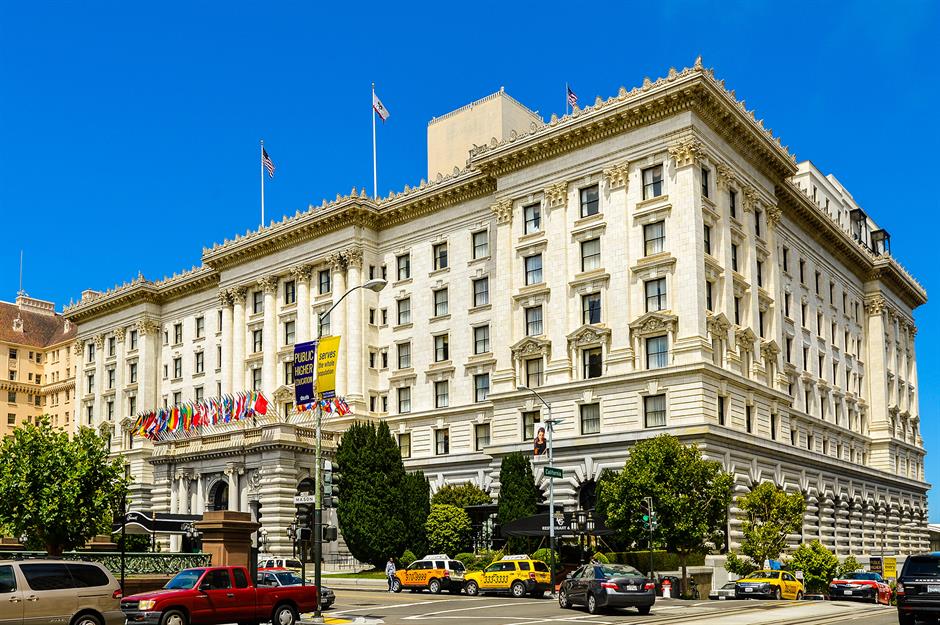
In spring 1945, delegates from 50 nations descended on San Francisco for the United Nations Conference. While official sessions were held at the War Memorial, delegates often met informally at Fairmont’s ballrooms and suites, which became unofficial negotiation hubs.
Between late-night talks and marathon drafting sessions, the framework for the UN Charter took shape. Signed that June, it laid the foundation for post-war cooperation – and to this day, a row of international flags flies above the Fairmont’s entrance in tribute.
Sponsored Content
Waldorf-Astoria, New York, New York
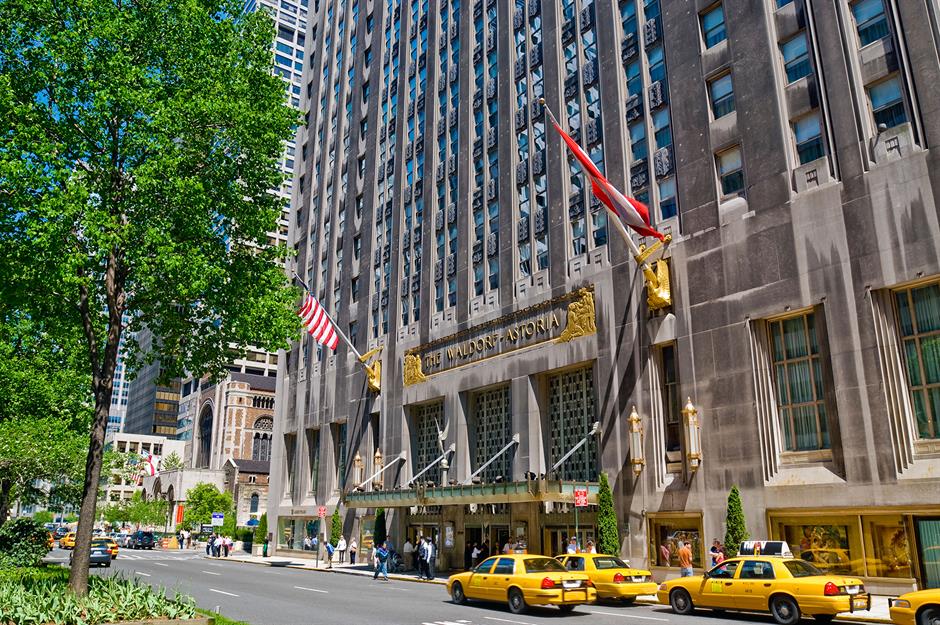
On November 25, 1947, Hollywood studio heads met at the Waldorf-Astoria and issued the "Waldorf Declaration," declaring they wouldn’t hire anyone linked to the Hollywood Ten – a group of screenwriters and directors who had refused to answer questions before Congress about alleged Communist ties.
The decision launched the Hollywood Blacklist era, derailing hundreds of careers and restricting creative freedom. For more than a decade, fear and suspicion shaped what Hollywood could and couldn’t put on screen.
Desert Inn, Las Vegas, Nevada
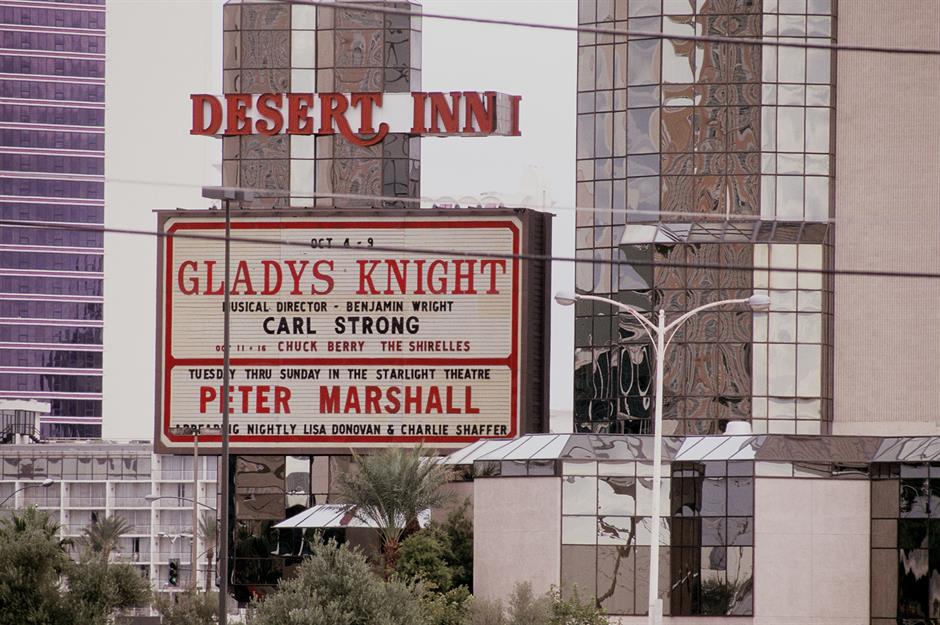
In late 1966, billionaire recluse Howard Hughes checked into the Desert Inn in Las Vegas, then refused to leave. When hotel management grew impatient, Hughes solved the problem by purchasing the entire property.
It marked the beginning of a massive buying spree: over the next four years, Hughes acquired nearly a dozen hotels and casinos, along with acres of Nevada real estate. His influence helped push organized crime out of Las Vegas and paved the way for the city’s transition into the era of corporate ownership and big-name entertainment.
Bellevue-Stratford, Philadelphia, Pennsylvania
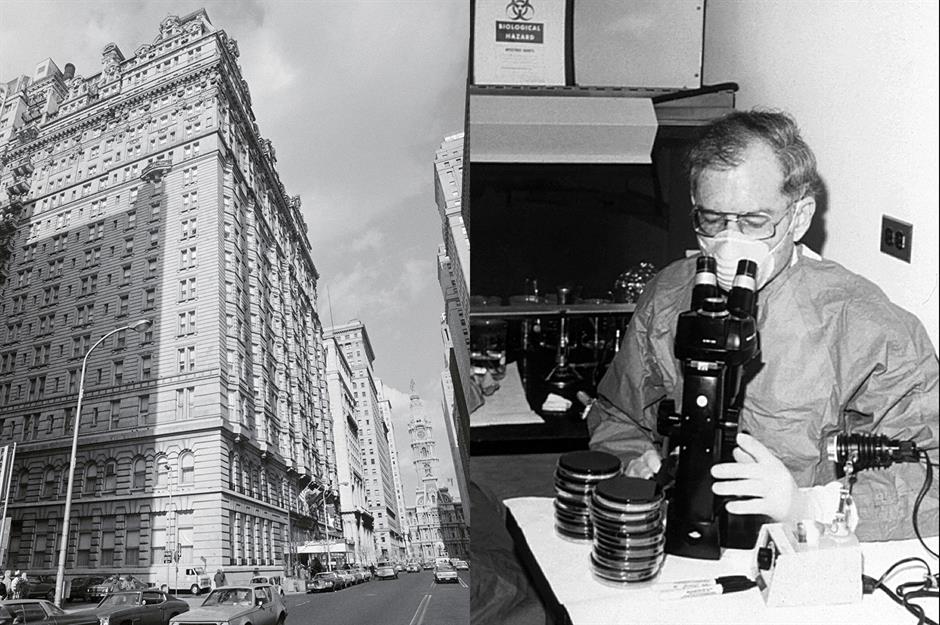
In July 1976, a Legionnaires’ convention at the Bellevue-Stratford hotel in Philadelphia turned deadly when dozens fell ill with a mysterious pneumonia. Scientists eventually traced it to bacteria in the water systems of the hotel's air conditioning system, and the disease got its name.
The discovery changed how buildings are maintained and how public health crises are handled to this day.
Sponsored Content
The Stanley Hotel, Estes Park, Colorado
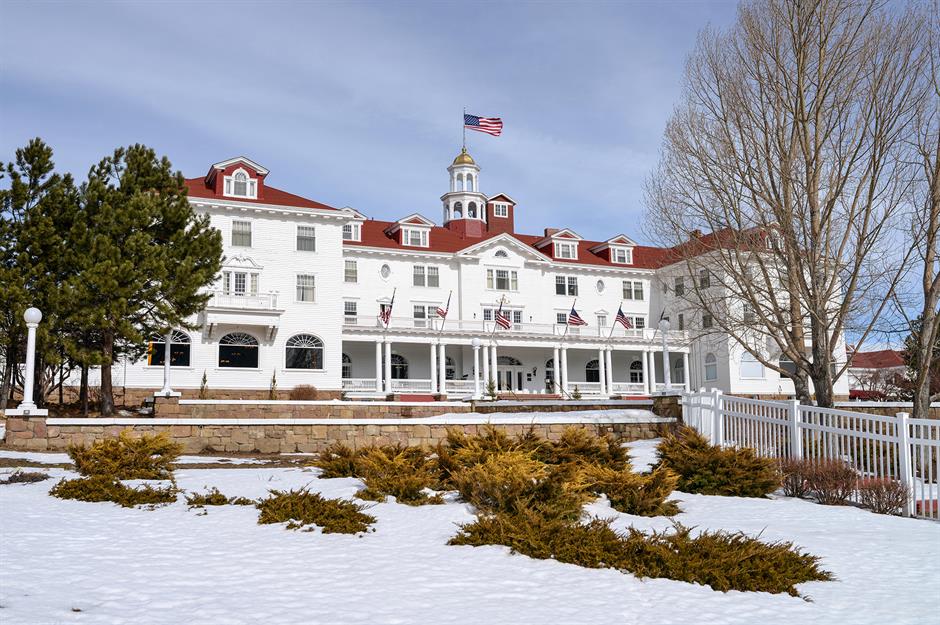
In 1974, Stephen King and his wife spent the night at the almost-empty Stanley Hotel – originally built in 1909 as a tuberculosis retreat – just before it closed for the season. Staying in room 217 and wandering the hotel's empty halls, he found inspiration for The Shining.
The novel, and later Stanley Kubrick’s film, turned the Stanley into one of America’s most famous haunted hotels.
The hotel embraces its eerie reputation today, hosting ghost tours, themed stays, and screenings of Kubrick's The Shining.
Monson Motor Lodge, St. Augustine, Florida
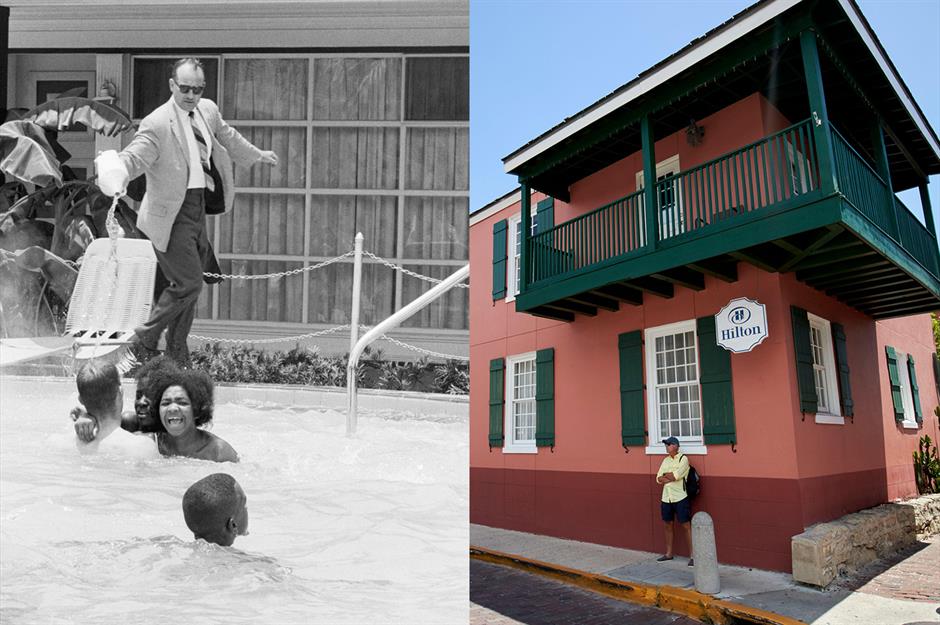
On June 18, 1964, Black and white activists staged a "swim-in" at the Monson Motor Lodge to protest segregation. The manager poured acid into the pool to drive them out – and photographers caught it on camera.
The protest—along with Martin Luther King Jr.’s arrest in St. Augustine just days earlier – outraged the public and helped push the Civil Rights Act through Congress. The lodge itself was demolished in 2003; today, the site is a Hilton hotel with a historic marker telling the story.
Watergate Hotel, Washington DC
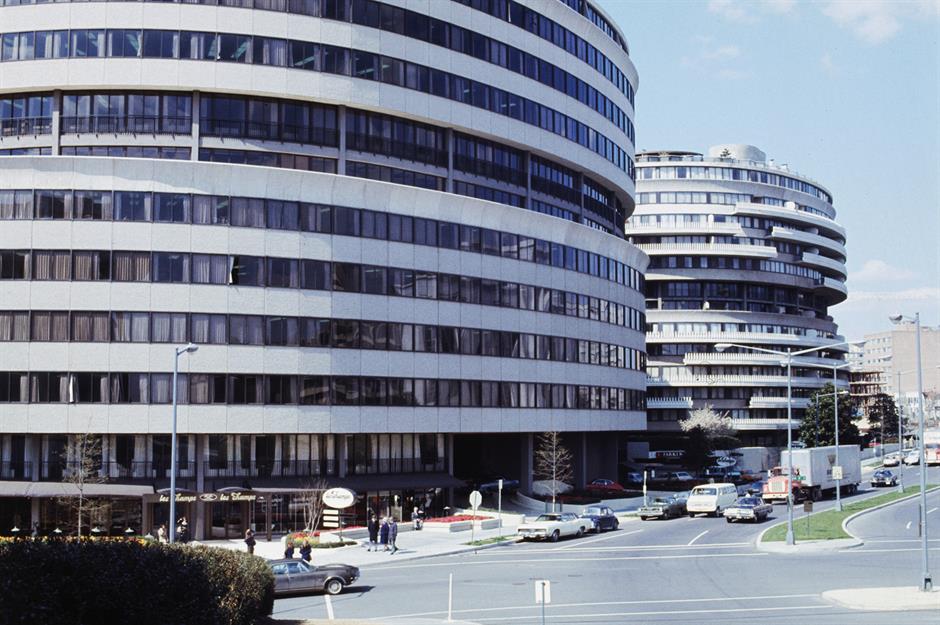
On June 17, 1972, five men were arrested breaking into the DNC headquarters at the Watergate complex, igniting the Watergate scandal.
Hotel security guard Frank Wills discovered taped-open door latches at the hotel and alerted authorities, sparking the investigation. The scandal led to President Richard Nixon's resignation on August 9, 1974, following cover-up revelations. The hotel became forever linked to political intrigue – and to every "-gate" scandal since.
The Watergate still stands today; it reopened in 2016 after a major renovation, complete with cheeky touches like room keys that read: "No need to break in," and one of the suites named the Scandal Suite.
Sponsored Content
Delmonico Hotel, New York, New York
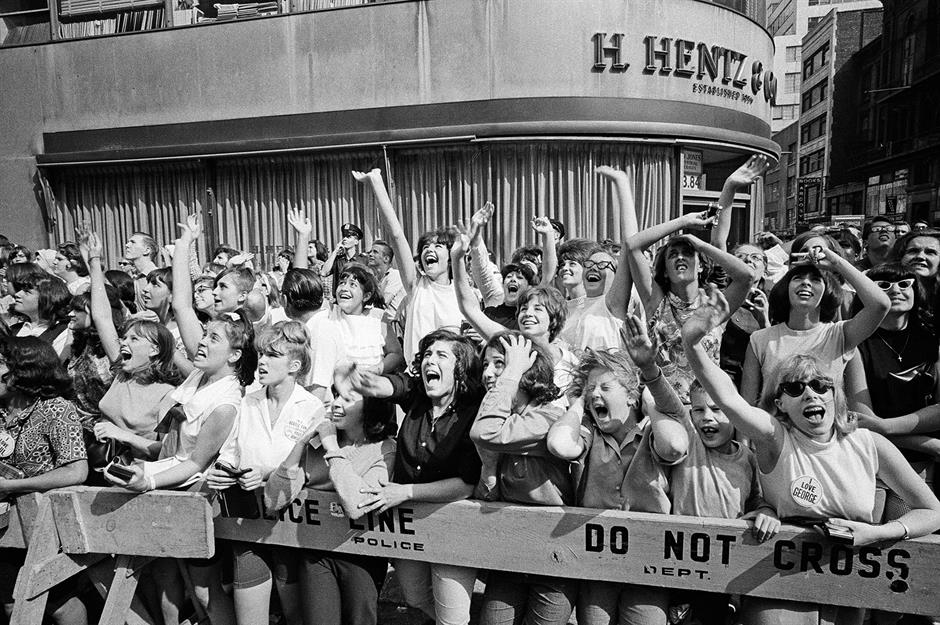
On August 28, 1964, the Beatles met Bob Dylan at his suite at the Delmonico Hotel – a famous encounter that helped shift them from pop idols to cultural trailblazers.
The meeting is often cited as a pivotal moment in the Beatles' musical evolution, with Dylan said to have influenced their songwriting and sound, which then moved from pop toward psychedelia.
Outside, fans mobbed the hotel, marking Beatlemania’s height in America.
The Dakota, New York, New York
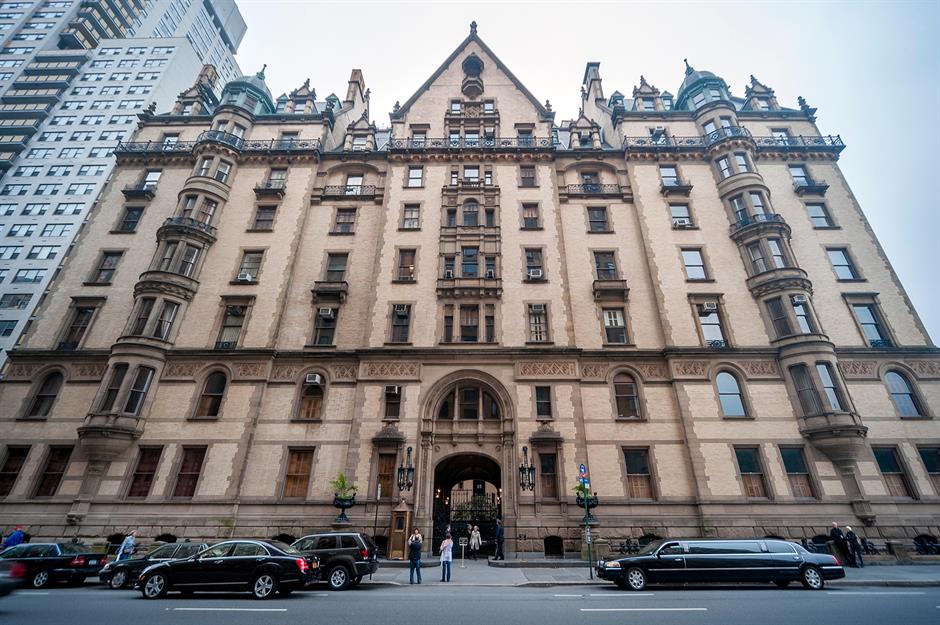
On December 8, 1980, John Lennon was shot outside the Dakota – the Manhattan apartment-hotel where he lived with his wife, Yoko Ono. Just hours earlier, he’d been photographed signing an album for the man who killed him.
The Dakota, with its Gothic façade overlooking Central Park, is now forever tied to that tragic night that stunned music fans around the world.
Mount Washington Hotel, New Hampshire
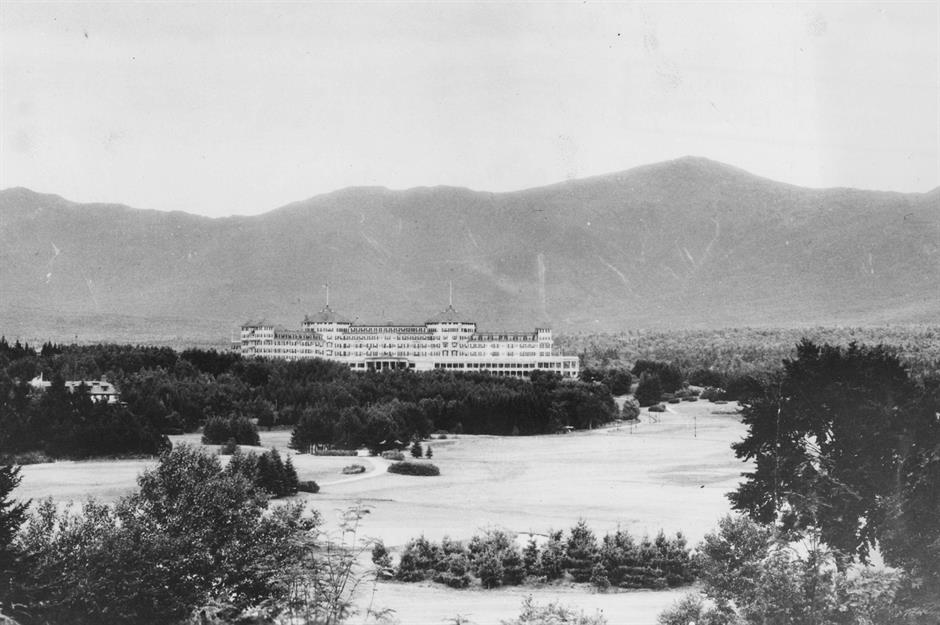
In July 1944, with World War II still raging, 44 Allied nations gathered at the grand Mount Washington Hotel in Bretton Woods, New Hampshire.
For three weeks, delegates debated how to prevent another Great Depression and keep global trade stable after the war. Out of it came the IMF, the World Bank, and a currency system anchored to the US dollar – decisions that shaped international finance for decades.
Sponsored Content
International Hotel, Las Vegas, Nevada
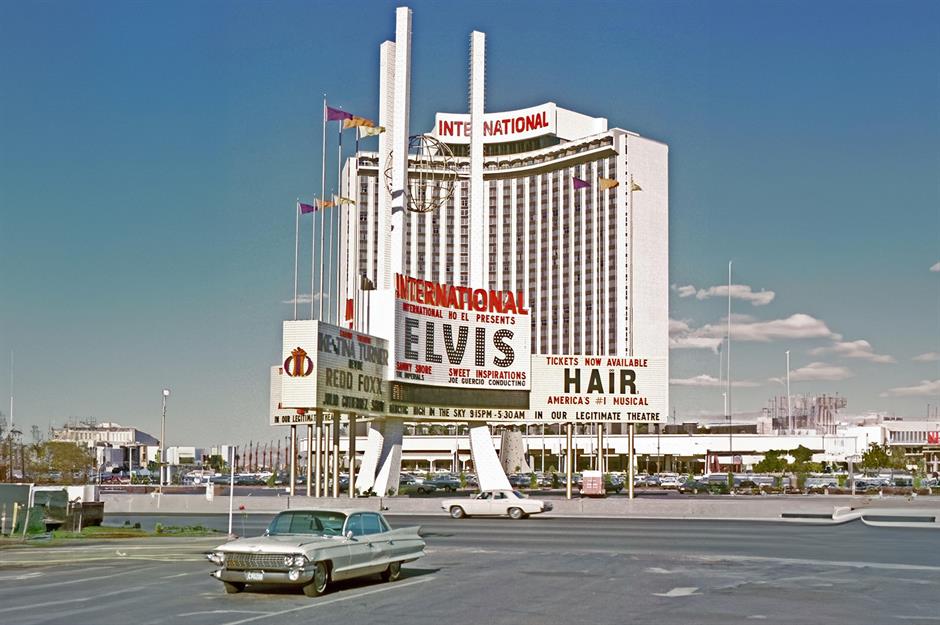
On July 31, 1969, Elvis Presley made his legendary comeback at the brand-new International Hotel, with his first live show in over eight years. He performed 57 sold-out shows there that summer, re-establishing himself as the King of Rock ’n’ Roll. Over seven years, Elvis went on to perform 636 sold-out performances at the International.
The showroom and his suite are still part of the hotel (now the Westgate), drawing Elvis fans from around the world.
Lorraine Motel, Memphis, Tennessee
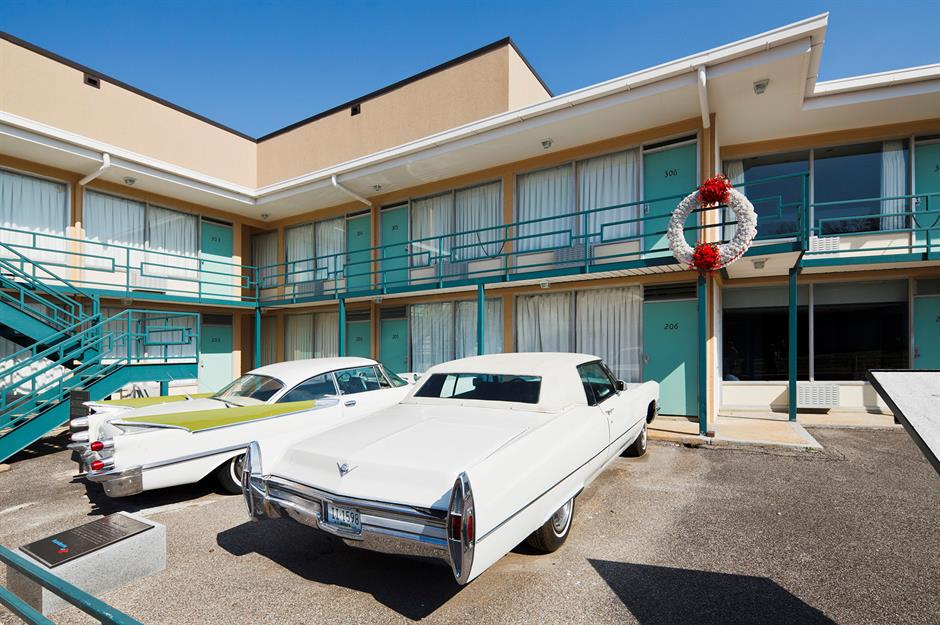
On April 4, 1968, Martin Luther King Jr. stepped onto his balcony outside Room 306 at the Lorraine Motel. A shot rang out, and the civil rights leader was gone. His death sparked riots, mourning, and urgent calls for change.
The Lorraine had long been a haven for African-American guests during the Jim Crow era, and hosted notable Black celebrities and artists, from Aretha Franklin to Otis Redding. Eddie Floyd and Steve Cropper even wrote the song Knock On Wood here.
After King's death, it became a shrine, and today, the motel is part of the National Civil Rights Museum, with Room 306 preserved just as it was.
Hermitage Hotel, Nashville, Tennessee
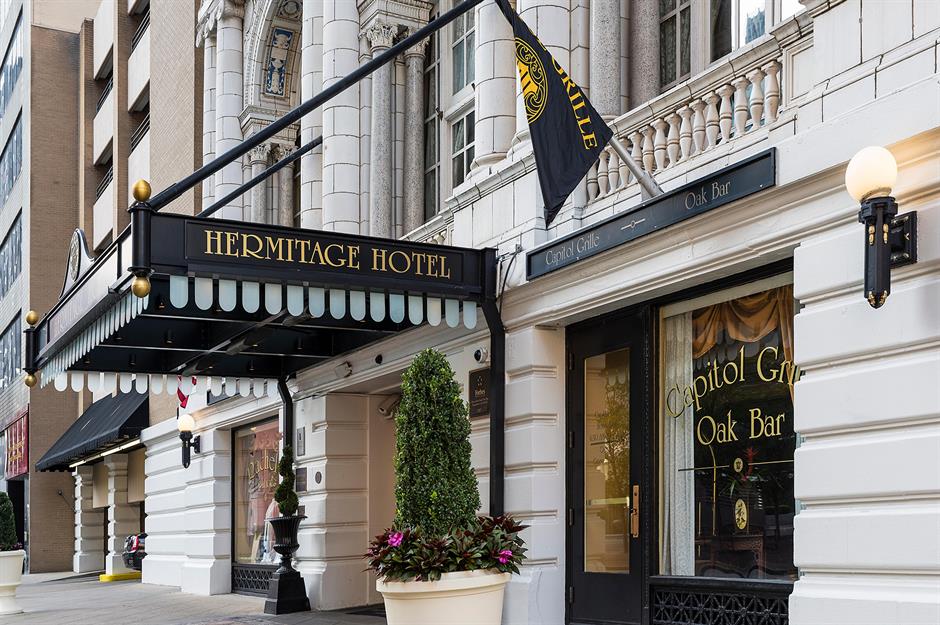
In summer 1920, as the 19th Amendment teetered on ratification, the Hermitage Hotel became the epicenter of suffrage drama in Tennessee. Suffragists and anti-suffragists filled the hotel’s corridors and lobbies – yellow roses versus red in hand – during what’s now called the "War of the Roses."
After a razor-thin vote, Tennessee secured women’s voting rights. Today, the Hermitage honors that moment with suffrage-themed cocktails and a Yellow Rose afternoon tea every August.
Sponsored Content
Hotel Pennsylvania, New York, New York
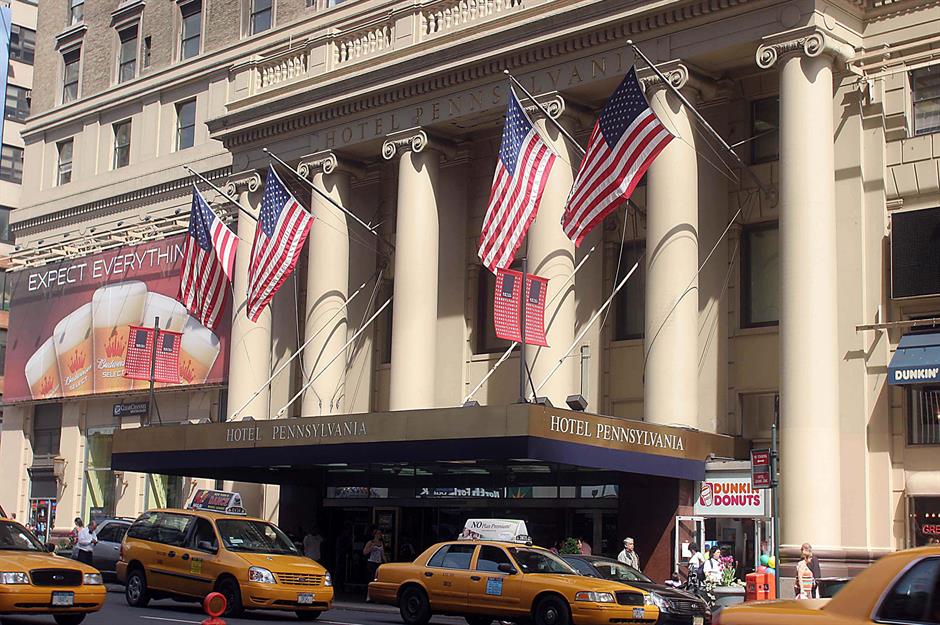
From 1939 to 1942, Glenn Miller’s band broadcast live from Hotel Pennsylvania's Café Rouge, making its phone number – Pennsylvania 6-5000 – a hit song.
Those radio shows brought swing into living rooms across America, before Miller enlisted to take his music to US troops in World War II.