How major UK cities looked 100 years ago
Urban time travel
Step back in time to an era when trams rattled through the UK's busy high streets, seaside piers drew vacation crowds, and dockyards churned with industry.
Using the Office for National Statistics’ definition of a "major city" as a built-up area with a population of 200,000 or more, we’ve tracked down remarkable archive images showing each city a century ago, as the nation moved on from the horrors of World War I into the economic boom of the mid-1920s.
Click through this gallery to discover what your city looked like 100 years ago...
Aberdeen, Scotland
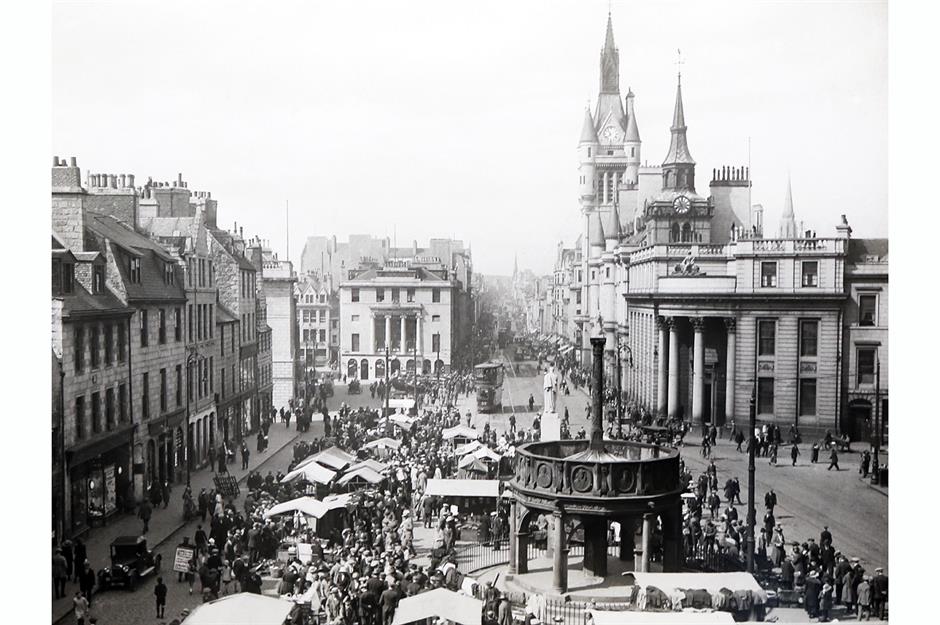
In the 1920s, Union Street’s granite sweep framed Aberdeen’s bustling shops and trams. Fishing fleets, shipbuilding, and textiles powered the city’s economy, with the busy harbor linking it to North Sea trade. Decades before oil transformed its fortunes, Aberdeen thrived as a maritime hub.
Belfast, Northern Ireland
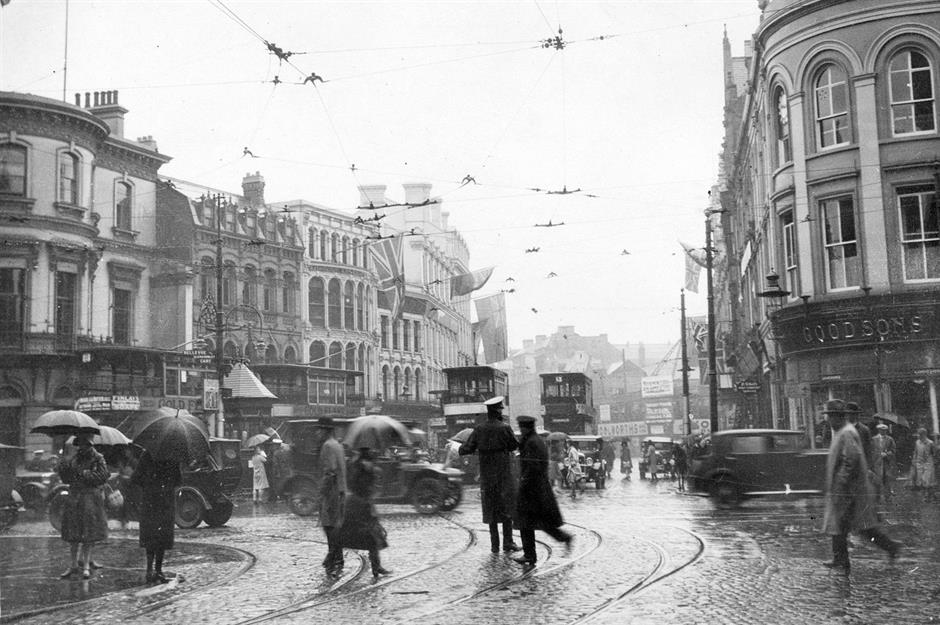
Pictured here is a lively Castle Place in 1925, despite some serious wind and rain. Belfast’s shipyards, linen mills, and engineering works made it an industrial giant, while the Harland & Wolff yard was still world-famous after building the Titanic.
The interwar years brought both growth and political change after the 1921 partition of Ireland. Crowds, trams, and shopfronts kept the city thrumming as Northern Ireland’s new capital found its footing.
Sponsored Content
Birmingham, England
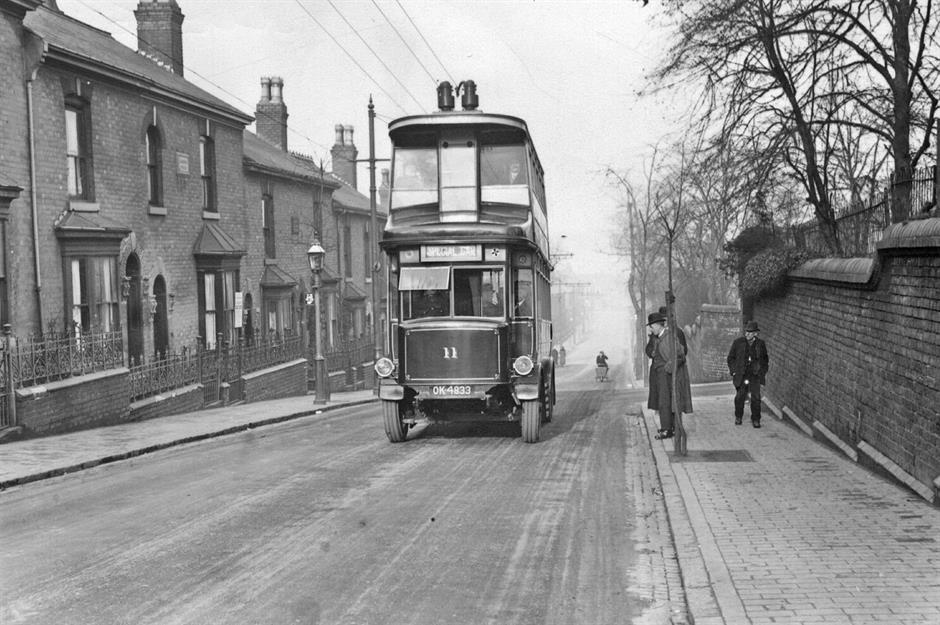
Circa 1925, a trolleybus makes its way up a busy Birmingham street, part of the city’s growing electric transport network. Manufacturing was booming, and the "city of a thousand trades" was known for crafting and producing almost anything the world might need.
Bradford, England
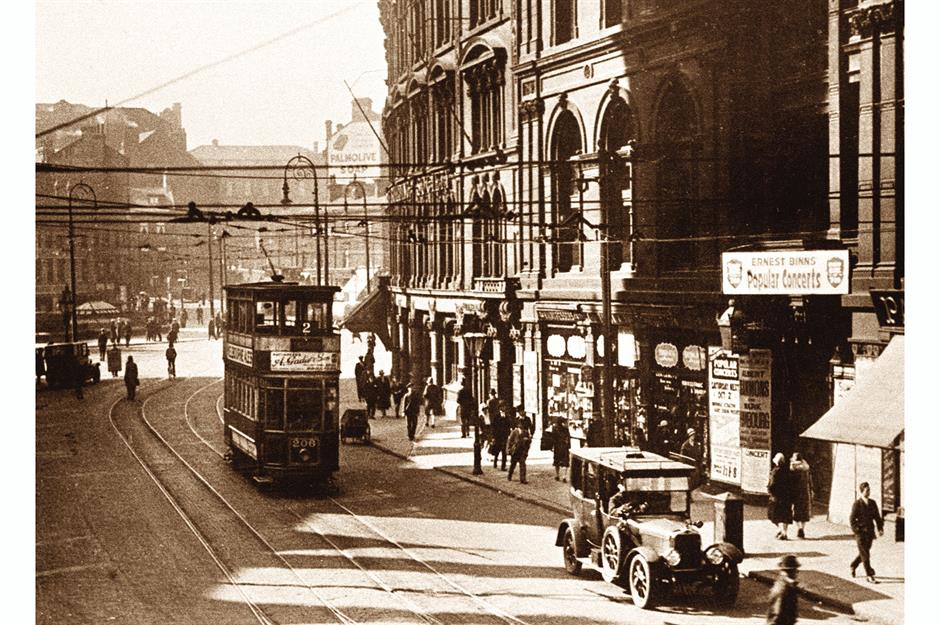
Bridge Street in the 1920s was alive with trams and shoppers, the textile trade still central to Bradford’s identity. Though overseas competition was growing, the city remained a world leader in worsted cloth production.
Its grand civic buildings reflected the prosperity woven during the 19th-century wool boom.
Brighton, England

Seen here in 1925, Brighton’s beach throngs with vacationers. Improved rail links brought day-trippers and weekending families, with deckchairs and striped bathing huts defining the scene.
The interwar years cemented Brighton as a democratic seaside escape, where Georgian elegance met mass tourism.
Sponsored Content
Bristol, England
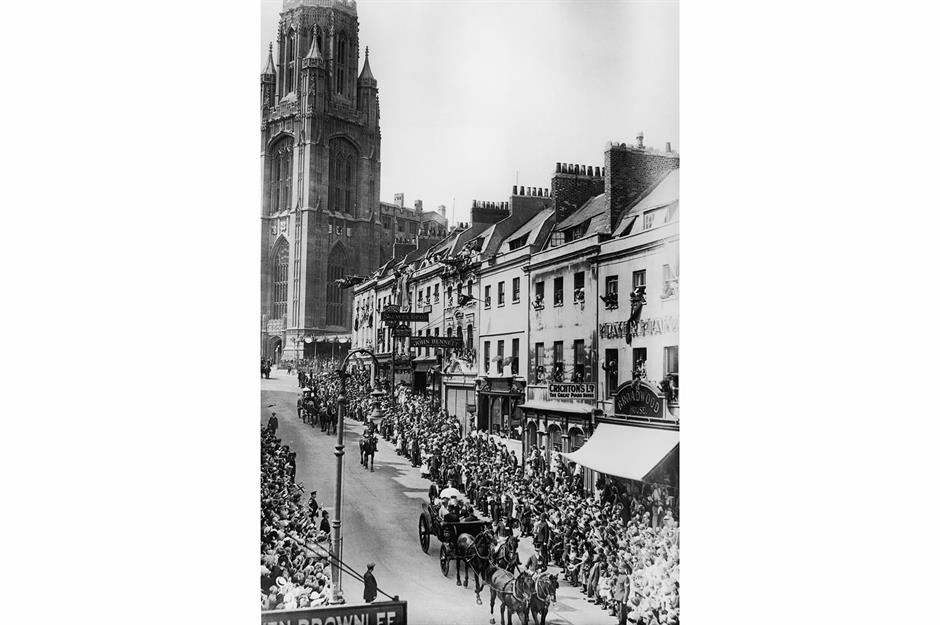
In June 1925, King George V and Queen Mary proceeded down Park Street in Bristol after opening the Wills Memorial Building. Bristol’s port and manufacturing base kept the economy strong, while its maritime heritage and industrial wealth shaped a skyline that mixed historic charm with new grandeur.
Cardiff, Wales
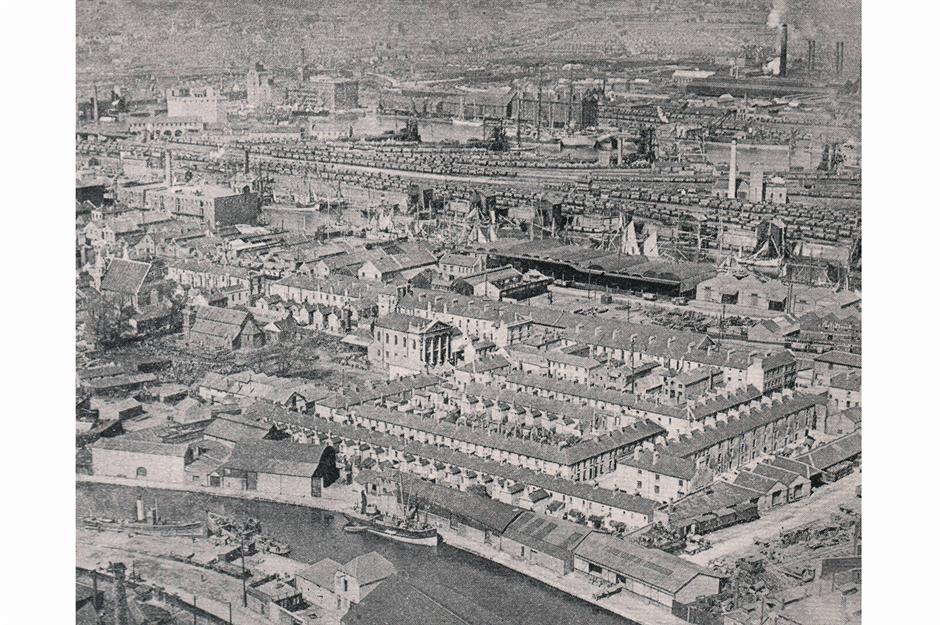
An aerial view from c.1924 shows Cardiff’s vast docks – the world’s busiest coal port up until 1913, when it was surpassed by Barry Dock – linking South Wales to global markets. Though the coal trade faced emerging pressures, the waterfront thrived, supporting jobs and fueling civic growth.
Coventry, England
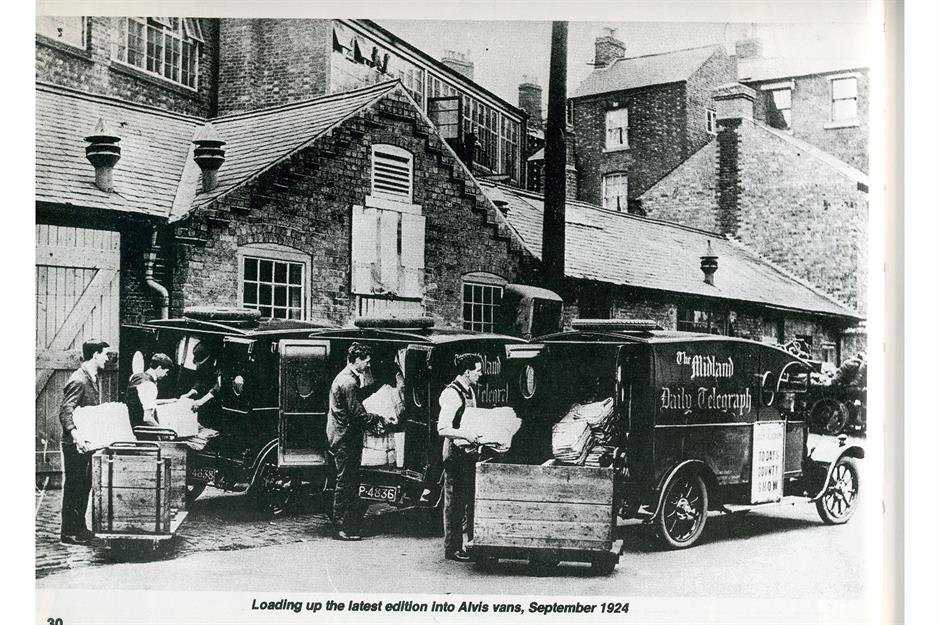
In 1924, freshly printed Midland Daily Telegraph newspapers were loaded into Alvis vans – a perfect snapshot of Coventry’s ingenuity. The city was gaining fame for car manufacturing alongside its bicycle and machine-tool industries.
Two decades later, the city would be devastated by the Blitz, which destroyed much of its historic center.
Sponsored Content
Derby, England
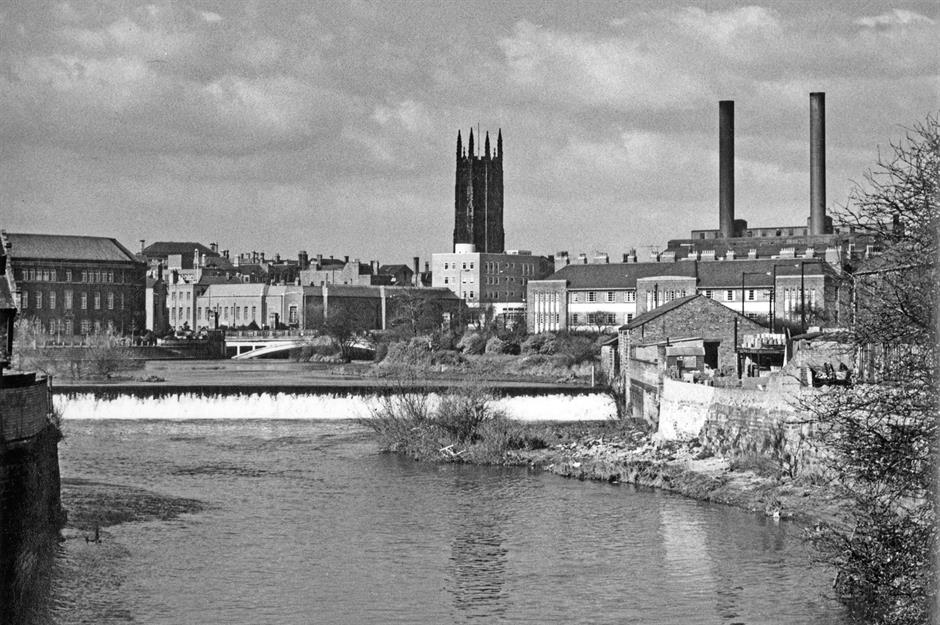
The River Derwent’s weir and the parish church – soon to be Derby Cathedral – created a tranquil 1920s scene, evident in this photo. Industry boomed nearby, with Rolls-Royce and rail engineering at the city's forefront.
Liking this? Click the Like button above. And click the Follow button above for more great stories from loveEXPLORING
Edinburgh, Scotland
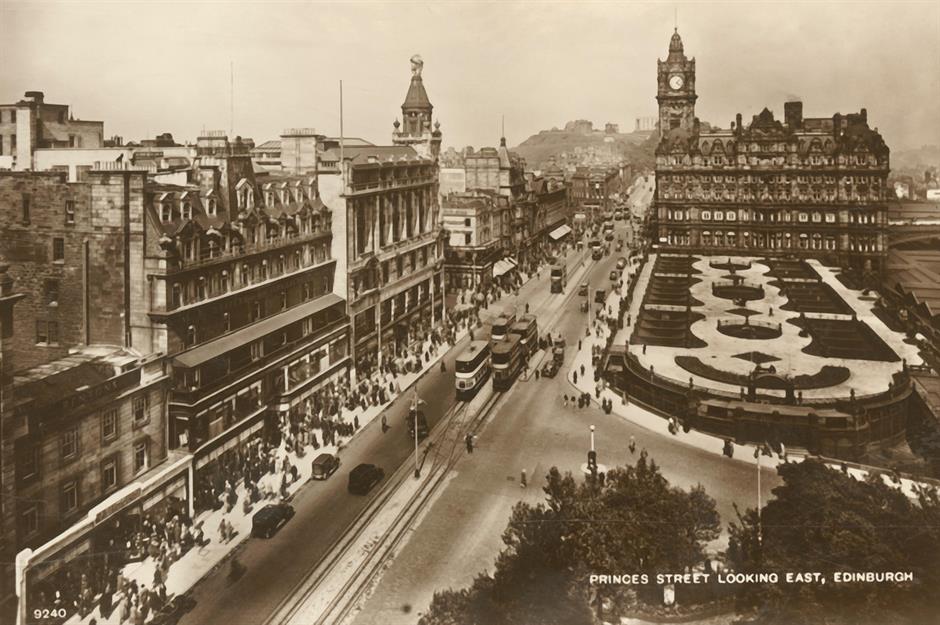
This image shows Princes Street in the 1920s, looking east toward the Scott Monument, lined with elegant shops and hotels. Edinburgh thrived as Scotland’s cultural and political capital, its tramways and buzzing thoroughfares balancing historic grandeur with modern convenience.
Tourism, administration, and education defined this sophisticated, forward-looking city.
Glasgow, Scotland
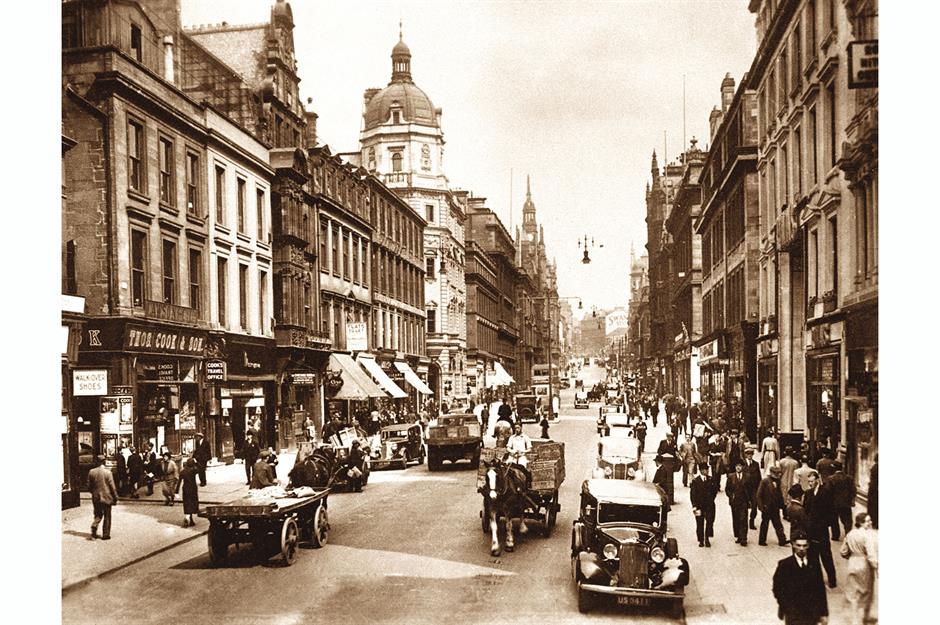
In the 1920s, Buchanan Street was packed with trams, shoppers, and the buzz of a city that knew its worth. Shipyards, engineering works, and textile mills kept Glasgow’s economy roaring, while theaters, grand stores, and striking buildings added style.
Post-war challenges came and went, but the Clyde’s "Second City of the Empire" kept its energy.
Sponsored Content
Hull, England

In 1925, Hull’s Humber and Prince’s Docks thrummed with ships unloading timber, fish, and goods from across the North Sea.
The interwar years kept the docks central to the city’s economy and culture, while maritime life shaped its identity, from its bustling quaysides to the communities built around them.
Leicester, England
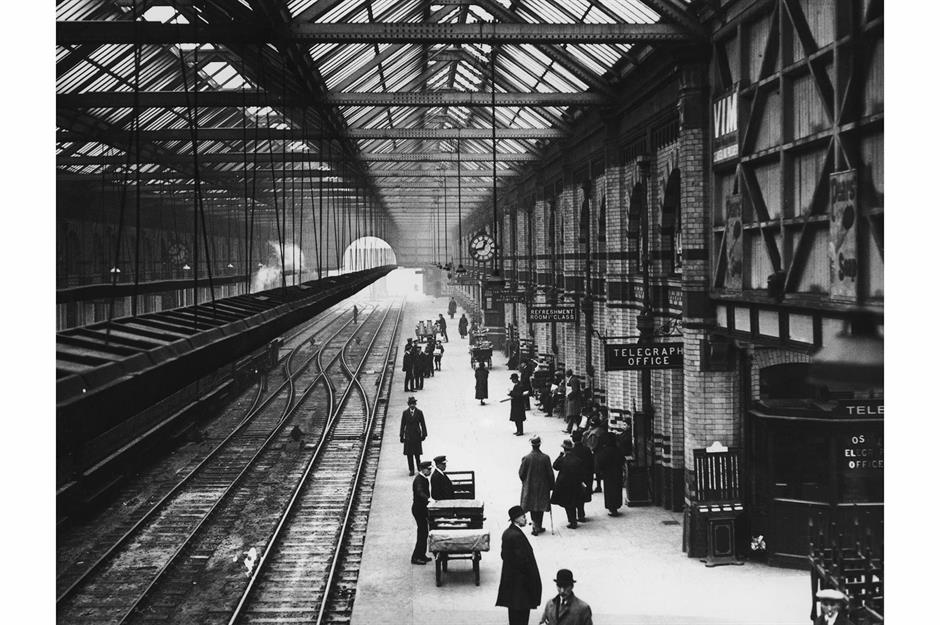
By 1925, Leicester railway station bustled with steam, chatter, and the shuffle of travelers. Its grand frontage welcomed a city humming with textile mills, shoe factories, and engineering works, all linked by vital rail lines.
Leeds, England
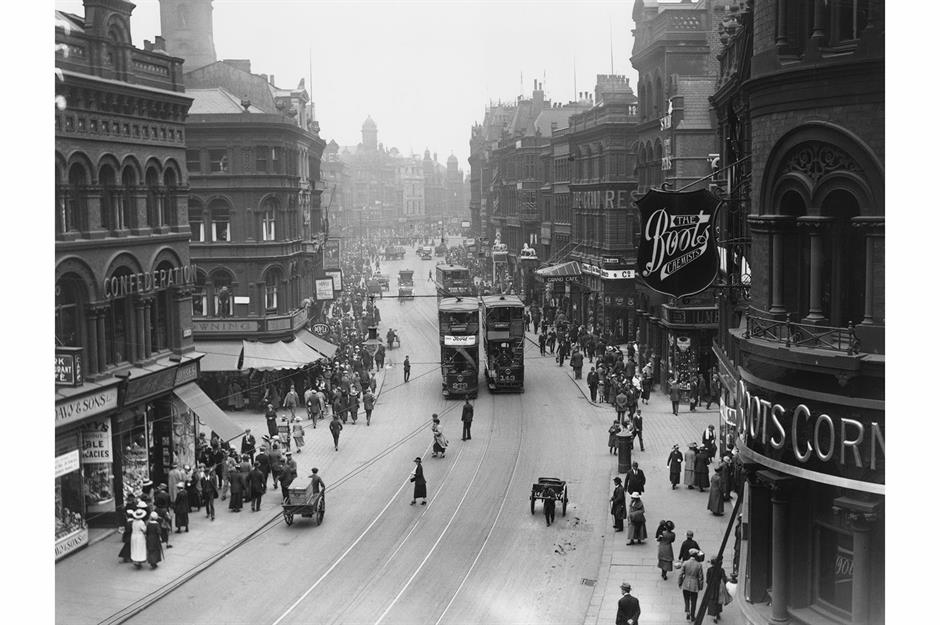
In 1925, trams along Boar Lane (pictured) pulsed with life, carrying shoppers, clerks, and factory workers between the city center and its suburbs.
This street was Leeds' urban vein, linking the emerging British Empire’s powerhouse of textiles and engineering to the homes of its workforce.
Sponsored Content
Liverpool, England
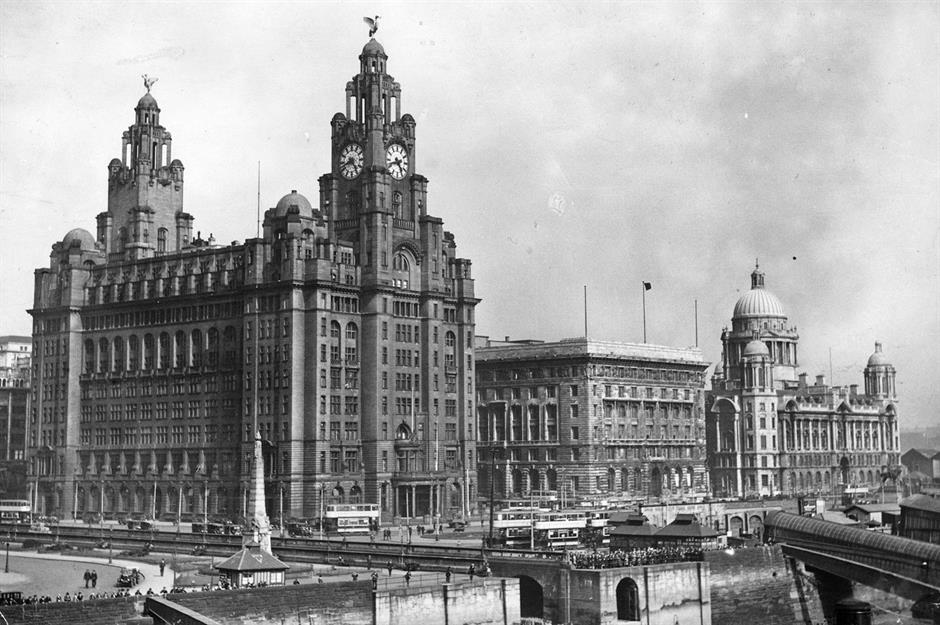
The Liver Buildings stand as Liverpool’s iconic waterfront landmark, overlooking one of Britain’s busiest ports in 1925. The "Three Graces" embodied the city’s maritime might, even as post-war trade patterns shifted.
Liners, cargo ships, and dockside life kept Liverpool a gateway to the world.
London, England
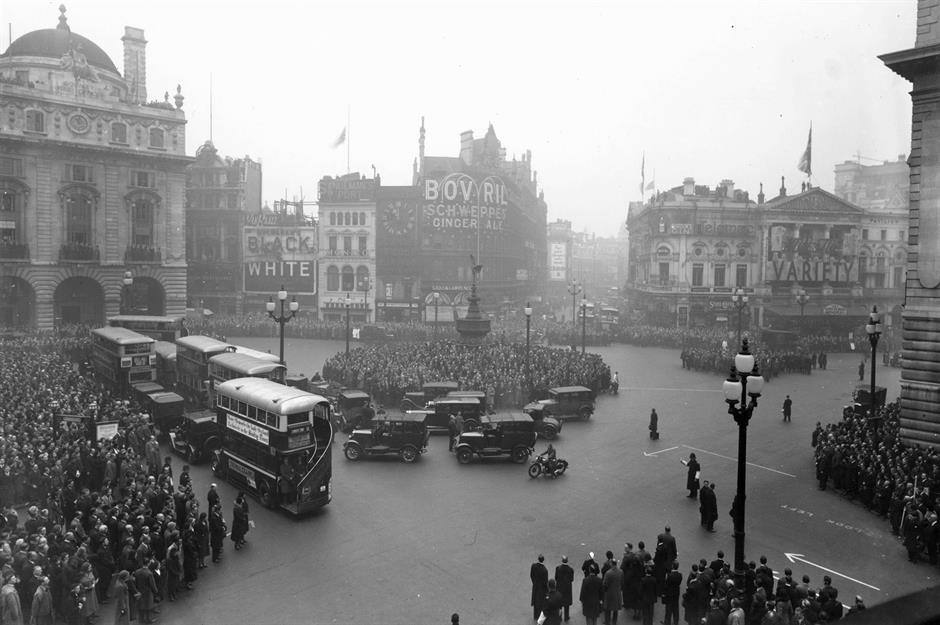
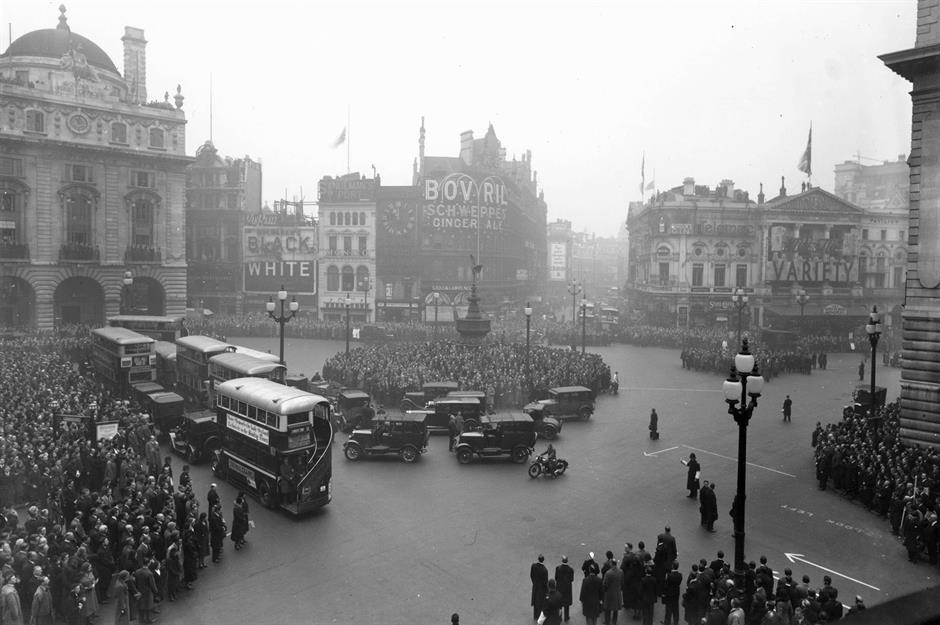
On Armistice Day 1925, Piccadilly Circus came to a standstill for two minutes to remember those lost in the Great War. London was still the country’s political, cultural, and economic heart, its streets alive with a mix of reflection and fresh energy.
Manchester, England
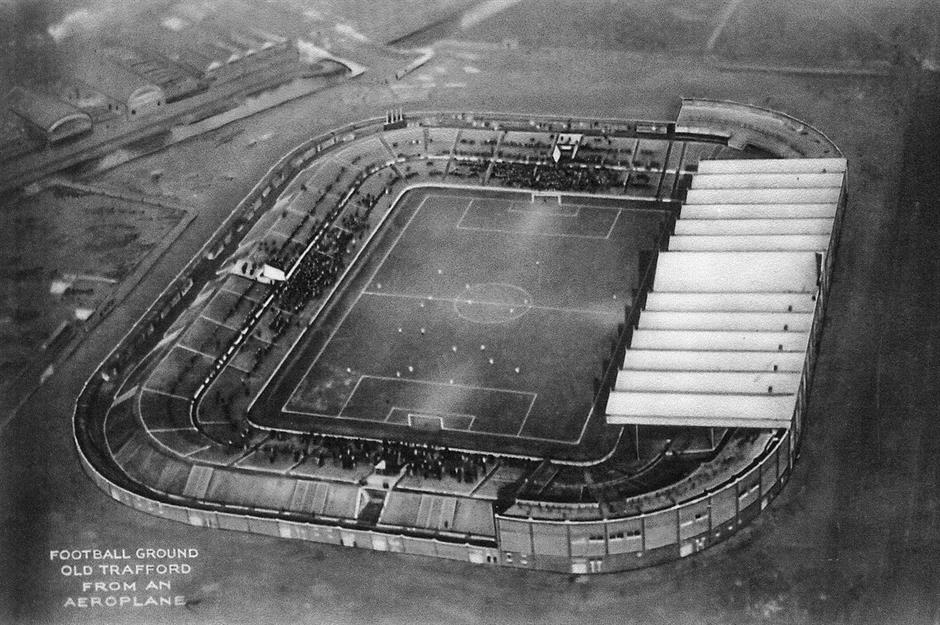
An aerial view of Old Trafford in the 1920s captured British soccer’s growing popularity. Industry still thrived here, but leisure was taking center stage. Manchester United games drew huge crowds, offering a shared passion in a city known for hard work.
Sponsored Content
Newcastle, England
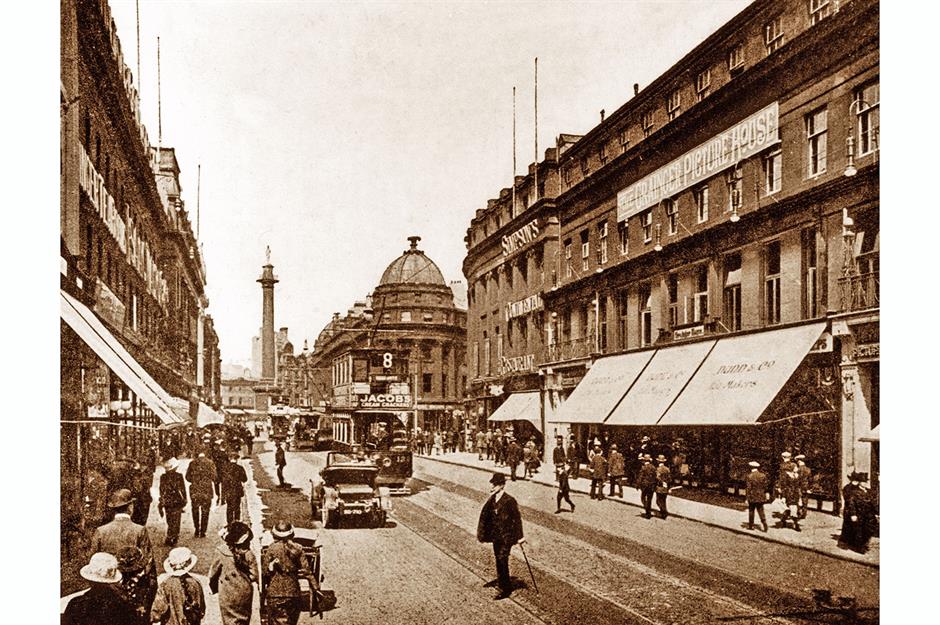
In the 1920s, Grainger Street was the place to be – lined with grand Georgian buildings and buzzing with shoppers, traders, and gossip. Coal, chemicals, shipbuilding, and engineering were Newcastle’s staple industries, but the interwar depression saw them all decline.
Even so, the city held onto its swagger as the North East’s unofficial capital.
Norwich, England
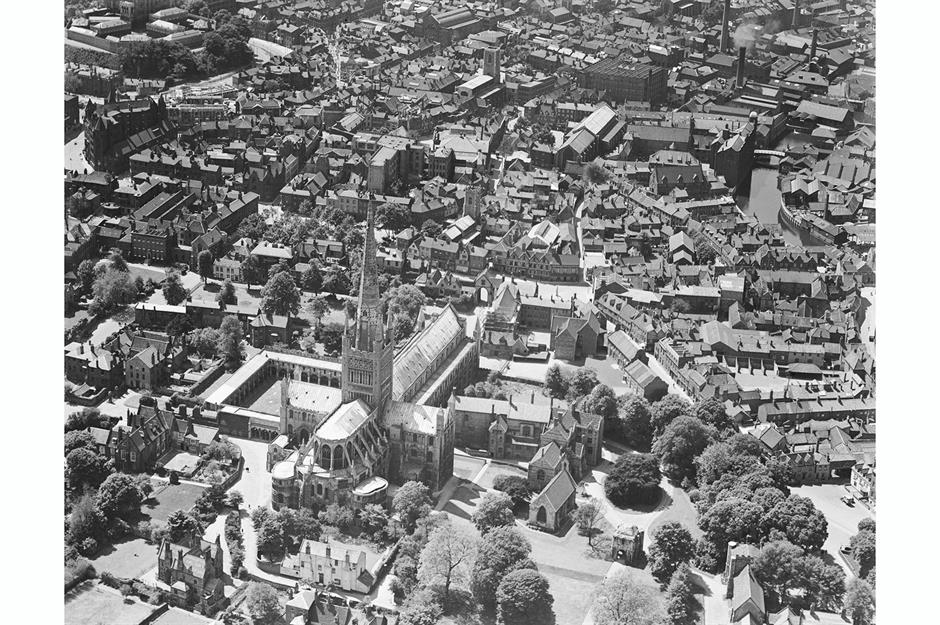
This 1926 aerial view shows Norwich as a compact city with medieval spires punctuating the skyline – and little has changed today. Known for shoes, mustard, and its historic market, Norwich's cathedral and winding streets kept it distinct from Britain’s heavy industrial centers.
Nottingham, England
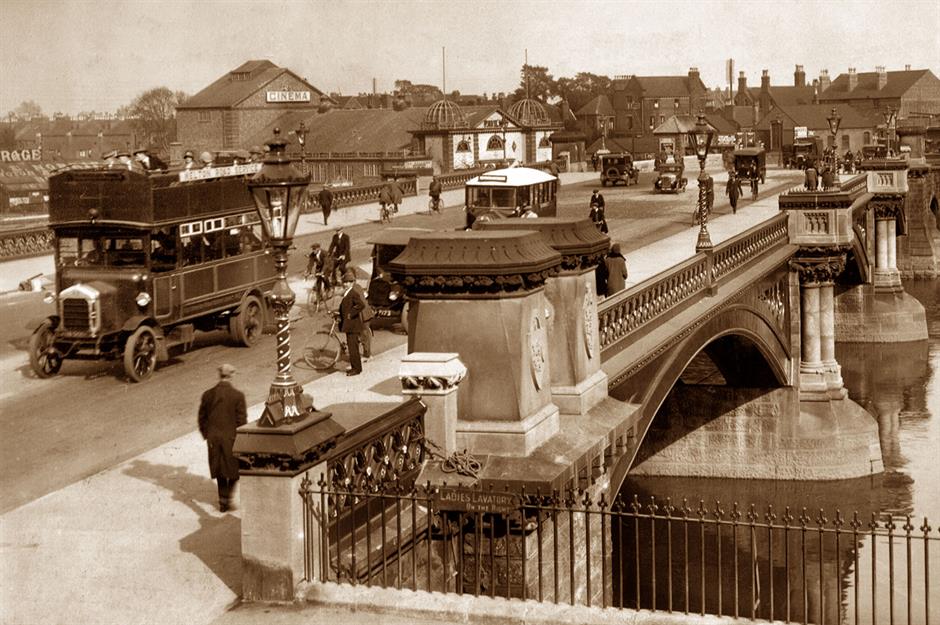
In the 1920s, Nottingham’s fame was stitched into its lace. The city was a world leader in intricate designs, with factories and workshops producing delicate patterns bound for markets across the globe.
Trams and shops kept the center lively, the hum of industry woven into everyday life.
Sponsored Content
Plymouth, England

In September 1925, a woman looks out over Plymouth Pier, a go-to spot for sea views, amusements, and a stroll in the salty air. Two decades later, the pier was gone – destroyed in the Blitz that also tore through much of Plymouth’s waterfront.
Portsmouth, England

Clarence Pier in the 1920s drew crowds to its amusements and promenade. Portsmouth’s naval dockyard remained central to its identity, but its seaside attractions made it a destination for visitors. Here, maritime tradition met vacationing in a uniquely British blend.
The pier was totally destroyed by bombing during Word War II and was later rebuilt, reopening in 1961.
Preston, England
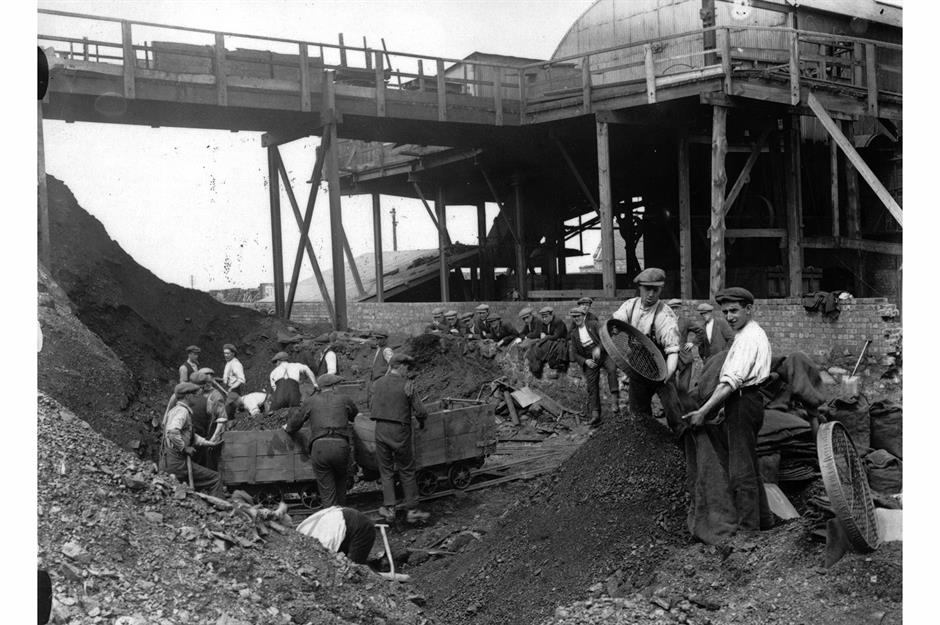
During the 1926 General Strike, Preston volunteers work in a coal mine to keep essential services running. The city’s textiles and engineering industries were hit hard, and the strike became a defining interwar moment of unity and resistance.
Sponsored Content
Sheffield, England

In the 1920s, Sheffield High Street bustled with shoppers and trams. The Steel City sent cutlery and tools around the world, its name a mark of quality, while the busy center showed pride in both work and community.
Southampton, England
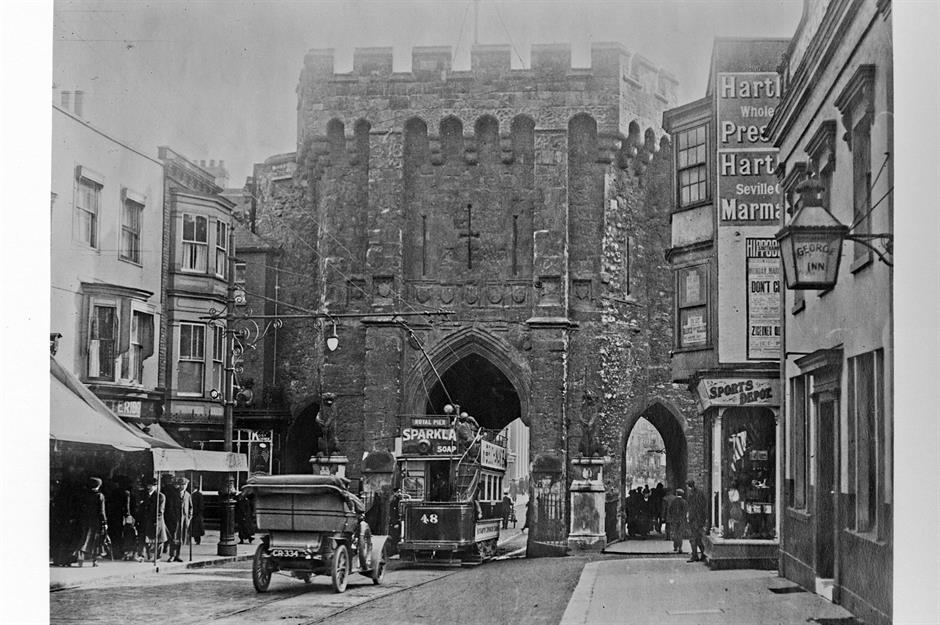
In 1925, the medieval Bargate rises like a stone sentinel over Southampton’s busy streets. Trams clatter through its archway, while painted signs and hanging lamps jostle for attention.
Swansea, Wales
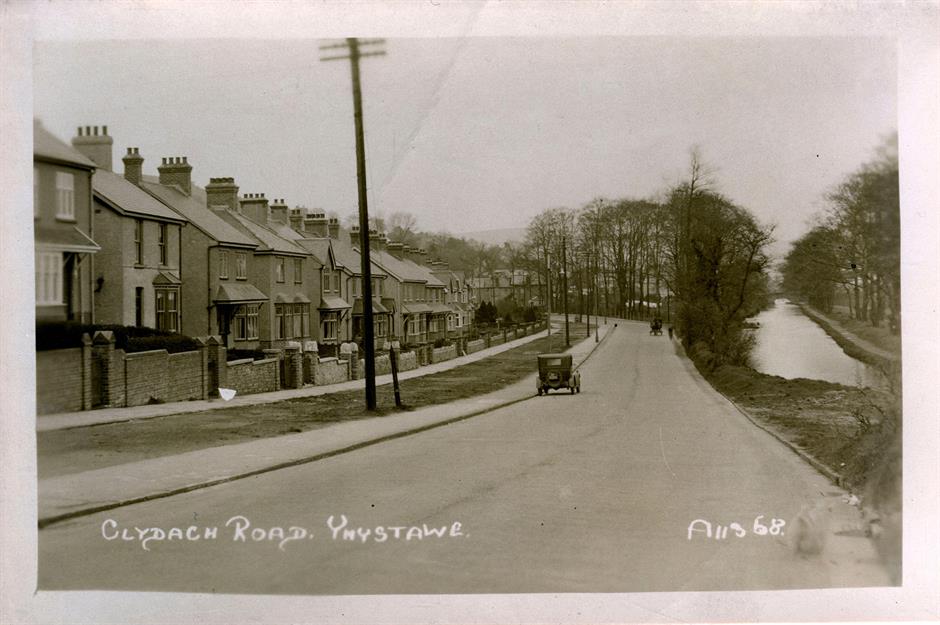
In the 1920s, Clydach Road showed Swansea’s split personality – valley industry on one side, coastal charm on the other. Tinplate and coal kept the city’s wheels turning, while the seaside pulled in visitors looking for sand and sea air.
Liked this? Click the Like button above. And click the Follow button above for more great stories from loveEXPLORING