Historical landmarks from myth and legend
Step inside the mystery
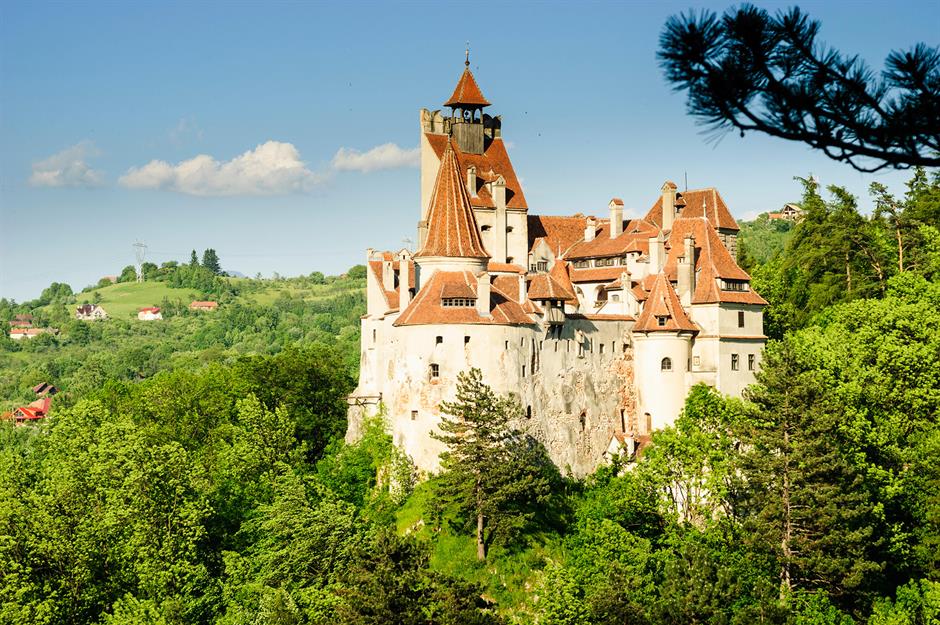
From Dracula’s castle to the hiding place of the Holy Grail, these historical landmarks have inspired some of the greatest legends of all time. These crumbling ruins, turreted castles and mystical churches may have been eroded by years of neglect, but the stories they inspired have cemented their places in cultural memory.
Click or scroll through this gallery to discover these incredible landmarks and the legends they contain...
Rosslyn Chapel, Scotland, UK
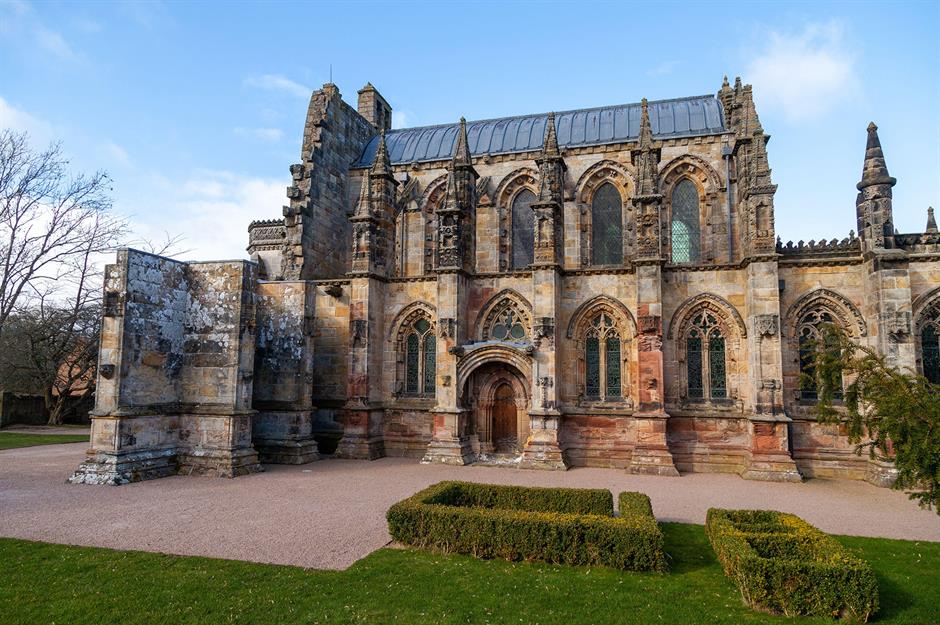
Perhaps most famous for having inspired the hit Dan Brown novel, The Da Vinci Code, this picturesque Gothic chapel in a peaceful Midlothian village had been largely forgotten for decades, until Brown’s book and the motion picture it inspired put it back on the map.
However, Rosslyn Chapel had long been revered as a sacred religious landmark by those in the know, and has inspired speculation and historical investigation for more than 500 years.
Rosslyn Chapel, Scotland, UK
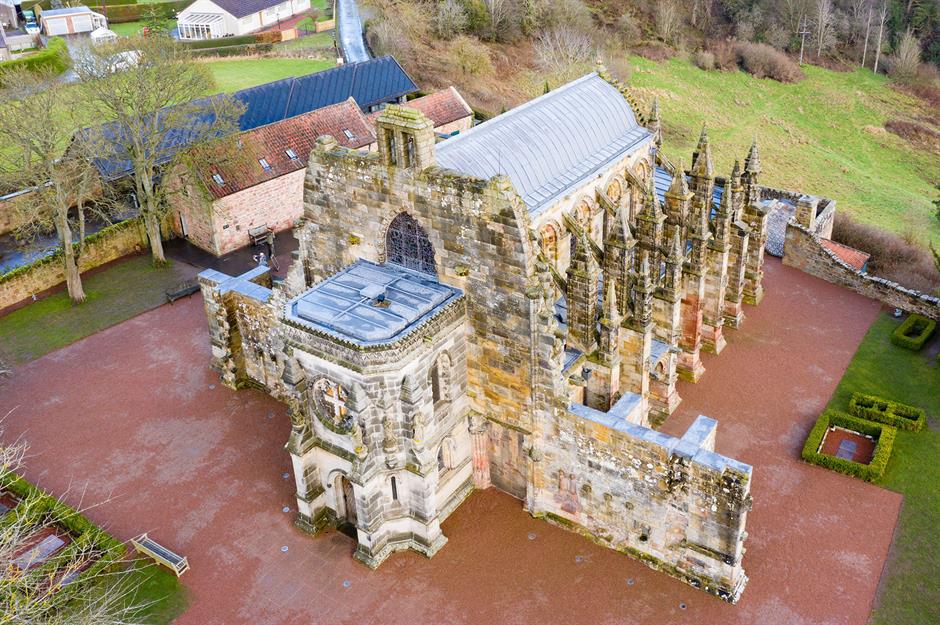
The chapel was initially founded as a collegiate church in approximately 1450 by William Sinclair, 1st Earl of Caithness and Baron of Roslin. The church served as a Roman Catholic place of worship until the Scottish Reformation of 1560, and its ultimate closing to the public in the 18th century.
It subsequently reopened as a Scottish Episcopal Church, before falling into disrepair. However, far more interesting is the church’s supposed connection to the Knights Templar and their secret treasures.
Sponsored Content
Rosslyn Chapel, Scotland, UK
In the 14th century, in the aftermath of the Crusades, Templar Knights were fleeing across Europe to escape persecution by King Philip IV. It is believed that a small group of Knights fled to Scotland along with a large cache of treasure, seeking the protection of Robert the Bruce.
According to legend, the Knights hid this treasure in various locations across Scotland, including Rosslyn Chapel. Among the treasures hidden at the chapel, in addition to a host of religious relics and a mountain of gold, was the Holy Grail.
Rosslyn Chapel, Scotland, UK
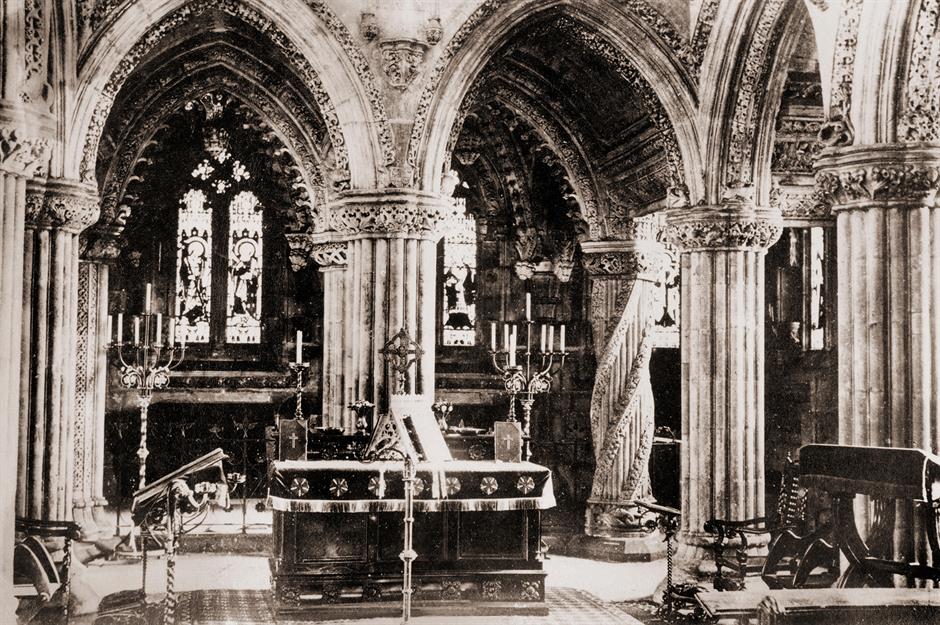
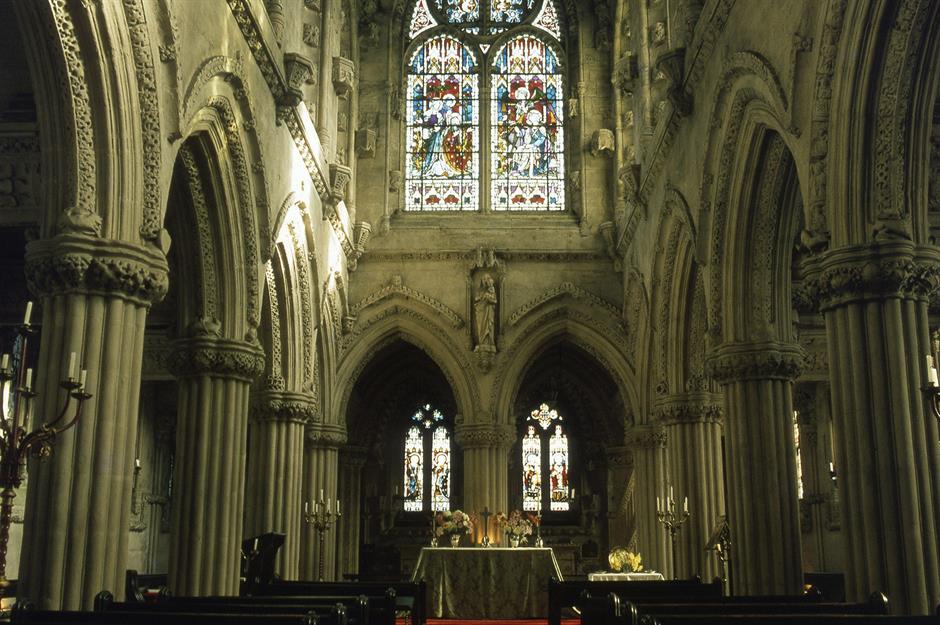
While no concrete evidence has ever been found to prove that such a trove exists within the chapel, the building is marked by the well-known seal of the Knights Templar – two riders on a single horse.
The chapel is also marked with an array of other sculptural symbols that somewhat confuse its potential significance. These include the Danse Macabre motif, several Nordic dragons and over 100 pagan ‘Green Man’ figures, offering visitors to the chapel a 'choose your own adventure'-style symbolic experience.
Bran Castle, Romania
Romania’s storybook Bran Castle was built between 1377 and 1388, situated strategically overlooking a busy mountain pass between Transylvania and Wallachia, the land ruled by Vlad Tepes Dracula in the 15th century.
According to legend, the castle once served as a prison for the infamous ruler, who is perhaps better known by the name Vlad the Impaler, and is also believed to have inspired the legends of the vampiric Dracula himself.
Sponsored Content
Bran Castle, Romania
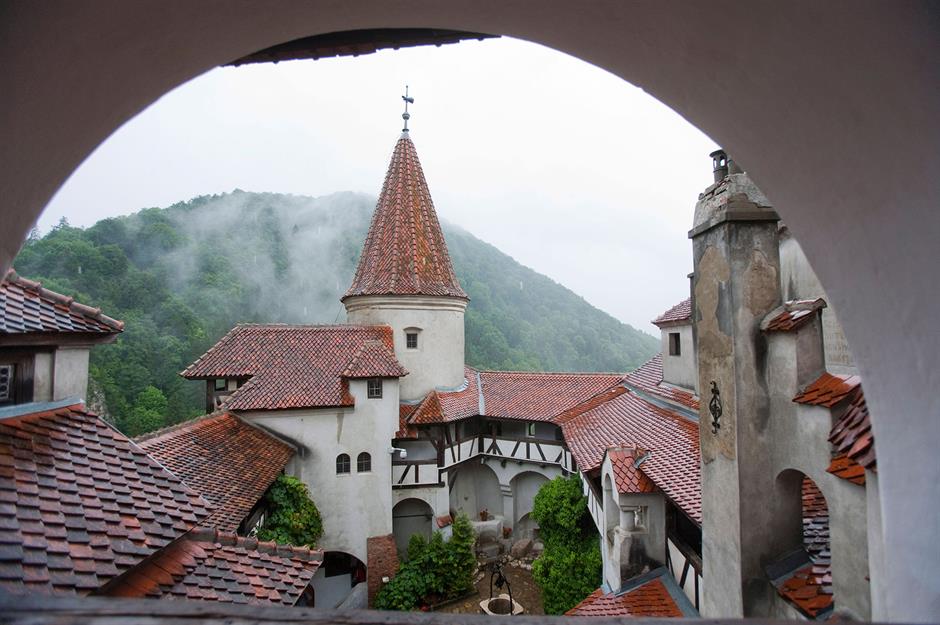
There has been much scholarly debate as to which myths and legends inspired Bram Stoker’s 1897 Gothic thriller Dracula. While many believe it was modelled on a figure from Romanian folklore, the alleged Hungarian serial killer Countess Elizabeth Bathory, the more famous muse is Vlad the Impaler.
Famously cruel, bloodthirsty and ruthless towards his foes, Vlad earned his nickname by impaling his enemies on the battlefield on long spikes.
Bran Castle, Romania
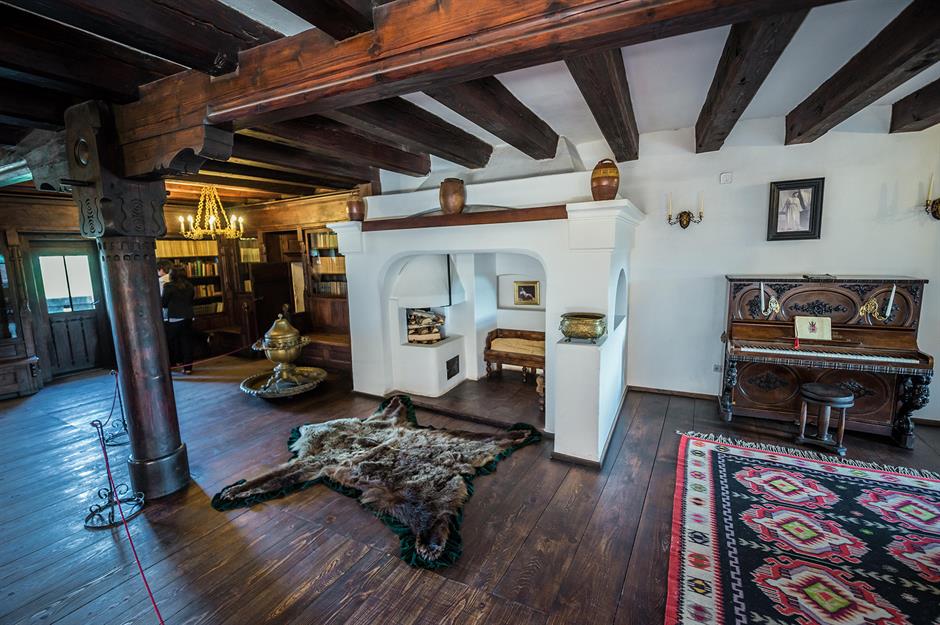
While there is evidence to suggest that Vlad may have passed by the castle on numerous occasions, no proof has yet been found that he ever stayed there.
Stoker himself never visited central Europe, and there are other castles that boast stronger claims to having influenced his novel, but Bran Castle is nevertheless known locally as "Dracula’s Castle". Today, the castle is owned by the descendants of Queen Marie, to whom it was gifted in 1920 in recognition of her efforts to unify Romania.
Bran Castle, Romania

After Marie’s death, the castle passed into the hands of her daughter, Princess Ileana, who ran it as a hospital during World War II, after which it was seized by the Communist regime. It was finally returned to Princess Ileana's son, Dominic von Habsburg, in 2006. The castle is now open to the public as a museum, largely devoted to Queen Marie of Romania, but is also a popular destination for Halloween events.
Sponsored Content
Kolossi Castle, Cyprus
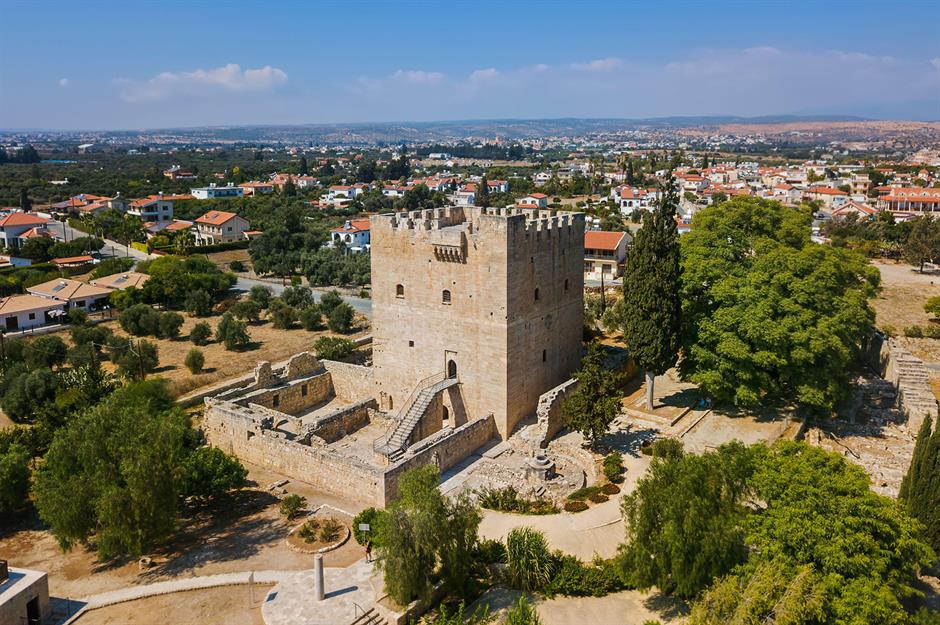
According to legend, the architecturally unassuming Kolossi Castle in Cyprus was awarded the honour of hosting England's King Richard the Lionheart on his wedding day to Berengaria of Navarre, daughter of Sancho VI of Navarre and Sancha of Castile.
The marriage took place in 1191 during the Third Crusade, and was designed to celebrate Richard’s conquest of Cyprus. The victorious monarch allegedly ordered countless barrels of wine from the nearby village of Kolossi to toast the ceremony, declaring it “the wine of kings and king of wines".
Kolossi Castle, Cyprus
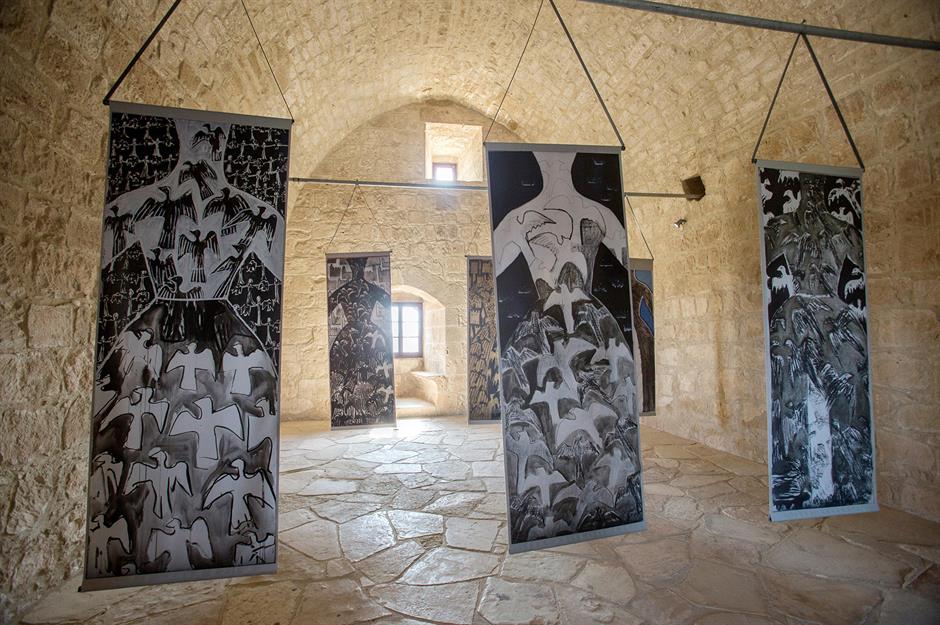
The dessert wine in question, known as Commandaria, is still in existence today, and is considered the oldest manufactured wine on record. It derives its name from 'La Grande Commanderie', the military headquarters of the famed crusader orders of the Knights Templar and Knights Hospitallers, who called Kolossi Castle their base after its construction in 1210.
Kolossi Castle, Cyprus
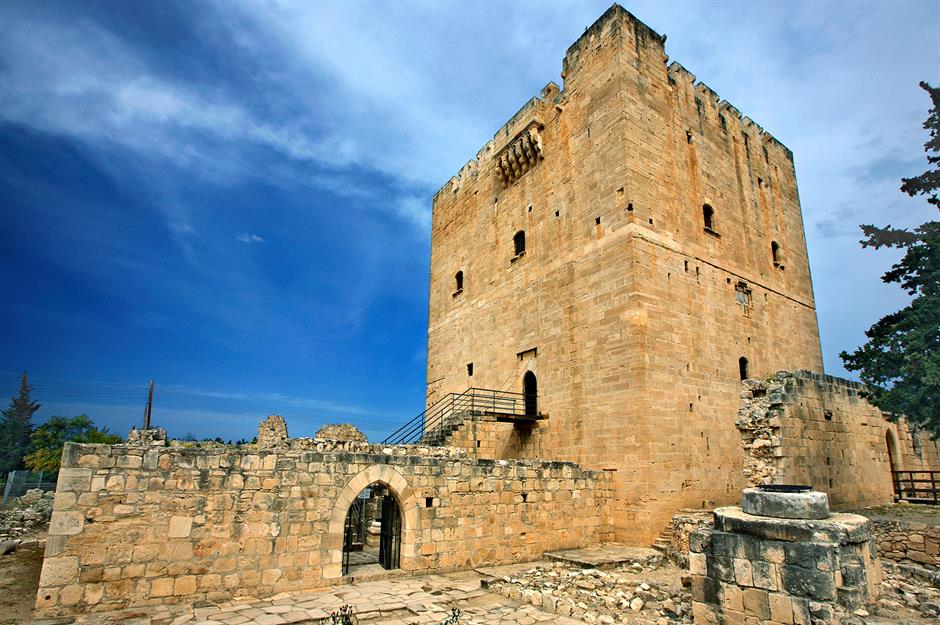
Built for military use and practical defence, the castle does not quite live up to the image conjured by tales of romantic nuptials and chivalric knights.
Instead, the fortress was built to offer an unobstructed view of the surrounding countryside, with its symmetrical build ideally suited to detecting invading armies. This emphasis on security and surveillance was particularly vital in Cyprus, a region rife with attempted conquests and conflict for more than a millennium.
Sponsored Content
Kolossi Castle, Cyprus
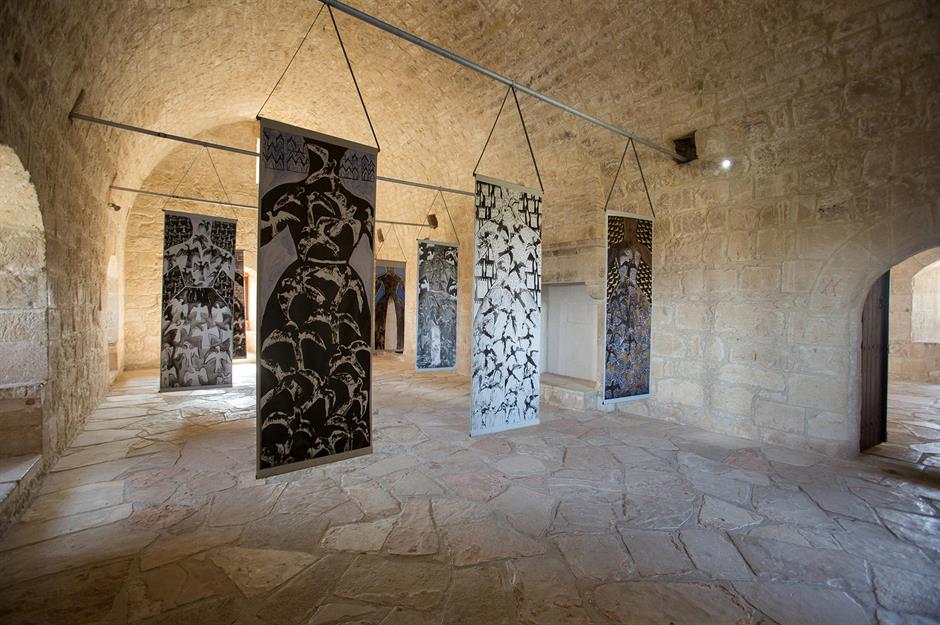
The ownership of Kolossi is complicated, and reflective of the constant upheaval Cyprus endured. Kolossi Castle was taken by the Knights Templar in 1306 due to a rivalry with the Crusader Kingdom in Cyprus, but after the Templars disbanded in 1313, the fortress was returned to the Hospitallers.
With its storied history, the castle has inspired numerous works of fiction, including La Milicia de Dios by Spanish author Eduardo García-Ontiveros Cerdeño and Lionheart by Stewart Binns.
Ki Castle, Japan
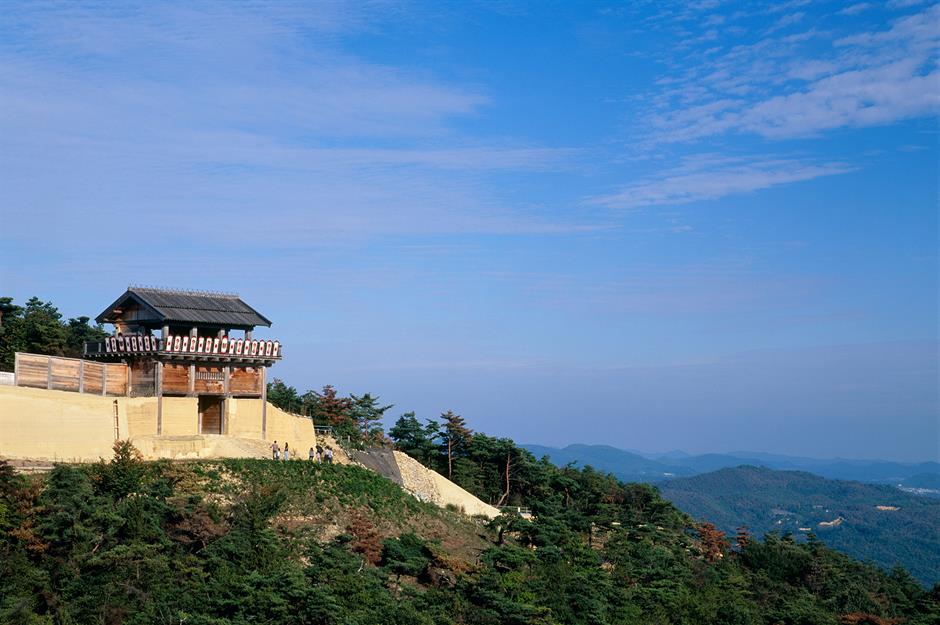
For over a millennium, Ki Castle, which literally translates to 'Demon Castle', is believed to have been the home of Onra, a demon from Japanese legend. The castle itself is located in Okayama, Japan, and is a classic example of a traditional type of hill castle referred to as a Kodai-sanjō, or "ancient mountainside castle", in Japanese archaeology.
Ki Castle, Japan
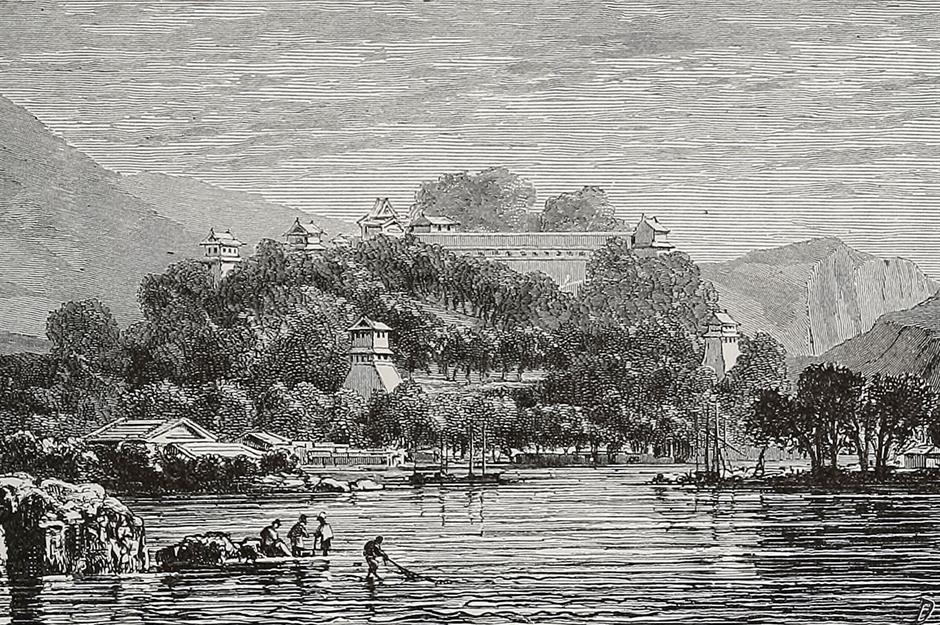
While many of these castles, which are generally dated to the 7th and 8th centuries, were left unfinished, Ki was completed on a spectacular scale by the Yamato dynasty. Constructed after Yamato’s defeat against the united forces of Tang China and Silla, the castle was designed to defend the mainland from potential enemy invaders.
Sponsored Content
Ki Castle, Japan
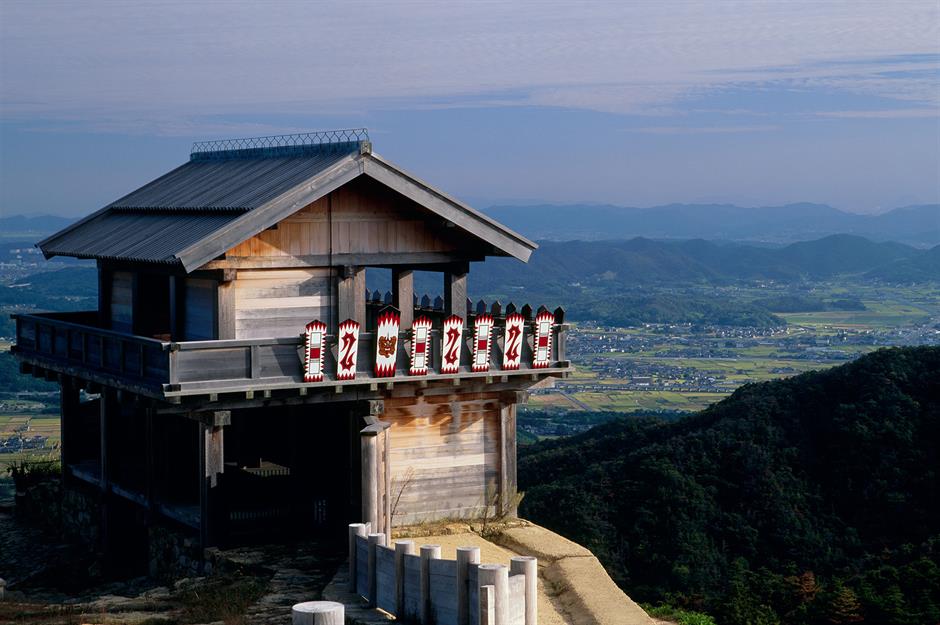
The castle is surrounded by 1.7-mile-long (2.7km) walls, as is traditional for early medieval castles and fortresses, interspersed at intervals with watchtowers, smithies and a range of defensive systems.
A popular archaeological site given its status as one of the oldest and most complete of the mountainside castles, Ki has been the site of a range of discoveries, with unearthed artefacts including pottery, iron tools and weapons.
Ki Castle, Japan

Sadly, Ki Castle was abandoned not long after its construction, though its remains took on new life in the 12th century as a Buddhist temple. It was later abandoned again, and left to deteriorate still further.
However, the castle remarkably remains in decent condition today, though some sections are modern recreations. Whether or not it was ever home to any actual demons, it is the best example of a Kodai-sanjō castle standing today.
Egeskov Castle, Denmark
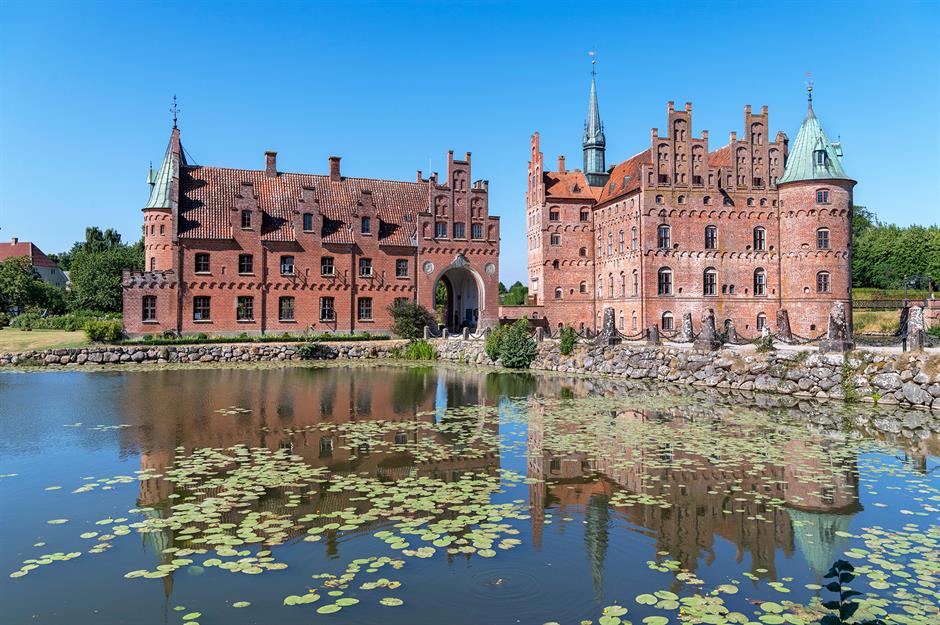
One of a staggering 123 manor houses and castles on the Danish island of Funen, Egeskov Castle cuts an imposing profile – an awesome fortress perched in the middle of a lake, which acts as a defensive moat.
The 16th-century castle, which has been home to the same family since 1784, hides a rather unusual secret in its attic, which has been passed down through the generations for hundreds of years.
Sponsored Content
Egeskov Castle, Denmark
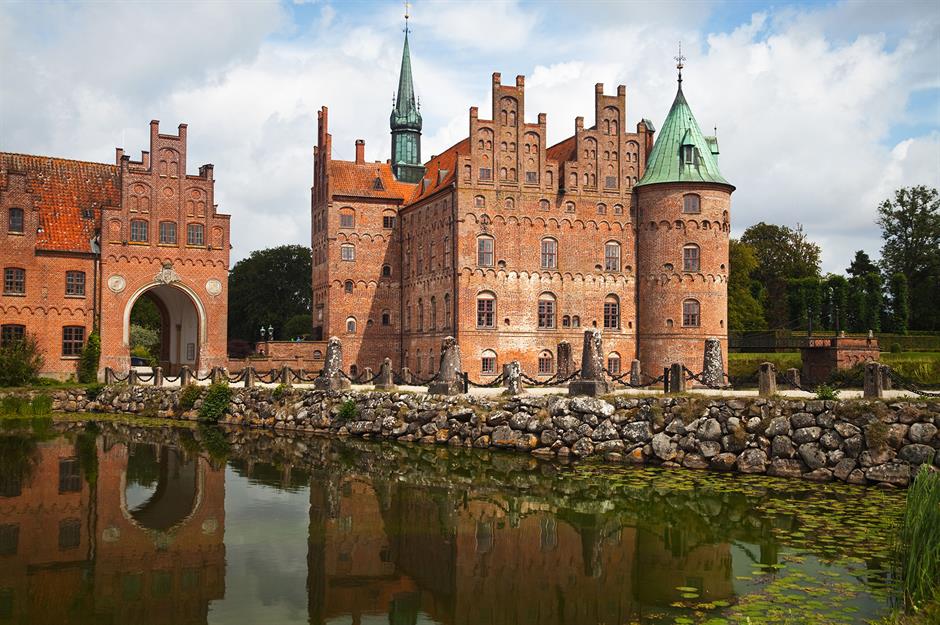
Hidden under the rafters of the castle attic, beneath one of the spires, is a life-like wooden doll roughly the size of a small child, situated on a dusty cushion as if deep in sleep. While no one knows the origin of the doll, to whom it belonged or how it came to be positioned in the castle rafters, the castle occupants have good reason for leaving it undisturbed.
Egeskov Castle, Denmark
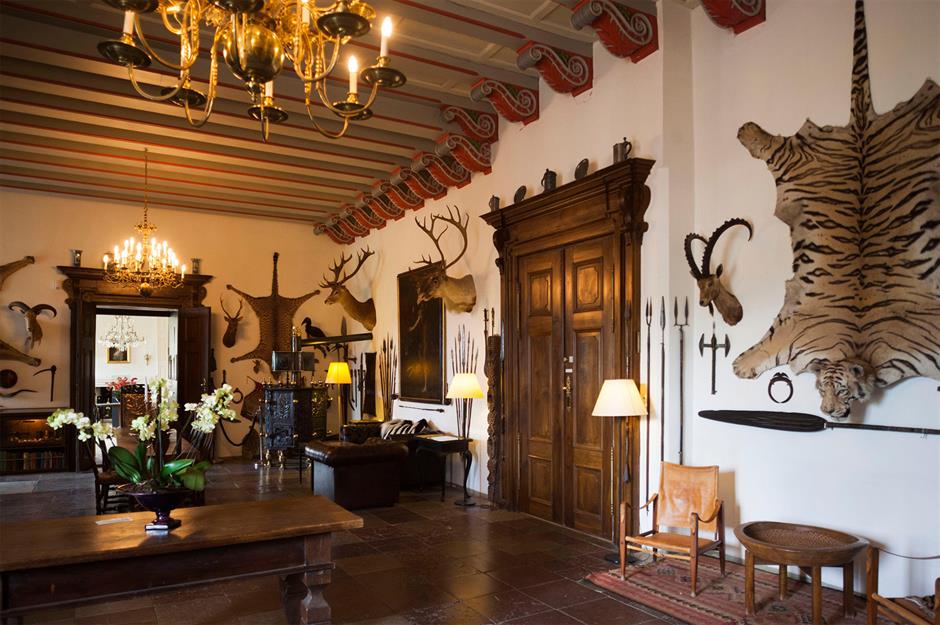
According to legend, if the doll is ever removed from its cushion in the rafters, the castle will sink into the moat on Christmas Eve. So deep is the family’s superstition about the doll that previous generations have even refused to stay in the castle over Christmas, seeking alternate accommodation just for the holiday.
However, the castle’s current owners, Count Ahlefeldt-Laurvig-Bille and his family, have spent many Christmases in Egeskov without incident.
Egeskov Castle, Denmark
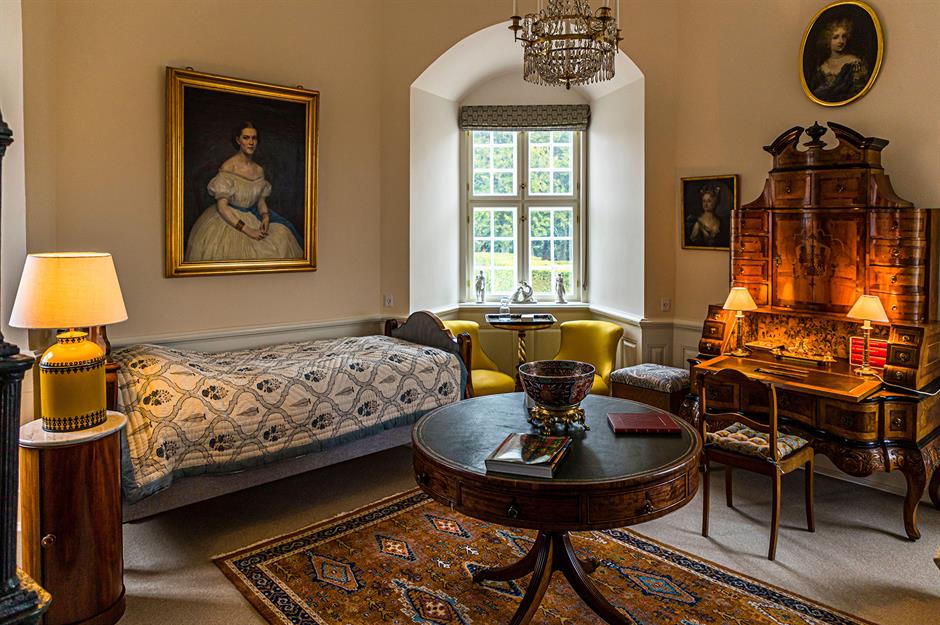
In fact, the Count and his family have embraced a new festive tradition with their wooden friend, leaving him a bowl of rice pudding every Christmas Eve, in the same way that many other families leave food out for Santa. Perhaps the wooden man is keeping the castle standing purely out of appreciation for his annual snack!
Sponsored Content
Caisteal Maol, Scotland, UK
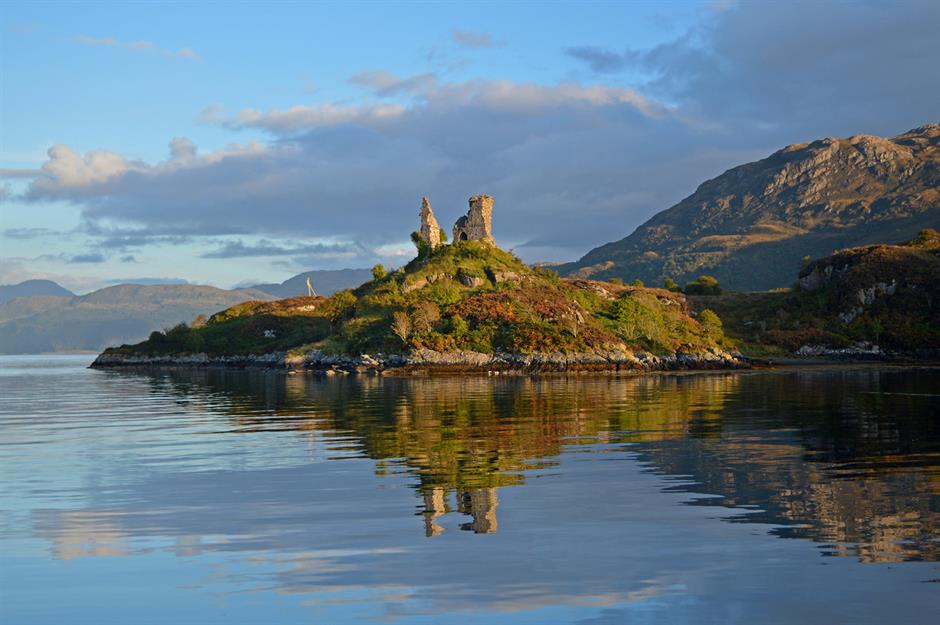
While the crumbling ruins of Caisteal Maol on the Isle of Skye probably date as far back as the 15th century, it's the stories surrounding these stones that have truly stood the test of time.
The derelict remains were once a square, three-storey keep built to control the waterway between Skye and the Scottish mainland. The castle was likely abandoned in the early 17th century, probably deemed too cold and draughty to serve as a comfortable residence.
Caisteal Maol, Scotland, UK
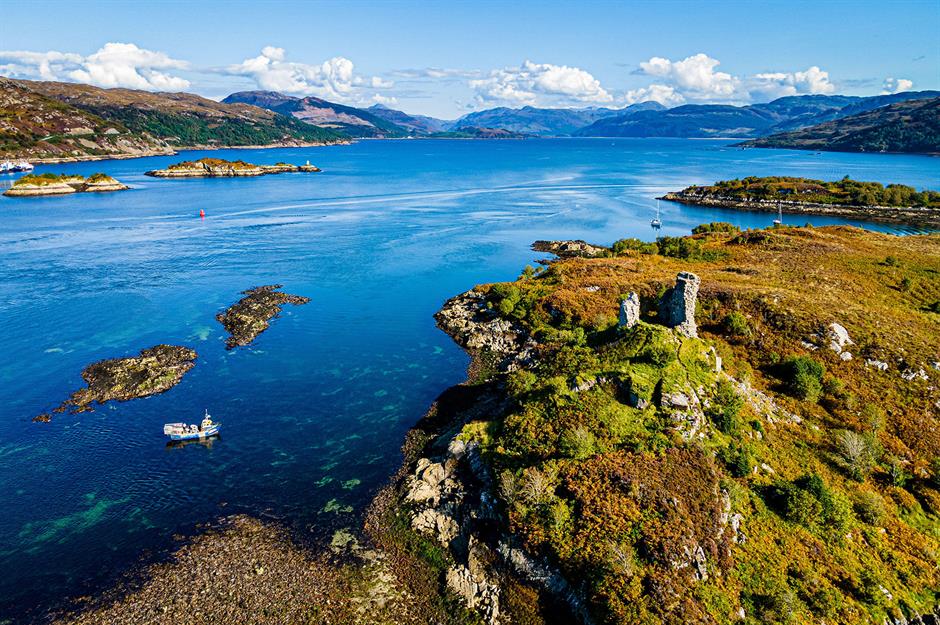
According to legend, however, the castle was once the home of the family of a 10th-century Norse princess known as Saucy Mary. The property was part of Mary’s dowry, passing into the hands of her husband when she married the 4th chief of Clan MacKinnon. The clan then took control of the keep, and, according to lore, stretched a chain across the strait to levy a toll on ships and cargo.
Caisteal Maol, Scotland, UK
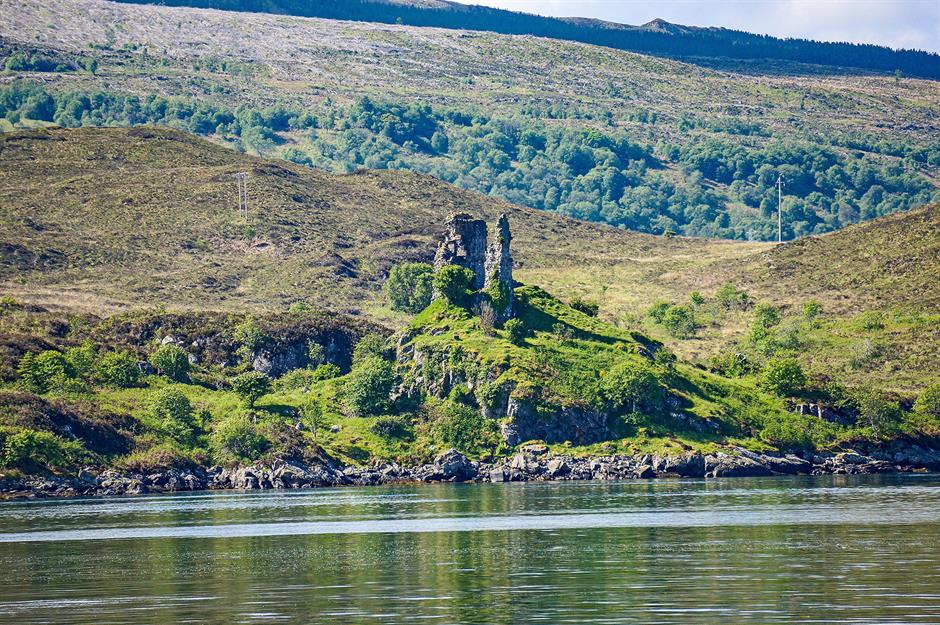
Clan MacKinnon continued to control the castle throughout the Middle Ages, and it's believed that at some point during the reign of King James IV of Scotland, between 1488 and 1513, the clan rebuilt the keep.
Additional historical evidence supports the keep’s earlier Norse connection. In 1263, before the battle of Largs, Haakon IV Haakonsson, King of Norway, is believed to have gathered his fleet of longships in the strait.
Sponsored Content
Caisteal Maol, Scotland, UK
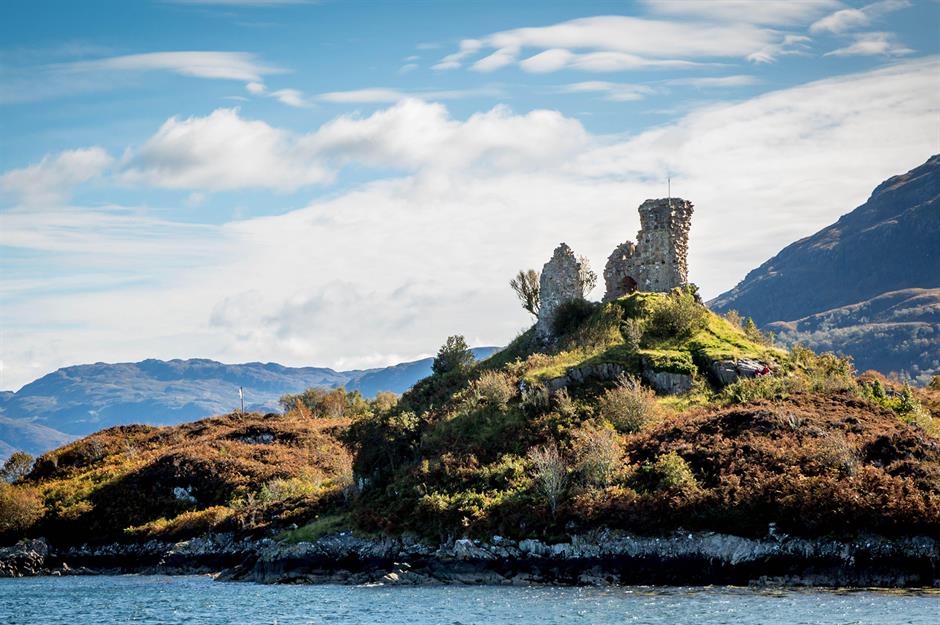
Kyleakin Harbour and the surrounding town of the same name, where the castle ruins reside, were in fact named for the Norse King – the kyle, or 'strait', of Haakon. Today, the castle is known by many as either Dunakin Castle or Dun Haakon Castle – literally, "the fort of Haakon". Fortunately, though, no piracy has taken place by either Scottish or Norse lords of the keep in several centuries!