Stonehenge isn't the UK’s biggest stone circle and other myths debunked
Simply not true
The world has some rather entrenched ideas about the British, from legends of the past to a host of current foibles and idiosyncrasies. But while some Britain-based beliefs are undeniably accurate, others are overstated or just downright false.
From the legend of King Arthur to the British love of queuing, click through this gallery to sort UK fact from fiction...
Myth: British food is terrible
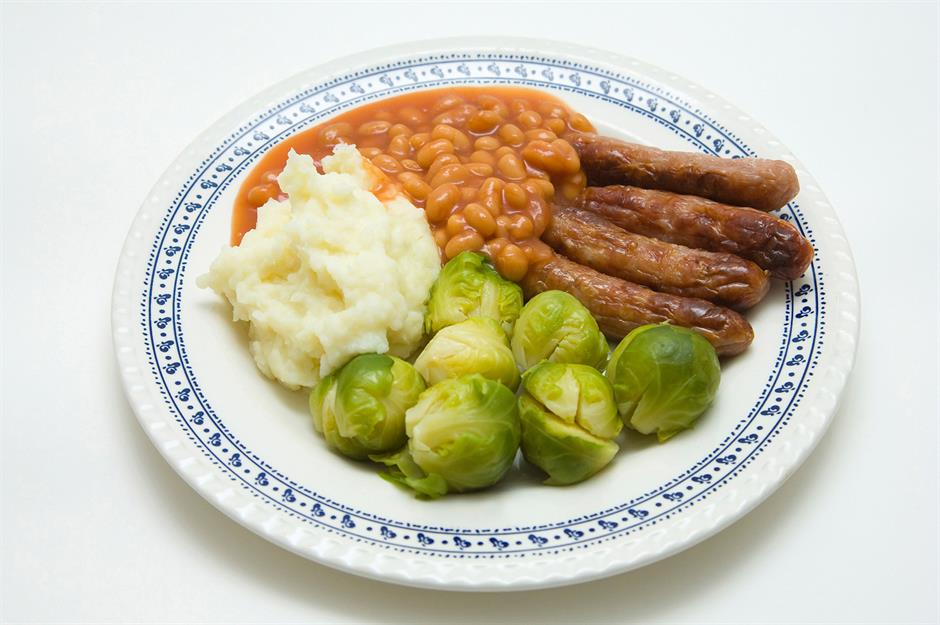
During medieval times, British food was thought to be among the finest in Europe, and its roasted meats were famed across the continent. But during World War II the introduction of rationing meant that eating became a question of survival, not taste. Bland, tasteless dishes fuelled the body but not the palate.
Visiting American servicemen were not impressed. Fed on bounteous army rations sourced from home, they thought British food was awful – and that reputation took hold. It became even more entrenched as rationing continued until 1954.
Reality: Britain is a centre of culinary excellence

However, British cuisine began to improve significantly through the 1970s and 1980s. This period saw a revival of traditional culinary skills and a growing appreciation for diverse flavours and ingredients, partly drawn from the global cuisines of incoming migrants.
These days the UK, and London in particular, is a centre of culinary excellence, with a wide roster of resident celebrity chefs.
Sponsored Content
Myth: It’s always raining
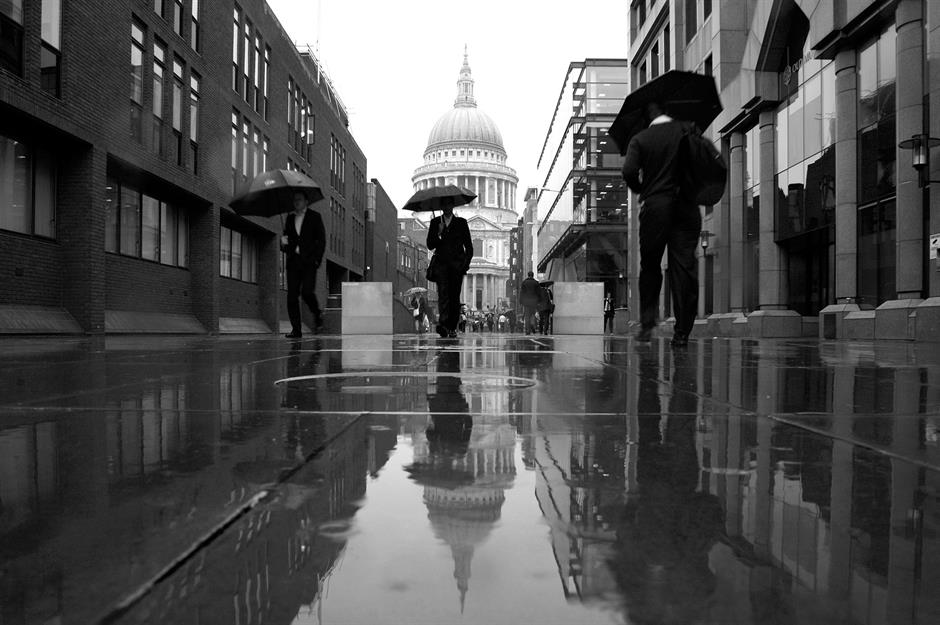
The only aspect of Britain with a worse reputation than its food is its weather. As far as the rest of the world is concerned, Brits spend their lives lashed by rain, scurrying about under huge umbrellas and dodging puddles on dark sodden streets. As it turns out, Britain gets 1,150mm of rain each year, just marginally above the global average of 1,000mm. The capital, London, gets only 562mm annually.
Reality: London is drier than Sydney and New York
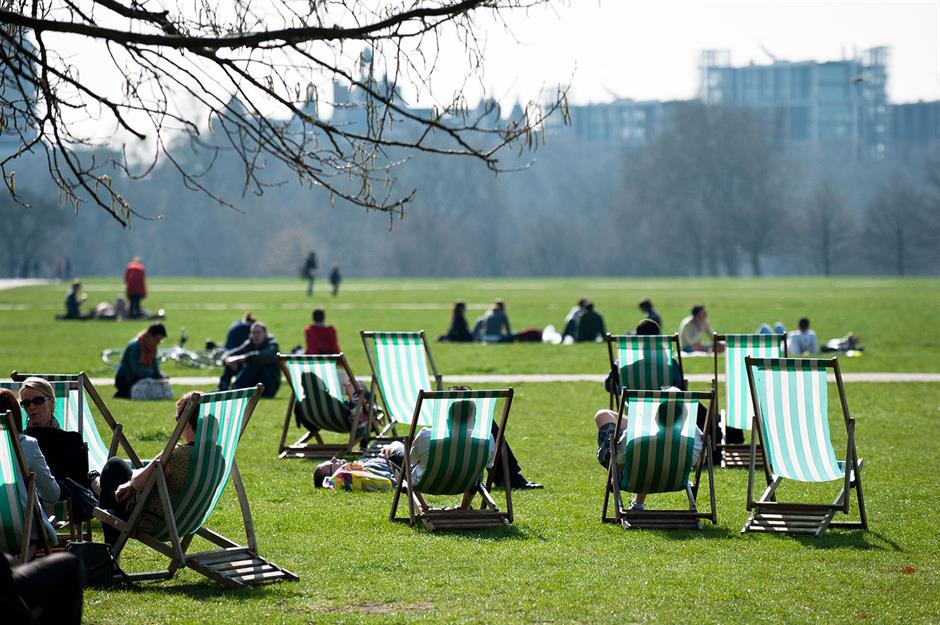
To put that into perspective, London gets less rain than Malta (592mm) or Rome (586mm) and a similar amount to Barcelona (520mm). Its annual average is roughly half that of Sydney (1,222mm) or New York (1,059mm).
The UK does tend to get more light rain and drizzle, though, and, according to one recent dataset, enjoys the fifth least annual sunshine hours in the world – a measly 4.19 hours a day. Perhaps that’s why British males are so keen to whip their shirts off when the sun occasionally comes out...
Myth: Brits are unfailingly polite
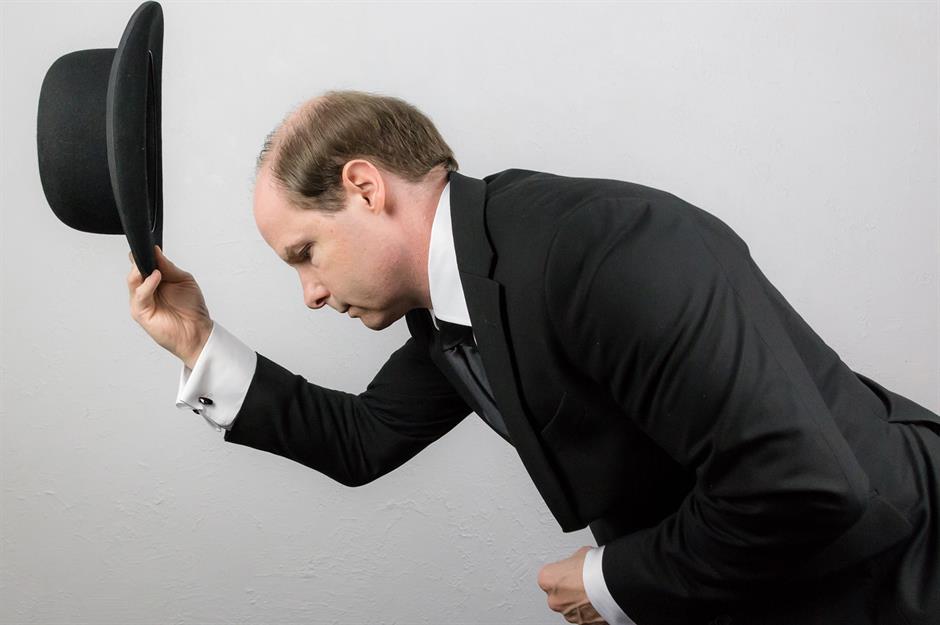
Brits have a reputation for being among the most polite people in the world. Visitors are always struck by how often Brits apologise, whether it’s for an actual infraction or to seek permission to brush past you to exit a train.
They also note that Brits say 'please' and 'thank you' to excess, and often use indirect language to soften the tone of the requests. Rather than simply asking for something, a Brit will say "Do you think you could possibly..?"
Sponsored Content
Reality: Sometimes they're being passive-aggressive
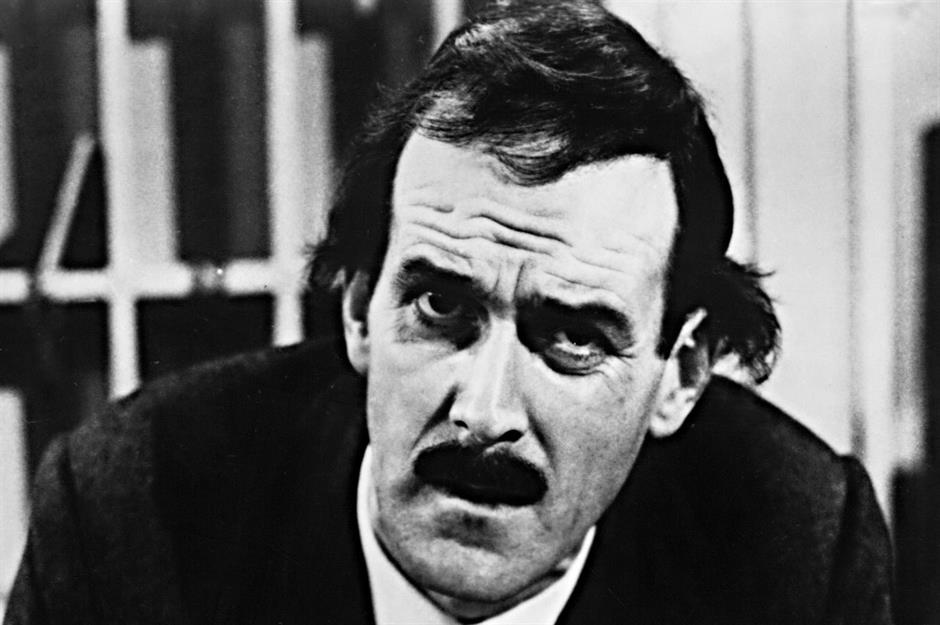
The main difference between Britain and other famously courteous societies like Japan, is the often high levels of passive-aggressive subtext in British communication. Listen closely to the tone and word choice and you'll find that Brits sometimes aren't being polite at all...
In fact, a 2019 YouGov survey found that over 50% of Americans wouldn't be able to tell that a Brit was calling them an idiot. Top tip: if a Brit says "that’s interesting", they probably think you’re talking nonsense.
Myth: The King lives in Buckingham Palace
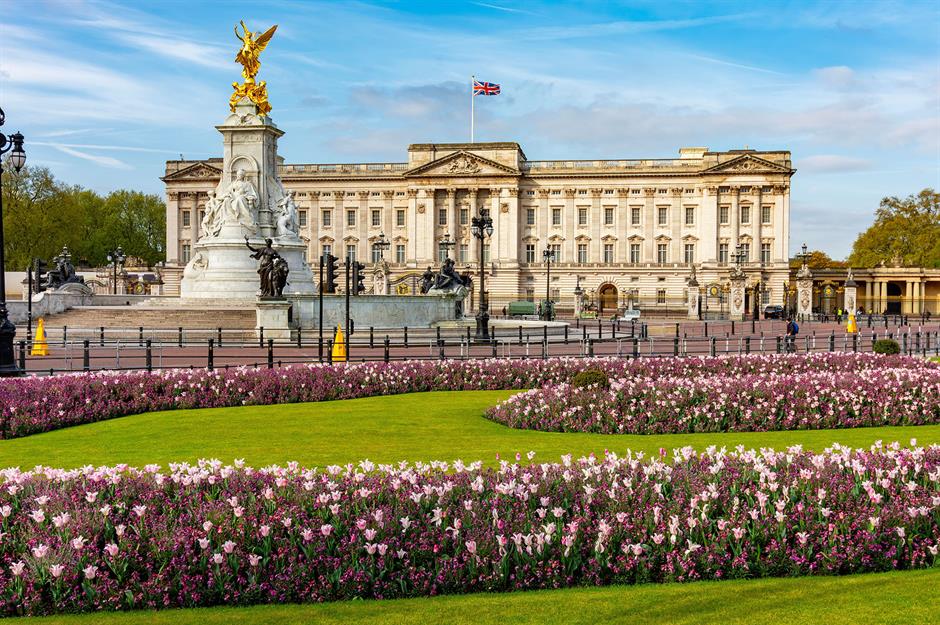
It's perfectly logical for international tourists to make a beeline for Buckingham Palace the moment they arrive in London. As the monarch’s official residence, it stands to reason that it offers the best chance of spotting the King. The Grade I-listed palace is in the midst of a 10-year renovation project to update the plumbing, pipes, wires and heating and is not expected to host any State visits until at least 2027.
Reality: He actually prefers Clarence House
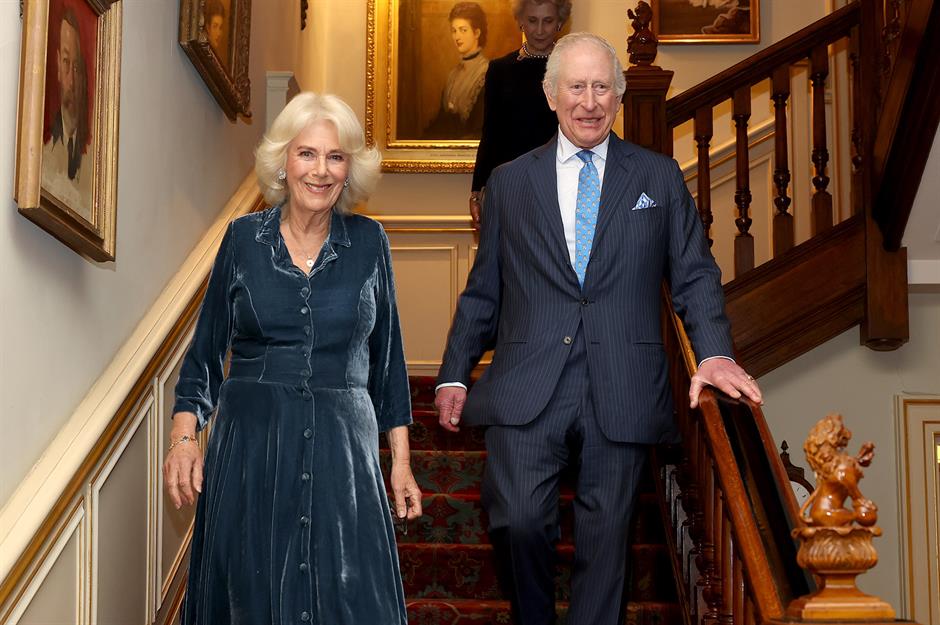
King Charles III actually prefers to stay in nearby Clarence House. Just half a mile from Buckingham Palace, it was his London home before he ascended to the throne and by all accounts he prefers it there. According to royal sources, King Charles regards Clarence House as a true home filled with happy memories, as it was here that he spent much time with his beloved grandmother Elizabeth, the Queen Mother.
Sponsored Content
Myth: Stonehenge is the UK’s largest stone circle
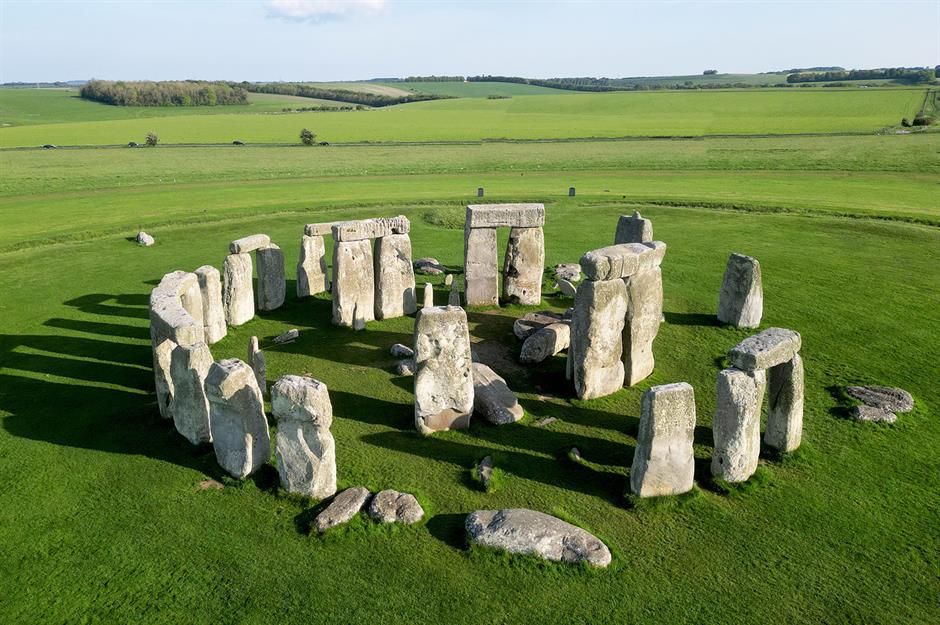
By any metric the prehistoric stone circle at Stonehenge is mightily impressive. It's around 5,000 years old, its huge sarsen stones weigh an average of 25 tonnes, and archaeologists are still puzzled as to how the smaller bluestones were transported from quarries in Wales, almost 150 miles (250km) away.
Stonehenge also attracts over 1.3 million visitors each year. But the largest stone circle in the UK actually lies in the village of Avebury, a small settlement a mere 19 miles (31km) north of Stonehenge.
Reality: Nearby Avebury Henge is much bigger
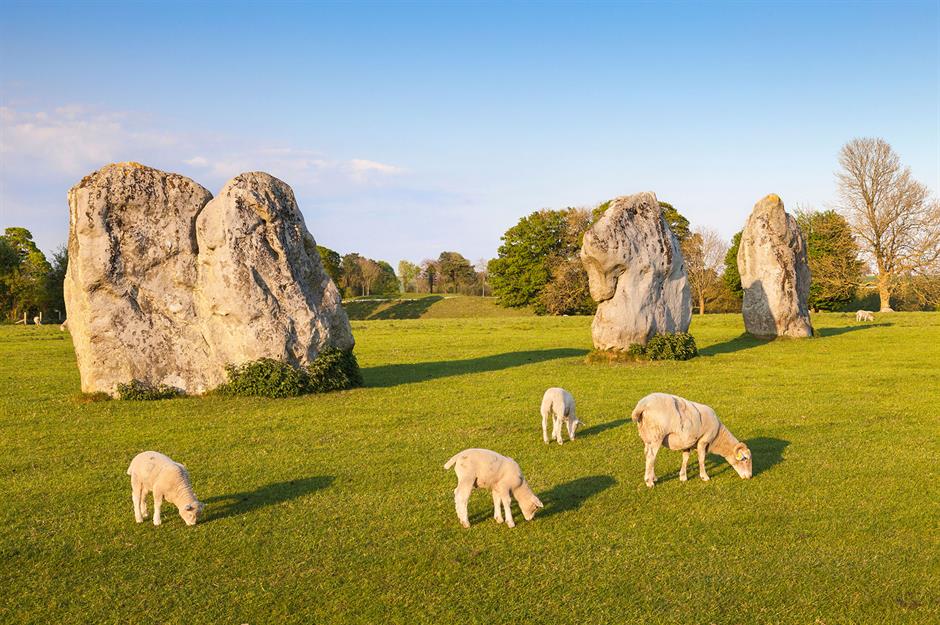
In fact, the stone circle in Avebury is 16 times larger than Stonehenge. Originally made up of well over 100 stones, it measures 1,142 feet (348m) across, dates from around 4,500 years ago and is considered the largest megalithic stone circle in the world. It’s also a more interactive experience: while the mighty pillars of Stonehenge are off-limits to visitors, people – and sheep – wander freely among the ancient stones of Avebury.
Myth: The tale of King Arthur is true
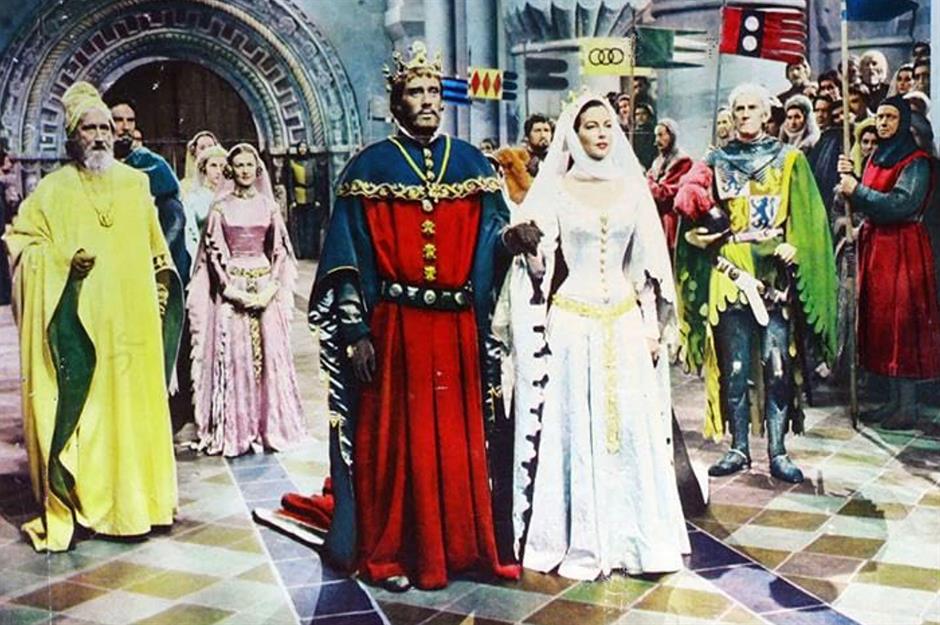
The tale of King Arthur and the Knights of the Round Table is one of the best known stories in the world. People across the globe continue to be fascinated by the tales of courtly Camelot, daring battles and the unrelenting quest to find the Holy Grail.
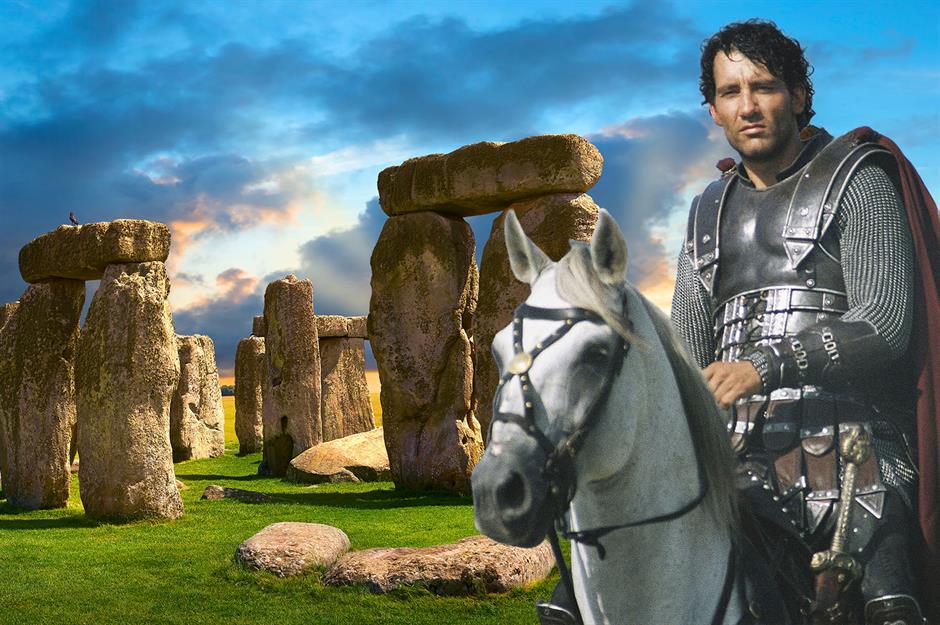
It’s a story that has been retold in dozens of languages in manuscripts, books and movies since the 11th century, including 1953's Knights of the Round Table (pictured). It's become so entrenched in world culture that many assume it must have at least some basis in fact.
Sponsored Content
Reality: Sadly, it is but a legend
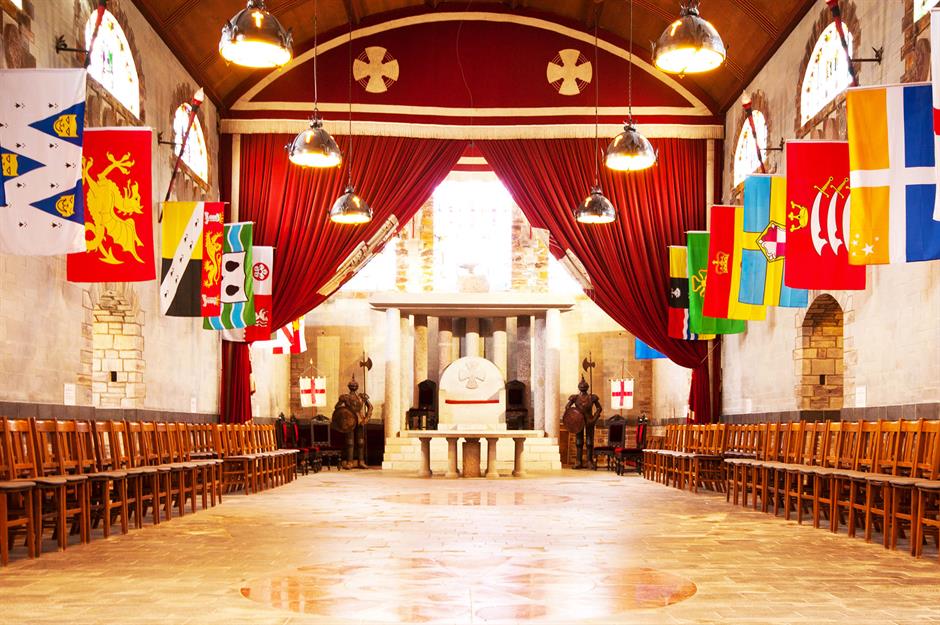
The unfortunate truth is that there's no definitive historical evidence that King Arthur ever existed. Most of what we know is based on medieval literature, in particular Geoffrey of Monmouth's utterly fanciful History of the Kings of Britain.
Arthur could have been very loosely based on Ambrosius Aurelianus, a Romano-British commander mentioned by the chronicler Gildas, or Riothamus, a 5th-century British king who campaigned in Gaul. Regardless, you should still visit King Arthur’s Great Halls in Tintagel (pictured). Created in the 1930s as a social club, it is the best place to indulge your Arthurian fantasies.
Myth: The UK has the most castles in Europe

Britain is famous the world over for its castles. From the mighty castles at Edinburgh and Windsor, still in use today, to the atmospheric ruins of Dunnottar Castle and Eilean Donan (pictured), most of them played vital roles in UK history as forts, residences and symbols of power. There are around 1,500 castles dotted around the country, many beginning life as Bronze or Iron Age forts, but that number pales next to the numbers found in countries like Italy and France.
Reality: Other European countries have far more
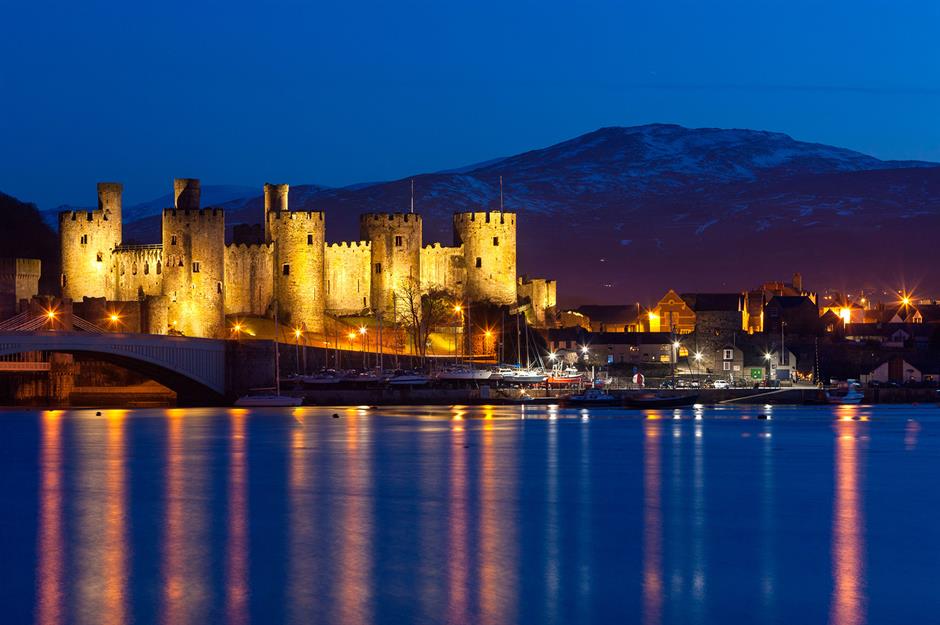
A 2025 dataset by World Population Review states that France and Italy have by far the most castles in Europe, with around 45,000 and 20,000 respectively. France's castles range from the crumbling 12th-century ruins of Château Gaillard, built by the English king Richard the Lionhearted during his wars against the French crown, to the elaborate Renaissance elegance of Château de Chambord. Germany has more castles than the UK too, with a total of 3,481, while Czechia boasts 1,820.
Sponsored Content
Myth: Brits love queuing
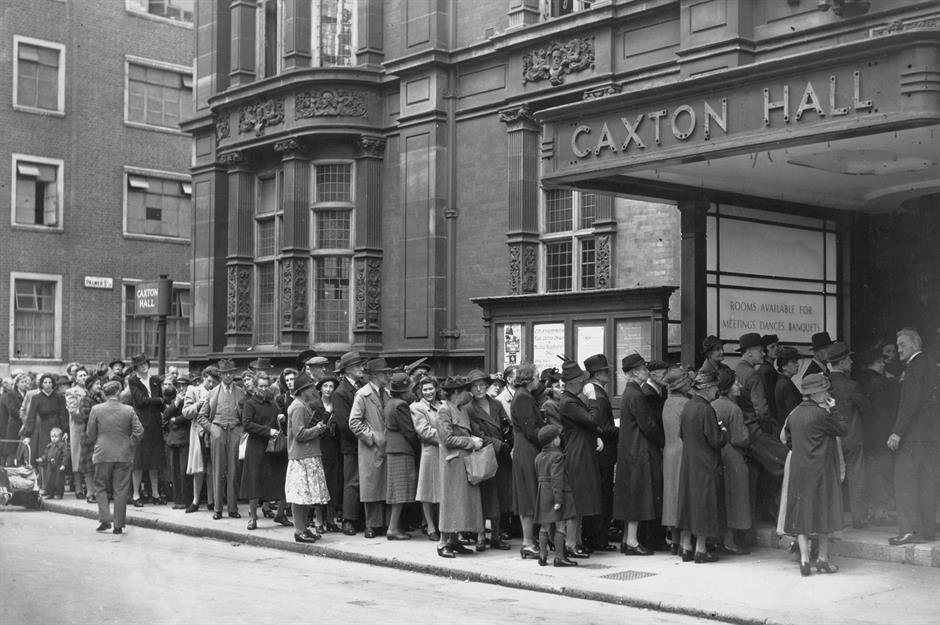
Brits are famous for queuing and regard it as a fundamental part of etiquette. It probably dates from the Industrial Revolution when cities first became overcrowded, and was reinforced during the war years when queuing was seen as patriotic duty, whether you were lining up for ration books (pictured) or to enter a bomb shelter. Queuing is a democratic institution: prince or pauper, in Britain you're expected to join the queue with the rest of them.
Reality: Actually, that one is true
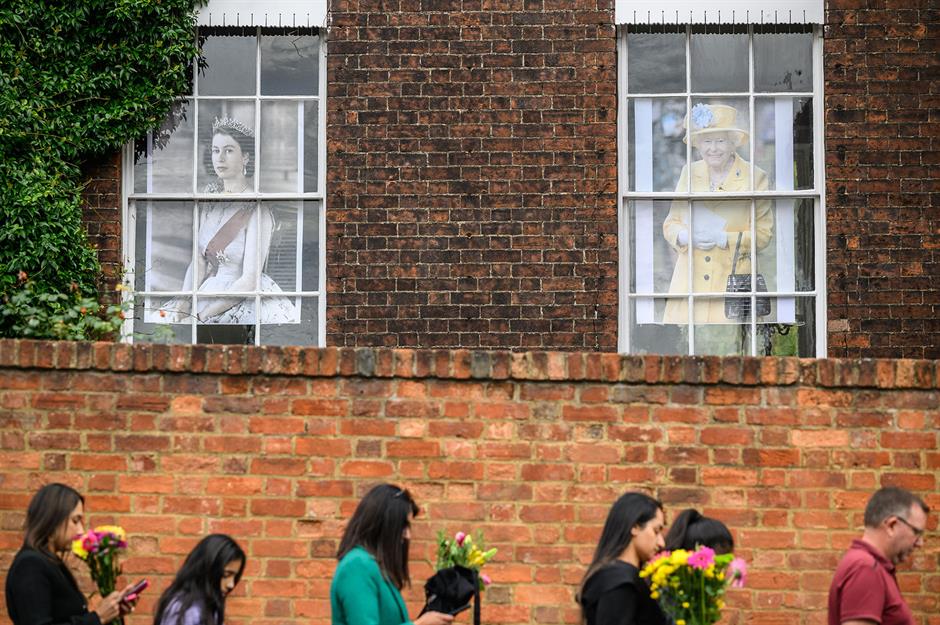
Queuing is so entrenched in British life that Debrett’s, the bible of social etiquette, has created a comprehensive list of 'do's and 'don't's. Respect your neighbour. Observe personal space. And feel free to moan about the queue’s length.
And never, ever jump the queue. Note the outrage in 2022 when TV presenters Holly Willoughby and Phillip Schofield jumped the queue to see the late Queen lying in state. Ordinary Brits queued patiently to pay their respects, including footballer David Beckham, who queued alongside everyone else for 13 hours.
Now read on for 15 UK history 'facts' that are just not true