Ranked: The most important empires in world history
World domination
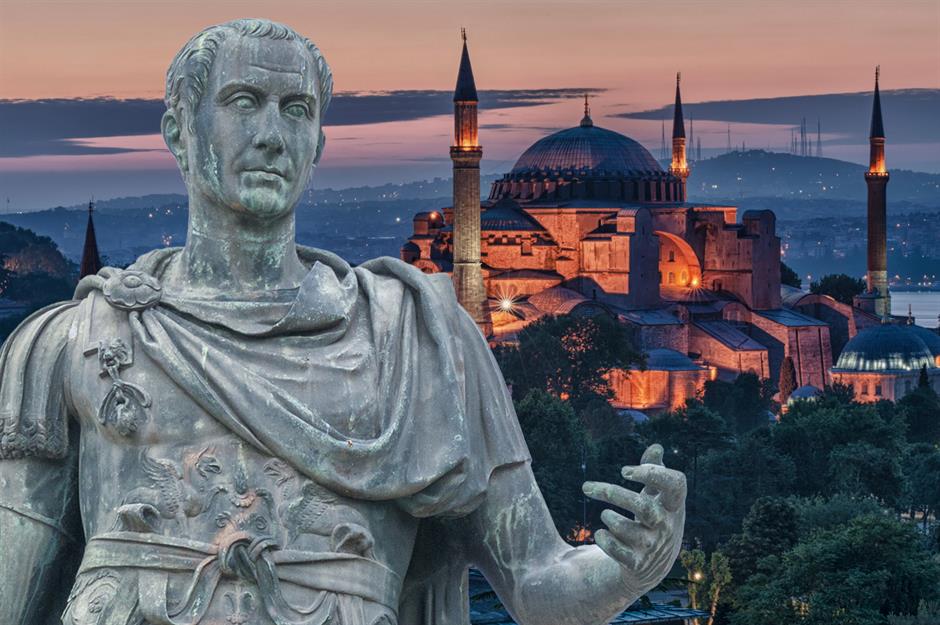
The history of the world is, perhaps unfortunately, the history of empires. As far back as historians can take us, humans have sought to subjugate one another, and some have proved particularly good at it. We've rounded up and ranked the most powerful and influential empires in history, from the globe-spanning dominions of European colonialism to the great conquests of the ancient world.
Click through this gallery to see which historic empire claimed our number one spot...
7. The Spanish Empire
Christopher Columbus's 1492 voyage is usually portrayed as a foundational moment for America, but at the time it wasn't America that it founded. Columbus sailed under the patronage of the Spanish crown, and Spain moved quickly to plant its flag across the so-called 'New World'. Conquistadors rapidly claimed vast territories at the point of a musket – a fearsome weapon that terrified Indigenous peoples.
Hernán Cortés had barely 500 soldiers under his command when he landed in Mexico and toppled the Aztec Empire, while Francisco Pizarro brought down the mighty Inca with just 180 men. Local allies helped in both cases, but it was, to put it mildly, an unfair fight.
7. The Spanish Empire

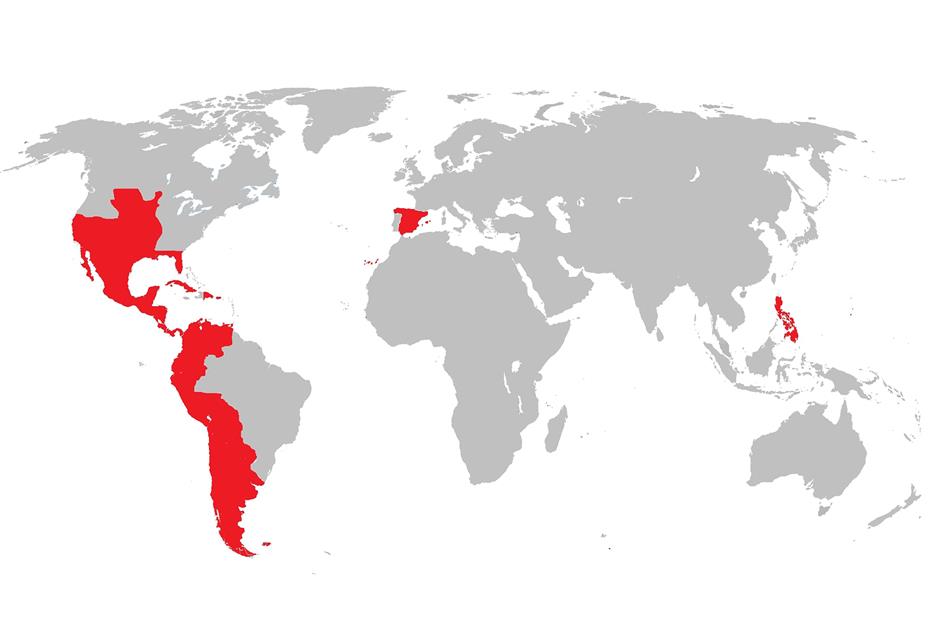
Compared to other European empires, the Spanish Empire sprung up quickly, declined early, and wreaked particular devastation. Spain looted its new territories of their riches, sending 'treasure fleets' back across the Atlantic laden with silver and gold, while disease, enslavement and war saw entire ethnic groups all but wiped out. Spanish control eventually extended from the southernmost tip of South America all the way up to the modern Canadian border, while the 1565 addition of the Philippines made Spain arguably the first truly global empire on Earth.
Sponsored Content
7. The Spanish Empire
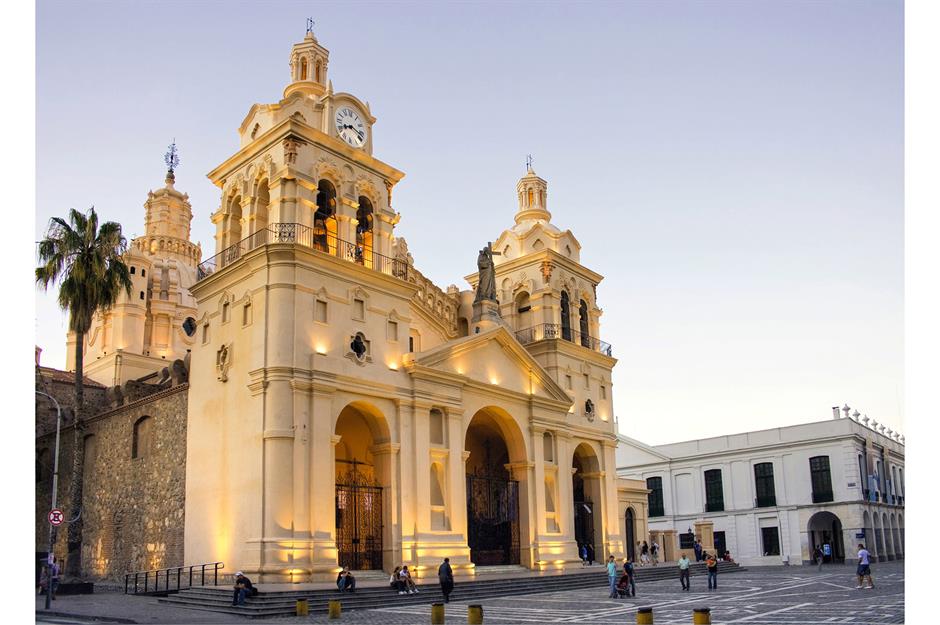
The Spanish Empire became spectacularly wealthy, but it disintegrated rapidly following Napoleon's invasion of Spain in 1808. One by one its territories declared independence – Colombia in 1810, Argentina in 1816, Peru in 1821, Mexico in 1823, and so on. Today the empire's legacy is easy to see, thanks to the Latin-ness of Latin America. Language, religion, culture and ethnic makeup reflect the region's colonial history, while Spanish-colonial architecture dominates the downtowns of most major cities.
6. The Han Empire
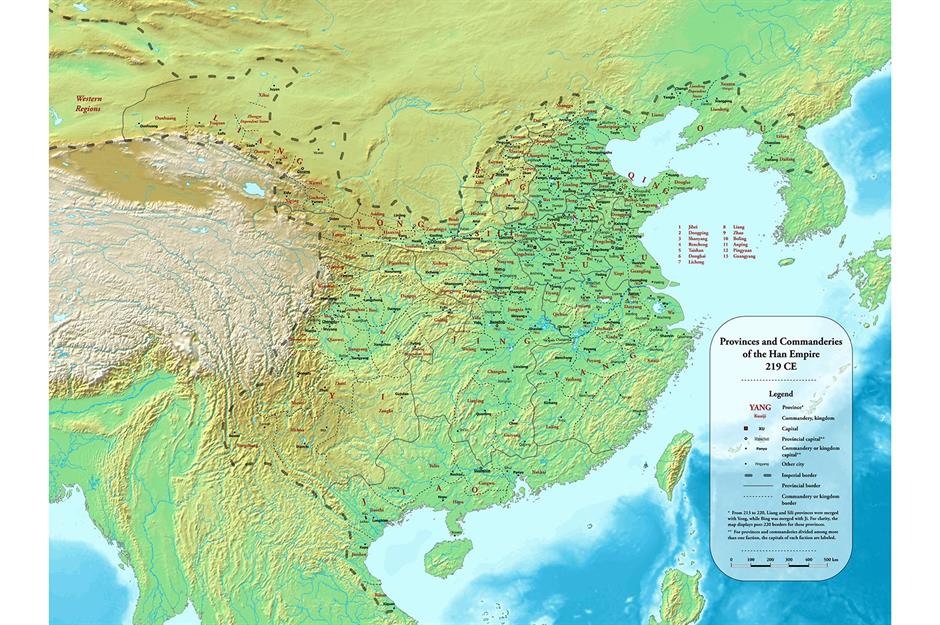
There are four or five Chinese dynasties that could fill this spot, but we've opted for the Han – an ancient dynasty that's little known but vastly influential. China's first imperial dynasty, the Qin (221-206 BC), enjoyed just 15 years and one real emperor, so it fell to the Han Empire to build the imperial state that would endure for more than two millennia. The longest-lived imperial dynasty by some margin, lasting 200 years BC and then 200 years AD, the Han are so fundamental to China's story that Han Chinese remains the name for China's dominant ethnic group.
6. The Han Empire
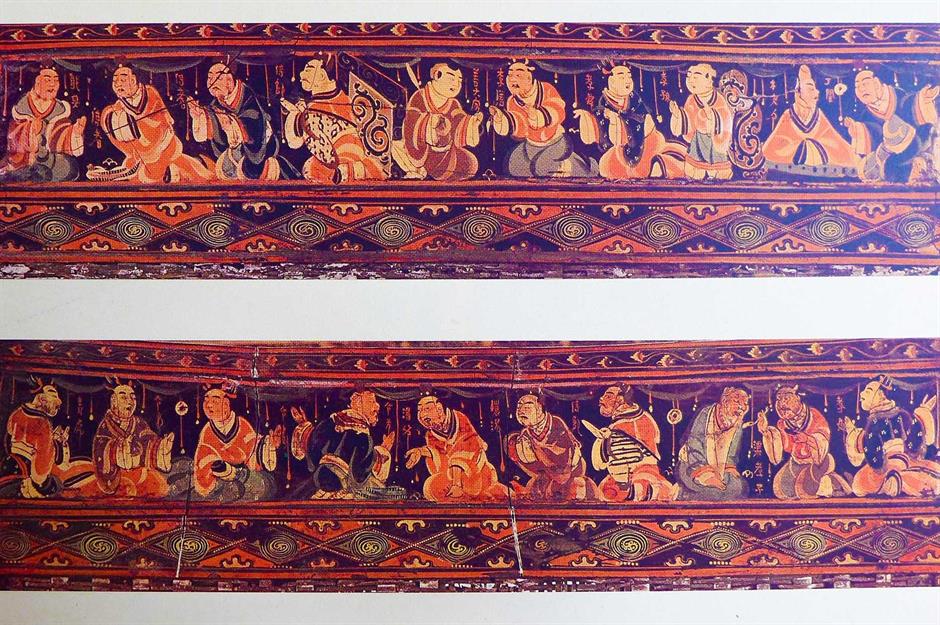
The early Han marks one of two or three moments in world history when China could reasonably claim to be the planet's most advanced civilisation. Rapid military expansion was supported by an increasingly vast state bureaucracy, fed by the famous civil service examinations system that would continue to supply the state with officials for the next 2,000 years. Their taxation network was the envy of the ancient world, including a state monopoly on salt production that was only relaxed in 2014.
Sponsored Content
6. The Han Empire
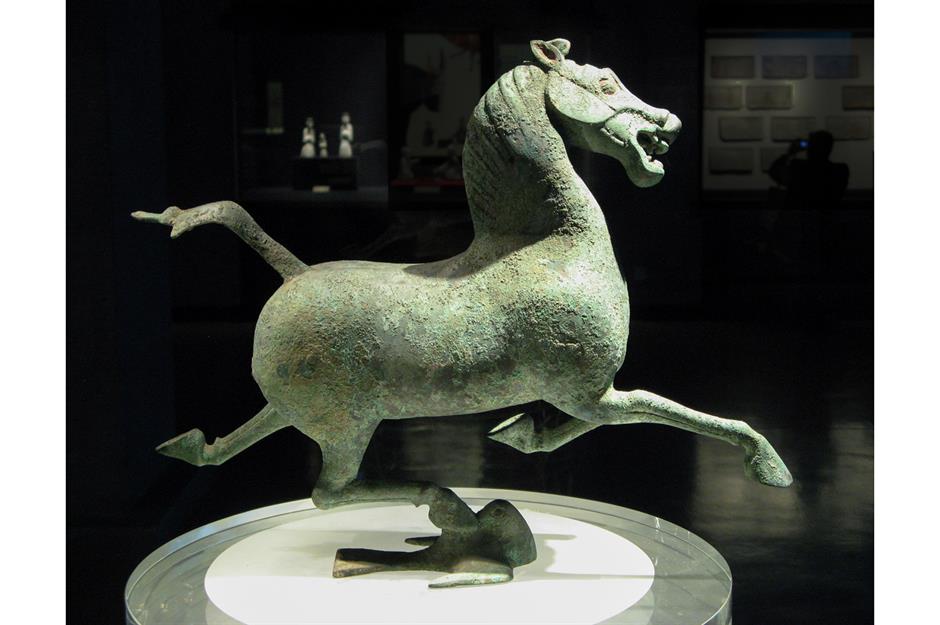
If you stopped someone in the street and asked them to list China's imperial dynasties, they might struggle. They might know the Ming Dynasty (1368-1644), which gave the world the Forbidden City and the Great Wall of China, and is renowned for its priceless blue-and-white vases. Or perhaps the Qing Dynasty (1644-1911), China's most recent dynasty that was repeatedly bullied by colonial European powers.
Very, very few would know the Han, but this obscure empire created the levers of state that propelled imperial China to glory.
Love this? Follow us on Facebook for more history content and travel inspiration
5. The Achaemenid (Persian) Empire
The ancient Greek historian Herodotus wrote that Persian children were taught three things: to ride a horse, to draw a bow and to tell the truth. It's hard today to assess their truth-telling, but we have ample evidence that the Persians excelled at the other two.
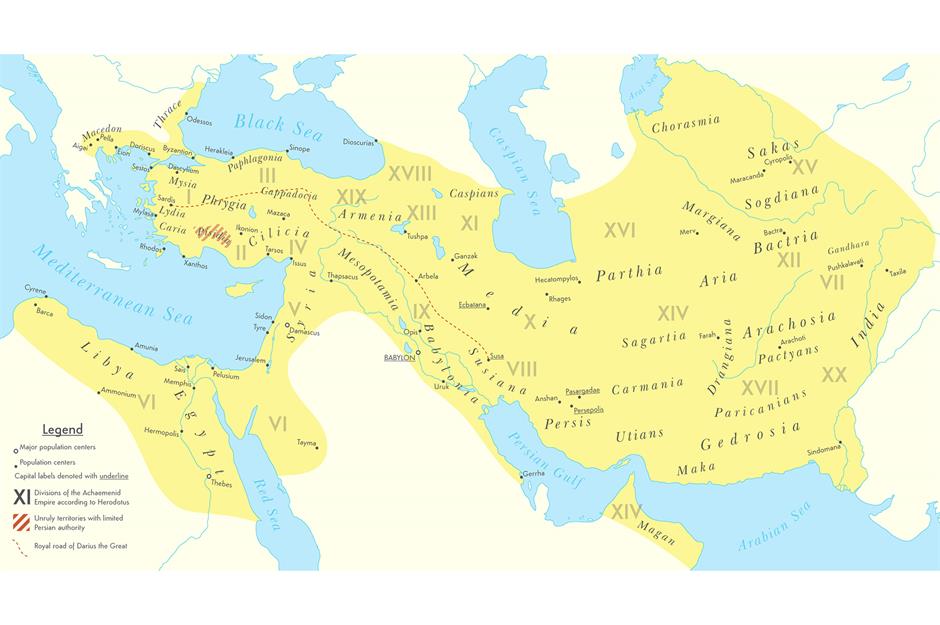
Often called simply 'the Persian Empire' (there have been several Persian empires, so historians need to be more specific), the Achaemenid Empire is often described as the first great empire in history. Under their founder Cyrus the Great, the Persians swept across the Near East from around 550 BC, conquering the great cities of Babylon and Assyria and subjugating the ancient kingdom of Egypt.
5. The Achaemenid (Persian) Empire
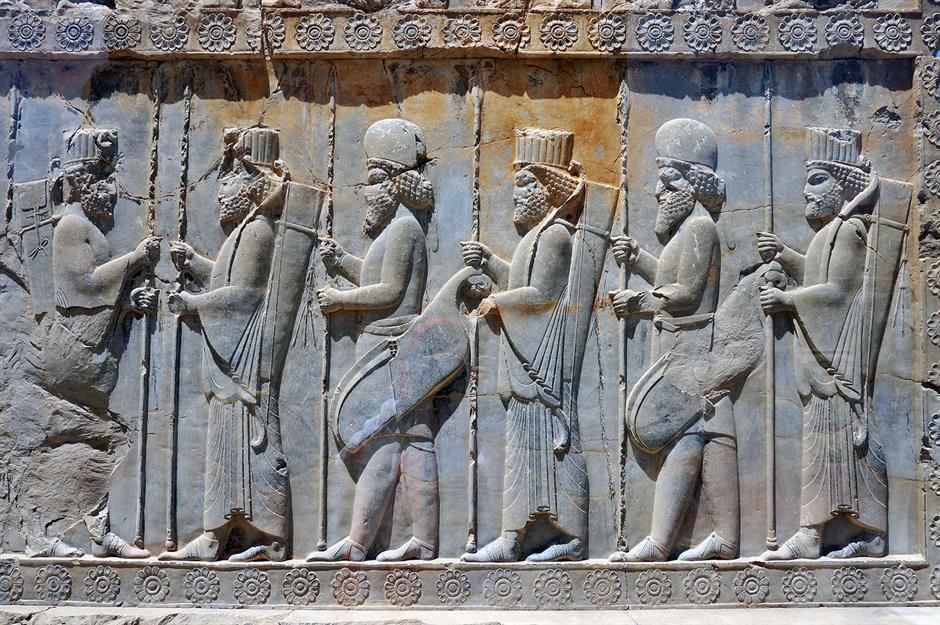
Today the Persians are best remembered for their unsuccessful attempts to conquer Greece (dramatised by the wildly inaccurate film 300), but those defeats are only famous because Greece was such an underdog – a backwater on the borders of the superpower of the day.
From his purpose-built capital in Persepolis, the Persian King of Kings ruled over an advanced, centralised state with a postal service, road-building projects and a sprawling civil service, protected by a professional army stocked with chariots, camel riders and Indian-trained war elephants. At its heart were the so-called Immortals – an elite heavy infantry unit that guarded the person of the king.
Sponsored Content
5. The Achaemenid (Persian) Empire
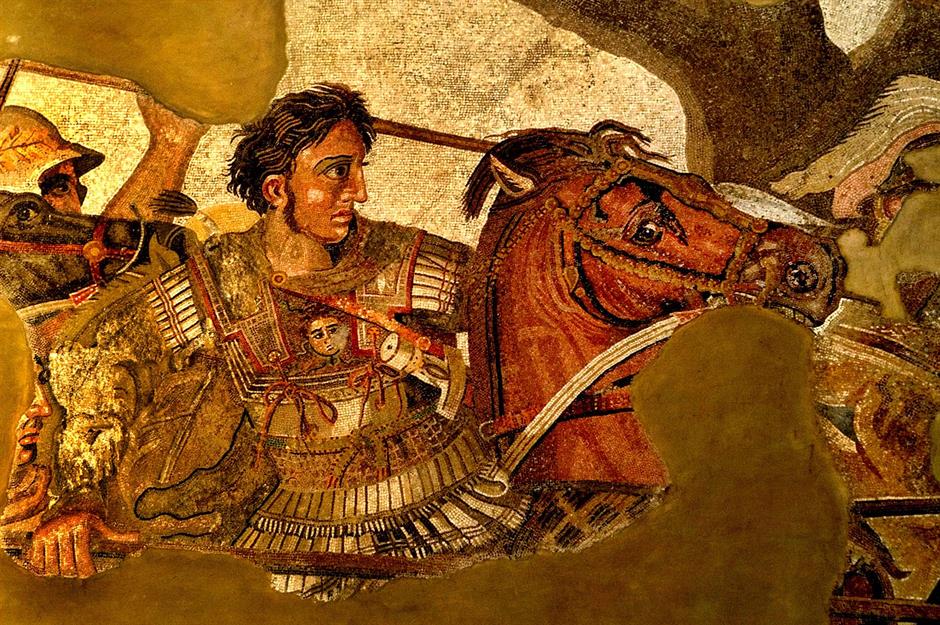
It took perhaps history's greatest conqueror to bring the Achaemenid Empire to its knees. In 334 BC, Alexander the Great (pictured) embarked on a 10-year campaign of conquest in which he never tasted defeat, despite being constantly outnumbered. Nowhere was he more outnumbered than at the Battle of Gaugamela, in which his war-weary force faced the full might of the Persian imperial army, led by the King of Kings Darius III. Alexander's lightning-quick cavalry carried the day, and the fleeing Darius was eventually assassinated.
On Alexander's death in Babylon aged 32, his empire was divided up between his generals, and the Achaemenid dominion was no more.
4. The Ottoman Empire
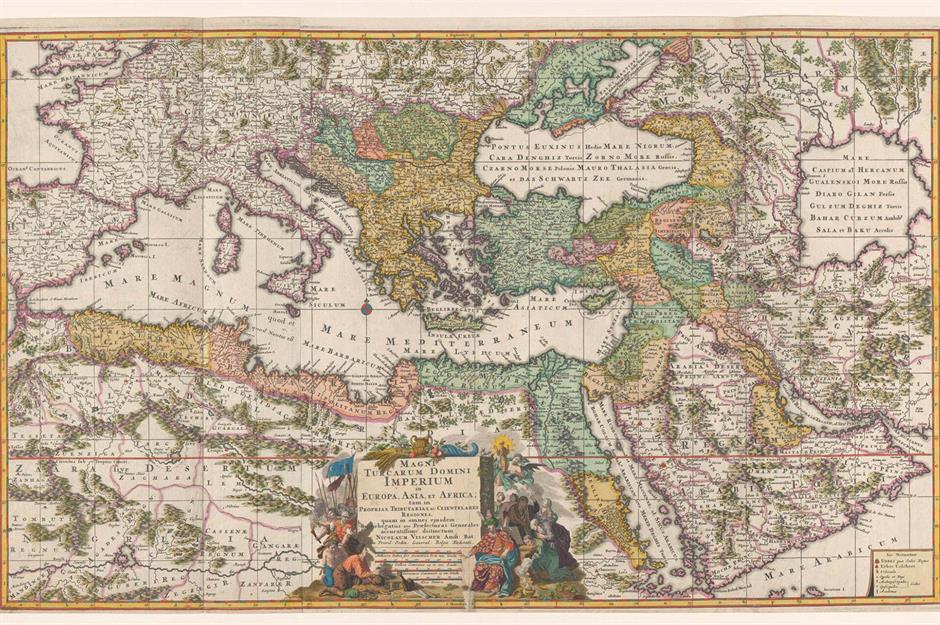
It's harder to hold territory than it is to take it, and most great empires were less long-lived than you’d think. The Aztecs lasted less than two centuries, the Achaemenids just a little more, and the Han were the only Chinese imperial dynasty to make it past 300 years.
The Ottomans, on the other hand, dominated parts of Europe and the Middle East for six centuries (1299-1922), becoming history's most influential Muslim power. From their capital in Constantinople (modern-day Istanbul in Turkey), the Ottoman sultans controlled the lucrative trade routes between east and west, and struck fear into the hearts of Christian kings and Persian shahs alike.
4. The Ottoman Empire
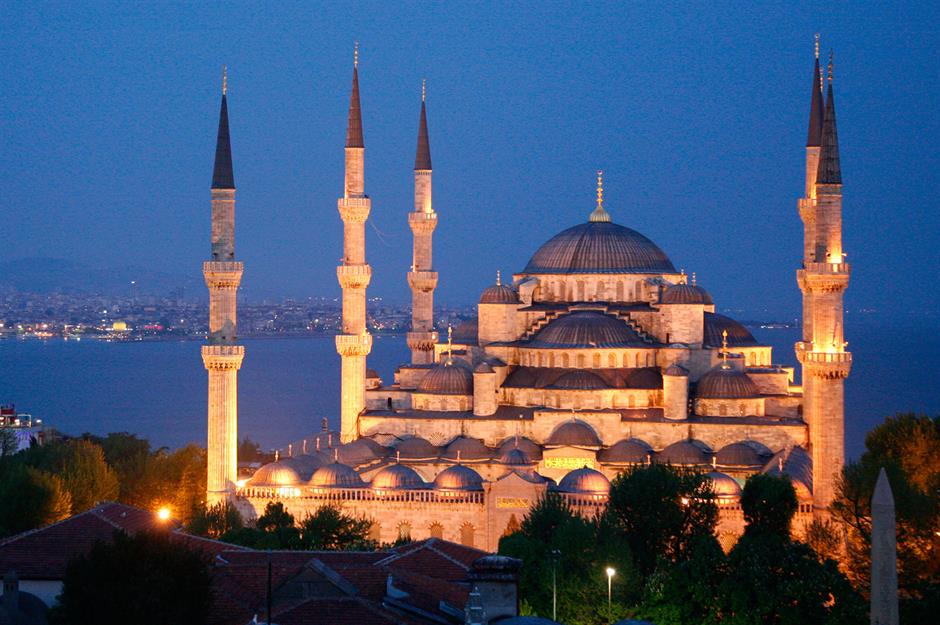
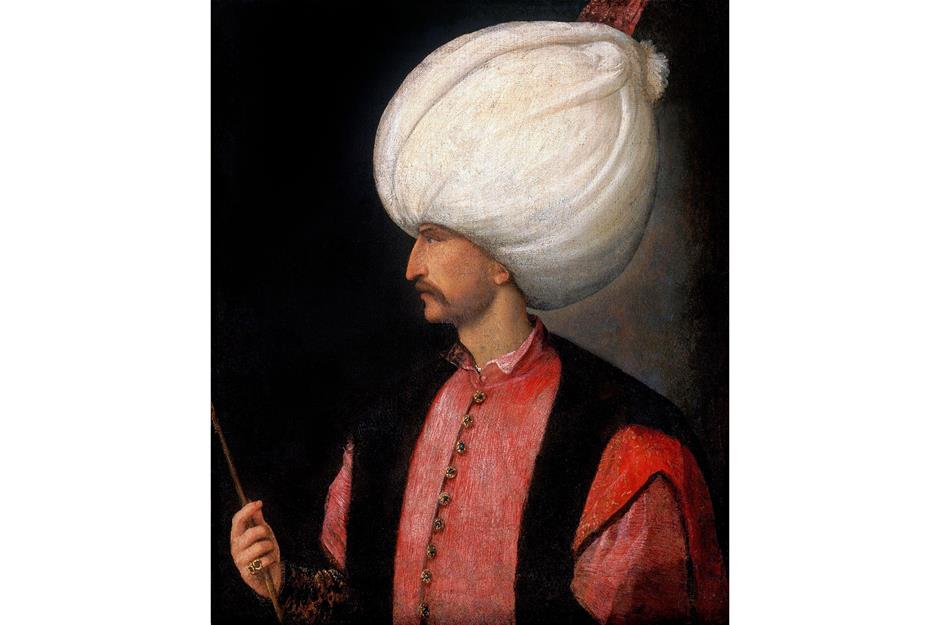
The Ottoman story is usually told in two parts: an inexorable rise under the first 10 sultans, peaking under Suleiman the Magnificent (1520-1566), followed by centuries of slow decline. These early sultans began their reigns by ritually murdering all their brothers – an entirely legal measure intended to prevent disputed successions. In war they relied on the janissaries, an elite corps of slave soldiers conscripted from conquered peoples at a young age and trained in the use of firearms, which made them dominant on 16th-century battlefields.
Under Suleiman, Ottoman armies charged across Europe, only stopping at the gates of Vienna, extending his rule over 25 million people.
Sponsored Content
4. The Ottoman Empire
Although the 'decline' narrative has been criticised by modern historians, the 17th, 18th and 19th centuries were successively less kind to the Ottomans. First the Persians in the east and then the British, French and Russians in the west began to challenge Ottoman hegemony, and the empire became known as "the sick man of Europe".
Ottoman imperium eventually ended in ignominy, with defeat in World War I and the Armenian Genocide – an appalling state-level crime that saw up to 1.2 million Armenians killed in 1915 and 1916. In 1923, the empire was refounded as the modern Republic of Turkey.
3. The British Empire
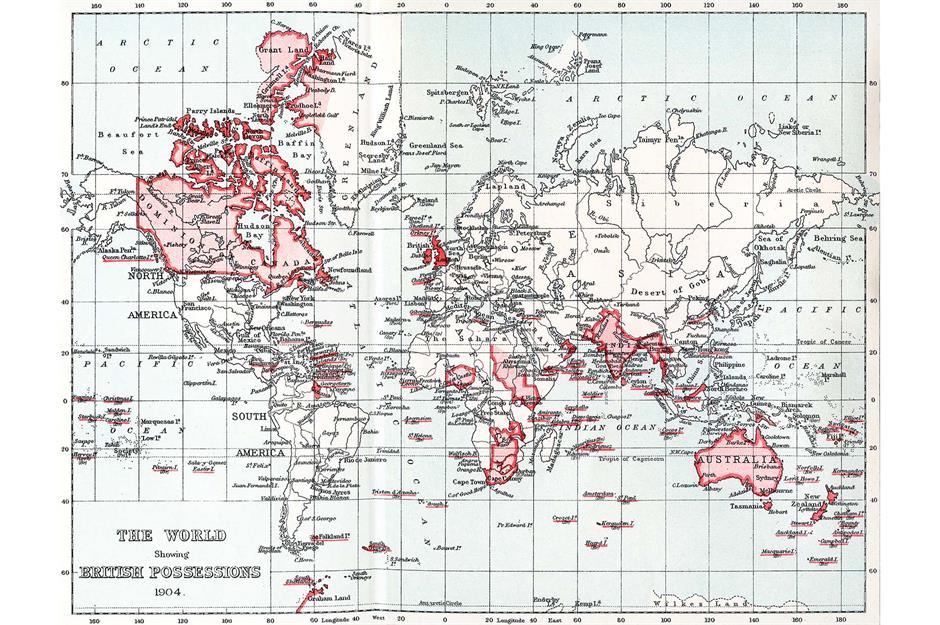
The empire on which the sun never set (this phrase dates back to ancient times, but the British Empire was the only one for which it was actually true), the British Empire at its height covered a quarter of the globe. Listing all its colonies would far exceed our word count, but India, Canada, South Africa, Jamaica, Australia, New Zealand, Bangladesh and Kenya were all once under the British thumb.
The empire rose on the back of the Royal Navy, which ruled the waves right up until the world wars, and shipped British rule to more than 13 million square miles (34 million sq km) of foreign soil – the largest imperium ever assembled.
3. The British Empire
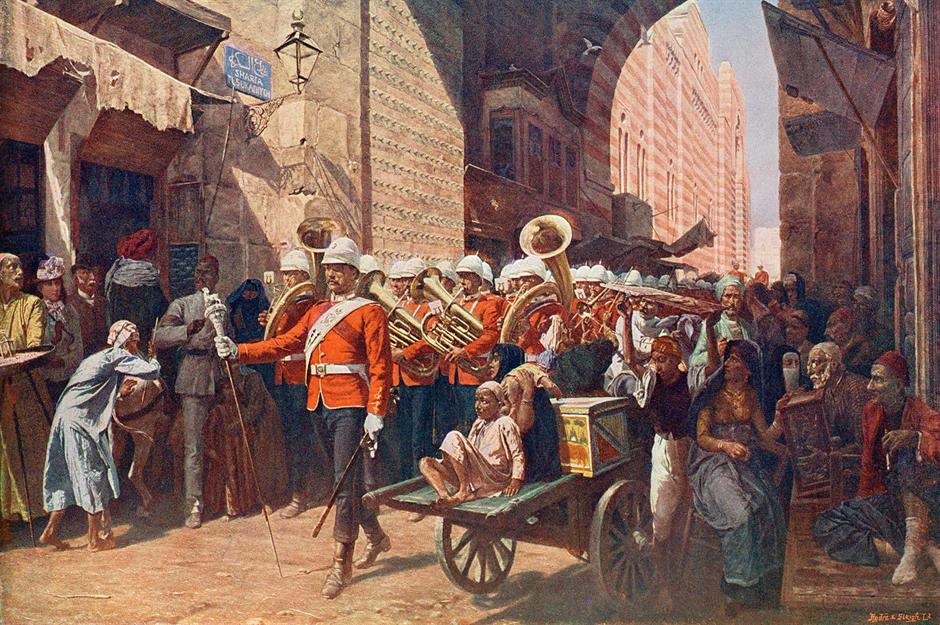
Unusually, Britain's empire was founded more on commerce than conquest, with an initial focus on setting up favourable trade and exploiting resources. Expansion into India, for example, was carried out mostly by the British East India Company – a private enterprise interested first and foremost in profit – and the historian John Seeley famously remarked that the empire grew "in a fit of absence of mind".
Nevertheless, the Victorians took pride in their dominion, which many in London considered to be a benevolent, civilising mission. Out in the colonies, the Enfield rifles of Britain's red-coated imperial battalions ensured that the reality was often very different.
Sponsored Content
3. The British Empire
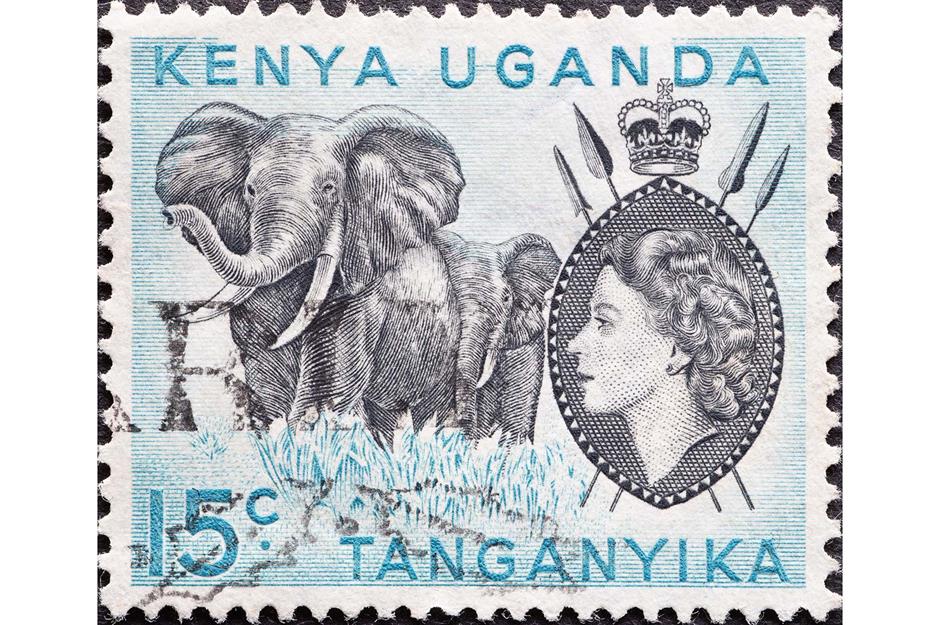
As with the Spanish Empire, British colonialism lives on in language, custom, architecture and religion, plus the institution of the Commonwealth – an association of 56 mostly former territories, some of which retain the British monarch as head of state. One of the more recent empires on this list, its legacy remains – to put it mildly – controversial. Historian Niall Ferguson writes that the empire, "maintained a global peace unmatched before or since", while fellow historian David Olusoga calls it "extractive, exploitative, racist and violent".
2. The Mongol Empire
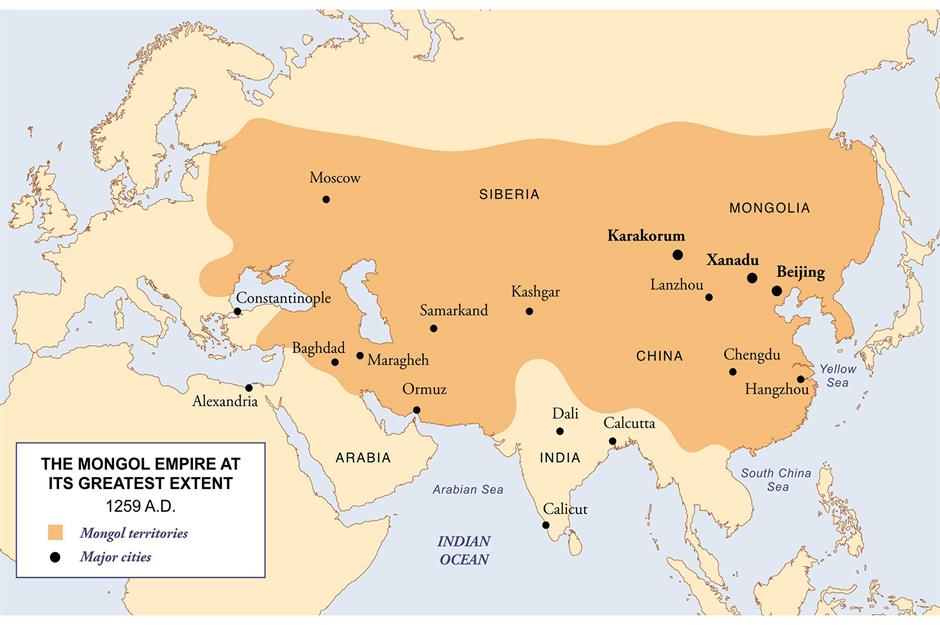
The largest land empire ever put together, the Mongol Empire stretched from Poland in the west to the Sea of Japan in the east, from the Arctic Circle in the north to the Indian Ocean in the south. In 1206, the warlord Genghis Khan united the Mongol tribes to kickstart an era of conquest unmatched in human history, exploding out of the steppes of Central Asia with an unstoppable army of highly-trained horsemen who could fire accurately from the saddle and travel enormous distances while living off the land.
2. The Mongol Empire
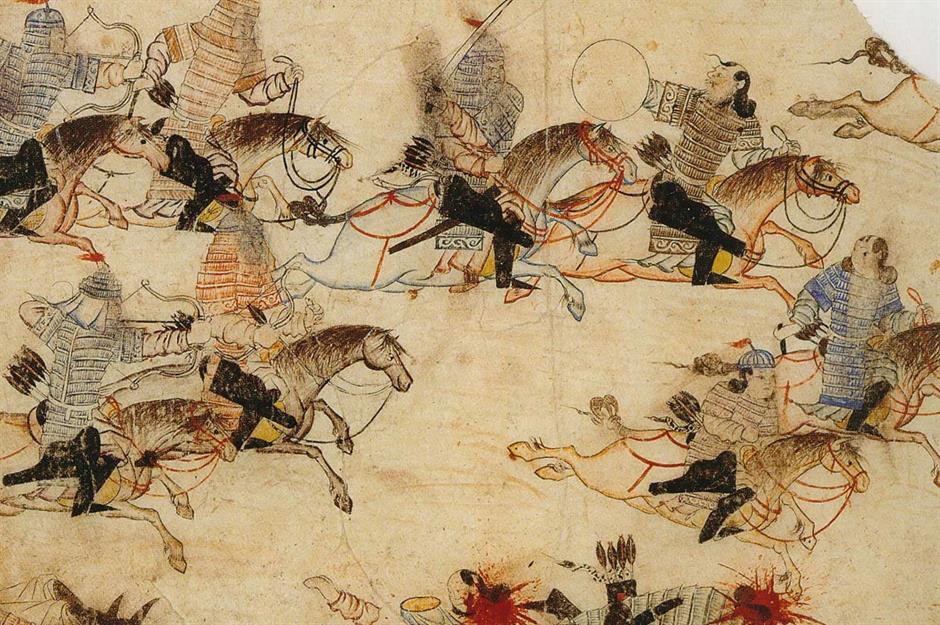
The Mongol mantra was simple – surrender immediately and be spared, or resist and be destroyed. Accounts of their conquests are punctuated by the names of great cities and peoples little known today – because they never recovered from their destruction.
In 1258 the Mongols sieged Baghdad, the greatest city in the Islamic world, and reduced it to ash. The corpses numbered in the hundreds of thousands, and the river supposedly ran black with ink from the city libraries. The Mongols inspired such terror that many cities chose to pre-emptively surrender weeks or even months in advance, while in Europe they were viewed as an apocalyptic punishment from God.
Sponsored Content
2. The Mongol Empire
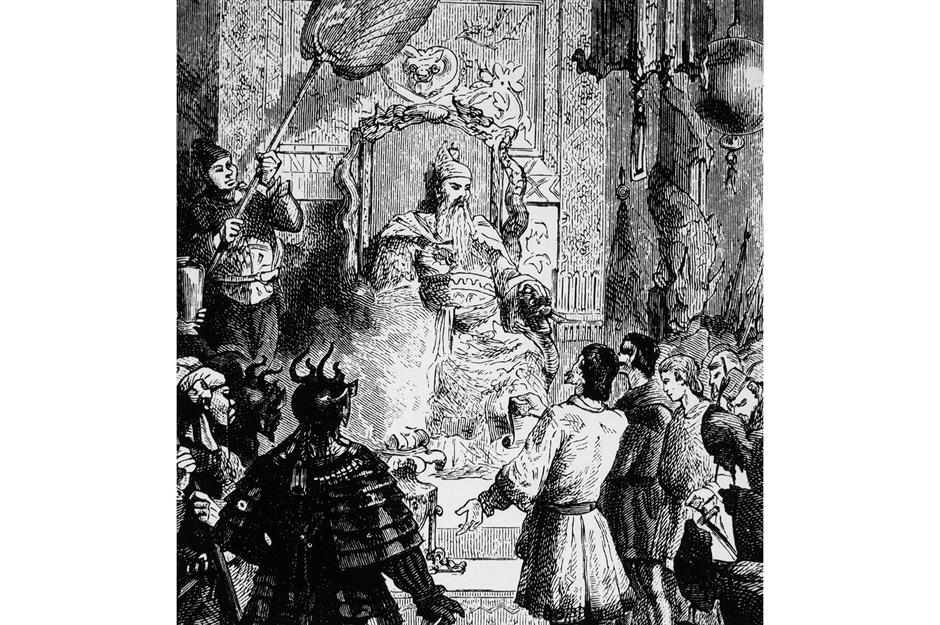
The Mongols entirely deserve their reputation for industrial-scale bloodletting, but they built as well as destroyed. In China they founded an imperial dynasty – the Great Yuan – and submissive subjects enjoyed freedom of religion and protection from invaders.
The empire was far, far too big to last, and a split into four khanates in 1294 was followed by full-scale disintegration – but its legacy remains incalculable. Genghis Khan alone has around 16 million living male descendants, while Mongol campaigns sparked unprecedented migrations of people between east and west. Across Asia there was pre-Mongols and there was post-Mongols, and the two looked very, very different.
1. The Roman Empire
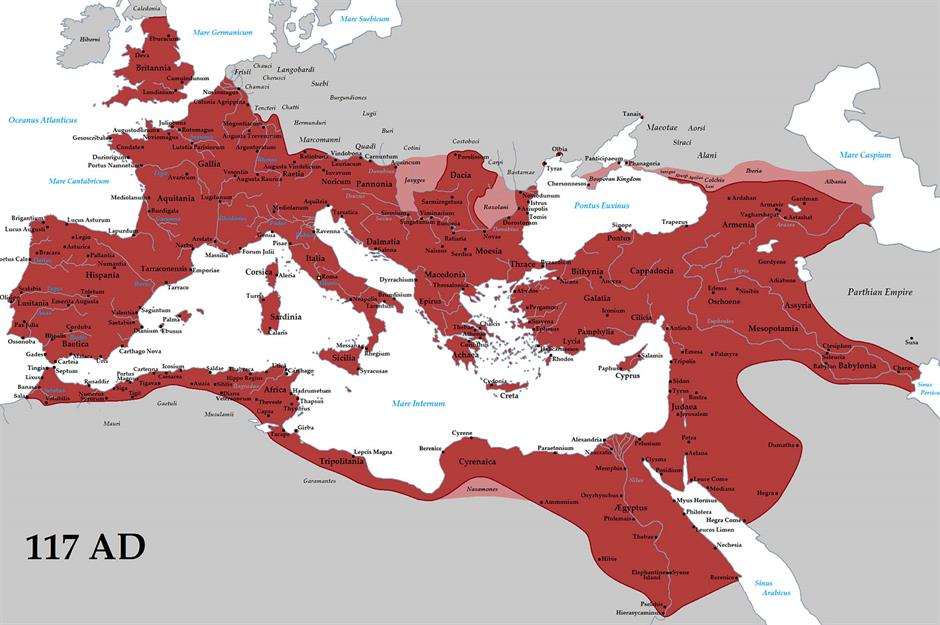
Our choice for history's most influential empire – and it's not a hot take – is the Roman Empire. Rome ruled the Near East and Mediterranean with an iron first, first as a republic and then from 27 BC as an imperium, under iconic emperors like Augustus, Caligula, Nero, Claudius, Hadrian and Marcus Aurelius. Ahead of its time in almost every field, Rome was all-but unstoppable for several centuries.
Rome not only dominated its day – it’s dominated a lot of the days since. A recent TikTok trend saw women asking their boyfriends how often they thought about the Roman Empire, with the consensus being: a lot.
1. The Roman Empire
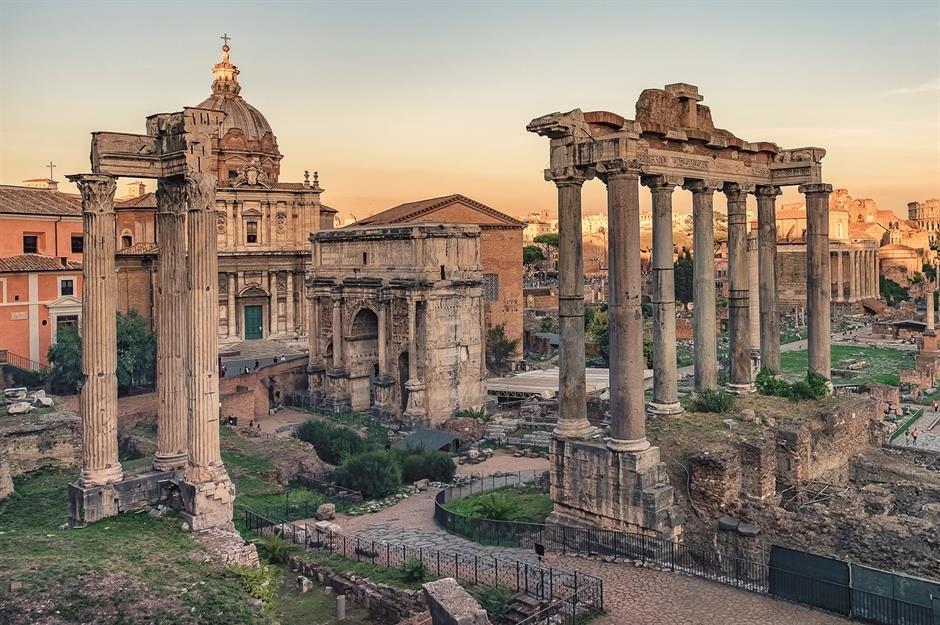
Rome remains powerful partly because we know so much about it – the poems of Virgil, the letters of Cicero, and the histories of Tacitus have all survived the millennia – and images of toga-wearing senators and duelling gladiators endure in the popular imagination.
European languages are littered not only with Latin words but entire Latin phrases (alter ego; per se; de facto; bona fide – et cetera), while we still use an adapted version of Julius Caesar's calendar. Romanesque styles still thrive in art and architecture: from the Neoclassical columns of the US Capitol to the paintings and sculptures of the Renaissance, which explicitly aimed to revive Roman aesthetics and philosophies.
Sponsored Content
1. The Roman Empire
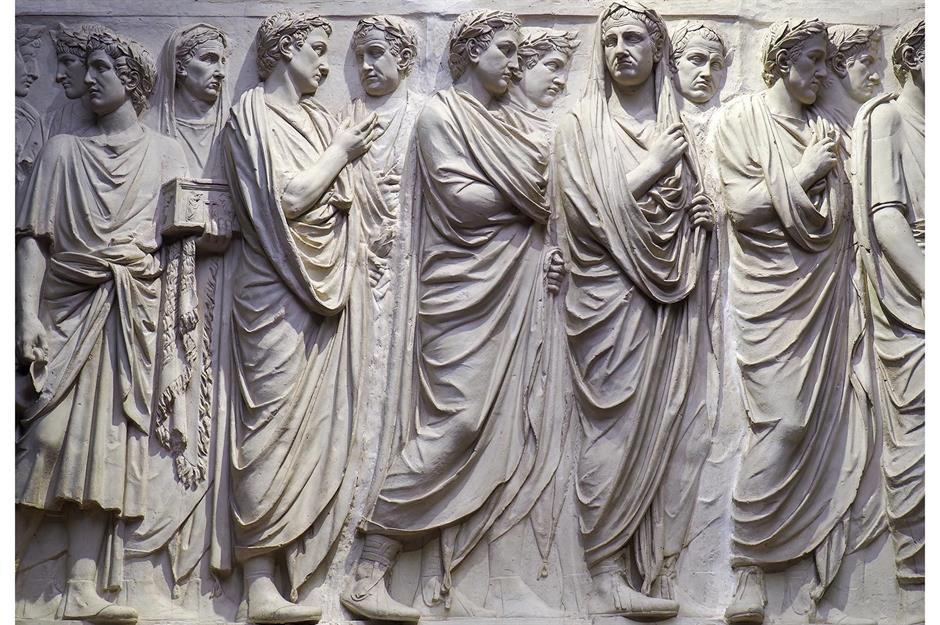
Indeed, Rome was so influential that many empires have styled themselves its successors. The Holy Roman Empire did so in a very literal way, so too did the Russian Empire ('tsar' comes from 'caesar'), and Ottoman sultans called themselves Kayser-i Rum ('Caesar of Rome') after taking Constantinople in 1453. Even the Founding Fathers deliberately invoked the Roman Republic when writing the US Constitution. You've probably never heard of Sultan Mehmed II or the Mongol capital at Karakoram, but everyone has heard of Julius Caesar and the Colosseum.
Read on to discover the controversial history of American empire