What Plastic Is Really Doing To Our Oceans: The SHOCKING Truth
The shocking truth about plastic
Many of us are doing our bit to cut down plastic pollution by recycling and reducing single-use items such as bags and straws, but is it enough? With hundreds of thousands of tons of plastic leaking into our seas annually and plastics having been found in all corners of the ocean, there is no doubting the impact they're having on waterways and marine ecosystems. These powerful and hard-hitting images reveal the horrifying extent of damage.
Plastic bobs in the ocean in Bali, Indonesia

Plastic waste, Panama City, Panama

Sponsored Content
Plastic trash, Cape Town, South Africa

Plastic pollution, River Thames estuary, UK

Lots of plastic waste can be seen washed up along the shoreline of the Thames Estuary which then drifts out to the North Sea. This image was taken in Purfleet, Essex, home to saltmarshes that are an important feeding ground for wading birds and other marine life. According to a Greenpeace report that looked at the extent of plastic contamination in 13 rivers across Britain, the River Thames was second worst, after the Mersey. The majority of plastic that enters our oceans, spills out from rivers.
Collecting plastic, the Pacific Ocean

Sponsored Content
Plastic debris, the Erme Estuary, Devon, UK

Ghost nets found in the Baltic Sea, Europe

Trash retrieved in Beirut, Lebanon

Scuba divers resurface with bags of trash, much of it plastic, that they have collected from the ocean floor along Beirut’s Corniche in a National Beach Clean Up initiative. The country has a documented problem with waste being washed into its sea, and dumped on its beaches, from the overflowing landfill sites it has situated along the coast.
Sponsored Content
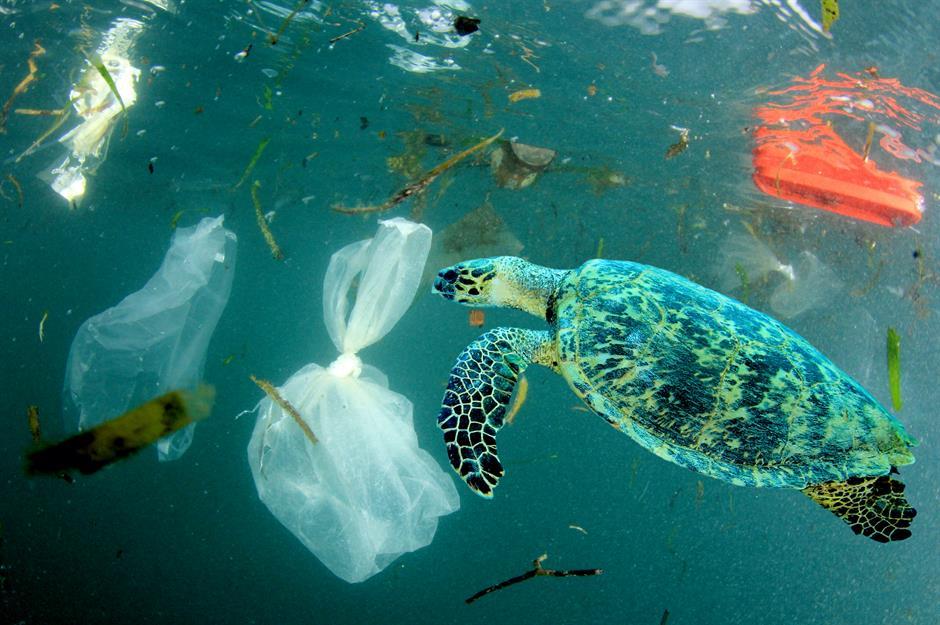
A turtle swimming among plastic, Asia-Pacific
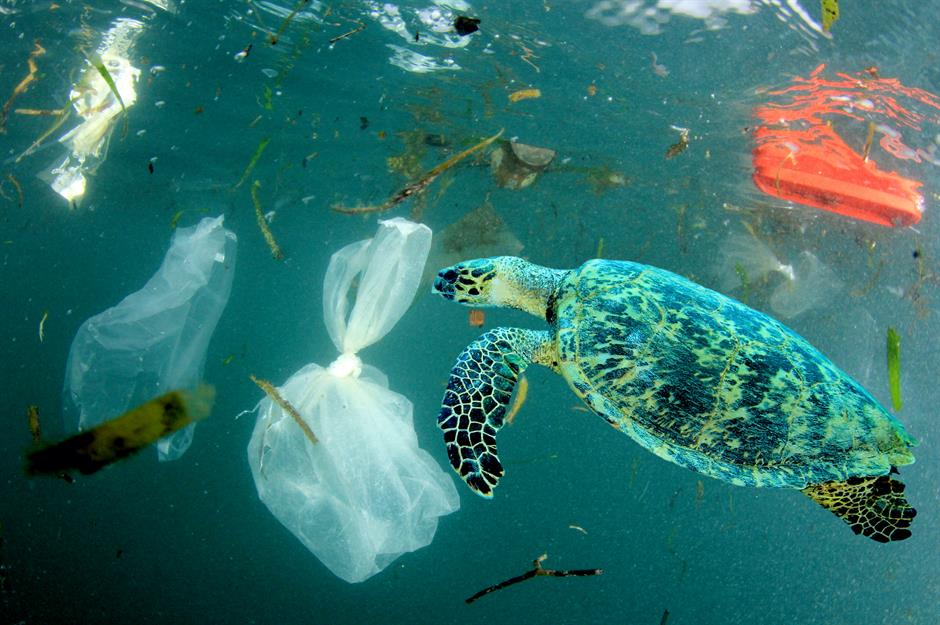
Plastic is having a devastating impact on many marine mammals, most famously sea turtles who have a high chance of ingesting the substance. A floating plastic bag is easily mistaken for jellyfish, algae, or other species that make up many sea turtles’ diets. An international study led by a University of Queensland researcher revealed that more than half the world’s sea turtles have ingested plastic or other human trash.
Liking this? Click the Like button above. And click the Follow button above for more great stories from loveEXPLORING
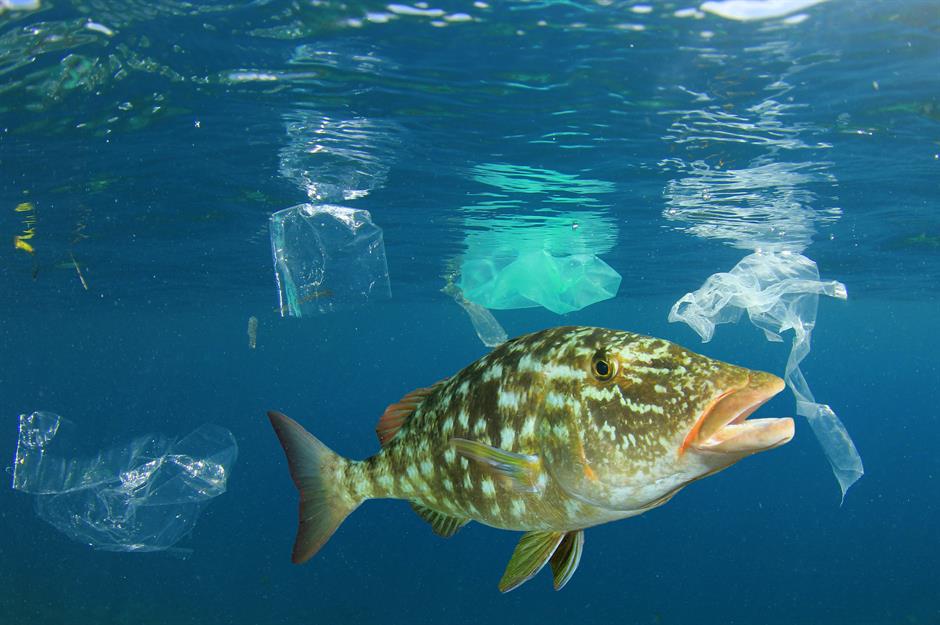
A fish swimming among plastic, Asia-Pacific
Plastics cause diseases to coral reefs, Asia-Pacific

Plastics have a detrimental effect on the world’s coral reefs too, becoming entangled on the marine organisms and leading to diseases. According to a research study undertaken by scientists at Cornell University in the US, which was published in the journal Science, more than 11 billion items of plastic were found on a third of coral reefs surveyed in the Asia-Pacific region. A figure that they predicted would increase to more than 15 billion by 2025.
Sponsored Content
Plastics cause diseases to coral reefs, Asia-Pacific

Coral reefs are not just important ecosystems for myriad marine species, but they also protect coastal areas by reducing the power of waves hitting the coast. The same study found reefs near Indonesia contained the most plastic with Thailand and Myanmar in the middle and Australia’s reefs the least affected. The ensnared plastics causes potentially fatal conditions for coral, including skeletal eroding band disease, that causes gradual destruction.
Microplastics wash ashore, Hawaii, USA

It’s not just visible pieces of plastic that are damaging our oceans but microplastics. Defined as any plastic less than 5mm, these plastics can come from microbeads in beauty products, fibers from synthetic clothes, and larger items that have broken down. As well as harming the fish, seabirds, turtles, whales and shellfish that eat them (research has shown that they can adversely affect growth and reproduction), they also enter our food chain with an average European seafood consumer ingesting an estimated 11,000 plastic particles a year, according to the Marine Conservation Society. This image shows tiny sections of plastic washed up on a beach in Hawaii.
Egrets fish in plastic-strewn waters, the Philippines

Sponsored Content
Heron snares fish caught in a plastic bag, Florida, USA

Divers clean up the ocean floor, Okinawa, Japan

Plastic litters critical wetlands, the Maldives

Sponsored Content
Garbage left by beachgoers, Athens, Greece

Fishermen net plastic, Tuscany, Italy

Mediterranean fishermen know only too well how plastic is polluting the sea and directly affecting their livelihood and a vital food source. Often the day’s catch also nets discarded water bottles. As part of a project called Arcipelago Pulito, Tuscan fisherman working in the Tyrrhenian Sea bring ashore the plastic they collect and take it for recycling at a specialized plant. About 10% of the volume of each fish haul caught is plastic waste.
Disposable face masks, California, USA

A recent study revealed that disposable face masks, used widely in the wake of the coronavirus pandemic, release harmful chemical pollutants and nano-plastics into the environment. So it's concerning to see that they've been washing up on beaches, including LA's Long Beach and several others along the North Californian coast. According to beach clean-up charity Heal the Bay, up to 2,000 pieces of PPE including masks were found on LA county beaches in the second half of 2020.
Now take a look at the strangest things to wash up on beaches
Liked this? Click the Like button above. And click the Follow button above for more great stories from loveEXPLORING