Then and now: the UK's most historic attractions
Enduring treasures
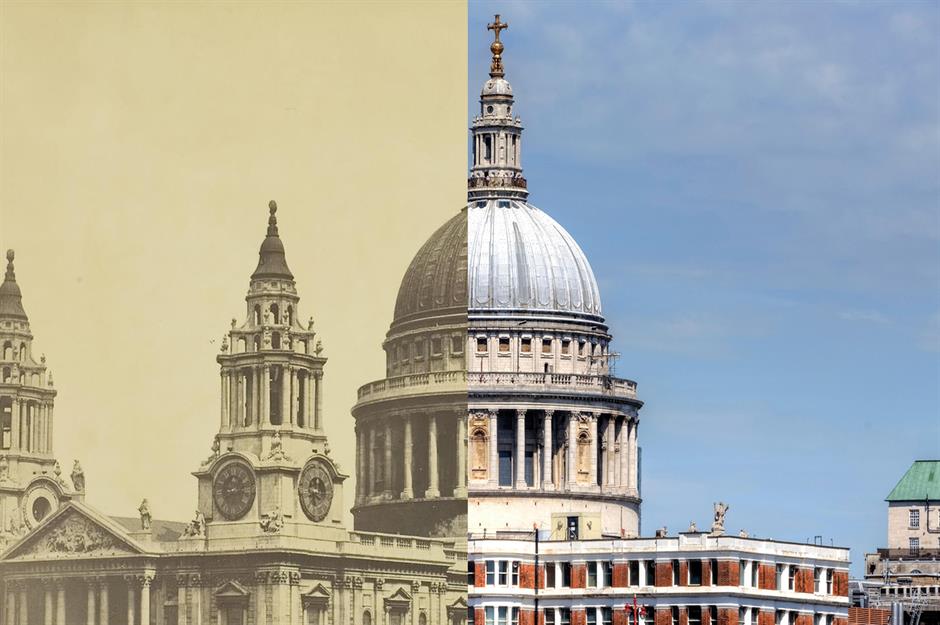
The United Kingdom has a wealth of historic treasures, from prehistoric stone circles and Roman ruins to Norman castles and medieval old towns. While they have withstood the test of time, many look markedly different today, whether from changing skylines, new excavations or restorations. This gallery showcases some of the earliest photographs of significant historical places in the UK and reveals what these iconic landmarks look like now.
Scroll through the gallery to see 'then' and 'now' images of some of the UK's most famous attractions...
Then: Stonehenge, England
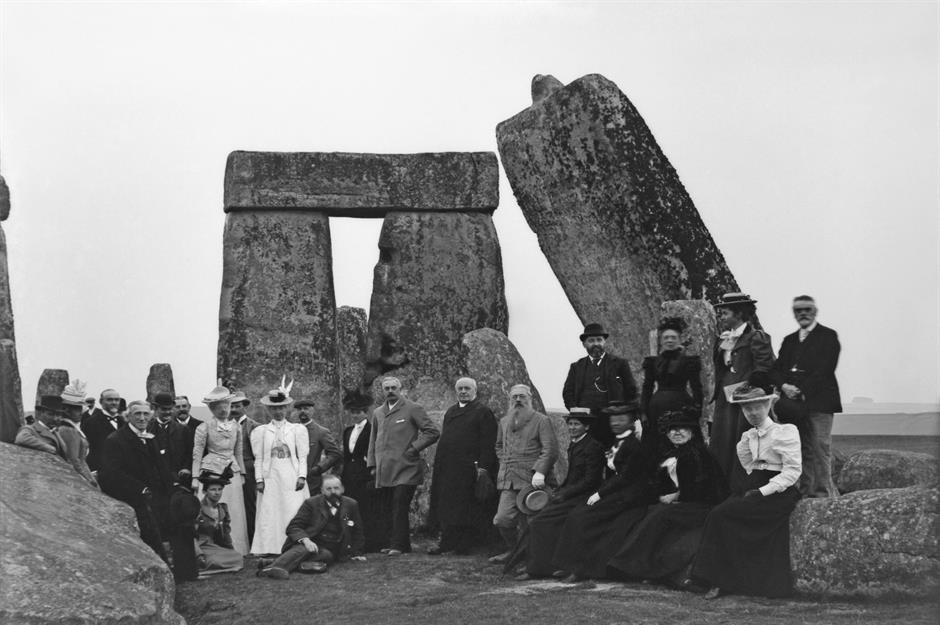
One of the world’s most significant prehistoric sites, the distinctive stone circle of Stonehenge was erected in around 2500 BC. It’s pictured here at the turn of the century when the site was privately owned and tourists could freely roam it, touching and climbing on the stones.
Some stones feature graffiti, including one notable inscription that is attributed to Sir Christopher Wren. Following the collapse of an outer sarsen upright and its lintel in 1900, repairs were made to restore the site, including straightening leaning stones.
Now: Stonehenge, England
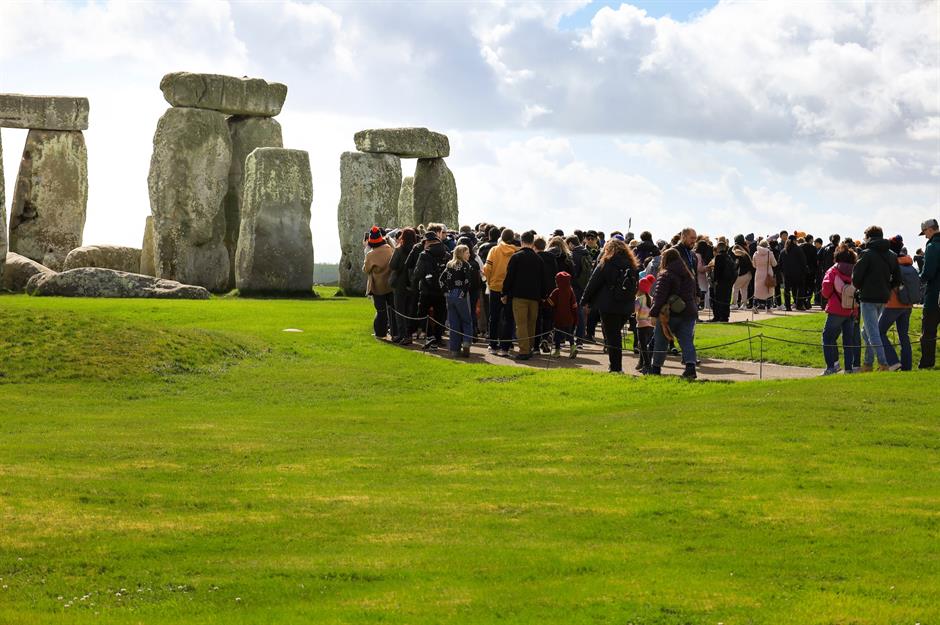
The monument was donated to the nation in 1918 by Cecil Chubb and placed under the stewardship of English Heritage. Today, one million people visit every year to ponder its mysteries. Ongoing excavations in the 20th century have helped unearth more about the site and improvements have been made to maintain its integrity.
Major changes include the closure of a busy stretch of road that ran right next to the stones in 2013, the restoration of the Avenue – the henge’s ancient processional approach – and the opening of an informative new visitor centre displaying 250 prehistoric objects. The stones are now roped off.
Sponsored Content
Then: Avebury, England
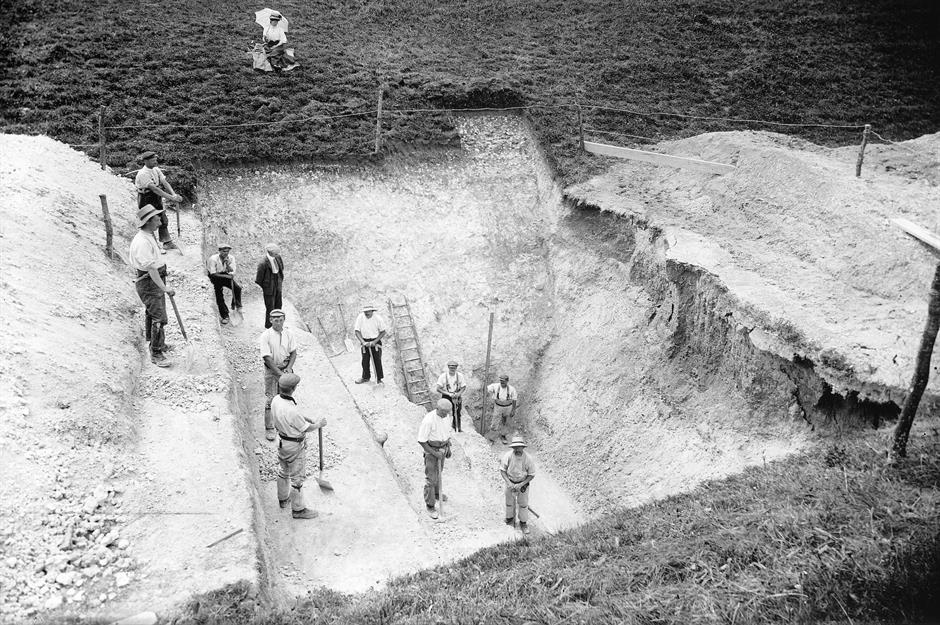
Along with Stonehenge and other Neolithic and Bronze Age ceremonial sites in southwest England, the henge monument and stone circle at Avebury is part of a huge sacred landscape. Created between 2850 BC and around 2200 BC, Avebury is considered the most complex of Britain's surviving Neolithic henge monuments. It also has the world's largest prehistoric stone circle.
In the Middle Ages, some stones were pulled down and buried under turf while others were destroyed to make way for buildings. Pictured here is an excavation of the henge’s massive ditch in 1909 by archaeologist Harold St George Gray.
Now: Avebury, England
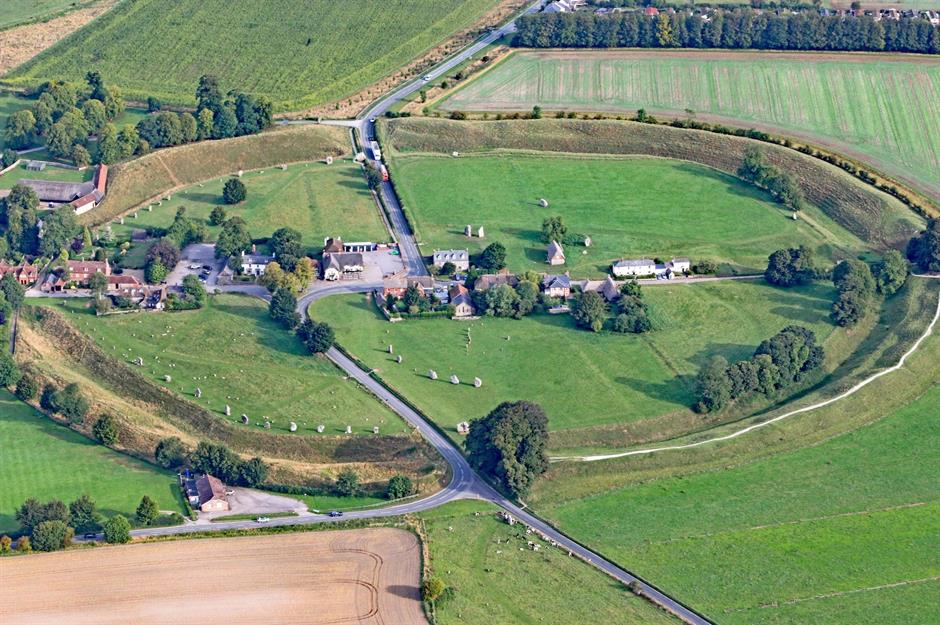
Wealthy archaeologist Alexander Keiller, who owned the Avebury Manor and estate, spearheaded the most major excavation of the site in the 1930s. In his dig of West Kennet Avenue, which connects the Avebury Henge with the Sanctuary (a monument of concentric circles), he discovered some of the interred stones.
He re-erected them and marked where other stones would have stood. The mysterious site continues to reveal its secrets, with ground-penetrating radar uncovering a square monument inside an inner stone circle in 2017.
Love this? Be sure to follow our Facebook for more travel and history stories
Then: Tower of London, England
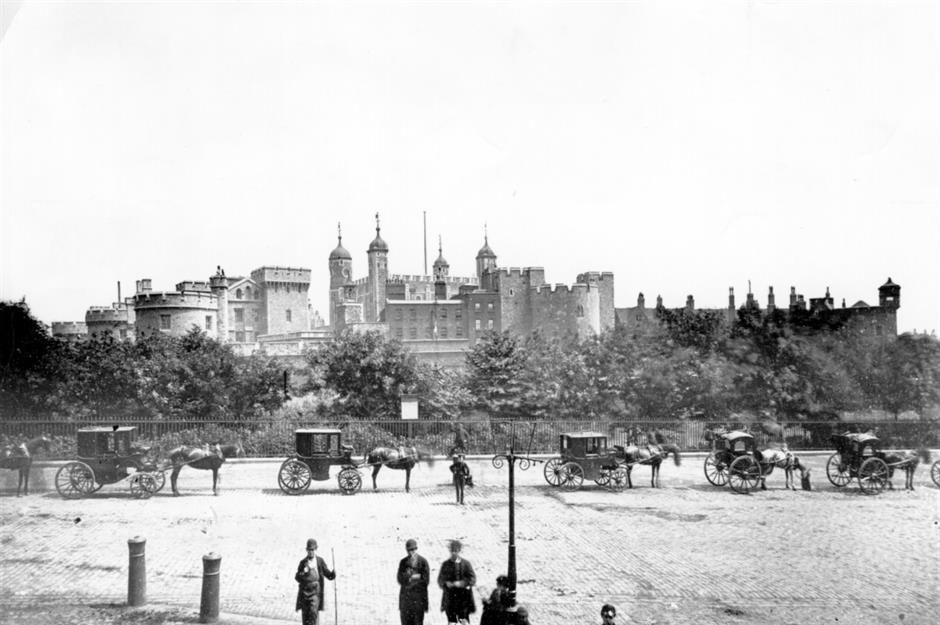
Commanding a strategic stretch of the River Thames since the 11th century, when William the Conqueror built the White Tower, the Tower of London is the city’s oldest intact building. The fortress expanded and evolved over the centuries as various monarchs made alterations and its purpose varied from lavish palace and Royal Mint to infamous state prison, military barracks and even a zoo.
It opened to public visits in the 18th century but really came into its own as a tourist attraction in the Victorian era, when people flocked to admire its medieval architecture and armouries. The Victorians, known for their romantic tendencies, also did some remodelling to make the castle more 'conventionally' medieval.
Sponsored Content
Now: Tower of London, England
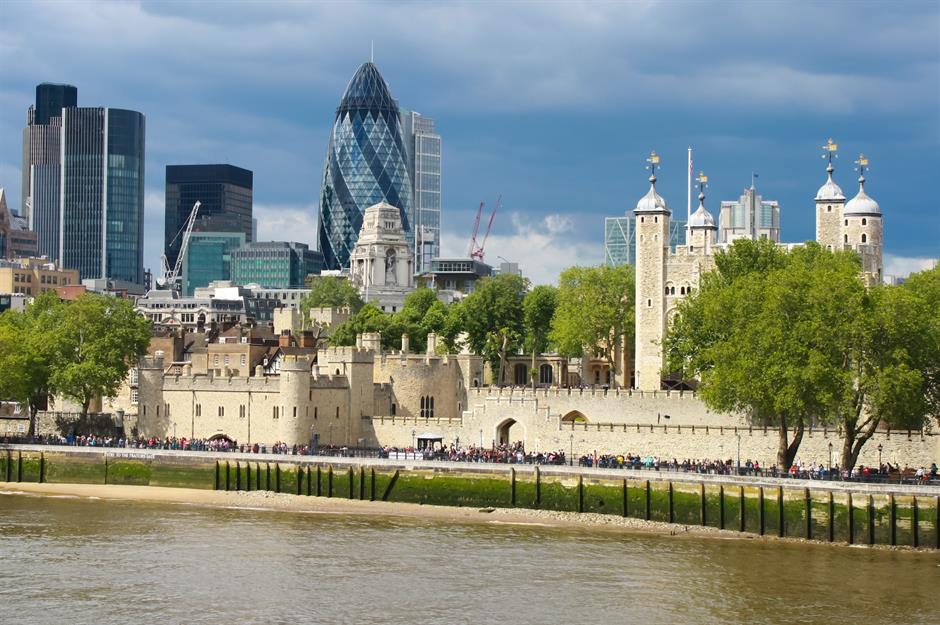
The 1,000-year-old fortress no longer towers over London’s skyline, but it is the city’s most visited paid-for attraction, drawing 2.4 million people through its gates every year. And it still protects the crown jewels – the Royal Mint was moved to a factory in Tower Hill in 1810.
As public interest in visiting historic buildings burgeoned, the Victorian architect Anthony Salvin was appointed to restore neglected parts of the fortress including the Beauchamp Tower. He also built a new walkway, now known as Salvin's Bridge, that replicated an old medieval one, between Wakefield Tower and St Thomas's Tower, and (now somewhat controversially) added new battlements and Gothic-style windows.
Then: Hadrian’s Wall, England
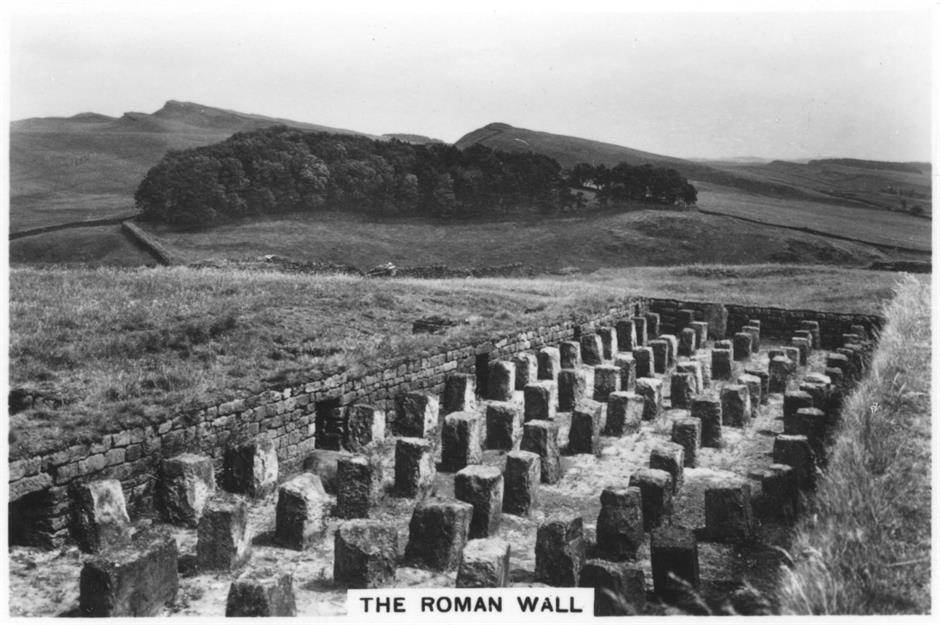
Stretching across the rugged Northumberland and Cumbrian countryside, Hadrian’s Wall dates to AD 122 when it was built to keep out 'the barbarians' on the Roman Empire’s northwest frontier. Over the centuries, parts of the wall were destroyed and used as a quarry for the stone up until early archaeologists and historians sought to protect and conserve the monument in the 18th and 19th centuries.
Midway along the wall lies a fort called Housesteads. It’s pictured on a postcard here in 1937 before more of the site was uncovered and it was named the most complete Roman fort in the UK.
Now: Hadrian’s Wall, England
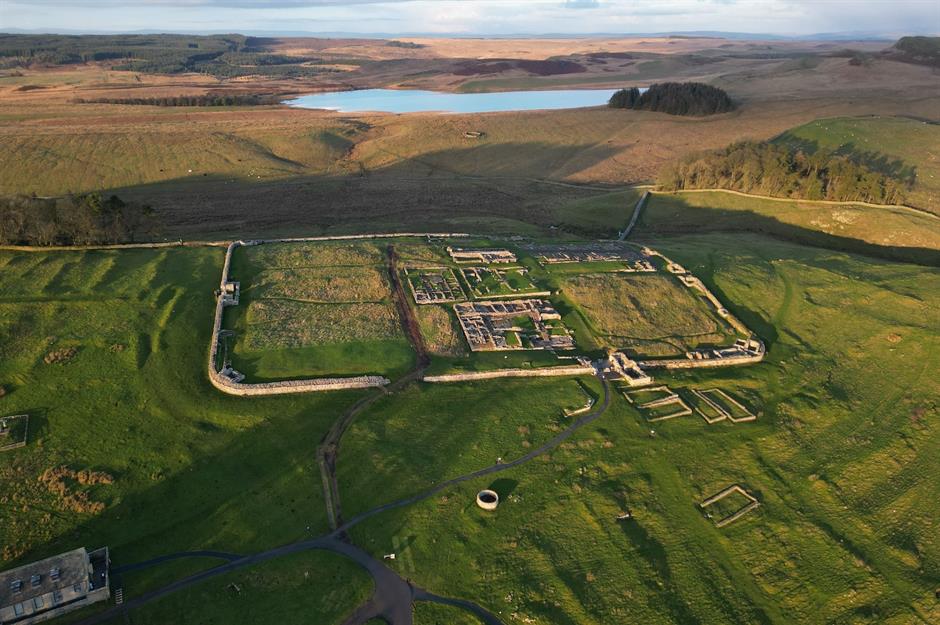
Various excavations took place on Housesteads in the 20th century, notably between 1974 and 1981, which revealed more structures and gave archaeologists a fuller picture of the fort's role on the frontier and its occupants.
Hadrian's Wall became a UNESCO World Heritage Site in 1987 and draws 750,000 visitors a year, with other notable sites including Vindolanda Fort and Museum and the nearby Roman Army Museum. The Hadrian's Wall Path National Trail also helps to attract tourists to explore the ancient site. Ongoing excavations continue to change our knowledge of this fascinating historical landscape.
Sponsored Content
Then: Edinburgh Old Town, Scotland
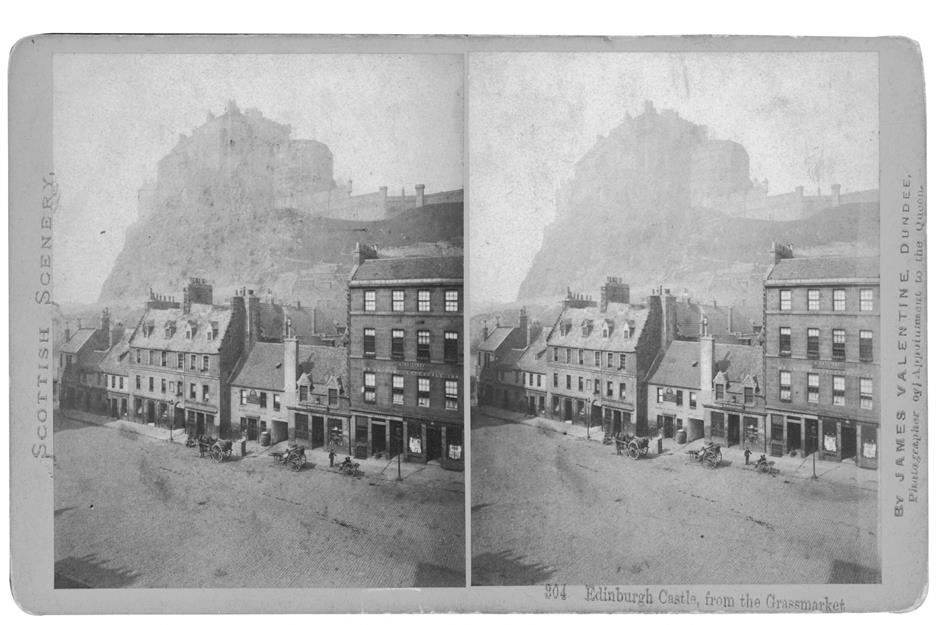
The Grassmarket, pictured here around 1870, is a busy and ancient thoroughfare in Edinburgh’s Old Town. Sitting below Edinburgh Castle, the street has been the site of public gatherings, livestock markets and executions and linked to uprisings and infamous murders over the centuries.
It was also one of the most deprived parts of Edinburgh, with many of the city’s Irish and Italian immigrants living here in cramped and unsanitary conditions in the 19th century, when it was a crime-ridden slum.
Now: Edinburgh Old Town, Scotland
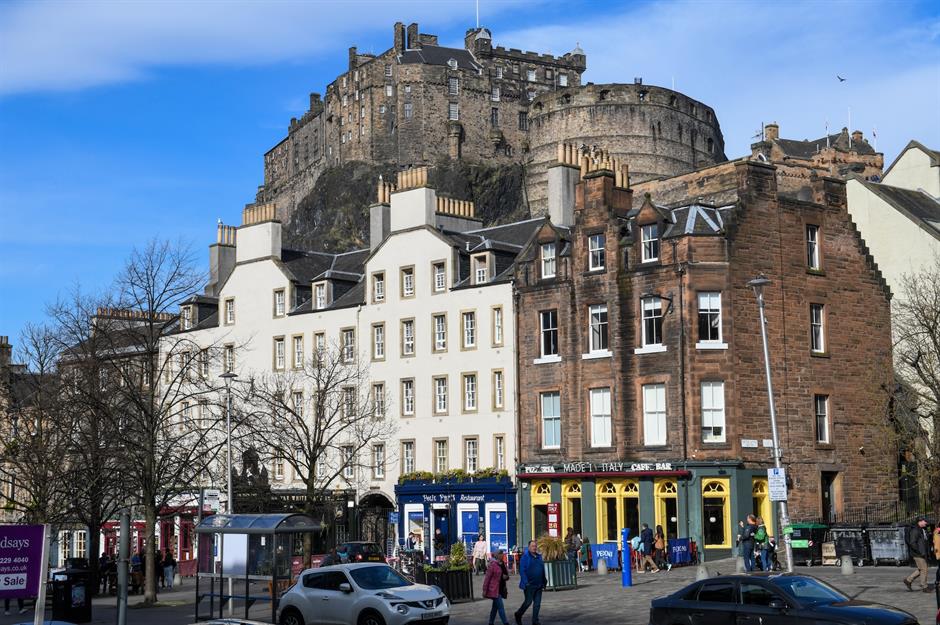
Gentrification took place around Grassmarket and Victoria Street (originally known as West Bow) in the 1960s and 1970s, meaning the streets are now considered among the most picturesque in the now UNESCO World Heritage-listed Old Town of Edinburgh.
While some of its century-old working-class pubs including White Hart Inn remain on the cobbled old streets, upscale independent stores and the ubiquitous Harry Potter theme shops have joined them and they are often thronged with tourists. In 2023, there was a total of almost five million overnight visits to Edinburgh. The city introduced a visitor levy in 2024 as part of overtourism measures.
Then: Windsor Castle, England
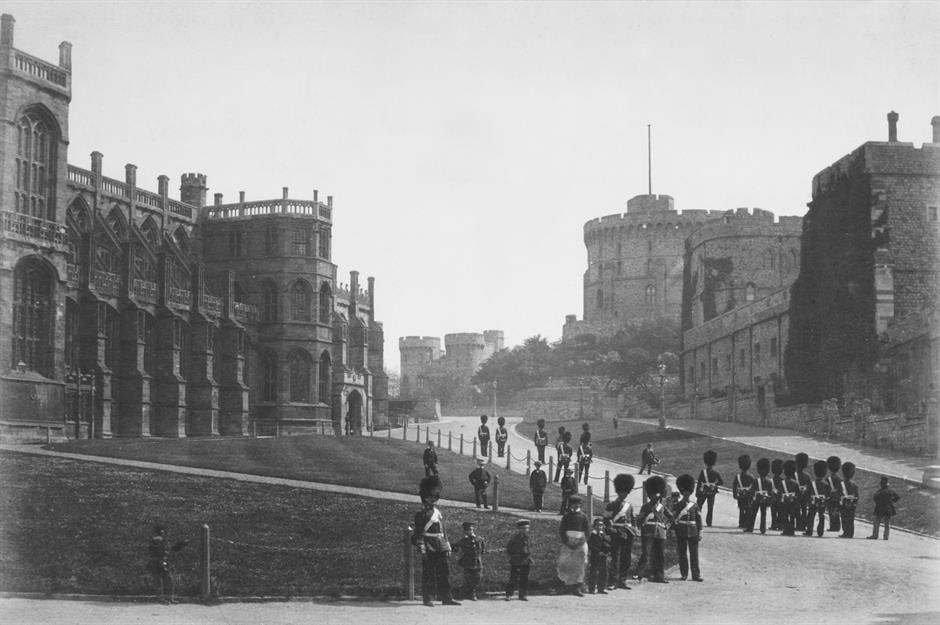
Built on the approach to London on the edge of a Saxon hunting ground in the 1070s for William the Conqueror, Windsor Castle has since been home to 40 monarchs. Its inaugural guidebook was published in 1742. During the 18th century, it became a popular outing with tourists travelling by coach or barge to stroll along its terraces and visit St George's Chapel.
It was only under George III’s reign that Windsor was used regularly by the royal court, with some of the most major alterations made by George IV’s architect Sir Jeffry Wyatville in the 1820s. This photograph was captured outside the castle’s medieval chapel during Queen Victoria’s reign – the monarch spent a lot of time in Windsor.
Sponsored Content
Now: Windsor Castle, England
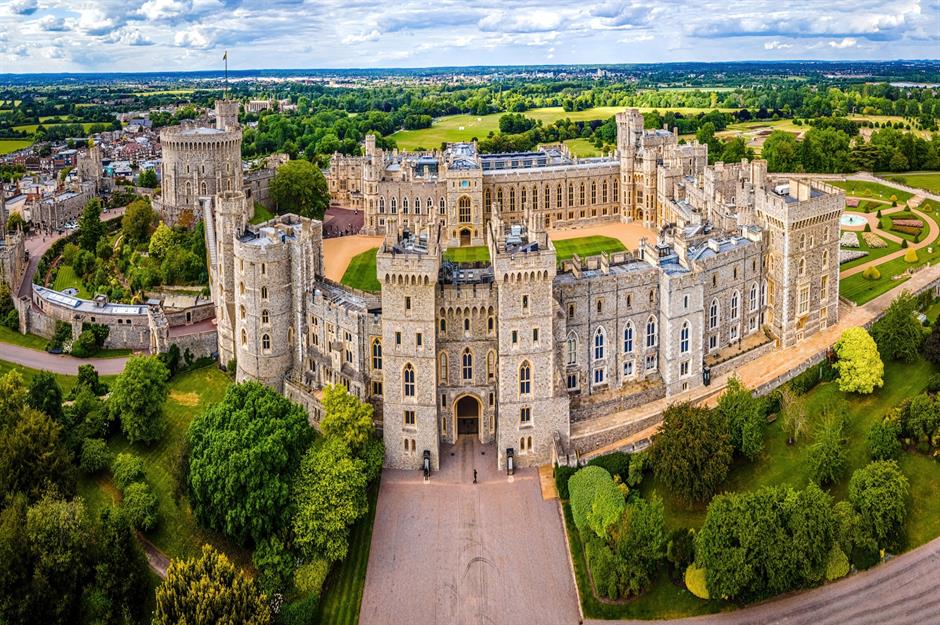
It was in 1845, during Queen Victoria’s reign, that the State Apartments were first opened for the public to pore over. Now the castle attracts nearly 1.5 million people each year.
The fortress escaped World War II with only minor damage, but around one-fifth of it was sadly destroyed by an electrical fire in 1992. Major restoration work, that cost £37 million ($50m) and took five years to complete, saw various changes including St George’s Hall being redesigned in a modern Gothic style. The public now also has access to more areas of the royal residence including the Inner Hall, with a new route through the State Entrance Hall completed in 2020.
Then: St Paul’s Cathedral, England
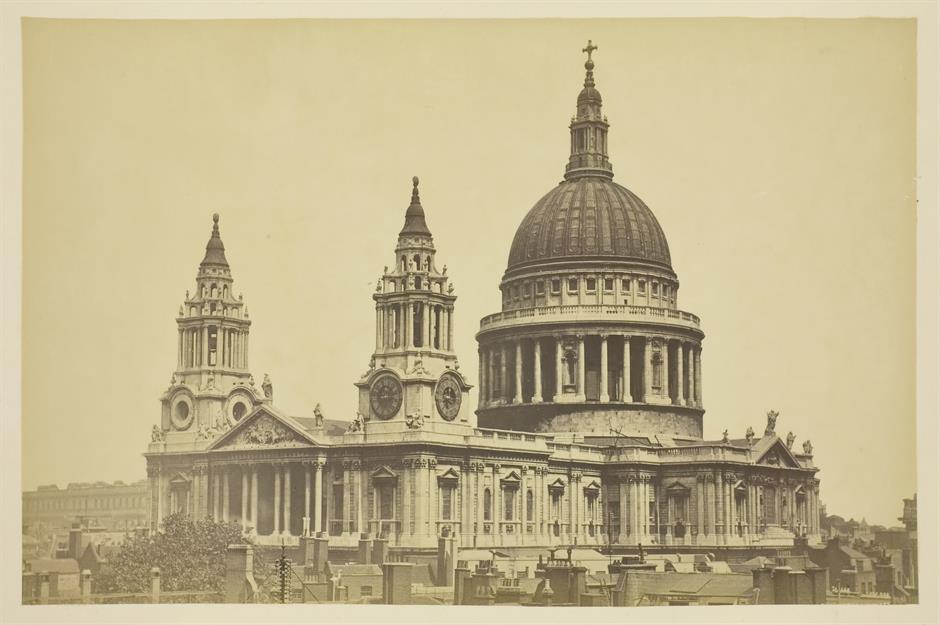
Founded in AD 604, St Paul’s Cathedral was rebuilt to a design by Sir Christopher Wren after the Great Fire of London and officially completed in 1711. This early photograph was taken in 1850, when the church was the dominant building on the City of London's skyline and was surrounded by squalid narrow streets and lanes. It was close to the stench of Thames, then overcrowded with warehouses and wharves.
In 1897, Queen Victoria processed to the cathedral by carriage for her Diamond Jubilee. A short service was held outside the building as the 78-year-old monarch couldn’t climb the steps.
Now: St Paul’s Cathedral, England
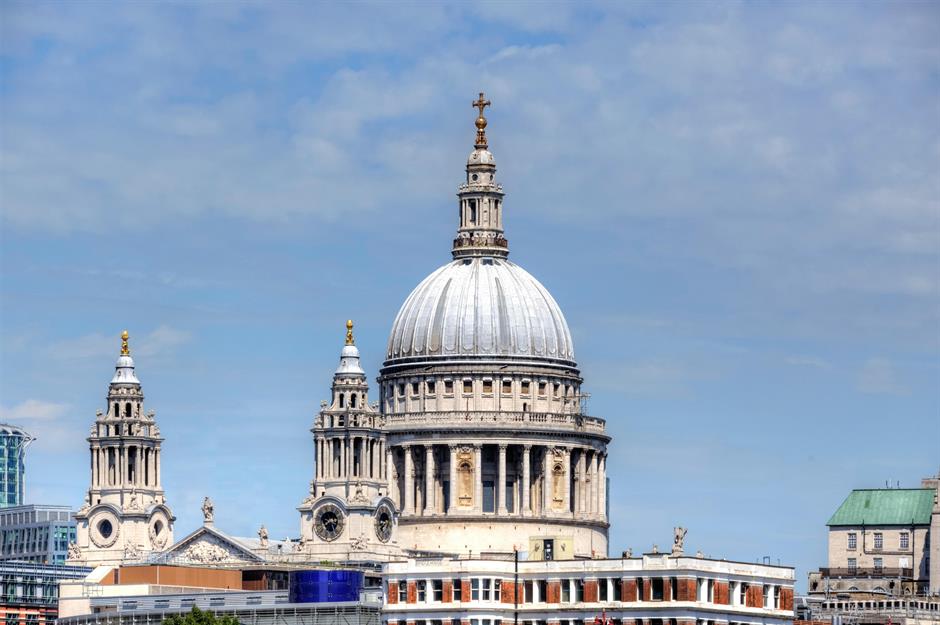
The City of London looks very different today as World War II destroyed many of the buildings surrounding the cathedral. The church itself suffered two direct hits to its East End and North Transept in 1940 and 1941. However, thanks to extraordinary efforts from the St Paul's Watch to protect the landmark, it escaped comparatively lightly and was restored after the war ended.
Although skyscrapers now proliferate around the Square Mile and sleek offices replace riverside factories, views of the church are protected and managed by planning policies that limit the height of new developments in various view lines across London.
Sponsored Content
Then: Covent Garden, England
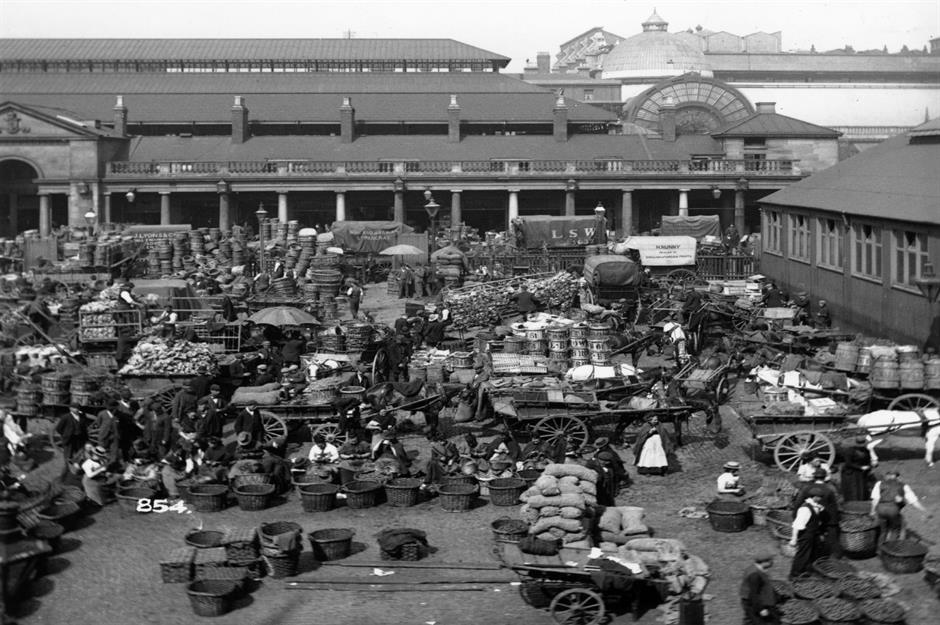
First documented as 'the garden of the Abbey and Convent' in 1200, the fields of Covent Garden were transformed into an Italian-style piazza in 1630 by the 5th Earl of Bedford. It was the first public square in the country and is regarded as the earliest experiment in urban planning in London, led by architect Inigo Jones.
The square became the city’s largest fruit and vegetable market after the Great Fire of London, continuing to trade until the 1970s. Pictured here are traders circa 1890 in front of the Neoclassical Market Building, designed by architect Charles Fowler in 1828.
Now: Covent Garden, England
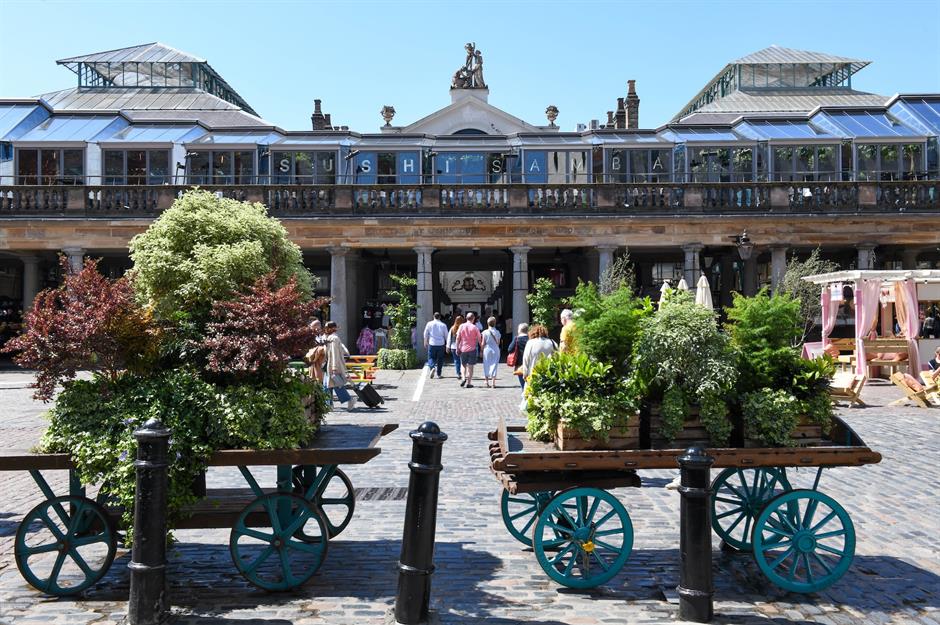
When the wholesale market relocated to Nine Elms in the early 1970s, there were plans to demolish and redevelop the increasingly run-down area. But thanks to passionate protests from local residents and businesses, the historic neighbourhood was saved from the wrecking ball and more than 250 buildings in and around the piazza were listed.
After a five-year renovation, the central neighbourhood reopened as an upmarket shopping, entertainment and dining area. Today, it’s still a major hub with its cobbled streets and regenerated marketplace drawing crowds to shop, socialise and watch its street performers.
Then: The Shambles, England
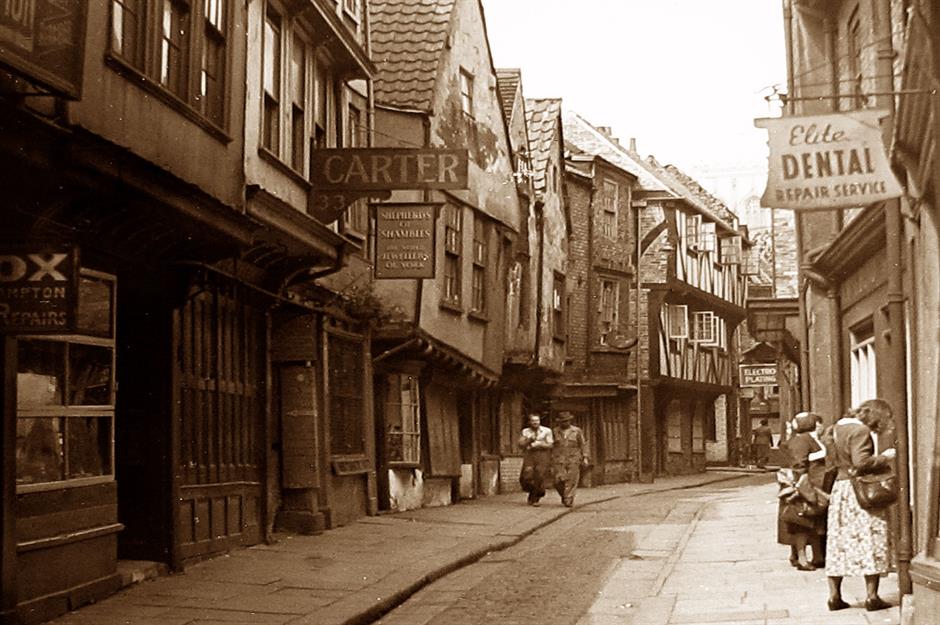
Mentioned in the Domesday Book, The Shambles is thought to be the oldest surviving street in York. It was along this narrow alleyway, that the bustling town’s butchers both slaughtered animals and sold their meat. The name comes from the Anglo-Saxon word ‘fleshammels’ meaning flesh shelves, which refers to the shelves where meat was sold from open shop fronts.
The buildings were built close together and with overhangings to protect the meat from sunlight. In 1872, there were still 26 butcher shops on the street. By the late 1930s, when this photograph was taken, only 10 remained.
Sponsored Content
Now: The Shambles, England
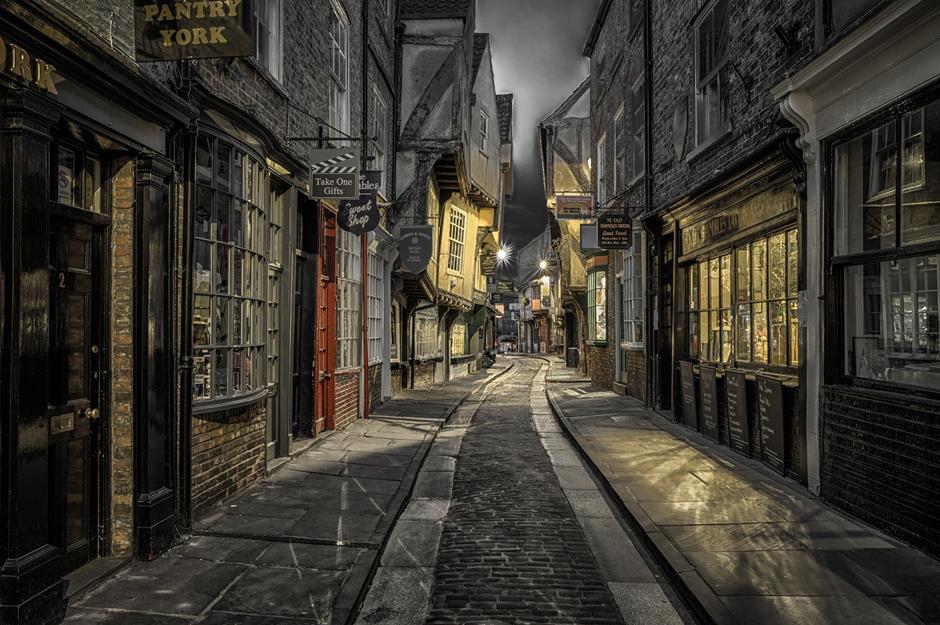
The malodorous butchers might be long gone but many of The Shambles' original overhanging timber-framed buildings, complete with hanging hooks, remain. The Shambles is one of the best preserved medieval thoroughfares in Europe and also one of York’s most famous sights.
The tiny artery has become even more thronged in recent decades due to its Harry Potter connection. The cobbled alley is believed to have inspired the producer’s vision of Diagon Alley in the movie adaptations of the books.
Then: Roman Baths, England
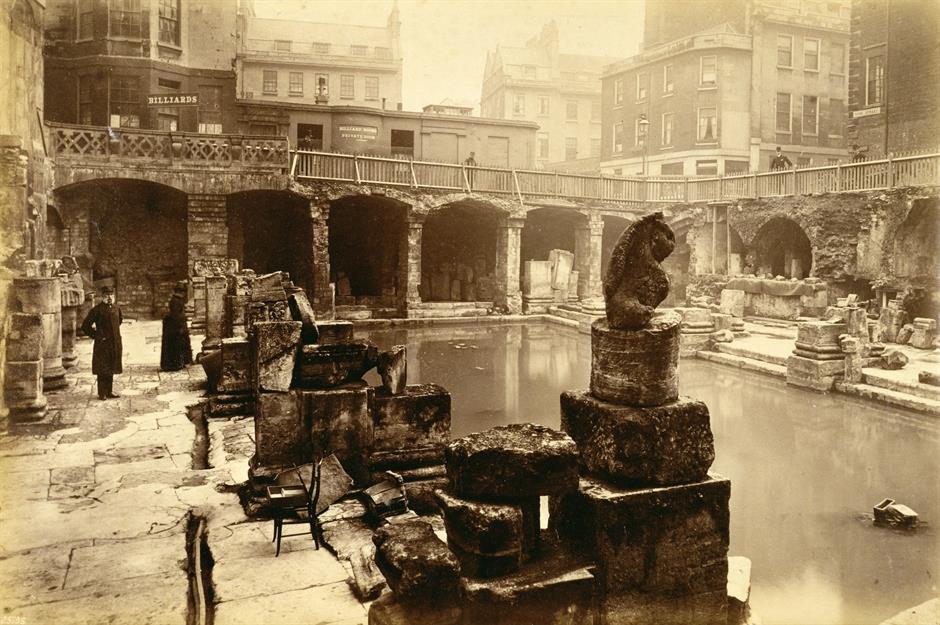
Set on the source of hot springs that were used for healing and bathing since Iron Age times, the Roman temple dedicated to the goddess Sulis Minerva and bath house complex was built around AD 70 with a roof added in AD 300. After the Romans left Britain, the site fell into disrepair, flooded and was forgotten as new buildings buried the complex.
The Georgians unearthed some remains, including the gilt bronze head of Minerva in 1727, but the remarkable Roman bath house and temple were only found in 1878 when excavations began.
Now: Roman Baths, England
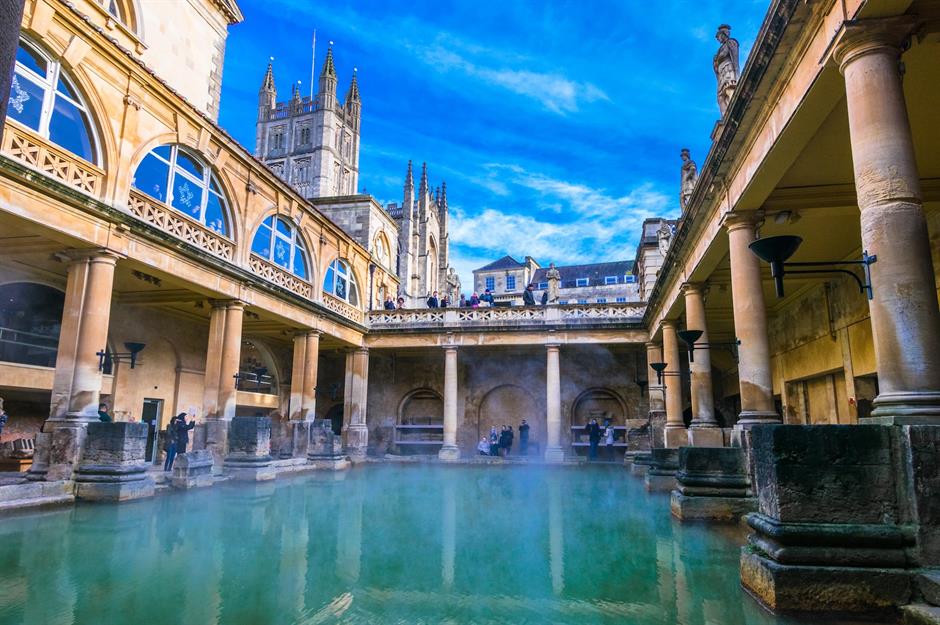
The Victorians set about restoring its stunning centrepiece, the Great Bath, as the fashion for spas flourished. The statues of Roman emperors and governors of Britain that now decorate the terrace were added for its grand opening in 1897. Much more of the site and its treasures have been excavated and opened to the public since.
While you might not be able to take to the waters today (the bath officially closed to swimmers in 1976), visitors can enjoy drinks from a bar as they sit by the water and soak in the atmosphere of incredibly preserved Roman remains at special torch-lit evenings. The attraction draws around one million visitors each year.