19 bizarre traditions you’ll only find in Britain
Baffling Brits
Home to lively cities, rolling countryside and a unique culture, Britain also has a quirky side. From nettle eating contests to bog snorkelling, the nation has some truly bizarre and even downright baffling festivals and traditions.
Click through this gallery to discover the best of bizarre Britain...
Mayor Making
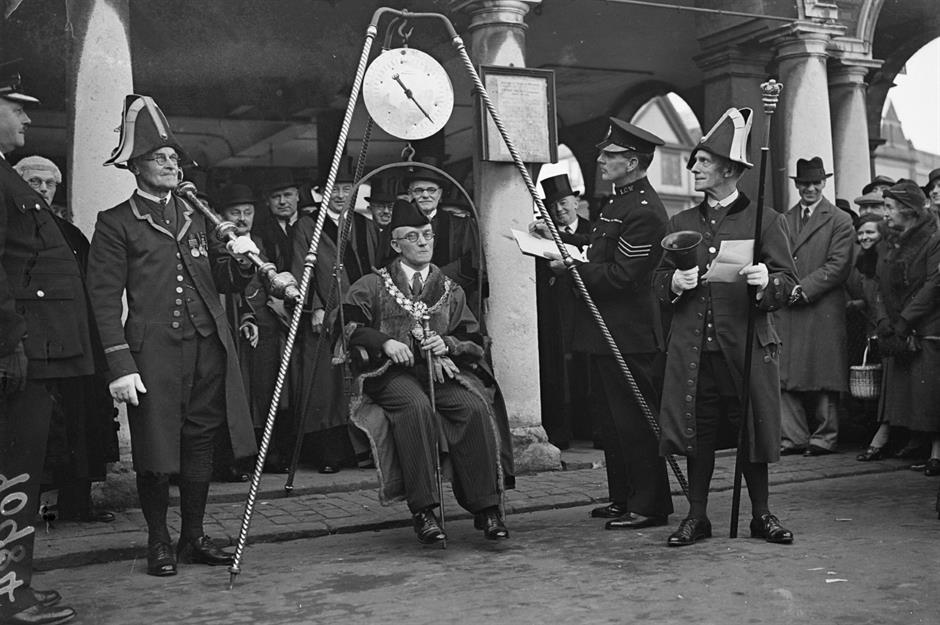
Mayor Making occurs in the town of High Wycombe in Buckinghamshire on the third Saturday of May. Believed to date back to medieval times, the tradition was revived in 1892 and (other than during World War I) continues to this day.
The public ceremony involves the mayor, in full robes, sitting on scales (pictured here in 1937). Traditionally, mayors found to have gained weight during the year were subjected to jeers for ‘growing fat’ (i.e. profiting) at the expense of the townsfolk.
Morris dancing
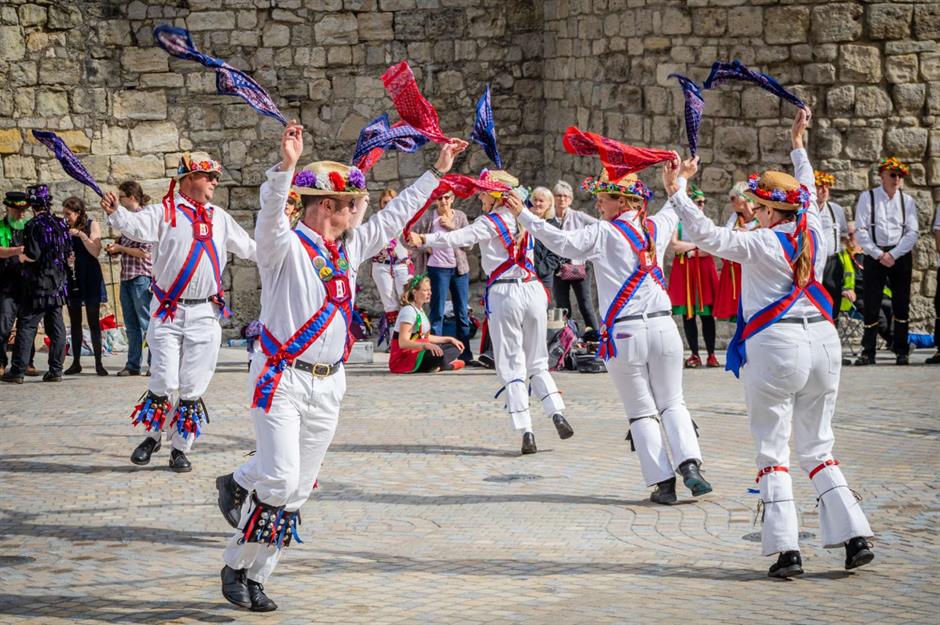
This traditional English folk dance dates back to at least the 15th century and features choreographed routines with dancers wearing bells and colourful sashes, often wielding handkerchiefs or sticks.
Though rooted in regional custom, Morris dancing has seen a modern revival, with diverse troupes keeping it alive at May Day, St George’s Day and other local festivals – a proud symbol of English eccentricity and heritage.
Sponsored Content
Atherstone Ball Game
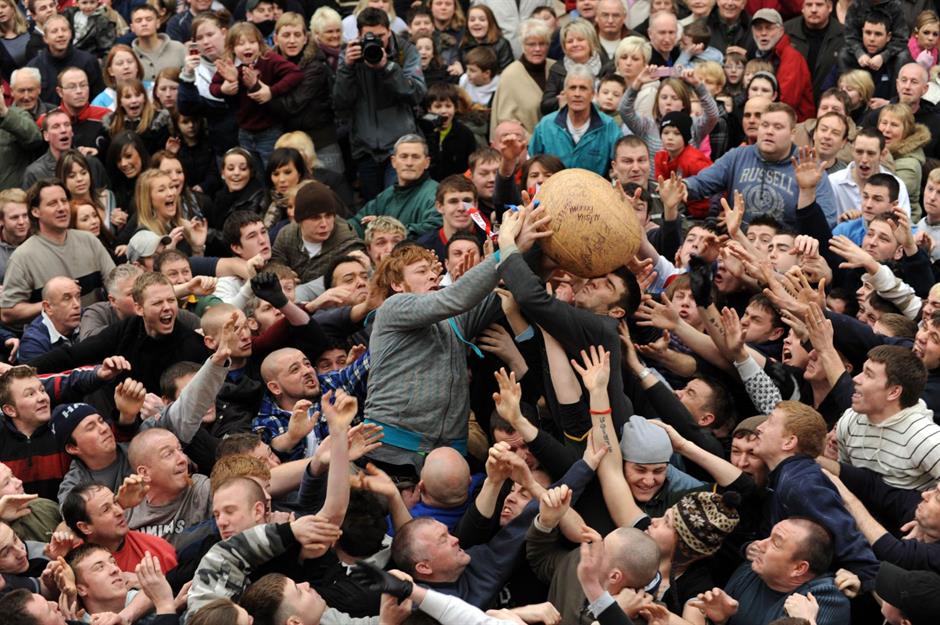
Held each Shrove Tuesday in Atherstone, Warwickshire, this medieval-style football game is a chaotic free-for-all. Locals and visitors pack into Long Street to wrestle for control of a large, heavy ball over a two-hour match.
Said to date back to 1199, the game has few rules – just keep the ball on the street – and the person holding it at the final whistle is declared the winner.
Bonfire Night
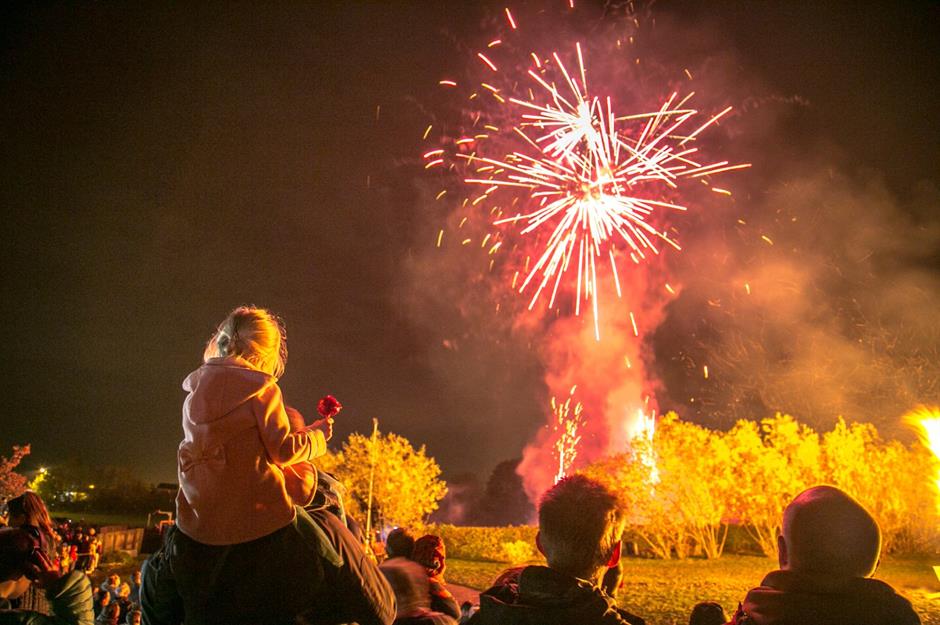
'Remember, remember the fifth of November...' We start with an annual tradition commemorating the thwarted 1605 attempt to blow up the Houses of Parliament and assassinate King James I.
On 5 November each year, people wrap up warm and gather in towns, on village greens and in back gardens to light bonfires, set off fireworks and burn effigies of Guy Fawkes, mastermind of the failed ‘Gunpowder Plot’.
World Gurning Championships
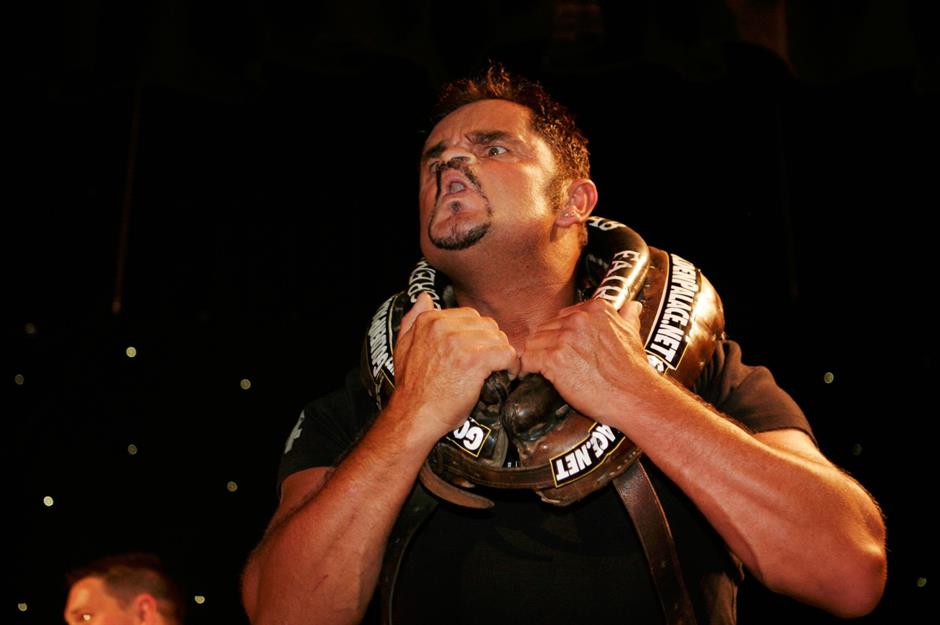
Cumbria’s beautiful Lake District is home to this celebration of ugliness. Competitors gather to show off their gurning (face pulling) skills in a bid to take home the top prize. Legendary gurner Tommy Mattinson (pictured) has won 19 times.
The contest is held during the annual Egremont Crab Fair, which was established way back in 1267, making it one of the world’s oldest fairs. Other traditional events include wheelbarrow racing and climbing a greasy pole.
Love this? Follow our Facebook page for more travel and history content
Sponsored Content
Wearing wigs in court
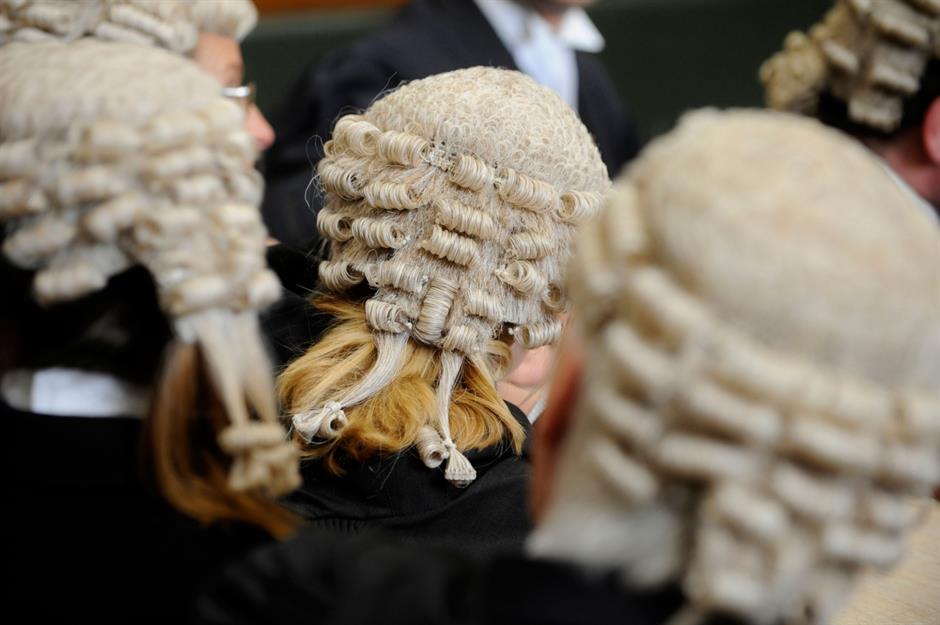
One of the more curious traditions of the UK legal profession, the wearing of white wigs by barristers and judges dates back to the 17th century. These horsehair wigs became popular during the reign of King Charles II and soon came to symbolise authority and formality in the courtroom.
Wigs remain a standard part of court dress in criminal trials in England and Wales, though not in civil or family cases. While traditionally made from horsehair, modern wigs are also available in synthetic materials to suit vegan or ethical preferences.
Cotswold Olimpick Games
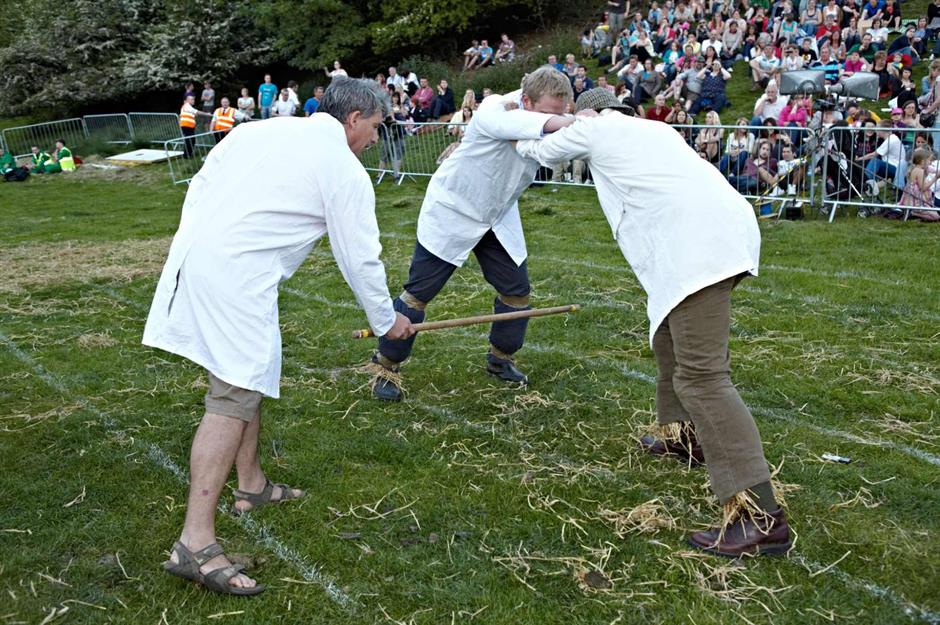
Long before the modern Olympics began in 1896, the Cotswold Olimpick Games were already taking place on a hillside in Gloucestershire. First held in 1612 and organised by local lawyer Robert Dover, the event blended sport, pageantry and celebration – values that later inspired the Olympic revival.
Today, crowds still gather on Dover’s Hill near Chipping Campden for eccentric events like shin-kicking, tug-of-war and a torchlit procession.
Bog snorkelling
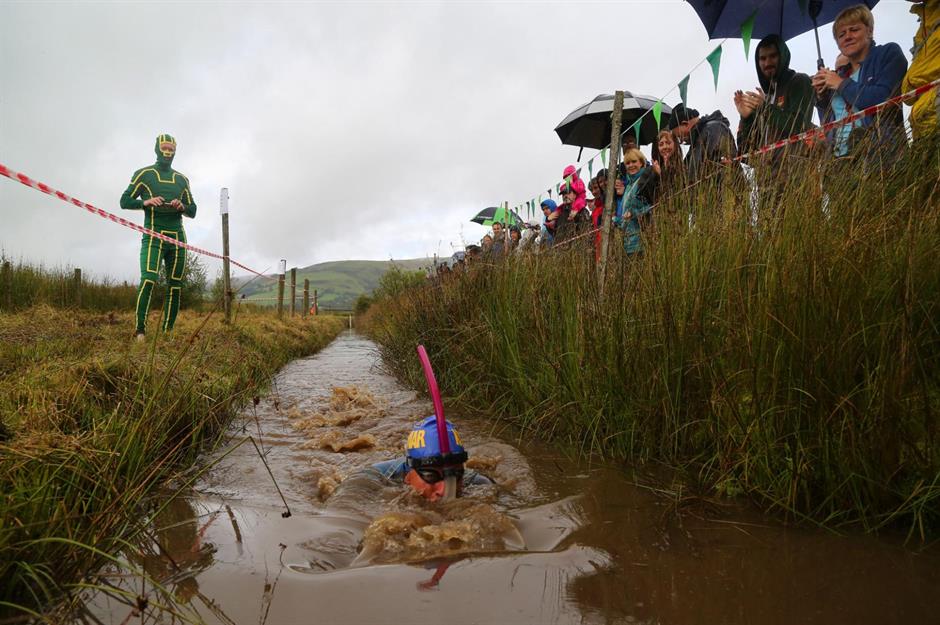
Now to Wales for a spot of bog snorkelling. Conceived in a pub and beginning life in the town of Llanwrtyd Wells in 1976, it involves a 197-foot (60m) swim down a trench cut into a peat bog.
Fans and competitors travel to the Waen Rhydd bog in August for the annual World Bog Snorkelling Championships. There’s even a Bog Triathlon, which includes running and cycling before the smelly snorkel along the murky trench – just don't swallow any newts.
Sponsored Content
Cornish hurling
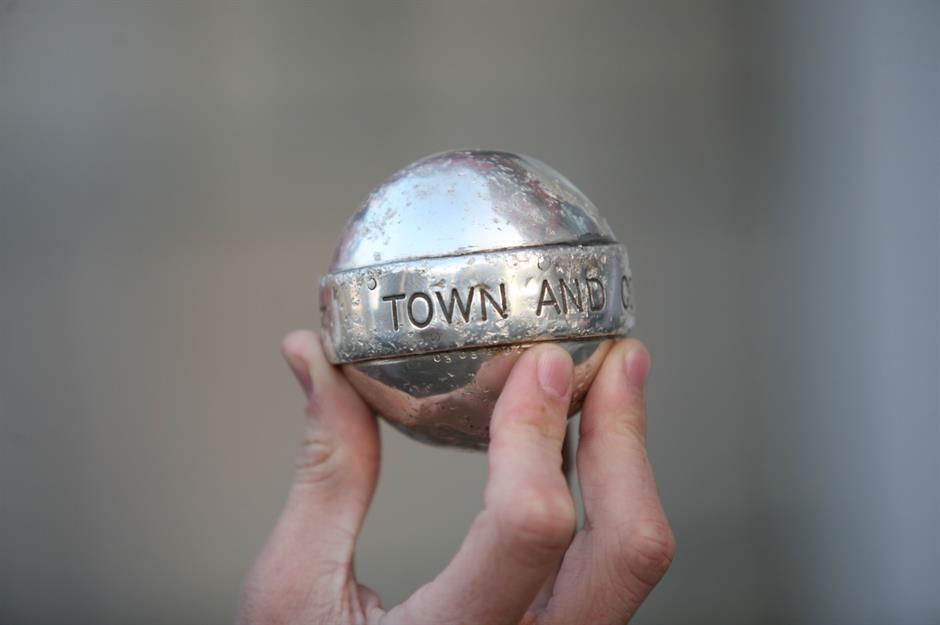
With roots stretching back over a thousand years, Cornish Hurling is a chaotic, full-contact game played with a silver-coated wooden ball. Once common across Cornwall, it now survives in just two towns.
The most famous match takes place in St Columb Major on Shrove Tuesday, where locals divide into Townsmen and Countrymen and battle through streets and fields. A children’s version is also held in St Ives each February. The goal? To carry the ball to your team’s boundary – by any means necessary.
World Custard Pie Championship
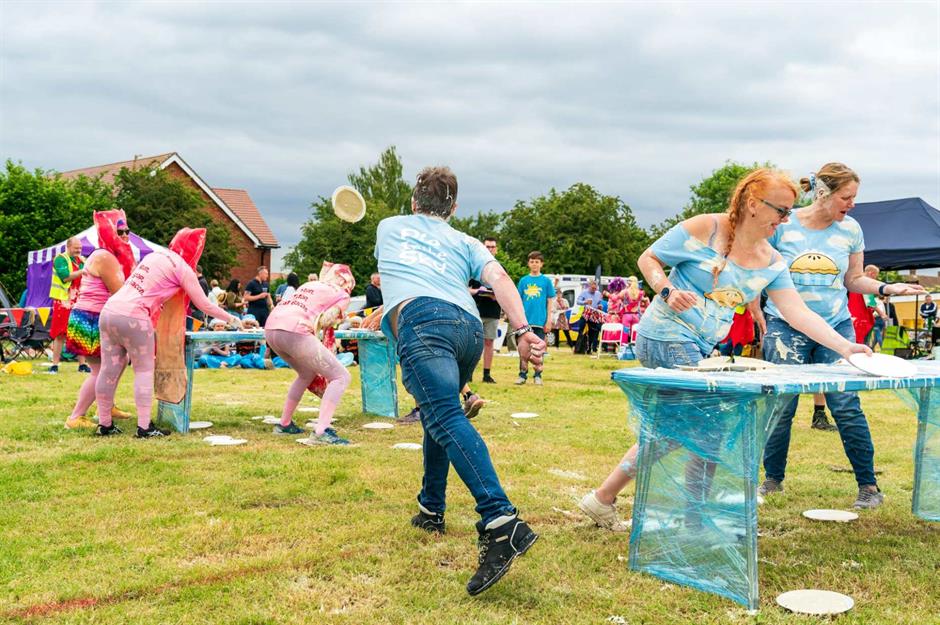
What started in 1967 as a simple way for the village of Coxheath in Kent to raise funds for the community now attracts ‘competitors’ from around the world. Working in teams – often in fancy dress – participants hurl pies not made of custard but of flour and water (plus some secret ingredients) at each other.
The recipe was perfected after the organisers contacted Hollywood and Pinewood Studios to find out what Charlie Chaplin-era slapstick comedians used for their custard pies.
Cheese rolling
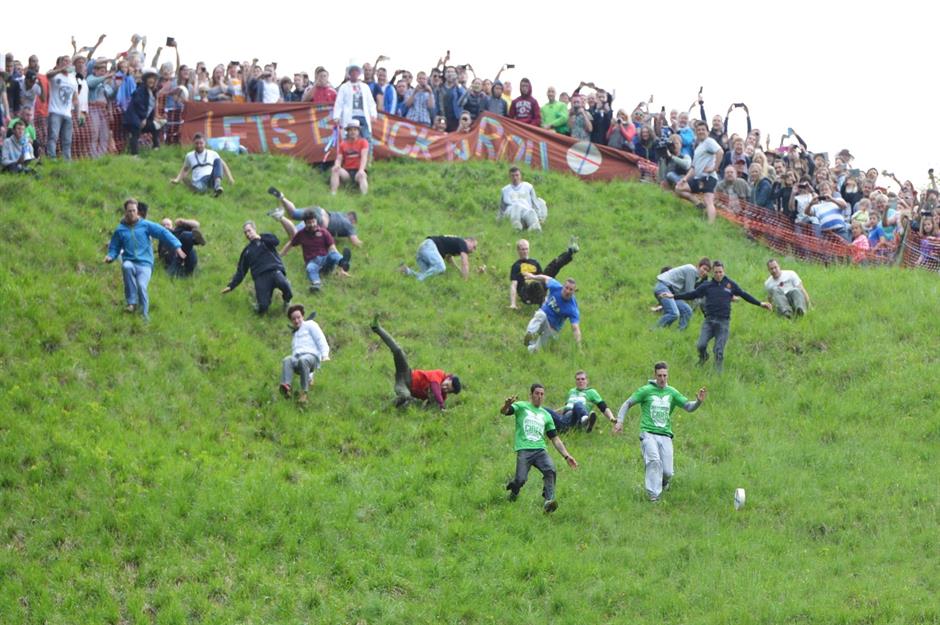
If you’re in the Gloucestershire village of Cooper’s Hill on the last Monday in May, you might witness the peculiar sight of people chasing a wheel of Double Gloucester cheese down a dangerously steep hill. This tradition – believed to be over 600 years old – is known as ‘cheese rolling’.
Not for the faint-hearted, participants fling themselves down the 590-foot (180m) incline, which has sections as steep as a 1:2 gradient, in pursuit of the bouncing cheese. What does the victor win? The wheel of cheese, of course.
Sponsored Content
Changing of the Guard
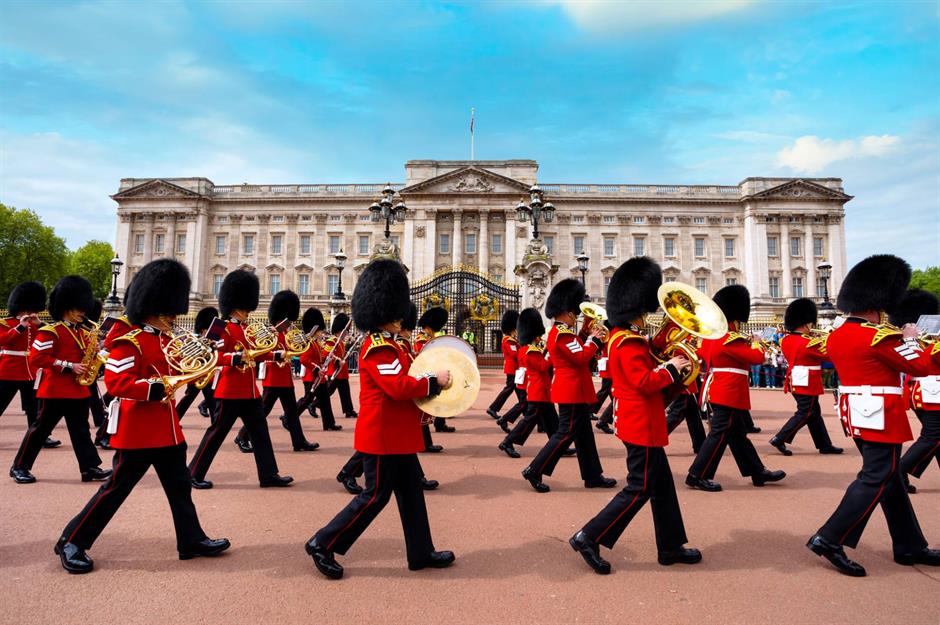
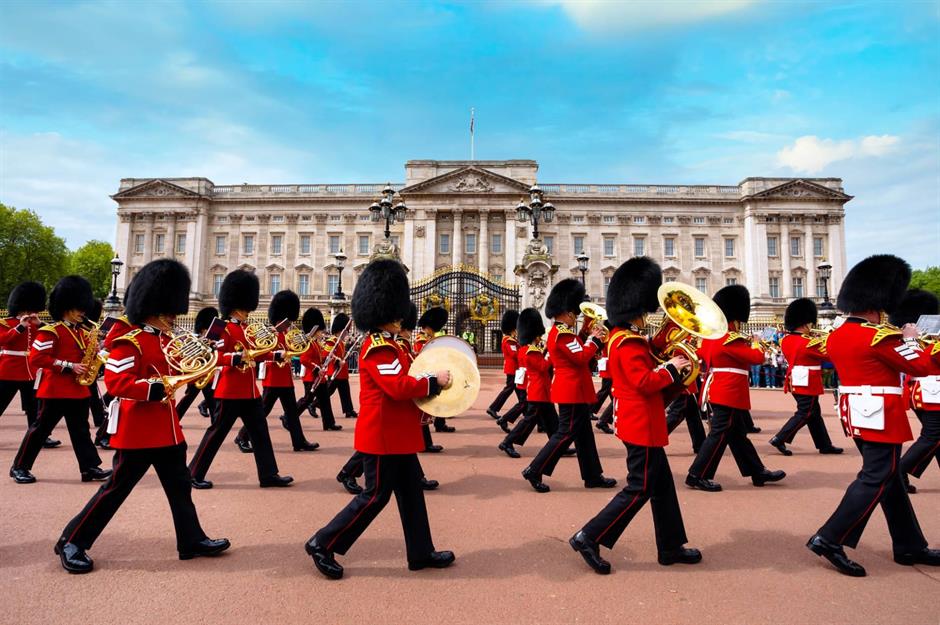
Held at the Palace of Whitehall from 1656 and at Buckingham Palace since 1837, the elaborate Changing of the Guard ceremony simply marks the passing of responsibility for guarding the Palace between regiments.
Dressed in red wool tunics or grey coats, with towering headwear known as ‘bearskins’, the soldiers are forbidden from laughing or talking during the hour-long ceremony, even when pestered by selfie-takers. They are accompanied by a military band, which has been known to play pop tunes.
Nettle Eating Championship
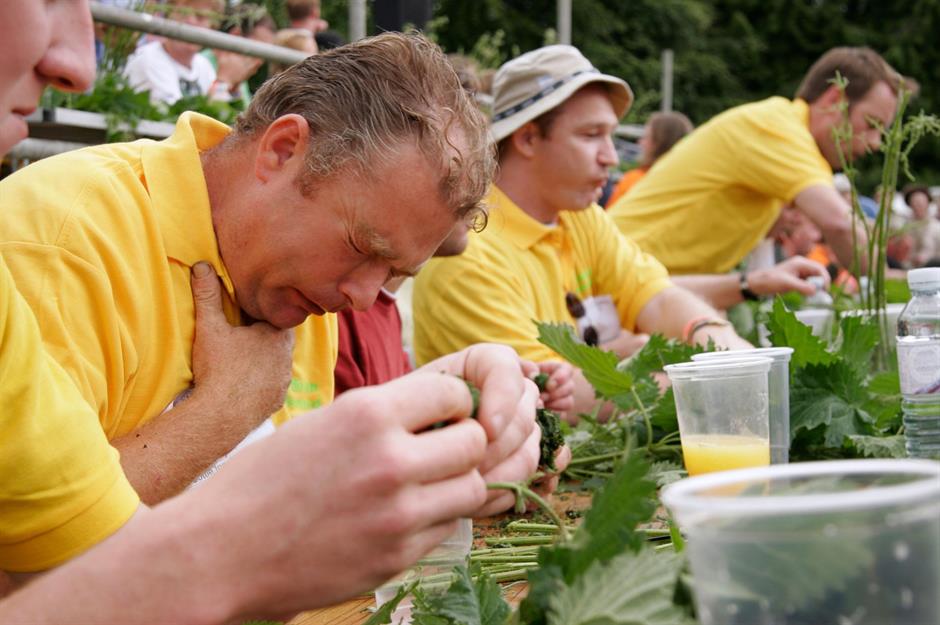
Marshwood in Dorset is home to a prickly tradition with a sting in the tail. At the World Nettle Eating Championship, held at the Bottle Inn, competitors strip and chew through the leaves of stinging nettles for 30 minutes, aiming to devour the most by length of stalk.
The event began in the 1980s after a pub challenge and has recently returned to its original home. While some seasoned contestants claim it’s painless, others report swelling, stinging and more – so it’s not an experience for the faint-hearted.
Royal Navy’s seated Loyal Toast
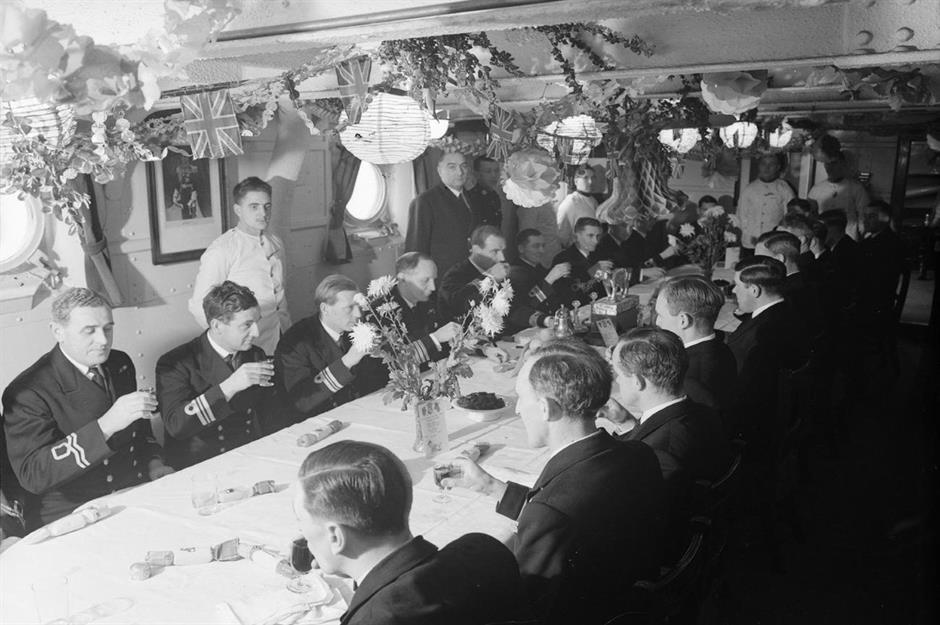
Official dinners held on British Royal Navy vessels include a Loyal Toast to the reigning monarch – which is always done sitting down (it's pictured here in 1942).
The origins of this tradition are largely practical. Ships have low beams, so standing up risks bumping your head on the ceiling. King William IV (then Duke of Clarence) – to whom the tradition is often credited – reportedly suffered this very fate.
Sponsored Content
Hogmanay
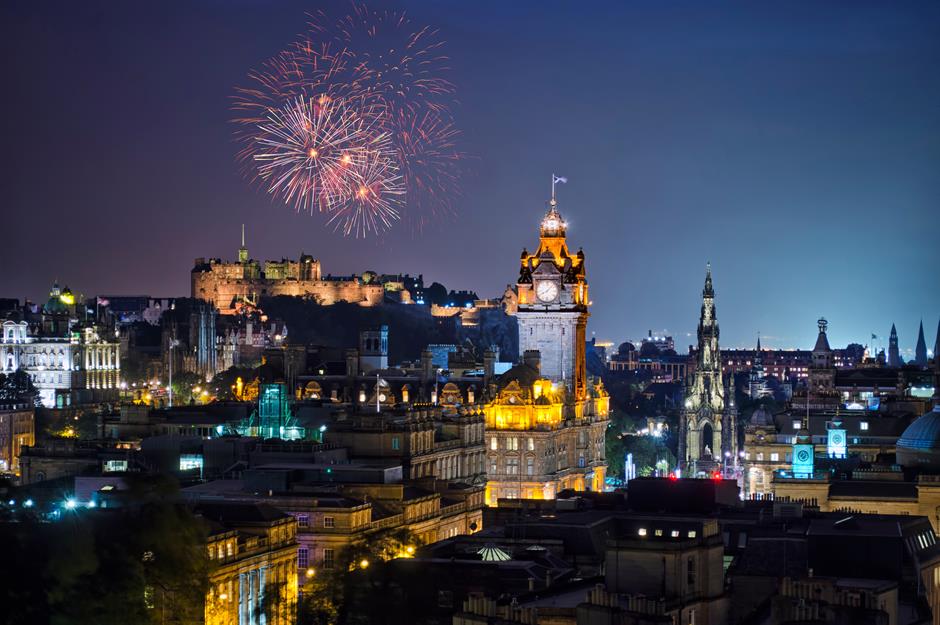
In Scotland, Hogmanay – the New Year celebration – features ceilidhs, feasting and the singing of Auld Lang Syne. While not unusual in itself, the occasion is tied to some quirky traditions.
In Stonehaven, locals swing flaming fireballs through the streets at midnight in a dramatic purification ritual. Another custom, First-Footing, sees the first person to enter a home after midnight – ideally a dark-haired man bearing gifts – believed to bring good luck for the year ahead.
Hanging signs outside pubs
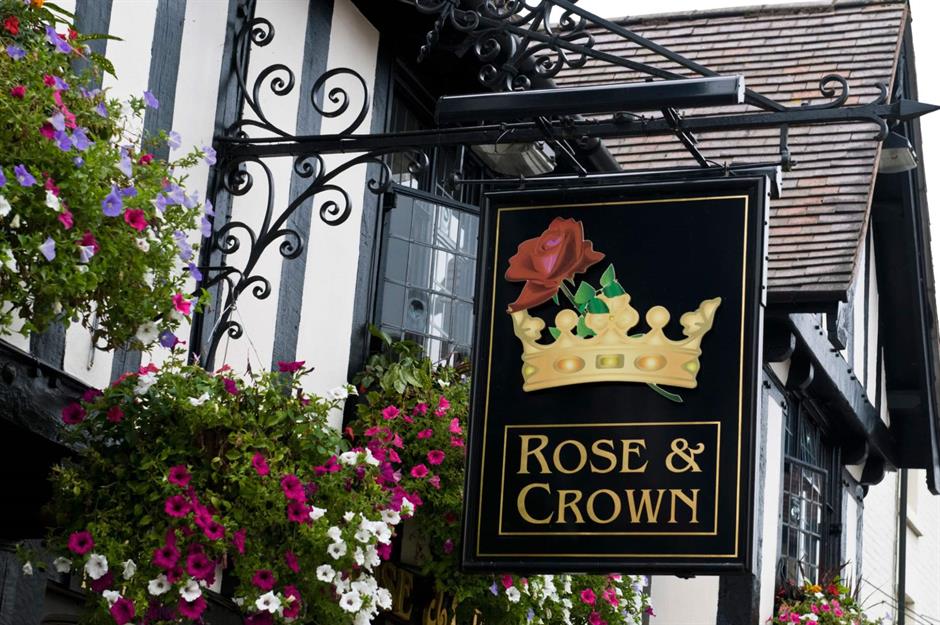
The tradition of marking out places that serve alcohol with symbols dates back to Roman times, when bushes or branches signalled that wine was available. In Britain, early alehouses displayed objects like kettles, boots or greenery – many of which inspired the distinctive pub names we still see today.
By the late medieval period, objects gave way to pictorial signs, as much of the population was illiterate. In 1393, King Richard II made it law for pubs and inns to display a sign, allowing ale quality to be inspected – a regulation that helped cement the pub sign as a British institution.
Swan Upping
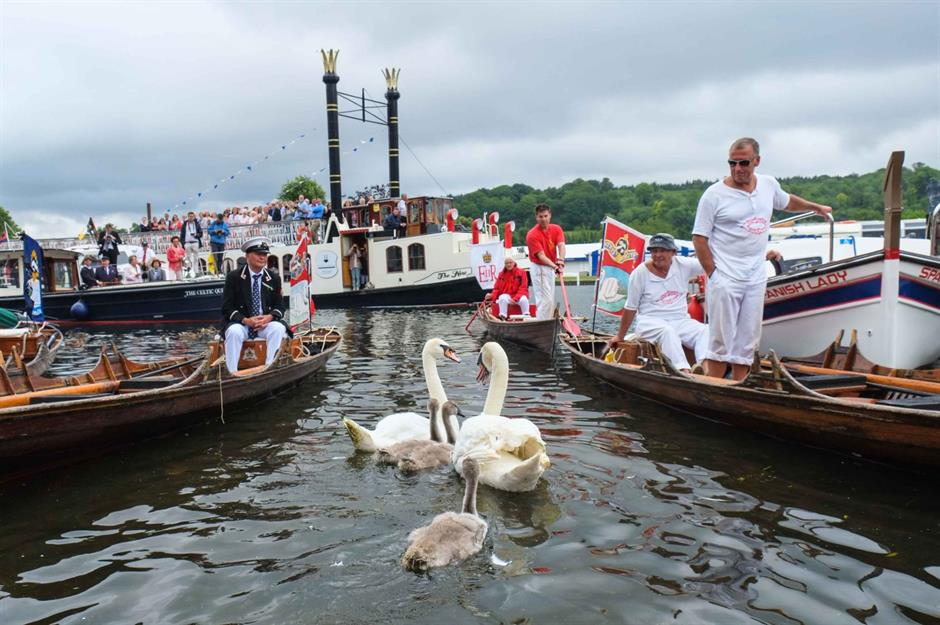
This centuries-old tradition is all about swan counting – with a royal twist. The Crown still holds the historic right to claim unmarked mute swans on open waters, a privilege now largely limited to a stretch of the River Thames.
Each July, a flotilla of rowers known as Swan Uppers travels upriver in traditional skiffs. Dressed in scarlet uniforms, they catch and inspect swan families, weighing and measuring the cygnets to monitor the birds’ health and population.
Sponsored Content
Coins in Christmas puddings
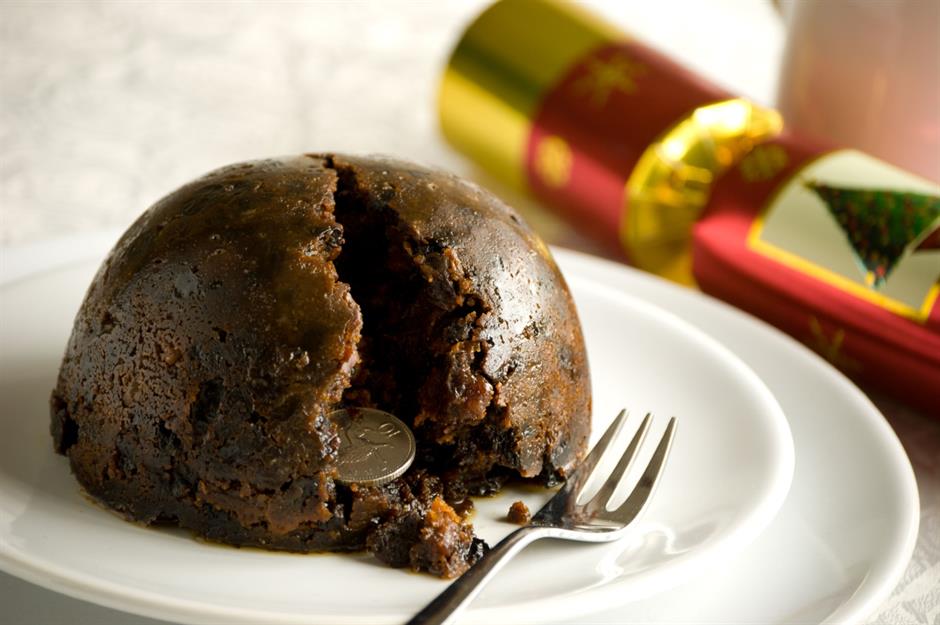
A quirky British festive tradition is hiding a coin inside the Christmas pudding. Popularised during the Victorian era, the custom holds that whoever finds the coin in their serving will enjoy good luck in the year ahead.
Over time, the coins have varied – from silver farthings and pennies to threepenny bits and the more commonly associated silver sixpence. The tradition likely evolved from earlier customs, when symbolic items like a dried pea or bean were baked into Twelfth Night cakes.
Whittlesea Straw Bear Festival
One of England’s more curious customs, the Straw Bear Festival takes place each January in Whittlesey, Cambridgeshire. The tradition, which dates to at least the 19th century, was banned in the early 1900s before being revived in 1980.
It involves parading a performer dressed entirely in straw through the streets, accompanied by a ‘keeper’, musicians and hundreds of folk dancers. A symbolic burning of a separate straw effigy marks the end of the celebrations.