15 Stunning Landmarks RAVAGED By Extreme Weather
Force of nature
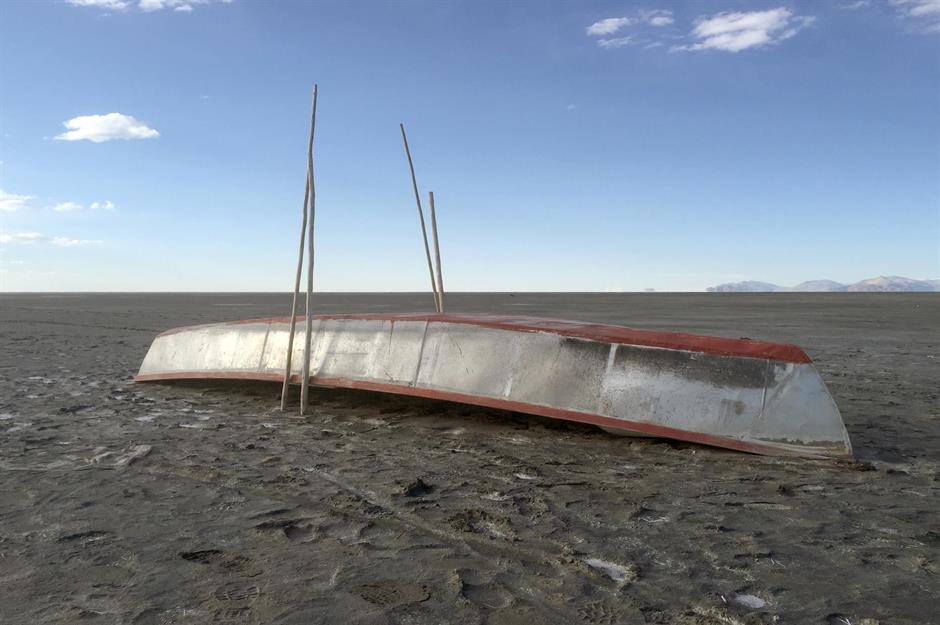
From flooding, forest fires, and landslides, to hurricanes, dangerous waves, and global warming, the weather has ruined some beautiful places in the world.
Click or scroll on to see parts of our planet that have fallen victim to severe weather.
Chacaltaya Glacier, Bolivia

Chacaltaya Glacier, Bolivia

In 1998, experts predicted the glacier would survive until 2015 but due to climate change, it melted six years earlier than estimated. This entire area was once covered in snow but now there are just a few patches of ice near its summit. The loss of the glacier has been a blow to the tourist industry in Chacaltaya, as well as threatening the local freshwater supply and the future use of hydropower which provides much of Bolivia's electricity.
Sponsored Content
The Bahamas

The Bahamas

The death toll was at least 70 with many hundreds more people missing. The deadly 200-mile-per-hour winds and 24-foot storm surge severely damaged or destroyed around 45% of the homes on Grand Bahama and Abaco. Luxury resort Treasure Cay was completely devastated by the violent storm as winds ripped off roofs and tossed boats ashore. The UN estimates that 76,000 people were left homeless by the powerful Category 5 storm.
West Pier, Brighton, UK

Sponsored Content
West Pier, Brighton, UK

After decades of being pounded by the waves, the crumbling structure succumbed to heavy seas and strong winds in 2002, which caused a walkway to collapse and felled part of the concert hall. The remains of the once iconic pier caught fire the following year, in a suspected act of arson. Part of the derelict Grade I-listed structure's eastern side crumbled into the sea in January 2013 following winter storms. However the evocative ruins remain a striking landmark on the seafront.
Old Man of the Mountain, New Hampshire, USA

Old Man of the Mountain, New Hampshire, USA

After existing for an estimated 12,000 years, the poor Old Man fell off the mountain one fateful night in May 2003. Despite steps being taken to weatherproof the beloved rock formation since the 1920s (which was vulnerable due to freezing and thawing, opening fissures in the rock), the old man finally succumbed to natural causes. Local people mourned the loss of their mascot, creating a memorial in Profiler Plaza at the base of the mountain.
Sponsored Content
Otuquis National Park, Bolivia

Otuquis National Park, Bolivia

The Dolomites, Italy

Severe storms and winds up to 125mph ripped across parts of Italy's north and west in late 2018, killing at least 18 people, many by falling trees. The violent weather conditions caused catastrophic damage to ancient mountainside forests in the stunning Dolomites range, uprooting trees and snapping branches. The Serrai Di Sottoguda, one of the mountain range’s most scenic steep-sided canyons, was one place affected by the extreme weather.
Sponsored Content
The Dolomites, Italy

Okjökull glacier, Iceland

Okjökull glacier, Iceland

Sponsored Content
Porthcothan Bay, Cornwall, UK

Porthcothan Bay, Cornwall, UK

The violent winter storms of 2014, some of the worst to hit Britain in decades, not only obliterated Porthcothan Bay’s natural arch but damaged other areas of the British coastline including parts of the UNESCO-listed Jurassic Coast in Dorset. Sections of Chesil Beach were lost and the 150-million-year-old Pom Pom Rock, a stack formation on the southern edge of Portland, also collapsed during the bad weather.
Glacier National Park, Montana, USA

Sponsored Content
Glacier National Park, Montana, USA

Azure window, Malta

A limestone arch known as the Azure Window was one of Malta’s top tourist spots and featured in numerous films and TV series such as Game of Thrones. The spectacular sea arch, near Dwejra Bay on the gorgeous island of Gozo, was shaped by centuries of natural coastal erosion.
Azure window, Malta

Sponsored Content
Lake Poopó, Bolivia

Lake Poopó, Bolivia

Stockton Beach, New South Wales, Australia

Sponsored Content
Stockton Beach, New South Wales, Australia

The ruined beach has now been closed indefinitely after forceful weather battered the coast and left dangerous drops. The seabed at Stockton has apparently dropped more than 23 feet over the past century, causing significant damage to the area’s marine life habitat. A resident campaign group says the dramatic erosion has been escalated by the infrastructure at the Port of Newcastle which has affected wave patterns and stopped replacement sand from coming onto the beach.
Tropical forests of Puerto Rico

Tropical forests of Puerto Rico

Vast swathes of the forest were stripped of their leaves and uprooted. A NASA research team found that 40% to 60% of the tall trees that formed the canopy of the forests either lost large branches, were snapped in half or were uprooted. Doug Morton, an ecologist at NASA’s Goddard Space Flight Center, said: “The island lost so many large trees that forests were shortened by one-third. We basically saw 60 years’ worth of natural treefall disturbances happen in one day.”
Sponsored Content
London Bridge, Victoria, Australia

London Bridge, Victoria, Australia

Villa Epecuén, Argentina

Sponsored Content
Villa Epecuén, Argentina

The heavy rainstorm came on the back of years of wet winters that caused the lake to overflow its banks and inundate the town. Incredibly no one died, but the entire community evacuated and Villa Epecuén vanished beneath the deluge for 25 years. The water began to recede in 2007 after a period of dry weather and now the eerie remains of Villa Epecuén are a tourist destination once again, albeit a more sinister one.
Liked this? Click on the Follow button above for more great stories from loveEXPLORING
Now discover the world's landmarks under threat from climate change