Underrated Germany: 30 of the country's best hidden gems, ranked
German gems
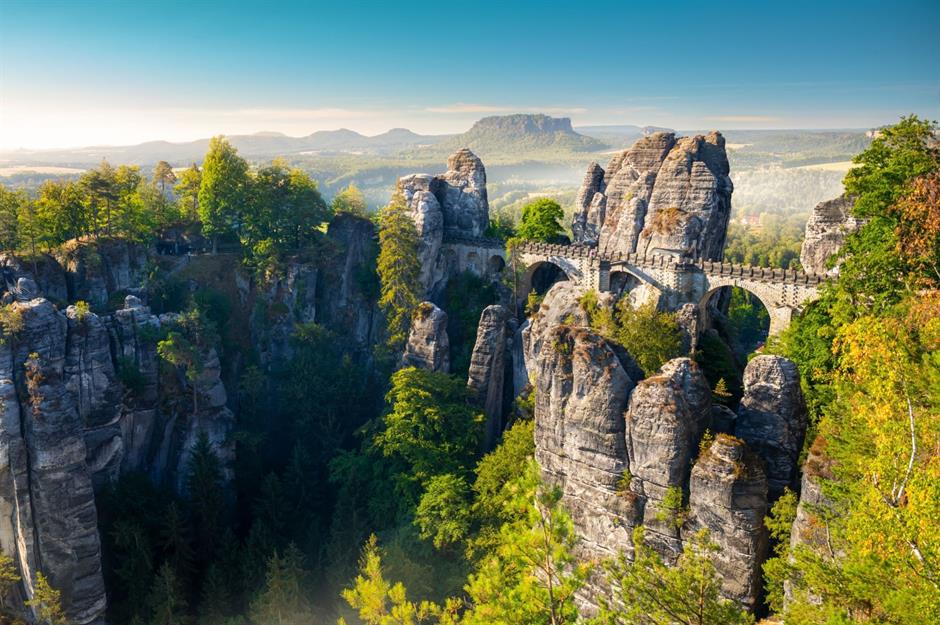
Germany’s major cities are always going to attract the crowds but the country also boasts an array of delightful lesser known towns, unique attractions and incredible historical sites that are well worth adding to your travel itinerary.
Read on to discover our well-travelled team's subjective ranking of Germany’s 30 most underrated gems…
30. Quedlinburg, Saxony-Anhalt
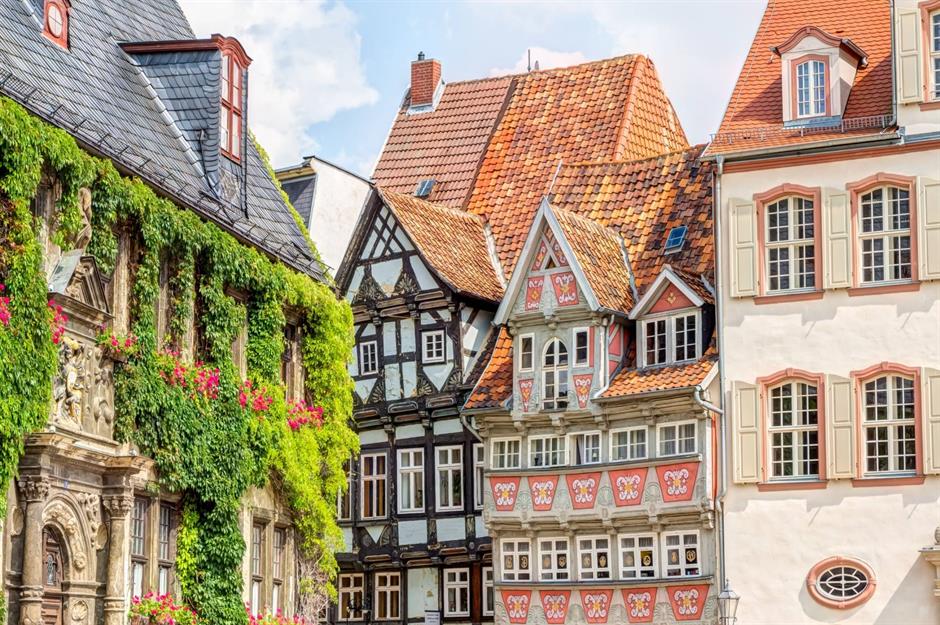
With its picture perfect blend of cobblestone streets, half-timbered houses (more than 2,000 of them), imposing churches and fascinating museums, the small medieval town of Quedlinburg offers a vibrant mixture of history and culture in a spectacular riverside setting.
Highlights include the Fachwerkmuseum im Ständerbau which shows the development of timber-framed construction in the region, while the Lyonel Feininger Museum houses an extensive collection of work by the famous painter, printmaker and comic strip artist, along with works by other famous modernists such as Kandinsky, Klee and Nolde.
29. Cochem, Rhineland-Palatinate
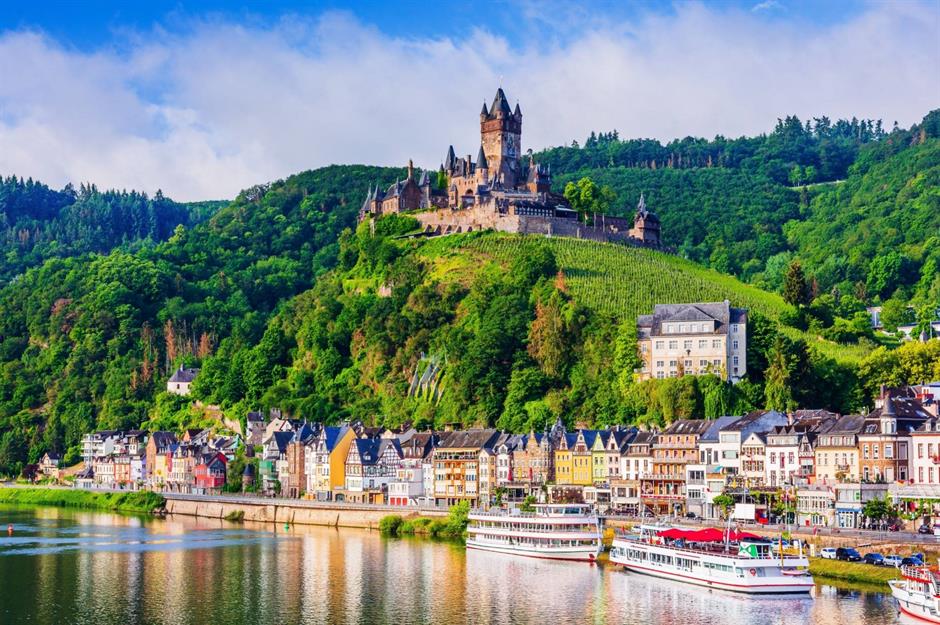
Nestled in a bend in the Moselle River, the beautifully preserved medieval town of Cochem is an enchanting maze of winding cobblestone streets and colourful half-timbered houses. An important stop on the German Wine Route, it’s an ideal place to sample local Moselle wines and hosts several wine festivals throughout the year.
Perched high on a rocky hill above the town, the Reichsburg Cochem (Cochem Imperial Castle) offers stunning views over the surrounding valley and vineyards, while visitors with a bit of time to spare can hop on a boat for a trip or down the river.
Sponsored Content
28. Mount Brocken, Saxony-Anhalt
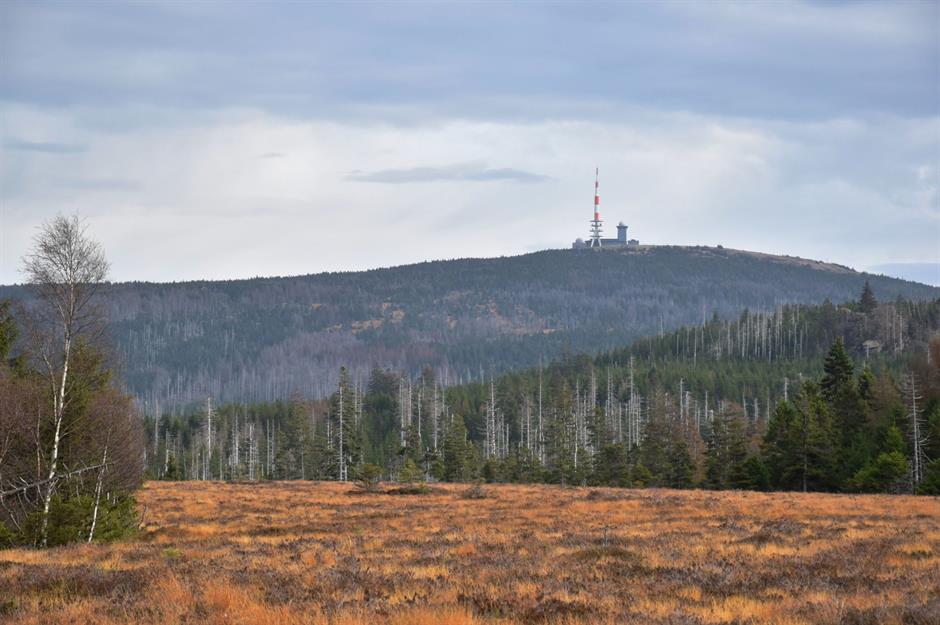
Soaring more than 3,609 feet (1,100m) above the North German Plain, the often fog shrouded peak of Mount Brocken has a mysterious atmosphere which has made it a focal point of myth and legend over the centuries.
Goethe mentioned it in his Faust, and stories of witches and devils haunt its slopes to this day. Visitors might even encounter the Brocken Spectre, an optical illusion which casts an enormous shadow of a figure with a glowing halo across the misty landscape when the sun is low in the sky.
27. Dinosaurier Museum Altmühltal, Bavaria
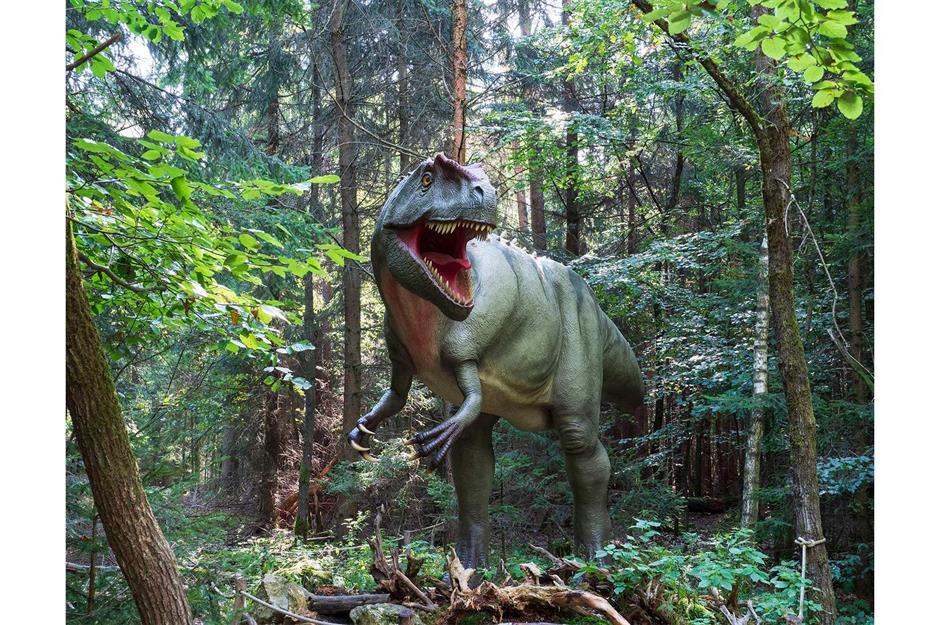
A treat for dinosaur fans of any age, the Dinosaurier Museum in the Altmühltal Nature Park takes visitors on a mile (1.5km) long walk through a forest where they’ll encounter more than 70 life-size replicas of dinosaurs and other primeval animals, several of which tower over the trees themselves.
The park is the only place in the world where Archaeopteryx fossils, the link in the evolutionary chain that connects reptiles to birds, have been found and specimens are on display in the museum hall. Another highlight is 'Rocky', the complete skeleton of a young Tyrannosaurus Rex.
Love this? Visit our Facebook page for more travel tips and inspiration
26. Goslar, Lower Saxony
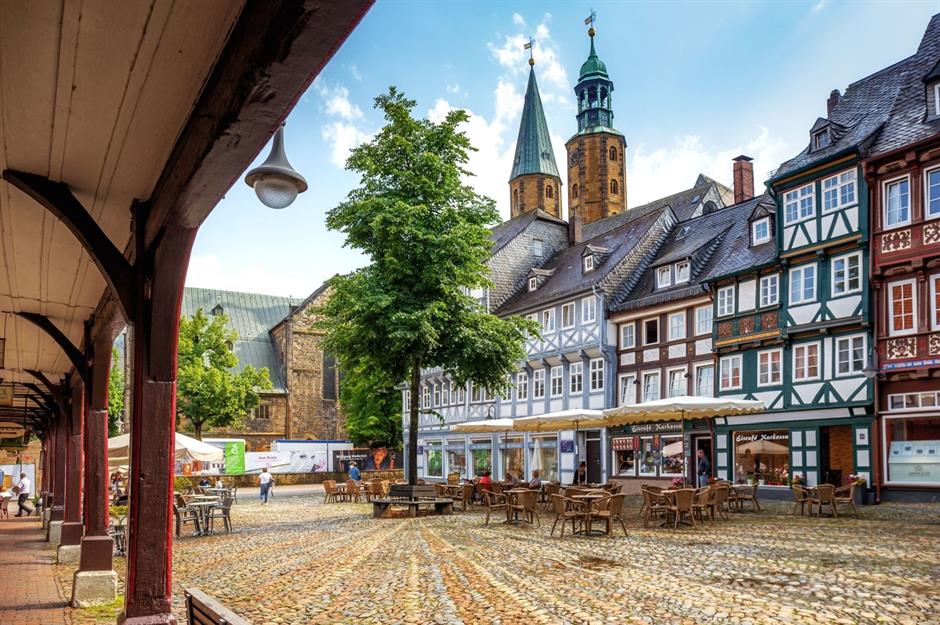
Once a wealthy mining town, Goslar was also a favourite residence of the early Holy Roman Emperors in the 11th and 12th centuries. The town’s former importance is evident in the abundance of well preserved timber framed houses that line the delightfully crooked streets.
Many of the houses are beautifully decorated with elaborate wood carvings featuring angels, demons and mythological creatures. On a grander scale, the Imperial Palace, built between 1040 and 1050, is the largest and best preserved secular building from the 11th century north of the Alps.
Sponsored Content
25. Saalfeld Fairy Grottoes, Thuringia
Saalfeld Fairy Grottoes are a marvel to behold. Venture into the former mine and you’ll discover an array of colourful stalactites that will delight visitors of all ages.
Above ground is the Feenweltchen Fairyworld Adventure Park. Open from May to October little ones will adore the Garden of Fairy Plants, Grove of Light Elves and Empire of Forest Spirits.
24. Treetop Walk Saarschleife, Saarland
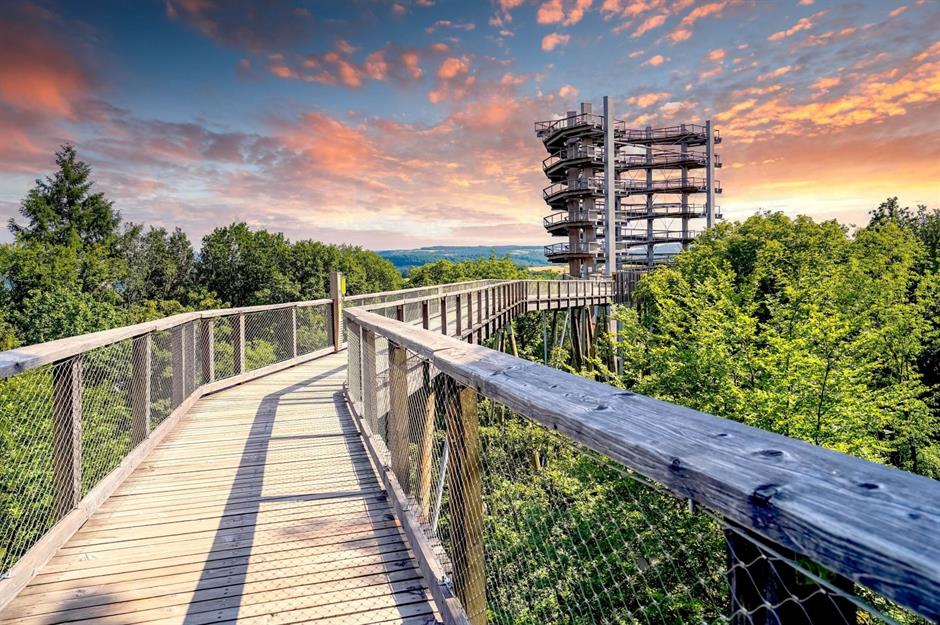
The Saar-Hunsrück Nature Park is one of the largest nature parks in Germany and one of the best ways to appreciate its natural wonders is by taking a stroll along the Treetop Walk Saarschleife. At a height of 138 feet (43m), the 4,101-foot-long (1,250m) trail meanders above the forest offering spectacular views.
There are also fascinating facts about nature and wildlife in the park to discover along the way. During the festive season the Treetop Walk is transformed into an illuminated winter wonderland making for a truly magical experience.
23. Frauenkirche, Dresden, Saxony
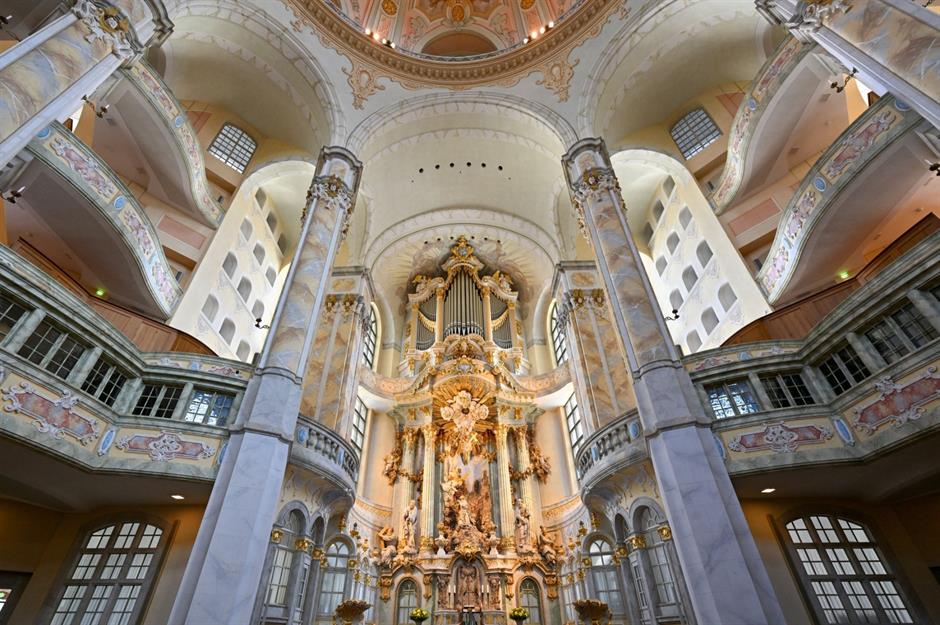
It’s something of a miracle that the Frauenkirche even exists today. Completely destroyed during the firebombing of Dresden in 1945, it was left in ruins for half a century as a war memorial. But between 1994 and 2004, the church was rebuilt using 8,000 original stones salvaged from the rubble.
Now restored to its former glory, this ornate Baroque masterpiece towers once again over the nearby Neumarkt as a symbol of peace and reconciliation. Visitors should head up to the viewing platform for breathtaking panoramic views over the entire city.
Sponsored Content
22. Ludwigslust Palace, Mecklenburg-Western Pomerania

Often referred to as the Versailles of the North, the undoubted centrepiece of Ludwigslust is its stunning Baroque palace, built around a magnificent, landscaped garden with elegant avenues, canals, fountains and artificial cascades.
The highlight is the ornately decorated Golden Hall. Spread over two floors, it embodies the grandeur and pomp of the Louis XVI era with its Corinthian columns, crystal chandeliers, ornately decorated ceiling and enormous mirrors. But this splendour can be deceptive. Look closer and it becomes clear that much of the decoration is actually made of papier-mâché, known as Ludwigslust Board.
21. Gӧrlitz, Saxony
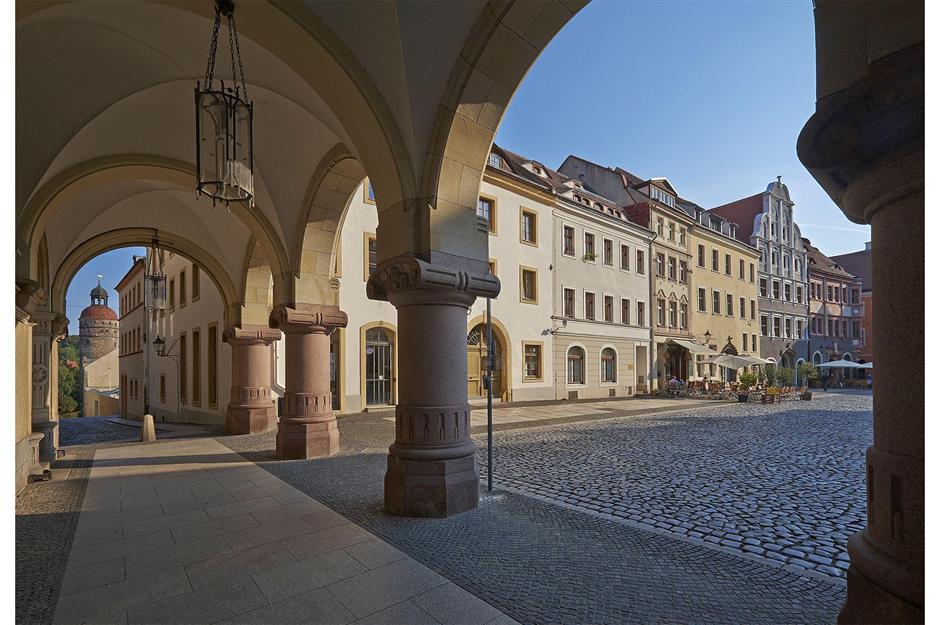
Gӧrlitz’s history as an influential centre of trade and science is evidenced by the stunning architecture on view. The mix of late Gothic, Renaissance, Baroque and Art Nouveau buildings, lavishly restored and often listed, make the town a veritable work of art.
The buildings in the historic town centre with their richly decorated façades, elegant arches and frescoed ceilings spanning different epochs are a particular delight. Gӧrlitz’s beauty has seen it used as a backdrop in numerous films over the decades including Wes Anderson’s The Grand Budapest Hotel and Quentin Tarantino’s Inglourious Basterds.
20. Römerkastell Saalburg, Hesse
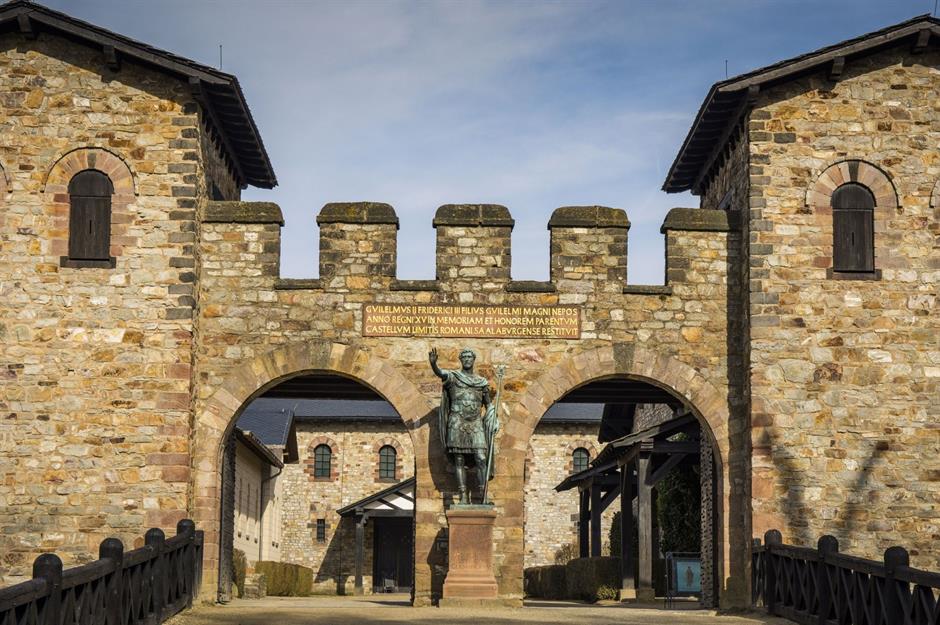
The Limes Germanicus was a series of fortifications that marked the boundary between the Roman Empire's provinces and the Germanic tribes. Among the remnants of this historic frontier, the Saalburg Roman Fort stands out as the most comprehensively reconstructed site.
Originally built around AD 90 and expanded circa AD 135, the fort was abandoned in the mid-3rd century. It was meticulously reconstructed between 1897 and 1907 under Emperor Wilhelm II's directive. In 2005, the site became part of the UNESCO World Heritage listing for the Upper German-Raetian Limes, and today it serves as a museum and archaeological park, offering deep insights into Roman military history.
Sponsored Content
19. Porta Nigra, Trier, Rhineland-Palatinate
Founded by the Romans in the 1st century BC, Trier is Germany’s oldest city and home to some of the most important ancient monuments in the whole of Europe. Not least of these is the Porta Nigra (Black Gate) which, dating from AD 170, is considered to be the best-preserved Roman gate north of the Alps.
Built from around 7,200 blocks of sandstone, its imposing façade has become a symbol of the city, and visitors can climb to its upper floors for terrific views over the ancient streets below.
18. Wismar, Mecklenburg-Western Pomerania
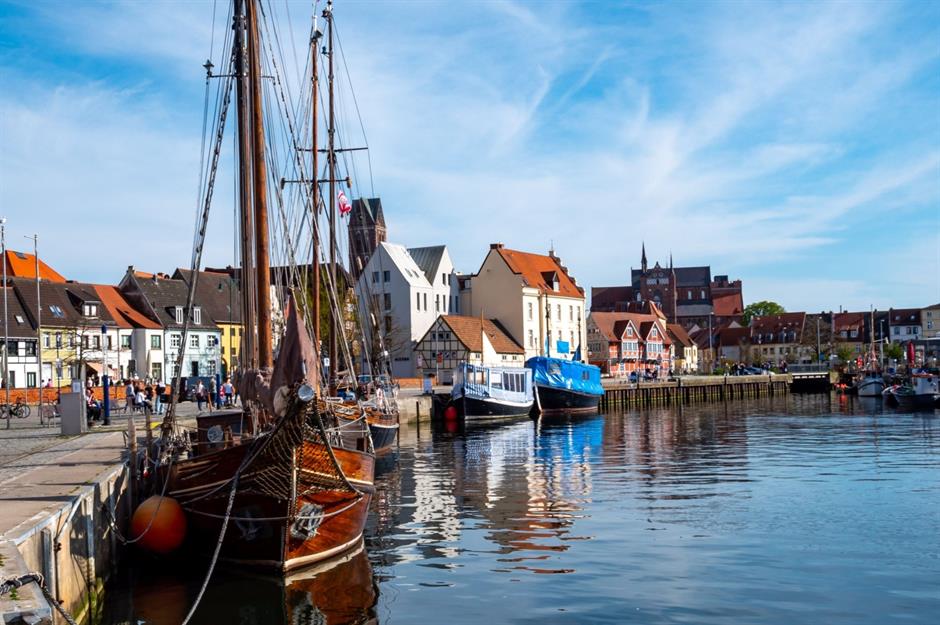
A major trading centre of the Hanseatic League in the 14th and 15th centuries, the medieval port of Wismar on Germany’s Baltic coast is home to many of the best-preserved examples of Brick Gothic architecture in Europe.
The town’s wealthy past can still be seen in the magnificent brick churches and townhouses of its Altstadt (Old Town), which was declared a UNESCO World Heritage Site in 2002. Film buffs can even take a walking tour of its old harbour, which was used as a location for the legendary Dracula film, Nosferatu, in 1922.
17. Bremmer Calmont Vineyard, Rhineland-Palatinate
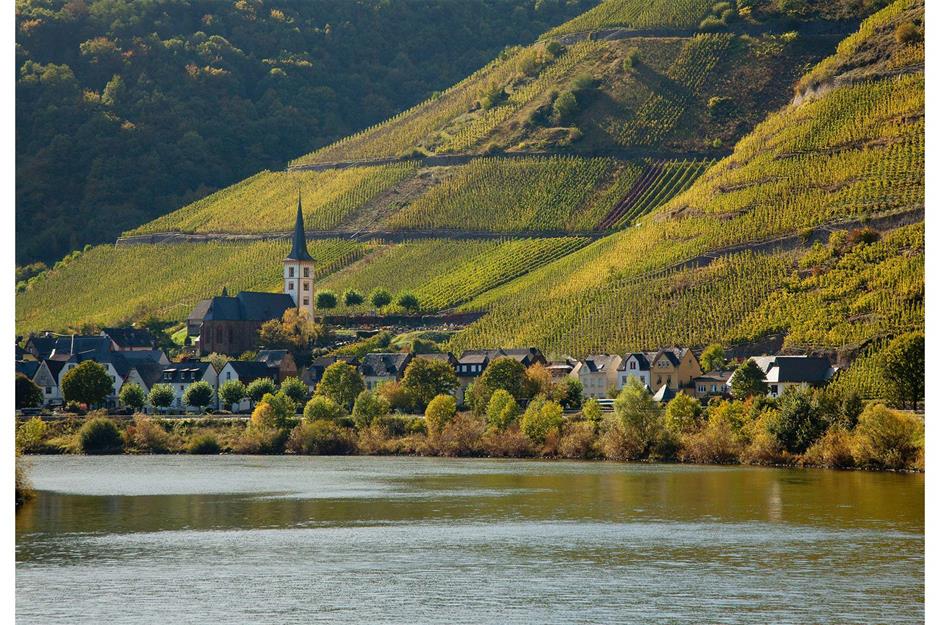
Nestled in a deep curve of the Moselle River, the Bremmer Calmont vineyard has a unique distinction in this famous wine producing area. Situated on a hill 951 feet (290m) high, with a gradient of up to 60%, it’s the steepest sloped vineyard in all of Europe.
This vertiginous incline allows a huge amount of sun to reach the vines, providing ideal conditions for growing Riesling, but the grapes are (unsurprisingly) somewhat difficult to harvest. Today the work is partially assisted by monorack railways snaking up the steep hills, but it's still a strenuous task.
Sponsored Content
16. Pirna, Saxony
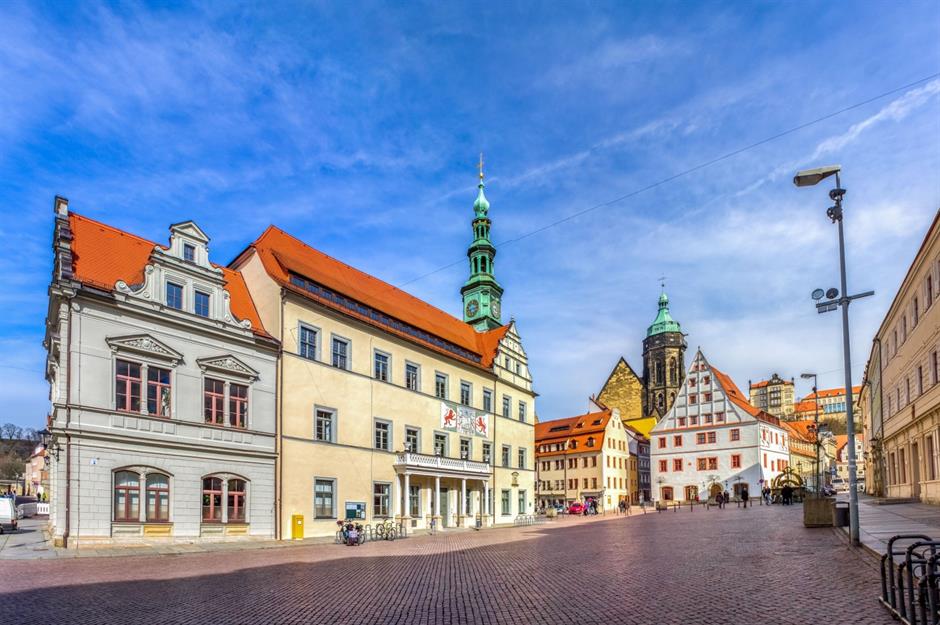
Halfway between Dresden and the Czech border, Pirna may not be the most famous town in Germany, but it's surely one of the most charming. Set in the rolling beauty of the Elbe valley, it largely escaped the destruction of the war years, so its picturesque medieval centre remains much unchanged.
It was certainly beautiful enough for the famous Venetian painter Canaletto, who immortalised its streets and squares in no less than 11 canvases between 1753 and 1755, making it the only small town he ever painted.
15. Burg Eltz Castle, Rhineland-Palatinate
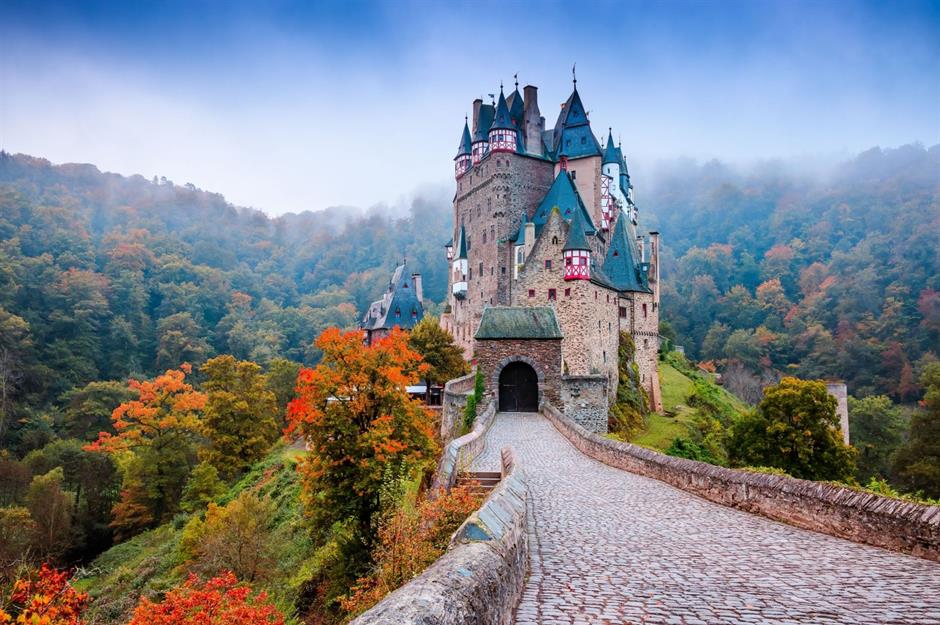
With its fairytale setting, perched on a rock in the middle of a densely forested valley, Eltz Castle has a magical aura which defies the passage of time. Its towering walls, pointed turrets and timber frame structures make it the quintessence of a medieval castle.
Home to the Eltz family for 900 years, the castle’s interior retains much of the original furniture and decorations from centuries past, while the Treasury and Armoury house a magnificent collection of artworks, decorative objects, jewellery and weaponry acquired over many generations.
14. St Michaelis, Hildesheim, Lower Saxony
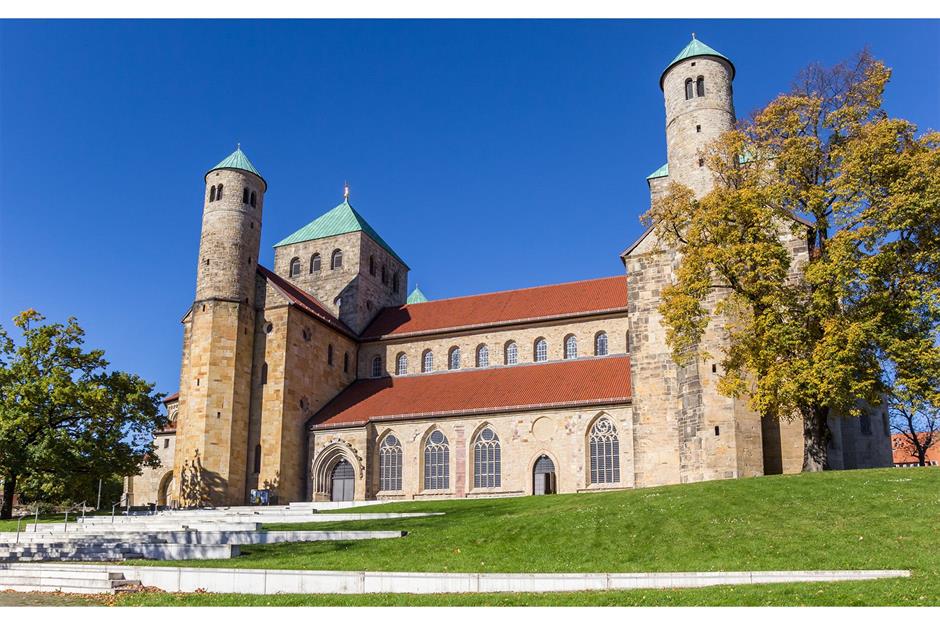
The ancient Benedictine abbey church of St Michaelis in Hildesheim is one of the most significant examples of medieval architecture in Europe. Built between 1010 and 1022 its importance lies in the fact that it is a rare example of a church from the period that has undergone virtually no structural alterations.
Its interior, in particular the wooden ceiling and painted stuccowork, make it an exceptional example of a Romanesque church of the Holy Roman Empire. The nearby St Mary’s Cathedral, with its bronze doors dating back to 1015, is equally notable.
Sponsored Content
13. Rügen
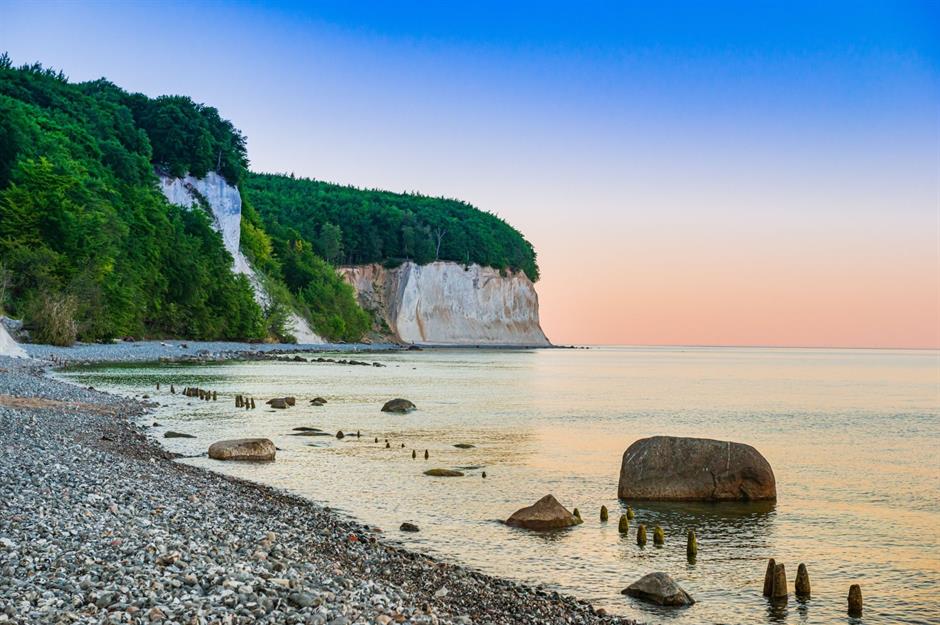
Spend a holiday on Rügen and you’re likely to wonder why you never thought to do so before. The island really does have it all, from the seaside resorts of Binz and Sellin, which ooze nostalgic charm, to stunning national parks and magnificent manor houses.
Then of course there are the chalk cliffs, which famously inspired the Romantic painter Caspar David Friedrich. Every June to September the island is also home to the Störtebeker Festival. Theatre performances take place on a unique natural stage on the banks of the Great Jasmund Lagoon.
12. Margravial Opera House, Bavaria
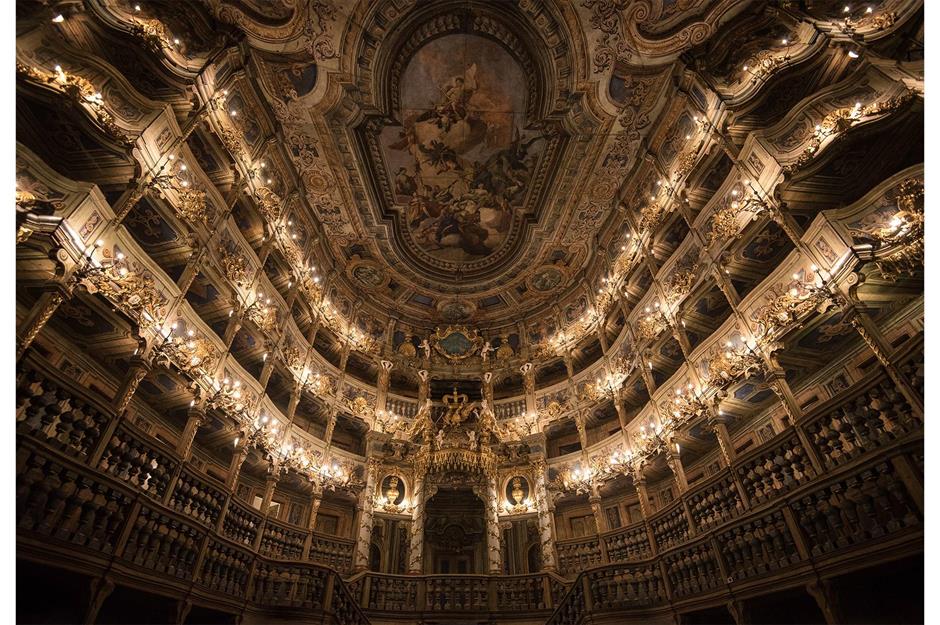
Bayreuth is, of course, world famous as the home of Wagner’s Festspielhaus, one of the world’s great concert halls. Less well known, but equally stunning, is the Margravial Opera House.
Built between 1745 and 1750, this masterwork of Baroque theatre architecture was designed by the Italian architect Giuseppe Galli Bibiena, and is the only perfectly preserved example of its type. The hall’s intricately decorated interior, with tiered loges of wood and illusionistic painted canvas, all lavishly highlighted in gold, is a wonder to behold.
11. Rheinsberg House, Brandenburg
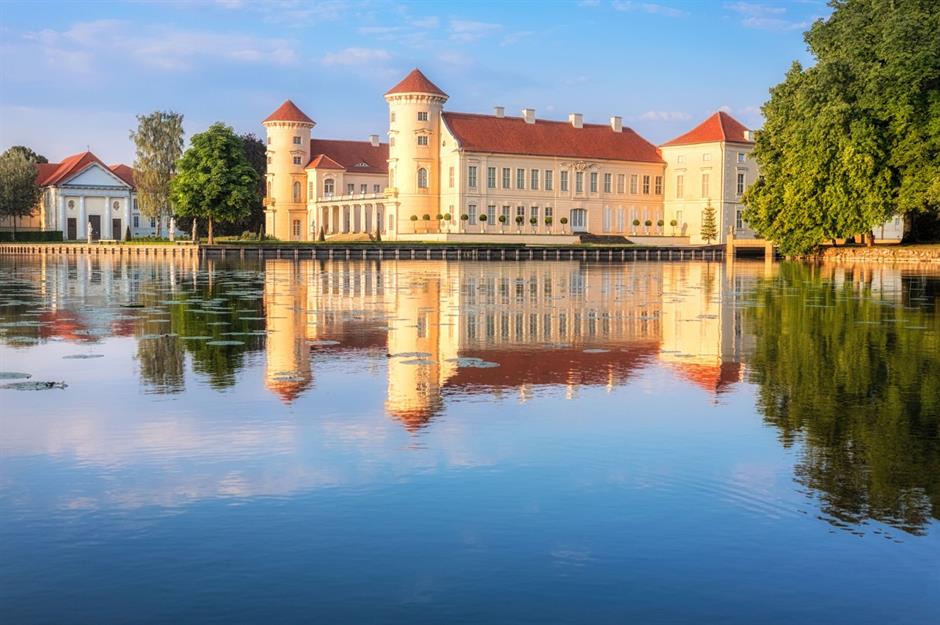
Situated on the banks of idyllic Lake Grienerick, and surrounded by one of Germany’s most beautiful landscaped gardens, Rheinsberg House was the home of Frederick the Great from 1736 to 1740. He described the years he spent there as the happiest of his life, and its Rococo stylings would influence the more famous Sanssouci Palace near Berlin.
Used as a diabetes clinic during the GDR years, it has now been restored to its former glory, recreating the elegance of its original Frederican interior design and giving visitors an authentic sense of its 18th century heyday.
Sponsored Content
10. Mecklenburg Lake District, Mecklenburg-Western Pomerania
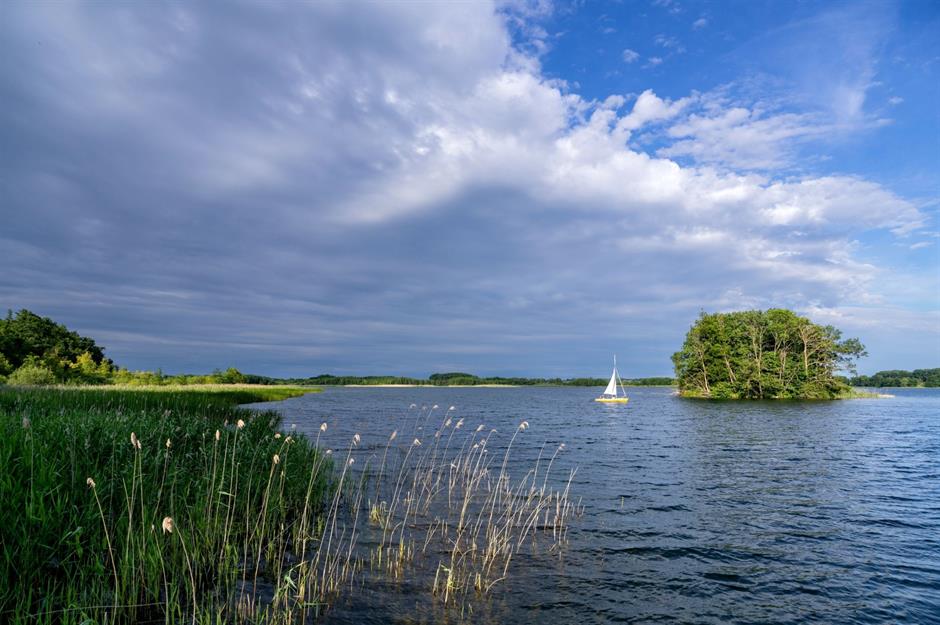
Known as 'The Land of a Thousand Lakes', the Mecklenburg Lake District is Europe’s largest area of interconnected lakes and waterways. The entire area is stunning, but Tollensesee is considered the most beautiful lake in the region, while the Feldberg lakes are renowned for their crystal-clear waters.
At the heart of the region is the Müritz, the largest lake located entirely within Germany. While it would be tempting to simply relax and take in the views, an array of water based activities including canoeing, water skiing and surfing are also on offer.
9. Waldsassen Basilica, Bavaria
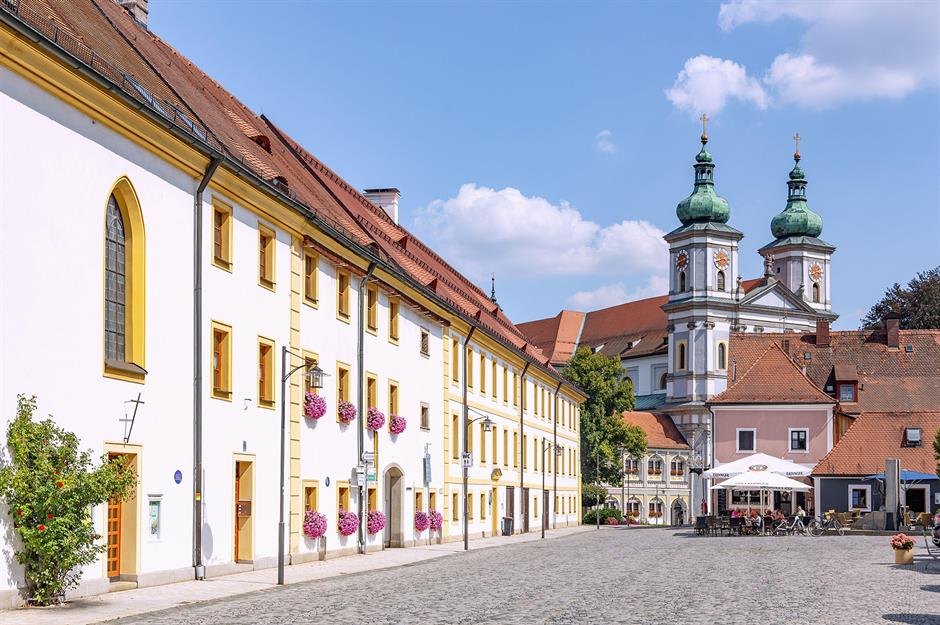
A truly macabre sight awaits anyone venturing inside Waldsassen Basilica. This ornately decorated Baroque church is impressive enough in itself, but what makes it unique is the collection of 10 richly dressed and bejewelled skeletons which are on display within its walls.
These 'Holy Bodies' are the remains of Christian martyrs exhumed from the Roman catacombs and elaborately adorned with precious gemstones and gold by Adalbart Eder, a Cistercian lay brother and skilled goldsmith, in the 18th century.
8. Landschaftspark Duisburg-Nord, North Rhine-Westphalia
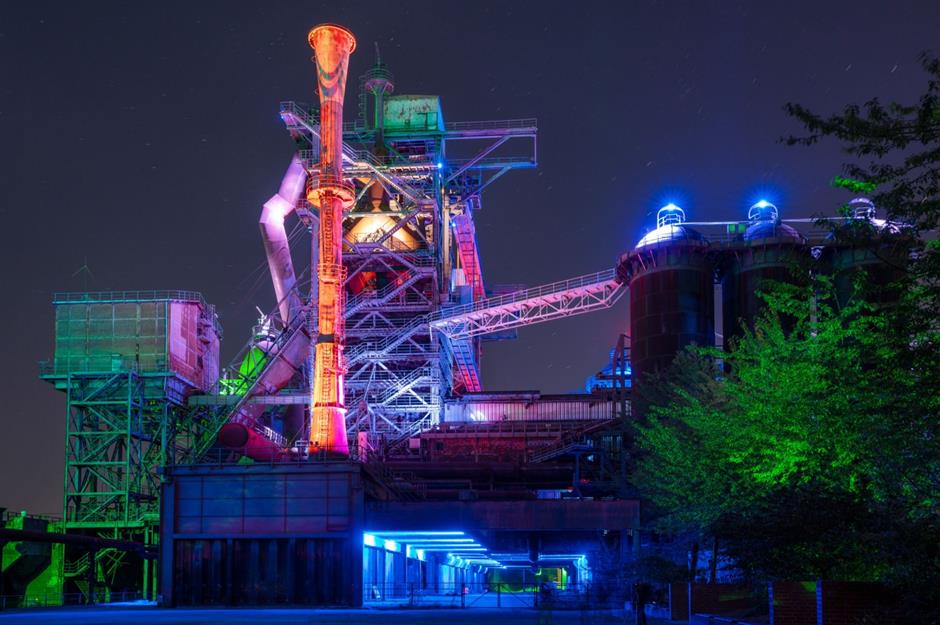
In the Landschaftspark Duisburg-Nord, former industrial buildings have been imaginatively repurposed for cultural and leisure pursuits. An old gasometer has been converted into Europe's largest artificial diving centre, former ore storage bunkers have been transformed into an alpine climbing garden and a high ropes course has been set up in a cast house.
The highlight of the 180-hectare park is the light installation by the British artist Jonathan Park, which bathes the ironworks in a fascinating sea of light and colour after dark.
Sponsored Content
7. Bastei Bridge, Saxony
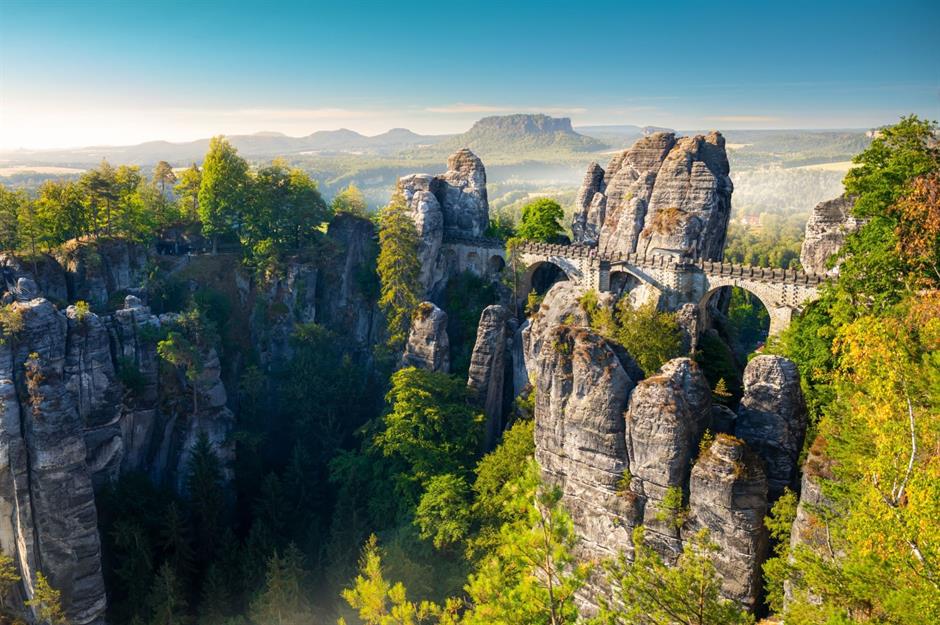
Situated in the Saxon National Park, the Bastei Bridge is an awe inspiring 251-foot-long (76.5m) stone structure that connects a number of towering rock formations and offers breathtaking views of the Elbe River. Across the bridge you’ll find the ruins of Neurathen Castle, the largest medieval fort in the area.
Both the bridge and castle have inspired many renowned painters, writers and musicians over the centuries, including Caspar David Friedrich, Ludwig Richter and Richard Wagner. Head to the Elbe Sandstone Mountains for a magnificent view of the bridge itself.
6. Kromlau Rhododendron Park, Saxony
As its name suggests, Kromlau Rhododendron Park is a wonderful place to view rhododendrons and azaleas in bloom. The park also contains a number of bizarre basalt artworks, many different species of oak tree and rare exotic woody plants.
But it is perhaps the Rakotz Bridge, also known as the Devil’s Bridge (pictured), which most attracts those looking for a perfect photo opportunity. Commissioned in 1860, it was specifically designed to create a circle when reflected in the waters beneath it.
5. Harz National Park, Various
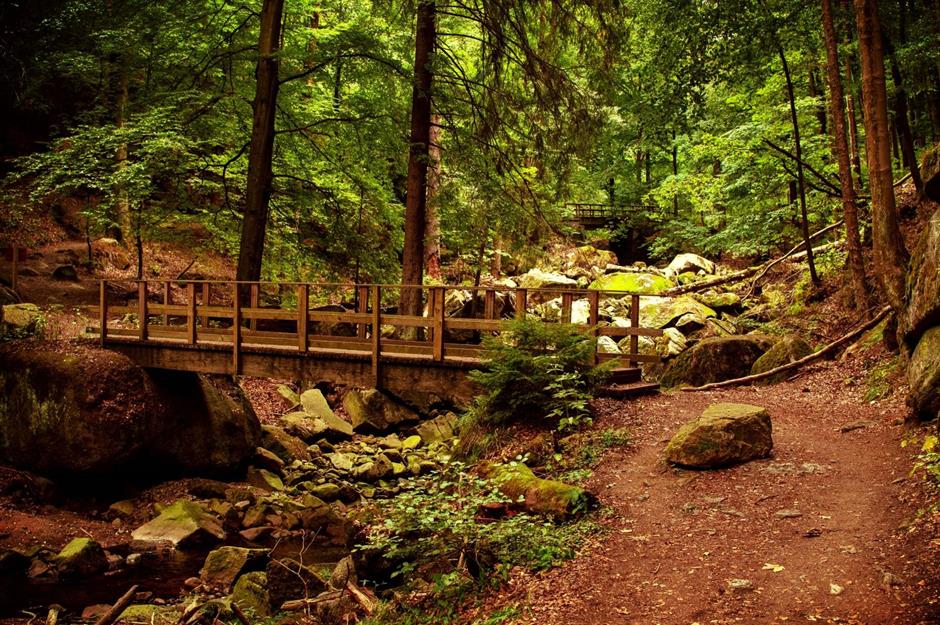
A nature lovers’ paradise in the heart of Germany, the vast mountain wilderness of the Harz National Park covers almost 25,000 hectares of spectacular hills, winding rivers and dense forests, with peaks ranging from 755 feet (230m) to 3,743 feet (1,141m) above sea level.
An ideal place to escape civilization, the park has several well-marked hiking, biking and horse-riding trails, along with two dedicated animal watching stations and even a lynx enclosure, where visitors can observe these shy but beautiful cats at (relatively) close quarters.
Sponsored Content
4. Lübeck, Schleswig-Holstein
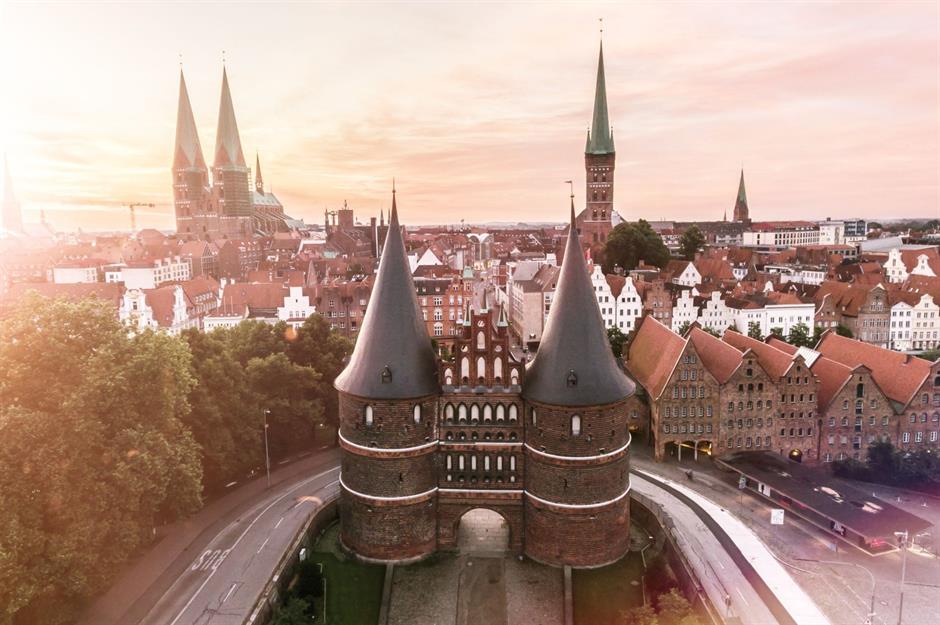
Surrounded by water, Lübeck’s Old Town is notable for its seven towers and five main churches and is a UNESCO World Heritage Site. Wander its narrow lanes and you’ll come across a magnificent mix of Gothic, Renaissance, Baroque and Classical buildings.
St Mary’s Church, which contains the world's tallest brick vault, is considered a particularly fine example of Brick Gothic Architecture while the twin towered Holsten Gate (pictured) is the city’s most famous landmark. When you’ve finished exploring, try some of the world-famous Lübeck marzipan.
3. Hiddensee, Mecklenburg-Western Pomerania
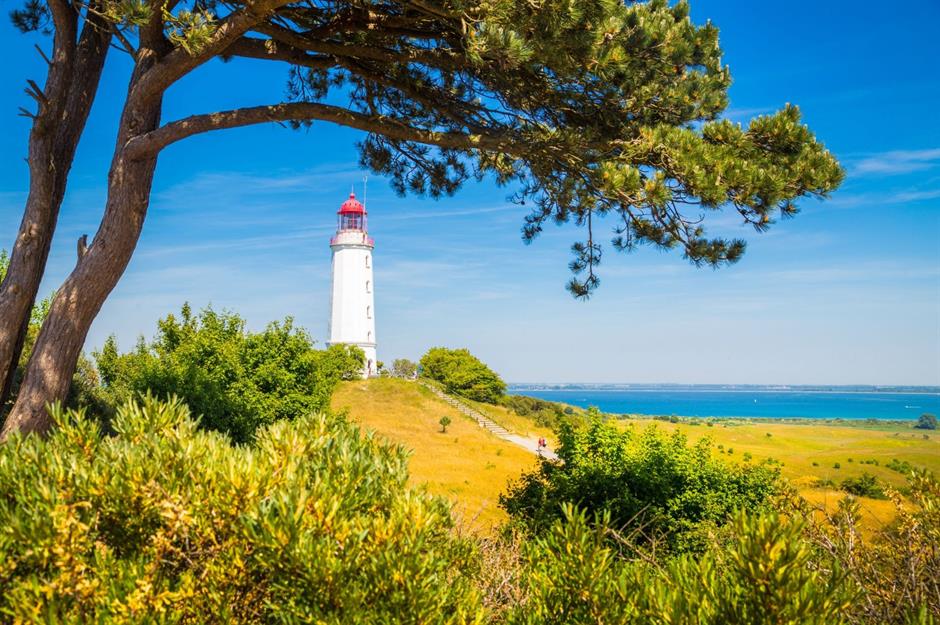
Known locally as Söte Länneken (Sweet Little Land), the small island of Hiddensee in the Baltic Sea offers an idyllic retreat from the daily realities of the mainland. With its long sandy beaches, rugged cliffs and pine forests, this car-free paradise is a place of great natural beauty.
An inspiration to artists and writers since the Weimar era, it’s still a lively cultural centre, home to several museums and art galleries, along with architectural gems such as the Art Nouveau Lietzenburg Pavillions and the Asta Nielsen House, once home to the famous silent film actress.
2. Bad Kissingen, Bavaria
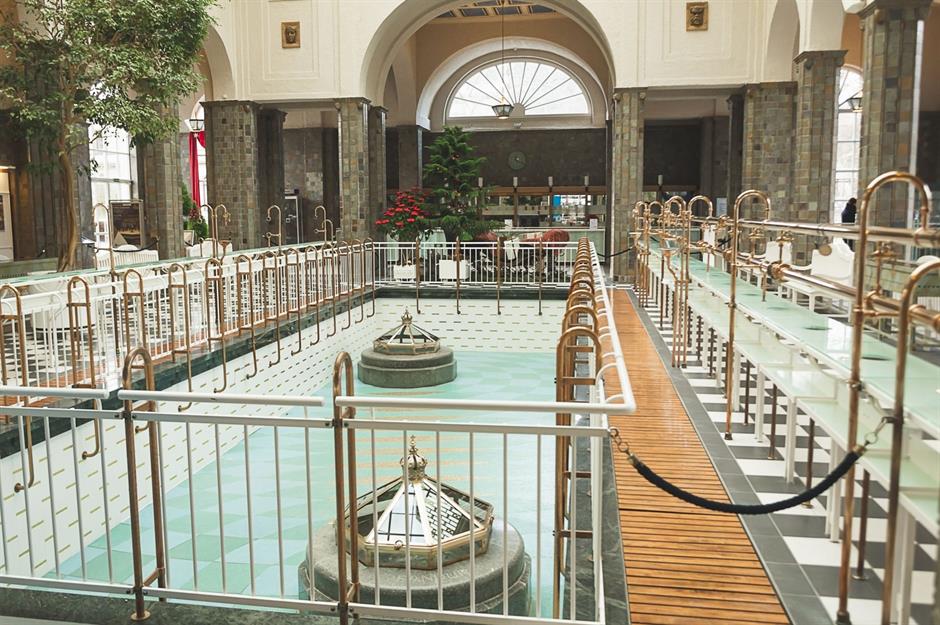
A bathing and drinking spa since the 16th century, Bad Kissingen became a fashionable resort from the 1830s onwards thanks in part to a visit by the Bavarian King Ludwig I. Otto von Bismarck, Empress Elisabeth ‘Sisi’ of Austria, George Bernard Shaw and Richard Strauss are just some of the illustrious names who came to take the waters in the decades after.
Today, Bad Kissingen is UNESCO listed as one of the Great Spa Towns of Europe. Visitors can partake in treatments that will help them relax, recuperate and reinvigorate in a number of beautifully designed spas including the Fountainhall (pictured).
Sponsored Content
1. Leipzig, Saxony
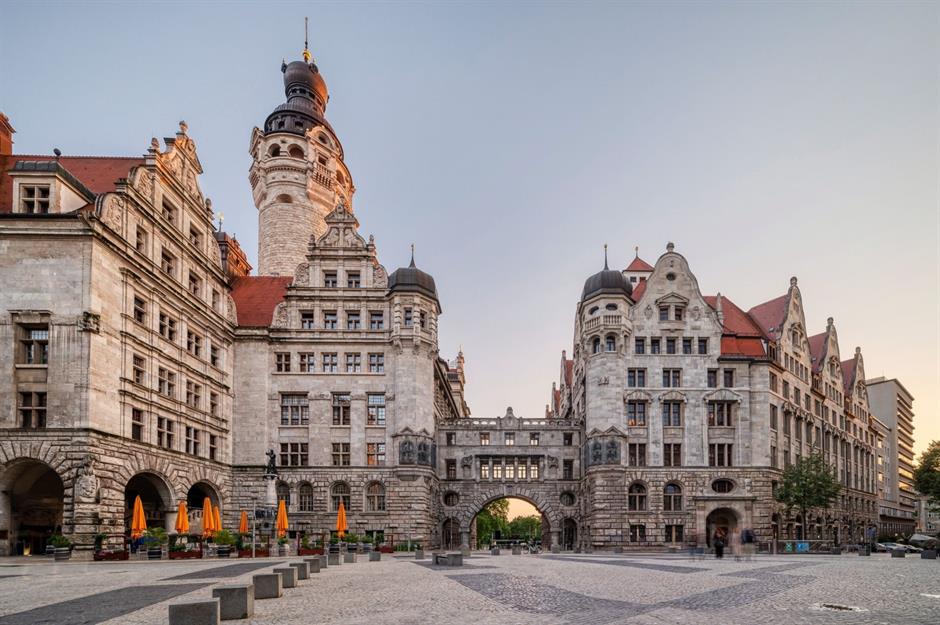
Our number one underrated German attraction is Leipzig, a must visit for music lovers. Not only is it the birthplace of Wagner and the place where Bach, Mendelssohn, Bartholdy, the Schumanns and Mahler worked, it is also home to the renowned Gewandhaus Orchestra, the 800-year-old St Thomas's Boys Choir and the Leipzig Opera.
Regular festivals bring the city’s illustrious musical heritage to life and there is a thriving contemporary arts scene too. The Plagwitz quarter has a particularly vibrant selection of exhibition spaces and boutiques including the former cotton mill, which is now a living and working space for over 100 artists.