Europe’s most dangerous beaches, ranked
Sun, sea and safety
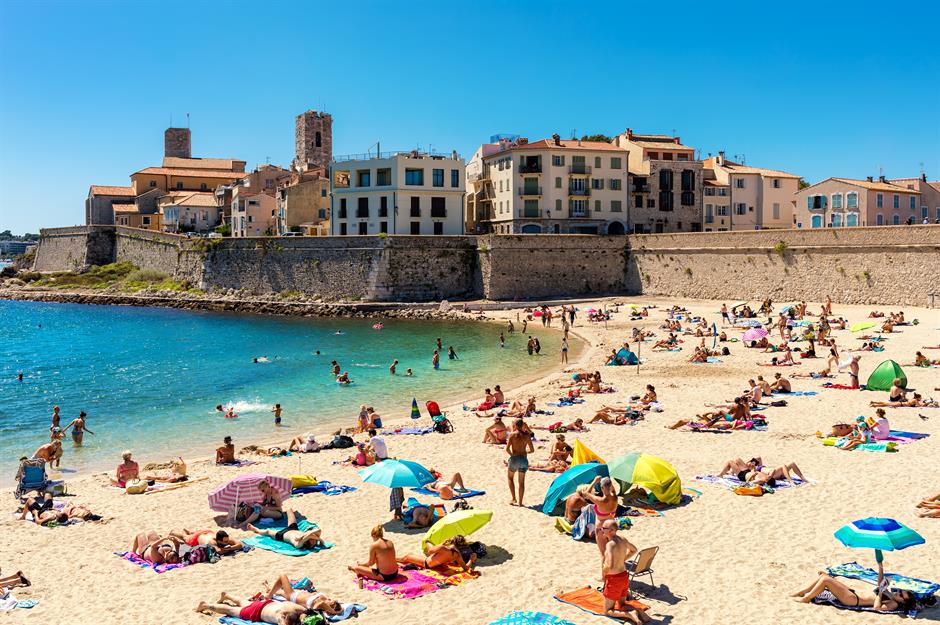
Europe is graced with some of the world's finest beaches – be it the sandy shores of the Mediterranean or the rocky basalt beaches of the North Atlantic. But these beautiful spots aren't always as idyllic as they appear, and sometimes harbour hidden dangers such as riptides, sudden rockfalls and alarmingly high levels of pollution.
Click through this gallery to discover what, in our opinion, are the most dangerous beaches in Europe...
23. Boyeeghter Bay, Ireland
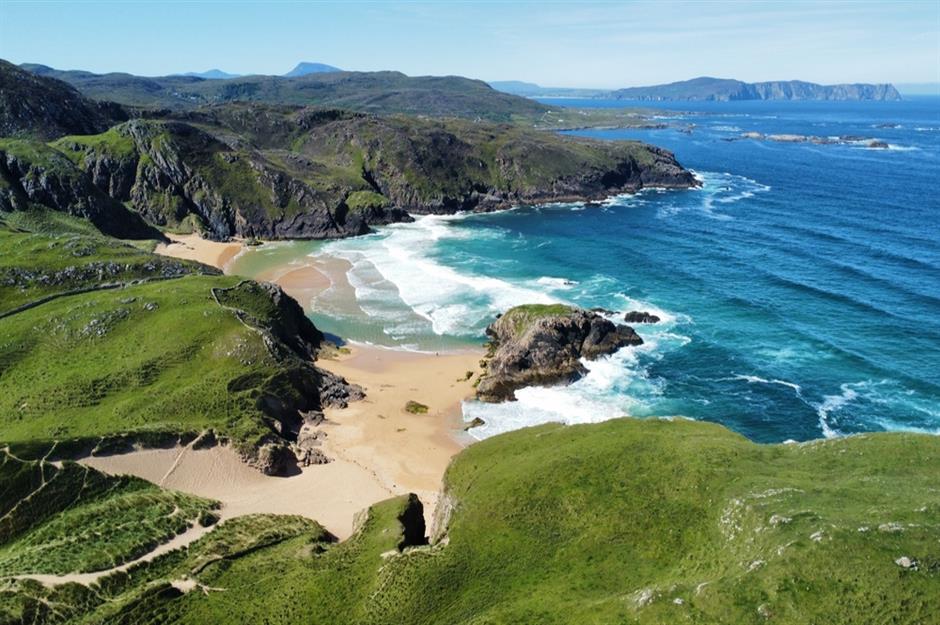
Boyeeghter Bay is one of Ireland's finest beaches thanks to its crystal-clear waters and golden sands. However, while plenty of people come here to admire the secluded bay's cliffs and small sea caves, hiking down the path to the beach can be hard work and swimming is strongly advised against due to strong and treacherous rip currents. The bay also has the rather ominous nickname of Murder Hole Beach, thanks to a story about a woman allegedly falling to her death from a cliff in the 19th century.
22. Westerland Beach at Sylt Island, Germany
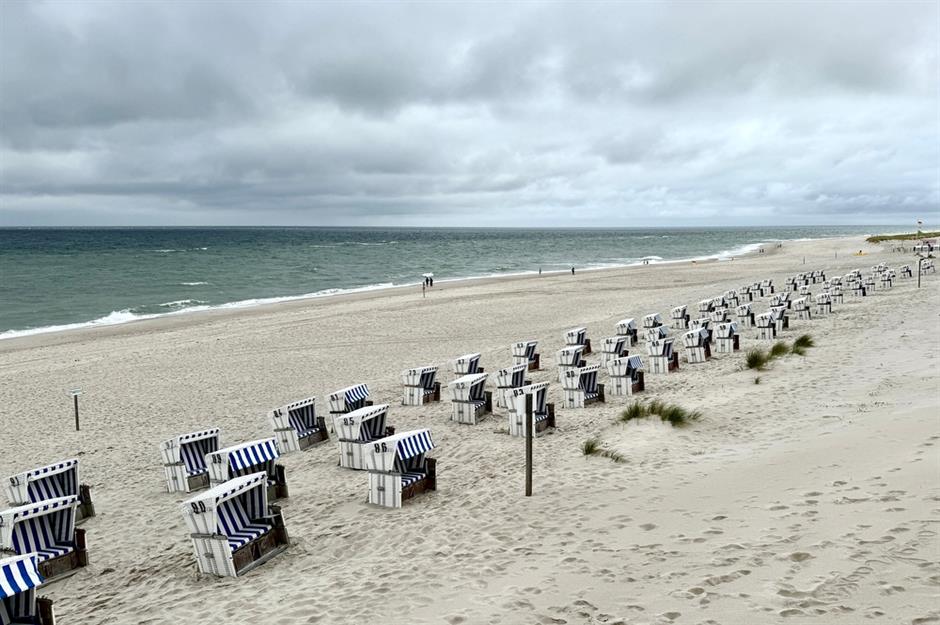
The North Sea island of Sylt, Germany, attracts thousands of beach-goers each year, but summer 2024 saw the appearance of 'Achtung!' signs warning that the Westerland stretch of coast was unguarded due to lack of sand. Erosion from winter storms caused the shortage, and meant that large stretches of the beach were far too deep to be safe for bathing. Swimmers were urged to go to other areas with staffed lifeguard stations, and reminded that bathing in the North Sea can always be dangerous.
Sponsored Content
21. Oostduinkerke Beach, Belgium
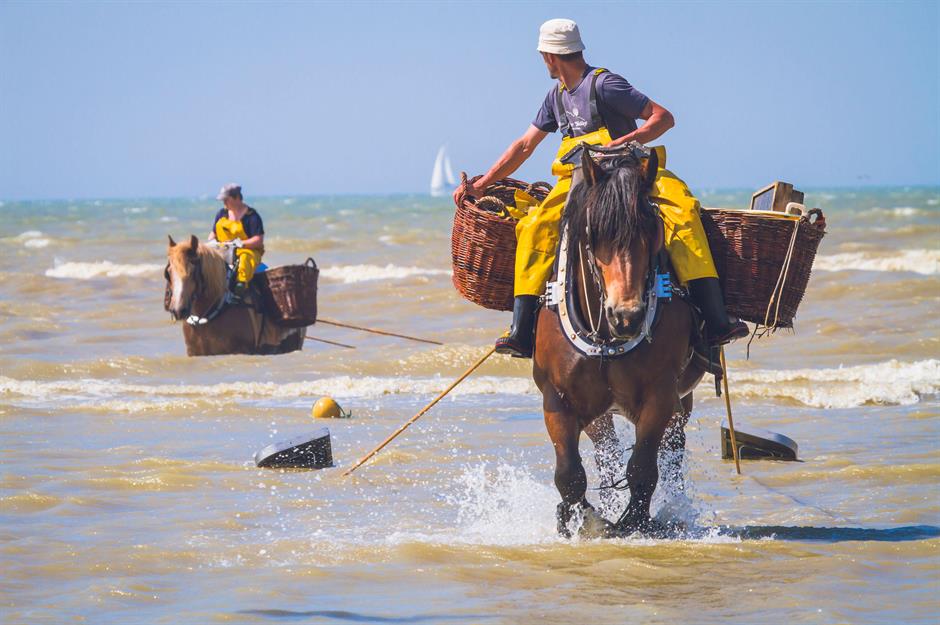
Oostduinkerke – or 'East Dunkirk', named to differentiate it from its French neighbour – has been recognised by UNESCO for its longstanding local tradition of fishing for shrimp on horseback (pictured). However, the area is also known for more tragic reasons, as it was the site of intense fighting during World War II. Despite efforts to make the area bomb-free, controlled explosions of wartime munitions have been carried out on numerous occasions, including as recently as February 2024.
Love this? Follow us on Facebook for travel inspiration and more
20. Katwijk aan Zee Beach, Netherlands
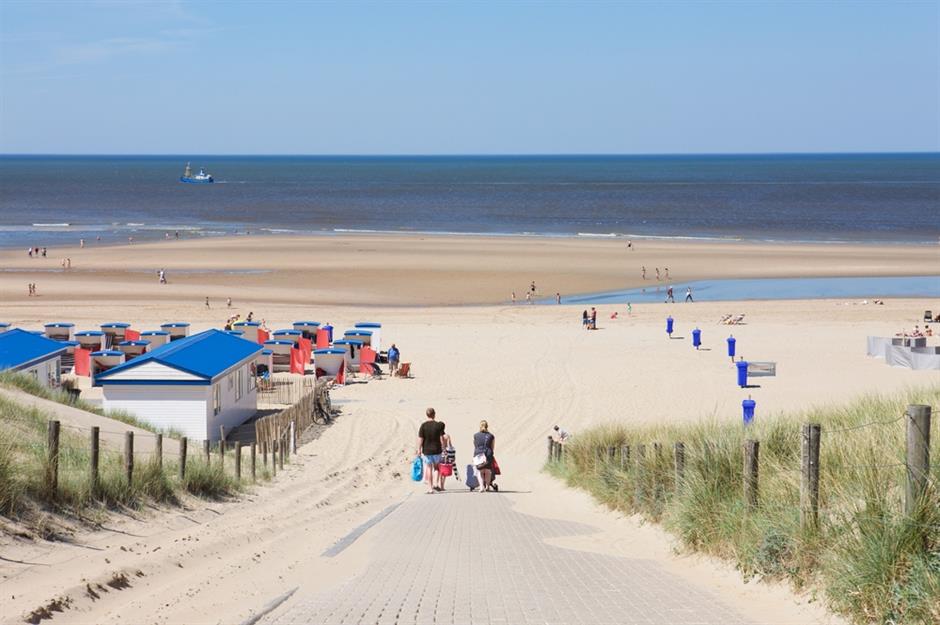
Katwijk aan Zee is one of the Netherlands' most popular seaside resorts, home to wide sandy beaches and manageable crowds. However, it does face out on to the North Sea, which means that swimmers are wise to stay near the shore and avoid using inflatables due to currents. Late in 2023, the Dutch government warned beachgoers to stop letting children and pets swallow sea foam after a Belgian study found 'forever chemicals' known as per- and polyfluoroalkyl substances (PFAS) in the water.
19. Forum Beach, Spain
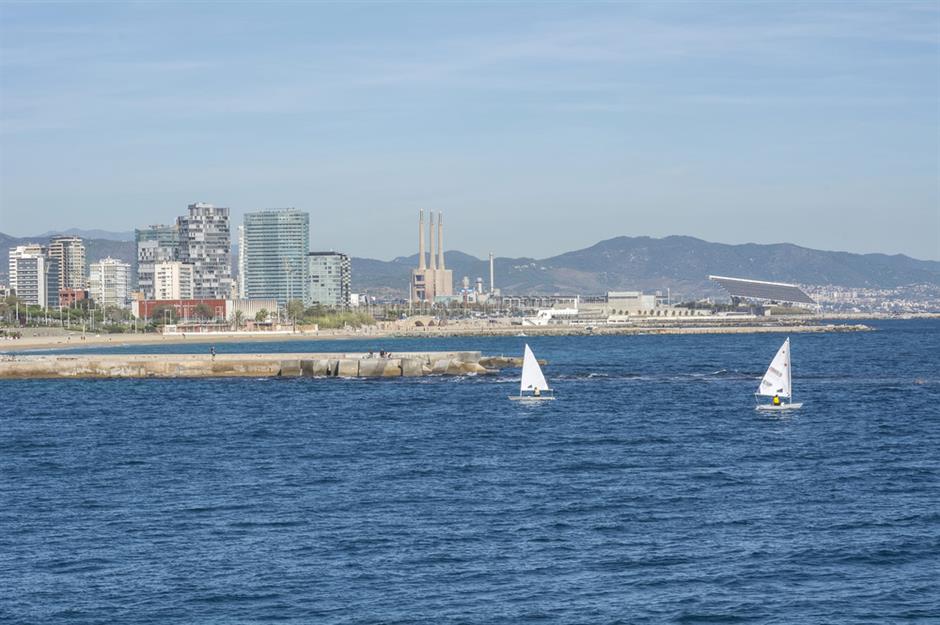
Forum Beach on the edge of Barcelona is not necessarily the prettiest, thanks to the three imposing power station chimneys that make up its backdrop. Nevertheless, plenty of city folks and tourists come here to take in the sea air, despite calls from the European Environment Agency (EEA) to close the beach due to poor water quality from sewage overflows. Catalan authorities fought the swimming ban and have pointed to improved results from water analysis conducted in 2023.
Sponsored Content
18. Traigh Mhor Beach, Scotland, UK
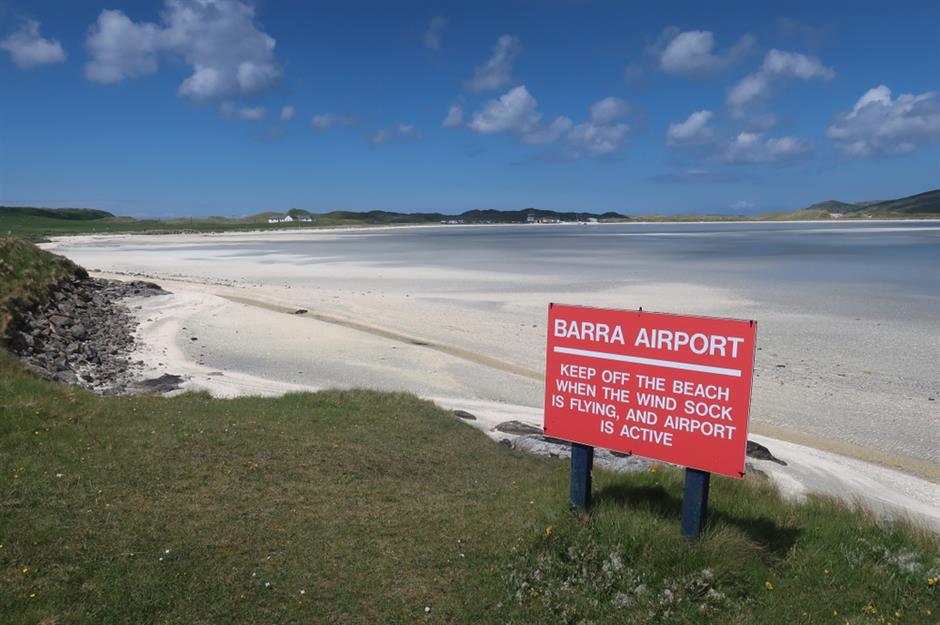
The island of Barra in Scotland's Outer Hebrides is famous for having the world's only airport where scheduled flights land on a tidal beach, with a timetable guided by the tides. Opened in 1974, Barra Airport operates flights from Traigh Mhor Beach, which is closed to the public when the airport wind sock is flying. Visitors should follow guidance as the weather can make the airport landings treacherous. It can also cause trouble on the water, and in 2022 a kayaker was rescued by a flight crew after being swept out to sea.
17. Klitmøller Beach, Denmark
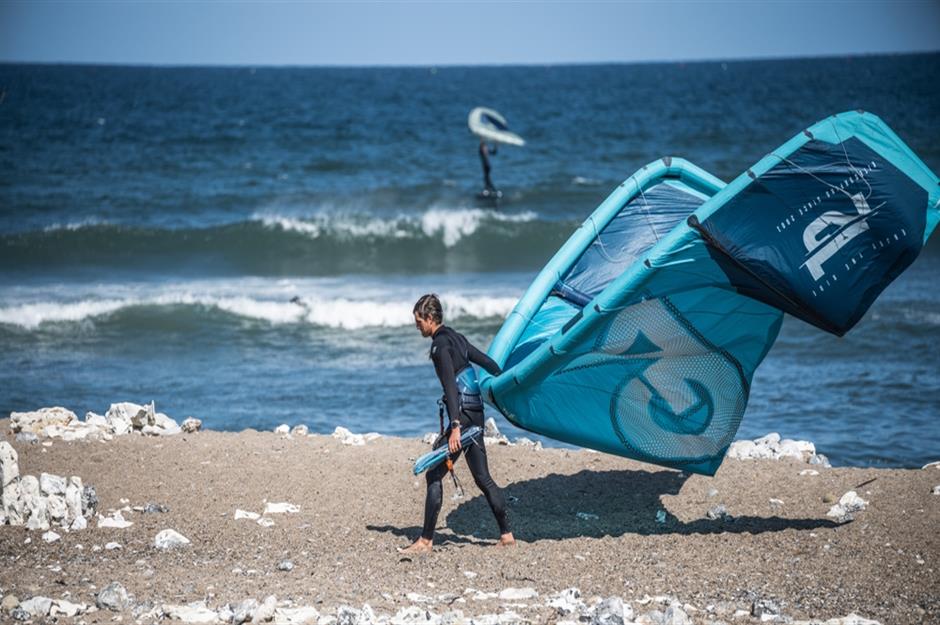
Denmark's Klitmøller is nicknamed 'Cold Hawaii' thanks to its transformation from fishing village to popular surfing spot. Surfers and kitesurfers flock here to enjoy the swells formed by northeast and southern winds whipping waves over a flint and chalk reef. However, surfers are warned that the water level over the reef can be shallow and surf shoes are advisable in case of a wipe out. Swimmers can head inland to two freshwater lakes if the winds and waves are too strong.
16. Arucas coast, Canary Islands, Spain
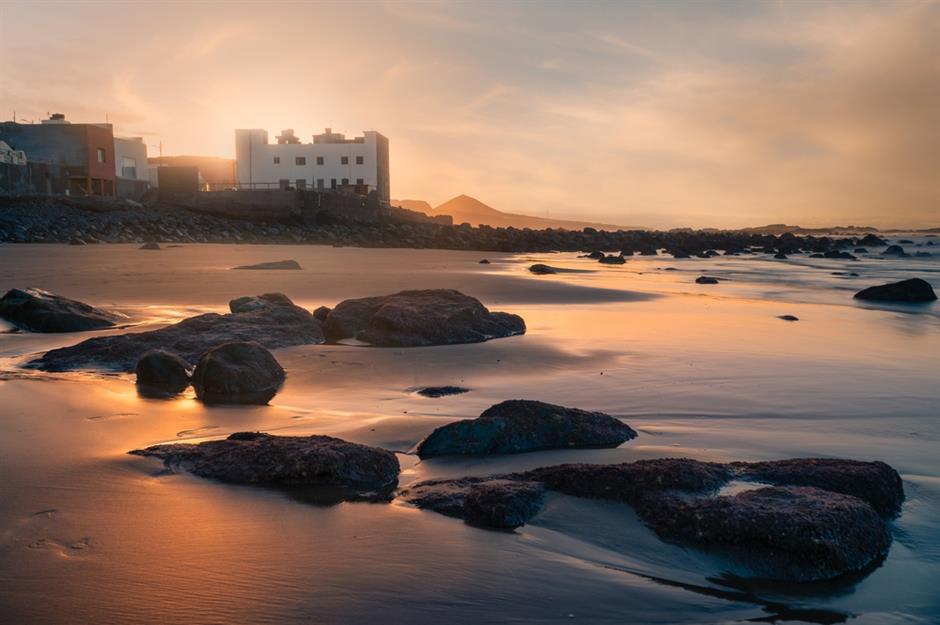
Summer 2024 saw bathers on the beaches of the Canary Islands warned about the presence of hermodice carunculata – more commonly known as fireworms. Growing numbers of fireworms – which can cause painful skin irritation, nausea and allergic reactions in humans and threaten local marine ecosystems – were found to be particularly prevalent in the waters near the Gran Canaria town of Arucas, where posters were put up to warn bathers.
Sponsored Content
15. Saint-Michel-en-Greve Beach, France
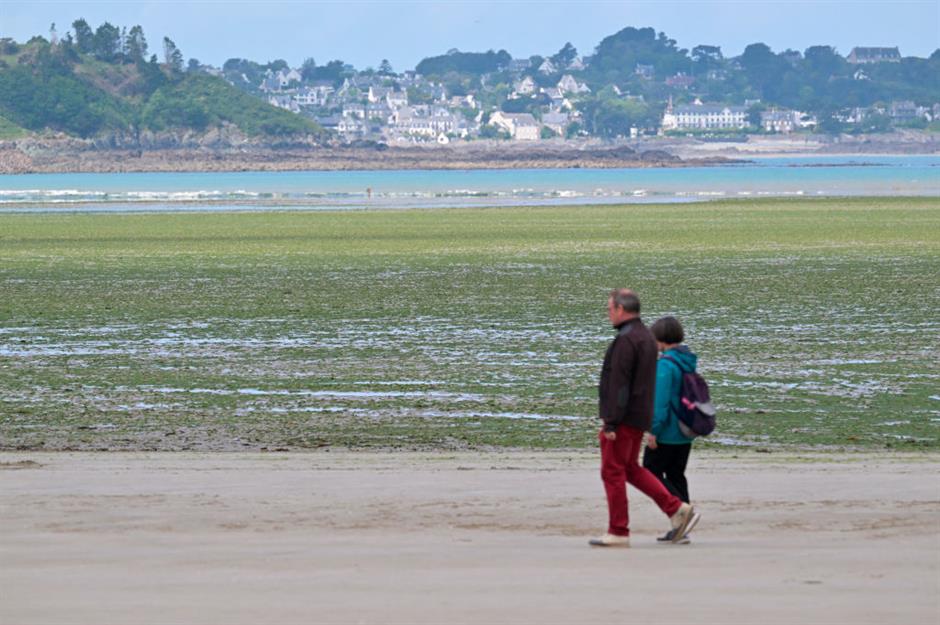
Many of Brittany's beaches have been badly affected by green algae in recent years. The invasive algae is a native sea lettuce but nitrates in the water – blamed on fertilisers used in farming – have helped it grow wildly out of control. It then emits hydrogen sulphide as it decays, which causes health issues including nausea and headaches and has been linked to animal and even human deaths in the area. Authorities are working to tackle the issue, and beach closures at Saint-Michel-en-Greve remain common.
14. Supertubos Beach, Portugal
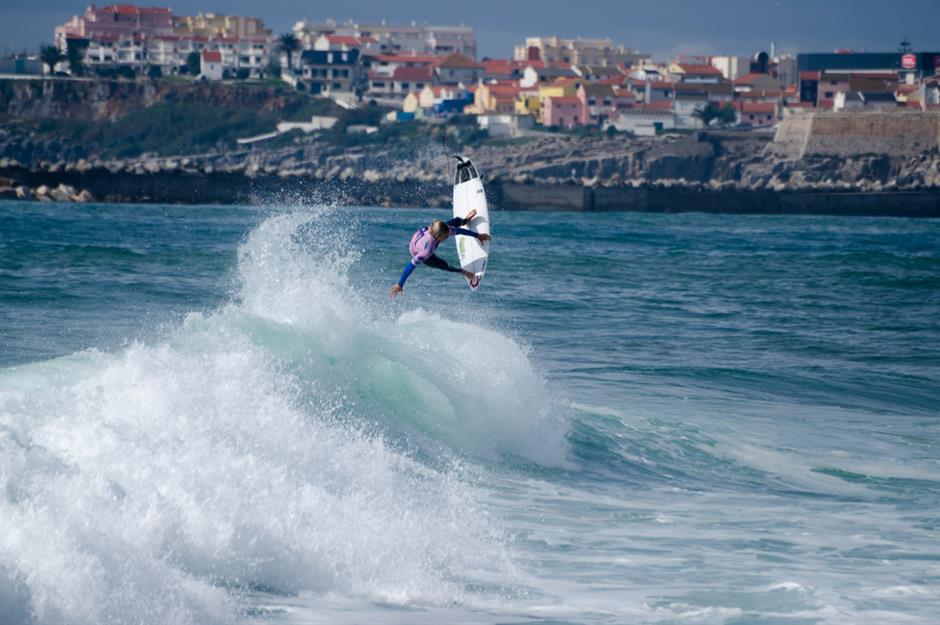
Supertubos on the south side of Peniche is considered one of Portugal's best beach breaks, attracting surfers from across the world when it hosts the Rip Curl Pro Portugal surfing competition each spring. The Supertubos wave is created when a hefty westerly swell hits the sandbar of Peniche's main beach, creating long, fast, hollow and deep barrels that are suitable for advanced surfers only. The beach also has a reef bottom, which can be hazardous if you fall off your board, and very strong currents.
13. Tri-City beaches, Poland
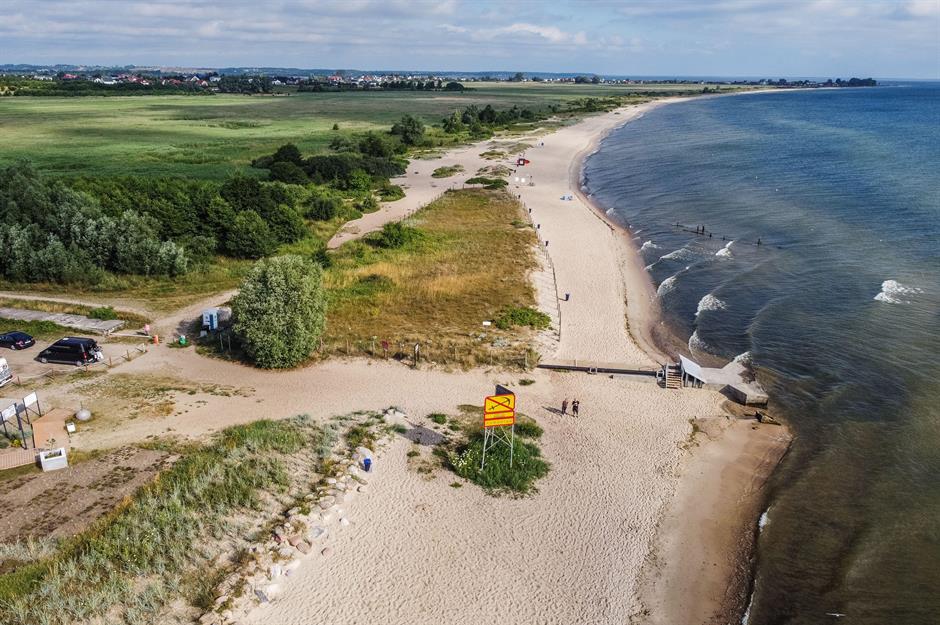
Red flags were raised and bathing areas shut on the Tri-City beaches of Gdansk, Gdynia and Sopot in summer 2024, thanks to a proliferation of blue-green algae. Blooms of the algae, also known as cyanobacteria, flourish in certain weather conditions and can cause symptoms including vomiting, diarrhoea, eye irritation and fever. The algae did clear but since there have been other outbreaks in the past, including in 2018, bathers would be wise to check water quality and heed local guidance.
Sponsored Content
12. Myrtos Beach, Greece
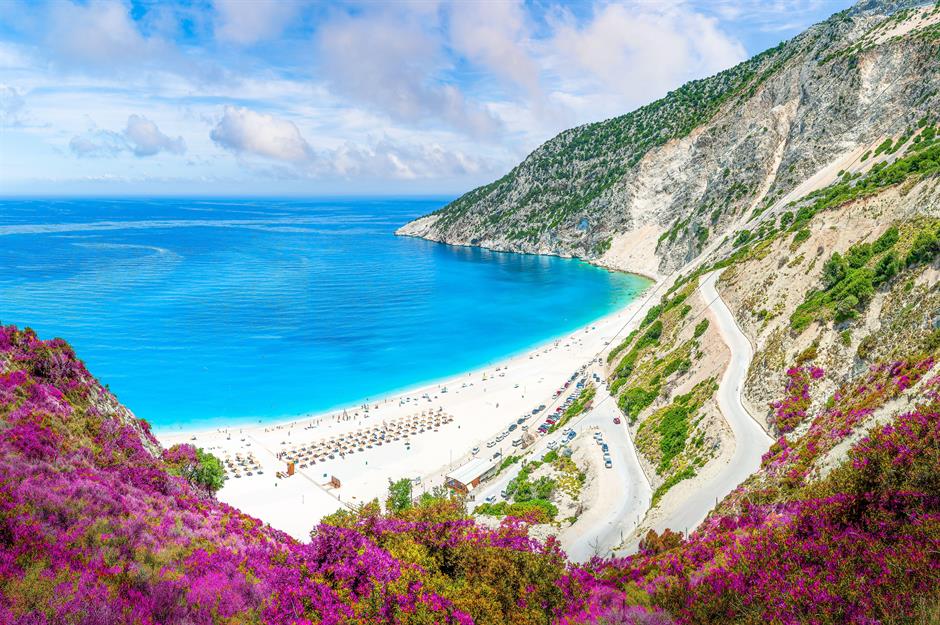
Myrtos Beach on the Ionian island of Kefalonia is famed for being one of Greece's most beautiful beaches, thanks to its electric-blue waters, sparkling white pebbles and secluded setting. However, it's also known for high winds and sometimes boasts strong and unpredictable undercurrents that can make swimming very unsafe. You also need to negotiate a 1.2-mile (2km) dirt track down the hill to get there and the slopes around the bay are prone to rock falls and landslides, particularly after an earthquake in 2014.
11. Málaga, Spain
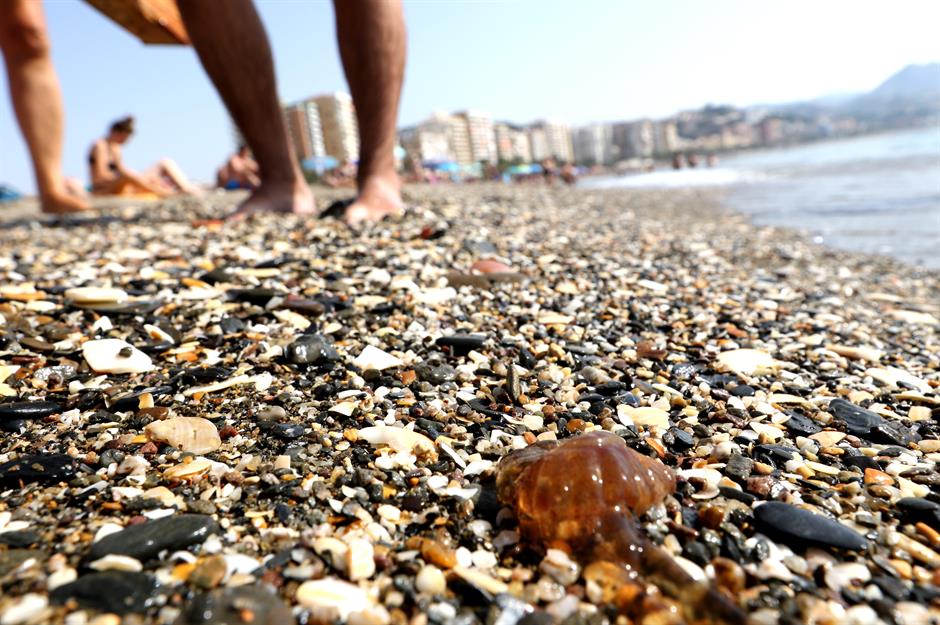
Millions of sun-seekers have long flooded to the beaches around Málaga on the Costa del Sol. But the influx of tourists is now being matched by increasing numbers of stinging jellyfish, which are washed in by currents and can be tricky to spot. Flags indicate the presence of jellyfish and the status of the sea – red means don't swim. The jellies were much less of a problem in 2024 thanks to unusual westerly winds, but misbehaving tourists now face a new danger, with the city threatening hefty fines for antisocial behaviour.
10. Plage de La Gravette, France
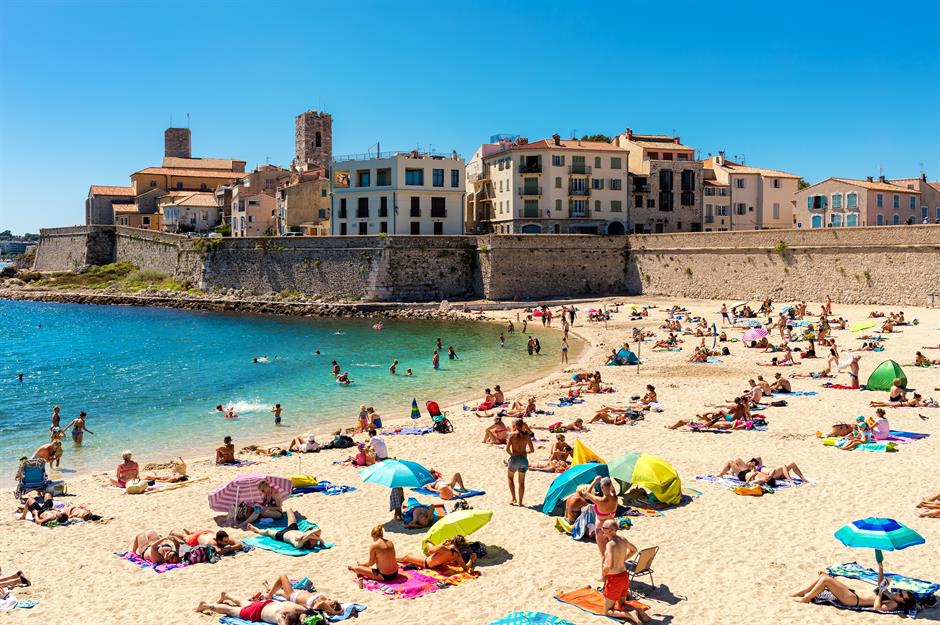
Plage de La Gravette at the French Riviera resort of Antibes is stunning thanks to its setting beside the city's ramparts. However, the European Environment Agency rated the water somewhere between poor and sufficient for several years. The sheltered location means that water does not circulate well, and in June 2023 authorities had to ban swimming thanks to high levels of the enterococcus bacteria found in sewage. The water quality has fortunately since improved.
Sponsored Content
9. Uttakleiv Beach, Norway
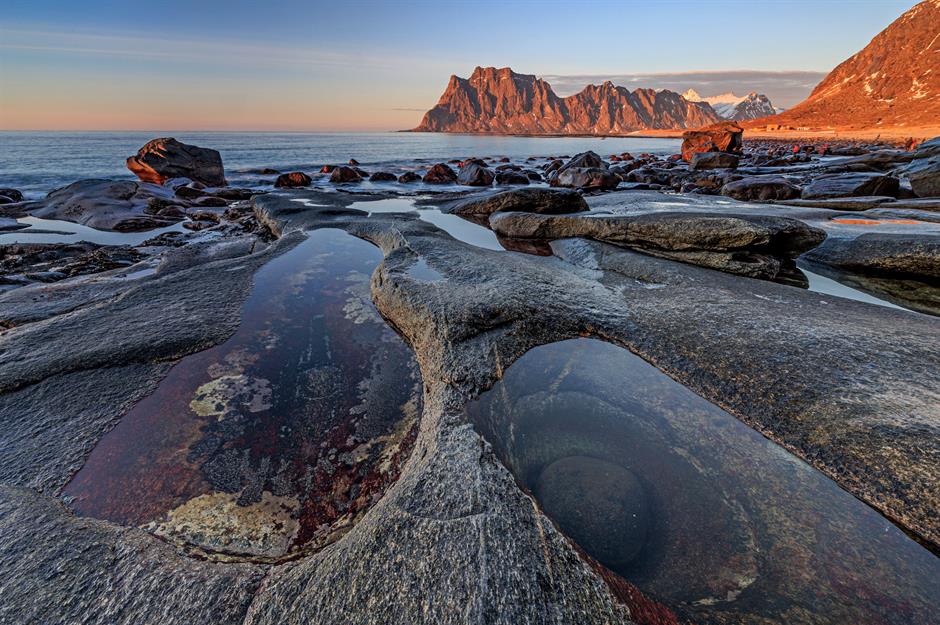
Norway's Uttakleiv Beach is known for its famous 'Dragon's Eye' pothole, which resembles a reptilian eye and is thought to have formed around 20,000 years ago. Plenty of people flock here each year to see the natural feature, which is best viewed at low tide, and to spot the Northern Lights between November and March. But don't take a dip, however hardy you're feeling. Regardless of the air temperature the waters are extremely frigid – often 9°C (48°F) or even lower, which is enough to induce cold shock.
8. Reggio Calabria beaches, Italy
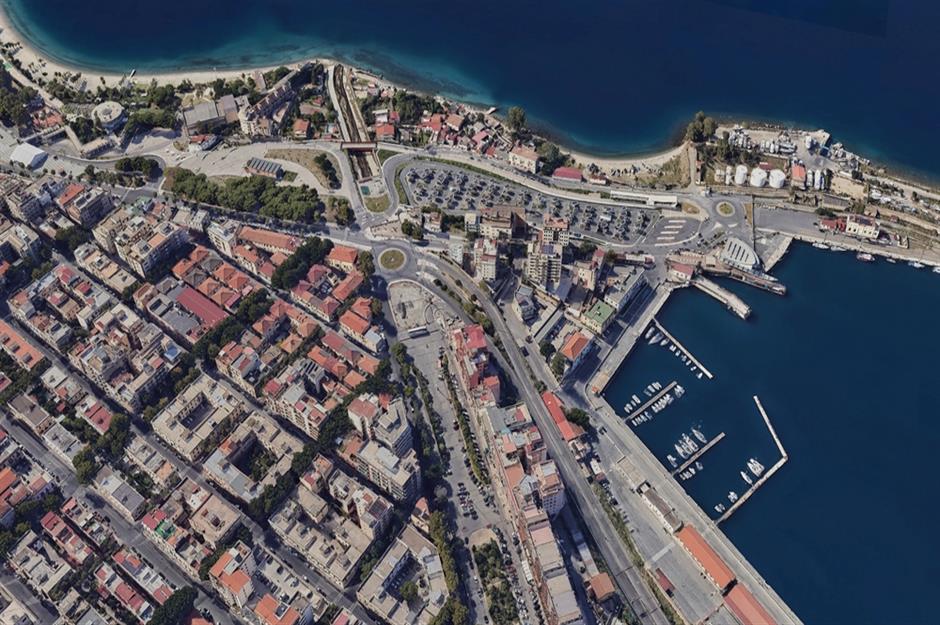
Reggio Calabria is a busy port in southern Italy that is also a major gateway to Sicily. But a bathing ban is put in place every summer to prevent swimming along a seven-mile (12km) stretch of coastline thanks to poor water quality, with many of the beaches having been rated poor by the European Environment Agency for years. In 2019 a group of children were hospitalised with infections after entering the water nearby, so bathers are best off heading along the coast to the pretty (and cleaner) town of Scilla.
7. Morecambe Bay, England, UK
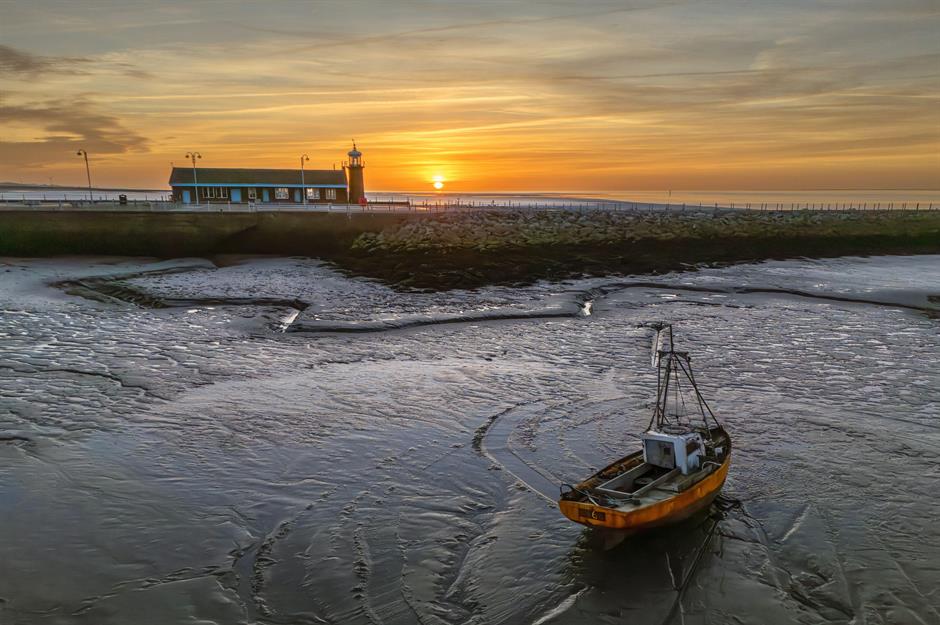
Morecambe Bay on England's northwest coast is notoriously unpredictable thanks to its fast tides, quicksands and shifting channels, which can trap people alarmingly quickly. Indeed, many in the area are still haunted by the tragic events of 5 February 2004, when 23 Chinese cockle pickers drowned after being cut off by the tide in the dark. Despite the bay's treacherous past, many seem unaware of the dangers – with over 50 people led to safety after being cut off by tides in one long weekend in 2024 alone.
Sponsored Content
6. Galebove Stijene Beach, Croatia
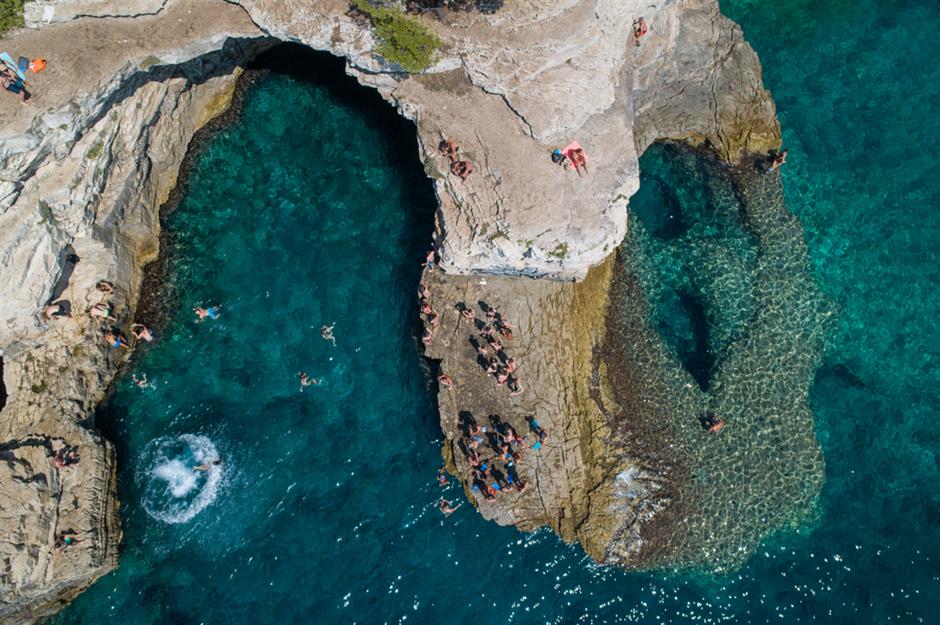
Galebove Stijene, or 'Seagulls Cliff', on Croatia's Istrian coast is famed for its sea cave, which is home to bats and Mediterranean seals. However, its popularity is now proving its downfall as overcrowding and an influx of kayakers and paddleboarders is threatening the local ecosystem and damaging the cliffs. At least a dozen people have been injured – some seriously – by jumping off the cliffs. Authorities are planning on fencing off some sections for everyone's safety.
5. Jurassic Coast, England, UK
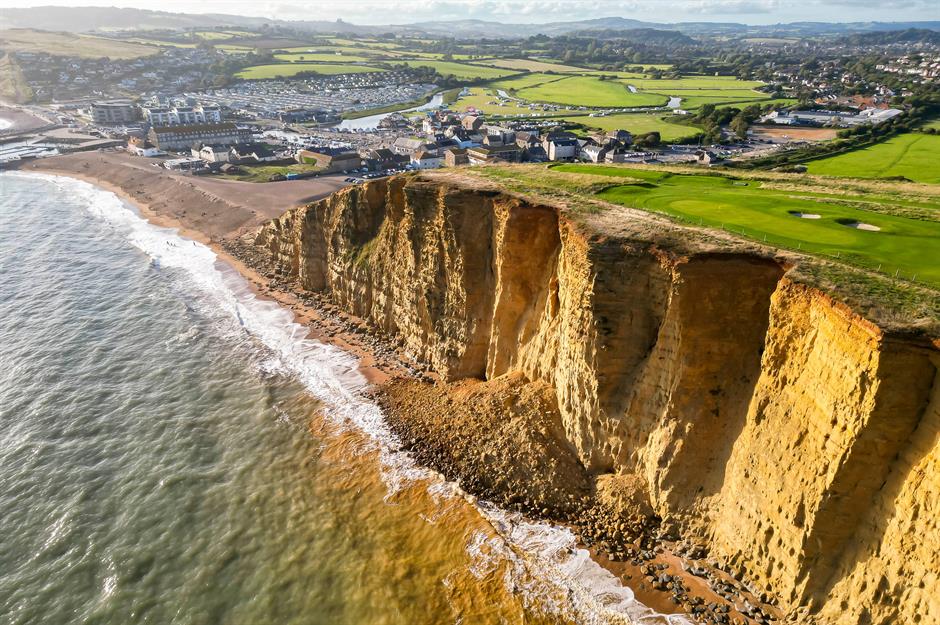
The Jurassic Coast is England's only natural UNESCO World Heritage Site and is famed for its rocks and fossils. However, this beautiful stretch of Dorset and Devon shoreline is also very prone to coastal erosion. In 2012 a 22-year-old tourist was tragically killed by falling rocks, and there have been several hospitalisations since. In 2021, a 984-foot (300m) section of coast near Weymouth collapsed onto the beach below – the UK's largest rockfall in 60 years. As recently as October 2024, tonnes of rock crashed down onto the beach near West Bay.
4. Nas Beach, Greece
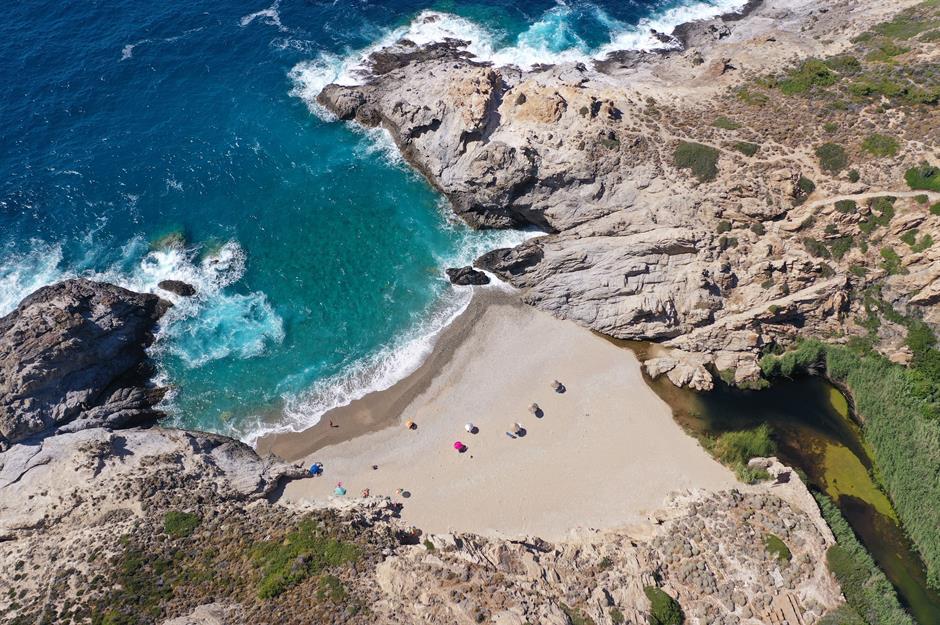
Nas Beach on the Greek island of Ikaria in the Aegean Sea is well-known for its beauty. Situated near the village of Armenistis on the isle's north side, Nas is popular with nudists and wild camping enthusiasts. However, swimmers should be aware of the powerful waves and strong currents that can get whipped up by northerly winds and can pull people onto the rocks or out to sea. Caution is also advised when navigating the steep rocky path down to the beach. It's sometimes called "the most dangerous beach in Greece".
Sponsored Content
3. Camber Sands, England, UK
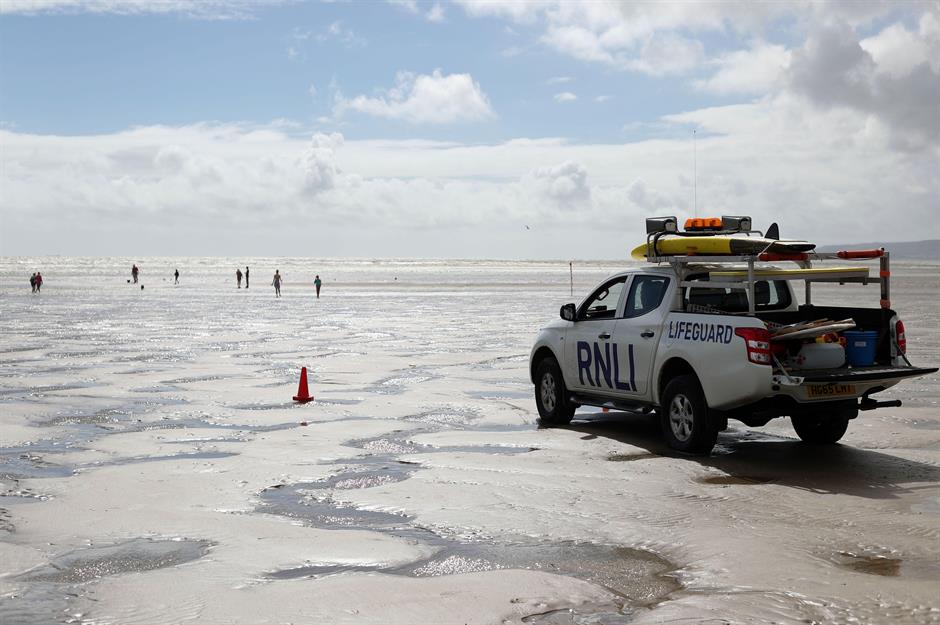
Camber Sands on the East Sussex coast is one of England's most idyllic beaches thanks to its long and wide golden sands, which are lined by dunes and remain relatively uncrowded. Unfortunately, the beach is also known for its fast tides and sand bars, which can leave people cut off from the coast with little warning. Tragically, seven people drowned here in 2016, including five friends who died in a single incident. Lifeguards are now deployed at the beach but visitors are urged to remain cautious.
2. North Beach at Nazaré, Portugal
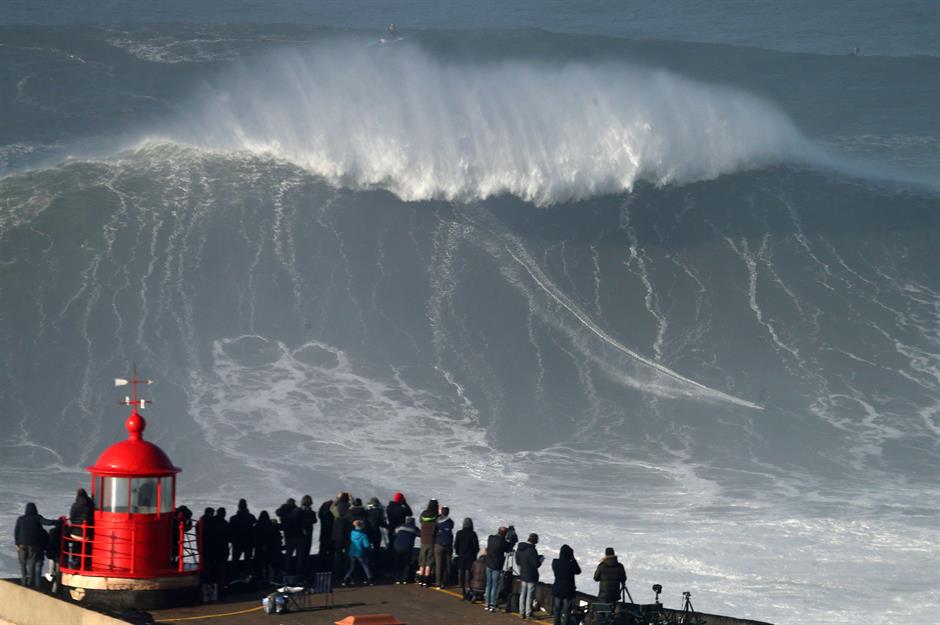
Praia do Norte at Nazaré, Portugal, is known for having some of largest and fiercest waves in the world – so much so that German surfer Sebastian Steudtner is thought to have set a new world record for biggest wave ever surfed here in April 2024. The wave measured 93.73 feet (28.57m), significantly higher than his own previous record of 85.9 feet (26.21m), set at the same beach. The 10-storey-high waves crashing to shore are caused by a deep underwater canyon that funnels water upwards, and only experts should enter the water.
1. Reynisfjara Beach, Iceland
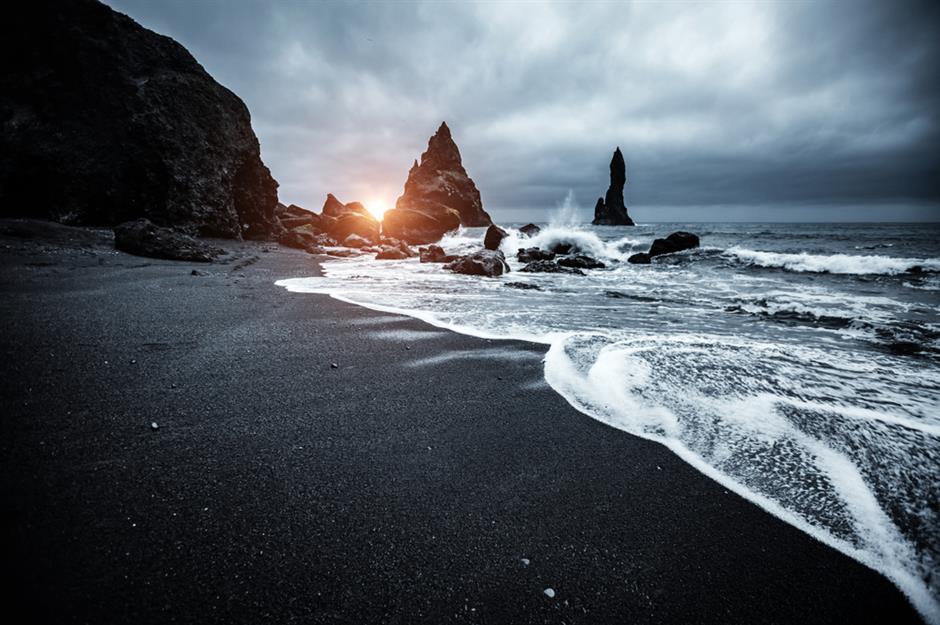
Reynisfjara Beach is world-famous for its ethereal black sand, created when molten lava from the Katla volcano collided with chilly Atlantic waters. While plenty of visitors come here to see the basalt 'troll toes' rock formations, they're strongly advised to stay away from the water and follow local advice as the beach is known for its powerful and unpredictable 'sneaker' waves, which can catch people unawares. The most recent death occurred in 2022, when a tourist was dragged out to sea.