25 surprising things you’ll learn on a bucket-list trip in Uzbekistan
Secrets of the Silk Road
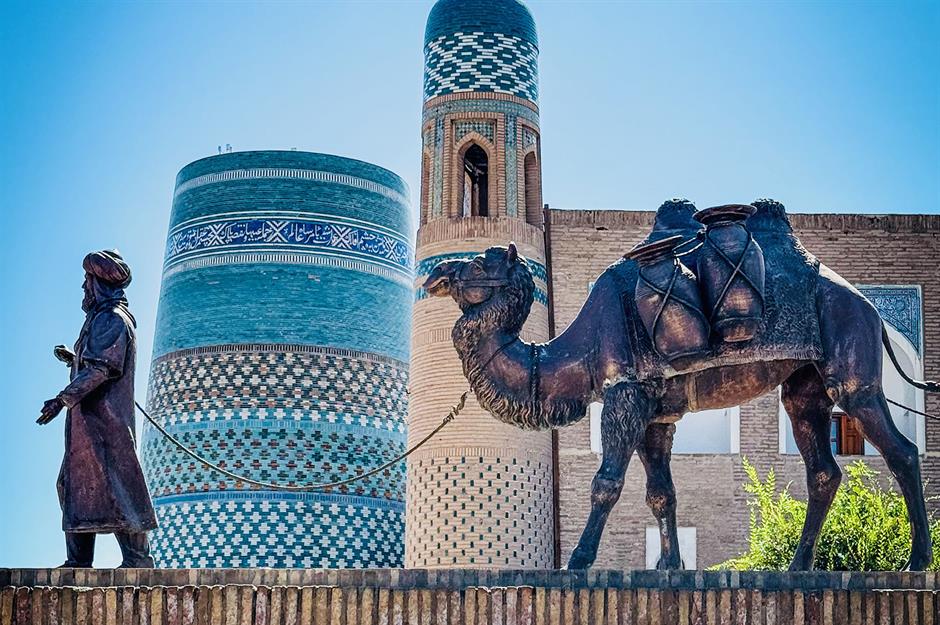
Travelling along the spectacular Silk Road in Uzbekistan is a once-in-a-lifetime adventure that will see you following in the footsteps of ancient traders and visiting fabled cities where time appears to have stood still. Names like Khiva, Bukhara and Samarkand stir the imagination, but there are plenty of unknown secrets to uncover too, especially in the company of Jules Verne, who have been running tours to the region for over 40 years.
Here, Senior Writer Peter Moore joins Jules Verne to discover the unexpected and delightful things you’ll uncover on a bucket-list trip to this Central Asian gem that will whet your appetite to go even more...
1. Khiva is even more beautiful than you can imagine
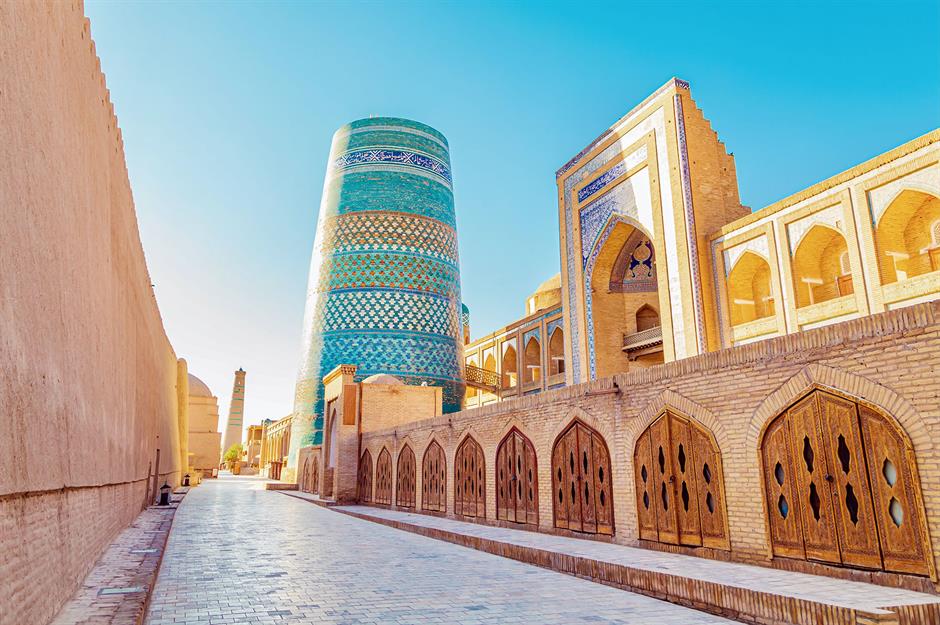
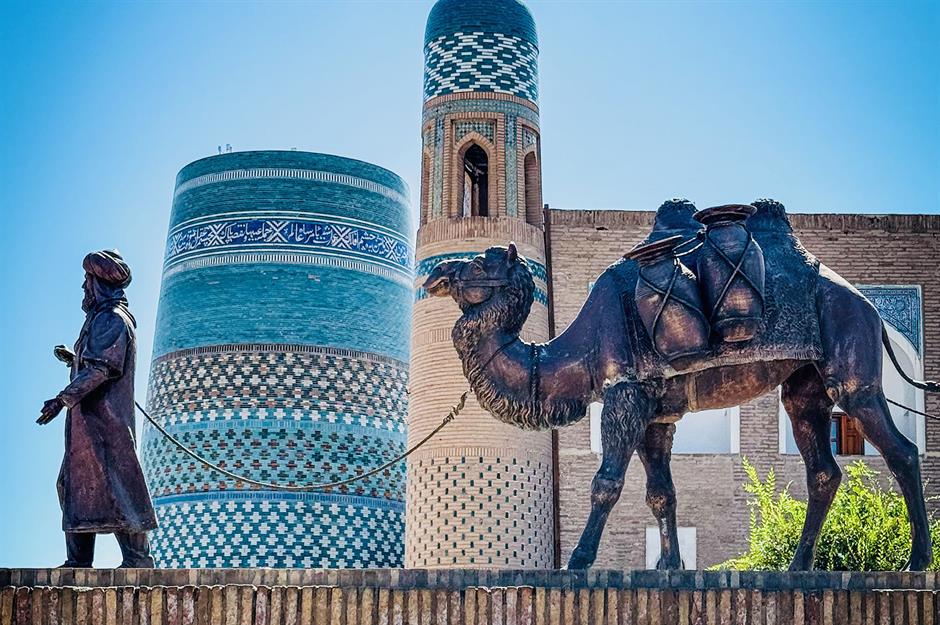
No other city captures the romance of the Silk Road like beautiful, beguiling Khiva. This untouched walled city was an oasis for weary medieval traders and the perfect starting point (or end point) for your modern Silk Road adventure. Within its crenelated mudbrick walls you’ll find more than 60 cultural sites, including mosques, minarets and opulent palaces. Make sure to return to Ota Darvoza, the West Gate, to watch the sun set over Kalta Minor – preferably from the rooftop terrace of the magical Topas restaurant where billowing curtains frame the scene perfectly.
2. The famous blue domes connect earth to the sky
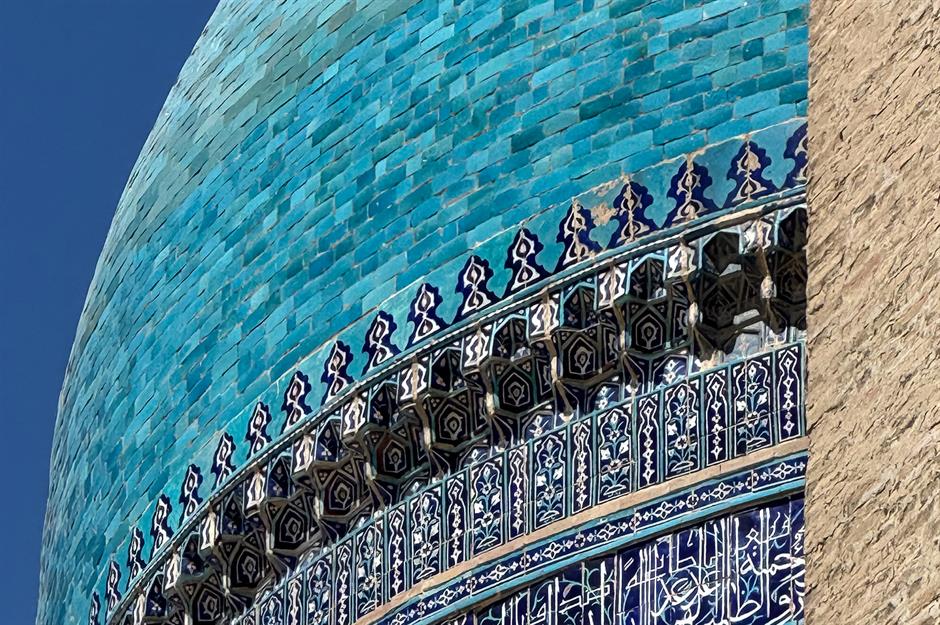
The breathtaking turquoise tiled domes of Uzbekistan’s ancient Silk Road cities have become something of a symbol of the country and are even more mesmerising in real life. In Uzbekistan, blue and turquoise are the colours of heaven, and with the depiction of people and animals prohibited in Islam, it is used as a reflection of God, divine grace and paradise. The tiles are also laid in graduated shades of blue, not just to accentuate the masterful curves of the domes, but also to blend with the blue sky above, connecting earth to heaven.
Sponsored Content
3. Uzbek minarets were lighthouses that beckoned ancient traders
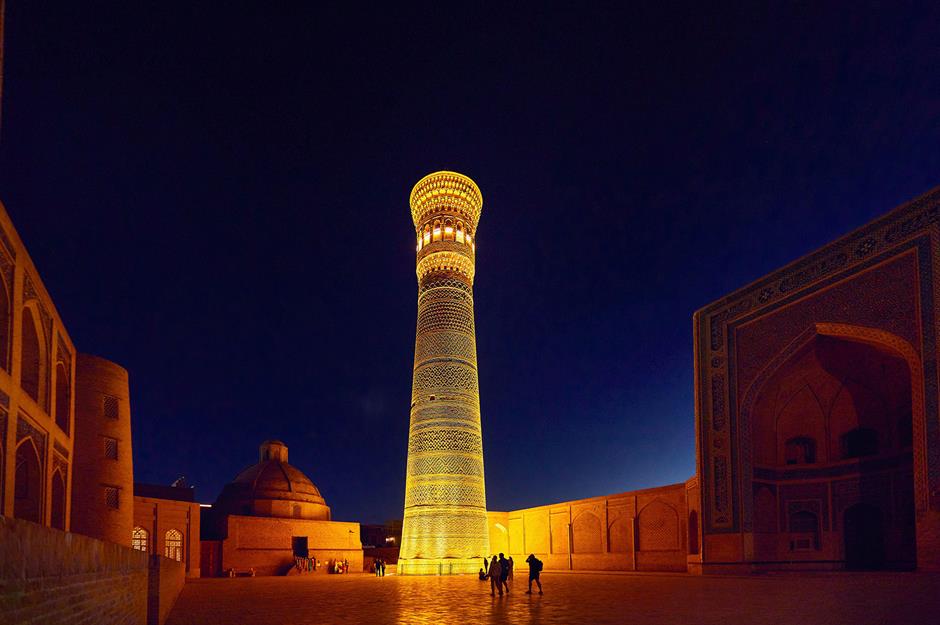
Uzbekistan’s Silk Road cities were like islands in a sea of deserts, with their minarets like the Kalyan Minaret in Bukhara (pictured) acting like lighthouses, guiding weary traders to their walls. The word minaret actually derives from the Arabic word minara, lighthouse, and it is believed that these tall, slim towers were based on the fire-towers or lighthouses when Zoroastrianism was the predominant religion in the region. As Islam took hold, minarets were seen as a metaphorical ‘stairway to heaven’, a connection with the cosmos and a link between Muslims and Allah.
4. Plov is kind of a big deal
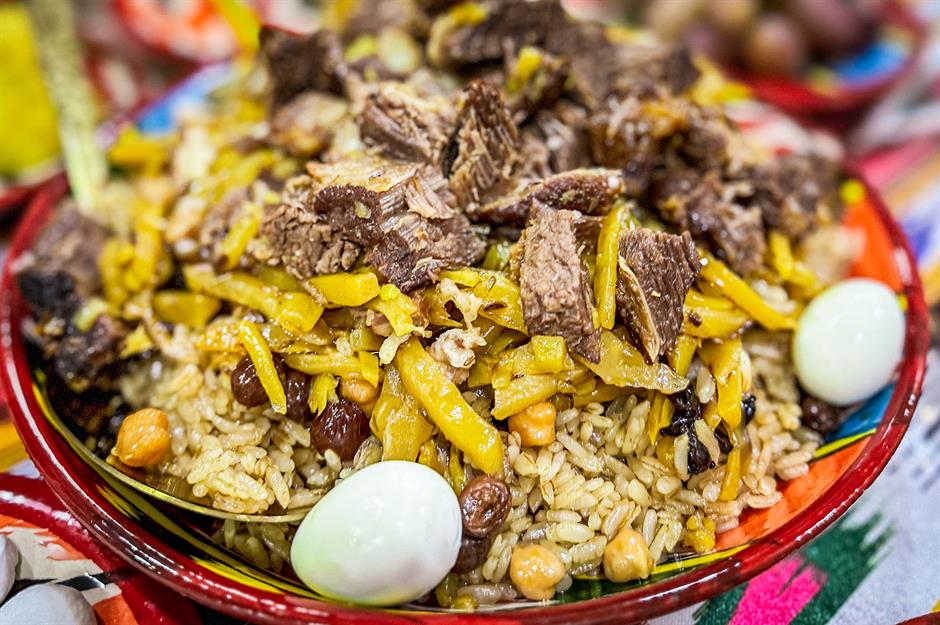
Plov is a mouthwatering medley of rice, vegetables, meat and spices and is considered the national dish of Uzbekistan. Legend has it that it was created when Alexander the Great wanted a satisfying meal to sustain his army as they marched across Central Asia and by the 9th century had become a common dish. Today it is the cornerstone of any celebration, from weddings, funerals and birthdays right through to celebrating the return of a pilgrim from the Hajj. In 2016, UNESCO declared it an Intangible Cultural Heritage of Humanity.
5. And best experienced with a local family
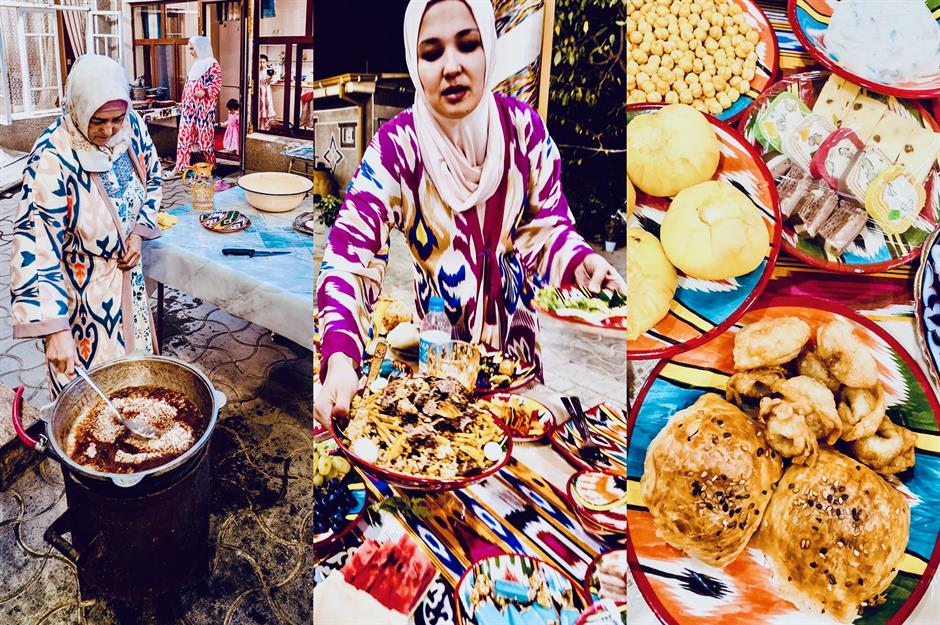
Most restaurants in Uzbekistan serve an approximation of plov. But to enjoy it in its most authentic form, it is best experienced in a family home, prepared by the family matriarch. Tour companies like Jules Verne include such visits in their itineraries, offering not just an insight into how this extraordinary dish is created but into the daily life of Uzbeks as well. Your visit will be considered a reason to celebrate, so expect a table laden with all kinds of fruits and sweet treats and an impromptu concert from the most musically talented of the family.
Sponsored Content
6. The local bread is delicious
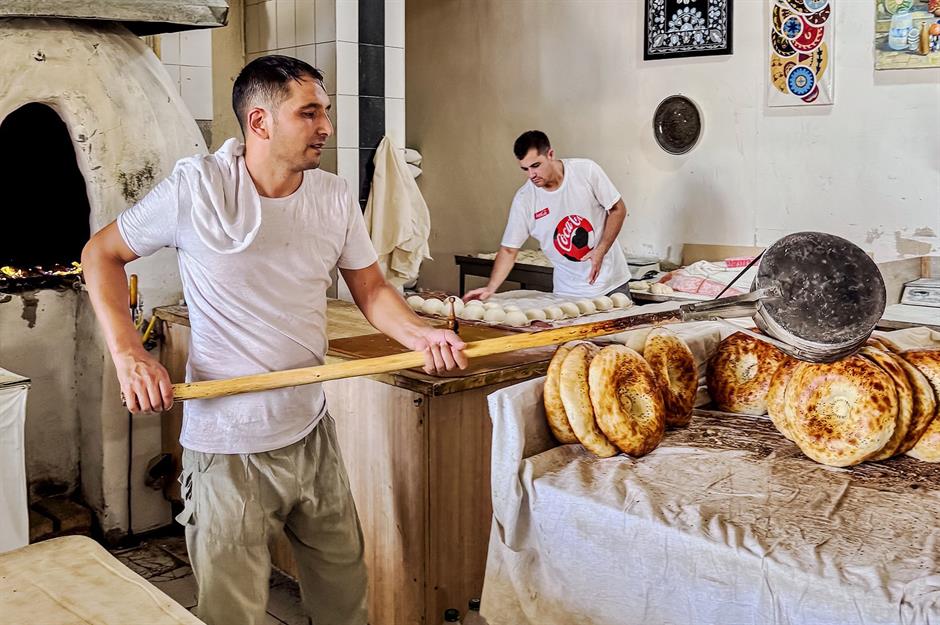
While we are on the subject of food, it would be remiss not to mention Uzbekistan’s delicious flatbreads. Lipioshka (bread) comes in many forms here, with each city and town adding their own pattern and design. In Khiva, they also work tomato and spices into the dough. My personal recommendation is the bread freshly baked in giant tandoor ovens at the back of Chorsu Bazaar (pictured). It’s warm, crisp and chewy with an open, airy crumb. And simply irresistible. Just to warn you, it is considered bad form to lay Uzbek bread upside down. And you should never ever put it on the ground, even if it is in a bag.
7. The local yoghurt drink is surprisingly refreshing
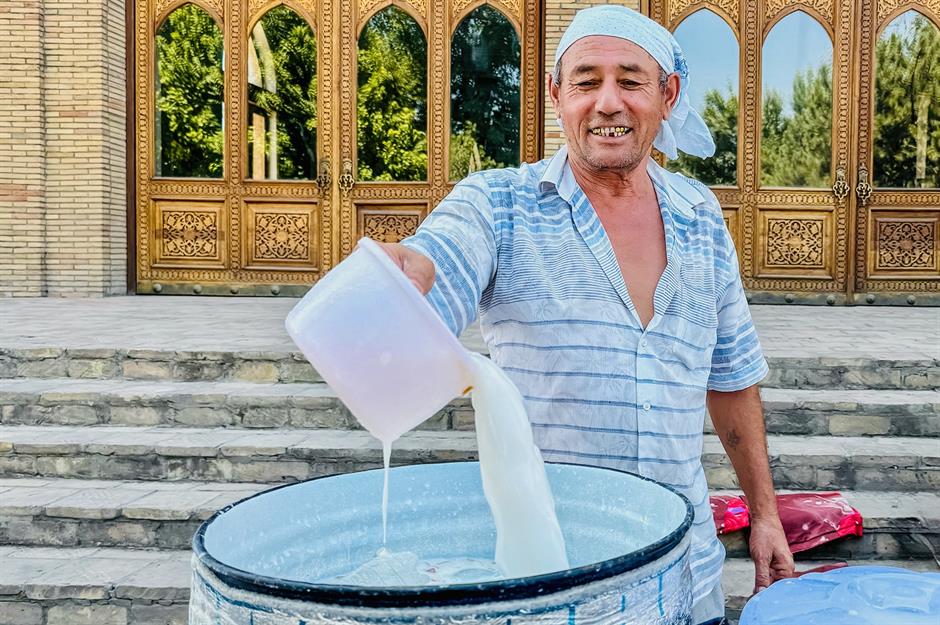
It gets hot in Uzbekistan and staying hydrated as you explore the country’s extraordinary attractions can be something of a challenge. Thankfully you’ll find vendors outside most of them selling ayran, a salty yoghurt drink that is not only extremely refreshing but is said to have probiotic qualities as well. Here we see Vahob, a longtime purveyor of the drink outside Tashkent’s Hazrat Imam Mosque. Traditionally made by mixing yogurt, water, and salt, Vahob said that it was the go-to beverage for cooling down on a hot Uzbek summer day. But be warned: it’s definitely an acquired taste.
8. Uzbekistan had its own Robin Hood
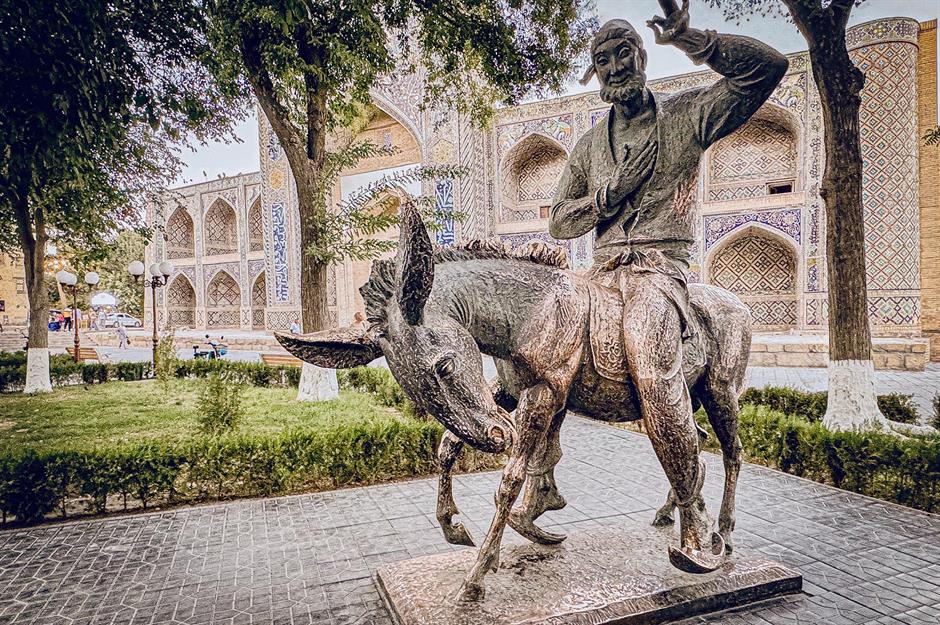
Khodja Nasredin Afandi is a legendary figure said to have wandered along the Silk Road on his donkey in the 13th century. He is famous across the Islamic world for his wit and wisdom, using it to prick the pomposity of those in power. Uzbeks claim Nasreddin was born in Bukhara and a statue stands in his honour in Labi Hovuz, a popular gathering place for locals in the early evening. Uzbeks of all ages line up patiently to rub his statue for good luck and take selfies with the cheeky hero they regard as their Robin Hood.
Sponsored Content
9. And the guy who invented algebra
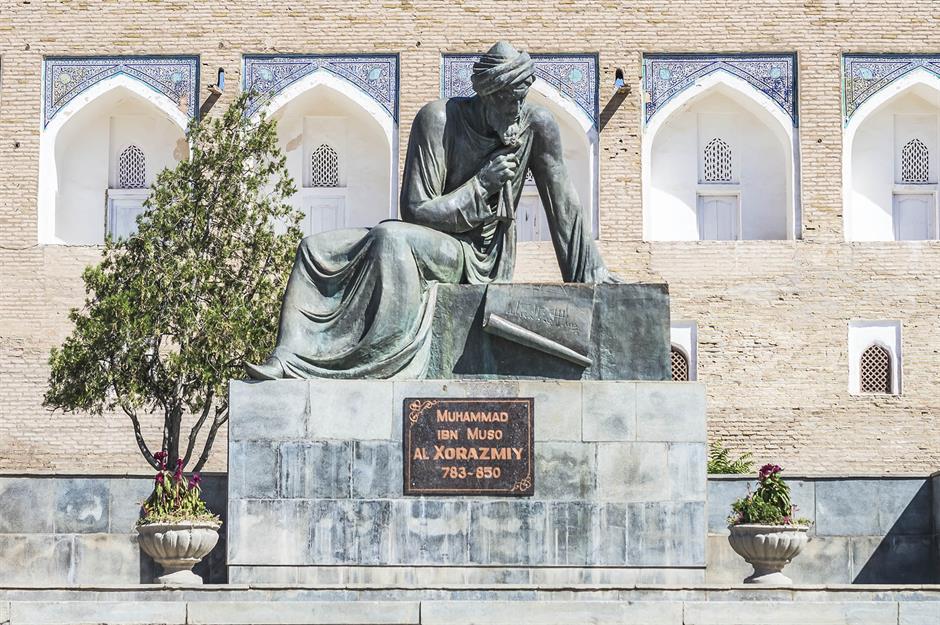
While Khodja Nasredin Afandi is universally loved, the admiration for another local Uzbek luminary, Muhammad ibn Musa al-Khwarizmi, is a little more muted, particularly amongst school students studying maths. Al-Khwarizm wrote a book about algebra back in the 9th century, introducing the concept of reducing and balancing opposite sides of an equation. Interestingly, the word algorithm is the Latinized derivative of his name, ensuring his legacy continues to be in the spotlight to this day. There are a multitude of statues in his honour dotted around the country, including this one in his hometown of Khiva.
10. Uzbeks love playing games
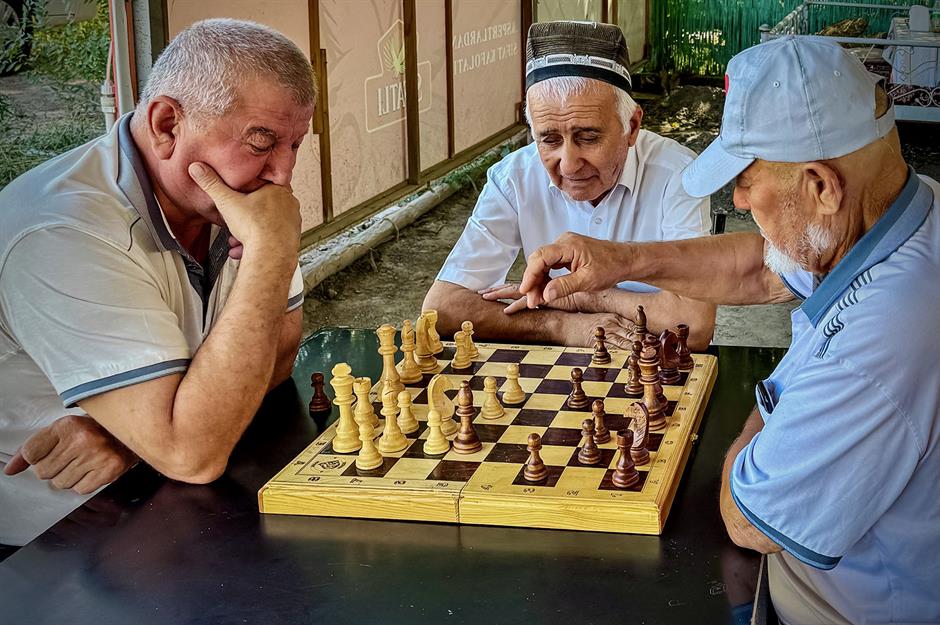
Wherever you find a park bench, a picnic table or any other surface two people can sit down on and lay out a board, you’ll find Uzbeks playing a board game. As a former Soviet republic, chess is unsurprisingly popular. I took this photo of truck drivers having a quick game at a roadhouse in Navoiy, a town between Bukhara and Samarkand. But checkers and backgammon are common too. Locals are happy for you to watch and may even challenge you to a game.
11. Everyone is crafty in Bukhara
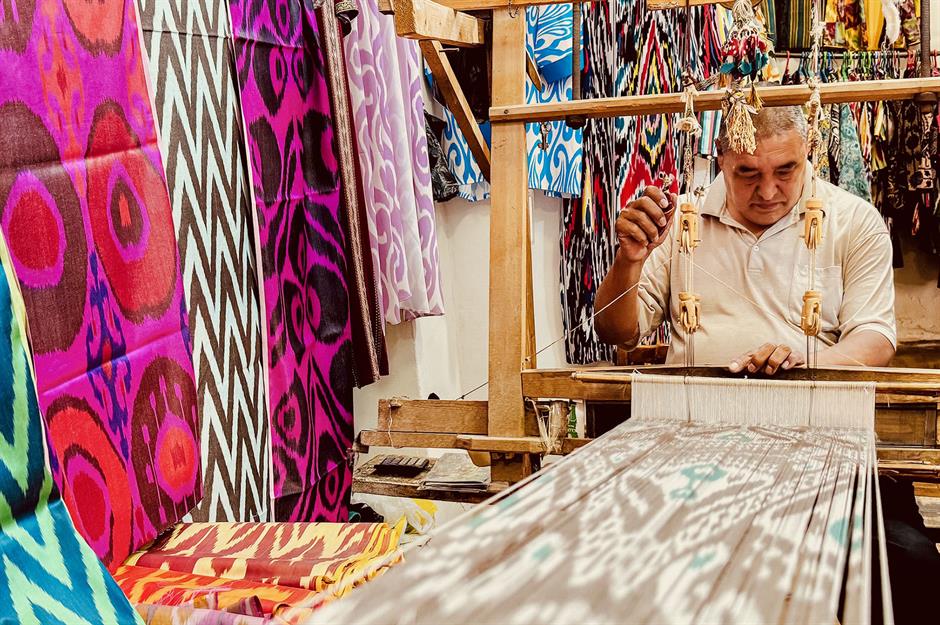
Wander through Bukhara’s historic centre and you’ll be struck by the number of artisans dotted around the city’s three beautifully restored 16th century trading domes (takis) practising their craft. Blacksmiths fashioning knives and scissors. Ceramicists and potters turning earthenware into mini masterpieces. And weavers, sat behind ancient looms, creating textiles featuring the city’s famous ikat design. It has always been thus. Goods made in Bukhara were highly sought after at the height of the Silk Road. They remain so with visitors today.
Sponsored Content
12. Miniatures are still a thriving art form
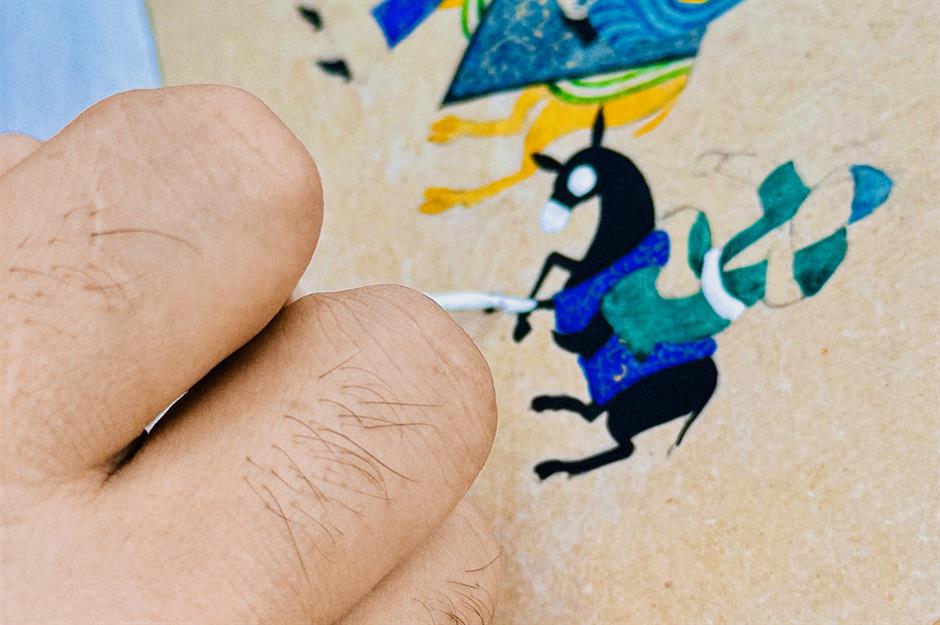
The tradition of miniature painting in Central Asia dates back to the reign of Tamerlane, way back in the 14th century. Artists used the form to illustrate documents, manuscripts, interior items and poetry books. Miniatures don’t have to be miniature. The term actually comes from minium, the lead tetroxide that was a red pigment used by medieval illustrators. Having said that, the fineness of a miniature still informs its value and is on display at Usta Davron, a workshop and school on the outskirts of Bukhara run by Uzbekistan’s ‘Maestro of the Miniature’, Davron Toshev.
13. Uzbek cities really come to life after dark
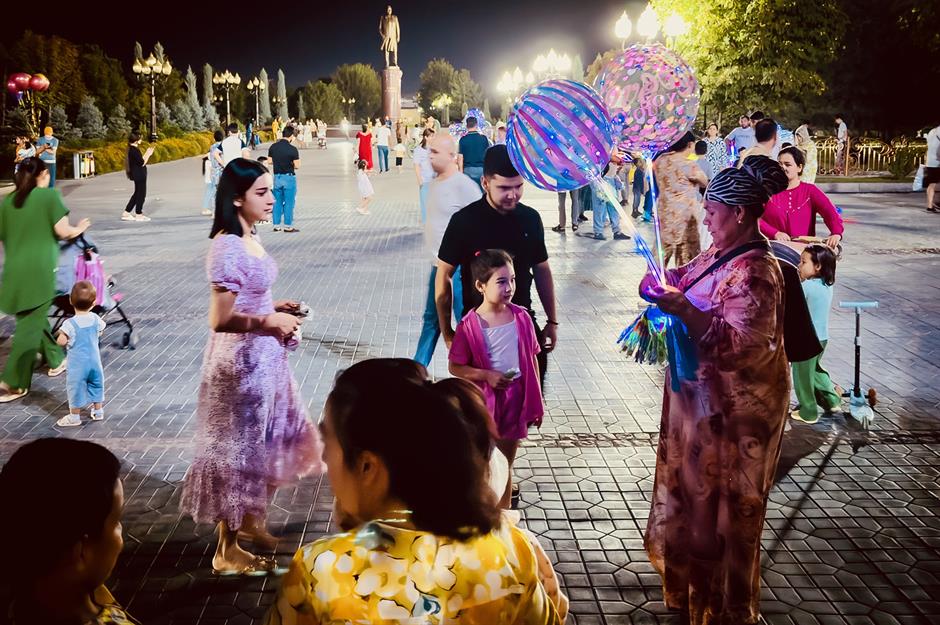
When the sun sets and temperatures drop, Uzbeks emerge from their homes and flock to the parks and squares in their towns and cities. In Bukhara they head to the park around the pond at Labi Hovuz. In Khiva people gather around Kalta Minor. In Samarkand, locals are drawn to the parks and squares around the Registan (pictured). The scene is the same in each. Children playing chase or pestering their parents for a balloon or a ride on a mini-electric Ferrari. Women and men catching up with friends and exchanging news and gossip. And nearly everyone eating an ice cream.
14. Nothing can prepare you for the splendour of the Registan
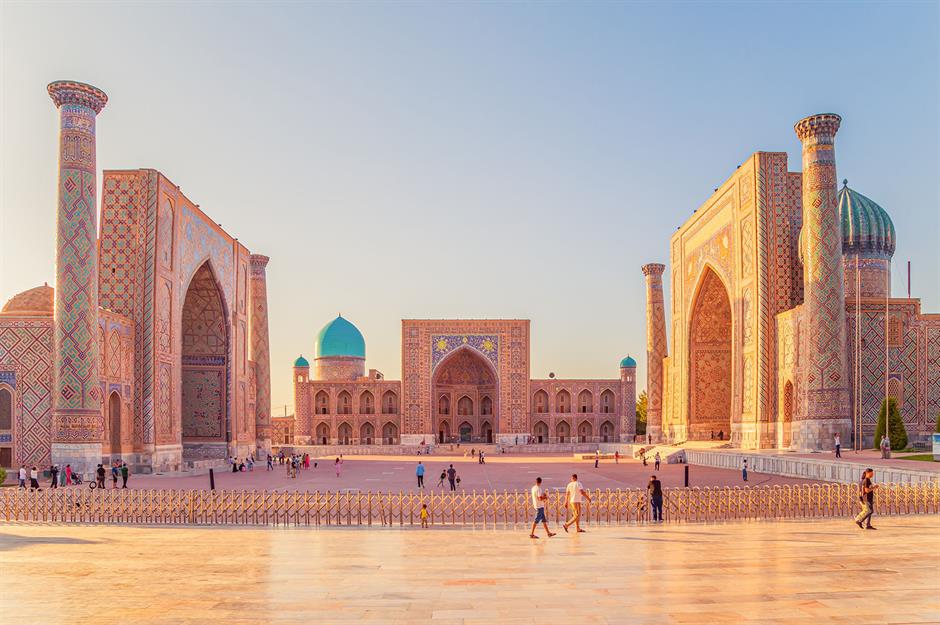
Doubtlessly you’ve seen pictures of Samarkand’s Registan before. The three spectacular medressas that grace the square today are amongst the oldest still standing in Central Asia and arguably form the most iconic sight in the region. But like the Taj Mahal, no matter how well you think you know them, seeing them in real life is another matter altogether. The sheer scale of the structures and the intricacy of the ceramic art that covers them are simply overwhelming. Oh, and those really cool-looking tigers on Sher Dor Medressa? They’re meant to be lions.
Sponsored Content
15. High speed trains now connect the Silk Road cities
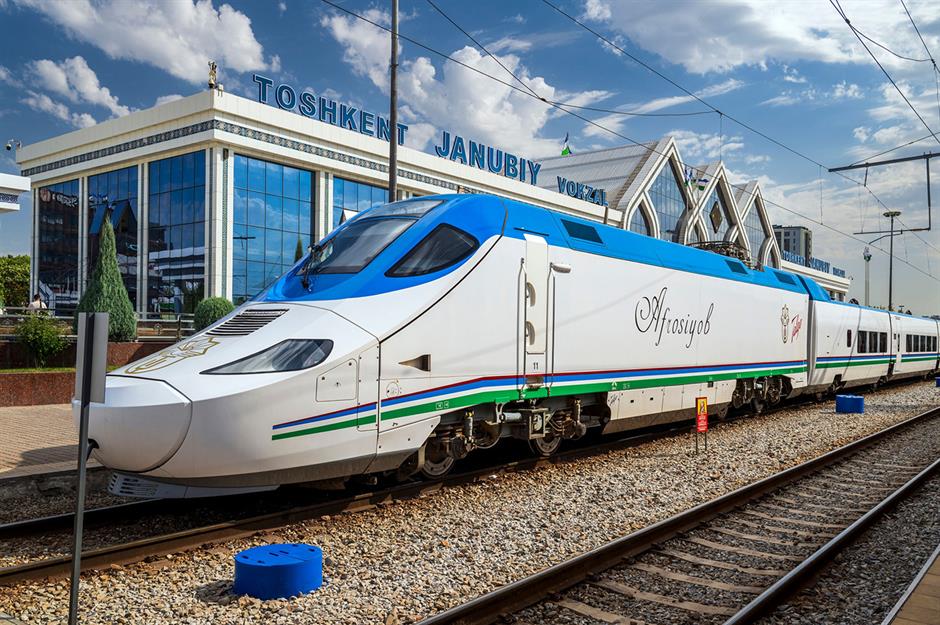
When Uzbekistan’s high-speed train, the Afrosiyob, began operating in 2011 it brought the Silk Road well and truly into the 21st century. These ultra-modern trains zoom between Tashkent, Samarkand and Bukhara at speeds of up to 160 miles per hour (250km/h), with work under way to extend the line to Khiva. Impressive new railway stations have been built too, but be warned, security is tight and you’ll need to show your passport and ticket to be able to enter.
16. The Tashkent Metro is stunning
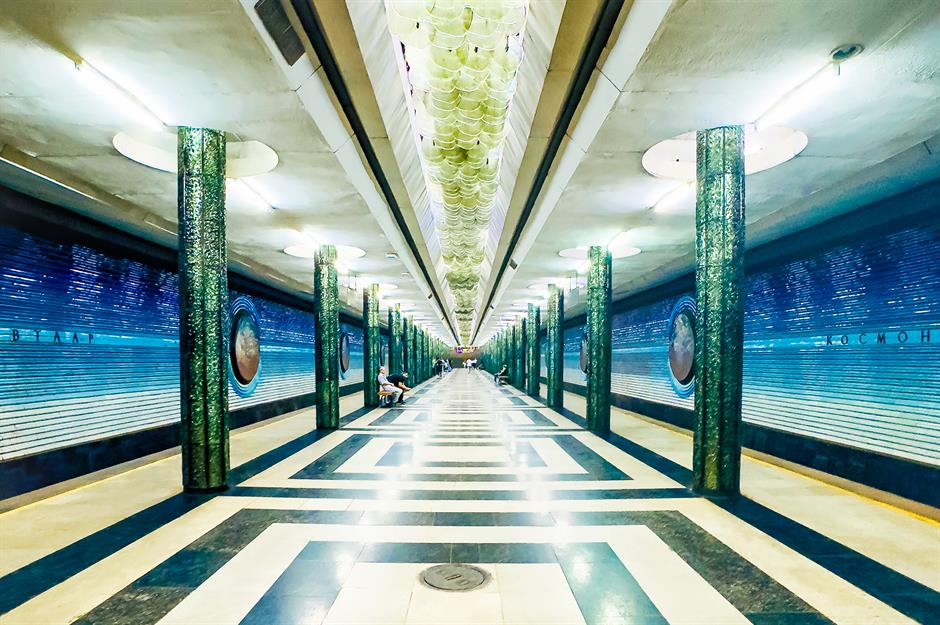
Tashkent’s extraordinary Metro system dates from a different era but is equally impressive. Part of the massive reconstruction process after the Uzbek capital was flattened by an earthquake in 1966, it was opened in 1977, the first metro in Central Asia. Like other metros across the former Soviet Union, each station is designed in a different theme, often reflected in the station’s name. Pictured here is Kosmonavtlar, its intergalactic design honouring Soviet pioneers of space travel. Spend a morning riding the rails, getting off whenever the fancy takes you. A ticket will only cost you £0.08 ($0.11).
17. The Soviet-era Chorsu Bazaar is very cool too
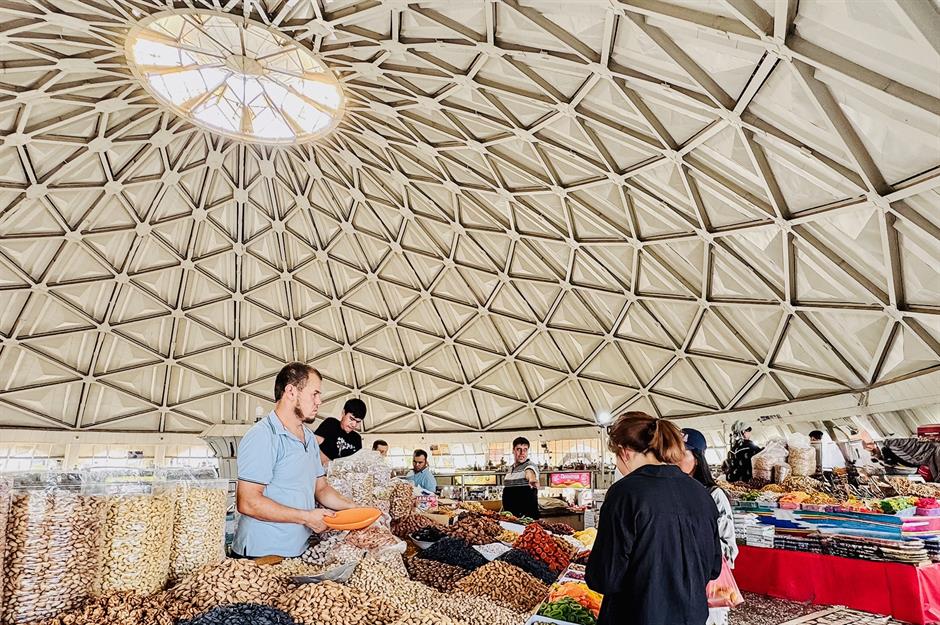
The legacy of the reconstruction of Tashkent is seen in other parts of the city too. Chorsu Bazaar is a huge Soviet-era covered market in the heart of the old city, built in the early 80s. There has been a market on this spot since Silk Road times, and the range of produce has changed little over the corresponding centuries. Ignore the spectacular geometric domed roof and you could be haggling over the price of fruit, spices, nuts and cuts of lamb like it was 30 BC to AD 1453 all over again.
Sponsored Content
18. The Hotel Uzbekistan is still iconic
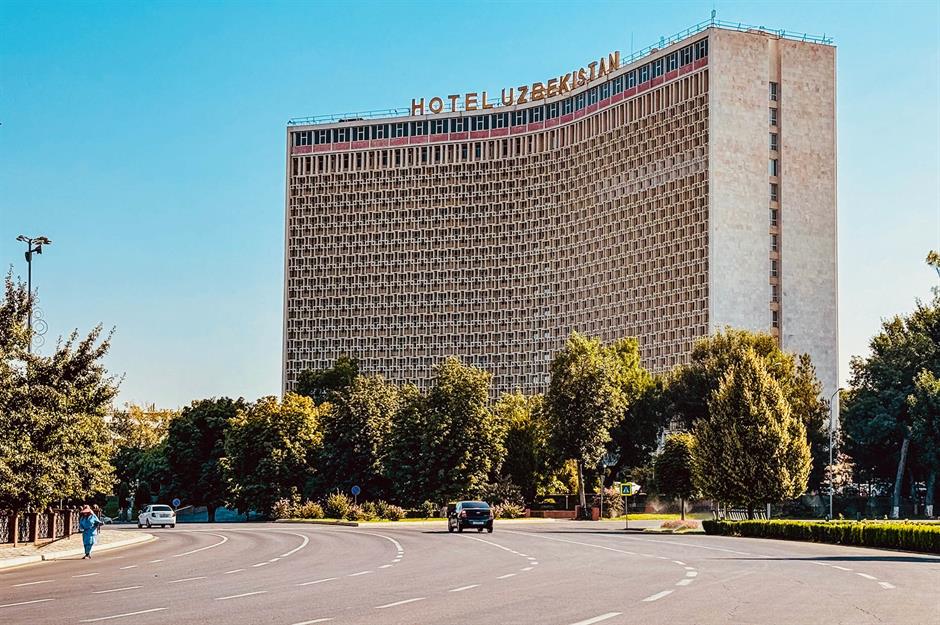
Arguably the most iconic legacy that remains of Uzbekistan’s time as a Soviet republic is the Tashkent’s Uzbekistan Hotel. Built in a typically Soviet Brutalist style, it appears pretty much as it did when it was built in 1974. It towers over Amir Timur Avenue like a huge open book, while inside the rooms look straight out of a Cold War-era interior design magazine. A recent refurb of the hotel’s reception and bar marks a bold attempt to update this venerable institution, giving off a distinctive Central Asian disco vibe.
19. An army of ladies in blue coats keep the country spotlessly clean
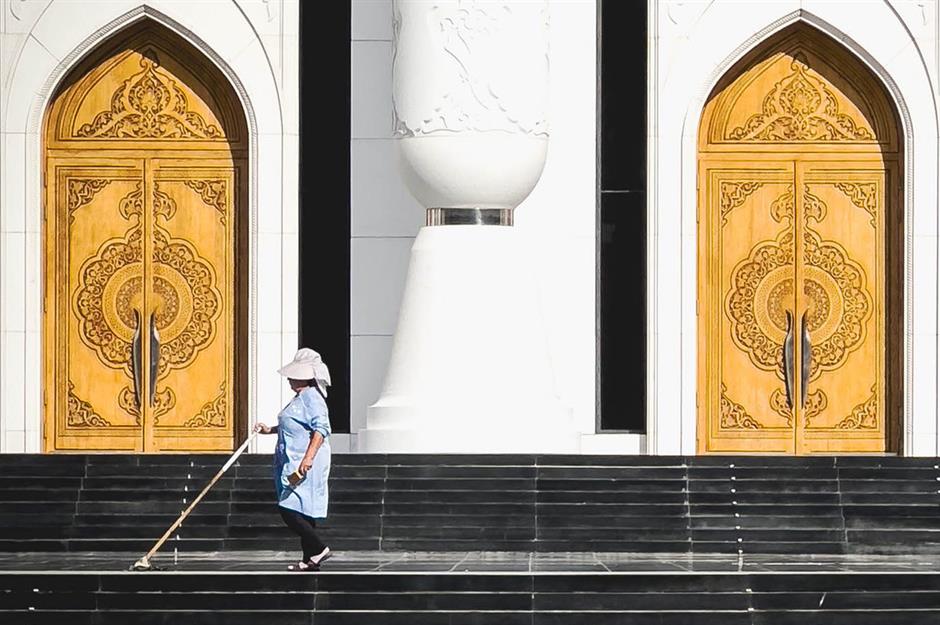
Uzbekistan is one of the cleanest countries you’ll ever visit in the world, thanks to the tireless effort of a legion of ladies who rise before dawn to make the country sparkle. You’ll see them sweeping pavements, polishing monuments, picking up litter and mopping the platforms of the Tashkent metro. My guide told me it was a hangover from Soviet times, when such jobs were used to create the illusion of full employment. Their pay is not that good, sadly, but the impact they have on a visitor's first impression of their country is immeasurable.
20. Uzbeks really love their melons
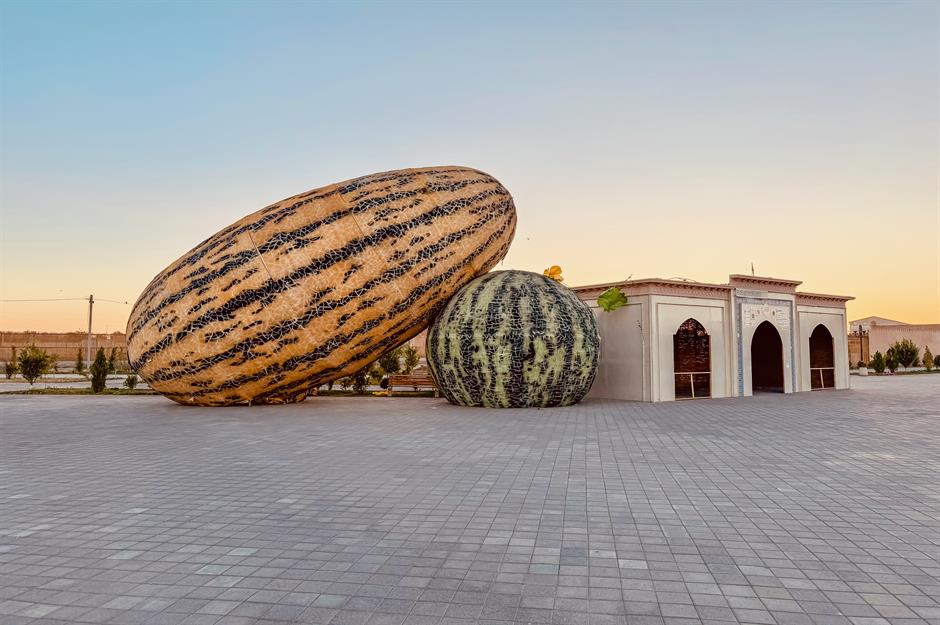
Melons have been grown in Central Asia for over two thousand years and Uzbeks will tell you that theirs are the best in the world. Over the centuries farmers from each region have created their own varieties of melons and the fruit continues to be a staple of the Uzbek diet. You’ll see them in markets or being sold from the back of vans beside the road. If you’re lucky, you might stumble upon the travelling Melon Festival, a celebration of the country’s favourite foodstuff, including two giant painted canvas melons, seen here at dawn in Khiva.
Sponsored Content
21. Somsas are like fish and chips for Uzbeks
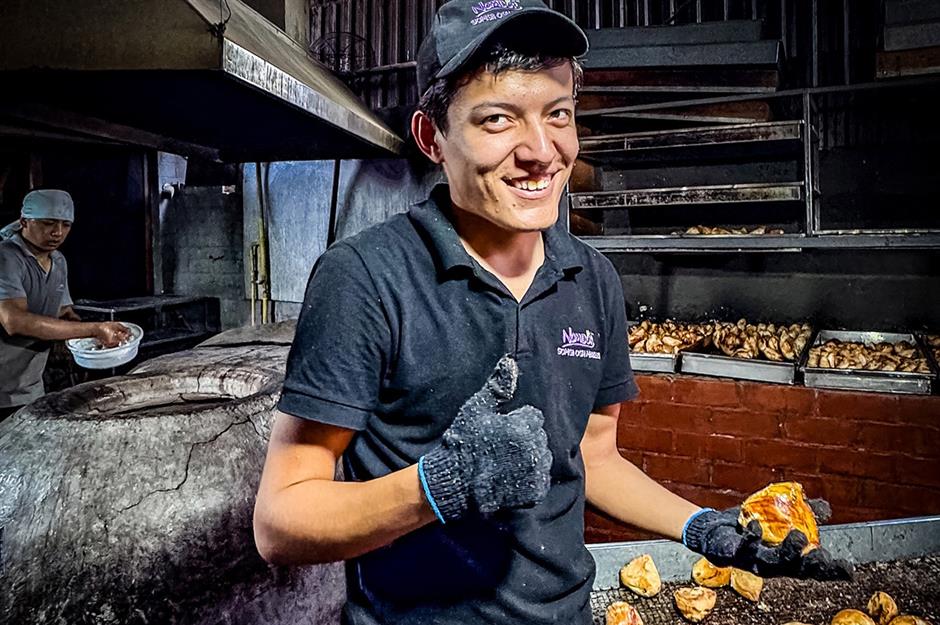
Somsas are delicious flaky pastries filled with lamb and vegetables, soaked in fragrant spices, and then baked in giant fiery tandoors that give the impression that you are at the gates of hell. They are such a staple in Uzbekistan that my guide told me they were the equivalent of British fish and chips. They make an affordable meal. I ordered two lamb ones, a small tomato salad and a bottle of juice at Nomdor, a local ‘fast food’ chain, and it only cost me just less than £3 ($4). My guide, however, said that he considered what I ordered a children's meal.
22. There are quiet corners in Shah-i-Zinda
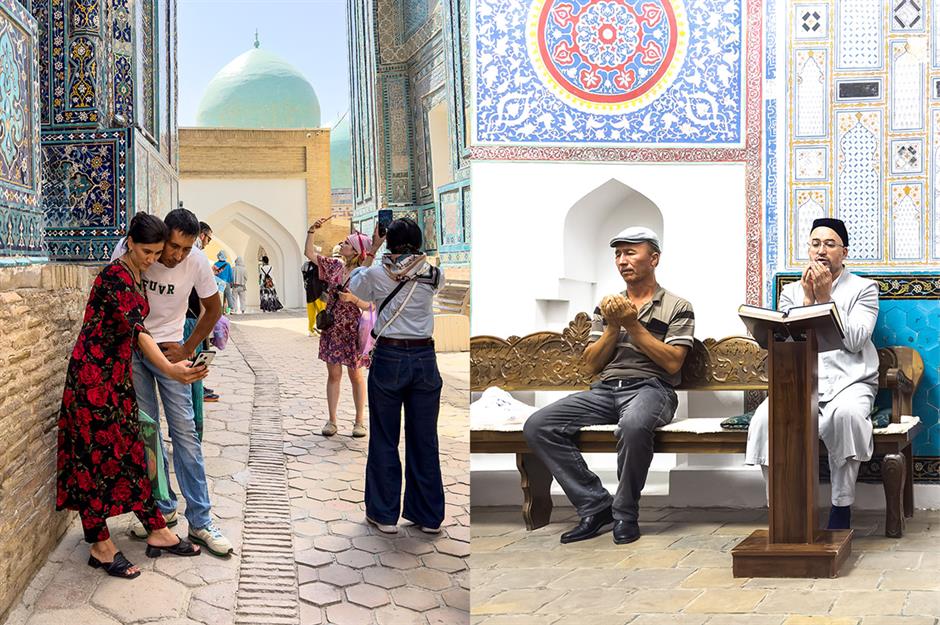
The mausoleum complex of Shah-i-Zinda is rightly one of the most beloved attractions in Samarkand. Here you’ll find some of the richest tilework in the Muslim world, along with swarms of local and foreign visitors posing for selfies next to the stunning blue-tiled buildings. There are places of quiet contemplation amongst the madness though. Head to the back to the Kutlug Oko mausoleum and follow a series of narrow passageways, past the sarcophagus, to a small mosque with wooden benches against each wall. Here, far from the unrelenting crowds, you can find stillness listening to an imam softly chanting verses of the Koran.
23. Bukhara’s Ark is a world unto itself
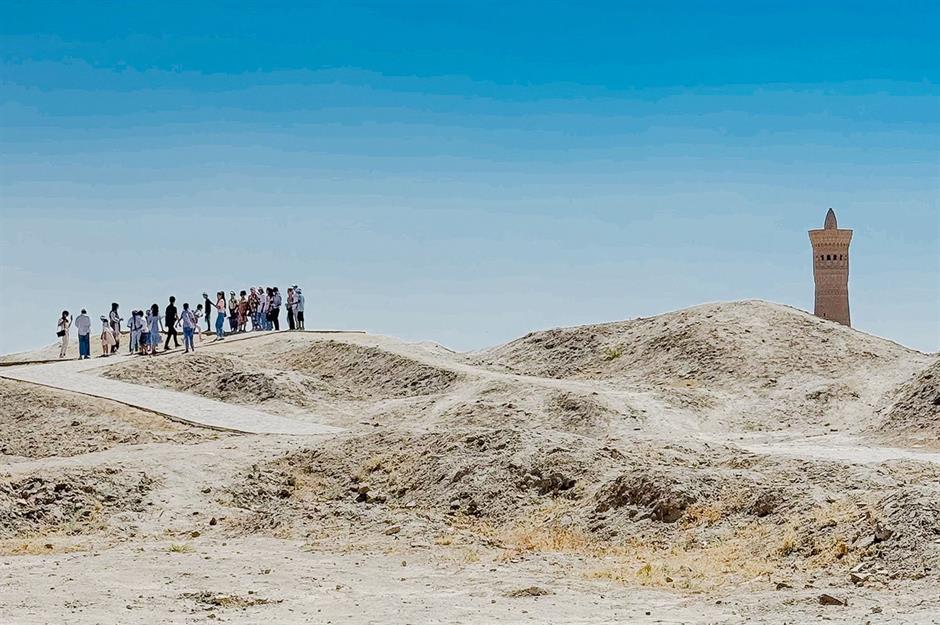
Bukhara’s imposing Ark is a massive fortress just outside the historic centre and is both the city’s largest and oldest structure. This royal town-within-a-town was home to the rulers of Bukhara from the 5th century right up to 1920 when the Red Army used it for target practice. Follow the ramp up into the main courtyard and you’ll find a Friday mosque, reception and coronation courts, royal apartments, stables and even a room for drums. The entire eastern section of the ‘roof’ is a vast archaeological dig (pictured) that gives the impression of being in the middle of a desert.
Sponsored Content
24. Uzbek hotels are full of character
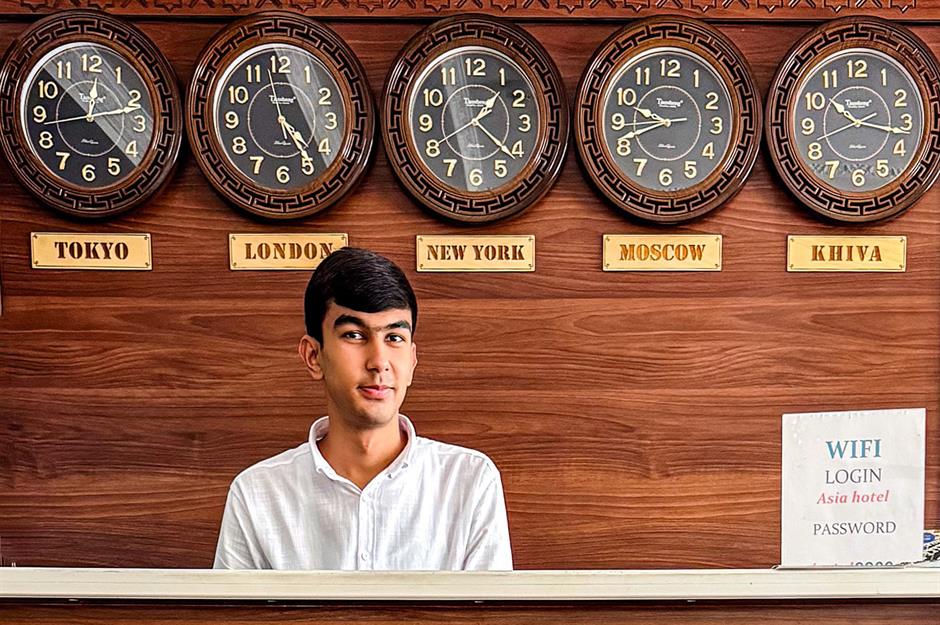
Uzbekistan’s hotels are charming and characterful, each with their own distinct personalities, and tour companies like Jules Verne make sure you get to enjoy each particular style. That may be the Polit bureau chic of the Hotel Asia in Khiva (pictured), or the sophisticated oriental stylings of the boutique Kosh Havuz in Samarkand, favoured by a certain Great British Bake Off star whenever they are in town. Hotels like the Wyndham in Bukhara are breathtakingly modern and a popular wedding photo location.
25. The local ladies like to dress up for dramatic photoshoots
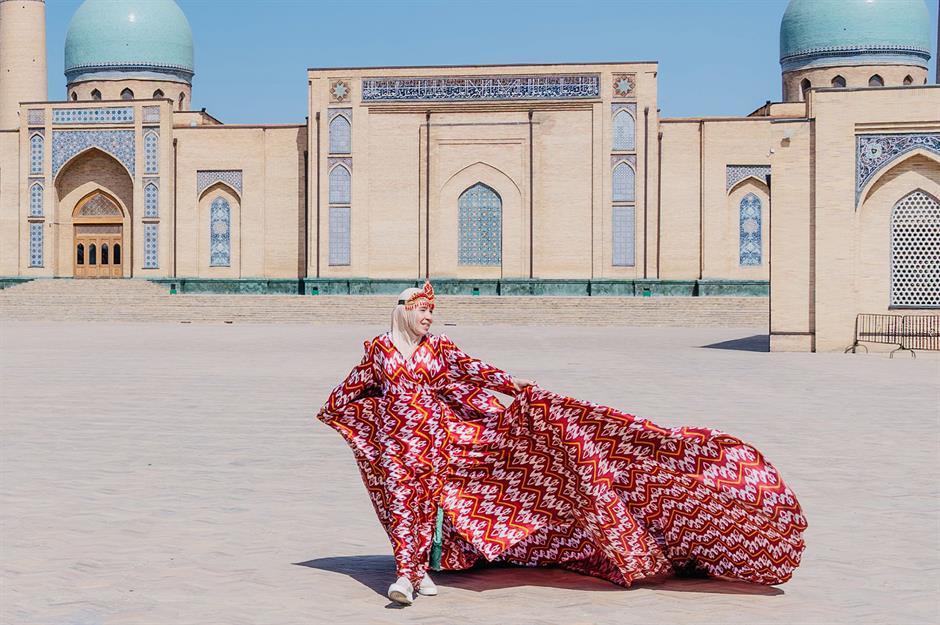
Dressing in fabulous outfits and posing in front of the country's architectural wonders seems to be a bit of a thing in Uzbekistan at the moment. Local ladies hire a dramatically colourful and voluminous dress for roughly £7 ($9) and then get their friends to take photos on their phones for their Instagram feeds. That could be the Hazrat Imam complex in Tashkent like this lady, or Poi Kalyan in Bukhara or the Registan in Samarkand, but always in the company of a friend who knows exactly how a flowing kaftan should fall.
Getting there
Uzbekistan is served by Tashkent International Airport, only 7.5 miles (12km) from the centre of the city. Uzbekistan Airways flies directly from London three days a week. Turkish Airlines flies daily with a stopover in Istanbul.
Peter Moore visited in August 2024 and was a guest of Voyages Jules Verne on a version of their Highlights of Uzbekistan tour.
Now discover how to have the ultimate bucket-list trip in India's Golden Triangle