Incredible European cities buckling under the weight of overtourism
Travel hotspots struggling to cope
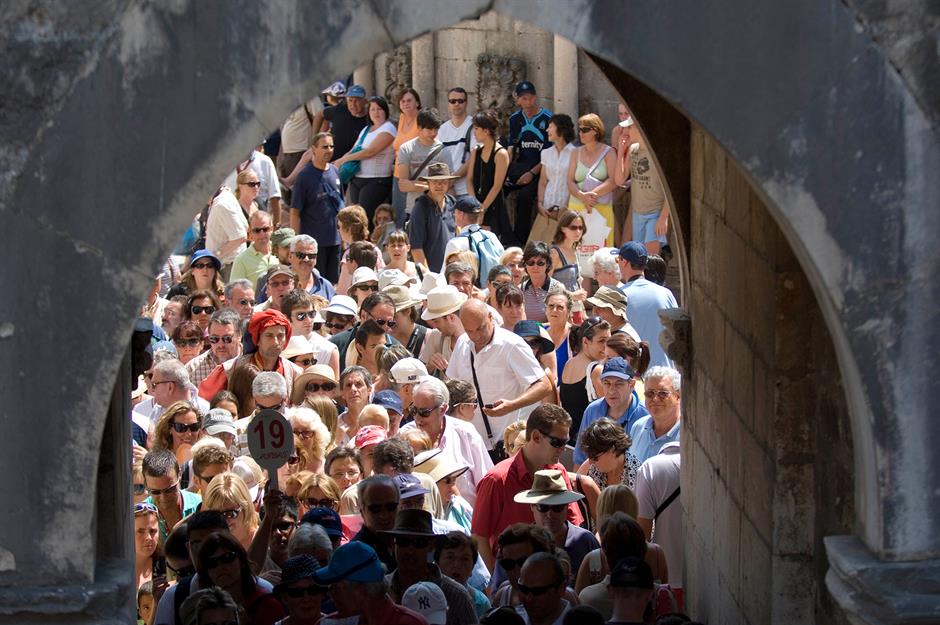
Swamped by visitors, a slew of cities across Europe are facing the sometimes toxic consequences of unchecked tourism. From Bruges and Barcelona to Budapest and Bath, these idyllic locations are grappling with everything from mass pollution, heavy traffic, bad behaviour and vandalism to severe housing shortages and rising prices that are pushing out long-time residents and eroding local culture.
As exasperated natives – and in some cases governments – fight back, click through this gallery to discover the European cities that tourists have pushed to breaking point...
Madrid, Spain
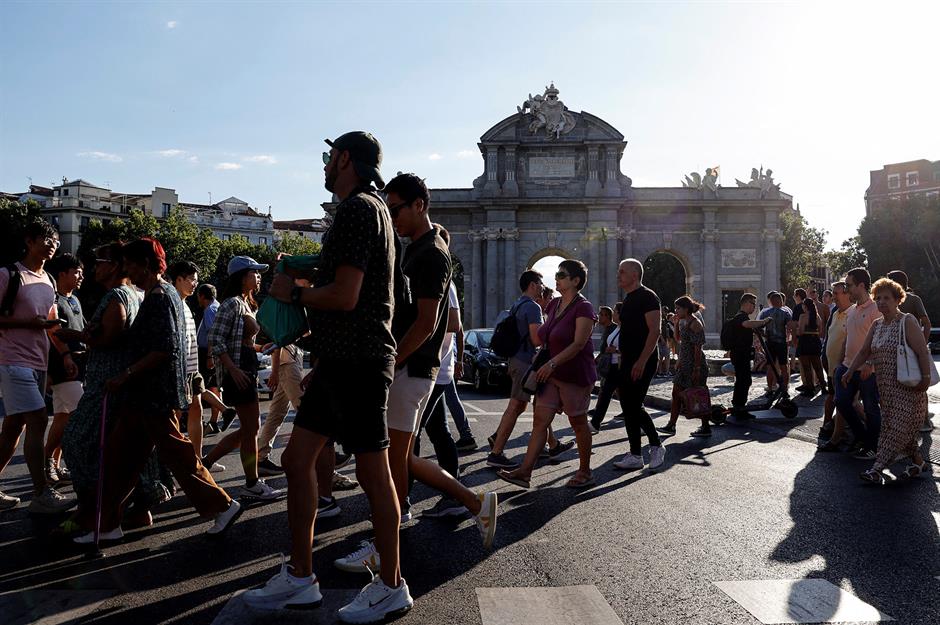
In May 2025, the Spanish government issued a clampdown on nearly 66,000 Airbnb rental properties across six regions, on the grounds that they breach regulations for tourist accommodation. The areas include capital Madrid (pictured), Andalusia, Catalonia, Valencia, the Basque Country and the Balearic Islands. This follows a Madrid court ruling that 4,984 of the properties must be withdrawn by Airbnb immediately.
Housing is Spain's biggest concern and the tourist apartments in question have been depriving local residents of accommodation, prompting a government minister to describe the court's decision as "a clear victory for those who fight to protect the right to housing".
Prague, Czechia
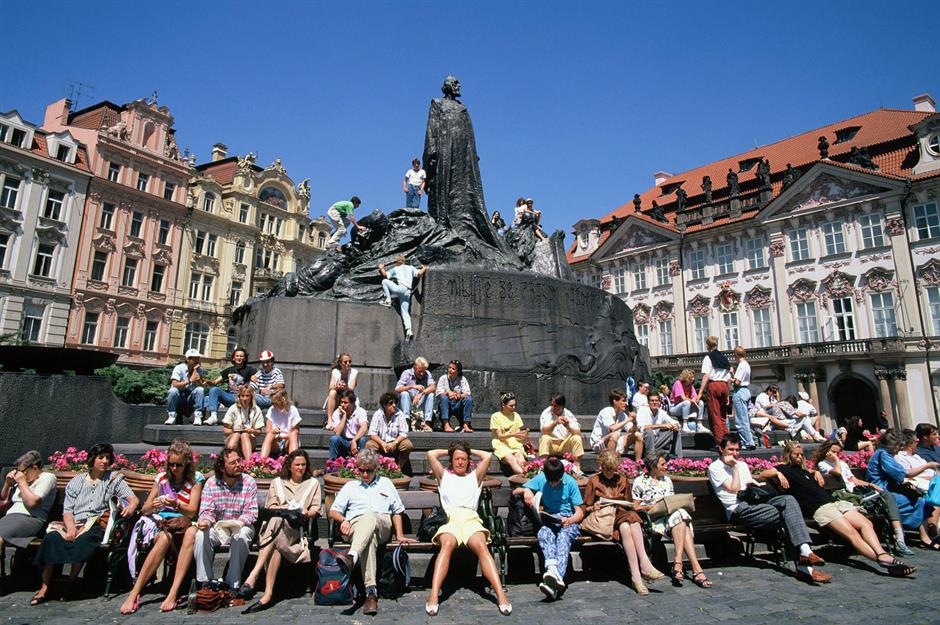
Prague saw around 8.1 million visitors in 2024, a 9% rise on 2023, dwarfing its 1.3 million population. Stag dos are a major problem in the UNESCO-listed city centre, and the city council has banned organised late-night pub crawls and explored banning 'silly' stag party costumes.
Other measures include increased fines for e-scooter violations and tightened noise restrictions. Late-night traffic has been banned from the Old Town, while an ad campaign encouraging tourists to behave themselves was launched in 2023. Like many party-magnet cities, Prague is working to attract culture vultures and discourage lager louts, who can make life hell for locals.
Sponsored Content
Edinburgh, Scotland, UK
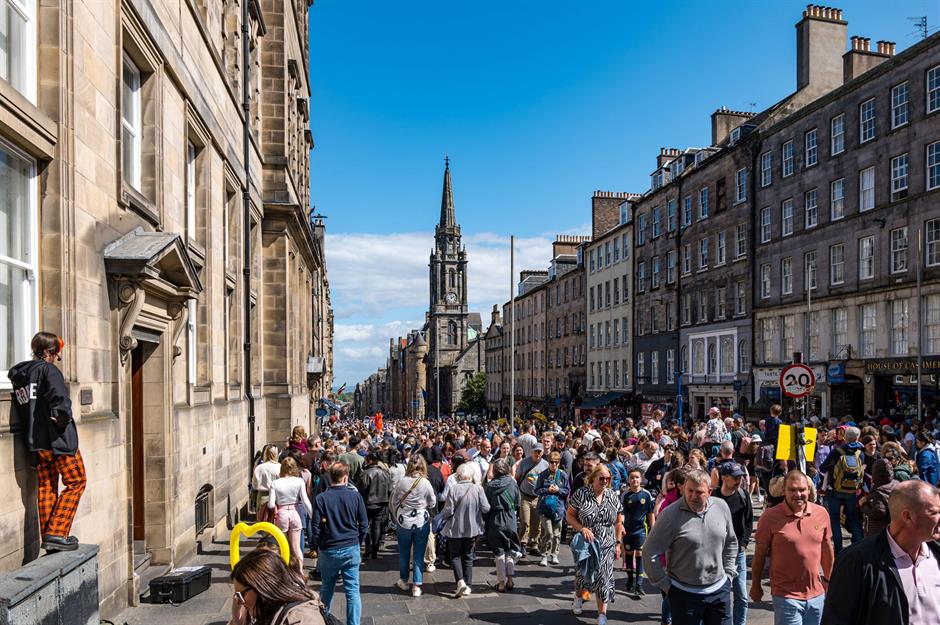
Edinburgh receives an estimated 5.3 million overnight stays every year, luring tourists with its UNESCO-listed Old and New Towns and the world's largest arts festival. But all is not rosy in the overcrowded Scottish capital.
In 2023, the local council declared a housing emergency, partly driven by an increase in short-term holiday lets. Residents also complain that all the “useful shops” on the popular Royal Mile have been replaced with touristy gift shops. Partly in response to such complaints, a tourist tax which will fund infrastructure improvements is due to be introduced in 2026.
Athens, Greece
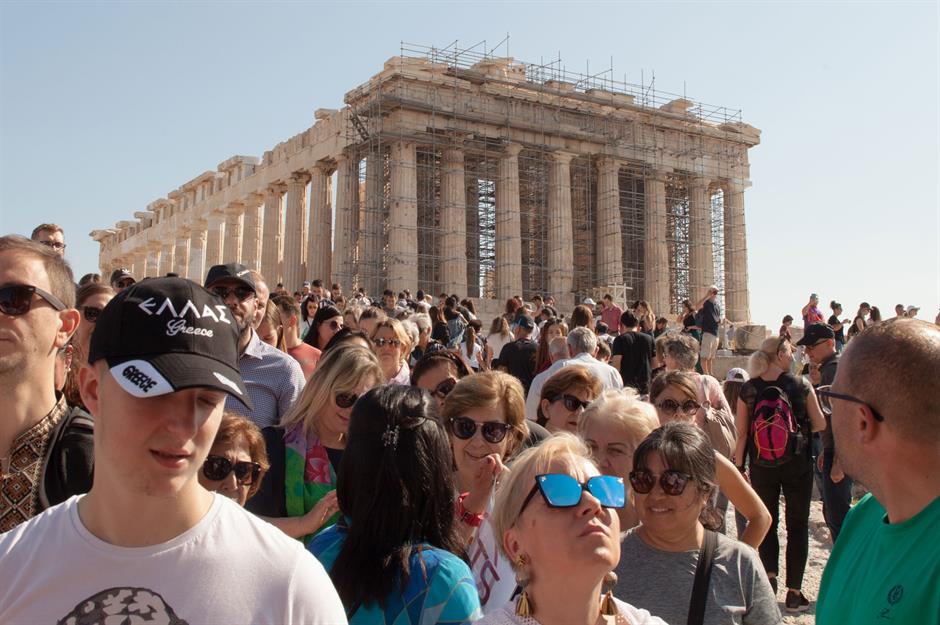
The population of Athens proper is roughly 650,000, but an estimated 10 million visitors are expected in 2025 – two million more than in 2024. Such huge numbers have multiple negative consequences – short-term holiday lets are fuelling a housing crisis while tourists are contributing to pollution, litter, congestion and crime.
Measures in place to tackle these issues include a tourist tax and a temporary ban on issuing new short-term rental licences in certain parts of the city, while daily visitors to the Acropolis have been capped since 2023. A taskforce was introduced in early 2025 to enforce these measures.
Kraków, Poland
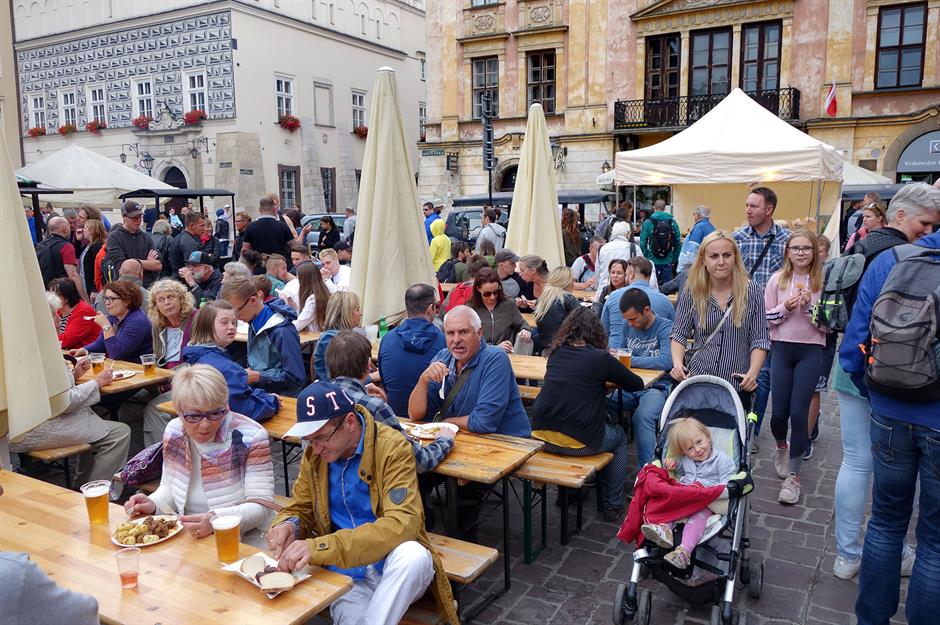
Kraków hosted 2.3 million tourists in 2024 against a population of about 770,000. Poland's splendid former capital is renowned for its cultural appeal, but has become a magnet for stag party groups and other visitors drawn by cheap alcohol. Locals are at their wit's end as the medieval city centre becomes the site of drunken debauchery after dark.
Late-night alcohol bans and posters encouraging respectful behaviour are among the measures aimed at cleaning up the city, but in June 2024 locals filed a lawsuit against the town hall, accusing it of not doing enough. The lawyer behind the suit told AFP that Kraków was "like nowhere else in Europe", with tourists behaving "like Tarzan from the jungle".
Sponsored Content
Barcelona, Spain
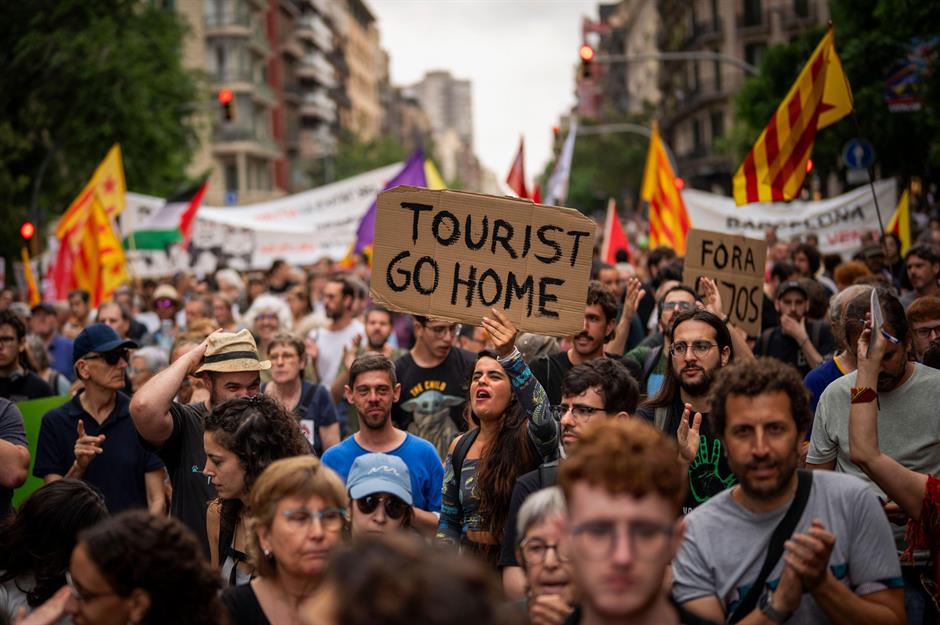
With a staggering 32 million annual visitors and a population of just 1.6 million, Barcelona has become a poster child for overtourism. This tourist tsunami has exacerbated a housing crisis in the city, with an explosion of short-term lets contributing to rising housing costs.
Tourists are also blamed for increasing pollution, litter, noise and crime. Fed-up locals have taken to the streets, and some activists have taken to squirting tourists with water pistols in protest. The city council is taking measures to address the problems, banning cruise ships from a downtown terminal and hiking the tourist tax. The mayor has also pledged to ban holiday apartment rentals from 2028.
Dubrovnik, Croatia
A victim of its Game of Thrones fame – the city doubled as King's Landing in the hit show – Dubrovnik is one of Europe's most overloaded destinations. An analysis by holiday rental portal Holidu found that annual tourists outnumber locals by a whopping 27 to one, straining its infrastructure, damaging its historic character and putting its UNESCO World Heritage status at risk.
As in Barcelona, locals are being priced out, though Dubrovnik hasn't seen the mass protests that have rocked the Catalan city. The mayor has restricted cruise ship arrivals, banned new holiday let permits and launched a 'Respect the City' campaign, among other measures.
Split, Croatia
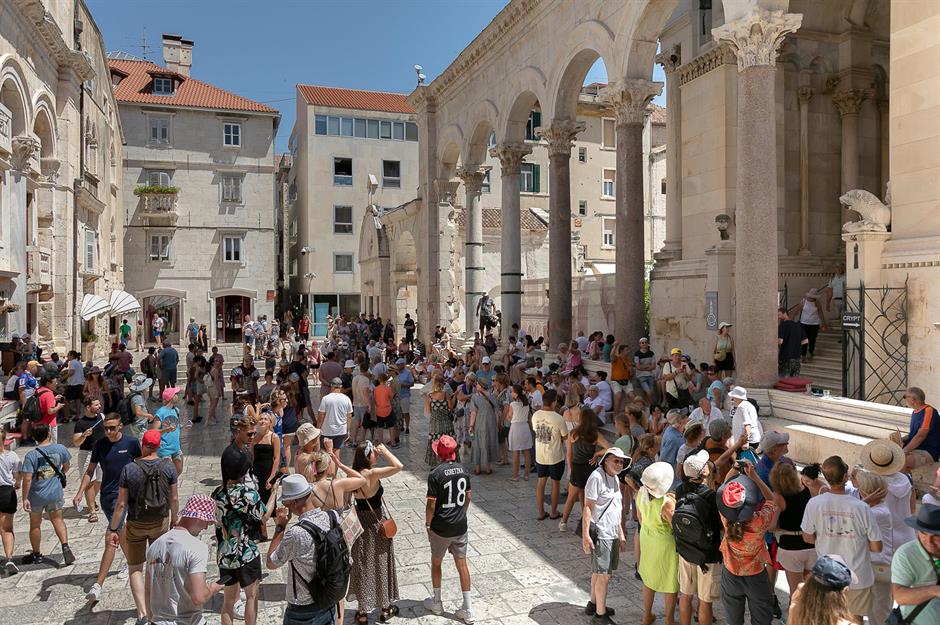
Staying in Croatia, the historic city of Split is suffering from overtourism too. Alongside concerns over prices and crowds, Split is grappling with the challenges of party tourism, including late-night noise, pub crawls and drunk tourists publicly urinating, even on the city's Roman ruins.
Despite being a UNESCO World Heritage Site, Split has not gone to great lengths to rein in bad behaviour. There are signs warning visitors of fines, but in reality tourists are rarely penalised. Speaking to the UK's Daily Express in 2024, one local said they felt like a stranger in their own city, while another bemoaned the disruption that rampant party tourism has on daily lives.
Sponsored Content
Venice, Italy
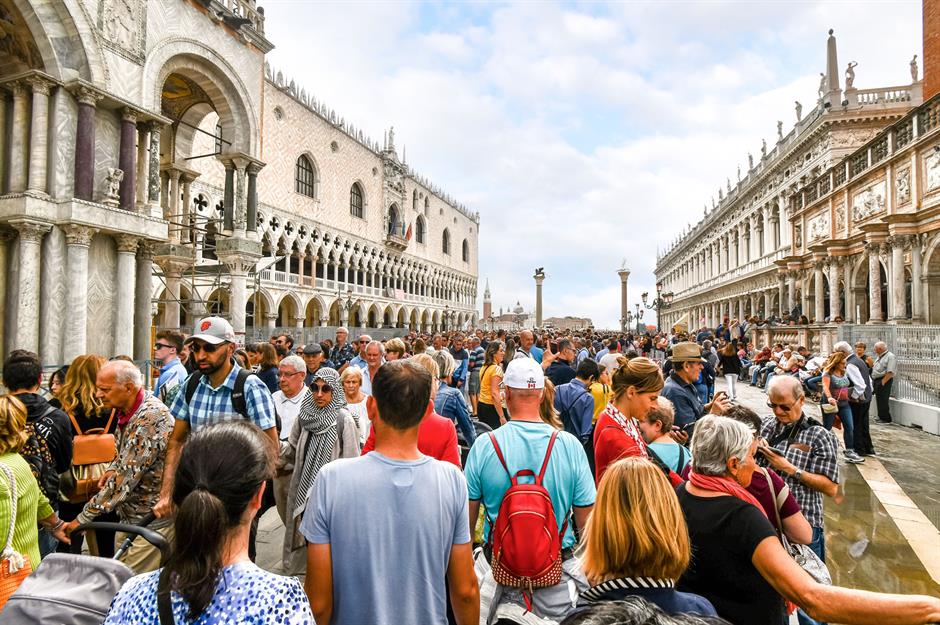
Venice has long been plagued by overtourism. A UNESCO World Heritage Site since 1987, the iconic floating city has a population of less than 50,000 but has to contend with a phenomenal 30 million tourists a year, and the hordes of visitors damage its fragile buildings and clog its narrow streets and canals.
Locals have staged anti-tourism protests and the city has introduced a variety of measures, including banning cruise ships from the city centre, imposing a tourist tax, limiting the size of tour groups and outlawing loudspeakers. But these tactics are not enough for many residents, who, according to UK newspaper The Guardian, remain especially concerned about the proliferation of short-term holiday lets.
Bruges, Belgium
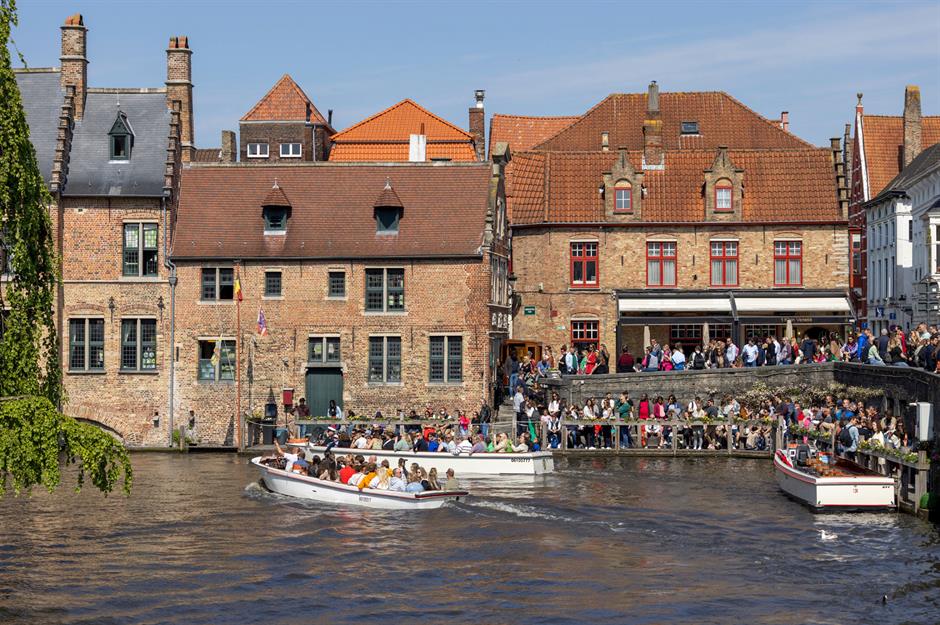
The picture-postcard city of Bruges endured eight million tourists in 2024 against a population of 120,000. Unsurprisingly, inhabitants of 'the Venice of the North', which is a UNESCO World Heritage Site, are up in arms. Authorities have restricted cruise ship docking, reduced tourism marketing and, more recently, banned hotel construction in the city centre and halted new holiday home permits.
But these moves have done little to deter the day-trippers who continue to flood the city. Visitor caps and entry fees – like those employed by Venice and Dubrovnik – have been discussed, and a tax on short-term visitors will begin in 2027.
Amsterdam, Netherlands
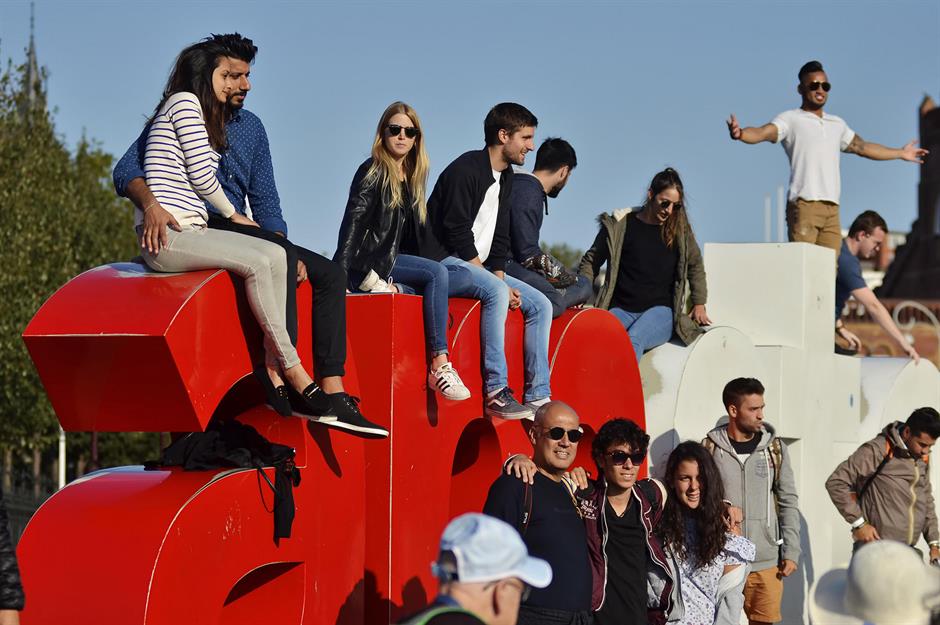
Another so-called 'Venice of the North', Amsterdam hosted nine million overnight guests in 2024 versus a population of under a million. As is often the case, budget flights and cheap short-term holiday rentals are at the crux of the problem. Surging rents are putting the city centre out of reach for locals, who are particularly upset by tourists who come to take advantage of the city's drug laws and Red Light District.
The city is now actively discouraging the wrong sort of tourist with a 'Stay Away' campaign, which launched in 2022. Other measures include fines for bad behaviour, a campaign highlighting cultural attractions and Europe's steepest tourist tax – a whopping 12.5% per night.
Sponsored Content
York, England, UK
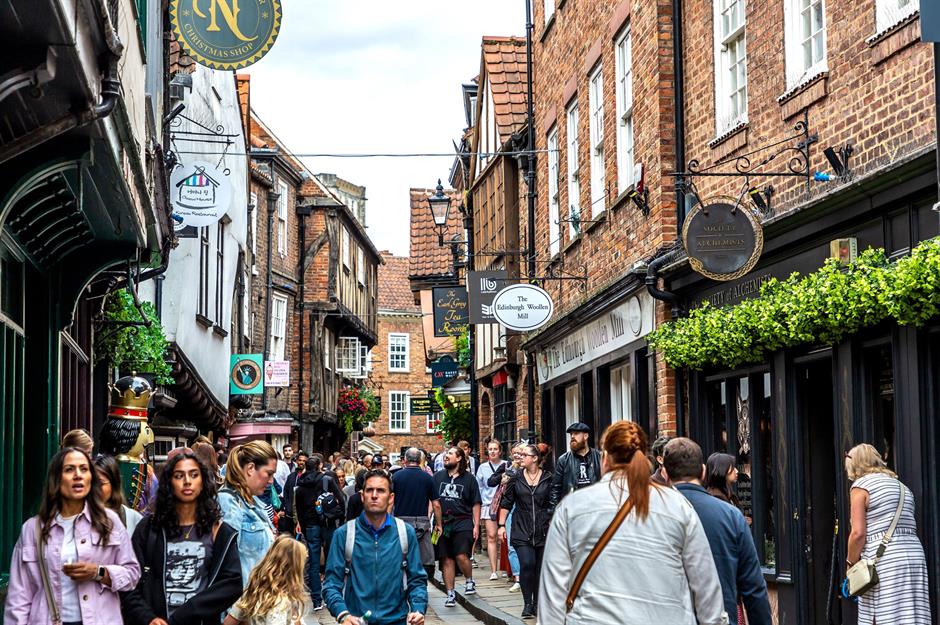
York welcomed around 9.4 million visitors in 2024 against a population of around 200,000, and some locals have bemoaned a 'tourist invasion'. Retail outlets in the centre are geared towards visitors rather than residents, while the large number of holiday lets has made housing very expensive.
Poor tourist behaviour is also a big problem. The local authority has issued a code of conduct for stag and hen parties, while purple signs dot the city centre urging visitors not to urinate on its medieval cobbled streets, respect taxi and bar staff and more. These measures are pretty limited, and the local authority is now discussing the idea of a tourist tax.
Florence, Italy
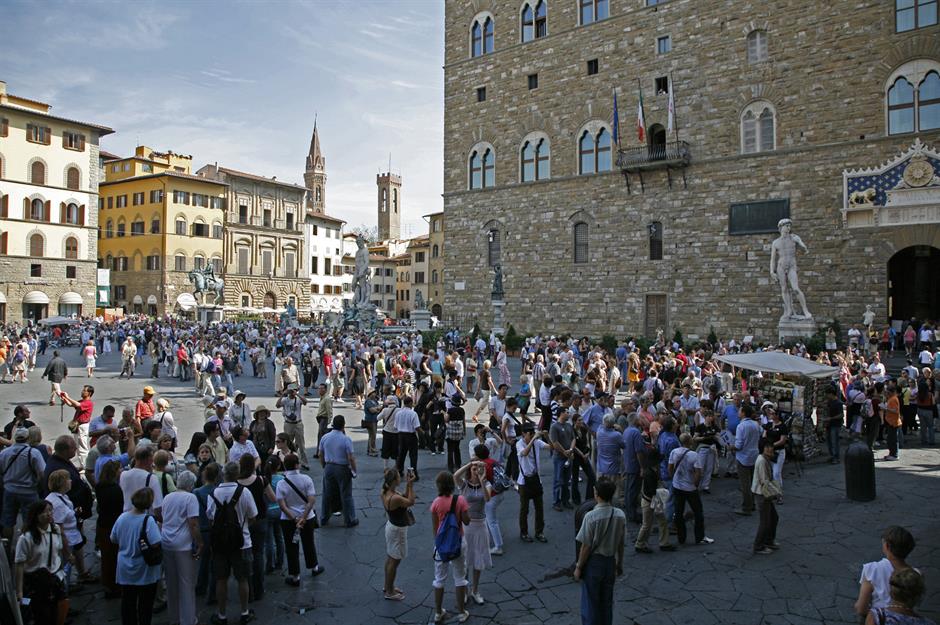
A UNESCO World Heritage Site, the glorious Renaissance city of Florence has a population of 366,000 but attracts an astonishing 11 million tourists annually. The city centre is saturated with holiday lets that have driven up housing costs, alongside restaurants and souvenir shops that cater exclusively to visitors.
As Cecilie Hollberg, director of the prestigious Accademia Gallery, noted in The Guardian in 2024, many tourists engage in "hit-and-run tourism", rushing around the main attractions largely for social media pics. The city council has responded with a tourist tax, a ban on new short-term private rentals, a ban on keyboxes on buildings and a campaign to entice visitors away from the overloaded city centre.
Lisbon, Portugal
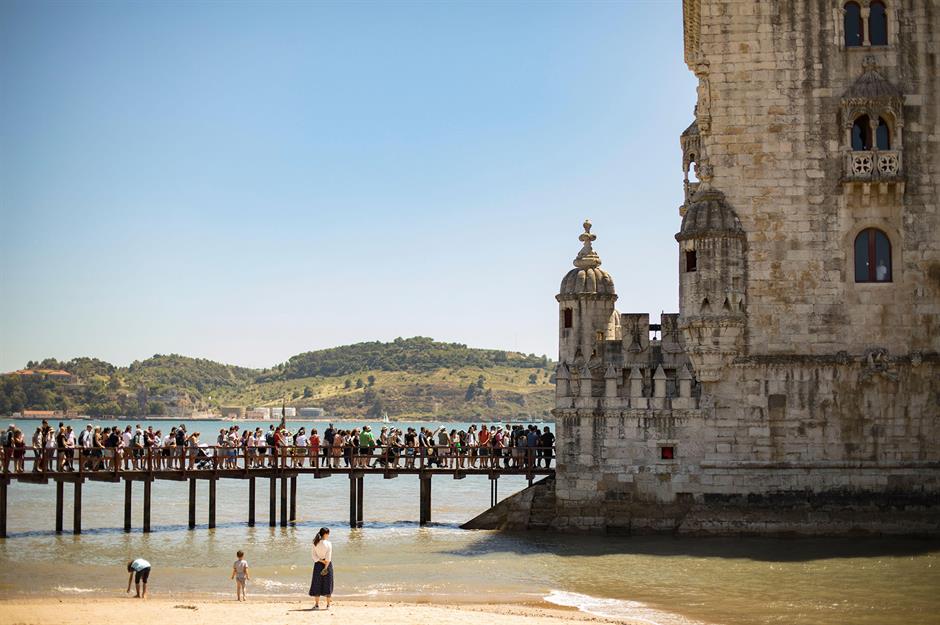
A combination of expats seeking a cheaper way of life and increasing tourism has seen Lisbon change over the past decade from being one of the most affordable capital cities in Europe to the most unaffordable for housing. The most pressing issue for residents is the rapid growth of short-term holiday lets, which have reduced housing stock and pushed up prices for locals.
In late 2024, more than 6,600 residents signed a petition calling on city officials to agree to hold a referendum on banning tourist lets in residential blocks.
Sponsored Content
Copenhagen, Denmark
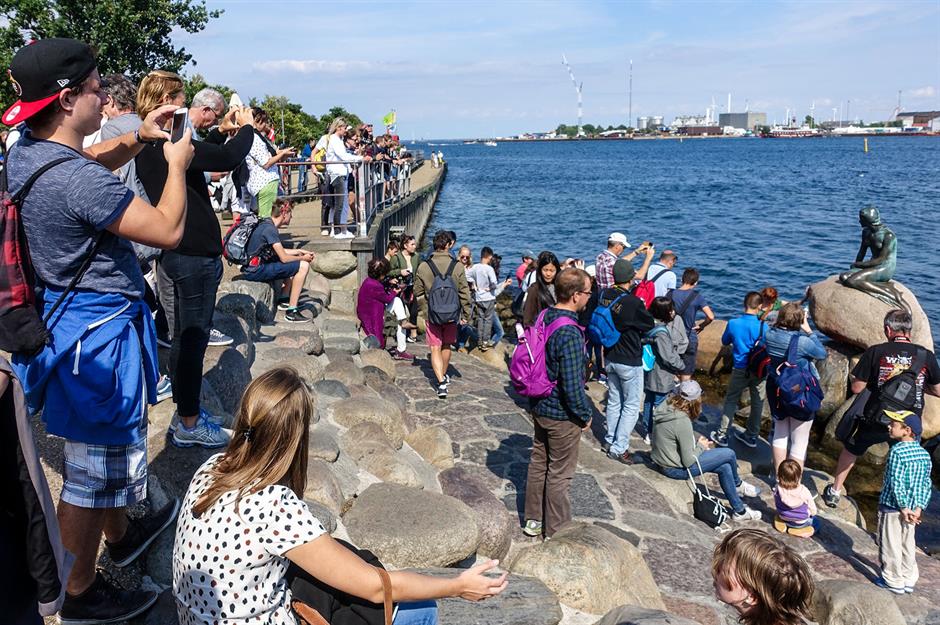
Wonderful, wonderful Copenhagen is becoming less wonderful thanks to overtourism. In 2023, the Danish capital saw more than 12 million international overnight stays against a population of around 600,000. But the city is taking a novel approach to the problem: instead of penalising tourists, it rewards them for good conduct.
Under the Copenpay scheme, trialled in 2024, visitors who pick up litter, ride bikes instead of hiring cars or volunteer in urban parks can claim back free ice cream, cheaper museum tickets and other perks. The scheme was considered sufficiently successful to make a return for summer 2025.
Budapest, Hungary
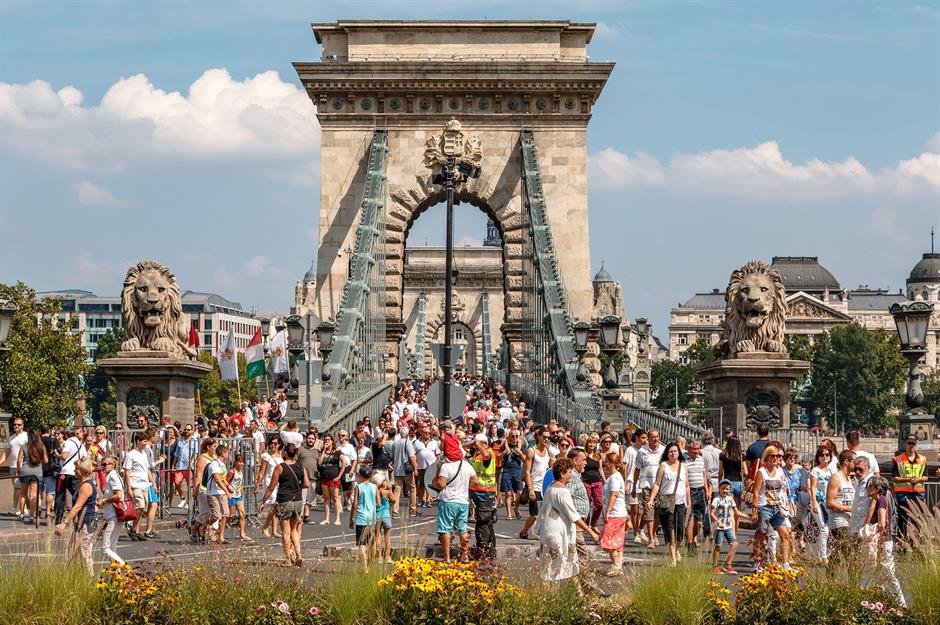
Budapest had over six million visitors in 2024 – a 24% increase on 2023, with overnight stays reaching 14.7 million. Again, short-term holiday rentals are perhaps the biggest overtourism issue in the city.
In late 2024, residents of Budapest's sixth district, a densely populated tourist hub sometimes dubbed 'Budapest's Broadway', voted to ban short-term rentals, with the prohibition set to come into effect in 2026.
Bath, England, UK

The city of Bath – a UNESCO World Heritage Site – is having a tough time coping with overtourism. Buoyed by the Bridgerton effect, visitors are flocking to the Roman and Regency jewel in their droves, with six million-plus tourists a year against a population of only 100,000 or so.
In June 2024, one local quoted in the Daily Express said that "on busy weekends you can barely walk down the street. It's absolute madness." Short-term holiday lets are among the biggest bugbears for Bathonians. The council has taken steps to regulate these rentals, but enforcement has proven difficult.
Sponsored Content
Porto, Portugal
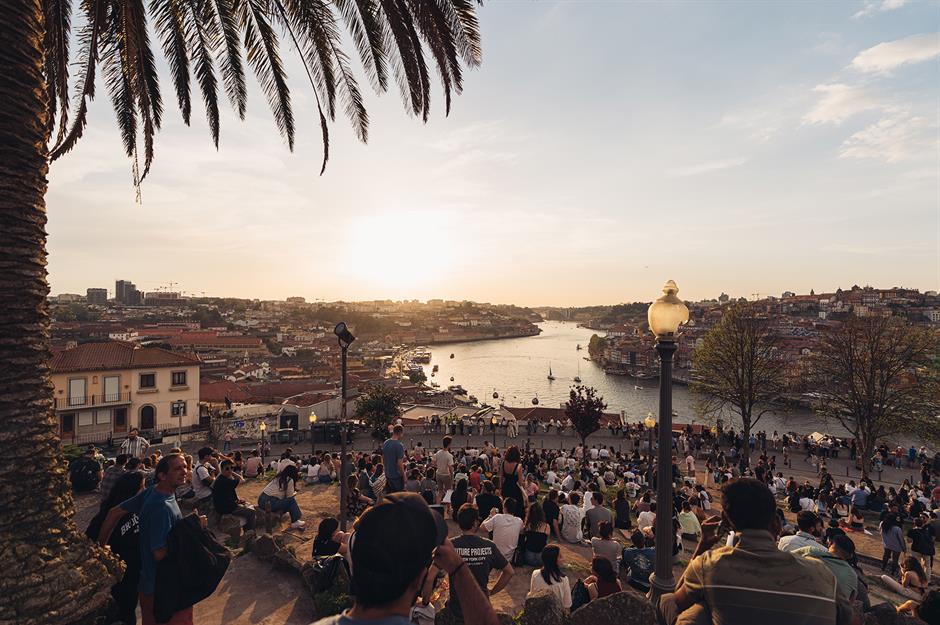
Porto has seen a sharp increase in tourism in recent years, and in 2023 there were more than 10 annual tourists for every resident. Overtourism is pushing out traditional shops in the city centre in favour of soulless chains that cater to visitors, while short-term holiday rentals are displacing long-term residents.
The city council has responded with a clever strategy: instead of banning the rentals, restrictions have been placed only in highly touristed areas, while less-visited districts are being actively promoted. This approach aims to create a more sustainable tourism model while revitalising neglected neighbourhoods.
Vienna, Austria

Vienna received a record 18.9 million overnight stays in 2024. Adopting a similar strategy to Porto, the Austrian capital's authorities are promoting a more sustainable tourism model, encouraging visitors to experience districts outside the city centre.
With a view to attracting wealthier tourists, the emphasis is now on 'life-seeing' tourism, which focuses on individualised experiences rather than traditional sightseeing. The city has also introduced a tourist tax of 3.2%, which is added to the cost of accommodation.
Istanbul, Turkey
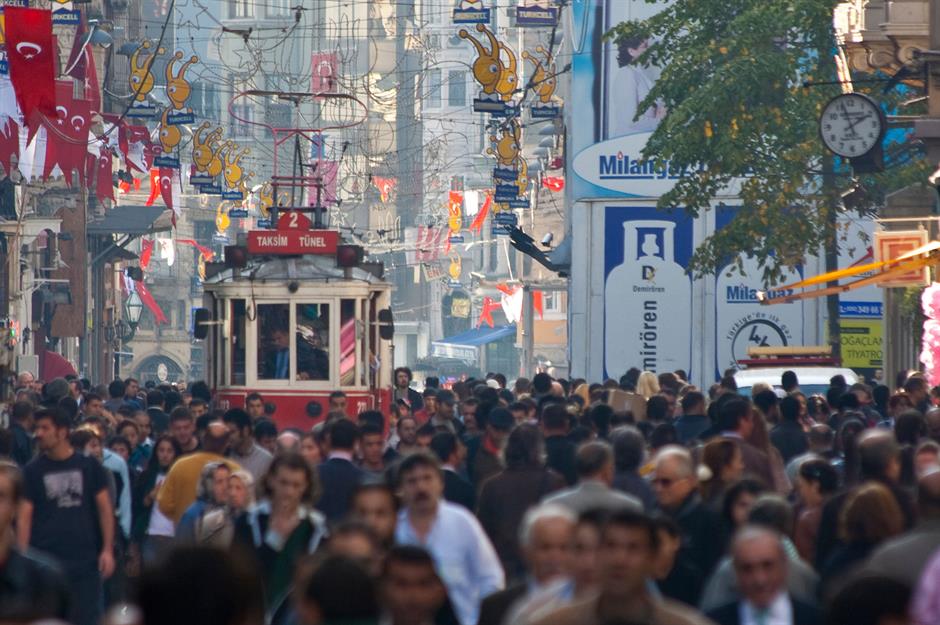
Istanbul, which straddles Europe and Asia, is an enormous metropolis with a population exceeding 15 million, so it may be a surprise that the City on the Seven Hills, as it is known, has a problem with overtourism. In fact, according to data from Euromonitor International Istanbul was the world's most visited city in 2023, with a jaw-dropping 20.2 million international arrivals. It dropped to second in 2024, behind Bangkok.
Foreign sightseers over the age of eight are now charged £21 ($28) to enter the city's star attraction, the Hagia Sophia – a measure introduced in 2024 to help with renovation costs. As many as 3.5 million people visit the site (pictured) every year, leading to damage and even vandalism.
Sponsored Content
Marseille, France
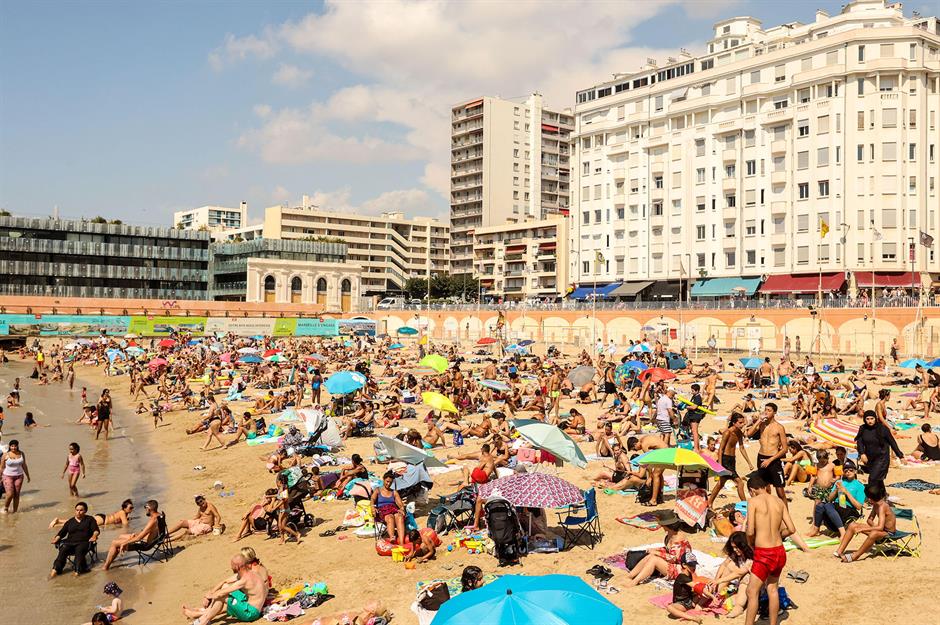
Marseille's Notre-Dame-du-Mont was recently hailed the coolest neighbourhood in the world by Time Out, and the city's tourism sector is in "excellent health" according to Laurent Lhardit, president of the local tourist office. But the city, which recorded 16.2 million overnight stays in 2023, is starting to struggle with overtourism, particularly in the delicate coastal ecosystems of the Calanques on the outskirts of the city.
These beguiling cliffs and beaches are besieged by day-trippers, so much so that erosion is now a serious concern. As a result, a quota has been introduced for the famed Sugiton coves, severely limiting daily visitor numbers.
Milan, Italy
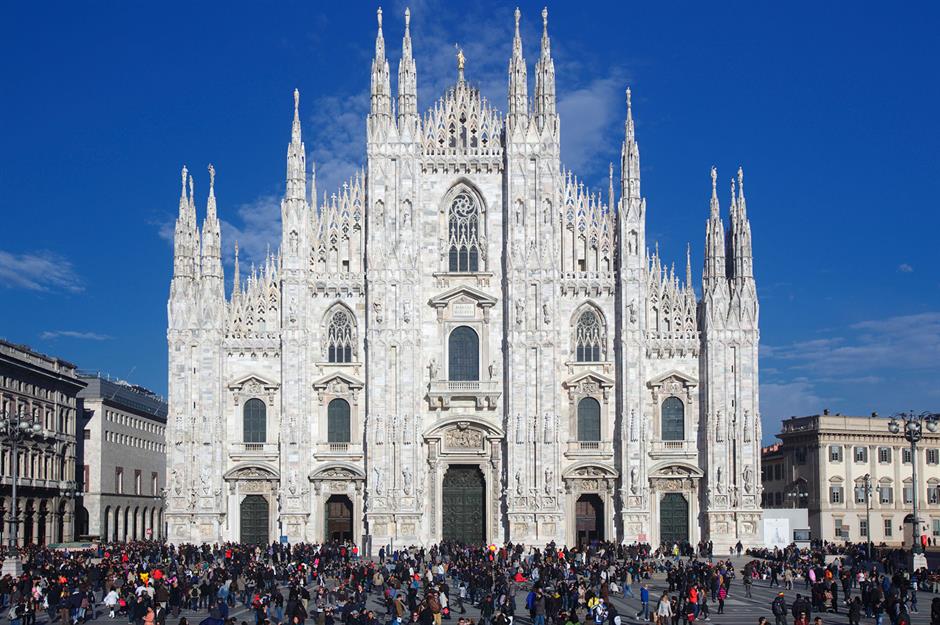
Milan attracted 7.6 million tourists in 2023, around six times the population of the city proper. While Italy's fashion capital tends to attract relatively well-heeled visitors, it still struggles with a vocal minority of rowdy tourists that come to party rather than shop or visit the magnificent cathedral.
The city council has clamped down on late-night alcohol sales, and came close to banning late-night sales of ice cream and pizza in response to noise complaints (the proposal was eventually ditched due to opposition from local businesses).
Seville, Spain
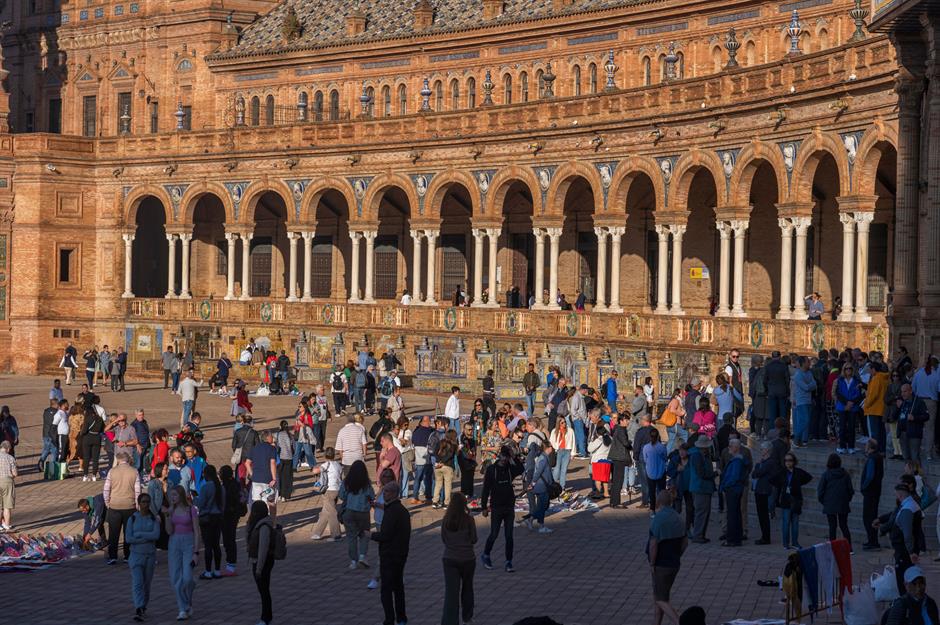
The third most visited city in Spain, Seville, which has a population of 700,000, hosts around three million tourists a year. Disgruntled locals have organised protests against the city's 'unsustainable' tourism model, bemoaning short-term lets, litter, pollution and more.
Anti-tourism graffiti has appeared in parts of the city, while Euronews reported in 2024 that protestors had smeared excrement on the lockboxes of holiday apartments. Local authority action includes cutting off the water supply to illegal tourist apartments and a proposal to introduce an entry fee to the city's neo-Moorish Plaza de Espana.
Sponsored Content
Berlin, Germany
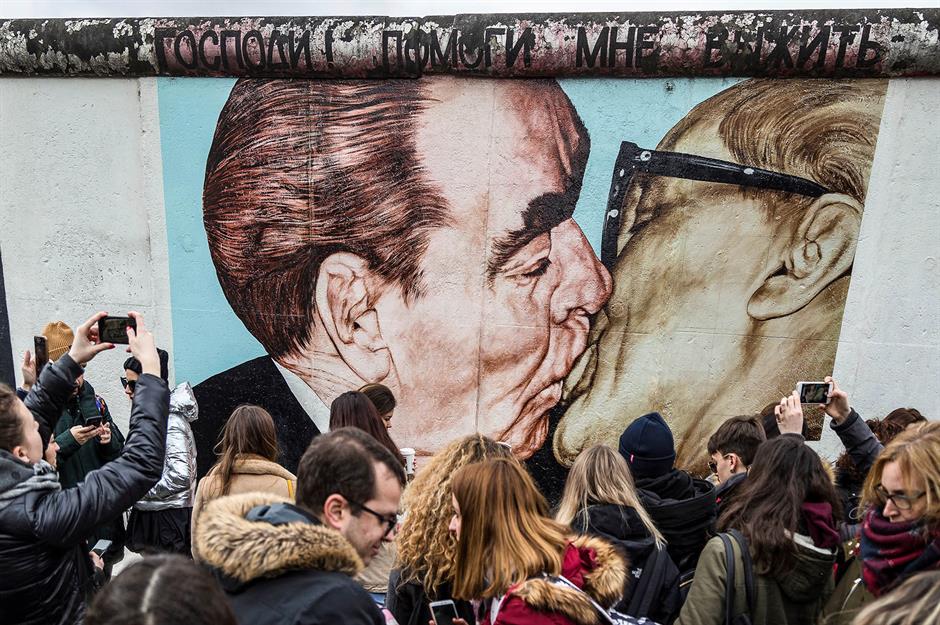
In 2024, Berlin welcomed nearly 13 million tourists versus a population of 3.8 million. The visitors to locals ratio isn't as pronounced as it is elsewhere, but overtourism is a big issue in particular pockets of the German capital.
Residents in the popular neighbourhoods of Kreuzberg, Friedrichshain and Neukölln complain of increased noise, litter and – that perennial overtourism problem – displacement by short-term holiday rentals. Responses include a limit on short-term rentals, improved infrastructure and marketing campaigns for areas around the capital.
Málaga, Spain
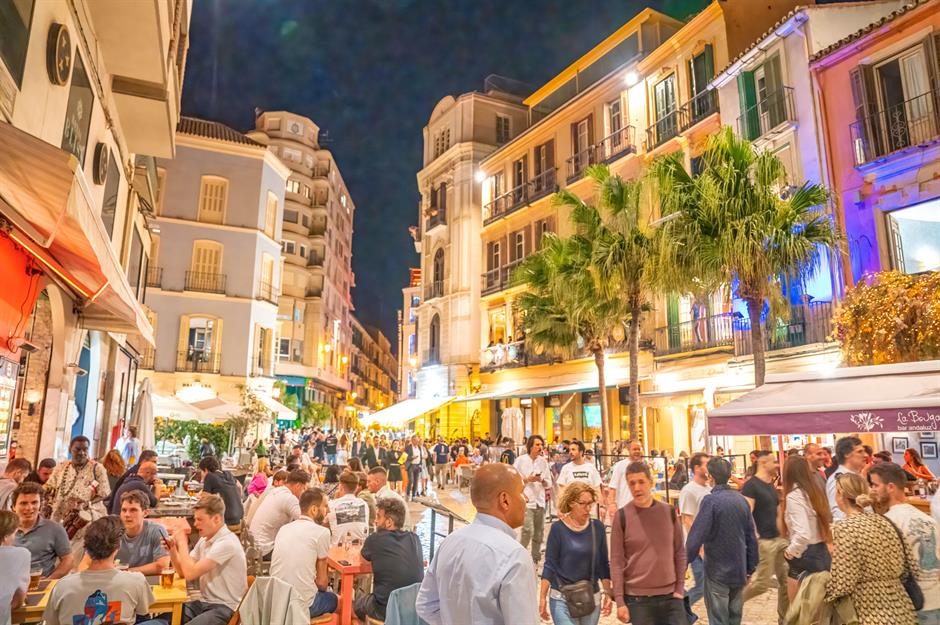
Another Spanish city with a grave overtourism problem, parts of Málaga have the highest proportion of Airbnb properties in Spain (according to a study in El Pais newspaper). Overcrowding and disrespectful tourist behaviour have also helped cause widespread outrage among residents, and locals staged mass protests through the summer of 2024. "People feel like the city is collapsing," a local activist told the BBC.
Starting in January 2025, city authorities froze new holiday rental registrations in 43 districts for three years. An online and billboard campaign is urging visitors to keep the city clean, keep bikes and scooters off the pavement, not play loud music and keep their clothes on in public.
Capri, Italy
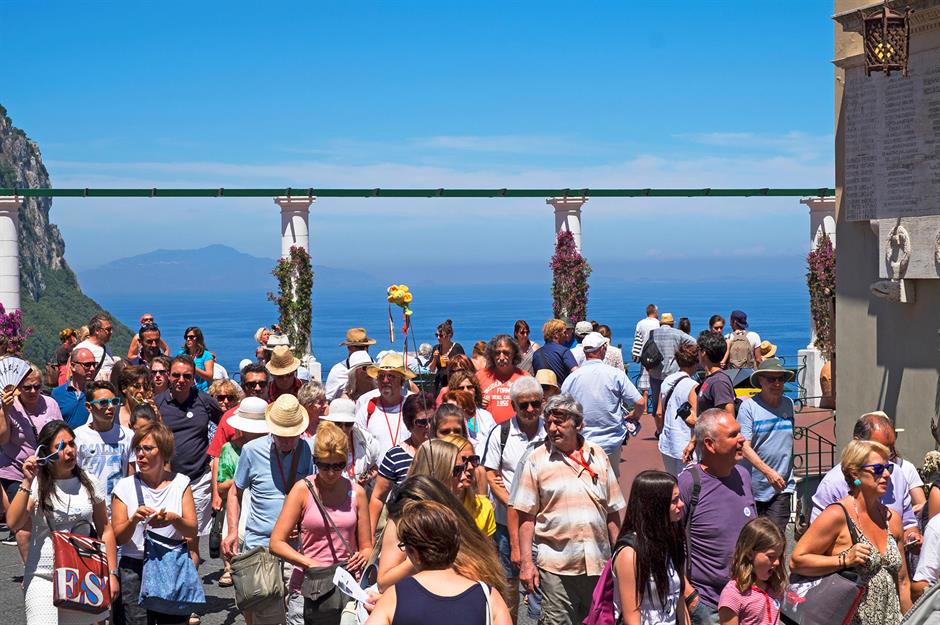
The beautiful island of Capri, famed for its white villas and cove-studded coastline, is home to only around 13,000 permanent residents but in the summer months they are swamped by tourists with up to 16,000 visiting every day. In addition to causing uncomfortably crowded conditions for locals, tourist boats are also causing damage to Capri’s lovely coastline.
In a bid to prevent this, the local council has proposed a barrier of buoys to stop boats sailing too close to the shore.
Sponsored Content
Santorini, Greece
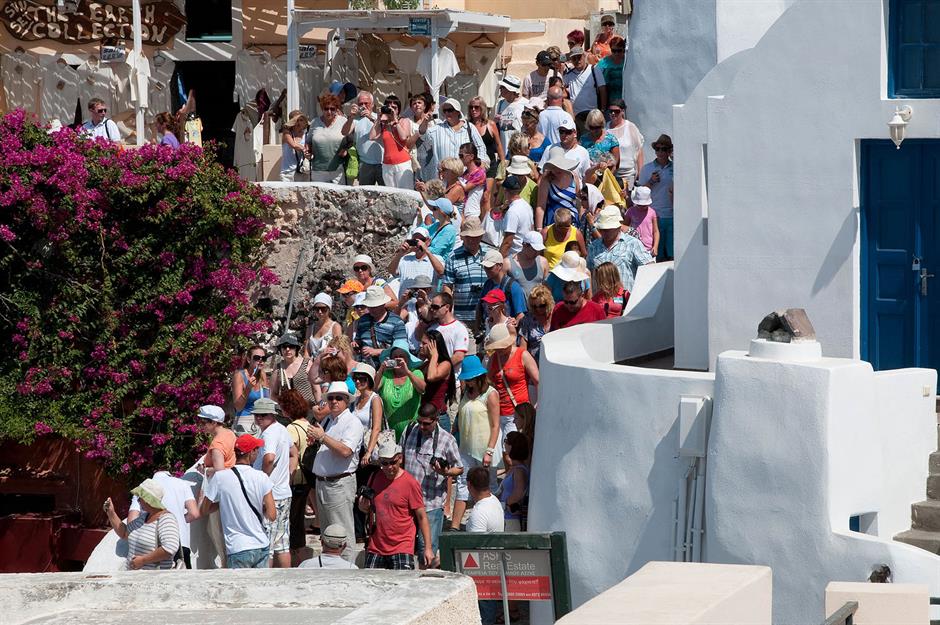
Santorini, one of Greece’s most visited islands, is another spot where tourists vastly outnumber residents in peak months. A local councillor caused fury in July 2024 when he posted on social media advising locals to stay indoors to facilitate 17,000 cruise ship visitors.
Concerns have also been raised about tourist-orientated building projects that would damage the island’s historical landscape and natural surroundings. There are now plans to impose a €20 (£17/$23) levy on cruise ship visitors and ban building in the caldera zone of Santorini.
Paris, France
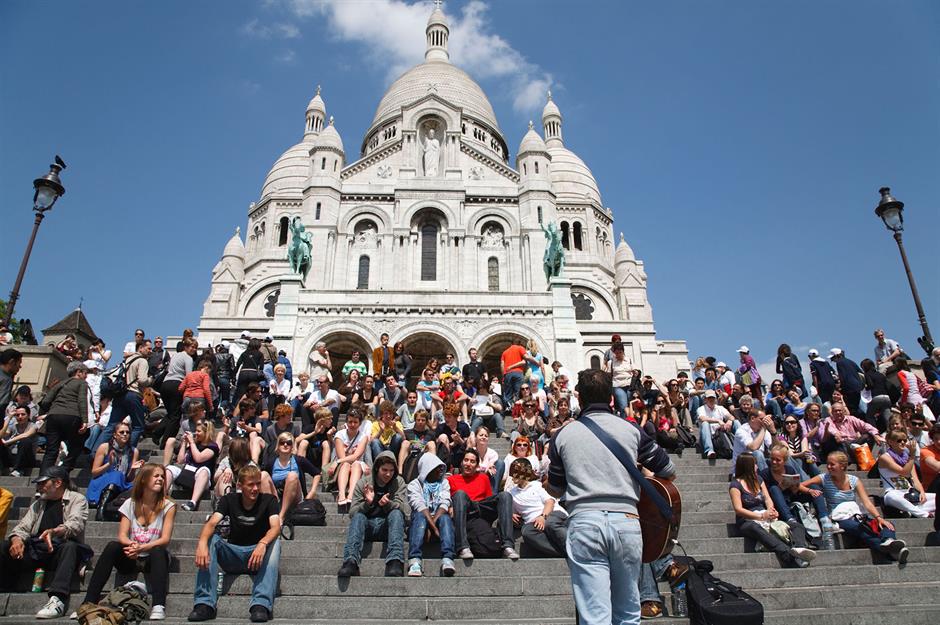
Paris is the most visited city in Europe, with close to 50 million visitors squeezing into the City of Light each year. Catching a glimpse of the Mona Lisa at the Louvre is akin to shuffling in a football crowd, and visiting the Eiffel Tower may see you queuing for hours.
The residents of Montmartre, home to the iconic Sacré-Cœur, are up in arms. They say the historic area now resembles a theme park, while the Vivre à Montmartre association is proposing limiting tour groups to 25 people, banning loudspeakers and increasing the tourist tax.
Undervisited European cities to see instead
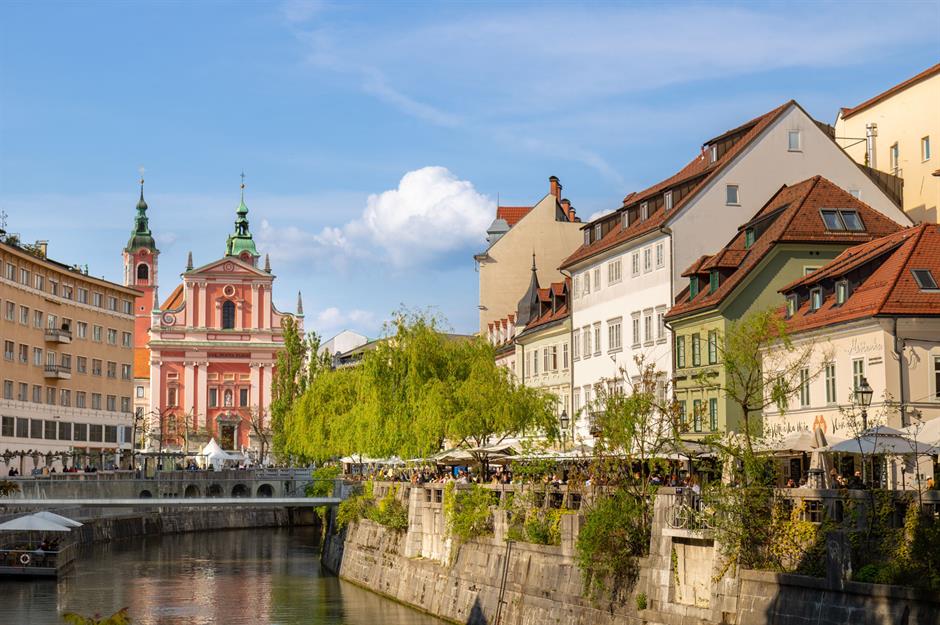
Given the large number of overtouristed European cities, you might be wondering where you can escape the crowds and expect a warmer welcome from locals who haven't tired of the constant influx. Comparatively undertouristed city breaks include the Slovenian capital of Ljubljana (pictured), Trieste in Italy, the Portuguese city of Guimaraes and Belfast in Northern Ireland.
You may also want to look into visiting Czechia's Brno, the Hague in the Netherlands, England's Bristol and the French city of Lyon.
Now discover the world's best-known tourist attractions ruined by commercialisation