The most amazing photos of 1970s America
A decade to remember
The 1970s was a fascinating decade in American history. It's remembered for the resignation of President Nixon in the wake of the Watergate Scandal, the longest winning streak in competitive American sports and the end of the Vietnam War. Tech giants Apple and Microsoft were founded, Elvis Presley died, and some memorable classic cars were released. There was the Roe v. Wade Supreme Court ruling on abortion and the release of some of the most seminal films in cinematic history, including The Godfather, Star Wars and The Exorcist. It had everything, including flared trousers.
Read on to see some incredible photos of 1970s America...
1970: Kansas City Chiefs win the first Super Bowl of the 1970s
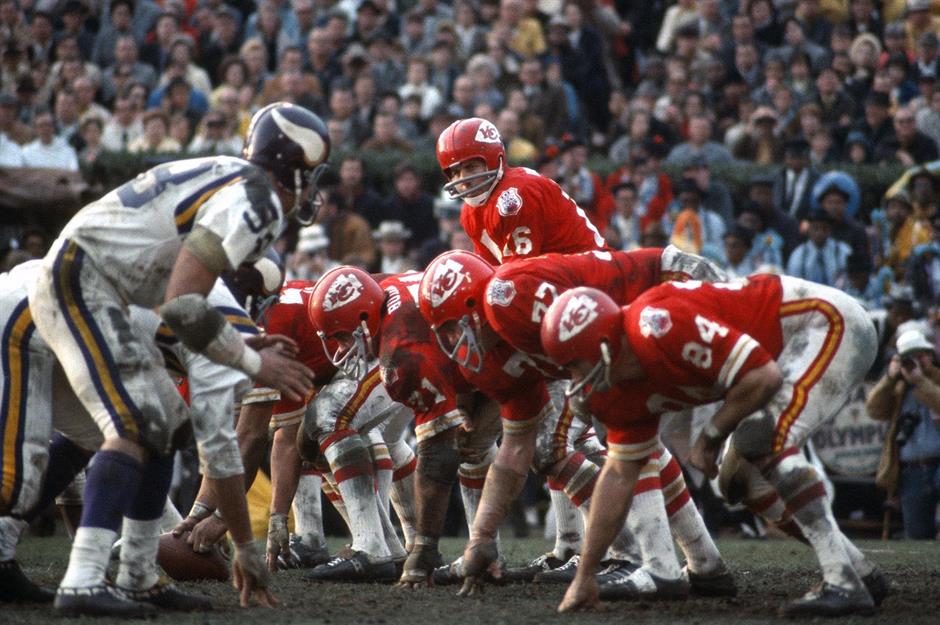
The Kansas City Chiefs won the first Super Bowl of the 1970s. They participated in the game as the winners of the American Football League (AFL). Super Bowl IV was contested on January 11, 1970, at the Tulane Stadium in New Orleans, Louisiana. It ended with a 23-7 Chiefs victory over the Minnesota Vikings. The New Christy Minstrels performed during the half-time show.
The year 1970 was a notable one for football, as the AFL merged with the National Football League (NFL).
1970: Ford Galaxie, the year's best-selling car
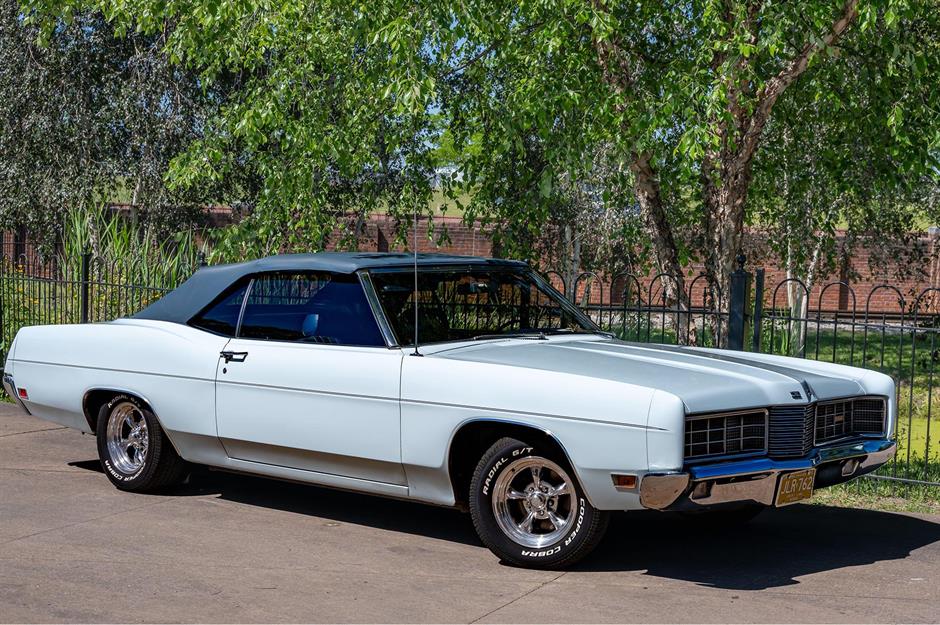
Many of the cars on US roads in the 1970s were significantly larger than those being driven today. The Ford Galaxie was the best-selling automobile of 1970. It's seen here at The Henry Ford Motor Muster car show in Greenfield Village, Michigan.
The Chevrolet Impala, Cadillac Coupe de Ville and Oldsmobile Cutlass were some of the other best-selling vehicles. It's fair to say they were a little less aerodynamic than the cars coming off production lines today.
Sponsored Content
1970: Jimi Hendrix performs at a concert in Berkeley, California
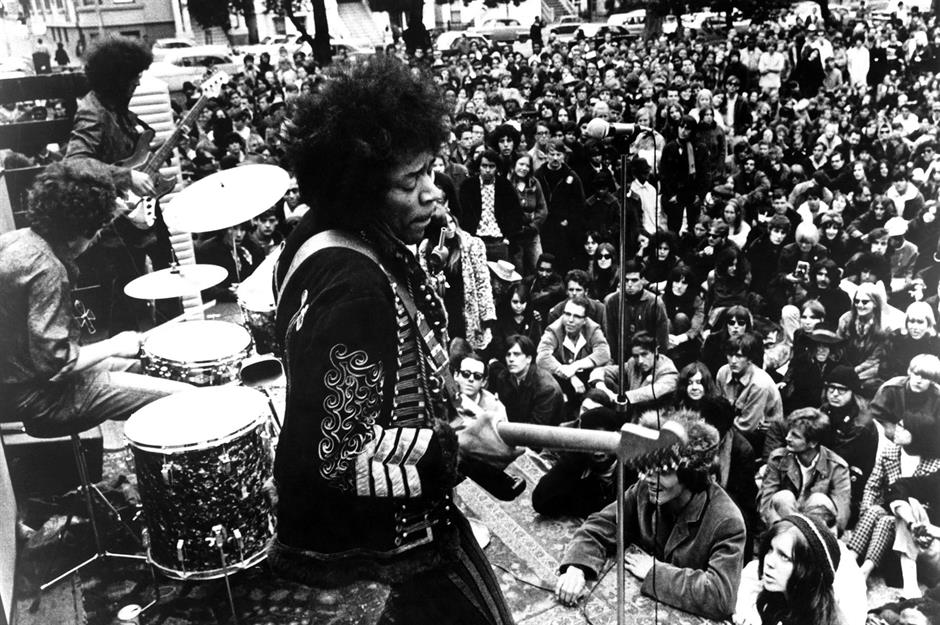
Musician Jimi Hendrix is seen here performing in 1970 during a concert in Berkeley, California. Hendrix’s final tour, The Cry of Love Tour, began in Inglewood, California.
Hendrix died of a drug overdose, aged just 27, on September 18, 1970. Jim Morrison, the frontman of The Doors, also died in 1970 aged 27. So too did the Texas-born singer-songwriter Janis Joplin, who passed away on October 4 following a heroin overdose.
1970: The EPA's first Administrator, William Ruckelshaus, takes the oath of office
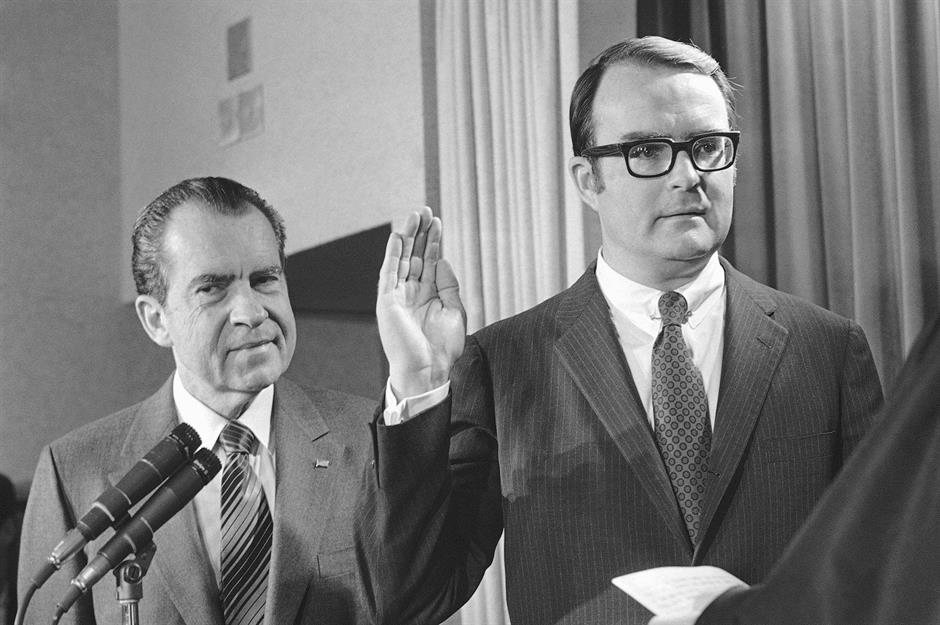
Concerns about the environment are nothing new. Deteriorations in the standard of drinking water and the air quality in cities were two of the factors that acted as catalysts to the establishment of the US Environmental Protection Agency (EPA).
It was set up on December 2, 1970, after President Richard Nixon had sent Congress plans to form the EPA to consolidate and improve the federal government’s handling of environmental issues. William Ruckelshaus, the EPA’s first Administrator, took the oath of office two days later.
1971: Test driving the world’s first Moon Buggy
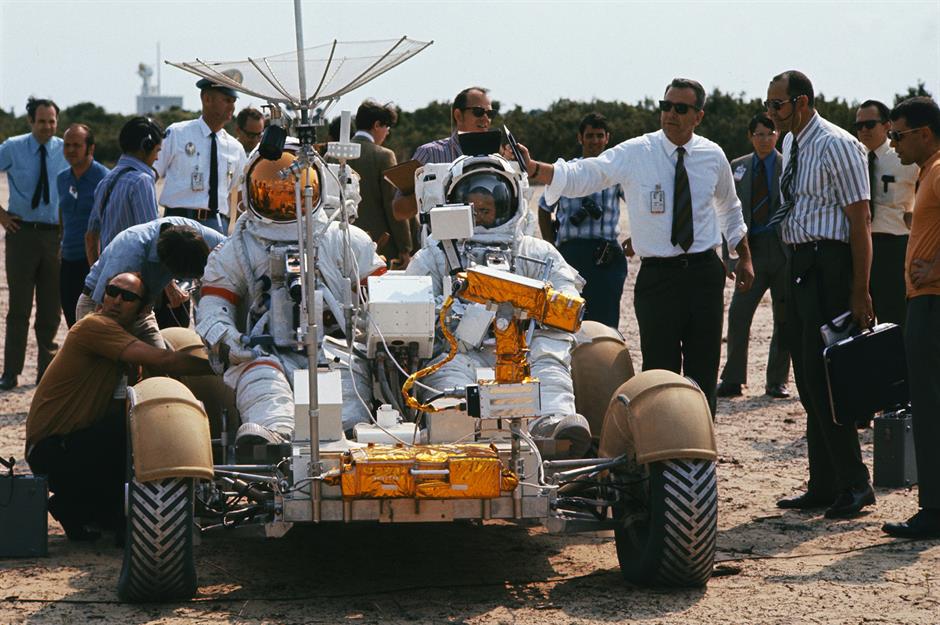
Lunar Roving Vehicles (LVR) were battery-powered vehicles developed by Boeing to help astronauts to bounce around the surface of the moon, collecting samples and returning with them to their command module. They were successfully deployed on the Apollo 15,16 and 17 missions and were quickly dubbed ‘moon buggies.’
Here we see Apollo 15 astronauts James B. Irwin and David R. Scott test driving a LVR at the Kennedy Space Center, just months before they drove the final model on the moon for the very first time on July 31, 1971.
Sponsored Content
1971: The 'Nixon Shock' suspends the convertibility of the dollar to gold
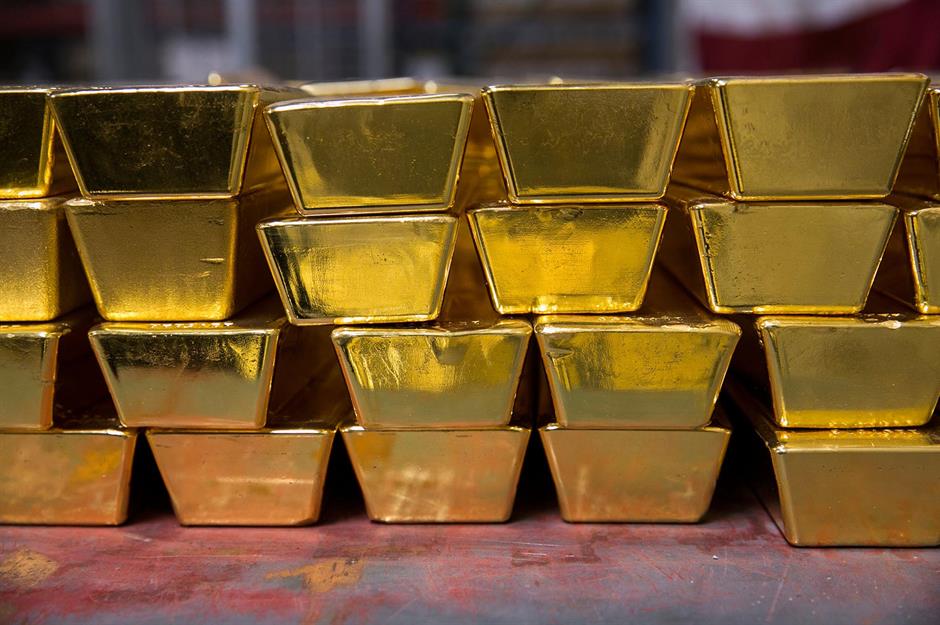
At the beginning of the 1970s it was possible to convert US dollars into gold. By the end of the decade that was no longer the case. In August 1971 President Nixon suspended the convertibility of the dollar to gold, in an announcement that became known as the ‘Nixon Shock.’
It was part of a policy to lower inflation, foster job creation and stabilise exchange rates.
1971: Walt Disney World opens for business
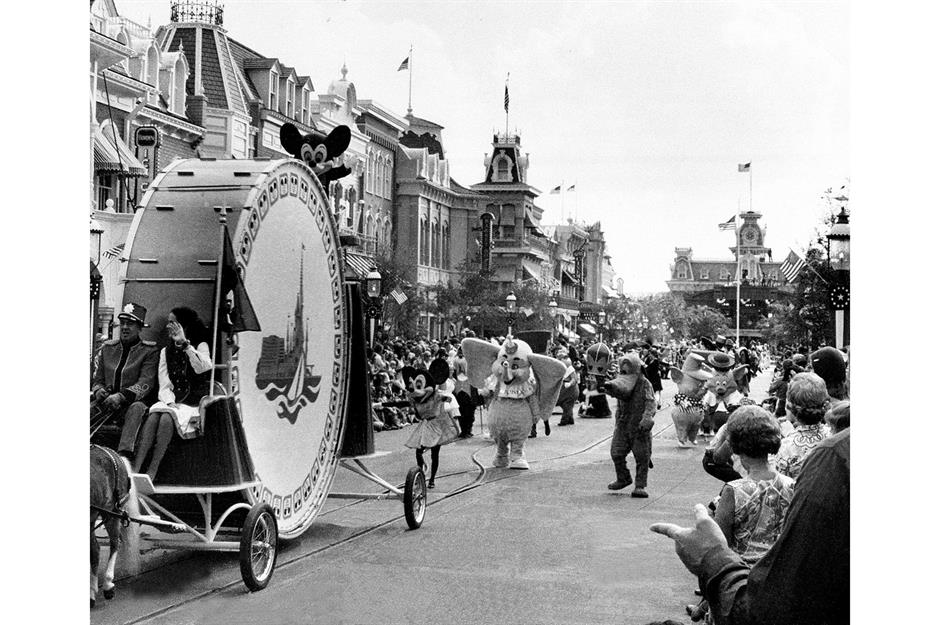
Walt Disney World opened on October 1, 1971, near Orlando, Florida, 16 years after the original Disneyland Resort became operational in Anaheim, California. The resort in Florida was built across 28,000 acres of land.
Approximately 10,000 people were present on Walt Disney World’s opening day. In 2023 it was the most-visited theme park in the world (Magic Kingdom), attracting more than 17.7 million visitors.
1971/1972: The Los Angeles Lakers go on the longest winning streak
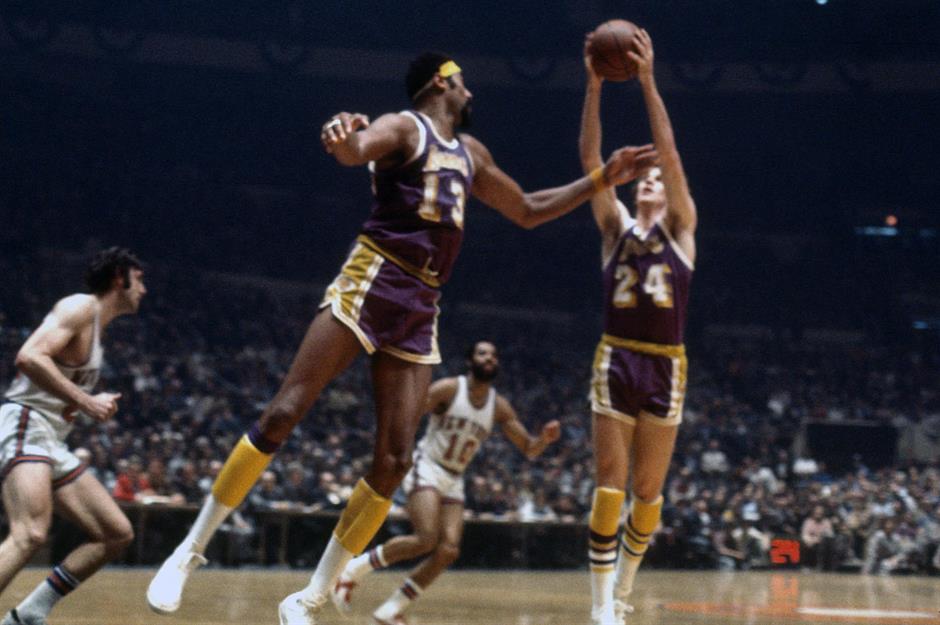
On November 5, 1971, the Los Angeles Lakers beat the Baltimore Bullets 110-106 in a National Basketball Association (NBA) game. It was the start of a 33-game winning streak that redefined the most wins in a row in both the NBA and American professional sports.
The run of consecutive victories came to an end against the Milwaukee Bucks on January 9, 1972. The Lakers went on to become the 1971-72 NBA champions, one of three championships for the LA-based franchise in the 1970s.
Sponsored Content
1972: Vice President Spiro Agnew and President Richard Nixon smile at the Republican Party convention
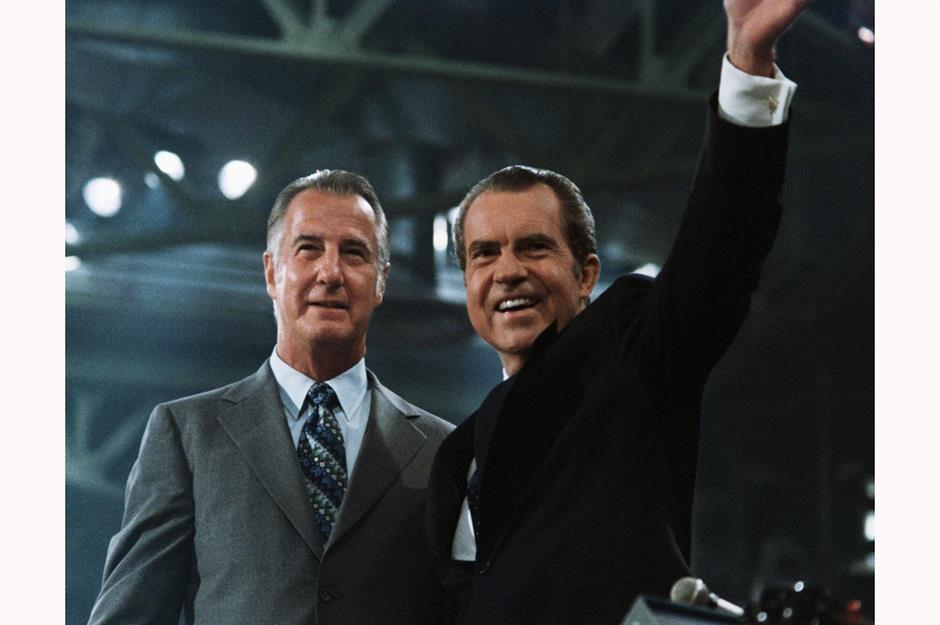
Richard Milhous Nixon served as the 37th President of the United States from 1969 to 1974. His running mate for office was Spiro Agnew, who served as Vice President from 1969 until October 1973.
Both men are seen here following their re-nomination as the Republican candidates at the party’s 1972 convention. They left their respective offices shrouded in controversy, as we’ll see in due course.
1972: Famous faces out in force at The Godfather premiere
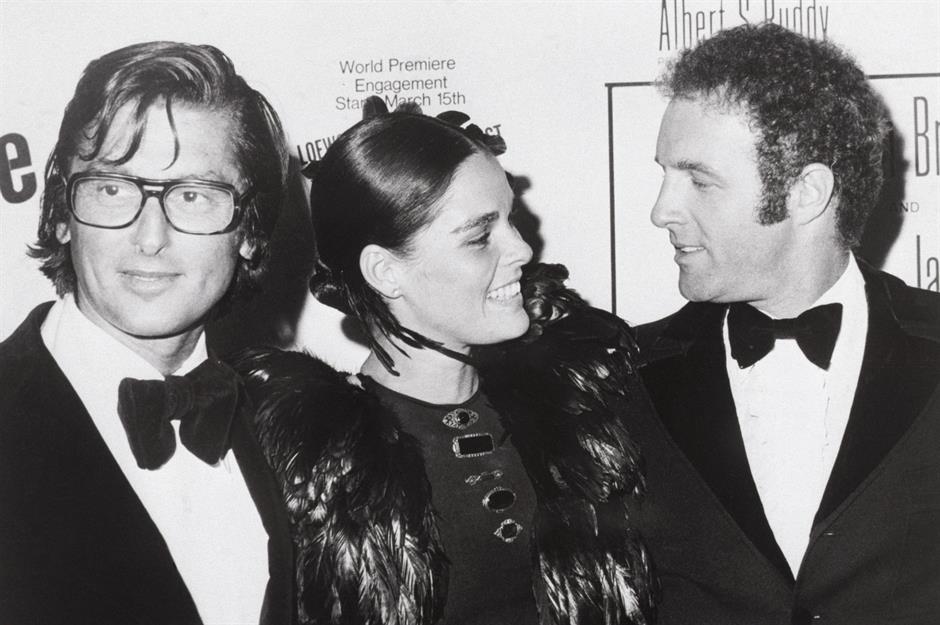
Film producer Robert Evans and his wife, actor Ali MacGraw, appear at the premiere party for The Godfather alongside one of the stars James Caan (right). Directed by Francis Ford Coppola, the movie was both a box office and critical success following its 1972 release.
Based on the novel of the same name by Mario Puzo, the film’s 1974 sequel, The Godfather Part II, won six Academy Awards – three more than the original movie.
1972: Construction of the World Trade Center is completed
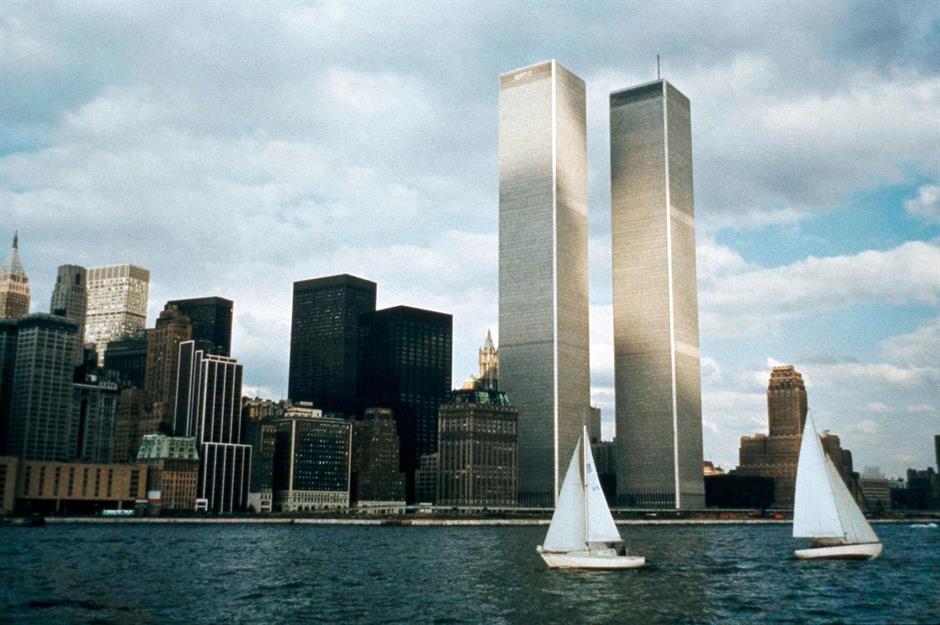
During the 1970s, the twin towers of the World Trade Center dominated New York City's skyline. Designed by the architect Minoru Yamasaki, construction of the building complex in Manhattan began in 1966.
Building of the 110-storey twin towers was completed in 1972 with One World Trade Center reaching a height of 1,368 feet (417m). For a short time, it was the world’s tallest building. The centre was opened officially in April 1973.
Sponsored Content
1972: The funeral of legendary baseball player Jackie Robinson
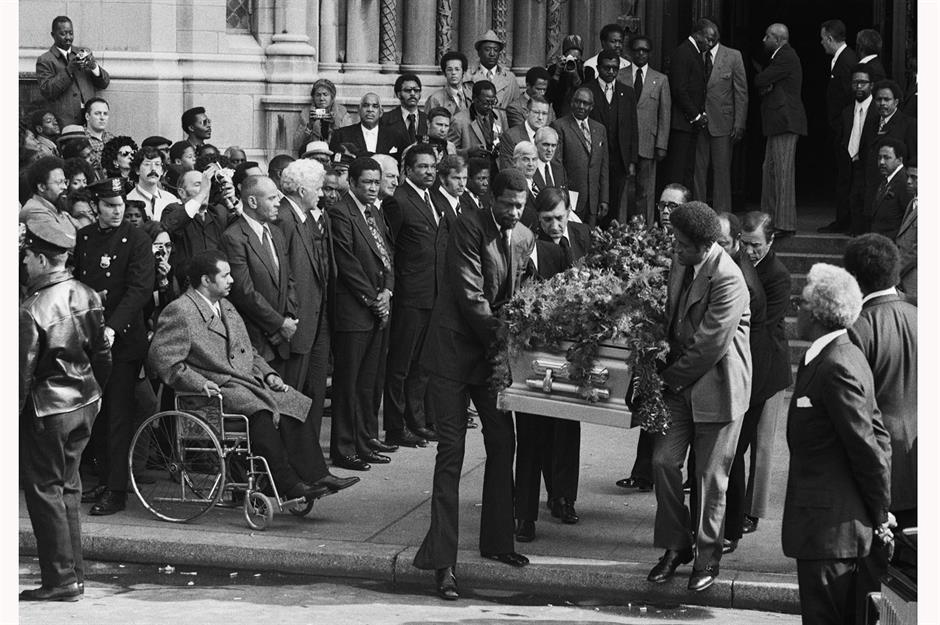
Jackie Robinson is remembered as the player who broke baseball’s color barrier. At a time when segregation was still part of life in the US, Robinson became the first African American to play in either the American or National League.
His debut for the Brooklyn Dodgers was on 15 April 1947. Each year that date is celebrated in baseball as Jackie Robinson Day. Numerous stars of sport attended Robinson’s funeral, in New York City, on October 27, 1972.
1973: The US Supreme Court rules on Roe v. Wade
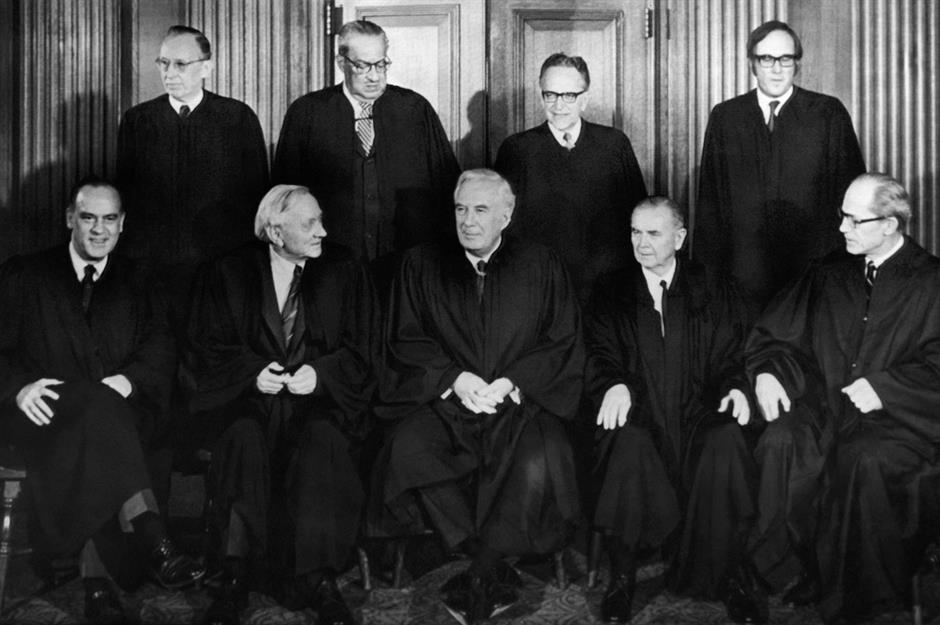
The Roe v. Wade case was first argued in the US Supreme Court on December 13, 1971, before being reargued on October 11, 1972. Under the pseudonym Jane Roe, Norma McCorvey brought a class action challenging the constitutionality of the laws in Texas, which made it illegal to have an abortion except when attempting to save the mother’s life.
Henry Wade, the District Attorney for Dallas County, defended the state’s anti-abortion law. On appeal, on January 22, 1973, the Supreme Court ruled seven to two that governments could not prohibit abortions. It was a landmark ruling for women’s rights.
1973: 'The Battle of the Sexes' tennis match
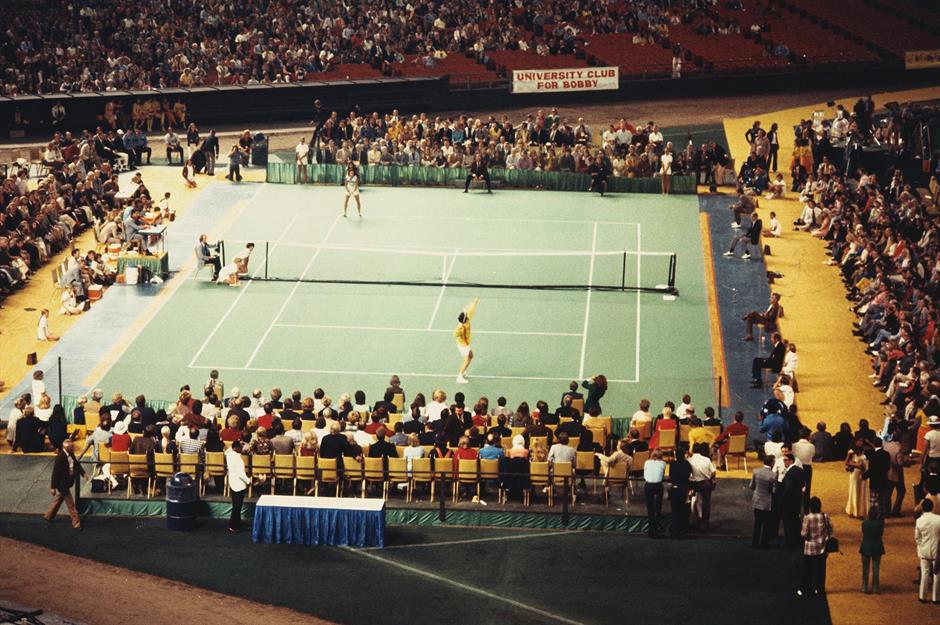
The tennis match known as ‘The Battle of the Sexes’ took place in the Houston Astrodome on September 20, 1973, in front of 30,000 spectators. It attracted 50 million television viewers in the US. The much-publicised game was between 55-year-old Bobby Riggs, a former men’s world number one, and Billie Jean King, an advocate of gender equality and one of the greatest tennis players of all time.
King won in straight sets, 6-4, 6-3, 6-3, and took the $100,000 prize. The game was an important step in the battle for equality during the 1970s.
Sponsored Content
1973/1974: The Oil Crisis causes fuel shortages and gasoline price rises
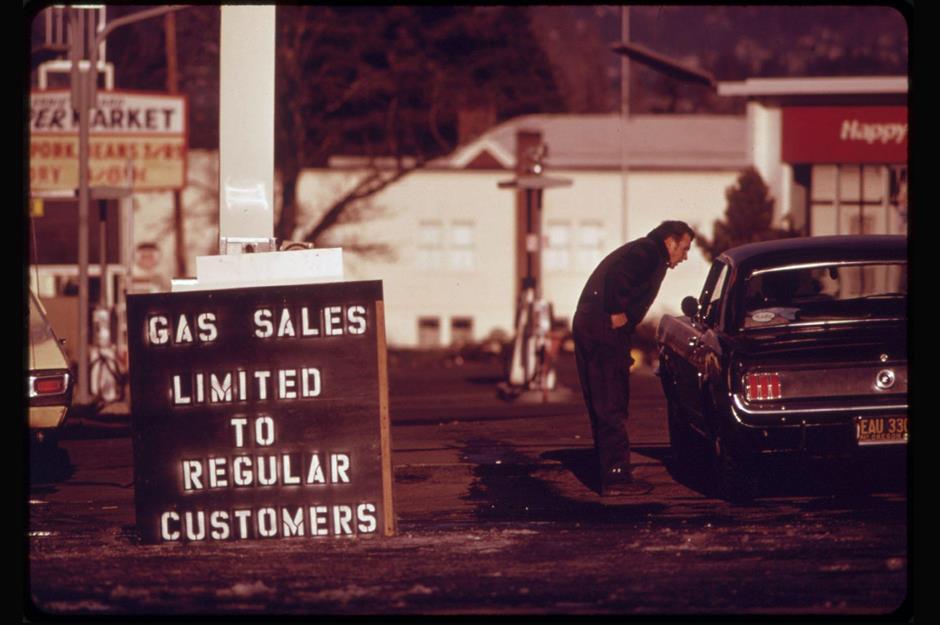
The Organization of Arab Petroleum Exporting Countries (OAPEC) oil embargo on the United States caused sharp rises in the price of gasoline and heating oil. Fuel shortages became widespread. Known as the Oil Shock or Oil Crisis in the US, the event prompted the national speed limit to be lowered to 89km/h and for daylight saving time to be introduced in January 1974.
The episode had far-reaching effects on the global economy.
1974: Henry "Hammerin' Hank" Aaron breaks Babe Ruth's home run record
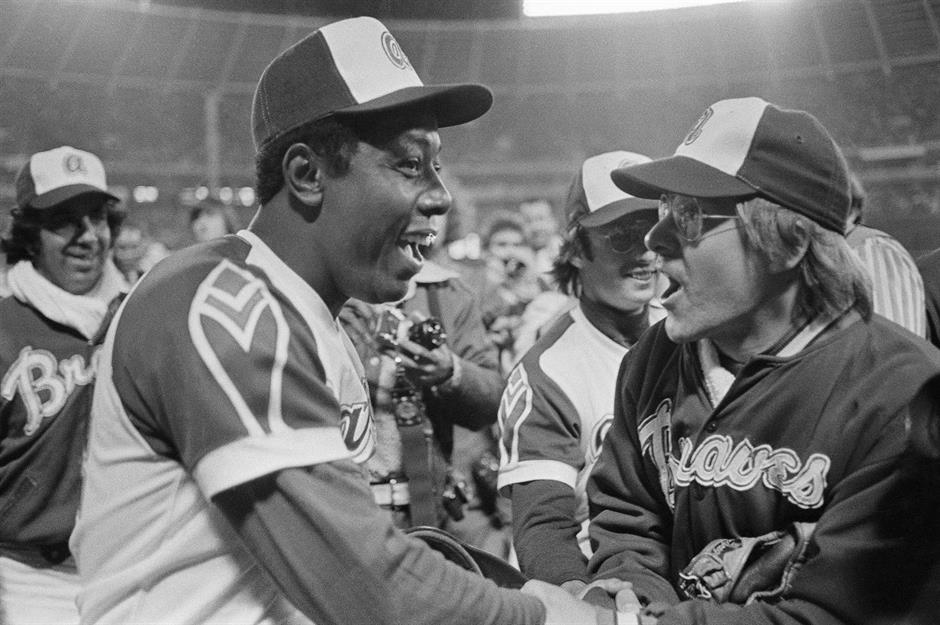
On April 8, 1974, Henry “Hammerin’ Hank” Aaron hit a home run playing for the Atlanta Braves against the Los Angeles Dodgers at a sell-out Atlanta-Fulton County Stadium.
It was his 715th in Major League Baseball and, significantly, the hit that took him past Babe Ruth’s mark to become the record scorer of home runs. Aaron was inducted into the National Baseball Hall of Fame in 1982.
1974: President Richard M. Nixon resigns
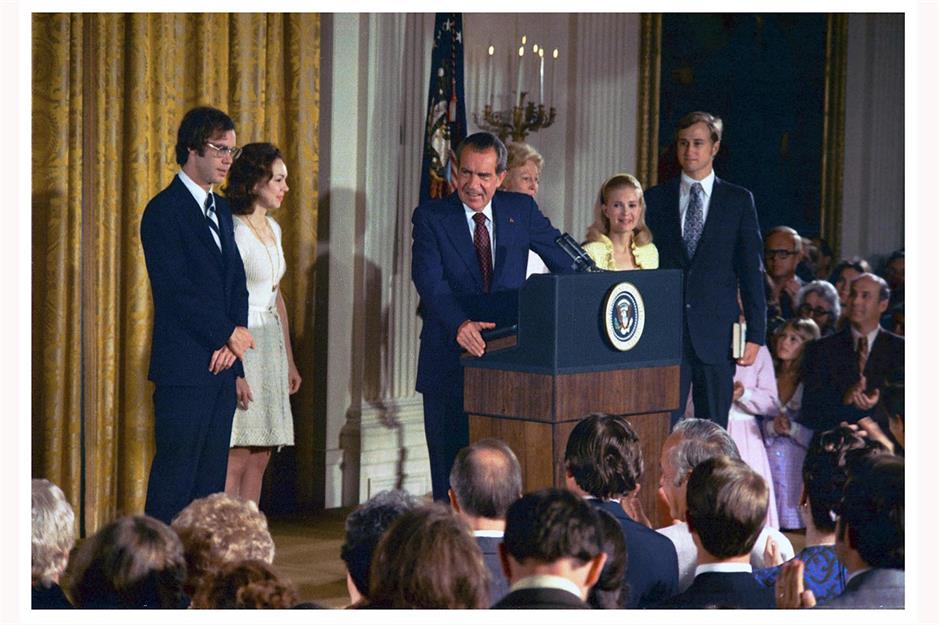
On August 8, 1974, Richard M. Nixon announced his resignation from the office of President of the United States. Days earlier it had become public knowledge, from taped conversations, that President Nixon had known about a politically motivated burglary in 1972 soon after it occurred at the Democratic National Committee headquarters in the Watergate Office Building and sanctioned a cover-up.
The Watergate controversy resulted in steps to impeach Nixon, who is the only US President to resign from office.
Sponsored Content
1974: Gerald Ford becomes the 38th President of the United States
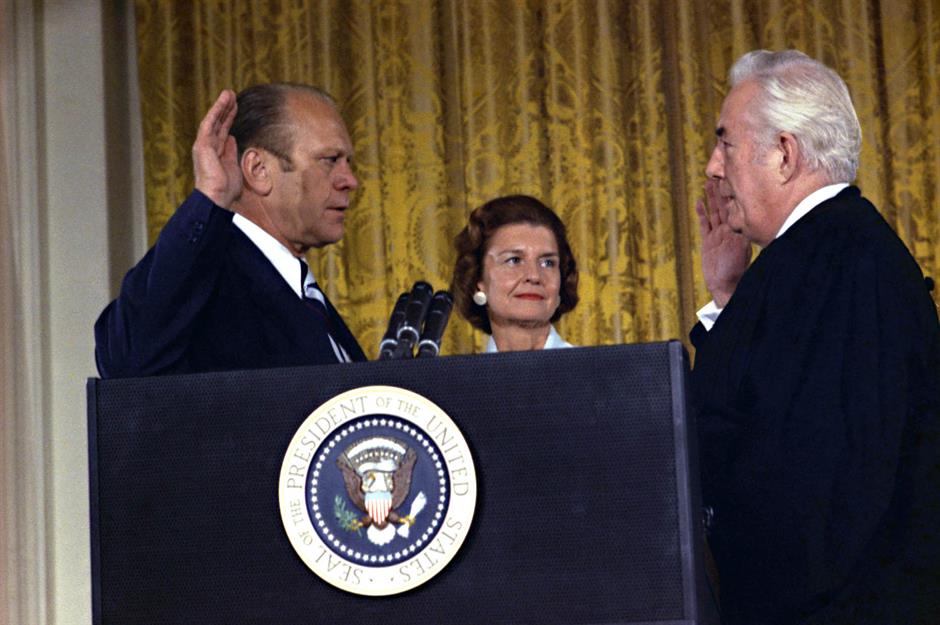
Following President Nixon's resignation, the Vice President of the United States, Gerald Ford, took the oath of office to become the country's 38th President. He did so on August 9, 1974, in front of Supreme Court Chief Justice Warren E. Burger in the East Room of the White House.
Ford also became Vice President after the resignation of Spiro Agnew and is the only person to assume that role as well as the office of president without winning an election for either.
1975: Steven Spielberg’s ‘Jaws’ terrifies cinema-goers
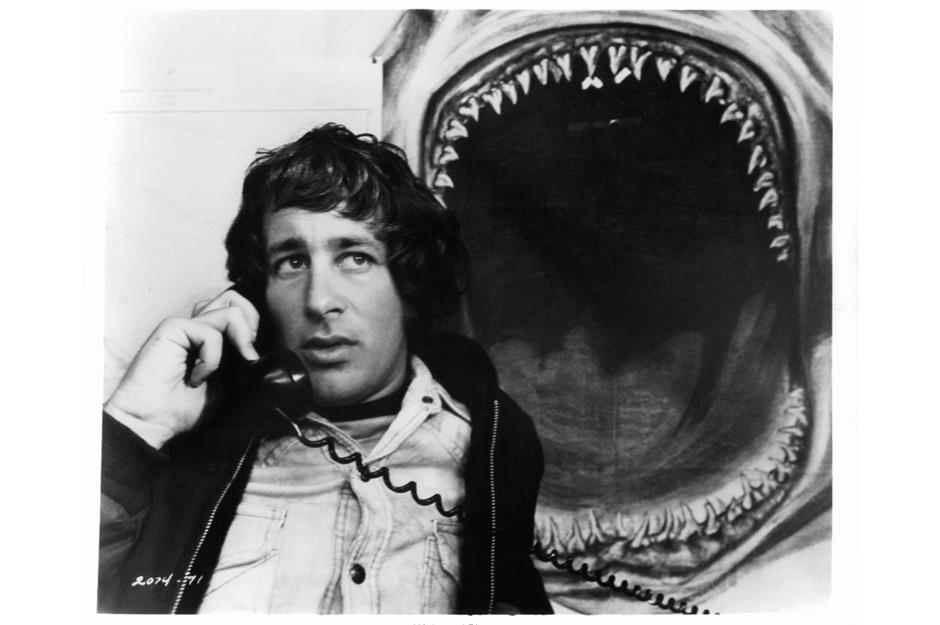
Steven Spielberg’s movie Jaws is credited as the first summer blockbuster, bringing people to the cinema at a time of year that movie studios had previously used to release the movies they held little hope for.
Here we see Spielberg on set in 1975. The movie would go on to smash the previously unobtainable 100-million-dollar mark at the box office and herald Spielberg as one of the industry’s most successful ever directors. It also changed the way the world thought about swimming in the ocean...
1975: George Carlin is the first host of the show that would become Saturday Night Live
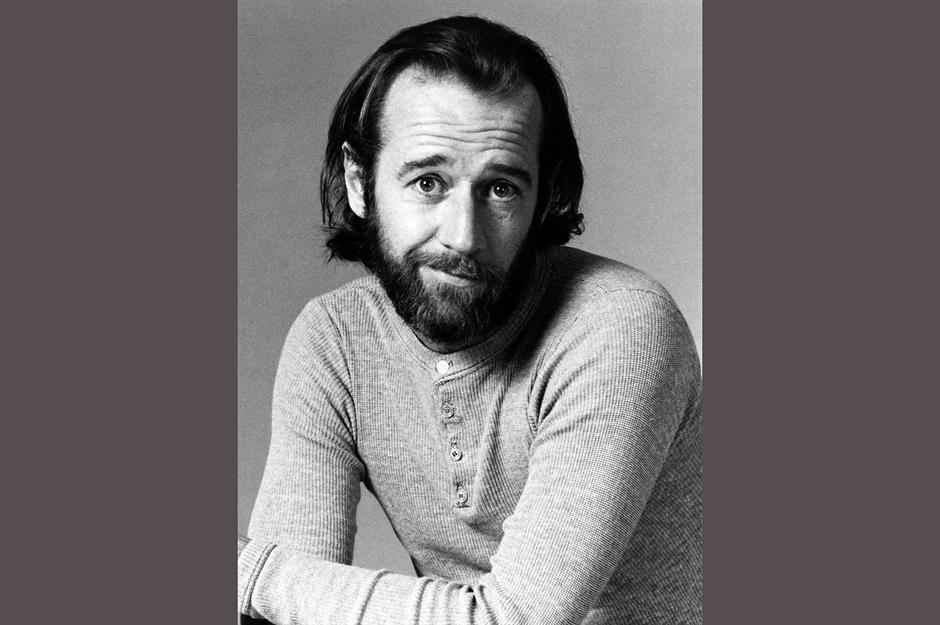
Stand-up comedian George Carlin was the host of NBC’s Saturday Night when the show was broadcast on October 11, 1975. It was the first episode of the first season of the program that would become known as Saturday Night Live.
That title was not used at the outset because ABC had a show known as Saturday Night Live with Howard Cosell. The popular show’s title is often shortened to the acronym SNL.
Sponsored Content
1976: Apple Computer Company founded in California
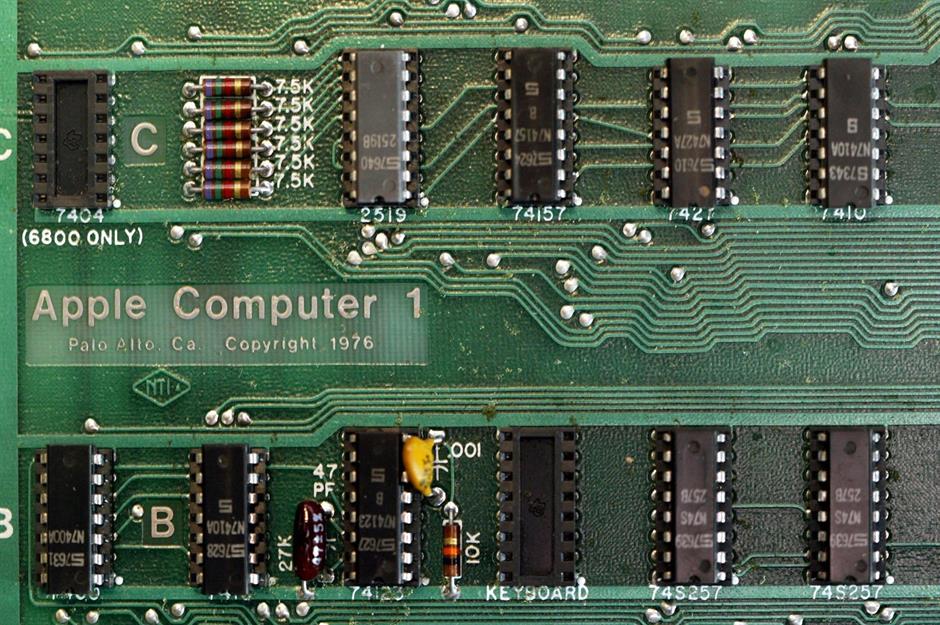
On April 1, 1976, Steve Jobs, Steve Wozniak and Ronald Wayne founded the Apple Computer Company in Los Altos, California. Wayne withdrew 12 days later and sold his shares for $800.
The company’s first product was the Apple I computer, whose motherboard can be seen here. The success of the Apple II, launched in 1977, was a key factor in revolutionising personal computing in the years that followed.
1976: The US celebrates 200 years of independence
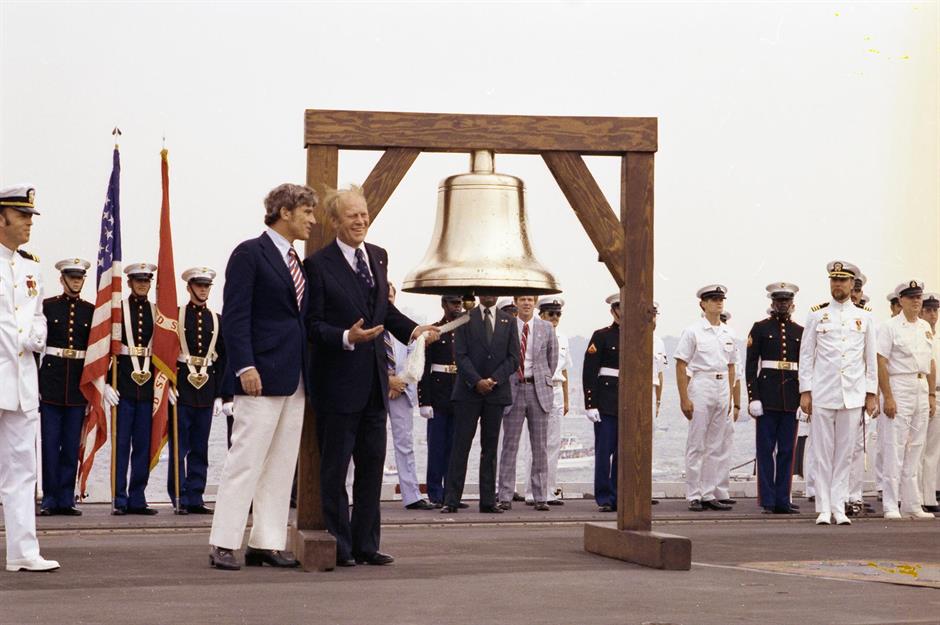
On July 4, 1976, President Gerald R. Ford stood next to Senator John Warner and rang a shining ceremonial bell on the deck of the aircraft carrier USS Forrestal during an international naval review and as part of the United States Bicentennial celebrations.
Independence Day of that year marked 200 years since two would-be presidents, Thomas Jefferson and John Adams, signed the Declaration of Independence, along with 54 other people in a bid to be free of British rule.
1977: Jimmy Carter sworn in as the 39th President of the United States
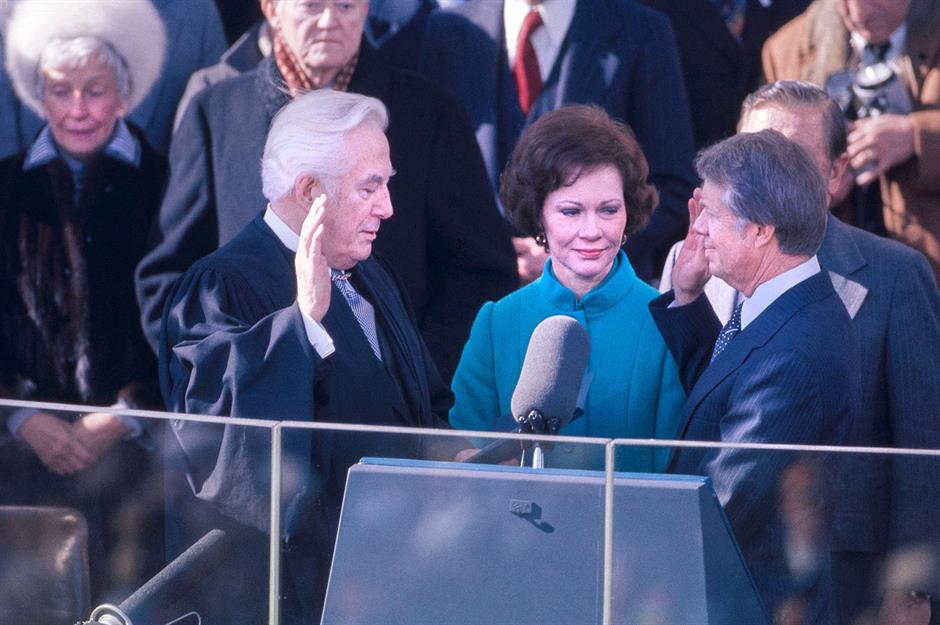
On January 20, 1977, Chief Justice Warren E. Burger led the swearing-in of the 39th President of the United States of America on the East Portico of the US Capitol in Washington DC.
Seen here with his wife Rosalynn, Jimmy Carter was a member of the Democratic Party and had served as both a senator and the governor of Georgia. A day later, Carter issued Proclamation 4483, an executive order pardoning draft evasion during the Vietnam War.
Sponsored Content
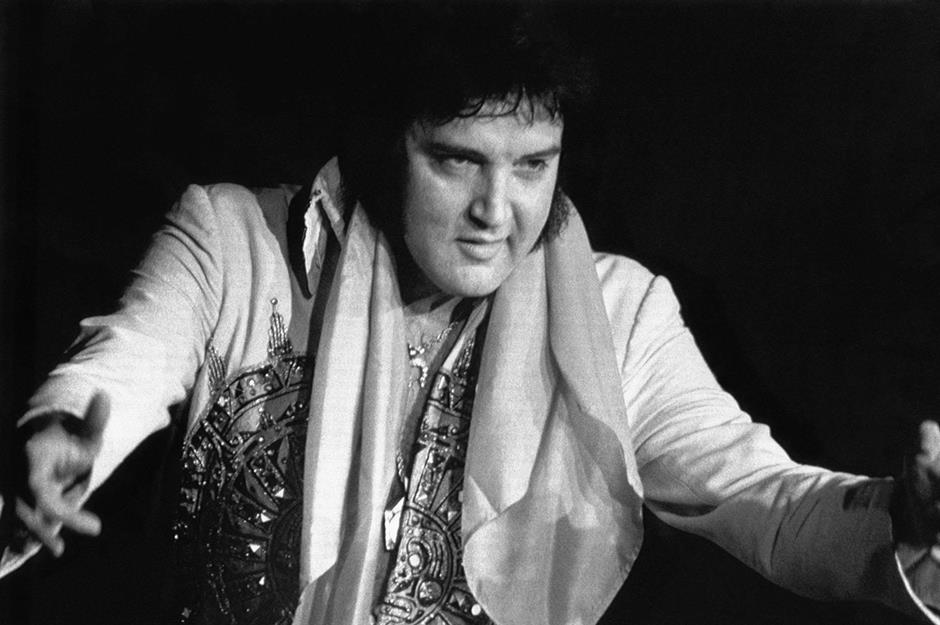
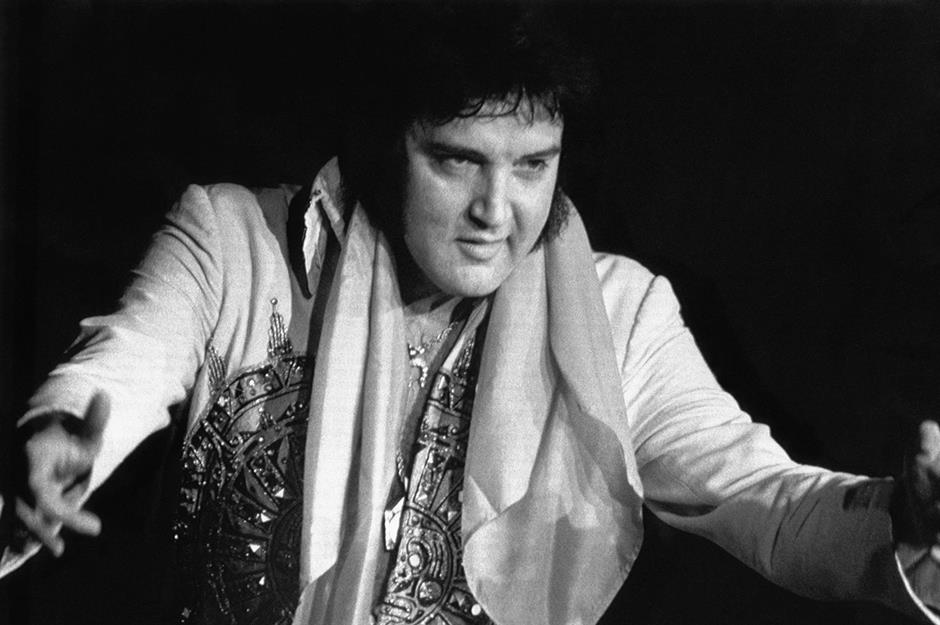
1977: Elvis Presley performs less than two months before his death
1977: Reggie Jackson wins the World Series with the New York Yankees
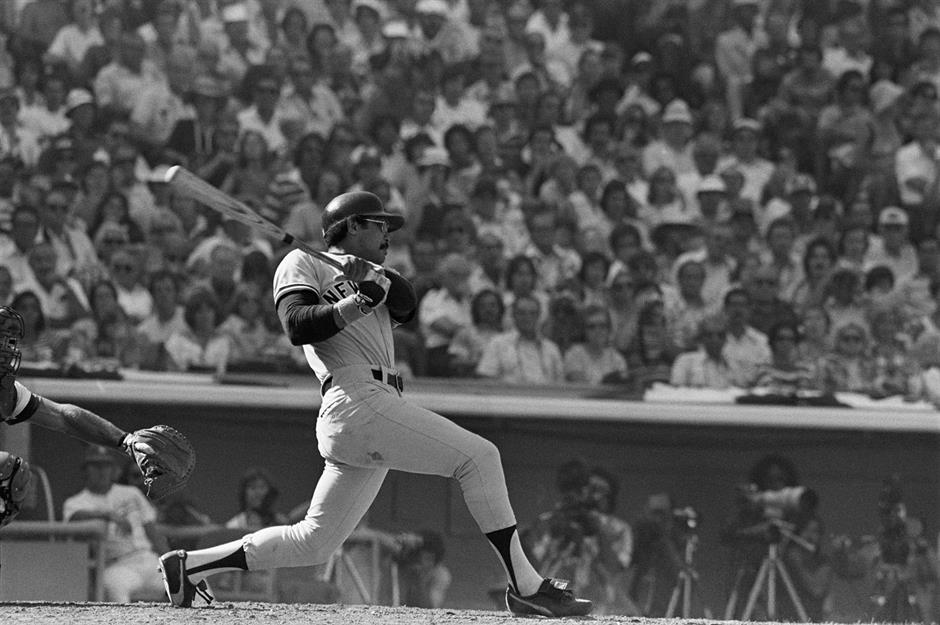
The New York Yankees won baseball's 1977 World Series. Reggie Jackson was named its Most Valuable Player, hitting five home runs in the six-game series against the Los Angeles Dodgers played between the 11th and 18th of October.
Three of those home runs came in the sixth and final game. Jackson was no stranger to strong post-season performances and that won him the nickname of Mr October and, in 1993, a place in the National Baseball Hall of Fame.
1978: Disco music has its moment in New York City
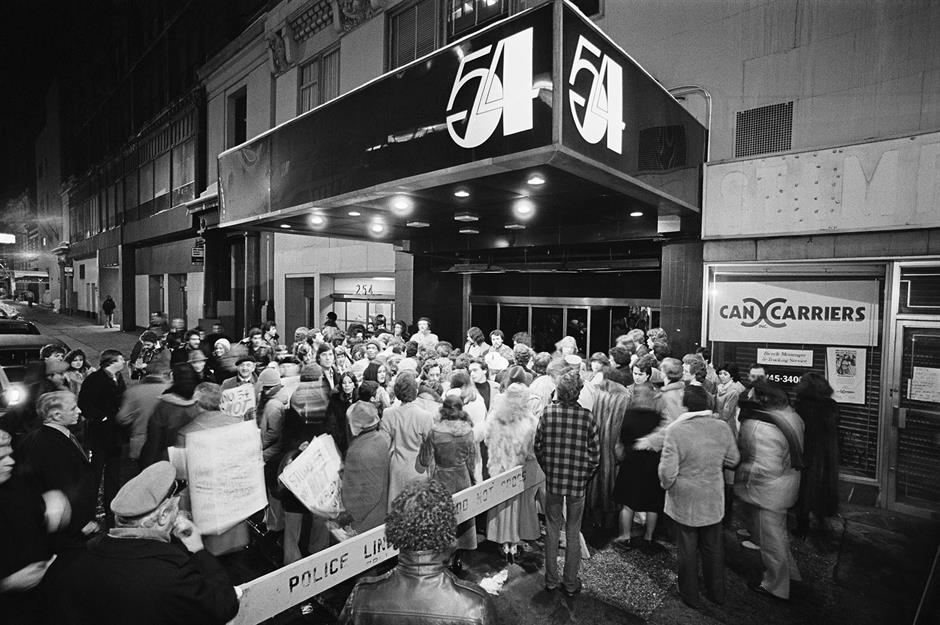
The popularity of disco music boomed during the late 1970s. Thanks to its rhythmic beats, disco was ideal for dancing and was embraced by DJs. Gloria Gaynor’s 1974 song Never Can Say Goodbye is credited as the genre’s first hit mixed for play in clubs and discotheques.
The nightclub Studio 54 operated in New York City from April 1977 until 1980. Celebrities and members of the elite (in)famously socialised at the club in Midtown Manhattan.
Sponsored Content
1978: An invasion from space

Technological advancements during the 1970s were a factor in the growth of the popularity of arcade games. Space Invaders, created by the Japanese corporation Taito, became the game to play after its release in 1978.
It was the first game in which aliens fired weapons and the first that had sufficient memory to save high scores. People flocked to arcades to experience the phenomenon, aiming to set new high scores.
1978: Star Wars stars at the 50th Academy Awards
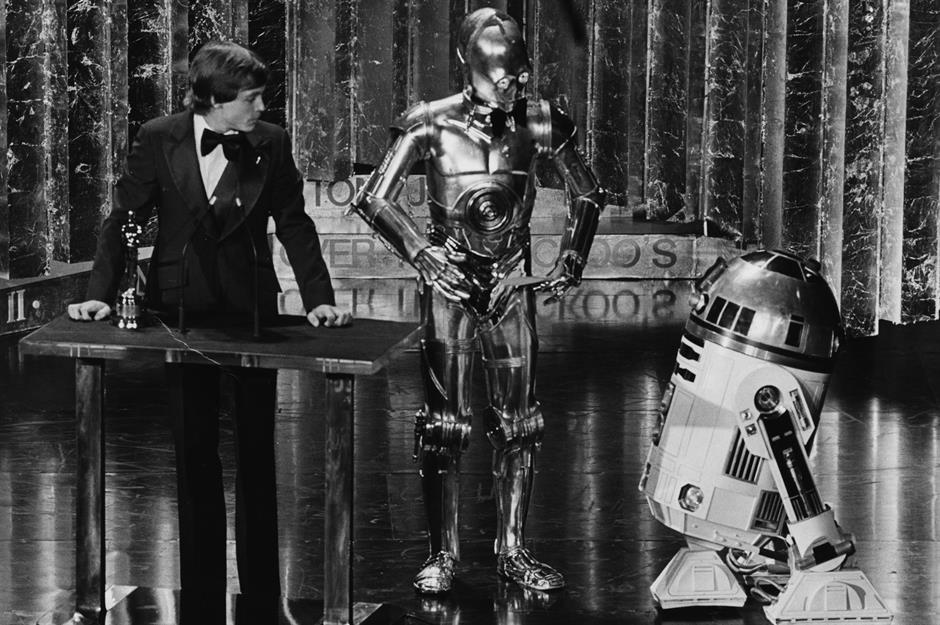
A long time ago? The Star Wars franchise was launched in 1977 with a film of that name. It was subsequently renamed Star Wars: Episode IV – A New Hope to account for prequels. The movie proved a box office success. Alec Guinness, who played Obi-Wan Kenobi, received 2.25% of the gross take, earning him an estimated $95m over his lifetime.
The franchise's commercial success was aided by toys, including depictions of film characters, becoming best sellers. In 1978, Mark Hamill, who played Luke Skywalker, took to the stage to present an Academy Award in Los Angeles with C3PO and R2D2.
1978: The Village People put on a performance in Florida
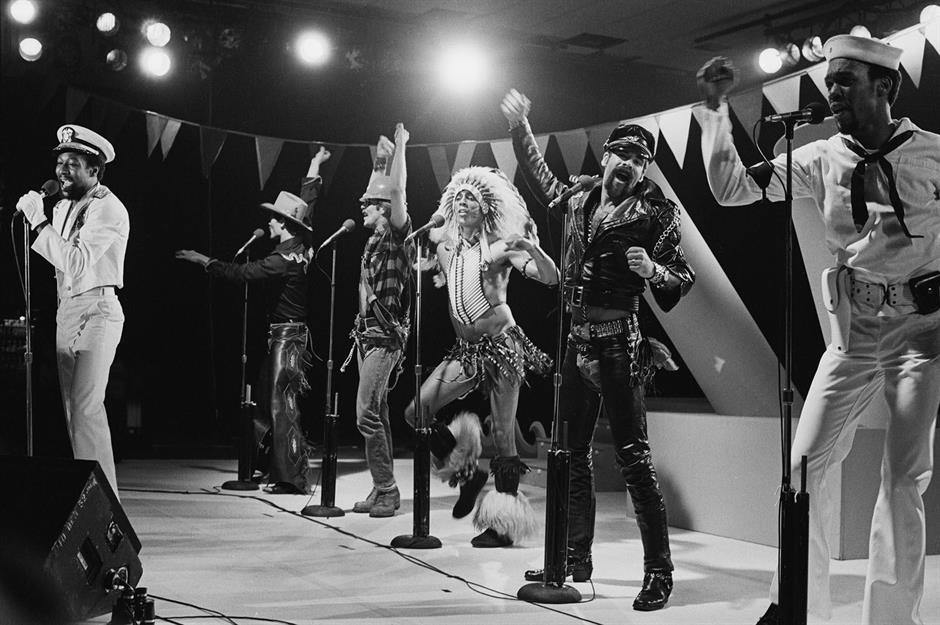
In February 1978, a six-man pop group made its public debut at the Odyssey in Brooklyn, New York, the nightclub featured in the 1977 movie Saturday Night Fever. It was also the start of a Village People national tour.
The band's image embraced gay archetypes a year before approximately 100,000 people participated in the National March on Washington for Lesbian and Gay Rights on 14 October 1979. The band sold more than 100 million records in the late 1970s and early 1980s and are seen here performing their hit, YMCA, in Florida.
Sponsored Content
1979: Partial meltdown at Three Mile Island
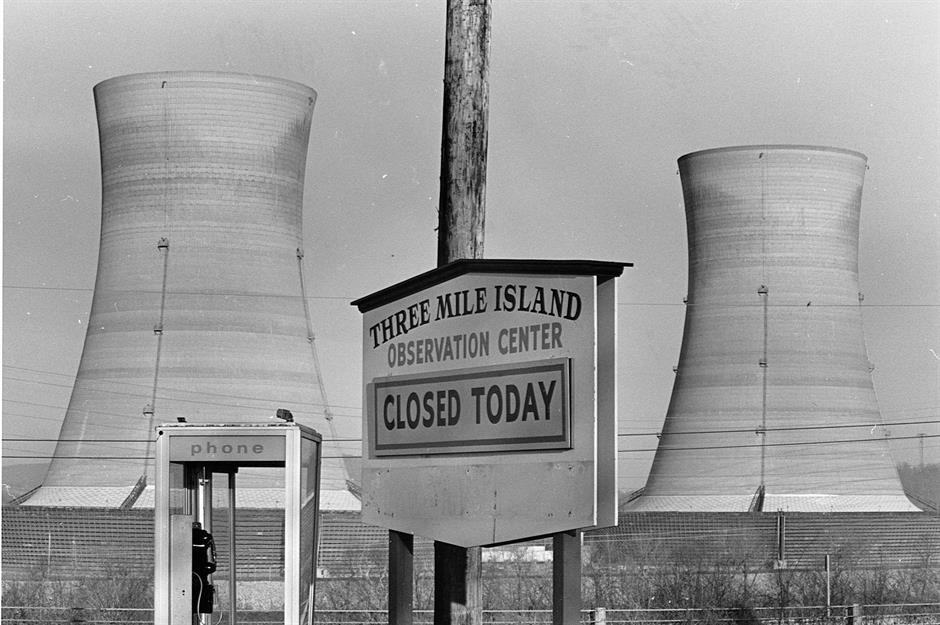
On March 28, 1979, a pump failed in a cooling system to the Unit 2 reactor at Three Mile Island Nuclear Generating Station in Pennsylvania. The result was a partial meltdown and the highest-profile nuclear incident in US history.
Public fear and outrage spiked in the wake of the incident, which resulted in design and process changes aimed at preventing future nuclear accidents.
1979: The US experiences its deadliest aviation accident
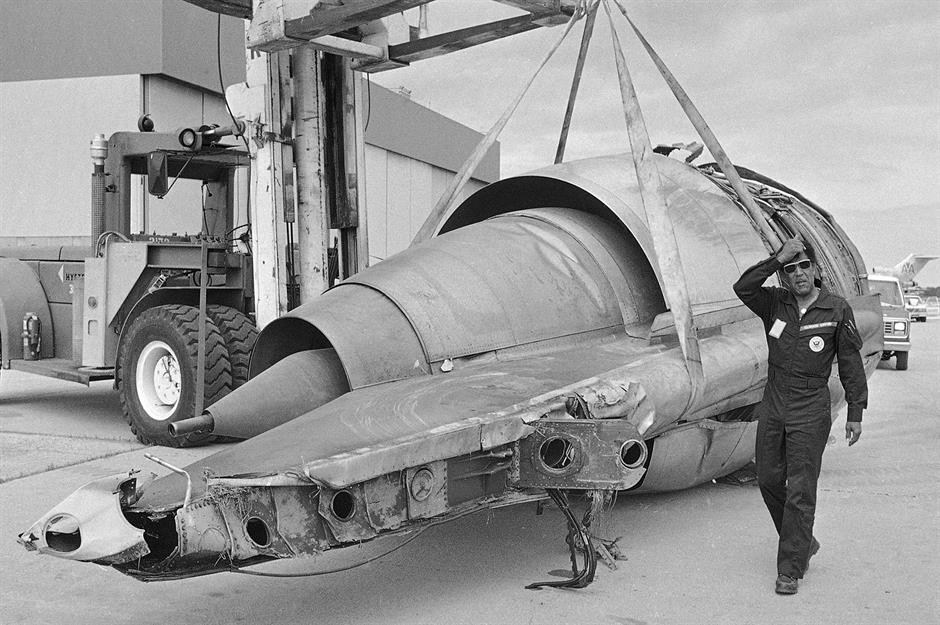
On May 25, 1979, American Airlines Flight 191 crashed after taking off from O’Hare International Airport in Chicago, Illinois.
All 258 of the passengers and 13 crew members on board the McDonnell Douglas DC-10 were killed, as were a further two people on the ground, making it the deadliest aviation incident in US history. This photo shows the vice-chairman of the National Transportation Safety Board speaking to reporters from beside the plane engine.
1979: The Sugarhill Gang find stardom
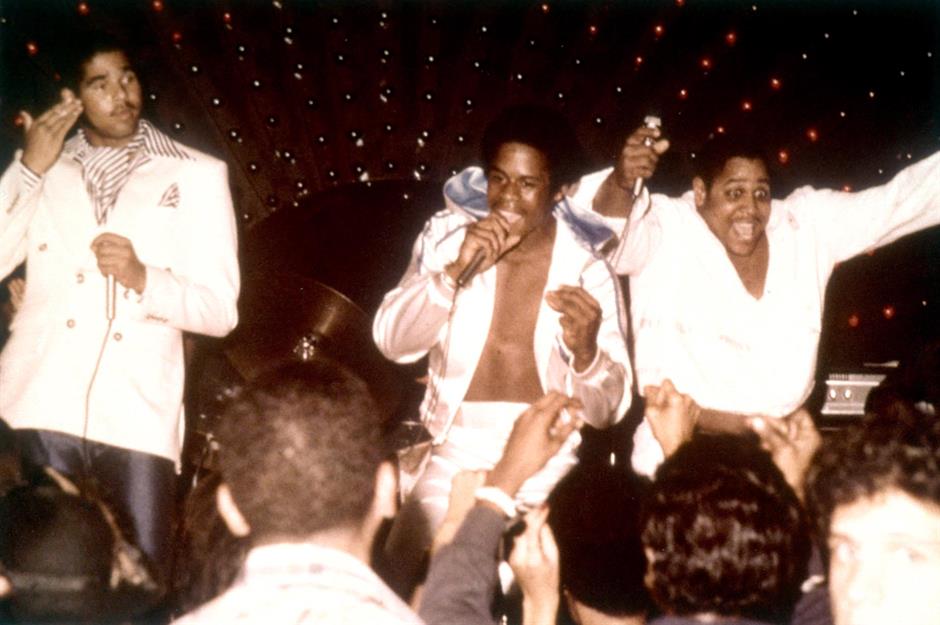
Hip-hop music’s origins were reputedly in the Bronx, New York City, and the style evolved rapidly in the late 1970s. The Sugarhill Gang recorded Rapper’s Delight in one take in the summer of 1979.
The 12-inch single was played on the radio and is credited as being the first rap song to be aired. It reached number 36 in the charts, becoming the first hip-hop single to record a position in the Top 40.