Ranked: 30 of the best British islands to visit
Beautiful British islands
Great Britain is home to a vast collection of offshore islands, each offering its own unique landscape, culture and history. These number in the thousands, and while many are uninhabited, those that are offer a diverse range of experiences, from ancient seaside fortresses to windswept cliffs and charming romantic retreats.
Click through this gallery to explore 30 of the best British islands to visit...
30: Eel Pie Island
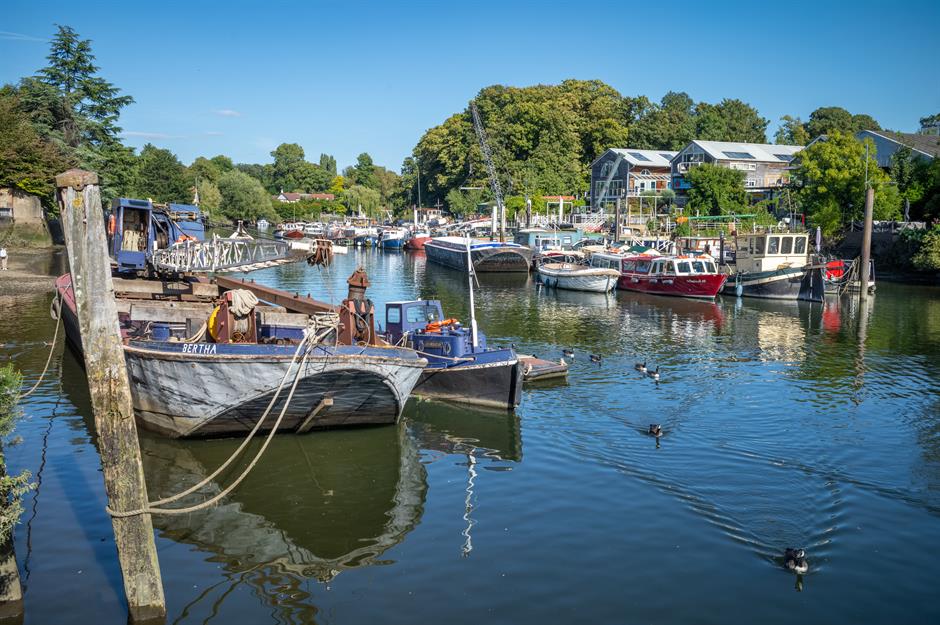
Tucked away in the middle of the River Thames, London’s Eel Pie Island is a curious mix of muddy flats and bohemian charm. Known for its community of artists, the island is home to quirky studios that are usually closed off from the world, except for the rare occasions when the footbridge opens to visitors twice a year. But what makes this tiny island truly legendary is its rock 'n' roll history. In the 1960s, a rundown Victorian hotel on the island transformed into a buzzing music venue, drawing some of the biggest names in British rock. The Rolling Stones, The Who, Pink Floyd, the Yardbirds and Genesis all graced its stage.
29: Coquet Island
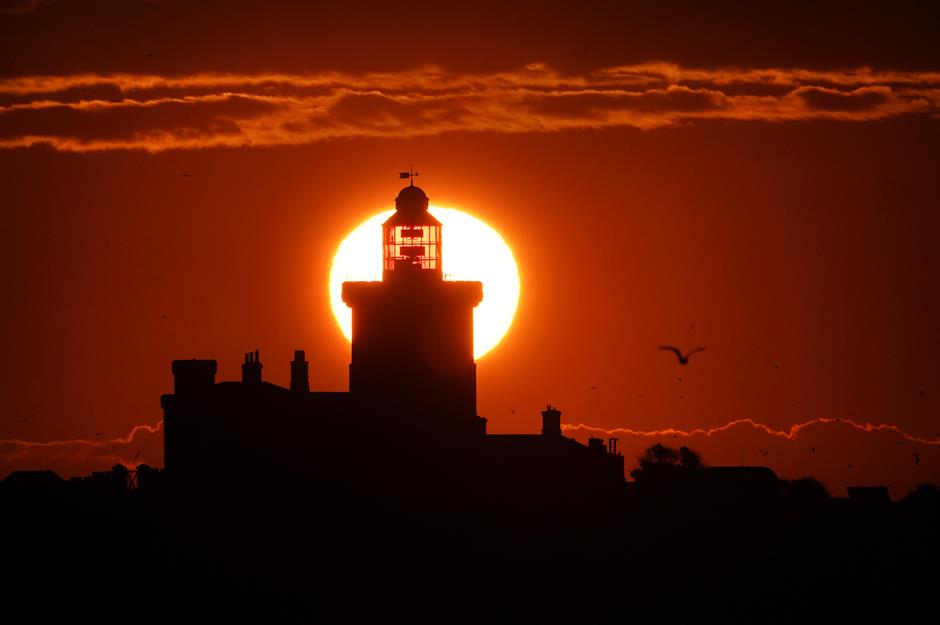
Just a mile off the Northumberland coast lies Coquet Island, a haven for 40,000 breeding seabirds, including puffins and several species of tern – common, Arctic, sandwich and the rare roseate terns, the latter of which only breed in the UK. As a dedicated seabird sanctuary, the island is closed to the public to protect its delicate wildlife. However, visitors and birdwatchers can still enjoy a close view of the island on boat trips from the nearby harbour town of Amble, famously dubbed 'England's friendliest port' and the proud host of an annual puffin festival.
Sponsored Content
28: Walney Island
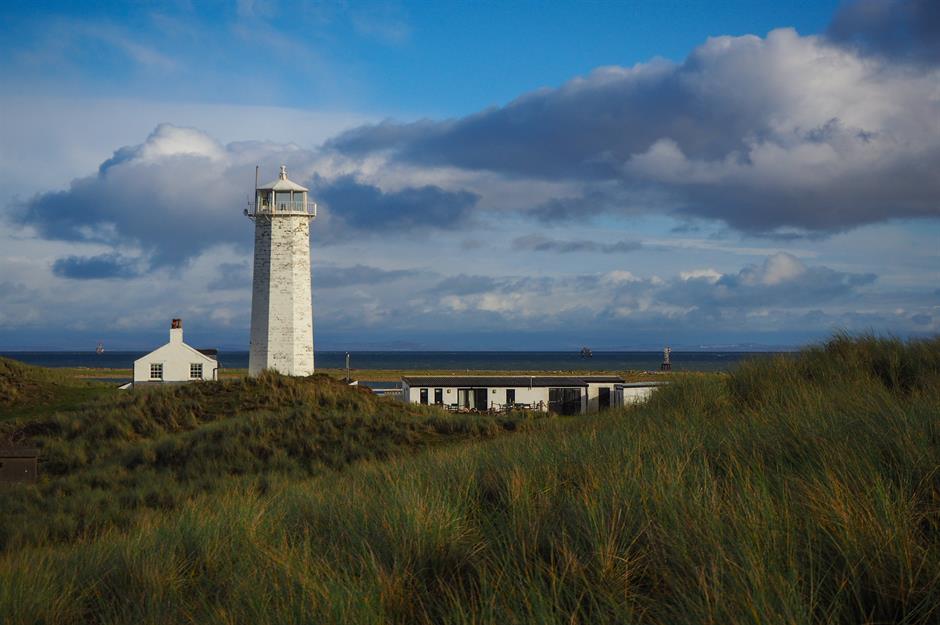
Walney Island, located in the Irish Sea off the southern coast of Cumbria, is connected to Barrow-in-Furness by the Jubilee Bridge. The island played a vital role in Barrow's growth, providing natural shelter for the town’s shipyards. Today, Walney boasts two nature reserves and a number of sandy beaches. Nearby Piel Island is home to the ruins of a 14th-century castle and the famous Ship Inn, where the landlord is ceremonially crowned the 'King of Piel', according to a long-standing local tradition.
27: Barra, Outer Hebrides
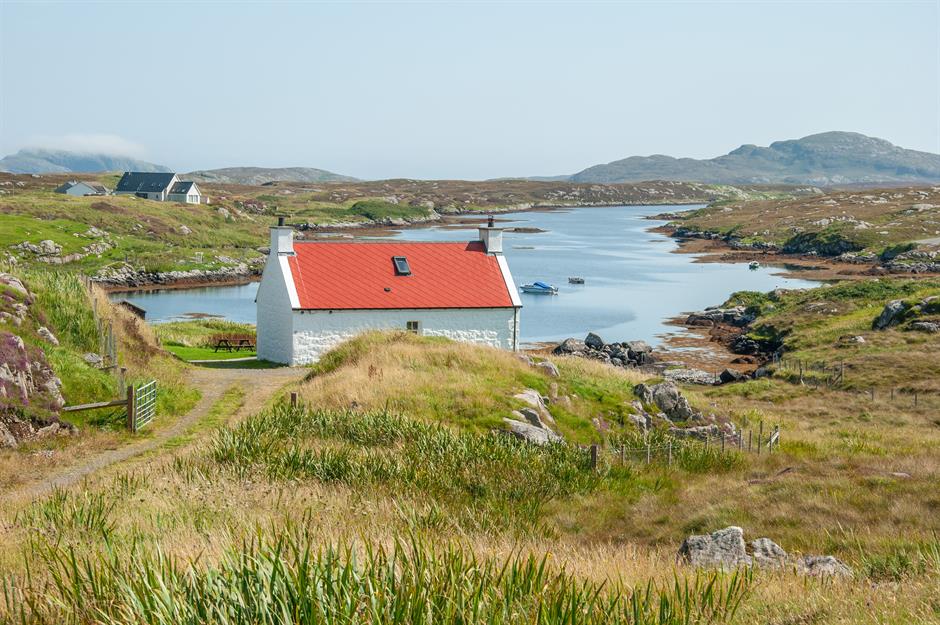
Arriving by plane on the island of Barra is an unforgettable experience, as flights land directly on the beach at Traigh Mhor between tides. Historically the long-time home of Clan MacNeil, Barra was transferred to community ownership in 2003. The island is also closely linked to Compton Mackenzie, the author of Whisky Galore, which was inspired by the 1941 shipwreck off nearby Eriskay and the islanders' salvage of thousands of bottles of whisky – a tale that has become the stuff of legend.
26: Kelham Island
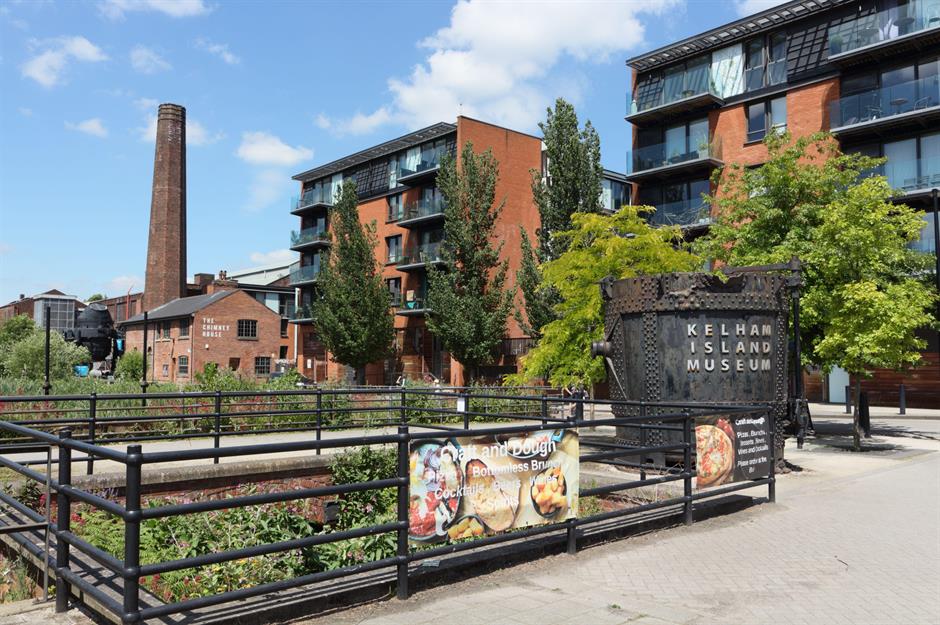
Sheffield’s Kelham Island is now a thriving urban district, but in the 1800s, it was at the heart of the city's steel-making industry. The island was created in the 12th century, when a goit was built to divert water from the River Don to power local mills. In 1829, Kelham became home to the Kelham Island Works, an iron foundry. While heavy industry has moved away, the area has reinvented itself, drawing locals and visitors alike with its indie shops, microbreweries and lively atmosphere. The Kelham Island Museum also stands as a reminder of its industrial past, showcasing Sheffield's steel-making legacy.
Sponsored Content
25: Worm's Head
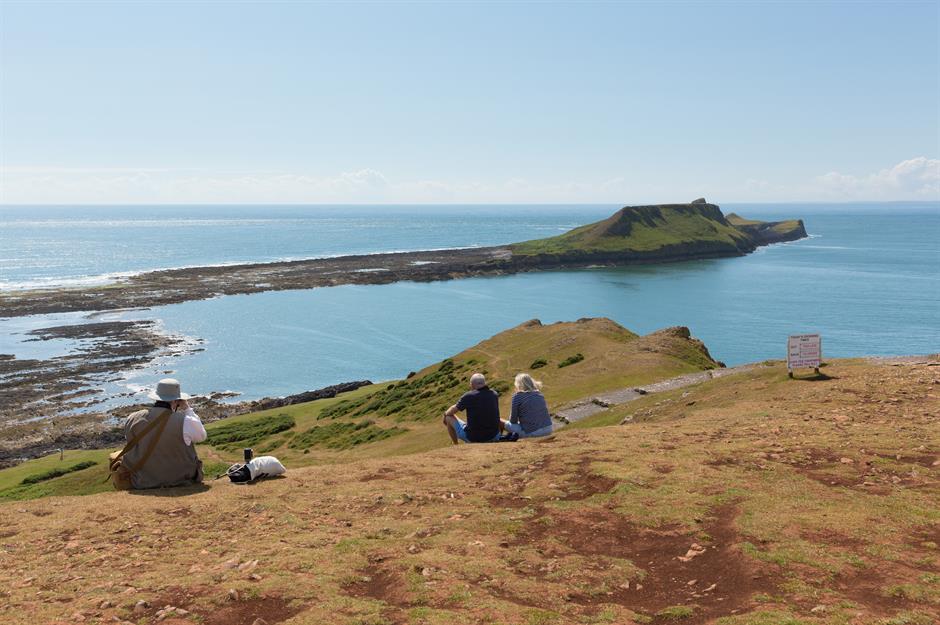
The Welsh island of Worm's Head sits just off Rhossili Bay on the Gower Peninsula in South Wales. Accessible only during a five- to six-hour window when the tide is out, visitors can scramble across the rocky causeway and climb the island’s ridge for breathtaking views back over the Gower. Nearby Rhossili Bay, with its vast stretch of sandy beach, is a popular spot for surfers, walkers and families, regularly named one of Britain’s finest. At low tide, the remains of the Helvetia, a 19th-century shipwreck, emerge from beneath the sand, adding to the beach’s allure.
Love this? Follow our Facebook page for more travel inspiration
24: Benbecula, Outer Hebrides
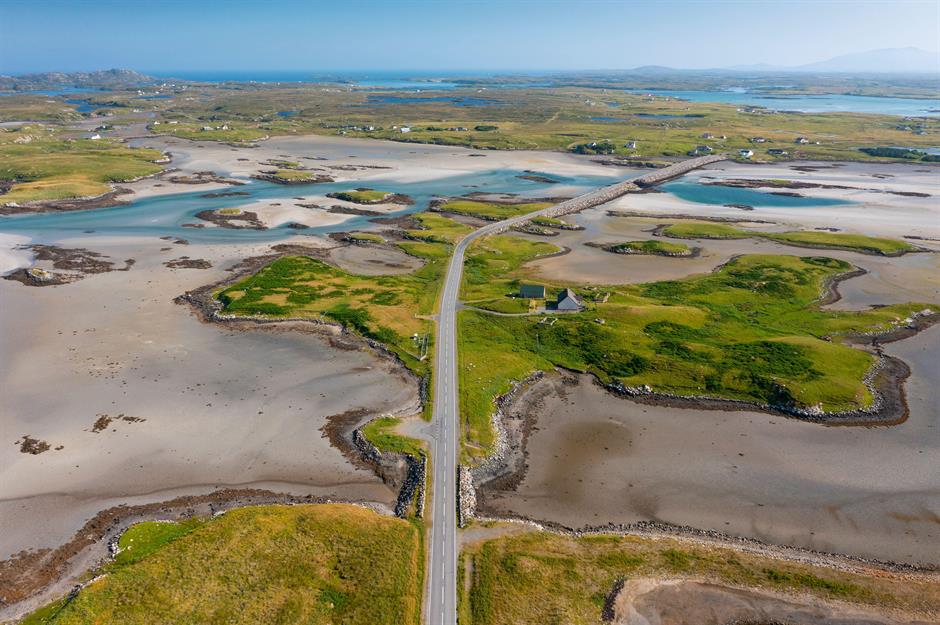
Benbecula lies between North and South Uist in the Outer Hebrides and is connected to both by causeways. Its wild landscape is dotted with small lochs and historic sites, with miles of white sandy beaches perfect for horse riding and fishing. Next to the island's airport, once a military airfield, is a flat nine-hole golf course where players pay their fee via an honesty box. Visitors should note that the only cash machine on the island is located at the airport itself, adding to the island's distinctive charm.
23: Spurn
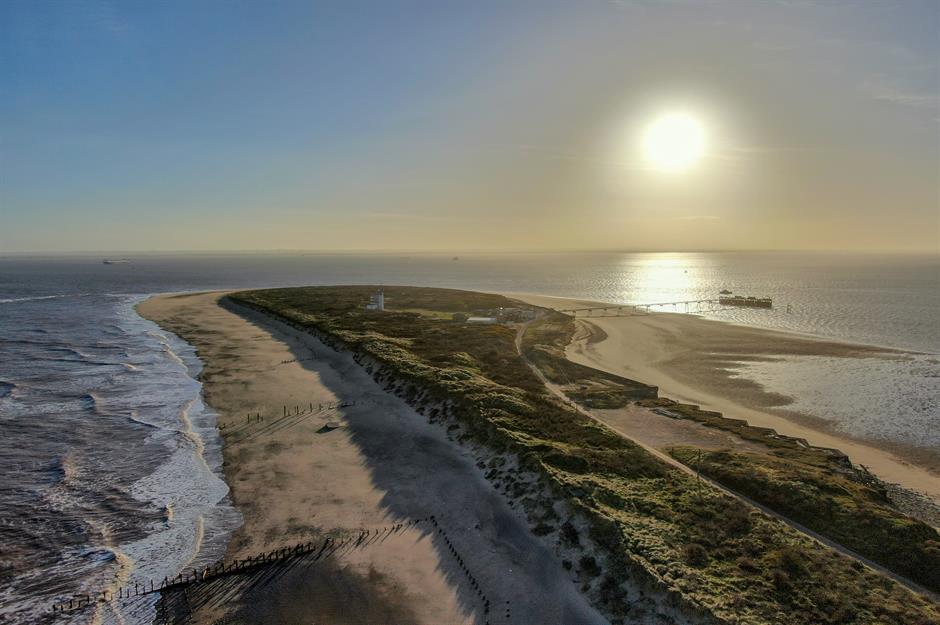
Spurn, located at the southernmost tip of the East Yorkshire coast, was temporarily cut off from the mainland in December 2013 when a massive tidal surge broke through the narrow peninsula, creating a half mile (1km) 'washover' section that is submerged at high tide. Though no longer accessible by road, Spurn remains connected to the mainland at low tide. The old lifeboat station buildings are still used by the crew, and the restored 19th-century lighthouse is open to visitors. The main residents now are the seabirds, with the area serving as an important nature reserve.
Sponsored Content
22: Burgh Island
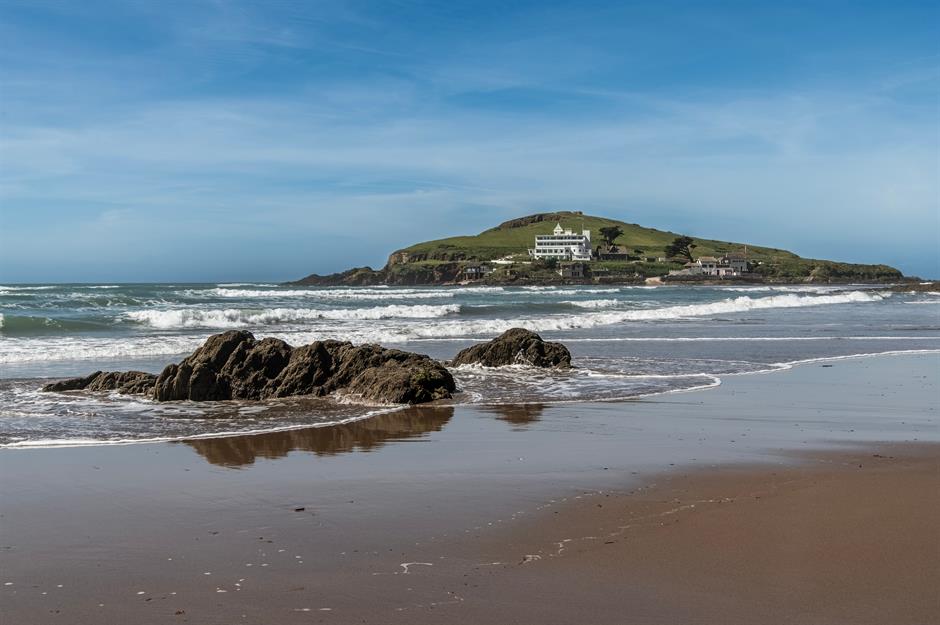
Burgh Island, off the Devon coast, is home to one of England’s finest Art Deco hotels, the Burgh Island Hotel, which can be accessed by a historic hydraulic sea tractor when the tide is in. Set within an Area of Outstanding Natural Beauty, the island’s most famous visitor was the ‘queen of crime’ Agatha Christie, who spent time here and drew inspiration for her novel Evil Under the Sun, which is set on a fictional island inspired by Burgh.
21: Drake's Island
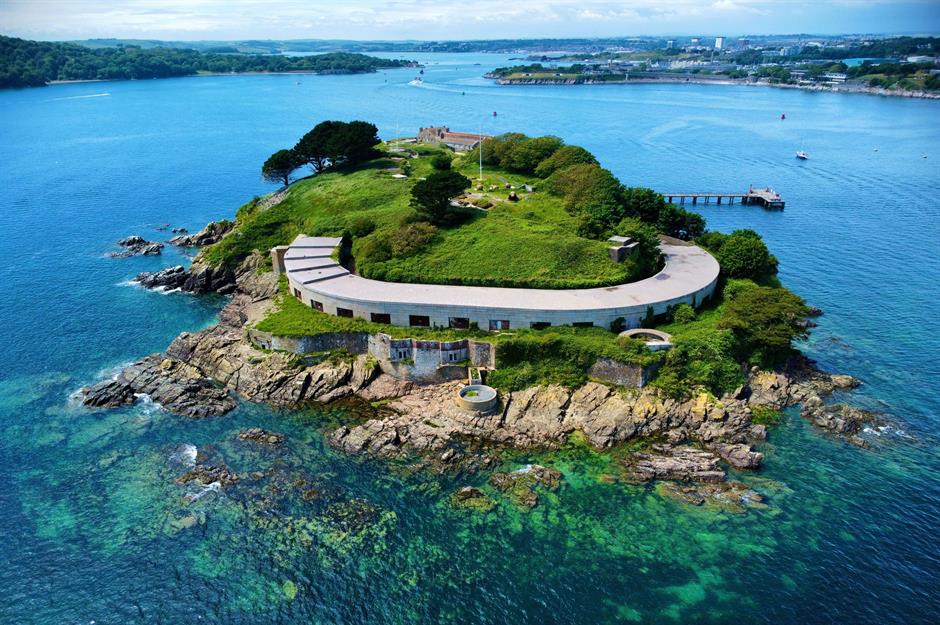
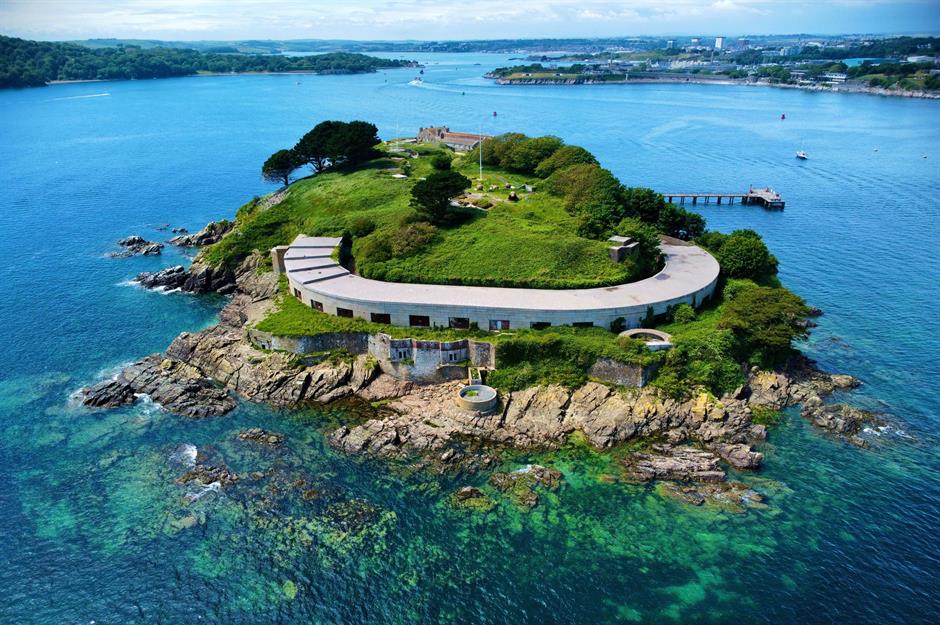
Named after Sir Francis Drake, who set sail from nearby Plymouth to circumnavigate the globe in 1577, Drake’s Island has been fortified over the centuries and was used for military purposes until the end of the Second World War. In 1961, it became an adventure centre, which operated for nearly 30 years before closing in 1989. Today, visitors can book two-hour tours to explore the island’s tunnels, casemates and cannons, as well as learn about its wildlife. There are also plans to further open up the island for public visits in the future.
20: Inner Farne, Farne Islands
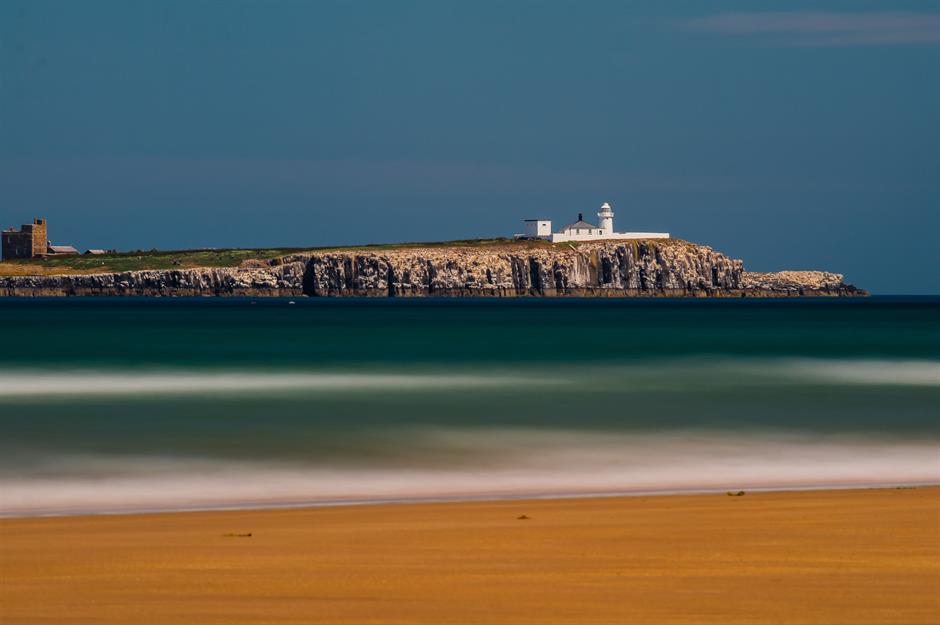
The Farne Islands, off the Northumberland coast, are home to around 200,000 breeding seabirds, including some 43,000 pairs of puffins, along with guillemots, Arctic terns and eider ducks. Visitors can board a boat at Seahouses to tour the islands from the water – lucky ones might spot a grey seal or, on rare occasions, a dolphin – or land on Inner Farne to see the seabirds up close, visit the Chapel of St Cuthbert, where the saint spent his final years, and admire the island’s lighthouse.
Sponsored Content
19: Hilbre Island
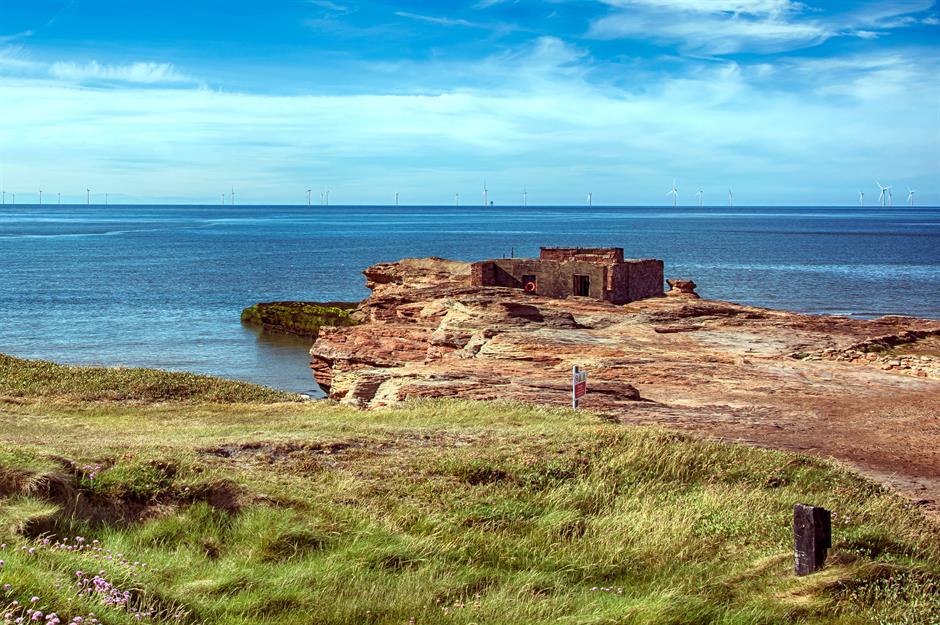
Hilbre Island is one of three tidal islands in the Dee Estuary, situated between England and Wales, and part of a designated Site of Special Scientific Interest. To reach the island, you must walk across the sands at low tide from West Kirby, ensuring you leave at least three hours before high tide to avoid being stranded. First inhabited around 6,500 years ago, Hilbre has served as a place of pilgrimage, a refuge for shipwrecked sailors and a military outpost during both world wars. Restoration plans are now underway to preserve some of the island’s historic buildings.
18: Mersea Island
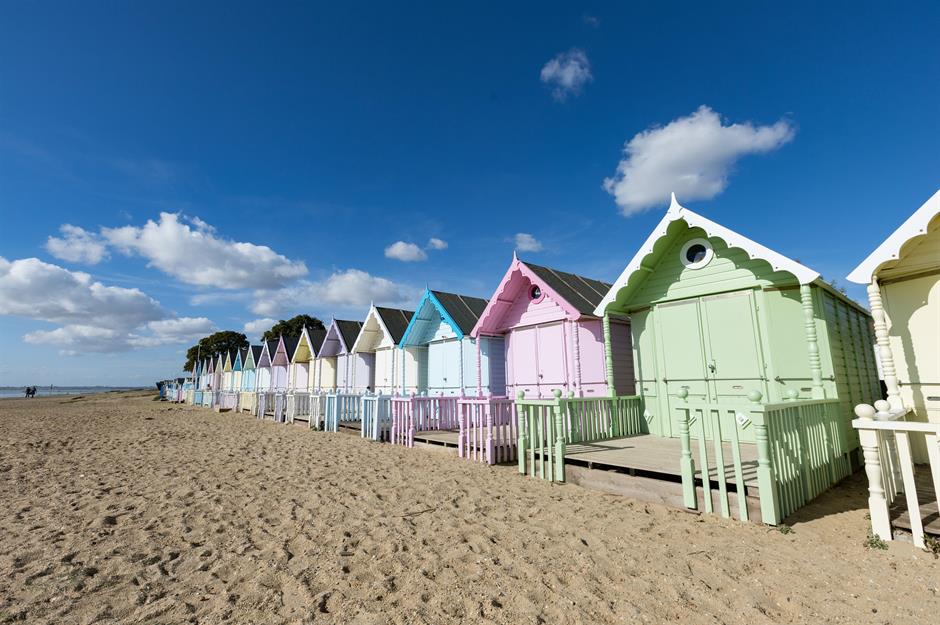
While evidence of human activity on Mersea Island, located off the coast of Essex in southeastern England, dates back to the Bronze Age, the Romans were perhaps the earliest significant settlers. Today, the island is known for its pastel-coloured beach huts at West Mersea, its oysters and fresh seafood, the beach at Cudmore Grove Country Park and a wide range of outdoor activities – from golf to watersports and boat trips. Accessible by a causeway that floods at high tide, if you want to leave when the tide’s in, you’ll just have to wait.
17: Skomer
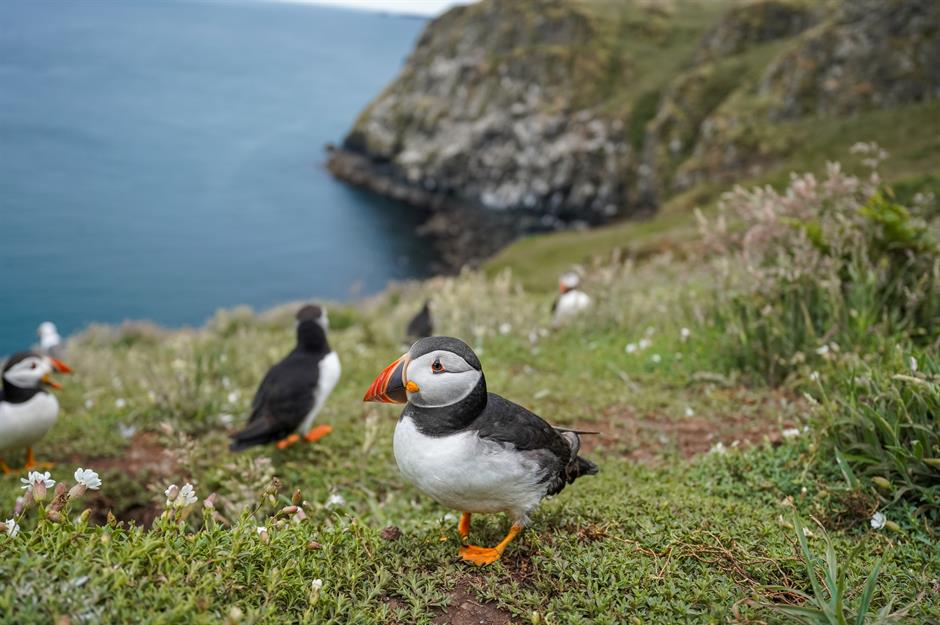
Skomer is one of two neighbouring islands, along with Skokholm, that are part of the Pembrokeshire Coast National Park in west Wales. Once connected to the mainland, Skomer was cut off by rising sea levels around 12,000 years ago, and the remains of Iron Age settlements can still be seen on the island. Visitors can also explore remnants of an 18th-century farmhouse and lime kilns, but the island is best known for its rich wildlife. Many come on day trips to see the thriving puffin colony and thousands of Manx shearwaters that call the island home.
Sponsored Content
16: Rathlin Island
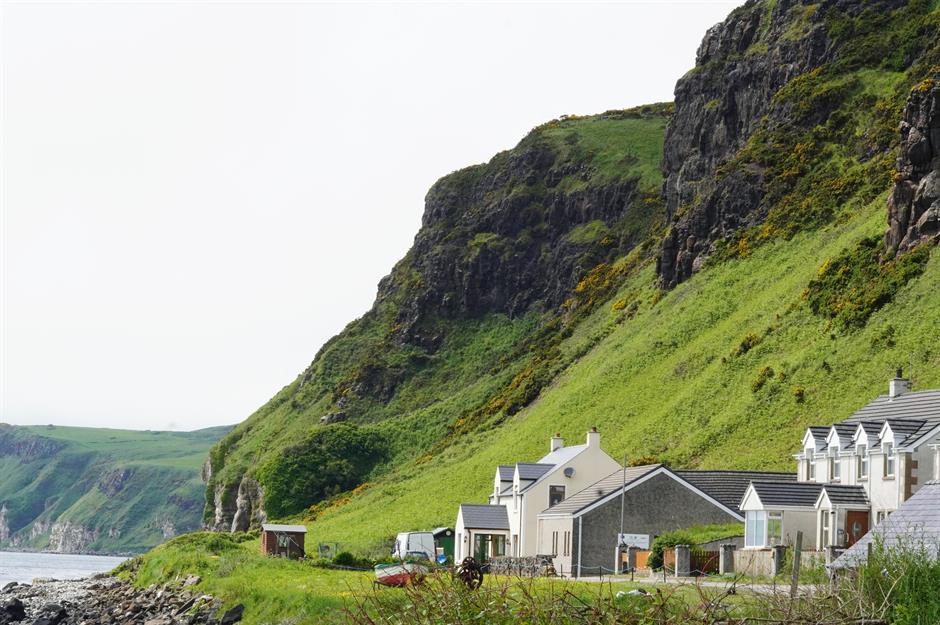
Home to around 140 people, Rathlin Island, off Northern Ireland's coast, has a rich and varied history. It was the site of the first Viking raid on Ireland in 795, and Scotland’s Robert the Bruce sought refuge here after his defeat by the English in 1306. In 1898, Guglielmo Marconi’s assistants conducted experimental wireless transmissions from Rathlin to Ballycastle, marking an important moment in the history of radio. Visitors can explore the island’s past at the Boathouse Visitor Centre or go puffin spotting at the West Light Seabird Centre, among other activities.
15: Brownsea Island
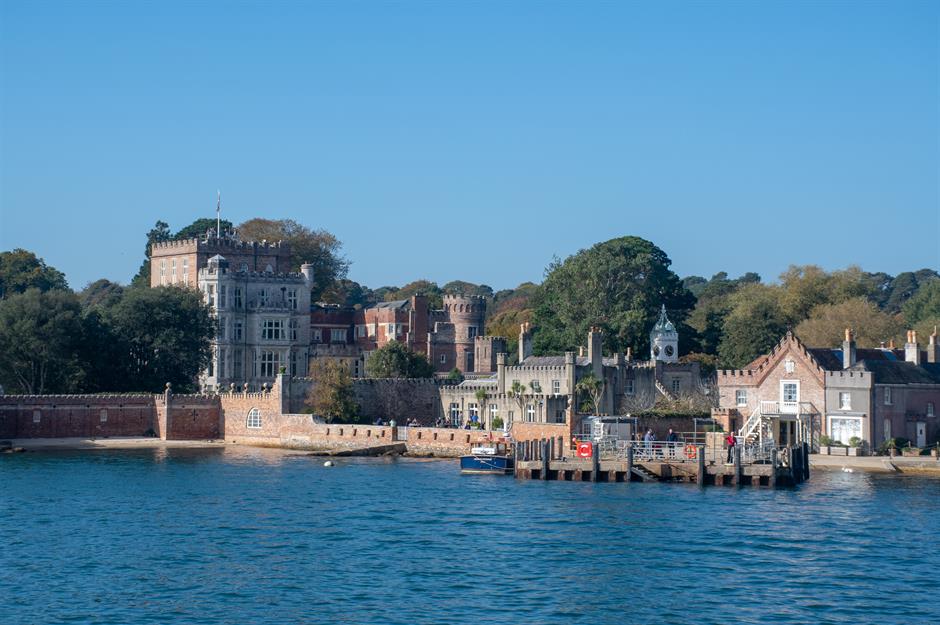
Brownsea Island, located in Poole Harbour, is a wildlife haven, home to rare red squirrels, peacocks, sandwich terns and many other creatures. Most visitors come as day trippers, though some stay on the island’s campsite – fitting for the birthplace of the Scouting movement, where Robert Baden-Powell held the first Scout camp in 1907. The island is also home to a 16th-century castle, originally built by Henry VIII, which since the 1960s has been a private hotel for employees of the John Lewis Partnership.
14: Tiree
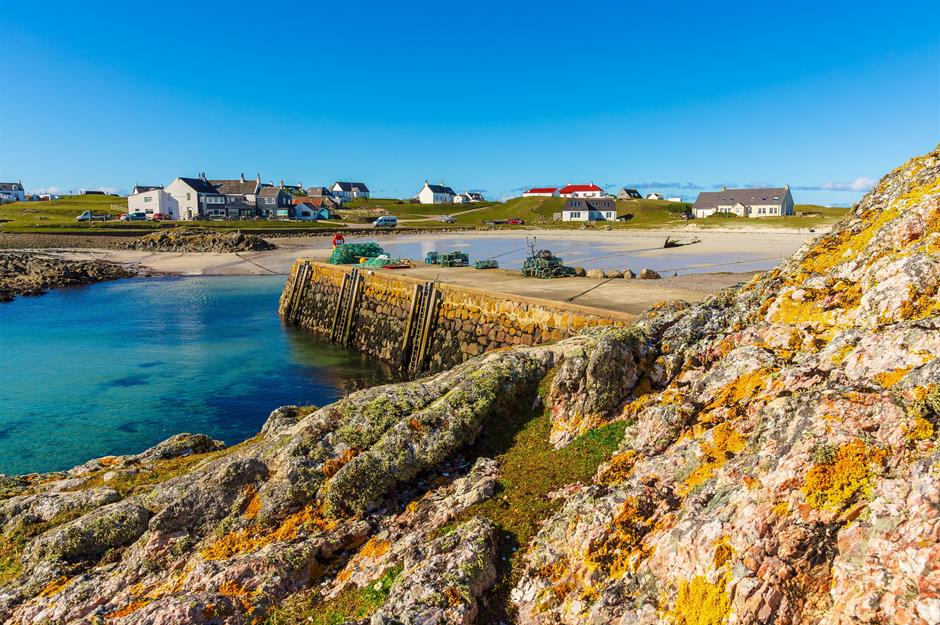
Tiree, whose Gaelic name means 'land of barley', was once known as the breadbasket of the Inner Hebrides, but today one of its main sources of income is tourism. Home to around 700 islanders and just an hour’s flight from Glasgow, Tiree is a paradise for surfers and windsurfers who flock here to enjoy its 40 miles (64km) of stunning clear coastline. The island is also famous for its distinctive 'pudding houses', where the mortar is painted white but the stones are left bare, giving them a characteristic spotty look.
Sponsored Content
13: Portsea
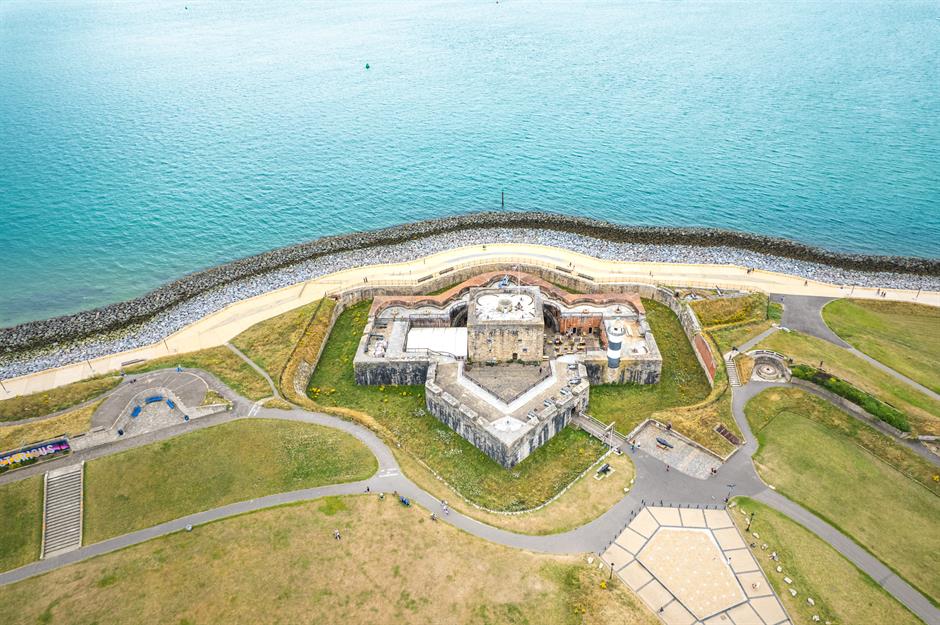
Portsea Island encompasses much of the naval city of Portsmouth, with one of its key attractions being Henry VIII's flagship, the Mary Rose, which sank in 1545 and was raised from the seabed in 1982. Visitors can explore the ship and its artefacts at the Mary Rose Museum. History buffs can also visit Southsea Castle, built by Henry VIII, from where he is said to have watched the Mary Rose sink, and the D-Day Story – the UK's only museum dedicated to the events of D-Day in June 1944. For a more modern experience, the 558-foot (170m) Spinnaker Tower offers stunning views of the south coast.
12: St Michael's Mount
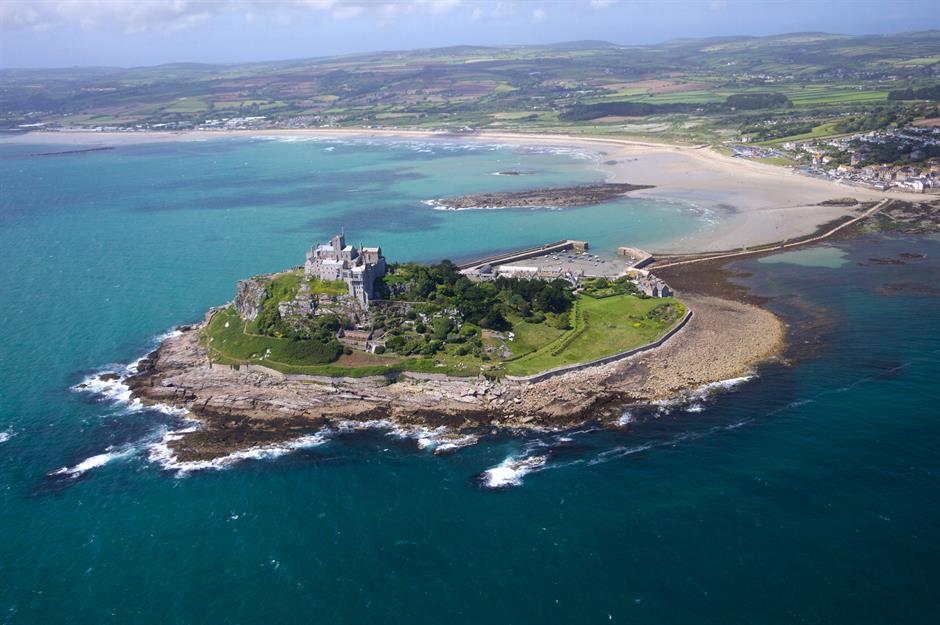
St Michael’s Mount is accessible via a tidal causeway from Marazion on the Cornish coast. The centuries-old castle has been home to the St Aubyn family since 1659, though it is now managed by the National Trust. Inside, visitors can find curious features such as a mummified cat, a tide clock and artefacts commemorating Queen Victoria’s visit in 1846. The island is also famed for its beautiful terraced gardens, where subtropical plants flourish, thanks to its mild microclimate.
11: Tresco, Isles of Scilly
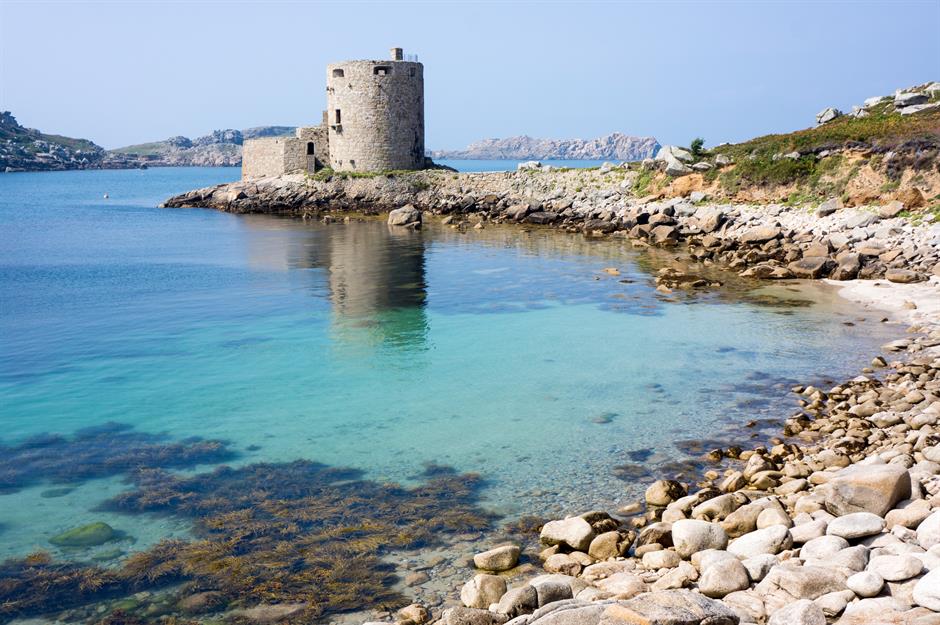
Situated 28 miles (45km) off the Cornish coast, the Isles of Scilly are home to the family-run island of Tresco. The island is managed by the Tresco Estate, with owners Lucy and Robert Dorrien-Smith living at the historic Tresco Abbey, whose world-renowned gardens boast a spectacular collection of sub-tropical flora. Alongside its beautiful walks and beaches, visitors can explore the island's old fortifications, including Cromwell’s Castle and the nearby King Charles' Castle.
Sponsored Content
10: Isle of Man
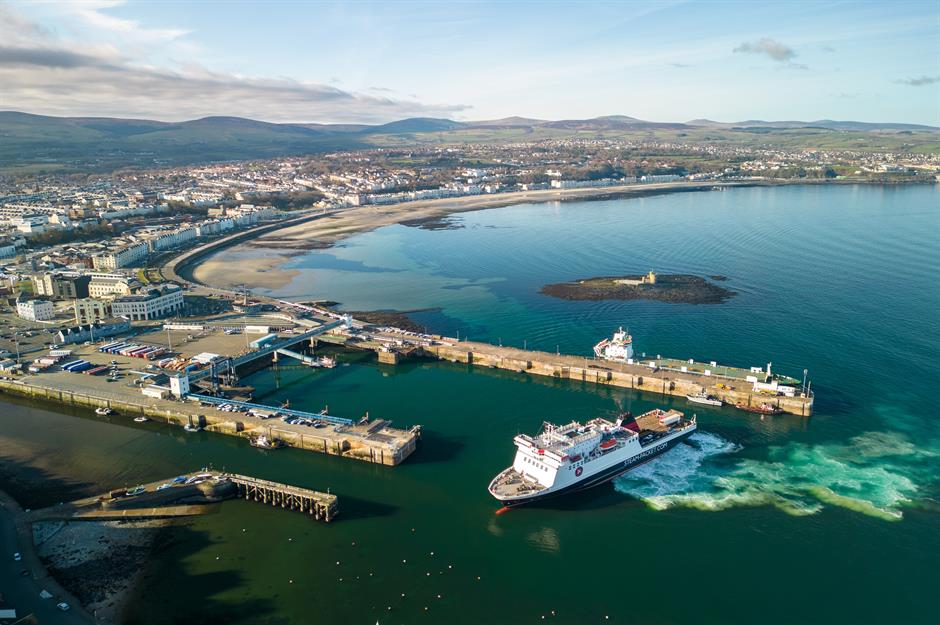
The Isle of Man, in the heart of the Irish Sea, is a self-governed Crown dependency with its own unique identity, including a revitalised native language, Manx Gaelic. Recognised as the world’s first UNESCO Biosphere Reserve for its commitment to preserving culture, heritage and the environment, this island offers something for everyone. History buffs can marvel at the Laxey Wheel, the world’s largest working waterwheel, or explore the medieval Castle Rushen and Viking-rooted Peel Castle. Nature lovers will enjoy discovering the island's scenic beauty, including hidden gems like Spooyt Vane waterfall. For the best view, head to Snaefell, where it’s said you can spot the 'seven kingdoms' – England, Ireland, Scotland, Wales, the Isle of Man, and the realms of the sea and heaven – on a clear day.
9: The Holy Island of Lindisfarne
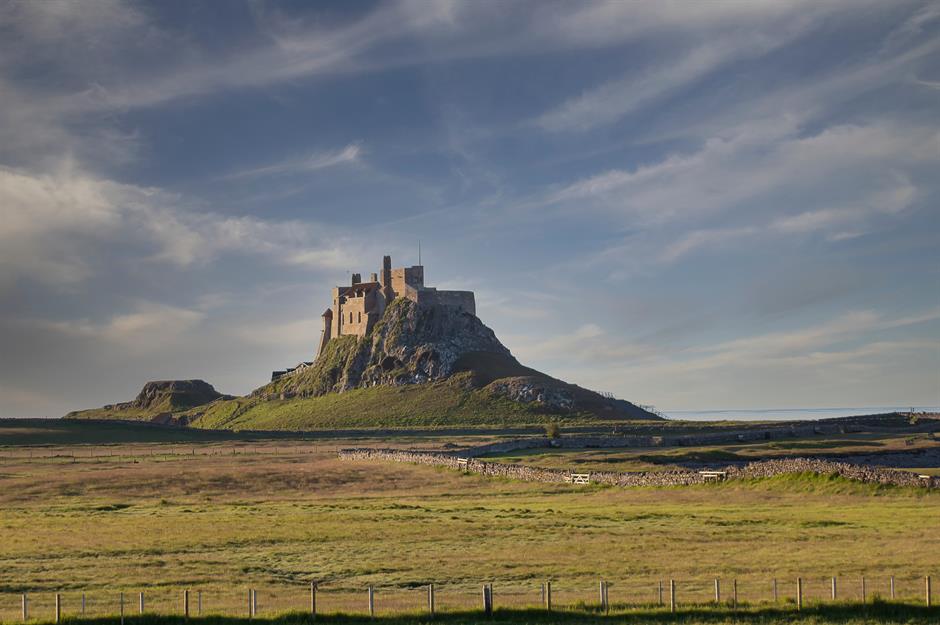
Lindisfarne, also known as the Holy Island of Lindisfarne, is one of the crown jewels of Northumberland’s coast, drawing visitors with its breathtaking 16th-century castle and the atmospheric ruins of its 12th-century priory. Accessible by foot via a tidal causeway at low tide, this island offers as much for wildlife enthusiasts as it does for history lovers. You’ll find seals, wildfowl and an array of wading birds making their home in this serene setting. Visitors can even stay overnight, soaking in the island’s peaceful ambiance. For centuries, Lindisfarne has been a place of pilgrimage, marking the end of the St Cuthbert’s Way, a walking route that traces the steps of St Cuthbert, who lived on the island in the 7th century.
8: The Mainland, Shetland
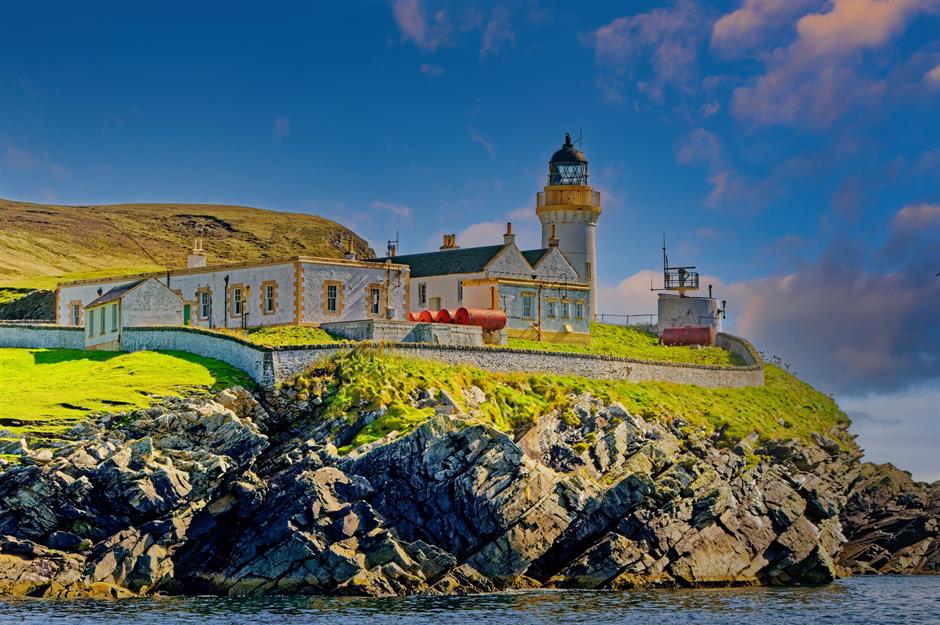
The Mainland, the largest island in the Shetland archipelago, sits between Scotland and Norway – closer to Bergen than to Edinburgh. This rugged island is steeped in Viking history, with fascinating sites like Jarlshof, Old Scatness and Catpund offering glimpses into Shetland’s ancient past. The main town of Lerwick is home to the spectacular Up Helly Aa fire festival, where locals celebrate their Norse heritage with flaming torches and Viking ships. If you visit in summer, you’ll enjoy up to 19 hours of daylight, but winter has its own magic, with the chance to see the Northern Lights dance across the sky. Just be sure to bundle up – it’s an island known for its wild and unpredictable weather.
Sponsored Content
7: Lundy
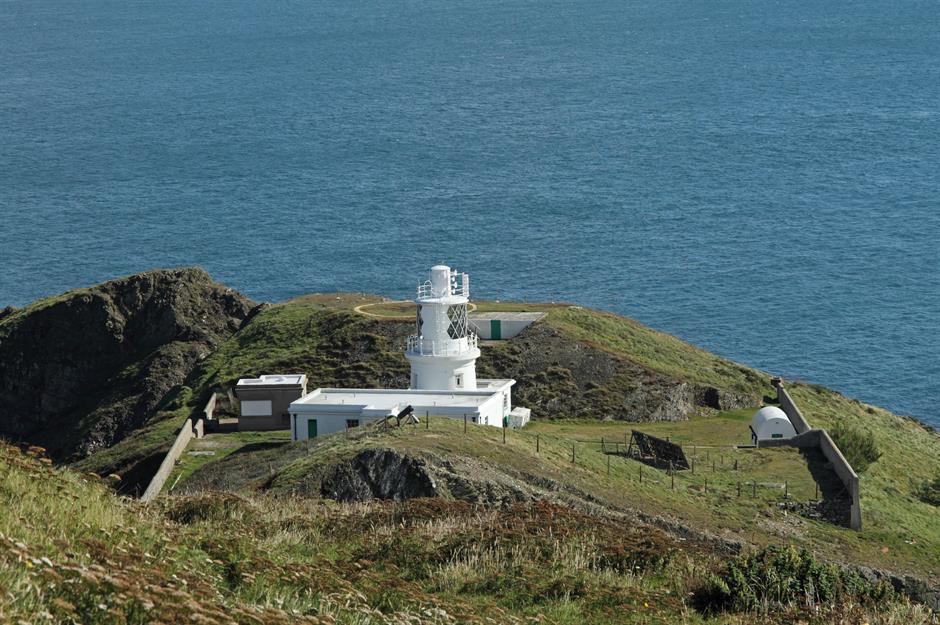
Situated off the North Devon coast, there is nothing but Atlantic ocean between Lundy and North America. Accessed by the island’s own ship, the MS Oldenburg, Lundy is home to around 28 residents and offers a charming, laid-back experience. The island boasts a surprisingly well-stocked general store, a pub that’s open all hours (though alcohol is only served during permitted times) and 23 unique places to stay. Lundy is also home to the world’s oldest private postal service, still operating today, with an impressive 40,000 items sent by post each year.
6: Arran
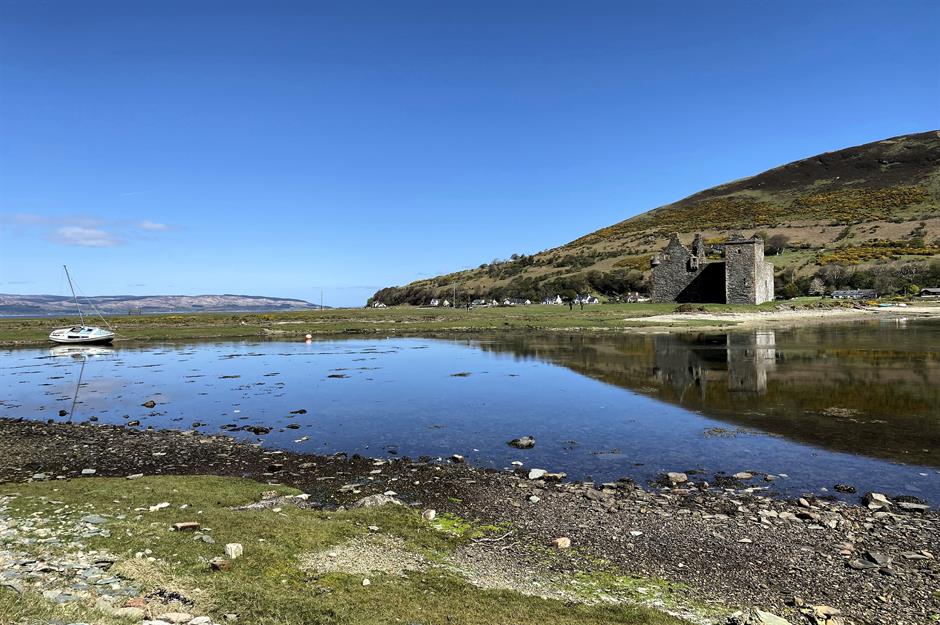
Arran, in the Firth of Clyde, is often dubbed 'Scotland in miniature' thanks to its perfect blend of Highland and Lowland landscapes. As the country’s most southerly and accessible island, Arran draws visitors for its outdoor adventures, including the challenging hike up Goat Fell, standing at 2,866 feet (874m), often followed by a well-earned stop at the local distillery. History buffs will enjoy the island’s ancient past, with stone circles, standing stones and burial cairns dating back to 3500 BC scattered across the island. Among the most impressive are the Machrie Moor Stone Circles on the west coast, some of the best-preserved in Scotland.
5: Guernsey
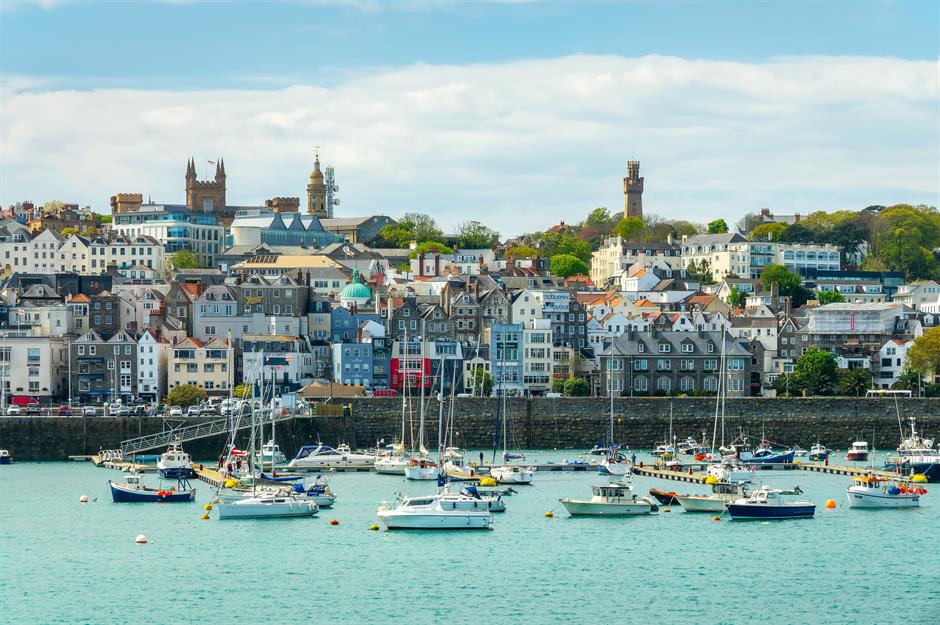
Guernsey, part of the Crown dependency of the Channel Islands, sits just off the coast of France, and visitors are spoiled for choice with stunning beaches and cliffside walks, along with easy trips to the nearby islands of Herm and Sark. The capital, St Peter Port, is famed for its thriving food scene, making it a haven for food lovers. But what often surprises visitors are the concrete fortifications dotting the coast, a stark reminder of when the Channel Islands were the only British territory occupied by the Nazis during the Second World War – a history detailed at the German Occupation Museum.
Sponsored Content
4: Jura, Inner Hebrides
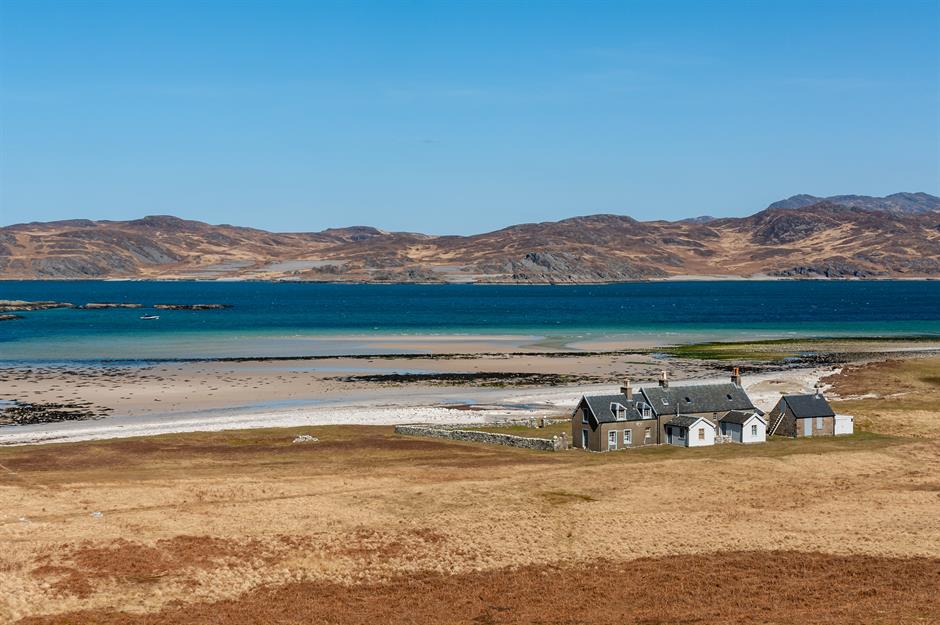
Another gem of the Inner Hebrides, Jura is famed for its rugged, mountainous landscape, world-class whisky and a thriving population of red deer, which outnumber the island’s residents by an impressive 30 to one. The island's natural wonders include the iconic Paps of Jura, a trio of towering peaks, and the dramatic Corryvreckan Whirlpool, one of the largest permanent whirlpools in the world. While many have been drawn to Jura’s wild beauty, its most famous resident was undoubtedly George Orwell, who sought refuge here to write his legendary novel, 1984.
3: Anglesey
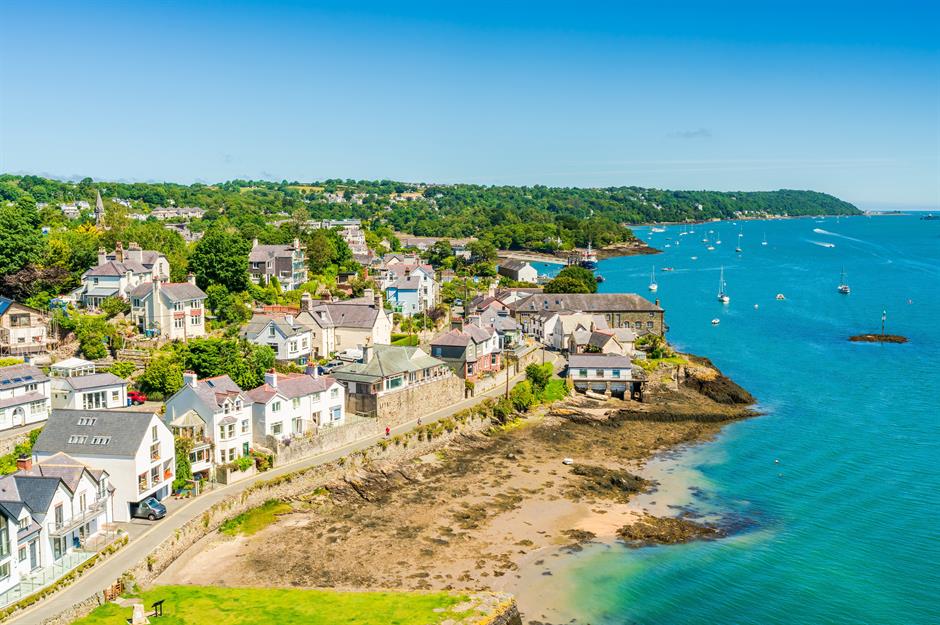
2: Skye, Inner Hebrides
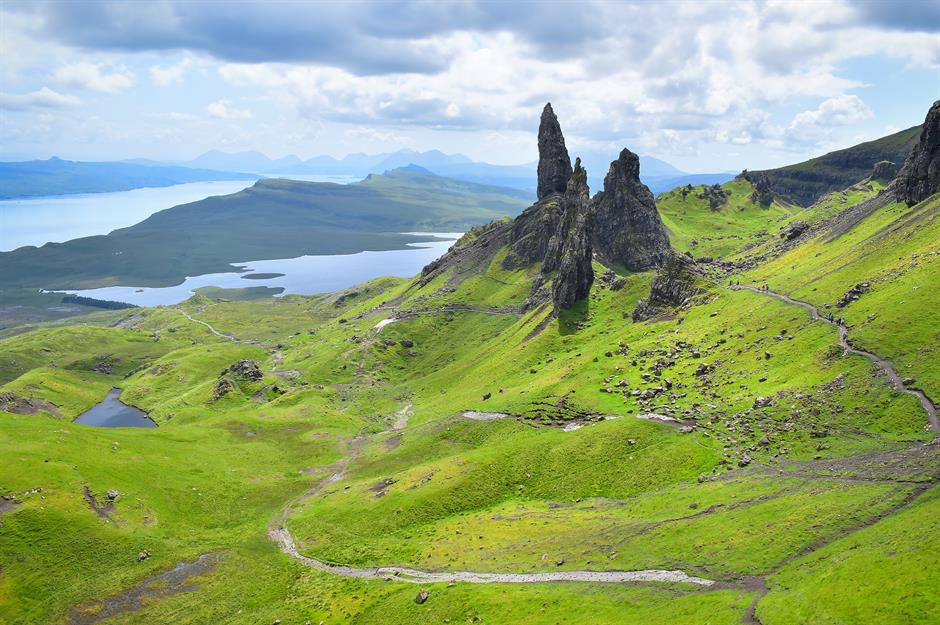
Skye is famed for its dramatic landscapes such as the basalt rock that is the Old Man of Storr – a remnant of the volcanic activity that forged the island millions of years ago – and the sharp peaks of the Cuillen Range. History buffs can visit Dunvegan Castle, the oldest continuously inhabited castle in Scotland and the ancestral home of the MacLeod clan for over 800 years. Beyond the natural and historical wonders, visitors can enjoy a dram at the Talisker whisky distillery, savour the island’s fresh seafood, or embark on a boat tour to the remote and mystical St Kilda.
Sponsored Content
1: Isle of Wight
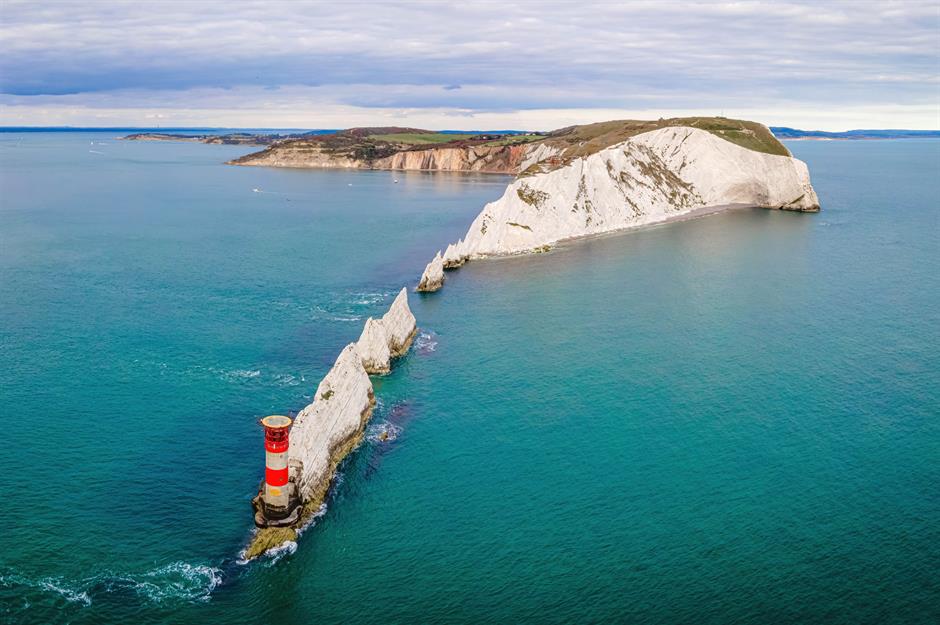
"It is impossible to imagine a prettier spot," said Queen Victoria of Osborne House, her grand Italianate retreat on the Isle of Wight, just off England’s south coast. With its charming villages, rich wildlife, fossil walks and stunning coastline – including the iconic chalk stacks known as The Needles – it’s easy to see why. The island draws some 2.6 million visitors each year, and among them were Paul McCartney and John Lennon, whose hit song Ticket to Ride was inspired by a trip to Ryde, the island’s largest town.