Beyond the slopes: why Italy's Aosta Valley should be next on your travel wish-list
Discover Italy’s secluded gem in the Alps
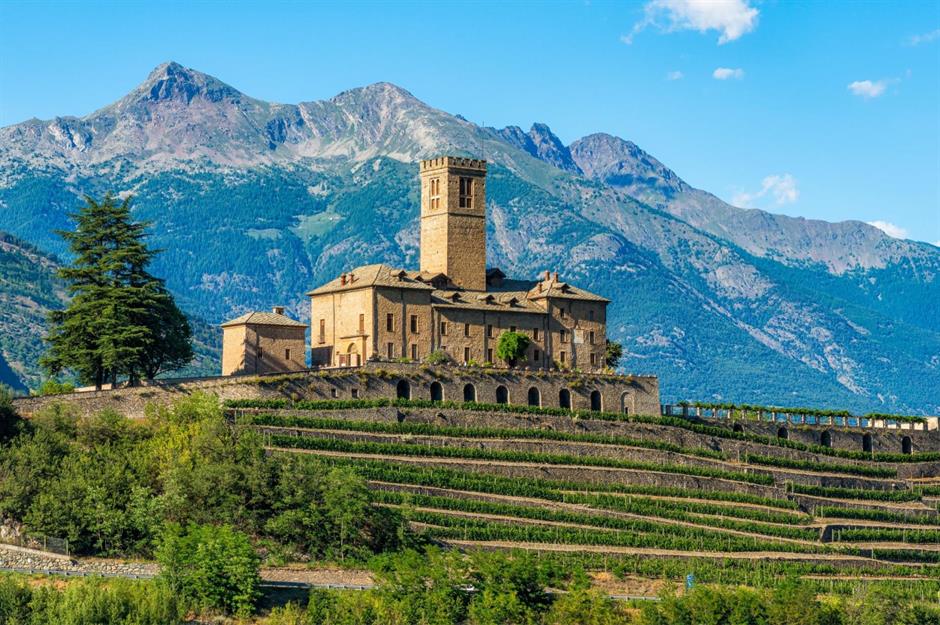
Nestled in the Italian Alps, the Aosta Valley is best known for world-class skiing and spectacular mountain vistas. Its winter sport resorts Courmayeur and Breuil-Cervinia attract skiers and snowboarders from around the world. But with its Roman ruins, more than 120 castles, endless outdoor activities and gastronomic delights, Italy’s smallest region also has a lot to offer off the slopes no matter the time of year.
Here are 23 of the best things to see and do in Italy’s secluded region in the Alps...
1. Escape to some of the highest peaks in Europe
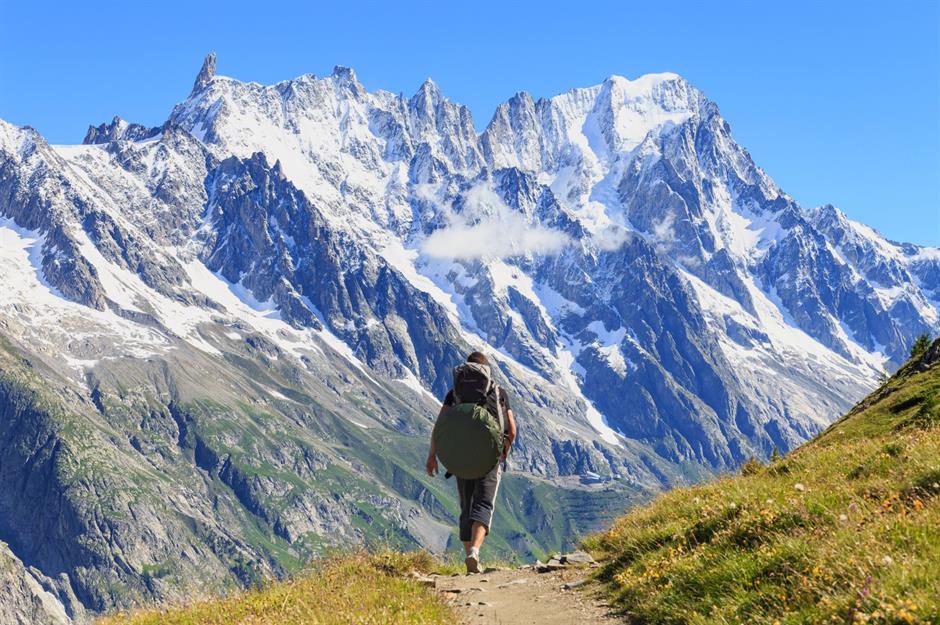
Comprising one large glacial valley bordered by France and Switzerland, the Valle d’Aosta, or Aosta Valley, stretches between majestic mountain ranges in the heart of the Alps. Some of the highest and most famous peaks in Europe such as Mont Blanc (15,771 feet/4,807m), the Matterhorn (14,691 feet/4,478m), Monte Rosa (15,200 feet/4,633m) and Gran Paradiso (13,323 feet/4,061m) dominate the vistas of this lush region in northwestern Italy. Even at 6,900 feet (2,100m) above sea level, on average, in the valley, you will always be overlooked by the snow-capped giants rising to around twice your altitude – a scenery that simply wants to be explored.
2. See majestic Mont Blanc up close
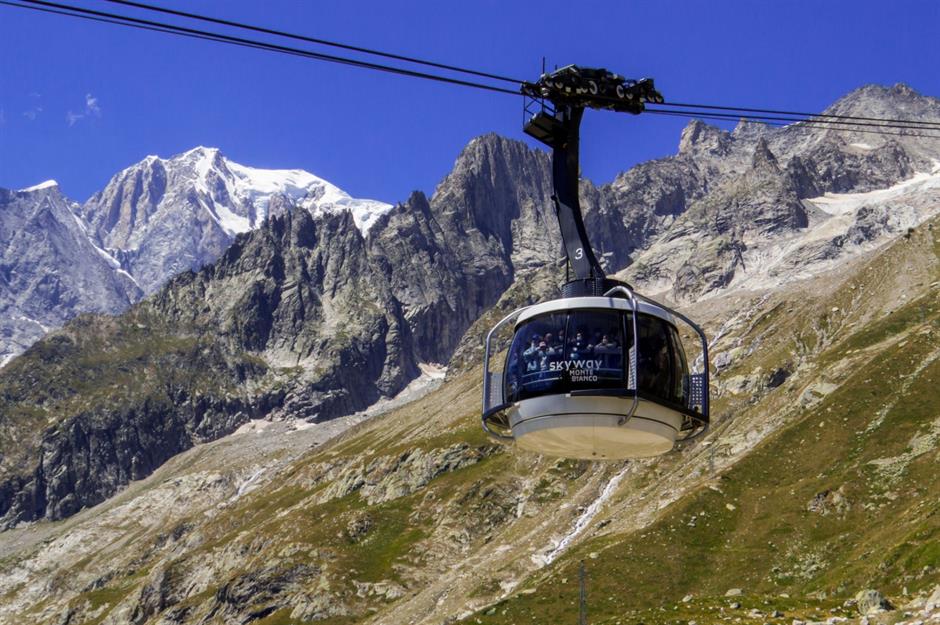
Western Europe’s highest peak Mont Blanc, or Monte Bianco in Italian, is a truly impressive sight that even non-alpinists can get very close to in the Aosta Valley. Starting from Courmayeur, the state-of-the-art cable car Skyway Monte Bianco takes you on a spectacular journey to Punta Helbronner, with gondolas that rotate 360 degrees as they ascend to 11,371 feet (3,466m) above sea level in just 18 minutes. At the top, you're rewarded with unparalleled views of the Alps and Mont Blanc's snowy peak.
Sponsored Content
3. Enjoy the great outdoors
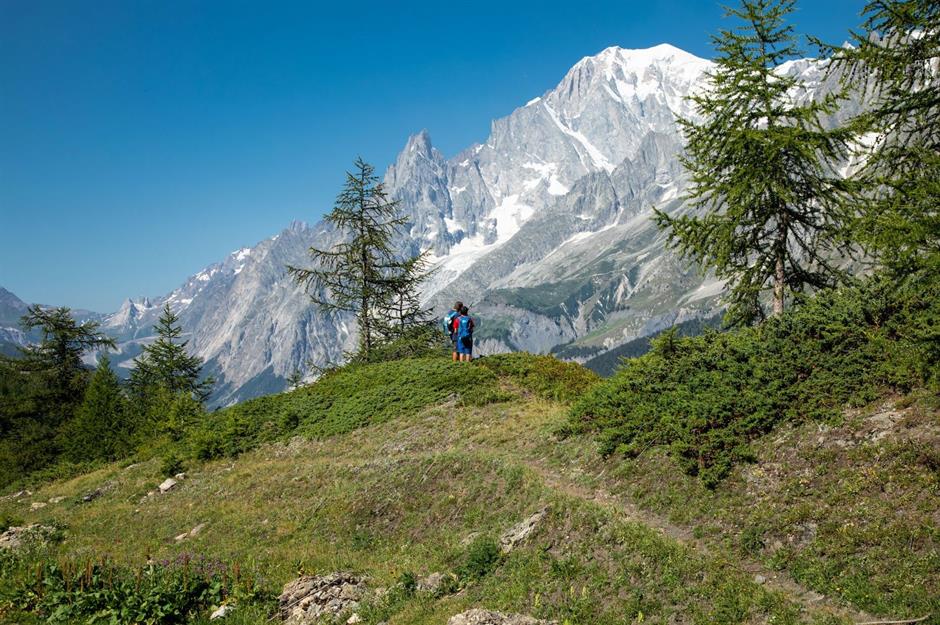
In summer, the region is favoured by hikers, with one of the most popular long-distance walks in Europe, the Tour du Mont Blanc, passing through the Courmayeur area. For diverse trails and breathtaking mountain views, go hiking in Val Ferret (pictured) at the foot of Mont Blanc Massif. A hike through the valley takes you along pristine stream Dora di Ferret, through lush alpine meadows dotted with vibrant wildflowers during the summer months and fragrant pine forests. From family-run restaurant Chalet Val Ferret (stop here for delicious homemade wild hare pappardelle or wild boar and blueberry ravioli) there’s a moderate 40-minute trail up to Refuge Elena at 6,761 feet (2,061m) where you'll be rewarded with stunning vistas of the 1,000-year-old Pre de Bard glacier.
4. Go skiing in summer
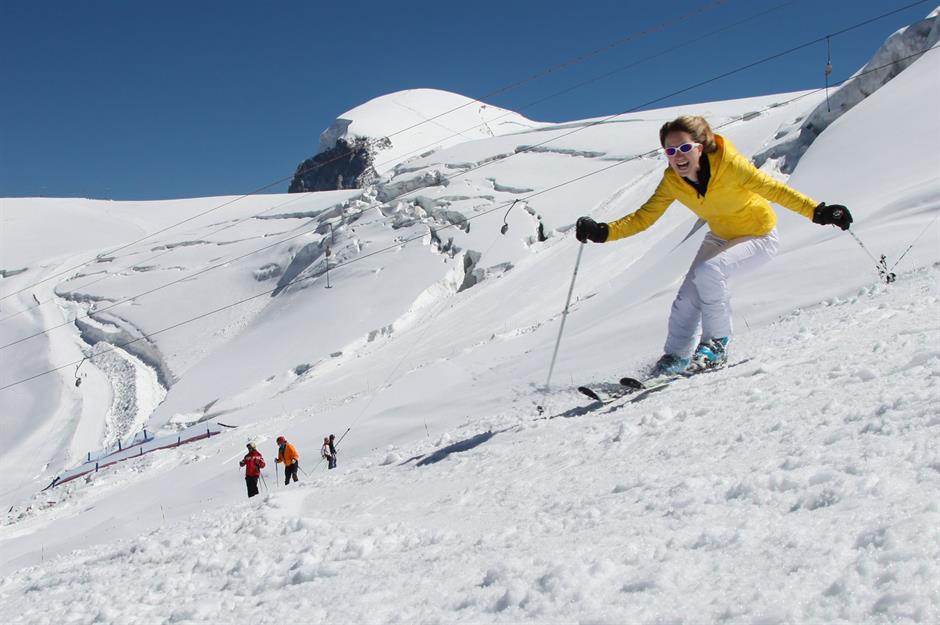
It might sound impossible if you’ve just had a stroll in a T-shirt and shorts through Aosta town on a hot summer's day, but in the Aosta Valley you can ski all year round. In the Breuil-Cervinia region, the high-altitude Plateau Rosa glacier ensures reliable snow conditions January to December. Located at over 11,400 feet (3,500m), the glacier skiing area is connected to the Zermatt resort in Switzerland, providing a vast terrain for summer skiing enthusiasts. You can access the Petit Matterhorn cable car and continue with the Matterhorn Glacier Ride II. Much like in winter, numerous slopes cater to skiers of all levels and preferences. Snowboarders can enjoy the expansive Snowpark Zermatt, one of the largest summer facilities situated on a glacier.
5. Hike to glacier waterfalls
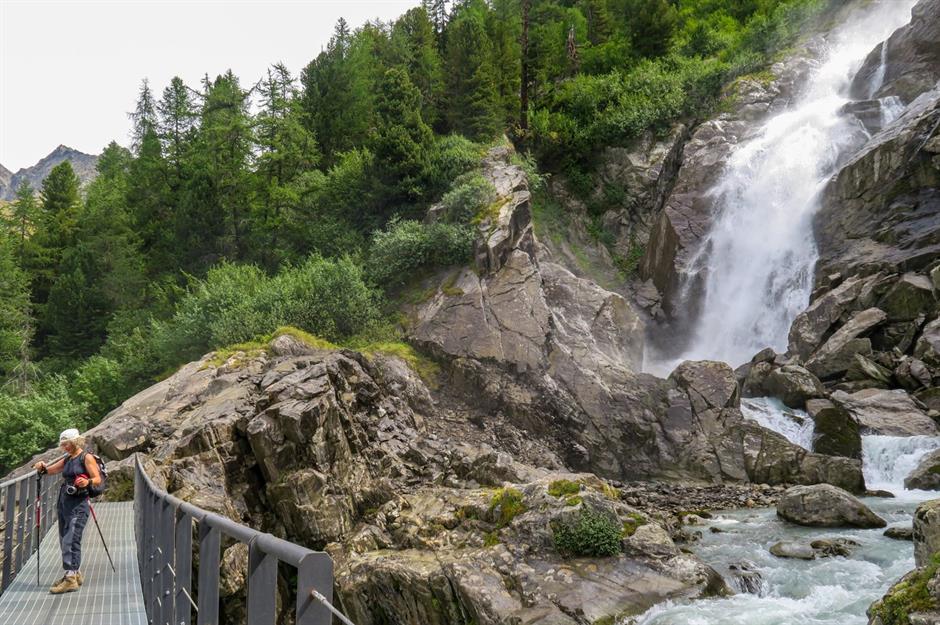
You might have seen the valley’s famous Blue Lake, near Breuil-Cervinia, reflecting the Matterhorn in its turquoise waters on social media, but for a quieter and less crowded experience, head to the Rutor waterfalls near La Thuile. The cascading waters of the Rutor glacier create three spectacular falls surrounded by dense forests, alpine meadows dotted with shepherd huts and rocky terrains. Starting from La Joux south of La Thuile, the two-hour trek up offers stunning views of the surrounding mountains, lush greenery and the sparkling waters of the falls. The trail is well-marked and can be enjoyed by families, casual hikers and those looking for a moderate outdoor adventure.
Sponsored Content
6. Explore on an e-mountain bike
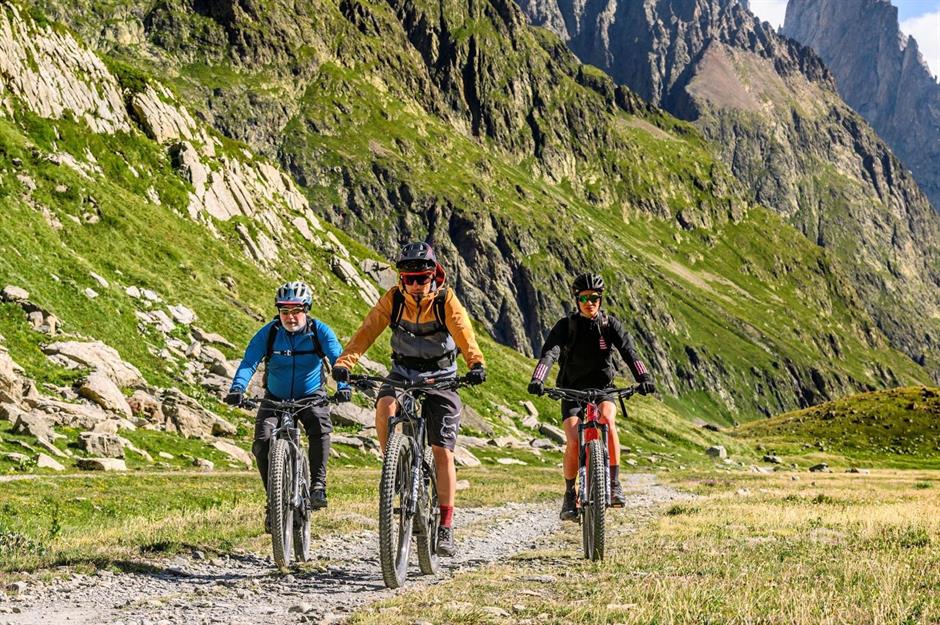
Another option to explore the stunning landscape is on two wheels; there are numerous trails for mountain bikers of all levels. The terrain varies from gentle slopes and forest paths to steep, technical descents and high-altitude trails. If you’re a downhill and freeride enthusiast, head to La Thuile, hire an e-bike and book a mountain bike guide via the local MTB office. One of La Thuile’s Bike Park trails starts in Les Suches at 7,217 feet (2,200m). To get there, you can hop on a chair lift with your bike (included in the lift pass), before peddling up to Chaz Dura in 8,461 feet (2,579m) and finally whizzing all the way down to find yourself only a stone’s throw away from the Little St Bernard Pass on the French border.
7. Follow in the footsteps of Romans
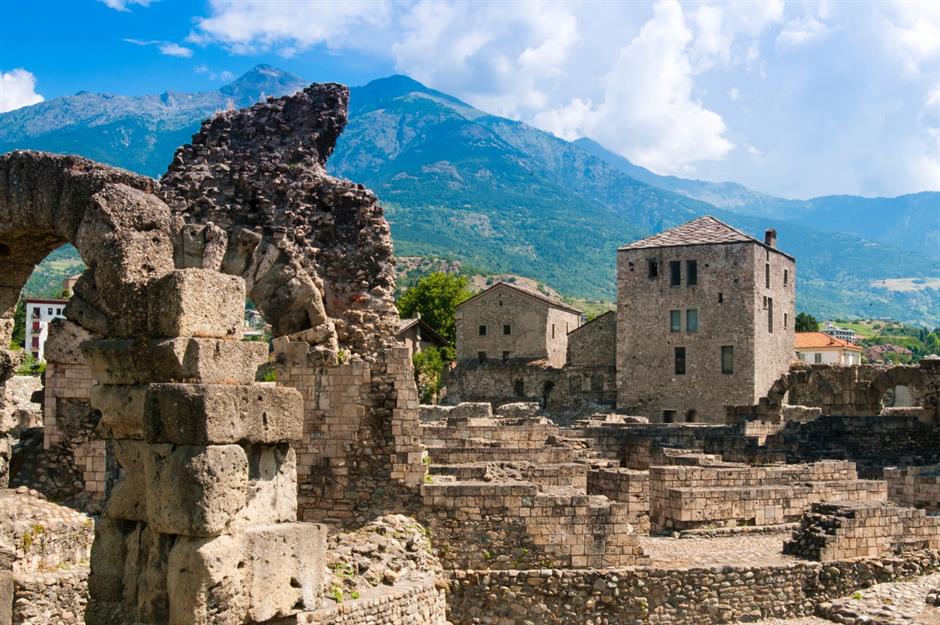
At the crossroads of Italian, French and Swiss influences for more than 2,000 years, the Aosta Valley played an important role for the Romans trying to cross the Alps. In 25 BC, the Romans founded the settlement Augusta Praetoria Salassorum in this strategic location between the Great and Little St Bernard Pass and made it a key military and trading hub. What has become modern-day Aosta town, now the capital of the region, is still awash with Roman ruins. Key archaeological sites include the Roman theatre, the Arch of Augustus and the city walls, so it’s no surprise Aosta is also known as the 'Rome of the Alps'. Allow a day to explore the ancient past of the town and make sure to visit the Cryptoporticus, a colonnaded underground walkway that was once part of the Roman forum.
9. Be a royal for the day in one of 120 castles…
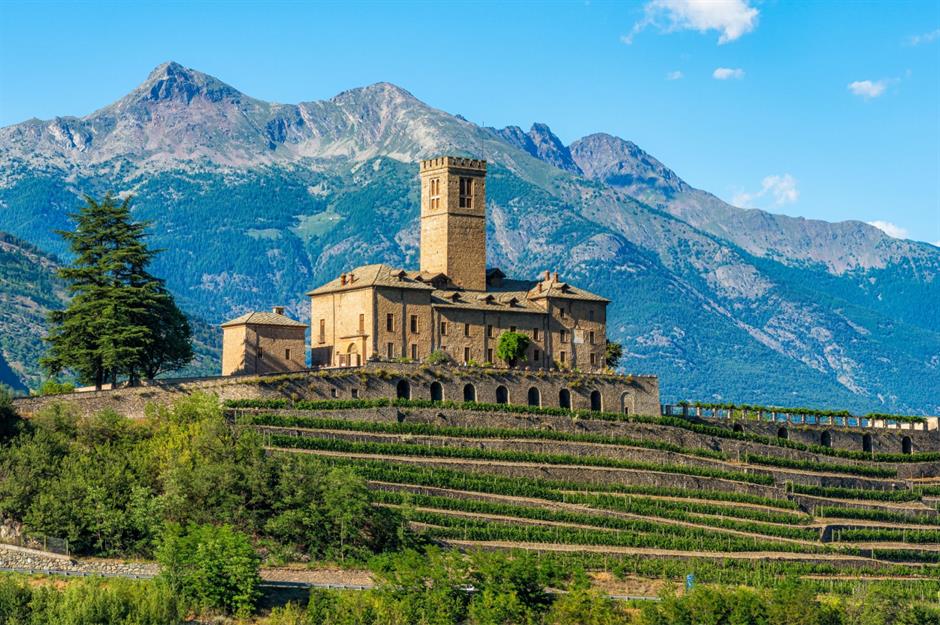
As you make your way along the main road running east-west through the valley’s idyllic scenery, you’ll quickly notice that you are overlooked by several mighty fortresses. The 120 medieval castles that dot the Aosta Valley, demonstrate their builders’ power and ensured important communication channels during times when the region was passed back and forth between France and Italy. Many of these castles have been turned into museums that can be visited today, such as Sarre Castle which tells the story of the powerful Savoy dynasty in the valley.
Love this? Follow our Facebook page for more travel inspiration
Sponsored Content
9. Discover where a Marvel blockbuster was filmed…
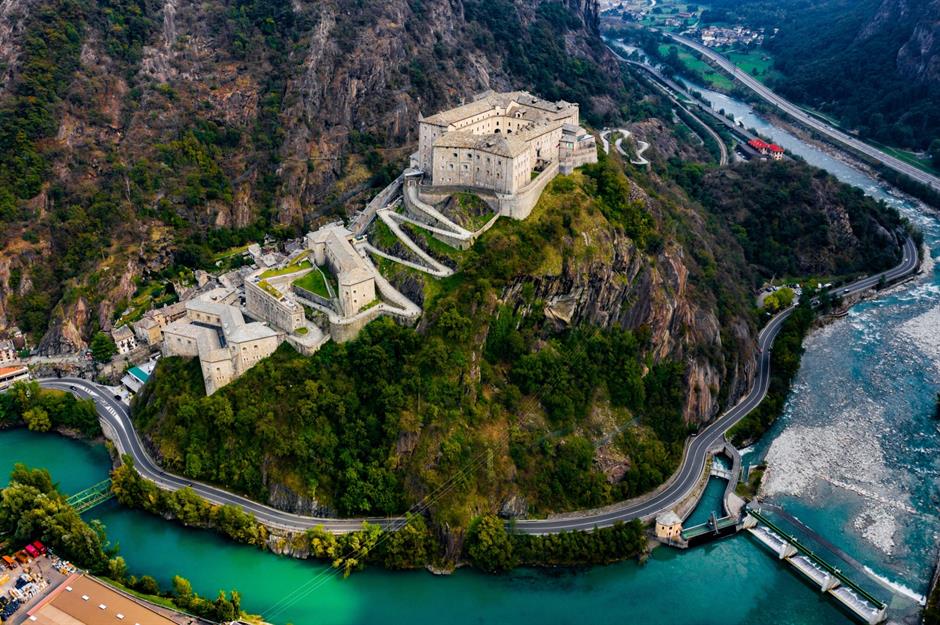
If you’re a movie buff, you’ll probably recognise this impressive fortress. One of the Aosta Valley’s most spectacularly located castles, Fort Bard dominates a glacial valley from a majestic outcrop above the Dora Baltea river. For millennia it was a stronghold to control the alpine routes between Italy and France. Rebuilt in the 1800s on the site of a medieval castle, today it houses a cultural centre, an old prison and the Museum of the Alps. On the silver screen, it was the headquarters of Hydra in Marvel’s The Avengers: Age of Ultron. You can access the fort via a series of funicular railways or you can walk up the steep slopes. Superhero fans can take their selfies with 1:1 scale models of Iron Man, the Hulk and Captain America at the landing of the third lift. A combined ticket allows access to the exhibitions, old prison and the museum.
10. Try to decipher medieval graffiti
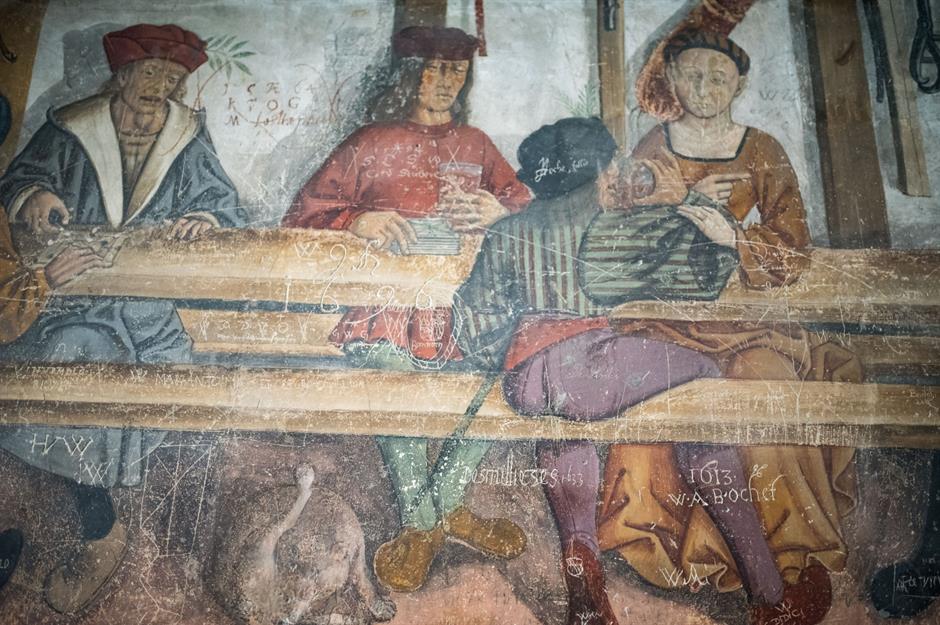
Belonging to the influential Challant family, Issogne Castle offers some impressive Renaissance frescoes depicting daily life in medieval times, including one on cheesemaking, possibly the earliest record of the region’s famous fontina cheese being made. However, there’s something else that makes this castle well worth visiting. Carved into the frescoes and walls, medieval visitors, servants and the lords of the castle left more than 600 inscriptions in five different languages, philosophising about money, love and life. With the oldest of these 'graffiti' dating back to the late 15th century, today’s visitors get to read everything from 'Amor vincit omnia' – love conquers all – to cheeky complaints about road tolls and other nuisances of daily life in the 1400s to 1800s.
11. Indulge in local cuisine
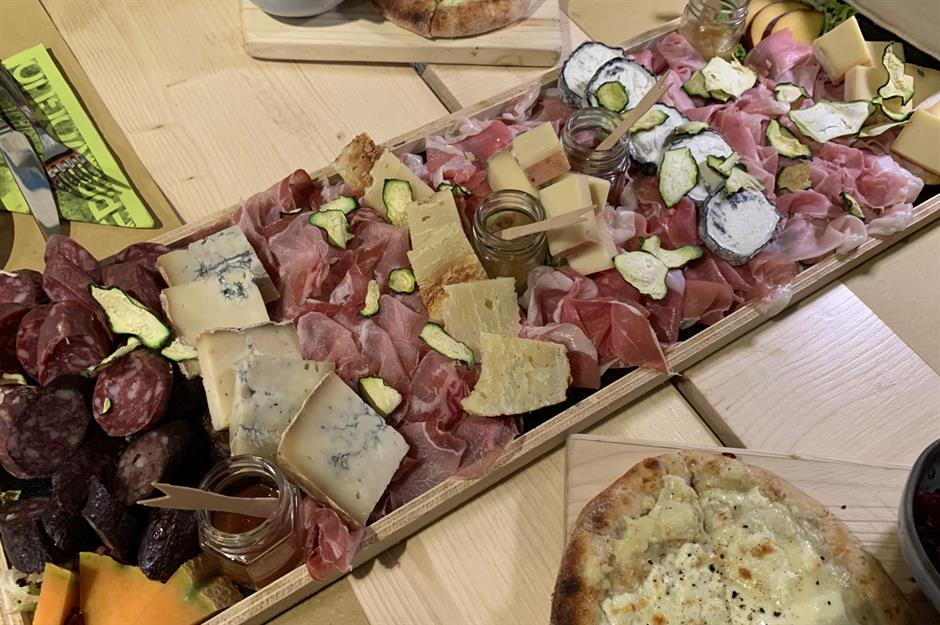
The Aosta Valley has a rich culinary tradition that reflects its alpine environment. A must-try, the semi-soft fontina cheese has been made in the region since the 12th century. Known for its earthy and nutty flavour, it consists of unpasteurised cow’s milk and is used in local dishes such as zuppa alla valpellinentze, a thick soup of cabbage, bread and beef broth. Regional charcuterie is also unmissable such as dried and cured mocetta, typically made from chamois, deer or beef. Book a table at Lo Riondet in La Thuile for traditional rustic dishes and take in the views of Mont Blanc while enjoying a stylish buffet of Italian alpine dishes at the bistro of Pavillon/The Mountain at the middle stop of the Skyway cable car. For an authentic culinary experience, book a wine, salami and cheese tasting at Erbavoglio in Aosta (pictured).
Sponsored Content
12. Taste wine from some of the highest vineyards in Europe
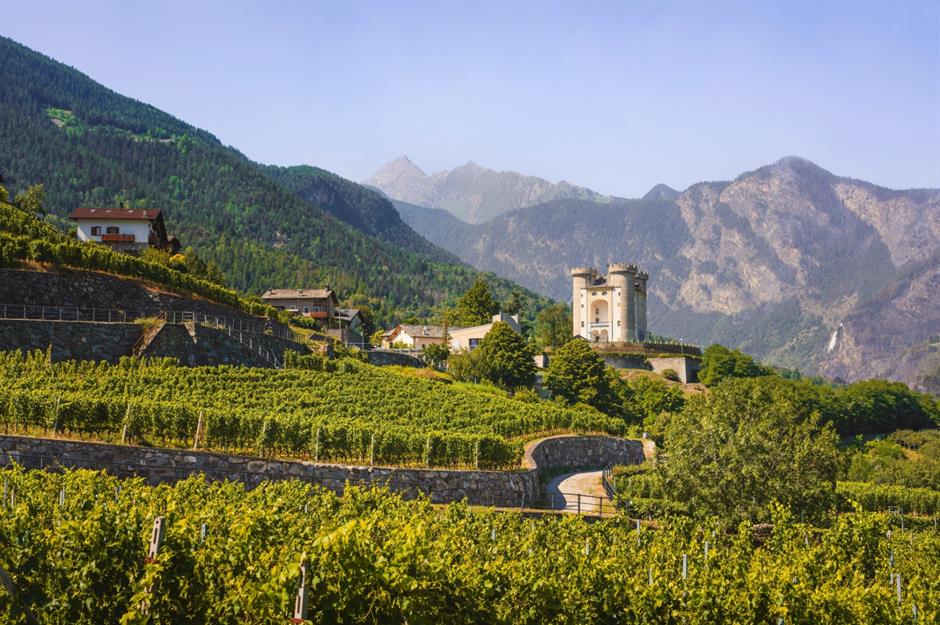
Dating back to Roman times or even earlier, the Aosta Valley has a long history of winemaking. Its steep, terraced slopes at high altitudes, often between 980 to 3940 feet (300 to 1,200m) above sea level, house some of the highest vineyards in Europe. The altitude contributes to the freshness and vibrant acidity of the wines, made from local grape varieties such as Petit Rouge, Fumin and Prie Blanc. At the middle station of the Skyway Monte Bianco cable car, make sure to visit the Cave Mont Blanc cellar. The high altitude creates the tiny bubbles of their spumante (Champagne-method sparkling wine). You can arrange for a private tasting and ‘pielotage’ where they open the bottles with an ice axe.
13. Celebrate the valley’s food festivals
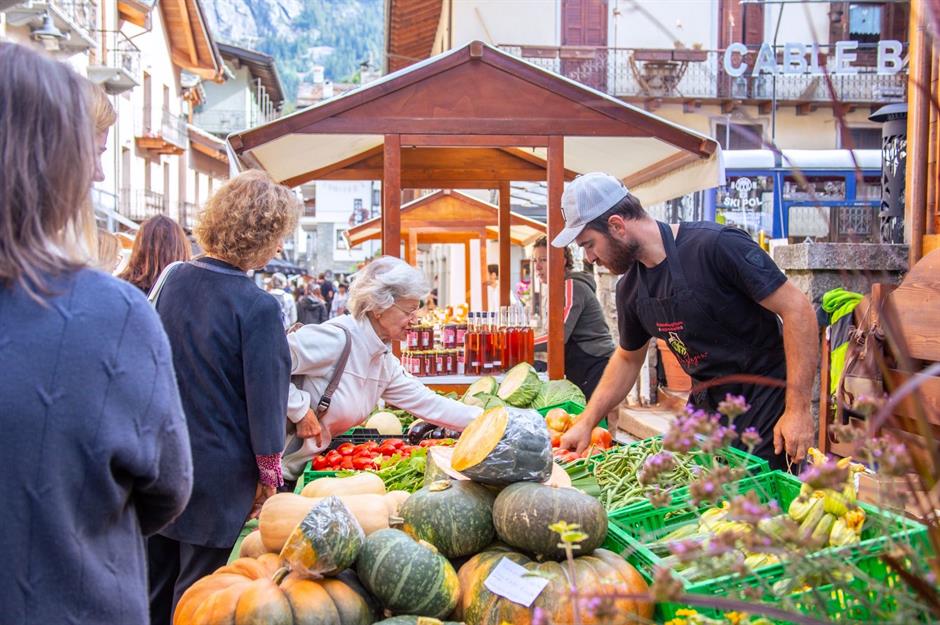
Throughout the year, the Aosta Valley celebrates its local products and culinary heritage with several festivals and food markets, dedicated to everything from honey and fontina cheese to chestnuts and ham. In late August, the Lard Festival in Arnad is centred around the only European-certified Lard d’Arnad PDO, a unique type of cured pork fatback made from local pigs, herbs and spices. The Fiera di Sant'Orso in Aosta in January is the largest and most famous fair in the valley, dating back over 1,000 years. Local cheeses, cured meats, breads and sweets are on display. At La Toupie Gourmanda in July guests get to explore the vineyards of Morgex. Pictured here is Courmayeur’s traditional food market Lo Matson, with the next one taking place 1 September 2024.
14. Go rafting on the 'Colorado of Europe'
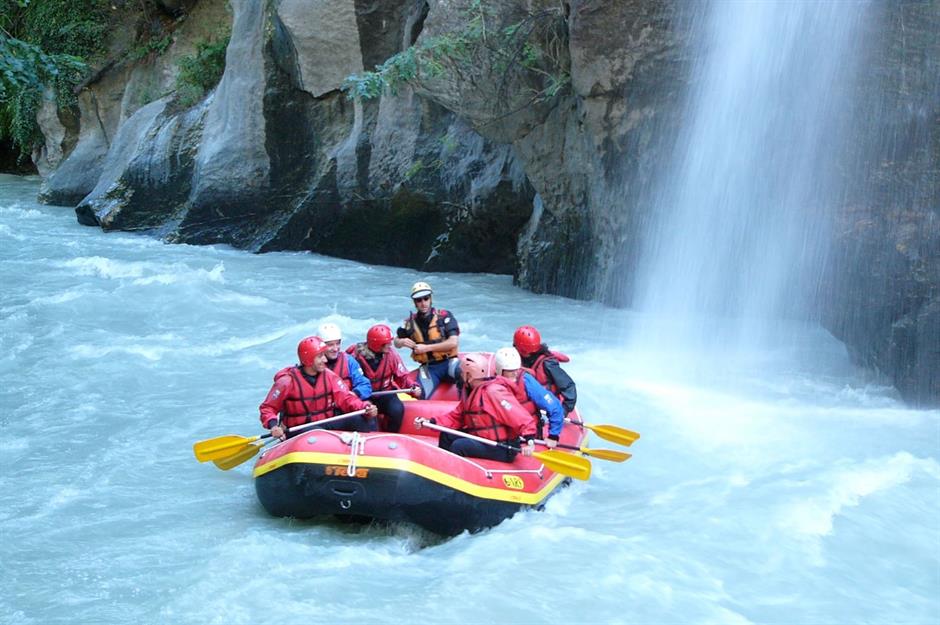
Thanks to its breathtaking alpine scenery, the Aosta Valley offers several exciting locations for rafting on its fast-flowing rivers. The Dora Baltea river is the most popular river for rafting in the region. Known as the 'Colorado of Europe', it offers thrilling rapids and beautiful landscapes. During the summer months, the Rafting Aventure Villeneuve Centre offers tours between Arnad and Bard at the foot of impressive Fort Bard.
Sponsored Content
15. Spot marmots, ibex and chamois in the wild
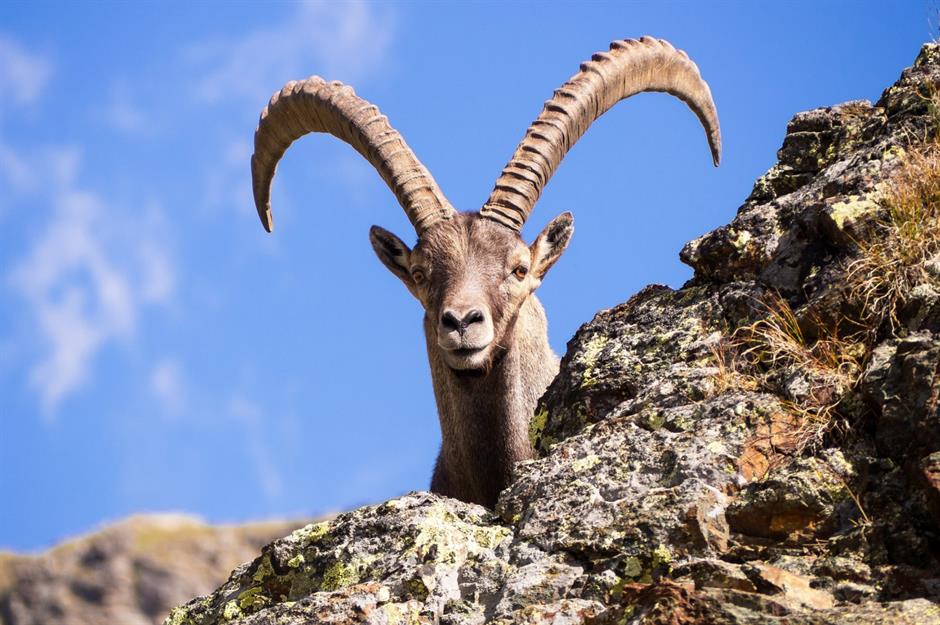
The Aosta Valley offers numerous spots where you can observe a variety of animals in their natural habitats. As you walk or cycle along the mountain tracks during the summer months, you’ll likely hear a distinctive whistle. Marmots love the alpine meadows and open grassy areas of the region and can be spotted in Val Ferret and Val Veny near Courmayeur as well as on the slopes of La Thuile. A true wildlife paradise is Gran Paradiso National Park, Italy's oldest national park, which was founded to protect the alpine ibex (pictured). The park is famous for its population of the species also known as steinbock, which can often be seen grazing on steep slopes. Chamois, agile mountain goats, are also common in the park. Join a guided wildlife tour for the best chances of spotting these animals.
16. Cycle between two countries
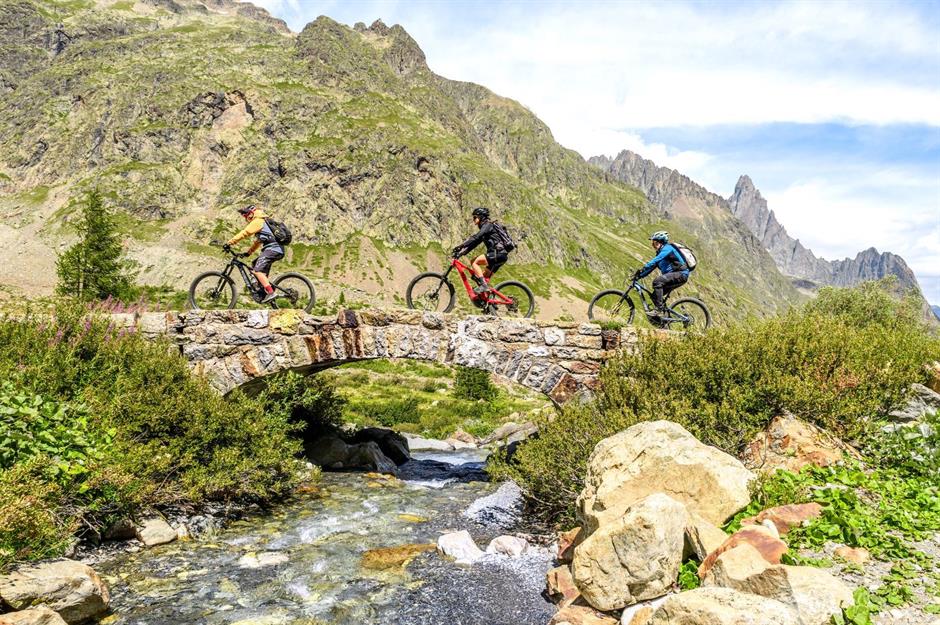
Cycling between Italy and France in the Aosta Valley is a popular activity due to the scenic routes and well-maintained trails that traverse the alpine landscapes. One of the most notable routes passes through the Little St Bernard Pass. From La Thuile on the Italian side it’s a 17-mile (28km) ride to the summit of the pass, and then another 17 miles (28km) to Bourg-Saint-Maurice in France. You can also traverse the Mont Blanc massif by following the cross-border network of paths from Courmayeur to Chamonix. In the summer months, there’s a shuttle service with bike carrier (free until 31 August 2024, bookable via app) between the two towns to allow cyclists to return the same day. Remember the routes involve very mountainous terrain, so it’s best to go with a guide.
17. Play one of the highest rounds of golf in Europe
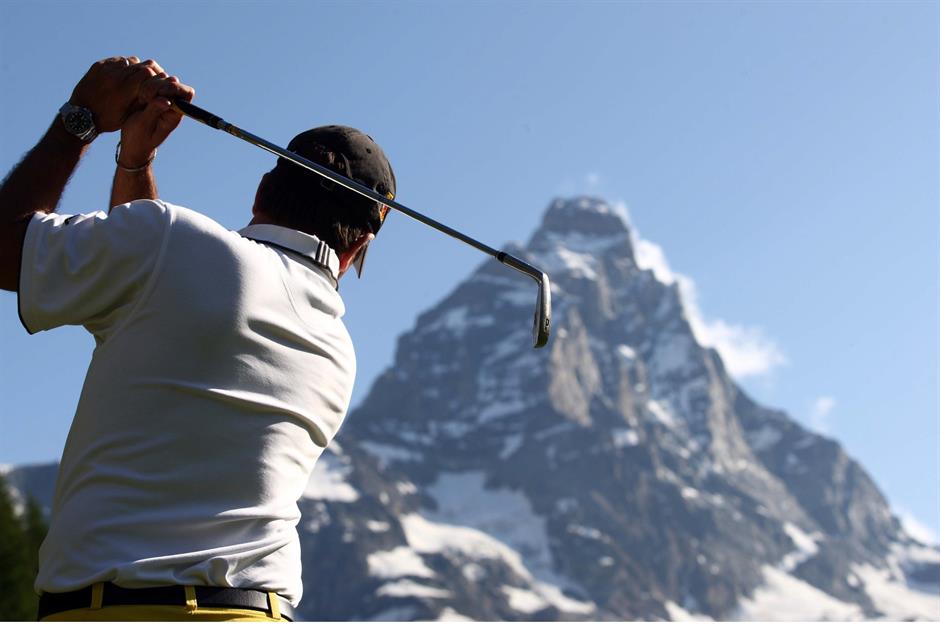
As you travel through the Aosta Valley, you’ll quickly notice how many attractions here can pride themselves on being 'one of the highest in Europe', such as 'Europe’s highest piano' at the middle station of Skyway’s cable car, inviting passers-by to play their favourite melody. At 6,725 feet (2,050m) above sea level, Italy’s highest golf course, the Golf Club del Cervino, however, is just as breathtaking as it is challenging. Its 18 holes feature a mix of narrow fairways, strategic bunkers and undulating greens, while providing breathtaking views of the Matterhorn, lush valleys, and serene alpine meadows from every corner.
Sponsored Content
18. Discover ancient mines
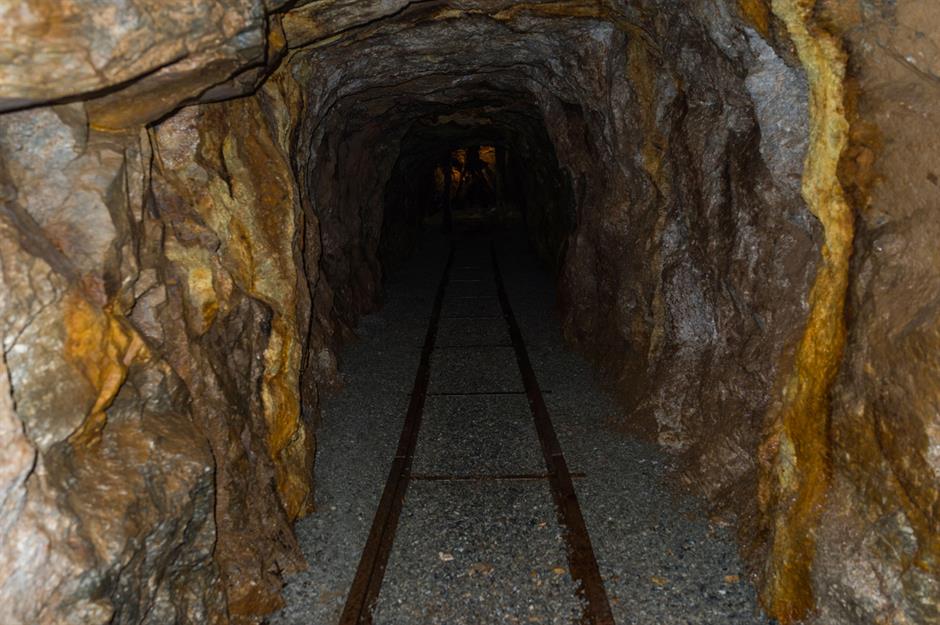
Since ancient times, the rich mineral resources of the Aosta Valley have been exploited, resulting in a series of mines dotted around the area. Today, they are no longer in use, and many have opened to visitors. The mines of Cogne (1432-1979) offer an interesting insight into mining activity in the region and, accompanied by a guide, a vintage train takes you one mile (1.5km) into the tunnel where miners once prospected for magnetite. In Brusson in the Val d’Ayas, you can explore the underground world of the former Chamousira Fenilliaz gold mine, a modern facility located in a panoramic area overlooking the valley. In La Thuile there are a number of walking trails leading to the ruins of the local coal and silver mines and their abandoned rail tracks.
19. Fly over the Alps
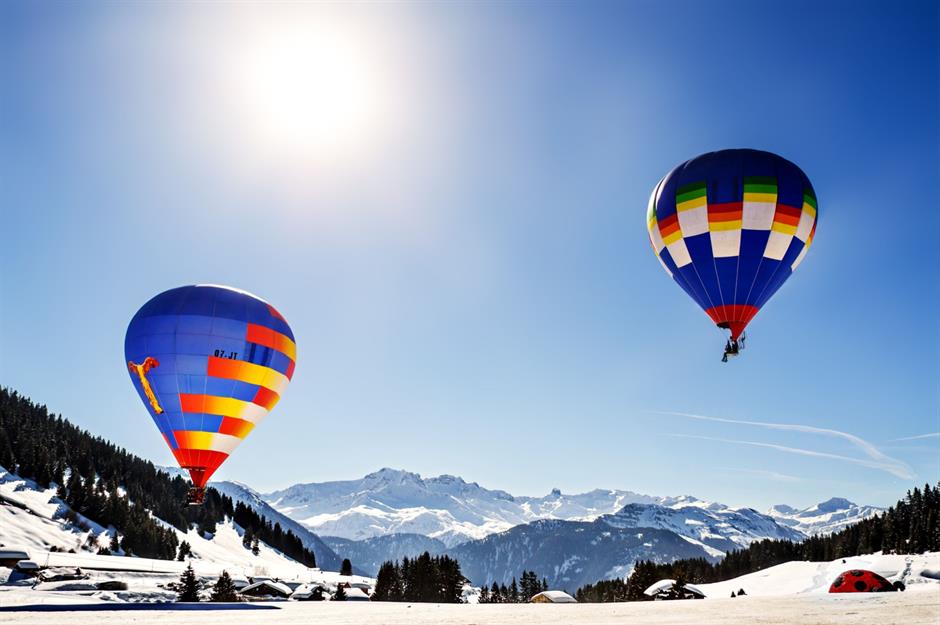
If you simply can’t get enough of the mountain scenery on foot, you can marvel at the towering peaks from up in the air. A hot air balloon adventure from Aosta town takes you to heights of up to 1,000 feet (3,000m), where you’ll find yourself surrounded by the valley’s majestic glaciers. Prices start from €210 (£180) per person. Or you can go paragliding at Antey-Saint-Andre in the Matterhorn valley which has good flying conditions throughout the year.
20. Observe the stars
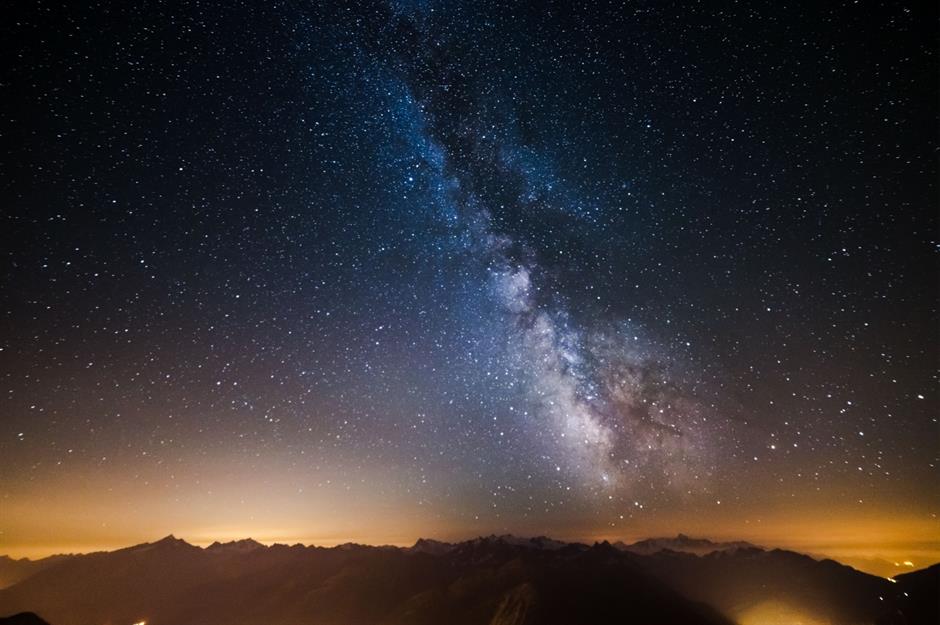
Situated at 5,495 feet (1,675m) in the Saint-Barthelemy Valley in Nus, the Astronomical Observatory of the Aosta Valley enjoys little light pollution and prides itself with a minimum of 250 clear nights a year. Visitors and amateur astronomers can use the 12 observation decks equipped with power terminals or simply observe the stars with the naked eye. You can also book a 1.5-hour guided night tour and join a one-hour planetarium show.
Sponsored Content
21. Get to know the Walser culture
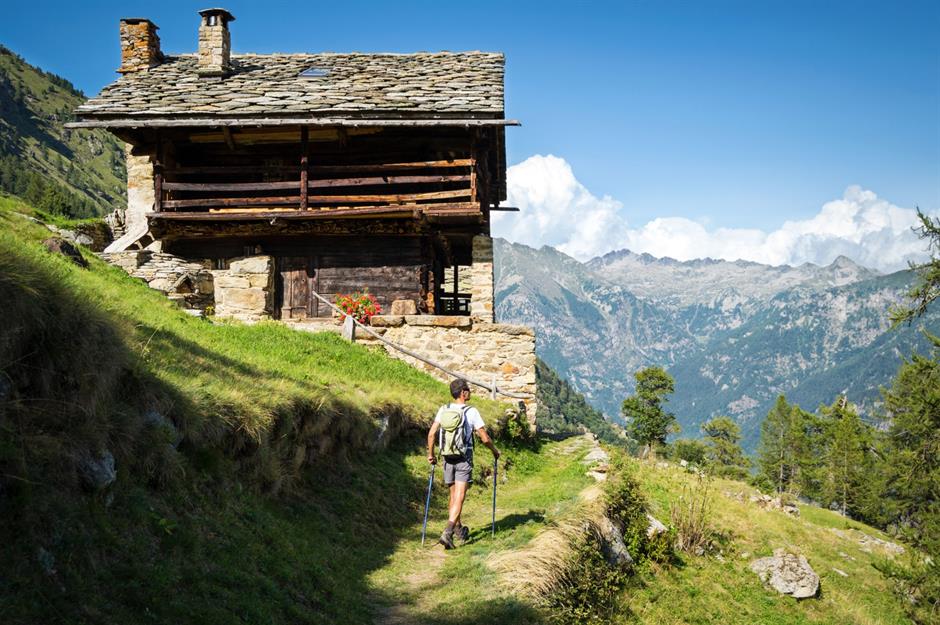
Head to the foot of Monte Rosa in the east of the Aosta Valley and you’ll hear a very different language in addition to Italian and French spoken in the rest of the region. The Walser who came from Switzerland and settled here in the 13th century brought the distinctive German-based dialects toitschu and titsch which, alongside other Walser traditions, have been preserved until this day. In the Lys and parts of the Ayas Valley you can see the Walser stadels, ancient wooden homes supported by mushroom-shaped pillars topped with large stone disks. Head to the Walser Ecomuseum in Gressoney-La-Trinite to visit three traditional structures and learn about the adorned costumes of the Walser people.
22. Relax in thermal springs
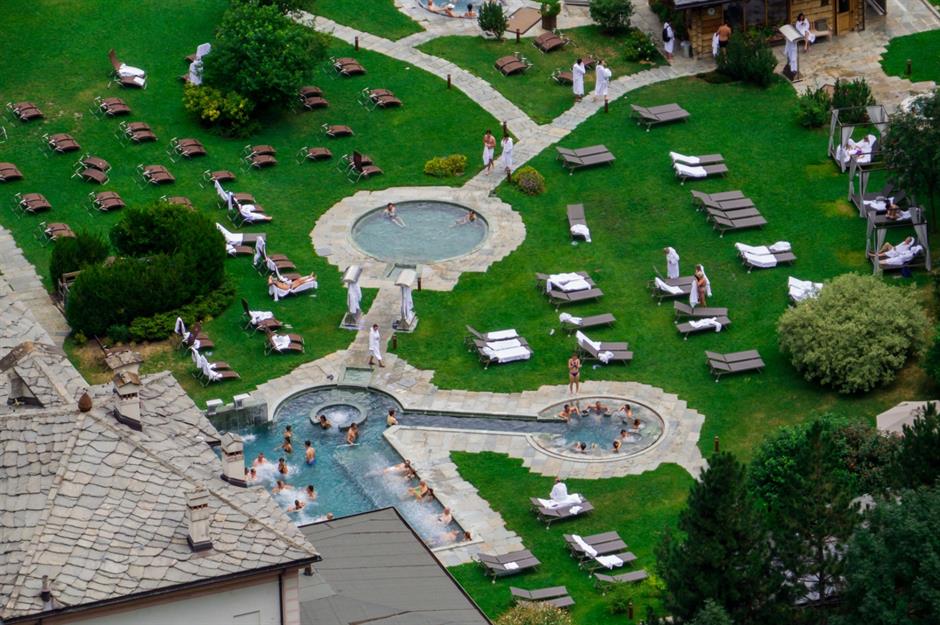
The origins of the Terme di Pre-Saint-Didier trace back to ancient Roman times, as the natural thermal waters have long been known for their therapeutic properties, particularly for relieving muscle and joint pain – perfect after a day of outdoor activities on the mountains. The spa offers three large outdoor pools maintained at a soothing 37°C (99°F), while offering views of Mont Blanc. Another renowned thermal spa, Terme di Saint-Vincent is located in a picturesque setting too. Many hotels and accommodations in the Aosta Valley also offer excellent spa facilities, such as Maison Saint Jean in Courmayeur or Chalet Eden in La Thuile.
23. Shop for traditional crafts
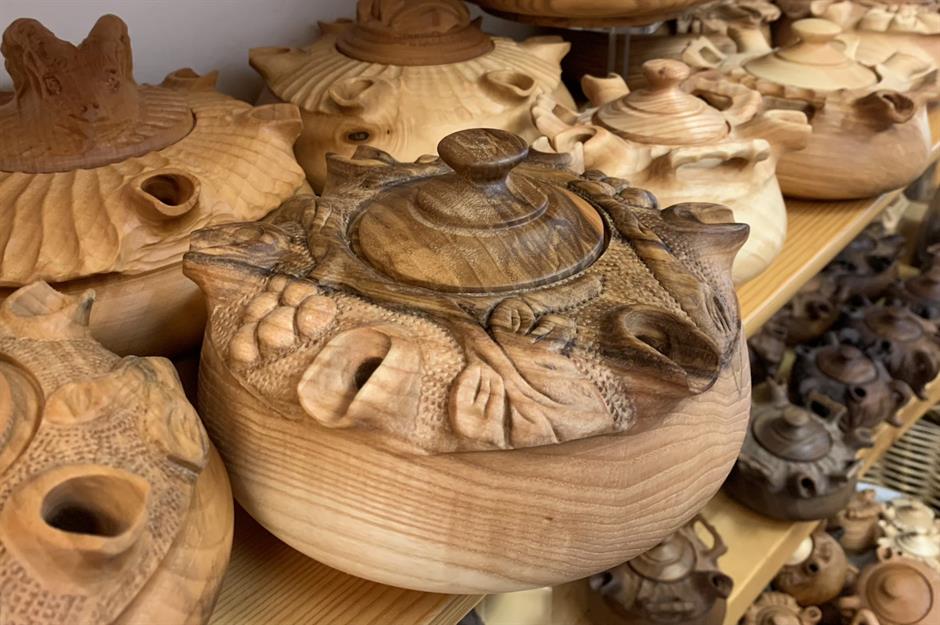
Craft shops in Aosta town sell traditional objects made by certified local artisans. Wood carvings, often depicting religious figures, local wildlife and scenes from daily life, are unique to the region, such as the coppa dell’amicizia (pictured). The friendship cup is intricately carved with alpine motifs and has several mouthpieces, allowing friends to drink from it at the same time. It is filled with coffee, grappa and sometimes spices such as cinnamon and citrus peel. Other items to look out for include delicate lace and embroidery, wicker baskets and hand-painted ceramics in vibrant colours.
Sponsored Content
Getting there
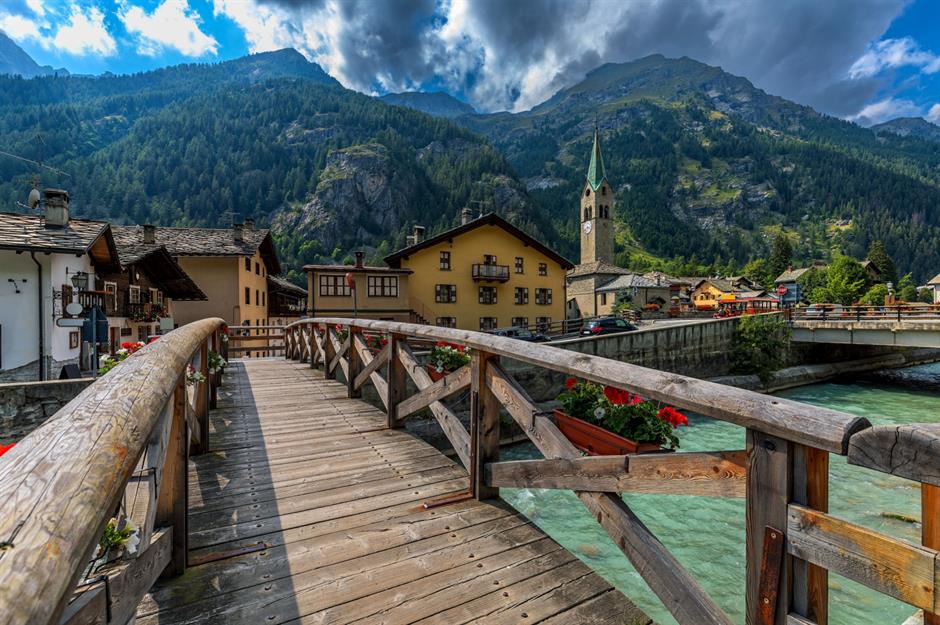
The nearest airports to the Aosta Valley are Turin (74 miles/119km) and Milan Malpensa (105 miles/170km) in Italy, and Geneva (83 miles/134km) in Switzerland. All three cities are connected to Aosta town by train. From there, you’ll get to the valleys by regional buses. If you decide to rent a car, which is the best way to explore the valley, Courmayeur is an hour and 20 minutes’ drive from Geneva or an hour and 40 minutes from Turin. Cervinia can be reached by car in an hour and 40 minutes from Turin or two hours and 20 minutes from Geneva.
Sandra Schröpfer visited in July 2024 and was a guest of aosta-valley.co.uk.