The most dangerous European countries to drive in – and the safest
To drive or not to drive
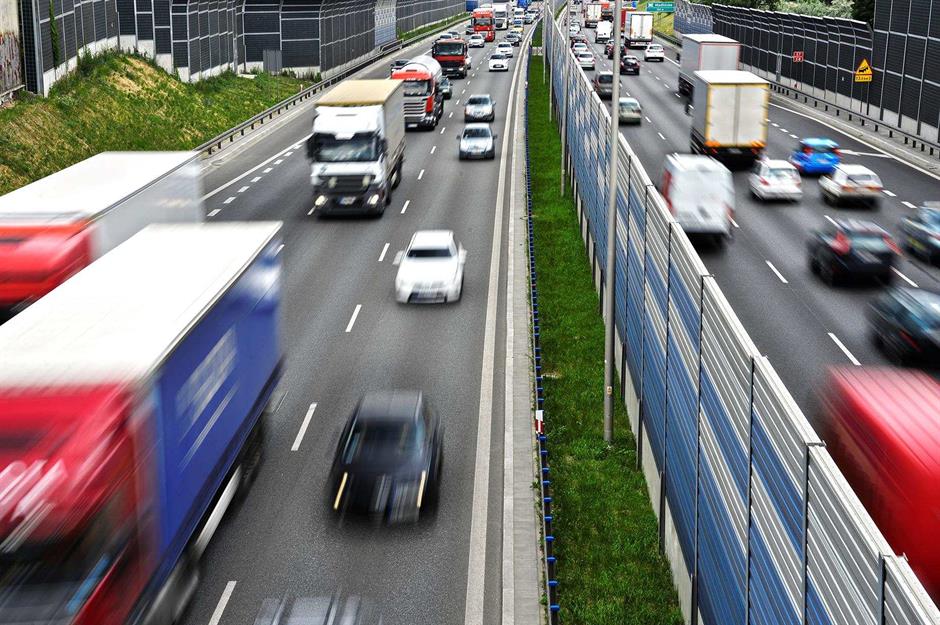
Road trips can be a great way to explore Europe. But do you know which European nations are the safest to drive in? Based on a study by Vignetteswitzerland.com, which analysed the latest data from the European Transport Safety Council (ETSC), we’ve listed the 15 safest, as well as the 15 most dangerous.
Click through this gallery to discover the European countries with the safest and most dangerous roads…
15th safest: Belgium
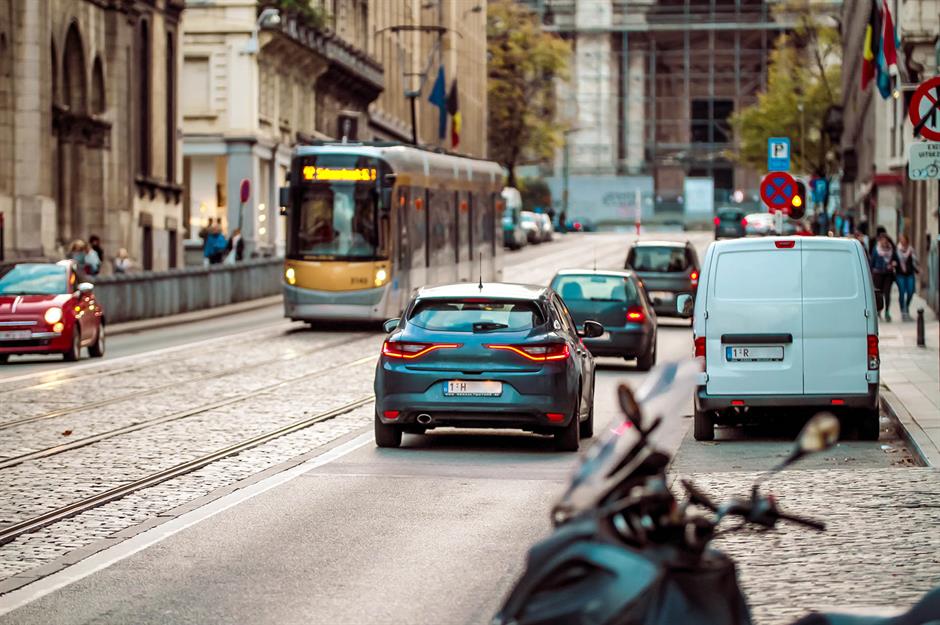
Belgium is a great place to explore by road. It’s also statistically the 15th safest place to drive in Europe, with 469 road deaths recorded in 2024. This works out to 40 road deaths per one million residents, lower than the average across the 27 European Union (EU27) countries of 44 deaths per one million residents. ETSC uses this as a benchmark across all 32 countries it monitors.
Rules for motorists in Belgium include driving on the right and wearing a fluorescent jacket if their vehicle breaks down on the motorway. Drivers also need to have a fire extinguisher in their vehicle.
=13th safest: Austria

In equal 13th place on the list is Austria, with total road deaths of 351 in 2024. This equates to 38 road deaths per one million people. While it’s one of the safer countries for drivers, visitors still need to be mindful.
Risks include frequent construction zones on the Autobahn, challenging winter mountain routes and confusing signage for non-local drivers. Using your horn is generally prohibited in Vienna and near hospitals.
Sponsored Content
=13th safest: The Netherlands
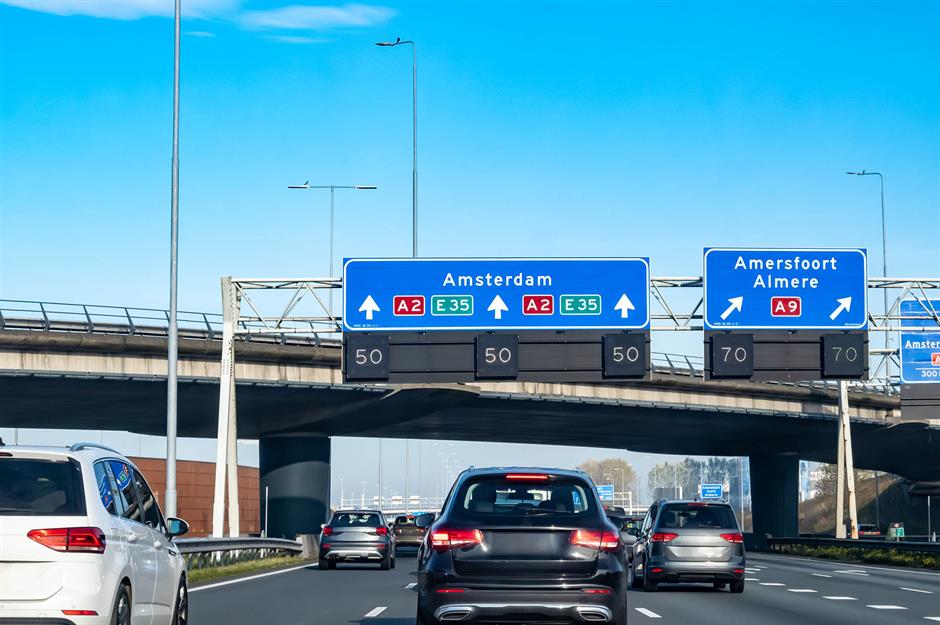
Joining Austria with 38 road deaths per one million people is the Netherlands. It had 675 total fatalities, nearly twice that of Austria, but with a population which is around double the size. The Netherlands boasts excellent road conditions and clamps down on traffic offenders.
When it comes to alcohol, there are strict regulations – it’s an offence to drive with a blood alcohol level of 0.05% or more (or 0.02% if you’ve held your licence for less than five years).
12th safest: Spain

At number 12, we have Spain, with 36 fatalities per million residents. The total number of deaths was 1,751 – but the country’s population tops 48.6 million. This is a county of well-maintained roads, generally responsible drivers and strict enforcement of traffic laws.
Excellent news if you’re keen to explore the seascapes of Costa Brava or the white villages of Andalusia. Spanish road rules include not using your horn in urban areas (except in emergencies) and sticking to a speed limit of 19 miles per hour (30km/h) in built-up areas.
11th safest: Germany
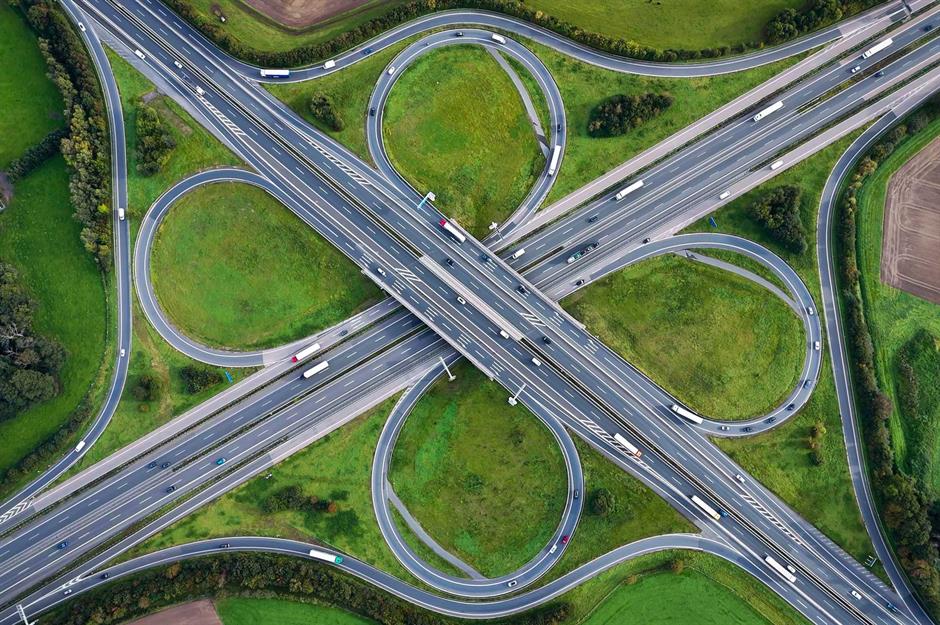
Germany saw 33 road deaths per million in 2024 – 27% below the EU27 average. The country, which has a population of 83.4 million, recorded 2,759 fatalities during the year.
It’s well-known for its automotive engineering and road infrastructure. The Autobahn system (pictured) is a world-renowned, 8,000-mile (13,000km) highway network with sections that have no speed limits.
Sponsored Content
=9th safest: Ireland

At joint ninth is Ireland, with 32 road deaths per million inhabitants in 2024. A total of 172 people were reported killed in road collisions in Ireland last year.
To tackle the number of road deaths, the Irish government enacted the Road Traffic and Roads Act 2023. It includes reforms to penalty points, mandatory drug testing at serious collisions and revised speed limits. The measures support Ireland's goal to halve road fatalities from 2017-19 levels by 2030.
=9th safest: Slovenia

Joining Ireland as the ninth safest country for driving in the EU27 is Slovenia. In 2024, it recorded 68 road deaths or 32 per one million people. Slovenian police strictly enforce the traffic laws, with high penalties for those who break them.
So, if you’re heading to Slovenia on a road trip to enjoy its towering mountains, ski resorts and magnificent lakes, you can rest easy knowing that it’s one of Europe’s safest destinations for motorists.
8th safest: Finland
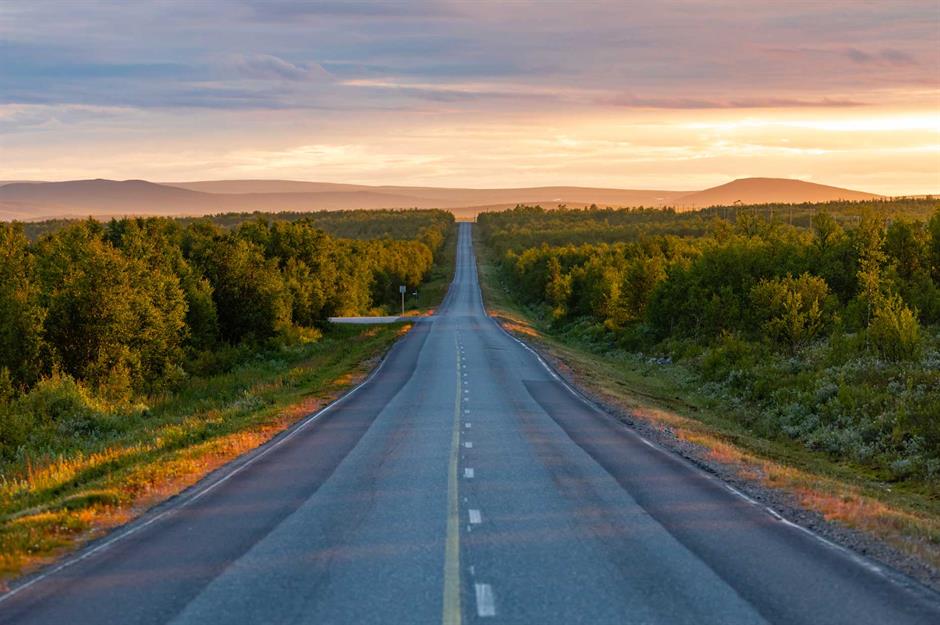
According to the data, Finland recorded 31 deaths per million in 2024, with 176 fatalities in road traffic accidents. Despite Nordic weather throwing the occasional curveball, Finland is a pretty safe place to drive, and its roads are generally in good condition.
This is partly down to improvements to the country's highways and the implementation of Vision Zero – a multinational initiative aiming to eliminate serious road traffic accidents by 2050.
Sponsored Content
7th safest: Switzerland

Switzerland is one of Europe's safest countries for drivers, with 28 road deaths per million inhabitants in 2024 and 250 total fatalities. Since 2021, drivers aged under 20 have been required to have a provisional licence for at least a year before obtaining their full licence.
If you’re planning a European road trip, Switzerland has perhaps the continent's most scenic mountain roads. This landlocked country of 8.9 million people has a high-quality road network, with plenty of tunnels and bridges criss-crossing its steep Alpine topography.
6th safest: Luxemburg
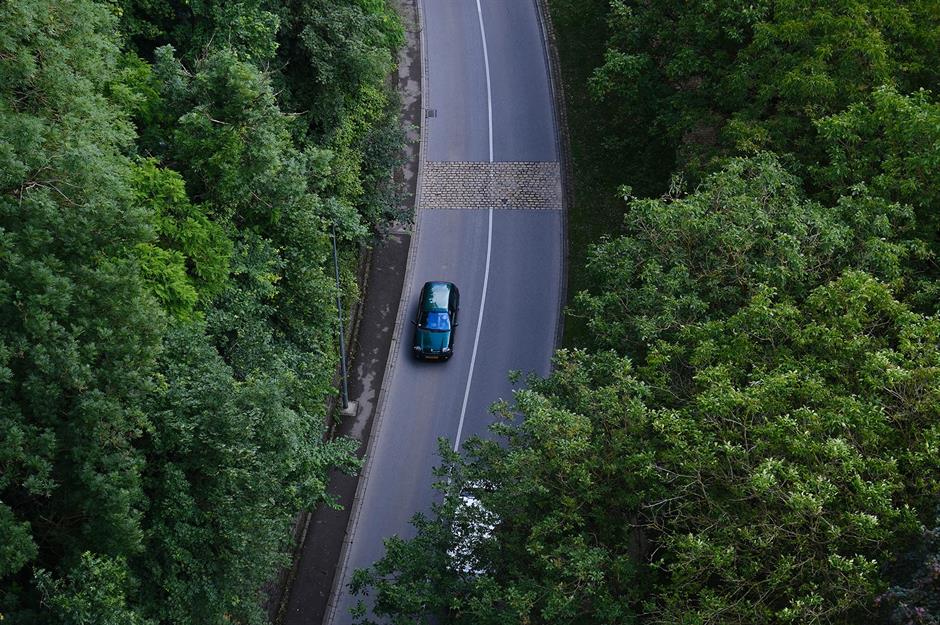
Luxembourg ranks as the 6th safest European country to drive in – quite a jump from its place as 14th safest in the previous year’s list. In 2024, it had just 18 total fatalities. With its tiny population of 672,050, this works out to 27 deaths per million, compared to 39.3 in 2023.
The country has worked to improve road safety awareness, with plans to introduce more cameras and to clamp down on phone use while driving. Other measures include additional police checks, improved safety for cyclists and amended speed limits.
5th safest: United Kingdom

The top five safest countries begins with the UK, which falls two places from 2023. The latest data shows there were 1,702 road fatalities in 2024, with 25 deaths per million – 44% lower than the EU27 average.
In 2024, the government invested £38.3 million ($49m) to make 17 of the country's most high-risk roads safer. Speed limits of 20 miles per hour (32km/h) in built-up areas have also been introduced in Wales and parts of London, with Scotland planning to follow suit by the end of 2025.
Sponsored Content
4th safest: Denmark
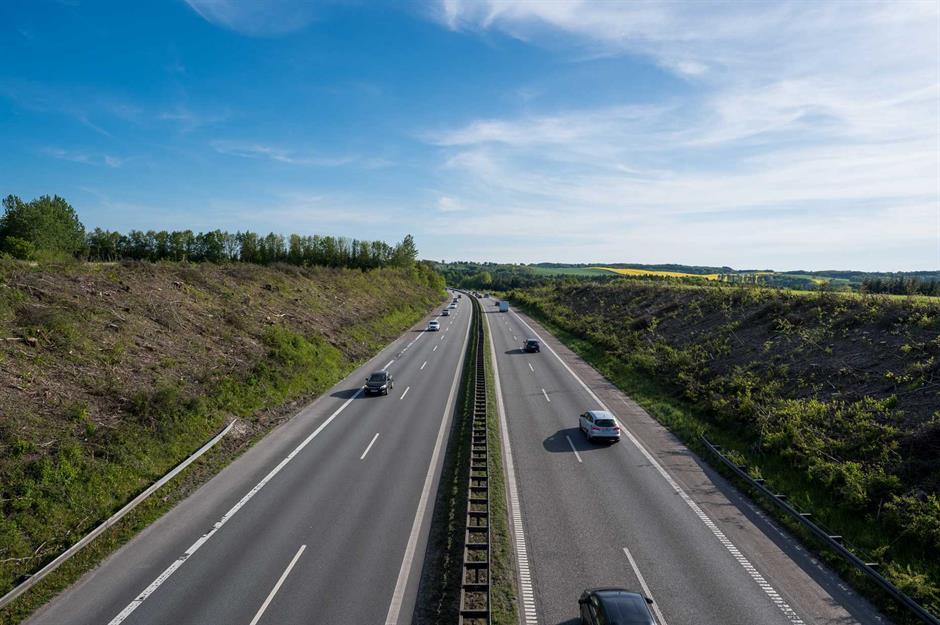
Denmark retains its position as the fourth safest country for driving in Europe. It had 24 road deaths per one million people in 2024, with 145 total fatalities, slightly fewer than in the previous year.
The country has lower maximum speed limits than most EU countries. However, it has a high proportion of cyclist fatalities, due to the large number of people who travel by bike, especially in the cities. There’s also no legislation requiring cyclists to wear helmets.
3rd safest: Malta
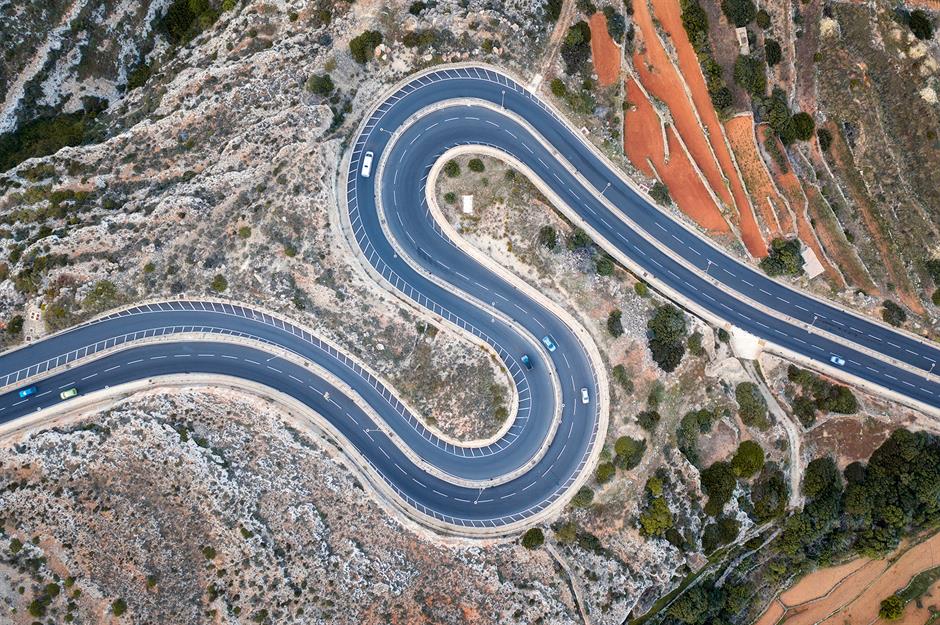
Malta moves from sixth place in 2023 to third, according to the latest data. It had just 12 road deaths during 2024. With a population of 563,443, it works out to 21 per million residents. This compares to 16 total deaths or 29.5 fatalities per million the previous year.
Key to the country’s safe roads are targeted efforts, including stricter traffic law enforcement and ongoing public awareness campaigns.
2nd safest: Sweden

Sweden retains its place as the second safest country to drive in among the countries analysed. In 2024, it had 213 deaths, equating to 20 per million people, a significant 56% below the EU27 average.
The impressive data is partly the result of its commitment to Vision Zero, a road safety initiative that Sweden launched in 1997 – and which has since been joined by countries and cities across the world.
Sponsored Content
1st safest: Norway

Also keeping its place from 2023 is Norway. The data shows that it remains the safest country for drivers. It recorded 89 total road deaths in 2024. With a population of just over 5.5 million, this works out to 16 deaths per million people, which is 64% below the average.
Norway's excellent road safety record is also thanks to its own version of Vision Zero, adopted in 1999, with fatalities steadily declining since.
15th most dangerous: Israel

We move on to the 15 countries with the most dangerous roads, which starts with Israel. In 2024, there were 439 road deaths or 44 fatalities per one million people. Driving in the country presents certain challenges. Roads of particular concern include the Dead Sea Highway, Highway 90, known as the ‘unforgiving road’ and Highway 31, forebodingly called the ‘road of death'.
The UK Foregin Office currently advises against all travel to parts of Israel, and the US department of state advises reconsidering travel to Israel due to terrorism and civil unrest.
14th most dangerous: Czechia

Fourteenth on the list is Czechia, which retains its position from the previous year. In 2024, there were 494 road deaths, equivalent to 45 deaths per million.
Czechia is a landlocked country of low hills and plateaus, hemmed in by gently-sloping mountains. The majority of the road fatalities occurred on rural roads, which are often poorly maintained and where the speed limit is 56 miles per hour (90km/h).
Sponsored Content
=12th most dangerous: Slovakia
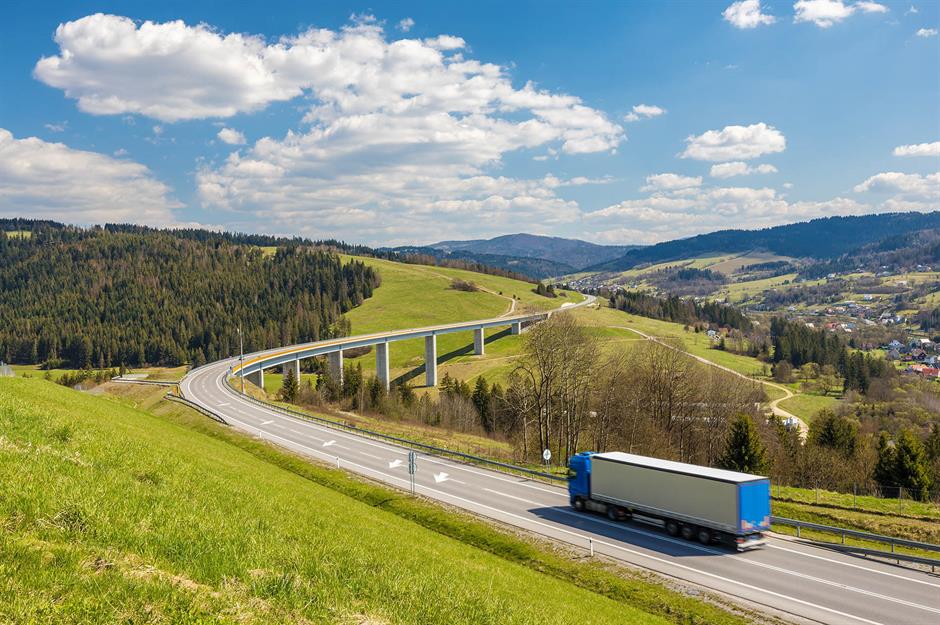
Joint 12th is Slovakia, which had 262 road fatalities in 2024, according to the latest data. This equates to 48 per one million people, around 7% higher than the EU27 average.
This can partly be put down to the fact that many main roads here have only a single carriageway in each direction, which makes it difficult to overtake. Also, road markings are often faded and can be hard to make out in poor weather.
=12th most dangerous: France

Sharing 12th place is France, which also had 48 road deaths per one million people. With a population of 66.1m, it had the highest number of total fatalities of any country monitored by ETSC – at 3,193.
Much of the country’s busy main network needs a safety overhaul, while there are some confusing rules relating to roundabouts, such as the notorious multi-lane intersection at the Arc de Triomphe (pictured).
11th most dangerous: Estonia
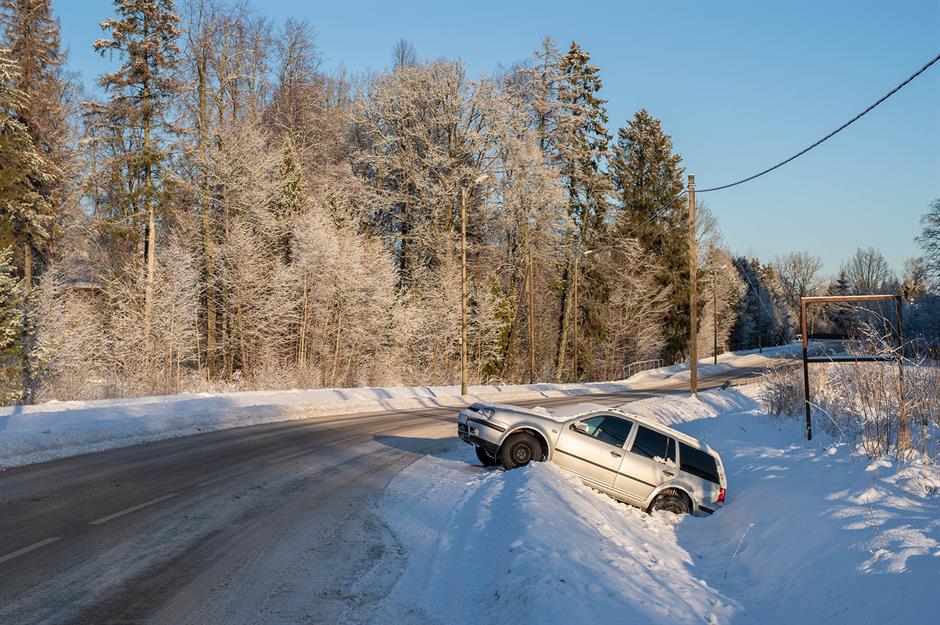
Estonia is the 11th most dangerous European country for driving, moving from 16th the previous year. It had 69 road deaths in 2024, which worked out to 50 per million residents, compared to 43.2 fatalities per million in 2023.
Some of Estonia’s unique driving laws include mandatory winter road tyres from December to March and keeping headlights lit throughout the day – all year round. Historically, the country’s most dangerous roads include the Riga Ring Road in Tartu.
Sponsored Content
10th most dangerous: Italy

At number 10 is Italy, a slight improvement from the previous year when it placed at nine. The latest data shows it had 51 fatalities per million residents. With one of the highest populations among the countries monitored (58.9 million), it also has a high number of total fatalities, at 3,030.
Italian roads are often narrow, congested and in poor condition. Distraction, issues relating to right of way and speeding are the main causes of accidents, according to figures from the Automobile Club d'Italia.
=8th most dangerous: Poland
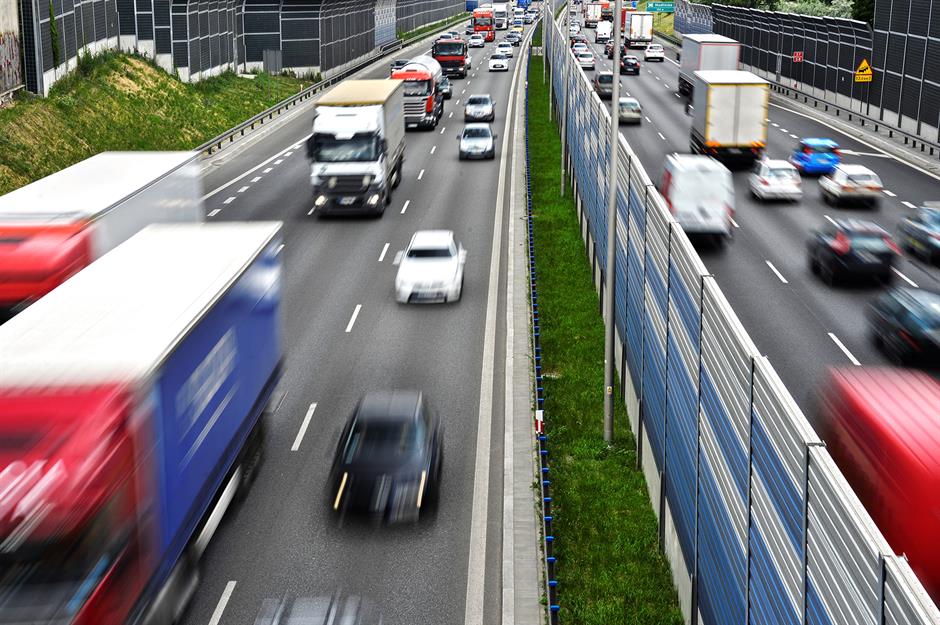
Equal eighth on the list is Poland, which had 1,896 total road deaths in 2024. This works out to 52 per million people – 16% higher than the EU27 average.
Despite efforts to improve road safety, Poland faces challenges in reducing accidents and fatalities on its roads. Factors contributing to the higher fatality rate include speeding, poor road conditions in some areas and the need for stricter enforcement of traffic regulations.
=8th most dangerous: Hungary

Joint eighth is Hungary, which moves up from 11th on the previous list. In 2024, it had 497 road fatalities, or 52 per million people. The country’s most dangerous road is reportedly a section of Route 51/510 located in Dunavarsany.
Aggressive driving can be a problem across the country. If you’re planning to drive here, also beware of severe winter weather, make sure you respect the zero-tolerance drink-driving policy and pre-purchase an e-ticket (or ‘e-vignette’) for the toll roads.
Sponsored Content
=6th most dangerous: Portugal

Joint sixth is Portugal, keeping its position from the previous ranking. It had 60 road deaths per one million – 33% higher than the average – with 634 fatalities in 2024.
Portugal’s high placing can be attributed to a combination of high traffic volume, aggressive driving habits, narrow roads and poorly maintained surfaces. Accidents are especially common on the IC19 between Sintra and Lisbon and on the EN125 in the Algarve, with all the tourists travelling to and from the airport.
=6th most dangerous: Latvia
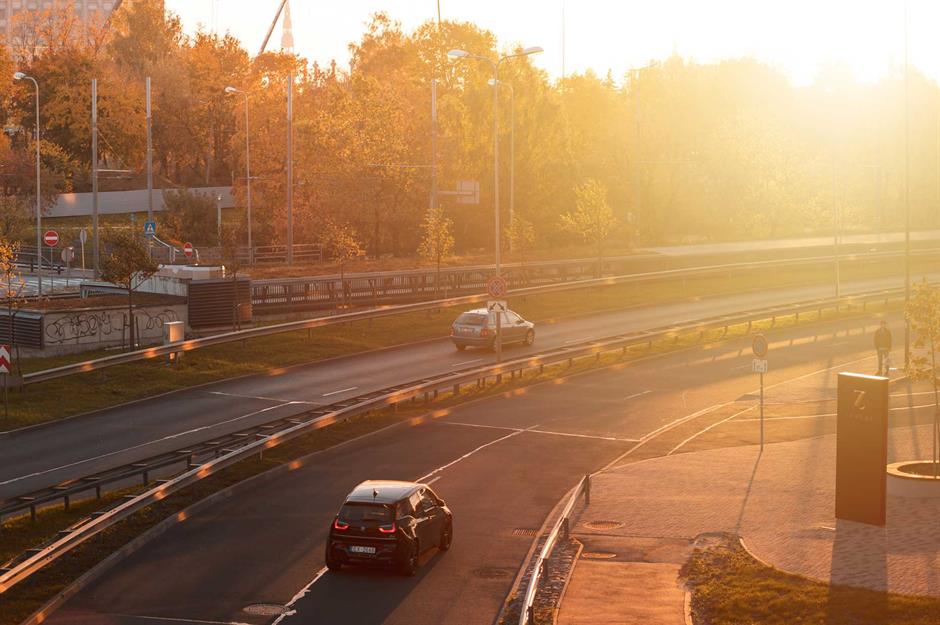
Sharing sixth place is Latvia, which also had 60 road deaths per one million. With a population of 1.8 million (compared to Portugal’s 10.6 million), Latvia’s total fatalities were 112.
These figures are partly explained by poor-quality roads and infrastructure, while cars tend to be significantly older than the EU average and motorcycle helmets are not always worn. The country also experiences cold and potentially hazardous weather in the winter, during which winter tyres are compulsory.
5th most dangerous: Croatia

The fifth most dangerous European country for driving is Croatia, which keeps the same place it occupied in the previous list. The latest data shows it had 62 road deaths per million residents, with 239 total fatalities – which is actually an improvement on 2023.
In fact, Croatia's number of fatalities has decreased at a higher-than-average rate over the last decade. According to the European Commission, accidents often take place on urban roads after dark, while seat belt use is not enforced effectively.
Sponsored Content
4th most dangerous: Greece

Just outside the top three is Greece, which moved up from the seventh position it occupied in last year's ranking. In 2024, it had a total of 665 road deaths and 64 per million people.
Issues include narrow roads and blind corners in rural areas, with the risk of animals running out in front of drivers. There are also problems with reckless driving and some poorly maintained mountainous roads. In 2021, the Greek government launched a road safety plan that aims to reduce deaths by 50% by 2030.
3rd most dangerous: Bulgaria
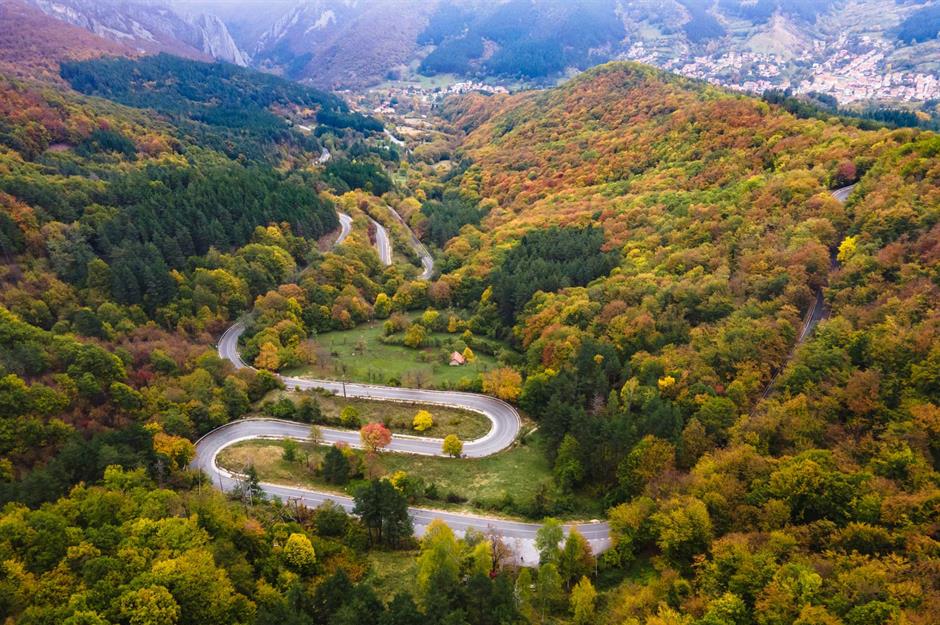
Third is Bulgaria, which actually topped the previous list. The most recent data indicates it had 478 road deaths and 74 deaths per million people – compared to 526 fatalities at 81.6 per million in 2023.
The country has been making efforts to improve its road safety, including additional traffic cameras for speed monitoring and measures to address high fatality rates. The government has also introduced laws giving the different regions more power to enforce speed limits.
2nd most dangerous: Romania

Second is Romania, which keeps its place from the previous year. In 2024, it had a total of 1,477 road deaths among a population of 19 million. Its fatalities per million residents reached 77 – a worrying 71% higher than the EU27 average. However, again, this was an improvement on 2023, when it was 78% higher than the EU27 average.
The country has one particularly well-known road, the Transfagarasan Highway (pictured), which hairpins up the Fagaras Mountains in Transylvania and is a major tourist attraction.
Sponsored Content
1st most dangerous: Serbia
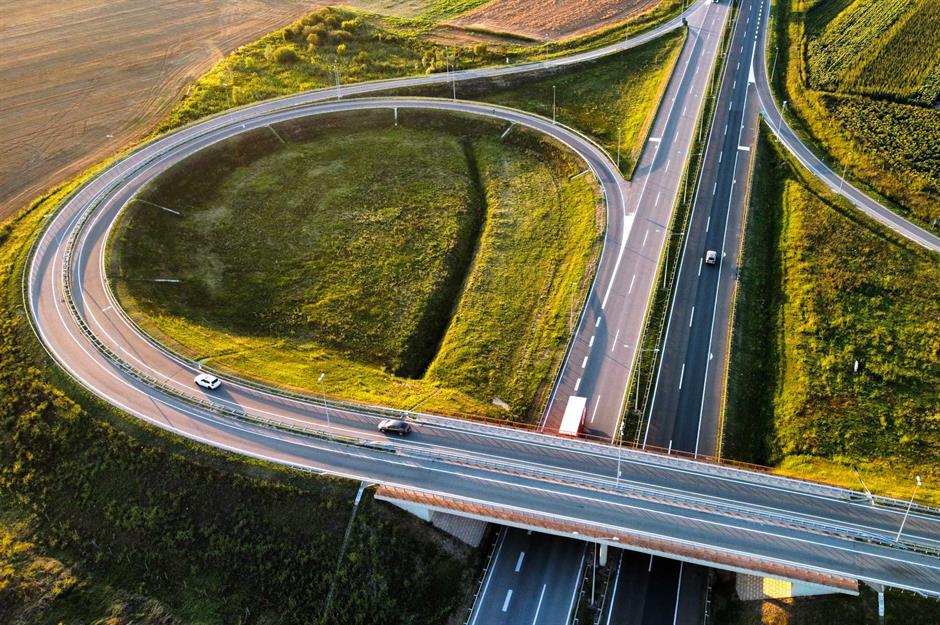
With 78 road deaths per one million people – 73% above the EU27 average – Serbia moves up from third to take the dubious position of first place, to be named the most dangerous European country to drive in. According to the latest data it had 514 total fatalities, compared to 503 the previous year.
The country suffers from varying road quality, especially in rural areas, with roads also impacted by bad weather. According to the UK Foreign Office, one particularly dangerous road is the Ibarska Magistrala connecting Belgrade with Montenegro.
Now check out stunning images of the most dangerous roads on Earth