The surprising story of the Statue of Liberty
An American icon
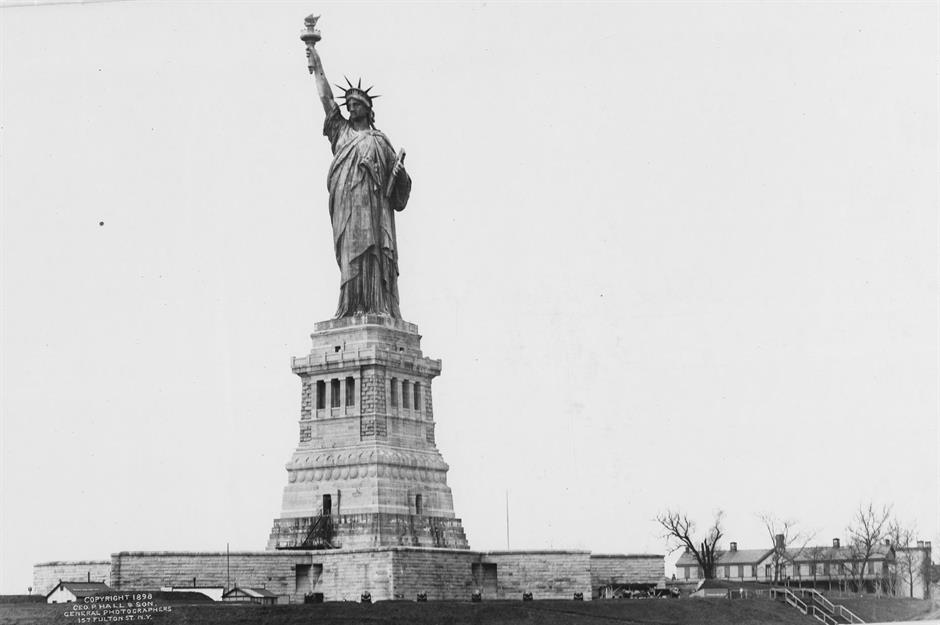
Lady Liberty is one of the most recognisable monuments in the world. Since her 19th-century unveiling, she's graced cinema screens, been at the centre of national celebrations and drawn visitors from all over the globe. But do you know her story?
Here we tell the tale of the iconic Statue of Liberty, from her conception to her modern-day might.
It all began with the 'Father of the Statue of Liberty'
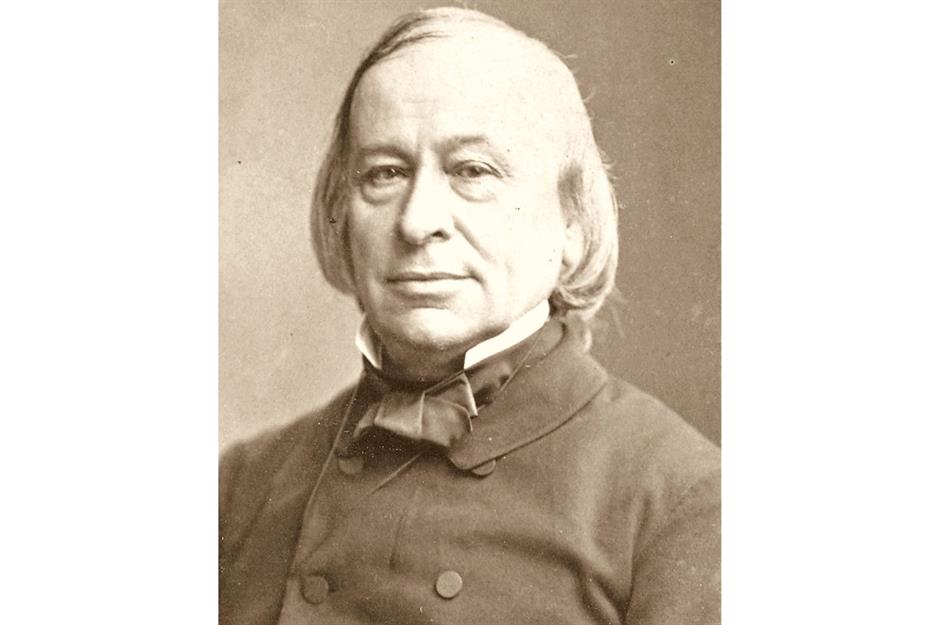
A young and promising sculptor is chosen

The sculptor enlisted to design the statue was Auguste Bartholdi, a creator from France’s Alsace region. At the time, Bartholdi was still an emerging artist but, trusted by Laboulaye and enthusiastic about his vision, he dived headfirst into the project.
He set up meetings with American dignitaries, who ultimately gave the young sculptor a lukewarm response to the idea.
Sponsored Content
An early design of the Statue of Liberty
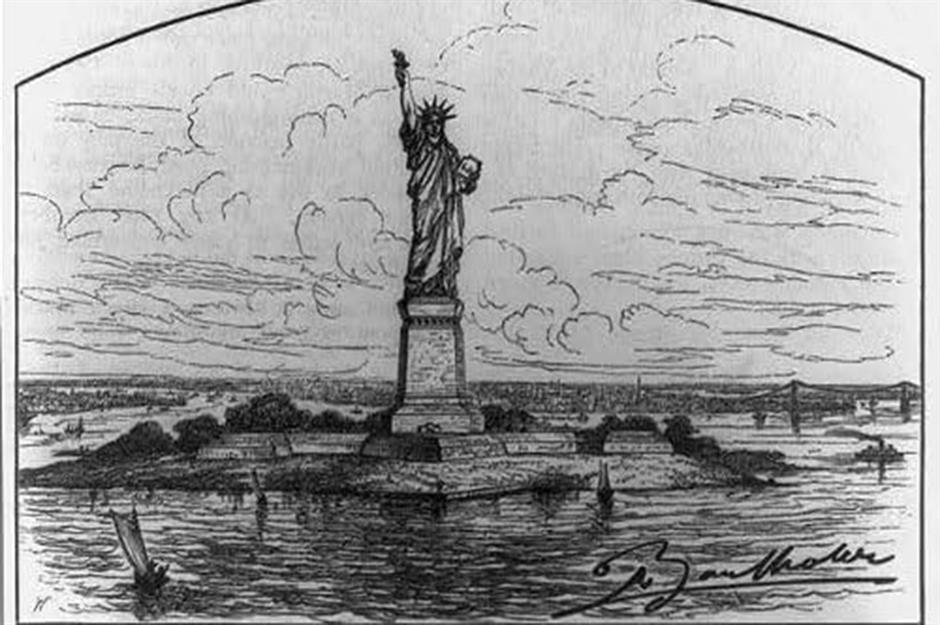
This photograph shows an early sketch of Bartholdi’s design, which would be named ‘Liberty Enlightening the World’. Richly symbolic elements included the broken shackles at Lady Liberty’s feet and her crown, whose protruding spikes were intended to represent sun rays.
The tablet she holds bears, in Roman numerals, the date 4 July 1776, when the Declaration of Independence was issued.
Labouye and Bartholdi lobby for support

Though the vision of the pair was strong, Laboulaye and Bartholdi initially lacked funds and wider support. They implemented various fundraising strategies, from lotteries to art and theatre events to public donations.
Editor and politician Joseph Pulitzer (pictured) was an early advocate for the statue – he urged the public to donate funds in the pages of his influential newspaper, New York World, triggering some $100,000 in contributions.
A location for the statue is scouted
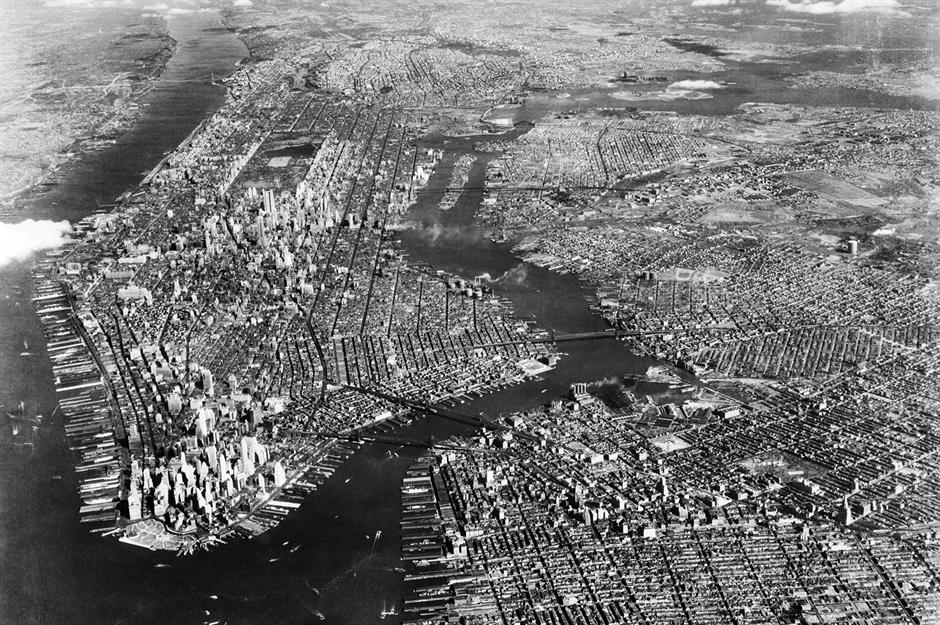
The French had been in charge of raising funds for the statue itself, while America was tasked with gaining capital for the statue's pedestal. During this time, in 1871, Bartholdi also travelled to the United States to scope out a location for the planned statue.
He set his heart on New York City’s Bedloe's Island, a diminutive isle with a prime location – any vessel entering the bustling New York Harbor would immediately catch sight of the island and its future statue. This 1930s photo shows an aerial view of the harbour.
Sponsored Content
Work on the Statue of Liberty begins
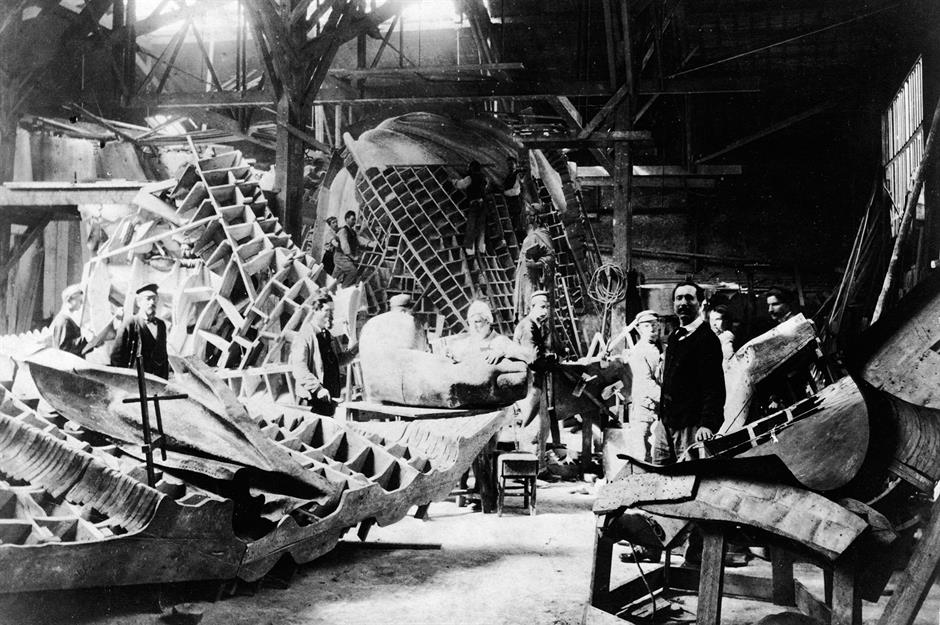
Finally, enough funds were raised and work began on what would become an American icon in 1876. Bartholdi directed a team of world-class French craftspeople and sought counsel on the landmark’s structure from lauded French engineer Gustave Eiffel, who would go on to build the Eiffel Tower.
Eiffel designed a mammoth iron framework, which would form a rock-solid skeleton for Lady Liberty.
A giant begins to emerge

As building got underway, interest in the monument piqued. This photo shows Bartholdi explaining the structure of Lady Liberty’s giant hand, under construction, to a curious visitor.
Upon completion, the hand would be a giant 16 feet (5m), while the length of her right arm would be just under 43 feet (13m).
Lady Liberty goes on display at the Paris International Exposition
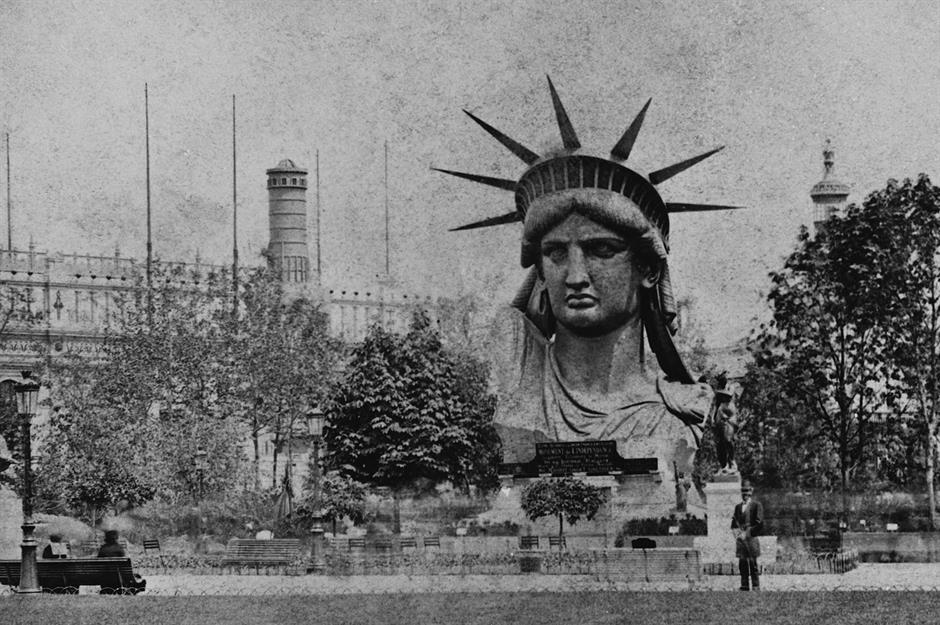
Gradually, key elements of the future statue began to come together. Most striking of all was Lady Liberty’s enormous head, which was constructed and displayed at the Paris International Exposition (or Exposition Universelle) of 1878.
It’s pictured here on the city’s sprawling Champ de Mars, with visitors drinking in the spectacle from a park bench.
Sponsored Content
...and at the Philadelphia International Exposition too
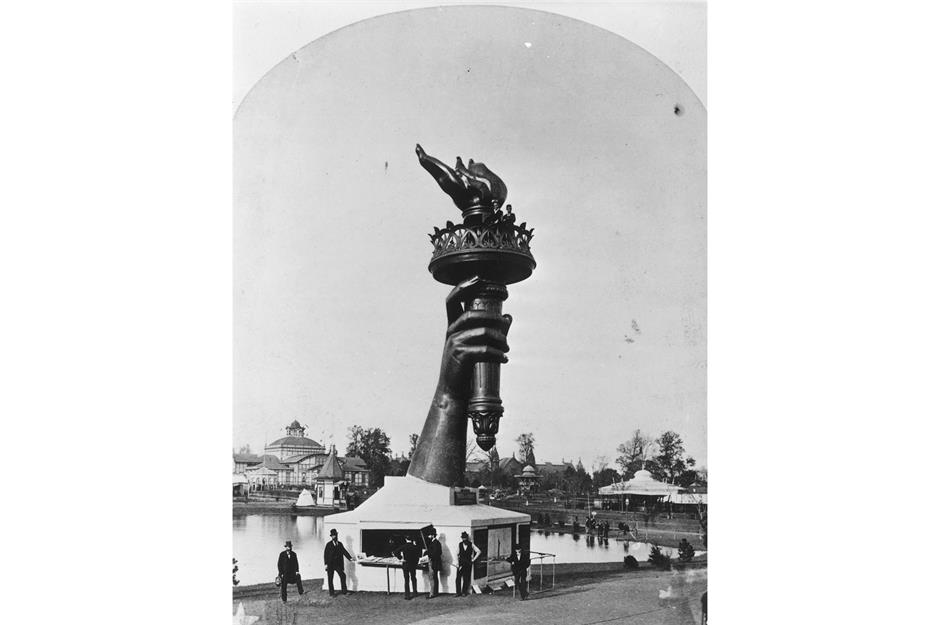
Meanwhile, Lady Liberty’s torch-wielding hand was displayed at the Philadelphia International Exposition of 1876, two years earlier. The torch itself is more than 16 feet (5m) tall and some 12 feet (4m) in width.
And at any time, the mammoth beacon can sway up to 6 inches (15cm) in the wind.
The statue nears completion
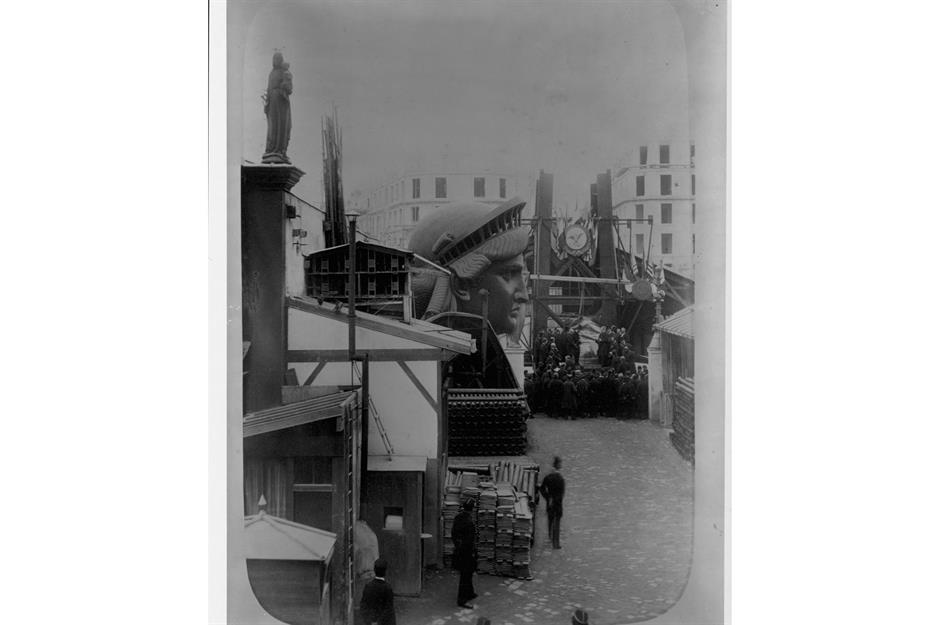
The pedestal is constructed

Sponsored Content
The Statue of Liberty is on the move
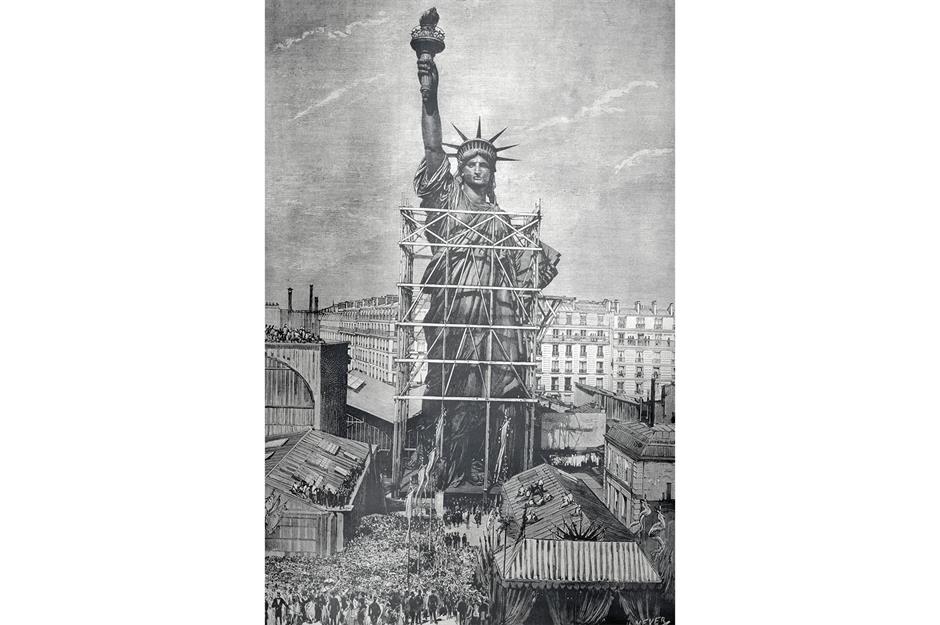
Lady Liberty arrives in New York
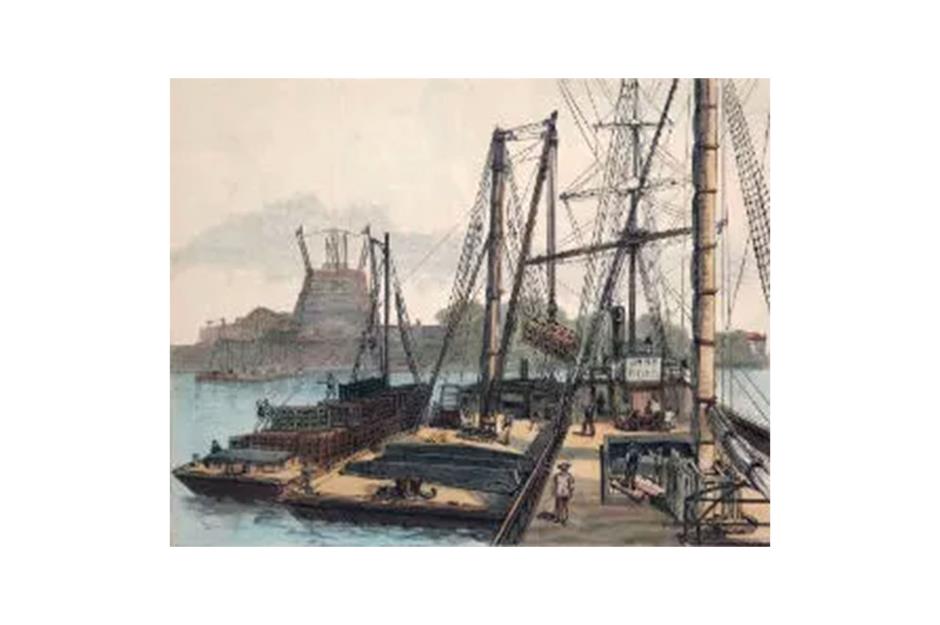
There's a hold-up with construction

However, though Lady Liberty's arrival in the Big Apple was hotly anticipated, the city wasn't altogether ready for her when she pulled in in June 1885. Unfortunately, despite workers' hard labour, the pedestal was yet to be fully completed.
Construction would finally be finished in 1886, so assembly of the statue could begin (pictured).
Sponsored Content
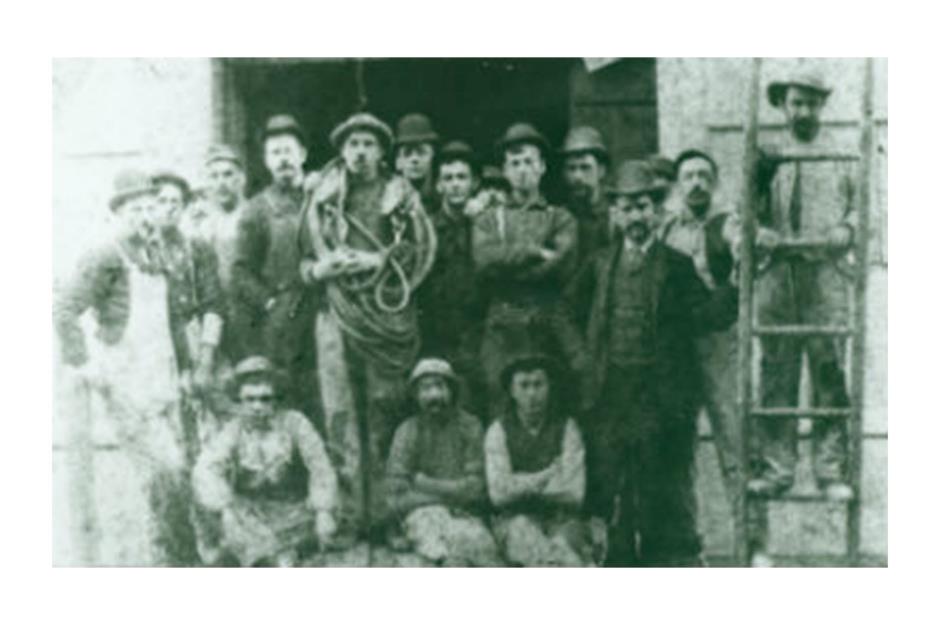
Construction is in full swing
The Statue of Liberty is unveiled

Fast-forward to 28 October 1886 and the statue is finally completed and unveiled to much aplomb. Excited crowds gathered to celebrate the monument's dedication, which passed with gun salutes, patriotic music and waving flags.
In the most symbolic moment of all, a French flag, which had been draped over the statue's face, was removed (though this was done slightly prematurely by an eager Bartholdi).
Lady Liberty is a dramatic lighthouse

Did you know that Lady Liberty technically began life as a lighthouse? Given the light in her torch, she was designated as a lighthouse by then-president Grover Cleveland and placed under the care of the US Lighthouse Board.
However this was not her intended function and she made for a lacklustre beacon.
Sponsored Content
The statue welcomes newcomers to the US
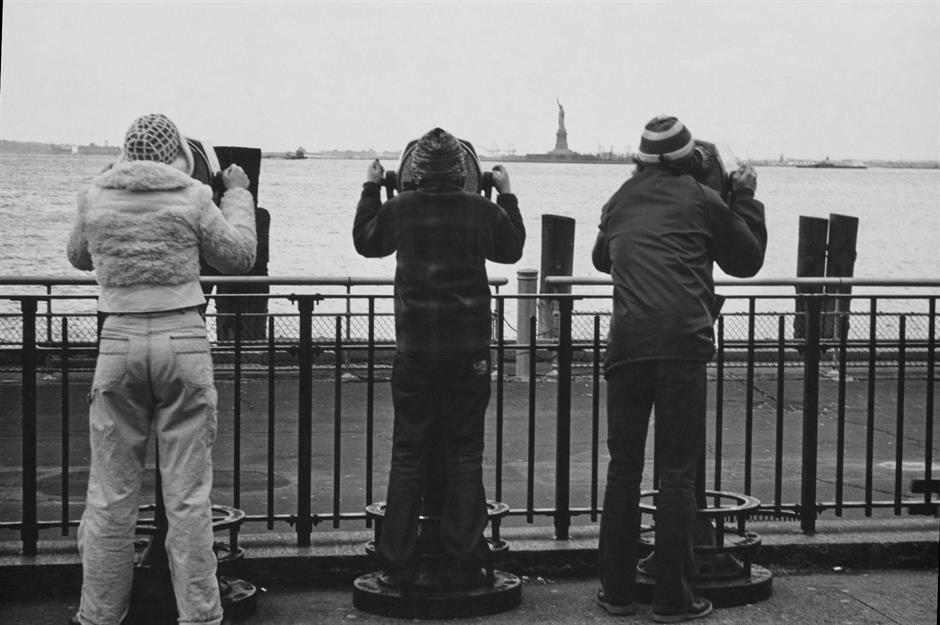
Over time, the mighty statue became a symbol of immigration. Millions of immigrants poured into the United States in the late 1800s and for those coming into New York City, the mammoth monument would be their first welcome.
It's estimated that some 14 million immigrants entered American between 1886 and 1924, and from 1892 they were processed on Ellis Island, in the wake of the great statue.
The Statue of Liberty becomes a National Park Service site
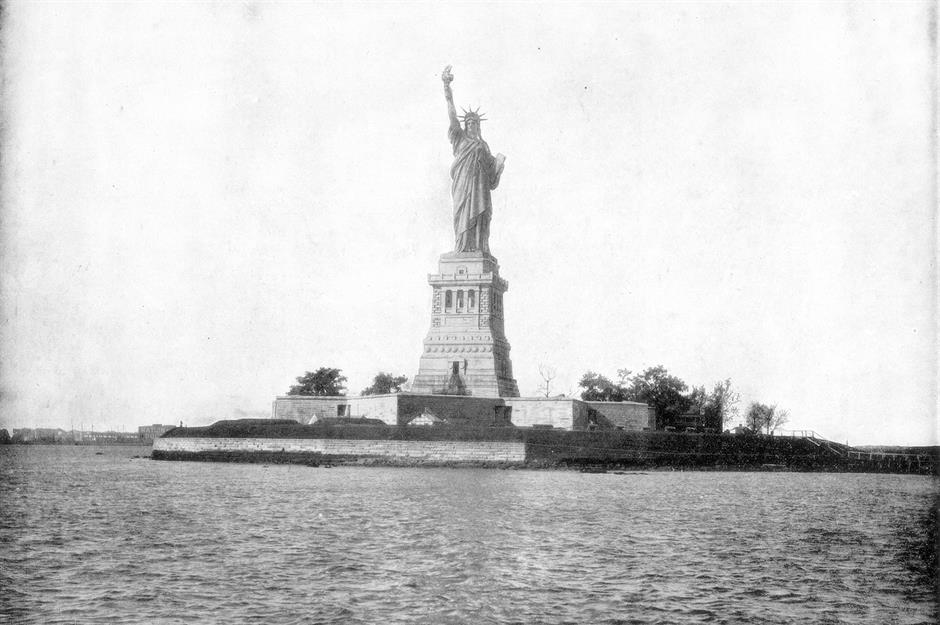
New plans are afoot
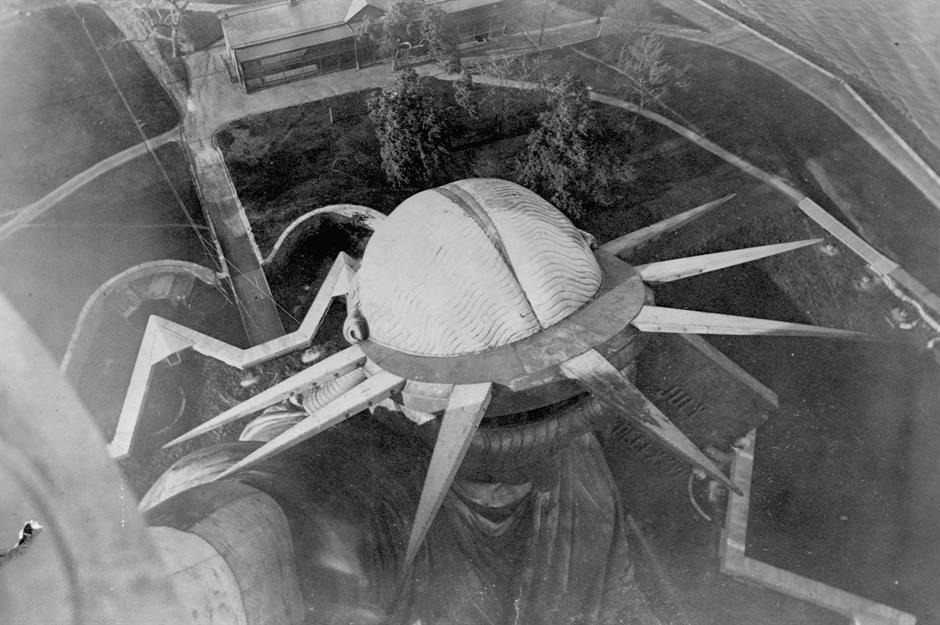
Sponsored Content
The Second World War ends
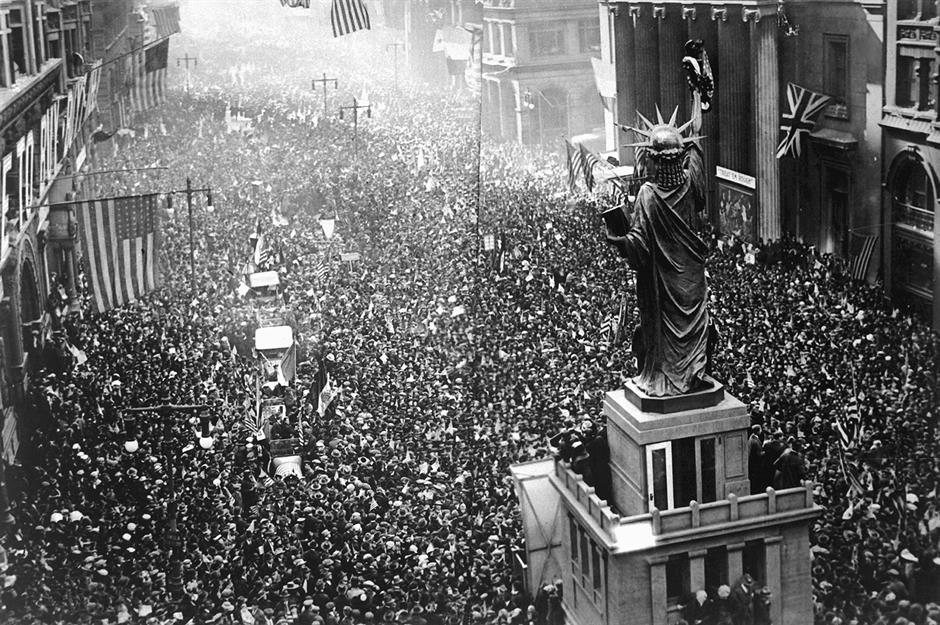
Attention was diverted away from the statue and to the war effort during the Second World War, from 1939 to 1945, meaning Newton's master plan was paused. However, once the conflict was over, America's sights were set on improving the monument once more and some $110,000 (£87,663) was injected into these projects.
This photograph shows Armistice Day celebrations on Manhattan's Broad Street, next to an impressive replica of the Statue of Liberty.
The statue celebrates a big birthday
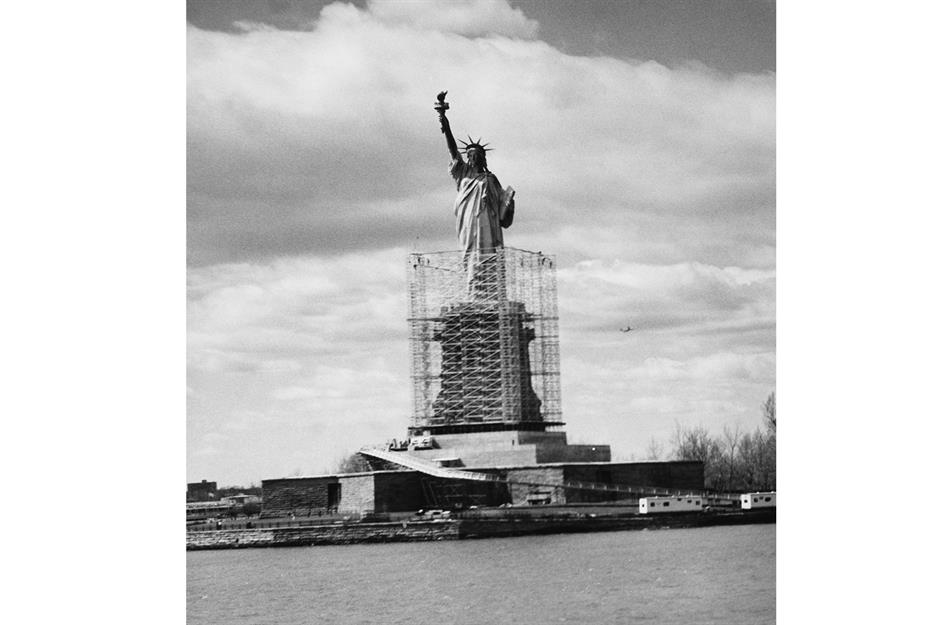
Lady Liberty's original torch is replaced
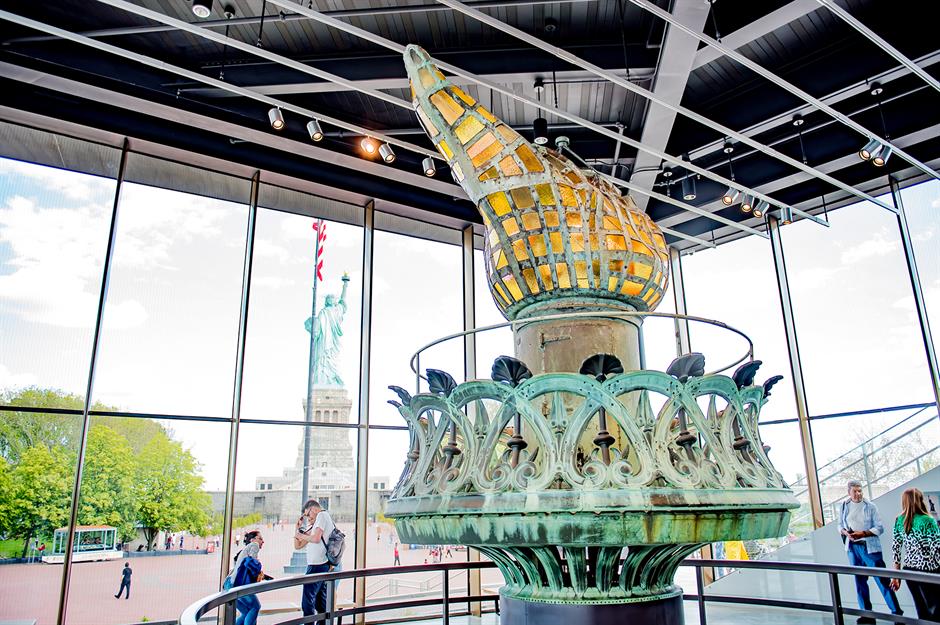
One more major change during the statue's renovations was the replacement of Bartholdi's original torch. This element of the statue had changed immensely over the years and, during the restorations, it was decided that the original torch could not be saved.
A replica that closely matched Bartholdi's initial design was erected and you can now see the original, giant torch at the Statue of Liberty Museum's Inspiration Gallery (pictured).
Sponsored Content
Lady Liberty stars on the big screen
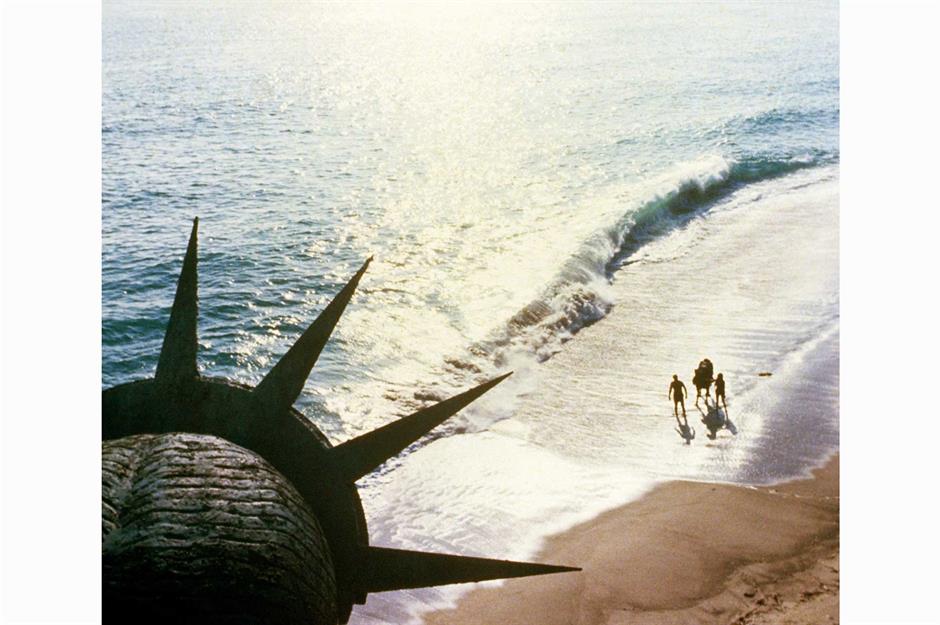
Given her celebrity status, it's not surprising that Lady Liberty has now made a cameo in many a movie on the silver screen. You'll catch notable glimpses of her in blockbuster films including Planet of the Apes, where her remnants are seen protruding from a beach in the final scenes, and apocalyptic The Day After Tomorrow, for which her ice-covered arm and crown made the dramatic DVD cover.
The Statue of Liberty today

Today more than 3 million visitors typically visit the Statue of Liberty each year, taking time to drink in displays at the Statue of Liberty Museum and enjoy the view from the pedestal observation deck. The monument is still deeply rooted in popular culture and current affairs too, setting the stage for everything from Fourth of July drone shows to political protests.
Now discover the secrets of the world's most famous buildings...