These are the world's worst heatwaves
Mercury rising
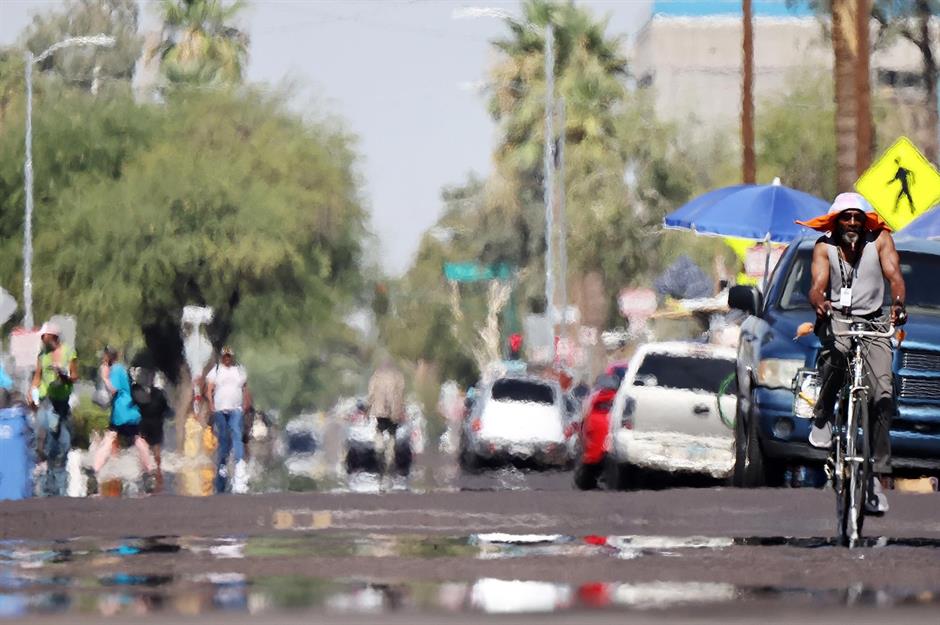
Part of the Earth’s natural cycles of warming and cooling, heatwaves have always affected our planet. However, climate change means that intense and prolonged heat events are now impacting areas across the world with unprecedented frequency and ferocity.
Click through this gallery to discover the deadliest and most infamous heatwaves in history, including the worst heat events of the last few years...
1540: Megadrought, Europe

One of the earliest recorded heatwaves happened in the 16th century, when a European drought caused by dry conditions and soaring temperatures took hold. With no rain for nearly 200 days, rivers including the Rhine, Elbe and Seine became so low that people could wade across them.
Sea water flowing inland even temporarily reversed the direction of London's River Thames. An estimated 500,000 Europeans died from dysentery after drinking contaminated water, while a famine took hold and wildfires razed entire towns.
1743: China

Often referred to as the ‘burning summer’, 1743 was one of the hottest years on record, and Beijing warmed up to a record-breaking 44.4°C (111.9°F) on 25 July. The neighbouring provinces of Hebei, Shanxi and Shandong all suffered from unbearable temperatures too. It's estimated that around 11,000 people died as a result, but few reliable records exist of this devastating event.
Sponsored Content
1895-1903: The Federation Drought, Australia
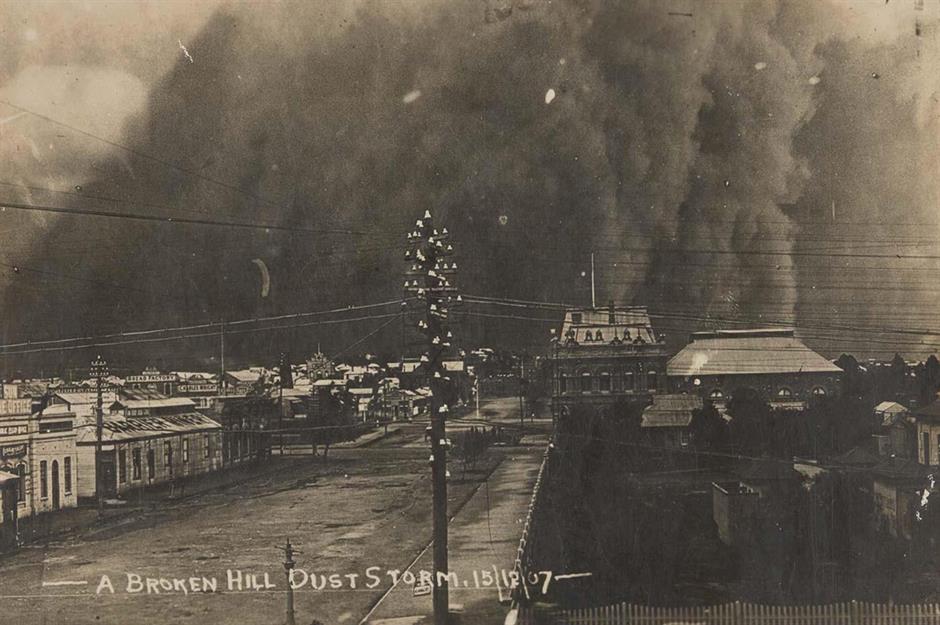
Coinciding with one of the worst droughts the country had ever seen, Australia's deadliest heatwave occurred on and off from 1895 to 1903, from the Gold Coast in the east across to Perth in the west. Estimates suggest that at least 435 people died, and the drought-heatwave combination devastated the country's livestock.
Australia lost more than 40% of its cattle – nearly three million in Queensland alone – and nearly half of its sheep during this period. Enormous dust storms were also common, and millions of acres of farmland were abandoned.
1896: Eastern USA

In August 1896, a heatwave in New York City, Boston and Chicago claimed around 1,500 lives, mostly from the poorest districts. Temperatures stayed above 32°C (90°F) for 10 days straight, with 90% humidity.
New York's Lower East Side was one of the worst affected areas, with people crammed into tenements with no air conditioning or running water and little air circulation. A citywide ban on sleeping in parks meant residents took to roofs, riverbanks and fire escapes for relief, leading to many accidents.
1900: Argentina
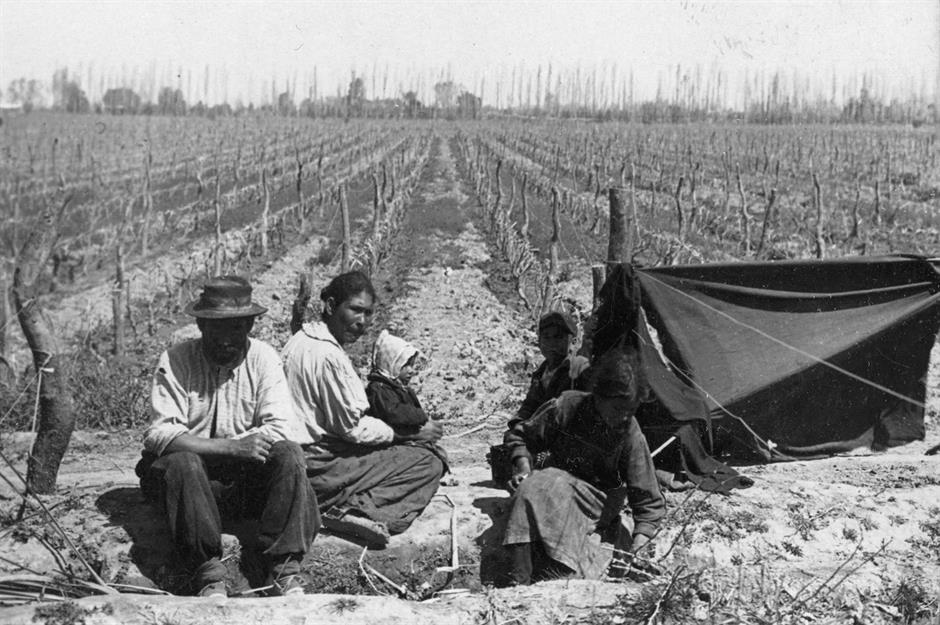
The first eight days of February 1900 are recorded in Argentinian history as the ‘week of fire'. Buenos Aires and Rosario recorded highs of 37°C (99°F), but it was the high humidity that made things even worse. It elevated the 'sensation of heat' up to a blistering 49°C (120°F), far above the point at which high heat becomes dangerous, and at least 478 people lost their lives as a result.
Follow us on Facebook for travel inspiration, climate coverage and more
Sponsored Content
1901: Eastern USA

Compared to modern-day heatwaves, and the Dust Bowl which occurred some 30 years later, this 1901 American heatwave didn't set any temperature records. But it's notable for its exceptional length.
Affecting the eastern US from June into July, the heatwave caused around 9,500 casualties. Bowling Green, Kentucky was the worst-affected area, where 30 days in July reached at least 32°C (90°F), with each day from 20 to 29 July reaching a high of at least 39°C (102°F). It remains one of the worst overall heatwaves in American history.
1906: The Great Heat, UK

An unusually hot and unpleasant September occurred in 1906 in the UK. The intense heat started at the end of August, delaying football matches, setting fire to haystacks and causing farmworkers and horses to collapse from heat exhaustion.
The temperature in most of the country exceeded 32°C (90°F) for consecutive days, with the hottest temperature – 35.6°C (96°F) – recorded on 2 September in Bawtry, South Yorkshire. It remains the hottest September temperature in UK history.
1911: Eastern USA

In 1911, New York City experienced days of continuous heat over 32°C (90°F). A man leapt from a pier in Lower Manhattan and a labourer had to be wrestled into a straitjacket to keep him from jumping in front of a train. A drunken man seemingly crazed by the heat even attacked a police officer with a cleaver.
People slept in parks, horses collapsed in the street, railway tracks buckled and mail services were suspended. It was a similar scene in Providence, Hartford and Boston, where over 5,000 people slept on Boston Common.
Sponsored Content
1911: UK

One of the first officially recorded heatwaves hit the UK in August 1911, breaking records from 1906. Temperatures soared and a recording of 36.7°C (98°F) in Raunds, Northamptonshire remains the eighth hottest temperature in British history.
Local heat records were also set, many of which stood for decades. Labourers worked from 4.30am to midday to avoid the worst of the sun, wells ran dry causing water shortages and, as heatwave-related fatalities mounted, The Times began a column entitled 'Deaths From Heat'.
1911: France
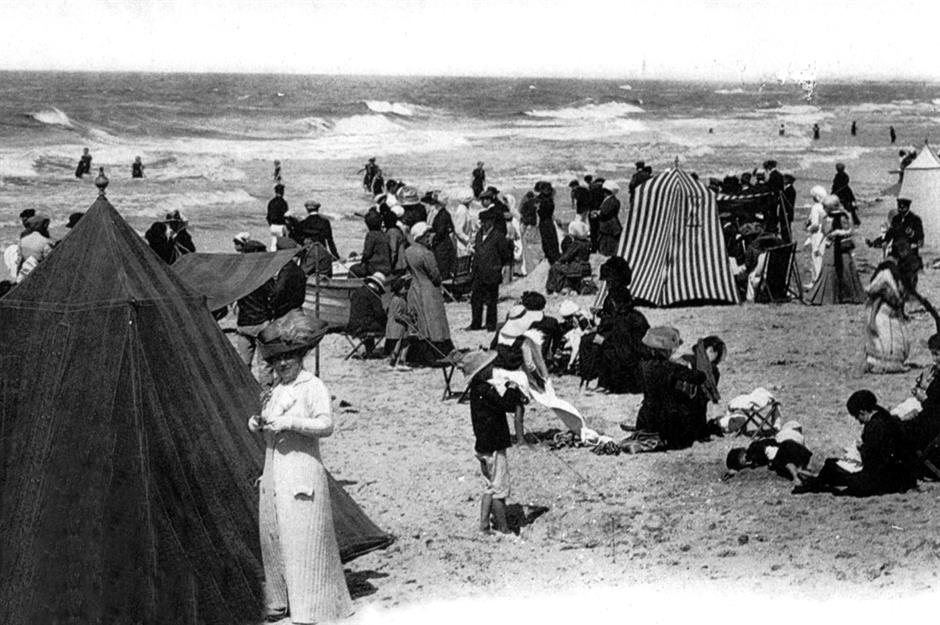
The same heatwave affected the rest of Europe, with France one of the worst-hit countries. For 70 days scorching temperatures enveloped Paris and its inhabitants, with 15 days in a row exceeding the 30°C (86°F) mark.
The situation was no better in other parts of the country, with Lyon and Bordeaux sweltering in 40°C (104°F). As a result, over 41,000 excess deaths were recorded, mostly of the elderly and children under the age of two.
1913: California, USA

Short but intense, the heatwave that scorched California in 1913 was one of the hottest on record, prompting authorities to leave out blocks of ice (pictured) that people could lick to cool down.
The highest ambient air temperature ever recorded on Earth also hails from this heatwave, a record that still stands. On 10 July, a sheltered thermometer at Furnace Creek in Death Valley rose to a shocking 56.7°C (134°F). Although many claims of hotter temperatures have since been made, none have been verified, so the record remains.
Sponsored Content
1930: The Dust Bowl, North America
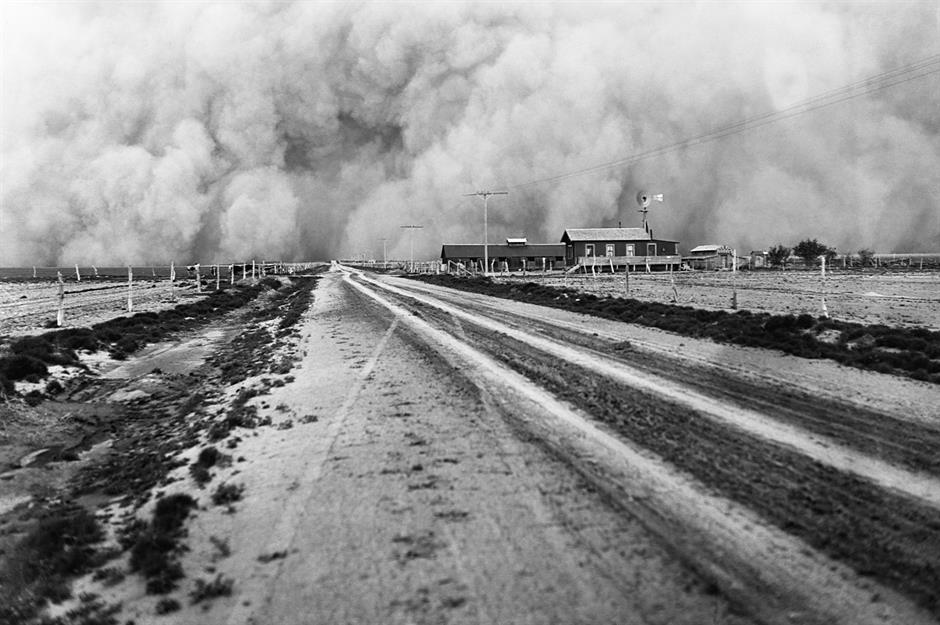
An unprecedented decade of heat and drought started in 1930, dubbed 'the Dust Bowl'. Affecting the southern US and the Canadian prairies, the heatwave hit 49°C (120°F), destroying crops, while high winds caused dust storms.
Years of unsustainable farming techniques had degraded topsoil, killing native grasses that would otherwise have retained moisture. Combined with the Great Depression, the heat and drought caused people to migrate to coastal states. In total, around 2.5 million people moved out of the Plains states during the 1930s.
1936: The Dust Bowl, North America
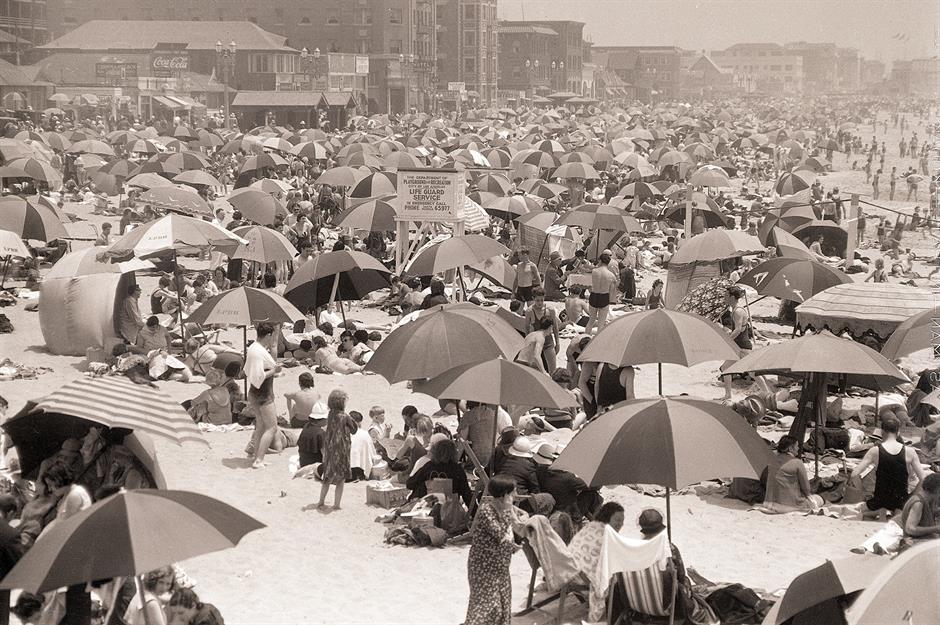
The worst year of the Dust Bowl era was 1936, with the summer seeing the worst heatwave in American history. Two weeks of record-high temperatures consistently measuring over 38°C (100°F) occurred in July, contributing to roughly 5,000 deaths in the US.
The blistering heat also struck Canada, and the next summer was a scorcher too. Canada recorded its highest temperature ever (until June 2021), with the mercury soaring to 45°C (113°F) on 5 July 1937 in the towns of Midale and Yellow Grass, Saskatchewan.
1976: UK

Seared into many British people's minds as the worst heatwave in living memory, the summer of 1976 was notoriously excruciating. Temperatures topped 32°C (89.6°F) for 15 days, peaking at 35.9°C (96°F) on 3 July.
Drought hit the country and 'Save water – bathe with a friend' became a popular slogan, while the Drought Act 1976 empowered local authorities to fine people found wasting water. The UK would later report a 20% spike in excess deaths, with increased hospitalisations for sunstroke and heat-related heart attacks.
Sponsored Content
1980: USA

Dubbed the ‘silent killer’ by The Washington Post, the heatwave of 1980, which affected the Midwest and Southern Plains, remains one of the nation's deadliest weather events to date. Agriculture suffered due to associated droughts, and Alabama lost half its entire corn crop. The direct death toll of the heatwave was counted at 1,260, but later research showed that as many as 10,000 deaths might have been indirectly caused.
1987: Greece

The summer of 1987 scorched much of Greece, with temperatures reaching up to 44°C (112°F) during a blisteringly hot week in July. Athens and its surrounding areas suffered from water shortages due to increased demand, while Greek newspapers at the time put total casualties somewhere between 650 and 900. The Greek islands suffered similarly, with heat reaching 38°C (101°F) most days due to the lack of the usual strong summer winds.
1988: North America
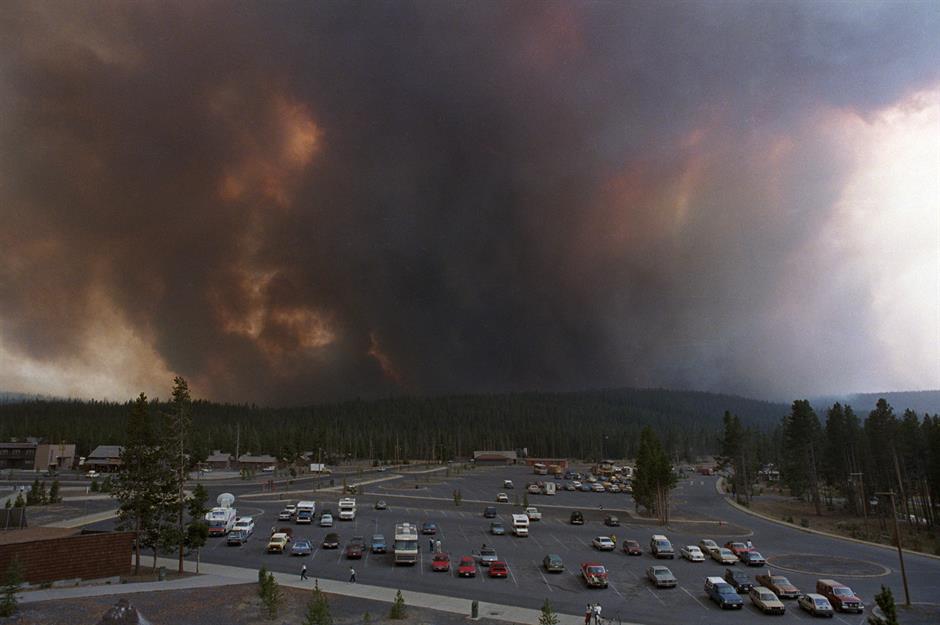
One of North America’s worst heatwaves, the end of June 1988 brought blistering heat and the largest fire in Yellowstone National Park's history. Temperatures crossed the 38°C (100°F) mark across the country, with almost no rainfall between June and August.
On 21 June, nearly every state in the continental US reported 32°C (90°F) or higher. It was estimated that between 5,000 and 10,000 people died. ABC's World News Tonight programme even featured Midwesterners wondering if God had turned against them.
These extraordinary images show the true impact of climate change
Sponsored Content
1995: Chicago, Illinois, USA

After experiencing deadly heatwaves in 1980 and 1988, Chicago's worst heat arrived in July 1995, when more than 700 residents lost their lives in just five hot and humid days. On 13 July, the temperature hit 45°C (113°F).
Adjusted by a heat index that factors in humidity, the temperature people felt surpassed 52°C (126°F). Much of the city's infrastructure started to break down due to the widespread need for air conditioning, communities lost water pressure and train rails and roads buckled.
2002: India

Over 1,000 people lost their lives as temperatures of 50°C (122°F) hit parts of southern India in May 2002. It was reported at the time that the temperatures were so extreme that tin-roofed homes turned into ovens, water catchments dried up and animals collapsed in the streets and fields. A local farmer described the hottest day of the heatwave as the worst day of his life: "'There was no place to hide. Even the dirt floor of my hut felt like an oven.''
2003: Europe
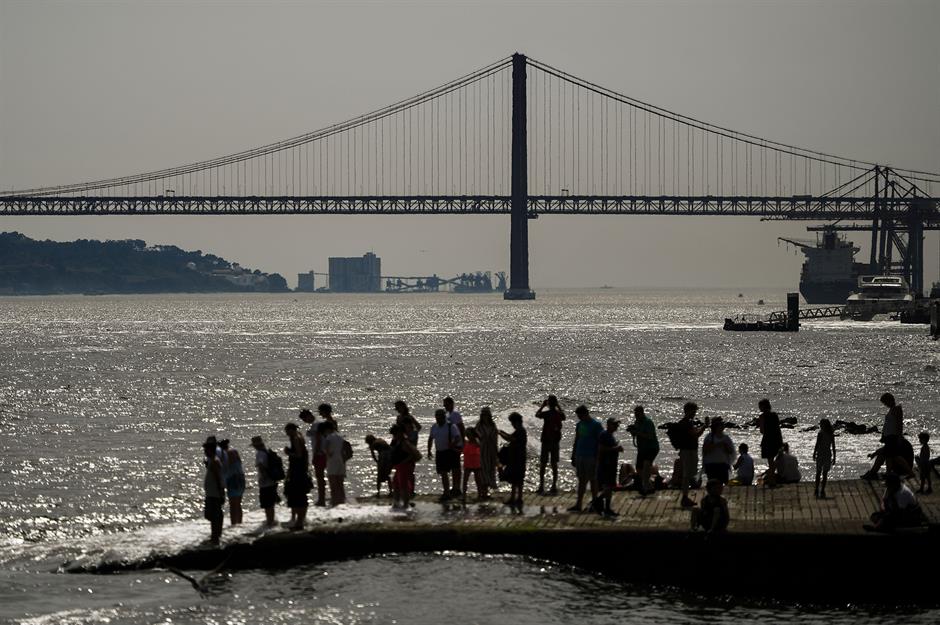
In July and August 2003, most countries across Europe sizzled. France was hit hardest, with temperatures soaring to 40°C (104°F) and people suffering from dehydration and heat exhaustion.
The heatwave triggered forest fires in Spain, Portugal and Italy and caused extreme snow melt in the Alps, prompting flash floods. The heatwave claimed more than 20,000 lives across Europe and was described by meteorologists as the worst extreme heat experienced on the continent for 500 years.
Sponsored Content
2007: Southern Europe
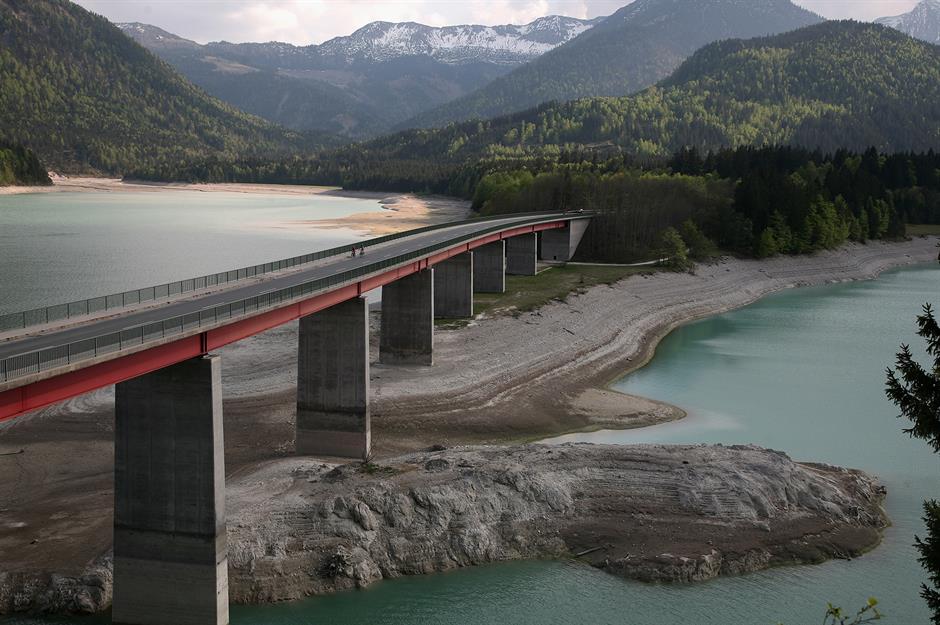
Intense heat in southern Europe, which saw temperatures in Athens reach 45°C (113°F) in the shade, sparked forest fires which were fanned by high winds. Up to 500 people lost their lives in Hungary, where a record high of 41.9°C (107°F) was registered in the southern city of Kiskunhalas.
Wildfires in Greece killed 84 people and destroyed 670,000 acres of forest and farmland. Countries across the Balkan Peninsula also suffered, with a record 43°C (109°F) in Belgrade and 44°C (111°F) in Bulgaria.
2009: Southeast Australia
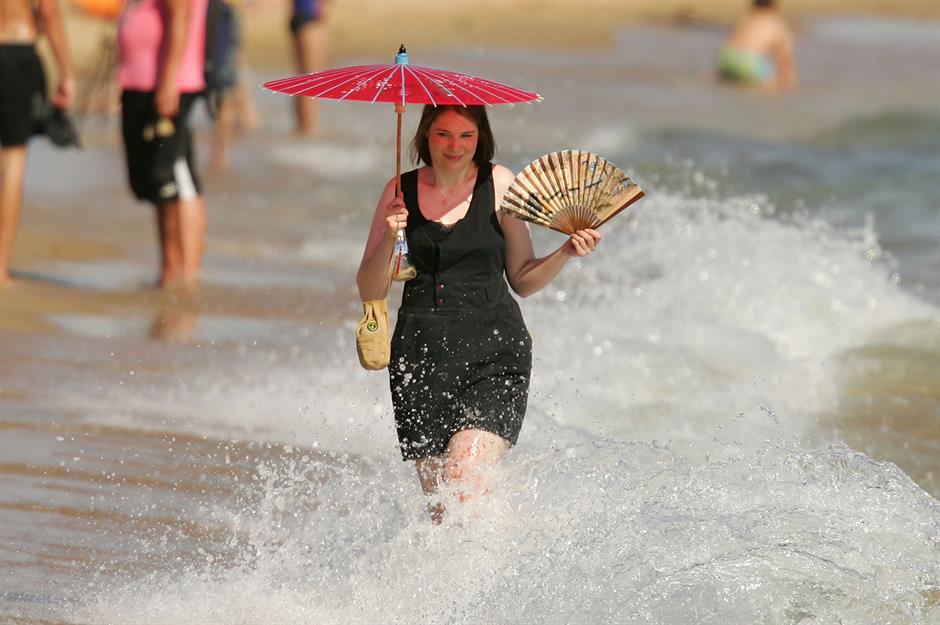
Fifty separate locations set all-time temperature records across southeastern Australia in January and February 2009, including 46.4°C (116°F) in the city of Melbourne and 48.8°C (120°F) in Hopetoun in Victoria. An airport near Adelaide even recorded 41.7°C (107°F) at 3.04am.
The town of Mildura had a record 12 consecutive days over 43°C (109°F). The extreme heat caused hundreds of deaths and triggered the so-called 'Black Saturday bushfires' in Victoria, which on 7 February claimed 173 lives.
2010: Russia
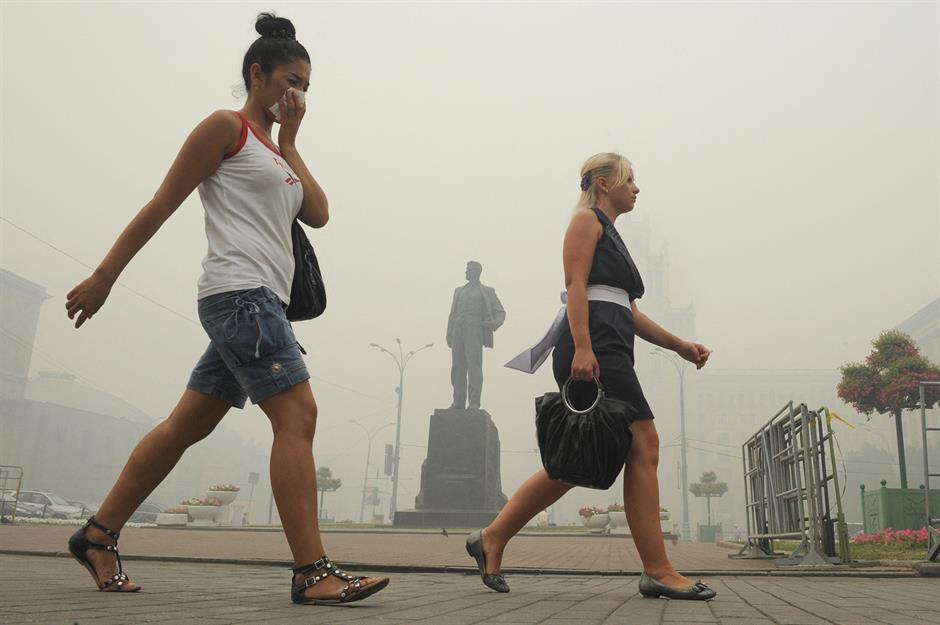
Much of Europe suffered searing heat during the summer of 2010, but no country felt it more harshly than Russia. Temperatures soared above 40°C (104°F), with a high of 44°C (111°F) recorded in Yashkul in southern Russia.
As a result, around 22 million acres of crops perished, while pollution affected the large industrial cities. In July, over 14,000 deaths were recorded in Moscow alone – five times greater than normal in July. Around 2,000 Russians drowned over a two-week period while seeking relief.
Sponsored Content
2013: Argentina
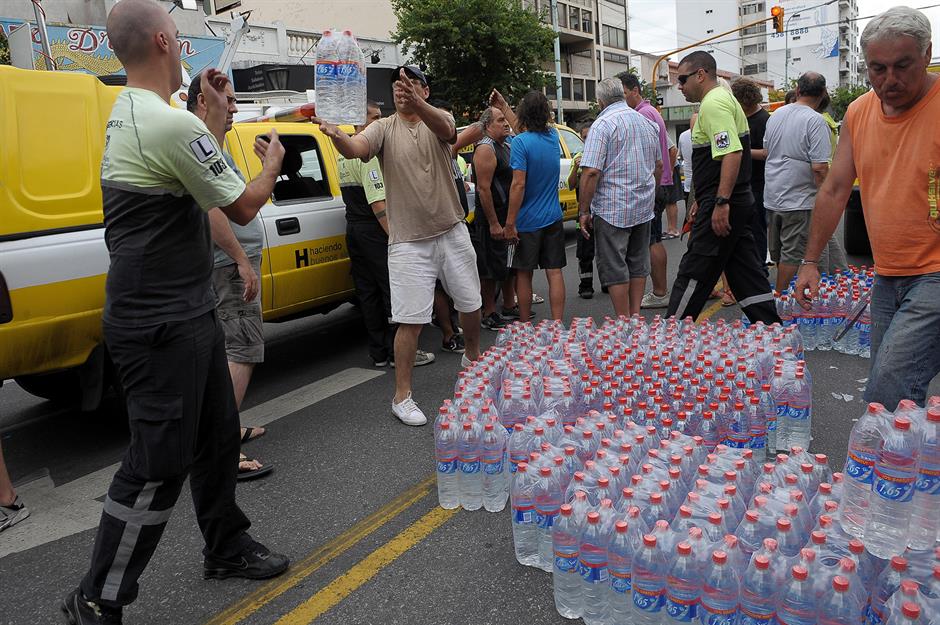
A deadly heatwave hit Argentina in December 2013. Some areas of the country experienced temperatures 15°C (26°F) higher than normal, and the air temperature reached as high as 45°C (113°F) in central Argentina.
The Buenos Aires Herald reported widespread power outages – caused by increased demand for air conditioning – as well as water shortages. Seven people perished, and meteorologists said it had been the worst heatwave since records began in 1906.
2013: Angry Summer, Australia
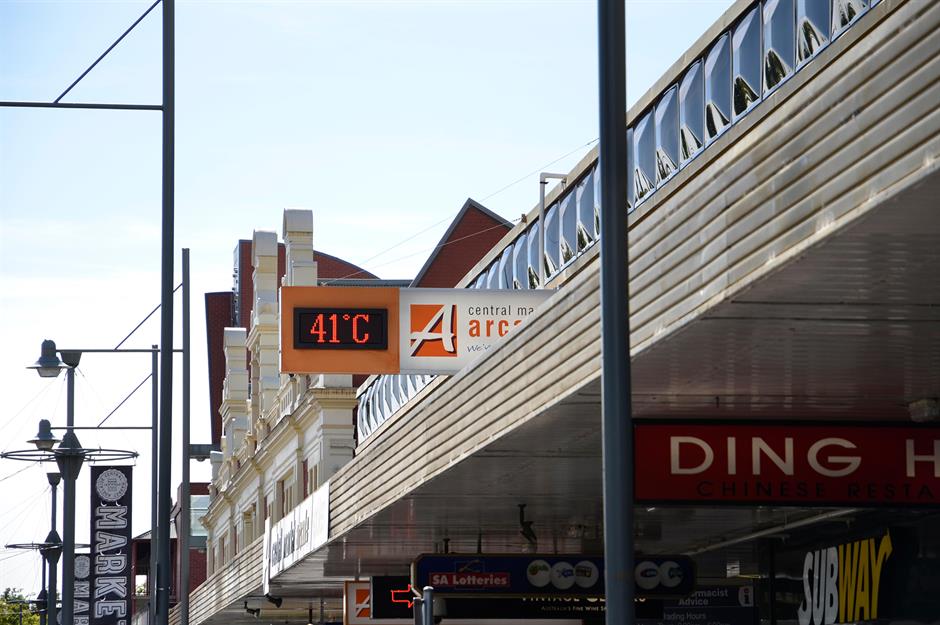
Australians endured their then-hottest summer on record in 2013, when 123 extreme weather records were broken across the country in 90 days. Bushfires affected every state, and in some places temperatures topped 48°C (118°F).
Meteorologists were forced to add two extra colour categories to Australia's weather prediction maps as the heat rose, while the entire country averaged over 39°C (102.2°F) for seven consecutive days. For the first time, government advisors linked the heatwave – nicknamed 'Angry Summer' – to climate change.
2015: India & Pakistan
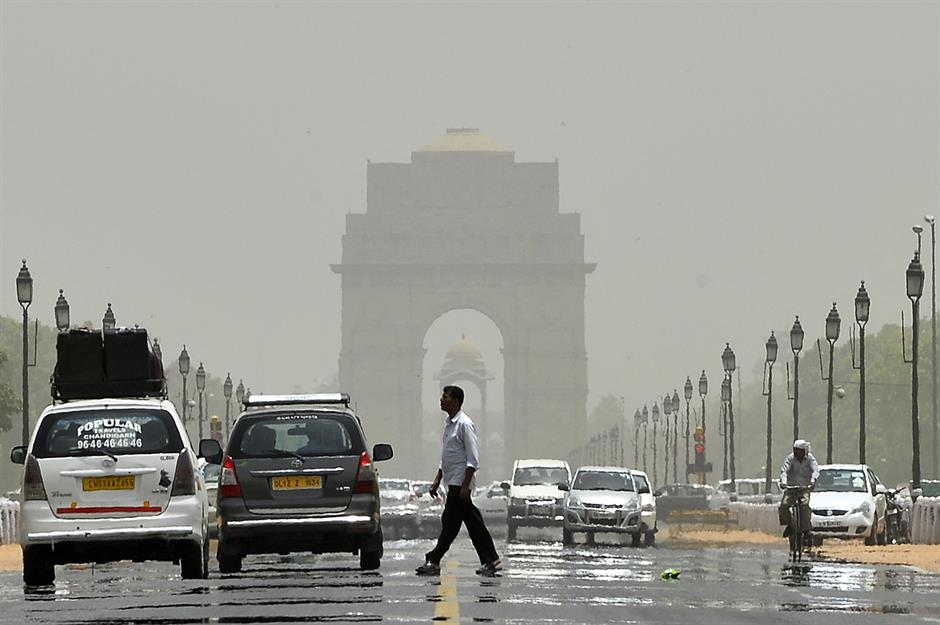
In the summer of 2015, unusual winds caused a 'heat bomb' to sweep over India, and the country was hit with intense temperatures of up to 48°C (118°F). The blistering heat could cause severe heatstroke from even a few minutes outside and led to roads melting in India’s capital, New Delhi.
The high temperatures are thought to have caused at least 2,300 deaths and only subsided when monsoon rains finally cooled the country. The heatwave was similarly severe in southern Pakistan, killing an additional 1,100 people.
Sponsored Content
2016: Middle East
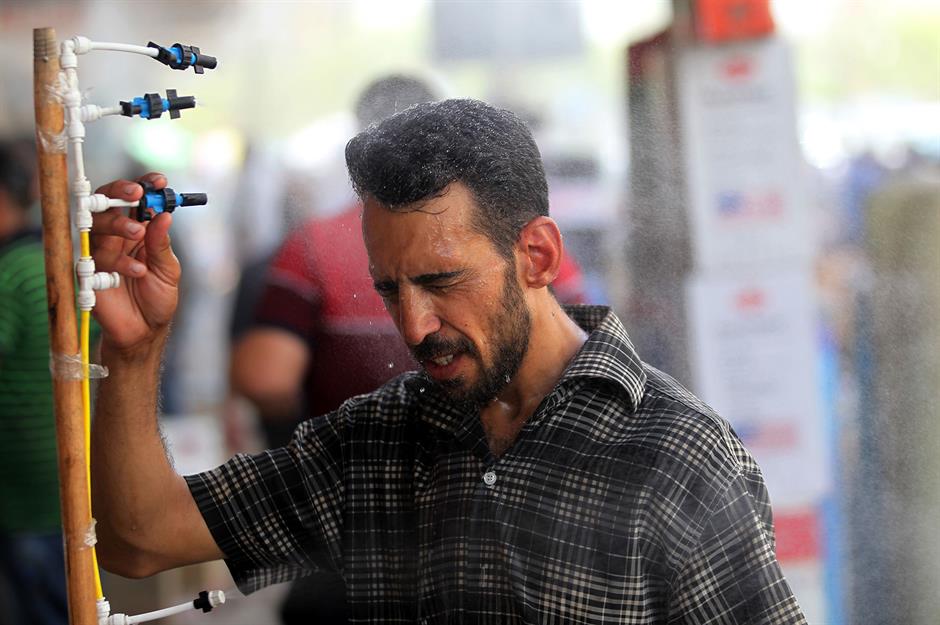
A major heatwave gripped most of the Middle East in one of the hottest summers on record in 2016. Temperatures over 53°C (127°F) hit Iraq, causing water and electricity shortages in refugee camps at Habbaniya and Amiriyat al-Fallujah. The highest temperature was recorded in Mitribah in Kuwait, where readings claimed an excruciating heat of 54°C (129.2°F) – possibly a record for the Middle East and Asia.
2016: India
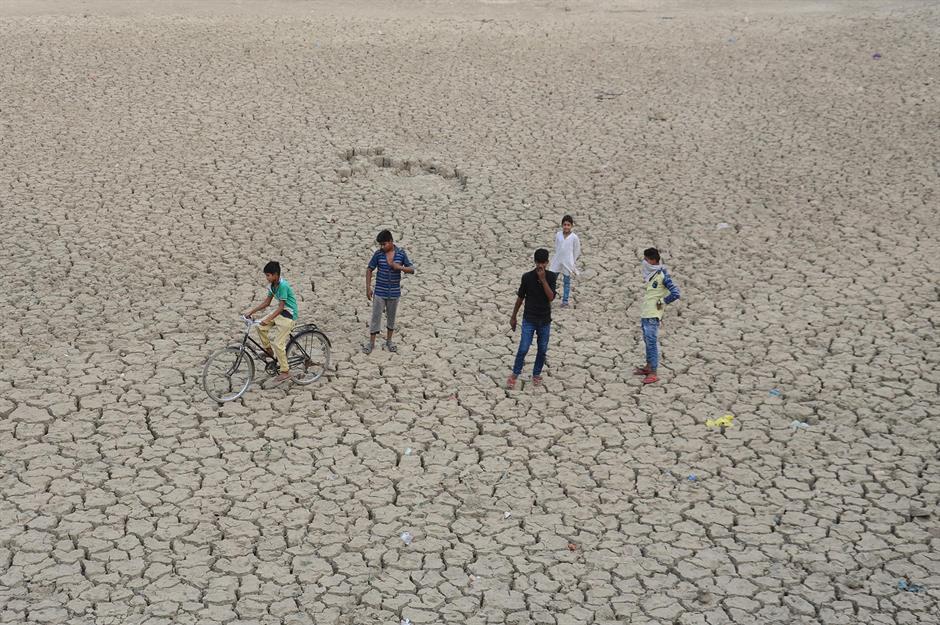
Longstanding records were shattered when a heatwave hit India in 2016, bringing temperatures of over 50°C (122°F) in several places, and an all-time Indian high temperature of 51°C (124°F) in Rajasthan.
The previous record was 50.6°C (123°F), also set in Rajasthan in 1956. A 'severe heatwave' warning was issued for large parts of the north, and some areas banned daytime cooking to prevent fires. Several hundred people are thought to have died.
2017: Arizona, Nevada & California, USA
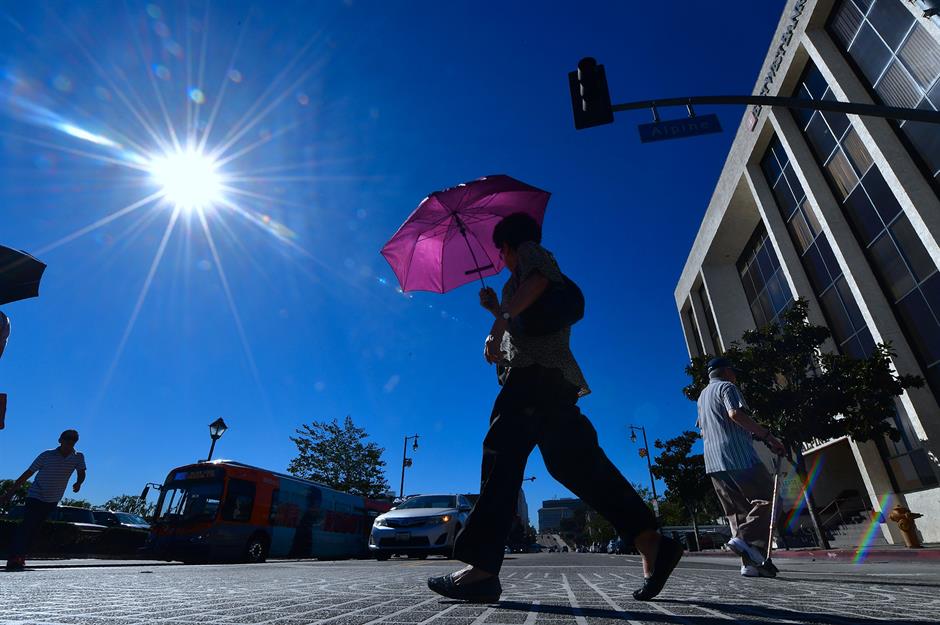
Reports of buckling roads, people driving wearing oven gloves and even cacti wilting accompanied a brutal heatwave in America's southwest in the summer of 2017. The deadly heatwave saw Needles in California tie its all-time record temperature of 51.6°C (125°F).
Arizona state capital Phoenix topped 48°C (119°F), barely a degree off its record high. More than 40 flights were grounded across the region, and a PetSmart store in Tempe, Arizona handed out free booties for dogs to prevent them burning their paws on the blisteringly hot pavements.
Sponsored Content
2019: Australia
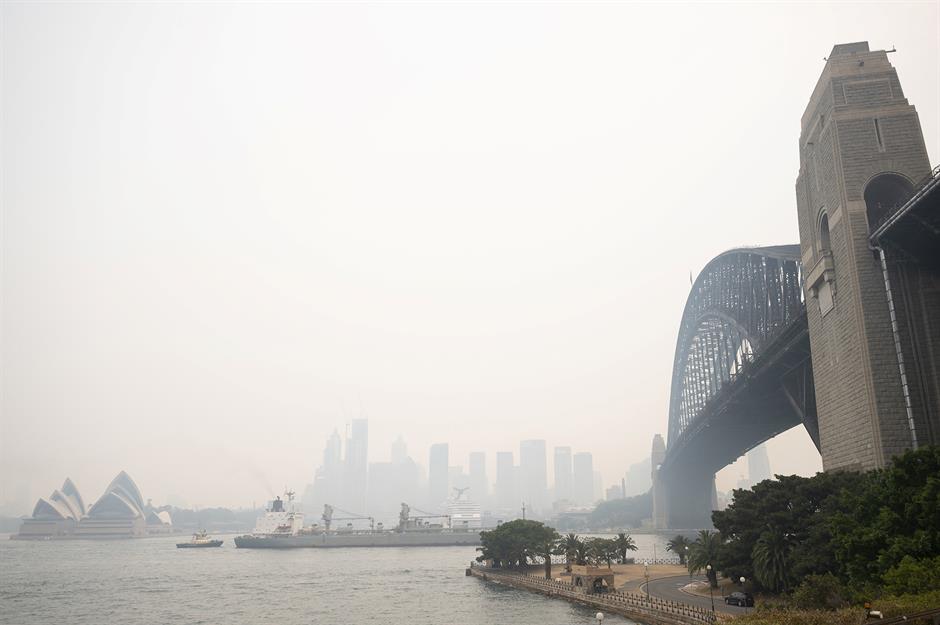
Australia experienced one of its hottest days on record in December 2019, with an average peak temperature across the country reaching 41.9°C (107.4°F). The Bureau of Meteorology warned of an unprecedented bushfire season.
Its prediction came true, with the 2019/20 season nicknamed 'Black Summer'. Fires burned an estimated 60 million acres of land, killing or displacing around three billion koalas, kangaroos and other animals.
2021: Canada
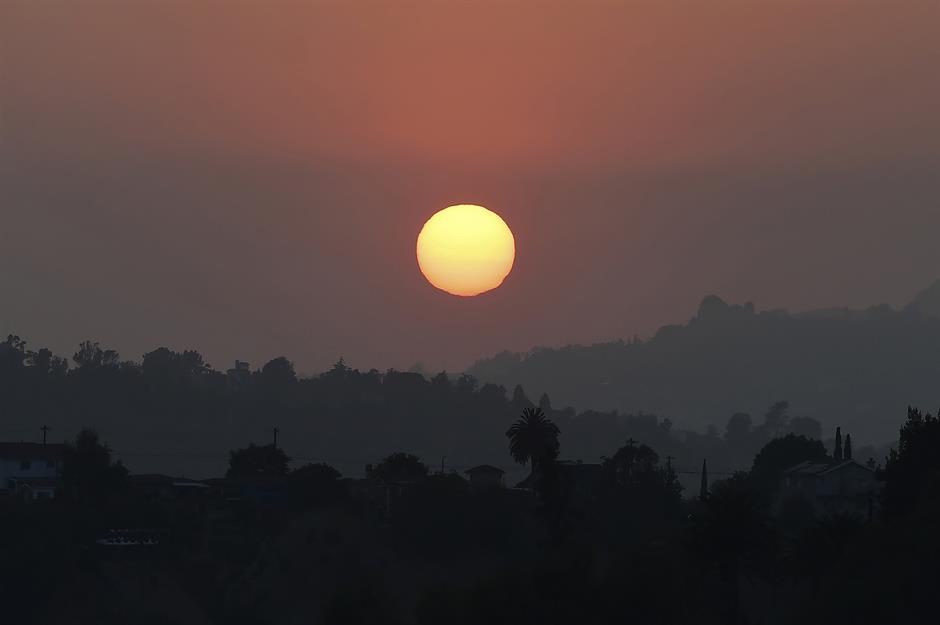
Western Canada's 2021 heatwave was one of the deadliest weather events in the country’s history. From 25 June to 1 July, the provinces recorded 103 all-time heat records, including in the British Columbia town of Lytton, which notched temperatures of 49.6°C (121.3°F).
The following day, the entire town burned in a wildfire. In British Columbia, the coroner's service confirmed 619 heat-related deaths because of the event, which scientists say was a direct result of climate change.
2021: Siberia, Russia

Intense heat hit parts of northeast Russia in the summer of 2021, where the temperature in the Siberian city of Yakutsk reached a record-breaking 38.9°C (102°F), closing airports and roads and prompting evacuations. Usually, the temperature ranges between a breath-freezing -42°C (-44°F) and a balmy 25°C (77°F).
The heat triggered the driest summer in 150 years, which led to the worst forest fire season Siberia has endured in modern history. Nearly 45 million acres of woodland burned to the ground.
Sponsored Content
2022: South America

One of the worst years on record for heatwaves, 2022 began with unprecedented heat in South America, with temperatures above 40°C (104°F). Argentina, Uruguay, Paraguay and southern Brazil experienced up to 45°C (113°F).
Argentinian farmers had already suffered significant crop losses with a deep drought the previous year, and the heatwave compounded their problems. A 2022 study in Planetary Health found that an increase of 1°C (1.8°F) in extreme temperatures could lead to nearly one million deaths in Latin America.
2022: Japan
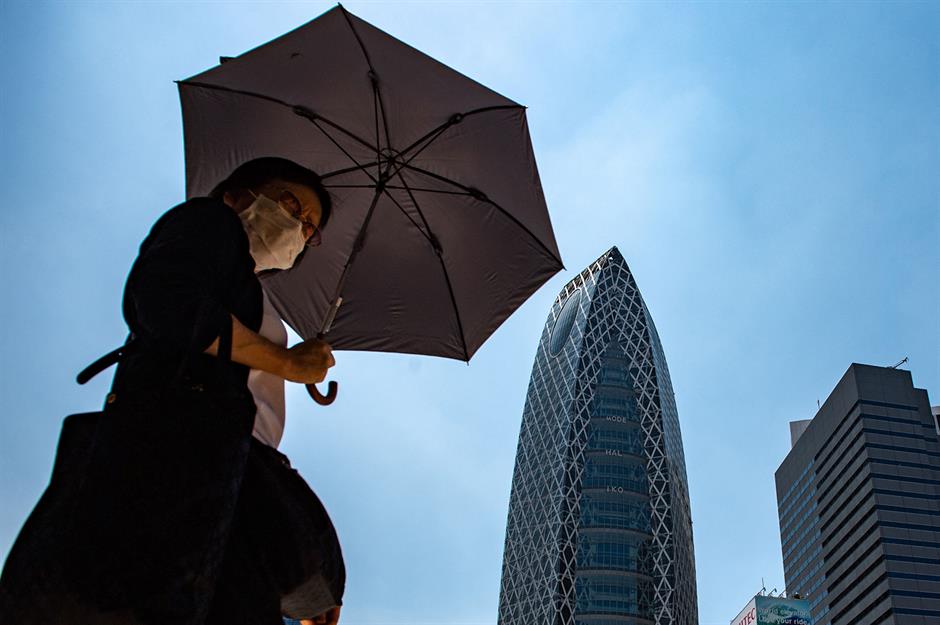
For five days straight, Tokyo dealt with temperatures above 35°C (95°F), as a sweltering heatwave rippled across Japan in June 2022. Neighbouring Isesaki saw a temperature of 40.2°C (104.3°F) – the highest June temperature Japan has ever seen.
The heatwave was declared the worst in the country since records began in 1875. Thousands of people sought medical help due to heatstroke and exhaustion. The heat also brought an abrupt end to Japan's rainy season 22 days earlier than normal.
2022: UK
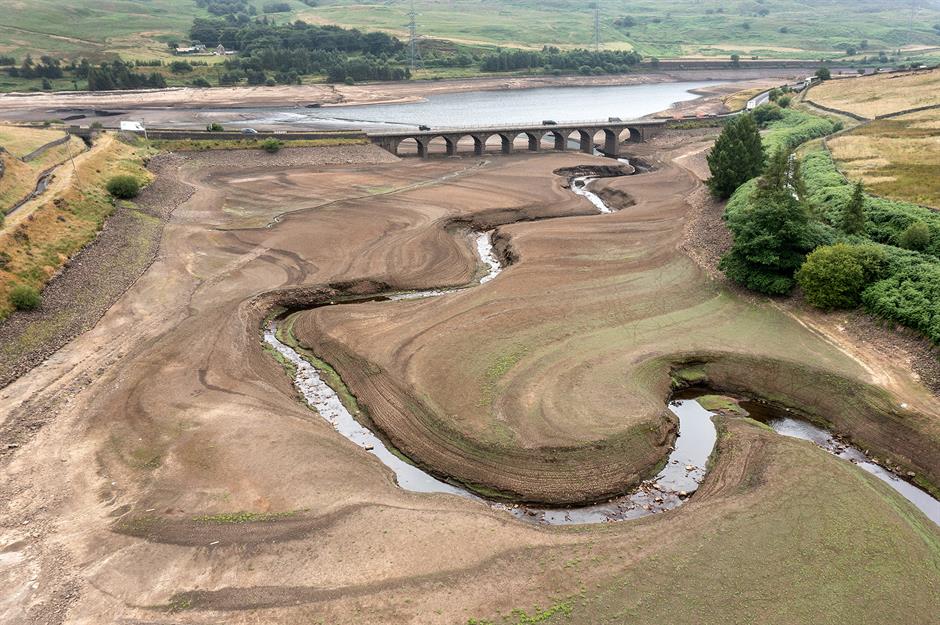
The UK Met Office issued its first ever red extreme heat warning as temperatures exceeded 35°C (95°F) in July 2022. The UK's all-time hottest day was on 19 July, when 40.3°C (104.5°F) was recorded in Coningsby, Lincolnshire. The rest of England saw highs of 38°C (100°F).
Public transport was suspended, schools closed and people were warned to stay indoors. The heat caused extensive wildfires, and the London Fire Brigade had its busiest day since World War II. London's Hammersmith Bridge was even wrapped in foil to stop it overheating.
Sponsored Content
2022: Europe

Monitoring firm Copernicus revealed that June, July and August 2022 were Europe's hottest on record. August temperatures were the highest in history "by a substantial margin", while it was the third-hottest August globally since records began.
During the month, nearly two thirds of EU land was under drought warning, affecting harvests, energy production, water availability and food and energy prices. Italy's River Po experienced its worst drought in 70 years.
2023: Southeast Asia
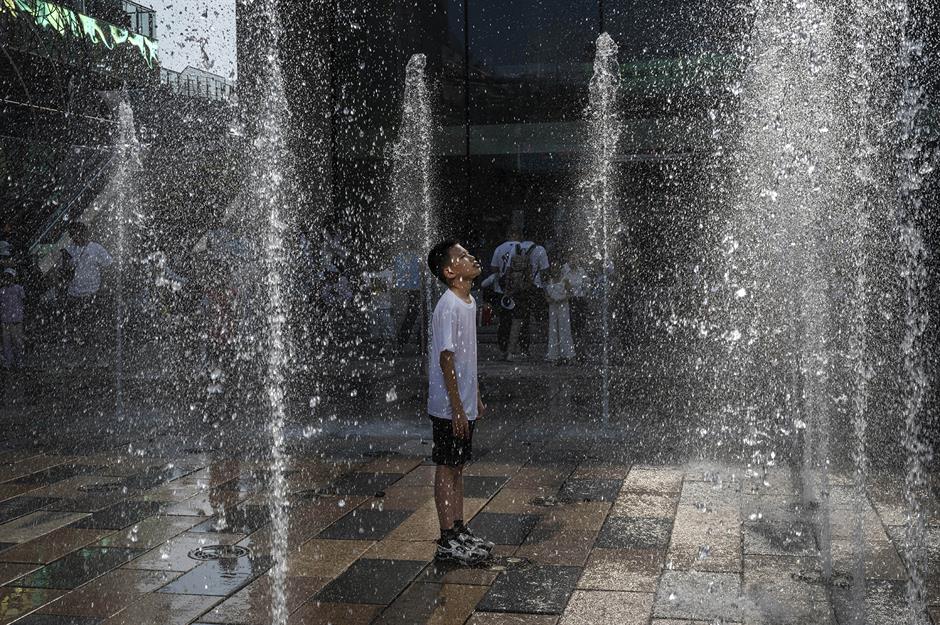
Records were broken across Southeast Asia in 2023 as the region suffered one of its worst-ever heatwaves, said to be a 'once-in-200-years' event. On the weekend of 8 May, temperatures hit a national record-breaking 44.2°C (111.6°F) in the northern district of Tuong Duong in Vietnam, while in Bangkok the thermometer ticked up to 41°C (105.8°F), another record.
Even typically cooler Laos was affected, with 43.5°C (110.3°F) registered in Luang Prabang, the highest reliably recorded temperature in the country's history.
2023: Arizona & Texas, USA
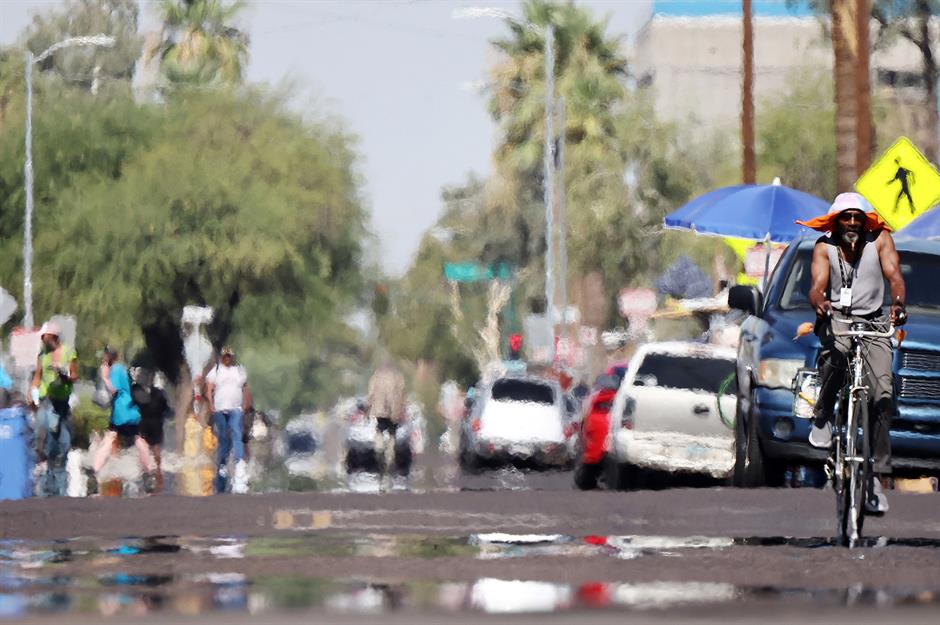
Texas and much of the American southwest spent most of June 2023 under a ‘heat dome’, which brought weeks of excruciating temperatures. More than 5,000 heat records were broken or tied in the region in just 30 days.
In Corpus Christi, Texas, the mercury reached 51°C (125°F) on multiple days, while Phoenix, Arizona was hit with 31 consecutive days of temperatures exceeding 43°C (110°F). The extreme heat saw pavements in the city hit a staggering 82°C (180°F), with hundreds of people treated for second and third-degree burns.
Sponsored Content
2023: Southern Europe

Nearly a month of blistering heat affected southern Europe in the summer of 2023. A historic heatwave, named ‘Cerberus’ after the three-headed monster from Greek mythology, roasted countries including Spain, France, Croatia, Greece and Turkey.
In July, the land temperature in Spain's Extremadura region hit 60°C (140°F), while in Italy a red alert warning was issued for 10 cities as temperatures hit 48.8°C (119.8°F). The heatwave helped make 6 July officially the planet’s hottest day since records began – this was broken in July 2024.
2023: South America
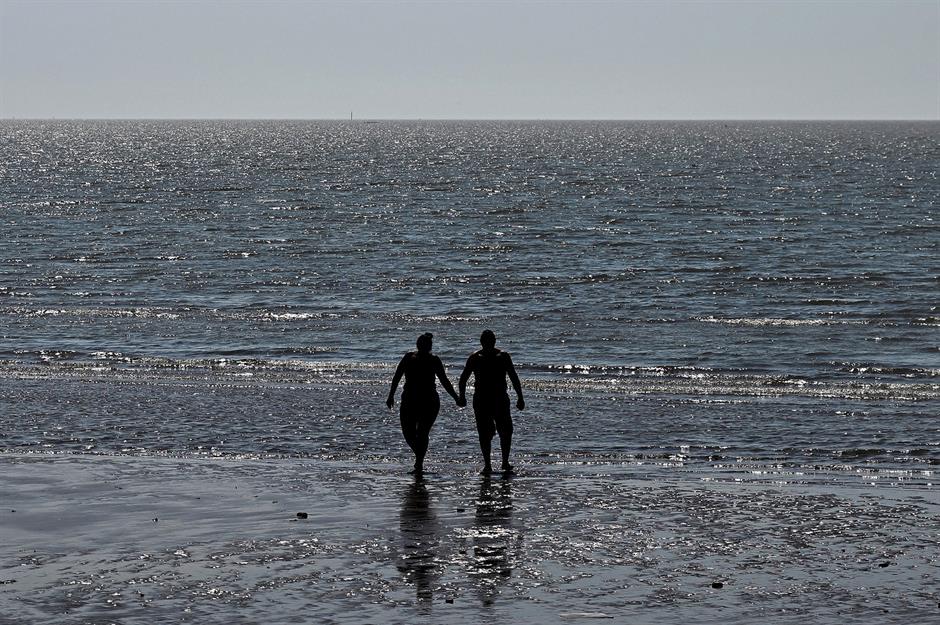
An unseasonal heatwave swept across South America in August 2023, at a time when the continent should have been experiencing midwinter temperatures. It fuelled suggestions that winter is disappearing in the southern hemisphere.
Buenos Aires recorded its hottest 1 August in 117 years, and northern regions reported temperatures of up to 39°C (102°F). The heat was even more unbearable in Chile, where the heatwave neared the 40°C (104°F) mark.
2024: The Sahel and West Africa

The Sahel and West Africa experienced temperatures in excess of 45°C (113°F) across consecutive days during May and April 2024. The highest recorded temperature was 48.5°C (119.3°F) in Mali. Meanwhile, overnight lows in Burkina Faso remained at around 32°C (87°F).
While numbers of fatalities were not confirmed, one hospital in Bamako, Mali reported 102 deaths over four days, far higher than expected. The impacts of the heatwave were compounded by widespread power cuts.
Sponsored Content
2024: South Asia
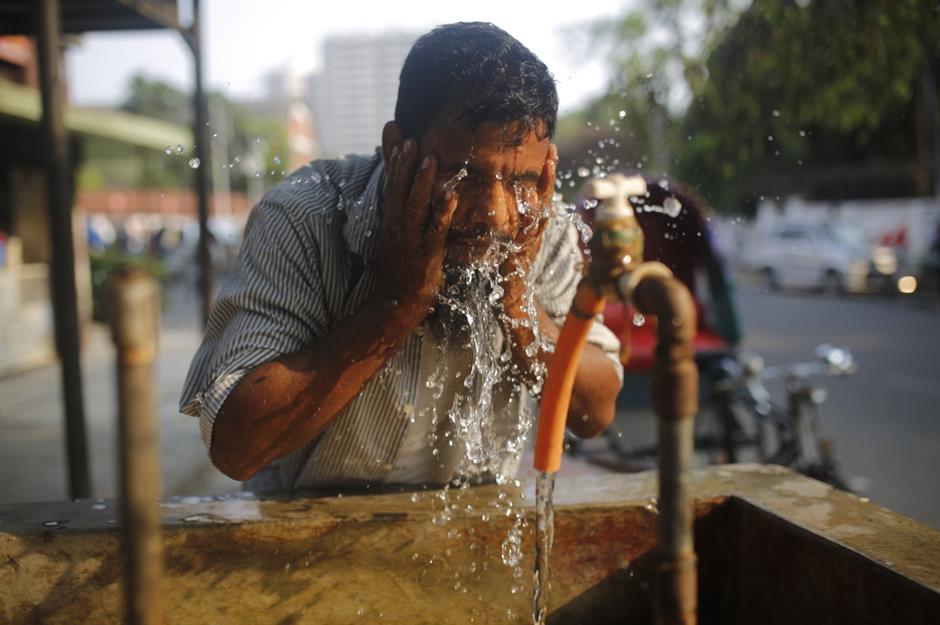
March to May 2024 saw heatwaves impact countries across South Asia. India suffered roughly 54 days of heatwaves, its longest period of extreme heat in nearly 75 years, with temperatures reaching a record 50.5°C (123°F) in Rajasthan.
Bangladesh suffered 37 days of heatwaves, its longest ever period of extreme heat, with Dhaka recording temperatures of at least 40°C (104°F) for three weeks. Meanwhile, heatwaves in Pakistan led to 568 deaths, with temperatures in Karachi reaching 47.2°C (104°F) in June.
2024: Europe

The northern hemisphere experienced its hottest summer on record in 2024, according to the US National Oceanic and Atmospheric Administration. June saw more than 60% of the world’s population experience extreme heat.
European countries sweltered through higher-than-average temperatures. In Italy and Bulgaria, the mercury reached 40°C (104°F), while in Crete, it inched up to 44.5°C (112°F). The extreme heat caused fatalities, electricity outages, wildfires and water shortages.
Now discover the most shocking weather event from every US state